March 25, 2019

Good morning everyone! In today’s microbiome digest, we have multiple research and review articles about the role of microbiome in various diseases including neurodevelopmental, biliary Cholangitis, obesity-associated CRC, bariatric surgery, atopic dermatitis, schizophrenia, respiratory tract infection and autoimmunity, and an independent section on Fecal Microbiota Transplantation. Enjoy reading.

General microbiome

Talking about a microbiome revolution – John F. Cryn – Nature Microbiology

Review: Crosstalk between neutrophils and the microbiota – Dachuan Zhang – Blood

 Gut microbiome

Alteration of gut microbiota by a westernized lifestyle and its correlation with insulin resistance in non‐diabetic Japanese men – Mami Yamashita – Journal of Diabetes Investigation

Association of the Infant Gut Microbiome With Early Childhood Neurodevelopmental Outcomes – Joanne E. Sordillo – JAMA Netw Open

Comprehensive Analysis of Serum and Fecal Bile Acid Profiles and Interaction with Gut Microbiota in Primary Biliary Cholangitis – Weihua Chen – Clinical Reviews in Allergy & Immunology

Gut microbiome meta-analysis reveals dysbiosis is independent of body mass index in predicting risk of obesity-associated CRC – K Leigh Greathouse – BMJ Open Gastroenterology

Gut microbiota specific signatures are related to the successful rate of bariatric surgery – Gutiérrez-Repiso C – American Journal of Transplantation Research

Differences in Systemic IgA Reactivity and Circulating Th Subsets in Healthy Volunteers With Specific Microbiota Enterotypes – Christina Grosserichter-Wagener – Frontiers in Immunology

Gut microbiota profile in children affected by atopic dermatitis and evaluation of intestinal persistence of a probiotic mixture – Sofia Reddel – Scientific Reports

Prebiotic effect of predigested mango peel on gut microbiota assessed in a dynamic in vitromodel of the human colon (TIM-2) – Sonia G. Sáyago-Ayerdi – Food Research International

Review: The gut microbiota promotes the pathogenesis of schizophrenia via multiple pathways – Xiuxia Yuan – Biochemical and Biophysical Research Communications

Evidence for an association of gut microbial Clostridia with brain functional connectivity and gastrointestinal sensorimotor function in patients with irritable bowel syndrome, based on tripartite network analysis – Jennifer S. Labus – Microbiome

A multi-omic cohort as a reference point for promoting a healthy human gut microbiome – Zhuye Jie – bioRxiv

Human respiratory microbiome

The microbiological characteristics of lower respiratory tract infection in patients with neuromuscular disorders: An investigation based on a multiplex polymerase chain reaction to detect viruses and a clone library analysis of the bacterial 16S rRNA gene sequence in sputum samples – Masato Ogawa – Journal of Microbiology, Immunology and Infection

Vaginal micorbiome

Cervicovaginal microbiota and local immune response modulate the risk of spontaneous preterm delivery – Michal A. Elovitz – Nature Communications

Animal microbiome / Animal experiments

Autoimmunity-Associated Gut Commensals Modulate Gut Permeability and Immunity in Humanized Mice – Baskar Balakrishnan – Military Medicine

Microbe and host interaction in gastrointestinal homeostasis – Rachael Horne – Psychopharmacology

Broiler gut microbiota and expressions of gut barrier genes affected by cereal type and phytogenic inclusion – VasileiosParaskeuas – Animal Nutrition

Manipulation of gut microbiota blunts the ventilatory response to hypercapnia in adult rats – Karen M. O’Connor – EbioMedicine

Beneficial Effects of Potentilla discolor Bunge Water Extract on Inflammatory Cytokines Release and Gut Microbiota in High-Fat Diet and Streptozotocin-Induced Type 2 Diabetic Mice – Lihua Han – Nutrients

Effects of gut-derived endotoxin on anxiety-like and repetitive behaviors in male and female mice – Christopher T. Fields – Biology of Sex Differences

Fecal Microbiota Transplantation

Recent Research on Fecal Microbiota Transplantation in Inflammatory Bowel Disease Patients – Monika Fischer – Gastroenterology and Hepatology

Assessing the viability of transplanted gut microbiota by sequential tagging with D-amino acid-based metabolic probes – Wei Wang – Nature Communications

Do we really understand how faecal microbiota transplantation works? Authors’ reply – Lito E. Papanicolas – EbioMeidicine

Water and extremophile microbiome

Mobile antibiotic resistome in wastewater treatment plants revealed by Nanopore metagenomic sequencing – You Che – Microbiome

Evolution of microbial community and drug resistance during enrichment of tetracycline-degrading bacteria – Qiang Wang – Ecotoxicology and Environmental Safety

Bioinformatics

A generic multivariate framework for the integration of microbiome longitudinal studies with other data types – Antoine Bodein – bioRxiv

March 18, 2019

Good morning everyone! In today’s microbiome digest, we have a limited number of articles including reviews, studies and meeting report about the role of microbiome in various health and disease including Atopic Dermatitis, microbiome as a therapeutic target. And many more. Enjoy reading.

General microbiome

Exploring the impacts of raw materials and environments on the microbiota in Chinese Daqu starter – Hai Du – International Journal of Food Microbiology

Review: Microbiome diurnal rhythmicity and its impact on host physiology and disease risk – Samuel Philip Nobs – EMBO reports

Gut microbiome

Unconjugated and secondary bile acid profiles in response to higher-fat, lower-carbohydrate diet and associated with related gut microbiota: A 6-month randomized controlled-feeding trial – Yi Wan – Clinical Nutrition

Meeting report: Exploring human host–microbiome interactions in health and disease—how to not get lost in translation – Sarah Lebeer – Genome Biology

Interactions between a pathogenic Blastocystissubtype and gut microbiota: in vitro and in vivo studies – John Anthony Yason – Microbiome

Review: Intestinal microbiome as a novel therapeutic target for local and systemic inflammation – KazuhikoUchiyama – Pharmacology & Therapeutics

The Role of Probiotics and Prebiotics in the Prevention and Treatment of ObesityTomás Cerdo – Nutrients

Skin microbiome

Host-microbial Dialogues in Atopic Dermatitis – Tetsuro Kobayashi – International immunology

Animal microbiome / Animal experiments

Effect of different challenge models to induce necrotic enteritis on the growth performance and intestinal microbiota of broiler chickens – C Bortoluzzi – Poultry Science

The Effect of Inulin on Lifespan, Related Gene Expression and Gut Microbiota in InRp5545/TM3 Mutant Drosophila melanogaster: A Preliminary Study – Yuling Dong – Nutrients

Bioinformatics

Streaming histogram sketching for rapid microbiome analytics – Will PM Rowe – Microbiome

Modelling microbiome recovery after antibiotics using a stability landscape framework – Shaw LP – ISME Journal

March 14, 2019

Today’s digest covers interesting reviews on microbiota for immunotherapies, non-digestible carbohydrates for infant microbiota and contribution of marine microbiota in reactive oxygen species; research articles on how gluten sensitivity is affected by duodenal microbiota and how ginger intake affects mouse microbiota.

General microbiome

Review: Mining the microbiota for microbial and metabolite-based immunotherapies – Ashwin N. Skelly – Nature Reviews Immunology

Pregnancy and early life microbiome

Relationship between vitamin D status and the vaginal microbiome during pregnancy – Kimberly K. Jefferson – Journal of Perinatology

Review: Shaping the Infant Microbiome With Non-Digestible Carbohydrates – Stella A. Verkhnyatskaya – Frontiers in Microbiology

Variations in early gut microbiome are associated with childhood eczema – Yu Zhang – FEMS Microbiology Letters

Human gut microbiome

Gut microbiota in HIV–pneumonia patients is related to peripheral CD4 counts, lung microbiota, and in vitro macrophage dysfunction – Meera K. Shenoy – Microbiome

Effects of bowel preparation on the human gut microbiome and metabolome – Naoyoshi Nagata – Scientific Reports

Human colon mucosal biofilms from healthy or colon cancer hosts are carcinogenic – Sarah Tomkovich – The Journal of Clinical Investigation

Animal experiments

Host NLRP6 exacerbates graft-versus-host disease independent of gut microbial composition – Tomomi Toubai – Nature Microbiology

Duodenal bacterial proteolytic activity determines sensitivity to dietary antigen through protease-activated receptor-2 – Alberto Caminero – Nature Communications

The dynamics of the antibiotic resistome in the feces of freshly weaned pigs following therapeutic administration of oxytetracycline – Mahdi Ghanbari – Scientific Reports

Beneficial effects of ginger on prevention of obesity through modulation of gut microbiota in mice – Jing Wang – European Journal of Nutrition

Six‐Week High‐Fat Diet Alters the Gut Microbiome and Promotes Cecal Inflammation, Endotoxin Production, and Simple Steatosis without Obesity in Male Rats – Melisa Crawford – Lipids

Gut microbiome structure and adrenocortical activity in dogs with aggressive and phobic behavioral disorders – Elisabetta Mondo – BioRxiv

The gut microbiota regulates mouse biliary regenerative responses – Wenli Liu – BioRxiv

Plant, root, soil microbiome

Consistent bacterial selection by date palm root system across heterogeneous desert oasis agroecosystems – Maria J. Mosqueira – Scientific Reports

Bacterial fermentation and respiration processes are uncoupled in anoxic permeable sediments – Adam J. Kessler – Nature Microbiology

Effects of graphene oxide and graphite on soil bacterial and fungal diversity – Christian Forstner – BioRxiv

Water microbiome and extremophiles

Review: The microbial contribution to reactive oxygen species dynamics in marine ecosystems – Erik R. Zinser – Environmental Microbiology Reports

Non-microbiology picks

Nano-bot can probe inside human cells – Science Daily

March 1, 2019

Human Microbiome

The human microbiome in health and disease: hype or hope – Gwen Falony – Acta Clinica Belgica

Bottom-Up Approaches to Synthetic Cooperation in Microbial Communities – Daniel Rodríguez Amor – Life

Influence of Crohn’s disease related polymorphisms in innate immune function on ileal microbiome – Ellen Li – PLoS ONE

Interactions between gut microbiota and non-alcoholic liver disease: the role of microbiota-derived metabolites – Kyongbum Lee – Pharmacological Research

Microbial bile salt hydrolases mediate the efficacy of faecal microbiota transplant in the treatment of recurrent Clostridioides difficile infection – Benjamin H Mullish – Gut

Fecal microbiota dynamics and its relation with disease course in Crohn’s disease – Gianluca Galazzo – Journal of Crohn’s and Colitis

Associations Between Gut Microbiota and Alzheimer’s Disease: Current Evidences and Future Therapeutic and Diagnostic Perspectives – Liang Shen – Journal of Alzheimer’s Disease

Western diet regulates immune status and the response to LPS-driven sepsis independent of diet-associated microbiome – Brooke A. Napier – PNAS

The Human Fecal Microbiota Metabolizes Foodborne Heterocyclic Aromatic Amines by Reuterin Conjugation and Further Transformations – Falco Beer – Molecular Nutrition and Food Research

Clinical Review on the Utility of Fecal Microbiota Transplantation in Immunocompromised Patients – Hamzah Abu-Sbeih – Current Gastroenterology Reports

Cellular and Molecular Therapeutic Targets in Inflammatory Bowel Disease-Focusing on Intestinal Barrier Function – Ida Schoultz – Cells

Can Gut Microbiota and Lifestyle Help Us in the Handling of Anorexia Nervosa Patients? – Vanessa Mendez-Figueroa – Microorganisms

Impact of the Gastro-Intestinal Bacterial Microbiome on Helicobacter-Associated Diseases – Maxime Pichon – Healthcare

Influence of short-term changes in dietary sulfur on the relative abundances of intestinal sulfate-reducing bacteria – Allison Dostal Webster – Gut Microbes

Fecal microbiota transplantation research output from 2004 to 2017: a bibliometric analysis – Yan Li – PeerJ

Conjunctival microbiome changes associated with fungal keratitis: metagenomic analysis – C. Ge – International Journal of Ophthalmology

Gut Microbiota and Chronic Constipation: A Review and Update – Toshifumi Ohkusa – Frontiers in Medicine

An altered fecal microbiota profile in patients with non-alcoholic fatty liver disease (NAFLD) associated with obesity – E. Nistal – The Spanish Journal of Gastroenterology

Paternal Programming of Liver Function and Lipid Profile Induced by a Paternal Pre-Conceptional Unhealthy Diet: Potential Association with Altered Gut Microbiome Composition – X. Zhang – Kidney and Blood Pressure Research

Tryptophan Metabolism and Related Pathways in Psychoneuroimmunology: The Impact of Nutrition and Lifestyle – J. M. Gostner – Neuropsychobiology

The Impact of Starvation on the Microbiome and Gut-Brain Interaction in Anorexia Nervosa – Jochen Seitz – Frontiers in Endocrinology

Sperm Microbiota and Its Impact on Semen Parameters – David Baud – Frontiers in Microbiology

A review of 10 years of human microbiome research activities at the US National Institutes of Health, Fiscal Years 2007-2016 – NIH Human Microbiome Portfolio Analysis Team – Microbiome


Microbiome and Cancer

Impact of chemotherapy on the association between fear of cancer recurrence and the gut microbiota in breast cancer survivors – Ryo Okubo – Brain, Behavior, and Immunity

Bugs, drugs, and cancer: can the microbiome be a potential therapeutic target for cancer management? – Biying Chen – Drug Discovery Today


Early Childhood Microbiome

Crosstalk Between the Microbiome and Gestational Immunity in Autism-Related Disorders – Matt J. Paysour – DNA and Cell Biology

Cohort profile: The LoewenKIDS Study – life-course perspective on infections, the microbiome and the development of the immune system in early childhood – Cornelia Gottschick – International Journal of Epidemiology

Environmental toxicants in breast milk of Norwegian mothers and gut bacteria composition and metabolites in their infants at 1 month – Nina Iszatt – Microbiome


Animal Microbiome

Convergence, constraint and the potential for mutualism between ants and gut microbes – Elizabeth G. Pringle – Molecular Ecology

Germ-Free Mice Exhibit Mast Cells With Impaired Functionality and Gut Homing and Do Not Develop Food Allergy – Martin Schwarzer – Frontiers in Immunology

Fto Deficiency Reduces Anxiety- and Depression-Like Behaviors in Mice via Alterations in Gut Microbiota – Lijuan Sun – Theranostics


Beneficial Bugs, Foods and Compounds

Re-purposing is needed for beneficial bugs, not for the drugs – Hari Ram – International Microbiology

Probiotic mixture of Lactobacillus helveticus R0052 and Bifidobacterium longum R0175 attenuates hippocampal apoptosis induced by lipopolysaccharide in rats – Ghazaleh Mohammadi – International Microbiology

The Use of Probiotic Therapy to Modulate the Gut Microbiota and Dendritic Cell Responses in Inflammatory Bowel Diseases – Pablo Alagón Fernández del Campo – Medical Sciences

Dietary fibers as emerging nutritional factors against diabetes: focus on the involvement of gut microbiota – Vemana Gowd – Critical Reviews in Biotechnology

Gut microbiota, a new frontier to understand traditional Chinese medicines – Wuwen Feng – Pharmacological Research

Fructooligosaccharides Ameliorating Cognitive Deficits and Neurodegeneration in APP/PS1 Transgenic Mice through Modulating Gut Microbiota – Jing Sun – Journal of Agricultural and Food Chemistry

Short-chain fatty acid delivery: assessing exogenous administration of the microbiome metabolite acetate in mice – Tyler B. Shubitowski – Physiological Reports

Dietary intake of whole strawberry inhibited colonic inflammation in dextran sulfate sodium-treated mice via restoring immune homeostasis and alleviating gut microbiota dysbiosis – Yanhui Han – Journal of Agricultural and Food Chemistry

Ganoderma lucidum polysaccharide improves rat DSS-induced colitis by altering cecal microbiota and gene expression of colonic epithelial cells – Jinli Xie –  Food & Nutrition Research

In Vitro Infant Faecal Fermentation of Low Viscosity Barley β-Glucan and Its Acid Hydrolyzed Derivatives: Evaluation of Their Potential as Novel Prebiotics – Ka-Lung Lam – Molecules

Role of intestinal microecology in the regulation of energy metabolism by dietary polyphenols and their metabolites – Shaoling Lin – Food & Nutrition Research

Neuroprotection of Fasting Mimicking Diet on MPTP-Induced Parkinson’s Disease Mice via Gut Microbiota and Metabolites – Zhi-Lan Zhou – Neurotherapeutics

Refined versus Extra Virgin Olive Oil High-Fat Diet Impact on Intestinal Microbiota of Mice and Its Relation to Different Physiological Variables – Nieves Martínez – Microorganisms

Engineered and wild-type L. lactis promote anti-inflammatory cytokine signalling in inflammatory bowel disease patient’s mucosa – Saša Simčič – World Journal of Microbiology and Biotechnology

Sialyllactose and Galactooligosaccharides Promote Epithelial Barrier Functioning and Distinctly Modulate Microbiota Composition and Short Chain Fatty Acid Production In Vitro – Olaf Perdijk – Frontiers in Immunology


Built Environments

Man-made microbial resistances in built environments – Alexander Mahnert – Nature Communications

House dust microbiome and human health risks – Yifan Shan – International Microbiology

Microbiomes of China’s Space Station During Assembly, Integration, and Test Operations – Ying Zhang – Microbial Ecology


Environmental and Plant Microbiome

Microbiota dispersion in the Uyuni salt flat (Bolivia) as determined by community structure analyses – Cesar A. Pérez-Fernández – International Microbiology

Protist communities are more sensitive to nitrogen fertilization than other microorganisms in diverse agricultural soils – Zhi-Bo Zhao – Microbiome

The deep continental subsurface: the dark biosphere – Cristina Escudero – International Microbiology


Bioinformatics

Batch effects correction for microbiome data with Dirichlet-multinomial regression – Zhenwei Dai – Bioinformatics

Microbiota profiling with long amplicons using Nanopore sequencing: full-length 16S rRNA gene and whole rrn operon – Anna Cuscó – F1000Research


Methods

Guanidine thiocyanate solution facilitates sample collection for plant rhizosphere microbiome analysis – Xiaoxiao Sun – PeerJ

In Vitro Methods to Study Colon Release: State of the Art and An Outlook on New Strategies for Better In-Vitro Biorelevant Release Media – Marie Wahlgren – Pharmaceutics


February 27, 2019

Today’s short digest covers articles on bacterial interaction with intestinal cells, semen microbiome and how microbiota affects insulin reactive immune cells.

General microbiome

The founder hypothesis: A basis for microbiota resistance, diversity in taxa carriage, and colonization resistance against pathogens – Yael Litvak -Plos Pathogens

Review : Impact of the gut microbiome on the genome and epigenome of colon epithelial cells: contributions to colorectal cancer development – Jawara Allen – Genome Medicine

Paneth cell granule dynamics on secretory responses to bacterial stimuli in enteroids – Yuki Yokoi – Scientific Reports

Human gut microbiome

Altered immunity and microbial dysbiosis in aged individuals with long-term controlled HIV infection – Nicholas S. Rhoades – Frontiers in Immunology

Bacterial viability in faecal transplants: Which bacteria survive? – Lito E. Papanicolas – EbioMedicine

Semen Microbiome Biogeography: An Analysis Based on a Chinese Population Study – Zhanshan Ma – Frontiers in Microbiology

Animal experiments

The effects of unfermented and fermented cow and sheep milk on the gut microbiota – Elizabeth Rettedal – Frontiers in Microbiology

Altered Gut Microbiota Activate and Expand Insulin B15-23-Reactive CD8+ T-Cells – James A. Pearson – Diabetes

Lactobacillus plantarum PFM 105 Promotes Intestinal Development Through Modulation of Gut Microbiota in Weaning Piglets – Tianwei Wang – Frontiers in Microbiology

Water microbiome and extremophiles

Microbial residence time is a controlling parameter of the taxonomic composition and functional profile of microbial communities – Cresten Mansfeldt – ISME Journal

Microbial community structure and functionality in the deep sea floor: evaluating the causes of spatial heterogeneity in a submarine canyon system (NW Mediterranean, Spain) – Sara Román – Frontiers in Marine Science

Non-microbiology picks

Dual AAV-mediated gene therapy restores hearing in a DFNB9 mouse model – Omar Akil – PNAS


February 18, 2019

Good morning everyone, the focus of today’s digest is the gut microbiome specifically their association with liver disease, obesity, diabetes, allergic asthma, autism, and multiple sclerosis, and a method for alignment-free metagenomic binning. Enjoy reading.

General microbiome

Review: The role of the microbiome in immunologic development and its implication for pancreatic cancer immunotherapy – Vrishketan Sethi – Gastroenterology

Gut microbiome

Review: Gut microbiota in liver disease: Too much is harmful, nothing at all is not helpful eitherPhillipp Hartmann – American Journal of Physiology Gastrointestinal and Liver Physiology

Metabolic improvement in obese patients after duodenal–jejunal exclusion is associated with intestinal microbiota composition changes – C. de Jonge – International Journal of Obesity

Does birth mode modify associations of maternal pre-pregnancy BMI and gestational weight gain with the infant gut microbiome? – Sirtaj B. Singh – International Journal of Obesity

Reduced Akkermansia muciniphila and Faecalibacterium prausnitzii levels in the gut microbiota of children with allergic asthma – M. Demirci – Allergologia et Immunopathologia

Autism Spectrum Disorder (ASD) with and without Mental Regression Is Associated with Changes in the Fecal Microbiota – Julio Plaza-Díaz – Nutrients

Dietary supplementation with strawberry induces marked changes in the composition and functional potential of the gut microbiome in diabetic mice – Chrissa Petersen – The Journal of Nutritional Biochemistry

Viewpoint: Gut microbes and depression: Still waiting for Godot – Timothy G. Dinan – Brain, Behavior, and Immunity

Gut microbiota-dependent CCR9+CD4+ T cells are altered in secondary progressive multiple sclerosis – Atsushi Kadowaki – Brain

Potential biomarkers to predict outcome of faecal microbiota transfer for recurrent Clostridioides difficileinfection – Fedja Farowski – Digestive and Liver Disease

Animal microbiome

Rare gut microbiota associated with breeding success, hormone metabolites and ovarian cycle phase in the critically endangered eastern black rhino – Rachel E. Antis – Microbiome

Animal experiments

High dietary fat intake induces a microbiota signature that promotes food allergy – Maryam Hussain – Journal of Allergy and Clinical Immunology

The Alternate Consumption of Quercetin and Alliin in the Traditional Asian Diet Reshaped Microbiota and Altered Gene Expression of Colonic Epithelial Cells in Rats – Juntong Yu – Health, Nutrition, and Food

Obesogenic diet in aging mice disrupts gut microbe composition and alters neutrophil:lymphocyte ratio, leading to inflamed milieu in acute heart failure – Vasundhara Kain – FASEB JOURNAL

Effects of protease and phytase supplements on small intestinal microbiota and amino acid digestibility in broiler chickens – D Borda-Molina – Poultry Science

Serotonin Transporter Deficiency is Associated with Dysbiosis and Changes in Metabolic Function of the Mouse Intestinal Microbiome – Megha Singhal – Scientific Reports

Bioinformatics

A signal processing method for alignment-free metagenomic binning: multi-resolution genomic binary patterns –  Samaneh Kouchaki – Scientific Reports

Microbes in News

A defined set of 11 bacterial strains from the human gut can protect against infection and target cancer in mice

February 14, 2019

If you are feeling butterflies in your stomach today, it might not be a gut microbiome imbalance – you might’ve caught the love bug! Happy Valentines Day!  Today’s digest features some human gut/FMT studies, a few animal gut biome studies and a couple probiotic publications.  Enjoy!

General microbiome

The next step towards anticancer microbiota therapeutics – Ursula Hofer – Nature Reviews [letter]

Expanding diversity of the human microbiome – Andrea Du Toit – Nature Reviews [in brief]

FMT in the clinic – Ashley York – Nature Reviews [research highlight]

Human respiratory microbiome

Nasopharyngeal Microbiota in Children With Invasive Pneumococcal Disease: Identification of Bacteria With Potential Disease-Promoting and Protective Effects – Anny Camelo-Castillo – Frontiers in Microbiology

Human gut microbiome

Correction: 16S rRNA gene sequencing and healthy reference ranges for 28 clinically relevant microbial taxa from the human gut microbiome – Daniel E. Almonacid – PLoS One

[pre -print] The Human Nickel Microbiome and its relationship to Allergy and Overweight in Women – Elena Angela Lusi – bioRxiv

The Relationship between Platelet Count and Host Gut Microbiota: A Population-Based Retrospective Cross-Sectional Study – Hee-Yong Yoon – Journal of Clinical Medicine

Data-driven multiple-level analysis of gut-microbiome-immune-joint interactions in rheumatoid arthritis – QuanQiu Wang – BMC Genomics

Metaproteomics reveals persistent and phylum-redundant metabolic functional stability in adult human gut microbiomes of Crohn’s remission patients despite temporal variations in microbial taxa, genomes, and proteomes – J. Alfredo Blakeley-Ruiz – BMC Microbiome

Role of the Gut Microbiome in Autism Spectrum Disorders – Joby Pulikkan – Reviews on Biomarker Studies in Psychiatric and Neurodegenerative Disorders

Faecal microbiota transplantation in Australia: bogged down in regulatory uncertainty – Samuel P. Costello – Internal Medicine Journal

Animal experiments

Characterization of oral microbiota in marmosets: Feasibility of using the marmoset as a human oral disease model – Sachiko Takehara – PLoS One

The Effect of Multispecies Probiotic Supplementation on Iron Status in Rats – Katazyna Skrypnik – Biological Trace Element Research

Microbial Diversity and Organic Acid Production of Guinea Pig Faecal Samples – Susakul Palakawong Na Ayudthaya – Current Microbiology

Animal microbiome

A Diverse Microbial Community Supports Larval Development and Survivorship of the Asian Tiger Mosquito (Diptera: Culicidae) – Nicholas V Travanty – Journal of Medical Entomology

Plant, root, and soil microbiome

Belowground biota responses to maize biochar addition to the soil of a Mediterranean vineyard – Pilar Andrés – Science of The Total Environment

A metagenomic survey of soil microbial communities along a rehabilitation chronosequence after iron ore mining – Markus Gastauer – Scientific Data

Probiotics / prebiotics

Infant Complementary Feeding of Prebiotics for the Microbiome and Immunity – Starin McKeen – Nutrients

Techniques

Axiom Microbiome Array, the next generation microarray for high-throughput pathogen and microbiome analysis – James B. Thissen – PLoS One

Microbes in the news

Tube pollution: Could bacteria create clean air on the London Underground?

Ed’s non-microbiology picks

Adjunctive vitamin D in tuberculosis treatment: meta-analysis of individual participant data – David A. Jolliffe – European Respiratory Journal

Physical activity protects against depression

Want Healthier Eating Habits? Start with a workout

GMO Cassava Can Provide Iron, Zinc To Malnourished African Children

February 11, 2019

Good morning everyone, in today’s digest we have several interesting research articles including the role of microbiome in ovarian carcinoma, pediatric atopic dermatitis, lung cancer, review articles focusing on the gut microbiome and Energy Homeostasis, interplay between microbiome and immune system, gut microbiome in cardiovascular disease, microbiome in oral cancer, a method for simulating metagenomes and microbial communities, and a very interesting work focusing the role of host and microbiome on drug response. Enjoy reading.

General microbiome

Haemolymph microbiome of the cultured spiny lobster Panulirus ornatus at different temperatures – Mei C. Ooi – Scientific Reports

The biodiversity Composition of Microbiome in Ovarian Carcinoma Patients – Bo Zhou – Scientific Reports

Environmental sources of bacteria and genetic variation in behavior influence host-associated microbiota – Alexandra A. Mushegian – Applied and Environmental Microbiology

Review: Gut Microbiota and Energy Homeostasis in Fish – Robyn Lisa Butt – Frontiers in Endocrinology

Visualizing microbiome–immune system interplay Janet C Siebert – Immunotherapy

Gut microbiome

Comparative analysis of the gut microbiota in centenarians and young adults shows a common signature across genotypically non-related populations – Ngangyola Tuikhar – Mechanisms of Ageing and Development

Influence of proton pump inhibitors on microbiota in chronic liver disease patients – Kenta Yamamoto – Hepatology International

Review: Gut microbiota: A new protagonist in the risk of cardiovascular disease? – Antonio García-Ríos – Clínica e Investigación en Arteriosclerosis

Gut microbiota community characteristics and disease-related microorganism pattern in a population of healthy Chinese people – Wen Zhang – Scientific Reports

Primer: Evolutionary change in the human gut microbiome: From a static to a dynamic view – Isabel Gordo – PLOS Biology

Selecting a Single Stereocenter: The Molecular Nuances that Differentiate β-Hexuronidases in the Human Gut Microbiome – Pellock, Samuel J – Biochemistry

Mining the Core Gut Microbiome from a Sample Indian Population – Abhijit S. Kulkarni – Indian Journal of Microbiology

Skin and respiratory microbiome

The nasal and skin microbiome are associated with disease severity in pediatric atopic dermatitis – J.E.E. Totte – British Journal of Dermatology banner

The microbiome in lung cancer tissue and recurrence-free survival – Brandilyn A Peters – Cancer Epidemiology, Biomarkers & Prevention

Microbiome dysbiosis is associated with disease duration and increased inflammatory gene expression in systemic sclerosis skin – Michael E. Johnson – Arthritis Research and Therapy

Oral microbiome

Review: The microbiome and oral cancer: More questions than answers – Claire M. Healy – Oral Oncology

Plant microbiome

Metabarcoding reveals that rhizospheric microbiota of Quercus pyrenaica is composed by a relatively small number of bacterial taxa highly abundant – Ana V. Lasa – Scientific Reports

Review: Green Technology: Bacteria-Based Approach Could Lead to Unsuspected Microbe–Plant–Animal Interactions – Daniela Bulgari – Microorganisms

Microbial diversity and bioremediation of rhizospheric soils from Trindade Island – Brazil – Celia Marcela Camacho-Montealegre – Journal of Environmental Management

Animal experiments

Testosterone disruptor effect and gut microbiome perturbation in mice: Early life exposure to doxycycline – Xiang Hou – Chemosphere

MLKL deficiency inhibits DSS-induced colitis independent of intestinal microbiota – Jie Zhang – Molecular Immunology

JinQi Jiangtang Tablet Regulates Gut Microbiota and Improve Insulin Sensitivity in Type 2 Diabetes Mice – Ying Cao – Journal of Diabetes Research

Microbiome and drug metabolism

Separating host and microbiome contributions to drug pharmacokinetics and toxicity Michael Zimmermann – Science

Bioinformatics

CAMISIM: simulating metagenomes and microbial communities – Adrian Fritz – Microbiome

Microbes in News

Depressed? Your Gut Microbiome Might Be to Blame


Day 2 of the Kisaco Microbiome Congress

My second (and last) day of reporting from the 4th Annual North American Microbiome Congress in Washington DC, organized by Kisaco Research. Here is a roll-out of my tweet storm from today.

Good morning! In 15 minutes I will start live tweeting Day 2 from the 4th Annual Microbiome Congress, in Washington DC, organized by @KisacoRes #MBCongress2019

I am all ready to go in the front row at the plenary session, with Larry Weiss, Amanda Kay, and Ken Blount.
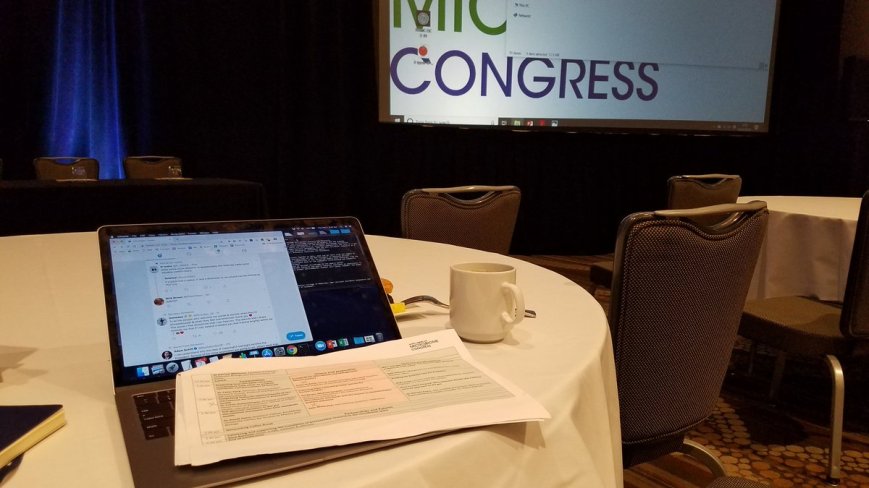
Dyzp5ZoXgAATVwZ.jpeg

Morning welcome by Larry Weiss from Persona Biome

Larry Weiss @LWeissMD, CEO and founder of Persona Biome opens this morning’s session. In this field, we have undergone a transformation. We start thinking more like a microbial community, how everything is connected.
Larry Weiss: As scientists we gather data, and build models. But models are not truth. There is so much we don’t know that we don’t know. This field is still very early.
Larry Weiss: We are intimately connected to our microbiome, but have cut connections with our environment. We are a complex process of processes.
Larry Weiss: Finally, I want to talk about “shit”. We need to treat feces with much more respect. It is not only a waste product, but the product of a bioreactor.
Larry Weiss: This science is going to transform everything. We need to develop partnerships and work together.

Amanda Kay from Synlogic and Bradford McRay from AbbVie

The opening presentation of today is by Amanda Kay, VP at Synlogic @synlogic_tx, and Bradford McRae, AbbVie Discovery Immunology @abbvie about “Collaborating with AbbVie to develop a novel class of living medicines”
Bradford McRae starts off: There are several key questions for microbiome-based drug development. Most importantly: Are changes in the microbiome the cause of disease or a secondary consequence of the disease state?
Bradford McRae: Will altering the composition/function of the microbiome change the natural history of disease? Can the composition/function of the microbiome be used to stratify patient populations and/or define future disease course?
Bradford McRae: There are many factors that influence microbiome composition and function, such as diet, exercise, stress, medications, metabolism, immunity.
Bradford McRae: Some challenges for understanding the therapeutic potential of the microbiome: Intra-individual disease and microbiome heterogeneity make it hard to understand patterns of disease.
Bradford McRae: It is also still difficult to link sequence data to function, and to understand what happens in the different compartments of the gut by just looking at what comes out at the far end.
Bradford McRae: Excellent work on altering the function of the microbiome is being done in metabolic disease, such as FMT from lean donors to patients with metabolic syndrome, which improved glucose sensitivity.
Bradford McRae: Evidence that diet may alter the course of IBD through modifying microbiome function from Schwerd et al.
(link: https://europepmc.org/abstract/med/26987574)
Bradford McRae: Future developments:
1. Moving beyond descriptive analysis to molecular pathways
2. Future deliverables for patients: diagnostics, mechanisms
3. Potential for engineered bacteria to deliver specific therapies
Amanda Kay: At @synlogic_tx, we are designing for life. We do rational design for bacterial based therapy, and collaborate with partners. We do synthetic biotic(TM).
Amanda Kay: Synthetics: genetic circuits, degradation of disease causing metabolites, production of therapeutic molecules
Biotics: bacterial chassis, non-pathogenic, amenable to genetic manipulation
Amanda Kay: In the context of IBD, we @synlogic_tx started a collaboration with AbbVie @abbvie We both brought in our key expertise, in drug development and translation into drug candidates.
Amanda Kay: Goal of our collaboration was to leverage known homeostatic functions to resolve disease and maintain health in patients

Ken Blount from Rebiotix

The next speaker is Ken Blount, CSO, Rebiotix @Rebiotix, with: “Discovering the potential of Microbiota Restoration Therapy (MRT) drug platforms for the treatment of intestinal diseases”
Ken Blount: Fecal transplant has a long history of working well, in particular in Clostridium difficile infections, but how do you perform it in a controlled and reproducible way?
Ken Blount: In a healthy gut, non-spore forming class Bacteroidia constitutes ~30% of bacteria. In our platform, the Microbiome Restoration Therapy (MRT), we want to restore a healthy gut microbiome in a patient.
Ken Blount: In C. diff infections (CDI), it is challenging to restore the foundation of a healthy microbiome. Our MRT is not a fecal transplant, but a standardized consortium of live spore forming and non-spore forming microbes.
Ken Blount: We designed several trials, phase 2 trials already done, phase 3 enrolling. We got 87% of treatment success in our initial phase 2 trial.
Ken Blount: In our second phase 2 trial, we learned that 2 doses worked as well as 1, but success rate was only around 60%. Placebo had 47% success rate (because of pretreatment with Abx?)
Ken Blount: After treatment, the patients’ microbiomes shifted towards that of a healthy population (HMP dataset). It restores Bacteroidia and Clostridia, decreasing Gammaproteobacteria.
Ken Blount: We developed the Microbiome Health Index (MHI, TM). High MHI means healthy, lower MHI is a deviation from healthy. This single number allows to better differentiate healthy and unhealthy.
Ken Blount: We are now in the middle of a phase 3 trial. We are working on a new stable formulation, in an oral capsule, RBX7455, which had a 90% success rate in a phase 1 trial.
Ken Blount: We are working on many other applications as well (for the enema formulation): ongoing trials in VRE, pediatric UC, UTI, hepatic encephalopathy.

We will now have two talks in the session “Regulation of biotech: Are we Prepared? “

Jim Weston from Seres Therapeutics

Jim Weston, senior VP at Seres Therapeutics @SeresTX will talk about: “How we navigated the evolving guidelines”
Jim Weston: I will tell you about the process we did to get our products to market and collaborate with the regulatory offices such as the FDA.
Jim Weston: Our strategy at @SeresTX is a focused R&D, (e.g. C. diff infection), and to have a great clinical manufacturing operation. How do you meet the needs of patients as well as regulators?
Jim Weston: Therapeutic Microbiome Products are regulated in US as both biological products (drugs) as well as live biotherapeutic products. The best strategy is to have case-by-case collaborations with the regulators.
Jim Weston: TMPs can vary from stool (FMT), communities of strains, single strains, or genetically modified strains. These all require different regulatory processes.
Jim Weston: In the US, we have one agency for approval, the @US_FDA. It is best to start work with the FDA in an early stage. In Europe there is the EMA @EMA_News and national level agencies.
Jim Weston: It would be great to have some guidance for (fecal) donor screening and safety. Trial design needs guidance too, but end points are well defined.
Jim Weston: How do we ensure good manufacturing, and measurement of results? Regular interaction between industry and regulatory agencies is key.

Larry Weiss from Persona Biome

The second talk in the session about regulatory agencies, will be by Larry Weiss @LWeissMD, CEO of Persona Biome, with “Re-writing the rules for microbiome therapeutics”

Larry Weiss: We are trying to get really solid data, but not by hacking the system or evading the rules. There are existing rules that we can follow, but solid science is important.
Larry Weiss: “The @US_FDA regulates two things: substances and words” – Peter Barton Hutt.
Larry Weiss: We are changing the states of pharmaceutical development, moving from pharmacology (chemistry) towards systems biology (microbiology). This is challenging a lot of our structures, including regulatory.
Larry Weiss: Shows the definitions of “drug”, “cosmetic”, “dietary supplement” by the FDA. There are several situations where it is difficult to distinguish between these categories.
Larry Weiss: The definition of GRAS: Generally Recognized as Safe states “no genuine dispute among qualified experts” – ha! When does that happen?? You can define your own product as GRAS (food ingredient).
Larry Weiss: There are many overlapping categories.
* Drug, cosmetic, medical food, probiotic?
* Bugs as drugs (probiotics, known commensals), drugs from bugs (purified extracts), microbiome manipulation (FMT, phages, prebiotics).
Larry Weiss: Each product that you might develop might have to follow a different path. It is not about evading rules, you have to make ethical decisions.

We will have a coffee break and then I will go to one of the three parallel sessions. Hard to choose! But I will probably go to the “Food and the Microbiome” session with Kristen Beck @theladybeck and Cindy Davis @NIH

Back from coffee, at the “Food and the Microbiome” session with Kristen Beck @theladybeck (we finally meet!) @IBMresearch , and Cindy Davis @NIH

Kristen Beck from IBM Research

Kristen Beck: I get asked a lot if IBM is involved in life sciences, and the answer is Yes! We have several collaborations in the microbial space, including in the microbiome. 20/3000 researchers at our division are involved in the microbiome.
Kristen Beck: We have partnerships with e.g. UCSD Center for Microbiome Innovation, and with Mars, to look at microbes in the food chain.
Kristen Beck: Food poisoning is very frequent, and companies invest a lot in processes to limit food safety hazards. There are known (e.g. Salmonella) and unknown (never anticipated before) hazards.
Kristen Beck: The microbiome will respond to its environment, much like a canary in a coal mine. In food samples, there can be microbes, which can be detected by sequencing.
Kristen Beck: We analyzed 312 terabytes of data, generating >270,000 data files, building up datasets from food microbiomes. We also build a bioinformatics tool that could work for a wide range of people, including those who cannot run from the command line.
Kristen Beck: Kiwi, an advanced prototype of food microbiome analysis – an easy to use interface for analyzing food microbiomes.
Kristen Beck *shows some Kiwi dashboard screenshots *. On the left, you see a good sample, with no microbial hazards detected (in blue and green) – on the right, hazards detected (in red and orange). These are easy to interpret.
Kristen Beck: For the more advanced users, we offer advanced analysis tools of these samples.
Kristen Beck: We work with deep sequencing of the metatranscriptome (mRNA), around 350 million reads per sample. Samples all retrieved from same factory and sample type.
Kristen Beck: With food, it is not always clear what the matrix (host) is: is it chicken or some other type of meat? This provides unique computational challenges to the bioinformatics analysis.
Kristen Beck: We search for a reference set of 6,000 plant and animals genomes, then use Kraken to filter out these matrix reads. This filtering should only remove the matrix, not the microbial reads.
Kristen Beck: We can also use this process to see the composition of host DNA in a sausage sample (55% sheep, 35% cattle, 7.5% pig and 1% horse!).
Kristen Beck: In screening chicken samples, we found most of them to be >99% chicken, but some had pig and cow DNA in them.
Kristen Beck: The microbiome analysis is then done on the non-matrix nucleic acids. We show the high abundance microbes to signal if something is wrong.
Kristen Beck: Unclassified reads are a missed opportunity, caused by lack of homology. Reference databases are biased towards cultured organisms. We are building better reference sets that include many more genomes to better capture the diversity of strains.
Kristen Beck: Introducing OMXWare: We @IBMResearch assembled 166,000 high quality genomes, annotated genes, proteins, and domains. It has lots of data in a structured and optimized DB2 database.
Kristen Beck: OMXWare can be used e.g. to extract novel CRISPR/Cas sequences and to find higher % of functional annotations.

Cindy Davis, National Institutes of Health

The next speaker is Cindy Davis, Office of Dietary Supplements, National Institutes of Health @NIH with “Diet, microbiome and health: the influence of diet on the intestinal microbiome”

Cindy Davis: Diet shapes the microbiome in humans: globally distinct populations, food pattern consumption vs enterotypes. High fat vs high fiber diets are associated with different microbiomes.
Cindy Davis: Prevotella is associated with diets with lots of fibers, while Bacteroides is more prevalent in Western diets with more animal fats. Diet can influence the microbiome composition, even in short term experiments.
Cindy Davis: Shows data from the Daphna Rothschild Nature paper.
Environment dominates over host genetics in shaping human gut microbiota
(link: https://www.nature.com/articles/nature25973)
Cindy Davis: Shows WHO definition of probiotics, which now form a >2 billion dollar sales market in the US. They are the 3rd most common dietary supplement. But what do they do on humans?
Cindy Davis: Stool samples do not reflect the whole microbiome in the gut. Some people’s microbiota resists colonization with probiotics.
Shows data from Zmora et al.
(link: https://www.cell.com/cell/fulltext/S0092-8674(18)31102-4)
Cindy Davis: There have been several studies using the effect of probiotics on BMI. Most of these are short duration, small sample size (underpowered), used variable strains, not preregistered, and not clinically significant.
They don’t prove anything.
Cindy Davis: So where is the science? The FDA has not approved any probiotics for preventing any health problem. There is some preliminary evidence for some effect of probiotics in certain situations.
Cindy Davis: Dietary fiber is associated with a decreased risk of colon cancer. They are fermented in the colon into short chain fatty acids (SCFA), such as butyrate.
Cindy Davis: Butyrate can affect proliferation of cancer cells (which prefer glucose) and increase apoptosis, thus plays role in cancer prevention.
Cindy Davis: Dietary fiber can protect the mucus barrier. In the absence of fiber, the gut bacteria start to eat the mucus layer.
* shows data from Desai et al. 2016
(link: https://www.ncbi.nlm.nih.gov/pubmed/27863247)
Cindy Davis: Dietary allicin (in garlic) reduces metabolism of L-carnitine into TMAO. See Wu 2015 (link: https://onlinelibrary.wiley.com/doi/full/10.1002/fsn3.199)
We need to think about food interactions!
Cindy Davis: *shows tiny graphs from many more papers by other groups*
Cindy Davis: There is a dynamic relation between microbes, food components, and microbial metabolites. Can your microbiome tell you what to eat?
Zeevi et al. : high interpersonal variability in glucose response in 800 person cohort.
(link: https://www.cell.com/cell/fulltext/S0092-8674(15)01481-6) cell.com/cell/fulltext/
Cindy Davis: When you are going to have lunch now, remember that you are also feeding your microbes. And they might want something different to eat than you. 🙂

This talk gave a good overview of the current state of microbiome research in the setting of diet, but did not present anything new. Would have been a better talk as a keynote/opening lecture, not in a specialized conference track.

Scott Jackson from the National Institute of Standards and Technology

We start after lunch with a talk by Scott Jackson from the National Institute of Standards and Technology @usnistgov, with “Standards for Microbiome and Metagenomic Measurements”
Scott Jackson: We are a non-regulatory agency, but often work together with the FDA to develop standards that can be used by industry.
Scott Jackson: The microbiome industry is rapidly growing, and standards are needed for diagnostics and methods. Many biases in metagenomic measurements, e.g. DNA extractions, primer choice, library prep, sequencing technologies, and bioinformatics analyses.
Scott Jackson: 5 years ago, it was “cowboy country” – different methods will give different microbiome community outcomes. We make references and standards to try to guide this.
Scott Jackson: The Mosaic Standards Challenge was launched in May 2018, made possible by Janssen, Biocollective, DNAnexus, and NIST. You can sign up for free. You process samples through your favorite method and upload your data.
(link: http://mosaicbiome.com/) MOSAIC: A Cloud-Based Microbiome Informatics Platform
Scott Jackson: Here are some results from submitted datasets on a set of 10 bacterial standards. Results vary widely between labs, and we are looking at which factors make the most impact.
Scott Jackson: High number of reads often corresponded to more false positives (detection of strains that were not in the tube we sent).
Scott Jackson: None of the companies that do microbial diagnostics do have FDA approval, but the FDA calls on NIST for microbial standards. We have made a mix of 19 different pathogens in human DNA, which can be used to validate tests.
Scott Jackson: We made different serial dilution mixtures and tested expected vs observed abundance using 3 metagenomics analysis tools to infer specificity and sensitivity.
Scott Jackson: International microbiome and metagenomics standards alliance IMMSA provides lots of tools, workshops, videos. We also have a pathogens workshop group. Our next NIST/FDA/NIH workshop is Sept 9-10 in Gaithersburg, MD.
(link: https://microbialstandards.org/) microbialstandards.org

Moved to parallel session 1, where I caught the summary slide of Peter Karp @SRI_Intl talk, in which he presented:
* Multi organism Metabolic Route Search
* BioCyc Databases Combine
* Pathway Tools software

Curtis Huttenhower from Harvard University

The next talk will be by Curtis Huttenhower @chuttenh from Harvard University @harvard, with “Integrating molecule measurements of the microbiome for translation in population health”
Curtis Huttenhower: Our group works on methods development to analyze the microbiome on different levels, including very large-scale studies.
Curtis Huttenhower: BIOM-Mass: Biobank for Microbiome Research in Massachusetts. Developing a room temp-ship-able kit for stool and oral samples suitable for metagenomics, metatranscriptomics, metabolomics, and culture.
Curtis Huttenhower: Phase 2 of the Human Microbiome Project, HMP2, or integrative HMP (iHMP). Our lab is studying the microbiome of inflammatory bowel disease (IBD) patients over time, including CD, UC. Roughly every 2 weeks + blood draws and biopsies.
Curtis Huttenhower: This allows us to connect host response to microbiome profiles, at roughly the same timepoints. Database and raw data available here: (link: https://www.ibdmdb.org/) ibdmdb.org
Curtis Huttenhower: We can see which microbial metabolites (as measured biochemically) are enriched or depleted in IBD patients vs healthy controls and connect these to variations in microbial taxa.
Curtis Huttenhower: We can also link microbial function to strain specific phenotypes in IBD. *shows heatmap of Ruminococcus gnavus genes and their abundance in patients/controls*. Most gut microbial genes are unfortunately still of unknown function.
Curtis Huttenhower: Type 1 diabetes infant cohorts in Finland, Estonia, Russia / TEDDY study: functional shifts in genes at birth, at year 1, at year 2. Some are linked to specific functions, e.g. HMO utilization in infants in Bifidobacterium longum strains.
Curtis Huttenhower: Nicola Segata: assembled 150,000 genomes from 10,000 metagenomies, 5,000 species-level genomic bins (SGBs). Many of these genome bins are novel, many from uncharacterized, international populations.
Curtis Huttenhower: Even among well characterized clades, such as Bacteroides, we found genomes that were separate from characterized strains, so novel taxa without reference genomes.
Curtis Huttenhower: ASCA and ANCA antibody levels in blood corresponded significantly with microbial dysbiosis. We also found that each patient, and even some of the controls have a very dynamic microbiome, with different stable states, and periodic blooms.
Curtis Huttenhower: Our computational tools are available from the bioBakery website. (link: https://bitbucket.org/biobakery/biobakery/wiki/Home) bitbucket.org/biobakery/biob…
We also teach courses – and we are hiring computational and wet-lab postdocs, so please come and join our lab.

David Zeevi from Rockefeller University

The next speaker is David Zeevi, @DaveZeevi from Rockefeller University @RockefellerUniv with his talk entitled “Sub-genomic variation in the gut microbiome associates with host metabolic health”.

David Zeevi: What are we looking for in microbiome data? Observation? Association? Mechanism? We are moving from the first towards the last, but each step brings bigger challenges.
David Zeevi: Metabolic diseases are on the rise, in particular obesity. We collected blood glucose data and correlated that with microbiome and dietary data. Each person responds differently. See: (link: https://www.cell.com/cell/fulltext/S0092-8674(15)01481-6) cell.com/cell/fulltext/…
David Zeevi: Even small differences, in a few microbial genes, can have a significant phenotypic effect. Think about the presence/absence of a toxin gene. What are the variable regions in microbiome bacteria?
David Zeevi: About 20% of metagenomics read gets assigned to more than one reference microbial genome. Errors caused by differential coverage in reference genomes.
David Zeevi: We have a paper in press for an iterative coverage based algorithm for read-assignment correction. This creates more accurate assignments.
David Zeevi: Sub-genomic variability (SGVs). These regions are very abundant across different datasets (Elies: not sure how they are defined)
David Zeevi: SGVs are person-specific and are shared with habitat. SGVs also correlate with disease risk factors. E.g. Anaerostipes hadrus region: if present, people are leaner and more healthy. It encodes butyrate production and inositol degradation.
David Zeevi: Thus, variable gene clusters facilitate mechanistic insights. This would be not be discovered if you just look at presence of specific strains or species.

Kara Bortone from JLabs

After the break, we will have Kara Bortone @kara_bortone, head at jLABS @JLABS, Johnson & Johnson @JNJInnovation with “Catalyzing and supporting the translation of preventative research in the microbiome space”

Kara Bortone: Clinical research is still reactive: we wait until a person has a disease and then try to cure them. Can we study underlying mechanisms and better predict and prevent?
Kara Bortone: Future models of care: a holistic approach to eliminate diseases. Prevent, intercept, and cure disease. We are shifting our effort to a much earlier in the process, before the onset of observable symptoms.
Kara Bortone: The microbiome is a promising target for drug development. @JNJInnovation
has a recognized leading partnership role in the microbiome space. @JLABS
is an incubator space to grow and foster startup companies.
Kara Bortone: Jlabs are life-science incubators. There are now13 JLabs sites all across the globe, 480 portfolio companies in sectors ranging from health tech, medical devices, and pharmaceutical.
Kara Bortone: Small companies get big company benefits at JLabs. It is hard to buy equipment for early stage companies. So we have shared equipment and shared space, with support staff, education, and connections to VCs and other investors.
Kara Bortone: We organize events with investors and foundations to facilitate connections and QuickFire Challenges, with currently over 60 winning companies. And @AstarteMedical is one of them, yay!
Kara Bortone: Of the companies we hosted, 88% are still in business or acquired (that is more than the average restaurant in DC!). 12 companies have gone public, 12 were acquired.

That completes my tweeting from the Kisaco Microbiome Congress in Washington DC. I hope you all enjoyed this report!