
February 18, 2020

Highlights for today’s Digest: a study takes us deep into bacterial community of the dermal compartment of the skin, skin microbiota predicts chronological age most accurately, and a review on network analyses using multi-omics data. Enjoy!

General microbiology

A biphasic growth model for cell pole elongation in mycobacteria – Mélanie T. M. Hannebelle et al. – Nature Communications

Press: Bacteria under the microscope: A new growth model for tuberculosis – Lionel Pousaz, Ecole Polytechnique Federale de Lausanne – Phys.org

Metabolic dependencies govern microbial syntrophies during methanogenesis in an anaerobic digestion ecosystem – Xinyu Zhu et al. – Microbiome

Antimicrobial resistance

Stepwise evolution and convergent recombination underlie the global dissemination of carbapenemase-producing Escherichia coli – afael Patiño-Navarrete et al. – Genome Medicine

Pregnancy and early life

The effect of legume supplementation on the gut microbiota in rural Malawian infants aged 6 to 12 months – M Isabel Ordiz et al. – The American Journal of Clinical Nutrition

Human skin microbiome

** Universal Dermal Microbiome in Human Skin – Lene Bay et al. – mBio

Human cancer microbiome

Opinion: The Cancer Microbiome: Distinguishing Direct and Indirect Effects Requires a Systemic View – Joao B. Xavier et al. – Trends in Cancer

Human gut microbiome

Interactions between the gut microbiome and host gene regulation in cystic fibrosis – Gargi Dayama et al. – Genome Medicine

Human multi-site microbiome

Review: Blood Microbiota and Circulating Microbial Metabolites in Diabetes and Cardiovascular Disease – Ganesan Velmurugan et al. – Trends in Endocrinology & Metabolism

** Human Skin, Oral, and Gut Microbiomes Predict Chronological Age – Shi Huang et al. – mSystems

Press: Human Skin, Oral Microbiomes Can Estimate People’s Ages to Within Few Years – GenomeWeb

Animal experiments

Self-reinoculation with fecal flora changes microbiota density and composition leading to an altered bile-acid profile in the mouse small intestine – Said R. Bogatyrev et al. – Microbiome

Mouse: It’s the fiber, not the fat: significant effects of dietary challenge on the gut microbiome – Kathleen E. Morrison et al. – Microbiome

Animal microbiome

Trait-Based Comparison of Coral and Sponge Microbiomes – Cara L. Fiore et al. – Scientific Reports

Plant, root and soil microbiome

Functional relationships between aboveground and belowground spinach (Spinacia oleracea L., cv. Racoon) microbiomes impacted by salinity and drought – A. Mark Ibekwe et al. – Science of the Total Environment

Water and extremophile microbiome

Constraints on microbial communities, decomposition and methane production in deep peat deposits – Laurel A. Kluber et al. – PLoS One

Machine learning-aided analyses of thousands of draft genomes reveal specific features of activated sludge processes – Lin Ye et al. – Microbiome

Phages and viruses

Pearls: Virus interactions with bacteria: Partners in the infectious dance – Ursula Neu & Bernardo A. Mainou – PLoS Pathogens

Coronavirus: hospitals must learn from past pandemics – Nahid Bhadelia – Nature

Review: Phage diversity, genomics and phylogeny – Moïra B. Dion et al. – Nature Reviews Microbiology

Technology

Uncovering a hidden diversity: optimized protocols for the extraction of dsDNA bacteriophages from soil – Pauline C. Göller et al. – Microbiome

Review: Combining omics technologies with CRISPR-based genome editing to study food microbes – Meichen Pan & Rodolphe Barrangou – Current Opinion in Biotechnology

Complete, closed bacterial genomes from microbiomes using nanopore sequencing – Eli L. Moss et al. – Nature Biotechnology

Press: Closing bacterial genomes from the human gut microbiome using long-read sequencing – Dylan Maghini – Nature Bioengineering Community

Bioinformatics

A pipeline for targeted metagenomics of environmental bacteria – Anissa Grieb et al. Microbiome

** Review: Network analyses in microbiome based on high-throughput multi-omics data – Zhaoqian Liu et al. – Briefings in Bioinformatics

Microbes in the news

Getting the Band (of Microbes) Back Together – Jessica Messier – Worcester Polytechnic Institute

Gut microbe imbalance may stunt CF babies’ growth – Leila Gray – University of Washington

The Big Idea: The Microbiome – Purdue University

Moscow’s Subway Microbiome Looks Similar to that of New York’s – GenEngNews

A guide to caring for the Indian gut – Cherylann Mollan – Hindustan Times
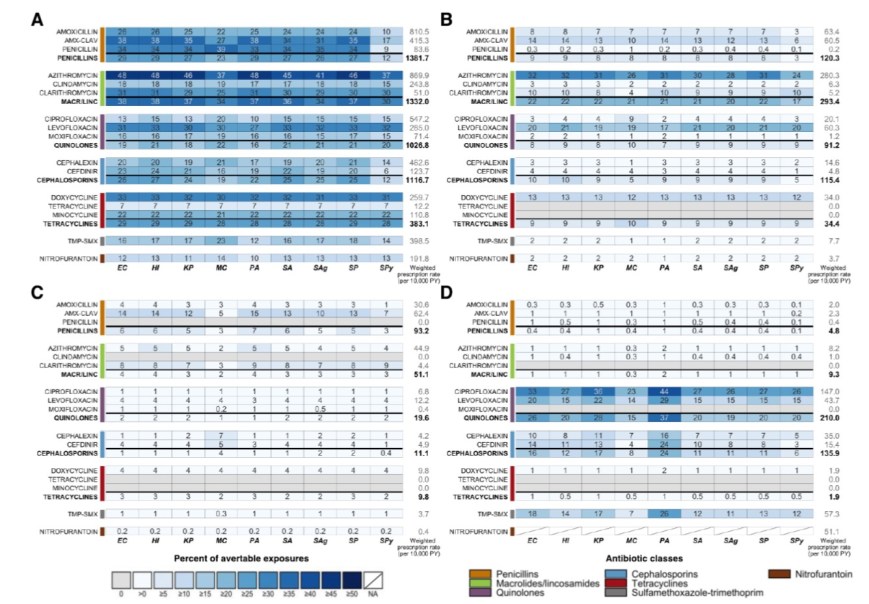
 

Antibiotic resistance- can reducing outpatient prescription help?

Antibiotic resistance is increasing at a rapid rate making pathogens and other bacterial species resistant to currently available antibiotics. Its impact is already visible globally and clock is ticking faster than ever pushing scientists all over the world to develop better antibiotics with higher specificity (only!) for pathogens. Antibiotic consumption is directly related to antibiotic resistance and policies across the continents are underway to control the consumption and prescription of antibiotics.

A recent article in elife introduces the problem of unnecessary antibiotic use and provides data to avert it.

“Inappropriate antibiotic use leads to increased risk of adverse events, disruption of colonization resistance and other benefits of the microbial flora, and bystander selection for antibiotic resistance, with little to no health gains for the patient.”

To address the problem, Christine et al. used publically available data (NAMCS/NHAMCS) and mathematical models to find what would happen if antibiotic consumption is averted in hypothetical scenarios.

What they did?
“The analysis included sixteen antibiotics that are frequently prescribed in the outpatient setting and nine potentially pathogenic bacterial species that are commonly carried in the normal human microbiome. For each antibiotic-species pair, they estimated the proportion of antibiotic exposures experienced by that species that could be averted under four hypothetical scenarios.

1) Eliminate unnecessary antibiotic use across all outpatient conditions.
2) Eliminate all antibiotic use for outpatient respiratory conditions for which antibiotics are not indicated.
3) Eliminate all antibiotic use for acute sinusitis.
4) Prescribe nitrofurantoin* for all cases of cystitis in women.”

“*Nitrofurantoin- a recommended first-line therapy with good potency against common uropathogens, low levels of resistance, and decreased risk of collateral damage to the intestinal microbiome”

Results

Picture1

Heatmaps showing the estimated percentage of species exposures to each antibiotic or antibiotic class that could be averted if A: unnecessary antibiotic prescriptions across all outpatient conditions, B: all antibiotic use for outpatient respiratory conditions for which antibiotics are not indicated, C: all antibiotic use for acute sinusitis, or D: non-nitrofurantoin treatment of cystitis in women was eliminated. Drug class results include prescriptions of all antibiotics in that class, as identified by the Lexicon Plus classification system.
Abbreviations: Antibiotics (y-axis): AMX-CLAV=amoxicillin-clavulanate,, MACR/LINC=macrolides/lincosamides, TMP-SMX=sulfamethoxazole-trimethoprim;

Organisms (x-axis): EC=E. coli, HI=H. influenzae, KP=K. pneumoniae, MC=M. catarrhalis, PA=P. aeruginosa, SA=S. aureus, SAg=S. agalactiae, SP=S. pneumoniae, SPy=S. pyogenes; PY=person-years


The darker shades in panel A (scenario 1) clearly indicated that “elimination of unnecessary antibiotic prescriptions across all outpatient conditions would prevent 6 to 48% (IQR: 17 to 31%) of antibiotic-species exposures. If all unnecessary antibiotic use could be prevented, over 30% of exposures to amoxicillin-clavulanate, penicillin, azithromycin, clarithromycin, levofloxacin, and doxycycline across most potential pathogens of interest could be averted.”

In panel D (scenario 4), they found that prescribing nitrofurantoin not only averted antibiotic exposure in non-causative bacterial species (bystanders) but also in causative species for cystitis in women.
“Overall, 27% of ciprofloxacin use is associated with acute cystitis in women. Organisms that are not causative pathogens of cystitis have proportions of avertable exposures close to or less than 27%, but a substantially higher proportion of exposures could be averted among causative pathogens – 33%, 36%, and 44% of ciprofloxacin exposures to E. coli, K. pneumoniae, and P. aeruginosa, respectively.”

The study addresses the limitations with regard to data availability and reporting in public database. Authors are cautious and point out,

“It is important to note that the reduction in antibiotic exposures estimated here does not translate to the same reduction in the prevalence of resistance or in the morbidity and mortality attributable to resistance. Additionally, in this analysis, we give each exposure equal weight. However, the selective pressure imposed by a single exposure depends on a number of variables, including pharmacokinetics, pharmacodynamics, distribution of bacteria across body sites, and bacterial population size. For example, we might expect that the probability of resistance scales with population size, and thus that an exposure received by an individual with higher bacterial load will have a larger impact on resistance.”

Overall, this study indeed provides evidence that “improved prescription of antibiotics has the potential to prevent antibiotic exposure experienced by bacterial species throughout microbiome.”

February 1, 2020

Today’s Digest brings you an Outlook collection on human gut microbiome by Nature, a Hi-C investigation of the evolution of the gut microbiota, and be careful with the dust, there’s transferrable antimicrobial genes within!

Events

Reshaping the Microbiome through Nutrition – Nature Conference – San Diego, CA

General microbiology

Commensal Bacteroidetes protect against Klebsiella pneumoniae colonization and transmission through IL-36 signalling – Richard P. Sequeira et al. – Nature Microbiology

** The gut microbiome – Nature Outlook

Antimicrobial resistance

The negative cofactor 2 complex is a key regulator of drug resistance in Aspergillus fumigatus – Takanori Furukawa et al. – Nature Communications

Plasmid-mediated metronidazole resistance in Clostridioides difficile – Ilse M. Boekhoud et al. – Nature Communications

A Common Practice of Widespread Antimicrobial Use in Horse Production Promotes Multi-Drug Resistance – S. Álvarez–Narváez et al. – Scientific Reports

Surveys of knowledge and awareness of antibiotic use and antimicrobial resistance in general population: A systematic review – PLoS One

Antimicrobial resistance patterns and molecular resistance markers of Campylobacter jejuni isolates from human diarrheal cases – Mohamed Elhadidy et al. – PLoS One

Review: Antibiotic resistance: turning evolutionary principles into clinical reality – Dan I Andersson et al. – FEMS Microbiology Reviews

Antibiotic resistome associated with microbial communities in an integrated wastewater reclamation system – Kaifeng Yu et al. – Water Research

Human gut microbiome

** Tracking microbial evolution in the human gut using Hi-C reveals extensive horizontal gene transfer, persistence and adaptation – Eitan Yaffe & David A. Relman – Nature Microbiology

Growth effects of N-acylethanolamines on gut bacteria reflect altered bacterial abundances in inflammatory bowel disease – Nadine Fornelos et al. – Nature Microbiology

Human cancer microbiome

The Influence of Lung Microbiota on Lung Carcinogenesis, Immunity, and Immunotherapy – Ariel G. Ramírez-Labrada et al. – Trends in Cancer

Built environment microbiome

** Mobilizable antibiotic resistance genes are present in dust microbial communities – Sarah Ben Maamar et al. – PLoS Pathogens

Indoor and outdoor airborne bacterial and fungal air quality in kindergartens: seasonal distribution, genera, levels, and factors influencing their concentration – Farhad Mirkhond Chegini et al. – Building and Environment

Metabolomics

Targeted metabolomics of pellicle and saliva in children with different caries activity – Annika Schulz et al. – Scientific Reports

Animal experiments

Review: The role of the microbiota in sedentary life style disorders and ageing: Lessons from the animal kingdom – P.W. O’Toole & P.G. Shiels – Journal of Internal Medicine

Animal microbiome

Dietary effects on gut microbiota of the mesquite lizard Sceloporus grammicus (Wiegmann, 1828) across different altitudes – Nina Montoya-Ciriaco et al. – Microbiome

Late weaning is associated with increased microbial diversity and Faecalibacterium prausnitzii abundance in the fecal microbiota of piglets – Francesca Romana Massacci et al. – Animal Microbiome

Plant, root and soil microbiome

Effects of soil chemical properties and fractions of Pb, Cd, and Zn on bacterial and fungal communities – Xiaomei Pan et al. – Science of the Total Environment

Resilience of the microbial communities of semiarid agricultural soils during natural climatic variability events – Lumarie Pérez-Guzmán et al. – Applied Soil Ecology

Effects of microbial inoculants on the fermentation characteristics and microbial communities of sweet sorghum bagasse silage – Miaoyin Dong et al. – Scientific Reports

Water and extremophile microbiome

Diversity of Bacterial Community in the Oxygen Minimum Zones of Arabian Sea and Bay of Bengal as Deduced by Illumina Sequencing – Genevieve L. Fernandes et al. – Frontiers in Microbiology

Ionic Liquid Enriches the Antibiotic Resistome, Especially Efflux Pump Genes, Before Significantly Affecting Microbial Community Structure – Xiaolong Wang et al. – Environmental Science & Technology

Methane yield enhancement of mesophilic and thermophilic anaerobic co-digestion of algal biomass and food waste using algal biochar: Semi-continuous operation and microbial community analysis – Le Zhang et al. – Bioresource Technology

Characterization and co-occurrence of microbial community in epiphytic biofilms and surface sediments of wetlands with submersed macrophytes – Yuansi Liu et al. – Science of the Total Environment

Phages and viruses

** Giant virus diversity and host interactions through global metagenomics – Frederik Schulz et al. – Nature

Reassortment and adaptive mutations of an emerging avian influenza virus H7N4 subtype in China – Bingqian Qu et al. – PLoS One

Outbreak of Pneumonia of Unknown Etiology in Wuhan China: the Mystery and the Miracle – Hongzhou Lu et al. – Journal of Medical Virology

Bioinformatics

Comparing bioinformatic pipelines for microbial 16S rRNA amplicon sequencing – Andrei Prodan et al. – PLoS One

Microbes in the news

Walnuts May Benefit Gut Bacteria and Improve Heart Health – Karina Lichtenstein – Medicine Net

How to create living art with microbes – Eugenia Angulo – BBVA OpenMind

January 17, 2020

I 100% concur with Barak about our great Microbiome Digest, and we invite YOU to join us to create useful content for our community. Today’s Digest hopefully brings you much food for thought. I would draw your attention towards two papers about insecticide and antibiotic resistance. The first is about the mechanism for malaria transmitting mosquitoes to tolerate the common pesticide, pyrethroid. The second is on a potential genetic engineering approach to replacing antibiotic resistant plasmids with artificial ones. Of course, there are many more articles and news pieces to read from. Enjoy!

Jobs and Events

MICROBIOME CONNECT SKIN USA 2020 – Global Cosmetics News

Postdoc Computational and Statistical Analysis of Microbiome Data (0.8 – 1.0 FTE) – Universiteit Utrecht

Digest this! New exhibition explores the hidden world of microbes inside — and on — you! – Ottawa Citizen

Call for papers: Cancer Evolution and Metastasis – Genome Biology

General microbiology

Setting the agenda for social science research on the human microbiome – Beth Greenhough et al. – University of Nottingham

Exploring microbial worlds – Lei Tang – Nature Methods

Community-driven Metadata Standards for Agricultural Microbiome Research – JP. Dundore-Arias et al – Phytobiomes Journal

Antimicrobial/Insecticide resistance

Mobile resistome of human gut and pathogen drives anthropogenic bloom of antibiotic resistance – Kihyun Lee et al. – Microbiome

Structures of lipoprotein signal peptidase II from Staphylococcus aureus complexed with antibiotics globomycin and myxovirescin – Samir Olatunji et al. – Nature Communications

** A sensory appendage protein protects malaria vectors from pyrethroids – Victoria A. Ingham et al. – Nature

Press: Malaria-carrying mosquitoes get a leg up on insecticides – Flaminia Catteruccia – Nature

** Potentiation of curing by a broad-host-range self-transmissible vector for displacing resistance plasmids to tackle AMR – Alessandro Lazdins et al. – PLoS One

Promising antifungal activity of new oxadiazole against Candida krusei – Daniella Renata Faria et al. – PLoS One

Impact of multi-drug resistant bacteria on economic and clinical outcomes of healthcare-associated infections in adults: Systematic review and meta-analysis – Miquel Serra-Burriel et al. – PLoS One

Pregnancy and early life

The association between dietary patterns before and in early pregnancy and the risk of gestational diabetes mellitus (GDM): Data from the Malaysian SECOST cohort – Heng Yaw Yong et al. – PLoS One

Nucleic Acid-Based Screening of Maternal Serum to Detect Viruses in Women with Labor or PROM – Ankit A. Shah et al. – Reproductive Sciences

Provision of Lipid-Based Nutrient Supplements to Mothers During Pregnancy and 6 Months Postpartum and to Their Infants from 6 to 18 Months Promotes Infant Gut Microbiota Diversity at 18 Months of Age but Not Microbiota Maturation in a Rural Malawian Setting: Secondary Outcomes of a Randomized Trial – Arox W Kamng’ona et al. – The Journal of Nutrition

Human skin microbiome

Distribution of microbial communities and core microbiome in successive wound grades of diabetic foot ulcer individuals – Apoorva Jnana et al. – Applied and Environmental Microbiology

Review: The skin microbiome as a clinical biomarker in atopic eczema: Promises, navigation, and pitfalls – Matthias Reiger et al. – The Journal of Allergy and Clinical Immunology

Characterization and Analysis of the Skin Microbiota in Acne: Impact of Systemic Antibiotics – Seo-Yeon Park et al. – Journal of Clinical Medicine

Human gut microbiome

Review: Microbial Production of Bioactive Chemicals for Human Health – Xia Wu et al. – Current Opinion in Food Science

Gut microbiota compositional profile and serum metabolic phenotype in patients with primary open-angle glaucoma – Haijun Gong et al. – Experimental Eye Research

Inulin-type fructan intervention restricts the increase in gut microbiome–generated indole in patients with peritoneal dialysis: a randomized crossover study – Li Li et al. – The American Journal of Clinical Nutrition

Human reproductive microbiome

Review: The Reproductive Microbiome: An Emerging Driver of Sexual Selection, Sexual Conflict, Mating Systems, and Reproductive Isolation – Melissah Rowe et al. – Trends in Ecology & Evolution

Press: What we’re learning about the reproductive microbiome – Cell Press – Phys.org

Cancer microbiome

Assessment of peritoneal microbial features and tumor marker levels as potential diagnostic tools for ovarian cancer – Ruizhong Miao – PLoS One

Animal experiments

Acute oral methylmercury exposure perturbs the gut microbiome and alters gut-brain axis related metabolites in rats – Xiaoying Lin et al. – Ecotoxicology & Environmental Safety

Perfluorooctane sulfonate alters gut microbiota-host metabolic homeostasis in mice – Limin Zhang et al. – Toxicology

Fecal transplant prevents gut dysbiosis and anxiety-like behaviour after spinal cord injury in rats – Emma K. A. Schmidt et al. – PLoS One

Impact of antibiotic-resistant bacteria in the mouse intestine on immune activation and Clostridioides difficile infection – James Keith et al. – Infection and Immunity

Animal microbiome

Evolutionary signal in the gut microbiomes of 74 bird species from Equatorial Guinea – Darien C. Capunitan et al. – Molecular Ecology

Whole blood transcriptomic analysis of beef cattle at arrival identifies potential predictive molecules and mechanisms that indicate animals that naturally resist bovine respiratory disease – Matthew A. Scott et al. – PLoS One

Body-site specific microbiota reflect sex and age-class among wild spotted hyenas – Connie A Rojas et al. – FEMS Microbiology Ecology

Plant, root and soil microbiome

Biochar mediates microbial communities and their metabolic characteristics under continuous monoculture – Hongmiao Wu et al. – Chemosphere

Functional Metagenomic Exploration Identifies Novel Prokaryotic Copper Resistance Genes from Soil Microbiome – Chao Xing et al. – Metallomics

** A Pathogen-Responsive Gene Cluster for Highly Modified Fatty Acids in Tomato – Ju Eun Jeon et al. – Cell

Effects of soil physicochemical properties on microbial communities in different ecological niches in coastal area – Tianyun Shao et al. – Applied Soil Ecology

Soil microbial community structure and function mainly respond to indirect effects in a multifactorial climate manipulation experiment – Evi Deltedesco et al. – Soil Biology and Biochemistry

Long term effects of management practice intensification on soil microbial community structure and co-occurrence network in a non-timber plantation – Liang Xue et al. – Forest Ecology and Management

Soil microbial and macrofauna dynamics under different green manure termination methods – Carolyn B. Marshall & Derek H. Lynch – Applied Soil Ecology

Microbial abundance, composition, and function in nectar are shaped by flower visitor identity – Megan M Morris et al. – FEMS Microbiology Ecology

Ecological clusters based on responses of soil microbial phylotypes to precipitation explain ecosystem functions – Ying Wu et al. – Soil Biology and Biochemistry

Phylogenetic Analysis of Symbiotic Bacteria Associated with Two Vigna Species under Different Agro-Ecological Conditions in Venezuela – María Daniela Artigas Ramírez et al. – Microbes and Environments

Diversity and structure of bacterial community in rhizosphere of lima bean – Regina Maria Silva Sousa et al. – Applied Soil Ecology

Distinct factors drive the assembly of quinoa-associated microbiomes along elevation – Zhiquan Cai et al. – Plant and Soil

Influence of plant fraction, soil and plant species on the microbiota: a multi-kingdom comparison – Tkacz, A et al. – mBio

Spatial Variation in Soil Fungal Communities across Paddy Fields in Subtropical China – Pengfa Li et al. – mSystems

Water and extremophile microbiome

Impacts of antimony and arsenic co-contamination on the river sedimentary microbial community in an antimony-contaminated river – Rui Xu et al. – Science of the Total Environment

Interactions of PAH-degradation and nitrate-/sulfate-reducing assemblages in anaerobic sediment microbial community – Xunan Yang et al. – Journal Hazardous Materials

Influence of wastewater microbial community on the performance of miniaturized microbial fuel cell biosensor – Nan Xiao et al. – Bioresource Technology

Intra-host symbiont diversity in eastern Pacific cold seep tubeworms identified by the 16S-V6 region, but undetected by the 16S-V4 region – Corinna Breusing et al. – PLoS One

Phages and viruses

Biogeographic study of human gut-associated crAssphage suggests impacts from industrialization and recent expansion – Tanvi P. Honap et al. – PLoS One

Bioinformatics

Gclust: A Parallel Clustering Tool for Microbial Genomic Data – Ruilin Li et al. – Genomics, Proteomics & Bioinformatics

Microbes in the news

Insomnia: When I took part in a sleep study – Yella Hewings-Martin – Medical News Today

How to Keep Your Baby’s Skin Healthy When It’s Cold Outside – Joane Amay – Ebony

Prebiotics, cosmeceuticals may improve skin condition – Ingrid Torjesen – Dermatology Times

Next frontier is to identify and use good bacteria to treat specific diseases – Namita Kohli – The Week

Five next-gen depression treatments that could revolutionize the field – Alexandra Pattillo – Inverse

Coeliac disease linked to bacteria exposure – Liam Mannix – The Sydney Morning Herald

GETTING TO KNOW YOUR MICROBIOME BETTER – Kim-Anh Lê Cao – Pursuit

Common foods can help ‘landscape’ the jungle of our gut microbiome – San Diego State University – Medical Xpress

Pioneering scientists create designer prebiotics to disrupt the microbiome health space – Nikki Hancocks – NutraIngredients

Applying knowledge of the human microbiome to pig health – The Pig Site

Your microbiome reveals more about your health than your genes do – Michael Le Page – New Scientist

UH joins new national consortium to advance microbiome research – University of Hawaiʻi at Mānoa

Check out these awesomely creepy puppets of microbial creatures – Thom Dunn – BoingBoing

Microbes on the market

Bloom Science Granted Exclusive Option to License Microbiome-Based Technology for the Development of Novel Treatments for Multiple Neurological and Oncology Conditions – Bloom Science – PR Newswire

Mawi and CosmosID Collaborate to Enable More Precise Microbiome Analysis – Business Wire – Yahoo! Finance

January 11, 2020

Science doesn’t rest! Today’s Digest brings you several seminal papers and many news pieces. Highlights include a mouse study probing the mechanism behind maternally provisioned immunity for infants, a major effect to characterize mouse gut microbiota, a study on the diversity of the uncultured viruses of bacteria and archaea, and last but not least, a DIY method to deplete ribosomal RNA from your total RNA!

General microbiology

Preprint: Detection of phylogenetic core groups in diverse microbial ecosystems – Marcos Parras-Moltó & Daniel Aguirre de Cárcer – bioRxiv

Antimicrobial resistance

Preprint: Investigating the impact of combination phage and antibiotic therapy: a modeling study – Selenne Banuelos et al. – bioRxiv

Human liver microbiome

Intrahepatic bacterial metataxonomic signature in non-alcoholic fatty liver disease – Silvia Sookoian et al. – Gut

Cancer microbiome

Review: Roles of microbiota in response to cancer immunotherapy – Kentaro Inamura – Seminars in Cancer Biology

Animal experiments

Butyrate attenuated fat gain through gut microbiota modulation in db/db mice following dapagliflozin treatment – Tae Jung Oh et al. – Scientific Reports

Microvesicles from Lactobacillus reuteri (DSM-17938) completely reproduce modulation of gut motility by bacteria in mice – Christine L. West et al. – PLoS One

** Mouse: Microbiota-targeted maternal antibodies protect neonates from enteric infection – Wen Zheng et al. – Nature

Press: Maternal Microbiome Protects Newborns from Deadly Diarrheal Infections – Genengnews

Animal microbiome

** The Mouse Gut Microbial Biobank expands the coverage of cultured bacteria – Chang Liu et al. – Nature Communications

Energy conservation involving 2 respiratory circuits – Marie Charlotte Schoelmerich et al. – PNAS

Press: New metabolic pathway discovered in rumen microbiome – EurekAlert

Plant, root and soil microbiome

Soil bacterial diversity mediated by microscale aqueous-phase processes across biomes – Samuel Bickel & Dani Or – Nature Communications

Fungal community assembly in drought-stressed sorghum shows stochasticity, selection, and universal ecological dynamics – Cheng Gao et al. – Nature Communications

Phages and viruses

** Charting the diversity of uncultured viruses of Archaea and Bacteria – F. H. Coutinho, R. A. Edwards & F. Rodríguez-Valera – BMC Biology

Technology

** Preprint: A simple, cost-effective, and robust method for rRNA depletion in RNA-sequencing studies – Peter H. Culviner et al. – bioRxiv

Microbes in the news

Gut Microbiomes Are Linked To Diet And Evolution—Except In Flying Animals – Linh Anh Cat – Forbes

7 Effects of Greasy Food on Your Body – Elise Mandl – Healthline

Gut microbes may improve stroke recovery – University of Kentucky – EurekAlert

Surprising Ways A Virus Can Be A Man’s Best Friend – Mishal Shaheen et al. – The Health Mania

Twin Studies Examine Cohabiting Affect on Gut Microbiome – Technology Networks

Microbes on the market

Shoreline Biome expands presence in Asia to include Japan – Yahoo! Finance

Synthetic Biologics Receives FDA Guidance at Type C Meeting for SYN-004 (ribaxamase) Phase 1b/2a Clinical Trial in Allogeneic HCT Recipients – Synthetic Biologics – PR Newswire

Johnson & Johnson To Collaborate With Microbiome Biotech On Childhood Allergies – Taylor Carmichael – The Motley Fool

Kaleido Bio teams up with J&J to identify microbiome metabolic candidates – Douglas W. House – Seeking Alpha

Finch Therapeutics Completes Enrollment in Potentially Pivotal Trial of CP101, an Investigational Oral Full-Spectrum Microbiota® Therapy for the Prevention of Recurrent C. difficile Infection – The Tullahoma News

December 27, 2019

Today’s Digest brings you a report linking gut microbiota and metabolites, a study on dishwasher rubber as a bacterial reservoir, a news piece for your guide to probiotics, and many more. If we don’t see you again in 2019, Happy New Year! May 2020 bring much success and happiness!

General microbiology

Preprint: The Microbe Directory v2.0: An Expanded Database of Ecological and Phenotypical Features of Microbes – Maria A. Sierra et al. – bioRxiv

A novel graph theoretical approach for modeling microbiomes and inferring microbial ecological relationships – Suyeon Kim et al. – BMC Genomics

Antimicrobial resistance

Preprint: Longitudinal linked read sequencing reveals ecological and evolutionary responses of a human gut microbiome during antibiotic treatment – Morteza Roodgar et al. – bioRxiv

Human oral microbiome

Re-initiation of Oral Food Intake Following Enteral Nutrition Alters Oral and Gut Microbiota Communities – Sayaka Katagiri et al. – Frontiers in Cellular and Infection Microbiology

Human respiratory microbiome

Microbiome in Chronic Obstructive Pulmonary Disease: Role of Natural Products Against Microbial Pathogens – Alessia Santoro et al. – Current Medicinal Chemistry

Human gut microbiome

Comparison of Japanese and Indian intestinal microbiota shows diet-dependent interaction between bacteria and fungi – Siddhika Pareek et al. – npj Biofilms and Microbiomes

Review: The influence of dietary patterns on gut microbiome and its consequences for nonalcoholic fatty liver disease – Qing-Song Zhang et al. – Trends in Food Science and Technology

** Relationship between gut microbiota and circulating metabolites in population-based cohorts – Dina Vojinovic et al. – Nature Communications

Human gut microbiota is associated with HIV-reactive immunoglobulin at baseline and following HIV vaccination – Jacob A. Cram et al. – PLoS One

Preprint: The interplay between host genetics and the gut microbiome reveals common and distinct microbiome features for human complex diseases – Fengzhe Xu & Yuanqing Fu et al. – bioRxiv

Effect of Helicobacter pylori on gastrointestinal microbiota: a population-based study in Linqu, a high-risk area of gastric cancer – Yang Guo et al. – Gut

Human gut-microbiome-brain axis

The relationship between the gut microbiome and mild cognitive impairment in patients without dementia: a cross-sectional study conducted in Japan – Naoki Saji et al. – Scientific Reports

Synergistic effects of APOE and sex on the gut microbiome of young EFAD transgenic mice – Juan Maldonado Weng et al. – Molecular Neurodegeneration

Metabolomics

Tech Note: Boost that metabolomic confidence – Vivien Marx – Nature Methods

The total microbiome functions in bacteria and fungi – Robert Starke et al. – Journal of Proteomics

Animal experiments

Allergic inflammation alters the lung microbiome and hinders synergistic co-infection with H1N1 influenza virus and Streptococcus pneumoniae in C57BL/6 mice – Kim S. LeMessurier et al. – Scientific Reports

Jatrorrhizine Balances the Gut Microbiota and Reverses Learning and Memory Deficits in APP/PS1 transgenic mice – Sheng Wang et al. – Scientific Reports

The impact of gut microbiota manipulation with antibiotics on colon tumorigenesis in a murine model – Jae Gon Lee et al. – PLoS One

Maternal milk and fecal microbes guide the spatiotemporal development of mucosa-associated microbiota and barrier function in the porcine neonatal gut – Hongbin Liu et al. – BMC Biology

Built environment microbiome

** The dishwasher rubber seal acts as a reservoir of bacteria in the home environment – Jerneja Zupančič et al. – BMC Microbiology

Plant, root and soil microbiome

Development of microbial communities in organochlorine pesticide contaminated soil: A post-reclamation perspective – Helga E.Balázs et al. – Applied Soil Ecology

Towards simple tools to assess functional effects of contaminants on natural microbial and invertebrate sediment communities – Stéphane Pesce et al. – Environmental Science and Pollution Research

Core rhizosphere microbiomes of dryland wheat are influenced by location and land-use history – Daniel C Schlatter et al. – Applied and Environmental Microbiology

Water and extremophile microbiome

Single molecule sequencing reveals response of manganese-oxidizing microbiome to different biofilter media in drinking water systems – Xin Zhao et al. – Water Research

Prokaryotic Population Dynamics and Viral Predation in a Marine Succession Experiment Using Metagenomics – Jose M. Haro-Moreno et al. – Frontiers in Microbiology

Phages and viruses

News & Views: Phages build anti-defence barriers – Eugene V. Koonin & Mart Krupovic – Nature Microbiology

Microbes in the news

The Best Thing That Happened This Week: Dogs Rule Because They Drool – Sandy Hingston – Philadelphia Magazine

** A guide to the best probiotics – Louisa Richards/Katherine Marengo – Medical News Today

Having a Dog as a Child Is Tied to a Lower Risk of Schizophrenia as an Adult – Nicholas Bakalar – New York Times

Expanding virophage diversity – DOE/Joint Genome Institute

Microbes on the market

Carbiotix to partner with Italian university on neuroinflammation project – Nathan Gray – Nutraingredients

Human Microbiome Market is Expected to Touch US$ 1888.9 Mn by 2026 – Sheila Shipman – News Cast Report

The next frontier – Aaron Massecar – Today’s Veterinary Business

December 20, 2019

This may be our last edition of the Microbiome Digest before the holidays kick in. A rich and dynamic Digest brings you all things microbiome (apologies for the tight formatting). An encouraging report on how we can reduce antimicrobial resistance organically, an amazing recovery of a human genome and an oral microbiome from chewed birch pitch thousands of years ago, and a network analysis reveals four levels of hierarchical trophic interactions in the human gut microbiome. Enjoy Reading and Happy Holidays!
Events
BMC Medicine’s upcoming collection, New Frontiers in Diagnosis, Treatment and Management of Neuromuscular Disorders, is soliciting submissions.
Current Issue of The ISME Journal
The 9th Gut Microbiota for Health World Summit – March 7 and 8 2020 in Madrid, Spain
General microbiology
High-order interactions distort the functional landscape of microbial consortia – Sanchez-Gorostiaga & Bajić et al. – PLoS Biology
Antimicrobial resistance
Human skin microbiome
Human oral microbiome
** A 5700 year-old human genome and oral microbiome from chewed birch pitch – Theis Z. T. Jensen et al. – Nature Communications
Press: Ancient “Chewing Gum” Reveals a 5,700-Year-Old Microbiome – Jim Daley – Scientific American
Human respiratory microbiome
Press: Child asthma flare-ups coincide with microbiome changes – JULIA EVANGELOU STRAIT-WUSTL – Futurity
Human gut microbiome
Human vaginal microbiome
Human gut-microbiota-brain axis
Review: Tryptophan Metabolism: A Link Between the Gut Microbiota and Brain – Kan Gao et al. – Advances in Nutrition
Cancer microbiome
Metabolomics
The total microbiome functions in bacteria and fungi – Robert Starke et al. – Journal of Proteomics
Animal experiments
Animal microbiome
Plant, root and soil microbiome
Root microbiomes as indicators of seagrass health – Belinda C Martin et al. – FEMS Microbiology Ecology
Water and extremophile microbiome
Phages and viruses
Technology
Manipulating rod-shaped bacteria with optical tweezers – Zheng Zhang et al. – Scientific Reports
Bioinformatics
** Evidence for a multi-level trophic organization of the human gut microbiome – Tong Wang et al. – PLoS Computational Biology
Microbes in the news
The microbiome is fundamental to both health and disease – Fabian Brockotter – Poultry World
Low FODMAP Diet Helps IDB Patients – Kenny Walter – MDMAG
Oral Health: Caring for the Other Microbiome – Julia Peterman – Whole Foods Magazine
Non-microbiology pick


December 6, 2019

Today’s post is about metabolic networks of the human gut microbiota with host, how aging affects microbial world in humans, microbiome in honey bee and lifestyle dependent gut microbiota gradients in diverse Indian population. Have a nice weekend!

General microbiome

Review: Metabolic networks of the human gut microbiota – Susannah Selber-Hnatiw – Microbiology

Review: Cannabinoids and the Microbiota‐Gut‐Brain‐Axis: Emerging Effects of Cannabidiol and Potential Applications to Alcohol Use Disorders – Hollis C. Karoly – Alcoholism Clinical and Experimental Research

Review: The Unexplored World of Human Virome, Mycobiome, and Archaeome in Aging – Oscar Salvador Barrera-Vázquez – Journal of Gerontology

Review: Nanotechnology intervention of the microbiome for cancer therapy – Wantong Song – Nature Nanotechnology

Commentary: Gut microbiome influences exercise response – Claire Greenhill – Nature Reviews Endocrinology

Human microbiome

Bacterial DNA induces the formation of heat-resistant disease-associated proteins in human plasma – Victor Tetz – Scientific Reports

Lifestyle induced microbial gradients: An Indian perspective – Rashmi Singh – Frontiers in Microbiology

Microbiota, type 2 diabetes and non-alcoholic fatty liver disease: protocol of an observational study – Benedetta M. Motta – Journal of Translational Medicine

Antibiotic exposure and the risk of colorectal adenoma and carcinoma: systematic review and meta‐analysis of observational studies – Leigh N. Sanyaolu – Colorectal Disease

Higher frequency of vertebrate‐infecting viruses in the gut of infants born to mothers with type 1 diabetes – Ki Wook Kim – Pediatric Diabetes

Animal experiments

Integrative analysis of the gut microbiota and metabolome in rats treated with rice straw biochar by 16S rRNA gene sequencing and LC/MS-based metabolomics – Jie Han – Scientific Reports

Division of labor in honey bee gut microbiota for plant polysaccharide digestion – Hao Zheng – PNAS

The effect of carbohydrate sources: Sucrose, invert sugar and components of mānuka honey, on core bacteria in the digestive tract of adult honey bees (Apis mellifera) – Michelle A. Taylor – PlosOne

Seven-day Green Tea Supplementation Revamps Gut Microbiome and Caecum/Skin Metabolome in Mice from Stress – Eun Sung Jung – Scientific Reports

Cattle intestinal microbiota shifts following Escherichia coli O157:H7 vaccination and colonization travel – Raies A. Mir – PlosOne

Characterization of the cecal microbiome composition of Wenchang chickens before and after fattening – Zhen Tan – PlosOne

SOD1 deficiency alters gastrointestinal microbiota and metabolites in mice – Haruka Sagi – Experimental Gerontology

Plant, soil, root microbiome

Host-mediated microbiome engineering (HMME) of drought tolerance in the wheat rhizosphere – Michael D. Jochum – PlosOne

Arctic tundra soil bacterial communities active at subzero temperatures detected by stable isotope probing – Preshita S. Gadkari – FEMS Microbiology Ecology

Techniques

Comparison of extraction methods for recovering ancient microbial DNA from paleofeces – Richard W. Hagan – American Journal of Physical Anthropology

Microbes in the news

How Microbiomes Affect Fear – Quanta Magazine

Rainforest Dwellers and Urbanites Have Consistently Different Microbiomes – Scientific American

Human Microbiome Modulators Market is Furbishing worldwide with Bayer, BioGaia, Chr. Hansen Holding, DowDuPont – News Description

November 20, 2019

Today’s Digest brings you a comprehensive on microbial recovery after antibiotics, a series of studies in Blood on microbial changes after bone marrow transplant, how global ecological factors can drive soil microbiota evolution, and much more. Enjoy!

General microbiology

Preprint: Horizontal gene transfer drives the evolution of dependencies in bacteria – Akshit Goyal – bioRxiv

Antimicrobial resistance

Cross Journal Series: Health Policy and the Management of Antimicrobial Resistance in LMICs – BMC

** Recovery of the Gut Microbiota after Antibiotics Depends on Host Diet, Community Context, and Environmental Reservoirs – Katharine Michelle Ng et al. – Cell Host & Microbe

Testing sustained soil-to-soil contact as an approach for limiting the abiotic influence of source soils during experimental microbiome transfer – Ryan V Trexler & Terrence H Bell – FEMS Microbiology Letters

Natural products discovery and potential for new antibiotics – Olga Genilloud – Current Opinion in Microbiology

Engineering enzymatic assembly lines to produce new antibiotics – Kenan AJ Bozhüyük et al. – Current Opinion in Microbiology

Human gut microbiome

Antibiotic Exposures and Dietary Intakes Are Associated with Changes in Microbiota Compositions in Allogeneic Hematopoietic Stem Cell Transplant Patients – Chi L. Nguyen et al. – Blood

Impact of Antibiotics on Gut Microbiota Diversity and the Results of a Prospective Dietary Assessment in Patients with Multiple Myeloma Undergoing Autologous Hematopoietic Stem Cell Transplantation – Christopher D’Angelo et al. – Blood

** Impact of Gut Mycobiota Composition on Outcomes after Allogeneic Hematopoietic Cell Transplantation – Florent Malard et al. – Blood

Functional microbiome deficits associated with ageing: Chronological age threshold – Susana Ruiz‐Ruiz et al. – Aging Cell

Human gut-microbiome-brain axis

Review: Gut Microbiota: A Perspective for Psychiatrists – Rea K. et al. – Neuropsychobiology

Metabolomics

Review: Metabolomics biotechnology, applications, and future trends: a systematic review – Qiang Yang et al. – RSC Adv

Animal experiments

Hematopoietic Npc1 mutation shifts gut microbiota composition in Ldlr−/− mice on a high-fat, high-cholesterol diet – Tom Houben et al. – Scientific Reports

Animal microbiome

Cross-kingdom analysis of nymphal-stage Ixodes scapularis microbial communities in relation to Borrelia burgdorferi infection and load – William J Landesman et al. – FEMS Microbiology Ecology

Abdominal microbial communities in ants depend on colony membership rather than caste and are linked to colony productivity – Francisca H. I. D. Segers et al. – Ecology and Evolution

Plant, root and soil microbiome

The invasive potential of a hybrid species: insights from soil chemical properties and soil microbial communities – Feng Sun et al. – Journal of Plant Ecology

** The role of multiple global change factors in driving soil functions and microbial biodiversity – Matthias C. Rillig et al. – Science

Influence of sulfur fertilization on CuO nanoparticles migration and transformation in soil pore water from the rice (Oryza sativa L.) rhizosphere – Lijuan Sun et al. – Environmental Pollution

Water and extremophile microbiome

Effect of temperature on opportunistic pathogen gene markers and microbial communities in long-term stored roof-harvested rainwater – Xiaodong Zhang et al. – Environmental Research

Metabolic profiling of cold adaptation of a deep-sea psychrotolerant Microbacterium sediminis to prolonged low temperature under high hydrostatic pressure – Jin-Mei Xia et al. – Applied Microbiology and Biotechnology

Groundwater cable bacteria conserve energy by sulfur disproportionation – Hubert Müller et al. – The ISME Journal

Bioinformatics

Impact of quality trimming on the efficiency of reads joining and diversity analysis of Illumina paired-end reads in the context of QIIME1 and QIIME2 microbiome analysis frameworks – Attayeb Mohsen et al. – BMC Bioinformatics

Microbes in the news

New Etiology of Rheumatoid Arthritis Identified in the Gut Microbiome – Frieda Wiley – Rheumatology Network

Gut microbiome diversity associates with sleep quality in healthy adults – Allison Clark – Gut Microbiota For Health

Metagenomics Unlocks Unknowns of Diarrheal Disease Cases in Children – John Toon – GA Tech

Clues for predicting premature birth risk may be found in mother’s immune system, microbiome – Amanda Keener – Genetic Literacy Project

Study offers a bird’s eye view of a bird’s smell – Kaylie Connors – Great Lakes Echo

Microbes on the market

Lancôme brings microbiome hub to Hong Kong with DFS – Elena Dimama – DFNI

November 6, 2019

Today’s Digest features a large study on the evolution of diet and microbiota in African animals, a review on how diet can alter gut microbiota to fight infectious diseases, and we might reverse specific antibiotic resistance by removing those antibiotics in the environment. Enjoy!

General microbiology

Letter to the Editor: A conceptual framework for the phylogenetically constrained assembly of microbial communities – Daniel Aguirre de Cárcer – Microbiome

Review: The engineering of spatially linked microbial consortia – potential and perspectives – Sami Ben Said et al. – Current Opinion in Biotechnology

Preprint: Selection of representative genomes for 24,706 bacterial and archaeal species clusters provide a complete genome-based taxonomy – Donovan H. Parks et al. – bioRxiv

Antimicrobial resistance

** Rapid decline of bacterial drug-resistance in an antibiotic-free environment through phenotypic reversion – Anett Dunai et al. – eLife

Human respiratory microbiome

Interplay between host-microbe and microbe-microbe interactions in cystic fibrosis – Catherine R. Armbruster et al. – Journal of Cystic Fibrosis

Human gut microbiome

Review: Gastrointestinal Microbiota and Type 1 Diabetes Mellitus: The State of Art – Marilena Durazzo et al. – Journal of Clinical Medicine

Identification of a Shared Microbiomic and Metabolomic Profile in Systemic Autoimmune Diseases – Chiara Bellocchi et al. – Journal of Clinical Medicine

Gut microbiome composition in the Hispanic Community Health Study/Study of Latinos is shaped by geographic relocation, environmental factors, and obesity – Robert C. Kaplan et al. – Genome Biology

Food microbiome

Comparison of microbial communities and physiochemical characteristics of two traditionally fermented vegetables – Qianqian Guan et al. – Food Research International

Animal experiments

** Review: Diet–microbiome–disease: Investigating diet’s influence on infectious disease resistance through alteration of the gut microbiome – Erica V. Harris et al. – PLoS Pathogen

Supplementation of Sesamin Alleviates Stress-Induced Behavioral and Psychological Disorders via Reshaping the Gut Microbiota Structure – Qianxu Wang et al. – Journal of Agricultural and Food Chemistry

Animal microbiome

** Covariation of diet and gut microbiome in African megafauna – Tyler R. Kartzinel et al. – PNAS

Press: Study of African animals illuminates links between environment, diet and gut microbiome – Brown University – Phys.org

Plant, root and soil microbiome

Interactive Effects of Nitrogen-Fixing Bacteria Inoculation and Nitrogen Fertilization on Soybean Yield in Unfavorable Edaphoclimatic Environments – Carlos Felipe dos Santos Cordeiro & Fábio Rafael Echer – Scientific Reports

Impacts of Maize Domestication and Breeding on Rhizosphere Microbial Community Recruitment from a Nutrient Depleted Agricultural Soil – Vanessa L. Brisson et al. – Scientific Reports

Microbial communities and soil chemical features associated with commercial production of the medicinal mushroom Ganoderma lingzhi in soil – Le-Qin Ke et al. – Scientific Reports

Feasibility of bioleaching of heavy metals from sediment with indigenous bacteria using agricultural sulfur soil conditioners – Chuncheng Wu et al. – Science of the Total Environment

Land management and microbial seed load effect on rhizosphere and endosphere bacterial community assembly in wheat – Tim H. Mauchline et al. – Frontiers in Microbiology

Water and extremophile microbiome

Comparative metagenomic analysis of microbial taxonomic and functional variations in untreated surface and reclaimed waters used in irrigation applications – Jessica Chopyk et al. – Water Research

Strong seasonality in arctic estuarine microbial food webs – Colleen T. Kellogg et al. – Frontiers in Microbiology

Evaluation of degradation behavior over tetracycline hydrochloride by microbial electrochemical technology: Performance, kinetics, and microbial communities – Xinhong Peng et al. – Ecotoxicology and Environmental Safety

Groundwater microbial communities and their connection to hydrochemical environment in Golmud, Northwest China – Liang Guo et al. – Science of the Total Environment

Performance of enhanced anaerobic digestion with different pyrolysis biochars and microbial communities – Ruixia Shen et al. – Bioresource Technology

Technology

Optimizing sequencing protocols for leaderboard metagenomics by combining long and short reads – Jon G. Sanders et al. – Genome Biology

Bioinformatics

Microbiota analysis optimization for human bronchoalveolar lavage fluid – Pierre H. H. Schneeberger et al. – Microbiome

The PATRIC Bioinformatics Resource Center: expanding data and analysis capabilities – James J Davis et al. – Nucleic Acids Research

Microbes in the news

Gut microbiome of premature babies is associated with stunted growth – EurekAlert!

Shark Skin Microbiome Protects Wounds From Infection – SciTechDaily

Fiber-rich diet eases son’s asthma, launches professor’s interdisciplinary microbiome research – Jeff Dodge – Colorado State University

Researchers identify certain gut bacteria that may be involved in causing bowel cancer – University of Bristol

Some gut bacteria may increase bowel cancer risk, research suggests – Nicola Davis – The Guardian

Certain Gut Bacteria May Contribute to Bowel Cancer – Technnology Networks

China Approves Alzheimer’s Treatment that Targets the Microbiome – Kerry Grens – The Scientist

Microbes on the market

Loop Genomics launches long-read Microbiome sequencing service at short-read price – Loop Genomics – PR Newswire