April 2, 2016

Yes, it is technically already April 3, but I only got to do the daily roundup late tonight, so I did not quite get it done in time. C-section and weight influence on infant colonization, dachshunds, crops selecting fungi, post-mortem microbial transmigration

Pregnancy and birth

Birth mode-dependent association between pre-pregnancy maternal weight status and the neonatal intestinal microbiome – Noel T. Mueller – Scientific Reports

Study provides evidence that “vaginal seeding” of infants born by caesarean partially restores microbiota – Amali Lokugamage – BMJ

Relationship between milk microbiota, bacterial load, macronutrients and human cells during lactation – Alba Boix-Amoros – Frontiers in Microbiology

Mode of Delivery Determines Neonatal Pharyngeal Bacterial Composition and Early Intestinal Colonization – David E. Brumbaugh – Journal of Pediatric Gastroenterology & Nutrition

Effect of Formula Containing Lactobacillus Reuteri DSM 17938 on Fecal Microbiota of Infants Born by Cesarean-Section – Rodenas, Clara L. Garcia – Journal of Pediatric Gastroenterology & Nutrition

Human oral microbiome

Mucosal and salivary microbiota associated with recurrent aphthous stomatitis – Yun-ji Kim- BMC Microbiology

Assessment of oral malodor and tonsillar microbiota after gargling with benzethonium chloride – Yuki Iwamura – Journal of Oral Science

Potential screening and early diagnosis method for cancer: Tongue diagnosis – Shuwen Han – International Journal of Oncology

In vitro: A dual-species microbial model for studying the dynamics between oral streptococci and periodontal pathogens during biofilm development on titanium surfaces by flow cytometry – Anita Manti – Research in Microbiology

Human gut microbiome

Changes in fecal microbiota and metabolomics in a child with juvenile idiopathic arthritis (JIA) responding to two treatment periods with exclusive enteral nutrition (EEN) – Lillemor Berntson – Clinical Rheumatology

Renal Failure due to Excessive Intake of Almonds in the Absence of Oxalobacter formigenes – Yngvar Lunde Haaskjold – The American Journal of Medicine

Reanalysis of published data, no apparent new findings: Host genetics is associated with the gut microbial community membership rather than the structure – Peihua Zhao – Molecular BioSystems

Review: Modulatory Effects of Gut Microbiota on the Central Nervous System: How Gut Could Play a Role in Neuropsychiatric Health and Diseases – Shadi S Yarandi – Journal of Neurogastroenterology and Motility

Commentary: Can microbiota research change our understanding of neurodegenerative diseases? – Filip Scheperjans – Neurodegenerative Disease Management

ReviewMicrobes and the mind: emerging hallmarks of the gut microbiota–brain axis
– Kylynda C. Bauer – Cellular Microbiology

Animal models

Distinctly altered gut microbiota in the progression of liver disease – Guoxiang Xie – Oncotarget

Wolbachia confers sex-specific resistance and tolerance to enteric but not systemic bacterial infection in Drosophila – Radhakrishnan B Vasanthakrishnan – BioRxiv

Gut Microbiota and a Selectively Bred Taste Phenotype: A Novel Model of Microbiome-Behavior Relationships – Lyte, Mark – Psychosomatic Medicine

Periodontal dysbiosis linked to periodontitis is associated with cardio-metabolic adaptation to high-fat diet in mice – Maxime Branchereau – American Journal of Physiology Gastrointestinal and Liver Physiology

Protocol: The Gut Microbiome in the NOD Mouse – Jian Peng – Part of the series Methods in Molecular Biology

Animal microbiome

Fecal dysbiosis in miniature dachshunds with inflammatory colorectal polyps – Hirotaka Igarashi – Research in Veterinary Science

Plant, root, and soil microbiome

Differential response of ammonia-oxidizing archaea and bacteria to the wetting of salty arid soil – Yonatan Sher – Journal of Basic Microbiology

Selection of fungi by candidate cover crops – Maria-Soledad Benitez – Applied Soil Ecology

Unravelling Linkages between Plant Community Composition and the Pathogen-Suppressive Potential of Soils – Ellen Latz – Scientific Reports

Water and extremophile microbiome

Characterization of the prokaryotic diversity through a stratigraphic permafrost core profile from the Qinghai-Tibet Plateau – Weigang Hu – Extremophiles

Seasonal and Spatial Changes of Planktonic Bacterial Communities Inhabiting the Natural Thermal Lake Hévíz, Hungary – Gergely Krett – Acta Microbiologica et Immunologica Hungarica

Microbiome of Death

Fluorescently labeled bacteria provide insight on post-mortem microbial transmigration
Z.M. Burcham – Forensic Science International

Food microbiology

Review: Hygienic characteristics and microbiological hazard identification in horse and donkey raw milk – Giampaolo Colavita – Veterinaria Italiana

Waste and pollution microbiology

Microbial communities in riparian soils of a settling pond for mine drainage treatment – Miaochun Fan – Water Research

Metagenomic analysis shows diverse, distinct bacterial communities in biofilters among different marine recirculating aquaculture systems – Zhitao Huang – Aquaculture International

More microbiology

Evaluation of genetic diversity among strains of the human gut commensal Bifidobacterium adolescentis – Sabrina Duranti – Scientific Reports

Metagenomics and bioinformatics

Not sure if this is a good approach; ignores variation between individual human microbiome strains: Reconstruction of bacterial and viral genomes from multiple metagenomes – Vineet K. Sharma – Frontiers in Microbiology

Metabolomics

Harnessing the power of microbial metabolism – Eduardo Santero – Current Opinion in Microbiology

Microbiology and art

BioArt: Joana Ricou shows the Beautiful Similarities of the Microbiome – Labiotech

Rap song: CosmosID Metagenomics: Exploring the Universe of Microbes – CosmosID – YouTube

Microbes in the news

Mythbusters: Human Microbiota – Caroline Ayinon – Yale Scientific

Introducing the “HomeGenome”. Not endorsing this. Exploring the Microcosm Within. Adventures and insights from the microbiome – Conan Milner – Epoch Times

April Fool’s Day microbiome jokes

Thanks to Microbiome Boost, Donuts May Be Beneficial: when paired with P. tursiops – Tim De Chant – PBS

A microbiology of the built environment April Fools’ joke – Jonathan Eisen – MicroBEnet

And of course my own selection: Human-derived microbial strains used for food and beverage production – Elisabeth Bik – Microbiome Digest

Science, publishing, and career

‘Lab Girl’ Is a Fierce, Uplifting, Must-Read Memoir – Hope Jahren is an acute observer, prickly, and funny as hell. – Elizabeth Royte – Elle


New server, new look


UPDATE: if you don’t receive email alerts for new posts anymore, you will have to sign up again. I am terribly sorry, but somehow the server transfer did not transfer my loyal subscribers. See this post here how to fix this.

I just migrated the MicrobiomeDigest site to a new server, now hosted at WordPress. The old server went down too many times and did not allow updating the themes or plugins anymore. As of now, I have chosen the free WordPress hosting plan, which might involve an occasional ad on the site. If the ads get too annoying, I will consider buying a plan, because I don’t want to pollute this site too much. We’ll see.

I have also been playing a bit with themes and looks, but have not yet found a perfect layout yet. Suggestions and comments are always welcome! For now, enjoy the new site!

The picture at the top is one that I took at Micropia, the Amsterdam microbial museum. Highly recommended!

A big thanks to Gerard Harbers for all his help!

Elies Bik

April 1, 2016 (the serious one)

Make sure to check out my special April 1st post about the creative use of human-derived microbes in food and beverage production. Today’s serious update is about a twin study on oral microbiota and the effects of host genetics and smoking, microbes in floral nectar along an urbanization gradient, plankton biogeography among alpine lakes, and classification of metagenomics data.

General microbiome

Review: Compositional Data Analysis of the Microbiome: Fundamentals, Tools, and Challenges – Matthew C.B. Tsilimigras – Annals of Epidemiology

Review: Gut Microbiotas and Host Evolution: Scaling Up Symbiosis – Michael Shapira – Trends in Ecology and Evolution

Pregnancy and birth

Conference abstract: Neonatal microbiota in health and disease – P. Panigrahi – International Journal of Infectious Diseases

Human oral microbiome

Analysis of the association between host genetics, smoking, and sputum microbiota in healthy humans – Mi Young Lim – Scientific Reports

Human cervical microbiome

Combined effect of diet and cervical microbiome on the risk of cervical intraepithelial neoplasia – Sang-Soo Seo – Clinical Nutrition

Human gut microbiome

Review: The effect of NOD2 on the microbiota in Crohn’s disease – Mackenzie L Lauro – Current Opinion in Biotechnology

Animal models

Prebiotics and Bioactive Milk Fractions Affect Gut Development, Microbiota and Neurotransmitter Expression in Piglets – Kirsten Berding – Journal of Pediatric Gastroenterology & Nutrition

Isolation of Lactobacillus reuteri from Peyer’s patches and their effects on sIgA production and gut microbiota diversity – Panpan Wang – Molecular Nutrition & Food Research

Plant, root, and soil microbiome

Ectomycorrhizal fungal richness declines toward the host species’ range edge – Richard A. Lankau – Molecular Ecology

Diversity and temporal dynamics of the epiphytic bacterial communities associated with the canopy-forming seaweed Cystoseira compressa (Esper) Gerloff & Nizamuddin – Francesco Paolo Mancuso – Frontiers in Microbiology

Do rhizosphere priming effects enhance plant nitrogen uptake under elevated CO2?
Ming Nie – Agriculture, Ecosystems & Environment

Evidence for foliar endophytic nitrogen fixation in a widely distributed subalpine conifer – Andrew B. Moyes – New Phytologist

Microbial diversity in the floral nectar of Linaria vulgaris along an urbanization gradient – Jacek Bartlewicz – BMC Ecology

Water and pollution microbiome

Microbial eukaryote plankton communities of high-mountain lakes from three continents exhibit strong biogeographic patterns – Sabine Filker – Molecular Ecology

Nutrient uplift in a cyclonic eddy increases diversity, primary productivity and iron demand of microbial communities relative to a western boundary current – Martina A Doblin – PeerJ preprint

Connectivity between surface and deep waters determines prokaryotic diversity in the North Atlantic Deep Water – Alexander H. Frank – Environmental Microbiology

Chemical multi-contamination drives benthic prokaryotic diversity in the anthropized Toulon Bay – Benjamin Misson – Science of The Total Environment

Phylogenetic clustering of fungal communities in human-disturbed streams – H. Mykrä – Ecosphere

Built environment microbiome

Changes in bacterial composition of biofilm in a metropolitan drinking water distribution system – R. P. Revetta – Journal of Applied Microbiology

Food microbiology

Biodiversity and technological-functional potential of lactic acid bacteria isolated from spontaneously fermented quinoa sourdoughs – L. Ruiz Rodríguez – Journal of Applied Microbiology

Bioreactor microbiology

Genome-based microbial ecology of anammox granules in a full-scale wastewater treatment system – Daan R. Speth – Nature Communications

An exploratory study on the influence orange juice on gut microbiota using a dynamic colonic model – Ana Luiza Rocha Faria Duque – Food Research International

Bioinformatics and metagenomics

FOCUS2: agile and sensitive classification of metagenomics data using a reduced database – Genivaldo Silva – BioRxiv

Microbial Ecology

Microbial diversity arising from thermodynamic constraints – Tobias Großkopf – The ISME Journal

Techniques

Genetic circuit design automation: Programming circuitry for synthetic biology –
Alec A. K. Nielsen – Science

Review: Exploring the Secretomes of Microbes and Microbial Communities Using Filamentous Phage Display – Dragana Gagic – Frontiers in Microbiology

Microbes in the news

Your Cat’s Poop Might Help Save Lives: KittyBiome – Lisa Richman – Catster

Pine Bacteria Getting a Closer Look From Scientists – Lorena Anderson – UC Merced

Episode 2: Peek inside a lab trying to create living medicine — from bugs in your gut – Carl Zimmer – STAT News

Poop paper flushed due to possible sample contamination – Shannon Palus – Retraction Watch

About the minimal cell: Breakthrough in synthetic biology is far from ‘playing God’ – New Scientist

Commense Advances Microbiome Platform Targeting Early Childhood Health – Businesswire

New research supports previous findings in the placental microbiome – Baylor College of Medicine

Forensic microbiology from an entomological perspective – SFAM – Microbe Blog
New Potent Nanodrug to Combat Antibiotic-Resistant Infections – University of Arkansas

Vedanta Biosciences Announces License Agreement with RIKEN and other Japanese Institutions for New Immune Boosting Microbiome Technology – Pipeline Review

Brewers Claim They’ve Made Ice-Cold Beer With Vaginal Bacteria; In Theory It Works – Dana Dovey – Medical Daily

Beer brewed with vaginal bacteria is the draft we didn’t ask for – Justina Huddleston – She Knows

Scientists create ‘programming language for bacteria’ – BT.com

‘Listeria on Rye’? Many U.S. Deli Meat Slicers Cut Corners on Cleanliness – Health Day

Retail Deli Slicer Cleaning Frequency — Six Selected Sites, United States, 2012 – Laura G. Brown – CDC Morbidity and Mortality Weekly Report (MMWR)

Science, publishing, and career

Life in the lab, book review of “Lab Girl” by Hope Jahren – Meg Lowman – Science

How to Make Psychology Studies More Reliable – Ed Yong – The Atlantic

Hilda Bastian: She speaks — and draws — truth to scientific power – Karen Weintraub – STAT news

[hr]

April 1st, 2016 (the funny one)

April already! As I am going over my daily stream of microbiome literature alerts, I often notice new developments in the microbiome field. On this April 1st, I thought it might be nice to present some exciting new food items and beverages that are created using human microbiome strains. This is one of the best novel applications of microbiome research by far, and definitely the tastiest.

Think of it: Our bodies have evolved with our symbionts over a period of millions of years. We are a Holobiont. We are One with The Microbes. We have to Treasure the Microbes. Respect the Microbe! Microbes Are Us. They have done so much for us: digest our food, protect us against The Evil Bugs, and control our minds and moods.

But what do we do with them? We shed our little friends, we flush them down the toilet, wash them out in the laundry, or absorb them in a tampon. It’s ungrateful. It’s not fair. It’s probably illegal. This has to stop.

It’s time to honor our microbial buddies and find alternative uses for them. It’s the best way to recombine microbe and human – outside our bodies. It’s the ultimate recycling of our symbiotic relationships.

Yesterday already brought us a first glimpse of this exciting new development, with a beer brewed with a Lactobacillus strain from the vagina of a Czech model. But it does not stop there. I have found many more tasty examples. Here is a list of some sensational new food and drink products, made with microbes from humans. And with links to papers too!

Gouda Gold

Screen Shot 2016-03-31 at 02.39PM, Mar 31

Gouda market square with cheese rounds, Wikipedia

A delicious extra mature hard cheese, ripened with a Lactobacillus pisseri strain isolated from the midstream urine of a 38-year old Dutch woman with a recurrent urinary tract infection. Made in my home town of Gouda, The Netherlands, it’s slightly salty, a bit sticky to the teeth, with a fruity tang and a sweet finish. It would pair wonderfully with a glass of blood-red port wine. According to my husband, aged Gouda is better than young Gouda, and I love him dearly for that.

The Female Urinary Microbiome: a Comparison of Women with and without Urgency Urinary Incontinence – Meghan M. Pearce – mBio

Navel Gazer

Screen Shot 2016-03-31 at 02.38PM, Mar 31

Kefir, Wikipedia

This kefir drink is naturally sweet, but slightly tangy and bubbly. Loaded with valuable minerals and vitamins, it’s fermented with Staphylococcus navelinus, cultured from the bellybutton of a toddler visiting Darwin Day at the Museum of Natural Sciences in Raleigh, NC. During the time of sampling, the 2-y old was wearing a fully loaded cotton diaper, ensuring enough fluff could be isolated from his belly button.

A Jungle in There: Bacteria in Belly Buttons are Highly Diverse, but Predictable – Jiri Hulcr – PLOS ONE

Cardinal Cheese

Screen Shot 2016-03-31 at 02.45PM, Mar 31

Windsor Red Cheese, Wikipedia

A medium soft cheese with cardinal red veins, made for all who love Stanford University or college football. It’s made with the odorous Corynebacterium axillagenes isolated from the unshaved armpit of a 22-year old male Stanford football player (QB) after a long training session on an October Wednesday. Go Cardinals!

Mapping axillary microbiota responsible for body odours using a culture-independent approach – Myriam Troccaz – Microbiome

Beard Beer

Screen Shot 2016-03-31 at 03.13PM, Mar 31

Lager beer, Wikipedia

We all know it: those hipster beards don’t only look like pubic hair at the wrong anatomical site, they’re also full of microbes. This special lager beer lends its rich taste from the unique metabolic profile of Saccharomyces beardevisiae, which was isolated from the facial hair of a microbiology professor in California. Beard Beer is a dark, cool fermented lager, with a wonderful, deep rich brown color, a hint of caramel and chocolate, and a very clean hop profile.

Bacterial ecology of hospital workers’ facial hair: a cross-sectional study – E. Wakeam – Journal of Hospital Infection – 2014

Kearbasa

Screen Shot 2016-03-31 at 02.48PM, Mar 31

Kielbasa sausages, Wikipedia

Moist and tasty, these delicious sausages are literally an ear full! They are fermented using a special strain of Streptococcus earolyticus, isolated from the right ear of an 8-year-old boy with a 3-year history of ear infections, who had not taken antibiotics in the previous 3 months. These sausages will be the first to disappear during your Spring Break BBQ, so make sure to make lots of them. You will never listen to a sausage this way again.

A Study of the Bacterial Microbiota in a Pediatric Patient With Chronic Serous Otitis Media Using 16SrRNA Gene-Based Pyrosequencing – Cindy M. Liu – Arch Otolaryngol Head Neck Surg. 2011

Crapardelli Chocolate Squares

Screen Shot 2016-03-31 at 07.09PM, Mar 31

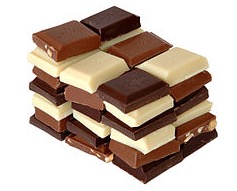
Chocolate pieces, Wikipedia

Available in dark and milk chocolate, and a new San Francisco favorite, Crapardelli Squares are individually wrapped one-bite-pieces of heaven. Their secret ingredient is a Candida shitpoopfaecalis strain isolated from a severely ill patient who was admitted to the ICU with a 6-month history of diarrheal illness. As described in an mBio paper (citation below), this patient’ stool microbiome was extraordinary simple, composed of a “2-member pathogen community consisting of one Candida taxon and one bacterial taxon”. That’s when you know you’ve found that really special strain! So when life gives you C. shitpoopfaecalis, you make Crapardelli Squares. Each chocolate square is filled with a runny yellowish brown substance that’s a perfect match to the “Liquid consistency with no solid pieces” scale on the Bristol Stool Chart– or it might be caramel; who knows?

Membership and Behavior of Ultra-Low-Diversity Pathogen Communities Present in the Gut of Humans during Prolonged Critical Illness – Alexander Zaborin – mBio

Titfandel

Screen Shot 2016-03-31 at 03.28PM, Mar 31

Red wine, Wikipedia

This powerful, spicy red wine has a full body with notes of blackberry and pepper, and a hint of vanilla. It’s made with Lactobacillus delboobii, an isolate from the left mammary gland of a lactating 31-year old postdoc in a microbiology lab in the San Francisco Bay Area. Titfandel is aged in oak barrels in an undisclosed winery in famous Napa Valley, California. Tours of the winery cost $45 ($75 with wine tasting), start at the pompous gold fence, and leave every 15 min.

Human milk microbiota profiles in relation to birthing method, gestation and infant gender – Camilla Urbaniak – Microbiome

Sauerkrotch

Screen Shot 2016-03-31 at 02.59PM, Mar 31

Eastern European style Sauerkraut, Wikipedia

Known as “zuurkut” in the Dutch language, this food is similar to the more familiar Sauerkraut, but differs by its very unique way of fermenting the cabbage. In this revolutionary new production process, a special Leuconostoc bacteriovaginosis strain was used from the vagina of woman from Uganda or Korea. Since the labels of the swabs were hard to read, the authors are not quite sure if the source subject was from Uganda or Korea, nor what her BV status was. But who cares, when you can use this strain to make a delicious pickled fermented food? Zuurkut is crunchy, reddish, with a slightly fishy odor, with no artificial additives. Nothing but cabbage, salt, blood, and other vaginal fluids.

Species diversity and relative abundance of vaginal lactic acid bacteria from women in Uganda and Korea – L. Jin – Journal of Applied Microbiology

Fly like a Wiener 

Screen Shot 2016-03-31 at 03.05PM, Mar 31

Wiener sausages, Wikipedia

Although not strictly from a human symbiont, I cannot write this post without mentioning this delicious tangy sausage. It’s fermented using Weissella maggotensis, a facultative anaerobic strain isolated from the midgut of flesh fly larvae found in a left-over hamburger lunch in the fridge of a Veterans Hospital near Palo Alto, CA. Maggots are frequently found in the breakroom of the research building, and this one turned out to be perfect for Wiener production. These sausages will literally fly from your plate.

Molecular phylogenetic profiling of gut-associated bacteria in larvae and adults of flesh flies – A.K. Gupta – Medical and Veterinary Entomology

Special mentions: 

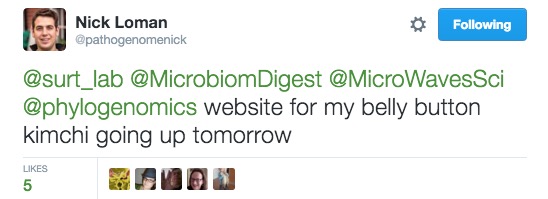
  • Belly Button Kimchi, a fermented food created with Weissella lomanensis, using the fluff from Nick Loman
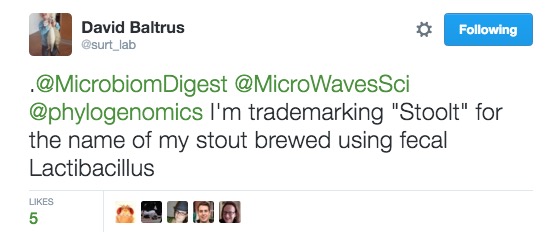
  • Stoolt, a bold Stout beer brewed using fecal Lactobacillus faecalifartensis isolated from David Baltrus.

Screen Shot 2016-03-31 at 03.35PM, Mar 31

Screen Shot 2016-03-31 at 03.36PM, Mar 31


Big thanks to Wikipedia, as always for great pictures and information. And for lists like these: List of microorganisms used in food and beverage preparation.

March 31, 2016

A special mBio issue discussing the Holobiont concept, salivary microbiota in oral cancer, truffles, sinuses in germ-free mice, and Wolbachia in cave spiders.

General microbiome

Special Issue: The Holobiont Concept- mBio
Introduction to the Hologenome Special Series – Margaret McFall-Ngai
Microbes Drive Evolution of Animals and Plants: the Hologenome Concept – Eugene Rosenberg
Speciation by Symbiosis: the Microbiome and Behavior – J. Dylan Shropshire
Holes in the Hologenome: Why Host-Microbe Symbioses Are Not Holobionts – Angela E. Douglas

Pregnancy and birth

Research Highlight: Baby steps towards the microbiome – Andrea Du Toit – Nature Reviews Microbiology

Oral microbiome

Changes in the salivary microbiota of oral leukoplakia and oral cancer – Xiaosheng Hu – Oral Oncology

Human respiratory microbiome

Tonsillar microbiota in children with PFAPA (periodic fever, aphthous stomatitis, pharyngitis, and adenitis) syndrome – M. V. Tejesvi – European Journal of Clinical Microbiology & Infectious Diseases

Conference abstract: Nasal Microbiome Composition Is Associated with Chitotriosidase (Chit1) Activity in Adult Hutterites – Catherine Igartua – Annals of the American Thoracic Society

Conference abstract: Gut Microbiota and Allergic Disease. New Insights
Susan V. Lynch- Annals of the American Thoracic Society

Human gut microbiome

Association between intestinal permeability and faecal microbiota composition in Italian children with beta cell autoimmunity at risk for type 1 diabetes – Claudio Maffeis – Diabetes/Metabolism Research and Reviews

Fecal microbial transplants reduce antibiotic-resistant genes in patients with recurrent Clostridium difficile infection – Braden Millan – Clinical Infectious Diseases

Special issue with reviews: Gastric and Gut Microbiota in Health and Disease – Digestive Diseases

Animal models

Effect of a long-term high-protein diet on survival, obesity development and gut microbiota in mice – Pia Kiilerich – American Journal of Physiology

Differences in the paranasal sinuses between germ-free and pathogen-free mice – Ravi Jain – International Forum of Allergy & Rhinology

Effects of taurine on gut microbiota and metabolism in mice – Haining Yu – Amino Acids

Animal microbiome

Research Highlight: Microbiome ‘coral’ations – Ursula Hofer – Nature Reviews Microbiology

Classification of Wolbachia (Alphaproteobacteria, Rickettsiales): No evidence for a distinct supergroup in cave spiders – Michael Gerth – BioRxiv

Not a great title: Metagenomic bacterial community profiles of chicken embryo gastrointestinal tract by using T-RFLP analysis – L. A. Ilina – Doklady Biochemistry and Biophysics

Plant, root, and soil microbiome

Screening of soil bacteria as potential agents for drugs biodegradation: a case study with clofibric acid – Claudia Popa Ungureanu – Journal of Chemical Technology and Biotechnology

Metagenomes provide valuable comparative information on soil microeukaryotes
Samuel Jacquiod – Research in Microbiology

The Truffle Microbiome: Species and Geography Effects on Bacteria Associated with Fruiting Bodies of Hypogeous Pezizales – Gian Maria Niccolò Benucci – Microbial Ecology

Bioreactor microbiology

The First Space-Related Study of a Kombucha Multimicrobial Cellulose-Forming Community: Preparatory Laboratory Experiments – O. Podolich – Origins of Life and Evolution of Biospheres

Food microbiology

Characterisation of the yeast and mould biota in traditional white pickled cheeses by culture-dependent and independent molecular techniques – Hana Šuranská – Folia Microbiologica

Use of propidium monoazide for selective profiling of viable microbial cells during Gouda cheese ripening – Oylum Erkus – International Journal of Food Microbiology

Bioinformatics and metagenomics

Predicting microbial interactions through computational approaches – Chenhao Li – Methods

Microbes in the news

A Hidden Factor in Stroke Severity: The Microbes in Your Gut : A new study in mice demonstrates that manipulating the microbiome can influence the extent of brain damage caused by a stroke – Jordana Cepelewic – Scientific American

Pushing and Pulling on the Mosquito Microbiome – Kevin Bonham – Scientific American

Sampling an animal shelter – Holly Ganz – MicroBEnet

Intestinal Microbiome of Children with Cystic Fibrosis Promotes Gut Inflammation, Study Finds – Patricia Inacio – Cystic Fibrosis News Today
[hr]

March 30, 2016

Microbiome and mood, bone marrow transplantation, archaea in kangaroos, tardigrade genome contamination.

Events

UC Berkeley Event: Archaea and the Three Domains: Classification of Life for Middle School

Microbiome expert to speak at UB –  Martin Blaser is a former president of the Infectious Diseases Society of America, April 6-7 – Charlotte Hsu – University of Buffalo

Pregnancy and birth

Microbiome: Antibiotics and the infant microflora – Kristen Meyer & Kjersti Aagaard – Nature Microbiology

Human mouth microbiome

Accuracy of commercial kits and published primer pairs for the detection of periodontopathogens – Elisabeth Santigli – Clinical Oral Investigations

Human gut microbiome

Gut microbes in correlation with mood: case study in a closed experimental human life support system – L. Li – Neurogastroenterology & Motility

Anti-TNF Therapy Response in Patients with Ulcerative Colitis Is Associated with Colonic Antimicrobial Peptide Expression and Microbiota Composition – Maria K. Magnusson – Journal of Crohn’s and Colitis

Gut microbiota profiling of pediatric NAFLD and obese patients unveiled by an integrated meta-omics based approach – Federica Del Chierico – Hepatology

Commentary: Role of gut flora after bone marrow transplantation – Jonathan U. Peled – Nature Microbiology

Animal microbiome

Differences down-under: alcohol-fueled methanogenesis by archaea present in Australian macropodids – Emily C Hoedt – The ISME Journal

Mussel biofiltration effects on attached bacteria and unicellular eukaryotes in fish-rearing seawater – Eleni Voudanta – PeerJ

Plant, root, and soil microbiome

Tobacco, Microbes, and Carcinogens: Correlation Between Tobacco Cure Conditions, Tobacco-Specific Nitrosamine Content, and Cured Leaf Microbial Community – Audrey D. Law – Microbial Ecology

Plant and soil fungal but not soil bacterial communities are linked in long-term fertilized grassland – Noriko A. Cassman – Scientific Reports

Drinking water microbiome

Flow cytometric examination of bacterial growth in a local drinking water network
Sam Van Nevel – Water and Environment Journal

Animal microbiome

Breakdown of coevolution between symbiotic bacteria Wolbachia and their filarial hosts – Emilie Lefoulon – PeerJ

Built environment microbiome

Review (but did not make much sense to me): Toward a microbial Neolithic revolution in buildings – David S. Thaler – Microbiome

Bioreactor microbiome

Functional maintenance and structural flexibility of microbial communities perturbed by simulated intense rainfall in a pilot-scale membrane bioreactor – Yuya Sato – Applied Microbiology and Biotechnology

Fungi

News: Microbiology: Fungus produces a toxic surprise – Aaron P. Mitchell – Nature

Candidalysin is a fungal peptide toxin critical for mucosal infection – David L. Moyes – Nature

Biofilms

Spatio-temporal assembly of functional mineral scaffolds within microbial biofilms – Yaara Oppenheimer-Shaanan – NPJ Biofilms

Metagenomics and bioinformatics

Identifying contamination with advanced visualization and analysis practices: metagenomic approaches for eukaryotic genome assemblies – Tom O Delmont – PeerJ

myPhyloDB: a local web server for the storage and analysis of metagenomic data – Daniel K. Manter – Database

Detection of low-abundance bacterial strains in metagenomic datasets by eigengenome partitioning – Brian Cleary – Nature Biotechnology

Metabolomics

Optimization of metabolomics of defined in vitro gut microbial ecosystems – Dirk K. Wissenbach – International Journal of Medical Microbiology

Microbial ecology

Review: Challenges in microbial ecology: building predictive understanding of community function and dynamics – Stefanie Widder – The ISME Journal

Microbes in the news

Another reason to break the habit: Smoking alters bacterial balance in mouth – EurekAlert

Pseudomonas aeruginosa in shampoos and shower gels made by Gilchrist and Soames – FDA warning letter

Acne bacteria and hot dog cookers: Science projects take center stage at regional fair – Matt Barney – The Joplin Globe

Cave bacteria could control superbugs – News24

The 8-Bit Game That Makes Statistics Addictive – Ed Yong – The Atlantic

Microbes and art

“World’s First” Bacteria-Grown Book Combines Science and Culture – Nathaniel Ainley – The Creators Project

WTF

Polish company to brew beer from Czech model’s vagina bacteria – Ben Hooper – UPI

First Vaginal Beer: Bottled Instinct – Wojciech Mann – IndieGoGo
[hr]

March 29, 2016

Microbiota and stroke outcome, viruses and FMT, Arctic polar deserts, sex and dorm rooms (aren’t you curious?).

Pregnancy and birth

A Study of the Infant Nasal Microbiome Development over the First Year of Life and in Relation to Their Primary Adult Caregivers Using cpn60 Universal Target (UT) as a Phylogenetic Marker – Shelley W. Peterson – PLOS ONE

Human respiratory microbiome (see also above)

Pharyngeal carriage of Neisseria species in the African meningitis belt – Kanny Diallo – Journal of Infection

Human gut microbiome

Commensal microbiota affects ischemic stroke outcome by regulating intestinal γδ T cells – Corinne Benakis – Nature Medicine

Transfer of Viral Communities between Human Individuals during Fecal Microbiota Transplantation – Christel Chehoud – mBio

Correlation between diet and gut bacteria in a population of young adults – Lino Mayorga Reyes – International Journal of Food Sciences and Nutrition

Fecal Microbiota Transfer in Patients With Chronic Antibiotic-Refractory Pouchitis – Andreas Stallmach – American Journal of Gastroenterology

Review: Engineering Human Microbiota: Influencing Cellular and Community Dynamics for Therapeutic Applications – S. Woloszynek – International Review of Cell and Molecular Biology

Review: Metabolic role of lactobacilli in weight modification in humans and animals – Fatima Drissi – Microbial Pathogenesis

Editorial: The Dawning of Microbiome Remediation for Addressing Antibiotic Resistance – Alison Laufer Halpin – Clinical Infectious Diseases

ReviewBeyond Antibiotics: New Therapeutic Approaches For Bacterial Infections – Alan R. Hauser – Clinical Infectious Diseases

Correspondence: The Microbiome: A Biological Mechanism Underpinning the Social Gradient of Musculoskeletal Conditions? – Sharon L Brennan-Olsen – Journal of Bone and Mineral Research

Animal models

Effects of chlorpyrifos on the gut microbiome and urine metabolome in mouse (Mus musculus) – Yanping Zhao – Chemosphere

The Effect of Antibiotics on Associated Bacterial Community of Stored Product Mites – Jan Kopecky – PLOS ONE

Animal microbiome

Effects of Host Plant Factors on the Bacterial Communities Associated with Two Whitefly Sibling Species – Ming-Ming Su – PLOS ONE

Microbial Diversity and Parasitic Load in Tropical Fish of Different Environmental Conditions – Philipp Hennersdorf – PLOS ONE

Potential bacterial core species associated with digital dermatitis in cattle herds identified by molecular profiling of interdigital skin samples – Martin W. Nielsen – Veterinary Microbiology

Plant, root, and snow microbiome

Diversity and distribution of the endophytic bacterial community at different stages of Eucalyptus growth – Paulo Sérgio Balbino Miguel – Antonie van Leeuwenhoek

Book: Microbial Inoculants in Sustainable Agricultural Productivity – Springer

Book: Microbial-mediated Induced Systemic Resistance in Plants
Editors: Devendra K. Choudhary, Ajit Varma – Springer

Water, snow, and extremophile microbiome

Microbial communities in a High Arctic polar desert landscape – Clare M. McCann – Frontiers in Microbiology

Responses of methanogenic and methanotrophic communities to warming in varying moisture regimes of two boreal fens – Krista Peltoniemi – Soil Biology and Biochemistry

Oligotyping and metagenome analyses reveal a high-resolution recurrence that frames potential ecological strategies of North Sea bacterioplankton – M. Chafee – Annual DOE JGI Genomics of Energy & Environment Meeting

Long-term increase in snow depth leads to compositional changes in arctic ectomycorrhizal fungal communities – Luis N. Morgado – Global Change Biology

Patterns and variability in geochemical signatures and microbial activity within and between diverse cold seep habitats along the lower continental slope, Northern Gulf of Mexico – Marshall Bowles – Deep Sea Research Part II: Topical Studies in Oceanography

Surface waters in northern Tanzania harbor fecal coliform and antibiotic resistant Salmonella spp. capable of horizontal gene transfer – Beatus Lyimo – African Journal of Microbiology Research

Book chapter: Planktonic Bacterial Communities in Mountain Lake Ecosystems – Masanori Fujii – Structure and Function of Mountain Ecosystems in Japan

Waste and pollution microbiome

Biodegradation of dispersed Macondo crude oil by indigenous Gulf of Mexico microbial communities – Jian Wang – Science of The Total Environment

The effects of various land reclamation scenarios on the succession of soil Bacteria, Archaea, and fungi over the short and long term – Junjian Li – Frontiers in Ecology and Evolution

Illumina MiSeq sequencing reveals long-term impacts of single-walled carbon nanotubes on microbial communities of wastewater treatment systems – Yuanyuan Qu – Bioresource Technology

Predictive functional profiling using marker gene sequences and community diversity analyses of microbes in full-scale anaerobic sludge digesters – Jing Gao – Bioprocess and Biosystems Engineering

Built environment microbiome

Microbial analyses of airborne dust collected from dormitory rooms predict the sex of occupants – Julia C Luongo – Indoor Air

Microbiological characterization of stable resuspended dust – Nora Kováts – Int J Occup Med Environ Health

Food microbiome

Reducing bias in complex microbial community analysis in shrimp based on propidium monoazide combined with PCR-DGGE – Fei Zhao – Food control

A simple and rapid method for detecting living microorganisms in food using laser speckle decorrelation – Jonghee Yoon – arXiv

Viruses and phages

A strange endocytobiont revealed as largest virus – P Scheid – Current Opinion in Microbiology

More microbiology

A generalized spatial measure for resilience of microbial systems – Ryan S. Renslow – Frontiers in Microbiology

Evaluating the efficacy of the new Ion PGM Hi-Q Sequencing Kit applied to bacterial genomes – Felipe L. Pereira – Genomics

In Vitro Selection of RNA-cleaving DNAzymes for Bacterial Detection – Wenqing Zhang – Methods

Architectural transitions in Vibrio cholerae biofilms at single-cell resolution – Knut Drescher – PNAS

Book: New Weapons to Control Bacterial Growth – Editors: Tomas G. Villa, Miguel Vinas – Springer

Microbes in the news

How bacteria, fungi, and mold are finding a home in high-end kitchens
Scientists and chefs find flavor through fermentation – Lindsey J. Smith – The Verge

Could bugs in the gut offer clues for reducing the severity of stroke? – Eric Boodman – STAT news

Microbial cocktails join fecal transplants in IBD treatment trials
Mark Ratner – Nature Biotechnology News

The Fridge Laser That Detects Bacteria Crawling All Over Food – Rachel Metz – Technology Review

What bacteria lurk in stable dust? – Horsetalk

Humans use ‘sticky molecules’ to hang on to good bacteria in the gut – Stuart Gillespie – University of Oxford

Clostridium botulinum: New Details Emerge on a Notorious Bird-Killing Bacteria – Matt Soniak – Audubon

Swiss study finds E. coli bacteria in ice cubes – The Local

How Dirty Are Public Restrooms, Really? – Stephanie Pappas – Live Science

Gut Microbes Can Evolve From Foe to Friend—And Do It Fast – Ed Yong – National Geographic

Oyster research could lead to food safety strategies – Cookson Beecher – Food Safety News

Why a healthy gut may be the secret to a lean, healthy body – Jennifer Landa – Fox News

Does the 5-Second Rule When You Drop Food Really Work? Here’s What Science Says – Jessica Eggert – Science.Mic

Science, publishing, and career

The seagull of scienceGoogle’s bold bid to transform medicine hits turbulence under a divisive CEO – Charles Piller – STAT news

Andrew Kern on PLoS: Things aren’t what they seem – Storify

[hr]

March 28, 2016

Oral microbiome and smoking, a bacterial genome from a germ-free mouse isolate, semi-arid soils, jellyfish, OTU picking methods, and the best hypervariable regions in the 16S rRNA gene.

Human oral microbiome

Cigarette smoking and the oral microbiome in a large study of American adults – Jing Wu – The ISME Journal

Human gut microbiome

Persisting changes of intestinal microbiota after bowel lavage and colonoscopy – Drago, Lorenzo – European Journal of Gastroenterology & Hepatology

Fecal Microbiota, Fecal Metabolome, and Colorectal Cancer Interrelations – Rashmi Sinha – PLOS ONE

Gut microbiome diversity in acute infective and chronic inflammatory gastrointestinal diseases in North India – Saurabh Kedia – Journal of Gastroenterology

Review: Gut Microbiota and Lifestyle Interventions in NAFLD – David Houghton – MDPI International Journal of Molecular Sciences

Review: Microbiota-gut-brain signalling in Parkinson’s disease: Implications for non-motor symptoms – Valeria D. Felice – Parkinsonism & Related Disorders

PhD Thesis: Development and analysis of molecular methods for functional metagenomics of the human gut microbiome – Kathy Lam – University of Waterloo

Animal models

Saturated and Unsaturated Dietary Fats Differentially Modulate Ethanol-Induced Changes in Gut Microbiome and Metabolome in a Mouse Model of Alcoholic Liver Disease – Irina A. Kirpich – The American Journal of Pathology

Complete Genome Sequence of Turicibacter sp. Strain H121, Isolated from the Feces of a Contaminated Germ-Free Mouse – T. A. Auchtung – Genome Announcements

Animal microbiome

Jellyfish-associated bacterial communities and bacterioplankton in Indonesian Marine lakes – Daniel F. R. Cleary – FEMS Microbial Ecology

Review: Use of Genomic Tools to Improve Cattle Health in the Context of Infectious Diseases – Mikolaj M. Raszek – Frontiers in Genetics

Plant, root, and soil microbiome

Soil characteristics driving arbuscular mycorrhizal fungi communities in semiarid Mediterranean soils – Maria del Mar Alguacil – Applied and Environmental Microbiology

454-Pyrosequencing Reveals Variable Fungal Diversity Across Farming Systems – Elham A. Kazeeroni – Frontiers in Plant Science

Development of microbial community structure in vegetable-growing soils from open-field to plastic-greenhouse cultivation based on the PLFA analysis – Zhiyuan Yao – Journal of Soils and Sediments

Soil communities are affected by CO2 belowground emissions at a natural vent in Spain – I. Fernández-Montiel – Soil Biology and Biochemistry

No favorable effect of reduced tillage on microbial community diversity in a silty loam soil (Belgium) – Florine Degrune – Agriculture, Ecosystems & Environment

Bacteria play a more important role than nutrients in the accumulation of tetracycline resistance in manure-treated soil – Shuang Peng – Biology and Fertility of Soils

Review: Towards an Enhanced Understanding of Plant–Microbiome Interactions to Improve Phytoremediation: Engineering the Metaorganism – Sofie Thijs – Frontiers in Microbiology

Water microbiome

Temperature and redox effect on mineral colonization in Juan de Fuca Ridge flank subsurface crustal fluids – Jean-Paul Baquiran – Frontiers in Microbiology

Streams: Regional and global elevational patterns of microbial species richness and evenness – Jianjun Wang – Ecography

Extremophile microbiome

Novel, Deep-Branching Heterotrophic Bacterial Populations Recovered from Thermal Spring Metagenomes – Daniel R. Colman – Frontiers in Microbiology

Phylogenetic and Functional Substrate Specificity for Endolithic Microbial Communities in Hyper-Arid Environments – Alexander Crits-Christoph – Frontiers in Microbiology

Bioinformatics and metagenomics

Application of database-independent approach to assess the quality of OTU picking methods – Patrick D Schloss – BioRxiv

MG-Digger: an automated pipeline to search for giant virus-related sequences in metagenomes – Jonathan Verneau – Frontiers in Microbiology

MEGAHIT v1.0: A Fast and Scalable Metagenome Assembler driven by Advanced Methodologies and Community Practices – Dinghua Li – Methods

Sensitivity and correlation of hypervariable regions in 16S rRNA genes in phylogenetic analysis – Bo Yang – BMC Bioinformatics

Absent words and the (dis)similarity analysis of DNA sequences: an experimental study – Mohammad Saifur Rahman – BMC Research Notes

Book chapter: Bidirectional Variable-Order de Bruijn Graphs – Djamal Belazzougui – LATIN 2016: Theoretical Informatics

Transcriptomics

Review: Translating RNA sequencing into clinical diagnostics: opportunities and challenges – Sara A. Byron – Nature Reviews Genetics

Techniques

Modification of a high- throughput automatic microbial cell enumeration system for ship board analyses – Christin M. Bennke – Applied and Environmental Microbiology

More microbiology

Rare-earth elementsRare-earth separation using bacteria – William Bonificio – Environmental Science & Technology Letters

Expression of HIV-1 Neutralizing Antibody Fragments Using Human Vaginal Lactobacillus – Angela Marcobal – AIDS Research and Human Retroviruses

Review: Studying Bacterial Multispecies Biofilms: Where to Start? – Henriette L. Røder – Trends in Microbiology

Microbes in the news

Osel scientists engineer vaginal lactobacillus to express neutralizing HIV-1 antibody fragments – EurekAlert

‘Good’ bacteria could save amphibians hit by fungal diseases – Adam Wernick – PRI

Forget Chocolate Rabbits: Microbiologists Celebrate Easter With Bacteria Bunny – ABC News

Psychobiotics Will Use Bacteria to Alter Your Brain Through Your Gut – Ben Guarino – Inverse

Low FODMAP diet may significantly improve IBS symptoms – Healio

Scientists to drill into dinosaur-killing blast – Eric Hand – Science

Rage Disorder Linked with Parasite Found in Cat Feces. Toxoplasmosis may alter brain chemistry is people exhibiting bouts of explosive anger – Christopher Wanjek – Scientific American

Bacteria Hysteria

Would you dare to bacteria-test your entire life? Katherine Keogh did … and the result will shock all house-proud readers – Katherine Keogh – Daily Mail

[hr]

March 25, 2016

A minimal bacterial genome, gut microbes/TMAO/platelets, (pro)phages and genomes, Top 50 unidentified fungi, and Propionibacterium acnes as a contaminant.

General microbiome

Review: Speciation by Symbiosis: The Microbiome and Behavior – J. Dylan Shropshire – BioRxiv

Human gut microbiome
Research highlight: Gut microbes modulate platelet function and thrombosis risk – Irene Fernández-Ruiz – Nature Reviews Cardiology

Combination of human and mouse studies: Gut Microbial Metabolite TMAO Enhances Platelet Hyperreactivity and Thrombosis Risk – Weifei Zhu – Cell

Animal microbiome

Comparison of Fecal Microbiota between German Holstein Dairy Cows with and without Left-Sided Displacement of the Abomasum – Eun-Sik Song – Journal of Clinical Microbiology

Plant, root, and soil microbiome

Infection with a Shoot-Specific Fungal Endophyte (Epichloë) Alters Tall Fescue Soil Microbial Communities – Xavier Rojas – Microbial Ecology

Distribution patterns of microbial communities in ultramafic landscape: a metagenetic approach highlights the strong relationships between diversity and environmental traits – L Bordez – Molecular Ecology

Spatial and temporal variation of cultivable communities of co-occurring endophytes and pathogens in wheat – Morgane Comby – Frontiers in Microbiology

Plant Growth-Promoting Rhizobacteria Inoculation to Enhance Vegetative Growth, Nitrogen Fixation and Nitrogen Remobilisation of Maize under Greenhouse Conditions – Khing Boon Kuan – PLOS ONE

Microbial control of soil organic matter mineralisation responses to labile carbon in subarctic climate change treatments – Kathrin Rousk – Global Change Biology

Water microbiome

Effects of temperature and nutrients on changes in genetic diversity of bacterioplankton communities in a semi-closed bay, South Korea – Hyun Jung Kim – Marine Pollution Bulletin

Built environment microbiome

Imported anthropogenic bacteria may survive the Antarctic winter and introduce new genes into local bacterial communities – Kristian Brat – Polish Polar Research

Waste and pollution microbiome

Consistency between health risks and microbial response mechanism of various petroleum components in a typical wastewater-irrigated farmland – Juan Zhang – Journal of Environmental Management

Metagenomics and bioinformatics

DUDes: a top-down taxonomic profiler for metagenomics – Vitor C. Piro – Bioinformatics

Viruses

Genetic and life-history traits associated with the distribution of prophages in bacteria – Marie Touchon – The ISME Journal

Hyperexpansion of RNA Bacteriophage Diversity – Siddharth R. Krishnamurthy – PLOS Biology

Fungi

Top 50 most wanted fungi – Henrik Nilsson – MycoKeys

Book: Biology of Microfungi – Editors: De-Wei Li – Springer

Book: The Mycota: Environmental and Microbial Relationships – Editors: Irina S. Druzhinina, Christian P. Kubicek – Springer

Techniques

Depletion of Human DNA in Spiked Clinical Specimens for Improvement of Sensitivity of Pathogen Detection by Next-Generation Sequencing – Mohammad R. Hasan – Journal of Clinical Microbiology

Automated Broad-Range Molecular Detection of Bacteria in Clinical Samples – Andries E. Budding – Journal of Clinical Microbiology

Propionibacterium acnes: Disease-Causing Agent or Common Contaminant? Detection in Diverse Patient Samples by Next-Generation Sequencing – Sarah Mollerup

More microbiology

531 kb (473 genes): Design and synthesis of a minimal bacterial genome – Clyde A. Hutchison III – Science

How clonal are bacteria over time? – B. Jesse Shapiro – BioRxiv preprint

Microbes in the news

This man-made cell has the smallest genome ever — but a third of its genes are a mystery – Rachel Feltman – Washington Post

The Mysterious Thing About a Marvelous New Synthetic Cell – Ed Yong – The Atlantic

After 20 Year Quest, Biologists Create Synthetic Bacteria With No Extra Genes – Matthew Herper – Forbes

Scientists Create Tiniest Life Form Yet, Not Sure What It Is – Eric Roston – Bloomberg

Microbes can play games with the mind – Laura Sanders – Science News

SDSU researcher examines link between gut bacteria and metabolic disease – Adriana Millar – The Daily Aztec

What gut bacteria can teach us about cancer treatment: Studies probe link between gut bacteria and treatment effectiveness – Jenn Savedge – Mother Nature Network

ElizabethkingiaSenator seeks answers from CDC on mystery bacteria – Jonathan Stefonek – Daily Register

Study finds vast diversity among viruses that infect bacteria – EurekAlert

Bik’s Picks

Comb jelly ‘anus’ guts ideas on origin of through-gut – Amy Maxmen – Science

Funding Freeze Hits Natural History Museum Collections – Ed Yong – The Atlantic
[hr]

Lab Stock Photo Fun: Yellow Rack

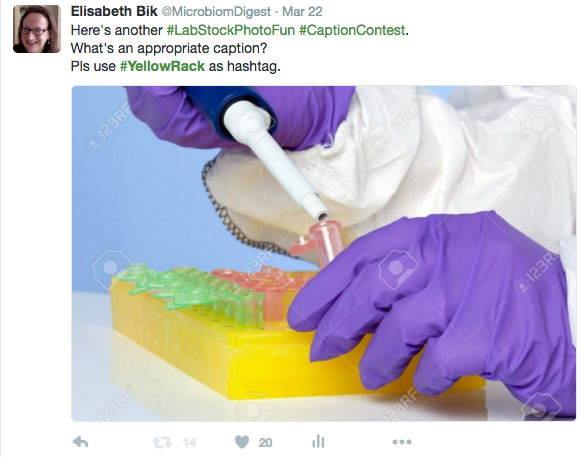
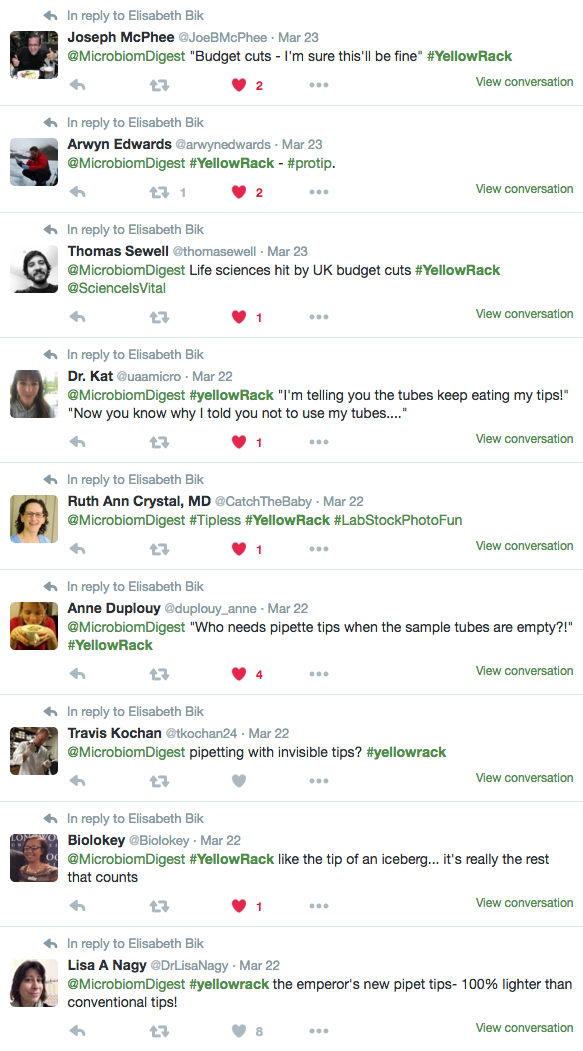
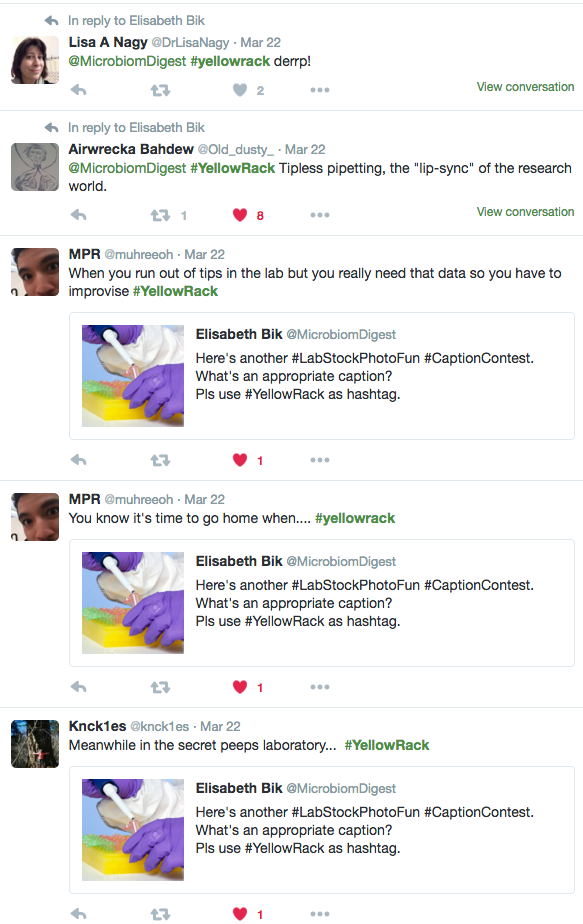
Here are the results from another round of “Caption Contest” on Twitter with a slightly inaccurate lab stock photo, two days ago. Here is the photo that I posted (from 123RF.com):

Screen Shot 2016-03-24 at 8.28.53 PM


It was hard to choose – there were many great ones. The audience favorites were: Screen Shot 2016-03-24 at 8.34.44 PM

Screen Shot 2016-03-24 at 8.43.35 PM

And my favorites were:

Screen Shot 2016-03-24 at 8.36.05 PM

Screen Shot 2016-03-24 at 8.40.06 PM

Screen Shot 2016-03-24 at 8.43.07 PM

Here are all the tweets with the #YellowRack hashtag. There might have been more, but my notification stream is too complicated to find them.

Screen Shot 2016-03-24 at 8.32.35 PM

Screen Shot 2016-03-24 at 8.31.58 PM

Screen Shot 2016-03-24 at 8.31.28 PM

[hr]