June 14, 2016

Breastfeeding protects against antibiotics’ effect in infants, pediatric gut microbiome after surgery, microbial contribution to regional wine characteristics, microbial hotspots on glacial surfaces, foodwebs in your gut, and much more!

Pregnancy and birth

Association of Early-Life Antibiotic Use and Protective Effects of Breastfeeding – 
Role of the Intestinal Microbiota – Katri Korpela – JAMA Pediatrics

Press: Antibiotics May Blunt Breast-Feeding’s Benefits – Infants given the drugs were prone to infections and obesity in childhood, researchers say – WebMD

Human gut microbiome

The pediatric intestinal mucosal microbiome remains altered after clinical resolution of inflammatory and ischemic disease – Minna M. Wieck – Surgery

Press: Culture Crash: How Common Pediatric Diseases Affect the Healthy Intestinal Microbiome – Children’s Hospital Los Angeles

Systematic Review: Fecal Microbiota Transplantation for Ulcerative Colitis: A Systematic Review and Meta-Analysis – Yanqiang Shi – PLOS ONE

Animal and bioreactor experiments

Vancomycin Treatment Alters Humoral Immunity and Intestinal Microbiota in an Aged Mouse Model of Clostridium difficile Infection – Edward van Opstal – Journal of Infectious Diseases

The structural alteration of gut microbiota in low-birth-weight mice undergoing accelerated postnatal growth – Jingjing Wang – Scientific Reports

MALDI-TOF: Investigation of the interactions between Chrysanthemum morifolium flowers extract and intestinal bacteria from human and rat – Jin-hua Tao – Biomedical Chromatography

Substrate-driven convergence of the microbial community in lignocellulose-amended enrichments of gut microflora from the Canadian beaver (Castor canadensis) and North American moose (Alces americanus) – Mabel Ting Wong – Frontiers in Microbiology

Animal microbiome
Epimicrobiota Associated with the Decay and Recovery of Orbicella Corals Exhibiting Dark Spot Syndrome – Julie L. Meyer – Frontiers in Microbiology

Plant, root, and soil microbiome

Associations among Wine Grape Microbiome, Metabolome, and Fermentation Behavior Suggest Microbial Contribution to Regional Wine Characteristics – Nicholas A. Bokulich – mBio

Archaeal Community Changes Associated with Cultivation of Amazon Forest Soil with Oil Palm – Daiva Domenech Tupinambá – Archaea

Effects of Frangula alnus on soil microbial communities and biogeochemical processes in Wisconsin forests – Joel P. Stokdyk – Plant and Soil

Species-specific effects of plant invasions on activity, biomass, and composition of soil microbial communities – Anna M. Stefanowicz – Biology and Fertility of Soils

Water and extremophile microbiome

Review: Biofilms on glacial surfaces: hotspots for biological activity – Heidi J Smith – NPJ Biofilms and Microbiomes

Press: MSU doctoral student publishes research on microbial biofilms and carbon cycling on glacial surfaces – Montana State University

Diversity of culturable bacteria recovered from Pico Bolívar’s glacial and subglacial environments, at 4,950 m, in Venezuelan Tropical Andes – Johnma Rondón – Canadian Journal of Microbiology

Large differences in bacterial community composition among three nearby extreme waterbodies of the high Andean plateau – Pablo Aguilar – Frontiers in Microbiology

The Vertical Distribution of Sediment Archaeal Community in the “Black Bloom” Disturbing Zhushan Bay of Lake Taihu – Xianfang Fan – Archaea

Built environment microbiome / food microbiology

Metagenomic discovery of novel enzymes and biosurfactants in a slaughterhouse biofilm microbial community – Stephan Thies – Scientific Reports

Characterization of specific spoilage organisms (SSOs) in vacuum-packed ham by culture-plating techniques and MiSeq next-generation sequencing technologies – Agnieszka Piotrowska-Cyplik – Journal of the Science of Food and Agriculture

Metagenomics and bioinformatics

Linking comparative genomics and environmental distribution patterns of microbial populations through metagenomics – Tom O Delmont – bioRxiv

Species–function relationships shape ecological properties of the human gut microbiome – Sara Vieira-Silva – Nature Microbiology

Press: Unraveling the food web in your gut – The Flanders Institute for Biotechnology – EurekAlert

Protocol: A Brief Review on the Ecological Network Analysis with Applications in the Emerging Medical Ecology – Zhanshan (Sam) Ma – Part of the series Springer Protocols Handbook

ReviewThe evolution of genome mining in microbes – a review – Nadine Ziemert – Natural Product Reports

Transcriptomics, metabolomics

Integrative analysis of transcriptomic and metabolomic data via sparse canonical correlation analysis with incorporation of biological information – Sandra E. Safo – arXiv

More microbiology

Comparative genome-scale modelling of Staphylococcus aureus strains identifies strain-specific metabolic capabilities linked to pathogenicity – Emanuele Bosi – PNAS

Microbes in the news

Bill Gates, Jennifer Doudna Will Take Podium at ASM Microbe – Ingrid Hein – Medscape

Insights into the ecology of the microbiome: dynamics of the gut, mouth and skin microbiomes of healthy subjects – Science Daily

Podcast: Profile Of A Scientist: Personalized Medicine, Gut Microbes And The Biology Of Space Travel, with Stanford biologist Mike Snyder – WBUR

WPI students may have discovered three new viruses in Worcester soil – Michael D. Kane – MassLive

Electronic sensor that tells dead bacteria from live by measuring ‘osmoregulation’ is potential future tool for medicine and food safety – Purdue University

Oral microbiome rich environment for study, product development, event attendees told – Hank Schultz – Nutraingredients

Take Care of Your Microbiome and Your Microbiome Will Take Care of You – Aaron M. Renn – Urbanophile

Science, publishing, and career

How to make your article easy to review – Part 4 – 25 tips from experienced reviewers on what to look out for before submitting your article – Elsevier

Image duplication quartet

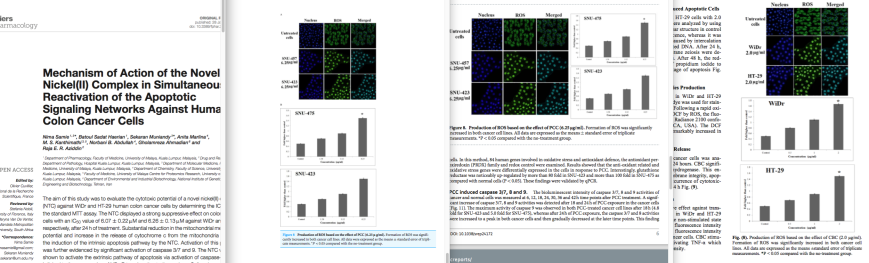
One of the topics discussed today on Twitter was a set of four very similar papers by the same group from Malaysia, all published around the same time, but with different titles and in different journals. The problems were first spotted by Dave Williamson on Twitter:

Screen Shot 2016-06-10 at 9.31.50 PM.png

Soon followed other tweets by Stuart Cantrill, Christophe Leterrier, Alexis Verger, and many others, who found more and more problems with papers by this group.

As already pointed out in posts in Retraction Watch, For Better Science by Leonid Schneider, and other blog posts, there are a lot of apparent problems with these studies. Not only do these papers contain a lot of very similar looking figures, most of the figures themselves appear to contain duplicated panels or parts of panels.

These 4 papers contain very similar examples of inappropriate image duplication as Arturo Casadevall, Ferric Fang and I wrote about in our paper that was published earlier this week in mBio:

The Prevalence of Inappropriate Image Duplication in Biomedical Research Publications – Elisabeth M. Bik, Arturo Casadevall, Ferric C. Fang – mBio

In our paper, we scanned over 20,000 published papers that contained the term “Western Blot” and screened all photographic images for duplicated panels, or lanes within panels. About 1:25 of the papers contained inappropriately duplicated images. That suggests that peer review and journal editors need to do a better job in catching these problems before publication.

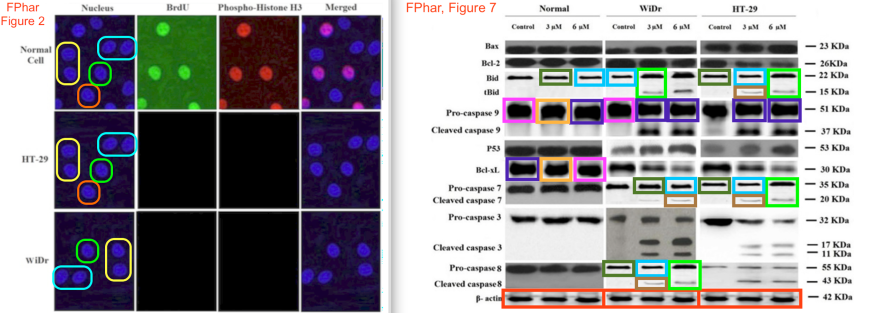
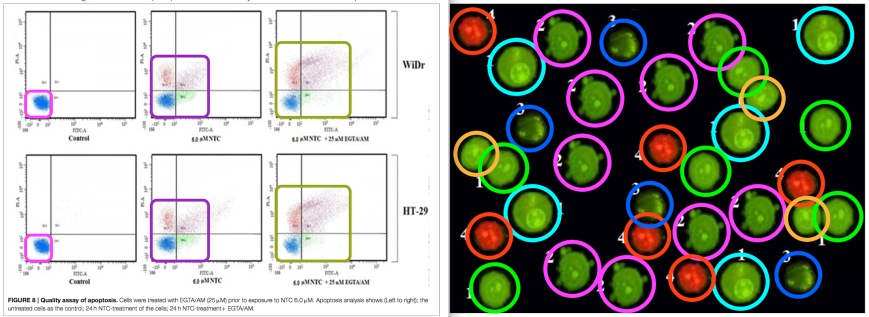
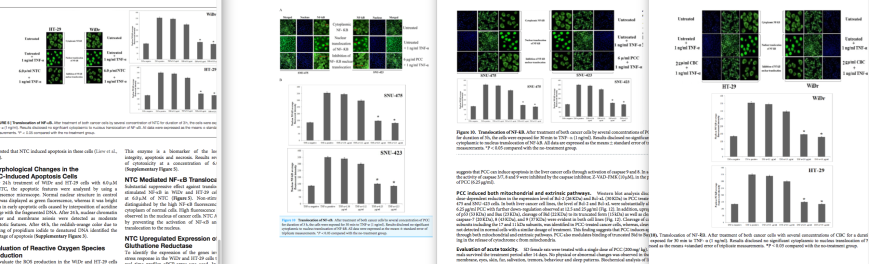
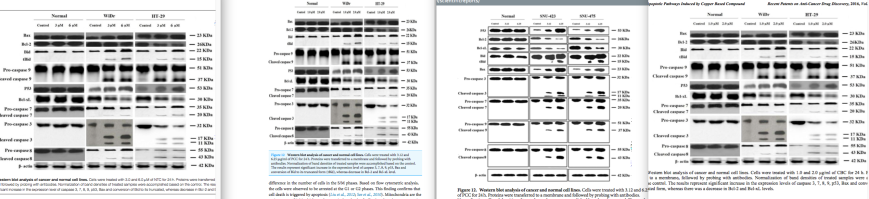
The 4 papers that attracted attention today had very similar problems as the ones we encountered in our paper, but they also looked very similar to each other. The four-some were published respectively in Frontiers in Pharmacology, PeerJ, Scientific Reports, and Recent Patents on Anti-Cancer Drug Discovery. At the bottom of this post I will show the side-by-side screenshots of the 4 paper, showing how similar their figures are. But there are also a lot of potential problems with the figures, such as photos representing different cell lines that share similar features, or bands within the same Western Blot panel that look very similar to each other. What makes these papers unique is that they have so many apparent problems within one paper. Here are some examples (colored boxes are mine to point out similar looking features such as cells or bands):

Screen Shot 2016-06-10 at 8.59.33 PM

Screen Shot 2016-06-10 at 9.04.25 PM

You can see more examples of what-seem-to-be inappropriate duplications on the PubPeer website, for the Frontiers in Pharmacology paper, and the Scientific Reports paper. Several people, including I, have left comments and concerns about the figures. I hope that by showing these examples, peer reviewers and editors will better recognize potential figure problems, and pay more attention in capturing these mistakes before they are published. I also hope that the authors will respond to our concerns.

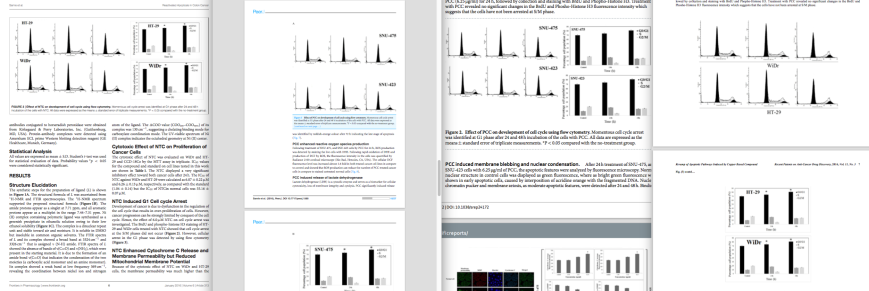
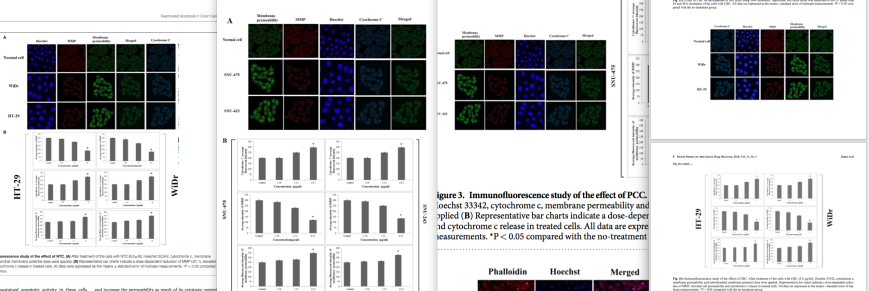
To show how similar the papers are to each other, I have made screenshots of a side-by-side comparison of the 4 papers. In all screenshots below, you will see from left-t0-right: Frontiers in Pharmacology, PeerJ, Scientific Reports, and the Patents paper. Note that although the papers represent studies on different cell lines or chemicals, their figures look unexpectedly similar to each other.

Screen Shot 2016-06-10 at 7.52.49 PM.png

FPh Fig 2 – PeerJ Fig 2 – SciRep Fig 1 – Patent Fig 2

Screen Shot 2016-06-10 at 7.54.01 PM.png

FPh Fig 3 – PeerJ Fig 3 – SciRep Fig 2 – Patent Fig 3

Screen Shot 2016-06-10 at 7.55.14 PM.png

FPh, Fig 4 – PeerJ Fig 4 – SciRep Fig 3 – Patent Fig 4Screen Shot 2016-06-10 at 7.56.34 PM.png

NA -PeerJ Fig 5 – SciRep Fig 4 – Patent Fig 5

Screen Shot 2016-06-10 at 8.44.25 PM

NA -PeerJ Fig 6 – SciRep Fig 5 – Patent Fig 6

Screen Shot 2016-06-10 at 8.49.29 PM

NA – PeerJ Fig 7 – SciRep Fig 6 – Patent Fig 7

Screen Shot 2016-06-10 at 8.07.04 PM

NA – PeerJ Fig 8 – SciRep Fig 8 – Patent Fig 8

Screen Shot 2016-06-10 at 7.59.02 PM.png

FPh, Fig 5 – PeerJ Fig 10 – SciRep Fig 10 – Patent Fig 10

Screen Shot 2016-06-10 at 8.00.08 PM.png

FPh, Fig 6 – PeerJ Fig 11 – SciRep Fig 11 – Patent Fig 11

Screen Shot 2016-06-10 at 8.03.28 PM

FPh, Fig 7 – PeerJ Fig 12 – SciRep Fig 12  – Patent Fig 12

Screen Shot 2016-06-10 at 8.01.13 PM.png

FPh, Fig 8 – PeerJ Fig 13 – SciRep Fig 7  – Patent Fig 13

Screen Shot 2016-06-10 at 8.02.20 PM


Our image duplication project on bioRxiv

As some of you already know, I have been working on a side-project on scientific misconduct, together with Arturo Casadevall ( Johns Hopkins) and Ferric Fang ( University of Washington). In this project, we screened over 20,000 papers that had been published in 40 different journals for cases of inappropriate image duplication, focusing on photographic images such as Western blots, gels, microscopy/histology, and FACS plots. It took me 2 years of almost all my free time to screen the papers and make reports on the 1 in every 25 papers that showed duplicated images or parts of images.

After sending our manuscript to 3 different journals and receiving 3 rejection letters, we wanted to share our results with a wider (and hopefully more positive) audience. So earlier this week, we posted our manuscript on the preprint server bioRxiv (a very easy and free process!). We have also submitted our ms to journal #4. After all, the fouth time’s a charm, right?

Here is the abstract and link to our preprint (not peer-reviewed). You can leave comments at the bottom.

The Prevalence of Inappropriate Image Duplication in Biomedical Research Publications – Elisabeth M. Bik, Arturo Casadevall, Ferric C. Fang – Preprint on bioRxiv

Inaccurate data in scientific papers can result from honest error or intentional falsification. This study attempted to determine the percentage of published papers containing inappropriate image duplication, a specific type of inaccurate data. The images from a total of 20,621 papers in 40 scientific journals from 1995-2014 were visually screened. Overall, 3.8% of published papers contained problematic figures, with at least half exhibiting features suggestive of deliberate manipulation. The prevalence of papers with problematic images rose markedly during the past decade. Additional papers written by authors of papers with problematic images had an increased likelihood of containing problematic images as well. As this analysis focused only on one type of data, it is likely that the actual prevalence of inaccurate data in the published literature is higher. The marked variation in the frequency of problematic images among journals suggest that journal practices, such as pre-publication image screening, influence the quality of the scientific literature.

Retraction Watch coverage

So far, our manuscript has been featured by a couple of news and science sites. Cat Ferguson of Retraction Watch was the first to cover our study in an article called “One in 25 papers contains inappropriately duplicated images, screen finds“. Cat writes:

Bik’s procedure to find these kinds of duplications is disarmingly simple. She pulls up all the figures in a paper and scans them. It only takes her about a minute to check all the images in a PLoS ONE paper, a little longer for a paper with more complicated figures. In some cases, Bik adjusted the contrast on the image to better spot manipulations.

Some other news sites that covered the study:

Problematic images found in 4% of biomedical papers. Giant survey suggests journals should pay more attention to detecting inappropriate duplications – Monya Baker – Nature News

Many Duplicates Unearthed – GenomeWeb

Repeat Offenders: Scanning the literature, scientists find that nearly 2 percent of papers contain duplicated and manipulated figures – Kerry Grens – The Scientist

Brain station; monkey business; duplication dilemma – Katie Moisse -Spectrum News

Peer Review Fails, Again. I don’t know if the refusal of three (3) journals to date to publish this work or that peer reviewers of the original papers missed the duplication is the sadder news about this paper. – Patrick Durusau – Another Word For It.

In German: Schummelbilder in vier Prozent aller Veröffentlichungen – Lars Fischer- Spektrum

In Dutch: Veel geknoei met foto’s – Wetenschapsfraude –  Dezelfde foto met een ander bijschrift, is dat een slordigheidje of bewuste misleiding? Het blijkt regelmatig voor te komen – Sander Voormolen – NRC

In Russian: 4% биомедицинских статей содержат некорректные иллюстрации – Scientific Russia


April 22, 2016

General microbiome

Nutrigenomics, the Microbiome, and Gene-Environment Interactions: New Directions in Cardiovascular Disease Research, Prevention, and Treatment
A Scientific Statement From the American Heart Association – Jane F. Ferguson – Circulation: Cardiovascular Genetics

Human skin and eye microbiome

Commentary: Details Matter: Designing Skin Microbiome Studies – Heidi H. Kong – Journal of Investigative Dermatology

Defining the normal “core microbiome” of conjunctival microbial communities – Yusen Huang – Clinical Microbiology and Infection

Supplement with abstracts for the American Academy of Dermatology 74th Annual Meeting – Journal of the American Academy of Dermatology

Supplement with abstracts for the Society for Investigative Dermatology (SID 2016) Annual Meeting – Journal of Investigative Dermatology

Human gut microbiome

Strain-level dissection of the contribution of the gut microbiome to human metabolic disease – Chenhong Zhang – Genome Medicine

Review: Microbiome alterations in HIV infection a review – Brett Williams – Cellular Microbiology

Review? Does Gut Microbiota Affect Endothelial Functions in Chronic Kidney Disease Patients With Type 2 Diabetes Mellitus? – American Journal of Kidney Diseases

Commentary: The return of microbes – Didier Raoult – Clinical Microbiology and Infection

Review: Use your antibiotics wisely. Consequences to the intestinal microbiome – Jorge Cervantes – FEMS Microbiology Letters

Review: The Microbiome, Timing, and Barrier Function in the Context of Allergic Disease – Duane R. Wesemann – Immunity

Animal and in vitro models
Cigarette Smoke Attenuates the Nasal Host Response to Streptococcus pneumoniae and Predisposes to Invasive Pneumococcal Disease in Mice – Pamela Shen – Infection and Immunity

Susceptibility to Ticks and Lyme Disease Spirochetes Is Not Affected in Mice Coinfected with Nematodes – Denny Maaz – Infection and Immunity

Adherence of probiotic bacteria to human colon epithelial cells and inhibitory effect against enteric pathogens – In vitro study – Nowak Adriana – International Journal of Dairy Technology

Microbiota-driven transcriptional changes in prefrontal cortex override genetic differences in social behavior – Mar Gacias – eLIFE

Gut Microbiota Drive Autoimmune Arthritis by Promoting Differentiation and Migration of Peyer’s Patch T Follicular Helper Cells – Fei Teng – Immunity

Preview: Viral Safeguard: The Enteric Virome Protects against Gut Inflammation – Stephanie M. Karst – Immunity

Animal microbiome

Fecal metagenomics for the simultaneous assessment of diet, parasites, and population genetics of an understudied primate – Amrita Srivathsan – Frontiers in Zoology

Comparative analysis of midgut bacterial communities in three aedine mosquito species from dengue-endemic and non-endemic areas of Rajasthan, India – S. S. Charan – Medical and Veterinary Entomology

Minireview: The Sponge Hologenome – Nicole S. Webster – mBio

Water and extremophile microbiome

Response of Antarctic cryoconite microbial communities to light – Elizabeth A. Bagshaw – Microbiology Ecology

Built environment microbiology
The Built Environment Is a Microbial Wasteland – Sean M. Gibbons – mSystems

Food microbiology

Assessment of the microbial diversity during an industrial-scale malting process by a polymerase chain reaction-denaturing gradient gel electrophoresis analysis – Ruilong Li – Journal of the Institute of Brewing (gotta love that name!)

Phages, viruses, and CRISPRs

The diversity-generating benefits of a prokaryotic adaptive immune system – Stineke van Houte – Nature

Microbes in the news
Your city’s microbiome is unique – Christina Procopiou – Newsweek

Human beings – and our offices – are crawling with microbes – Joanna Verran – The Conversation

About Jonathan EisenThis microbiologist loves bugs, hates hype – and wants you to send him your cat’s poop – Rob Waters – STATnews

Close-up of a dust bunny – Holly Ganz – MicroBE.net

Looking Back, Looking Forward and Phage Hunters: A Q&A with the Student Commencement Speaker – Emily Hellewell – Brigham Young University

Do gut microbes shape our evolution? Researcher proposes that a host’s microbiota can steer its evolution in new directions – Science Daily

Pfizer, Roche Embrace The Microbiome, Leading $43M Bet On Second Genome – Luke Timmerman – Forbes

You’re Home to Trillions of Microbes That Affect Everything From Digestion to Depression – Sydney Lupkin – Vice

Pancreatic Cancer Risk Tied to Specific Mouth Bacteria – Infection Control Today

Science, publishing, and career
Due process in the Twitter age – Marcia McNutt – Science

Peer review: Troubled from the start – Alex Csiszar – Nature

Dirty room-mates make lab mice more useful. Housing lab mice with pet-shop mice gives them more human-like immune systems – Sara Reardon – Nature

UC Davis Storer Lecture series – since 1963 87% of speakers are male – Jonathan Eisen – The Tree of LIfe

Problems with paper on Bread and Mental Diseases

A Storify Story of my tweets today about this paper:

Screen Shot 2016-04-13 at 12.13.44 AM.png

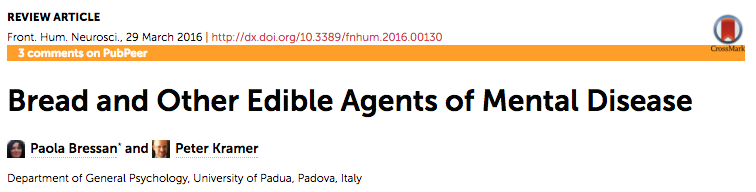
Bread and Other Edible Agents of Mental Disease – Paola Bressan* and Peter Kramer – Department of General Psychology, University of Padua, Padova, Italy – Frontiers in Human Neuroscience.

Abstract: Perhaps because gastroenterology, immunology, toxicology, and the nutrition and agricultural sciences are outside of their competence and responsibility, psychologists and psychiatrists typically fail to appreciate the impact that food can have on their patients’ condition. Here we attempt to help correct this situation by reviewing, in non-technical, plain English, how cereal grains—the world’s most abundant food source—can affect human behavior and mental health. We present the implications for the psychological sciences of the findings that, in all of us, bread (1) makes the gut more permeable and can thus encourage the migration of food particles to sites where they are not expected, prompting the immune system to attack both these particles and brain-relevant substances that resemble them, and (2) releases opioid-like compounds, capable of causing mental derangement if they make it to the brain. A grain-free diet, although difficult to maintain (especially for those that need it the most), could improve the mental health of many and be a complete cure for others.

I tried to embed the Storify Story here, but this Embedding is Trickier Than I Thought (or maybe I ate too much bread?). Ah well, I apologize. You will just have to click on the link:

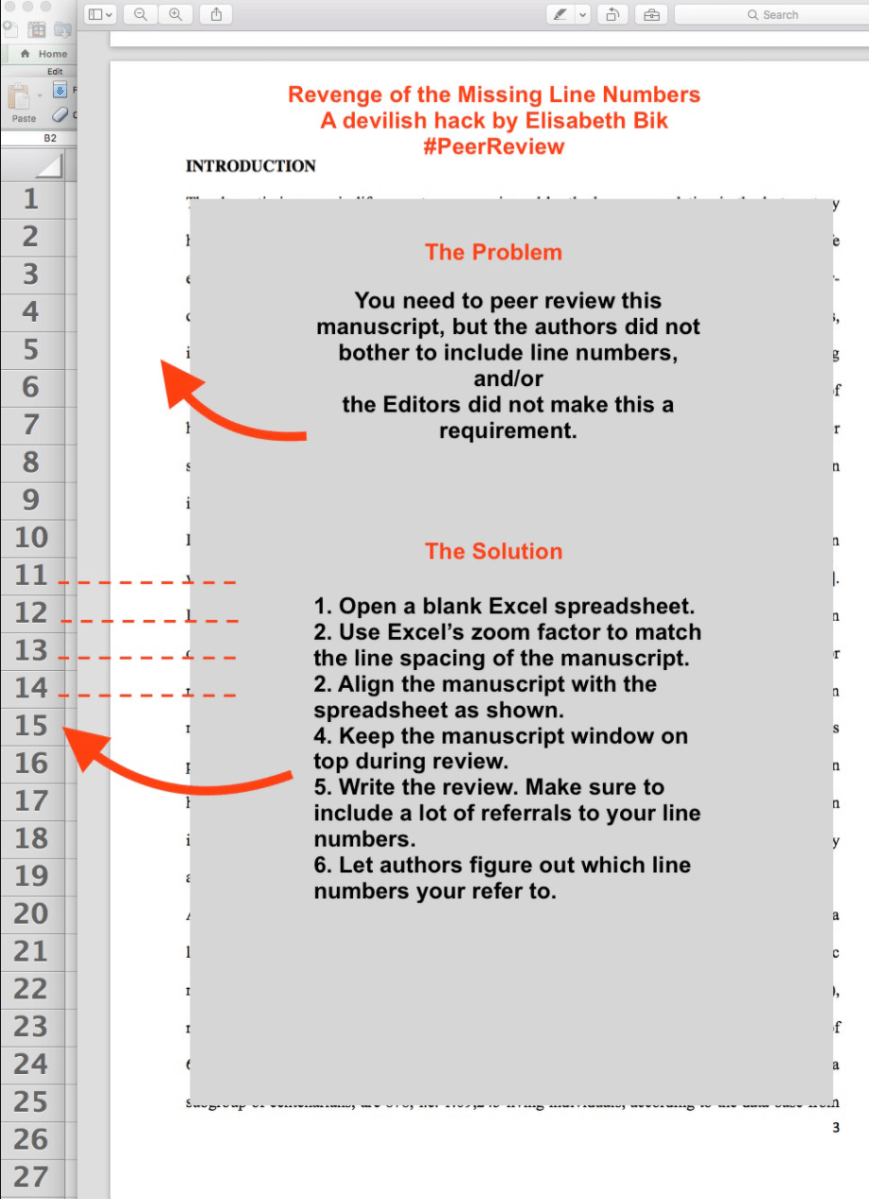
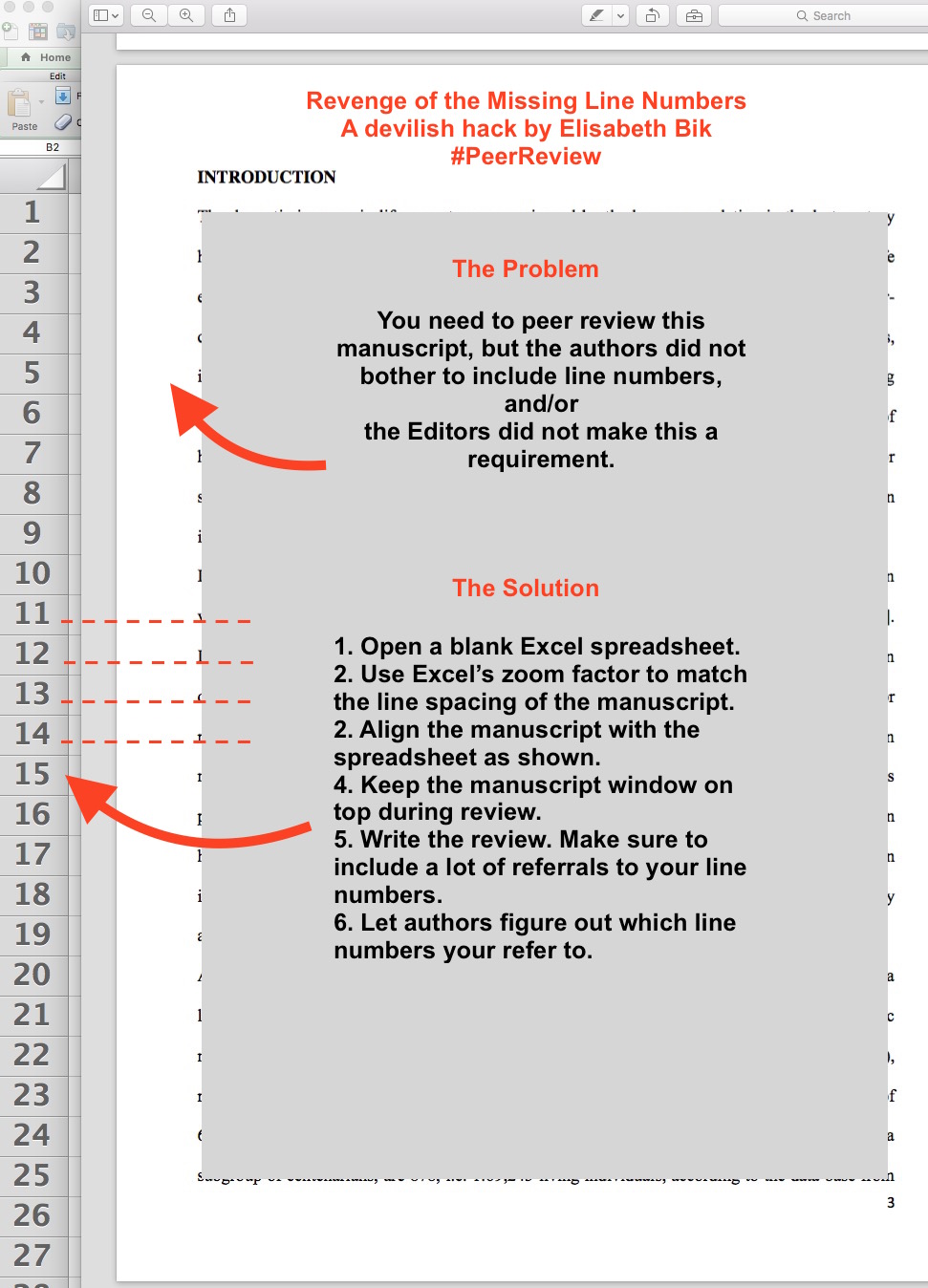
Missing Line Numbers Hack

I am currently reviewing a manuscript without line numbers. Arrrrrrggggh. It is hard to refer to a particular word or sentence when you cannot refer to line numbers. Instead of writing Typo in L13, “Eschericia”, now I need to write “At the beginning of the second paragraph on P4, typo…”. If you make a lot of comments, like I usually do, this becomes a bit of a pain. And it is especially hard in manuscripts that have long paragraphs that span over multiple pages.

Line numbers are so easy to add to documents, why didn’t the authors bother to do that? Why don’t Editors make it an absolute requirement of the manuscript?

Today, I started the review of one of those manuscripts, and bummer, no line numbers.

Screen Shot 2016-03-08 at 04.08PM, Mar 08

Screen Shot 2016-03-08 at 04.05PM, Mar 08 2

Screen Shot 2016-03-08 at 04.11PM, Mar 08

Of course, I could have let the Editors know, and requested a new version, but the deadline is today and I should have seen this earlier. But I didn’t. And I also don’t want to delay the peer review process by my own annoyances. So I came up with this hack to add my own line numbers

Screen Shot 2017-03-23 at 9.23.38 PM.png
Missing Line Numbers HackI just added my own numbers using Excel, and let the authors figure it out. As revenge. Hehehe.

Screen Shot 2016-03-08 at 04.05PM, Mar 08 1Screen Shot 2016-03-08 at 04.05PM, Mar 08

[hr]

March 5, 2016

Lung microbes in Cystic Fibrosis, microbiota of reindeer, strawberry phyllosphere, and microbes in raindust.

Pregnancy and birth

Dynamics of Gut Microbiota According to the Delivery Mode in Healthy Korean Infants – Eun Lee- Allergy Asthma Immunol Res.

Review: Respiratory Microbiome of New-Born Infants – David J. Gallacher – Frontiers in Pediatrics

Review: Bosom Buddies: The Symbiotic Relationship Between Infants and Bifidobacterium longum ssp. longum and ssp. infantis. Genetic and Probiotic Features – Silvia Arboleya – Annual Review of Food Science and Technology

Review: Maternal microbiome – A pathway to preterm birth – Angela E. Vinturache – Seminars in Fetal and Neonatal Medicine

Human respiratory microbiome

Analysis of Lung Microbiota in Bronchoalveolar Lavage, Protected Brush and Sputum Samples from Subjects with Mild-To-Moderate Cystic Fibrosis Lung Disease – Deborah A. Hogan – PLOS ONE

Human oral microbiome

Levels of Candidate Periodontal Pathogens in Subgingival Biofilm – R.R.D.S Oliveira – Journal of Dental Research

Human gut microbiome

Effects of plant stanol ester consumption on fasting plasma oxy(phyto)sterol concentrations as related to fecal microbiota characteristics – Sabine Baumgartner – The Journal of Steroid Biochemistry and Molecular Biology

Microbiome Survey of the Inflamed and Noninflamed Gut at Different Compartments Within the Gastrointestinal Tract of Inflammatory Bowel Disease Patients – Forbes, Jessica D. – Inflammatory Bowel Diseases

Metagenomic evidence for taxonomic dysbiosis and functional imbalance in the gastrointestinal tracts of children with cystic fibrosis – Ohad Manor – Scientific Reports

Research highlight: Growth impairment in undernourished children – Claire Greenhill – Nature Reviews Endocrinology

Review: Elucidating the role of the host genome in shaping microbiome composition – Emily R. Davenport – Gut Microbes

Review: The Microbiome: A Key Regulator of Stress and Neuroinflammation – Kieran Rea – Neurobiology of Stress

Review: The Brain-Gut-Microbiome Axis: What Role Does it Play in Autism Spectrum Disorder? – Ruth Ann Luna – Current Developmental Disorders Reports

Review: Microbes and the Mind: Emerging Hallmarks of the Gut Microbiota-Brain Axis – Kylynda C. Bauer – Cellular Microbiology

Review: The human gut microbiome and its dysfunctions through the meta-omics prism – Stanislas Mondot – Annals of the New York Academy of Sciences

Animal models

Age, introduction of solid feed and weaning are more important determinants of gut bacterial succession in piglets than breed and nursing mother as revealed by a reciprocal cross-fostering model – Gaorui Bian – Environmental Microbiology

Effects of environmental temperature on the gut microbial communities of tadpoles – Kevin D. Kohl – Environmental Microbiology

Apple-Derived Pectin Modulates Gut Microbiota, Improves Gut Barrier Function, and Attenuates Metabolic Endotoxemia in Rats with Diet-Induced Obesity – Tingting Jiang – MDPI Nutrients

The effects of fecal microbial transplantation on microbiome and immunity in SIV-infected macaques – Tiffany Hensley-McBain – Journal of Virology

Soy Protein Compared with Milk Protein in a Western Diet Increases Gut Microbial Diversity and Reduces Serum Lipids in Golden Syrian Hamsters – Dustie N Butteiger – Journal of Nutrition

Review: The interplay between intestinal bacteria and host metabolism in health and disease: lessons from Drosophila melanogaster – Adam C. N. Wong – Disease Models & Mechanisms

Animal microbiome

New Insights into the Microbiota of the Svalbard Reindeer Rangifer tarandus platyrhynchus – Sylwia Zielińska – Frontiers in Microbiology

Geographically conserved microbiomes of four temperate water tunicates – Patrick L. Cahill – Environmental Microbiology Reports

Twenty five new viruses associated with the Drosophilidae (Diptera) – Claire L Webster – bioRxiv

Plant, root, and soil microbiome

Soil Microbial Community Interactions Under Tillage Systems in Australia – Vivian A. Rincon-Florez – Plant, Soil and Microbes

Variation of Bacterial Community Diversity in Rhizosphere Soil of Sole-Cropped versus Intercropped Wheat Field after Harvest – Zhenping Yang – PLOS ONE

Dispersal of Bacillus subtilis and its effect on strawberry phyllosphere microbiota under open field and protection conditions – Feng Wei – Scientific Reports

Temporally Variable Geographical Distance Effects Contribute to the Assembly of Root-Associated Fungal Communities – Christopher J. Barnes – Frontiers in Microbiology

Elevation gradient of soil bacterial communities in bamboo plantations – Yu-Te Lin – Botanical Studies

Soil microbial functional capacity and diversity in a millet-shrub intercropping system of semi-arid Senegal – S. Diakhaté – Journal of Arid Environments

Bioaugmentation of microbes to restore coastal wetland plants to protect land from coastal erosion – Regina Bledsoe – International Biodeterioration & Biodegradation

Review: Nutrient scavenging activity and antagonistic factors of non-photobiont lichen-associated bacteria: a review – M. Auður Sigurbjörnsdóttir – World Journal of Microbiology and Biotechnology

Water, rain, and extremophile microbiome

Remnants of marine bacterial communities can be retrieved from deep sediments in lakes of marine origin – Silke Langenheder – Environmental Microbiology Reports

Comparative summer dynamics of surface cyanobacterial communities in two connected lakes from the west of Ireland – N. Touzet – Science of The Total Environment

Dust Rains Deliver Diverse Assemblages of Microorganisms to the Eastern Mediterranean – Ghida Nouhad Itani – Scientific Reports

Protistan diversity and activity inferred from RNA and DNA at a coastal ocean site in the eastern North Pacific – Sarah K. Hu – FEMS Microbiology Ecology

A distinct and active bacterial community in cold oxygenated fluids circulating beneath the western flank of the Mid-Atlantic ridge – Julie L. Meyer – Scientific Reports

Biodigester microbiology

This one sounded wrong: Microbial diversity in an anaerobic digester with biogeographical proximity to geothermal active region – Rishi Mahajan – Environmental Technology

Food microbiology

Impact of mulches and growing season on indicator bacteria survival during lettuce cultivation – Aixia Xu – International Journal of Food Microbiology

Built environment microbiology

Seasonal Dynamics of the Airborne Bacterial Community and Selected Viruses in a Children’s Daycare Center – Aaron J. Prussin II – PLOS ONE

Bioweathering Potential of Cultivable Fungi Associated with Semi-Arid Surface Microhabitats of Mayan Buildings – Benjamín O. Ortega-Morales – Frontiers in Microbiology

Microbiome of death

Review: The Thanatomicrobiome: A Missing Piece of the Microbial Puzzle of Death – Gulnaz T. Javan – Frontiers in Microbiology

Waste and pollution microbiology

Isolation and characterization of yeasts associated with plants growing in heavy-metal- and arsenic-contaminated soils – Juan Ramos-Garza – Canadian Journal of Microbiology

Review: Understanding the development of environmental resistance among microbes: A Review – Jatin Srivastava – CLEAN – Soil, Air, Water

Review: Microbial communities, processes and functions in acid mine drainage ecosystems – Lin-xing Chen – Current Opinion in Biotechnology

Infection microbiology

Absence of Serological Evidence of Rickettsia spp., Bartonella spp., Ehrlichia spp. and Coxiella burnetii Infections in American Samoa – Colleen Lau – Ticks and Tick-borne Diseases

Comparison between a Broad-Range Real-Time and a Broad-Range End-Point PCR Assays for the Detection of Bacterial 16S rRNA in Clinical Samples – Mariam Meddeb – Annals of Clinical & Laboratory Science

Metagenomics and bioinformatics

Capturing the most wanted taxa through cross-sample correlations – Mathieu Almeida – The ISME Journal

MEGAnnotator: a user-friendly pipeline for microbial genomes assembly and annotation
Gabriele Andrea Lugli – FEMS Microbiology Letters

Sequence techniques

Microbial Ecology in the Era of Next Generation Sequencing – Surajit De Mandal – Omics: Next Generation: Sequencing & Applications

Microbial Ecology

Microbes as Engines of Ecosystem Function: When Does Community Structure Enhance Predictions of Ecosystem Processes? – Emily B. Graham – Frontiers in Microbiology

Microbes in the news

Would you try to vaginally “seed” your baby’s microbiome after a C-section – Jonathan Eisen – The Tree of Life

Science, publishing, and career

This Paper Should Not Have Been Retracted: #HandofGod highlights the worst aspects of science twitter – Andrew David Thaler – Southern Friend Science

The “Creator” paper, Post-pub Peer Review, and Racism Among Scientists – Dr24hours – Complex Roots

UC reclassifies master’s degrees, charges elevated tuition – Nanette Asimov – SF Chronicle

She Wanted to Do Her Research. He Wanted to Talk ‘Feelings.’ – A. Hope Jahren – NY Times

[hr]

March 4, 2015

Long term use of protein pump inhibitors, bovine genetics and microbial methane, fungi for biodegradation, Bayesian fingerprinting.

Human oral microbiome

Impact of smoking on experimental gingivitis. A clinical, microbiological and immunological prospective study – D. C. Peruzzo – Journal of Periodontal Research

Human gut microbiome

A comparison of the gut microbiome between long-term users and non-users of proton pump inhibitors – A. G. Clooney – Alimentary Pharmacology & Therapeutics

Animal microbiome

Bovine Host Genetic Variation Influences Rumen Microbial Methane Production with Best Selection Criterion for Low Methane Emitting and Efficiently Feed Converting Hosts Based on Metagenomic Gene Abundance – Rainer Roehe – PLOS Genetics

When Parasites Are Good for Health: Cestode Parasitism Increases Resistance to Arsenic in Brine Shrimps – Marta I. Sánchez – PLOS Pathogens

Plant, root, and soil microbiome

A New Perspective on Sustainable Soil Remediation—Case Study Suggests Novel Fungal Genera Could Facilitate in situ Biodegradation of Hazardous Contaminants – Lauren M. Czaplicki – Remediation Journal

Fungal effects on plant–plant interactions contribute to grassland plant abundances: evidence from the field – Jonathan A. Bennett – Journal of Ecology

Status of microbial diversity in agroforestry systems in Tamil Nadu, India – Srinivasan Radhakrishnan – Journal of Basic Microbiology

Water microbiome

Microfungi Potentially Pathogenic for Humans Reported in Surface Waters Utilized for Recreation – Anna Biedunkiewicz – CLEAN – Soil, Air, Water

Waste and pollution microbiology

Bait and scrape: An approach for assessing biofilm microbial communities on organic media used for gas-phase biofiltration – Jason P. Oliver – Ecological Engineering

Food microbiology

ReviewMicrobial Safety of Wood in Contact with Food: A Review – Florence Aviat – Comprehensive Reviews in Food Science and Food Safety

Bioinformatics

Species Identification by Bayesian Fingerprinting: A Powerful Alternative to DNA Barcoding – Ziheng Yang – BioRxiv

blastjs: a BLAST+ wrapper for Node.js – Martin Page – BMC Research Notes

Microbes in the news

uBiome Investigates Health Implications of Seniors’ Changing Microbiomes, Seeks Participants – Benzinga

Mystery bacteria linked to 18 deaths in Wisconsin – CBS News

Includes Pat Schloss78 Fellows Elected to the American Academy of Microbiology – ASM

Science, publishing, and career

A Science Journal Invokes ‘the Creator,’ and Science Pushes Back – Madison Kotack – Wired

PLOS ONE retracting paper that cites “the Creator” – Alison McCook – Retraction Watch

#IAmAResearchParasite – Marcia McNutt – Science

Making a game of science – Elizabeth Pennisi – Science

Yes, Even CRISPR Pioneer Jennifer Doudna Experiences Gender Bias – Lisa Potter and Jon Brooks – KQED

[hr]

March 1, 2016

Colonization of the mouth in babies, biofilm in dinosaur bone, lichen symbiosis, microbial forensics, horse stool transplants, and ViromeScan.

Pregnancy and birth

Probiotic Supplementation and Late-Onset Sepsis in Preterm Infants: A Meta-analysis – Shripada C. Rao – Pediatrics

Early colonization of the oral cavity in 6- and 12-month-old infants by cariogenic and periodontal pathogens: a case-control study – Vlasta Merglova – Folia Microbiologica

Review: Perinatal nutrition: How to Take Care of the gut microbiota? – Izaskun García-Mantrana – Clinical Nutrition Experimental

Human skin microbiome

Antagonism between Staphylococcus epidermidis and Propionibacterium acnes and its genomic basis – Gitte J. M. Christensen – BMC Genomics

Human oral microbiome

Bacterial community shifts during healing of palatal wounds: comparison of two graft harvesting approaches – Suzanne L. Delima – Journal of Clinical Periodontology

Human gut microbiome

Innate Sensing of the Gut Microbiota: Modulation of Inflammatory and Autoimmune Diseases – Aline Ignacio – Frontiers in Immunology

Does the intestinal microbial community of Korean Crohn’s disease patients differ from that of western patients? – Chang Soo Eun – BMC Gastroenterology

Review: Gut Microbiota Modification: Another Piece in the Puzzle of the Benefits of Physical Exercise in Health? – Begoña Cerdá – Frontiers in Physiology

Editorial: The Microbiome in Critical Illness: Firm Conclusions or Bact to Square One?
John D. Lyons – Digestive Diseases and Sciences

Editiorial: Posttraumatic Stress Disorder Does the Gut Microbiome Hold the Key?
Sophie Leclercq – Canadian Journal of Psychiatry

Animal models of microbiome research

Cognitive Impairment by Antibiotic-Induced Gut Dysbiosis: Analysis of Gut Microbiota-Brain Communication – Esther E. Fröhlich – Brain, Behavior, and Immunity

Epigenome-Microbiome crosstalk: A potential new paradigm influencing neonatal susceptibility to disease – Rene Cortese – Epigenetics

Animal microbiome

Testing the Hypothesis of Biofilm as a Source for Soft Tissue and Cell-Like Structures Preserved in Dinosaur Bone – Mary Higby Schweitzer – PLOS ONE

The holobiont concept: the case of xylophagous termites and cockroaches – Mercedes Berlanga – Symbiosis

Termites: Characterization of the Core and Caste-Specific Microbiota in the Termite, Reticulitermes flavipes – Jacquelynn Benjamino – Frontiers in Microbiology

The sea cucumber microbiome is so hot right now: Individual Apostichopus japonicus fecal microbiome reveals a link with polyhydroxybutyrate producers in host growth gaps – Yohei Yamazaki – Scientific Reports

Gut bacterial communities across tadpole ecomorphs in two diverse tropical anuran faunas – Miguel Vences – The Science of Nature

Review: Equine faecal microbiota transplant: Current knowledge, proposed guidelines and future directions – K. R. Mullen – Equine Veterinary Education

Plant, root, and soil microbiome

Differential Response of Potato Toward Inoculation with Taxonomically Diverse Plant Growth Promoting Rhizobacteria – Tahir Naqqash – Frontiers in Plant Science

Disentangling the relative importance of host tree community, abiotic environment, and spatial factors on ectomycorrhizal fungal assemblages along an elevation gradient – Shunsuke Matsuoka – FEMS Microbiology Ecology

Changes of soil microbial community under different degraded gradients of alpine meadow – Yaoming Li – Agriculture, Ecosystems & Environment

Responses of Soil Fungal Populations and Communities to the Thinning of Cryptomeria Japonica Forests – Wan-Rou Lin – Microbes and Environments

Land-Cover Legacy Effects on Arbuscular Mycorrhizal Abundance in Human and Wildlife Dominated Systems in Tropical Savanna – Geofrey E. Soka – Advances in Ecology

Response of Soil Microbial Properties to Long-Term Application of Organic and Inorganic Amendments in a Tropical Soil (Saria, Burkina Faso) – Ndeye Hélène Diallo-Diagne – OJSS

Microspatial variability in community structure and photophysiology of calcified macroalgal microbiomes revealed by coupling of hyperspectral and high-resolution fluorescence imaging – R. G. Perkin – Scientific Reports

Lichen: Understanding Microbial Multi-Species Symbioses – Ines A. Aschenbrenner – Frontiers in Microbiology

Water and extremophile microbiome

Protist metabarcoding and environmental biomonitoring: time for change – J. Pawlowski – European Journal of Protistology

Biogeochemical and microbial variation across 5500 km of Antarctic surface sediment implicates organic matter as a driver of benthic community structure – Deric R. Learman – Frontiers in Microbiology

Book Chapter: Life in the Anoxic Sub-Seafloor Environment: Linking Microbial Metabolism and Mega Reserves of Methane Hydrate – Varsha Honkalas – Advances in Biochemical Engineering/Biotechnology

Waste and pollution microbiology

Potential Impacts of PCBs on Sediment Microbiomes in a Tropical Marine Environment – James S. Klaus – MDPI J. Mar. Sci. Eng.

Microbial Community Structure of Activated Sludge in Treatment Plants with Different Wastewater Compositions – Nataliya M. Shchegolkova – Frontiers in Microbiology

Food microbiology

Metatranscriptomics reveals temperature-driven functional changes in microbiome impacting cheese maturation rate – Francesca De Filippis – Scientific Reports

Forensic microbiology

Review: Expansion of Microbial Forensics – Sarah E. Schmedes – Journal of Clinical Microbiology

Bioinformatics, viruses, metagenomics

ViromeScan: a new tool for metagenomic viral community profiling – Simone Rampelli – BMC Genomics

MIMIVIRE is a defence system in mimivirus that confers resistance to virophage – Anthony Levasseur – Nature

More microbiology

Culture-independent method for identification of microbial enzyme-encoding genes by activity-based single-cell sequencing using a water-in-oil microdroplet platform – Kazuki Nakamura – Scientific Reports

Expanding the Diet for DIET: Electron Donors Supporting Direct Interspecies Electron Transfer (DIET) in Defined Co-Cultures – Li-Ying Wang – Frontiers in Microbiology

Microbes and infection

Genome analysis of three Pneumocystis species reveals adaptation mechanisms to life exclusively in mammalian hosts – Liang Ma – Nature Communications

Microbes in the news

NASA’s lab rat: What astronaut Scott Kelly’s year in space can teach us – Sharon Begley – STAT news

Video: Bacteria Can Be Your Best Friend, interview with Ned Ruby and Margaret McFall-Ngai – ThinkTech Hawaii

Inside the secret defense systems of giant viruses – Carl Zimmer – STATnews

How Gut Microbiota Impacts HIV Disease. A new understanding of the role gut microbiota plays in HIV disease is beginning to emerge, suggesting potential new strategies to manage the infection – Bob Roehr – Scientific American

The Case of the Missing Microbes – Kevin Bonham – Scientific American

Faecal transplants could be useful in treating diarrhoea in horses – review – Horse Talk

Antibiotic use in preschoolers alters intestinal microbiome, increases disease risk – Healio

Altering the Gut Microbiome with Early Life Exercise – HCP Live

Obstructive sleep apnea raises hypertension risk, a possible link with gut bacteria: Study– Devon Andre – Belmarra Health

Tipping the Balance in Microbiome Standoffs.The Human Microbiome May Dispose Us toward Health or Illness On The Basis Of Tiny Shifts in Microbial Subpopulations – MaryAnn Labant – GenEngNews

Fighting Infections with Viruses, as Antibiotics Fail – NewsMax

HU develops Jerusalem sewage viruses to kill off resistant dental bacteria – Jerusalem Post

Turning bacteria into ‘SWARMBOTS’: Groups of microbes could be engineered to help combat harmful bugs in the gut – Daily Mail

Bacteria or Virus? New Tests May Identify What’s Causing Your Infection – The Wall Street Journal

Science, publishing, and career

I’m quoted here too: Blatt is back: “open debate cornerstone of scientific process” – Leonid Schneider- For Better Science

An introvert goes conferencing – Strategies to cope – Stephen B Heard – Scientist Sees Squirrel

Bik’s Picks

Ever Wonder What a Neanderthal Considered a Delicacy? – Erika Engelhaupt – National Geographic

[hr]

February 17, 2016

Microbial biomarkers for diabetes, gut sialidases,  pathogens in stranded sea turtles, microbial biodeterioration of an ancient staircase, and how bacterial stay in shape.

Events

‘Microbiome-based Foods for Health and Sustainability’ workshop, 23 February, Brussels – APC Microbiome Institute

Call for Entries! ASM’s 2016 Agar Art Contest. Deadline: May 6.

Human oral microbiome

Intracerebral hemorrhage and deep microbleeds associated with cnm-positive Streptococcus mutans; a hospital cohort study – Shuichi Tonomura – Scientific Reports

Review: Oral Microbiome: Contributions to Local and Systemic Infections – Kerri T. Simpson – Current Oral Health Reports

Human gut microbiome

Sub-clinical detection of gut microbial biomarkers of obesity and type 2 diabetes – Moran Yassour – Genome Medicine

Postoperative changes in fecal bacterial communities and fermentation products in obese patients undergoing bilio-intestinal bypass – Vania Patrone – Frontiers in Microbiology

The Effects of Bowel Preparation on Microbiota-Related Metrics Differ in Health and in Inflammatory Bowel Disease and for the Mucosal and Luminal Microbiota Compartments – Rima M Shobar – Clinical and Translational Gastroenterology

Registered report: Fusobacterium nucleatum infection is prevalent in human colorectal carcinoma – John Repass – eLIFE

Review: Sialidases from gut bacteria: a mini-review – Nathalie Juge – Biochemical Society Transactions

Review: Akkermansia muciniphila and its role in regulating host functions – Muriel Derrien – Microbial Pathogenesis

Models of microbiome research

Probiotics modulated gut microbiota suppresses hepatocellular carcinoma growth in mice – Jun Li – PNAS

The bacterial microbiome of Dermacentor andersoni ticks influences pathogen susceptibility – Cory A Gall – ISME Journal

Have clay will lay: Chicken: Dietary supplementation with the clay mineral palygorskite affects performance and beneficially modulates caecal microbiota in laying pullets – S. Chalvatzi – Journal of Applied Microbiology

Animal microbiome

Bacterial agents in 248 ticks removed from people from 2002 to 2013 – Camille Aubry – Ticks and Tick-borne Diseases

Bacterial and viral pathogens detected in sea turtles stranded along the coast of Tuscany, Italy – G. Fichi – Veterinary Microbiology

Poor English (but US lab): Identification of Host-Specific Genetic Markers within 16S rDNA Intervening Sequences of 73 Genera of Fecal Bacteria – Zhenyu Shen – Omics’ Journal of Data Mining in Genomics & Proteomics

Editorial: Developmental biology: Females have a lot of guts – Justin Fear – Nature

The sexual identity of adult intestinal stem cells controls organ size and plasticity – Bruno Hudry – Nature

Plant, root, and soil microbiome

Bacterial predator–prey dynamics in microscale patchy landscapes – Felix J. H. Hol – Proceedings of the Royal Society B

Variation in soil microbial communities associated with critically endangered Wollemi pine affects fungal, but not bacterial, assembly within seedling roots – J.L. Rigg – Pedobiologia

The Effects of Nitrogen Fertilizer on Soil Microbial Communities Under Conventional and Conservation Agricultural Managements in a Tropical Clay-Rich Ultisol – Miura, Toshiko – Soil Science

Cover Crop and Irrigation Effects on Soil Microbial Communities and Enzymes in Semiarid Agroecosystems of the Central Great Plains of North America – Francisco J. Calderón – Pedosphere

Effect of soil disinfection with chemical and biological methods on bacterial communities – Md Rokunuzzaman – Egyptian Journal of Basic and Applied Sciences

Water and extremophile microbiome

Metagenomic insights into the uncultured diversity and physiology of microbes in four hypersaline soda lake brines – Charlotte D. Vavourakis – Frontiers in Microbiology

Characterization of bacterial communities in wetland mesocosms receiving pharmaceutical-enriched wastewater – Dongqing Zhang – Ecological Engineering

Microbial Community Profile and Water Quality in a Protected Area of the Caatinga Biome – Fabyano Alvares Cardoso Lopes – PLOS ONE

Thesis: Tightly-coupled sulfur-cycling microbial mats of the White Point hydrothermal vent field, CA: An analog for deep-sea vents – Priscilla J Miranda – California State University Long Beach

Thesis: The microbial diversity and function of Arctic supraglacial biomes – Stefanie Lutz – University of Leeds

Built environment microbiome

Biodeterioration Risk Threatens the 3100 Year Old Staircase of Hallstatt (Austria): Possible Involvement of Halophilic Microorganisms – Guadalupe Piñar – PLOS ONE

The Black Yeast Exophiala dermatitidis and Other Selected Opportunistic Human Fungal Pathogens Spread from Dishwashers to Kitchens – Jerneja Zupančič – PLOS ONE

Bioinformatics and metagenomics

IMP: a pipeline for reproducible integrated metagenomic and metatranscriptomic analyses – Shaman Narayanasamy – BioRxiv

Colib’read on galaxy: a tools suite dedicated to biological information extraction from raw NGS reads – Yvan Le Bras – GigaScience

Shannon: An Information-Optimal de NovoRNA-Seq Assembler – Sreeram Kannan – BioRxiv

RECKONER: Read Error Corrector Based on KMC – Maciej Długosz – ArXiv

A benchmark study on error-correction by read-pairing and tag-clustering in amplicon-based deep sequencing – Tian-Hao Zhang – BMC Genomics

More microbiology

HT: Liz Costello: Universal resilience patterns in complex networks – Jianxi Gao – Nature

Microbially assisted recording of the Earth’s magnetic field in sediment – Xiangyu Zhao – Nature Communications

High coverage metabolomics analysis reveals phage-specific alterations to Pseudomonas aeruginosa physiology during infection – Jeroen De Smet – The ISME Journal

Discovery of cahuitamycins as biofilm inhibitors derived from a convergent biosynthetic pathway – Sung Ryeol Park – Nature Communications

Review: Staying in Shape: the Impact of Cell Shape on Bacterial Survival in Diverse Environments – Desirée C. Yang – Microbiology and Molecular Biology Reviews

Microbes in the news

Oral bacteria linked to risk of stroke – Betty Coffman – University of Louisville

Opportunistic Fungal Pathogens in Dishwashers and Kitchens – Alex Alexiev – MicroBEnet

UVA: Bacteria Overgrowth Could Be Major Cause of Stunting in Children – University of Virginia Health System – NBC29

A new method to dramatically improve the sequencing of metagenomes – EurekAlert

What your gut bacteria can tell you about type 2 diabetes – MedicalXpress

New anti-biofilm compounds show promise against drug-resistant bacteria linked to hospital infections – Ian Demsky – University of Michigan

Crowdfunding project: How Insects and Bacteria Can Solve Murder Mysteries: estimate the time since death (TSD) at a crime scene – Experiment

Crowdfunding project: E pluribus unum: how honey bee bacteria coordinate behaviors – Irene Newton – Experiment

uBiome Named One of World’s Top 10 Most Innovative Companies in Healthcare by Fast Company – PR Web

MIT Spinout Synlogic Grabs $40M To Program Microbes Into Living Drugs – Luke Timmerman – Forbes

Science, publishing, and career

Biologists urged to hug a preprint: ASAPbio meeting discusses the ins and outs of posting work online before peer review – Ewen Callaway – Nature

Accelerating Science with Preprints – Peter Binfield – PeerJ Blog

XY Bias: How Male Biology Students See Their Female PeersIn three large classes, men overrated the abilities of male students above equally talented and outspoken women – Ed Yong – The Atlantic

[hr]