General microbiome digest, July 1

Diet and gut microbiome (again), Campylobacter in chicken is not a commensal, microbiomes of fish, insects, corals, plant, and hospitals, and women in science.

Human gut microbiome

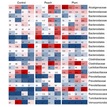
Screen shot 2014-07-01 at 06.07PM, Jul 01Correlation network analysis reveals relationships between diet-induced changes in human gut microbiota and metabolic health – T Kelder – Nutrition & Diabetes

“We assessed fecal microbiota composition and host response patterns of metabolic and inflammatory markers in 10 apparently healthy men subjected to a high-fat high-caloric diet (HFHC, 1300 kcal/day extra) for 4 weeks. “

Pregnancy and birth

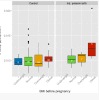
Screen shot 2014-07-01 at 06.08PM, Jul 01 1Gestational Age and Age at Sampling Influence Metabolic Profiles in Premature Infants
Reese H. Clark – Pediatrics

“Metabolic profiles (15 amino acids and 35 acylcarnitines) were obtained by using standard newborn techniques on infants born between 23 and 31 completed weeks of gestation.”

Screen shot 2014-07-01 at 06.08PM, Jul 01Non-invasive analysis of intestinal development in preterm and term infants using RNA-Sequencing – Jason M. Knight – Nature Scientific Reports

“we have developed a novel, noninvasive, molecular approach that utilizes next generation RNA sequencing on stool samples containing intact epithelial cells for the purpose of quantifying intestinal gene expression.”

Screen shot 2014-07-01 at 06.09PM, Jul 01Cesarean Section and Rate of Subsequent Stillbirth, Miscarriage, and Ectopic Pregnancy: A Danish Register-Based Cohort Study – Sinéad M. O’Neill – PLOS Medicine

“This study found that cesarean section is associated with a small increased rate of subsequent stillbirth and ectopic pregnancy.”

Bird microbiome

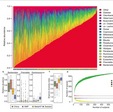
Screen shot 2014-07-01 at 06.10PM, Jul 01Campylobacter jejuni Is Not Merely a Commensal in Commercial Broiler Chickens and Affects Bird Welfare – Suzanne Humphrey – mBio

“Through experimental infection of four commercial breeds of broiler chickens, we show that breed has a significant effect on C. jejuni infection and the immune response of the animals, although these factors have limited impact on the number of bacteria in chicken ceca. “

Fish microbiome

Screen shot 2014-07-01 at 06.10PM, Jul 01 1Quorum quenching bacteria Bacillus sp. QSI-1 protect zebrafish (Danio rerio) from Aeromonas hydrophila infection – Weihua Chu – Nature Scientific Reports

“In this study, the effect of Bacillus sp. QSI-1 as an efficient quorum quencher on virulence factors production and biofilm formation of fish pathogen Aeromonas hydrophila was investigated. ”

Insect microbiome

Screen shot 2014-07-01 at 06.11PM, Jul 01Evolutionary origin of insect–Wolbachia nutritional mutualism – Naruo Nikoh – PNAS

“In the bedbug’s Wolbachia genome, we identified a gene cluster encoding the complete synthetic pathway for biotin (vitamin B7), which is not present in other Wolbachia genomes and is presumably acquired via lateral transfer from a coinfecting endosymbiont. “

Corals and sponges microbiome

Screen shot 2014-07-01 at 06.12PM, Jul 01Local genomic adaptation of coral reef-associated microbiomes to gradients of natural variability and anthropogenic stressors – Linda W. Kelly – PNAS

“The present study investigated the community structure and metabolic potential of microbes inhabiting coral reefs located across an extensive area in the central Pacific. “

Plant microbiome

Screen shot 2014-07-01 at 06.13PM, Jul 01The role of sulfur and phosphorus mobilizing bacteria in biochar induced growth promotion of Lolium perenne – A Fox – FEMS Microbiology Ecology

“16S rRNA gene based rhizobacteria community analysis revealed a significant biochar treatment effect. Abundance of nematodes feeding on bacteria was also significantly increased in the biochar treatments.”

Functional diversification within bacterial lineages promotes wide functional overlapping between taxonomic groups in a Mediterranean soil forest – J Curiel Yuste – FEMS Microbiology Ecology

“We investigated the relationship between taxonomy and functioning of soil bacterial communities in soils from a Mediterranean Holm-oak forest using a high throughput DNA pyrosequencing technique. “

Soil, sewage and sludge microbiome

Screen shot 2014-07-01 at 06.15PM, Jul 01Response of soil-associated microbial communities to intrusion of coal mine-derived acid mine drainage – Justin S Brantner and John M Senko – Environmental Science & Technology

” Evaluation of pyrosequencing-derived 16S rRNA gene sequences recovered from incubations revealed the development of microbial community characteristics that were similar to those of the mature iron mound sediment. “

Transformation Products and Human Metabolites of Triclocarban and Triclosan in Sewage Sludge Across the United States – Benny F. G. Pycke – Environmental Science & Technology

“Here, we report on the levels of eight transformation products, human metabolites, and manufacturing byproducts of TCC and TCS in raw and treated sewage sludge.”

Built Environment Microbiome

Screen shot 2014-07-01 at 06.14PM, Jul 01Rethinking Sterile: The Hospital Microbiome – Carrie Arnold – Environ Health Perspect

“Gilbert, an environmental microbiologist at Argonne National Laboratory, and his platoon of graduate students, postdocs, and research assistants descended on the hospital several times each day, even before it opened to the public. Armed with cotton swabs, they focused their efforts on the floors devoted to surgery and oncology. “

Bioinformatics

Screen shot 2014-07-01 at 06.15PM, Jul 01 1A cloud-compatible bioinformatics pipeline for ultrarapid pathogen identification from next-generation sequencing of clinical samples – Samia N. Naccache – Genome Research

“Here we describe SURPI (“sequence-based ultrarapid pathogen identification”), a computational pipeline for pathogen identification from complex metagenomic NGS data generated from clinical samples, and demonstrate use of the pipeline in the analysis of 237 clinical samples comprising more than 1.1 billion sequences. “

Metagenomics

Metagenomic scaffolds enable combinatorial lignin transformation
Cameron R. Strachan – PNAS

“In this study, we devised a previously unidentified biosensor responsive to lignin transformation products. We used this biosensor in a functional screen to recover metagenomic scaffolds sourced from coal bed bacterial communities. “

Arsenic metabolism

Sealing rice field boundaries in Bangladesh: a pilot study demonstrates reductions in water use, arsenic loading to field soils, and methane emissions from irrigation water – Rebecca B Neumann – Environmental Science & Technology

“Irrigation of rice fields in Bangladesh with arsenic-contaminated and methane-rich groundwater loads arsenic into field soils and releases methane into the atmosphere. We tested the water-savings potential of sealing field bunds (raised boundaries around field edges) as a way to mitigate these negative outcomes.”

Localised Flux-Maxima of Arsenic, Lead and Iron around Root Apices in Flooded Lowland Rice – Paul Nicholas Williams – Environmental Science & Technology

“Here we use new diffusive gradients in thin-film (DGT)/planar optode sandwich sensors deployed in situ on rice roots to demonstrate a new geochemical niche of greatly enhanced As, Pb and Fe(II) mobilization into solution immediately adjacent to the root tips characterized by O2 enrichment and low pH. “

Dengue

Screen shot 2014-07-01 at 06.16PM, Jul 01Baicalin, a metabolite of baicalein with antiviral activity against dengue virus – Ehsan Moghaddam – Nature Scientific Reports

“Here, we examined the anti-DENV properties of baicalin in vitro, and described the inhibitory potentials of baicalin at different steps of DENV-2 (NGC strain) replication.”

Antibiotic resistance

Review: The expression of antibiotic resistance genes in antibiotic-producing bacteria – Stefanie Mak – Molecular Microbiology

“Antibiotic-producing bacteria encode antibiotic resistance genes that protect them from the biologically active molecules that they produce. The expression of these genes needs to occur in a timely manner: either in advance of or concomitantly with biosynthesis. It appears that there have been at least two general solutions to this problem. “

General microbiology

Screen shot 2014-07-01 at 06.20PM, Jul 01Bacterial sugar utilization gives rise to distinct single-cell behaviors – Taliman Afroz – Molecular Microbiology

“Here, we performed single-cell analyses to probe the behavior of representative pathways in the model bacterium Escherichia coli. “

Identification of essential Alphaproteobacterial genes reveals operational variability in conserved developmental and cell cycle systems – Patrick D. Curtis and Yves V. Brun – Molecular Microbiology

“These results show that while essential cell functions are conserved across varying genetic distance, much of a given organism’s essential gene pool is specific to that organism.”

Science and career

Screen shot 2014-07-01 at 06.22PM, Jul 01Elite male faculty in the life sciences employ fewer women – Jason M. Sheltzer and Joan C. Smith – PNAS

“To explore the current causes of women’s underrepresentation in biology, we collected publicly accessible data from university directories and faculty websites about the composition of biology laboratories at leading academic institutions in the United States. “

Screen shot 2014-07-01 at 06.01PM, Jul 01Americans Think We Have the World’s Best Colleges. We Don’t. – Kevin Carey – New York Times

We see K-12 schools and colleges differently because we’re looking at two different yardsticks: the academic performance of the whole population of students in one case, the research performance of a small number of institutions in the other.”

Dr. Bik’s picks

Screen shot 2014-07-01 at 06.23PM, Jul 01Herbivore diet breadth mediates the cascading effects of carnivores in food webs – Michael S. Singer – PNAS

“Accounting for phylogenetic nonindependence of herbivores and plants, we show for the first time (to our knowledge) that dietary specialization of herbivore species is associated with reduced bird predation across an herbivore phylogeny, and that dietary specialization of herbivores increases the antipredator effects of camouflage and aposematism.”

Screen shot 2014-07-01 at 06.23PM, Jul 01 1Evolution of the ribosome at atomic resolution – Anton S. Petrov – PNAS

“Comparing eukaryotic and prokaryotic ribosomes allows us to identify 3D insertion fingerprints of the expansion segments. Similar fingerprints allow us to analyze the common core and detect ancestral expansion segments within it. “

Plastic mapPlastic debris in the open ocean – Andrés Cózar – PNAS

“In this work, we synthetize data collected across the world to provide a global map and a first-order approximation of the magnitude of the plastic pollution in surface waters of the open ocean.”

[hr]

Human microbiome, June 30

Hypotheses about oral microbiota and disease, effect of rhinovirus infection on nasal microbiome,  the gut microbiome in children with diarrhea in low-income countries, primate vaginal microbiomes, and much more.

Oral microbiome (also see Probiotics and Biofilms in today’s General digest)

Screen Shot 2014-06-30 at 11.18.32 PMHistorical and contemporary hypotheses on the development of oral diseases: are we there yet? – Bob T. Rosier – Frontiers in Cellular and Infection Microbiology

“In this comprehensive review, we describe how these different hypotheses, and the ideas around them, arose and test their current applicability to the understanding of the development of oral disease. Finally, we conclude that an all-encompassing ecological hypothesis explaining the shifts from health to disease is still lacking.”

PeriodontitisThe inflammophilic character of the periodontitis-associated microbiota – George Hajishengallis – Molecular Oral Microbiology

“This Review discusses evidence that periodontitis-associated communities are ‘inflammo-philic’ (= loving or attracted to inflammation) in that they have evolved to not only endure inflammation but also to take advantage of it. “

Respiratory microbiome

Screen Shot 2014-06-30 at 11.19.43 PMCharacterization of the nasopharyngeal microbiota in health and during rhinovirus challenge – Allen EK – Microbiome

“Rhinovirus illnesses were induced by self-inoculation using the finger to nose or eye natural transmission route in ten otherwise healthy young adults.”

Gut microbiome

Screen Shot 2014-06-30 at 11.20.28 PMDiarrhea in young children from low-income countries leads to large-scale alterations in intestinal microbiota composition – Mihai Pop – Genome Biology

“We use high throughput 16S rRNA gene sequencing to compare fecal microbiota composition in children under five years of age who have been diagnosed with moderate to severe diarrhea (MSD) with the microbiota from diarrhea-free controls. “

Structure of the gut microbiome following colonization with human feces determines colonic tumor burden – Baxter NT – Microbiome

“We transplanted fecal microbiota from three CRC patients and three healthy individuals into germ-free mice, resulting in six structurally distinct microbial communities. Subjecting these mice to a chemically induced model of CRC resulted in different levels of tumorigenesis between mice. “

Commensal bacteria directly suppress in vitro degranulation of mast cells in a MyD88-independent manner – Kazumi Kasakura – Bioscience, Biotechnology, and Biochemistry

“Here, we show that heat-killed commensal bacteria suppressed degranulation of mast cells in vitro in a MyD88-independent manner.”

Screen Shot 2014-06-30 at 11.21.29 PMCo-occurrence of driver and passenger bacteria in human colorectal cancer
Jiawei Geng – Gut Pathogens

“Building on the driver-passenger model, we used 454 pyrosequencing of bacterial 16S rRNA genes associated with 10 normal, 10 adenoma, and 8 tumor biopsy samples, and found 7 potential driver bacterial genera and 12 potential passenger bacterial genera (7 being pro-inflammatory and 5 anti-inflammatory). “

Review: Intestinal Microbiota and the Efficacy of Fecal Microbiota Transplantation in Gastrointestinal Disease – Olga Aroniadis – Gastroenterology & Hepatology

“The published revelations about the human microbiome are bringing the strength of science to clinical observation and enhancing the understanding of not only disease but also how much of a person’s daily function and health depends on the microorganisms living in intimate relationship with each cell in the body.”

Screen Shot 2014-06-30 at 11.22.43 PMDietary Intervention with Yoghurt, Synbiotic Yogurt or Traditional Fermented Sobya: Bio-Potency among Male Adolescents Using Five Bio-Markers of Relevance to Colonic Metabolic Activities – Laila Hussein – Food and Nutrition Sciences

“The mean fecal total lactobacilli counts increased (P < 0.05) three weeks after daily consumption of the three fermented supplements (P < 0.05), when compared to the pre-intervention levels. Similar trends were observed for genus bifidobacterium. On the contrary, enterobacteraceae counts were reduced in all the three groups consuming fermented supplements.”

Vaginal microbiome (also see pregnancy)

Screen Shot 2014-06-30 at 11.23.32 PMPrimate vaginal microbiomes exhibit species specificity without universal Lactobacillus dominance – Suleyman Yildirim – ISME J (uncorrected proof, link to Chapman Research)

“Our results indicated that all primates exhibited host-specific vaginal microbiota and that humans were distinct from other primates in both microbiome composition and extent of diversity”

Skin microbiome

New Molecular Techniques to Study the Skin Microbiota of Diabetic Foot Ulcers
Jean-Philippe Lavigne – Advances in Wound Care

“Molecular tools have better documented the composition and organization of the skin flora. Further advances are required to elucidate which among the many bacteria in the DFU flora are likely to be pathogens, rather than colonizers.”

General human microbiome 

Shrinkage of the human core microbiome and a proposal for launching microbiome biobanks – Abolfazl Barzegari – Future Microbiology

“This article suggests launching microbiome biobanks for archiving native microbiomes, supervising antibiotic use, probiotic design and native starter production, as well as advertising a revisit to native lifestyles.”

Review: Blowing on Embers: Commensal Microbiota and our Immune System
Darina S. Spasova and Charles D. Surh – Frontiers in Immunology

“This review discusses the recent advances in this field, focusing on the close relationship between the adaptive immune system and commensal microbiota, a constant and abundant source of foreign antigens.”

Microbiome: Second Genome Is Finding Disease Mechanisms, Biomarkers, And Therapeutics – Wayne Koberstein – Life Science Leader

“We now understand that biological processes such as inflammation, barrier function, metabolism, and energy homeostasis are directly linked to our microbiome,” says Peter DiLaura, president and CEO of Second Genome.

Mayo Clinic and Whole Biome Announce Collaboration to Research the Role of the Human Microbiome in Women’s Diseases Using Unique Medical Laboratory Tests – DarkDaily

“This joint research effort will initiate a new field of clinical laboratory diagnostic tests that target the human microbiome”

Prokaryotes versus Eukaryotes: Who is hosting whom? – Guillermo Tellez – Frontiers in Veterinary Science

“Our aim here is to encourage empirical inquiry into the relationship between mutualism and evolutionary diversification between prokaryotes and eukaryotes which encourage us to postulate: Who is hosting whom?”

Animal models of microbiome and disease

Combination of Metagenomics and Culture Based Methods to Study the Interaction Between Ochratoxin A and Gut Microbiota – Mingzhang Guo

“Changes in functional genes of gut microbiota including signal transduction, carbohydrate transport, transposase, amino acid transport system and mismatch repair were observed.”

Functional divergence in gastrointestinal microbiota in physically-separated genetically identical mice – G. B. Rogers – Scientific Reports

“We report significant divergence in both the composition and metabolism of gut microbiota in genetically-identical adult C57BL/6 mice housed in separate controlled units within a single commercial production facility.”

Alteration of Gut Bacteria and Metabolomes After Glucaro-1,4-Lactone Treatment Contributes to the Prevention of Hypercholesterolemia – Baogang Xie – J. Agric. Food Chem

“Colonic flora test results reveal that the quantity of Bifidobacterium and Lactobacillus in the intestines respectively increase by about 1.7- and 4.2-fold in rats treated with 1,4-GL compared with those in the control group. “

Pregnancy and birth

Oral presentation: The evolution of the vaginal microbiome throughout uncomplicated pregnancy in a UK population – M Chandiramani – Arch Dis Child Fetal Neonatal Ed

“Vaginal swabs were collected at time points across gestation (8–12, 20–22, 28–30 and 34–36 weeks) and the postpartum period (6 weeks) from 43 women delivered at term. Resident bacterial communities were determined using the Illumina MiSeq platform generated from bar-coded amplicons of 16S rRNA gene fragments.”

Screen Shot 2014-06-30 at 11.26.14 PMGroup B Streptococcus β-hemolysin/Cytolysin Breaches Maternal-Fetal Barriers to Cause Preterm Birth and Intrauterine Fetal Demise in Vivo – Tara M. Randis – Journal of Infectious Diseases

“We used a new murine model to evaluate the contribution of the pore-forming GBS β-hemolysin/cytolysin (βH/C) to vaginal colonization, ascension, and fetal infection.”

Zinc and copper levels in low birth weight deliveries in Medani Hospital, Sudan –
Abass RM – BMC Research Notes

“Maternal zinc and copper levels, as well as cord copper levels, are lower in LBW newborns than in those with normal weight.”

Effective Biomarkers for Diagnosis of Neonatal Sepsis – Vineet Bhandari – Journal of Pediatric Infectious Diseases

“The diagnostic utility of the following biomarkers seems to be most practical in the early (interleukin [IL]-6, IL-8, tumor necrosis factor-alpha, neutrophil CD64), mid (procalcitonin) and late (C-reactive protein) phases of neonatal sepsis.”

Review: Association of Periodontal Disease and Pre-term Low Birth Weight Infants
Manjusha Varadan, Jaiganesh Ramamurthy – The Journal of Obstetrics and Gynecology of India

“The association of periodontitis as risk factor for pre-term birth has been in extensive research in the past two decades when a number of studies investigated this relationship.”

[hr]

Human microbiome, June 27

How to grow the “Most Wanted” gut bacteria in microfluidic chips, effect of Vitamin D on gut microbiota, and probiotics for your skin.

Human gut microbiome

Screen Shot 2014-06-27 at 10.10.29 PMGene-targeted microfluidic cultivation validated by isolation of a gut bacterium listed in Human Microbiome Project’s Most Wanted taxa – Liang Ma – PNAS

“We developed a microfluidics-based, genetically targeted approach to address these challenges. This approach corrects sampling bias from differential bacterial growth kinetics, enables the use of growth stimulants available only in small quantities, and allows targeted isolation and cultivation of a previously uncultured microbe from the human cecum that belongs to the high-priority group of the Human Microbiome Project’s “Most Wanted” list.”

From the ICE/ENDO meeting: Vitamin D May Improve Metabolic Health of African American Men – Lara C. Pullen – Medscape.com

“Vitamin-D supplementation not only improved insulin sensitivity but also shifted the microbiome from a prediabetes spectrum to a healthy signature. “

Exploring the Microbiome – Chris Anderson – Genetic Engineering & Biotechnology News

““These cover a broad range of options including complex approaches like fecal transplants that could include early uncharacterized strains of bacteria and other microorganisms, all the way to reductionist approaches,” noted Bernat Olle, a partner in the venture capital firm Puretech Ventures, who moderated a panel “Microbiome modulators: Opportunities and Challenges to Creating a New Drug Class” Thursday at BIO 2014.”

Human skin microbiome

LiveScienceProbiotics Hold Promise for 4 Skin Conditions – Cari Nierenberg – Live Science

“Bowe said probiotics — whether they are eaten as foods, taken as supplements or spread topically — are not a stand-alone treatment for skin problems, but could be used by patients in combination with their current treatment.”

[hr]

Human microbiome, June 26

Mass spectrometry on Neanderthal poop – how cool is that? Then, nice article about fecal transplants, the Bristol Stool Chart Mug, role of bacteria in colon cancer, and Mycobacterium tuberculosis as a possible human symbiont.

Gut microbiome

Screen Shot 2014-06-26 at 10.22.55 PMThe Neanderthal Meal: A New Perspective Using Faecal Biomarkers – Ainara Sistiaga – PLOS ONE

“Our gas chromatography-mass spectrometry results from El Salt (Spain), a Middle Palaeolithic site dating to ca. 50,000 yr. BP, represents the oldest positive identification of human faecal matter.”

Screen Shot 2014-06-26 at 9.41.05 PM


I enjoyed reading this article. And not just because they mentioned one of our studies.
Getting to the Bottom of Fecal Transplants – Ricki Lewis – PLOS.org

“(…) babies’ bacteria were quite different at the outset, but by the end of the year, their communities resembled those in the adult digestive tract. And it was published right here at PLOS.”

41C8qjeUK2LWhich led me to the awesome The Bristol Stool Chart Mug – Amazon
Which I then ordered.


CRCFusobacterium and Enterobacteriaceae: Important players for CRC? – Emma Allen-Vercoea, Christian Jobin – Immunology Letters

“Not surprisingly, microbial dysbiosis is associated with numerous intestinal disorders including inflammatory bowel diseases (IBD) and colorectal cancer (CRC). In this piece, we will review recent evidence that gut microbial dysbiosis can influence intestinal disease, including colitis and CRC.”

Screen Shot 2014-06-26 at 9.45.42 PMPrevalence and Duration of Asymptomatic Clostridium difficile Carriage among Healthy Subjects in Pittsburgh, Pennsylvania – Alison L. Galdys – Journal of Clinical Microbiology

“The prevalence of C. difficile carriage in this healthy cohort is concordant with prior estimates. C. difficile-colonized individuals may be important reservoirs for C. difficile and may falsely test positive for infections due to C. difficile when evaluated for community-acquired diarrhea caused by other enteric pathogens.”

Blood sugar improves with first gastrointestinal microbiome modulator, NM504 – Science Daily

“The not-yet-named therapeutic, NM504, is the first in a new class of therapies known as GI microbiome modulators. “

Role of humanRole of human gut microbiota metabolism in the anti-inflammatory effect of traditionally used ellagitannin-rich plant materials – Jakub P. Piwowarski – Journal of Ethnopharmacology

“The formation of urolithins was determined by ex vivo incubation of human faecal samples with aqueous extracts from selected plant materials.”

Me and my microbiome – New Scientist

“Now there are claims that a truly villainous bacterium – Mycobacterium tuberculosis, which causes TB – is actually symbiotic and helped us evolve our large brains (see “ Eat meat TB brainy”). “

Eat meat TB brainy – Adrian Williams, Robin Dunbar – New Scientist

“The tuberculosis bacterium co-evolved with humans at least 70,000 years ago, and possibly a great deal earlier. Could chronic TB infections have originally been beneficial to human life? Did the pathogen act as a symbiont, supplying nicotinamide at times of meat deficiency?”

Animal models of human microbiota and disease

Screen Shot 2014-06-26 at 9.47.30 PMIncorporation of therapeutically modified bacteria into gut microbiota inhibits obesity – Zhongyi Chen – Journal of Clinical Investigation

“Here, we demonstrated that administration of engineered NAPE-expressing E. coli Nissle 1917 bacteria in drinking water for 8 weeks reduced the levels of obesity in mice fed a high-fat diet. “

[hr]


Human and cell phone microbiome, June 24

The PhoneBiome has finally been characterized. Effect of maltodextrin on gut microbiome, and obesity and risk for preterm birth.

Skin and phone microbiome

Mobile phones carry the personal microbiome of their owners – James F. Meadow – Peer J

“We found that about 22% of the bacterial taxa on participants’ fingers were also present on their own phones, as compared to 17% they shared on average with other people’s phones. “

Gut microbiome

The Metabolizable Energy of Dietary Resistant Maltodextrin Is Variable and Alters Fecal Microbiota Composition in Adult Men – David J. Baer – The Journal of Nutrition

“RM intake was associated with statistically significant increases (P < 0.001) in various operational taxonomic units matching closest to ruminococcus, eubacterium, lachnospiraceae, bacteroides, holdemania, and faecalibacterium, implicating RM in their growth in the gut. “

B cells as a critical node in the microbiota–host immune system network
Emma Slack – Immunological Reviews

“In this review, we address how B-cell responses to members of the intestinal microbiota form a robust network with mucus, epithelial integrity, follicular helper T cells, innate immunity, and gut-associated lymphoid tissues to maintain host–microbiota mutualism.”

Classification and quantification of bacteriophage taxa in human gut metagenomes – Alison S Waller – ISME Journal 

“Using taxon-specific marker genes, we identified and monitored 20 viral taxa in 252 human gut metagenomic samples, mostly at the level of genera. “

Cesarean delivery and risk of inflammatory bowel disease: a systematic review and meta-analysis – Yi Li – Scandinavian Journal of Gastroenterology

“Results of this meta-analysis support the hypothesis that cesarean delivery was associated with the risk of CD but not of UC. The total rate of cesarean delivery of IBD patients was similar with that of control subjects.

Intestinal microbiota in pathophysiology and management of irritable bowel syndrome – Lee KN – World Journal of Gastroenterology

“…the role of the intestinal microbiota in the pathophysiology and management of IBS is not clear. This review provides the accumulating evidence on it.”

Pregnancy and Birth

Maternal Prepregnancy Body Mass Index and Risk of Spontaneous Preterm Birth – Gary M. Shaw – Paediatric and Perinatal Epidemiology

“Analyses of mothers without hypertension and diabetes, adjusted for age, education, height, and prenatal care initiation, showed obesity categories I–III to be associated with increased risk of spontaneous preterm birth at 20–23 and 24–27 weeks among those of parity 1 in each race/ethnic group.”

and

Obesity before pregnancy linked to earliest preterm births, Stanford/Packard study finds – Erin Digitale – Stanford Medicine News Center

“Women who are obese before they become pregnant face an increased risk of delivering their babies before 28 weeks of pregnancy, a new study of nearly 1 million California births has found.”

Maturation of the enteric mucosal innate immune system during the postnatal period – Marcus Fulde and Mathias W. Hornef – Immunological Reviews

“Here, we discuss both adaptive and developmental mechanisms of the mucosal innate immune system that prevent inappropriate stimulation and facilitate establishment of a stable homeostatic host–microbial interaction after birth.”

Early Infant Nutrition and Metabolic Programming: What Are the Potential Molecular Mechanisms? – Stephanie-May Ruchat – Current Nutrition Reports

“This review will present potential molecular mechanisms through which early postnatal nutrition may influence health and disease programming, focusing on research that used “-omics” approaches (i.e., epigenomics, transcriptomics, proteomics, and metabolomics).”

Oral presentation: Serum beta defensin concentration in the first trimester is related to genotype, and is higher in women who develop PPROM and deliver before 34 weeks – CP James – Arch Dis Child Fetal Neonatal Ed

“Serum hBD2 expression is higher in women who have PPROM and PTB. Women with PPROM and PTB have a distinct innate immune profile evident in their serum in the first trimester, which may provide the basis for a predictive test.”

Animal models of human microbiota and disease

Modulation of gut microbiota during probiotic-mediated attenuation of metabolic syndrome in high fat diet-fed mice – Jingjing Wang – ISME Journal

“Weighted UniFrac principal coordinate analysis based on 454 pyrosequencing of fecal bacterial 16S rRNA genes showed that the probiotic strains shifted the overall structure of the HFD-disrupted gut microbiota toward that of lean mice fed a normal (chow) diet. “

Gut microbiome composition and function in experimental colitis during active disease and treatment-induced remission – Michelle G Rooks – ISME Journal

“Here, we surveyed the gut microbiome of the T-bet−/− Rag2−/− mouse model of colitis during active disease and treatment-induced remission. “

Early-Life Environmental Variation Affects Intestinal Microbiota and Immune Development in New-Born Piglets – Dirkjan Schokker – PLOS ONE

” We observed that the applied antibiotic treatment affected the composition and diversity of gut microbiota and reduced the expression of a large number of immune-related processes. The effect of management procedures on top of the use of an antibiotic was limited.”

[hr]

Human microbiome, June 23

Lactobacillus feeding on human milk, Mycoplasma in preterm birth, and Clostridium difficile infection and gut microbiota.

Pregnancy and birth

Screen Shot 2014-06-23 at 10.51.26 PMA unique gene cluster for the utilization of the mucosal and human milk-associated glycans galacto-N-biose and lacto-N-biose in Lactobacillus casei – Gonzalo N. Bidart – Molecular Microbiology

“The data represent the first characterization of novel metabolic pathways for human milk oligosaccharides and glycoconjugate structures in Firmicutes”

Screen Shot 2014-06-23 at 11.01.13 PMReport from AANP 2014, Nashville, Tennessee: Screening for Bacteria May Help Pregnancy Outcomes – Ed Susman, MedpageToday

“In a single-center study, about 70% of symptomatic women who were screened for vaginal infections with either Mycoplasma Genitalium or Mycoplasma Hominis experienced preterm birth compared with 30% of the asymptomatic women who still underwent screening for the infections at a prenatal visit, reported Allison Phillips, DNP, of Robert Morris University in Pittsburgh, and colleagues.”

Oral microbiome

Screen Shot 2014-06-23 at 10.52.34 PMNew analysis reveals previously ‘hidden diversity’ of mouth bacteria – MBL

“Using a novel computational method called oligotyping, developed by MBL Assistant Research Scientist A. Murat Eren, scientists analyzed gene sequence data from nine sites in the oral cavity. ” “The study will be published in PNAS Online Early Edition the week of June 23-27, 2014”, but is not yet on PNAS website

Screen Shot 2014-06-23 at 10.53.35 PMEffects of pH and Lactate on Hydrogen Sulfide Production by Oral Veillonella spp. – Jumpei Washio – Applied and Environmental Microbiology

“Thus, in the present study, the H2S-producing activity of growing cells, resting cells, and cell extracts of oral Veillonella species and the effects of oral environmental factors, including pH and lactate, were investigated.”

Gut microbiome

Screen Shot 2014-06-23 at 10.54.40 PMStructural and functional changes in the gut microbiota associated to Clostridium difficile infection – Ana E. Pérez-Cobas – Frontiers in Microbiology

“Here, we analyze the composition and functional differences in the gut microbiota of C. difficile infected (CDI) versus non-infected patients, both patient groups having been treated with AB therapy. To do so we used 16S rRNA gene and metagenomic 454-based pyrosequencing approaches. “

Screen Shot 2014-06-23 at 10.58.40 PMThe HLA-DQ2 genotype selects for early intestinal microbiota composition in infants at high risk of developing coeliac disease – M Olivares – Gut

“Infants with a high genetic risk had significantly higher proportions of Firmicutes and Proteobacteria and lower proportions of Actinobacteria compared with low-risk infants.”

(Both human and animal)
Screen Shot 2014-06-23 at 10.57.57 PMA single genus in the gut microbiome reflects host preference and specificity – A Murat Eren – The ISME Journal

“In our dataset of 57 M sequence reads of the V6 region of the 16S ribosomal RNA gene in samples collected from seven host species, we identified 200 high-resolution taxonomic units within Blautia using oligotyping.”

Screen Shot 2014-06-23 at 10.57.04 PMMicrobiomes are true to type – Andrew H. Moeller and Howard Ochman – PNAS

“Enter Wang et al. (3), who provide both retrospective and experimental evidence that the maintenance of enterotypes in host populations is driven by dietary variation.”

General human microbiome

Screen Shot 2014-06-23 at 10.56.07 PMMicrobiota and neurodevelopmental windows: implications for brain disorders
– Yuliya E Borre – Trends in Molecular Medicine

“This review compares the parallel early development of the intestinal microbiota and the nervous system.”

Animal models of human microbiome

Screen Shot 2014-06-23 at 11.00.16 PMThe murine appendiceal microbiome is altered in spontaneous colitis and its pathological progression – Sultan Alkadhi – Gut Pathogens

“The appendiceal dysbiosis observed in our Winnie mice is commensurate with, and adds to extant literature data. The presence of Helicobacteraceae (Proteobacteria) only in colitic Winnie mice (but not control mice) is consistent with reports of increased Helicobacter in IBD patients. “

[hr]

Human microbiome, June 19

The journal Immunity has a special with several great papers on (gut) microbiome and diet. And even Martha Stewart is writing about the microbiome! In style, of course.

Oral microbiome

Screen Shot 2014-06-19 at 10.50.07 PMMining the Mouth’s Many Microbes – Tracy Vence – The Scientist

““The whole world passes through the oral cavity,” said Purnima Kumar, an assistant professor of periodontology at the Ohio State University College of Dentistry. This makes investigating the microbial communities present in the mouth a challenge.”

Gut microbiome

Screen Shot 2014-06-19 at 10.49.36 PMFinding the Missing Links among Metabolites, Microbes, and the Host – Pieter C. Dorrestein – Immunity

“Here, we provide our perspective on these connections and outline a systematic research program that could turn these individual links into a broader network that allows us to understand how these components interact. “

Screen Shot 2014-06-19 at 10.51.41 PMMining the Human Gut Microbiota for Effector Strains that Shape the Immune System – Philip P. Ahern – Immunity

“Here, we discuss a scalable, less biased approach for identifying effector strains in complex microbial communities that impact immune function. The approach begins by identifying uncultured human fecal microbiota samples that transmit immune phenotypes to germ-free mice.”

Screen Shot 2014-06-19 at 10.51.09 PMDiet, Metabolites, and “Western-Lifestyle” Inflammatory Diseases – Alison N. Thorburn – Immunity

“This review highlights what is currently known about diet, metabolites, and their associated immune pathways in relation to the development of inflammatory disease.”

Screen Shot 2014-06-19 at 10.52.28 PMInflammatory Bowel Disease as a Model for Translating the Microbiome – Curtis Huttenhower – Immunity

“IBD thus represents perhaps the most comprehensive current model for understanding the human microbiome’s role in complex inflammatory disease. Here, we review the influences of the microbiota on IBD and its potential for translational medicine.”

Screen Shot 2014-06-19 at 10.54.48 PMCulturomics and pyrosequencing evidence of the reduction in gut microbiota diversity in patients with broad-spectrum antibiotics – Grégory Dubourg – International Journal of Antimicrobial Agents

“Culturomics was performed on four stool samples from patients treated with large-scale antibiotics to assess the diversity of their gut flora in comparison with other culture-dependent studies. Pyrosequencing of the V6 region was also performed and was compared with a control group.”

Screen Shot 2014-06-19 at 10.55.24 PMLong-term monitoring of the human intestinal microbiota from the 2nd week to 13 years of age – Akihito Endo – Anaerobe

“Few long term follow-up studies have been reported and we therefore characterized the development of intestinal microbiota of ten subjects from the 2nd week of life to 13 years of age. PCR-denaturing gradient gel electrophoresis combined with several bacterial group-specific primer sets demonstrated the colonization steps of defined bacterial groups in the microbiota”

Respiratory microbiome

Time between sputum sample collection and storage significantly influences bacterial sequence composition from Cystic Fibrosis respiratory infections – Leah Cuthbertson – Journal of Clinical Microbiology

“Aliquots were stored at room temperature before freezing at -80°C for increasing intervals up to 72 hour period. Samples were treated with propidium monoazide, to distinguish live from dead cells, prior to DNA extraction, and 16S rRNA gene pyrosequencing was used to characterise the bacterial composition.”

Screen Shot 2014-06-19 at 10.46.12 PM

Human Pharyngeal Microbiome May Play a Protective Role in Respiratory Tract Infections – Zhancheng Gao – Genomics, Proteomics & Bioinformatics

Recent studies have demonstrated that the pharyngeal microbiome comprises an abundance of bacterial species that interact with the local epithelial and immune cells, and together, they form a unique micro-ecological system.”

Skin and wounds microbiology

Screen Shot 2014-06-19 at 10.57.13 PMMicrobial profiling of combat wound infection through detection microarray and next-generation sequencing – Nicholas A. Be – Journal of Clinical Microbiology

“We employed a microarray capable of detecting all sequenced pathogens for interrogation of 124 wound samples from extremity injuries in combat-injured U.S. service members. A subset of samples was also processed via next-generation sequencing and metagenomic analysis. “

Press coverage:

Screen Shot 2014-06-19 at 11.00.07 PMHealing warriors by making a census of combat wounds’ microbiota – Melissa Healy – LA Times

“New research suggests that physicians treating future U.S. troops (and perhaps those treating some of today’s wounded warriors) may be able to take a fast and thorough census of the microorganisms living in a combat wound and tailor their treatment accordingly.”

Human microbiome in the news

Screen Shot 2014-06-19 at 10.56.06 PM4 habits for a healthy gut – Martha Stewart – CNN

“Studies also suggest that diabetic and obese patients tend to lack a diversity of bacteria, and the Cleveland Clinic found that some bacteria metabolize components of egg and meat to produce a compound that aids in the clogging of arteries.”

Screen Shot 2014-06-19 at 10.44.58 PMWebinar: The Promise of the Microbiome: Function and Dysfunction in Humans and Beyond – Science Magazine, featuring David Relman, Rob Knight, and Jack Gilbert

“During this webinar, the speakers will:

  • Provide a brief introduction to microbiomes and how they may fundamentally impact our study of the natural world
  • Share their research data on human and nonhuman microbiota, including microbe-associated environmental impacts on human health
  • Discuss the role of microbiomes in obesity and malnutrition
  • Answer your questions live during the webinar!”

Bacterial detection in blood and other sites

Screen Shot 2014-06-19 at 10.58.32 PMMassive Parallel Sequencing Provides New Perspectives on Bacterial Brain Abscesses – Øyvind Kommedal – Journal of Clinical Microbiology

“Bacterial 16S rRNA genes were amplified directly from the specimens and sequenced using Ion Torrent technology, with an average of 500,000 reads per sample. The results were compared to those from culture- and Sanger sequencing-based diagnostics.”

Animal models of microbiota

Screen Shot 2014-06-19 at 10.59.25 PMDiet-Induced Alterations in Gut Microflora Contribute to Lethal Pulmonary Damage in TLR2/TLR4-Deficient Mice – Yewei Ji – Cell Reports

“Here, we show that chronic intake of a high-fat diet (HFD), not a low-fat diet, leads to severe pulmonary damage and mortality in mice deficient in Toll-like receptors 2 and 4 (DKO).”

[hr]

Human microbiome, June 18

Today we “Hover or Cover” the toilet seat, compare uBiome and American Gut results, and learn about bacterial diversity and stem cell transplants, breast milk microbiota, and culturomics.

Microbiome in the news

Screen Shot 2014-06-18 at 10.31.46 PMHere’s the poop on getting your gut microbiome analyzed – Tina Hesman Saey – ScienceNews

“When the second set of gut results came in, I was shocked. The results didn’t match at all with µBiome. “

WATCH: Is it OK to sit on a public toilet seat? – ScienceAlert

“It’s a dilemma we’ve all faced at some point: should you ever let your bum touch a public toilet seat? Thankfully Mitch and Greg from AsapSCIENCE have examined the evidence and come up with the (somewhat surprising) answer in their latest episode.”

Gut Reactions – Claudia Wallis – Scientific American

“Intestinal bacteria may help determine whether we are lean or obese”

10 Things You Need To Know About Your Microbiome – Raphael Kellman – MindBodyGreen

Pregnancy and Birth

Gut and Breast Milk Microbiota and Their Role in the Development of the Immune Function – Maria Elisabetta Baldassarre – Current Pediatrics Reports

“In newborns, the maternal gut microbiota may either come across into the amniotic fluid or secrete factors that enter the amniotic fluid and affect the development of oral tolerance in utero.”

Oral microbiome

Acquiring and maintaining a normal oral microbiome: current perspective
Egija Zaura – Frontiers in Cellular and Infection Microbiology

“In this review we present our hypothesis on how a healthy oral microbiome is acquired and maintained.”

Gut microbiome

The effects of intestinal tract bacterial diversity on mortality following allogeneic hematopoietic stem cell transplantation – Ying Taur – Blood

“Fecal specimens were collected from 80 recipients of allo-HSCT at the time of stem cell engraftment. Bacterial 16S rRNA gene sequences were characterized, and microbial diversity was estimated using the inverse Simpson index. “

Culturomics and pyrosequencing evidence of the reduction in gut microbiota diversity in patients with broad-spectrum antibiotics – Grégory Dubourg – International Journal of Antimicrobial Agents

“Culturomics was performed on four stool samples from patients treated with large-scale antibiotics to assess the diversity of their gut flora in comparison with other culture-dependent studies. Pyrosequencing of the V6 region was also performed and was compared with a control group. “

Screen Shot 2014-06-18 at 10.33.33 PMCharacterization of bacterial community shift in human Ulcerative Colitis
patients revealed by Illumina based 16S rRNA gene amplicon sequencing – Sandeep A Walujkar – Gut Pathogens

“Mucosal microbiota was analyzed by means of 16S rRNA gene-based Illumina high throughput sequencing. Quantitative real-time PCR (qPCR) was performed to determine total bacterial abundances.”

Keeping peace with the microbiome: acetate dampens inflammatory cytokine production in intestinal epithelial cells – Nicholas Arpaia – Immunology & Cell Biology

“In this issue, Ishiguro et al.2 show that the short-chain fatty acid (SCFA), acetate, produced during carbohydrate fermentation by commensal microorganisms in the cecum, is capable of dampening responses within intestinal epithelial cells (IEC), and functions by targeting the downstream signaling proteins that are activated on recognition of bacterial flagellin by TLR5”

Respiratory microbiome

A large genomic island allows Neisseria meningitidis to utilize propionic acid, with implications for colonisation of the human nasopharynx – Maria Chiara E. Catenazzi – Molecular Microbiology

“Here we identify a genomic island (the prp gene cluster) in N. meningitidis that enables this species to utilize propionic acid as a supplementary carbon source during growth, particularly under nutrient poor growth conditions. “

Animal and in vitro models of human microbiome

Observation of Inflammatory Responses in Mice Orally Fed with Bacteriophage T7 – Kwangseo Park – Journal of Applied Microbiology

“This study investigated the inflammatory responses in mice fed orally with bacteriophages. The mice were fed with either murine norovirus (MNV) or bacteriophage T7 for 10 days and then sacrificed. “

Development of an oral mucosa model to study host-microbiome interactions during wound healing – Tine De Ryck – Applied Microbiology and Biotechnology

“Microbiota derived from oral swabs were cultured on an agar/mucin layer and challenged with monolayers of keratinocytes grown on plastic or collagen type I layers embedded with fibroblasts.”

[hr]

Human microbiome, June 17

Gut bacteria swapping DNA segments, what happens after a fecal transplant, intestinal archaea, and more.

Gut microbiome

Evidence of Extensive DNA Transfer between Bacteroidales Species within the Human Gut – Michael J. Coyne – mBio

“Using seven coresident Bacteroidales species from one individual and eight from another, we identified five large chromosomal regions, each present in a minimum of three of the coresident strains at near 100% DNA identity.”

Recovery of the Gut Microbiome following Fecal Microbiota Transplantation – Anna M. Seekatz – mBio

“Here we investigated changes in the fecal microbiota structure following FMT in patients with recurrent C. difficile infection, and imputed a hypothetical functional profile based on the 16S rRNA profile using a predictive metagenomic tool.”

The Intestinal Archaea Methanosphaera stadtmanae and Methanobrevibacter smithii Activate Human Dendritic Cells – Corinna Bang – PLOS ONE

“Taken together, our findings strongly argue that the archaeal gut inhabitants M. stadtmanae and M. smithii are specifically recognized by the human innate immune system. “

Microbiota and Metabolome Associated with Immunoglobulin A Nephropathy (IgAN) –
Maria De Angelis – PLOS ONE

“This study aimed at investigating the fecal microbiota, and the fecal and urinary metabolome of non progressor (NP) and progressor (P) patients with immunoglobulin A nephropathy (IgAN). “

Respiratory microbiome

Impact of Experimental Human Pneumococcal Carriage on Nasopharyngeal Bacterial Densities in Healthy Adults – Joshua R. Shak – PLOS ONE

“These data on bacterial associations are the first to be reported surrounding experimental human pneumococcal colonization and show that co-colonizing effects are likely subtle rather than absolute.”

Vaginal microbiome

Diversity and stability of cultured vaginal lactobacilli in pregnant women from a multi-ethnic urban UK population – S.M. Husain – Journal of Applied Microbiology

“Self-collected vaginal swabs at 13 and 20 weeks gestation were obtained from women attending for routine antenatal care and cultured for lactobacilli.”

[hr]

Human microbiome, June 16

A guide to your poop and more serious papers about oral, vaginal microbiomes and bacteria detection in joint fluids.

Oral microbiome

Screen Shot 2014-06-16 at 11.19.50 PMBacteria choose to fight and flee (commentary on a recent PNAS paper by Stacy et al. )- Christina Tobin Kåhrström – Nature Reviews Microbiology

“Together, these data suggest an elegant mechanism by which A. actinomycetemcomitans uses catalase to enzymatically ‘fight’ H2O2 and dispersin B to ‘flee’ from the close vicinity of S. gordonii, where H2O2 levels are highest, to a location where access to L-lactate is still possible. “

Oral challengesFornitersChallenges in the culture-independent analysis of oral and respiratory samples from intubated patients – Vladimir Lazarevic – Front. Cell. Infect. Microbiol.

“We explored the bacterial community diversity of the microbiota from oral and respiratory samples of intubated patients hospitalized in the intensive care unit and we discuss the technical challenges that may arise while using culture-independent approaches to study these types of samples.”

Vaginal microbiome

Ashok VagInfluence of the tryptophan-indole-IFNγ axis on human genital Chlamydia trachomatis infection: role of vaginal co-infections – Ashok Aiyar – Front. Cell. Infect. Microbiol.

“In this review, we discuss the natural history of genital chlamydial infections, morphological and molecular changes imposed by IFNγ on Chlamydia, and finally, the microenvironmental conditions associated with vaginal co-infections that can ameliorate the effects of IFNγ on C. trachomatis.”

Gut microbiome

ToiletThe Not-So-Gross Guide to Your Poop – Laura Barcella – Refinery29

“So, what is your excrement trying to tell you? Read on for clues about how to decipher your bowel movements.”

Bacteria detection in otherwise sterile sites

Screen Shot 2014-06-16 at 11.24.38 PMRapid isolation and diagnosis of live bacteria from human joint fluids by using an integrated microfluidic system – Wen-Hsin Chang – Lab on a Chip


“…an integrated microfluidic system capable of detecting live bacteria from clinical PJI samples within 55 minutes is developed in this study. This system employs an ethidium monoazide (EMA)-based assay and a PCR with universal bacterial primers and probes to isolate and detect only the live bacteria that commonly cause PJI. “

[hr]