General microbiome digest, July 1

Diet and gut microbiome (again), Campylobacter in chicken is not a commensal, microbiomes of fish, insects, corals, plant, and hospitals, and women in science.

Human gut microbiome

Screen shot 2014-07-01 at 06.07PM, Jul 01Correlation network analysis reveals relationships between diet-induced changes in human gut microbiota and metabolic health – T Kelder – Nutrition & Diabetes

“We assessed fecal microbiota composition and host response patterns of metabolic and inflammatory markers in 10 apparently healthy men subjected to a high-fat high-caloric diet (HFHC, 1300 kcal/day extra) for 4 weeks. “

Pregnancy and birth

Screen shot 2014-07-01 at 06.08PM, Jul 01 1Gestational Age and Age at Sampling Influence Metabolic Profiles in Premature Infants
Reese H. Clark – Pediatrics

“Metabolic profiles (15 amino acids and 35 acylcarnitines) were obtained by using standard newborn techniques on infants born between 23 and 31 completed weeks of gestation.”

Screen shot 2014-07-01 at 06.08PM, Jul 01Non-invasive analysis of intestinal development in preterm and term infants using RNA-Sequencing – Jason M. Knight – Nature Scientific Reports

“we have developed a novel, noninvasive, molecular approach that utilizes next generation RNA sequencing on stool samples containing intact epithelial cells for the purpose of quantifying intestinal gene expression.”

Screen shot 2014-07-01 at 06.09PM, Jul 01Cesarean Section and Rate of Subsequent Stillbirth, Miscarriage, and Ectopic Pregnancy: A Danish Register-Based Cohort Study – Sinéad M. O’Neill – PLOS Medicine

“This study found that cesarean section is associated with a small increased rate of subsequent stillbirth and ectopic pregnancy.”

Bird microbiome

Screen shot 2014-07-01 at 06.10PM, Jul 01Campylobacter jejuni Is Not Merely a Commensal in Commercial Broiler Chickens and Affects Bird Welfare – Suzanne Humphrey – mBio

“Through experimental infection of four commercial breeds of broiler chickens, we show that breed has a significant effect on C. jejuni infection and the immune response of the animals, although these factors have limited impact on the number of bacteria in chicken ceca. “

Fish microbiome

Screen shot 2014-07-01 at 06.10PM, Jul 01 1Quorum quenching bacteria Bacillus sp. QSI-1 protect zebrafish (Danio rerio) from Aeromonas hydrophila infection – Weihua Chu – Nature Scientific Reports

“In this study, the effect of Bacillus sp. QSI-1 as an efficient quorum quencher on virulence factors production and biofilm formation of fish pathogen Aeromonas hydrophila was investigated. ”

Insect microbiome

Screen shot 2014-07-01 at 06.11PM, Jul 01Evolutionary origin of insect–Wolbachia nutritional mutualism – Naruo Nikoh – PNAS

“In the bedbug’s Wolbachia genome, we identified a gene cluster encoding the complete synthetic pathway for biotin (vitamin B7), which is not present in other Wolbachia genomes and is presumably acquired via lateral transfer from a coinfecting endosymbiont. “

Corals and sponges microbiome

Screen shot 2014-07-01 at 06.12PM, Jul 01Local genomic adaptation of coral reef-associated microbiomes to gradients of natural variability and anthropogenic stressors – Linda W. Kelly – PNAS

“The present study investigated the community structure and metabolic potential of microbes inhabiting coral reefs located across an extensive area in the central Pacific. “

Plant microbiome

Screen shot 2014-07-01 at 06.13PM, Jul 01The role of sulfur and phosphorus mobilizing bacteria in biochar induced growth promotion of Lolium perenne – A Fox – FEMS Microbiology Ecology

“16S rRNA gene based rhizobacteria community analysis revealed a significant biochar treatment effect. Abundance of nematodes feeding on bacteria was also significantly increased in the biochar treatments.”

Functional diversification within bacterial lineages promotes wide functional overlapping between taxonomic groups in a Mediterranean soil forest – J Curiel Yuste – FEMS Microbiology Ecology

“We investigated the relationship between taxonomy and functioning of soil bacterial communities in soils from a Mediterranean Holm-oak forest using a high throughput DNA pyrosequencing technique. “

Soil, sewage and sludge microbiome

Screen shot 2014-07-01 at 06.15PM, Jul 01Response of soil-associated microbial communities to intrusion of coal mine-derived acid mine drainage – Justin S Brantner and John M Senko – Environmental Science & Technology

” Evaluation of pyrosequencing-derived 16S rRNA gene sequences recovered from incubations revealed the development of microbial community characteristics that were similar to those of the mature iron mound sediment. “

Transformation Products and Human Metabolites of Triclocarban and Triclosan in Sewage Sludge Across the United States – Benny F. G. Pycke – Environmental Science & Technology

“Here, we report on the levels of eight transformation products, human metabolites, and manufacturing byproducts of TCC and TCS in raw and treated sewage sludge.”

Built Environment Microbiome

Screen shot 2014-07-01 at 06.14PM, Jul 01Rethinking Sterile: The Hospital Microbiome – Carrie Arnold – Environ Health Perspect

“Gilbert, an environmental microbiologist at Argonne National Laboratory, and his platoon of graduate students, postdocs, and research assistants descended on the hospital several times each day, even before it opened to the public. Armed with cotton swabs, they focused their efforts on the floors devoted to surgery and oncology. “

Bioinformatics

Screen shot 2014-07-01 at 06.15PM, Jul 01 1A cloud-compatible bioinformatics pipeline for ultrarapid pathogen identification from next-generation sequencing of clinical samples – Samia N. Naccache – Genome Research

“Here we describe SURPI (“sequence-based ultrarapid pathogen identification”), a computational pipeline for pathogen identification from complex metagenomic NGS data generated from clinical samples, and demonstrate use of the pipeline in the analysis of 237 clinical samples comprising more than 1.1 billion sequences. “

Metagenomics

Metagenomic scaffolds enable combinatorial lignin transformation
Cameron R. Strachan – PNAS

“In this study, we devised a previously unidentified biosensor responsive to lignin transformation products. We used this biosensor in a functional screen to recover metagenomic scaffolds sourced from coal bed bacterial communities. “

Arsenic metabolism

Sealing rice field boundaries in Bangladesh: a pilot study demonstrates reductions in water use, arsenic loading to field soils, and methane emissions from irrigation water – Rebecca B Neumann – Environmental Science & Technology

“Irrigation of rice fields in Bangladesh with arsenic-contaminated and methane-rich groundwater loads arsenic into field soils and releases methane into the atmosphere. We tested the water-savings potential of sealing field bunds (raised boundaries around field edges) as a way to mitigate these negative outcomes.”

Localised Flux-Maxima of Arsenic, Lead and Iron around Root Apices in Flooded Lowland Rice – Paul Nicholas Williams – Environmental Science & Technology

“Here we use new diffusive gradients in thin-film (DGT)/planar optode sandwich sensors deployed in situ on rice roots to demonstrate a new geochemical niche of greatly enhanced As, Pb and Fe(II) mobilization into solution immediately adjacent to the root tips characterized by O2 enrichment and low pH. “

Dengue

Screen shot 2014-07-01 at 06.16PM, Jul 01Baicalin, a metabolite of baicalein with antiviral activity against dengue virus – Ehsan Moghaddam – Nature Scientific Reports

“Here, we examined the anti-DENV properties of baicalin in vitro, and described the inhibitory potentials of baicalin at different steps of DENV-2 (NGC strain) replication.”

Antibiotic resistance

Review: The expression of antibiotic resistance genes in antibiotic-producing bacteria – Stefanie Mak – Molecular Microbiology

“Antibiotic-producing bacteria encode antibiotic resistance genes that protect them from the biologically active molecules that they produce. The expression of these genes needs to occur in a timely manner: either in advance of or concomitantly with biosynthesis. It appears that there have been at least two general solutions to this problem. “

General microbiology

Screen shot 2014-07-01 at 06.20PM, Jul 01Bacterial sugar utilization gives rise to distinct single-cell behaviors – Taliman Afroz – Molecular Microbiology

“Here, we performed single-cell analyses to probe the behavior of representative pathways in the model bacterium Escherichia coli. “

Identification of essential Alphaproteobacterial genes reveals operational variability in conserved developmental and cell cycle systems – Patrick D. Curtis and Yves V. Brun – Molecular Microbiology

“These results show that while essential cell functions are conserved across varying genetic distance, much of a given organism’s essential gene pool is specific to that organism.”

Science and career

Screen shot 2014-07-01 at 06.22PM, Jul 01Elite male faculty in the life sciences employ fewer women – Jason M. Sheltzer and Joan C. Smith – PNAS

“To explore the current causes of women’s underrepresentation in biology, we collected publicly accessible data from university directories and faculty websites about the composition of biology laboratories at leading academic institutions in the United States. “

Screen shot 2014-07-01 at 06.01PM, Jul 01Americans Think We Have the World’s Best Colleges. We Don’t. – Kevin Carey – New York Times

We see K-12 schools and colleges differently because we’re looking at two different yardsticks: the academic performance of the whole population of students in one case, the research performance of a small number of institutions in the other.”

Dr. Bik’s picks

Screen shot 2014-07-01 at 06.23PM, Jul 01Herbivore diet breadth mediates the cascading effects of carnivores in food webs – Michael S. Singer – PNAS

“Accounting for phylogenetic nonindependence of herbivores and plants, we show for the first time (to our knowledge) that dietary specialization of herbivore species is associated with reduced bird predation across an herbivore phylogeny, and that dietary specialization of herbivores increases the antipredator effects of camouflage and aposematism.”

Screen shot 2014-07-01 at 06.23PM, Jul 01 1Evolution of the ribosome at atomic resolution – Anton S. Petrov – PNAS

“Comparing eukaryotic and prokaryotic ribosomes allows us to identify 3D insertion fingerprints of the expansion segments. Similar fingerprints allow us to analyze the common core and detect ancestral expansion segments within it. “

Plastic mapPlastic debris in the open ocean – Andrés Cózar – PNAS

“In this work, we synthetize data collected across the world to provide a global map and a first-order approximation of the magnitude of the plastic pollution in surface waters of the open ocean.”

[hr]

Non-human microbiome, June 30

Primate vaginal microbiome, birds painting eggs with bacteria, MHC and microbiota in fish, onions and tomato, bacteria on the beach, and (#BacteriaHysteria alert) “fecal veneer on climbing walls”.

Primate microbiome (also see Human digest)

Screen Shot 2014-06-30 at 11.23.32 PMPrimate vaginal microbiomes exhibit species specificity without universal Lactobacillus dominance – Suleyman Yildirim – ISME J (uncorrected proof, link to Chapman Research)

“Our results indicated that all primates exhibited host-specific vaginal microbiota and that humans were distinct from other primates in both microbiome composition and extent of diversity”

Bird microbiome

Screen Shot 2014-06-30 at 11.43.49 PMSpecial structures of hoopoe eggshells enhance the adhesion of symbiont-carrying uropygial secretion that increase hatching success – Manuel Martín-Vivaldi – Journal of Animal Ecology

“The findings of specialized crypts on the eggshells of hoopoes, and of video-recorded females smearing secretion containing symbiotic bacteria at a high density onto the eggshells strongly support a link between secretion and bacteria on eggs. “

and:  The Bird That Paints Its Eggs With Bacteria – Ed Yong – National Geographic

“Now, they’ve found evidence that these birds use the same bacteria to protect their young before they’re even born. By filming nesting females, they confirmed that the birds actively paint their eggs with their uropygial secretions.”

Fish microbiology

Screen Shot 2014-06-30 at 11.45.12 PMMajor Histocompatibility Complex class II polymorphism influences gut microbiota composition and diversity – Daniel I. Bolnick – Molecular Ecology

“Here, we show that MHC II polymorphism is associated with among-individual variation in gut microbiota within a single wild vertebrate population of a small fish, the threespine stickleback. “

Insect microbiome

WolbachiaThe Coevolutionary Period of Wolbachia pipientis Infecting Drosophila ananassae and its Impact on the Evolution of the Host Germline Stem Cell Regulating Genes – Jae Young Choi and Charles F. Aquadro – Molecular Biology and Evolution

“Phylogenetic analysis of D. ananassae mitochondrial DNA and W. pipientis DNA sequence diversity revealed the current W. pipientis infection is not recent. In addition, we examined the population genetics and molecular evolution of several Germline Stem Cell (GSC) regulating genes of D. ananassae”

Plant microbiome

Screen Shot 2014-06-30 at 11.43.01 PMIdentification of bacteria pathogenic to or associated with onion (Allium cepa) based on sequence differences in a portion of the conserved gyrase B gene – Jean M. Bonasera – Journal of Microbiological Methods

“We have developed a method for the identification of Gram-negative bacteria, particularly members of the Enterobacteriaceae, based on sequence variation in a portion of the gyrB gene. Thus, we identified, in most cases to species level, over 1000 isolates from onion bulbs and leaves and soil in which onions were grown.”

Occurrence and distribution of tomato seed-borne mycoflora in Saudi Arabia and its correlation with the climatic variables – Abdulaziz A. Al-Askar – Microbial Biotechnology

“One hundred samples of tomato seeds were collected in 2011 and 2012 from tomato-cultivated fields in Saudi Arabia and screened for their seed-borne mycoflora. A total of 30 genera and 57 species of fungi were recovered from the collected seed samples using agar plate and deep-freezing blotter methods. “

WasabiManagement of Meloidogyne incognita on tomato with endophytic bacteria and fresh residue of Wasabia japonica – Guang-Ju Li – Journal of Applied Microbiology

“By in vitro bioassay, 53 NEB strains showing nematicidal efficacies of >50% against J2 of M. incognita were isolated from wasabi. Basing on 16S rRNA gene sequences, these NEB were identified into 18 species of 11 genera.”

Lichen and fungi

Screen Shot 2014-06-30 at 11.46.20 PMA single macrolichen constitutes hundreds of unrecognized species – Robert Lücking – PNAS

“This lichen was long believed to represent a single species, but after revising this number to 16 in two genera (Cora and Corella), here we show that at least 126 phylogenetically and morphologically distinct species are contained within this group, with statistical analysis predicting more than 400. “

Soil, sand, and slurry microbiome

The Ecological Controls on the Prevalence of Candidate Division TM7 in Polar Regions – Tristrom Winsley – Frontiers in Microbiology

“We correlated chemical, physical and biological parameters of each soil with the relative abundance of the two major classes of the phylum to deduce factors that influence the groups’ seemingly ubiquitous nature. “

Review: Present status of effect of microorganisms from sand beach on public
health – Emmanuel Velonakis – Journal of Coastal Life Medicine

“Relatively, recent epidemiological studies in the USA revealed positive correlation between time spent at the beach and gastroenteritis. New parameters such as wind blowing and beach users’ density are also introduced for discussion in association with the sand microbial load”

Crusts slurryMethanotrophs, methanogens, and microbial community structure in livestock slurry surface crusts – Yun-Feng Duan – Journal of Applied Microbiology

“Microbial communities in four crusts from cattle and swine slurries were investigated using DGGE and tag-encoded amplicon pyrosequencing. All crusts had distinct compositions of bacteria and archaea.”

Water microbiology

Biosynthesis of polybrominated aromatic organic compounds by marine bacteria
Vinayak Agarwal – Nature Chemical Biology

“Herein we report the discovery of a conserved biosynthetic gene cluster in marine bacteria responsible for the synthesis of widespread polybrominated aromatic compounds”

Environmental bacteriophages : viruses of microbes in aquatic ecosystems – Télesphore Sime – Ngando – Frontiers in Microbiology

“The present chapter sought to review the literature on the diversity and functional roles of viruses of microbes in environmental microbiology, focusing primarily on prokaryotic viruses (i.e. phages) in aquatic ecosystems, which form the bulk of our knowledge in modern environmental viral ecology.”

Built Environment

I really dislike this title …
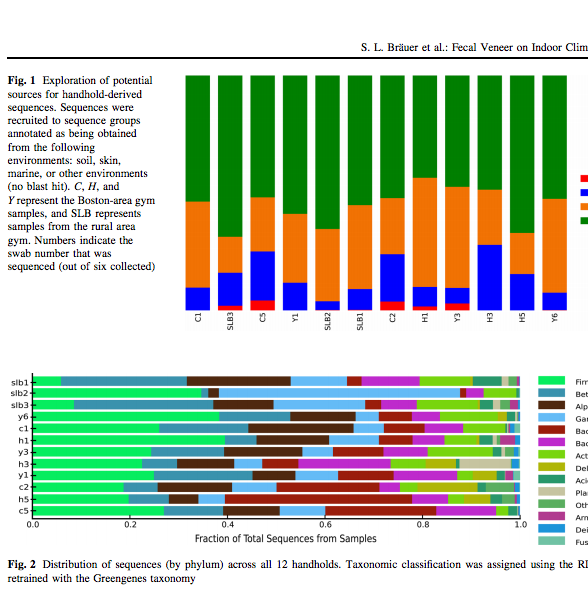
Screen Shot 2014-06-30 at 11.47.38 PMMicrobial Sequencing Analyses Suggest the Presence of a Fecal Veneer on Indoor Climbing Wall Holds – S. L. Bräuer – Current Microbiology

“In contrast to many other studies of built environments, the majority of microorganisms on holds were most closely related to microbes annotated as being recovered from environmental sources, such as soil, with human skin also representing an important source.”

[hr]

Non-human microbiome, June 25

Mongolian Gerbils, soil microbiome affects plant flowering time, soybeans, and seawater viruses.

Mammalian microbiome

Screen shot 2014-06-25 at 01.26PM, Jun 25Helicobacter pylori Induced Gastric Immunopathology Is Associated with Distinct Microbiota Changes in the Large Intestines of Long-Term Infected Mongolian Gerbils – Markus M. Heimesaat – PLOS ONE

“Comprehensive cultural analyses revealed that severe gastric diseases such as atrophic pangastritis and precancerous transformations were accompanied by elevated luminal loads of E. coli and enterococci in the caecum and together with Bacteroides/Prevotella spp. in the colon of H. pylori WT, but not MUT infected gerbils as compared to naïve animals. “

Plant microbiome

Screen shot 2014-06-25 at 01.27PM, Jun 25Changes in the Bacterial Community of Soybean Rhizospheres during Growth in the Field – Akifumi Sugiyama – PLOS ONE

“Pyrosequencing analysis revealed that differences between the bacterial communities of rhizosphere and bulk soils at the phylum level; i.e., Proteobacteria were increased, while Acidobacteria and Firmicutes were decreased in rhizosphere soil during growth. “

Screen shot 2014-06-25 at 06.41PM, Jun 25Natural soil microbes alter flowering phenology and the intensity of selection on flowering time in a wild Arabidopsis relative – Maggie R. Wagner – Ecology Letters

Here, we tested separately the effects of four naturally occurring soil microbiomes and their constituent soil chemistries on flowering phenology and reproductive fitness of Boechera stricta, a wild relative of Arabidopsis. “

Water microbiology

Screen shot 2014-06-25 at 01.27PM, Jun 25 1Anthropogenic Litter in Urban Freshwater Ecosystems: Distribution and Microbial Interactions – Timothy Hoellein – PLOS ONE

“To assess microbial interactions with AL, we incubated AL and natural substrates in 3 freshwater ecosystems, quantified biofilm metabolism as gross primary production (GPP) and community respiration (CR), and characterized biofilm bacterial community composition via high-throughput sequencing of 16S rRNA genes.”

Screen shot 2014-06-25 at 01.28PM, Jun 25Comparison of Deep-Water Viromes from the Atlantic Ocean and the Mediterranean Sea – Christian Winter – PLOS ONE

“The identifiable richness and relative abundance in both viromes were dominated by archaeal and bacterial viruses accounting for 92.3% of the relative abundance in the Atlantic Ocean and for 83.6% in the Mediterranean Sea. “

Screen shot 2014-06-25 at 01.28PM, Jun 25 1The Marine Microbial Eukaryote Transcriptome Sequencing Project (MMETSP): Illuminating the Functional Diversity of Eukaryotic Life in the Oceans through Transcriptome Sequencing – Patrick J. Keeling – PLOS Biology

“The MMETSP relies primarily on cultured organisms, and this introduces a different set of biases, most obviously, favoring organisms that are photosynthetic. “

[hr]

Non-human microbiome, June 23

What happens with all that triclosan we flush down the drain? Also, baby squirrels, tse-tse flies, pot, and Chinese liquor.

Animal microbiome general 

Two very different papers from the same group, but both are finding that Blautia species are host specific.

Screen Shot 2014-06-23 at 10.57.57 PM

A single genus in the gut microbiome reflects host preference and specificity – A Murat Eren – The ISME Journal

“In our dataset of 57 M sequence reads of the V6 region of the 16S ribosomal RNA gene in samples collected from seven host species, we identified 200 high-resolution taxonomic units within Blautia using oligotyping.” (Humans, cows, swine, deer, chickens)

Screen Shot 2014-06-23 at 11.26.18 PMBlautia and Prevotella sequences distinguish human and animal fecal pollution in Brazil surface waters – Amber M. Koskey – Environmental Microbiology Reports

“We used oligotyping to identify Prevotella and Blautia sequences that can distinguish human fecal contamination. Thirty-five of 61 Blautia oligotypes and 13 of 108 Prevotella oligotypes in humans were specific to or highly abundant (i.e. host-preferred) compared to pig, dog, horse, and cow sources.”

Squirrel microbiome

Screen Shot 2014-06-23 at 11.35.26 PMTemporal Dynamics of the Cecal Gut Microbiota of Juvenile Arctic Ground Squirrels: a Strong Litter Effect across the First Active Season – Timothy J. Stevenson – Applied and Environmental Microbiology  (image courtesy of ego-alterego.com)

“We characterized trends in diversity (454 pyrosequencing), density (flow cytometry), viability (flow cytometry), and metabolism (short-chain fatty acid analysis) of the gut microbial community of juvenile arctic ground squirrels across their first active season at weaning and at 4, 6, 8, and 10 weeks postweaning.”

Insect microbiome

Screen Shot 2014-06-23 at 11.20.33 PMAnalysis of Multiple Tsetse Fly Populations in Uganda Reveals Limited Diversity and Species-Specific Gut Microbiota – Emre Aksoy – Applied and Environmental Microbiology

“We used multiple approaches, including deep sequencing of the V4 hypervariable region of the 16S rRNA gene, 16S rRNA gene clone libraries, and bacterium-specific quantitative PCR (qPCR), to investigate the levels and patterns of gut microbial diversity from a total of 151 individuals.”

Screen Shot 2014-06-23 at 11.22.49 PMMicrobial Population Dynamics in the Hemolymph of Manduca sexta Infected with Xenorhabdus nematophila and the Entomopathogenic Nematode Steinernema carpocapsae – Swati Singh – Applied and Environmental Microbiology

“We show that gut microbes translocate into the hemolymph when the nematode penetrates the insect intestine.”

Screen Shot 2014-06-23 at 11.23.22 PMPurine Biosynthesis, Biofilm Formation, and Persistence of an Insect-Microbe Gut Symbiosis – Jiyeun Kate Kim – Applied and Environmental Microbiology

“When we disrupted purN and purT in the Burkholderia symbiont, the ΔpurN and ΔpurT mutants grew normally, and only the ΔpurT mutant failed to form biofilms. “

Plant microbiome

Plant metabolomics for plant chemical responses to belowground community change by climate change – Sangkyu Park – Journal of Plant Biology

“In this review, we will first summarize recent progress in plant metabolomics methodology and subsequently review recent studies of interactions between plants and soil organisms in relation to climate change issues.”

Bioreactor and sewage microbiology

TriclosanThe Impacts of Triclosan on Anaerobic Community Structures, Function, and Antimicrobial Resistance – Patrick J McNamara – Environmental Science & Technology

“Triclosan amendment caused all of the Bacteria and Archaea communities to structurally diverge from that of the control cultures (based on ARISA).”

Screen Shot 2014-06-23 at 11.24.07 PMShifts in the Microbial Community, Nitrifiers and Denitrifiers in the Biofilm in a Full-scale Rotating Biological Contactor – Xingxing Peng – Environmental Science & Technology

“The objective of this study was to investigate the Microbial community shifts of bacteria, especially nitrifiers and denitrifiers, in the biofilm of two rotating biological contactor (RBC) trains with different running times along the plug flowpath”

Soil microbiology

Screen Shot 2014-06-23 at 11.32.29 PMIdentifying qualitative effects of different grazing types on below-ground communities and function in a long-term field experiment – Catriona A Macdonald – Environmental Microbiology

“All functional community measures (functions, biogeochemical cycling genes, network association between different taxa) were more strongly affected by invertebrate grazers than rabbits.”

Screen Shot 2014-06-23 at 11.25.34 PMExtensive sampling of basidiomycete genomes demonstrates inadequacy of the white-rot/brown-rot paradigm for wood decay fungi – Robert Riley – PNAS

“To test the adequacy of the white/brown-rot categories, we analyzed 33 fungal genomes. Some species lack PODs, and thus resemble brown-rot fungi, but possess the cellulose-degrading apparatus typical of white-rot fungi. “

Food and other consumables microbiology

Screen Shot 2014-06-23 at 11.33.28 PMIf the pot doesn’t worry you, the bacteria might: Food safety a new frontier for legal pot – Kristen Wyatt – The Republic

“In Washington state, where retail sales are expected to begin the week of July 7, regulations call for samples of all marijuana sold for consumption to clear a “microbiological screening,” whether it’s in edible, smokeable or concentrate form.”

Screen Shot 2014-06-23 at 11.34.50 PMStarter Culture Selection for Making Chinese Sesame-Flavored Liquor Based on Microbial Metabolic Activity in Mixed-Culture Fermentation – Qun Wu – Applied and Environmental Microbiology

“To obtain a suitable starter culture for making Chinese sesame-flavored liquor, the yeast and bacterium community structures were investigated during spontaneous and solid-state fermentations of this type of liquor.”

[hr]

Microbiome and general biology, June 20

It was a quiet day on the microbiome research front, so there will only be one post today. But, with vampire bats, Bacillus anthracis, and fish-eating spiders, it’s a good one!

Pregnancy and Birth

Screen Shot 2014-06-20 at 10.08.36 PMStudy Finds Certain Birth Defects are more Common in Hispanics – Cheri Cheng

“”One of the things that caught our eye was, while Hispanics represent 17 percent of the population, 24 percent of premature babies are Hispanic,” said Dr. Edward McCabe, senior vice president and chief medical officer of the March of Dimes, a nonprofit organization.”

Animal models of human microbiota

BacillusColonic Immune Suppression, Barrier Dysfunction, and Dysbiosis by Gastrointestinal Bacillus anthracis Infection – Yaíma L. Lightfoot – PLOS ONE

“Herein, we investigated the pathogenesis of GI anthrax in animals orally infected with toxigenic non-encapsulated B. anthracis Sterne strain (pXO1+ pXO2−) spores that resulted in rapid animal death.”

Screen Shot 2014-06-20 at 9.53.32 PMBiology Students Study Stomach Bacteria – Pengxeu Thao – University of Minnesota Morris

Wyckoff and her students are spending the summer studyingHelicobacter pylori (H. pylori), a Gram-negative bacterium found in the human stomach.”

Amphibian microbiome

AmphibCool Temperatures Reduce Antifungal Activity of Symbiotic Bacteria of Threatened Amphibians – Implications for Disease Management and Patterns of Decline – Joshua H. Daskin – PLOS ONE

“We characterized, at a range of temperatures approximating natural seasonal variation, the anti-Bd activity of bacterial symbionts from the skins of three species of rainforest tree frogs (Litoria nannotis, Litoria rheocola, and Litoria serrata)”

Plant microbiology

Screen Shot 2014-06-20 at 10.09.21 PMScientists look to bacteria to protect crop yields in the face of climate change – Jennifer Huizen – E&E Publishing

“If proved effective, this technology would decrease the amount of key nutrients like nitrogen and, most notably, water needed by the plant, while increasing the yield,” said Lin Myat, a postdoctoral fellow of molecular biology and genetics at Cornell “

belongs to

Screen Shot 2014-06-20 at 10.06.07 PMβ-Carboxysomal proteins assemble into highly organized structures in Nicotiana chloroplasts – Myat T. Lin – The Plant Journal

“We demonstrate that a foreign protein can be targeted with a 17-amino-acid CcmN peptide to the shell proteins inside chloroplasts. Our experiments establish the feasibility of introducing carboxysomes into chloroplasts for the potential compartmentalization of Rubisco or other proteins.”

Food microbiology

Screen Shot 2014-06-20 at 10.23.17 PMHaley Oliver: Master of Meat – Jef Akst – The Scientist

“In her own lab at Purdue University, Oliver studies the spread of Listeria in other foods, such as melons, and investigates sanitation strategies that may limit contamination and increase food shelf life. “

Infection and host response

InflammationInflammation: Gone with Translation – Carola G. Vinuesa, Thomas Preiss – PLOS Genetics

“Over the last few years, a number of studies have investigated global gene activation induced by pathogen-derived stimuli to gain insights into the modes of induction of the inflammatory mediators and regulators.”

Dengue

Screen Shot 2014-06-20 at 9.18.31 PMThe Need for More Research and Public Health Interventions on Dengue Fever in Burkina Faso – Valéry Ridde – PLOS Neglected Tropical Diseases

“…our aim in this article is to draw attention to the need for rapid deployment of research and interventions on dengue fever in Burkina Faso, because it appears to have been overlooked, with the focus being, instead, on malaria.”

Dengue NKTInvariant NKT Cell Response to Dengue Virus Infection in Human
Ponpan Matangkasombut – PLOS Neglected Tropical Diseases

“iNKT cells activation were analyzed by the expression of CD69 by flow cytometry. Their cytokine production was then analyzed after α-GalCer stimulation”

General microbiology

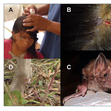
Screen Shot 2014-06-20 at 9.19.15 PMVampire Bats and Rabies: Toward an Ecological Solution to a Public Health Problem – Benjamin Stoner-Duncan – PLOS Neglected Tropical Diseases

“In the first half of 2011, 21 school-age children and two adults died of rabies transmitted by the common vampire bat (Desmodus rotundus) in and around the small rural village of Yupicusa in the Peruvian Amazon”

VectorCrossing the Interspecies Barrier: Opening the Door to Zoonotic Pathogens – Christian Gortazar – PLOS Pathogens

“The species barriers separating nonhuman animal species from humans represent a major hurdle for effective exposure to, infection by, and subsequent spread of zoonotic pathogens among humans”

Screen Shot 2014-06-20 at 9.35.19 PMHuman sweat can reduce bacteria fighting capabilities – ZeeNews

“A new research has revealed that human sweat can diminish bacteria-fighting qualities of brass objects like door knobs and taps within an hour of contact.”


Dr. Bik’s Picks

Screen Shot 2014-06-20 at 10.11.49 PMFish Predation by Semi-Aquatic Spiders: A Global Pattern – Martin Nyffeler – PLOS ONE

“More than 80 incidences of fish predation by semi-aquatic spiders – observed at the fringes of shallow freshwater streams, rivers, lakes, ponds, swamps, and fens – are reviewed.”

Screen Shot 2014-06-20 at 10.15.09 PMUS sets up honey bee loss task force – BBC News

“In the plan announced on Friday, Mr Obama directed the EPA and the agriculture department to lead a government-wide task force to develop a strategy within six months to fight bee and other pollinator declines.“

Screen Shot 2014-06-20 at 10.17.07 PMStrict diet suspends development, doubles lifespan of worms – Science Daily

“Researchers at Duke University found that taking food away from C. elegans triggers a state of arrested development: while the organism continues to wriggle about, foraging for food, its cells and organs are suspended in an ageless, quiescent state. “

Screen Shot 2014-06-20 at 10.26.39 PMFinding thoughts in speech: How human brain processes thoughts during natural communication – Science Daily

“The novelty of the authors’ approach is that the participants were not instructed to think and talk about a given topic in an experimental setting. “

[hr]


Non-human microbiome, June 18

Microbiomes of horses, sheep, chicken, plants in Chili, built environment and rocks.

General microbiomes of animals

Viral Metagenomics on Animals as a Tool for the Detection of Zoonoses Prior to Human Infection? – Sarah Temmam – Int J Mol Sci

“In this review, we summarize our current knowledge of viral diversity within such animals (in particular blood-feeding arthropods, wildlife and domestic animals) using metagenomics and present its possible future application for the surveillance of zoonotic and arboviral diseases.”

Horse microbiome

Screen Shot 2014-06-18 at 9.39.22 PMFaecal Microbiome of the Thoroughbred Racehorse and Its Response to Dietary Amylase Supplementation – Proudman C – Equine Veterinary Journal

Amplicons for the V1-V3 region of the 16S rDNA gene were multiplexed and sequenced on the 454 resulting in ∼25,000 reads per sample. Differences in bacterial community structure were detected by linear discriminant analysis.”

Sheep microbiome

Screen Shot 2014-06-05 at 8.48.40 PMMethane yield phenotypes linked to differential gene expression in the sheep rumen microbiome – Weibing Shi – Genome Research

“Deep metagenomic and metatranscriptomic sequencing demonstrated the presence of methanogens both in the highest and lowest methane-producing sheep, with a similar abundance of methanogens and methanogenesis pathway genes in high and low methane emitters. “

Chicken microbiome

ChickenSpatial heterogeneity and stability of bacterial community in the gastrointestinal tracts of broiler chickens – J. H. Choi – Poultry Science

“Bacterial communities in the different regions of gastrointestinal tract (GIT) of broiler chickens were analyzed by pyrosequencing approach to understand microbial composition and diversity. “

Squid microbiome

SquidThe real threat posed by discover of antibiotic- resistent bacteria found in squid – Robert Lawrence and Patrick Baron, Baltimore – Washington Post

“The Food and Drug Administration can, and should, do more to limit the misuse of antibiotics in the production of food animals, whether terrestrial or aquatic, in order to reduce the risk of accelerating antibiotic resistance.”

Plant microbiome

Bacterial community structure and detection of putative plant growth-promoting rhizobacteria associated with plants grown in Chilean agro-ecosystems and undisturbed ecosystems – Milko A. Jorquera – Biology and Fertility of Soils

“Soil microorganisms with phytase- and 1-aminocyclopropane-1-carboxylate (ACC) deaminase activities are widely studied as plant growth-promoting rhizobacteria (PGPR). Here, we explored the bacterial community structure and occurrence of putative PGPR in plants grown in agro-ecosystems and undisturbed ecosystems from northern, central, and southern Chile.”

Built Environment Microbiome

housesmicroBEnet: Lessons Learned from Building an Interdisciplinary Scientific Community in the Online Sphere – Holly M. Bik, David A. Coil, Jonathan A. Eisen – PLOS Biology

“The microbiology of the Built Environment network (microBEnet: http://www.microbe.net/) was formed as an experiment in interdisciplinary community building, with an overarching goal to facilitate and nurture the development of a new research field: the microbiology of the built environment (MBE). “

Water microbiome

Review: Emerging Strategies and Integrated Systems Microbiology Technologies for Biodiscovery of Marine Bioactive Compounds – Javier Rocha-Martin – Marine Drugs

“Recent advances in genomics, metagenomics, proteomics, combinatorial biosynthesis, synthetic biology, screening methods, expression systems, bioinformatics, and the ever increasing availability of sequenced genomes provides us with more opportunities than ever in the discovery of novel bioactive compounds and biocatalysts.”

From community approaches to single-cell genomics: the discovery of ubiquitous hyperhalophilic Bacteroidetes generalists – María Gomariz – ISME Journal

“Here we have characterized the temporal variation during 1 year of the microbiota of five ponds with increasing salinity (from 18% to >40%), by means of CARD-FISH and DGGE.”

Soil and rock microbiome

Mineral Microniches Control the Diversity of Subsurface Microbial Populations – Aaron A. Jones – Geomicrobiology Journal

“These results suggest that adaptations to specific rocks are retained even when the organism is displaced in time and space from an ancestral rock habitat.”

[hr]

Non-human microbiome, June 17

You waited for it: the Cannabis microbiome! But also microbiotas of salmon, a quail, coral, sponges, water, and ice.

Bird microbiome

Cultivable Bacterial Microbiota of Northern Bobwhite (Colinus virginianus): A New Reservoir of Antimicrobial Resistance? – Hongwen Su – PLOS ONE

“Firmicutes was the most commonly encountered phylum (57%) followed by Actinobacteria (24%), Proteobacteria (17%) and Bacteroidetes (0.02%). Extensive diversity in the species composition of quail microbiota was observed among individual birds and anatomical locations.”

Fish microbiome

Pyrosequencing-based characterization of gastrointestinal bacteria of Atlantic salmon (Salmo salar L.) within a commercial mariculture system – K.Z. Zarkasi – Journal of Applied Microbiology

“Salmon GI tract bacterial communities commercially farmed in south-eastern Tasmania were analysed, over a 13-month period across a standard commercial production farm cycle, using 454 16S rRNA-based pyrosequencing. “

Coral and sponge microbiome

Community Shifts in the Surface Microbiomes of the Coral Porites astreoides with Unusual Lesions – Julie L. Meyer – PLOS ONE

“The presence of lesions in P. astreoides coincided with a decrease in the relative abundance of Endozoicomonas, rather than the appearance of specific pathogenic taxa.”

Bacterial suspects identified in Caribbean coral deaths – NewScientist

“Three bacteria seem to be responsible for a disease that has killed most of the Caribbean’s reef-building corals.”

Effects of salinity on antibiotic production in sponge-derived Salinispora actinobacteria – Y.K. Ng – Journal of Applied Microbiology

Fingerprint data were generated from extracts of S. arenicola broth cultures grown in media of varying salt (NaCl) concentrations.”

Plants microbiome

Understanding Cultivar-Specificity and Soil Determinants of the Cannabis Microbiome – Max E. Winston – PLOS ONE

“Here we present the first description of the endorhiza-, rhizosphere-, and bulk soil-associated microbiome of five distinct Cannabis cultivars. Bacterial communities of the endorhiza showed significant cultivar-specificity.”

The Role of Abiotic Environmental Conditions and Herbivory in Shaping Bacterial Community Composition in Floral Nectar – Michal Samuni-Blank – PLOS ONE

“ We studied culturable bacterial communities in Asphodelus aestivus floral nectar and in its typical herbivorous bug Capsodes infuscatus, along an aridity gradient.”

Microbial community structure during fluoranthene degradation in the presence of plants – S. Storey – Journal of Applied Microbiology

“Bacterial and fungal community composition in the rhizosphere was significantly different from that in nonrhizospheric and unplanted samples.”

Soil microbiome

Omics-based interpretation of synergism in a soil-derived cellulose-degrading microbial community – Yizhuang Zhou – Scientific Reports

“Analyses of reconstructed bacterial draft genomes from all seven uncultured phylotypes in F1RT indicate that its constituent microbes cooperate in both cellulose-degrading and other important metabolic processes.”

Structure, Composition and Metagenomic Profile of Soil Microbiomes Associated to Agricultural Land Use and Tillage Systems in Argentine Pampas – Belén Carbonetto – PLOS ONE

“The aim of our study was to investigate the effects of agricultural land use on community structure, composition and metabolic profiles on soil microbiomes of Argentine Pampas.”


Dust microbiome

Richness and Diversity in Dust Stormborne Biomes at the Southeast Mediterranean – Itzhak Katra – Scientific Reports

“In addition to the physico-chemical compositions, organismal diversities of dust from two storm events in southern Israel, December 2012 (Ev12) and January 2013 (Ev13), were determined by pyro-sequencing using primers universal to 16S and 18S rRNA genes and compared.”

Bioreactors

The maximum specific hydrogen-producing activity of anaerobic mixed cultures: definition and determination – Yang Mu – Scientific Reports

“ Our results demonstrate that this novel SHAm assay was a rapid, accurate and simple methodology for determining the hydrogen-producing activity of anaerobic mixed cultures.”

Methanogenic community changes, and emissions of methane and other gases, during storage of acidified and untreated pig slurry – S.O. Petersen – Journal of Applied Microbiology

“Pig slurry from two farms, acidified by different techniques or untreated, was stored for 83 days in a pilot-scale facility. Methanogens were characterized before and after storage by T-RFLP and qPCR targeting mcrA.”

Water and ice

The Characterization of RNA Viruses in Tropical Seawater Using Targeted PCR and Metagenomics – Alexander I. Culley – mBio

“In this study, we investigated the diversity of the RNA virus assemblages in tropical coastal seawater samples using targeted PCR and metagenomics.”

Variations of algal communities cause darkening of a Greenland glacier – Stefanie Lutz – FEMS Microbiology Ecology

“We have assessed the microbial ecology on the surface of Mittivakkat glacier in SE-Greenland during the exceptional high melting season in July 2012 when the so far most extreme melting rate for the Greenland Ice Sheet has been recorded.”

Pyrosequencing reveals correlations between extremely acidophilic bacterial communities with hydrogen sulphide concentrations, pH and inert polymer coatings at concrete sewer crown surfaces – E. Pagaling – Journal of Applied Microbiology

“Pyrosequencing and cloning showed that Mycobacterium and Acidithiobacillus dominated the acidophilic microbial communities. Methylacidiphilum was also dominant in samples where methane was detected.”

Bacterial community dynamics during the early stages of biofilm formation in a chlorinated experimental drinking water distribution system: implications for drinking water discolouration – I. Douterelo – Journal of Applied Microbiology

“Selected samples were analysed by cloning and sequencing of the 16S rRNA gene. Fingerprinting analysis revealed significant changes in the bacterial community structure over time (P < 0·05). “

[hr]

Non-human microbiomes, June 16

Microbiomes of tse-tse flies, fish, lettuce, spruce. And also some salty sisters!

Insect microbiome

Identification of overexpressed genes in Sodalis glossinidius inhabiting trypanosome-infected self-cured tsetse flies – Illiassou Hamidou Soumana – Frontiers in Microbiology

“The aim of the work was to investigate whether fly refractoriness could be associated with specific Sodalis gene expression. The transcriptome of S. glossinidius harbored by flies that were fed either with a non-infected blood meal (control) or with a trypanosome-infected meal but that did not develop infection were analyzed, using microarray technology, and compared. “

Fish microbiome

Teleost microbiomes: the state of the art in their characterization, manipulation and importance in aquaculture and fisheries – Martin S. Llewellyn – Frontiers in Microbiology

“We discuss teleost microbiomes in health and disease, microbiome ontogeny, prospects for successful microbiome manipulation (especially in an aquaculture setting) and attempt to identify important future research themes. “

Plant microbiomes

Effect of the strain Bacillus amyloliquefaciens FZB42 on the microbial community in the rhizosphere of lettuce under field conditions analyzed by whole metagenome sequencing – Magdalena Kröber – Frontiers in Microbiology

“Rhizosphere microbial communities of lettuce treated with B. amyloliquefaciens FZB42 and non-treated plants were profiled by high-throughput metagenome sequencing of whole community DNA. “

Loss of diversity in wood-inhabiting fungal communities affects decomposition activity in Norway spruce wood – Lara Valentín – Frontiers in Microbiology

“ The number of observed OTUs in DGGE was used as a measure of fungal diversity. Respiration rate increased between early- and late-decay stages. “

Specificity of plant-microbe interactions in the tree mycorrhizosphere biome and consequences for soil C cycling – Carolyn Churchland – Frontiers in Microbiology

“In this review we examine evidence for tree species- mycorrhizal specificity, and the mechanisms involved (e.g., signal compounds)”

Sludge and bioreactors

Pyrosequencing Analysis Yields Comprehensive Assessment of Microbial Communities in Pilot-Scale Two-Stage Membrane Biofilm Reactors – Aura Ontiveros-Valencia – Environmental Science & Technology

“UniFrac, principal coordinate analysis (PCoA), and diversity analyses documented that the microbial community of biofilms sampled when the MBfRs had a high acceptor loading were phylogenetically distant from and less diverse than the microbial community of biofilm samples with lower acceptor loadings. “

Sludge As a Potential Important Source of Antibiotic Resistance Genes in Both the Bacterial and Bacteriophage Fractions – William Calero-Cáceres – Environmental Science & Technology

“This study evaluates the prevalence of ARGs in the bacterial and phage fractions of anaerobic digested sludge; five ARGs (blaTEM, blaCTX-M, qnrA, qnrS, and sul1) are quantified by qPCR.”

Water and salt microbiology

Salty sisters: the women of halophiles – Bonnie K. Baxter – Frontiers in Microbiology

“This essay emphasizes the “her story” (not “history”) of halophile discovery.”

The feasibility of automated online flow cytometry for in-situ monitoring of microbial dynamics in aquatic ecosystems – Michael D. Besmer – Frontiers in Microbiology

“As proof-of-concept we demonstrate examples of microbial dynamics in (i) flowing tap water from a municipal drinking water supply network and (ii) river water from a small creek subject to two rainfall events.”

Cytometric fingerprints: evaluation of new tools for analyzing microbial community dynamics – Christin Koch – Frontiers in Microbiology

“The source of inoculum (four different types of wastewater samples) showed the strongest influence on the microbial community structure and biofilm performance while the choice of substrate (acetate or lactate) had no significant effect in the present study.”

Subseafloor bacteria survive by over-activating DNA-repair and antibiotic target genes – Phys.org

“A group of researchers at Woods Hole Oceanographic Institute and University of Delaware* developed techniques to analyse the messenger RNA (mRNA) molecules produced by subseafloor microbes.”

Unexplored hypersaline habitats are sources of novel actinomycetes – Polpass Arul Jose – Frontiers in Microbiology

“….diverse actinomycetes from poorly studied unusual environments promises a raise in the prospect of discovering novel compounds with potential activities that can be developed as a resource for drug discovery “

From Twitter, thanks to @DeepMicrobe: Eight plenary speakers, all of them male.
Ninth International Symposium on Subsurface Microbiology – ISSM 2014

Vibrio ecology, pathogenesis, and evolution – Daniela Ceccarelli and Rita R. Colwell – Frontiers in Microbiology

“This Research Topic brings together 24 articles that highlight the most recent research findings concerning the biology of the genus Vibrio and covers pathogenicity and host interaction, genome plasticity and evolution, and the dynamics of factors influencing the ecology of vibrios.”

[hr]

Non-human microbiome, June 12

Connected plants are better protected against pathogens, bacteria in olives and peanuts, and hormones made by marine phytoplankton.

Plant microbes

plant connectedEcological and evolutionary effects of fragmentation on infectious disease dynamics – Jussi Jousimo – Science

“To test the combined effects of ecological and evolutionary forces on host-pathogen systems, we analyzed the spatiotemporal dynamics of a plant (Plantago lanceolata)–fungal pathogen (Podosphaera plantaginis)relationship for 12 years in over 4000 host populations. “

Food microbiology

OliveGiarraffa and Grossa di Spagna naturally fermented table olives: Effect of starter and probiotic cultures on chemical, microbiological and sensory traits – C.L. Randazzo – Food Research International

“Multiplex PCR assay of lactic acid bacteria (LAB) showed that L. casei was detected in all samples, L. pentosus was the dominant species in spontaneous samples and in probiotic inoculated samples”

Screen Shot 2014-06-12 at 9.25.22 PMPeanut fractions boost the growth of Lactobacillus casei that alters the interactions between Campylobacter jejuni and host epithelial cells – Serajus Salaheen – Food Research International

“Our data suggest that peanut fraction induced the growth of L. casei which in turn led to a reduction in the growth of C. jejuni as well as its colonization. “

Water microbes

water hormonesPhytoplankton blooms: An overlooked marine source of natural endocrine disrupting chemicals – Yinhan Gong – Ecotoxicology and Environmental Safety

“Selected phytoplankton isolates are potent secretors of estrogenic and androgenic substances.”

[hr]

Non-human microbiomes, June 10

Plants vs viruses and dead mice vs soil microbes. Who will win?

Plant microbiome

Virus vs platnVirus versus Host Plant MicroRNAs: Who Determines the Outcome of the Interaction? – Fatemeh Maghuly – PLOS ONE

“Different viral pre-miRNA hairpin sequences and viral miR/miR* length variants occurring as isomiRs were predicted in both viruses. These miRNAs were located in three Open Reading Frames (ORFs) and in the Intergenic Region (IR). “

Soil microbiome

deadbodiesVertebrate Decomposition is Accelerated by Soil Microbes – Christian L. Lauber – Applied and Environmental Microbiology

“Our results indicate that mice placed on soil with intact microbial communities reach advanced stages of decomposition 2-3 times faster than those placed on sterile soil.”

FEMS Microbiology EcologyBacterial community structure and soil properties of a subarctic tundra soil in Council, Alaska – Hye Min Kim – FEMS Microbiology Ecology

“The bacterial community was analyzed by pyrosequencing of 16S rRNA genes, and the following soil properties were analyzed: soil moisture content (MC), pH, total carbon (TC), total nitrogen (TN), and inorganic nitrogen (NH4+ and NO3-). “

Screen Shot 2014-06-10 at 1.06.06 AMAntimony-Oxidizing Bacteria Isolated from Antimony Contaminated Sediment – A Phylogenetic Study – Van Khanh Nguyen – Geomicrobiology Journal

“Phylogenetic study showed that the Sb(III)-oxidizing bacteria fell within two subdivisions of Proteobacteria.”

[hr]