Microbiome digest, October 8, 2014

Blogging from our yearly retreat in Santa Cruz, California: Rethinking Enterotypes, Wolbachia phylogenomics,  hydrothermal vents, and the influence of salamanders on soil microbiome.

Human Microbiome General

Genes & cells: Body microbes make useful molecules: Human microbiome produces thousands of drug candidates – Tina Hesman Saey – Science News

Human Gut Microbiome

Rethinking “Enterotypes” – Dan Knights – Cell Host and Microbe

“However, as discussed here, several different methods of collapsing enterotype variation into a few discrete clusters suggest that enterotype distribution is continuous and can vary widely within an individual.”

Fecal Bacterial Community Changes Associated with Isoflavone Metabolites in Postmenopausal Women after Soy Bar Consumption – Cindy H. Nakatsu – PLOS ONE

“Using DGGE profiles of PCR amplified 16S rRNA genes (V3 region) to compare microbial communities in fecal samples collected one week before and one week during soy supplementation revealed significant differences (ANOSIM p<0.03) before and after soy supplementation in all subjects. “

Insect microbiome

Phylogenomic analyses uncover origin and spread of the Wolbachia pandemic – Michael Gerth  – Nature Communications

“Here we present the first comprehensive phylogenomic analysis of Wolbachia supergroup relationships based on new whole-genome-shotgun data.”

Coral microbiome

Comparing Bacterial Community Composition of Healthy and Dark Spot-Affected Siderastrea siderea in Florida and the Caribbean – Christina A. Kellogg – PLOS ONE

“Microbial-community DNA was extracted from coral samples (mucus, tissue, and skeleton), amplified using bacterial-specific primers, and applied to PhyloChip G3 microarrays to examine the bacterial diversity associated with this coral. “

Soil Microbiome

Summer temperature increase has distinct effects on the ectomycorrhizal fungal communities of moist tussock and dry tundra in Arctic Alaska – Luis N. Morgado – Global Change Biology

“We used Ion Torrent sequencing of the rDNA internal transcribed spacer 2 (ITS2) region to compare ECM fungal communities in plots with and without long-term experimental warming in both dry and moist tussock tundra.”

A metagenomics-based approach to the top-down effect on the detritivore food web: a salamanders influence on fungal communities within a deciduous forest – Donald M. Walker – Ecology and Evolution

“From each sample, DNA was extracted, fungal-specific amplification performed, and 454 pyrosequencing was used to sequence the nuclear ribosomal internal transcribed spacer (ITS2) region and partial ribosomal large subunit (LSU).”

Water microbiome

Evolutionary Strategies of Viruses, Bacteria and Archaea in Hydrothermal Vent Ecosystems Revealed through Metagenomics – Rika E Anderson – PLOS ONE

“Here, we explore the evolutionary strategies of both microorganisms and viruses in hydrothermal systems through comparative analysis of a cellular and viral metagenome, “

Metabolomics

Discovery and Characterization of Gut Microbiota Decarboxylases that Can Produce the Neurotransmitter Tryptamine – Brianna B. Williams – -Cell Host and Microbe

“Using a combination of genetics, biochemistry, and crystallography, we identify and characterize two phylogenetically distinct enzymes found in the human microbiome that decarboxylate tryptophan to form the β-arylamine neurotransmitter

Techniques

Selective Microbial Genomic DNA Isolation Using Restriction Endonucleases – Helen E. Barnes – PLOS ONE

“Using synthetic genome mixtures, we demonstrate 80% recovery of Escherichia coli genomic DNA even when only femtogram quantities are spiked into 10 µg of human DNA background.”

 More Microbiology

Pseudomonas aeruginosa eradicates Staphylococcus aureus by manipulating the host immunity – Erwan Pernet – Nature Communications

“Our results indicate that a bacterium can eradicate another bacterium by manipulating the host immunity.”

Preparation and evaluation of low-calorie functional ice cream containing inulin, lactulose and Bifidobacterium lactis  – Majid Hashemi- International Journal of Dairy Technology

“This study was aimed to investigate the effects of replacing 5% fat and sugar by inulin and lactulose, respectively, on the survival of Bifidobacterium lactis and physicochemical and sensorial characteristics of the ice cream. “

Microbes in the News

Second Genome, Mayo Clinic team up to explore the microbiome – Stephanie M. Lee – SF Gate

“Second Genome will identify up to eight conditions in which the microbiome potentially plays a role, and the Mayo Clinic will provide human clinical samples for patients with those diseases.”

 Oral health affects overall health – PhillyTrib

“The evidence shows that an infection from periodontitis, or gum disease, can put you at risk for other serious conditions like heart disease, stroke and more.”

Safety Bees: Bacteria From Bees Used To Fight Infections – The Ledger

 “A group of 13 lactic-acid bacteria found in fresh honey from the honey stomach of bees could be the key to bringing an old folk remedy into modern science”

Bik’s Picks  

How dinosaurs divided their meals at the Jurassic dinner table – Science Daily

“How the largest animals to have ever walked on Earth fed, and how this allowed them to live alongside one another in prehistoric ecosystems, is the subject of new research.”

Imitation, Genetic Lineages, and Time Influenced the Morphological Evolution of the Violin – Daniel H. Chitwood – PLOS ONE

“Here, I provide an analysis of morphological evolution in the violin family, sampling the body shapes of over 9,000 instruments over 400 years of history.”

Cat Watch 2014: What’s it like being a cat? – BBC

“Cats are at a crucial point in their evolutionary journey as they transform from solitary hunters to domestic pets, a study by the BBC and the Royal Veterinary College has revealed.”
[hr]

General microbiology and science digest, October 7, 2014

Transmission of Staph aureus in the hospital, a new assembler tool, metabolomics of the human gut microbiome, and a polio virus spill in Belgium.

More Microbes

Absence of Patient-to-Patient Intrahospital Transmission of Staphylococcus aureus as Determined by Whole-Genome Sequencing – S. Wesley Long – mBio

“To identify patient-to-patient intrahospital transmission using high-resolution genetic analysis, we sequenced the genomes of a consecutive set of 398 S. aureus isolates from sterile-site infections. “

Bioinformatics

Improved Assemblies Using a Source-Agnostic Pipeline for MetaGenomic Assembly by Merging (MeGAMerge) of Contigs – Matthew Scholz, Chien-Chi Lo & Patrick S. G. Chain – Nature Scientific Reports

“MeGAMerge consistently outperforms individual assembly methods, producing larger contigs with an increased number of predicted genes, without replication of data. “

Inferring phylogenies of evolving sequences without multiple sequence alignment – Cheong Xin Chan – Nature Scientific Reports

“Here, using simulated sequence sets of various sizes in both nucleotides and amino acids, we systematically assess the accuracy of phylogenetic inference using an alignment-free approach, based on D2 statistics, under different evolutionary scenarios. “

Gut Check: Exploring Your Microbiome – Coursera / University of Colorado Boulder

“Join us on a guided tour of the human gut and its microscopic inhabitants.”

Metabolomics

Modelling the emergent dynamics and major metabolites of the human colonic microbiota – Helen Kettle – Environmental Microbiology

“To reduce the complexity of the system, we divide the bacterial community into 10 bacterial functional groups (BFGs) each distinguished by its substrate preferences, metabolic pathways and its preferred pH range. “

Microbes in the news

* Petri Dish: The third branch of life – David Woodland – Summit Daily

“In addition to being an interesting branch on the tree of life, archaebacteria have turned out to be an incredibly valuable source of new products for science and industry. “

Pharmaceutical Giant GlaxoSmithKline “Accidentally” Released 45 Liters of Concentrated Live Polio Virus in the Environment – Global Research

“As reported to ECDC by Belgian authorities, on 2 September 2014, following a human error, 45 litres of concentrated live polio virus solution were released into the environment by the pharmaceutical company, GlaxoSmithKline (GSK), in Rixensart city, Belgium.”

Science, publishing and career

* Science is innate! (behind a paywall, even at Stanford) – Jack A Gilbert – Genome Biology

“….when I am asked, as I often am, about how my research findings have influenced my day-to-day activities, I like to take a step back and think about what it means to be a scientist.”

Why I have taken a leave of absence from Science: to protest the abrupt firing of 4 colleagues – Michael Balter – Letter to Science

“Thus it is particularly painful and sad for me to tell you that I will be taking a three-month leave of absence in protest of recent events at Science and within its publishing organization, the American Association for the Advancement of Science (AAAS).

Bik’s Picks

Killer whales learn to communicate like dolphins – Science Daily

“…killer whales can engage in cross-species vocal learning: when socialized with bottlenose dolphins, they shifted the sounds they made to more closely match their social partners.”

NASA selects astrobiologists to study life origins and extraterrestrial possibilities – Jim Algar – Tech Times

“NASA announced 5-year grants adding up to nearly $50 million for seven research groups across the U .S. to study life in the universe and its origins, distribution, evolution and future.”

The most passive aggressive acknowledgement ever – BioDataGanache – SciEasterEggs

“The authors in this paper put some serious time in on this sucker, and they wanted to make a statement about it.”

[hr]

Non-human microbiome digest, October 2, 2014

Microbiomes of mares with colic, corals and ascidians, bacteria in plant seeds, ciprofloxacin in compost, and yeast in Turkish sausages.

Mammal microbiome

Diversity and Community Composition of Methanogenic Archaea in the Rumen of Scottish Upland Sheep Assessed by Different Methods – Timothy J. Snelling – PLOS ONE

“Sequences mapping to rumen 16S rRNA and mcrA gene references were extracted from Illumina metagenome data.“

* Temporal changes and the effect of subtherapeutic concentrations of antibiotics in the gut microbiota of swine – Devin B. Holman – FEMS Microbiology Ecology

“In this study, the effect of two antibiotics on the swine gut microbiota over a 19-week monitoring period was investigated using Illumina-based sequencing. “

Changes in the faecal microbiota of mares precede the development of postpartum colic
J. S. Weese – Equine Veterinary Journal

“Next generation sequencing of the V4 region of the 16S rRNA gene was performed on samples from 13 mares that developed colic, 13 mares that did not display colic, and 5 non-pregnant controls.”

Bird microbiome

Correlations between changes in intestinal microbiota composition and performance parameters in broiler chickens – L. A. Rubio – Journal of Animal Physiology and Animal Nutrition

“The composition of the intestinal microbiota was analysed by qPCR at different points of the intestinal tract, and a number of nutritional parameters were also determined.”

Insect microbiomes

Differential Genome Evolution Between Companion Symbionts in an Insect-Bacterial Symbiosis – Gordon M. Bennett – mBio

“To understand how symbiont genome degeneration proceeds, we compared the genomes of symbionts in two leafhopper species”

Metagenome-Wide Association of Microbial Determinants of Host Phenotype in Drosophila melanogaster – John M. Chaston – mBio

“.. we measured two microbiota-responsive host traits, development time and triglyceride (TAG) content, in Drosophila melanogaster flies monoassociated with each of 41 bacterial strains.”

Invertebrate microbiome

Quorum Sensing Signal Production and Microbial Interactions in a Polymicrobial Disease of Corals and the Coral Surface Mucopolysaccharide Layer – Beth L. Zimmer – PLOS ONE

“These findings demonstrate for the first time that AHLs are present in an active coral disease.”

The secret to a successful relationship: lasting chemistry between ascidians and their symbiotic bacteria – Eric W. Schmidt – Invertebrate Biology

Plant microbiome

Plants prepackage beneficial microbes in their seeds – Phys.org

“The researchers, from the University of Notre Dame, presented their findings today at the 5th ASM Conference on Beneficial Microbes.”

Cave microbiome

* Mycobiome of the Bat White Nose Syndrome Affected Caves and Mines Reveals Diversity of Fungi and Local Adaptation by the Fungal Pathogen Pseudogymnoascus (Geomyces) destructans – Tao Zhang – PLOS ONE

“This study was conducted in 2010–2011 in New York and Vermont using 90 samples from four mines and two caves situated within the epicenter of WNS. “

Soil and sediment microbiome

Differential distribution and abundance of diazotrophic bacterial communities across different soil niches using a gene-targeted clone library approach – Basit Yousuf – FEMS Microbiology Letters

“Differential occurrence of diazotrophs was studied by the nifH gene-targeted clone library approach.”

Spatiotemporal Analysis of Bacterial Diversity in Sediments of Sundarbans Using Parallel 16S rRNA Gene Tag Sequencing – Pijush Basak – Microbial Ecology

“The total sediment DNA was extracted and subjected to the 16S rRNA gene pyrosequencing, which resulted in 117 Mbp of data from three experimental stations. “

Ciprofloxacin residues in municipal biosolids compost do not selectively enrich populations of resistant bacteria – Caitlin P. Youngquist – Applied and Environmental Microbiology

“Regression analysis showed that growth of the susceptible strain of E. coli can be reduced given a sufficiently high concentration of ciprofloxacin (P<0.007), a result that is consistent with adsorption being the primary mechanism of sequestration. “

Biogeographic patterns in below-ground diversity in New York City’s Central Park are similar to those observed globally – Kelly S. Ramirez – Proceedings of the Royal Society B

“Here, we present an assessment of soil biodiversity and biogeographic patterns across Central Park in New York City that spanned all three domains of life, demonstrating that even an urban, managed system harbours large amounts of undescribed soil biodiversity.”

Water microbiome

Abundance and Dynamics of Antibiotic Resistance Genes and Integrons in Lake Sediment Microcosms – Björn Berglund – PLOS ONE

“Resistance genes sulI and ermB were quantified in the microcosm sediments with mean abundances 5 and 15 gene copies/106 16S rRNA gene copies, respectively. “

Microbial composition of the activated sludge of Moscow wastewater treatment plants
A. Yu. Kallistova – Microbiology

“FISH investigation revealed that aerobic sludge were eubacterial communities; the metabolically active archaea contributed insignificantly.”

Phytoplankton, bacterioplankton and virioplankton structure and function across the southern Great Barrier Reef shelf – Daniel M. Alongi – Journal of Marine Systems

“Phytoplankton, bacteria and virus dynamics are driven by across-shelf changes in water chemistry and hydrography.”

Food microbiology

Pulque production from fermented agave sap as a dietary supplement in Prehispanic Mesoamerica – Marisol Correa-Ascencio – PNAS

“A novel bacterial lipid biomarker approach is reported, which provides a new means of documenting the consumption of bacterially fermented alcoholic beverages in antiquity worldwide.”

Biodiversity of Yeast Mycobiota in “Sucuk,” a Traditional Turkish Fermented Dry Sausage: Phenotypic and Genotypic Identification, Functional and Technological Properties – Ismet Ozturk, and Osman Sagdic – Journal of Food Science

“The yeast isolates were determined as genotypic using 2 different polymerase chain reaction (PCR) methods (rep-PCR and RAPD-PCR).”

[hr]

Microbiome digest, September 22, 2014

[hr]

Temporal stability of the microbiomes of 85 adults, bacteria in breast milk, vaginal microbiome during pregnancy, water microbiomes, and Bik’s Picks.

Human microbiome general

Temporal variability is a personalized feature of the human microbiome – Gilberto E Flores – PeerJ PrePrints

“Here we address this gap in understanding by profiling the forehead, gut (fecal), palm, and tongue microbial communities in 85 adults, weekly over three months.”

Pregnancy and birth

It’s Alive: Microbes and Cells in Human Milk and Their Potential Benefits to Mother and Infant – Lars Bode – Advances in Nutrition

“This article is a summary of the symposium “It’s Alive: Microbes and Cells in Human Milk and Their Potential Benefits to Mother and Infant” held 29 April 2014 at the ASN Scientific Sessions and Annual Meeting at Experimental Biology 2014 in San Diego, CA.”

Microorganisms in the Female Genital Tract during Pregnancy: Tolerance versus Pathogenesis – Bruna de Andrade Ramos – American Journal of Reproductive Immunology

“We review the state of knowledge of microbe–host interactions in gestational tissues and highlight mechanisms that promote tolerance or pathogenesis.”

Determinants and pattern of care seeking for preterm newborns in a rural Bangladeshi cohort – Rashed Shah – BMC Health Services Research

“Only one-fifth (19.7%) of preterm newborns were taken to seek either preventive or curative health care.”

Human oral microbiome

Microbial signature profiles of periodontally healthy and diseased patients – Talita Gomes Baêta Lourenço – Journal of Clinical Periodontology

“Subgingival biofilm was obtained from patients with periodontal health (27), gingivitis (11), chronic periodontitis (35) and aggressive periodontitis (24), and analysed for the presence of >250 species/phylotypes using HOMIM.”

Human gut microbiome

Review: Modulation of the Gut Microbiota by Nutrients with Prebiotic and Probiotic Properties – Céline Druart – Advances in Nutrition

“In this review, we describe how changes in the composition and/or activity of the gut microbiota by administration of nutrients with probiotic or prebiotic properties can modulate host gene expression and metabolism and thereby positively influence host adipose tissue development and related metabolic disorders.”

Mammal microbiome

Resistance to Antibiotics of Clinical Relevance in the Fecal Microbiota of Mexican Wildlife – Jurgi Cristóbal-Azkarate – PLOS ONE

“Here, we used culture and molecular methods to assess ATBR in bacteria in fecal samples from howler monkeys, spider monkeys, tapirs and felids living freely in two regions of the Mexican state of Veracruz under different degrees of human influence.“

Bird microbiome

Do feather-degrading bacteria actually degrade feather colour? No significant effects of plumage microbiome modifications on feather colouration in wild great tits – Staffan Jacob – Naturwissenschaften

“Here, we tested whether (i) keratinolytic microorganisms can degrade feathers in vivo and thus modify the colour of feathers during the nesting period and (ii) whether feather microorganisms have a long-term effect on the investment in colouration of newly moulted feathers.”

Plant microbiome

Impact of swapping soils on the endophytic bacterial communities of pre-domesticated, ancient and modern maize – David Johnston-Monje – BMC Plant Biology

“The impact of these soil swaps on founder bacterial endophyte communities was tested using 16S-rDNA profiling, culturing and microbial trait phenotyping.“

Microbiota in Wheat Roots, Rhizosphere and Soil in Crops Grown in Organic and Other Production Systems – Leszek Lenc – Journal of Phytopathology

“The other two systems were intermediate, with microbial communities suggesting that the conventional system produced a slightly more suppressive environment than the integrated system. “

Soil microbiome

Bacterial and Archaeal Communities in Bleached Mottles of Tropical Podzols –
K. J. Silva, P. Vidal-Torrado, M. R. Lambais – Microbial Ecology

“In this study, we examined the bacterial and archaeal communities along three Brazilian coastal podzol profiles, as well as in bleached mottles and their immediate vicinity, using 16S rRNA gene profiling.”

Water microbiome

Microplastic is an abundant and distinct microbial habitat in an urban river – Amanda McCormick – Environmental Science & Technology

“Results from high-throughput sequencing showed that bacterial assemblages colonizing microplastic within the river were less diverse and were significantly different in taxonomic composition compared to those from the water column and suspended organic matter.”

Application of Ion Torrent Sequencing to the Assessment of the Effect of Alkali Ballast Water Treatment on Microbial Community Diversity – Masanori Fujimoto – PLOS ONE

“The impact of NaOH as a ballast water treatment (BWT) on microbial community diversity was assessed using the 16S rRNA gene based Ion Torrent sequencing with its new 400 base chemistry.”

Microbial diversity of the Soldhar hot spring, India, assessed by analyzing 16S rRNA and protein-coding genes – Avinash Sharma – Annals of Microbiology

“Bacterial diversity of the Soldhar hot spring, located in the Chamoli district of Uttarakhand, India, was investigated using a clone library, denaturing gradient gel electrophoresis (DGGE) and functional genes.”

Microbial community composition and in silico predicted metabolic potential reflect biogeochemical gradients between distinct peatland types – Zuzana Urbanová and Jiří Bárta – FEMS Microbial Ecology

“Species richness and microbial diversity increased significantly from bog to fen, with SSF in between, reflecting the variation in pH, nutrient availability and peat decomposability. “

A molecular survey of freshwater microeukaryotes in an Arctic reservoir (Svalbard, 79°N) in summer by using next-generation sequencing – Thangavelu Boopathi – Polar Biology

“In this study, freshwater microeukaryotes in an Arctic reservoir at Ny-Ǻlesund (Svalbard, Norway) were studied using the hypervariable V1–V3 small subunit rRNA and 454 pyrosequencing.”

Built Environment

Urban microbiomes and urban ecology: How do microbes in the built environment affect human sustainability in cities? – Gary M. King – Journal of Microbiology

“I provide here a definition of the urban microbiome, and through examples indicate its centrality to human function and wellbeing in urban systems”

Phages and viruses

Metagenomic Evaluation of the Highly Abundant Human Gut Bacteriophage CrAssphage for Source Tracking of Human Fecal Pollution – Elyse Stachler and Kyle Bibby – Environmental Science & Technology

“Here, 86 publically available metagenomes were surveyed to determine the presence and abundance of crAssphage in various environments, and to identify its utility for source tracking of human fecal pollution.”

Microbes in the news

Understanding the Microbiome and Its Impact on Human Health – Kristine Nally – HCPLive

“Instant polling at an educational session of the 2014 American Academy of Pain Management annual clinical meeting in Phoenix, AZ, revealed that only 40 percent of the approximately 350-person audience was “familiar” with the concept of a microbiome.”

Mining the microbiome for medicines – Set a thief… – The Economist

“Antibiotics are not the only things Dr Donia’s technique might turn up, for the bugs in the human microbiome spit out all sorts of other chemicals that could potentially be put to use as drugs.”

Techniques

Comparative Analysis of Functional Metagenomic Annotation and the Mappability of Short Reads – Rogan Carr and Elhanan Borenstein – MicroBEnet

“We therefore set out to develop a set of ‘best practices’ for our lab for metagenomic sequence annotation and to prove (or disprove) quantitatively that such direct functional annotation of short reads provides a valid functional representation of the sample.”

Science and publishing

Anonymous peer-review comments may spark legal battle – Kelly Servick – Science Insider

“The power of anonymous comments—and the liability of those who make them—is at the heart of a possible legal battle embroiling PubPeer, an online forum launched in October 2012 for anonymous, postpublication peer review.”

Time to Raise the Profile of Women and Minorities in Science – Brian Welle and Megan Smith – Scientific American

“Along these lines, over the past few years, we discovered some pretty ugly news about our beloved Google Doodles. “

Bik’s Picks

Immune system of newborn babies stronger than previously thought – Science Daily

“Contrary to what was previously thought, newborn immune T cells may have the ability to trigger an inflammatory response to bacteria, according to a new study.”

The Preservation Of Lonesome George – Sarah Fecht – PopSci.com

“Decades after the last giant tortoise was thought to have disappeared from the island of Pinta in the Galapagos, Lonesome George turned up in 1971 and became a conservation icon.”

 Great white sharks partly to blame for otter recovery stall – Peter Fimrite – SF Gate

“Most scientists agree that the number of animals, which are also known as southern sea otters, should be increasing, but hungry predators and a lack of food may be limiting their growth.”

[hr]

Microbiome digest, August 28, 2014

Cool new study today by Jack Gilbert on the bacteria living in our homes, what happens to you microbiome after you die, (gut) microbiome and respiratory diseases, lots of water studies, and Bik’s Picks.

General  human microbiome 

* Your death microbiome could catch your killer – Anna Williams – NewScientist

“These “friendly” bacteria adhere to the lining of the gut and keep the microbial villains at bay by outcompeting them. After we die, however, our gut flora have a party.“

Human respiratory microbiome

The Microbiome and the Lung – Lijia Cui – Annals of the American Thoracic Society

“In this review, we provide an overview of the basics of microbiome studies.”

Microbiome Diversity and Asthma and Allergy Risk – Antje Legatzki – Current Allergy and Asthma Reports

“In this review, we will discuss the available literature concerning the human microbiota and asthma and allergy development and occurrence. “

Gut microbiome

You waited for it: The journal Helicobacter has a Helicobacter special!
Gastric and Enterohepatic Helicobacters other than Helicobacter pylori
Armelle Ménard – Helicobacter

“Several studies highlighted the virulence of non-H. pylori species including H. cinaedi in humans and hyperlipidemic mice or H. macacae in geriatric rhesus monkeys with intestinal adenocarcinoma. “

Pregnancy and birth

Systemic Inflammation in the Extremely Low Gestational Age Newborn Following Maternal Genitourinary Infections – Raina N. Fichorova – American Journal of Reproductive Immunology

“Mothers of 914 infants born before 28th gestation week reported cervical/vaginal infection (CVI), and/or urine/bladder/kidney infection (UTI), or neither. Inflammation proteins measured in baby’s blood”

Animal models of microbiome research

Intestinal Microbial Variation May Predict Early Acute Rejection after Liver Transplantation in Rats – Ren, Zhigang – Transplantation

“cluster analysis of denaturing gradient gel electrophoresis (DGGE) profiles showed the 7AR and 3AR groups clustered together with 73.4% similarity, suggesting that intestinal microbiota was more sensitive than hepatic function in responding to AR.”

Microbiology of the built environment

* Longitudinal analysis of microbial interaction between humans and the indoor environment – Simon Lax – Science

“Microbial communities associated with seven families and their homes over 6 weeks were assessed, including three families that moved their home. “

* Sloan Microbiology of the Built Environment Data Analysis Workshop (secrets of QIIME, VAMPS and QIITA) January 6-7, 2015 – Jonathan Eisen – MicroBEnet

“to learn hands-on how to use these tools on their own data, to perform meta-analyses that combine built environment datasets“

Water microbiome

Microbial weeds in hypersaline habitats: the enigma of the weed-like Haloferax mediterranei – Aharon Oren and John E. Hallsworth – FEMS Microbiology Letters

“Here, we discuss the enigma of the less abundant Haloferax mediterranei, an archaeon that grows faster than any other, comparable extreme halophile.”

Bacterial profiling in brine samples of the Emalahleni Water Reclamation Plant, South Africa, using 454-pyrosequencing method – Sudharshan Sekar – FEMS Microbiology Letters

“A metagenomic approach was applied using 454-pyrosequencing data analysis for the profiling of bacterial communities in the brine samples of the water reclamation plant. “

The role of dispersal mode and habitat specialisation in metacommunity structuring of aquatic macroinvertebrates in isolated spring fens – Vanda Rádková – Freshwater Biology

“We applied two species categorisations, common/rare and generalists/specialists, to disentangle the roles of dispersal capacity and habitat specialisation.”

Shifts in archaeaplankton community structure along ecological gradients of Pearl Estuary – Jiwen Liu – FEMS Microbiology Ecology

“Using 454 pyrosequencing, the present study examined the archaeal communities along a subtropical estuary, Pearl Estuary, China. “

Soil microbiome

The Effects of Radiation Pollution on the Population Diversities and Metabolic Characteristics of Soil Microorganisms – Meiying Gu – Water, Air, & Soil Pollution

“Microbial diversities were determined by using methods of cultured isolates and carbon source utilization on Biolog EcoPlate™. “

Bik’s Picks

A chocolate habit in ancient North America – Michael Bawaya – Science

“the findings suggest regular trade in cacao—and movements of the people who imbued it with significance—between ancient Mesoamericans and their northern neighbors, says Dorothy Washburn, an archaeologist at the University of Pennsylvania Museum of Archaeology and Anthropology “

Babies may be good at remembering, and forgetting – Laura Sanders – Science News

“over 20 percent of 5-year-olds and 8- to 9-year olds recounted events from their first year, some from the very first months of life.”

How the zebrafish gets its stripes: Uncovering how beautiful color patterns can develop in animals – Science Daily

Three major pigment cell types, black cells, reflective silvery cells, and yellow cells emerge during growth in the skin of the tiny juvenile fish and arrange as a multi-layered mosaic to compose the characteristic color pattern. “

[hr]

Human microbiome, July 29

Papillomaviruses in human skin, gastric mucosa in cancer patients, breast milk metabolome, microbiome of a human family, and more.

Skin microbiome

Deep sequencing extends the diversity of human papillomaviruses in human skin
Davit Bzhalava – Nature Scientific Reports

“This deeper sequencing without prior PCR of a pool of 142 whole genome amplified skin lesions identified 23 known HPV types, 3 novel putative HPV types and 4 non-HPV viruses.”

Gastric microbiome

Differences in Gastric Mucosal Microbiota Profiling in Patients with Chronic Gastritis, Intestinal Metaplasia, and Gastric Cancer Using Pyrosequencing Methods – Chang Soo Eun – Helicobacter

“Gastric mucosal biopsy samples were collected from 31 patients during endoscopy. After the extraction of genomic DNA, variable region V5 of the 16S rRNA gene was amplified. PCR products were sequenced using 454 high-throughput sequencer. “

Pregnancy and Birth

Breast milk metabolome characterization in a single phase extraction, multiplatform analytical approach – Alma Villaseñor – Analytical Chemistry

“We conducted this single-phase extraction procedure on a representative pool of BM, and characterized the metabolic composition using LC-QTOF-MS and GC-Q-MS for polar and lipidic metabolites. “

Effects of Bifidobacterial Supplementation to Pregnant Women and Infants in the
Prevention of Allergy Development in Infants and on Fecal Microbiota [PDF]- Tadao Enomoto – Allergology International

“Effects of Bifidobacterial Supplementation to Pregnant Women and Infants in the Prevention of Allergy Development in Infants and on Fecal Microbiota”

Gut microbiome
The dynamics of a family’s gut microbiota reveal variations on a theme – Patrick D Schloss – Microbiome

“Here we study a chronosequence of the gut microbiota found in eight individuals from a family consisting of two parents and six children ranging in age from two months to ten years old.”

Identifying Keystone Species in the Human Gut Microbiome from Metagenomic Timeseries Using Sparse Linear Regression – Charles K. Fisher – PLOS ONE

“Here we introduce an approach, Learning Interactions from MIcrobial Time Series (LIMITS), that overcomes these obstacles. LIMITS uses sparse linear regression with boostrap aggregation to infer a discrete-time Lotka-Volterra model for microbial dynamics. “

Antivirulence Activity of the Human Gut Metabolome – L. Caetano M. Antunes – mBio

“We found that a secreted molecule produced by clostridia acts as a strong repressor of Salmonella virulence, obliterating expression of the Salmonella pathogenicity island 1 as well as host cell invasion.”

 Metagenomic Identification of a Novel Salt Tolerance Gene from the Human Gut Microbiome Which Encodes a Membrane Protein with Homology to a brp/blh-Family β-Carotene 15,15′-Monooxygenase – Eamonn P. Culligan – PLOS ONE

“Herein, we report the identification and characterisation of a novel stress tolerance gene from the human gut metagenome. The locus, assigned brpA, encodes a membrane protein with homology to a brp/blh-family β-carotene monooxygenase. “

Review: Archaea and the human gut: New beginning of an old story [DOC]- Gaci N – World Journal of Gastroenterology

“Here we provide an updated census of the archaeal diversity associated to human GIT and their possible role in the gut physiology and health.”


Animal models of human microbiome and disease

Maternal high protein or prebiotic fiber diets affect maternal milk composition and gut microbiota in rat dams and their offspring – Megan C. Hallam – Obesity

“Fecal microbiota was analyzed in dams at parturition and 2 weeks post-partum and in offspring at 5 and 22 weeks along with cecal digesta at termination.”

[hr]

General microbiology and science, July 17

Detection of microbes in clinical samples, phages living in viruses, and archaea in biofilms.

Microbial detection in clinical samples

Metagenomic analysis of a sample from a patient with respiratory tract infection reveals the presence of a γ-papillomavirus – Marta Canuti – Frontiers in Microbiology

“We therefore concluded that the detected γ-papillomavirus is unlikely to be the causative agent of the respiratory complaints and its presence in the nose of the patient is not related to the disease.”

Detection of intestinal protozoa in paediatric patients with gastrointestinal symptoms by multiplex real-time PCR – L. Maas – Clinical Microbiology and Infection

“The performance of a multiplex real-time PCR for the detection of Blastocystis, Dientamoeba fragilis, Giardia lamblia, Cryptosporidium species and Entamoeba species in faecal samples was evaluated in an observational prospective study.”

Are Quantitative Bacterial Wound Cultures Useful? – George Kallstrom – Journal of Clinical Microbiology

“This minireview briefly summarizes the clinical microbiology of wound cultures, with an emphasis on the history and utility (or lack thereof) of the quantitative wound culture.”

Phages and viruses

The origins of giant viruses, virophages and their relatives in host genomes – Aris Katzourakis and Amr Aswad – BMC Biology

“These viruses, together with the transposon-related virophages that infect them, pose a number of questions about their evolutionary origins that need to be considered in the light of the complex entanglement between host, virus and virophage genomes.”

Antibiotics

Antibiotics promote aggregation within aquatic bacterial communities – Gianluca Corno – Frontiers in Microbiology

“In this study a chemostat-based experiment with 4 coexisting bacterial strains has been performed to mimicking the response of a freshwater bacterial community to the presence of antibiotics in low and high doses.”

Biofilms and Archaea

Biofilm formation of mucosa-associated methanoarchaeal strains – Corinna Bang – Frontiers in Microbiology

“Here, the ability of three methanoarchaeal strains, Methanobrevibacter smithii and Methanosphaera stadtmanae, which form part of the human gut microbiota, and the Methanosarcina mazei strain Gö1 to grow on different surfaces and form biofilms was investigated. “

Microbial ecology

Persistence in the shadow of killers – Robert M. Sinclair – Frontiers in Microbiology

“What we show is that coexistence is not only possible, but that it is possible even if the absolute fitness advantage of the sensitive strain over the killer strain is arbitrarily small. We do this by performing a specifically targeted mathematical analysis on our model, rather than via simulations.”

General microbiology

Editorial: Bioterrorism: myth or reality? – G. Greub and M. P. Grobusch – Clinical Microbiology and Infection

Dr. Bik’s Picks

Today I can only cry for the people onboard flight MH17.

[hr]


General microbiome and science, July 8

Metabolic networks, CRISPR induced immunity, and influence of extraction methods and primers on microbiome analysis. Plus some smallpox in the Lost&Found, and a big citation scandal in SAGE journals.

Microbial ecology / metabolomics

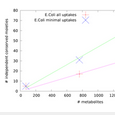
Screen Shot 2014-07-08 at 10.07.56 PMIdentifying All Moiety Conservation Laws in Genome-Scale Metabolic Networks – Andrea De Martino – PLOS ONE

“ Our method is deployed for the analysis of moiety conservation relationships in two large-scale reconstructions of the metabolism of the bacterium E. coli, in six tissue-specific human metabolic networks, and, finally, in the human reactome as a whole, revealing that bacterial metabolism could be evolutionarily designed to cover broader production spectra than human metabolism.”

Emergent

Emergent Biosynthetic Capacity in Simple Microbial Communities – Hsuan-Chao Chiu – PLOS Computational Biology

“We specifically focus on detecting emergent biosynthetic capacity – instances in which a community growing on some medium produces and secretes metabolites that are not secreted by any member species when growing in isolation on that same medium. “

DIET ArchaeaDirect Interspecies Electron Transfer between Geobacter metallireducens and Methanosarcina barkeri – Amelia-Elena Rotaru – Applied and Environmental Microbiology

“M. barkeri is the second methanogen found to accept electrons via DIET and the first methanogen known to be capable of using either H2 or electrons derived from DIET for CO2 reduction. “

Optimal defenseOptimal Defense Strategies in an Idealized Microbial Food Web under Trade-Off between Competition and Defense – Selina Våge – PLOS ONE

“ Under coexistence with a competition specialist, a balance of competitive and defensive ability of the defense strategist was found to be evolutionarily stable, whereas stronger defense was optimal under increased nutrient levels in the absence of the pure competition specialist.”

Microbial detection

Screen Shot 2014-07-08 at 10.13.13 PMHuman Herpes Viruses Are Associated with Classic Fever of Unknown Origin (FUO) in Beijing Patients – Weimin Zhou – PLOS ONE

“HHVs are associated with Chinese patients (especially for children) with classic FUO. Our study adds perspective to the aetiological and clinical characteristics of classic FUO in beijing patients.”

Phages and viruses

Screen Shot 2014-07-08 at 10.13.31 PMCRISPR-Induced Distributed Immunity in Microbial Populations – Lauren M. Childs – PLOS ONE

“We analyze sequence diversity of experimentally coevolving populations of Streptococcus thermophilus and their viruses where CRISPR-Cas is active, and find the rapid emergence of distributed immunity in the host population, demonstrating the importance of this emergent phenomenon in evolving microbial communities.”

Techniques

Influence of DNA Extraction Method, 16S rRNA Targeted Hypervariable Regions, and Sample Origin on Microbial Diversity Detected by 454 Pyrosequencing in Marine Chemosynthetic Ecosystems – Perrine Cruaud – Applied and Environmental Microbiology

“Thanks to statistical and diversity analyses as well as inference of operational taxonomic unit (OTU) networks, we show that (i) while DNA extraction methods do not seem to affect the results for some samples, they can lead to dramatic changes for others; and (ii) the choice of amplification and sequencing primers also considerably affects the microbial community detected in the samples.”

Dengue

Sanofi’s dengue vaccine first to complete phase 3 – Gunjan Sinha – Nature Biotechnology

“Banking on approval, Sanofi has already started production, a move some have described as a “huge gamble” in light of the vaccine’s disappointing results from earlier studies, says Mark Clark, a pharmaceuticals analyst at Deutsche Bank in London.”

Microbes in the News

Found: Forgotten Vials of Smallpox – Maryn McKenna – Wired.com (also see CDC Media Statement)

“Workers clearing out an old storage room on the Bethesda, Md. campus of the National Institutes of Health have found a forgotten box of vials that contain smallpox.”

The Bacteria That Got Spread Throughout The US By Military Testing – Esther Inglis-Arkell – IO9

“Have you ever heard of serratia marcescens bacteria? Today they are a cause of hospital infections. In the 1960s, they were secretly sprayed across Washington, San Francisco, and New York.”

Manage Your Microbes – Laura Stec – Palo Alto Online

“I’ve been researching this wonderful advance in science for Manage Your Microbes, a cook class at Belmont Library on July 29th. “

Science, Publishing, and Career

SAGE Publications busts “peer review and citation ring,” 60 papers retracted – Retraction Watch

SAGE announces the retraction of 60 articles implicated in a peer review and citation ring at the Journal of Vibration and Control (JVC). “

13 Subtle Ways Women Are Treated Differently At Work – Jenna Goudreau – Business Insider

“Both men and women hold these views but often don’t even realize it. “It’s hard to fight this,” says Rivers, but awareness is key.

Dr. Bik’s Picks

Combining colour and temperature: A blue object is more likely to be judged as warm than a red object – Hsin-Ni Ho – Nature Scientific Reports

“It is commonly believed that reddish colour induces warm feelings while bluish colour induces cold feelings. We, however, demonstrate an opposite effect when the temperature information is acquired by direct touch.”

MandarinSequencing of diverse mandarin, pummelo and orange genomes reveals complex history of admixture during citrus domestication – G Albert Wu – Nature Biotechnology

“Here we sequence and compare citrus genomes—a high-quality reference haploid clementine genome and mandarin, pummelo, sweet-orange and sour-orange genomes—and show that cultivated types derive from two progenitor species. “

[hr]

General microbiome and science, June 30

Monday is always a busy day, so lots of papers today. Phages, CRISPRs, antibiotic resistance, probiotics, archaea, biofilms and a Goldilocks planet.

Antibiotics and resistance

Horizontal gene transfer in the human gastrointestinal tract: potential spread of antibiotic resistance genes – JR Huddleston – Infection and Drug Resistance

“This review aims to give an overview of the major horizontal transfer mechanisms and their evolution and then demonstrate the human lower gastrointestinal tract as an environment in which horizontal gene transfer of resistance determinants occurs.”

Screen shot 2014-06-30 at 06.47PM, Jun 30Bacterial persisters: formation, eradication, and experimental systems
Sophie Helaine, Elisabeth Kugelberg – Trends in Microbiology

“Toxin–antitoxin (TA) modules have an important role in the formation of persisters and several studies show that they can form in response to different triggers.”

Screen shot 2014-06-30 at 06.48PM, Jun 30Antibiotic Treatment Suppresses Rotavirus Infection and Enhances Specific Humoral Immunity – Robin Uchiyama – Journal of Infectious Diseases

“Microbiota ablation resulted in reduced rotavirus infection/diarrhea and a more durable rotavirus antibody response, suggesting that antibiotic administration before rotavirus vaccination could raise low seroconversion rates that correlate with the vaccine’s inefficacy in developing regions.”

And:  Antibiotics Help Control Rotavirus Infections and Enhance Antirotaviral Immunity: Are You Serious? – Luther A. Bartelt and Richard L. Guerrant – Journal of Infectious Diseases

“Yes, we must understand intriguing new findings; but no, we are far from serious about widespread use of antimicrobials with routine immunizations.”

Screen shot 2014-06-30 at 06.44PM, Jun 30Transferrin Iron Starvation Therapy for Lethal Bacterial and Fungal Infections – Lin Lin – Journal of Infectious Diseases

“These results provide proof of principle that bacterial infections can be treated in vivo by attacking host targets (ie, trace metal availability) rather than microbial targets.”

Bacterial detection in blood and other sites

Screen shot 2014-06-30 at 06.45PM, Jun 30Identification of pathogens from blood culture bottles in spiked and clinical samples using matrix-assisted laser desorption ionization time-of-flight mass-spectrometry analysis – Simone Konnerth – BMC Research Notes

“MALDI-TOF MS using the SARAMIS database was applied to 37 spiked blood culture samples. Identification rates of spiked samples were as follows: The species level was determined in 16 of 21 (76.2%) Gram negative bacteria and in 11 of 13 (84.6%) Gram positive bacteria. “

Infection and host response

Type I and III Interferon Production in Response to RNA Viruses – Elizabeth Reid and Bryan Charleston – Journal of Interferon & Cytokine Research

“There are now many examples of RNA viruses inducing type I and type III IFNs, and although these IFNs act through different receptors, in many systems studied, they induce a similar spectrum of genes. “

CRISPRs

Screen shot 2014-06-30 at 06.50PM, Jun 30Review: Adapting to new threats: the generation of memory by CRISPR-Cas immune systems – Robert Heler – Molecular Microbiology

“Recent studies have begun to elucidate the genetic requirements for adaptation and have demonstrated that rather than being a stochastic process, the selection of new spacers is influenced by several factors. We review here our current knowledge of the CRISPR adaptation mechanism”

Screen shot 2014-06-30 at 06.53PM, Jun 30The three major types of CRISPR-Cas systems function independently in CRISPR RNA biogenesis in Streptococcus thermophilus – Jason Carte – Molecular Microbiology

“Our findings indicate that multiple CRISPR-Cas systems can function independently in crRNA biogenesis within a given organism – an important consideration in engineering coexisting CRISPR-Cas pathways”

Viruses and phages

Screen shot 2014-06-30 at 06.53PM, Jun 30Exploiting gut bacteriophages for human health – Marion Dalmasso – Trends in Microbiology

“We emphasise the complexity and individuality of the phageome, and the link to the health state of the host. We highlight the practical applications of bacteriophages in medicine and in the food chain.”

Screen shot 2014-06-30 at 06.52PM, Jun 30Environmental bacteriophages : viruses of microbes in aquatic ecosystems – Télesphore Sime – Ngando – Frontiers in Microbiology

“The present chapter sought to review the literature on the diversity and functional roles of viruses of microbes in environmental microbiology, focusing primarily on prokaryotic viruses (i.e. phages) in aquatic ecosystems, which form the bulk of our knowledge in modern environmental viral ecology.”

Archaea

Screen shot 2014-06-30 at 06.55PM, Jun 30Taxonomic database and cut-off value for processing mcrA gene 454 pyrosequencing data by MOTHUR – Sizhong Yang – Journal of Microbiological Methods

“The functional mcrA gene of methanogens can generate phylogeny as congruent as the 16S rRNA gene phylogeny. “

Screen shot 2014-06-30 at 06.59PM, Jun 30Biofilm formation of mucosa-associated methanoarchaeal strains
Corinna Bang – Frontiers in Microbiology

“Here, the ability of three methanoarchaeal strains, Methanobrevibacter smithii and Methanosphaera stadtmanae, which form part of the human gut microbiota, and the Methanosarcina mazei strain Gö1 to grow on different surfaces and form biofilms was investigated.”

Biofilms (see also Archaea above and Probiotics below)

Screen shot 2014-06-30 at 07.02PM, Jun 30Development of an in vitro periodontal biofilm model for assessing antimicrobial and host modulatory effects of bioactive molecules
Emma Millhouse – BMC Oral Health

Multi-species biofilms were either treated with either molecule, or alternatively epithelial cells were treated with these prior to biofilm co-culture. Biofilm composition was evaluated and inflammatory responses quantified at a transcriptional and protein level.

Probiotics

Screen shot 2014-06-30 at 06.43PM, Jun 30Review: Enumeration of probiotic strains: Review of culture-dependent and alternative techniques to quantify viable bacteria – Catherine Davis – Journal of Microbiological Methods

“Consensus on an operational definition of viability and systematic efforts to validate these alternative techniques ultimately will strengthen the accuracy and reliability of probiotic strain enumeration.”

Inhibitory effect of Lactobacillus salivarius on Streptococcus mutans biofilm formation
Chien-Chen Wu – Molecular Oral Microbiology

“We analyzed 64 L. salivarius strains and found that two, K35 and K43, significantly inhibited S. mutans biofilm formation with inhibitory activities more pronounced than those of Lactobacillus rhamnosus GG (LGG), a prototypical probiotic that shows anti-caries activity.

General taxonomy and phylogeny

Screen shot 2014-06-30 at 07.04PM, Jun 30Considering external information to improve the phylogenetic comparison of microbial communities: a new approach based on constrained Double Principal Coordinates Analysis (cDPCoA) – S Dray – Molecular Ecology Resources

“In this work, we extend DPCoA to integrate the information of external variables measured on communities. The constrained Double Principal Coordinates Analysis (cDPCoA) is able to enforce a priori classifications to retrieve subtle differences and(or) remove the effect of confounding factors. “

Screen shot 2014-06-30 at 06.43PM, Jun 30Understanding molecular identification and polyphasic taxonomic approaches for genetic relatedness and phylogenetic relationships of microorganisms – Surajit Das – Journal of Microbiological Methods

“In this regard, a polyphasic taxonomic approach is advantageous because it exploits simultaneously both conventional as well as molecular identification techniques.”

Metabolomics

Screen shot 2014-06-30 at 07.01PM, Jun 30Nutrient sharing in the microbial world – Erica C. Seth and Michiko E. Taga – Frontiers in Microbiology

“Cofactor cross-feeding can contribute to both the health and nutrition of a host organism, the virulence and persistence of pathogens, and the composition and function of environmental communities. “

Metagenomics

Combination of Metagenomics and Culture Based Methods to Study the Interaction Between Ochratoxin A and Gut Microbiota – Mingzhang Guo – Toxicological Sciences

“Changes in functional genes of gut microbiota including signal transduction, carbohydrate transport, transposase, amino acid transport system and mismatch repair were observed.”

Chromosomal organization

NuChart-II: a graph-based approach for the analysis and interpretation of Hi-C data (PDF) – Fabio Tordini – Proceedings of the CIBB 2014

“NuChart-II is a highly optimized implementation of a previous prototype package developed in R, in which the graph-based representation of Hi-C data was tested, but that also showed inevitable problems of scalability while working genome-wide on large datasets.”

Science and education

Screen shot 2014-06-30 at 06.58PM, Jun 30Starting small: using microbiology to foster scientific literacy
Amy F. Savage, Brooke A. Jude – Trends in Microbiology

“In order to achieve scientific literacy for all students, Bard College recently implemented Citizen Science, a common January course for all first-year students. Structured around the question ‘how do we reduce the global burden of disease?’, this course uses microbiological tools to develop an understanding of potential answers.”


Dr. Bik’s Picks

Screen Shot 2014-07-01 at 12.06.17 AMBird brains: Public asked to look out for clever rooks – Victoria Gill – BBC News

“The British Trust for Ornithology (BTO) is asking the public to take part in a national survey of bird intelligence. From 1 July, the charity is asking people to submit video clips or descriptions of the behaviour or rooks – some of our cleverest garden birds.”

Screen Shot 2014-07-01 at 12.06.52 AMPotentially habitable Earth-like planet discovered; May have similar temperatures to our planet – Science Daily

“A potentially habitable Earth-like planet that is only 16 light years away has been discovered. The “super-Earth” planet, GJ 832 c, takes 16 days to orbit its red-dwarf star, GJ 832, and has a mass at least five times that of Earth.”

Screen Shot 2014-07-01 at 12.07.35 AMStudy Implicates Smog In Autism And Schizophrenia – Science 2.0

“A recent paper found that exposure to air pollution early in life produces harmful changes in the brains of mice, including an enlargement of part of the brain that is seen in humans who have autism and schizophrenia, and that led them to conclude that smog causes autism.”

[hr]

Human microbiome, June 17

Gut bacteria swapping DNA segments, what happens after a fecal transplant, intestinal archaea, and more.

Gut microbiome

Evidence of Extensive DNA Transfer between Bacteroidales Species within the Human Gut – Michael J. Coyne – mBio

“Using seven coresident Bacteroidales species from one individual and eight from another, we identified five large chromosomal regions, each present in a minimum of three of the coresident strains at near 100% DNA identity.”

Recovery of the Gut Microbiome following Fecal Microbiota Transplantation – Anna M. Seekatz – mBio

“Here we investigated changes in the fecal microbiota structure following FMT in patients with recurrent C. difficile infection, and imputed a hypothetical functional profile based on the 16S rRNA profile using a predictive metagenomic tool.”

The Intestinal Archaea Methanosphaera stadtmanae and Methanobrevibacter smithii Activate Human Dendritic Cells – Corinna Bang – PLOS ONE

“Taken together, our findings strongly argue that the archaeal gut inhabitants M. stadtmanae and M. smithii are specifically recognized by the human innate immune system. “

Microbiota and Metabolome Associated with Immunoglobulin A Nephropathy (IgAN) –
Maria De Angelis – PLOS ONE

“This study aimed at investigating the fecal microbiota, and the fecal and urinary metabolome of non progressor (NP) and progressor (P) patients with immunoglobulin A nephropathy (IgAN). “

Respiratory microbiome

Impact of Experimental Human Pneumococcal Carriage on Nasopharyngeal Bacterial Densities in Healthy Adults – Joshua R. Shak – PLOS ONE

“These data on bacterial associations are the first to be reported surrounding experimental human pneumococcal colonization and show that co-colonizing effects are likely subtle rather than absolute.”

Vaginal microbiome

Diversity and stability of cultured vaginal lactobacilli in pregnant women from a multi-ethnic urban UK population – S.M. Husain – Journal of Applied Microbiology

“Self-collected vaginal swabs at 13 and 20 weeks gestation were obtained from women attending for routine antenatal care and cultured for lactobacilli.”

[hr]