Microbiome Medicine Summit, part 3 – Gittleman

Here is another transcript from the Microbiome Medicine Summit – a talk by Ann Louise Gittleman, PhD, CNS, Nutritionist called: “Parasites May be the Hidden Cause of Your Health Issues“. Here is what Wikipedia’s entry about her has to say about her PhD degree:

In 2002 she was given a PhD in Holistic Nutrition from Clayton College of Natural Health, an unaccredited and now defunct diploma mill whose notable graduates are surrounded in controversy. In 2010, Clayton College closed due to financial difficulties.

Also note how in her talk, she first tries to scare the audience about an invisible (and non-existing!) problem, then will offer a solution: her cleansing products. Also note that, when asked for possible signs for parasite infection, she will list a long list of health conditions most of us might experience. Also note that she says that most of these parasites cannot be detected by conventional tests. Finally, note that she states to not use probiotics during parasite cleaning, but that her own Colon Cleanse kit contains…. probiotics.

Start of (partial) transcript:

This is a very strange subject for someone like myself. I have always been involved with English and drama and religion and metaphysics.

Many many years ago, I studied with a woman …. who changed my whole career in 5 days. It was Dr Hazel Parcells who taught me that 8 out 10 of all Americans – and this was back in 1974 – were infested with of one or more parasites.

In that little class, she showed all of these creatures that came out of all of these individuals who did parasite cleanses.

So we all went on the program, and sure enough, many of our health problems in those days truly did disappear or certainly dissapated, and we learned how parasites were the most immunosuppresive agent in the human body. And I dare to say today, with the human microbiome, it is still a problem that is not being detected, not being suspected (inaudible) need to be treated.

Dr. Parcells was very ahead or her time. She was able to diagnose individuals using a sample of blood and she was extraordinarily accurate.

It was an 8-day milk diet. (…) It was her belief that the milk acted as bait for the parasites, they came out of their hiding places, because many of them live within the gut wall. Which is why when you do traditional stool samples, you don’t see them.

The milk acted as bait, it took them out of the gut wall, and then she zapped them with a speciality blend of herbs.

Quite frankly, we saw all kinds of things coming out.

Host Raphael Kellman: What does the average person do today? Cause you can’t really test for it, the tests are not very accurate, they miss it most of the time. What should they do next?

ALG: Number 1. There are a lot of foods that really help to debilitate parasites. One of them (…) is the cranberry. These are very tart fruits that are quite rich in organic acids. They break down their protein structure, and then stimulating the release of parasitic wastes. So on a daily basis I would suggest for a 2-3 week stint that you do my CranWater daily.

Number 2: Pumpkin seeds on a daily basis. In that way, you clear up any parasite infection by at least 25%.
Another one is garlic. Another one is cayenne peppers. Parasites cannot take the heat.
They really love instant sugars.

Host: Who should be suspicious that they may have parasites hurting their microbiome and their gut?

ALG: If you have symptoms with your intestines, constant constipation or diarrhea or gas, that is not due to certain sensitivities or any other situation, then I really think that you have to suspect parasites. If you’ve gut unresolved joint or muscle pain (…) if you have difficulty sleeping and are constantly waking up between 1 to 3 I would suspect parasites. If you got frequent infections, if you got cold or yeast infections, or any kind of autoimmune situation, think of the parasites. Anxiety, nervousness, depression –

Q What about cancer?

ALG: Well we gotta be very careful but one of my great parasitologist friends .. told me he had never seen a case of cancer that also wasn’t accompanied by parasites. He always cleared out parasites first and foremost, which then led to the development of the parasite products that I have developed and promoted for the last 25 years.

So I’ll tell you that parasites are a real problem, no matter what disease you’re suffering from or if you wanna look good.

It is so amazing to think of all of the seemingly disconnected symptoms and effects of the lowly parasites that behooves all of us, like Europeans to eat certain foods or take certain herbs or bitters to try to eliminate these things from the digestive tract.

Q What are your favorite herbs to reduce or eliminate worms?

ALG: The favorite herb that we put into our product which is my colon cleansing kit is one that you won’t find in any other. and it’s because of the research I was able to do. That herb is Centaury. It allows the parasites to release all their hookers or sucker agents from your gut.

The nutrients that parasites don’t do well with, would be the zinc and vitamin A. They don’t seem to hold on to the intestinal lining as prolifically in the presence of the vitamin A and the zinc.

Q What’s the connection between these parasites and the microbiome?

If you have a healthy microbiome, these little buggers can’t exist. It’s very simple.
We gotta be eating foods that are very high in fermenting agents.

Q Do you recommend fermented foods to everyone across the board?

ALG: No, I don’t. I very rarely recommend that to individuals who have a lot of GI problems, because it creates so much more gas and discomfort.

I have found that the same conditions that give root to parasites or protozoa are those that actually feed back to pathogenic bacteria. So a course of the treatment that I recommend is the My Colon Cleansing kit which has natural herbs that are also very antibacterial.

I was taught, that when you are clearing out parasites, one should not be taking any kind of probiotics or beneficial bacteria because it would actually feed and strengthening the parasites. (taking probiotics/fermented foods) comes later in the entire protocol.

After that first inititial weakening of the agents that are crowding out the microbiome, and are feeding off of the microbiome, we then add back a healthy probiotic.

A microbiome imbalance and a parasite issue, they always go together.

Q Tell us the symptoms that might point to the possibility that there is a microbiome/parasite issue?

ALG: GERD is a primary symptom. Indigestion. A weakened lower esophageal sphincter muscle. That’s for starters. I would also say that IBS may be connected, Crohn’s disease, constipation, diarrhea. Allergy, majorly connected. Joint and muscle aches and pains in arthritis. Skin conditions, very connected because the skin is a detoxification organ.

Q Do you feel there is any value in stool testing?

Many of these little critters live in the small intestine, not in the large intestine, some of them live in the intestinal wall so you are not seeing them in a stool sample, and then they may not be reproducing at the time you take the stool sample. They are most active the 4 days before and after the full moon. I’ve always seen much better results around that time.

(ALG talking about all the great parasitologists who passed away.)

I’ve always been interested. A search for God is what I call it. I studied many of the religions, but I love all the religions where I feel there is some kind of truth.
Maybe this was a search of truth. I don’t know. Truly I think there’re underlying issues, underlying laws of nature, of God, that we all have to observe because if we don’t we get into trouble.

[hr]
Microbiome Medicine Summit, part 2, Donna Gates

Part two of me listening to the podcasts provided by self-proclaimed microbiome experts on the Microbiome Medicine Summit. Today features Donna Gates, who – quite frankly – provided the talk with the most quackery I heard so far. Here is a transcript of some of the things she had to say. Please note that English is not my first language, but I did try my best. You can hear the full MP3 here, but it’s over an hour long.

Donna Gates, MEd, ABAAHP, The Power of Developing a Strong Inner Ecosystem

25 years ago, I began to study microbiologists and their journals. And they were always reporting in their journals and to each other things they were finding, but it wasn’t ever coming down to us.

What I used to say years ago, I said it because it made sense, and now there is science behind it. Like, I would say: “Bacteria talk to each other”. And then the quorum sensing came out. And I used to say; “They’re inside the gut and the gut is connected to the brain”, and sure enough, science started.

Host Raphael Kellman: You felt something about the inner ecosystem that you know existed, something that you focused on for a while, way before scientists confirmed that in fact there is a microbiome and an inner ecosystem.

DG: We should all develop this intuition. Probably everyone has it. Certainly healers have it. Especially today, we’re all so busy, we can’t access that part of ourselves. You have to be quiet.

RK: I get the feeling that the bacteria really love you. And they really give you their insights. And if that’s the case, give us the insights that the microbiome is giving you.

DG: There is research showing that the microbiome are very much influenced by our thoughts and I used to think that too.

Over the years I collected vast amounts of fascinating information. For example, we’re so much alike, we human beings, and the bacteria and the other microbes inside of us, they’re just like us.

Bacteria work together in guilds. They even sacrifice themselves, for the sake of the community.

They’re highly intelligent, in a microbe kind of way.

Leo Galland has brought up a new concept which is pretty brilliant. There are certain bacteria in the gut that are “Alexander organisms”. Alexander the Great was this fantastic leader. 1000s of people followed him into battle and they conquered a huge part of the world.

In the gut, the guilds of these communities, they do need a leader. So certain bacteria have been identified as Alexander organisms. That’s one of the things that scientists are looking at: who are the leaders. Who do all these other microbes follow.

The microbiome also consists of viruses, and then there are bacteriophages that are actually controlling the viruses.

A lot of people are talking lately about archaea, this new species that was thought to be a bacteria, but now got moved into its own species. If you have a lot of archaea, which about 50% of us do, we tend to be constipated all the time. They produce methane gas which causes constipation.

The bacteria produce toxins called endotoxins. And they inflame the gut wall, and things leak in that are not supposed to be there, so we end up with diabetes and insulin resistance, hypertension, cardiovascular disease. Endotoxins are like a gun. What really pulls that gun is our high fat diet.

Bacteria are controlling our genes, too. The bacteria have trillions of their own genes. Those, the bacteria and their genes are expressing our genes. They can be turning on the genes we don’t want to turn on, the ones that cause gut problems, or make us age, or cause cancer.

Finally scientists are focusing on this. For many many years I was that lone voice up there saying why don’t people not wake up and see how critical this is? It’s how we prevent autism so consistently over the last 15 years.

I have the moms feed my fermented coconut kefir to their newborn babies, and they grow up to be completely different. They’re so smart, they’re so happy. Every single one of them are really physically beautiful children. They’re so happy, consistently. They’re delightful to raise. Compare that to an autistic child, that’s a pure nightmare for the parent.

Plant foods are full of oxalates, like little shards of glass. There many oxalates in plant food, especially in spinach and chocolate and soy and beets. We’re eating a lot of those today. If you don’t have Oxalobacter formigenes, these oxalates cause calcifications in our bodies, they cause stones. They’re finding stones now in peoples bones, in their brains, in their lungs during an autopsy. These stones can go anywhere in the body. Lactobacillus plantarum degrades oxalates, and can help to compensate for this.

On adding Lp to fermentation cultures: Lactobacillus plantarum is an Alexander Organism. If you put him – or her – in there, they’re telling everybody how to behave, who can grow, and you end up with a very special food.

Plantarum is naturally growing on the plants.

I don’t use the term sauerkraut. That’s a jar of sauerkraut, it’s dead, it has vinegar and lots of salt. I start using the term fermented vegetables, cultured vegetables.

43.00 (lots of loud banging in background – maybe an exploding jar of sauerkraut?)

Bacteria are so intelligent. One of the things they are designed to do is look for parasites and eggs and larva which are on our food, and they will eat them up. They love them, it’s like caviar to them.

All cultures have fermented food.
But we are spraying our foods with glyphosate.

For me, every diet needs to be gluten-free. Grains are OK, but only in the evening, soaked in water, cooked and drained to remove the oxalates, and eaten with vegetables for balance.

Dr. William Shaw was called in by these prisoners only being fed soy. They were very very sick all the time, esp the ones that had been there a while. They sued the state to get real meat into the prison. He told me he was sure to win the case, because when they X-rayed their stomachs, they had stalactites growing down from the top of their stomach, from the oxalates.

And then the oxalate kids, they are super sensitive. There was this little boy, he literally pulled his eye out, because that’s another symptom, aching joints. This little boy, his left eye ached so badly, that’s a common… that’s when I knew that I was – tended to be sensitive, because when I at them, or too many of them, my *left* eye would ache.

I was just at this conference and there is this app, that I’m going to invite everybody on my mailing list to subscribe to this app, but’s it’s kind of fun. It shows up on your iPhone, or your phone, and you can put it over things. If you put this app, your phone, right over your wine glass, all these special Tesla or energy waves go into it, and change it, completely change it. It’s so different afterwards, it’s delicious. You can do it to your coffee, do it to your water, it’s kind of fascinating. We can change things with energy. We are energetic beings, the water is, the wine is. And also they do it for gluten. So I tested it, there was a difference! There were some little crackers on the table, so I thought, ok I will eat gluten. And I ate them, and nothing happened.

Cell wellbeing test, it tells you if you are low in B12 or not. It’s a very sophisticated scan. You pull out some hairs from the back of your neck, put them on this little scanner. All this information goes to Germany, comes back in 15 min, and then you know what your deficiency is.

Host: What would be the 3 main points you would want to leave the audience with?

DG: It’s so simple.
1. Drop the bad fats and oils. Only eat the ones that are good, like coconut oil and olive oil.
2. Don’t eat so much sugar. Stevia is a wonderful substitute. I introduced it into the US.
3. Eat something fermented. That’s the most important.

Host : Where can people get more information about you?

DG: Thanks for bringing that up. I always forget to mention my products. The most important product we have is our knowledge.

I’m one year away from turning 70. But I have no symptoms of aging. I don’t hurt, my hair’s not grey. We don’t have to age. Why am I holding up?

[hr]

Microbiome Medicine Summit

Some “pearls of wisdom” quotes from the Microbiome Medicine Summit, a collection of podcasts that’s online this week. Not a lot of science here, but several vague statements and extrapolated findings. And links to websites of self proclaimed experts who are eager to sell you their books and dietary supplements. Hyperlinks here lead to MP3s of the podcasts – I have almost all of them in case someone is interested in hearing one of the others. Here are the ones I listened to:

Deepak Chopra 

There are no things in the universe, There is no such thing as a thing, The universe is a verb, your body is a verb

Your body is not a thing, it’s a process

With every breath that you breathe out, you’re breathing out bits and pieces of your heart and kidney and brain tissue, and technically speaking we’re all intimately shearing our organs with each other right now.

The microbiome is the house you live in.
30% of our microbiomes has disappeared in Western societies

Where is our memory housed?

Every cell in your body is the entire history of evolution in those genes.
The universe is constantly recycling its memories in the activity of our cells.

We are conciousnous ourselves.

Science is very good in creating technology: trains, the internet. Science works, so it must be the truth, right? but that’s a mistake.

Now we have a science which has a vocabulary which is based on taking snapshots of an eternal activity, and then we create a map, through that map we create an technology and we say that this is the truth.

While science can give us great technology, both divine and diabotical…, it does not give us a clue to the origins of consciencousness

Sleep, meditation, movement, mind-body coordination, emotions, and food.
Pay attention to these things, you’ll keep the microbiome happy.

[hr]

Amy Myers, MD Autoimmune diseases

Top three toxins that we are exposed to:
Mercury in fish, vaccines, tooth fillings, environment
Mycotoxins, toxic mold – only 25% of people are sensitive for it
Gluten, with roundup on it, which is related to leaky gut.

Q: Do you test mold in you autoimmune cases?
A: No, because you would find something in 80% of the population

Q: How to reverse the symptoms of autoimmune diseases?
A: The first step: Healing the gut. Dr. Fasano at Harvard: Leaky gut is one of the factors that must be present in order for autoimmunity to happen. When we’re stressed out, eat toxins, are exposed to mold, or we eat gluten or dairy, we create this leaky gut. Large molecules now get in, and the immune system will begin to attack them.

Q is there something other than dietary changes that you take to enhance integrity of microbiome?
A: My program with all my patients: doing stool test, treat for infections such as yeast overgrowth, replacing with good probiotics, repairing with L-glutamin and other.
We see a lot of SIBO Small intestinal bacterial overgrowth.

Tame the toxins: Water filters for drinking and showering water, air filters. I don’t mean to scare people, but using a HEPA airfilter to prevent

[hr]

Julie Matthews, CNC, connection of microbiome with autism and autoimmunity

Findings about microbiome and autism:
Increases in pathogenic bacteria, Clostridia, Desulfovibrio, Sutterella,
Q :if people have son or daughter iwth autism what should they do
Go to your doctor and have them do a comprehensive stool analysis

Q Is there a particular stool test that you would recommend, a particular company?
A: I like the Genova test, is good, because they do the DNA analysis.

Q it’s difficult to treat Clostridia. How do you treat?
A: I’m not a doctor, so I don’t treat, I’ll leave that to the doctors

Discourages eating spinach, beets, sweet potatoes, beans, nuts, chi seeds, because of their high oxylate levels

Q For autoimmune diseases, is there a good diet you would go to first?
A: Would start with gluten free, soy free, and eliminate eggs, corn. Might then look at grains. Then I might look at low phenol diet or low oxylates.

Q: Do you have some study references?
A: People can go to nourishinghope.com/gistudies
or bioindividualnutrition.com/gistudies
(Note EB: both links don’t work)

[hr]

Leo Galland, MD about allergies

There is an unsung epidemic of allergies that is sweeping the world right now.
In my book I have a protocol that people can use to try to figure out if allergies are responsible for their mysterious symptoms.

Q: Is there another blood test other than the IgE?
LG: I have not found any of these blood tests to be definitive, so I really think that my Powerwash Elimination Protocol for food allergies is the most reliable and most sensitive way to determine if any of your symptoms…
LG there is a urine test for leaky gut

Leaky gut:  There is no labtest that can substitute a careful examination

Parasite detection: there is no perfect type of test.

Q: What kind of treatments would you do for the microbiome to help people with allergies?
LG: I have a program that I use that I called ARC: Avoidance, Reflorestation and Cultivation and I describe that in my book.

Q How do you remove inflammation of the gut?
LG: Herb: berberin has great antiinflammatory effects. An antiinflammatory diet is also important.
If you are eating food like hamburgers and rolls and ketchup and sweets, that creates a leaky gut. Leaky gut due to a lousy diet creates inflammation in the body.

Strawberries are an anti-inflammatory food. Unless of course you’re allergic to them.

Lactobacilli and bifidobacteria might impact on mood

I never use probiotics in a vacuum.

I published paper called The gut microbiota and the brain (Note EB: review paper)
For people who have a lot of gas and bloating, I often like the soil derived organisms like Bacillus.

Three main points.

1. What happens in your gut doesn’t stay in your gut. If affects your whole body.
The microbes in your gut can have a profound effect on your immune function and your brain function…. When you take an antibiotic and it alters the microbes in your gut, it might be affecting you systemically in other ways as well

2. The first step in trying to have a healthy balance of bacteria in your gut is controlling inflammation, often its’ about controlling infl by following an antiinflammatory diet of food items that you are not allergic too. That is a very individual process for each person to work out

3. Probiotics can be very helpful for a number of conditions, and have been a proven benefit in the treatment of allergies. but you need to pay attention to how the probiotic is affecting you as an individual, how your gut is responding to it.

[hr]

Larry Palevsky

We know that genetically modified foods will alter the good bacteria that are in our intestines.

When we give antibiotics, when we eat food that has antibiotics in them, even when we vaccinate, we alter the microbiome in the intestines. That changes the conditions and allows for the overgrowth of unfavorable bacteria, which then leads to a lot of the chronic illnesses that we re seeing, , including obesity, autism, diabetes, asthma, atopic illnes and the like.

Q Are you saying that vaccinations are altering the microbiome and therefore they’re more sucseptible for diseases?
LP: When we use overuse antibiotics we are creating superbugs. We know that.
There is growing evidence that vaccinations also change the serotypes of microorganismss
and by changing the serotypes, we are altering ways that the microbiological organisms relate to each other. And so we are are getting mutations of bacteria and viruses because of vaccinations.

Q But does that mean that we should be very careful about vaccinations, perhaps not offer our children vaccinations ?
LP. We should be also asking the questions about the role that vaccinations maybe play in altering the microbiome unfavorably.

We maybe creating more problems by vaccines regarding the microbiome than we are in using the vaccines

[hr]

David Perlmutter

DP: Any time I get to talk about the microbiome I’m always excited.

RK: This is the greatest gift to holistic medicine. The power of bacteria to make widespread holistic changes just feeds perfectly into the whole model of functional and holistic medicine.
DP: It really does.

DP: We’ve been sort of mislead in our characterization of all bacteria being bad, that these are all agents of death. The truth of the matter, every aspect of our health and physiologic function is dependent on the health of the organisms that live upon us and within us.

DP: The role of the microbiome in the soil and how that relates to viniculture: The widespread use of herbicides like glyphosphate, the active ingredient in Roundup, are having a devastating effect in the ability of individuals to grow these grapes now, and certainly the quality of the grapes that are produced.

The body’s chemistry is influenced obviously by the foods that we eat.  Inflammation is the cornerstone of some of our most dreaded brain diseases: Alzheimers, Parkinsons, MS, autism, but also inflammation marking the cornerstone of obesity, diabetes and even cancers.

We began exploring what are the factors that are increasing gut permeability, and that led us to these beautifully scientific studies that showed fe that changes in the gut bacteria (dysbiosis), gluten etc ….leads to gut permeability.

The notion of a leaky brain is coming to the table as well.

DP: We can reestablish gut health. But we’ve got to recognize first how we’re traumatizing the microbiome, and it’s through some very very common actions that are so widely accepted as being harmless but actually harmful, that are changing our microbiomes for the worst, including: our dramatic overuse of antibiotics, NSAIDs, acid blockers such as PPI, our exposure to toxins like glyphosphate…
RK: it punctures holes in our gut!
DP: ..and it does so through the mechanism of changing the gut bacteria.

Q: Let’s try to reduce everything that you said to one most important piece of advice.
DP: The one most important piece of advice is to keep an open mind and have gratitude in your heart.

[hr]

Martha Herbert

MH: The microbiome is really important for oxygenation, for pH regulation….
Q: How does the gut bacteria play a role in the oxygenation of the body and the brain?
MH: You know, the gut bacteria have such an amazing number of roles in metabolism. And as they get depleted, the ecosystem balance is altered . So I actually can’t answer that … completely.

[hr]
Natasha Campbell-McBride

Our gut flora fulfills a myriad of functions for us, and if someone decide they would sterilize the human gut, we probably wouldn’t survive. We simply cannot live without this mass of microbes inside of us.

[hr]

Raphael Kellman: Gut bacteria: They’re playing our genes like Mozart plays the piano. It’s incredible. Their deep knowledge of our physiology, of our genetics, of what turns genes on and off. It’s just exquisite.

[hr]

February 28, 2016

Viral sequences in cancers, COPD, and EDGE, an easy online tool for metagenomics analysis.

Jobs

Researcher for a project on the effect of gut microbiome in human behavior – Radboud UMC Nijmegen, The Netherlands

General microbiome

Opinion: Manipulating Bacterial Communities by in situ Microbiome Engineering – Ravi U. Sheth – Trends in Genetics

Pregnancy and birth

Effect of Saccharomyces boulardii and Mode of Delivery on the Early Development of the Gut Microbial Community in Preterm Infants – Natalia Zeber-Lubecka – PLOS ONE

Human respiratory microbiome

Lung microbiome dynamics in chronic obstructive pulmonary disease exacerbations – Zhang Wang – European Respiratory Journal

Human gut microbiome

Presence of Porphyromonas gingivalis in esophagus and its association with the clinicopathological characteristics and survival in patients with esophageal cancer – Shegan Gao – BMC Infectious Agents and Cancer

Human colorectal mucosal microbiota correlates with its host niche physiology revealed by endomicroscopy – Ai-Hua Wang – Scientific Reports

Review: Gut Microbiota of Nonalcoholic Fatty Liver Disease – Reham M. Abdou – Digestive Diseases and Sciences

Review: Microbes and the Mind: Emerging Hallmarks of the Gut Microbiota-Brain Axis – Kylynda C. Bauer – Cellular Microbiology

Review: Beyond the gut bacterial microbiota: The gut virome – Paola Columpsi – Journal of Medical Virology

Human tissues and infection

Identification of Known and Novel Recurrent Viral Sequences in Data from Multiple Patients and Multiple Cancers – Jens Friis-Nielsen – MDPI Viruses

Models of microbiome research

Maternal Weaning Modulates Emotional Behavior and Regulates the Gut-Brain – Pamela Farshim – Scientific Reports

Rats: Correlations of Fecal Metabonomic and Microbiomic Changes Induced by High-fat Diet in the Pre-Obesity State – Hong Lin – Scientific Reports

Animal microbiome

18S rRNA V9 metabarcoding for diet characterization: a critical evaluation with two sympatric zooplanktivorous fish species – Aitor Albaina – Ecology and Evolution

Plant, root and soil microbiome

Tundra soil carbon is vulnerable to rapid microbial decomposition under climate warming – Kai Xue – Nature Climate Change

Online Springer Book: Microbial Inoculants in Sustainable Agricultural Productivity – Springer

Book chapter: Soil Effects of Genetically Modified Trees (GMTs) – Fernando Gallardo – Biosafety of Forest Transgenic Trees

Borderline Products between Bio-fertilizers/ Bio-effectors and Plant Protectants: The Role of Microbial Consortia – Marco Nuti – David Publishing Company

Differences in substrate use efficiency: impacts of microbial community composition, land use management, and substrate complexity – Tobias Bölscher – Biology and Fertility of Soils

Comparing how land use change impacts soil microbial catabolic respiration in Southwestern Amazon – Andre Mancebo Mazzetto – Brazilian Journal of Microbiology

Bacterial community dissimilarity between the surface and subsurface soils equals horizontal differences over several kilometers in the western Tibetan Plateau – Haiyan Chu – Environmental Microbiology

Soil and tree species traits both shape soil microbial communities during early growth of Chinese subtropical forests – Zhiqin Pei – Soil Biology and Biochemistry

Water and extremophile microbiome

Functional interactions of archaea, bacteria, and viruses in a hypersaline endolithic community – Alexander Crits-Christoph – Environmental Microbiology

Ecological succession leads to chemosynthesis in mats colonizing wood in sea water – Dimitri Kalenitchenko – The ISME Journal

Chapter One – Geomicrobiology and Metagenomics of Terrestrial Deep Subsurface Microbiomes – M. Itävaara – Advances in Applied Microbiology

Waste and pollution microbiology

Bacterial ecology of abattoir wastewater treated by an anaerobic digestor – Linda Jabari – Brazilian Journal of Microbiology

High-Resolution Phylogenetic Analysis of Residual Bacterial Species of Fouled Membranes after NaOCl Cleaning – Ronald R. Navarro – Water Research

Microbial diversity and hydrocarbon degrading gene capacity of a crude oil field soil as determined by metagenomics analysis – Firouz Abbasian – Biotechnology Progress

Bioinformatics

Now peer reviewed: cual-id: Globally Unique, Correctable, and Human-Friendly Sample Identifiers for Comparative Omics Studies – John H. Chase – mSystems

Metabolic Model-Based Integration of Microbiome Taxonomic and Metabolomic Profiles Elucidates Mechanistic Links between Ecological and Metabolic Variation – Cecilia Noecker – mSystems

Assessing the performance of DNA barcoding using posterior predictive simulations – Anthony J. Barley – Molecular Ecology

Enabling the democratization of the genomics revolution with a fully integrated web-based bioinformatics platform – Po-E Li – BioRxiv

GenSeed-HMM: A tool for progressive assembly using profile HMMs as seeds and its application in Alpavirinae viral discovery from metagenomic data – João Marcelo P. Alves – Frontiers in Microbiology

Metabolomics

Human microbial metabolites as a source of new drugs – Somdutta Saha – Drug Discovery Today

More microbiology

Microbiota–mitochondria inter-talk: consequence for microbiota-host interaction – Yann Saint-Georges-Chaumet – Pathogens and Disease

Exploitation by cheaters facilitates the preservation of essential public goods in microbial communities – Clara Moreno-Fenoll – bioRxiv

Accurate and semi-automated analysis of bacterial association with mammalian cells – C.M. Murphy – Journal of Microbiological Methods

Microbes in the news

Fungal DNA, mycotoxins, cat allergens and fatigue in classrooms – Holly Ganz – MicroBEnet

Gum Disease Bacteria Linked to Esophageal Cancer Risk – Newsmax

Video: Virginia Tech scientists turn poo into power – Virginia Tech

[hr]

February 26, 2016

IVF outcomes, large oral microbiota study, Pygmies and Bantu, GF animal models, correlation detection strategies, and sashimi in Portugal.

General microbiome

Opinion: Manipulating Bacterial Communities by in situ Microbiome Engineering – Ravi U. Sheth – Trends in Genetics

Pregnancy and birth

Transition from infant- to adult-like gut microbiota – E. Avershina – Environmental Microbiology

Abnormal vaginal microbiota may be associated with poor reproductive outcomes: A prospective study in IVF patients – T. Haahr – Human Reproduction

Human oral microbiome

Bacterial diversity in saliva and oral health-related conditions: the Hisayama Study – Toru Takeshita – Scientific Reports

Human gut microbiome

Gut Microbiome of Coexisting BaAka Pygmies and Bantu Reflects Gradients of Traditional Subsistence Patterns – Andres Gomez – Cell Reports

Inflammatory Bowel Disease Affects the Outcome of Fecal Microbiota Transplantation for Recurrent Clostridium difficile Infection – Alexander Khoruts – Clinical Gastroenterology and Hepatology

Gut microbiota composition and relapse risk in pediatric MS: A pilot study – Helen Tremlett – Journal of the Neurological Sciences

Analysis of Gastric Microbiota by Pyrosequencing: Minor Role of Bacteria Other Than Helicobacter pylori in the Gastric Carcinogenesis – Hyun Jin Jo – Helicobacter

Review: Crohn’s Disease: Evolution, Epigenetics, and the Emerging Role of Microbiome-Targeted Therapies – Ersilia M. DeFilippis – Current Gastroenterology Reports

Review: Immune recognition and response to the intestinal microbiome in type 1 diabetes – Alexandra Paun – Journal of Autoimmunity

Review: Intestinal microbiota: from sequencing to function – Julia-Stefanie Frick – International Journal of Medical Microbiology

Models of microbiome research

Growing up in a Bubble: Using Germ-Free Animals to Assess the Influence of the Gut Microbiota on Brain and Behaviour – Pauline Luczynski – International Journal of Neuropsychopharmacology

Vancomycin treatment alters humoral immunity and intestinal microbiota in an aged mouse model of Clostridium difficile infection – Edward van Opstal – The Journal of Infectious Diseases

Culex quinquefasciatus larval microbiomes vary with instar and exposure to common wastewater contaminants – Marcus J. Pennington – Scientific Reports

Microbial succession in response to pollutants in batch-enrichment culture – Shuo Jiao – Scientific Reports

Manipulation of the gut microbiota using resistant starch is associated with protection against colitis-associated colorectal cancer in rats – Ying Hu – Carcinogenesis

Animal microbiome

Managing Amphibian Disease with Skin Microbiota – Douglas C. Woodhams – Trends in Microbiology

Plant, root, and soil microbiome

Fungal phylogenetic diversity drives plant facilitation – Alicia Montesinos-Navarro – Oecologia

Positive plant–soil feedbacks of the invasive Impatiens glandulifera and their effects on above-ground microbial communities – Z Pattison – Weed Research

Bacterial community dissimilarity between the surface and subsurface soils equals horizontal differences over several kilometers in the western Tibetan Plateau – Haiyan Chu – Environmental Microbiology

Spatial scale drives patterns in soil bacterial diversity – Sarah L. O’Brien – Environmental Microbiology

Detection of short-term cropping system-induced changes to soil bacterial communities differs among four molecular characterization methods – David S. Duncan – Soil Biology and Biochemistry

Water and extremophile microbiome

Assembly and Succession of Iron Oxide Microbial Mat Communities in Acidic Geothermal Springs – Jacob P. Beam – Frontiers in Microbiology

Food microbiology

Influence of season and type of restaurants on sashimi microbiota – S. Miguéis – The European Journal of Public Health

Mitigation of Biofilm Formation on Corrugated Cardboard Fresh Produce Packaging Surfaces Using a Novel Thiazolidinedione Derivative Integrated in Acrylic Emulsion Polymers – Michael Brandwein – Frontiers in Microbiology

Psychrophile spoilers dominate the bacterial microbiome in musculature samples of slaughter pigs – Evelyne Mann – Meat Science

Bioinformatics

Correlation detection strategies in microbial data sets vary widely in sensitivity and precision – Sophie Weiss – The ISME Journal

ghost-tree: creating hybrid-gene phylogenetic trees for diversity analyses – Jennifer Fouquier – Microbiome

An algorithm for designing minimal microbial communities with desired metabolic capacities – Alexander Eng – Bioinformatics

Posted this previously, but now peer reviewed: Comparison of three clustering approaches for detecting novel environmental microbial diversity – Dominik Forster – PeerJ

Techniques

High-resolution microbiota flow cytometry reveals dynamic colitis-associated changes in fecal bacterial composition – Jakob Zimmermann – European Journal of Immunology

More microbiology

Phenotypic Heterogeneity and the Evolution of Bacterial Life Cycle –
Jordi van Gestel – PLOS Computational Biology
Microbes in the news

Human Gut Microbiome Evolution: From Hunter-Gatherers to a Western Lifestyle – Discover

Giving up hunting and gathering changed our gut microbiome – Eric Smillie – Newsweek

The social microbiome of the social honey bee – Irene Newton – MicroBEnet

Video: The Microbiome Project: Surgery – Jack Gilbert and colleagues discuss – Argonne National Laboratory

Newly discovered microbes in marine sponges, turtles, rockfish, and termites – Microbe Post

Penn Researcher Contributes Engineering Expertise to Solving Dental Maladies – University of Pennsylvania

Living bacteria-powered lights hit the market – New Scientist

What Are You Smoking? Bacteria Found at Local Hookah Bars – Bianca Lopez – University of Tampa

Science, publishing, and career

“That was a really bad Friday for us:” WIRED warns four stories were plagiarized – Ivan Oransky – Retraction Watch

Bik’s picks

Arctic shipworm discovery alarms archaeologists: a new species of the wood-chomping mollusks is loose in the Arctic – Eli Kintisch – Science

[hr]

February 3, 2016

Microbiome and risk for chemotherapy-induced colitis, fungal communities in boreal forest, and our new paper on marine mammal microbiotas!

Jobs and events

Postdoc in Metagenomics and Microbial Ecology – Linné Universitetet Kalmar, Sweden

General microbiome

Collection: The Human Microbiome – Cell Host & Microbe

Human gut microbiome

Intestinal microbiome analyses identify melanoma patients at risk for checkpoint-blockade-induced colitis – Krista Dubin – Nature Communications

Animal microbiome

My latest paper: Marine mammals harbor unique microbiotas shaped by and yet distinct from the sea – Elisabeth M. Bik – Nature Communications

Plant, root, and soil microbiome

Experimental warming alters potential function of the fungal community in boreal forest – Kathleen K. Treseder – Global Change Biology

Microbes in the news

Stanford Researchers Uncover New Bacterial Diversity Inside U.S. Navy Dolphins – Steve Fyffe – Stanford CISAC

What makes Listeria deadly – Nature

Antibiotic-resistant bacteria thriving in Galway’s sewers – Thérèse Hannon – Connacht Tribune

Plush pandemic: Colossal microbes taking over the world. Interview with Drew Oliver, creator of Giant Microbes – Andrew Jermy

Altru microbiologists discover bacteria, name it ‘altruii’ – Jennifer Johnson – Grand Forks Herald

Antibiotic-Resistant Bacteria May Have Met Their Match – Sheila Foran – University of Connecticut

Fil-Am microbiology student receives scholar award at the 28th CSU Biotechnology Symposium – Asian Journal

Qiagen NV: New agreements underscore QIAGEN’s leadership in bioinformatics – The Wall Street Transcript

Science, publishing, and career

Reproducibility: A tragedy of errors – David B. Allison – Nature

Want to correct the scientific literature? Good luck – Alison McCook – Retraction Watch

Counselling: Knowledge is power: finding a mentor outside the lab – Paul Smaglik – Nature

Chicago Professor Resigns Amid Sexual Misconduct Investigation – Amy Harmon – New York Times

Bik’s Picks

The Weird Thing About Cat Legs – Ed Yong – The Atlantic

Doctors Rank Hazardous and Healthy Hospital Food Environments – Physicians Committee for Responsible Medicine
[hr]

February 2, 2016, second edition

Updated status of the microbial census, bacteria in the nasopharynx, deodorant and armpit microbiome, lichen microbiome, fungi on decomposing forest materials, and metagenomics cover the amplicon gaps. So many papers I had to do a second installment today!

Events and jobs

Microbiology and bioinformatics positions at Whole Biome in San Francisco. Wearing hoodies encouraged.

General microbiome

The status of the microbial census: an update – Patrick D Schloss – BioRxiv

Getting the hologenome concept right: An eco-evolutionary framework for hosts and their microbiomes – Kevin R Theis – BioRxiv

Human oral microbiome

Interactions between Streptococcus oralis, Actinomyces oris, and Candida albicans in the development of multispecies oral microbial biofilms on salivary pellicle – Indira M.G. Cavalcanti – Molecular Oral Microbiology

Human respiratory microbiome

Unraveling the Molecular Mechanisms Underlying the Nasopharyngeal Bacterial Community Structure – Wouter A. A. de Steenhuijsen Piters – mBio 

Human skin microbiome

The effect of habitual and experimental antiperspirant and deodorant product use on the armpit microbiome – Julie Urban – PeerJ

Skin microbiome surveys are strongly influenced by experimental design – Jacquelyn S. Meisel – Journal of Investigative Dermatology

Unique features of a global human ectoparasite identified through sequencing of the bed bug genome – Joshua B. Benoit – Nature Communications

Human vaginal microbiome

Hormonal Contraceptive Effects on the Vaginal Milieu: Microbiota and Immunity – Jessica Tarleton – Current Obstetrics and Gynecology Reports

Human gut microbiome

Sex differences in the gut microbiome–brain axis across the lifespan – Eldin Jašarević – Philosophical Transactions of the Royal Society B

Very poor English and presentation, does not look peer reviewed: Preliminary analysis showed country-specific gut resistome based on 1267 feces samples – Zhenyu Yang – Gene

Confusing study design and interpretations: Gut Microbiota Linked to Sexual Preference and HIV Infection – Marc Noguera-Julian – EBioMedicine

Sequence-based methods for detecting and evaluating the human gut mycobiome – M.J. Suhr – Letters in Applied Microbiology

Review: Microbiota and arthritis: correlations or cause? – Bravo-Blas, Alberto – Current Opinion in Rheumatology

Perspective: Gut microbiota in 2015: Prevotella in the gut: choose carefully – Ruth E. Ley – Nature Reviews Gastroenterology & Hepatology

Editorial: PPIs alter gut microbiota composition – Nature Reviews Gastroenterology & Hepatology

Review: Samples and techniques highlighting the links between obesity and microbiota
Emmanouil Angelakis – Microbial Pathogenesis

Animal models of microbiome

Bidirectional interactions between indomethacin and the murine intestinal microbiota – Xue Liang – eLife


Mixed feelings about this study that killed turtles to look at effect of probiotics on their shellsDietary Probiotics Affect Gastrointestinal Microbiota, Histological Structure and Shell Mineralization in Turtles – Mateusz Rawski – PLOS ONE

Animal microbiome

The Role of the Microbial Environment in Drosophila Post-Embryonic Development
Maura Strigini – Developmental & Comparative Immunology

Plant, root, and soil microbiome

Review about lichen bacterial microbiome: Understanding microbial multi-species symbioses – Ines A. Aschenbrenner – Frontiers in Microbiology

Dead fungal mycelium in forest soil represents a decomposition hotspot and a habitat for a specific microbial community – Vendula Brabcová – New Phytologist

Litter decomposition, residue chemistry and microbial community structure under two subtropical forest plantations: A reciprocal litter transplant study
Zongming He – Applied Soil Ecology

Disentangling nematode-bacteria interactions using a modular soil model system and biochemical markers – Michael Ackermann – Nematology

Using native trees and cacti to improve soil potential nitrogen fixation during long-term restoration of arid lands – Nguyen E. Lopez-Lozano – Plant and Soil

Warming and nitrogen deposition are interactive in shaping surface soil microbial communities near the alpine timberline zone on the eastern Qinghai–Tibet Plateau, southwestern China – Qinli Xiong – Applied Soil Ecology

Short-term effects of mechanical drainage on fungal and bacterial community structure in a managed grassland soil – B.J. Fay – Applied Soil Ecology

Water and extremophile microbiome

Microbial Communities in Methane- and Short Chain Alkane-Rich Hydrothermal Sediments of Guaymas Basin – Frederick Dowell – Frontiers in Microbiology

Bioreactor and crude oil microbiology

Illumina MiSeq sequencing reveals the key microorganisms involved in partial nitritation followed by simultaneous sludge fermentation, denitrification and anammox process – Bo Wang – Bioresource Technology

Microbial communities of light crude from Nigeria and potential for in situ biodegradation, souring, and corrosion – Okoro Chuma Conlette – Petroleum Science and Technology

Built environment microbiome

Rhinitis, Ocular, Throat and Dermal Symptoms, Headache and Tiredness among Students in Schools from Johor Bahru, Malaysia: Associations with Fungal DNA and Mycotoxins in Classroom Dust – Dan Norbäck – PLOS ONE

Bioinformatics and metagenomics

Metagenomics uncovers gaps in amplicon-based detection of microbial diversity – Emiley A. Eloe-Fadrosh – Nature Microbiology

Development of an Analysis Pipeline Characterizing Multiple Hypervariable Regions of 16S rRNA Using Mock Samples – Jennifer J. Barb – PLOS ONE

Optimization of alignment-based methods for taxonomic binning of metagenomics reads – Magali Jaillard – Bioinformatics

Sequence element enrichment analysis to determine the genetic basis of bacterial phenotypes – John A Lees – BioRxiv

Proteomics

Review: Recent development of mass spectrometry and proteomics applications in identification and typing of bacteria – Keding Cheng – Proteomics – Clinical Applications

Microbes in the news

Study shows maternal diet alters the breast milk microbiome and microbial gene content – EurekAlert

Deodorant And Antiperspirant Alter The Skin Microbiome, But Researchers Can’t Be Sure Of Long-Term Effects – Stephanie Castillo – Medical Daily

Beard bacteria could lead to new antibiotics – Matthew Stock – Reuters

Science, publishing, and career

“Those who can, publish. Those who can’t, blog.” Jingmai O’Connor – Current Biology

Chill out about Jingmai O’Connor’s criticism of bloggers – Jeremy Fox – Dynamic Ecology

Paul Knoepfler: Stem cell scientist finds his ‘niche’ in blogging – Karen Weintraub – STAT News

How to (not) write a microbiome grant, part I

How to (not) write a microbiome grant, part II. A deeper dive on preliminary data – David Baltrus – My Chrobial Romance

[hr]

January 30, 2016

Microbiome in hyposalivation, frailty microbiotas in discordant twins, saline lakes in Novosibirsk.

Human oral microbiome

Bacterial composition in whole saliva from patients with severe hyposalivation– a case-control study – Daniel Belstrøm – Oral Diseases

Human respiratory microbiome

Mixed group of Rhizobiales microbes in lung and blood of a patient with fatal pulmonary illness – Shyh-Ching Lo – Int J Clin Exp Pathol

Human gut microbiome

Signatures of early frailty in the gut microbiota – Matt Jackson – Genome Medicine

Unique β-Glucuronidase Locus in Gut Microbiomes of Crohn’s Disease Patients and Unaffected First-Degree Relatives – Karine Gloux – PLOS ONE

Animal models

Enhancement of Microbiota in Healthy Macaques Results in Beneficial Modulation of Mucosal and Systemic Immune Function – Jennifer A. Manuzak – The Journal of Immunology

Natural Pig Plasma Immunoglobulins Have Anti-Bacterial Effects: Potential for Use as Feed Supplement for Treatment of Intestinal Infections in Pigs – Chris J. Hedegaard – PLOS ONE

Plant, root, and soil microbiome

Nice to meet you: genetic, epigenetic and metabolic controls of plant perception of beneficial associative and endophytic diazotrophic bacteria in non-leguminous plants – T. L. G. Carvalho – Plant Molecular Biology

Water and extremophile microbiome

Ecological succession reveals potential signatures of marine–terrestrial transition in salt marsh fungal communities Francisco Dini-Andreote – The ISME Journal

(updated link) The role of environmental factors for the composition of microbial communities of saline lakes in the Novosibirsk region (Russia) – Alla V. Bryanskaya – BMC Microbiology 

Phages and microbial ecology

Bacteriophages affect evolution of bacterial communities in spatially distributed habitats: a simulation study – Alexandra Igorevna Klimenko – BMC Microbiology

Microbes in the news

UK Armed forces hospital’s water supply ‘contaminated with bacteria’ – Damien Gayle – The Guardian

Umpqua Hot Springs re-opens, after water tests clear of bacteria – Jamie Hale – Oregon Live

Far-Out Photos Reveal The Beautiful Bacteria Living In Our Teeth – Jacqueline Howard – Huffington Post Science

[hr]

Problems with Pitcher Plant Microbiome paper

Earlier today, I included a paper on the microbiome of pitcher plants, published yesterday in Scientific Reports.

Microbiome and Biocatalytic Bacteria in Monkey Cup (Nepenthes Pitcher) Digestive Fluid – Xin-Yue Cha – Scientific Reports

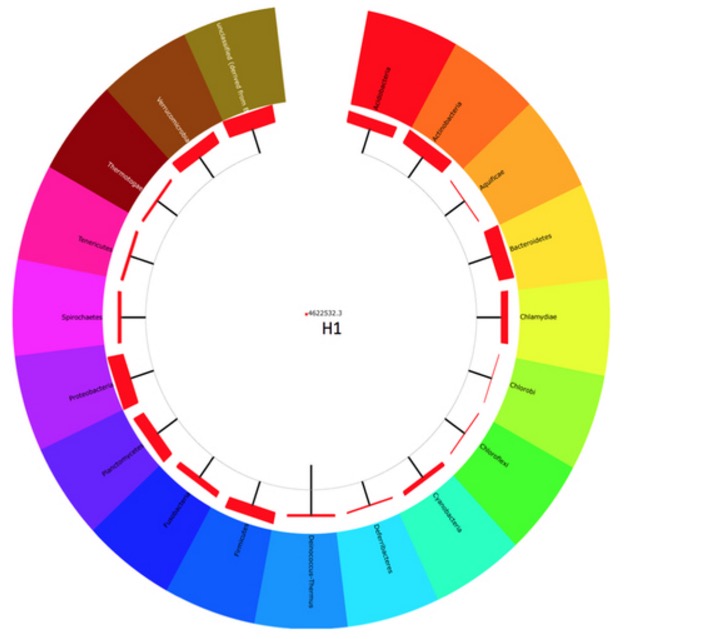
That’s a really cool topic. Pitcher plants are tropical and carnivorous plants that catch insects and slowly digest them. This paper was studying the digestive fluid isolated from a Malaysian pitcher plant. Figure 1, the only figure of the paper, looked very pretty and colorful at first.

Screen Shot 2016-01-29 at 12.16PM, Jan 29

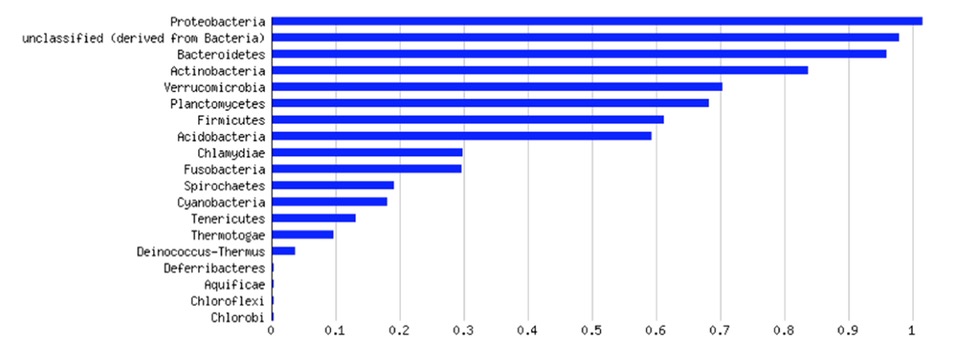
But then I noticed that this was not really a phylogenetic tree. The outer ring shows the phyla found in the pitcher plant, but the lines leading to all these phyla were all directly connected to the same inner line. There was no word in the legend what the thickness of the red boxes meant, but I assume it was denoting the number of reads or OTUs found within each taxon.

The bottom half of Figure 1 was similarly puzzling.

Screen Shot 2016-01-29 at 05.49PM, Jan 29

It seems to show that Proteobacteria were the most abundant in this dataset, but it was not clear what the scale or meaning of the X-axis is. The Proteobacteria are a bit of 1.0, so it does not seem to be relative abundance.

I started to read a bit more, and ran into a lot of other unclarities and problems, so many that I even wrote a PubPeer post on it. The paper has language issues, but being a non-native English speaker myself, I did not think that these were the most important problems. Here are some of the problems that I identified during a quick read-through.

Sample collection

Nepenthes pitcher fluid (Sample H1) was collected from wild Nepenthes in Mossy Forest, Pahang, Malaysia (N 04°31′, E 101°22′), at the altitude of 1970 m above sea level. The Nepenthes digestive fluid was transported to laboratory and processed immediately.

According to Google Maps, it would be a 3h car ride from the sampling site to the University of Malaya – were the samples kept on ice or frozen? There is no word on how they samples were transported. Then, how many plants or samples were collected? At some places, the text mentions “sample”, suggesting that only 1 plant/sample was obtained. Did this sample contain visible remnants of trapped insects? Could the microbiome found here be derived from insect guts?

“Targeted Metagenomic Sequencing”

Total DNA extracted from the Nepenthes fluid was subjected to 16S rDNA genes amplification with forward primer (MID1_530F, 5′-ACG AGT GCG TGT GCC AGC MGC NGC GG -3′) and reverse primer (MID1_1100modR, 5′-ACG AGT GCG TGG GTT NCG NTC GTT RC -3′)42. Gene amplification was preformed with gradient annealing temperature from 55 °C to 65 °C. The amplicon sequencing was performed on GS-FLX Titanium platform (Roche, USA).

This paragraph has many problems. First, these primers do not appear to fit on the 16S rRNA gene. I did several BLAST searches, RDP probe match, Google search, but they are not matching to anything. Reference 42, cited here, does not contain these sequences either. It’s a mystery to me what they amplify. Second, this is not metagenomic sequencing; it’s amplifying a specific gene, not analyzing mixed genomes. Then, I was not sure what is meant with the ” gradient annealing temperature” – is this describing a touchdown PCR, or did the authors runn PCRs at multiple annealing temperatures and combined them?

“Taxonomic Assignment of Metagenomic Sequences”

Sequences were trimmed with CLC genomic workbench and annotated with MG-RAST (v3.3) against RDP database (Methods).

A total of 27% of the sequencing read does not match to any DNA sequence in the RDP database. Thus, these reads were listed as “unclassified” (Results)

No word in the methods on quality screening or chimera removal. This is of particular concern since 27% of the 16S rRNA amplicons could not be classified (I assume to phylum level, based on the data shown in Figure 1, but it is not really clear). That is a huge amount of unclassifiable sequences. I wish there is an easy way to quickly download and analyze their 16S rRNA sequence data (SRA SRR916131).

Alpha Diversity

Screen Shot 2016-01-29 at 06.20PM, Jan 29

Looking at the plot, the authors found about 600 bacterial species in their sample – I am not sure what is meant by the statement “the alpha diversity of Nepenthes pitcher fluid sample H1 is 31.44”.

Other remarks

The authors did some interesting other analyses, such as culturing (and full-length 16S rRNA gene amplification), MALDI-TOF MS, enzymatic assays, and whole genome sequencing. Those appear to have been executed well, although I am not an expert in some of these techniques. One of the main conclusions, however, seems a bit far-fetched:

The production of a wide range of biocatalytic enzymes by both the Nepenthes and bacteria inhabit in the Nepenthes pitcher digestive fluid contrives a dynamic environment in which both work in synchrony for the decomposition of insects, benefiting both the plant and its microbiota.

Although this might be true, it is a bit of a stretch to base this on the analysis of a single sample from a single plant. Some of the bacteria found in this sample could have been derived from the guts of trapped insects, or just be attached to bark/leaves that fell into the pitcher. This statement would be stronger if the authors had included samples from multiple plants and/or multiple timepoints.

[hr]

January 29, 2016

Prescription drugs and microbiome analyses, antimicrobial targets in sarcoidosis granulomas, host-microbiota interactions in antibiotic-associated diseases, and iridescence in self-organizing biofilms.

General microbiome

Perspective: Prescription drugs obscure microbiome analyses – Suzanne Devkota – Science

Review: The role of microbiota in cancer therapy – Ernesto Perez-Chanona – Current Opinion in Immunology

Human respiratory microbiome

COPD and the microbiome – Manoj J. Mammen – Respirology

Molecular Analysis of Sarcoidosis Granulomas Reveals Antimicrobial Targets – Joseph E Rotsinger – American Journal of Respiratory Cell and Molecular Biology

Human skin microbiome

Review: The microbiome and atopic eczema: More than skin deep – Charlotte L Thomas – Australasian Journal of Dermatology

Human gut microbiome

Gut microbiota and allergic disease in children – Sarah L. Bridgman – Annals of Allergy, Asthma & Immunology

Effects of enteral polymeric diet on gut microbiota in children with Crohn’s disease – Chloé Guinet-Charpentier – Gut

Review: Effect of antibiotics on gut microbiota, glucose metabolism and bodyweight regulation – a review of the literature – Kristian Hallundbæk Mikkelsen – Diabetes, Obesity and Metabolism

Animal models

Effects of dispersal limitation in the face of intense selection via dietary intervention on the faecal microbiota of rats – Heli J. Barron Pastor – Environmental Microbiology Reports

Fecal dysbiosis in miniature dachshunds with inflammatory colorectal polyps
Hirotaka Igarashi – Research in Veterinary Science

Dietary antigens limit mucosal immunity by inducing regulatory T cells in the small intestine – Kwang Soon Kim – Science

Translocation of microbes and changes of immunocytes in the gut of rapid- and slow-progressor Chinese rhesus macaques infected with SIVmac239 – Lin-Tao Zhang – Immunology

From the Sonnenburg lab: Host-Microbiota Interactions in the Pathogenesis of Antibiotic-Associated Diseases – Joshua S. Lichtman – Cell Reports

Effect of Antimicrobial Consumption and Production Type on Antibacterial Resistance in the Bovine Respiratory and Digestive Tract – Boudewijn Catry – PLOS ONE

Animal microbiome

Symbiotic Bacteria in Gills and Guts of Chinese Mitten Crab (Eriocheir sinensis) Differ from the Free-Living Bacteria in Water – Meiling Zhang – PLOS ONE

Earthworm: Isolation, identification, and characterization of gut microflora of Perionyx excavatus collected from Midnapore, West Bengal – Tanushree Tulsian Samanta – Journal of Basic Microbiology

Plant, root, and soil microbiome

Genomic reconstruction of a novel, deeply branched sediment archaeal phylum with pathways for acetogenesis and sulfur reduction – Kiley W Seitz – The ISME Journal

Not a good paper (poor figures and language problems – see my comments on PubPeer), about carnivorous plantMicrobiome and Biocatalytic Bacteria in Monkey Cup (Nepenthes Pitcher) Digestive Fluid – Xin-Yue Chan – Scientific Reports

Microbial diversity drives multifunctionality in terrestrial ecosystems – Manuel Delgado-Baquerizo – Nature Communications

Various fungal communities colonise the functional wood tissues of old grapevines externally free from grapevine trunk disease symptoms – E. Bruez – Australian Journal of Grape and Wine Research

Arbuscular mycorrhizal fungi regulate soil respiration and its response to precipitation change in a semiarid steppe – Bingwei Zhang – Scientific Reports

Sewage sludge addition modifies soil microbial communities and plant performance depending on the sludge stabilization process – Eva Lloret – Applied Soil Ecology

Review: Engineering the Rhizosphere – Yves Dessaux – Trends in Plant Science

Water and extremophile microbiome

Bacterial diversity in the surface sediments of the hypoxic zone near the Changjiang Estuary and in the East China Sea – Qi Ye – Microbiology Open

Ecological succession reveals potential signatures of marine–terrestrial transition in salt marsh fungal communities – Francisco Dini-Andreote – The ISME Journal

Profiling microbial community in a watershed heavily contaminated by an active antimony (Sb) mine in Southwest China – Weimin Sun – Science of The Total Environment

More microbiology

A unique self-organization of bacterial sub-communities creates iridescence in Cellulophaga lytica colony biofilms – Betty Kientz – Scientific Reports

Bioinformatics and metagenomics

Ten Simple Rules for a Bioinformatics Journal Club – Andrew Lonsdale – PLOS Computational Biology

NINJA-OPS: Fast Accurate Marker Gene Alignment Using Concatenated Ribosomes – Gabriel A. Al-Ghalith – PLOS Computational Biology

Microbes in the news

Stop pooping! You’re killing sentient beings! – PZ Myers – Pharyngula

ASM’s Commitment to Interdisciplinary Microbiome Research – American Society for Microbiology

Fermentation Farm wants you to eat better bacteria – Kathleen Luppi – LA Times

This bacteria can live for years in distilled water, and causes abscess, seizures and death: Melioidosis / Burkholderia pseudomallei – Jacinta Bowler – Science Alert

Science, publishing, and career

How to read a scientific paper – Adam Ruben – Science

High rejection rates by journals ‘pointless’– Analysis suggests higher selectivity fails to increase journals’ impact factors – David Matthews – Times Higher Education

How to stop the sexual harassment of women in science: reboot the system – Zuleyka Zevallow – The Conversation

Bik’s Picks

Arthropods of the great indoors: characterizing diversity inside urban and suburban homes – Matthew A Bertone

[hr]