General microbiology and science

Virus reactivation in sepsis, influenza mixing, and Dr. Bik’s Picks, featuring animals predicting the World Cup results, and which friends to take with you to Mars.

Infection and host response

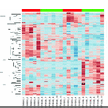
Screen Shot 2014-06-13 at 11.39.47 PMReactivation of Multiple Viruses in Patients with Sepsis – Andrew H. Walton – PLOS ONE

“A small subgroup of septic patients had markedly elevated viral loads (>104–106 DNA copies/ml blood) for CMV, EBV, and HSV. Excluding TTV, DNAemia was uncommon in critically-ill non-septic patients and in age-matched healthy controls. Compared to septic patients without DNAemia, septic patients with viremia had increased fungal and opportunistic bacterial infections.”

 More microbes

Screen Shot 2014-06-14 at 12.30.41 AMDeadly airborne flu virus created in lab – not as bad as it sounds – Wendy Barclay – The Conversation

“Now scientists at the University of Wisconsin-Madison in the US have been criticised for recreating a very similar but distinct influenza virus by mixing together a set of genes taken from viruses of wild birds that are present in the gene pool today”

Screen Shot 2014-06-14 at 12.31.12 AMBelongs toCirculating Avian Influenza Viruses Closely Related to the 1918 Virus Have Pandemic Potential – Tokiko Watanabe – Cell Host Microbe

Human Ancestors Got Herpes from Chimps’ Ancestors – Agata Blaszczak-Boxe – LiveScience

“Researchers found that herpes simplex virus 1 (HSV-1) infected hominids before their evolutionary split from chimpanzees 6 million years ago”

Science and Art

Franklin InstituteA Show That Really Gets Into Your Head – ‘Your Brain’ Opens at the Franklin Institute – Edward Rothstein – New York Times

“In these cases, the brain leaps ahead of what the body senses, drawing conclusions. They are sometimes wrong, sometimes subtly correct and sometimes extraordinarily imaginative.”

Dr. Bik’s Picks – Weekend Edition

CatYes, You Can Get Your Cat to Behave – Wayne Pacelle – Live Science

Animals ‘Predict’ 2014 World Cup results (video) – BBC News

“China’s panda picker Ying Mei got off to a successful start, opting for the box of food emblazoned with a Brazilian flag, before the host nation beat Croatia 3-1.”

Bedtime Procrastination: Introducing a New Area of Procrastination – Floor Kroese – Frontiers in Psychology

“Introducing a novel domain in which procrastinators experience problems, bedtime procrastination appears to be a prevalent and relevant issue that is associated with getting insufficient sleep.”

Science Blogging Versus Science Journalism – Tommaso Dorigo – Science 2.0

“Hence I tried to organize my lecture as a discussion of things that science journalist wannabes could be interested to hear, from a scientist who has been blogging for 10 years and has picked up some tricks and lessons along the way.”

Skin cancer: Sunscreen ‘not complete protection’ – Helen Briggs – BBC News

“Sunscreen alone should not be relied on to prevent malignant melanoma, a deadly form of skin cancer, research suggests.”

Longread: Forget Calories – Counting calories is misguided. The focus belongs on real food – James Hamblin – The Atlantic

“In other words, your New Year’s resolution to lose weight probably won’t last through the spring, let alone affect how you look in a swimsuit in July.”

Longread: Extroverts Don’t Belong on Mars – Olga Khazan – The Atlantic

“Extroverted friends are good for a lot of things—serving as deft and lively wingmen, spicing up book club, sparking interesting conversations at parties by wearing ostentatious leggings, etc. One thing they may be less suited for: Long voyages to faraway planets.”

[hr]


Non-human microbiome, June 13

MRSA in cats and dogs, metabolomics on cow rumen, bacteria in soil, sewage and sea water, and how to get rid of invasive species.

Mammal microbiome

Screen Shot 2014-06-13 at 11.26.20 PMCarriage of methicillin-resistant staphylococci by healthy companion animals in the US – J.A. Davis – Letters in Applied Microbiology

“In this study, 276 healthy dogs and cats from veterinary clinics were tested for the presence of antimicrobial-resistant Staphylococcus spp. Isolates were tested for antimicrobial susceptibility and the presence of select resistance genes, and typed using Pulsed-Field Gel Electrophoresis (PFGE).”

Screen Shot 2014-06-13 at 11.29.33 PMMetabolomics analysis reveals large effect of roughage types on rumen microbial metabolic profile in dairy cows – S. Zhao – Letters in Applied Microbiology

“ Rumen fluid was sampled from each cow through a ruminal cannula at 0630 and 1030 h, and the mixed ruminal fluid from 3 day in each cow was analysed using nuclear magnetic resonance (NMR) spectroscopy. A multivariate analysis revealed a significant difference between the ruminal metabolome of the CS and MF groups at both time points. “

Soil microbes

Screen Shot 2014-06-13 at 11.30.13 PMDiversity and activity of sulphur-oxidizing bacteria and sulphate-reducing bacteria in landfill cover soils – F.F. Xia – Letters in Applied Microbiology

“In this study, two landfills with or without landfill gas collection and utilization system were investigated to characterize the role of biotic and abiotic factors affecting diversity and activity of SOB and SRB in the landfill cover soils.”

Water microbes

Screen Shot 2014-06-13 at 11.30.55 PMEvaluation of Bacteroides fragilis GB-124 bacteriophages as novel human-associated faecal indicators in the United States – B.R. McMinn – Letters in Applied Microbiology

“Animal faecal samples (>250) from 14 different species were tested for the presence of the three phage groups. GB-124 phages were consistently detected in sewage (10–102 PFU ml−1), but not in animal faeces.”

Letters in applied microbiologyArcobacter spp. isolated from untreated domestic effluent – J.Y. Merga – Letters in Applied Microbiology

“Arcobacter butzleri and Arcobacter cryaerophilus were isolated from samples of raw untreated domestic sewage influent from nine separate wastewater treatment facilities in Cheshire, UK. This is the first report of Arcobacter spp. from sewage in the UK and suggests that Arcobacter spp. may be present in the human community.”

Sunset beachMarine bacteria could help treat human diseases – Mohamed Hassan – The New Zealand Herald

“New Zealand will take part in the first simultaneous sampling of all the world’s oceans as part of “Micro B3 Ocean Sampling Day” on June 20. The project, at 150 sites worldwide, is spearheaded by Germany’s Jacobs University and the University of Oxford in the UK, and will include researchers from the universities of Auckland and Otago.”

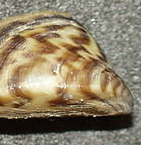
zebra musselBacteria could help kill zebra mussels – Associated Press

“State agricultural officials are reviewing a request from the U.S. Geological Survey to experiment with a bacteria to kill zebra mussels in a northern Wisconsin lake.”

[hr]

Human microbiome, June 13

Sjögren’s disease, diabetes, and Clostridium difficile infection. And the importance of a good title.

Oral microbiome

ScienceCodexSjögren’s Syndrome significantly increases risk of heart attack – Science Codex

“A new study presented today at the European League Against Rheumatism Annual Congress (EULAR 2014) showed a significantly increased risk of heart attack in patients with Sjögren’s syndrome (SjS), particularly in the first year following diagnosis.”

Gut microbiome

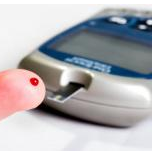
DiabetologiaStudy shows gut microbe composition different in young children with and without type 1 diabetes [zipped PDF]- Marcus de Goffau and Hermie Hansen – Diabetologia

and in the press:

diabetesStudy shows gut microbe composition different in young children with and without type 1 diabetes – Medical Xpress

“New research published in Diabetologia (the journal of the European Association for the Study of Diabetes) shows that children diagnosed with type 1 diabetes have a less balanced composition of gut bacteria compared with children of the same age without diabetes. “

KefirStaggered and tapered antibiotic withdrawal (STAW) with administration of Kefir for recurrent Clostridium difficile infection – Johan S. Bakken – Clinical Infectious Diseases

“Daily administration of the probiotic Kefir given in combination with a staggered and tapered antibiotic withdrawal regimen may resolve recurrent Clostridium difficile infection as effectively as fecal microbiota transplantation (FMT).”

Animal models of human microbiome and disease

I’m trying hard to wrap my brain around this title:
AACGastrointestinal Colonization With a Cephalosporinase-Producing Bacteroides Species Preserves Colonization Resistance Against Vancomycin-Resistant Enterococcus and Clostridium difficile in Cephalosporin-Treated Mice – Usha Stiefel – Antimicrobial Agents and Chemotherapy

“Stool concentrations of VRE and ceftriaxone were measured, cecal levels of C. difficile 24 hours after incubation were quantified, and denaturing gradient gel electrophoresis (DGGE) of microbial 16S rRNA genes was performed to evaluate antibiotic effect on the microbiota. “

In the press, much better title:

Good bacteria armed with antibiotic resistance protect gut microbiome – Science Codex

“The novel aspect of the research is that the enzyme produced by these bacteria, beta-lactamase, is a major cause of antibiotic resistance, says first author, Usha Stiefel. Interestingly, the enzyme is not only protecting the bacteria that produce it but also the rest of the bacteria making up the intestinal microbiome.”

Screen Shot 2014-06-13 at 11.16.23 PMCurative effect of the probiotic strain Lactobacillus fermentum L23 in a murine model of vaginal infection by Gardnerella vaginalis – M. Daniele – Letters in Applied Microbiology

“Bacterial vaginosis is a common vaginal infection characterized by changes in the vaginal microbiota. The objective of this work was to evaluate the colonization ability and curative effect of Lactobacillus fermentum L23 after vaginal administration in female BALB/c mice infected with Gardnerella vaginalis. “

[hr]

General microbiology and science, June 12

A whale with graffiti and morbillivirus, polio eradication, it’s fun to be a grad student, and Dr. Bik’s Picks.

Marine Mammals

grafwhaleGraffiti tagged A.C. whale died of dolphin-killer morbillivirus – Amy S. Rosenberg – The Inquirer

“Schoelkopf said the virus last summer was primarily found in bottle-nosed dolphins but that there was some inter-species crossover, including two humpback whales, a pygmy sperm whale and striped dolphins.”

austsealionPinnipednesday – Neophoca cinerea Edition – Mythbri – ObservationDeck

“It’s believed that the feces of Australian Sea Lions provide valuable nutrients to the local ecosystem. The bacteria found in the feces is very efficient in breaking down the waste into forms that are easily absorbed by coastal ecosystems.”

Phages and viruses

SciencePolio eradicators struggle to prevent the next outbreak – Leslie Roberts – Science

“But in 2013, the virus jumped borders and set off outbreaks in eight countries that had already eliminated it, sending cases soaring to 407. Now, by creating a “Red List,” the Global Polio Eradication Initiative is trying to predict where future outbreaks will occur—and prevent them.”

Science careers

fungradThe fun of science – Cathy Walker – Science

“Recently, I was reminded that my job as a graduate student in a science lab is actually “really cool.” I was in need of a reminder. “

Dr. Bik’s Picks

dinosEvidence for mesothermy in dinosaurs – John M. Grady – Science

“Moreover, when the effects of size and temperature are considered, dinosaur metabolic rates were intermediate to those of endotherms and ectotherms and closest to those of extant mesotherms. Our results suggest that the modern dichotomy of endothermic versus ectothermic is overly simplistic.”

bromineChemical element bromine is essential to life in humans and other animals, researchers discover – ScienceDaily

“The researchers, led by co-first authors Scott McCall, Christopher Cummings, Ph.D., and Gautam (Jay) Bhave, M.D., Ph.D., showed that fruit flies died when bromine was removed from their diet but survived when bromine was restored.”

[hr]

Non-human microbiome, June 12

Connected plants are better protected against pathogens, bacteria in olives and peanuts, and hormones made by marine phytoplankton.

Plant microbes

plant connectedEcological and evolutionary effects of fragmentation on infectious disease dynamics – Jussi Jousimo – Science

“To test the combined effects of ecological and evolutionary forces on host-pathogen systems, we analyzed the spatiotemporal dynamics of a plant (Plantago lanceolata)–fungal pathogen (Podosphaera plantaginis)relationship for 12 years in over 4000 host populations. “

Food microbiology

OliveGiarraffa and Grossa di Spagna naturally fermented table olives: Effect of starter and probiotic cultures on chemical, microbiological and sensory traits – C.L. Randazzo – Food Research International

“Multiplex PCR assay of lactic acid bacteria (LAB) showed that L. casei was detected in all samples, L. pentosus was the dominant species in spontaneous samples and in probiotic inoculated samples”

Screen Shot 2014-06-12 at 9.25.22 PMPeanut fractions boost the growth of Lactobacillus casei that alters the interactions between Campylobacter jejuni and host epithelial cells – Serajus Salaheen – Food Research International

“Our data suggest that peanut fraction induced the growth of L. casei which in turn led to a reduction in the growth of C. jejuni as well as its colonization. “

Water microbes

water hormonesPhytoplankton blooms: An overlooked marine source of natural endocrine disrupting chemicals – Yinhan Gong – Ecotoxicology and Environmental Safety

“Selected phytoplankton isolates are potent secretors of estrogenic and androgenic substances.”

[hr]

Human microbiome, June 12

Today digest features the comparison of the HMP vs MetaHIT extraction protocols, microbiota and food consumption, mites in your skin, and a TIME article with a critical view.

Oral microbiome

Screen Shot 2014-06-12 at 9.59.53 PMGum disease bacteria selectively disarm immune system, study finds – Medical express

“In a new study, University of Pennsylvania researchers show that bacteria responsible for many cases of periodontitis cause this imbalance, known as dysbiosis, with a sophisticated, two-prong manipulation of the human immune system.”

Gut microbiome

yin yangReview: The Yin and Yang of Bacterial Resilience in the Human Gut Microbiota – Molly K. Gibson – Journal of Molecular Biology

“Here we review the mechanisms by which the host modulates the gut community composition during health and disease, and discuss prospects for antibiotic and probiotic therapy for restoration of a healthy intestinal community following disruption.”

obese women fructInulin-type fructans modulate intestinal Bifidobacterium species populations and decrease fecal short-chain fatty acids in obese women – Nuria Salazar – Clinical Nutrition

“ITF consumption selectively modulates Bifidobacterium spp. and decreases fecal SCFA concentration in obese women. ITF could lessen metabolic risk factors associated with higher fecal SCFA concentration in obese individuals.”

Screen Shot 2014-06-12 at 8.36.07 PMGlossary of the Gut Microbiome – Compiled by The American College of Gastroenterology


Skin microbiome

Screen Shot 2014-06-12 at 9.44.13 PMThese mites live on your face and come out to have sex at night – Joseph Stromberg – Vox

“Right now, there are thousands of mites on your face. They’re microscopic, but closely related to spiders and ticks. And despite your reaction to hearing this news, there’s absolutely nothing wrong with you.”

Animal models of human microbiome and disease

vitkQuantification of phylloquinone and menaquinones in feces, serum, and food by high-performance liquid chromatography-mass spectrometry – J. Philip Karl – Journal of Chromatography B

“We developed a novel method employing high-performance liquid chromatography-mass spectrometry with atmospheric pressure chemical ionization (LC-APCI-MS) for simultaneous quantification of 11 vitamin K vitamers that can be applied in feces, serum and food.”

Microbial Bioreactors

vegetalBeneficial effects of fermented vegetal beverages on human gastrointestinal microbial ecosystem in a simulator – Fernanda Bianchi – Food Research International

“To monitor the effects on microbial community composition, plate counts on specific growth media and a PCR-DGGE analysis were performed on samples from all colon compartments – ascending, transverse and descending.”

Microbiome conference

Screen Shot 2014-06-12 at 8.42.07 PMKenneth Rainin Foundation’s 2014 Innovations Symposium to Feature Virus Hunters and Gut Explorers – Taming the Microbiome – July 15 – 16, 2014, San Francisco.

“This year’s dynamic keynote speakers each bring a unique perspective on the human microbiome.”

Microbiome in the Press

timeExercise Helps Your Gut Bacteria: Amazing, Overblown, or Plain Incorrect? – Alexandra Sifferlin – Time

“Though he sees great promise in researching the microbiome, Eisen says it irks him when studies are blown out of portion both by scientists and the press.”

Screen Shot 2014-06-12 at 9.56.29 PMHere’s bacteria you ought to be eating – Craig Sailor – The Olympian

“Blake is a big proponent of raw, living fermented foods. The probiotic or friendly bacteria in the food provides nutrients and vitamins. “They also produce digestive enzymes that help us get more out of our food,” she said.”

breadWhite Bread May Encourage Growth Of ‘Good’ Bacteria – Jaleesa Baulkman – University Herald (mentions a study featured here that was recently published in American Chemical Society’s Journal of Agricultural and Food Chemistry.)

“Researchers said their most novel finding was that white bread boosted Lactobacillus, a group of beneficial bacteria. The results were surprising because white bread is a much-maligned food. “

Techniques: DNA extraction from stool

Choice of bacterial DNA extraction method from fecal material influences community structure as evaluated by metagenomic analysis – Agata Wesolowska-Andersen – Microbiome

“We observed significant differences in distribution of bacterial taxa depending on the method. While eukaryotic DNA was most efficiently extracted by the MetaHIT protocol, DNA from bacteria within the Bacteroidetes phylum was most efficiently extracted by the HMP protocol.”

[hr]

General microbiology and science, June 11

Lots of dengue and host response today, but also biosynthetic pathways, a book review, snakes, melons, bones, and bandages for mice.

Metagenomics and gene ontology

Hao Wang atlasAtlas of nonribosomal peptide and polyketide biosynthetic pathways reveals common occurrence of nonmodular enzymes – Hao Wang – PNAS

“This study demonstrates the widespread distribution of nonribosomal peptide synthetase and modular polyketide synthase biosynthetic pathways across the three domains of life, by cataloging a total of 3,339 gene clusters from 2,699 genomes. “

Microbiology general

Bacteria are godsBacteria Are Our Gods: Nicholas P. Money, a Mycologist, Has Written a Beautiful Book About the Facts of Life – Charles Mudede – The Stranger

“a beautifully written collection of linked essays called The Amoeba in the Room: Lives of the Microbes. The book is by Nicholas P. Money, a mycologist who teaches at Miami University”

Dengue

Dengue NoeckerContrasting associations of polymorphisms in FcγRIIa and DC-SIGN with the clinical presentation of dengue infection in a Mexican population – Cecilia A. Noecker – Acta Tropica

“In this study, real-time PCR was used to characterize the distribution of rs1801274 and rs4804803 in subjects with asymptomatic dengue infection (n = 145), uncomplicated dengue (n = 67), and severe dengue (n = 36) in Morelos.”

Dengue Rong Fu ChenAugmented miR-150 expression associated with depressed SOCS1 expression involved in dengue haemorrhagic fever – Rong-Fu Chen – Journal of Infection

“SOCS1 expression and lower IFN-γ level were significantly reduced in DHF patients, but not in patients with DF. Elevated SOCS1 and reduced miR-150 levels were detected 24 h after DENV-2 infection in PBMCs. “

PNASCommentary: How season and serotype determine dengue transmissibility
Neil M. Ferguson and Derek A. T. Cummings – PNAS

“The research published by Reiner et al. in PNAS (10) starts to address the last of these uncertainties by giving us a unique picture of how rates of transmission of the four dengue viruses varied in Iquitos, a small city in Peru, over a 12-y period.”

Dengue DelmelleA web-based geospatial toolkit for the monitoring of dengue fever – Eric M. Delmelle – Applied Geography

“In this paper, we present a web-based geospatial toolkit with a user-friendly interactive interface for the monitoring of dengue fever outbreaks, in space and time. “

Infection and host response

Nicholas IlottLong non-coding RNAs and enhancer RNAs regulate the lipopolysaccharide-induced inflammatory response in human monocytes – Nicholas E. IIott – Nature Communications

“…here we characterize the long non-coding RNA transcriptome in primary human monocytes using RNA sequencing. We identify 76 enhancer RNAs (eRNAs), 40 canonical lncRNAs, 65 antisense lncRNAs and 35 regions of bidirectional transcription (RBT) that are differentially expressed in response to bacterial lipopolysaccharide (LPS).”

Screen shot 2014-06-11 at 01.29PM, Jun 11Exploring the collaboration between antibiotics and the immune response in the treatment of acute, self-limiting infections – Peter Ankomah and Bruce R. Levin – PNAS

“We use a mathematical model and computer simulations to explore the design and evaluation of antibiotic treatment protocols for an acute, self-limiting bacterial infection. “

Beth TamburiniAntigen capture and archiving by lymphatic endothelial cells following vaccination or viral infection – Beth A. Tamburini – Nature Communications

“Antigen derived from viral infections with influenza and vesicular stomatitis virus can persist after resolution of infection. Here we show that antigen can similarly persist for weeks following viral challenge and vaccination. “

Screen Shot 2014-06-11 at 9.53.19 PMImmunologic Research has a special on Stanford Immunology, with contributions from Kari Nadeau, Robert Negrin, Christopher Contag, and many others.

Arsenic metabolism

Screen shot 2014-06-11 at 01.57PM, Jun 11Feasibility of Arsenic and Antimony NMR Spectroscopy in Solids: An Investigation of Some Group 15 Compounds – Alexandra Faucher – Solid State Nuclear Magnetic Resonance

“Results of density functional theory quantum chemistry calculations for isolated molecules using ADF and first-principles calculations using CASTEP, a gauge-including projector augmented wave method to deal with the periodic nature of solids, are compared with experiment.”

Screen shot 2014-06-11 at 02.02PM, Jun 11Role of endometrial concentrations of heavy metals (cadmium, lead, mercury and arsenic) in the aetiology of unexplained infertility – E. Tanrıkut – European Journal of Obstetrics & Gynecology and Reproductive Biology

“The concentrations of cadmium, lead, mercury and arsenic were measured in endometrial biopsy specimens using atomic absorption spectrometry.”

Screen shot 2014-06-11 at 02.06PM, Jun 11Mitigation approach of arsenic toxicity in chickpea grown in arsenic amended soil with arsenic tolerant plant growth promoting Acinetobacter sp. – Shubhi Srivastava – Electrical Engineering

“The study was undertaken with the aim of testing the effects of isolated bacterial strain nbri05 from arsenic contaminated site of West Bengal.”

Screen Shot 2014-06-11 at 10.36.36 PMNSF funds effort to market UT Arlington arsenic analyzer – University of Texas at Arlington – Phys.org

“The National Science Foundation has awarded nearly $200,000 to two University of Texas at Arlington researchers teaming with a private company to make an affordable, environmentally friendly field analyzer for arsenic levels in water.”

Science and Art
Screen Shot 2014-06-11 at 9.49.44 PMArts: The third culture – Michael John Gorman – Nature
“After months of injections with horse immunoglobulin in 2011, artist Marion Laval-Jeantet had a transfusion of horse blood in a Ljubljana art gallery. She walked around the donor animal on prosthetic hooves; then samples of her hybrid blood were freeze-dried and placed in engraved aluminium cases. “

Dr. Bik’s Picks

Screen shot 2014-06-11 at 01.27PM, Jun 11Medically important differences in snake venom composition are dictated by distinct postgenomic mechanisms – Nicholas R. Casewell – PNAS

“Venom variation observed between related snake species is therefore the result of a complex interaction between a variety of genetic and postgenomic factors acting on toxin genes. “

Shahar Cohen melonThe PH gene determines fruit acidity and contributes to the evolution of sweet melons – Shahar Cohen – Nature Communications

“We identify a family of plant-specific genes with a major effect on fruit acidity by map-based cloning of C. melo PH gene (CmPH) from melon, Cucumis melo taking advantage of the novel natural genetic variation for both high and low fruit acidity in this species”

Cow skullA Bone Collector’s Basement Of Animal Skulls Sees The Light – Lauren Sommer – NPR

“Bandar has spent 60 years building this scientific collection of animal bones. Now, many of his skulls are on view at the California Academy of Sciences in San Francisco, which has just opened an exhibit featuring his work.”

Bandage coatingBandage Coating Kills Bacteria Using Graphene And Hydrogen Peroxide – Melissae Fellet – ACS

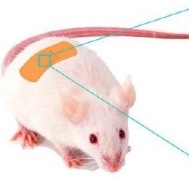
“A bandage loaded with graphene quantum dots and a small amount of hydrogen peroxide significantly reduces the amount of bacteria in wounds on mice”

Screen Shot 2014-06-11 at 9.46.55 PMAt the start of the FIFA World Cup in Brazil, Nature has a special on South American science

Screen Shot 2014-06-11 at 10.43.30 PMQ&A: The nutrient hunter – Jascha Hoffman – Nature

“Investigative food journalist Jo Robinson has spent more than a decade scouring the literature on plant nutrition. Her demonstration garden in Washington state opens this month as her book Eating on the Wild Side (Little, Brown, 2013) emerges in paperback. She talks about eating tomatoes to protect from sunburn, why bitter is better — and how purple is the new green.”

[hr]

Non-human microbiomes, June 11

Microbes in mosquitos, beetles and cocoa.

Insect microbiome

Francesco BaldiniEvidence of natural Wolbachia infections in field populations of Anopheles gambiae – Francesco Baldini – Nature Communications

“Here we show evidence of Wolbachia infections in Anopheles gambiae in Burkina Faso, West Africa. Sequencing of the 16S rRNA gene identified Wolbachia sequences in both female and male germlines across two seasons, and determined that these sequences are vertically transmitted from mother to offspring. “

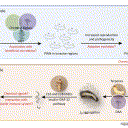
Screen Shot 2014-06-11 at 10.33.17 PMInterspecific communication between pinewood nematode, its insect vector, and associated microbes – Lilin Zhao – Trends in Parasitology

“The causative agent of PWD, the pinewood nematode (PWN), engages in a symbiotic partnership with its insect vector, the Monochamus beetle, as well as associated bacteria and ophiostomatoid fungi, in order to successfully infect and kill its host pine tree.”

Food microbiome

Philpp Adler cocoaThe key to acetate: Metabolic fluxes of acetic acid bacteria under cocoa pulp fermentation simulating conditions – Philipp Adler – Applied and Environmental Microbiology

“Acetic acid bacteria (AAB) play an important role during cocoa fermentation, as their main product acetate is a major driver for development of desired cocoa flavors. Here, we investigated the specialized metabolism of these bacteria under cocoa pulp fermentation simulating conditions.”

[hr]

Human microbiome, June 11

Bacterial community classes in HMP subjects, oral health in postmenopausal women, and gut epithelial regeneration.

Human microbiome – general

Yanjiao Zhou ExplorationExploration of bacterial community classes in major human habitats – Yanjiao Zhou – Genome Biology

“Here, we present an analysis of the groupings of bacterial communities in stool, nasal, skin, vaginal and oral habitats in a healthy cohort of 236 subjects from the Human Microbiome Project.” “We identified 2 to 6 community classes for each of the 18 habitats from the HMP healthy cohort by clustering augmented by manual inspection.”

ExploringExploring New Horizons in Microbiome Research – Christoph A. Thaiss, Eran Elinav – Cell Host & Microbe

“Leading scientists in microbiome research met at Lake Titisee, Germany, in April 2014 to discuss the current state of the field, the most urgent and unresolved questions, state-of-the-art technological advances, and new avenues of future research. “

Oral microbiome

Screen Shot 2014-06-11 at 9.35.26 PMPorphyromonas gingivalis Manipulates Complement and TLR Signaling to Uncouple Bacterial Clearance from Inflammation and Promote Dysbiosis – Tomoki Maekawa – Cell Host & Microbe

“As previously reported, P. gingivalis remodels the oral microbiota into a dysbiotic state by exploiting complement. Now we show that in neutrophils P. gingivalis disarms a host-protective TLR2-MyD88 pathway via proteasomal degradation of MyD88, whereas it activates an alternate TLR2-Mal-PI3K pathway. “

Screen Shot 2014-06-11 at 10.08.26 PMUB receives $4 million NIH grant to study oral health in postmenopausal women – Pat Donovan – University at Buffalo

“These techniques involve Next Generation Sequencing (NGS) using culture-independent techniques to identify 16S rRNA genes and allow for a more complete and detailed characterization of the microbial composition and diversity of the human oral cavity, Wactawski-Wende says.”

Pregnancy and Birth

Screen Shot 2014-06-11 at 10.09.30 PMPregnant Women With Posttraumatic Stress Disorder and Risk of Preterm Birth – Kimberly Ann Yonkers – JAMA Psychiatry

“Longitudinal, prospective cohort study of 2654 women who were recruited before 17 completed weeks of pregnancy from 137 obstetrical practices in Connecticut and Western Massachusetts.”

Animal models of human microbiota

Screen Shot 2014-06-11 at 10.07.04 PMThe Cytosolic Bacterial Peptidoglycan Sensor Nod2 Affords Stem Cell Protection and Links Microbes to Gut Epithelial Regeneration – Giulia Nigro – Cell Host & Microbe

“We used in vitro cultured organoids of intestinal crypts from mice, reinforced with in vivo experiments, to examine the crypt-microbiota interface.”

[hr]


General microbiology and science, June 10

Transcription in 12 different human tissues, bacteria in arterial plaques, and hairs with anticancer activity.

Infection and Host Response

Genome wideGenome-wide survey of tissue-specific microRNA and transcription factor regulatory networks in 12 tissues – Zhiyun Guo – Nature Scientific Reports

“Finally, we describe TSmiR (http://bioeng.swjtu.edu.cn/TSmiR), a novel and web-searchable database that houses interaction maps of TF-TS miRNA in 12 tissues.”

IntracellularIntracellular Bacteria Interfere with Dendritic Cell Functions: Role of the Type I Interferon Pathway – Laurent Gorvel – PLOS ONE

To analyze the mechanisms used by C. burnetiiand B. abortus to alter moDC activation, we performed microarray and found that C. burnetiiand B. abortus induced a specific signature consisting of TLR4TLR3STAT1 and interferon response genes.”

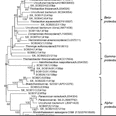
Screen Shot 2014-06-10 at 9.55.25 PMBacteria Present in Carotid Arterial Plaques Are Found as Biofilm Deposits Which May Contribute to Enhanced Risk of Plaque Rupture – Bernard B. Lanter – mBio

“In the current work, atherosclerotic carotid artery explants from 15 patients were all shown to test positive for the presence of eubacterial 16S rRNA genes”

Screen Shot 2014-06-10 at 10.01.00 PMRNA-seq: Impact of RNA degradation on transcript quantification – Irene Gallego Romero – BMC Biology

“We sought to quantify the impact of variation in RNA quality on estimates of gene expression levels based on RNA-seq data.”

Dengue virus

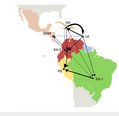
DengueSpatiotemporal Dynamics of DENV-2 Asian-American Genotype Lineages in the Americas – Daiana Mir – PLOS ONE

“Our study reveals that genetic diversity of DENV-2 AS/AM genotype circulating in the Americas mainly resulted from one single founder event and can be organized in at least four major lineages”

Phages, viruses, CRISPRs

Screen Shot 2014-06-10 at 9.53.22 PMCasposons: a new superfamily of self-synthesizing DNA transposons at the origin of prokaryotic CRISPR-Cas immunity – Mart Krupovic – BMC Biology

“We describe a new superfamily of archaeal and bacterial mobile elements which we denote casposons because they encode Cas1 endonuclease, a key enzyme of the CRISPR-Cas adaptive immunity systems of archaea and bacteria. “

Dr. Bik’s Picks

GeckoHow do geckos climb? – Ann Le Good – BioMedCentral

“The answer, from the recent Royal Society conference on cell adhesion, is that their climbing mechanism depends on van der Waals forces (as well as friction and shear stress). “

This one is intriguing:
AnticancerAnticancer Properties of Peptide Fragments of Hair Proteins – Sergiusz Markowicz – PLOS ONE

“We found out that the mixtures of soluble peptides obtained from human hair inhibited the proliferation of human melanoma cells in vitro. Moreover, the hair-derived peptide mixtures also inhibited the proliferation of B lymphoma cells and urinary bladder cancer cells. “

EarthEarth is around 60 million years older than previously thought — and so is the moon, new research finds – Science Daily

The timing of the giant impact between Earth’s ancestor and a planet-sized body occurred around 40 million years after the start of solar system formation. This means that the final stage of Earth’s formation is around 60 million years older than previously thought, according to new research.”


[hr]