February 5, 2016

Just a quick new Digest in the lunch break at the #GamingMetrics conference at UC Davis. Here is a Storify from Day 1 (yesterday) by Jonathan Eisen – more to follow soon.

Pregnancy and birth

Microbial transmission from mothers with obesity or diabetes to infants: an innovative opportunity to interrupt a vicious cycle – Taylor K. Soderborg – Diabetologia

Human urinary tract microbiome

16S rRNA gene-based metagenomic analysis reveals differences in bacteria-derived extracellular vesicles in the urine of pregnant and non-pregnant women – Jae Young Yoo – Experimental & Molecular Medicine

Human gut microbiome

Fungal microbiota dysbiosis in IBD – Harry Sokol – Gut

Animal models of microbiome research

Oxygen Affects Gut Bacterial Colonization and Metabolic Activities in a Gnotobiotic Cockroach Model – Dorothee Tegtmeier – Applied and Environmental Microbiology

Deterministic Assembly of Complex Bacterial Communities in Guts of Germ-Free Cockroaches – Aram Mikaelyan – Applied and Environmental Microbiology

Associations of microbiota and toll-like receptor signaling pathway in esophageal adenocarcinoma – Ali H. Zaidi – BMC Cancer

Comparison of fecal microbiota between German Holstein dairy cows with and without left-sided displacement of the abomasum – Eun-Sik Song – Journal of Clinical Microbiology

Animal microbiome

The Gut Microbiota Modulates Energy Metabolism in the Hibernating Brown Bear Ursus arctos – Felix Sommer – Cell Reports

Plant, root, and soil microbiome

Microbial Diversity in Soil, Sand Dune and Rock Substrates of the Thar Monsoon Desert, India – Subramanya Rao – Indian Journal of Microbiology

Microbial communities play important roles in modulating paddy soil fertility
Xuesong Luo – Scientific Reports

Diversity of archaeal and bacterial communities on exfoliated sandstone from Portchester Castle (UK) – Elisabetta Zanardini – International Biodeterioration & Biodegradation

Distance from the sea as a driving force of microbial communities under water potential stresses in litters of two typical Mediterranean plant species – Anne Marie Farnet Da Silva – Geoderma

Opinion: Back to the future of soil metagenomics – Joseph Nesme – Frontiers in Microbiology

Waste and water treatment

Occurrence and enrichment of ‘bacterial sherpas’: climb to sustainability in wastewater treatment – M. Arnaldos – Water Science & Technology

Metagenomics

Comprehensive Genomic Analyses of the OM43 Clade, Including a Novel Species from the Red Sea, Indicate Ecotype Differentiation among Marine Methylotrophs – Francy Jimenez-Infante – Applied and Environmental Micro

Microbial Ecology

Model-based media selection to minimize the cost of metabolic cooperation in microbial eco-systems – Mattia Zampieri – Bioinformatics

Microbes in the news

Savvy bacteria parents distribute damage unevenly among their children – Cara Giaimo – Atlas Obscura

[hr]
 

February 4, 2016

A late digest today – Meetings and lab work kept me busy all day! Review about gut microbiota and malnutrition, Helicobacter infection affects local microbiome, salinity tolerance in corals, rhizosphere reviews, microbial mats in Shark Bay, and missing CRISPR regions in major bacterial lineages.

Jobs

Assistant, Associate or Senior Editor (Microbiology and Infectious Disease), Nature Communications, London, New York or Shanghai

Bioinformatics Scientist, Microbiome – Synthetic Genomics, Inc. – La Jolla CA

Pregnancy and birth
Routine Amoxicillin for Uncomplicated Severe Acute Malnutrition in Children – Sheila Isanaka – New England Journal of Medicine

Review: The case in favour of probiotics before, during and after pregnancy: insights from the first 1,500 days – G. Reid – Beneficial Microbes

Review: Development of the Neonatal Intestinal Microbiome and Its Association With Necrotizing Enterocolitis – Timothy G. Elgin – Clinical Therapeutics

Human oral microbiome

Interesting choice of  journalPeriodontitis induced by Porphyromonas gingivalis drives periodontal microbiota dysbiosis and insulin resistance via an impaired adaptive immune response – Vincent Blasco-Baque

Non-oral gram-negative facultative rods in chronic periodontitis microbiota – Arie J. van Winkelhoff – Microbial Pathogenesis

Microbial profiles at baseline and not the use of antibiotics determine the clinical outcome of the treatment of chronic periodontitis – S. Bizzarro – Scientific Reports

Human respiratory microbiome

Effect of Advanced HIV Infection on the Respiratory Microbiome – Homer L Twigg III – American Journal of Respiratory and Critical Care Medicine

Human gut microbiome

The emerging view of Firmicutes as key fibre degraders in the human gut – David Berry – Environmental Microbiology

Review: Gut Microbiota and Malnutrition – Matthieu Million – Microbial Pathogenesis

Review: Diet, Microbiota, And Dysbiosis: A ‘Recipe’ For Colorectal Cancer – Kishore Vipperla – Food & Function

Review: Microbiota, Immunity and the Liver – T. Vaikunthanathan – Immunology Letters

Animal and other models of microbiome research

Alterations of the Ileal and Colonic Mucosal Microbiota in Canine Chronic Enteropathies – Eric Cassmann – PLOS ONE

In a Neonatal Piglet Model of Intestinal Failure, Administration of Antibiotics and Lack of Enteral Nutrition Have a Greater Impact on Intestinal Microflora Than Surgical Resection Alone – Crystal L. Levesque – Journal of Parenteral & Enteral Nutrition

Development of the Chick Microbiome: How Early Exposure Influences Future Microbial Diversity – Anne L. Ballou – Frontiers in Veterinary Science

Gastric Helicobacter pylori Infection Affects Local and Distant Microbial Populations and Host Responses – Sabine Kienesberger – Cell Reports

Salmonella enterica Serovar Typhimurium Exploits Inflammation to Modify Swine Intestinal Microbiota – Rosanna Drumo – Frontiers in Cellular and Infection Microbiology

Changes in intestinal microflora of Caenorhabditis elegans following Bacillus nematocida B16 infection – Qiuhong Niu – Scientific Reports

Chitosan lowers body weight through intestinal microbiota and reduces IL-17 expression via mTOR signalling – Dingfu Xiao – Journal of Functional Foods

The effect of agave fructan products on the activity and composition of the microbiota determined in a dynamic in vitro model of the human proximal large intestine – Marjorie E. Koenen – Journal of Functional Foods

Animal microbiome

Long-term salinity tolerance is accompanied by major restructuring of the coral bacterial microbiome – Till Röthig – Molecular Ecology

High-throughput sequencing reveals the core gut microbiome of Bar-headed goose (Anser indicus) in different wintering areas in Tibet – Wen Wang – Microbiology Open

Plant, root, and soil microbiome

Spatial Distribution of Fungal Communities in an Arable Soil – Julia Moll – PLOS ONE

Soil Nitrogen Status Modifies Rice Root Response to Nematode-Bacteria Interactions in the Rhizosphere – Yanhong Cheng – PLOS ONE

Natural genetic variation in Arabidopsis for responsiveness to plant growth-promoting rhizobacteria – Paul C. A. Wintermans – Plant Molecular Biology

Metagenomic analysis of microbial consortia enriched from compost: new insights into the role of Actinobacteria in lignocellulose decomposition – Cheng Wang – Biotechnology for Biofuels

Microbial Profiling of a Suppressiveness-Induced Agricultural Soil Amended with Composted Almond Shells – Carmen Vida – Frontiers in Microbiology

Editorial: How does the tree root microbiome assemble? Influence of ectomycorrhizal species on Pinus sylvestris root bacterial communities – Aurélie Deveau – Environmental Microbiology

Lots of reviews on the plant rhizosphere in Trends in Plant Science: 

Review: Impact of Bacterial–Fungal Interactions on the Colonization of the Endosphere – Leonard S. van Overbeek – Trends in Plant Science

Review: Signaling in the Rhizosphere – Vittorio Venturi – Trends in Plant Science

Review: Root–Root Interactions: Towards A Rhizosphere Framework – Liesje Mommer – Trends in Plant Science

Review: Metabolomics in the Rhizosphere: Tapping into Belowground Chemical Communication – Nicole M. van Dam – Trends in Plant Science

Opinion: Mannitol in Plants, Fungi, and Plant–Fungal Interactions
Takshay K. Patel – Trends in Plant Science

Water and extremophile microbiome

Evolution of Chemical Characteristics of Technosols in an Afforested Coal Mine Dump over a 20-year Period – Ivana M. Rivas-Pérez – Land Degradation and Development

Microbial mats: New multi-scale perspectives on the stromatolites of Shark Bay, Western Australia – E. P. Suosaari – Scientific Reports

Spatial isolation and environmental factors drive distinct bacterial and archaeal communities in different types of petroleum reservoirs in China – Peike Gao – Scientific Reports

Salinity is the major factor influencing the sediment bacterial communities in a Mediterranean lagoonal complex (Amvrakikos Gulf, Ionian Sea) – Christina Pavloudi – Marine Genomics

Microbial diversity in European alpine permafrost and active layers – Beat Frey – FEMS Microbiology Ecology

Nutrient and metal pollution of the eastern Gulf of Finland coastline: Sediments, macroalgae, microbiota – Yulia Gubelit – Science of the Total Environment

Food microbiology

Unraveling the Enzymatic Basis of Wine “Flavorome”: A Phylo-Functional Study of Wine Related Yeast Species – Ignacio Belda – Frontiers in Microbiology

Developmental Peculiarities and Seed-Borne Endophytes in Quinoa: Omnipresent, Robust Bacilli Contribute to Plant Fitness – Andrea Pitzschke – Frontiers in Microbiology

Viruses, phages, and CRISPRs

Major bacterial lineages are essentially devoid of CRISPR-Cas viral defence systems – David Burstein – Nature Communications

High-Throughput Isolation of Giant Viruses in Liquid Medium Using Automated Flow Cytometry and Fluorescence Staining – Jacques Y. B. Khalil – Frontiers in Microbiology

Review: Self-synthesizing transposons: unexpected key players in the evolution of viruses and defense systems – Mart Krupovic – Current Opinion in Microbiology

Techniques

Assessing the impact of long term frozen storage of faecal samples on protein concentration and protease activity – Laura S. Morris – Journal of Microbiological Methods

More microbiology

Elie Metchnikoff, the Man and the Myth – Gordon S. – Journal of Innate Immunology

Microbes in the news

What Your Low-Fiber Diet Does to Your Health – Mandy Oaklander – Time

Your beard doesn’t contain poop, but it could help develop new antibiotics – Sarah Kaplan – The Washington Post

Modern microbial ecosystems provide window to early life on Earth. UM Rosenstiel School-led team reveals new details on modern-day stromatolites – Science Daily

Two Santa Clara University Students Confirmed with Meningitis – ABC7

USDA Imposes Stricter Limit On Salmonella Bacteria In Poultry Products – NPR Morning Edition

Young scientists present intriguing and surprising research – Kristen Browning-Blas – Colorado State University

Meet the CEO of Europe’s Leading Microbiome Biotech, Pierre Belichard of Enterome – Labiotech

Podcast: As Arctic Permafrost Thaws, Microbes Kick Into Action – with Janet Jansson – Science Friday

Podcast: Bear Gut Microbes Help Prep Hibernation – Karen Hopkin – Scientific American

Podcast: The Good Side of Viruses – Medical Discovery News
[hr]

February 3, 2016

Microbiome and risk for chemotherapy-induced colitis, fungal communities in boreal forest, and our new paper on marine mammal microbiotas!

Jobs and events

Postdoc in Metagenomics and Microbial Ecology – Linné Universitetet Kalmar, Sweden

General microbiome

Collection: The Human Microbiome – Cell Host & Microbe

Human gut microbiome

Intestinal microbiome analyses identify melanoma patients at risk for checkpoint-blockade-induced colitis – Krista Dubin – Nature Communications

Animal microbiome

My latest paper: Marine mammals harbor unique microbiotas shaped by and yet distinct from the sea – Elisabeth M. Bik – Nature Communications

Plant, root, and soil microbiome

Experimental warming alters potential function of the fungal community in boreal forest – Kathleen K. Treseder – Global Change Biology

Microbes in the news

Stanford Researchers Uncover New Bacterial Diversity Inside U.S. Navy Dolphins – Steve Fyffe – Stanford CISAC

What makes Listeria deadly – Nature

Antibiotic-resistant bacteria thriving in Galway’s sewers – Thérèse Hannon – Connacht Tribune

Plush pandemic: Colossal microbes taking over the world. Interview with Drew Oliver, creator of Giant Microbes – Andrew Jermy

Altru microbiologists discover bacteria, name it ‘altruii’ – Jennifer Johnson – Grand Forks Herald

Antibiotic-Resistant Bacteria May Have Met Their Match – Sheila Foran – University of Connecticut

Fil-Am microbiology student receives scholar award at the 28th CSU Biotechnology Symposium – Asian Journal

Qiagen NV: New agreements underscore QIAGEN’s leadership in bioinformatics – The Wall Street Transcript

Science, publishing, and career

Reproducibility: A tragedy of errors – David B. Allison – Nature

Want to correct the scientific literature? Good luck – Alison McCook – Retraction Watch

Counselling: Knowledge is power: finding a mentor outside the lab – Paul Smaglik – Nature

Chicago Professor Resigns Amid Sexual Misconduct Investigation – Amy Harmon – New York Times

Bik’s Picks

The Weird Thing About Cat Legs – Ed Yong – The Atlantic

Doctors Rank Hazardous and Healthy Hospital Food Environments – Physicians Committee for Responsible Medicine
[hr]

February 2, 2016, second edition

Updated status of the microbial census, bacteria in the nasopharynx, deodorant and armpit microbiome, lichen microbiome, fungi on decomposing forest materials, and metagenomics cover the amplicon gaps. So many papers I had to do a second installment today!

Events and jobs

Microbiology and bioinformatics positions at Whole Biome in San Francisco. Wearing hoodies encouraged.

General microbiome

The status of the microbial census: an update – Patrick D Schloss – BioRxiv

Getting the hologenome concept right: An eco-evolutionary framework for hosts and their microbiomes – Kevin R Theis – BioRxiv

Human oral microbiome

Interactions between Streptococcus oralis, Actinomyces oris, and Candida albicans in the development of multispecies oral microbial biofilms on salivary pellicle – Indira M.G. Cavalcanti – Molecular Oral Microbiology

Human respiratory microbiome

Unraveling the Molecular Mechanisms Underlying the Nasopharyngeal Bacterial Community Structure – Wouter A. A. de Steenhuijsen Piters – mBio 

Human skin microbiome

The effect of habitual and experimental antiperspirant and deodorant product use on the armpit microbiome – Julie Urban – PeerJ

Skin microbiome surveys are strongly influenced by experimental design – Jacquelyn S. Meisel – Journal of Investigative Dermatology

Unique features of a global human ectoparasite identified through sequencing of the bed bug genome – Joshua B. Benoit – Nature Communications

Human vaginal microbiome

Hormonal Contraceptive Effects on the Vaginal Milieu: Microbiota and Immunity – Jessica Tarleton – Current Obstetrics and Gynecology Reports

Human gut microbiome

Sex differences in the gut microbiome–brain axis across the lifespan – Eldin Jašarević – Philosophical Transactions of the Royal Society B

Very poor English and presentation, does not look peer reviewed: Preliminary analysis showed country-specific gut resistome based on 1267 feces samples – Zhenyu Yang – Gene

Confusing study design and interpretations: Gut Microbiota Linked to Sexual Preference and HIV Infection – Marc Noguera-Julian – EBioMedicine

Sequence-based methods for detecting and evaluating the human gut mycobiome – M.J. Suhr – Letters in Applied Microbiology

Review: Microbiota and arthritis: correlations or cause? – Bravo-Blas, Alberto – Current Opinion in Rheumatology

Perspective: Gut microbiota in 2015: Prevotella in the gut: choose carefully – Ruth E. Ley – Nature Reviews Gastroenterology & Hepatology

Editorial: PPIs alter gut microbiota composition – Nature Reviews Gastroenterology & Hepatology

Review: Samples and techniques highlighting the links between obesity and microbiota
Emmanouil Angelakis – Microbial Pathogenesis

Animal models of microbiome

Bidirectional interactions between indomethacin and the murine intestinal microbiota – Xue Liang – eLife


Mixed feelings about this study that killed turtles to look at effect of probiotics on their shellsDietary Probiotics Affect Gastrointestinal Microbiota, Histological Structure and Shell Mineralization in Turtles – Mateusz Rawski – PLOS ONE

Animal microbiome

The Role of the Microbial Environment in Drosophila Post-Embryonic Development
Maura Strigini – Developmental & Comparative Immunology

Plant, root, and soil microbiome

Review about lichen bacterial microbiome: Understanding microbial multi-species symbioses – Ines A. Aschenbrenner – Frontiers in Microbiology

Dead fungal mycelium in forest soil represents a decomposition hotspot and a habitat for a specific microbial community – Vendula Brabcová – New Phytologist

Litter decomposition, residue chemistry and microbial community structure under two subtropical forest plantations: A reciprocal litter transplant study
Zongming He – Applied Soil Ecology

Disentangling nematode-bacteria interactions using a modular soil model system and biochemical markers – Michael Ackermann – Nematology

Using native trees and cacti to improve soil potential nitrogen fixation during long-term restoration of arid lands – Nguyen E. Lopez-Lozano – Plant and Soil

Warming and nitrogen deposition are interactive in shaping surface soil microbial communities near the alpine timberline zone on the eastern Qinghai–Tibet Plateau, southwestern China – Qinli Xiong – Applied Soil Ecology

Short-term effects of mechanical drainage on fungal and bacterial community structure in a managed grassland soil – B.J. Fay – Applied Soil Ecology

Water and extremophile microbiome

Microbial Communities in Methane- and Short Chain Alkane-Rich Hydrothermal Sediments of Guaymas Basin – Frederick Dowell – Frontiers in Microbiology

Bioreactor and crude oil microbiology

Illumina MiSeq sequencing reveals the key microorganisms involved in partial nitritation followed by simultaneous sludge fermentation, denitrification and anammox process – Bo Wang – Bioresource Technology

Microbial communities of light crude from Nigeria and potential for in situ biodegradation, souring, and corrosion – Okoro Chuma Conlette – Petroleum Science and Technology

Built environment microbiome

Rhinitis, Ocular, Throat and Dermal Symptoms, Headache and Tiredness among Students in Schools from Johor Bahru, Malaysia: Associations with Fungal DNA and Mycotoxins in Classroom Dust – Dan Norbäck – PLOS ONE

Bioinformatics and metagenomics

Metagenomics uncovers gaps in amplicon-based detection of microbial diversity – Emiley A. Eloe-Fadrosh – Nature Microbiology

Development of an Analysis Pipeline Characterizing Multiple Hypervariable Regions of 16S rRNA Using Mock Samples – Jennifer J. Barb – PLOS ONE

Optimization of alignment-based methods for taxonomic binning of metagenomics reads – Magali Jaillard – Bioinformatics

Sequence element enrichment analysis to determine the genetic basis of bacterial phenotypes – John A Lees – BioRxiv

Proteomics

Review: Recent development of mass spectrometry and proteomics applications in identification and typing of bacteria – Keding Cheng – Proteomics – Clinical Applications

Microbes in the news

Study shows maternal diet alters the breast milk microbiome and microbial gene content – EurekAlert

Deodorant And Antiperspirant Alter The Skin Microbiome, But Researchers Can’t Be Sure Of Long-Term Effects – Stephanie Castillo – Medical Daily

Beard bacteria could lead to new antibiotics – Matthew Stock – Reuters

Science, publishing, and career

“Those who can, publish. Those who can’t, blog.” Jingmai O’Connor – Current Biology

Chill out about Jingmai O’Connor’s criticism of bloggers – Jeremy Fox – Dynamic Ecology

Paul Knoepfler: Stem cell scientist finds his ‘niche’ in blogging – Karen Weintraub – STAT News

How to (not) write a microbiome grant, part I

How to (not) write a microbiome grant, part II. A deeper dive on preliminary data – David Baltrus – My Chrobial Romance

[hr]

February 2, 2016

Events

Note: website was working yesterday, but not this morning. I hope to fix this soon. SCDA Workshop on Statistical and Algorithmic Challenges in Microbiome Data Analysis, Feb 25-26, New York

Pregnancy and birth microbiome

Not carefully worded, and not novel: New Insight into the Analysis of Amniotic Fluid Microflora using 16S rRNA Sequencing – Young-Ah You – JMM Case Reports

Human oral microbiome

Perspective: What Are We Learning and What Can We Learn from the Human Oral Microbiome Project? – Benjamin Cross – Current Oral Health Reports

Animal microbiome

Increasing the Richness of Culturable Arsenic-Tolerant Bacteria from Theonella swinhoei by Addition of Sponge Skeleton to the Growth Medium – Keren Ray – Microbial Ecology

Comparative studies of the composition of bacterial microbiota associated with the ruminal content, ruminal epithelium and in the faeces of lactating dairy cows
Jun-hua Liu – Microbial Biotechnology

Experimental exposure to trace metals affects plumage bacterial community in the feral pigeon – M. Chatelain – Journal of Avian Biology

Plant, root, and soil microbiome

Effects of biogas and raw slurries on grass growth and soil microbial indices – Stefanie Wentzel – Journal of Plant Nutrition and Soil Science

Impact of soil heat on reassembly of bacterial communities in the rhizosphere microbiome and plant disease suppression – Menno van der Voor – Ecology Letters

Impact of grassland management regimes on bacterial endophyte diversity differs with grass species – Franziska Wemheuer – Letters in Applied Microbiology

Novel soil fumigation method for suppressing cucumber Fusarium wilt disease associated with soil microflora alterations – Rong Li – Applied Soil Ecology

Water and extremophile microbiome

‘Candidatus Kryptonia’: Global metagenomic survey reveals a new bacterial candidate phylum in geothermal springs – Emiley A. Eloe-Fadrosh – Nature Communications

Novel Virophages Discovered in a Freshwater Lake in China – Chaowen Gong – Frontiers in Microbiology

Metagenomics and bioinformatics

Studying long 16S rDNA sequences with ultrafast-metagenomic sequence classification using exact alignments (Kraken) – Fabiola Valenzuela-González – Journal of Microbiological Methods

Opinion: From barcodes to genomes: extending the concept of DNA barcoding – Eric Coissac – Molecular Ecology

More microbes

Streptomyces thermoautotrophicus does not fix nitrogen – Drew MacKellar – Scientific Reports

Microbes in the news

How to (not) write a microbiome grant, Part I by David Baltrus

Does Having a C-Section Alter Baby’s First Microbiome? – Brian Handwerk – Smithsonian

Vaginal Microbes Can Be Partially Restored to C-Section Babies – Heather Buschman – UC San Diego Health

George Weinstock Discusses the Human Microbiome at Eastern – Michael Rouleau – Connecticut State University

‘Holy grail’ bacteria for crop farming debunked by scientists – Hayley Dunning – Imperial College London

Orange slime confirmed to be iron bacteria: Crenothrix polyspora – Herald Net

Iranian Researchers: Extraction of gold, copper from e-waste by two types of bacteria – The Iran Project

Microbes in an ancient mummy : We spoke to study author and microbiologist Dr Frank Maixner about the significance of this new research – MicrobePost
[hr]

February 1, 2016

Vaginal microbiota transplant, temporal sampling of lung microbiota, skin microbiota of a cute frog, extreme CO2 exposure in soil, and microbial mats.

General human microbiome

Human Microbiota of the Argentine Population- A Pilot Study – Belén Carbonetto – Frontiers in Microbiology

Now officially published: Are We Really Vastly Outnumbered? Revisiting the Ratio of Bacterial to Host Cells in Humans – Ron Sender – Cell

Pregnancy and birth

Partial restoration of the microbiota of cesarean-born infants via vaginal microbial transfer – Maria G Dominguez-Bello – Nature Medicine

Chiba study of Mother and Children’s Health (C-MACH): cohort study with omics analyses – Kenichi Sakurai – BMJ Open

Human respiratory microbiome

Prevalence and antimicrobial susceptibility profiles of Staphylococcus aureus nasal carriage among pre-clinical and clinical medical students in a Tanzanian University
Benard Okamo – BMC Research Notes

A case report demonstrating the utility of next generation sequencing in analyzing serial samples from the lung following an infection with influenza A (H7N9) virus
Yongfeng Hu – Journal of Clinical Virology

Human gut microbiome

Genomic analysis of the human gut microbiome suggests novel enzymes involved in quinone biosynthesis – Dmitry A. Ravcheev – Frontiers in Microbiology

Animal models of microbiome research

Research Highlight: Transgenerational missing taxa – Naomi Attar – Nature Reviews Microbiology

Ingestion of Milk Containing Very Low Concentration of Antimicrobials: Longitudinal Effect on Fecal Microbiota Composition in Preweaned Calves – Richard Van Vleck Pereira – PLOS ONE

Animal microbiome

Molecular evidence of vector-borne pathogens in dogs and cats and their ectoparasites in Algiers, Algeria – Amina Bessas – Comparative Immunology, Microbiology and Infectious Diseases

Manatees: Antifungal Resistance and Virulence Among Candida spp. from Captive Amazonian manatees and West Indian Manatees: Potential Impacts on Animal and Environmental Health – José Júlio Costa Sidrim – EcoHealth

Very cute frog: Assessing Antibacterial Potential of Components of Phyllomedusa distincta Skin and its Associated Dermal Microbiota – Ananda Brito de Assis – Journal of Chemical Ecology

Plant, root, and soil microbiome

Altered carbon turnover processes and microbiomes in soils under long-term extremely high CO2 exposure – Felix Beulig – Nature Microbiology

Precipitation regime drives warming responses of microbial biomass and activity in temperate steppe soils – Weixing Liu- Biology and Fertility of Soils

The diversity of iron reducing bacteria communities in subtropical paddy soils of China – Qi-an Peng – Applied Soil Ecology

Water and extremophile microbiome

Editorial: Systems biology and ecology of microbial mat communities – Martin G. Klotz – Frontiers in Microbiology

Bioreactor microbiology

Microbial communities from 20 different hydrogen-producing reactors studied by 454 pyrosequencing – Claudia Etchebehere – Applied Microbiology and Biotechnology

Impact of Organic Carbon Electron Donors on Microbial Community Development under Iron- and Sulfate-Reducing Conditions – Man Jae Kwon – PLOS ONE

Performance and microbial community variations in thermophilic anaerobic digesters treating OTC medicated cow manure under different operational conditions – Çağrı Akyol – Bioresource Technology

More microbiology

Acanthamoeba and mimivirus interactions: the role of amoebal encystment and the expansion of the ‘Cheshire Cat’ theory – Ludmila Karen dos Santos Silva – Current Opinion in Microbiology

Gene flow in microbial communities could explain unexpected patterns of synonymous variation in the Escherichia coli core genome – Rohan Maddamsetti – Mobile Genetic Elements

Microbes in the news

The Bacterium Disappearing From Our Stomachs – H. pylori is losing its foothold – Chau Tu – Science Friday

The Mycobiome: The largely overlooked resident fungal community plays a critical role in human health and disease – Mahmoud Ghannoum – The Scientist

Opportunities for Nanoscience and Nanotechnology in Studying Microbiomes – Paul S Weiss – ACS Nano

“Seeding” The Newborn’s Microbiome – Can We Do It? Should We Be Doing It? – Anne M. Estes – Science & Sensibility

Icy Worlds and their Analog Sites.Fieldwork on Earth provides insight into life’s potential on icy bodies – Keith Cooper – NASA Astrobiology

Bilingual Exhibition Explores the Human Microbiome – Alexandra Mendoza – La Prensa San Diego

Stalin May Have Studied Mao’s Poop in a Secret Lab – Erin Blakemore – Smithsonian

Mapping the Mouth Microbiome – GenEngNews

CosmosID raises $6M to advance microbiome bioinformatics offering – Nick Paul Taylor – Fierce BiotechIt

Science, publishing, and career

The Scientific 23 with Ed Yong: “Science takes us… to the entire natural world, to space, to molecules – things related to humans but not about us.”

How quality control could save your science. It may not be sexy, but quality assurance is becoming a crucial part of lab life – Monya Baker – Nature
[hr]

January 30, 2016

Microbiome in hyposalivation, frailty microbiotas in discordant twins, saline lakes in Novosibirsk.

Human oral microbiome

Bacterial composition in whole saliva from patients with severe hyposalivation– a case-control study – Daniel Belstrøm – Oral Diseases

Human respiratory microbiome

Mixed group of Rhizobiales microbes in lung and blood of a patient with fatal pulmonary illness – Shyh-Ching Lo – Int J Clin Exp Pathol

Human gut microbiome

Signatures of early frailty in the gut microbiota – Matt Jackson – Genome Medicine

Unique β-Glucuronidase Locus in Gut Microbiomes of Crohn’s Disease Patients and Unaffected First-Degree Relatives – Karine Gloux – PLOS ONE

Animal models

Enhancement of Microbiota in Healthy Macaques Results in Beneficial Modulation of Mucosal and Systemic Immune Function – Jennifer A. Manuzak – The Journal of Immunology

Natural Pig Plasma Immunoglobulins Have Anti-Bacterial Effects: Potential for Use as Feed Supplement for Treatment of Intestinal Infections in Pigs – Chris J. Hedegaard – PLOS ONE

Plant, root, and soil microbiome

Nice to meet you: genetic, epigenetic and metabolic controls of plant perception of beneficial associative and endophytic diazotrophic bacteria in non-leguminous plants – T. L. G. Carvalho – Plant Molecular Biology

Water and extremophile microbiome

Ecological succession reveals potential signatures of marine–terrestrial transition in salt marsh fungal communities Francisco Dini-Andreote – The ISME Journal

(updated link) The role of environmental factors for the composition of microbial communities of saline lakes in the Novosibirsk region (Russia) – Alla V. Bryanskaya – BMC Microbiology 

Phages and microbial ecology

Bacteriophages affect evolution of bacterial communities in spatially distributed habitats: a simulation study – Alexandra Igorevna Klimenko – BMC Microbiology

Microbes in the news

UK Armed forces hospital’s water supply ‘contaminated with bacteria’ – Damien Gayle – The Guardian

Umpqua Hot Springs re-opens, after water tests clear of bacteria – Jamie Hale – Oregon Live

Far-Out Photos Reveal The Beautiful Bacteria Living In Our Teeth – Jacqueline Howard – Huffington Post Science

[hr]

Problems with Pitcher Plant Microbiome paper

Earlier today, I included a paper on the microbiome of pitcher plants, published yesterday in Scientific Reports.

Microbiome and Biocatalytic Bacteria in Monkey Cup (Nepenthes Pitcher) Digestive Fluid – Xin-Yue Cha – Scientific Reports

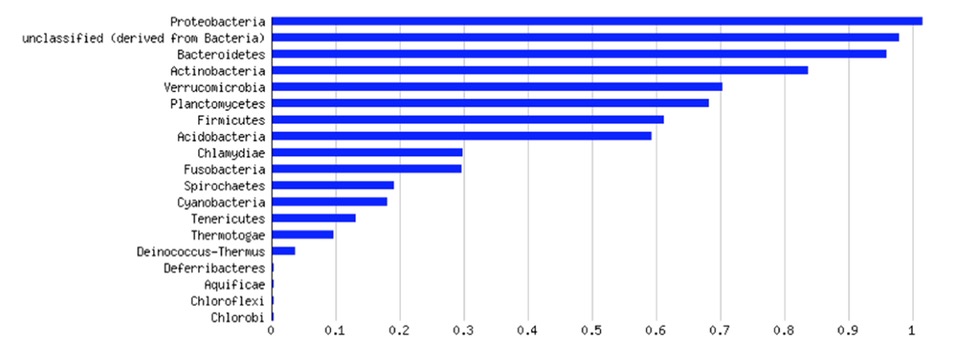
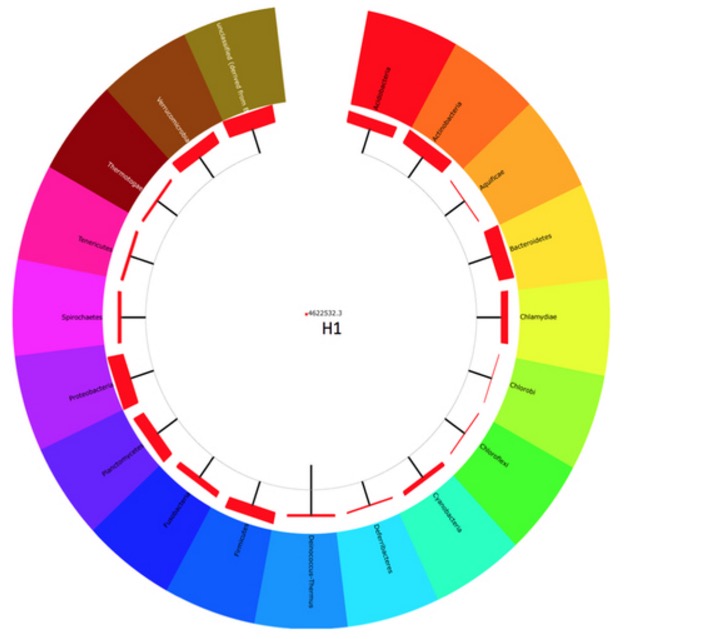
That’s a really cool topic. Pitcher plants are tropical and carnivorous plants that catch insects and slowly digest them. This paper was studying the digestive fluid isolated from a Malaysian pitcher plant. Figure 1, the only figure of the paper, looked very pretty and colorful at first.

Screen Shot 2016-01-29 at 12.16PM, Jan 29

But then I noticed that this was not really a phylogenetic tree. The outer ring shows the phyla found in the pitcher plant, but the lines leading to all these phyla were all directly connected to the same inner line. There was no word in the legend what the thickness of the red boxes meant, but I assume it was denoting the number of reads or OTUs found within each taxon.

The bottom half of Figure 1 was similarly puzzling.

Screen Shot 2016-01-29 at 05.49PM, Jan 29

It seems to show that Proteobacteria were the most abundant in this dataset, but it was not clear what the scale or meaning of the X-axis is. The Proteobacteria are a bit of 1.0, so it does not seem to be relative abundance.

I started to read a bit more, and ran into a lot of other unclarities and problems, so many that I even wrote a PubPeer post on it. The paper has language issues, but being a non-native English speaker myself, I did not think that these were the most important problems. Here are some of the problems that I identified during a quick read-through.

Sample collection

Nepenthes pitcher fluid (Sample H1) was collected from wild Nepenthes in Mossy Forest, Pahang, Malaysia (N 04°31′, E 101°22′), at the altitude of 1970 m above sea level. The Nepenthes digestive fluid was transported to laboratory and processed immediately.

According to Google Maps, it would be a 3h car ride from the sampling site to the University of Malaya – were the samples kept on ice or frozen? There is no word on how they samples were transported. Then, how many plants or samples were collected? At some places, the text mentions “sample”, suggesting that only 1 plant/sample was obtained. Did this sample contain visible remnants of trapped insects? Could the microbiome found here be derived from insect guts?

“Targeted Metagenomic Sequencing”

Total DNA extracted from the Nepenthes fluid was subjected to 16S rDNA genes amplification with forward primer (MID1_530F, 5′-ACG AGT GCG TGT GCC AGC MGC NGC GG -3′) and reverse primer (MID1_1100modR, 5′-ACG AGT GCG TGG GTT NCG NTC GTT RC -3′)42. Gene amplification was preformed with gradient annealing temperature from 55 °C to 65 °C. The amplicon sequencing was performed on GS-FLX Titanium platform (Roche, USA).

This paragraph has many problems. First, these primers do not appear to fit on the 16S rRNA gene. I did several BLAST searches, RDP probe match, Google search, but they are not matching to anything. Reference 42, cited here, does not contain these sequences either. It’s a mystery to me what they amplify. Second, this is not metagenomic sequencing; it’s amplifying a specific gene, not analyzing mixed genomes. Then, I was not sure what is meant with the ” gradient annealing temperature” – is this describing a touchdown PCR, or did the authors runn PCRs at multiple annealing temperatures and combined them?

“Taxonomic Assignment of Metagenomic Sequences”

Sequences were trimmed with CLC genomic workbench and annotated with MG-RAST (v3.3) against RDP database (Methods).

A total of 27% of the sequencing read does not match to any DNA sequence in the RDP database. Thus, these reads were listed as “unclassified” (Results)

No word in the methods on quality screening or chimera removal. This is of particular concern since 27% of the 16S rRNA amplicons could not be classified (I assume to phylum level, based on the data shown in Figure 1, but it is not really clear). That is a huge amount of unclassifiable sequences. I wish there is an easy way to quickly download and analyze their 16S rRNA sequence data (SRA SRR916131).

Alpha Diversity

Screen Shot 2016-01-29 at 06.20PM, Jan 29

Looking at the plot, the authors found about 600 bacterial species in their sample – I am not sure what is meant by the statement “the alpha diversity of Nepenthes pitcher fluid sample H1 is 31.44”.

Other remarks

The authors did some interesting other analyses, such as culturing (and full-length 16S rRNA gene amplification), MALDI-TOF MS, enzymatic assays, and whole genome sequencing. Those appear to have been executed well, although I am not an expert in some of these techniques. One of the main conclusions, however, seems a bit far-fetched:

The production of a wide range of biocatalytic enzymes by both the Nepenthes and bacteria inhabit in the Nepenthes pitcher digestive fluid contrives a dynamic environment in which both work in synchrony for the decomposition of insects, benefiting both the plant and its microbiota.

Although this might be true, it is a bit of a stretch to base this on the analysis of a single sample from a single plant. Some of the bacteria found in this sample could have been derived from the guts of trapped insects, or just be attached to bark/leaves that fell into the pitcher. This statement would be stronger if the authors had included samples from multiple plants and/or multiple timepoints.

[hr]

January 29, 2016

Prescription drugs and microbiome analyses, antimicrobial targets in sarcoidosis granulomas, host-microbiota interactions in antibiotic-associated diseases, and iridescence in self-organizing biofilms.

General microbiome

Perspective: Prescription drugs obscure microbiome analyses – Suzanne Devkota – Science

Review: The role of microbiota in cancer therapy – Ernesto Perez-Chanona – Current Opinion in Immunology

Human respiratory microbiome

COPD and the microbiome – Manoj J. Mammen – Respirology

Molecular Analysis of Sarcoidosis Granulomas Reveals Antimicrobial Targets – Joseph E Rotsinger – American Journal of Respiratory Cell and Molecular Biology

Human skin microbiome

Review: The microbiome and atopic eczema: More than skin deep – Charlotte L Thomas – Australasian Journal of Dermatology

Human gut microbiome

Gut microbiota and allergic disease in children – Sarah L. Bridgman – Annals of Allergy, Asthma & Immunology

Effects of enteral polymeric diet on gut microbiota in children with Crohn’s disease – Chloé Guinet-Charpentier – Gut

Review: Effect of antibiotics on gut microbiota, glucose metabolism and bodyweight regulation – a review of the literature – Kristian Hallundbæk Mikkelsen – Diabetes, Obesity and Metabolism

Animal models

Effects of dispersal limitation in the face of intense selection via dietary intervention on the faecal microbiota of rats – Heli J. Barron Pastor – Environmental Microbiology Reports

Fecal dysbiosis in miniature dachshunds with inflammatory colorectal polyps
Hirotaka Igarashi – Research in Veterinary Science

Dietary antigens limit mucosal immunity by inducing regulatory T cells in the small intestine – Kwang Soon Kim – Science

Translocation of microbes and changes of immunocytes in the gut of rapid- and slow-progressor Chinese rhesus macaques infected with SIVmac239 – Lin-Tao Zhang – Immunology

From the Sonnenburg lab: Host-Microbiota Interactions in the Pathogenesis of Antibiotic-Associated Diseases – Joshua S. Lichtman – Cell Reports

Effect of Antimicrobial Consumption and Production Type on Antibacterial Resistance in the Bovine Respiratory and Digestive Tract – Boudewijn Catry – PLOS ONE

Animal microbiome

Symbiotic Bacteria in Gills and Guts of Chinese Mitten Crab (Eriocheir sinensis) Differ from the Free-Living Bacteria in Water – Meiling Zhang – PLOS ONE

Earthworm: Isolation, identification, and characterization of gut microflora of Perionyx excavatus collected from Midnapore, West Bengal – Tanushree Tulsian Samanta – Journal of Basic Microbiology

Plant, root, and soil microbiome

Genomic reconstruction of a novel, deeply branched sediment archaeal phylum with pathways for acetogenesis and sulfur reduction – Kiley W Seitz – The ISME Journal

Not a good paper (poor figures and language problems – see my comments on PubPeer), about carnivorous plantMicrobiome and Biocatalytic Bacteria in Monkey Cup (Nepenthes Pitcher) Digestive Fluid – Xin-Yue Chan – Scientific Reports

Microbial diversity drives multifunctionality in terrestrial ecosystems – Manuel Delgado-Baquerizo – Nature Communications

Various fungal communities colonise the functional wood tissues of old grapevines externally free from grapevine trunk disease symptoms – E. Bruez – Australian Journal of Grape and Wine Research

Arbuscular mycorrhizal fungi regulate soil respiration and its response to precipitation change in a semiarid steppe – Bingwei Zhang – Scientific Reports

Sewage sludge addition modifies soil microbial communities and plant performance depending on the sludge stabilization process – Eva Lloret – Applied Soil Ecology

Review: Engineering the Rhizosphere – Yves Dessaux – Trends in Plant Science

Water and extremophile microbiome

Bacterial diversity in the surface sediments of the hypoxic zone near the Changjiang Estuary and in the East China Sea – Qi Ye – Microbiology Open

Ecological succession reveals potential signatures of marine–terrestrial transition in salt marsh fungal communities – Francisco Dini-Andreote – The ISME Journal

Profiling microbial community in a watershed heavily contaminated by an active antimony (Sb) mine in Southwest China – Weimin Sun – Science of The Total Environment

More microbiology

A unique self-organization of bacterial sub-communities creates iridescence in Cellulophaga lytica colony biofilms – Betty Kientz – Scientific Reports

Bioinformatics and metagenomics

Ten Simple Rules for a Bioinformatics Journal Club – Andrew Lonsdale – PLOS Computational Biology

NINJA-OPS: Fast Accurate Marker Gene Alignment Using Concatenated Ribosomes – Gabriel A. Al-Ghalith – PLOS Computational Biology

Microbes in the news

Stop pooping! You’re killing sentient beings! – PZ Myers – Pharyngula

ASM’s Commitment to Interdisciplinary Microbiome Research – American Society for Microbiology

Fermentation Farm wants you to eat better bacteria – Kathleen Luppi – LA Times

This bacteria can live for years in distilled water, and causes abscess, seizures and death: Melioidosis / Burkholderia pseudomallei – Jacinta Bowler – Science Alert

Science, publishing, and career

How to read a scientific paper – Adam Ruben – Science

High rejection rates by journals ‘pointless’– Analysis suggests higher selectivity fails to increase journals’ impact factors – David Matthews – Times Higher Education

How to stop the sexual harassment of women in science: reboot the system – Zuleyka Zevallow – The Conversation

Bik’s Picks

Arthropods of the great indoors: characterizing diversity inside urban and suburban homes – Matthew A Bertone

[hr]

January 28, 2016

Events

2016 Mo Bio Microbiome Awards: provides young, extraordinary scientists with funding and recognition to carry out scientific work in the field of Microbiome research – Deadline May 31, 2016

Live streaming now: Women in Science Summit 2016 #SciWomen16 hosted by the California Academy of Sciences

Human gut microbiome

Metagenomic Approach for Identification of the Pathogens Associated with Diarrhea in Stool Specimens – Yanjiao Zhou – Journal of Clinical Microbiology

Review: Gut microbiota and allergic disease in children – Sarah L. Bridgman – Annals of the Allergy, Asthma & Immunology

Animal models of microbiome research

The microenvironment of injured murine gut elicits a local pro-restitutive microbiota – Ashfaqul Alam – Nature Microbiology

Editorial: Host response: Microbiota prime antiviral response – Julie K. Pfeiffer – Nature Microbiology

Editorial: Winning the Microbial Battle, but Not the War – Hiutung Chu – Cell

Animal microbiome

Apibacter mensalis sp. nov.: a rare member of the bumble bee gut microbiota – Jessy Praet – International Journal of Systematic and Evolutionary Microbiology

Water and extremophile microbiome

Diversity and Biogeography of Bathyal and Abyssal Seafloor Bacteria – Christina Bienhold – PLOS ONE

Built environment microbiome

Comparison of Two Culture Methods for Use in Assessing Microbial Contamination of Duodenoscopes – Michaela A. Gazdik – Journal of Clinical Microbiology

Waste microbiology

Microwave and ultrasound pre-treatments influence microbial community structure and digester performance in anaerobic digestion of waste activated sludge – Maria Westerholm – Applied Microbiology and Biotechnology

Effects of copper particles on a model septic system’s function and microbial community – Alicia A. Taylor – Water Research

Microbes in the news

Poop espionage: Stalin ‘used secret laboratory to analyse Mao’s excrement’– Steven Rosenberg – BBC

Science, publishing, and career

Peer-reviewing Frontiers – Michiel Dijkstra – Frontiers Blog

Faking it: In the face of routine rejection, many scientists must learn to cope with the insidious beast that is impostor syndrome – Chris Woolston – Nature

[hr]