
May 14, 2015

General microbiome

Yesterday’s Cell Host & Microbe issue contains a special on “The Host-Microbiota Balance”. Lots of great papers and editorials here! Several papers are listed below in their respective categories, or I already included them in previous posts.

Microbiota and Host Nutrition across Plant and Animal Kingdoms – Stéphane Hacquard – Cell Host & Microbe

Microbiota and Autoimmunity: Exploring New Avenues – Leonid A. Yurkovetskiy – Cell Host & Microbe

Pregnancy and birth

Dynamics and Stabilization of the Human Gut Microbiome during the First Year of Life – Fredrik Bäckhed – Cell Host & Microbe – with editorial: Birth of the Infant Gut Microbiome: Moms Deliver Twice! – Steven A. Frese, David A. Mills – Cell Host & Microbe

Restricted access: Bacterial communities in neonatal feces are similar to mothers’ placentae – Xu-Dong Dong – Canadian Journal of Infectious Diseases & Medical Microbiology

Review: Antibiotics, Pediatric Dysbiosis, and Disease – Pajau Vangay – Cell Host & Microbe

Human oral microbiome

Pseudomonas aeruginosa and Periodontal Pathogens in the Oral Cavity and Lungs of Cystic Fibrosis Patients: a Case-Control Study – Rocio Rivas Caldas – Journal of Clinical Microbiology

Human gut microbiome

Review: An Integrative View of Microbiome-Host Interactions in Inflammatory Bowel Diseases – Marta Wlodarska – Cell Host & Microbe

Review: Control of Brain Development, Function, and Behavior by the Microbiome – Timothy R. Sampson, Sarkis K. Mazmanian – Cell Host & Microbe

Review: Microbiota in Allergy and Asthma and the Emerging Relationship with the Gut Microbiome – Kei E. Fujimura – Cell Host & Microbe

EditorialPrevention: Tending the gut. Drugs, lifestyle changes and other measures might lower the risk of colorectal cancer — but the evidence is a long time coming. – Lauren Gravitz – Nature

Editorial: Microbiome: Microbial mystery. Gut bacteria have an important but elusive role in the formation of colorectal cancer. – Sarah DeWeerdt – Nature

Animal models

Editorial: Message in a Biota: Gut Microbes Signal to the Circadian Clock – Emily V. Marcinkevicius, Mimi M. Shirasu-Hiza – Cell Host & Microbe

Animal microbiome

Coprophilic dipteran community associated with horse dung in Malaysia – C.C. Heo – Halteres

Water microbiome

Bacteria in the injection water differently impacts the bacterial communities of production wells in high-temperature petroleum reservoirs – Hongyan Ren – Frontiers in Microbiology

Assessment of nitrogen and sulphur cycle bacteria and shrimp production in ponds treated with biological products – Thangapalam Jawahar Abraham – Journal of Coastal Life Medicine


More microbiology

Rapid Quantification of Mutant Fitness in Diverse Bacteria by Sequencing Randomly Bar-Coded Transposons – Kelly M. Wetmore – mBio

Microbes in the news

Maturation of the Infant Microbiome – Kerry Grens – The Scientist
Infant antibiotic use linked to adult diseases – Science Daily

Bacteria on shoes could help forensic teams catch suspects – Stefano Vanin – The Conversation
Forensic scientists could use bacteria to catch criminals – Brooks Hays – UPI

The microbiome and the midnight snack: How gut microbes influence the body’s clock – Matt Wood – ScienceLife

Bacteria the Newest Tool in Detecting Environmental Damage – University of Tennessee

Bacteria May Be Remaking Drugs in Sewage: Microbes that clean our water may also be piecing some pharmaceuticals back together – Brian Bienkowski – Scientific American

If Microbes Could Tweet… Small Things Considered – Daniel P. Haeusser

Microbiology: Fungus against the wall. Paul O’Maille – Nature

Science, publishing, and career

“It’s invigorating to be around that student energy the first time they learn about science,” Adjunct teaching: For love of the lecture – Kendall Powell – Nature

This scientific paper has 2,863 authors. How? – Danielle Wiener-Bronner – Fusion

Bik’s Picks

MIT And UC Berkeley Duking It Out Over CRISPR – Cas 9 – Clayton Browne – Value Walk

Survey: Almost half of all bee hives in the U.S. died in the past year – Mashable

Scientists have discovered the first fully warm-blooded fish – Chelsea Harvey – Washington Post
[hr]

May 13, 2015

General human microbiome

Commentary: Our unique microbial identity – Jack A Gilbert – Genome Biology

Human oral microbiome

Oral Microbiota Shift after 12-Week Supplementation with Lactobacillus reuteri DSM 17938 and PTA 5289; A Randomized Control Trial – Nelly Romani Vestman – PLOS ONE

L-Arginine Destabilizes Oral Multi-Species Biofilm Communities Developed in Human Saliva – Ethan Kolderman – PLOS ONE

Human gut microbiome

Ecological and evolutionary adaptations shape the gut microbiome of BaAka African rainforest hunter-gatherers – Andres Gomez – BioRxiv

Gut Microbial Dysbiosis May Predict Diarrhea and Fatigue in Patients Undergoing Pelvic Cancer Radiotherapy: A Pilot Study – Aiping Wang – PLOS ONE

Animal models

Ability of the gut microbiota to produce PUFA-derived bacterial metabolites: Proof of concept in germ-free versus conventionalized mice – Céline Druart – Molecular Nutrition & Food Research

Response of the Rumen Microbiota of Sika Deer (Cervus nippon) Fed Different Concentrations of Tannin Rich Plants – Zhipeng Li – PLOS ONE

Plant root and soil microbiome

Influence of Edaphic, Climatic, and Agronomic Factors on the Composition and Abundance of Nitrifying Microorganisms in the Rhizosphere of Commercial Olive Crops – Joan Caliz – PLOS ONE

CRISPRs

CRISPR Diversity in E. coli Isolates from Australian Animals, Humans and Environmental Waters – Maxim S. Sheludchenko – PLOS ONE

Metabolomics, proteomics

Catching the tip of the iceberg – Evaluation of sample preparation protocols for metaproteomic studies of the rumen microbiota – Simon Deusch and Jana Seifert – Proteomics

Other microbial science

Treating cancer with infection: A review on bacterial cancer therapy – Shirley Wong and Roderick A. Slavcev – Letters in Applied Microbiology

The spatial profiles and metabolic capabilities of microbial populations impact the growth of antibiotic-resistant mutants – Karishma S. Kaushik – Interface

Microbes in the news

Microbiome Fingerprints: Researchers identify people by the unique combinations of microbes found in and on their bodies – Kate Yandell – The Scientist

Gut bacteria help turn animals into fossils – David Shultz – Science Magazine

Microbiome, Immune Therapies, Biologics Showcased at DDW – Caroline Helwick – Medscape

Scientists at work: studying indoor microbial ecology means sampling in public restrooms – Erica Hartmann – The Conversation

The Link Between Obesity, the Microbiome, and Neurologic Function – Alan R. Jacobs – Medscape

Akron Man Found Pooping on Cars Revealed as Subject of Beard Study (fake, and will only flash for 10? sec, but fun)

Bik’s Picks

Over 40% of Honeybee Colonies Died in Year, USDA Says – Tennille Tracy – Wall Street Journal

Chicken Embryos With Dinosaur Snouts Created in Lab – Charles Q. Choi – Live Science

Bill Nye Wants Your Help to Build His ‘Revolutionary’ Solar Spacecraft – Nolan Feeney – Time
[hr]

May 12, 2015

Microbiome of pregnancy and birth

Metagenomic Analysis of Milk of Healthy and Mastitis-Suffering Women – Esther Jiménez – Journal of Human Lactation

Human oral microbiome

AbstractChanges In The Oral Microbiome Of HIV-Infected Individuals May Alter Nitrogen Metabolism And The Enterosalivary Circulation Of Nitrate – Carl D. Koch – Am J Respir Crit Care Med

Human respiratory microbiome

Conference abstracts in Am J Respir Crit Care Med:

Human gut microbiome

Metabolism Links Bacterial Biofilms and Colon Carcinogenesis – Caroline H. Johnson – Cell Metabolism

Review: The gut microbiome: What do we know? – Francisco Guarner – Clinical Liver Disease

Review: A model for the role of gut bacteria in the development of autoimmunity for type 1 diabetes – Austin G. Davis-Richardson – Diabetologia

Functional foods

Review: A breakthrough in probiotics: Clostridium butyricum regulates gut homeostasis and anti-inflammatory response in inflammatory bowel disease – Takanori Kanai – Journal of Gastroenterology

Animal models of microbiome research

Phylum Level Change in the Cecal and Fecal Gut Communities of Rats Fed Diets Containing Different Fermentable Substrates Supports a Role for Nitrogen as a Factor Contributing to Community Structure – Martin Kalmokoff – Nutrients

Animal microbiome

Variation in koala microbiomes within and between individuals: effect of body region and captivity status – Niccoló Alfano – Scientific Reports

Plants and soil microbiome

Minimal genomes of mycoplasma-related endobacteria are plastic and contain host-derived genes for sustained life within Glomeromycota – Mizue Naito – PNAS

Transcriptome diversity among rice root types during asymbiosis and interaction with arbuscular mycorrhizal fungi – Caroline Gutjahr – PNAS
Reintroduction of locally extinct vertebrates impacts arid soil fungal communities
Laurence J. Clarke – Molecular Ecology

Compartmentalized and contrasted response of ectomycorrhizal and soil fungal communities of Scots pine forests along elevation gradients in France and Spain
Ana Rincón – Environmental Microbiology

Impact of tropical lowland rainforest conversion into rubber and oil palm plantations on soil microbial communities – Valentyna Krashevska – Biology and Fertility of Soils

Masters Thesis: The establishment of apple orchards as temperate forest garden systems and their impact on indigenous bacterial and fungal population abundance in Southern Ontario, Canada – Paul Wartman – University of Guelph, Canada

Review: Plant growth promoting rhizobacteria and sustainable agriculture: A review
Muhammad Arslan Ashraf – African Journal of Microbiology Research

Water microbiome

Organic and inorganic composition and microbiology of produced waters from Pennsylvania shale gas wells – Denise M. Akob – Applied Geochemistry

Perspective: Using dispersants after oil spills: impacts on the composition and activity of microbial communities – Sara Kleindienst – Nature Reviews Microbiology

Not sure if these are small enough (20-500 um) to be classified as microbes: Metagenetic tools for the census of marine meiofaunal biodiversity: An overview – Laura Carugati – Marine Genomics

Extremophile microbiome

Arsenic rich Himalayan hot spring metagenomics reveal genetically novel predator-prey genotypes – Naseer Sangwan – Environmental Microbiology Reports

Comparison of Archaeal and Bacterial Diversity in Methane Seep Carbonate Nodules and Host Sediments, Eel River Basin and Hydrate Ridge, USA – Olivia U. Mason – Microbial Ecology

Deep-sea hydrothermal vent bacteria related to human pathogenic Vibrio species – Nur A. Hasan – PNAS

Microbial communities of the Lemon Creek Glacier show subtle structural variation yet stable phylogenetic composition over space and time – Cody S. Sheik – Frontiers in Microbiology

Built environment microbiome

Forensic analysis of the microbiome of phones and shoes – Simon Lax – Microbiome

The Actinobacterial Colonization of Etruscan Paintings – Marta Diaz-Herraiz – Scientific Reports

Food microbiology

Molecular Analysis of Skin Bacterial Assemblages from Codfish and Pollock after Dry-Salted Fish Production – Natalia Pegoraro

Viruses and phages

Infection of phytoplankton by aerosolized marine viruses – Shlomit Sharoni – PNAS

Archaea

The two-domain tree of life is linked to a new root for the Archaea – Kasie Raymann – PNAS

Review: Archaeal Lineages within the Human Microbiome: Absent, Rare or Elusive?
Hans-Peter Horz – Life

Review: The interplay between nucleoid organization and transcription in archaeal genomes – Eveline Peeters – Nature Reviews Microbiology

Metagenomics and bioinformatics

Tax4Fun: predicting functional profiles from metagenomic 16S rRNA data – Kathrin P. Aßhauer – Bioinformatics

ProtPhylo: identification of protein–phenotype and protein–protein functional associations via phylogenetic profiling – Yiming Cheng – Nucleic Acids Research

IonGAP: integrative bacterial genome analysis for Ion Torrent sequence data – Adrian Baez-Ortega – Bioinformatics

Natural Bacterial Communities Serve as Quantitative Geochemical Biosensors – Mark B. Smith – mBio

Manuscript: Deeply sequenced metagenome and metatranscriptome of a biogas-producing microbial community from an agricultural production-scale biogas plant – Andreas Bremges

Review: The integration of sequencing and bioinformatics in metagenomics – Firouz Abbasian – Reviews in Environmental Science and Bio/Technology

Book Chapter: Protocols and Methods for the in Silico Reconstruction of the Origin and Evolution of Metabolic Pathways – Luana Presta – Briefs in Molecular Science 2015

Book Chapter: Molecular Screening of Azurin-Like Anticancer Bacteriocins from Human Gut Microflora Using Bioinformatics – Van Duy Nguyen – Advanced Computational Methods for Knowledge Engineering

Other microbial papers of interest

Bacterial Swarms Recruit Cargo Bacteria To Pave the Way in Toxic Environments – Alin Finkelshtein – mBio

Mosaic genome of endobacteria in arbuscular mycorrhizal fungi: Transkingdom gene transfer in an ancient mycoplasma-fungus association – Gloria Torres-Cortés – PNAS

Perspective: Resilience vs. historical contingency in microbial responses to environmental change – Christine V. Hawkes – Ecology Letters

A tortoise–hare pattern seen in adapting structured and unstructured populations suggests a rugged fitness landscape in bacteria – Joshua R. Nahum – PNAS

Microbes in the news
Can The Microbes You Leave Behind Be Used to Identify You? – Ed Yong – National Geographic

Forbidden Data: Wyoming wants to conceal the fact that many of its streams are contaminated by E. coli bacteria – Slate

UGSG looks at microbiology, chemistry of Pa. fracked wells – Bob Downing – Ohio.com

Chinese breast milk discovery strengthens case for probiotics in infant formula: Chr Hansen – By Mark Astley – Dairy Reporter

Researchers find metabolic link between bacterial ‘biofilms’, colon cancer – Medical Xpress

Accessing the Hidden Kingdom: Fungal ITS Reference Sequences – NCBI Insights
#BacteriaHysteria

Germ City: Bacteria thriving at the makeup counter: 30% of used makeup samples in stores contain bacteria – PIX11

Tests found bacteria on popular single-serve coffeemakers – Your Central Valley

Bik’s Picks

De novo synthesis of a sunscreen compound in vertebrates – Andrew R Osborn – eLIFE

Chemical messages in 170-year-old champagne bottles from the Baltic Sea: Revealing tastes from the past – Philippe Jeandet – PNAS

Unraveling ancient Egypt’s animal mummy mystery: Roughly a third of the animal mummies examined were completely empty – Michael E. Miller – Washington Post

[hr]

May 11, 2015

General microbiome / Microbial ecology

Microbiomes raise privacy concerns: DNA from microbes living on the human body can be used to identify individuals – Ewen Callaway – Nature

Identifying personal microbiomes using metagenomic codes – Eric A. Franzosa – PNAS USA

Unraveling interactions in microbial communities – from co-cultures to microbiomes – Justin Tan – Journal of Microbiology

Antagonistic interactions are sufficient to explain self-assemblage of bacterial communities in a homogeneous environment: a computational modeling approach – Román Zapién-Campos – Frontiers in Microbiology

Human oral microbiome

Hospitalisation impacts on oral hygiene: an audit of oral hygiene in a metropolitan health service – Rachael Danckert – Scandinavian Journal of Caring Sciences

DGGE: Dynamic Shifts in the Oral Microbiome during Radiotherapy – Tine De Ryck – Clinical Research in Infectious Diseases

Effects of Source- versus Household Contamination of Tubewell Water on Child Diarrhea in Rural Bangladesh: A Randomized Controlled Trial – Ayse Ercumen – PLOS ONE

Human vaginal microbiome

Review: Biofilms: An Underappreciated Mechanism of Treatment Failure and Recurrence in Vaginal Infections – Christina A. Muzny – Clinical Infectious Diseases

Human gut microbiome

Editorial: The Gut Microbiota Strikes Again – Debra D. Poutsiaka – Clinical Infectious Diseases
Belongs to:
Acute Gastrointestinal Graft-vs-Host Disease Is Associated With Increased Enteric Bacterial Bloodstream Infection Density in Pediatric Allogeneic Hematopoietic Cell Transplant Recipients – Anya Levinson – Clinical Infectious Diseases

Review: Exploring the role of environmental enteropathy in malnutrition, infant development and oral vaccine response – Allissia A. Gilmartin , William A. Petri – Philosophical Transactions B

Review: Role of the gastrointestinal ecosystem in the development of type 1 diabetes – Joseph G Daft – Pediatric Diabetes

Plant and soil microbiome

Ectomycorrhizal fungal communities coinvading with Pinaceae host plants in Argentina: Gringos bajo el bosque – Jeremy Hayward – New Phytologist

Atmospheric N Deposition Alters Connectance, but not Functional Potential Among Saprotrophic Bacterial Communities – Zachary B. Freedman – Molecular Ecology

Rhizospheric changes of fungal and bacterial communities in relation to soil health of multi-generation apple orchards – F. Caputo – Biological Control

Permafrost microbial community traits and functional diversity indicate low activity at in situ thaw temperatures – Jessica G. Ernakovich – Soil Biology and Biochemistry

Switchgrass Biochar Effects on Plant Biomass and Microbial Dynamics in Two Soils from Different Regions – Charlene N. Kelly – Pedosphere

Water microbiome

Melting glacier impacts community structure of Bacteria, Archaea and Fungi in a Chilean Patagonia fjord – Marcelo H. Gutiérrez – Environmental Microbiology

Evaluation of water sampling methodologies for amplicon-based characterization of bacterial community structure – Christopher Staley – Journal of Microbiological Methods

Thesis: Bacterial Community Structure and Petroleum Hydrocarbon Degradation in the Baltic Sea – Anna Reunamo – University of Turku

Phages and viruses

Editorial: A CRISPR sense of self – Naomi Attar – Nature Reviews Microbiology

Bioinformatics and metagenomes

Nucleotide 9-mers Characterize the Type II Diabetic Gut Metagenome – Balazs Szalkai – ArXiv

CS-SCORE: Rapid identification and removal of human genome contaminants from metagenomic datasets – Mohammed Monzoorul Haque – Genomics

antiSMASH 3.0—a comprehensive resource for the genome mining of biosynthetic gene clusters – Tilmann Weber – Nucleic Acids Research

Review: Alignment of Next-Generation Sequencing Reads – Knut Reinert – Annual Review of Genomics and Human Genetics

Metabolic dependencies drive species co-occurrence in diverse microbial communities – Aleksej Zelezniak – PNAS USA

Functional Foods

Probiotics can improve the clinical outcomes of hepatic encephalopathy: An update meta-analysis – Li-Na Zhao – Clinics and Research in Hepatology and Gastroenterology

Microbes in the news

How Germs Might Shape the Future of Architecture – Vicky Gan – City Lab

FDA digging into hand cleaners in hospitals – Jonathan Eisen – MicroBEnet

Essay: The Fight Against the Fight Against the Fight Against Bacteria – Daniel Yin – University of Oxford

Freshman Biology, Creativity, and Extra Credit… – Mark O. Martin – MicrobesRule

You Asked: Should I Use Antibacterial Soap? – Markham Heid – Time
About Tim Spector book “The Diet Myth”: Fast food kills gut bacteria that can keep you slim, study finds – Daniel Costa-Roberts

About the Sonnenburgs’ book “The Good Gut”: To be healthy, take care of your microbiome – Kate Allen – The Start

Should you put yogurt on your face? The benefits of probiotics go beyond improved digestion – Victoria Dawson Hoff – Elle Beauty

My Archaea, My Brother – Genome Web

“This Idle No More movement is like bacteria, it has grown a life of its own all across this nation,” – RCMP apologizes for Idle No More ‘bacteria’ comparison – APTN

Calls for global database on bacteria contained in food – Channel News Asia

Antibiotic-Resistant Typhoid Spreading Abroad – Dennis Thompson – WebMD

“You may not want to eat lunch with Misty Bever”: Intestinal fortitude: There’s an illness lurking that causes chronic, debilitating pain. The cure, however, comes from deep within.– Dan England – The Tribune

Bik’s Picks

Mars sunsets are beautiful — and blue, NASA photo shows – Matthew T. Hall – UT San Diego

What do these new alien photos reveal about Roswell UFO crash – Sam Catherman – State Column

Google says its self-driving cars have had 11 crashes – Chris Woodyard – USA Today

[hr]

May 8, 2015

Human oral microbiome

Published in Gut but also oral: Human buccal epithelium acquires microbial hyporesponsiveness at birth, a role for secretory leukocyte protease inhibitor – Celia L Menckeberg – Gut


Human gut microbiome

Cholesterol gallstones and bile host diverse bacterial communities with potential to promote the formation of gallstones – Yuhong Peng – Microbial Pathogenesis

Development of an enhanced human gastrointestinal epithelial culture system to facilitate patient-based assays – Kelli L VanDussen – Gut

Gut microbiome and innate immune response patterns in IgE-associated eczema – Christina E West – Clinical & Experimental Allergy

Review: The gut microbiome in autoimmunity: Sex matters – Andres Gomez – Clinical Immunology

Review: Chemical communication in the gut: Effects of microbiota-generated metabolites on gastrointestinal bacterial pathogens – Stefanie L. Vogt – Anaerobe

Special issue of Clinical Liver Disease about “Liver and the Microbiome”. Reviews include:

Human genital microbiome

The vaginal and gastrointestinal microbiomes in gynecologic cancers: A review of applications in etiology, symptoms and treatment – Dana Chase – Gynecologic Oncology

Animal models of microbiome

Effects of dietary inulin on bacterial growth, short-chain fatty acid production and hepatic lipid metabolism in gnotobiotic mice – Karolin Weitkunat – The Journal of Nutritional Biochemistry

Plant root and soil microbiome

Covariation of soil bacteria functional diversity and vegetation diversity along an altitudinal climatic gradient in the Western Carpathians – Beata Klimek – Pedobiologia

Changes in fungal communities along a boreal forest soil fertility gradient – Erica Sterkenburg – New Phytologist

Water microbiome

Editorial without citation to the original Nature paper: Deep-ocean microbe is closest living relative of complex cells – Mitch Leslie – Science

Parasites

Not all parasites are protective – Derek M. McKay – Parasite Immunology

Helminths and the microbiota: parts of the hygiene hypothesis – P. Loke – Parasite Immunology

Bioinformatics

Testing in Microbiome-Profiling Studies with MiRKAT, the Microbiome Regression-Based Kernel Association Test – Ni Zhao – AJHG

Sparse and Compositionally Robust Inference of Microbial Ecological Networks – Zachary D. Kurtz – PLOS Computational Biology

Demystifying computer science for molecular ecologists – Mahdi Belcaid and Robert J. Toonen

Techniques

TM7 detection in human microbiome: Are PCR primers and FISH probes specific enough? – Maria V. Sizova – Journal of Microbiological Methods

Microbes in the news

Man’s Best Germs: Does Your Dog Influence Your Health? – Heather Buschman – UC San Diego

Video: Can Poop Cure an Infection? – Anna Rothschild – Gross science

Science, publishing, and career

The Hitchhiker’s Guide to a Neuroscience Career – Marian Joels – Neuron

Recommendation letters: Give women an even chance – Marcia McNutt – Science

Bik’s Picks
Spiders Sprayed with Graphene Spin Super-Strong Silk – Renee Morad – Discovery

Mmm, I always have mixed feelings about papers using these types of animal models. “We made this mouse blind. And then we cured it!” Light in sight: A step towards a potential therapy for acquired blindness – Science Daily

Grocery lists may help shoppers stick to healthier diet, lower weight – Reuters

[hr]


May 7, 2015

Events

Human Gut Microbiome and Diseases Congress – 25-26 June 2015, Milano, Italy

Pregnancy and birth microbiome

The Canadian Healthy Infant Longitudinal Development (CHILD) birth cohort study: assessment of environmental exposures – Tim K Takaro – Journal of Exposure Science and Environmental Epidemiology

The Impact of Infancy Antibiotic Intake on Childhood Obesity; Review of Studies – Mohammad Reza Vafa – Advances in Obesity, Weight Management & Control

Human respiratory microbiome

The Host Response to the Lung Microbiome in Chronic Obstructive Pulmonary Disease
Marc A Sze – American Journal of Respiratory and Critical Care Medicine

Human gut microbiome

Approaches to studying and manipulating the enteric microbiome to improve autism symptoms – Richard E. Frye – Microbial Ecology in Health and Disease

Plant root and soil microbiome

Heading to the Origins – Rice Microbiome as Functional Extension of the Host – Pablo R. Hardoim – Journal of Rice Research

Inoculation of Phaseolus vulgaris with the nodule-endophyte Agrobacterium sp. 10C2 affects richness and structure of rhizosphere bacterial communities and enhances nodulation and growth – Saif-Allah Chihaoui – submitted paper

Biochar in Co-Contaminated Soil Manipulates Arsenic Solubility and Microbiological Community Structure, and Promotes Organochlorine Degradation – Samuel J. Gregory – PLOS ONE

Microbial quality of soil from the Pampa biome in response to different grazing pressures – Rafael S. Vargas – Genetics and Molecular Biology

Built environment microbiome

Dysbiotic drift: mental health, environmental grey space, and microbiota – Alan C Logan – Journal of Physiological Anthropology

Extremophiles

Sub-Ice Microalgal and Bacterial Communities in Freshwater Lake Baikal, Russia – Maria V. Bashenkhaeva – Microbial Ecology

Phages and viruses

Protist predation can select for bacteria with lowered susceptibility to infection by lytic phages – Anni-Maria Örmälä-Odegrip – BMC Evolutionary Biology

Microbial Ecology

Evolutionary ecology of microorganisms: from the tamed to the wild – Jay T Lennon – PeerJ

Metagenomics and bioinformatics

MyPro: A seamless pipeline for automated prokaryotic genome assembly and annotation – Yu-Chieh Liao – Journal of Microbiological Methods

PrePrint: Infer Metagenomic Abundance and Reveal Homologous Genomes Based on the Structure of Taxonomy Tree – Yu-Qing Qiu – IEEE/ACM Transactions on Computational Biology and Bioinformatics

Metabolomics

Effects of Uremic Toxins from the Gut Microbiota on Bone: A Brief Look at Chronic Kidney Disease – Ana Paula Black – Therapeutic Apheresis and Dialysis

Microbes in the news

Ulcer-causing bacteria induces stomach stem cell growth in mice, researchers find – Stanford Medicine

Newly named bacteria help honey bee larvae thrive – Kim Kaplan – Phys.org

The smell of death: Scientist reveals how 400 compounds mix to create heady mixture of scents as bacteria rips apart rotting flesh – Moheb Costandi – Daily Mail

Eat your vegetables, feed your microbiome – David Charbonneau – EyeViewKamloops

Microbiome Portrait Experiment for High School Students – Tufts

Bacteria redefine reinforced concrete – RSC Advances Blog

Possible role of gut bacteria in autism – Science Daily

Environmental exposures study tracks more than 3,200 Canadian babies – Simon Fraser University

Final Report Summary – TORNADO (Molecular Targets Open for Regulation by the gut flora – New Avenues for improved Diet to Optimize European health) – CORDIS Europa

Measles Vaccination Saves You From More Than Measles – Maggie Fox – NBC News

Microbes and money

‘Gut microbiome’ startup moving to science accelerator, seeks study volunteers: Prince William Science Accelerator – ISOThrive – Inside Nova

UBiome Seeks Academic Partnerships with the Launch of the uBiome Academic Consortium – WDRB

Science, publishing, and career

Science forum: RIPOSTE: a framework for improving the design and analysis of laboratory-based research – Nicholas G D Masca – eLife

Bik’s Picks

Listen To These Eerie ‘X-Files’ Sounds Recorded At The Edge Of Space – Macrina Cooper-White – Huffington Post

Finding That Babies Born at 22 Weeks Can Survive Could Change Abortion Debate – Lucy Westcott – Newsweek

Samantha Cristoforetti: 5 Memorable Moments From the Italian Astronaut’s Time in Space – Alyssa Newcomb – ABC News
[hr]

May 6, 2015

Human oral microbiome

The Impact of Various Time Intervals on the Supragingival Plaque Dynamic Core Microbiome – Wen-xin Jiang – PLOS ONE

Dental and Microbiological Risk Factors for Hospital-Acquired Pneumonia in Non-Ventilated Older Patients – Victoria C. Ewan – PLOS ONE

Human gut microbiome

Unraveling the Influence of Gut Microbes on the Mind – M.J. Friedrich – JAMA

Gut Microbiota and Colorectal Cancer – Yu Y.-N. – Gastrointestinal Tumors

Gut Microbiota and Hepatocellular Carcinoma – Tao X – Gastrointestinal Tumors

Editorial: Gut microbiota and inflammation in chronic kidney disease patients – Denise Mafra – Clinical Kidney Journal

Animal models

Chronic Trichuris muris Infection in C57BL/6 Mice Causes Significant Changes in Host Microbiota and Metabolome: Effects Reversed by Pathogen Clearance – Ashley Houlden – PLOS ONE

Animal microbiome

Bacterial Diversity Associated with Cinachyra cavernosa and Haliclona pigmentifera, Cohabiting Sponges in the Coral Reef Ecosystem of Gulf of Mannar, Southeast Coast of India – C. Jasmin – PLOS ONE

Plant microbiome

Shifts in Symbiotic Endophyte Communities of a Foundational Salt Marsh Grass following Oil Exposure from the Deepwater Horizon Oil Spill – Demetra Kandalepas – PLOS ONE

Endophytic and Epiphytic Microbes as “Sources” of Bioactive Agents – David J. Newman and Gordon M. Cragg – Frontiers in Chemistry

Review: Pivotal roles of phyllosphere microorganisms at the interface between plant functioning and atmospheric trace gas dynamics – Françoise Bringel – Frontiers in Microbiology

Soil and sediment microbiome

Metabolic Activity and Functional Diversity Changes in Sediment Prokaryotic Communities Organically Enriched with Mussel Biodeposits – Thomas Pollet – PLOS ONE

Impacts of dimethyl phthalate on the bacterial community and functions in black soils – Zhi-Gang Wang – Frontiers in Microbiology

Aquatic / Extremophile microbiome

Benthic microbial communities of coastal terrestrial and ice shelf Antarctic meltwater ponds – Stephen D. Archer – Frontiers in Microbiology

Microbial food web components, bulk metabolism, and single-cell physiology of piconeuston in surface microlayers of high-altitude lakes – Hugo Sarmento – Frontiers in Microbiology

Microbial communities of the Lemon Creek Glacier show subtle structural variation yet stable phylogenetic composition over space and time – Cody S. Sheik – Frontiers in Microbiology

Bioreactor microbiome

Bacterial Pathogens and Community Composition in Advanced Sewage Treatment Systems Revealed by Metagenomics Analysis Based on High-Throughput Sequencing – Xin Lu – PLOS ONE

Metagenomics, metabolomics, and bioinformatics

Expression of heterologous sigma factors enables functional screening of metagenomic and heterologous genomic libraries – Stefan M. Gaida – Nature Communications

TreeSeq, a Fast and Intuitive Tool for Analysis of Whole Genome and Metagenomic Sequence Data – Bastiaan Wintermans – PLOS ONE

Covariation is a poor measure of molecular coevolution – David Talavera – Molecular Biology and Evolution

Review: Data-driven integration of genome-scale regulatory and metabolic network models – Saheed Imam – Frontiers in Microbiology

Archaea

Complex archaea that bridge the gap between prokaryotes and eukaryotes – Anja Spang – Nature

More microbiology papers

The passenger-associated transport repeat promotes virulence factor secretion efficiency and delineates a distinct autotransporter subtype – Matthew Thomas Doyle – Molecular Microbiology

Microbes and art

Intestine-inspired 3D printed fashion will hold glowing bacteria – Chris Baraniuk – New Scientist

Microbes in the news

Who are the bioaerosols in your neighborhood? Find out by entering a chamber … – Jonathan Eisen – MicroBEnet

Exploring bacterial genes: New technique helps uncover useful functions in microbial genomes – University of Delaware

Newly discovered ‘missing link’ shows how humans could evolve from single-celled organisms: A new microbe found a mile and a half below the Atlantic Ocean  – Rachel Feltman – The Washington Post

Treating a bacterial infection with bacteria lowers chances of recurrence – Meryl Lin McKean – Fox4kc

Toxic Gut Bacteria: New Treatment Could Prevent Repeat Infections – Rachael Rettner – Live Science

Researchers produce jet fuel compounds from fungus – Science Daily

Molecular Homing Beacon Redirects Human Antibodies to Fight Pathogenic Bacteria – Heather Buschman – UC San Diego

Bacteria research opens way for new antibiotics: common building block, called the Passenger-associated Transport Repeat (PATR) present in many pathogens – University of Adelaide

Science, publishing, and career

‘Living figures’ make their debut: Published chart integrates data from outside scientists – Dalmeet Singh Chawla – Nature

The trouble with reference rot: Computer scientists are trying to shore up broken links in the scholarly literature – Jeffrey M. Perkel – Nature

The retirement debate: Stay at the bench, or make way for the next generationWhen and how to exit research has become a charged issue in science – Megan Scudellari – Nature

Pint-sized DNA sequencer impresses first users: Portable device offers on-the-spot data to fight disease, catalogue species and more – Erika Check Hayden – Nature

Bik’s Picks

Recovering Sea Lions at Marine Center Deliberately Injured By Chlorine, Police Say – Avianne Tan – ABC News

People with Depression and Bipolar Disorder Feel Sadness Differently – Tanya Lewis – Live Science

Feasting on fruits may leave you craving for more – Silvia Fernandez – Pierce Pioneer News

Trouble Falling Asleep? Doctor Says This Trick Will Put You to Sleep in One Minute – Zachary Stieber – The Epoch Times
[hr]

Thoughts on peer review: my personal check-list for authors

Publons logo

Publons logo

Since a couple of weeks, I have been an Advisor for Publons, an online community where you can get credit for pre-publication peer review, and get to choose which information you would like to share (e.g. displaying only the journals you reviewed for, not the actual papers). You can see my reviewer profile here. Because of this new role, I will post some thoughts on peer review here every now and then.

As a peer reviewer I like to do a good job in going over another scientist’s paper to make sure it will be a good addition to the ever-growing amount of scientific literature. I will check for the quality of writing, design, execution, and interpretation. But I will also look for small errors or omissions that might become a pain after publication, such as referring to the wrong figures, omission of method details, missing abbreviation explanation, or switched panels in graphs.

If you are the author of a new paper, and ready to send it out for peer review, you already know the requirements of the journal you are submitting your paper too (“Instructions for authors”). Here are a couple of items to check for that might not be on that list, but that will make the job of a peer reviewer much easier. It will also brighten their mood. The last person you want to review your paper is a reviewer who is in a bad mood.

  • Line numbers: Even if the journal does not require this, please, please, please include line numbers in your manuscript. Continuous line numbers (as opposed to starting with 1 at every new page) are the best, if allowed by the journal. It is so much easier for me to refer to line 369, than to write “In the third paragraph on page 15, in the sentence that starts with “In addition”…”
  • Check the figure numbering. Of course, errors will happen, and your PI asked you to add that one figure at the very last moment, but it is really nice if all referrals to figures are correct.
  • Check the reference numbering. See Figure numbering.
  • Methods – Pretend to be a person who is not familiar with your lab. Could you repeat the experiments roughly the same way as you did based in the information in the Methods? If not, is there additional information that you should share? Did you define all the buffers, manufacturers, PCR programs, number of subjects, samples, reads?
  • Limit the referrals. In the methods, do you refer for something simple to another paper, and does that paper refer to yet another paper? Don’t make the reviewer or the reader look up something simple, such as a primer sequence or the name of a DNA extraction method in another paper. It’s fine to refer, but put the essential information in your manuscript.Don’t piss off the reviewer or the reader!
  • Availability of raw data. The raw data should be available for the reviewer. Don’t make them have to ask you for the sequence or expression data; make them available in a public database that is accessible at the time of peer review.
  • General order in graphs. If you have multiple groups of samples, please show them all in the same order in every graph, and choose a logical order. E.g. children on the left, adults on the right. Or, control on the left, treated group on the right. Oral on the left, gastric in the middle, and stool on the right.
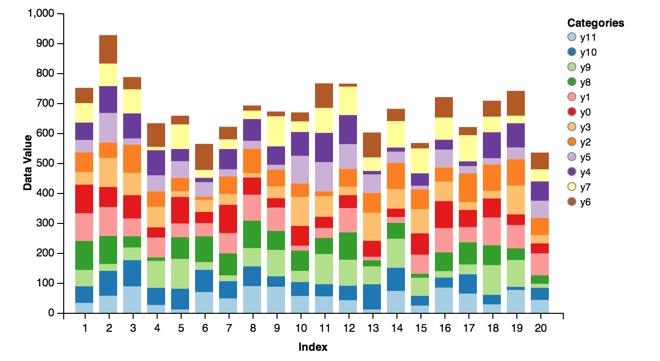
  • Order of the colors of bar/column graphs. Okay, this is one of my pet peeves that other people probably find very non-interesting, but I will include it here anyway. check if the legend/color key is in the same order as the in the graph.  In the example below, the graph has the light blue at the bottom, and the brown at the top, but in the key on the right, the order is the opposite. This makes these graphs harder to interpret. Figure taken from Vincent: A Python to Vega Translator: Charts Library. By the way, I really like this color scheme. Just not the order.


These are just some common issues that I often encounter during peer review (other than the bigger issues, of course, such as over-interpretation of data or missing control groups). Do other reviewers have other pet peeves with manuscripts that they want to share here? Please leave them in the comments! I am looking forward to see more.

[hr]

May 5, 2015, part 2

There was so much literature today (more than 600 papers!) that I am doing a second digest today.

Human reproductive tract microbiome

Investigation and Characterization of the Microbiome of the Upper Female Reproductive Tract [10] – Shana M. Miles – Obstetrics & Gynecology

Animal and other models

Akkermansia muciniphila Adheres to Enterocytes and Strengthens the Integrity of the Epithelial Cell Layer – Justus Reunanen – Applied and Environmental Microbiology

Animal microbiome

Effect of Diet on the Rumen Microbial Community Composition of Growing Cattle and the Role It Plays in Methane Emissions – Allison L. Knoell – Digital Commons University of Nebraska – Lincoln

Amphibian Symbiotic Bacteria Do Not Show a Universal Ability To Inhibit Growth of the Global Panzootic Lineage of Batrachochytrium dendrobatidis – Rachael E. Antwis – Applied and Environmental Microbiology

Reptiles as Reservoirs of Bacterial Infections: Real Threat or Methodological Bias? – Giulia Zancolli – Microbial Ecology

Plant root, soil and sediment microbiome

Effects of cultivation ages and modes on microbial diversity in the rhizosphere soil of Panax ginseng – Chunping Xiao – Journal of Ginseng Research

Soil-foraging animals alter the composition and co-occurrence of microbial communities in a desert shrubland – David J Eldridge – The ISME Journal

The bacterial community inhabiting temperate deciduous forests is vertically stratified and undergoes seasonal dynamics – Rubén López-Mondéjar – Soil Biology and Biochemistry

Diversity of active microbial communities subjected to long-term exposure to chemical contaminants along a 40-year-old sediment core – Assia Kaci – Environmental Science and Pollution Research

Soil moisture and land use are major determinants of soil microbial community composition and biomass at a regional scale in northeastern China – L. Ma – Biogeosciences

Bacterial Community Diversity in Soil Under two Tillage Practices as Determined by Pyrosequencing – Aditi Sengupta – Microbial Ecology

Soil Microorganisms Contribute to Plant Nutrition and Root Health – Mark S. Coyne and Robert Mikkelsen – Better Crops

Changes in northern Gulf of Mexico sediment bacterial and archaeal communities exposed to hypoxia – R. Devereux – Geobiology

Effect of Nitrogen Management on Soil Microbial Community and Enzymatic Activities in Jatropha curcas L. Plantation – Doongar Ram Chaudhary – CLEAN – Soil, Air, Water

Response of maize and soil microorganisms to decomposing poplar root residues after shallow or homogenous mixing into soil – Hikal Gad – Journal of Plant Nutrition and Soil Science

Water microbiome

Metagenome Sequencing of a Coastal Marine Microbial Community from Monterey Bay, California – Ryan S. Mueller – Genome Announcements

Enrichment experiment changes microbial interactions in an ultra-oligotrophic environment – Gabriel Y. Ponce-Soto – Frontiers in Microbiology

Review: Marine-derived fungi: diversity of enzymes and biotechnological applications
Rafaella C. Bonugli-Santos – Frontiers in Microbiology

Review, but contains mostly plagiarized text: The Importance of Marine Genomics to Life – Popoola Raimot Titilade – Journal of Ocean Research

Extremophiles

Spatial microbial community structure and biodiversity analysis in “extreme” hypersaline soils of a semiarid Mediterranean area – Loredana Canfora – Applied Soil Ecology

Ecoenzymatic stoichiometry at the extremes: How microbes cope in an ultra-oligotrophic desert soil – Yunuen Tapia-Torres – Soil Biology and Biochemistry

Microbial and Enzyme Activities of Saline and Sodic Soils – Kripal Singh – Land Degradation & Development

Identification of Anthraquinone-Degrading Bacteria in Soil Contaminated with Polycyclic Aromatic Hydrocarbons – Elyse A. Rodgers-Vieira – Applied and Environmental Microbiology

Carbon Source Preference in Chemosynthetic Hot Spring Communities – Matthew R. Urschel – Applied and Environmental Microbiology

Isolating the effects of storm events on arctic aquatic bacteria: temperature, nutrients, and community composition as controls on bacterial productivity – Heather E. Adams – Frontiers in Microbiology

Bioreactor microbiology

Analysis of microbial communities in the oil reservoir subjected to CO2-flooding by using functional genes as molecular biomarkers for microbial CO2 sequestration – Jin-Feng Liu – Frontiers in Microbiology

Viruses

Combining genomic sequencing methods to explore viral diversity and reveal potential virus-host interactions – Cheryl-Emiliane T. Chow – Frontiers in Microbiology

More microbiology

Global trends in antimicrobial use in food animals – Thomas P. Van Boeckel – PNAS USA

Review: Sugar coating: bacterial protein glycosylation and host–microbe interactions – Felicia Y.Y. Tan – Trends in Biochemical Sciences

Assay for estimating total bacterial load: relative qPCR normalization of bacterial load with associated clinical implications – Ivan Brukner – Diagnostic Microbiology and Infectious Disease

Review: A review on computational systems biology of pathogen–host interactions – Saliha Durmuş – Frontiers in Microbiology

Metagenomics and bioinformatics

Contact genomics: Scaffolding and phasing (meta)genomes using chromosome 3D physical signatures – Jean-Francois Flot – FEBS Letters

Eco-Evolutionary Dynamics of Episomes among Ecologically Cohesive Bacterial Populations – Hong Xue – mBio

Whole genome sequencing of extended-spectrum β-lactamase producing Klebsiella pneumoniae isolated from a patient in Lebanon – Sima Tokajian – Frontiers in Cellular and Infection Microbiology

A taxonomic framework for emerging groups of ecologically important marine gammaproteobacteria based on the reconstruction of evolutionary relationships using genome-scale data – Stefan Spring – Frontiers in Microbiology

Review: Strategies and approaches in plasmidome studies – uncovering plasmid diversity disregarding of linear elements? – Julian R. Dib – Frontiers in Microbiology

Microbes in the news

Your Beard Is Covered in Bacteria: So is everything else. Don’t fall for the latest viral freak-out – David Coil – Slate

LongreadGut Feelings – The Mysteries of the Microbiome – Jo Chandler – The Monthly

Bik’s Picks

Dolphins Living in Closer Quarters Are Friendlier – Lori Cuthbert – Discovery

Space might make astronauts dumber, study shows – Craig Hlavaty – Chron.com

We could use some in California – pipeline, please! Where does all the water go? Watch Oregon’s mysterious Lost Lake disappear down a lava tube – Aileen Donnelly – National Post
[hr]

May 5, 2015

General human microbiome

Review: The Human Microbiota: The Rise of an “Empire” – Gidon Berger – Rambam Maimonides Medical Journal

Human gut microbiome

Human colon-derived soluble factors modulate gut microbiota composition – Arancha Hevia – Frontiers in Oncology

Dysbiosis of Intestinal Microbiota Associated With Inflammation Involved in the Progression of Acute Pancreatitis – Tan, Chaochao – Pancreas

Review: Does the Gut Microbiota Contribute to Obesity? Going beyond the Gut Feeling – Marisol Aguirre and Koen Venema – Microorganisms

Review: Alcohol Effects on the Composition of Intestinal Microbiota – Phillip A. Engen – The Gastrointestinal Microbiome – NIH

Human respiratory microbiome

Prevalence of oropharyngeal antibiotic-resistant flora among residents of aged care facilities: a pilot study – Christopher D. Etherton-Beer – Respirology

Animal models of microbiomes

Modulatory effects of a cranberry extract co-supplementation with Bacillus subtilis CU1 probiotic on phenolic compounds bioavailability and gut microbiota composition in high-fat diet-fed mice – Stéphanie Dudonné – PharmaNutrition

Animal microbiome

Characterization of the cellulolytic bacteria communities along the gastrointestinal tract of Chinese Mongolian sheep by using PCR-DGGE and real-time PCR analysis – Yan Zeng – World Journal of Microbiology and Biotechnology

Soil microbiome

Soil microbial community structure is unaltered by plant invasion, vegetation clipping, and nitrogen fertilization in experimental semi-arid grasslands – Chelsea J. Carey – Frontiers in Microbiology

Water microbiome

A metagenome for lacustrine Cladophora (Cladophorales) reveals remarkable diversity of eukaryotic epibionts and genes relevant to materials cycling – Linda E. Graham – Journal of Phycology

Bacterial and archaeal biogeography of the deep chlorophyll maximum in the South Pacific Gyre – Emily A. Walsh – Aquatic Microbial Ecology

Extremophiles

The influence of surface soil physicochemistry on the edaphic bacterial communities in contrasting terrain types of the Central Namib Desert – S. Gombeer – Geobiology

Microbial diversity and metabolic networks in acid mine drainage habitats – Celia Mendez-Garcia – Frontiers in Microbiology

Metabolomics

Structuring Microbial Metabolic Responses to Multiplexed Stimuli via Self-Organizing Metabolomics Maps – Cody R. Goodwin – Chemistry & Biology

Techniques

Deriving accurate microbiota profiles from human samples with low bacterial content through post-sequencing processing of Illumina MiSeq data – Jake Jervis-Bardy – Microbiome

More microbes

Antibacterial activity of silver-killed bacteria: the “zombies” effect – Racheli Ben-Knaz Wakshlak

Review: The dormant blood microbiome in chronic, inflammatory diseases – Marnie Potgieter – FEMS Microbiology Reviews

Microbes and art

Faecal transplants and bio-art – Eden Project’s latest exhibition Invisible You explores the science of microbes – Nicola Davis – The Guardian

Microbiology printable labels or buffet cards blue and black – LoveBacteriaArt – Etsy

Microbes in the news

1h Video: Seth Bordenstein: The microbiome and Darwin’s Mystery of Mysteries – University of Michigan Early Career Scientists Symposium

Cervicovaginal microbiome holds promise in preventing preterm birth – interview with Dr. Michal Elovitz at the annual meeting of the American Congress of Obstetricians and Gynecologists – Mary Ellen Schneider #ACOG15

Episode 6 of The Microbiome Podcast: The microbiome, autism, and serotonin production with Dr. Elaine Hsiao – MicrobiomeInstitute

Some beards as dirty as toilets: Microbiologist tests beards for germs – Royale Da – KOAT

(See more beard microbiome articles from these past days in The Beard Microbiome)

“You’re covered in poo bacteria.” No, your beard isn’t full of poop (probably) – Rachel Feltman – The Washington Post

HuMiX – Emulating human microbiome on a chip – Bactavatchalou Sivakumar

Nanoparticles in consumer products can significantly alter normal gut microbiome – Phys.org

Never a dull day for microbiologist – Kathryn Bernard up for Women of Distinction prize – Winnipeg Free Press

Agricultural microbiology draws Chinese researchers to Argentina – Xinhua – Want China Times

Expert’s Corner: Physician-scientist on why he recommends probiotics – University of Massachusetts

Gut Wars: One Man’s Adventure With Antibiotics and Ulcerative Colitis – Alexandra Carmichael – uBiome blog

Show Me Your Moves: Updated classics and new techniques help microbiologists get up close and quantitative – Marissa Fessenden – The Scientist

‘Zombie’ Bacteria May Help Heal Wounds – Discovery

Ocean currents disturb methane-eating bacteria – Phys.org

Bacteria could prove key in the fight against cholesterol – Paul Healy – Independent

Free book (for a limited time): The Squid, the Vibrio & the Moon – Small Friends Books

Science, publishing, and career

DNA editing takes a serious step forward — for better or worse – Eryn Brown – LA Times

Bik’s Picks

Llamas as Lab Rats: From diagnostics to vaccines, llama antibodies point to new directions in HIV research – Jenny Rood – The Scientist

Big whales have stretchy nerves to help them gulp – Jonathan Webb – BBC

Is sleepwalking genetic? Study suggests it runs in the family – ZME Science

[hr]