Human microbiome, June 23

Lactobacillus feeding on human milk, Mycoplasma in preterm birth, and Clostridium difficile infection and gut microbiota.

Pregnancy and birth

Screen Shot 2014-06-23 at 10.51.26 PMA unique gene cluster for the utilization of the mucosal and human milk-associated glycans galacto-N-biose and lacto-N-biose in Lactobacillus casei – Gonzalo N. Bidart – Molecular Microbiology

“The data represent the first characterization of novel metabolic pathways for human milk oligosaccharides and glycoconjugate structures in Firmicutes”

Screen Shot 2014-06-23 at 11.01.13 PMReport from AANP 2014, Nashville, Tennessee: Screening for Bacteria May Help Pregnancy Outcomes – Ed Susman, MedpageToday

“In a single-center study, about 70% of symptomatic women who were screened for vaginal infections with either Mycoplasma Genitalium or Mycoplasma Hominis experienced preterm birth compared with 30% of the asymptomatic women who still underwent screening for the infections at a prenatal visit, reported Allison Phillips, DNP, of Robert Morris University in Pittsburgh, and colleagues.”

Oral microbiome

Screen Shot 2014-06-23 at 10.52.34 PMNew analysis reveals previously ‘hidden diversity’ of mouth bacteria – MBL

“Using a novel computational method called oligotyping, developed by MBL Assistant Research Scientist A. Murat Eren, scientists analyzed gene sequence data from nine sites in the oral cavity. ” “The study will be published in PNAS Online Early Edition the week of June 23-27, 2014”, but is not yet on PNAS website

Screen Shot 2014-06-23 at 10.53.35 PMEffects of pH and Lactate on Hydrogen Sulfide Production by Oral Veillonella spp. – Jumpei Washio – Applied and Environmental Microbiology

“Thus, in the present study, the H2S-producing activity of growing cells, resting cells, and cell extracts of oral Veillonella species and the effects of oral environmental factors, including pH and lactate, were investigated.”

Gut microbiome

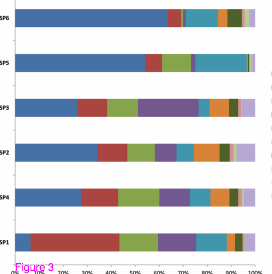
Screen Shot 2014-06-23 at 10.54.40 PMStructural and functional changes in the gut microbiota associated to Clostridium difficile infection – Ana E. Pérez-Cobas – Frontiers in Microbiology

“Here, we analyze the composition and functional differences in the gut microbiota of C. difficile infected (CDI) versus non-infected patients, both patient groups having been treated with AB therapy. To do so we used 16S rRNA gene and metagenomic 454-based pyrosequencing approaches. “

Screen Shot 2014-06-23 at 10.58.40 PMThe HLA-DQ2 genotype selects for early intestinal microbiota composition in infants at high risk of developing coeliac disease – M Olivares – Gut

“Infants with a high genetic risk had significantly higher proportions of Firmicutes and Proteobacteria and lower proportions of Actinobacteria compared with low-risk infants.”

(Both human and animal)
Screen Shot 2014-06-23 at 10.57.57 PMA single genus in the gut microbiome reflects host preference and specificity – A Murat Eren – The ISME Journal

“In our dataset of 57 M sequence reads of the V6 region of the 16S ribosomal RNA gene in samples collected from seven host species, we identified 200 high-resolution taxonomic units within Blautia using oligotyping.”

Screen Shot 2014-06-23 at 10.57.04 PMMicrobiomes are true to type – Andrew H. Moeller and Howard Ochman – PNAS

“Enter Wang et al. (3), who provide both retrospective and experimental evidence that the maintenance of enterotypes in host populations is driven by dietary variation.”

General human microbiome

Screen Shot 2014-06-23 at 10.56.07 PMMicrobiota and neurodevelopmental windows: implications for brain disorders
– Yuliya E Borre – Trends in Molecular Medicine

“This review compares the parallel early development of the intestinal microbiota and the nervous system.”

Animal models of human microbiome

Screen Shot 2014-06-23 at 11.00.16 PMThe murine appendiceal microbiome is altered in spontaneous colitis and its pathological progression – Sultan Alkadhi – Gut Pathogens

“The appendiceal dysbiosis observed in our Winnie mice is commensurate with, and adds to extant literature data. The presence of Helicobacteraceae (Proteobacteria) only in colitic Winnie mice (but not control mice) is consistent with reports of increased Helicobacter in IBD patients. “

[hr]

Microbiome and general biology, June 20

It was a quiet day on the microbiome research front, so there will only be one post today. But, with vampire bats, Bacillus anthracis, and fish-eating spiders, it’s a good one!

Pregnancy and Birth

Screen Shot 2014-06-20 at 10.08.36 PMStudy Finds Certain Birth Defects are more Common in Hispanics – Cheri Cheng

“”One of the things that caught our eye was, while Hispanics represent 17 percent of the population, 24 percent of premature babies are Hispanic,” said Dr. Edward McCabe, senior vice president and chief medical officer of the March of Dimes, a nonprofit organization.”

Animal models of human microbiota

BacillusColonic Immune Suppression, Barrier Dysfunction, and Dysbiosis by Gastrointestinal Bacillus anthracis Infection – Yaíma L. Lightfoot – PLOS ONE

“Herein, we investigated the pathogenesis of GI anthrax in animals orally infected with toxigenic non-encapsulated B. anthracis Sterne strain (pXO1+ pXO2−) spores that resulted in rapid animal death.”

Screen Shot 2014-06-20 at 9.53.32 PMBiology Students Study Stomach Bacteria – Pengxeu Thao – University of Minnesota Morris

Wyckoff and her students are spending the summer studyingHelicobacter pylori (H. pylori), a Gram-negative bacterium found in the human stomach.”

Amphibian microbiome

AmphibCool Temperatures Reduce Antifungal Activity of Symbiotic Bacteria of Threatened Amphibians – Implications for Disease Management and Patterns of Decline – Joshua H. Daskin – PLOS ONE

“We characterized, at a range of temperatures approximating natural seasonal variation, the anti-Bd activity of bacterial symbionts from the skins of three species of rainforest tree frogs (Litoria nannotis, Litoria rheocola, and Litoria serrata)”

Plant microbiology

Screen Shot 2014-06-20 at 10.09.21 PMScientists look to bacteria to protect crop yields in the face of climate change – Jennifer Huizen – E&E Publishing

“If proved effective, this technology would decrease the amount of key nutrients like nitrogen and, most notably, water needed by the plant, while increasing the yield,” said Lin Myat, a postdoctoral fellow of molecular biology and genetics at Cornell “

belongs to

Screen Shot 2014-06-20 at 10.06.07 PMβ-Carboxysomal proteins assemble into highly organized structures in Nicotiana chloroplasts – Myat T. Lin – The Plant Journal

“We demonstrate that a foreign protein can be targeted with a 17-amino-acid CcmN peptide to the shell proteins inside chloroplasts. Our experiments establish the feasibility of introducing carboxysomes into chloroplasts for the potential compartmentalization of Rubisco or other proteins.”

Food microbiology

Screen Shot 2014-06-20 at 10.23.17 PMHaley Oliver: Master of Meat – Jef Akst – The Scientist

“In her own lab at Purdue University, Oliver studies the spread of Listeria in other foods, such as melons, and investigates sanitation strategies that may limit contamination and increase food shelf life. “

Infection and host response

InflammationInflammation: Gone with Translation – Carola G. Vinuesa, Thomas Preiss – PLOS Genetics

“Over the last few years, a number of studies have investigated global gene activation induced by pathogen-derived stimuli to gain insights into the modes of induction of the inflammatory mediators and regulators.”

Dengue

Screen Shot 2014-06-20 at 9.18.31 PMThe Need for More Research and Public Health Interventions on Dengue Fever in Burkina Faso – Valéry Ridde – PLOS Neglected Tropical Diseases

“…our aim in this article is to draw attention to the need for rapid deployment of research and interventions on dengue fever in Burkina Faso, because it appears to have been overlooked, with the focus being, instead, on malaria.”

Dengue NKTInvariant NKT Cell Response to Dengue Virus Infection in Human
Ponpan Matangkasombut – PLOS Neglected Tropical Diseases

“iNKT cells activation were analyzed by the expression of CD69 by flow cytometry. Their cytokine production was then analyzed after α-GalCer stimulation”

General microbiology

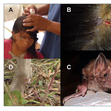
Screen Shot 2014-06-20 at 9.19.15 PMVampire Bats and Rabies: Toward an Ecological Solution to a Public Health Problem – Benjamin Stoner-Duncan – PLOS Neglected Tropical Diseases

“In the first half of 2011, 21 school-age children and two adults died of rabies transmitted by the common vampire bat (Desmodus rotundus) in and around the small rural village of Yupicusa in the Peruvian Amazon”

VectorCrossing the Interspecies Barrier: Opening the Door to Zoonotic Pathogens – Christian Gortazar – PLOS Pathogens

“The species barriers separating nonhuman animal species from humans represent a major hurdle for effective exposure to, infection by, and subsequent spread of zoonotic pathogens among humans”

Screen Shot 2014-06-20 at 9.35.19 PMHuman sweat can reduce bacteria fighting capabilities – ZeeNews

“A new research has revealed that human sweat can diminish bacteria-fighting qualities of brass objects like door knobs and taps within an hour of contact.”


Dr. Bik’s Picks

Screen Shot 2014-06-20 at 10.11.49 PMFish Predation by Semi-Aquatic Spiders: A Global Pattern – Martin Nyffeler – PLOS ONE

“More than 80 incidences of fish predation by semi-aquatic spiders – observed at the fringes of shallow freshwater streams, rivers, lakes, ponds, swamps, and fens – are reviewed.”

Screen Shot 2014-06-20 at 10.15.09 PMUS sets up honey bee loss task force – BBC News

“In the plan announced on Friday, Mr Obama directed the EPA and the agriculture department to lead a government-wide task force to develop a strategy within six months to fight bee and other pollinator declines.“

Screen Shot 2014-06-20 at 10.17.07 PMStrict diet suspends development, doubles lifespan of worms – Science Daily

“Researchers at Duke University found that taking food away from C. elegans triggers a state of arrested development: while the organism continues to wriggle about, foraging for food, its cells and organs are suspended in an ageless, quiescent state. “

Screen Shot 2014-06-20 at 10.26.39 PMFinding thoughts in speech: How human brain processes thoughts during natural communication – Science Daily

“The novelty of the authors’ approach is that the participants were not instructed to think and talk about a given topic in an experimental setting. “

[hr]


Human microbiome, June 18

Today we “Hover or Cover” the toilet seat, compare uBiome and American Gut results, and learn about bacterial diversity and stem cell transplants, breast milk microbiota, and culturomics.

Microbiome in the news

Screen Shot 2014-06-18 at 10.31.46 PMHere’s the poop on getting your gut microbiome analyzed – Tina Hesman Saey – ScienceNews

“When the second set of gut results came in, I was shocked. The results didn’t match at all with µBiome. “

WATCH: Is it OK to sit on a public toilet seat? – ScienceAlert

“It’s a dilemma we’ve all faced at some point: should you ever let your bum touch a public toilet seat? Thankfully Mitch and Greg from AsapSCIENCE have examined the evidence and come up with the (somewhat surprising) answer in their latest episode.”

Gut Reactions – Claudia Wallis – Scientific American

“Intestinal bacteria may help determine whether we are lean or obese”

10 Things You Need To Know About Your Microbiome – Raphael Kellman – MindBodyGreen

Pregnancy and Birth

Gut and Breast Milk Microbiota and Their Role in the Development of the Immune Function – Maria Elisabetta Baldassarre – Current Pediatrics Reports

“In newborns, the maternal gut microbiota may either come across into the amniotic fluid or secrete factors that enter the amniotic fluid and affect the development of oral tolerance in utero.”

Oral microbiome

Acquiring and maintaining a normal oral microbiome: current perspective
Egija Zaura – Frontiers in Cellular and Infection Microbiology

“In this review we present our hypothesis on how a healthy oral microbiome is acquired and maintained.”

Gut microbiome

The effects of intestinal tract bacterial diversity on mortality following allogeneic hematopoietic stem cell transplantation – Ying Taur – Blood

“Fecal specimens were collected from 80 recipients of allo-HSCT at the time of stem cell engraftment. Bacterial 16S rRNA gene sequences were characterized, and microbial diversity was estimated using the inverse Simpson index. “

Culturomics and pyrosequencing evidence of the reduction in gut microbiota diversity in patients with broad-spectrum antibiotics – Grégory Dubourg – International Journal of Antimicrobial Agents

“Culturomics was performed on four stool samples from patients treated with large-scale antibiotics to assess the diversity of their gut flora in comparison with other culture-dependent studies. Pyrosequencing of the V6 region was also performed and was compared with a control group. “

Screen Shot 2014-06-18 at 10.33.33 PMCharacterization of bacterial community shift in human Ulcerative Colitis
patients revealed by Illumina based 16S rRNA gene amplicon sequencing – Sandeep A Walujkar – Gut Pathogens

“Mucosal microbiota was analyzed by means of 16S rRNA gene-based Illumina high throughput sequencing. Quantitative real-time PCR (qPCR) was performed to determine total bacterial abundances.”

Keeping peace with the microbiome: acetate dampens inflammatory cytokine production in intestinal epithelial cells – Nicholas Arpaia – Immunology & Cell Biology

“In this issue, Ishiguro et al.2 show that the short-chain fatty acid (SCFA), acetate, produced during carbohydrate fermentation by commensal microorganisms in the cecum, is capable of dampening responses within intestinal epithelial cells (IEC), and functions by targeting the downstream signaling proteins that are activated on recognition of bacterial flagellin by TLR5”

Respiratory microbiome

A large genomic island allows Neisseria meningitidis to utilize propionic acid, with implications for colonisation of the human nasopharynx – Maria Chiara E. Catenazzi – Molecular Microbiology

“Here we identify a genomic island (the prp gene cluster) in N. meningitidis that enables this species to utilize propionic acid as a supplementary carbon source during growth, particularly under nutrient poor growth conditions. “

Animal and in vitro models of human microbiome

Observation of Inflammatory Responses in Mice Orally Fed with Bacteriophage T7 – Kwangseo Park – Journal of Applied Microbiology

“This study investigated the inflammatory responses in mice fed orally with bacteriophages. The mice were fed with either murine norovirus (MNV) or bacteriophage T7 for 10 days and then sacrificed. “

Development of an oral mucosa model to study host-microbiome interactions during wound healing – Tine De Ryck – Applied Microbiology and Biotechnology

“Microbiota derived from oral swabs were cultured on an agar/mucin layer and challenged with monolayers of keratinocytes grown on plastic or collagen type I layers embedded with fibroblasts.”

[hr]

Human microbiome, June 11

Bacterial community classes in HMP subjects, oral health in postmenopausal women, and gut epithelial regeneration.

Human microbiome – general

Yanjiao Zhou ExplorationExploration of bacterial community classes in major human habitats – Yanjiao Zhou – Genome Biology

“Here, we present an analysis of the groupings of bacterial communities in stool, nasal, skin, vaginal and oral habitats in a healthy cohort of 236 subjects from the Human Microbiome Project.” “We identified 2 to 6 community classes for each of the 18 habitats from the HMP healthy cohort by clustering augmented by manual inspection.”

ExploringExploring New Horizons in Microbiome Research – Christoph A. Thaiss, Eran Elinav – Cell Host & Microbe

“Leading scientists in microbiome research met at Lake Titisee, Germany, in April 2014 to discuss the current state of the field, the most urgent and unresolved questions, state-of-the-art technological advances, and new avenues of future research. “

Oral microbiome

Screen Shot 2014-06-11 at 9.35.26 PMPorphyromonas gingivalis Manipulates Complement and TLR Signaling to Uncouple Bacterial Clearance from Inflammation and Promote Dysbiosis – Tomoki Maekawa – Cell Host & Microbe

“As previously reported, P. gingivalis remodels the oral microbiota into a dysbiotic state by exploiting complement. Now we show that in neutrophils P. gingivalis disarms a host-protective TLR2-MyD88 pathway via proteasomal degradation of MyD88, whereas it activates an alternate TLR2-Mal-PI3K pathway. “

Screen Shot 2014-06-11 at 10.08.26 PMUB receives $4 million NIH grant to study oral health in postmenopausal women – Pat Donovan – University at Buffalo

“These techniques involve Next Generation Sequencing (NGS) using culture-independent techniques to identify 16S rRNA genes and allow for a more complete and detailed characterization of the microbial composition and diversity of the human oral cavity, Wactawski-Wende says.”

Pregnancy and Birth

Screen Shot 2014-06-11 at 10.09.30 PMPregnant Women With Posttraumatic Stress Disorder and Risk of Preterm Birth – Kimberly Ann Yonkers – JAMA Psychiatry

“Longitudinal, prospective cohort study of 2654 women who were recruited before 17 completed weeks of pregnancy from 137 obstetrical practices in Connecticut and Western Massachusetts.”

Animal models of human microbiota

Screen Shot 2014-06-11 at 10.07.04 PMThe Cytosolic Bacterial Peptidoglycan Sensor Nod2 Affords Stem Cell Protection and Links Microbes to Gut Epithelial Regeneration – Giulia Nigro – Cell Host & Microbe

“We used in vitro cultured organoids of intestinal crypts from mice, reinforced with in vivo experiments, to examine the crypt-microbiota interface.”

[hr]


Human microbiome, June 10

Today we’ll cover the lung microbiome, salivary gland function, NEC, and sequencing of cosmid clones.
Oral microbiome

AutophagyAutophagy Correlates with Maintenance of Salivary Gland Function Following Radiation – Maria Morgan-Bathke – Nature Scientific Reports

“Thus, autophagy appears to play a beneficial role in salivary glands following radiation”

UbiquitousUbiquitous Sialometabolism Present among Oral Fusobacteria – Saori Yoneda – PLOS ONE

“Using microarray analysis, we examined the transcriptional response of F. nucleatum subspecies nucleatum to whole blood in order to identify some of the genetic responses that might occur during the transition from health to disease.”

NYU and UCSF researchers develop a framework for monitoring oral cancer – ScienceCodex

“”We know that other cancers, including gallbladder, colon, lung and prostate, have been associated with particular bacterial infections, so we hypothesized that shifts in the composition of the normal oral cavity microbiome could be promoters or causes of oral cancer,” said Dr. Albertson.”

Respiratory microbiome

Screen Shot 2014-06-10 at 9.32.19 PMBreathing Life into Lung Microbiome Research – Rina Shaikh-Lesko – The Scientist

“Although it’s far less populated than the mouth community that helps feed it, researchers increasingly appreciate the role of the lung microbiome in respiratory health.”

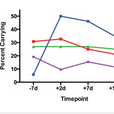
Impact off extImpact of Experimental Human Pneumococcal Carriage on Nasopharyngeal Bacterial Densities in Healthy Adults – Joshua R. Shak – PLOS ONE

“To better understand how these bacteria change in relation to pneumococcal colonization, we used species-specific quantitative PCR to examine bacterial densities in 52 subjects 7 days before, and 2, 7, and 14 days after controlled inoculation of healthy human adults with S. pneumoniae serotype 6B.”

Pregnancy and Birth

BrainModerate and Late Preterm Birth: Effect on Brain Size and Maturation at Term-Equivalent Age – Jennifer M. Walsh – Radiology

“MLPT birth is associated with smaller brain size, less-developed myelination of the posterior limb of the internal capsule, and more immature gyral folding than those associated with full-term birth. “

Preemie Research Highlights Concerns With Human Experimentation – Frederick Reese – Mintpress

“Parents weren’t fully aware of the risks associated with a medical research trial they allowed their babies to participate in.”

Screen Shot 2014-06-10 at 9.30.20 PMSmall Intestinal Intraepithelial TCRγδ+ T Lymphocytes Are Present in the Premature Intestine but Selectively Reduced in Surgical Necrotizing Enterocolitis – Jörn-Hendrik Weitkamp – PLOS ONE

“In human preterm infants, the proportion of IEL was reduced by 66% in 11 NEC ileum resections compared to 30 non-NEC controls (p<0.001). While γδ IEL dominated over conventional αβ IEL early in gestation in mice and in humans, γδ IEL were preferential decreased in the ileum of surgical NEC patients compared to non-NEC controls (50% reduction, p<0.05).”

Antibiotics and microbiome

Synthetic Biologics and Enterome Bioscience Collaborate on Microbiome Research to Support Synthetic Biologics’ C. difficile Program – MarketWatch

“Synthetic Biologics, Inc. (nyse mkt:SYN), a developer of novel anti-infective biologic and drug candidates targeting specific pathogens that cause serious infections and diseases, and Enterome Bioscience SA, a pioneer in the development of innovative disease management solutions based on a deep understanding of the gut microbiome, today announced that they have entered into an agreement to conduct metagenomic research on the effects of beta-lactam antibiotics on the gastrointestinal microflora (microbiome) of human patients”

Animal models of human disease

Screen Shot 2014-06-10 at 9.38.10 PMSaccharomyces boulardii Administration Changes Gut Microbiota and Reduces Hepatic Steatosis, Low-Grade Inflammation, and Fat Mass in Obese and Type 2 Diabetic db/db Mice – Amandine Everard – mBio

“Here we found that type 2 diabetic and obese mice (db/db) treated with Saccharomyces boulardii exhibited reduced body weight, fat mass, hepatic steatosis, and inflammatory tone. “

Metagenomics and sequencing

Evaluation of a pooledEvaluation of a Pooled Strategy for High-Throughput Sequencing of Cosmid Clones from Metagenomic Libraries – Kathy N. Lam – PLOS ONE

“We investigated a hybrid Sanger/Illumina pooled sequencing strategy that omits barcoding altogether, and we evaluated this strategy by comparing the pooled sequencing results to reference sequence data obtained from traditional barcode-based sequencing of the same set of clones. “

[hr]

Human Microbiomes, June 9

Apples and coffee are good for your teeth, exercise good for your microbial diversity, role of microbiota in lung cancer, and lots of metabolomics papers.

Human Oral Microbiome (and some skin too!)

AppleAnticaries effect of an antioxidant-rich apple concentrate on enamel in an experimental biofilm-demineralisation model – Rodrigo A. Giacaman – Journal of Applied Microbiology

“Streptococcus mutans biofilms exposed to ARAC after a cariogenic challenge with sucrose induced lower enamel demineralisation than the positive control. The highest dilution of ARAC at 1: 100,000 (v/v) showed the most marked reduction in demineralisation of about fifty seven percent.”

CRIPSrConservation of streptococcal CRISPRs on human skin and saliva – Refugio Robles-Sikisaka – BMC Microbiology

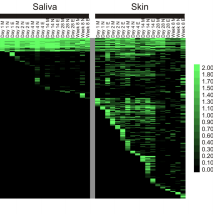
“We investigated the conservation of CRISPR content from streptococci on skin and saliva of human subjects over 8-weeks to determine whether similarities existed in the CRISPR spacer profiles and whether CRISPR spacers were a stable component of each biogeographic site”

Screen Shot 2014-06-10 at 2.09.54 AMAntibacterial effect of coffee: calcium concentration in a culture containing teeth/biofilm exposed to Coffea Canephora aqueous extract – N. Meckelburg -Letters in Applied Microbiology

“This study revealed an inhibitory action of Coffea canephora against dental biofilm. This coffee species caused bacterial lysis and consequent release of calcium into the medium.”

Human gut microbiome

ClarkeExercise and associated dietary extremes impact on gut microbial diversity – Siobhan F Clarke – Gut

“… athletes had a higher diversity of gut micro-organisms, representing 22 distinct phyla, which in turn positively correlated with protein consumption and creatine kinase.”

BMReview: Molecular ecological tools to decipher the role of our microbial mass in obesity – GDA Hermes – Beneficial Microbes

“ This review aims to describe the different molecular approaches and their contributions to our understanding of the role of the GI microbiota in host energy homeostasis. ”

Screen Shot 2014-06-10 at 1.00.40 AMFecal microbiome analysis as a diagnostic test for diverticulitis – L. Daniels – European Journal of Clinical Microbiology & Infectious Diseases

“Differences in bacterial phylum abundance and diversity (Shannon index) of the resulting profiles were assessed by conventional statistics. Dissimilarity in microbiome composition was analyzed with principal coordinate analysis (PCoA) based on cosine distance measures. “

Impaired Innate Immune Function Associated with Fecal Supernatant from Crohn’s Disease Patients: Insights into Potential Pathogenic Role of the Microbiome – Meelu, Parool – Inflammatory Bowel Diseases

Opinion Article: Gut Microbes and Host Physiology: What Happens when you Host Billions of Guests? – Jennifer L. Pluznick – Frontiers in Endocrinology

“The literature is rife with examples of phenotypes which were not easily replicated by other groups – even when using the “same mice” – and we should consider whether some of these examples may be, in fact, due to the influence of gut microbiota.”

ProalInflammatory Disease and the Human Microbiome – Amy D Proal – Discovery Medicine

“The microbes that contribute to this dysfunction are often inherited from family members. Immunosuppressive therapies for inflammatory disease allow pathogens driving these processes to spread with greater ease.”

BMUnderstanding gut microbiota in elderly’s health will enable intervention through probiotics – G. Pérez Martínez – Beneficial Microbes

“Intervention studies of probiotics and prebiotics in elderly are not very abundant, but most cases showed that Bifidobacterium populations can efficiently be stimulated with a concomitant decrease of Enterobacteria. “

ClarkeGut Microbiota: The Neglected Endocrine Organ – Gerard Clarke – Molecular Endocrinology

“Indirectly and through as yet unknown mechanisms, the gut microbiota exerts control over the hypothalamic-pituitary-adrenal axis (HPA).”

The June issue of Gut this month features the abstracts from the British Society of Gastroenterology Annual General Meeting 16–19 June 2014 in a Supplemental issue

Human respiratory microbiome

Screen shot 2014-06-09 at 04.19PM, Jun 09The potential role of lung microbiota in lung cancer attributed to household coal burning exposures – H. Dean Hosgood III – Environmental and Molecular Mutagenesis

“This study seeks to explore the role of lung microbiota in lung cancer among never smoking Xuanwei women and how coal burning may influence these associations.”

Pregnancy and Birth

StrongholdPregnancy’s Stronghold on the Vaginal Microbiome – Marina R. S. Walther-António – PLOS ONE

“For a majority of the patients (n = 8), the vaginal microbiome was dominated by Lactobacillus crispatus throughout pregnancy.”

Masters Thesis: The Effect of Nutrition on the Microbiome in Pregnant Women and the Use of Micronutrient Supplemented Probiotic Yogurt to Improve Outcomes – Megan Kathleen Enos – University of Western Ontario

“The aims of this study were to characterize the gut, oral, and vaginal microbiotas of pregnant women ….. a clinical study was performed in Mwanza, Tanzania”

WopereisThe first thousand days – intestinal microbiology of early life: establishing a symbiosis – Harm Wopereis – Pediatric Allergy and Immunology

“This review provides an overview of the development of the intestinal microbiota, its bidirectional relationship with the immune system, and its role in impacting health and disease, with emphasis on allergy, in early life.”

Metabolomics

RinehartMetabolomic data streaming for biology-dependent data acquisition – Duane Rinehart – Nature Biotechnology

“Here we describe a solution to the time demands of metabolomic data upload to XCMS Online. In brief, we designed XCMS Online software that enables uploading of metabolomic data files from the instrument computer workstation as they are acquired. “

SulekA combined metabolomic and phylogenetic study reveals putatively prebiotic effects of high molecular weight arabino-oligosaccharides when assessed by in vitro fermentation in bacterial communities derived from humans – Karolina Sulek – Anaerobe

“All tested carbohydrate sources resulted in a significant increase of Bifidobacterium spp. between 1.79 fold (HA) and 1.64 fold (FOS) in the microbial populations after fermentation”

FariaInterplay between anthocyanins and gut microbiota – Ana Faria – J. Agric. Food Chem

“This review aimed to compile information regarding interaction of anthocyanins with microbiota, in two perspectives: i) identification of their colonic metabolites as potential bioactive molecules and ii) their role as prebiotic agents.”

Identification of the metabolites of myricitrin produced by human intestinal bacteria in vitro using ultra-performance liquid chromatography/quadrupole time-of-flight mass spectrometry – Le-yue Du – Expert Opinion on Drug Metabolism & Toxicology

“To investigate the metabolic routes and metabolites of myricitrin, an important active ingredient of traditional herbal medicine, yielded by the isolated human intestinal bacteria, which have not been reported previously”

CrossA prospective study of serum metabolites and colorectal cancer risk – Amanda J. Cross – Cancer

“No overall associations were observed between serum metabolites and colorectal cancer, but serum glycochenodeoxycholate, a bile acid metabolite, was positively associated with colorectal cancer among women”

Gut microbiota and cardiometabolic outcomes: influence of dietary patterns and their associated components – Julia MW Wong – Am J Clin Nutr

“Examples of dietary components that alter the gut microbial composition include prebiotics and resistant starches.”

GaldzickiThe Synthetic Biology Open Language (SBOL) provides a community standard for communicating designs in synthetic biology – Michal Galdzicki – Nature Biotechnology

“Here we describe the Synthetic Biology Open Language (SBOL), a proposed data standard for exchanging designs within the synthetic biology community. SBOL represents synthetic biology designs in a community-driven, formalized format for exchange between software tools, research groups and commercial service providers.”

Animal models of human disease

Animal models of gastrointestinal and liver diseases. Animal models of necrotizing enterocolitis: pathophysiology, translational relevance, and challenges – Peng Lu – American Journal of Physiology – Gastrointestinal and Liver Physiology

“In an attempt to provide some guidance to the growing community of NEC researchers, we now seek to review the key features of the major NEC models that have been developed in mammalian and nonmammalian species and to assess the advantages, disadvantage, challenges and major scientific discoveries yielded by each. “

Oral infection ecoliOral infection with enteropathogenic Escherichia coli triggers immune response and intestinal histological alterations in mice selected for their minimal acute inflammatory responses – Amanda Bardella Vulcano – Microbiology and Immunology

In summary, it was found that EPEC triggers immune responses and intestinal histological alterations but does not produce evidence of diarrheal disease in mice infected by the oral route.”

Screen Shot 2014-06-10 at 2.00.38 AMDistinct signatures of host–microbial meta-metabolome and gut microbiome in two C57BL/6 strains under high-fat diet – Alesia Walker – ISME J

A combinatory approach using metabolomics and gut microbiome analysis techniques was performed to unravel the nature and specificity of metabolic profiles related to gut ecology in obesity. “

General Human Microbiome

Why There is No Single Healthy Microbiome – Erik Garnas – Organic Fitness

“This quest for the perfect microbiome has not only led many people to tweak their diet and lifestyle in an attempt to be the best possible host, but also to the rapid growth of what is now a billion dollar market of probiotics, prebiotics, and other products that are specifically designed to modulate the microbial communities in and on the human body. “

[hr]

Human microbiomes, June 6

Bacteria causing IBD (in an animal model), gut microbiota from Spanish infants, and radiation therapy damaging teeth.

Gut microbiome

GutAn intestinal arsonist: pathobiont ignites IBD and flees the scene – Stefan Jellbauer and Manuela Raffatellu – Gut

“Evidence for Proteobacteria as a potential trigger of IBD has been deduced by cohort studies showing that inflammatory diarrhoea caused by either Salmonella species or Campylobacter species predisposes genetically susceptible individuals to developing IBD”

AIEC pathobiont instigates chronic colitis in susceptible hosts by altering microbiota composition – Benoit Chassaing – Gut

“Transient AIEC colonisation, in WT mice, did not alter inflammatory markers, bacterial loads, microbiota composition, nor its pro-inflammatory potential. By contrast, transient AIEC colonisation of T5KO mice drove chronic inflammation which correlated with microbiota components having higher levels of bioactive LPS and flagellin.”

BBAReview: Rapidly expanding knowledge on the role of the gut microbiome in health and disease -M.C. Cénit – Biochimica et Biophysica Acta (BBA) – Molecular Basis of Disease

“In this review we describe the different approaches used to characterize the human microbiome, review current knowledge about the gut microbiome, and discuss the role of gut microbiota in immune homeostasis and autoimmunity.”

Screen Shot 2014-06-07 at 1.49.49 AMEx-Merck exec’s new microbiome startup has a pill that works like a fecal transplant against C. diff – Ransdell Pierson – MedCityNews

“The Seres oral capsule, called SER 109, in early clinical trials quickly eliminated symptoms in more than 90 percent of patients, Pomerantz said in a telephone interview.”

Malnutrition ‘damages gut bacteria’ – BBC Health News

“A team studied the gut health of malnourished children in Bangladesh. Writing in the journal Nature they said the bacterial make-up was not fully restored to normal after food supplements were given.”

Oral microbiome

ToothRadiation therapy alters microhardness and microstructure of enamel and dentin of permanent human teeth – Ligia Maria Napolitano Gonçalves – Journal of Dentistry

“The effects of gamma irradiation on dental substrate might contribute to increased risk of radiation tooth decay associated with salivary changes, microbiota shift and high soft and carbohydrate-rich food intake.”

Pregnancy and Birth

Screen Shot 2014-06-07 at 1.52.06 AMMicrobial Succession in the Gut: Directional Trends of Taxonomic and Functional Change in a Birth Cohort of Spanish Infants – Yvonne Vallès – PLOS Genetics

“Here, we analyze the patterns of taxonomic and functional change in the gut microbiota during the first year of life for a birth cohort of 13 infants. We detect that individual instances of gut colonization vary in the temporal dynamics of microbiota richness, diversity, and composition at both functional and taxonomic levels. “

Probiotics

Screen Shot 2014-06-07 at 1.53.11 AMProbiotics: Separating the Hype From the Healthy – Nikki Fotheringham – HuffingtonPost

“That’s right baby; we’re all just sacks of seething bacteria! Now before you freak out, remember that the word “bacteria” has been given negative connotations by the Purell-fueled paranoia of the germ police. “


Metabolomics

Journal of functional foodsStructural features and feruloylation modulate the fermentability and evolution of antioxidant properties of arabinoxylanoligosaccharides during in vitro fermentation by human gut derived microbiota – Jeroen Snelders – Journal of Functional Foods

“Two AXOS samples with a low average degree of arabinose substitution, specifically differing in average degree of polymerization, and three AXOS samples, specifically differing in ferulic acid (FA) content and appearance (free or bound), were incubated with cultured human colon microbiota.”

[hr]

Human microbiome digest, June 4, 2014

Today’s featured paper describes the gut microbiota of malnourished Bangladeshi children and was published in Nature. But we also cover oral cancer and babies’ dummies (pacifiers).

Gut microbiome

Screen Shot 2014-06-05 at 12.35.59 AMPersistent gut microbiota immaturity in malnourished Bangladeshi children – Sathish Subramanian – Nature

“ In the current study, bacterial species whose proportional representation define a healthy gut microbiota as it assembles during the first two postnatal years were identified by applying a machine-learning-based approach to 16S ribosomal RNA data sets generated from monthly faecal samples obtained from birth onwards in a cohort of children living in an urban slum of Dhaka, Bangladesh, who exhibited consistently healthy growth. “

Screen Shot 2014-06-05 at 12.37.44 AMAnd an accompanying News And Views: Population health: Immaturity in the gut microbial community – Elizabeth K. Costello- Nature

“Undernourished children fall behind not only on growth, but also on maturation of their intestinal bacterial communities, according to a study comparing acutely malnourished and healthy Bangladeshi children.”

Screen Shot 2014-06-05 at 12.36.53 AMThe Scientist also writes about the Subramanian paper: How Malnutrition Affects the Microbiome – Rina Shaikh-Lesko – The Scientist

“The gut bacterial communities of severely malnourished children appear to be less developed than those of healthy children, a study on Bangladeshi infants and toddlers finds.”

Oral microbiome

Screen Shot 2014-06-05 at 12.34.59 AMChanges in Abundance of Oral Microbiota Associated with Oral Cancer – Brian L. Schmidt – PLOS ONE

“To investigate changes in the microbiome associated with oral cancers, we profiled cancers and anatomically matched contralateral normal tissue from the same patient by sequencing 16S rDNA hypervariable region amplicons. “

The strange micro-biome that is your mouth – Paul Kulpinski – Mountain Waves Healing Arts

“In this post I will report on my most recent self-experiment. Some of this experiment was intentional, and some of it was non-intentional – with regards to my oral hygiene at least.”

Pregnancy and birth

Screen Shot 2014-06-05 at 12.43.20 AMMothers should suck their babies’ dummies, scientists say – Sarah Knapton – The Telegraph

“Children whose mother’s sucked their dummies to clean them were a third less likely to develop asthma and eczema, Prof Graham Rook, told the Cheltenham Science Festival. “If the parents pick up the dummy right away and sterilises it or replace it with a new clean one, that child has a considerably greater chance of having eczema and asthma,” he said.”

Influence of interpregnancy interval on birth timing – EA DeFranco – BJOG: An International Journal of Obstetrics & Gynaecology

“While short IPI is a known risk factor for preterm birth, our data show that inadequate birth spacing is associated with decreased gestational age for all births.”

Health of Hispanic Moms and Babies a Growing Concern, New Report Says – Hola Arkansas

“March of Dimes Global Ambassador Thalia Urges Hispanic Women To Be Informed About Pregnancy and Baby Health”


General microbiome
Pharmacomicrobiomics: The Impact of Human Microbiome Variations on Systems Pharmacology and Personalized Therapeutics – A summary of key findings and applications from the Human Microbiome Project. – Marwa ElRakaiby – Omics Journal

In this review article, we summarize the key findings and applications of the HMP that may impact pharmacology and personalized therapeutics.

[hr]

Human microbiome digest, June 3, 2014

Antimicrobial proteins in saliva, Lactobacillus spp and preterm birth, and probiotics. It’s been a long day, so no pictures today.

Oral microbiome

Salivary antimicrobial proteins associate with age related changes in streptococcal composition in dental plaque – Jennifer Malcolm – Molecular Oral Microbiology

“Dental plaque and saliva were collected from 57 children aged 12-24 months at baseline, of whom 23 children were followed-up at three-years of age. At each time, saliva was assessed for LL37, HNPs 1-3, calprotectin, lactoferrin, salivary IgA, total plaque bacteria and Streptococcus mutans.”

Pregnancy and birth

Characterisation of the vaginal Lactobacillus microbiota associated with preterm delivery – Ljubomir Petricevic – Nature Scientific Reports

“This study suggests that dominating L. iners alone detected in vaginal smears of healthy women in early pregnancy might be associated with preterm delivery”

Development of the preterm gut microbiota in infants at risk of necrotising enterocolitis and sepsis – Christopher Stewart – Doctoral thesis, Northumbria University

Intestinal Microbial Community Profiles of a Newborn Preterm Infant Using Pyrosequencing Analysis: Pilot Study (in Korean)- Jong-Geol Kim – Neonatal Medicine

“The bacterial community in the newborn’s meconium was quite similar to that in the AF, which was dominated by Sphingomonas (45.2%). “

Gut microbiome

Relating the metatranscriptome and metagenome of the human gut – Eric A. Franzosa with Curtis Huttenhower – PNAS

“Measurements of microbial species, gene, and gene transcript composition within self-collected samples were consistent across sampling methods.”

Defining the diversity of microbial eukaryotic communities in the mammalian gut within the context of environmental eukaryotic diversity – Laura W. Parfrey – Frontiers in Microbiology

“We show that adults from non-western populations harbor a diverse community of protists, and diversity in the human gut is comparable to that in other mammals. “

General human microbiome

Culturing For Cures – UCSF Scientists Explore the Bacterial Communities that Live In and On Our Bodies to Find Treatments for Disease – Claire Conway – UCSF News

“Scientists are hard at work trying to leverage the extraordinary healing powers of the microbiome, mining it for treatments of a variety of conditions, including asthma, irritable bowel syndrome and obesity.”

Probiotics

Autoinducer-2 Plays a Crucial Role in Gut Colonization and Probiotic Functionality of Bifidobacterium breve UCC2003 – Steven E. A. Christiaen – PLOS ONE

“we conclude that bifidobacteria operate a LuxS-mediated system for gut colonization and pathogen protection that is correlated with iron acquisition”

Urinary metabolomic fingerprinting after consumption of a probiotic strain in women with mastitis – Rosa Vázquez-Fresno – Pharmacological Research

“The application of NMR-based metabolomics enabled the identification of the overall effects of probiotic consumption among women suffering from mastitis and highlighted the potential of this approach in evaluating the outcomes of probiotics consumption.”

Animal models of gut microbiota

Effects of subchronic exposure of silver nanoparticles on intestinal microbiota and gut-associated immune responses in the ileum of Sprague-Dawley rats – Katherine Williams – Nanotoxicology

“This study evaluated changes in the populations of intestinal-microbiota and intestinal-mucosal gene expression in Sprague-Dawley rats (both male and female) that were gavaged orally with discrete sizes of AgNP (10, 75 and 110 nm) and silver acetate.”

Metabolomics

Oral Abstract: The high colon cancer risk in African Americans can be reduced by dietary modification – Stephen O’Keefe – Cancer & Metabolism

“dietary switch between these two populations produces reciprocal changes in the microbiome, metabolome, and mucosal biomarkers of risk within 2 weeks”

Strategies in Discovery Metabolomics – Kate Marusina – GenEngNews

Microbiome conferences

2nd World Congress on Targeting Microbiota – Institut Pasteur, Paris, France – October 16-17, 2014

[hr]

Human microbiome digest, June 2, 2014

Roberto Romero and Jacques Ravel report on the vaginal microbiome in the setting of term and preterm deliveries, red wine might be good for your teeth, and secretory IgA and gut microbiota influence each other.

Pregnancy and birth

Gut microbiome

Respiratory microbiome

Oral microbiome

Skin microbiome

  • Screen Shot 2014-06-02 at 2.35.33 PMNot sure if I would pay $36 for this review, but here it is: Cutaneous microbiome studies in the times of affordable sequencing – Marjana Tomic-Canic – Journal of Dermatological Science –  “We now know that four phyla, Actinobacteria, Firmicytes, Proteobacteria and Bacteroidetes, constitute preponderance of skin bacteria, while Malassezia dominates the fungal microbiome. “

More human microbiome

Metabolomics

Animal models of gut microbiome

Microbiome in the news

  • Screen Shot 2014-06-02 at 3.08.55 PMOur bodies, our bugs, and learning to love the bacteria that live inside us – Jane Macdougall – National Post – “Eating yogurt instead of taking a pill might sound crazy, but it’s worth considering why that is”
  • Blaser QA TK TK – Carl Zimmer – Wired.com – “Microbiologist Martin Blaser of New York University School of Medicine says that many species of germs are disappearing from our bodies—and that’s a problem.”
  • This appear to be a highly biased study: Experts warn over bad bacteria count – Taiwanese children compare poorly with their Asian peers in good and bad bacteria count, which could make them more susceptible to diseases – Wei Yi-chia and Jason Pan – Taipei Times – “The study, released on Thursday by the Association for Lactic Acid Bacteria (TALAB), found that Taiwanese schoolchildren have up to 30 times more Escherichia coli and 15 times more Clostridium perfringens — two of the “bad” bacteria — than kids of the same age in Japan.”
  • Shampoo and Soap Wreak Havoc on the Skin’s Microbiome Say Researchers – Donna Westlund – Guardian Libery Voice

[hr]