Microbiome digest, August 17, 2014

Childhood undernutrition and the gut microbiome, hibernating ground squirrels, Sphagnum, nematodes, and forensic discrimination of soils.

Human gut microbiome

An evolving perspective about the origins of childhood undernutrition and nutritional interventions that includes the gut microbiome – Tahmeed Ahmed – Annals of the New York Academy of Sciences

“This paper summarizes work on mechanisms underlying the varied manifestations of childhood undernutrition and discusses current gaps in knowledge and challenges to our understanding of undernutrition and infection/immunity throughout the human life cycle, focusing on early childhood growth. ”

Animal microbiome

Hibernation alters the diversity and composition of mucosa-associated bacteria while enhancing antimicrobial defense in the gut of 13-lined ground squirrels – Kimberly A. Dill-McFarland – Molecular Ecology

“We used 16S rRNA pyrosequencing and cecal tissue protein analysis to investigate the effects of hibernation on the mucosa-associated bacterial microbiota and host responses in 13-lined ground squirrels.”

Diversity of Bacteria Carried by Pinewood Nematode in USA and Phylogenetic Comparison with Isolates from Other Countries – Diogo Neves Proença – PLOS ONE

“The objective of this study was to evaluate the diversity of the bacterial community carried by B. xylophilus, isolated from different Pinus spp. with PWD in Nebraska, United States. “

Plant microbiome

The Sphagnum microbiome supports bog ecosystem functioning under extreme conditions – Anastasia Bragina – Molecular Ecology

“We identified a high functional diversity within the Sphagnum microbiome applying an Illumina-based metagenomic approach followed by de novo assembly and MG-RAST annotation.”

Soil microbiome

Random Whole Metagenomic Sequencing for Forensic Discrimination of Soils – Anastasia S. Khodakova – PLOS ONE

“Shotgun, whole genome amplification (WGA) and single arbitrarily primed DNA amplification (AP-PCR) based sequencing techniques were then used to generate soil metagenomic profiles”

Microbial Community Structure of Relict Niter-Beds Previously Used for Saltpeter Production – Takashi Narihiro – PLOS ONE

“In this study, the microbial community structures within nine relict niter-bed soils were investigated using 454 pyrotag analysis targeting the 16S rRNA gene and the bacterial and archaeal ammonia monooxygenase gene (amoA). “

How Does Conversion of Natural Tropical Rainforest Ecosystems Affect Soil Bacterial and Fungal Communities in the Nile River Watershed of Uganda? – Peter O Alele – PLOS ONE

“Overall, our results suggest that soil microbial communities are relatively resilient to forest conversion and despite a substantial and consistent change in the soil environment, the effects of conversion differed widely among sites. “

Soil-Borne Microbial Functional Structure across Different Land Uses – Eiko E. Kuramae – The Scientific World Journal

“In a multivariate regression tree analysis of soil physicochemical properties and genes detected by functional microarrays, the main factor that explained the different microbial community functional structures was C : N ratio.”

Water microbiome

Temperature response of denitrification and anammox rates and microbial community structure in Arctic fjord sediments – Andy Canion – Environmental Microbiology

“Community structure in intact sediments and slurry incubations was determined using Illumina MiSeq SSU rRNA gene sequencing.”

Complex communities of small protists and unexpected occurrence of typical marine lineages in shallow freshwater systems – Marianne Simon – Environmental Microbiology

“We carried out a comparative study based on massive pyrosequencing of amplified 18S rRNA gene fragments of protists in the 0.2-5 μm-size range in one brook and four shallow ponds located in the Natural Regional Park of the Chevreuse Valley, France.”

Metagenomics

Impact of single-cell genomics and metagenomics on the emerging view of extremophile “microbial dark matter” – Brian P. Hedlund- Extremophiles

“Unraveling the mysteries of these candidate phyla is a grand challenge in microbiology and is especially important in habitats where they are abundant, including some extreme environments and low-energy ecosystems.”

Metabolomics

Metabolic Modelling of Spatial Heterogeneity of Biofilms in Microbial Fuel Cells Reveals Substrate Limitations in Electrical Current Generation – Nadeera Jayasinghe – Biotechnology Journal

“The goal of this work is to develop a model that integrates genome-scale metabolic models with the model of biofilm environment. “

Bioinformatics

Rarefaction and extrapolation of phylogenetic diversity – Anne Chao – Methods in Ecology and Evolution

“We develop in this paper the “PD accumulation curve” (an extension of the species accumulation curve) to depict how PD increases with sampling size and sample completeness.”

Microbes in the news

Can’t Stick to That Diet? Blame Your Gut Bacteria – Nolan Feeney – Time

“The gut microbiome, the collection of all the microbes in our digestive tracts, may influence our food choices and behavior, suggests a new study that recently appeared in the journal BioEssays.”

How Clean Is Your Produce? Testing Fruit For Bacteria – WFMyNews2.com

“Ellis took samples of the fruits one by one and placed the samples on a petri dish. She then washed some of the lettuce and repeated the testing procedure on both the head of lettuce and the pre-washed bag of lettuce, in 72-hours the results were in.”

Bik’s Picks

9/11 dust cloud may have caused widespread pregnancy issues – ScienceDaily

“Pregnant women living near the World Trade Center during the 9/11 attacks experienced negative birth outcomes, according to a new paper.”

Volunteers on the scent of science with whale carcass – Peter Fimrite – SF Gate

“If there’s anything as enjoyable to Dan Sudran as sawing through the stinking blubber of a whale carcass and extracting bones from the gooey tissues, it would be showing the results to children.”

Alaska’s Shrinking Glaciers Seen from Space – Kelly Dickerson – LiveScience

“Compared with a vintage satellite photo of the region, an image taken from space last year reveals just how much the glaciers have shrunk over the past 26 years.”

[hr]

Microbiome digest, August 15, 2014

Today we got donkey, goat, and camel milk, deodorants, kitten microbiomes, and coffee as a new mouth rinse.

Pregnancy and birth

Gut microbiota in preterm infants with gross blood in stools: A prospective, controlled study – Mohamed Ben Said – Early Human Development

“Each case was paired with two controls who were hospitalized in the same unit and were matched for gestational age and birth weight. The diversity of the gut microbiota was analyzed using 16S rRNA gene PCR and temporal temperature gel electrophoresis. “

Human oral microbiome

Antibacterial effect of coffee: calcium concentration in a culture containing teeth/biofilm exposed to Coffea Canephora aqueous extract – N. Meckelburg – Letters in Applied Microbiology

“This study revealed an inhibitory action of Coffea canephora against dental biofilm. This coffee species caused bacterial lysis and consequent release of calcium into the medium.”

Human gut microbiome

Review: Exploring gut microbes in Human health and disease: pushing the envelope
Jun Sun, Eugene B. Chang – Genes & Diseases

“In this review and commentary, we highlight recent progress in our understanding of the intestinal microbiome in the context of health and diseases, focusing on mechanistic concepts that underlie the complex relationships between host and microbes.”

Review: Emergence of fecal microbiota transplantation as an approach to repair disrupted microbial gut ecology – Alexander Khoruts, Alexa R. Weingarden – Immunology Letters

“Mechanistic understanding will be required in development of next generation microbiota therapeutics, which may include FMT or defined microbial consortia.”

Gut Bacteria May Play a Role in Autism – Melinda Wenner Moyer – Scientific American

“One open question is whether these microbial differences drive the development of the condition or are instead a consequence of it. “

Skin microbiome

Deodorants and antiperspirants affect the axillary bacterial community – Chris Callewaert — Archives of Dermatological Research

“The effect of deodorants and antiperspirants on the axillary bacterial community was examined on nine healthy subjects, who were restrained from using deodorant/antiperspirant for 1 month. Denaturing gradient gel electrophoresis was used to investigate the individual microbial dynamics.”

Goat and Ass Milk microbiome

Analysis of raw goat milk microbiota: Impact of stage of lactation and lysozyme on microbial diversity – Elizabeth A. McInnis – Food Microbiology

“Milk from transgenic goats containing lysozyme had a similar microbiota over time.”

Fasscinating stuff: Cleopatra took daily baths in assmilk to keep her skin wrinklefree. Maybe lactic acid bacteria were her secret?  Biotyping of cultivable lactic acid bacteria isolated from donkey milk – D. Carminati – Letters in Applied Microbiology

“The large amounts of antimicrobial components and defence factors present in donkey’s milk provide protection from microbial infections and distinguish donkey’s milk from the milks of other mammals”

The Kitten Microbiome Project

“Keeping track of the cutest, fluffiest microbiome project around”

Insect microbiome

Microbial impacts on insect evolutionary diversification: From patterns to mechanisms
Fabrice Vavre, Natacha Kremer – Current Opinion in Insect Science

“Symbiosis can favor rapid shifts in host phenotypic traits, particularly through the contribution of symbionts to the host’s physiology.”

How resident microbes modulate ecologically-important traits of insects
Kerry M. Oliver, Adam J. Martinez – Current Opinion in Insect Science

“In addition to their better-known roles in nutrient provisioning and degrading plant polymers, there is emerging evidence that microorganisms also aid herbivores in countering plant defenses. “

Metabolomics

Building blocks for automated elucidation of metabolites: natural product-likeness for candidate ranking – Kalai Vanii Jayaseelan and Christoph Steinbeck – BMC Bioinformatics

“In this study, we investigated whether additional existing knowledge, such as the fact that the unknown compound is a natural product, can be used to improve the ranking of the correct structure in the result list after the structure elucidation process.”

Phages and viruses

Bacteriophage as effective decolonising agent for elimination of MRSA from anterior nares of BALB/c mice – Sanjay Chhibber – BMC Microbiology

“Phage MR-10, given along with mupirocin showed an additive effect and the combination was able to effectively eradicate the colonising MRSA population from the nares of mice by day 5.”

Crystal structure of a CRISPR RNA-guided surveillance complex bound to a ssDNA target – Sabin Mulepati, Annie Héroux, Scott Bailey – Science

“The structure reveals that the CRISPR RNA and target strands do not form a double helix but instead adopt an underwound ribbon-like structure. “

Bik’s Picks – weekend edition

15 Real-Life Scientists Share Their Favorite Science Fiction Books, Movies – Jacqueline Howard – Huffington Post

“There’s a big difference between science and science fiction, but there’s abundant evidence to suggest that sci-fi books and movies can spark a lifelong interest in science.”

After donkey and goat milk, this one was only appropriate: A Nice Tall Glass of Camel’s Milk – Olga Khazan – The Atlantic

“An oasis in the dromedary-dairy desert?”

Male Mathematicians Agree That Fields Medal Gender Balance Is Now OK – The Allium

“Now that a woman has won the fields medal, there is true and genuine equality and there is no need to worry any more about it.”

[hr]

General microbiology and science, August 14

A metabolic map of Faecalibacterium prausnitzii, bacteria injections to cure cancer, a researcher smuggling live bacteria in a lunchbox,  and a scientist in trouble for posting a PhD thesis.

Metabolomics

Functional Metabolic Map of Faecalibacterium prausnitzii, a Beneficial Human Gut Microbe – Almut Heinken – Journal of Bacteriology

“In this study, we present an integrated, iterative approach of computational modeling, in vitro experiments, metabolomics, and genomic analysis to accelerate the identification of metabolic capabilities for poorly characterized (anaerobic) microorganisms.”

Transcriptomics

Pervasive transcription: illuminating the dark matter of bacterial transcriptomes – Joseph T. Wade & David C. Grainger – Nature Reviews Microbiology

“In this Opinion article, we discuss our current understanding of pervasive transcription, its genetic origin and its regulation. “

More microbiology

Intratumoral injection of Clostridium novyi-NT spores induces antitumor responses
Nicholas J. Roberts – Science Translational Medicine

“On the basis of these encouraging results, we treated a human patient who had an advanced leiomyosarcoma with an intratumoral injection of C. novyi-NT spores. This treatment reduced the tumor within and surrounding the bone. “

Canadian ex-researcher pleads guilty in attempted bacteria-smuggling case – Lee-Anne Goodman

“With his wife in the passenger seat, they discovered in his suitcase 17 vials of live Brucella — contained in a block of ice and swathed in bubble wrap in a children’s lunch bag — and a substantial quantity of goat’s blood.”

Techniques

Preprint: Swabs to Genomes: A Comprehensive Workflow – David A Coil – PeerJ

“The objective of the present study was to design, test, troubleshoot, and publish a simple, comprehensive workflow from the collection of an environmental sample (a swab) to a published microbial genome”

Accuracy of Next Generation Sequencing Platforms – Edward J Fox – Next Generation: Sequencing & Applications

“The ability of these technologies to disentangle sequence heterogeneity, however, is limited by their relatively high error rates”

Uniting the classification of cultured and uncultured bacteria and archaea using 16S rRNA gene sequences — Pablo Yarza – Nature Reviews Microbiology

“Our analyses show that only nearly complete 16S rRNA sequences give accurate measures of taxonomic diversity. In addition, our analyses suggest that most of the 16S rRNA sequences of the high taxa will be discovered in environmental surveys by the end of the current decade.”

Science, Publishing, Career

Financial costs and personal consequences of research misconduct resulting in retracted publications – Andrew M Stern, Arturo Casadevall, R Grant Steen, Ferric C Fang – eLife

“We found that papers retracted due to misconduct accounted for approximately $58 million in direct funding by the NIH between 1992 and 2012, less than 1% of the NIH budget over this period. ”

Student may be jailed for posting scientist’s thesis on web – David Reay – Nature News Blog

“Colombian biology student is facing up to 8 years in jail and a fine for sharing a thesis by another scientist on a social network. Diego Gómez Hoyos posted the 2006 work, about amphibian taxonomy, on Scribd in 2011.

Study: Uncivil work environment pushing women out of the engineering field – Brigid Schulte – Washington Post

“a new National Science Foundation report released on Saturday about why so few women go into engineering, or stay in the field, highlights a key reason: a workplace culture of incivility toward women.”

Science of inclusion – Holly McDede – SFBG.com

“As Big Tech struggles with diversity, women find support and fellowship in the biotech industry.”

Bik’s Picks

Pour on the Salt? New Research Suggests More Is OK – Judy Silverman and Lisa Tolin – NBC News

“New research suggests that healthy people can eat about twice the amount of salt that’s currently recommended — or about as much as most people consume anyway. “

At Harvard, tiny robots ‘swarm’ into shape – Carolyn Y. Johnson – Boston Globe

When Harvard scientist Michael Rubenstein walks into the laboratory in the morning, he is greeted with a scene somewhere between a disco and the opening of a science fiction movie about a robot apocalypse. A constellation of LED lights blinks in the darkness — the electronic heartbeat of his 1,024-robot horde. They are ready to do his bidding.”

Newborns’ genetic code sends infection distress signal – Science Daily

“Babies suffering from life-threatening bacterial infections such as sepsis could benefit from improved treatment, thanks to a ground-breaking study. “

[hr]

Microbiome digest, August 4, 2014

Relief in a pressing problem, microbes at high altitude, and microbiome in cystic fibrosis.

Human gut microbiome

So glad this one finally came out!  Structural changes in the gut microbiome of constipated patients – Lixin Zhu – Physiological Genomics

“A cross-sectional pilot study was performed to compare stool microbial composition of 8 constipated patients and 14 non-constipated controls using 16S rRNA gene pyrosequencing.”

Microbiota and diabetes: an evolving relationship – Herbert Tilg, Alexander R Moschen – Gut

“A further hint towards an association between microbiota and T2D has been derived from studies in pregnancy showing that major gut microbial shifts occurring during pregnancy affect host metabolism.”

Harnessing the Intestinal Microbiome for Optimal Therapeutic Immunomodulation – S. Viaud – Cancer Research

“gut commensals, through lipopolysaccharide and other bacterial components, switch the tumor microenvironment, in particular the redox equilibrium and the TNF production of intratumoral myeloid cells during therapies with platinum salts or intratumoral TLR9 agonists combined with systemic anti-IL10R Ab respectively.”

Specific genetic and microbial signature associated with paediatric ileal Crohn’s disease -Isobel Leake – Nature Reviews Gastroenterology & Hepatology

“An increase in DUOX2 expression was associated with an expansion of Proteobacteria across all forms of IBD, whereas downregulation of APOA1 expression in association with depletion of certain Firmicutes and Bacteroidetes taxa was found to be specific for Crohn’s disease.”

Skin and wounds microbiome

Next-Generation Sequencing: A Review of Technologies and Tools for Wound Microbiome Research – Brendan Hodkinson and Elizabeth Grice – Advances in Wound Care

“The purpose of this review is to outline the current platforms, their applications, and the steps necessary to undertake microbiome studies using next-generation sequencing.”

Human respiratory microbiome

Directly Sampling the Lung of a Young Child with Cystic Fibrosis Reveals Diverse Microbiota – Perry S Brown – Annals ATS

“After pathologic examination verified that this child’s lung tissue reflected CF lung disease, we used bacterial rRNA gene pyrosequencing and computational phylogenetic analysis to identify the microbiota in serial sections of the tissue.”

Respiratory Viruses and Bacteria among Pilgrims during the 2013 Hajj – Samir Benkouiten – Emerging Infectious Diseases

“One third (36.3%) of the participants had acquired S. pneumoniae during their stay. Our results confirm high acquisition rates of rhinovirus and S. pneumoniae in pilgrims and highlight the acquisition of coronavirus E229.”

Fish microbiome

The Colonization Dynamics of the Gut Microbiota in Tilapia Larvae – Christos Giatsis – PLOS ONE

“Our results showed that variation in gut microbiota between replicate tanks was not significantly higher than within tank variation, suggesting that there is no tank effect on water and gut microbiota. “

Soil microbiome

FEMS Microbiology Ecology has a special issue on Polar and Alpine Microbiology with many papers on microbiomes of ice and soil. Here is the Editorial:
Polar and alpine microbiology in a changing world – John C. Priscu – FEMS Microbiology Ecology

“By virtue of their relatively rapid growth rates and metabolic diversity, we can expect microorganisms to be the first responders to fluctuating climatic conditions.”

Altitudinal Distribution Patterns of Soil Bacterial and Archaeal Communities Along Mt. Shegyla on the Tibetan Plateau – Jun-Tao Wang – Microbial Ecology

“Our results found that the ratio of bacterial to archaeal 16S rRNA gene abundance was negatively related with elevation.”

Water microbiome

Satellite remote sensing data can be used to model marine microbial metabolite turnover – Peter E Larsen – ISME Journal

“We extrapolated marine surface microbial community structure and metabolic potential from 72 16S rRNA amplicon and 8 metagenomic observations using remotely sensed environmental parameters”

Microbial Ecology

Changes in community assembly may shift the relationship between biodiversity and ecosystem function – Joseph E. Knelman and Diana R. Nemergut – Frontiers Microbiology

“Can differences in community assembly alter the relationship between biodiversity and ecosystem function?”

Probiotics

Lactobacillus rhamnosus GG suspected infection in a newborn with intrauterine growth restriction – I. Sadowska-Krawczenko – Beneficial Microbes

“Genotyping with the rep-PCR and AFLP methods confirmed the 100% genetic similarity for both the strain isolated from patient blood and the probiotic product.”

Can Eating Probiotic Yogurt Help Lower Your High Blood Pressure? – Susmita Baral – Wall St Cheat Sheet

“Now, a new study (published Monday in the journal Hypertension) has found another added benefit of probiotics — it may reduce high blood pressure.”

Microbes in the News

Your garden hose: a potential health risk due to Legionella spp. growth facilitated by free-living amoebae – Jacqueline Marie Thomas – Environmental Science & Technology

“Here we present data on FLA and Legionella spp. detected in water and biofilm of two garden hose types over 18 months. “

Truth about your toothbrush – Anne Agbaje – Bussiness Day Online

“You don’t store your plates and glasses by the toilet, so why would you want to place your toothbrush there?” McCombs says. “It’s just common sense to store your toothbrush as far away from the toilet as possible.”

Metabolomics

Fecal volatile organic compounds: a novel, cheaper method of diagnosing inflammatory bowel disease? – Chris SJ Probert – Expert Review of Clinical Immunology

“…this article will focus specifically on the fecal VOC metabolome and its potential role in identifying a novel diagnostic method for IBD.”

Review: Emerging mass spectrometry techniques for the direct analysis of microbial colonies – Jinshu Fang, Pieter C Dorrestein – Current Opinion in Microbiology

“In this review/perspective, we illustrate the emerging mass spectrometry methodologies that enable the interrogation of specialized metabolites directly from microbial colonies.”

Techniques

Improved performance of the PacBio SMRT technology for 16S rDNA sequencing – Jennifer J. Mosher – Journal of Microbiological Methods

“With accurate read lengths of > 1400 base pairs, the PacBio system opens up the possibility of identifying microorganisms to the species level in environmental samples.”


Bik’s Picks

The Secret to a Tattoo’s Permanence: The Immune System – Olga Khazan – The Atlantic

“We rarely stop and think about the science of tattoos. In fact, some people don’t even stop and think before getting tattooed.”


Mathematical equation to predict happiness: Doesn’t depend on how well things go, but on whether things are better than expected – Science Daily

The happiness of over 18,000 people worldwide has been predicted by a mathematical equation, with results showing that moment-to-moment happiness reflects not just how well things are going, but whether things are going better than expected.”

[hr]


Microbiome Digest, August 1, 2014

Microbiome composition and vaccine response or chemotherapy, cassava beer, two nice articles about metagenomics tools and contamination, and the weekend picks.

Human gut microbiome

Stool Microbiota and Vaccine Responses of Infants – M. Nazmul Huda – Pediatrics

“Actinobacteria abundance was positively associated with T-cell responses to BCG, OPV, and TT; with the delayed-type hypersensitivity response; with immunoglobulin G responses; and with TI. B longum subspecies infantis correlated positively with TI and several vaccine responses. “

Systematic review: the role of the gut microbiota in chemotherapy- or radiation-induced gastrointestinal mucositis – current evidence and potential clinical applications – Y. Touchefeu – Alimentary Pharmacology & Therapeutics

“Search of the literature published in English using Medline, Scopus and the Cochrane Library, with main search terms ‘intestinal microbiota’, ‘bacteremia’, ‘mucositis’, ‘chemotherapy-induced diarrhoea’, ‘chemotherapy-induced mucositis’, ‘radiotherapy-induced mucositis’.”

Food microbiology

Local domestication of lactic acid bacteria via cassava beer fermentation – Alese M. Colehour – PeerJ

“Bacteria responsible for chicha fermentation could be a source of microbes for the human microbiome, but little is known regarding the microbiology of chicha. “

Microbes in the News

It’s a bit – eh – graphic, but a nice overview of science and the people working in this field. I wish it would have contained a couple of pictures of non-pregnant women though. It feels as if we are only a vessel:  The Body’s Ecosystem – The Scientist

“Research on the human microbiome is booming, and scientists have moved from simply taking stock of gut flora to understanding the influence of microbes throughout the body.”

‘I’m not fat, it’s viral’ – Phage found in gut bacteria may aid obesity – Dan Stanton 0 Biopharma Reporter

“A newly discovered virus which infects intestinal bacteria might be a cause of obesity, but could increasing interest in bacteriophages drive new personalised medicines and alternatives to antibiotics?”

Diet Must be Different for Men and Women: Study – Soumo Ghosh – International Business Times

“The researchers found that the microscopic bacteria, or other such organism housed inside the human stomach are different in the case of men and women. Hence, they believe that the same diet for both may not have the same effect in them.”

Metabolomics

Emergent Biosynthetic Capacity in Simple Microbial Communities – Hsuan-Chao Chiu – PLOS Computational Biology

“Here we present a comprehensive computational framework, integrating high-quality metabolic models of multiple species, temporal dynamics, and flux variability analysis, to study the metabolic capacity and dynamics of simple two-species microbial ecosystems.”

Metagenomics

Metagenomics Mash-Up – Kelly Rae Chi – The Scientist

“The Scientist spoke with developers of tools for parsing genomic data from diverse communities of microorganisms. Here are some of the newest strategies and programs for taxonomic, functional, and comparative analyses.”

Microbial detection

Who are the contaminants in your sequencing project? – Jonathan Eisen – MicrobeNet

“Such amplification is alas pretty common – due to contamination occurring in some other material added to the PCR reaction. “

Science and publishing

The Self-Edited Woman – Paige Brown – SciLogs International

“Un-prompted, several young female science bloggers I’ve interviewed mention having blogged anonymously in the past, being self-conscious about expressing their expertise on a topic, or avoiding certain topics because of the nasty comments they might receive. “

Bik’s Picks

We have the science to build an Ebola vaccine. So why hasn’t it happened? – Sarah Kliff – Vox

“This isn’t how an Ebola outbreak has to work. Researchers have devoted lots of time to building a vaccine that could stop the disease altogether — and according to Daniel Bausch, a Tulane professor who researches Ebola and other infectious diseases, they’re making really significant progress.”

Littering and Following the Crowd – Vivian Wagner – The Atlantic

“Why it’s so tempting to throw trash on the ground, and how environmentalists are using psychology to change that”

F.D.A. Acts on Lab Tests Developed In-House – Andrew Pollack – The New York Times

“The Food and Drug Administration announced on Thursday that it would start regulating medical laboratory testing, saying that tests used to make important treatment decisions must be vetted and validated before they go into use.”

Grad Student Freed By Police After Three Years Trapped In The Same Experiment – The Allium

“He is thought to have survived by eating printouts of PloS One papers and drinking his own tears.”

[hr]

Microbiome digest, July 31

A snapshot of the human microbiome, a robot helping the Knight lab process samples (I want one!), and finally something that does NOT involve the microbiome.

Human microbiome general

SnapShot: The Human Microbiome – Antonio González – Cell

“This SnapShot presents several aspects of the human microbiome, including the characterization of the microbial species populating different body sites, the distribution of microbes across different geographic locations, and how the microbiome can be altered by a physiological process, exemplified by pregnancy.”


Animal models of microbiome

Symbiotic Bacterial Metabolites Regulate Gastrointestinal Barrier Function via the Xenobiotic Sensor PXR and Toll-like Receptor 4 – Madhukumar Venkatesh – Immunity

“Here we showed that microbial-specific indoles regulated intestinal barrier function through the xenobiotic sensor, pregnane X receptor (PXR).”

Bacterial Sensor Nod2 Prevents Inflammation of the Small Intestine by Restricting the Expansion of the Commensal Bacteroides vulgatus – Deepshika Ramanan – Immunity

“Here, we identified several abnormalities in the small-intestinal epithelium of Nod2−/− mice including inflammatory gene expression and goblet cell dysfunction, which were associated with excess interferon-γ production by intraepithelial lymphocytes and Myd88 activity.”

Effect of virgin and refined olive oil consumption on gut microbiota. Comparison to butter – M. Hidalgo – Food Research International

“Evolution of symbiont population in feces was studied using culture-dependent and culture-independent methods. In the latter, the V3 region of 16S rDNA was amplified and separated by Denaturing Gradient Gel Electrophoresis; followed by sequencing of the most representative bands. “

Animal gut microbiome

Longitudinal shifts in bacterial diversity and fermentation pattern in the rumen of steers grazing wheat pasture – D.W. Pitta – Anaerobe

“Rumen samples were collected on days 14, 28, 56 and 76, separated into solid and liquid fractions and analyzed for bacterial diversity using 16S pyrotag technology. “

Metabolomics

The cross talk between microbiota and the immune system: metabolites take center stage – Hagit Shapiro – Current Opinion in Immunology

“While most attention has focused on the innate recognition of immune-stimulatory bacterial molecules, such as cell wall components and nucleic acids, we emphasize here the impact of diet-dependent microbial metabolites on the development and function of the immune system.”

Bioinformatics tools

eSNaPD: A Versatile, Web-Based Bioinformatics Platform for Surveying and Mining Natural Product Biosynthetic Diversity from Metagenomes – Boojala Vijay B. Reddy – Chemistry & Biology

“Environmental Surveyor of Natural Product Diversity (eSNaPD) is a web-based bioinformatics and data aggregation platform that aids in the discovery of gene clusters encoding both novel natural products and new congeners of medicinally relevant natural products using (meta)genomic sequence data. “

RAMICS: trainable, high-speed and biologically relevant alignment of high-throughput sequencing reads to coding DNA – Imogen A. Wright and Simon A. Travers

“To facilitate such analyses, we have developed a novel tool, RAMICS, that is tailored to mapping large numbers of sequence reads to short lengths (<10 000 bp) of coding DNA”

Computational integration of genomic traits into 16S rDNA microbiota sequencing studies – Alexander Keller – Gene

“Here, we show in a proof-of-concept that computational approaches are able to retain functional information about microbial communities assessed through 16S rDNA (meta)barcoding by referring to reference genomes.”

Viruses and helminths

How helminths go viral – Rick M Maizels1, William C Gause

“On pages 573 and 578 of this issue, Reese et al. (3) and Osborne et al. (4), respectively, provide fine detail on how helminth worms can substantially enhance and reactivate viral infection, with major health implications for tropical medicine.”

Helminth infection reactivates latent γ-herpesvirus via cytokine competition at a viral promoter – T. A. Reese – Science

“We found that helminth infection, characterized by the induction of the cytokine interleukin-4 (IL-4) and the activation of the transcription factor Stat6, reactivated murine γ-herpesvirus infection in vivo.”

Virus-helminth coinfection reveals a microbiota-independent mechanism of immunomodulation – Lisa C. Osborne – Science

“Helminth coinfection resulted in impaired antiviral immunity and was associated with changes in the microbiota and STAT6-dependent helminth-induced alternative activation of macrophages. “

More Microbiology

Larger Mammalian Body Size Leads to Lower Retroviral Activity – Aris Katzourakis – PLOS Pathogens

“Body size explains 37% of the variance in ERV integration rate over the last 10 million years, controlling for the effect of confounding due to other life history traits. “

Microbes in the news

Researcher: Bacteria Ate Some Gulf Spill Toxins, but Worst Remain – Sandy Smith – EHS Today

“In two new studies conducted in a deep sea plume, Assistant Professor Olivia Mason found a species of bacteria called Colwellia likely consumed gaseous hydrocarbons and perhaps benzene, toluene, ethylbenzene and xylene compounds that were released as part of the oil spill. “

Baxter breaks out – Hal Hodson – New Scientist
http://www.sciencedirect.com/science/article/pii/S0262407914614342

“Baxter is even turning its grippers to lab work. Correll is working with UCB’s Rob Knight to teach Baxter the job of preparing faeces samples for research.”

Science and Career

The stressed-out postdoc – Carrie Arnold – Science

“After he defended his dissertation and moved to a new lab for his postdoc, Ian Street hoped his battles with anxiety and depression were over.”

Bik’s Picks

Africa Needs Science, Not Aid – Nkem Khumbah and Melvin P. Foote –  The New York Times

Scientific and technological advancement will help eradicate poverty and promote homegrown economic development by providing Africa with the tools to address its own challenges and expand its industrial productivity. “

DDT Linked To Obesity In Female Mice Long After Exposure – Hank Campbell – Science 2.0

A new epidemiology paper in PLOS One doesn’t try to prove that, the authors instead correlate DDT use from generations ago with increased waistlines of today.  DDT exposure may have made you fat, they conclude.”


A Lick Of The Tongue Changes This Ice Cream’s Color – Loren Grush – Popular Science

“The result was Xamaleón, which is Spanish for “chameleon.” With a patent pending, Linares is staying tight-lipped on the recipe, but apparently there’s a special ingredient dubbed the “love elixir,” which must be spritzed on the ice cream before it’s eaten. “


[hr]


Scientists explain mystery of our ‘lemon Moon’ – James Vincent – The Independent

“A new accurate map of the Moon has shown that it bulges slightly at one side and is flattened at the top and bottom – but how did it get this way?”


Human microbiome, July 29

Papillomaviruses in human skin, gastric mucosa in cancer patients, breast milk metabolome, microbiome of a human family, and more.

Skin microbiome

Deep sequencing extends the diversity of human papillomaviruses in human skin
Davit Bzhalava – Nature Scientific Reports

“This deeper sequencing without prior PCR of a pool of 142 whole genome amplified skin lesions identified 23 known HPV types, 3 novel putative HPV types and 4 non-HPV viruses.”

Gastric microbiome

Differences in Gastric Mucosal Microbiota Profiling in Patients with Chronic Gastritis, Intestinal Metaplasia, and Gastric Cancer Using Pyrosequencing Methods – Chang Soo Eun – Helicobacter

“Gastric mucosal biopsy samples were collected from 31 patients during endoscopy. After the extraction of genomic DNA, variable region V5 of the 16S rRNA gene was amplified. PCR products were sequenced using 454 high-throughput sequencer. “

Pregnancy and Birth

Breast milk metabolome characterization in a single phase extraction, multiplatform analytical approach – Alma Villaseñor – Analytical Chemistry

“We conducted this single-phase extraction procedure on a representative pool of BM, and characterized the metabolic composition using LC-QTOF-MS and GC-Q-MS for polar and lipidic metabolites. “

Effects of Bifidobacterial Supplementation to Pregnant Women and Infants in the
Prevention of Allergy Development in Infants and on Fecal Microbiota [PDF]- Tadao Enomoto – Allergology International

“Effects of Bifidobacterial Supplementation to Pregnant Women and Infants in the Prevention of Allergy Development in Infants and on Fecal Microbiota”

Gut microbiome
The dynamics of a family’s gut microbiota reveal variations on a theme – Patrick D Schloss – Microbiome

“Here we study a chronosequence of the gut microbiota found in eight individuals from a family consisting of two parents and six children ranging in age from two months to ten years old.”

Identifying Keystone Species in the Human Gut Microbiome from Metagenomic Timeseries Using Sparse Linear Regression – Charles K. Fisher – PLOS ONE

“Here we introduce an approach, Learning Interactions from MIcrobial Time Series (LIMITS), that overcomes these obstacles. LIMITS uses sparse linear regression with boostrap aggregation to infer a discrete-time Lotka-Volterra model for microbial dynamics. “

Antivirulence Activity of the Human Gut Metabolome – L. Caetano M. Antunes – mBio

“We found that a secreted molecule produced by clostridia acts as a strong repressor of Salmonella virulence, obliterating expression of the Salmonella pathogenicity island 1 as well as host cell invasion.”

 Metagenomic Identification of a Novel Salt Tolerance Gene from the Human Gut Microbiome Which Encodes a Membrane Protein with Homology to a brp/blh-Family β-Carotene 15,15′-Monooxygenase – Eamonn P. Culligan – PLOS ONE

“Herein, we report the identification and characterisation of a novel stress tolerance gene from the human gut metagenome. The locus, assigned brpA, encodes a membrane protein with homology to a brp/blh-family β-carotene monooxygenase. “

Review: Archaea and the human gut: New beginning of an old story [DOC]- Gaci N – World Journal of Gastroenterology

“Here we provide an updated census of the archaeal diversity associated to human GIT and their possible role in the gut physiology and health.”


Animal models of human microbiome and disease

Maternal high protein or prebiotic fiber diets affect maternal milk composition and gut microbiota in rat dams and their offspring – Megan C. Hallam – Obesity

“Fecal microbiota was analyzed in dams at parturition and 2 weeks post-partum and in offspring at 5 and 22 weeks along with cecal digesta at termination.”

[hr]

Human microbiome, July 22

Transcriptome in periodontitis, metabolomic analysis of breath in IBD patients, cystic fibrosis microbiome, and Clostridium difficile.

Human microbiome general

Review: Deciphering the tête-à-tête between the microbiota and the immune system – Neeraj K. Surana and Dennis L. Kasper – Journal of Clinical Investigation

“In this Review, we discuss the current state of knowledge regarding the role of the intestinal microbiota in immunologic development, highlighting mechanistic principles that can guide future work.”

Meeting report: Human microbiome science: vision for the future, Bethesda, MD, July 24 to 26, 2013 – Jacques Ravel and many others – Microbiome

“This report summarizes the presentations but also describes what is needed for human microbiome research to move forward and deliver medical translational applications.”

Metabolomics

Metabolomic analysis of breath volatile organic compounds reveals unique breathprints in children with inflammatory bowel disease: a pilot study – N. Patel – Alimentary Pharmacology & Therapeutics

“Exhaled breath was collected and analysed using a selective ion flow tube mass spectroscopy (SIFT-MS) to identify new markers or patterns of IBD.”

Metabolites related to gut bacterial metabolism, peroxisome proliferator-activated receptor-alpha activation, and insulin sensitivity are associated with physical function in functionally-limited older adults – Michael S. Lustgarten – Aging Cell

“Collectively, these data suggest that gut microbial metabolism, PPAR-α activation, and insulin sensitivity may be involved in mechanisms that underlie physical function in functionally-limited older adults.”

Oral microbiome

Community-wide transcriptome of the oral microbiome in subjects with and without periodontitis – Ana E Duran-Pinedo – ISME J

“We report here the in situ genome-wide transcriptome of the subgingival microbiome in six periodontally healthy individuals and seven individuals with periodontitis.”

Respiratory microbiome

Predominant pathogen competition and core microbiota divergence in chronic airway infection – Geraint B Rogers – ISME Journal

“..we analysed 16S rRNA gene pyrosequencing data generated previously from 60 adult bronchiectasis patients, whose airway microbiota was dominated by either P. aeruginosa or H. influenzae.”

Pyrosequencing reveals transient cystic fibrosis lung microbiome changes with intravenous antibiotics – Daniel J. Smith – European Respiratory Journal

“Microbial community profiles were derived through analysis of bacterial-derived 16S ribosomal RNA by pyrosequencing and changes over time were compared.”

Review: Respiratory microbiota: addressing clinical questions, informing clinical practice – Geraint B Rogers – Thorax

“In this article, we set out the key principles underpinning microbiota research in respiratory contexts and provide practical guidance on how best such studies can be designed, executed and interpreted. “

Propionibacterium-Produced Coproporphyrin III Induces Staphylococcus aureus Aggregation and Biofilm Formation – Michael S. Wollenberg – mBio

“We observed that crude extracts of cell-free conditioned medium from Propionibacterium spp. induce S. aureus aggregation in culture. “

Gut microbiome

Reset of a critically disturbed microbial ecosystem: faecal transplant in recurrent Clostridium difficile infection – Susana Fuentes – ISME Journal

“Global composition and network analysis of the microbiota was performed in faecal samples from nine patients with recurrent CDI. Analyses were performed before and after duodenal donor faeces infusion, and during a follow-up of 10 weeks. The microbiota data were compared with that of the healthy donors. “

Review: Clostridium difficile and the microbiota – Anna M. Seekatz and Vincent B. Young – Journal of Clinical Investigation

“Both human and animal models have demonstrated the importance of the gut microbiota’s capability of providing colonization resistance against C. difficile.”

Vaginal microbiome

Primate vaginal microbiomes exhibit species specificity without universal Lactobacillus dominance – Suleyman Yildirim – ISME Journal

“We conducted comparative analyses of the primate vaginal microbiome using pyrosequencing of the 16S rRNA genes of a phylogenetically broad range of primates to test for factors affecting the diversity of primate vaginal ecosystems. … humans were distinct from other primates in both microbiome composition and diversity.

Semen microbiome

The Semen Microbiome and Its Relationship with Local Immunology and Viral Load in HIV Infection – Cindy M. Liu – PLOS Pathogens

“HIV infection was associated with decreased semen microbiome diversity and richness, which were restored after six months of ART.”

Antibiotic perturbation and microbiome

Bacteria, phages and pigs: the effects of in-feed antibiotics on the microbiome at different gut locations – Torey Looft – ISME Journal

“In this study, we defined the lumenal and mucosal bacterial communities from the small intestine (ileum) and large intestine (cecum and colon) plus feces, and characterized the effects of in-feed antibiotics (chlortetracycline, sulfamethazine and penicillin (ASP250)) on these communities. “

Impact of Antibiotics on the Intestinal Microbiota and on the Treatment of Shiga-toxin-Producing Escherichia coli and Salmonella Infections – Szych, Jolanta – Current Pharmaceutical Design

“This review evaluates the current literature based on the impact of antibiotics on the intestinal microbiota and the critical role of intestinal bacteria in controlling infection and subsequent clinical disease caused by STEC and Salmonella, and the transmissibility of these important pathogens”

[hr]

[hr]

Microbiome and general science digest, July 11

Most recent results from American gut, a metagenomics pipeline, arsenic toxicity, polio and dengue vaccines, and pregnancy urine metabolomics to predict preterm birth.

Human gut microbiome

American GutAmerican Gut releases latest results and pipeline – Jeff Leach – American Gut

“The latest American Gut results are out and we’re very excited to share them with the American Gut community. We now have sequencing and analysis data from 3,238 participants, and as of today, this data equates to 101 million DNA sequences and 27 gigabytes of sequencing information.”

Screen shot 2014-07-11 at 04.27PM, Jul 11Place of upbringing in early childhood as related to inflammatory bowel diseases in adulthood: a population-based cohort study in Northern Europe – Signe Timm – European Journal of Epidemiology

“This study suggests a protective effect from livestock farm living in early childhood on the occurrence of IBD in adulthood, however only among subjects born after 1952. We speculate that lower microbial diversity is an explanation for the findings.”

Pregnancy and birth

Urinary pretermUrinary metabolic profiles in early pregnancy are associated with preterm birth and fetal growth restriction in the Rhea mother–child cohort study – Léa Maitre – BMC Medicine

“Here we used an exploratory metabolic profiling approach (metabolomics) to investigate the association between birth outcomes and metabolites in maternal urine collected early in pregnancy as part of the prospective mother–child cohort Rhea study. “

Metagenomics

MedusaMetagenomic Data Utilization and Analysis (MEDUSA) and Construction of a Global Gut Microbial Gene Catalogue – Fredrik H. Karlsson, Intawat Nookaew, Jens Nielsen – PLOS Computational Biology

“Here we present the bioinformatics pipeline MEDUSA that facilitates analysis of metagenomic reads at the gene and taxonomic level. We also constructed a global human gut microbial gene catalogue by combining data from 4 studies spanning 3 continents. “

Proteomics

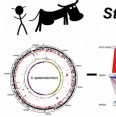
Proteomics Staph aureusGenomics and Proteomics Provide New Insight into the Commensal and Pathogenic Lifestyles of Bovine and Human-associated Staphylococcus epidermidis strains – Kirsi Savijoki – Journal of Proteome Research

“Pilot experimental infection studies indicated that while ATCC12228 was able to infect bovine host, the PM221 strain caused more severe clinical signs. “

Dengue

Demanou DengueEvidence of Dengue Virus Transmission and Factors Associated with the Presence of Anti-Dengue Virus Antibodies in Humans in Three Major Towns in Cameroon – Maurice Demanou – PLOS Neglected Tropical Diseases

“Sera were screened for anti-dengue virus IgG and IgM antibodies. Risk factors of seropositivity were tested using logistic regression methods with random effects.”

Carrasco DenguePredictive Tools for Severe Dengue Conforming to World Health Organization 2009 Criteria – Luis R. Carrasco – PLOS Neglected Tropical Diseases

“Higher risk of severe dengue (SD) was associated with female gender, lower than normal hematocrit level, abdominal distension, vomiting and fever on admission. “

Infection and host response

Screen shot 2014-07-11 at 03.35PM, Jul 11Development of Fatal Intestinal Inflammation in MyD88 Deficient Mice Co-infected with Helminth and Bacterial Enteropathogens – Libo Su – PLOS Neglected Tropical Diseases

“We found that MyD88 knockout mice co-infected with H. polygyrus and C. rodentium developed more severe intestinal inflammation and elevated mortality compared to the wild-type mice.”‘

Screen shot 2014-07-11 at 04.28PM, Jul 11Distinct Lipid A Moieties Contribute to Pathogen-Induced Site-Specific Vascular Inflammation – Connie Slocum – PLOS Pathogens

“our results point to a pivotal role for activation of the non-canonical inflammasome in P. gingivalis infection and demonstrate that P. gingivalis evades immune detection at TLR4 facilitating chronic inflammation in the vasculature. “

Dengue

Dengue vaccine lancetClinical efficacy and safety of a novel tetravalent dengue vaccine in healthy children in Asia: a phase 3, randomised, observer-masked, placebo-controlled trial – Maria Rosario Capeding – The Lancet

“Our findings show that dengue vaccine is efficacious when given as three injections at months 0, 6, and 12 to children aged 2–14 years in endemic areas in Asia, and has a good safety profile. “

Also see comment: Dengue vaccines: dawning at last? – Annelies Wilder-Smith – The Lancet

Poliovirus

Jacob John polioEffect of a single inactivated poliovirus vaccine dose on intestinal immunity against poliovirus in children previously given oral vaccine: an open-label, randomised controlled trial – Jacob John – The Lancet

“The substantial boost in intestinal immunity conferred by a supplementary dose of IPV given to children younger than 5 years who had previously received OPV shows a potential role for this vaccine in immunisation activities to accelerate eradication and prevent outbreaks of poliomyelitis.”

Also see comment: Polio endgame management: focusing on performance with or without inactivated poliovirus vaccine – Kimberly M Thompson – The Lancet

Microbes in the News

Screen shot 2014-07-11 at 04.28PM, Jul 11 1How Gross Is Your Phone? A Motherboard Science Experiment – Jason Koebler – Motherboard

“All I wanted to do was recreate a relatively simple study I had just written about. Instead, I ended up creating something vaguely dangerous, which mortified the director of a local DIY biology lab. Here’s what happens when you perform experiments on your coworkers.”

Arsenic metabolism

Screen shot 2014-07-11 at 04.29PM, Jul 11Lung tumors in mice induced by “whole-life” inorganic arsenic exposure at human-relevant doses – Michael P. Waalkes – Archives of Toxicology

“Breeder male and female CD1 mice were exposed to 0, 50, 500 or 5,000 ppb arsenic (as sodium arsenite) in the drinking water for 3 weeks prior to breeding, during pregnancy and lactation, and after weaning (at week 3) groups of male and female offspring (initial n = 40) were exposed for up to 2 years.”

Dr. Bik’s Picks

Scorpions are master architects, according to new research – Science Daily

“The burrows made by scorpions follow a very sophisticated design, beginning with a short, vertical entrance shaft that flattened out a few centimeters below the surface into a horizontal platform, new research has found.”

Beach Sand Used To Make A Battery That Lasts Three Times Longer – Douglas Main – Popular Science

“Sink your toes into this: Beach sand can be used to make lithium-ion batteries that last three times longer than current models, according to a study published in the journal Scientific Reports.”

World Now “A Safer Place”, thanks to creation of Potential Pandemic Virus – The Allium

“Yes, I get your point that they could potentially kill millions of people and hospitalise millions more, causing untold human suffering and extraordinary economic damage, but think of all the advantages to the creation of these bugs”.

[hr]

Microbiome and general science digest, July 10

Hi all, just one post today, with everything combined. Bacterial vaginosis, daily rhythms  of marine bacteria, food microbiology, and The Picks.

Human vaginal microbiome

Role of Gardnerella vaginalis in the Pathogenesis of Bacterial Vaginosis: A Conceptual Model – Jane R. Schwebke – Journal of Infectious Diseases

“Our model suggests that BV is initiated by the sexual transmission of Gardnerella vaginalis, which has the appropriate virulence factors to adhere to host epithelium, create a biofilm community, and successfully compete with lactobacilli for dominance in the vaginal environment. “

Seawater microbiome

Multispecies dielMultispecies diel transcriptional oscillations in open ocean heterotrophic bacterial assemblages – Elizabeth A. Ottesen – Science, with an Editorial by E. Virginia Armbrust: “Taking the pulse of ocean microbes

“As anticipated, the cyanobacterial transcriptome exhibited pronounced diel periodicity. Unexpectedly, several different heterotrophic bacterioplankton groups also displayed diel cycling in many of their gene transcripts. “

Screen Shot 2014-07-10 at 11.53.04 PMReview: Bacterial diversity and antibiotic resistance in water habitats: searching the links with the human microbiome – Ivone Vaz-Moreira – FEMS Microbiology Reviews

“In this review, the hypothesis that some bacteria may share different water compartments and be also hosted by humans is discussed based on the comparison of the bacterial diversity in different types of water and with the human-associated microbiome. “

Food microbiology

Cassava beerLocal domestication of lactic acid bacteria via cassava beer fermentation – Alese M. Colehour – PeerJ

“Bacteria responsible for chicha fermentation could be a source of microbes for the human microbiome, but little is known regarding the microbiology of chicha. We investigated bacterial community composition of chicha batches using Illumina high-throughput sequencing. “

LobsterCharacterization of the dominant bacterial communities during storage of Norway lobster and Norway lobster tails (Nephrops norvegicus) based on 16S rDNA analysis by PCR-DGGE – Bekaert Karen – Food Microbiology

“To characterize as many bacterial species present as possible, we performed advanced molecular identification techniques (PCR-DGGE). The initial TVC of fresh Norway lobster meat was high (3.0 log cfu/g) as compared to fish.”

charquiEffect of autochthonous bacteriocin-producing Lactococcus lactis on bacterial population dynamics and growth of halotolerant bacteria in Brazilian charqui – Vanessa Biscola – Food Microbiology

“Charqui is a fermented, salted and sun-dried meat product, widely consumed in Brazil and exported to several countries. “

Microbes in the news

Using the gut microbiome to improve health – Mary MacVean – LA Times

“The “bistable” groups, the authors wrote, represent “tipping elements,” or components of the gut microbes that “exhibit alternative stable states linked to the overall ecosystem state and our physiology.” “

Science, Ethics and Publishing

Crack Down on Scientific Fraudsters – Adam Marcus and Ivan Oransky – New York Times

“Criminal charges against scientists who commit fraud are even more uncommon. In fact, according to a study published last year, “most investigators who engage in wrongdoing, even serious wrongdoing, continue to conduct research at their institutions.””

Dr. Bik’s Picks

Microplastics in the seas – Kara Lavender Law, Richard C. Thompson – Science

“Microplastics are likely the most numerically abundant items of plastic debris in the ocean today, and quantities will inevitably increase, in part because large, single plastic items ultimately degrade into millions of microplastic pieces. “

Uncontacted tribe in Brazil emerges from isolation – Heather Pringle – Science

“The meeting was Brazil’s first official contact with an isolated Amazonian tribe in 20 years. Anthropologists remain deeply concerned about the tribe’s future as it encounters novel diseases and resource-hungry outsiders. “

Polar BearsPolar Bears from Space: Assessing Satellite Imagery as a Tool to Track Arctic Wildlife – Seth Stapleton – PLOS ONE

“We examined satellite images of a small island in Foxe Basin, Canada, occupied by a high density of bears during the summer ice-free season. Bears were distinguished from other light-colored spots by comparing images collected on different dates. “

[hr]