General microbiology and science, July 17

Detection of microbes in clinical samples, phages living in viruses, and archaea in biofilms.

Microbial detection in clinical samples

Metagenomic analysis of a sample from a patient with respiratory tract infection reveals the presence of a γ-papillomavirus – Marta Canuti – Frontiers in Microbiology

“We therefore concluded that the detected γ-papillomavirus is unlikely to be the causative agent of the respiratory complaints and its presence in the nose of the patient is not related to the disease.”

Detection of intestinal protozoa in paediatric patients with gastrointestinal symptoms by multiplex real-time PCR – L. Maas – Clinical Microbiology and Infection

“The performance of a multiplex real-time PCR for the detection of Blastocystis, Dientamoeba fragilis, Giardia lamblia, Cryptosporidium species and Entamoeba species in faecal samples was evaluated in an observational prospective study.”

Are Quantitative Bacterial Wound Cultures Useful? – George Kallstrom – Journal of Clinical Microbiology

“This minireview briefly summarizes the clinical microbiology of wound cultures, with an emphasis on the history and utility (or lack thereof) of the quantitative wound culture.”

Phages and viruses

The origins of giant viruses, virophages and their relatives in host genomes – Aris Katzourakis and Amr Aswad – BMC Biology

“These viruses, together with the transposon-related virophages that infect them, pose a number of questions about their evolutionary origins that need to be considered in the light of the complex entanglement between host, virus and virophage genomes.”

Antibiotics

Antibiotics promote aggregation within aquatic bacterial communities – Gianluca Corno – Frontiers in Microbiology

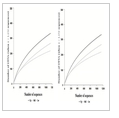
“In this study a chemostat-based experiment with 4 coexisting bacterial strains has been performed to mimicking the response of a freshwater bacterial community to the presence of antibiotics in low and high doses.”

Biofilms and Archaea

Biofilm formation of mucosa-associated methanoarchaeal strains – Corinna Bang – Frontiers in Microbiology

“Here, the ability of three methanoarchaeal strains, Methanobrevibacter smithii and Methanosphaera stadtmanae, which form part of the human gut microbiota, and the Methanosarcina mazei strain Gö1 to grow on different surfaces and form biofilms was investigated. “

Microbial ecology

Persistence in the shadow of killers – Robert M. Sinclair – Frontiers in Microbiology

“What we show is that coexistence is not only possible, but that it is possible even if the absolute fitness advantage of the sensitive strain over the killer strain is arbitrarily small. We do this by performing a specifically targeted mathematical analysis on our model, rather than via simulations.”

General microbiology

Editorial: Bioterrorism: myth or reality? – G. Greub and M. P. Grobusch – Clinical Microbiology and Infection

Dr. Bik’s Picks

Today I can only cry for the people onboard flight MH17.

[hr]


Non-human microbiome, July 17

Microbiomes of sparrows, stinkbugs, corals, grapevine, and archeological stones.

Bird microbiome

Screen Shot 2014-07-17 at 5.14.56 PMGut Bacterial Diversity of the House Sparrow (Passer domesticus) Inferred by 16S rRNA Sequence Analysis – Leticia Mirón – Metagenomics

“This study is the first description of the diversity of bacteria along the whole intestine of a wild bird (Passer domesticus). Pyrosequencing of the 16S rRNA gene unveiled a high bacterial diversity, distributed in 11 bacterial phyla. “

Insect microbiome

StinkybugsSymbiont polyphyly, co-evolution, and necessity in pentatomid stinkbugs from Costa Rica – Kalia S. I. Bistolas – Frontiers in Microbiology

“The gut microbiota of 13 micro-allopatric tropical pentatomid species, from a Costa Rican lowland rainforest, was characterized and compared with insect and host plant phylogenies.”

Coral microbiome

CoralsReview: A genomic approach to coral-dinoflagellate symbiosis: studies of Acropora digitifera and Symbiodinium minutum – Chuya Shinzato – Frontiers in Microbiology

“Here we review recent genomic data derived from the scleractinian coral, Acropora digitifera, and the endosymbiotic dinoflagellate, Symbiodinium minutum. “

Plant microbiome

Screen Shot 2014-07-17 at 5.15.23 PMPyrosequencing detects human and animal pathogenic taxa in the grapevine endosphere – Sohail Yousaf – Frontiers in Microbiology

“We used pyrosequencing and phylogenetic analyses of the 16S rDNA gene. We identified several HAPT, and focused on four genera (Propionibacterium, Staphylococcus, Clostridium, and Burkholderia). “

Built Environment microbiome

Screen Shot 2014-07-17 at 5.15.49 PM 1Biological nanosilver particles for the protection of archaeological stones against microbial colonization – Ashraf M M Essa – International Biodeterioration & Biodegradation

“The stones treated with silicon polymer loaded with AgNPs showed an elevated antimicrobial potentiality against A. niger and S. parvullus.”

Water microbiome

Screen Shot 2014-07-17 at 5.16.30 PM16S rDNA-based analysis reveals cosmopolitan occurrence but limited diversity of two cyanobacterial lineages with contrasted patterns of intracellular carbonate mineralization – Marie Ragon – Frontiers in Microbiology

“To explore the diversity of these two distant cyanobacterial lineages representing two different patterns of intracellular calcification, we designed specific primers against their 16S rRNA genes and looked for their occurrence in a wide variety of samples. “

[hr]

Human microbiome, July 17

Protozoa detection in fecal samples from children, airway microbiome, and Staphylococcus transmission between mother and child.

Oral microbiome

Oral Lihong GuoIntercellular communications in multispecies oral microbial communities – Lihong Guo – Frontiers in Microbiology

“This review will summarize the evidence that oral microbes participate in intercellular communications with co-inhabitants through cell contact-dependent physical interactions, metabolic interdependencies, as well as coordinative signaling systems to establish and maintain balanced microbial communities.”

Respiratory microbiome

Screen Shot 2014-07-17 at 4.58.37 PMAirway Microbiome Dynamics in Exacerbations of Chronic Obstructive Pulmonary Disease – Yvonne J. Huang – Journal of Clinical Microbiology

“In this study, temporal changes in the airway microbiome before, at the onset of, and after an acute exacerbation were examined in 60 sputum samples collected from subjects enrolled in a longitudinal study of bacterial infection in COPD.”

Screen Shot 2014-07-17 at 4.59.26 PMTime between Collection and Storage Significantly Influences Bacterial Sequence Composition in Sputum Samples from Cystic Fibrosis Respiratory Infections – Leah Cuthbertson – Journal of Clinical Microbiology

“Samples were treated with propidium monoazide to distinguish live from dead cells prior to DNA extraction, and 16S rRNA gene pyrosequencing was used to characterize their bacterial compositions.”

Gut microbiome

Screen Shot 2014-07-17 at 4.58.09 PMThe devil lies in the details: How variations in polysaccharide fine-structure impact the physiology and evolution of gut microbes – Eric C. Martens – Journal of Molecular Biology

“Here, we review the recent literature on this topic and posit that numerous, subtle variations in polysaccharides diversify the spectrum of available nutrient niches, each of which may be best filled by a subset of microorganisms that possess the corresponding proteins to recognize and degrade different carbohydrates”

Pregnancy and birth

Protozoa pediatricDetection of intestinal protozoa in paediatric patients with gastrointestinal symptoms by multiplex real-time PCR – L. Maas – Clinical Microbiology and Infection

“The performance of a multiplex real-time PCR for the detection of Blastocystis, Dientamoeba fragilis, Giardia lamblia, Cryptosporidium species and Entamoeba species in faecal samples was evaluated in an observational prospective study.”

Staph transmTransmission of Staphylococcus aureus between mothers and infants in an African setting – F. Schaumburg – Clinical Microbiology and Infection

“We aimed to investigate the transmission of S. aureus between mothers and their newborns during the first year after delivery in an African setting. In a longitudinal cohort study, colonization of Gabonese mother–infant pairs was assessed at delivery and after 1, 9 and 12 months.”

Commentary: Travelling within the fetal gut: simple rules for an arduous journey
Qiling Xu – BMC Microbiology

“A recent paper in BMC Biology addresses this issue with live imaging of gut explants from mouse embryos.”

[hr]

Non-human microbiome, July 15

Murine skin commensals, nematodes, Bordeaux vines, polar soil, and water.

Mice microbiome

Adaptive immunity to murine skin commensals – Wei Shen – PNAS

“Here we report, for the first time, that commensal skin bacteria are recognized by major populations of T cells in skin-draining lymph nodes of mice.”

Nematode microbiome

Screen shot 2014-07-15 at 05.21PM, Jul 15NilD CRISPR RNA contributes to Xenorhabdus nematophila colonization of symbiotic host nematodes – Jeff L. Veesenmeyer – Molecular Microbiology

“Our data demonstrate that NilD RNA is conditionally necessary for mutualistic host colonization and suggest that it functions to regulate endogenous gene expression.”

Plant microbiome

Screen shot 2014-07-15 at 05.37PM, Jul 15Characterization of Pythium oligandrum populations that colonise the rhizosphere of vines from the Bordeaux region – Jonathan Gerbore – FEMS Microbiology Ecology

“The present study focused on one oomycete, Pythium oligandrum, well-known for its plant protection abilities, which thrives in microbial environment where bacteria and fungal communities are also present. “

Environmental microbial communities  (also see Human Gut digest)

Screen shot 2014-07-15 at 05.18PM, Jul 15Conditionally Rare Taxa Disproportionately Contribute to Temporal Changes in Microbial Diversity – Ashley Shade – mBio

“Using 16S rRNA amplicon sequencing of 3,237 samples from 42 time series of microbial communities from nine different ecosystems (air; marine; lake; stream; adult human skin, tongue, and gut; infant gut; and brewery wastewater treatment), we introduce a new method to detect typically rare microbial taxa that occasionally become very abundant (conditionally rare taxa [CRT]) and then quantify their contributions to temporal shifts in community structure.”

Soil microbiome

Screen shot 2014-07-15 at 05.38PM, Jul 15Environmental drivers of soil microbial community distribution at the Koiliaris Critical Zone Observatory – Myrto Tsiknia – FEMS Microbiology Ecology

“This study investigates the distribution of archaea, bacteria and fungi as well as the dominant bacterial phyla (Acidobacteria, Actinobacteria, Bacteroidetes, Firmicutes), and classes of Proteobacteria (α- and β-Proteobacteria) across the Koiliaris watershed by qPCR and associate them with environmental variables. “

SicilianoSoil fertility is associated with fungal and bacterial richness, whereas pH is associated with community composition in polar soil microbial communities – Steven D. Siciliano – Soil Biology and Biochemistry

“We quantified richness, evenness and taxonomic composition of both fungi and bacteria in 223 Arctic and Antarctic soil samples across 8 locations to test the global applicability of hypotheses concerning edaphic drivers of soil microbial communities that have been primarily developed from studies of bacteria in temperate and tropical systems.”

TianThe effect of irrigation with oil-polluted water on microbial communities in estuarine reed rhizosphere soils – Weijun Tian – Ecological Engineering

“PCR-denaturing gradient gel electrophoresis profiles revealed that the structure of the bacterial community was generally less affected, but the dominant flora was changed.”

Metatranscriptomic analysis of Arctic peat soil microbiota – Alexander Tveit – Applied and Environmental Microbiology

“A comparative analysis of mRNA enriched and non-enriched metatranscriptomes showed that mRNA enrichment resulted in a two-fold increase in the relative abundance of mRNA, but biased the relative distribution of mRNA. “

Screen shot 2014-07-15 at 07.15PM, Jul 15Network analysis reveals that bacteria and fungi form modules that correlate independently with soil parameters – Alexandre B de Menezes – Environmental Microbiology

“Network and multivariate statistical analyses were performed to determine interactions between bacterial and fungal community T-RFLPs as well as soil properties in paired woodland and pasture sites.”

Screen shot 2014-07-15 at 07.12PM, Jul 15 1Dynamic Succession of Soil Bacterial Community during Continuous Cropping of Peanut (Arachis hypogaea L.) – Mingna Chen – PLOS ONE

“In this study, 16S rRNA gene clone library analyses were used to study the succession of soil bacterial communities under continuous peanut cultivation.”

Diversity of Bacterial Communities in a Profile of a Winter Wheat Field: Known and Unknown Members – Aurore Stroobants – Microbial Ecology

“In the present work, we have used bar-coded pyrosequencing analysis of the V3 region of the 16S rRNA gene to analyze bacterial diversity in a profile (depths 10, 25, and 45 cm) of a well-characterized field of winter wheat.”

Expression of copper-resistance genes in microbial communities under copper stress and oxic/anoxic conditions – Ludovic Besaury – Environmental Science and Pollution Research

“The abundance and expression of the copper-resistance genes cusA and copA, encoding respectively for a Resistance Cell Nodulation protein and for a P-type ATP-ase pump, was assessed along a gradient of copper concentration in microcosms prepared from Seine estuary mudflat sediment. “

Water microbiome

Screen shot 2014-07-15 at 05.40PM, Jul 15Distinct bacterial assemblages reside at different depths in Arctic multiyear sea ice – Ido Hatam – FEMS Microbiology Ecology

“Here, we determine whether bacterial communities: 1) differ with ice depth due to strong physical and chemical gradients, 2) are relatively homogenous within a layer, but differ between layers, or 3) do not vary with ice depth”

Screen shot 2014-07-15 at 05.41PM, Jul 15Microspatial gene expression patterns in the Amazon River Plume – Brandon M. Satinsky – PNAS

“The bacterial and archaeal communities associated with a phytoplankton bloom in Amazon River Plume waters at the outer continental shelf in June 2010 harbored ∼1.0 × 10¹³ genes and 4.7 × 10¹¹ transcripts per liter that mapped to several thousand microbial genomes.”

Screen shot 2014-07-15 at 05.42PM, Jul 15Synchronous dynamics and correlations between bacteria and phytoplankton in a subtropical drinking water reservoir – Lemian Liu – FEMS Microbiology Ecology

“In this study, we evaluated the correlations between bacteria and phytoplankton communities, and determined the relative contribution of phytoplankton community succession to temporal variation of BCC in a subtropical drinking water reservoir (Tingxi Reservoir, southeast China).”

Screen shot 2014-07-15 at 07.12PM, Jul 15Metabolic and phylogenetic profile of bacterial community in Guishan coastal water (Pearl River Estuary), South China Sea – Xiaojuan Hu – Journal of Ocean University of China

“In the present study, the metabolic and phylogenetic profile of the bacterioplankton community in Guishan coastal water (Pearl River Estuary), South China Sea, at 12 sites (S1-S12) were explored by community-level physiological profiling (CLPP) with BIOLOG Eco-plate and denaturing gradient gel electrophoresis (DGGE).”


Bioreactor microbiomes

Screen shot 2014-07-15 at 05.39PM, Jul 15

Shifts in the Microbial Community, Nitrifiers and Denitrifiers in the Biofilm in a Full-scale Rotating Biological Contactor – Xingxing Peng – Environmental Science & Technology

“The microbial consortia were profiled using multiple approaches, including 454 high-throughput sequencing of the V3–V4 region of 16S rRNA gene, clone libraries, and quantitative polymerase chain reaction (qPCR). “

Enzymatic characterizationEnzymatic characterization of microbial isolates from lignocellulose waste composting: Chronological evolution – Juan Antonio López-González – Journal of Environmental Management

“Ammonification (72.04%), amylolysis (35.65%), hemicellulolyis (30.75%), and proteolysis (33.61%) were the more frequent activities among isolates, with mesophilic bacteria and fungi as the prevalent microbial communities.”

[hr]

General microbiology and science, July 14

Rectal swabs instead of stool samples, faster way of finding orthologs, and intelligence in bacteria.

Bioinformatics

Screen shot 2014-07-14 at 06.24PM, Jul 14Quickly Finding Orthologs as Reciprocal Best Hits with BLAT, LAST, and UBLAST: How Much Do We Miss? – Natalie Ward, Gabriel Moreno-Hagelsieb – PLOS ONE

“Since sequence comparison can be time consuming, we decided to compare the number and quality of RBHs detected using algorithms that run in a fraction of the time as BLAST. We tested BLAT, LAST and UBLAST.”

Sampling techniques

Screen shot 2014-07-14 at 06.24PM, Jul 14ectal Swabs for Analysis of the Intestinal Microbiota – Andries E. Budding – PLOS ONE

“In this study we investigated the characteristics and applicability of rectal swabs for gut microbiota profiling in a clinical routine setting in patients presenting with various gastro-intestinal disorders. We found that rectal swabs appeared to be a convenient means of sampling the human gut microbiota.”

Screen shot 2014-07-14 at 06.25PM, Jul 14Some Are More Equal – A Comparative Study on Swab Uptake and Release of Bacterial Suspensions – Philipp Warnke – PLOS ONE

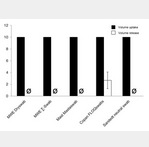
“Highest amount of CFU release was detected for the MWE Dryswab in the unrestricted setting for both S. aureus and S. epidermidis with 1544 CFU and 553 CFU, respectively, lowest release for the Sarstedt neutral swab with 32 CFU and 17 CFU, respectively (p<0.001).”

Antibiotics, resistance, biofilms

Screen shot 2014-07-14 at 06.26PM, Jul 14Beta-Lactam Antibiotics Stimulate Biofilm Formation in Non-Typeable Haemophilus influenzae by Up-Regulating Carbohydrate Metabolism – Siva Wu – PLOS ONE

“When exposed to sub-inhibitory concentrations of beta-lactam antibiotics NTHi strains produced tightly packed biofilms with decreased numbers of culturable bacteria but increased biomass.”

General microbiology

Screen shot 2014-07-14 at 12.23PM, Jul 14Macromolecular networks and intelligence in microorganisms – Hans V. Westerhoff – Frontiers in Microbiology

“Here, we explore how macromolecular networks in microbes confer intelligent characteristics, such as memory, anticipation, adaptation and reflection and we review current understanding of how network organization reflects the type of intelligence required for the environments in which they were selected.”

Screen shot 2014-07-14 at 06.26PM, Jul 14 1The syndemics of childhood diarrhoea: A biosocial perspective on efforts to combat global inequities in diarrhoea-related morbidity and mortality – Nicola Bulled – Global Public Health

“Drawing from available literature, this paper uses syndemic theory to explore the role of adverse biosocial interactions in increasing the total disease burden of enteric infections in low-resources populations and assesses the limitations of recent global calls to action.”

Bacteria in the news

Screen shot 2014-07-14 at 06.19PM, Jul 14We Are Our Bacteria – Jane E. Brody – New York Times (illustration by Ken Orvidas)

“We may think of ourselves as just human, but we’re really a mass of microorganisms housed in a human shell.”

Screen shot 2014-07-14 at 06.27PM, Jul 14#BacteriaHysteria : Gross! Lots of bacteria found on new swimsuits – Jane Weaver – Today Health

“The removable liner in women’s swimsuits that is meant to protect the fabric from our cooties isn’t really protective after all, according to a microbe researcher. “

Screen shot 2014-07-14 at 06.28PM, Jul 14Milford hospital enlists robots in war against infections – Mary MacDonald – Boston Globe

“The robots, made by Xenex Disinfection Services, use an intense flash of ultraviolet light to fight the bacteria, viruses, fungi, and other micro-organisms that traditional cleaning methods can miss, according to the hospital’s infection control staff.”

Screen shot 2014-07-14 at 06.29PM, Jul 14CDC Cracks Down on Labs After Anthrax, Bird Flu Scares – Jonel Aleccia – NBC News

“Dr. Tom Frieden, director of the Centers for Disease Control and Prevention, on Friday announced an immediate moratorium on all shipments of biological materials from CDC biosecurity level 3 and level 4 labs until problems are addressed.”

Marine Mammals

Screen shot 2014-07-14 at 06.29PM, Jul 14 1How Dolphins’ Genetics Could Help Find Answers Into Mysterious Animal Die-Off – Sascha Cordner – WFSU

“A discovery into dolphin genetics may have brought research scientists one step closer to finding out the source of a mysterious animal die-off last year in the troubled Indian River Lagoon.”

Science and publishing

Screen shot 2014-07-14 at 12.45PM, Jul 14Retractions are coming thick and fast: it’s time for publishers to act – Adam Marcus and Ivan Oransky – The Guardian

Another encouraging development is the rise of post-publication peer review, which has been made possible in recent years by the availability of papers online. Contributors to PubPeer, for example, have found signs of flawed or falsified results, leading to papers being retracted.”

Dr. Bik’s Picks

Screen shot 2014-07-14 at 06.34PM, Jul 14Whole genome and exome sequencing of monozygotic twins discordant for Crohn’s disease – Britt-Sabina Petersen – BMC Genomics

“We present a thorough genetic characterization of the sequenced individuals but detected no consistent differences within the twin pairs. “

Screen shot 2014-07-14 at 06.32PM, Jul 14How much science is there in new Planet of the Apes film? – Paul Rincon – BBC Science

“The latest instalment in the Planet of the Apes film franchise opens in the US on Friday. The rubber masks of the 60s and 70s films have been discarded in favour of motion capture suits and CGI. But how much did science inform the new movie’s portrayal of our close relatives?”

Screen shot 2014-07-14 at 06.31PM, Jul 14Domestication syndrome: White patches, baby faces and tameness explained by mild neural crest deficits – Science Daily

“Compared to their wild ancestors, domestic species are more tame, and they also tend to display a suite of other characteristic features, including floppier ears, patches of white fur, and more juvenile faces with smaller jaws.”


[hr]

Human microbiome, July 14

Ethnic variation in vaginal microbiomes, effect of chemotherapy on human milk, response of (murine) microbiota to infection.

Oral microbiome

Screen shot 2014-07-14 at 12.23PM, Jul 14Advancements toward a Systems Level Understanding of the Human Oral Microbiome – Jeffrey S. Mclean – Frontiers in Cellular and Infection Microbiology

“This review will discuss some of the recent insights into the oral microbiome at a fundamental level, existing knowledge gaps, as well as challenges that have surfaced and the approaches to address them.”

Vaginal microbiome

Screen shot 2014-07-14 at 12.24PM, Jul 14Ethnic Variations in Cervical Cytokine Concentrations and Vaginal Flora During Pregnancy – Riana Dutt – American Journal of Reproductive Immunology

“Semi-quantitative vaginal cultures and concentrations of cervical cytokines were compared between Caucasian and non-Caucasian women.”

Gut microbiome

Screen shot 2014-07-14 at 12.25PM, Jul 14A functional metabolic map of Faecalibacterium prausnitzii, a beneficial human gut microbe – Almut Heinken – Journal of Bacteriology

“In this study, we present an integrated, iterative approach of computational modeling, in vitro experiments, metabolomics and genomic analysis to accelerate the identification of metabolic capabilities for poorly characterized (anaerobic) microorganisms.”

Pregnancy and birth

Screen shot 2014-07-14 at 12.26PM, Jul 14Effect of chemotherapy on the microbiota and metabolome of human milk, a case report – Camilla Urbaniak – Microbiome

“Mature milk was collected every two weeks over a four month period from a lactating woman undergoing chemotherapy for Hodgkin’s lymphoma. Mature milk was also collected from healthy lactating women for comparison. Microbial profiles were analyzed by 16S sequencing and the metabolome by gas chromatography-mass spectrometry.”

Animal models

Clara Belzer miceDynamics of the Microbiota in Response to Host Infection – Clara Belzer – PLOS ONE

“Employing a murine model of infectious colitis with the pathogen Citrobacter rodentium, we generated a 2-month time-series of 16S rDNA gene profiles, and quantitatively cultured commensals, from multiple intestinal sites in infected and uninfected mice. “

Prune juice animal modelCarbohydrate-Free Peach (Prunus persica) and Plum (Prunus domestica) Juice Affects Fecal Microbial Ecology in an Obese Animal Model – Giuliana D. Noratto – PLOS ONE

“Fecal samples were obtained after 11 weeks of fruit or control juice administration. Real-time PCR and 454-pyrosequencing were used to evaluate changes in fecal microbiota. Over 1,500 different Operational Taxonomic Units at 97% similarity were detected in all rats.”

[hr]

General microbiome and science, July 8

Metabolic networks, CRISPR induced immunity, and influence of extraction methods and primers on microbiome analysis. Plus some smallpox in the Lost&Found, and a big citation scandal in SAGE journals.

Microbial ecology / metabolomics

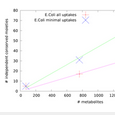
Screen Shot 2014-07-08 at 10.07.56 PMIdentifying All Moiety Conservation Laws in Genome-Scale Metabolic Networks – Andrea De Martino – PLOS ONE

“ Our method is deployed for the analysis of moiety conservation relationships in two large-scale reconstructions of the metabolism of the bacterium E. coli, in six tissue-specific human metabolic networks, and, finally, in the human reactome as a whole, revealing that bacterial metabolism could be evolutionarily designed to cover broader production spectra than human metabolism.”

Emergent

Emergent Biosynthetic Capacity in Simple Microbial Communities – Hsuan-Chao Chiu – PLOS Computational Biology

“We specifically focus on detecting emergent biosynthetic capacity – instances in which a community growing on some medium produces and secretes metabolites that are not secreted by any member species when growing in isolation on that same medium. “

DIET ArchaeaDirect Interspecies Electron Transfer between Geobacter metallireducens and Methanosarcina barkeri – Amelia-Elena Rotaru – Applied and Environmental Microbiology

“M. barkeri is the second methanogen found to accept electrons via DIET and the first methanogen known to be capable of using either H2 or electrons derived from DIET for CO2 reduction. “

Optimal defenseOptimal Defense Strategies in an Idealized Microbial Food Web under Trade-Off between Competition and Defense – Selina Våge – PLOS ONE

“ Under coexistence with a competition specialist, a balance of competitive and defensive ability of the defense strategist was found to be evolutionarily stable, whereas stronger defense was optimal under increased nutrient levels in the absence of the pure competition specialist.”

Microbial detection

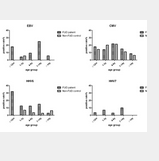
Screen Shot 2014-07-08 at 10.13.13 PMHuman Herpes Viruses Are Associated with Classic Fever of Unknown Origin (FUO) in Beijing Patients – Weimin Zhou – PLOS ONE

“HHVs are associated with Chinese patients (especially for children) with classic FUO. Our study adds perspective to the aetiological and clinical characteristics of classic FUO in beijing patients.”

Phages and viruses

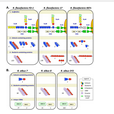
Screen Shot 2014-07-08 at 10.13.31 PMCRISPR-Induced Distributed Immunity in Microbial Populations – Lauren M. Childs – PLOS ONE

“We analyze sequence diversity of experimentally coevolving populations of Streptococcus thermophilus and their viruses where CRISPR-Cas is active, and find the rapid emergence of distributed immunity in the host population, demonstrating the importance of this emergent phenomenon in evolving microbial communities.”

Techniques

Influence of DNA Extraction Method, 16S rRNA Targeted Hypervariable Regions, and Sample Origin on Microbial Diversity Detected by 454 Pyrosequencing in Marine Chemosynthetic Ecosystems – Perrine Cruaud – Applied and Environmental Microbiology

“Thanks to statistical and diversity analyses as well as inference of operational taxonomic unit (OTU) networks, we show that (i) while DNA extraction methods do not seem to affect the results for some samples, they can lead to dramatic changes for others; and (ii) the choice of amplification and sequencing primers also considerably affects the microbial community detected in the samples.”

Dengue

Sanofi’s dengue vaccine first to complete phase 3 – Gunjan Sinha – Nature Biotechnology

“Banking on approval, Sanofi has already started production, a move some have described as a “huge gamble” in light of the vaccine’s disappointing results from earlier studies, says Mark Clark, a pharmaceuticals analyst at Deutsche Bank in London.”

Microbes in the News

Found: Forgotten Vials of Smallpox – Maryn McKenna – Wired.com (also see CDC Media Statement)

“Workers clearing out an old storage room on the Bethesda, Md. campus of the National Institutes of Health have found a forgotten box of vials that contain smallpox.”

The Bacteria That Got Spread Throughout The US By Military Testing – Esther Inglis-Arkell – IO9

“Have you ever heard of serratia marcescens bacteria? Today they are a cause of hospital infections. In the 1960s, they were secretly sprayed across Washington, San Francisco, and New York.”

Manage Your Microbes – Laura Stec – Palo Alto Online

“I’ve been researching this wonderful advance in science for Manage Your Microbes, a cook class at Belmont Library on July 29th. “

Science, Publishing, and Career

SAGE Publications busts “peer review and citation ring,” 60 papers retracted – Retraction Watch

SAGE announces the retraction of 60 articles implicated in a peer review and citation ring at the Journal of Vibration and Control (JVC). “

13 Subtle Ways Women Are Treated Differently At Work – Jenna Goudreau – Business Insider

“Both men and women hold these views but often don’t even realize it. “It’s hard to fight this,” says Rivers, but awareness is key.

Dr. Bik’s Picks

Combining colour and temperature: A blue object is more likely to be judged as warm than a red object – Hsin-Ni Ho – Nature Scientific Reports

“It is commonly believed that reddish colour induces warm feelings while bluish colour induces cold feelings. We, however, demonstrate an opposite effect when the temperature information is acquired by direct touch.”

MandarinSequencing of diverse mandarin, pummelo and orange genomes reveals complex history of admixture during citrus domestication – G Albert Wu – Nature Biotechnology

“Here we sequence and compare citrus genomes—a high-quality reference haploid clementine genome and mandarin, pummelo, sweet-orange and sour-orange genomes—and show that cultivated types derive from two progenitor species. “

[hr]

Non-human microbiome

Microbiomes of frogs, kakapo birds, and very hot water springs. And a special on Ed DeLong.

Cow microbiome

RumenRumen Cellulosomics: Divergent Fiber-Degrading Strategies Revealed by Comparative Genome-Wide Analysis of Six Ruminococcal Strains – Bareket Dassa – PLOS ONE

“Here, we have used a bioinformatics-based approach to explore the cellulosome-related components of six genomes from two of the primary fiber-degrading bacteria in the rumen”

Reptile microbiome

Occurrence, Diversity, and Host Association of Intestinal Campylobacter, Arcobacter, and Helicobacter in Reptiles – Maarten J. Gilbert – PLOS ONE

“Based on PCR, Campylobacter, Arcobacter, and Helicobacter were detected in 69.3% of the reptiles; 82.5% of the chelonians, 63.8% of the lizards, and 58.0% of the snakes were positive for one or more of these genera.”

Amphibian microbiome

Frog taggingTagging Frogs with Passive Integrated Transponders Causes Disruption of the Cutaneous Bacterial Community and Proliferation of Opportunistic Fungi – Rachael E. Antwis – Applied and Environmental Microbiology

“We find that PIT tagging causes a major disruption to the bacterial community associated with the skin of frogs (∼12-fold increase in abundance), as well as a concurrent proliferation in resident fungi (up to ∼200-fold increase).”

Bird microbiome

Influence of Hand Rearing and Bird Age on the Fecal Microbiota of the Critically Endangered Kakapo – David W. Waite – Applied and Environmental Microbiology

“Amplicon pyrosequencing revealed a juvenile fecal microbiota enriched with particular lactic acid bacteria compared to the microbiota of adults, although the overall community structure did not differ significantly among kakapos of different ages. “

Multilocus Sequence Typing Confirms Wild Birds as the Source of a Campylobacter Outbreak Associated with the Consumption of Raw Peas – Patrick S. L. Kwan – Applied and Environmental Microbiology

“Novel STs clustered closely with isolates typically associated with wild birds and the environment but distinct from lineages commonly seen in human infections. “


Sponge microbiome

SpongeIn Situ Natural Product Discovery via an Artificial Marine Sponge – James J. La Clair – PLOS ONE

“Retrieving this artificial sponge from a tropical ecosystem after deployment for 320 hours afforded three actin–targeting jasplakinolide depsipeptides that had been discovered two decades earlier using traditional sponge specimen collection and isolation procedures.”


Water microbiology

Profile of Edward DeLong – Paul Gabrielsen – PNAS

“DeLong has learned that studying a reservoir of life as large and diverse as the ocean can lead to unexpected discoveries. “We’re continually being surprised,” he says.”

Handling Temperature Bursts Reaching 464°C: Different Microbial Strategies in the Sisters Peak Hydrothermal Chimney – Mirjam Perner – Applied and Environmental Microbiology

“The SP metagenome reveals considerable differences in the taxonomic composition from those of other hydrothermal vent and subsurface samples; these could be better explained by temperature than by other available abiotic parameters. “

Methanotrophic bacteria in warm geothermal spring sediments identified using stable isotope probing – Christine E. Sharp – FEMS Microbiology Ecology

“Quantitative (q)PCR of pmoA genes identified the position of the heavy (13C-labelled) DNA fractions in density gradients, and 16S rRNA gene pyrotag sequencing of the heavy fractions was performed to identify the active methanotrophs.”

Bacterial and archaeal communities in long-term contaminated surface and subsurface soil evaluated through co-extracted RNA and DNA – Anu Mikkonen – FEMS Microbiology Ecology

“Soil RNA and DNA were co-extracted along a contamination gradient at a landfarming field with aged crude oil contamination to investigate pollution-dependent differences in 16S rRNA and rRNA gene pools”

rpoD Gene Pyrosequencing for the Assessment of Pseudomonas Diversity in a Water Sample from the Woluwe River – David Sánchez – Applied and Environmental Microbiology

“Culture-independent methods consisted of cloning and pyrosequencing of a Pseudomonas rpoD amplicon from total DNA extracted from the same sample and amplified with selective rpoD gene primers. “

Influence of DNA Extraction Method, 16S rRNA Targeted Hypervariable Regions, and Sample Origin on Microbial Diversity Detected by 454 Pyrosequencing in Marine Chemosynthetic Ecosystems – Perrine Cruaud – Applied and Environmental Microbiology

“Thanks to statistical and diversity analyses as well as inference of operational taxonomic unit (OTU) networks, we show that (i) while DNA extraction methods do not seem to affect the results for some samples, they can lead to dramatic changes for others; and (ii) the choice of amplification and sequencing primers also considerably affects the microbial community detected in the samples.”

[hr]

Human microbiome, July 8

Female urinary microbiome, stool microbiome and vaccine responses, and gut microbiome in ulcerative colitis patients.

Urinary tract

The Female Urinary Microbiome: a Comparison of Women with and without Urgency Urinary Incontinence – Meghan M. Pearce – mBio

“In this study, we used 16S rRNA gene sequencing to classify bacterial DNA and expanded quantitative urine culture (EQUC) techniques to isolate live bacteria in urine collected by using a transurethral catheter from women with UUI and, in comparison, a cohort without UUI. “

Gut microbiome

Stool Microbiota and Vaccine Responses of Infants – M. Nazmul Huda – Pediatrics

“Bifidobacterium predominance may enhance thymic development and responses to both oral and parenteral vaccines early in infancy”

Novel Gut-Based Pharmacology of Metformin in Patients with Type 2 Diabetes Mellitus – Antonella Napolitano – PLOS ONE

“Microbiota abundance of the phylum Firmicutes was positively correlated with changes in cholic acid and conjugates, while Bacteroidetes abundance was negatively correlated.”

This one was already published online in September 2013 but it came out in print this week : Commentary: Roseburia hominis: a novel guilty player in ulcerative colitis pathogenesis – Herbert Tilg – Gut

“In recent years evidence was accumulating that the gut microbiota and its manipulation might constitute one of those relevant ‘environmental’ factors. “

A decrease of the butyrate-producing species Roseburia hominis and Faecalibacterium prausnitzii defines dysbiosis in patients with ulcerative colitis – Kathleen Machiels – Gut

“The composition of the fecal microbiota of UC patients differs from that of healthy individuals: we found a reduction in R hominis and F prausnitzii, both well-known butyrate-producing bacteria of the Firmicutes phylum. “

Pregnancy and birth

Direct Evidence for the Presence of Human Milk Oligosaccharides in the Circulation of Breastfed Infants – Karen C. Goehring – PLOS ONE

“At least some ingested HMOs are absorbed intact into the circulation and excreted in the urine and their concentrations in these fluids correlate with levels of the corresponding mother’s milk”

Commentary: More than a gut feeling: predicting surgical necrotising enterocolitis – Jörn-Hendrik Weitkamp – Gut

“The paper by Sylvester et al 8 describes a new non-invasive approach of combining clinical data and selected urine peptide biomarkers to develop an algorithm to predict progression of suspected medical NEC to surgical disease. “

refers to: A novel urine peptide biomarker-based algorithm for the prognosis of necrotising enterocolitis in human infants – Karl G Sylvester – Gut

“Ensemble modelling combining clinical parameters with biomarker analysis dramatically improves our ability to identify the population at risk for developing progressive NEC.”

Animal models

Host Responses to the Pathogen Mycobacterium avium subsp. paratuberculosis and Beneficial Microbes Exhibit Host Sex Specificity – Enusha Karunasena – Applied and Environmental Microbiology

“The differences observed suggest that male and female gut tissues and microbiota respond to newly introduced microorganisms differently and that gut-associated microorganisms with host immune system responses and metabolic activity are supported by biology distinct to the host sex.”

General human microbiome

Phylogenetics and the human microbiome – Frederick A Matsen IV – Submitted to Systematic Biology

“In this paper I review the field and its methods from the perspective of a phylogeneticist, as well as describing current challenges for phylogenetics coming from this type of work.”

[hr]

Non-human microbiome, July 7

Microbiomes of buffalo’s, chickens on melatonin, and acid mine drainages.

Buffalo microbiome

Insights into resistome and stress responses genes in Bubalus bubalis rumen through metagenomic analysis – Bhaskar Reddy – Molecular Biology Reports

“We analyzed the metagenomes of buffalo rumen in the liquid and solid phase of the rumen biomaterial from river buffalo adapted to varying proportion of concentrate to green or dry roughages, using high-throughput sequencing to know the occurrence of antibiotics resistance genes, genetic exchange between bacterial population and environmental reservoirs.”

Chicken microbiome

Exogenous melatonin improves growth performance, intestinal microbiota, and morphology in temporarily feed restricted broilers – A. Akbarian – Livestock Science

“An increment in ileal Lactobacillus counts was found in MFR group compared to CON (P<0.05). No significant differences were noticed in microbial counts of cecum among treatments.”

Insect microbiome

Homeostasis between gut-associated microorganisms and the immune system in Drosophila – Hyejin You – Current Opinion in Immunology

“A deeper understanding of the role of uracil in Drosophila immunity will provide additional insight into the molecular mechanisms underlying host–microbe symbiosis and dysbiosis.”

Water and other microbiology

Inter-species interconnections in acid mine drainage microbial communities
Luis R. Comolli and Jillian F. Banfield – Frontiers in Microbiology

“Here, we present cryogenic transmission electron microscope (cryo-TEM) 2D images and 3D tomographic datasets for archaeal species from natural acid mine drainage (AMD) microbial communities. “

Biogeochemical activity of microbial biofilms in the water column overlying uranium mine tailings – V.F. Bondici – Journal of Applied Microbiology

“To describe microbial diversity, biofilm composition and biogeochemical potential within biofilms in the water overlying uranium tailings characterized by high pH, high metal concentration and low permeability.”

Rapid succession of uncultured marine bacterial and archaeal populations in a denitrifying continuous culture – Beate Kraft – Environmental Microbiology

“In this study, a heterotrophic denitrifying community from sediments of a marine intertidal flat active in nitrogen cycling was selected in a chemostat and monitored over a period of 50 days.”

[hr]