Human microbiome, July 8

Female urinary microbiome, stool microbiome and vaccine responses, and gut microbiome in ulcerative colitis patients.

Urinary tract

The Female Urinary Microbiome: a Comparison of Women with and without Urgency Urinary Incontinence – Meghan M. Pearce – mBio

“In this study, we used 16S rRNA gene sequencing to classify bacterial DNA and expanded quantitative urine culture (EQUC) techniques to isolate live bacteria in urine collected by using a transurethral catheter from women with UUI and, in comparison, a cohort without UUI. “

Gut microbiome

Stool Microbiota and Vaccine Responses of Infants – M. Nazmul Huda – Pediatrics

“Bifidobacterium predominance may enhance thymic development and responses to both oral and parenteral vaccines early in infancy”

Novel Gut-Based Pharmacology of Metformin in Patients with Type 2 Diabetes Mellitus – Antonella Napolitano – PLOS ONE

“Microbiota abundance of the phylum Firmicutes was positively correlated with changes in cholic acid and conjugates, while Bacteroidetes abundance was negatively correlated.”

This one was already published online in September 2013 but it came out in print this week : Commentary: Roseburia hominis: a novel guilty player in ulcerative colitis pathogenesis – Herbert Tilg – Gut

“In recent years evidence was accumulating that the gut microbiota and its manipulation might constitute one of those relevant ‘environmental’ factors. “

A decrease of the butyrate-producing species Roseburia hominis and Faecalibacterium prausnitzii defines dysbiosis in patients with ulcerative colitis – Kathleen Machiels – Gut

“The composition of the fecal microbiota of UC patients differs from that of healthy individuals: we found a reduction in R hominis and F prausnitzii, both well-known butyrate-producing bacteria of the Firmicutes phylum. “

Pregnancy and birth

Direct Evidence for the Presence of Human Milk Oligosaccharides in the Circulation of Breastfed Infants – Karen C. Goehring – PLOS ONE

“At least some ingested HMOs are absorbed intact into the circulation and excreted in the urine and their concentrations in these fluids correlate with levels of the corresponding mother’s milk”

Commentary: More than a gut feeling: predicting surgical necrotising enterocolitis – Jörn-Hendrik Weitkamp – Gut

“The paper by Sylvester et al 8 describes a new non-invasive approach of combining clinical data and selected urine peptide biomarkers to develop an algorithm to predict progression of suspected medical NEC to surgical disease. “

refers to: A novel urine peptide biomarker-based algorithm for the prognosis of necrotising enterocolitis in human infants – Karl G Sylvester – Gut

“Ensemble modelling combining clinical parameters with biomarker analysis dramatically improves our ability to identify the population at risk for developing progressive NEC.”

Animal models

Host Responses to the Pathogen Mycobacterium avium subsp. paratuberculosis and Beneficial Microbes Exhibit Host Sex Specificity – Enusha Karunasena – Applied and Environmental Microbiology

“The differences observed suggest that male and female gut tissues and microbiota respond to newly introduced microorganisms differently and that gut-associated microorganisms with host immune system responses and metabolic activity are supported by biology distinct to the host sex.”

General human microbiome

Phylogenetics and the human microbiome – Frederick A Matsen IV – Submitted to Systematic Biology

“In this paper I review the field and its methods from the perspective of a phylogeneticist, as well as describing current challenges for phylogenetics coming from this type of work.”

[hr]

General microbiology and science, July 7

Metagenomics binning based on co-abundance, bias in Illumina sequencing, and lots of metabolomics.

Phages and viruses

Bacteriophage-based synthetic biology for the study of infectious diseases – Robert J Citorik – Current Opinion in Microbiology

“Here, we discuss bacteriophage-based technologies and their application to the study of infectious diseases. “

Sequencing and Metagenomics

Identification and assembly of genomes and genetic elements in complex metagenomic samples without using reference genomes – H Bjørn Nielsen (and 142 other authors) – Nature Biotechnology

“Here we present a method, based on binning co-abundant genes across a series of metagenomic samples, that enables comprehensive discovery of new microbial organisms, viruses and co-inherited genetic entities and aids assembly of microbial genomes without the need for reference sequences.”

Evaluating bias of Illumina-based bacterial 16S rRNA gene profiles – Katherine Kennedy – Applied and Environmental Microbiology

“In this study, we tested the effects of template concentration, pooling of PCR amplicons, and sample preparation/inter-lane sequencing on the reproducibility associated with paired-end Illumina sequencing of bacterial 16S rRNA genes.”

Next generation sequencing technology: Advances and applications – HPJ Buermans, JT den Dunnen – Biochimica et Biophysica Acta (BBA) – Molecular Basis of Disease

“In this chapter we review the technical background of the different commercially available NGS platforms with respect to template generation and the sequencing reaction and take a small step towards what the upcoming NGS technologies will bring.”

Systems biology as an approach for deciphering microbial interactions – Puneet Kumar Singh – Briefings in Functional Genomics

“Here, we endeavor to summarize, epigrammatic description of sophisticated techniques and software that provides an enhanced understanding of metagenomics data analysis. “

Metabolomics

Stronger findings for metabolomics through Bayesian modeling of multiple peaks and compound correlations – Tommi Suvitaival – Bioinformatics

“We propose a hierarchical Bayesian model for inferring
differences between groups of samples more accurately in
metabolomic studies, where the observed compounds are collinear.”

Emergent Biosynthetic Capacity in Simple Microbial Communities – Hsuan-Chao Chiu – PLOS Computational Biology

“Here we present a comprehensive computational framework, integrating high-quality metabolic models of multiple species, temporal dynamics, and flux variability analysis, to study the metabolic capacity and dynamics of simple two-species microbial ecosystems.”

Metabolomics Analysis Identifies Intestinal Microbiota-Derived Biomarkers of Colonization Resistance in Clindamycin-Treated Mice – Robin L. P. Jump – PLOS ONE

“Clindamycin treatment caused marked changes in metabolites present in fecal specimens. Of 484 compounds analyzed, 146 (30%) exhibited a significant increase or decrease in concentration during clindamycin treatment followed by recovery to baseline that coincided with restoration of in vivo colonization resistance.”

Volatile Organic Compounds as Novel Markers for the Detection of Bacterial
Infections – Mohsen Sohrabi – Clinical Microbiology

“The possibility of using VOCs markers as one of the largest groups of bacterial metabolites would open a new frontier for developing more efficient techniques in the diagnosis of bacterial infections.”

The importance of sulfur-containing metabolites in discriminating fecal extracts between normal and type 2 diabetic mice – Alesia Walker – Journal of Proteome Research

“We demonstrate that a metabolic disorder such as T2DM affects the gastrointestinal tract environment thereby influencing different metabolic pathways and their respective metabolites in diabetic mice. “

Microarrrays

Applications of Phylogenetic Microarrays to Profiling of Human Microbiomes (PDF) -Oleg Paliy and Vijay Shankar – Book chapter

“This chapter will focus on currently available phylogenetic microarrays for the inter- rogation of human-associated microbiota, the technologies used to construct the arrays, as well as several key features that distinguish them from other approaches. “

Arsenic metabolism

Infant toenails as a biomarker of in utero arsenic exposure – Matthew A Davis – Journal of Exposure Science and Environmental Epidemiology

“In a sample of 170 mother–infant pairs from New Hampshire, we determined infant exposure to in utero arsenic by evaluating infant toenails as a biomarker using inductively coupled plasma mass spectrometry. “

Chromosomal organization

Spatial confinement is a major determinant of the folding landscape of human chromosomes – Gamze Gürsoy – Nucleic Acids Research

“Here we describe a model called constrained self-avoiding chromatin (C-SAC) for studying spatial structures of chromosomes, as the available space is a key determinant of chromosome folding. “

Bacteria in the news

The bacteria has been decimated: how much should we care what words used to mean? – By Tom Chivers – Telegraph

“Much amusement this morning on the Today programme, as John Humphrys shamefacedly confessed to having said “a bacteria” on the previous day’s episode.”

Yoghurt industry blamed for encouraging bacteria – The Daily Mash

“One day massive cow-sized bacteria will rule the world and they will kill everyone who doesn’t like special yoghurts.”

When Scientists Experiment on Themselves: H. pylori and Ulcers – By Hanno Charisius – Scientific American

“With his famous self-experiment, Marshall was able to demonstrate that Helicobacter pylori bacteria can cause acute gastritis which in turn may cause ulcers. He had asked neither an ethics commission nor his wife for permission to conduct this experiment. “

In rental cars, dangerous bacteria may come along for the ride – Jeff Rossen and Josh Davis, Today

“Armed with gloves and goggles, they swabbed every car from top to bottom: the steering wheels, gearshifts, door handles, even the GPS units.”

Bacteria that ‘eats’ odour could bring end to smelly toilets in China – Stephen Chen – South China Morning Post

“Mainland scientists have developed a “bioweapon” that can wipe out the notorious bad smell in public toilets. Up to 75 per cent of the odour can be removed, with the rest suppressed by a natural, pleasant fragrance, according to researchers with the Chinese Academy of Sciences.”

Marine Mammals

Some SeaWorld mammals survive longer in captivity – Mike Schneider – Associated Press

“Breakthroughs in training and medicine that allow the parks’ medical staffs to perform far fewer stressful or invasive procedures are partly responsible for those successes, SeaWorld officials said.”

Science and publishing

Highly cited Researchers 2014 – Thomson Reuters

“Over three thousand researchers earned the distinction by writing the greatest numbers of reports officially designated by Essential Science Indicators℠ as Highly Cited Papers—ranking among the top 1% most cited for their subject field and year of publication, earning them the mark of exceptional impact.”

Dr. Bik’s Picks

Rats use their whiskers in a similar way to how humans use their hands and fingers – Science Daily

“Rats deliberately change how they sense their environment using their facial whiskers depending on whether the environment is novel, if there is a risk of collision and whether or not they can see where they are going.”

Giraffe legs’ strong, skinny secret – Victoria Gill – BBC Science

“Scientists have worked out the anatomical secret to giraffes’ long and spindly – but strong – legs.”

Environmentalists Almost Killed My Friend – Josh Bloom – Science 2.0

“It is hysteria-producing nonsense like this that leads any non-scientist to conclude that we are systematically being poisoned every day. “

[hr]

Non-human microbiome, July 7

Microbiomes of buffalo’s, chickens on melatonin, and acid mine drainages.

Buffalo microbiome

Insights into resistome and stress responses genes in Bubalus bubalis rumen through metagenomic analysis – Bhaskar Reddy – Molecular Biology Reports

“We analyzed the metagenomes of buffalo rumen in the liquid and solid phase of the rumen biomaterial from river buffalo adapted to varying proportion of concentrate to green or dry roughages, using high-throughput sequencing to know the occurrence of antibiotics resistance genes, genetic exchange between bacterial population and environmental reservoirs.”

Chicken microbiome

Exogenous melatonin improves growth performance, intestinal microbiota, and morphology in temporarily feed restricted broilers – A. Akbarian – Livestock Science

“An increment in ileal Lactobacillus counts was found in MFR group compared to CON (P<0.05). No significant differences were noticed in microbial counts of cecum among treatments.”

Insect microbiome

Homeostasis between gut-associated microorganisms and the immune system in Drosophila – Hyejin You – Current Opinion in Immunology

“A deeper understanding of the role of uracil in Drosophila immunity will provide additional insight into the molecular mechanisms underlying host–microbe symbiosis and dysbiosis.”

Water and other microbiology

Inter-species interconnections in acid mine drainage microbial communities
Luis R. Comolli and Jillian F. Banfield – Frontiers in Microbiology

“Here, we present cryogenic transmission electron microscope (cryo-TEM) 2D images and 3D tomographic datasets for archaeal species from natural acid mine drainage (AMD) microbial communities. “

Biogeochemical activity of microbial biofilms in the water column overlying uranium mine tailings – V.F. Bondici – Journal of Applied Microbiology

“To describe microbial diversity, biofilm composition and biogeochemical potential within biofilms in the water overlying uranium tailings characterized by high pH, high metal concentration and low permeability.”

Rapid succession of uncultured marine bacterial and archaeal populations in a denitrifying continuous culture – Beate Kraft – Environmental Microbiology

“In this study, a heterotrophic denitrifying community from sediments of a marine intertidal flat active in nitrogen cycling was selected in a chemostat and monitored over a period of 50 days.”

[hr]

Human microbiome, July 7

Phages and CRISPRs in human mouth, new metagenomes from MetaHit, and vaginal microbiota.

General microbiome

Journal Nurse PractionersReview: An Overview of the Microbiome and the Effects of Antibiotics – Hillary Taggart – The Journal for Nurse Practitioners

“This review provides a basic introduction of what the microbiome is and how it plays a role in obesity, gastrointestinal, immune, and mental health, including a brief mention of implications for the pediatric population.”

Oral microbiome

Screen shot 2014-07-07 at 01.54PM, Jul 07Characterization of bacteriophage communities and CRISPR profiles from dental plaque – Mayuri Naidu (with David Pride) – BMC Microbiology

“We sampled the saliva and dental plaque from 4 healthy human subjects to determine whether plaque was populated by viral communities, and whether there were differences in viral communities specific to subject or sample type.”

Gut microbiome

Screen shot 2014-07-07 at 01.45PM, Jul 07 1An integrated catalog of reference genes in the human gut microbiome – Junhua Li – Nature Biotechnology

“Here we combined 249 newly sequenced samples of the Metagenomics of the Human Intestinal Tract (MetaHit) project with 1,018 previously sequenced samples to create a cohort from three continents that is at least threefold larger than cohorts used for previous gene catalogs. “

Screen shot 2014-07-07 at 01.45PM, Jul 07Identification and assembly of genomes and genetic elements in complex metagenomic samples without using reference genomes – H Bjørn Nielsen (and 142 other authors) – Nature Biotechnology

“Here we present a method, based on binning co-abundant genes across a series of metagenomic samples, that enables comprehensive discovery of new microbial organisms, viruses and co-inherited genetic entities and aids assembly of microbial genomes without the need for reference sequences.”

Screen shot 2014-07-07 at 01.47PM, Jul 07Commensal microbial regulation of natural killer T cells at the frontiers of the mucosal immune system – Sebastian Zeissig, Richard S. Blumberg – FEBS Letters

“Here, we outline the mechanisms of bidirectional cross-talk between the microbiota and CD1d-restricted NKT cells and discuss how a perturbation of these processes can contribute to the pathogenesis of immune-mediated disorders at mucosal surfaces.”

Screen shot 2014-07-07 at 01.48PM, Jul 07Review/Book chapter Gastrointestinal microbiota – Katherine Stephens – Advanced Nutrition and Dietetics in Gastroenterology

“This chapter summarizes the functions of the human gastrointestinal tract. A main function of the GI microbiota is modulation of the immune system. The chapter focues on the factors influencing composition of the microbiota.”

Pathogens journalPerturbation of the Human Microbiome as a Contributor to Inflammatory Bowel Disease – Bayan Missaghi – Pathogens

“This review presents an outline of the loss of a normal microbiome as an etiology of immune dysregulation and IBD pathogenesis initiation. “

Screen shot 2014-07-07 at 01.49PM, Jul 07 137 People Want to Peer Inside Your Poop…You Know, for Science – Angus Chen – Discover Magazine

“Rob Knight, a microbiologist at the University of Colorado, Boulder, and his colleagues want poop from every person in America.”

Mediterranean Diet and Health: Food Effects on Gut Microbiota and Disease Control
Federica Del Chierico – International Journal of Molecular Sciences

“For this purpose, we present a study proposal relying on the generation of individual gut microbiota maps from MD-aware children/adolescents. “

Respiratory microbiome

Screen shot 2014-07-07 at 02.02PM, Jul 07Evidence that intraspecific trait variation among nasal bacteria shapes the distribution of Staphylococcus aureus – Ben Libberton – Infection and Immunity

“We characterised S. aureus growth inhibition by the culturable bacterial aerobe consortia of 60 nasal microbiomes, revealing intraspecific variation in growth inhibition and that inhibitory isolates clustered within communities that were culture-negative for S. aureus. “

Vaginal microbiome

Screen shot 2014-07-07 at 01.53PM, Jul 07Characterization of the vaginal microbiota of healthy Canadian women through the menstrual cycle – Bonnie Chaban – Microbiome

“Polymerase chain reaction (PCR) was performed to amplify the universal target region of the cpn60 gene and generate amplicons representative of the microbial community. Amplicons were pyrosequenced, assembled into operational taxonomic units, and analyzed. “

Pregnancy

The effects of designation and volume of neonatal care on mortality and morbidity outcomes of very preterm infants in England: retrospective population-based cohort study – SI Watson – BMJ Open

“High-volume neonatal care provided at the hospital of birth may protect against in-hospital mortality in very preterm infants. “

Understanding the Complexity of the Immune System during Pregnancy – Karen Racicot – American Journal of Reproductive Immunology

“In this review, we discuss our present understanding of the ‘immunity of pregnancy’ in the context of the response to cervical and placental infections and how these responses affect both the mother and the fetus.”


Animal models of human microbiota or disease

Screen Shot 2014-07-07 at 11.00.33 PMGalacto‐oligosaccharides attenuate renal injury with microbiota modification – Satoshi U. Furuse – Physiological Reports

“The microbiota analysis indicated that GOS significantly increased three bacterial families and decreased five families in the Nx rats. “

[hr]

General digest, July 3

CRISPRs, the yearly NAR Web Server issue, dengue, arsenic, and The Picks.

CRISPRs

Screen shot 2014-07-03 at 03.59PM, Jul 03 1Detection and characterization of spacer integration intermediates in type I-E CRISPR–Cas system – Zihni Arslan – Nucleic Acids Research

“We identified and characterized in Escherichia coli intermediate states of spacer integration and mapped the integration site at the chromosomal CRISPR array in vivo. “

Bioinformatics

Screen shot 2014-07-03 at 03.59PM, Jul 03Nucleic Acids Research published their yearly Web Server issue. The names of some tools alone are very entertaining (CHOPCHOP, Coffee, COGNAC, just to lists some C’s), but here are some resources that sound interesting:

Alignment-Annotator web server: rendering and annotating sequence alignments
Christoph Gille

Spaced words and kmacs: fast alignment-free sequence comparison based on inexact word matches – Sebastian Horwege

EvoCor: a platform for predicting functionally related genes using phylogenetic and expression profiles – W. James Dittmar

CFM-ID: a web server for annotation, spectrum prediction and metabolite identification from tandem mass spectra – Felicity Allen

PIQMIe: a web server for semi-quantitative proteomics data management and analysis – Arnold Kuzniar

PTHGRN: unraveling post-translational hierarchical gene regulatory networks using PPI, ChIP-seq and gene expression data – Daogang Guan

BioMet Toolbox 2.0: genome-wide analysis of metabolism and omics data – Manuel Garcia-Albornoz

deepTools: a flexible platform for exploring deep-sequencing data – Fidel Ramírez

PrecisePrimer: an easy-to-use web server for designing PCR primers for DNA library cloning and DNA shuffling – Cyrille Pauthenier

PubServer: literature searches by homology – Lukasz Jaroszewski

Arsenic metabolism

Arsenic color toolSediment color tool for targeting arsenic-safe aquifers for the installation of shallow drinking water tubewells – Mohammed Hossain – Science of the Total Environment

“Laboratory analysis of 521 groundwater samples collected from 144 wells during 2009 to 2011 indicate that As concentrations in groundwater were generally higher in the black colored sediments with an average of 239 μg/L.”

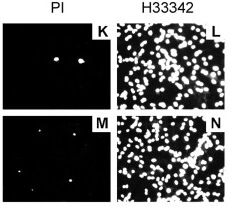
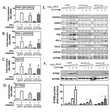
Screen shot 2014-07-03 at 03.55PM, Jul 03Arsenite stimulates glutathione export and glycolytic flux in viable primary rat brain astrocytes – Nimesha Tadepalle – Neurochemistry International

“The strong stimulation of GSH export by arsenite was prevented by MK571, an inhibitor of the multidrug resistance protein 1, suggesting that this transporter mediates the accelerated GSH export.”

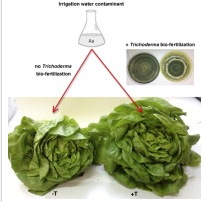
Screen shot 2014-07-03 at 03.55PM, Jul 03 1Trichoderma spp. alleviate phytotoxicity in lettuce plants (Lactuca sativa L.) irrigated with arsenic-contaminated water – Antonio G. Caporale – Journal of Plant Physiology

“Plant Growth-Promoting Fungi (PGPF) of both Trichoderma species alleviated, at least in part, the phytotoxicity of As, essentially by decreasing its accumulation in the tissues and enhancing plant growth, P status and net photosynthesis rate.”

Dengue

Kwissa DengueDengue Virus Infection Induces Expansion of a CD14+CD16+ Monocyte Population that Stimulates Plasmablast Differentiation – Marcin Kwissa – Cell Host & Microbe

“Transcriptomic analysis of whole blood revealed that genes encoding proinflammatory mediators and type I interferon-related proteins were associated with high DENV levels during initial symptomatic disease. “

dengue bidetG3BP1, G3BP2 and CAPRIN1 Are Required for Translation of Interferon Stimulated mRNAs and Are Targeted by a Dengue Virus Non-coding RNA – Katell Bidet – PLOS Pathogens

“We examined three conserved host RNA-binding proteins (RBPs) G3BP1, G3BP2 and CAPRIN1 in dengue virus (DENV-2) infection and found them to be novel regulators of the interferon (IFN) response against DENV-2. “

Dengue Virus Persists in Stored Platelets and Red Blood Cells – Michael R. Sutherland – Transfusion Medicine Reviews

“…we investigated the persistence of DENV (serotypes 1-4) in stored platelet (PC) and red blood cell concentrates (RCC) under standard blood bank conditions. “

2013: Rise of the deadly dengue fever in Pakistan – Anum Wasim – Journal of Infection and Public Health

“Last year saw more than 17000 dengue cases being reported from all over the country, the highest number ever in the country’s history.”

Women in Science 

Gender: Perception differences – Nature

“Female leaders underrate how their bosses and colleagues perceive their performance, find US researchers”

Screen shot 2014-07-03 at 03.57PM, Jul 03Leader self-awareness: An examination and implications of women’s under-prediction –
Rachel E. Sturm – Journal of Organizational Behavior

“…women under-predict their bosses’ ratings of their leadership compared with men, even though they self-rate the same and are rated by their bosses similarly to men”


10 Words Every Girl Should Learn – Soraya Chemaly – Huffington Post

Yes! This! “A woman, speaking clearly and out loud, can say something that no one appears to hear, only to have a man repeat it minutes, maybe seconds later, to accolades and group discussion.”

Science, Publishing, and Ethics

Science Editorial: Raising the bar – Marcia McNutt – Science

“For that reason, with much help from the American Statistical Association, Science has established, effective 1 July 2014, a Statistical Board of Reviewing Editors (SBoRE), consisting of experts in various aspects of statistics and data analysis, to provide better oversight of the interpretation of observational data.”

Science ethics: Young scientists speak – Shelly Benjaminy – Science

“What is the most challenging ethical question facing young investigators in your field? How should it be addressed? In April, we asked young scientists to tell us their thoughts.“

Science and Art

Screen shot 2014-07-03 at 03.57PM, Jul 03 1Can You Guess What These Cute Pink Tiles Are Made Of? – Francie Diep – Popular Science

“These images are from research into new techniques for medical diagnoses and biometrics.”

Dr. Bik’s Picks

Screen shot 2014-07-03 at 03.51PM, Jul 03Multiple evidence strands suggest that there may be as few as 19 000 human protein-coding genes – Iakes Ezkurdia – Human Molecular Genetics

“Here, we mapped peptides detected in seven large-scale proteomics studies to almost 60% of the protein-coding genes in the GENCODE annotation of the human genome. “

Screen shot 2014-07-03 at 03.50PM, Jul 03With Help From Extinct Humans, Tibetans Adapted To High Altitude – Rae Ellen Bichell – NPR

“According to Nielsen and a bunch of geneticists writing in the journal Nature, the Tibetans appear to have benefited from a genetic gift from the Denisovans, an extinct human ancestor known primarily from a little girl’s tooth and pinkie bone.”

Screen shot 2014-07-03 at 03.49PM, Jul 03NSF to decide all future grant proposals by penalty shoot-out – The Allium

“We feel that this will be a much less random way of giving out funding”, said Dr. France Cordóva, Director of the NSF.”

[hr]

Non-human microbiome digest, July 3

Parasites, effect of antibiotics in pigs, microbiome of birds, Drosophila, microbiome of plant crops, Hawai’i waters, and bacteria to preserve stone monuments.

Parasites and microbiome

Cooperation and conflict in host manipulation: interactions among macro-parasites and micro-organisms – Frank Cézilly – Frontiers in Microbiology

“Here, we review the empirical evidence in favor of the existence of synergistic or antagonistic interactions between co-occurring parasites, and highlight the neglected role of micro-organisms. “

holobiontHolobiont–Holobiont Interactions: Redefining Host–Parasite Interactions – Nolwenn Marie Dheilly – PLOS Pathogens

“It has been established in different model species that immune system maturation requires the presence of mutualistic bacteria”

Marine mammal microbiome

Screen shot 2014-07-03 at 04.24PM, Jul 03Intestinal helminth fauna of striped dolphins (Stenella coeruleoalba) in the western Mediterranean: No effects of host body length, age and sex – Paula Mateu – Marine Mammal Science

“The intestine of 52 (28 males and 24 females) striped dolphins (Stenella coeruleoalba) from western Mediterranean waters was examined for helminths. Animals were found stranded along the Spanish coasts during the morbillivirus epizootic in 1990.”

Pig microbiome

Screen shot 2014-07-03 at 03.17PM, Jul 03Carbadox has both temporary and lasting effects on the swine gut microbiota – Torey Looft – Frontiers in Microbiology

“Carbadox is an in-feed antibiotic that is widely used in swine production to prevent dysentery and to improve feed efficiency. The goal of this study was to characterize the effects of carbadox and its withdrawal on the swine gut microbiota. ”

Screen shot 2014-07-03 at 03.18PM, Jul 03Learning from agriculture: understanding low-dose antimicrobials as drivers of resistome expansion – Yaqi You – Frontiers in Microbiology

“Unconfined storage or land deposition of a large volume of animal waste causes its wide contact with the environment and drives the expansion of the environmental resistome through mobilome facilitated horizontal genet (sic, EB) transfer. “

Bird microbiome

Screen shot 2014-07-03 at 03.18PM, Jul 03Interspecific variations in the faecal microbiota of Procellariiform seabirds – Meagan L. Dewar – FEMS Microbiology Ecology

“Examining the faecal microbiota of three Procellariiform species (short-tailed shearwater, common diving petrel and fairy prion) provided a unique opportunity to not only characterise the gastrointestinal (GI) microbial composition of seabirds but to also examine the influence of stomach oils on the microbial community.”

Insect microbiome

Drosophila modelTransient adult microbiota, gut homeostasis and longevity: Novel insights from the Drosophila model – Berra Erkosar, Francois Leulier – FEBS Letters

“In the last decade, Drosophila has emerged as a useful model to study host–microbiota interactions, creating an active research field with prolific publications.”

Plant microbiome

Screen shot 2014-07-03 at 03.21PM, Jul 03Building the crops of tomorrow: advantages of symbiont-based approaches to improving abiotic stress tolerance – Devin Coleman-Derr – Frontiers in Microbiology

“In recent years, studies have attempted to identify microbial symbionts capable of conferring the same stress-tolerance to their plant hosts, and new developments in genomic technologies have greatly facilitated such research. “

Screen shot 2014-07-03 at 03.21PM, Jul 03Convergence in mycorrhizal fungal communities due to drought, plant competition, parasitism, and susceptibility to herbivory: consequences for fungi and host plants – Catherine A. Gehring – Frontiers in Microbiology

“We found that drought and all three of the biotic interactions studied resulted in similar shifts in ectomycorrhizal fungal community composition, demonstrating a convergence of the community towards dominance by a few closely related fungal taxa.”

Screen shot 2014-07-03 at 03.22PM, Jul 03Nitrogen-fixing Rhizobium-legume symbiosis: are polyploidy and host peptide-governed symbiont differentiation general principles of endosymbiosis? – Gergely Maróti- Frontiers in Microbiology

“This review focuses on symbiotic plant cell development and terminal bacteroid differentiation and demonstrates the crucial roles of symbiotic peptides”

Screen shot 2014-07-03 at 03.22PM, Jul 03Disparate origins of Bradyrhizobium symbionts for invasive populations of Cytisus scoparius (Leguminosae) in North America – Kevin Horn – FEMS Microbiology Ecology

“To identify the geographic origin of nodule bacteria associated with invasion of the European legume Cytisus scoparius in the United States, isolates from 15 sites in six states were compared to > 200 Bradyrhizobium strains from indigenous legumes in the U.S., Mexico, Europe (six countries), Morocco, and Australia. “

Food microbiology

Screen shot 2014-07-03 at 03.24PM, Jul 03Weissella confusa: problems with identification of an opportunistic pathogen that has been found in fermented foods and proposed as a probiotic – Marilynn R. Fairfax – Frontiers in Microbiology

“Weissella confusa is found in fermented foods and has been suggested as a probiotic, but also causes sepsis and other serious infections in humans and animals.”

Stone microbiology

Screen shot 2014-07-03 at 03.24PM, Jul 03 1Application of calcifying bacteria for remediation of stones and cultural heritages – Navdeep Kaur Dhami – Frontiers in Microbiology

“The present review emphasizes about different causative agents leading to deterioration and application of microbially induced calcium carbonate precipitation as a novel and potential technology for dealing with these problems. “

Soil microbiology

Screen shot 2014-07-03 at 03.25PM, Jul 03Volatile-mediated interactions between phylogenetically different soil bacteria
Paolina Garbeva – Frontiers in Microbiology

“Here we report that volatile compounds emitted by different soil bacteria can affect the growth, antibiotic production and gene expression of the soil bacterium Pseudomonas fluorescens Pf0–1. “

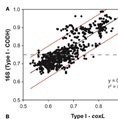
Screen shot 2014-07-03 at 03.27PM, Jul 03Land-use influences the distribution and activity of high affinity CO-oxidizing bacteria associated to type I-coxL genotype in soil – Liliana Quiza – Frontiers in Microbiology

“The main objective of this study was to assess the impact of land-use and soil properties on coxL gene diversity and identify molecular indicators for the soil uptake of atmospheric CO.”

Screen shot 2014-07-03 at 03.26PM, Jul 03Abundance and community structure of ammonia-oxidizing Archaea and Bacteria in response to fertilization and mowing in a temperate steppe in Inner Mongolia
Yong-Liang Chen – FEMS Microbiology Ecology

“… we investigated the effects of nitrogen (N) and phosphorus (P) fertilization and mowing on the abundance and community compositions of ammonia-oxidizing Bacteria (AOB) and Archaea (AOA) upon early (May) and peak (August) plant growth using quantitative PCR (qPCR), terminal-restriction fragment length polymorphism (T-RFLP), cloning and sequencing. “

Water microbiology

Screen shot 2014-07-03 at 03.27PM, Jul 03Biogeography of planktonic and benthic cyanobacteria in coastal waters of the Big Island, Hawai’i – Samuel D. Chamberlain – FEMS Microbiology Ecology

“To understand the patterns of cyanobacterial biogeography in relation to coastal environmental factors, we examined the diversity of planktonic and benthic cyanobacteria at 12 sites along the west coast of Hawaii’s Big Island.”

Screen shot 2014-07-03 at 03.29PM, Jul 03Rhizosphere heterogeneity shapes abundance and activity of sulfur-oxidizing bacteria in vegetated salt marsh sediments – François Thomas – Frontiers in Microbiology

“We combined next-generation amplicon sequencing of 16S rDNA and rRNA libraries with phylogenetic analyses of marker genes for two S-oxidation pathways (soxB and rdsrAB). Gene and transcript numbers of soxB and rdsrAB phylotypes were quantified simultaneously, using newly designed (RT)-qPCR assays.”

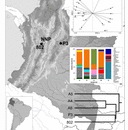
Screen shot 2014-07-03 at 03.28PM, Jul 03Neotropical Andes hot springs harbor diverse and distinct planktonic microbial communities – Luisa Delgado-Serrano – FEMS Microbiology Ecology

“In this study, we describe and compare the planktonic microbial communities present in five high-mountain hot springs with distinct geochemical characteristics, at varying altitudes and geographical locations in the Colombian Andes. “

Screen shot 2014-07-03 at 03.29PM, Jul 03Occurrence and activity of anammox bacteria in surface sediments of the southern North Sea – Nicole J. Bale – FEMS Microbiology Ecology

“The presence of anammox bacteria was established through the detection of specific phosphocholine-monoether ladderane lipids, 16S rRNA gene, and hydrazine synthase (hzsA) genes. “

Screen shot 2014-07-03 at 03.29PM, Jul 03 1Bacterial community structure and dissolved organic matter in repeatedly flooded subsurface karst water pools – Tanja Shabarova – FEMS Microbiology Ecology

“Bacterial diversity, community assembly, and the composition of the dissolved organic matter (DOM) were studied in three temporary subsurface karst pools with different flooding regimes.”

Screen shot 2014-07-03 at 03.30PM, Jul 03Abundance, diversity and seasonal dynamics of predatory bacteria in aquaculture zero discharge systems – Prem P. Kandel – FEMS Microbiology Ecology

“The dynamics of populations belonging to the obligate predators Bdellovibrio and like organisms (BALOs) were analyzed in freshwater and saline ZDS over a 7-month period using QPCR targeting the Bdellovibrionaceae, and the Bacteriovorax and Bacteriolyticum genera in the Bacteriovoracaeae”

[hr]

Human microbiome digest, July 3

Short chain fatty acids and gut microbiota, microbial eukaryotes in the human gut, Pseudomonas in stool, and a smelly Anaerococcus isolated from arm pits.

Gut microbiome

Fernandes ObeseAdiposity, gut microbiota and faecal short chain fatty acids are linked in adult humans – J Fernandes – Nutrition & Diabetes

“Our objectives were to compare dietary intakes, faecal SCFA concentrations and gut microbial profiles in healthy lean (LN, BMIless than or equal to25) and overweight or obese (OWOB, BMI>25) participants.”

Ellagic Acid Metabolism by Human Gut Microbiota: Consistent Observation of Three Urolithin Phenotypes in Intervention Trials, Independent of Food Source, Age, and Health Status – Francisco A. Tomás-Barberán – Journal of Agricultural and Food Chemistry

“Interestingly, a higher percentage of phenotype B was observed in those volunteers with chronic illness (metabolic syndrome or colorectal cancer) associated with gut microbial imbalance (dysbiosis).”

Screen shot 2014-07-03 at 03.04PM, Jul 03Communities of microbial eukaryotes in the mammalian gut within the context of environmental eukaryotic diversity – Laura Wegener Parfrey – Frontiers in Microbiology

“We curated the SILVA ribosomal database to reflect current knowledge of eukaryotic taxonomy and employ it as a phylogenetic framework to compare eukaryotic diversity across environment. We show that adults from the non-western population harbor a diverse community of protists, and diversity in the human gut is comparable to that in other mammals.”

Screen shot 2014-07-03 at 03.04PM, Jul 03Faecal carriage of Pseudomonas aeruginosa in healthy humans: antimicrobial susceptibility and global genetic lineages – Vanesa Estepa – FEMS Microbiology Ecology

“The aim of this study was to analyse the Pseudomonas aeruginosa faecal carriage rate in 98 healthy humans and to perform the phenotypic and genotypic characterization of recovered isolates. The genetic relatedness among the isolates was analysed by pulsed-field gel electrophoresis and multilocus sequence typing that was compared with worldwide epidemic clones. “

helminth infectHelminth Infections, Type-2 Immune Response, and Metabolic Syndrome – Aprilianto E. Wiria – PLOS Pathogens

“Are Helminth Infections Associated with Metabolic Syndrome?”

Skin microbiome

Screen shot 2014-07-03 at 03.02PM, Jul 03A newly discovered Anaerococcus strain responsible for axillary odor and a new axillary odor inhibitor, pentagalloyl glucose – Takayoshi Fujii – FEMS Microbiology Ecology

“We aimed to investigate anaerobic bacteria that had not been previously studied for axillary odor formation. A new anaerobic Anaerococcus sp. A20, that releases 3-hydroxy-3-metyl-hexanoic acid (HMHA, main component of axillary odor) from its glutamyl conjugate, was discovered from axillary isolates. “

[hr]

Human and other microbiomes, July 2

Fungi in the mouth, microbiome in celiac disease, viruses in bats, fecal microbiota of penguins, and bacteria in water and concrete.

Human oral microbiome

Screen Shot 2014-07-02 at 10.35.22 PMMolecular Analysis of Fungal Populations in Patients with Oral Candidiasis Using Internal Transcribed Spacer Region – Shinsuke Ieda – PLOS ONE

“In this study we examined the fungal flora in patients with oral candidiasis and investigated changes in the flora after antifungal treatment using length heterogeneity-polymerization chain reaction (LH-PCR) analysis of ITS regions.”

Human respiratory microbiome

Screen Shot 2014-07-02 at 10.35.47 PMLetter: No Clinical Association of Live Attenuated Influenza Virus with Nasal Carriage of Bacteria or Acute Otitis Media – Kathleen L. Coelingh, Robert B. Belshe – mBio

“We write this note to clarify the article “Live Attenuated Influenza Vaccine Enhances Colonization of Streptococcus pneumoniae and Staphylococcus aureus in Mice” by Mina et al. (1) in order that patients or clinicians not misinterpret the study’s clinical relevance.”

Human gut microbiome

Review: Screen Shot 2014-07-02 at 10.16.45 PMIntestinal Microbiota and Probiotics in Celiac Disease – Luís Fernando de Sousa Moraes – Clinical Microbiology Reviews

“This review aims to discuss the characteristics of the microbiota in CD subjects and the use of probiotics as a novel therapy for CD. “

Bat microbiome

Screen Shot 2014-07-02 at 10.36.24 PMBat Distribution Size or Shape as Determinant of Viral Richness in African Bats – Gaël D. Maganga – PLOS ONE

“We investigated the determinants of viral richness in 15 species of African bats (8 Pteropodidae and 7 microchiroptera) in Central and West Africa for which we provide new information on virus infection and bat phylogeny. “

Bird microbiome

Screen Shot 2014-07-02 at 10.36.58 PMInfluence of Fasting during Moult on the Faecal Microbiota of Penguins – Meagan L. Dewar – PLOS ONE

“Therefore, the present study aimed to examine the microbial composition and diversity of the GI microbiota of fasting little (Eudyptula minor) and king penguins (Aptenodytes patagonicus) penguins during early and late moult.”

Invertebrate microbiome

Screen Shot 2014-07-02 at 10.37.27 PMBacterial Community Composition in the Gut Content and Ambient Sediment of Sea Cucumber Apostichopus japonicus Revealed by 16S rRNA Gene Pyrosequencing – Fei Gao – PLOS ONE

“The composition of the bacterial communities in the contents of the foregut and hindgut of the sea cucumber Apostichopus japonicus and in the ambient surface sediment was surveyed by 16S rRNA gene 454-pyrosequencing. “

Plant microbiome

Screen Shot 2014-07-02 at 10.37.55 PMSelecting Microbial Strains from Pine Tree Resin: Biotechnological Applications from a Terpene World – Cristina Vilanova – PLOS ONE

“The taxonomic and functional diversity of the cultivated, resin-tolerant fraction of the whole microbiota were unveiled by high-throughput sequencing, which resulted in the detection of more than 40 bacterial genera among the terpene-degrading microorganisms, and a range of genes involved in the degradation of different terpene families.”

Water and concrete microbiology

Screen Shot 2014-07-02 at 10.38.23 PMCoupling Genetic and Chemical Microbiome Profiling Reveals Heterogeneity of Archaeome and Bacteriome in Subsurface Biofilms That Are Dominated by the Same Archaeal Species – Alexander J. Probst – PLOS ONE

“Here, we investigated the microbiome relatedness of subsurface biofilms of two sulfidic springs in southeast Germany that have similar physical and chemical parameters and are fed by one deep groundwater current.”

Screen Shot 2014-07-02 at 10.38.41 PMMicrobial Quality and Phylogenetic Diversity of Fresh Rainwater and Tropical Freshwater Reservoir – Rajni Kaushik – PLOS ONE

“The taxonomic richness and phylogenetic relationship of the freshwater reservoir with those of the fresh rainwater were also assessed using 16 S rRNA gene clone library construction. “

Screen Shot 2014-07-02 at 10.29.38 PMBacteria and concrete-a love-hate relationship – Embriette Hyde

“Sometimes bacteria appear to harm concrete, sometimes they appear to help it.”

[hr]

General microbiology and science digest, July 2

Genome assembly, metabolomics of Salmonella infection, a brief history of women in science (but in Nature!), and Nature’s retraction of the STAP papers.

Metagenomics

Screen Shot 2014-07-02 at 10.13.28 PMBayesian Genome Assembly and Assessment by Markov Chain Monte Carlo Sampling – Mark Howison – PLOS ONE

“We present a Markov chain Monte Carlo approach to sequence assembly that instead generates distributions of assembly hypotheses with posterior probabilities, providing an explicit statistical framework for evaluating alternative hypotheses and assessing assembly uncertainty. “

Infection and host response

Screen Shot 2014-07-02 at 10.14.12 PMSalmonella Typhi and Salmonella Paratyphi – A elaborate distinct systemic metabolite signatures during enteric fever – Elin Näsström – eLife

“To investigate metabolite signals associated with enteric fever we performed two dimensional gas chromatography with time-of-flight mass spectrometry (GCxGC/TOFMS) on plasma from patients with S. Typhi and S. Paratyphi A infections and asymptomatic controls, identifying 695 individual metabolite peaks.”

and: Host-pathogen interactions: Honing in on enteric fever – Lyle R McKinnon, Quarraisha Abdool Karim – eLife

“The use of metabolomics could lead to improved diagnostics for enteric fever. “

Screen Shot 2014-07-02 at 10.14.58 PMHuman Genetic Variation and Yellow Fever Mortality during 19th Century U.S. Epidemics – Lauren E Blake, Mariano A Garcia-Blanco – mBio

“Caucasians diagnosed with YF were 6.8 times more likely to succumb than non-Caucasians with the disease. No other major causes of death during the 19th century demonstrated a similar mortality skew toward Caucasians. “

Bacterial and viral detection in clinical samples

Screen Shot 2014-07-02 at 10.15.58 PMThe Microbial Detection Array for Detection of Emerging Viruses in Clinical Samples – A Useful Panmicrobial Diagnostic Tool – Maiken W. Rosenstierne – PLOS ONE

“We report a modified Whole Transcriptome Amplification (WTA) method that increases unbiased amplification, particular of RNA viruses.”

The Sooner, The Better – Nicholette Zeliadt – The Scientist

“New approaches to diagnosing bacterial infections may one day allow the identification of pathogens and their antibiotic susceptibility in a matter of hours or minutes.”

Screen Shot 2014-07-02 at 10.16.45 PMReview: Biosensors for Whole-Cell Bacterial Detection – Asif Ahmed – Clinical Microbiology Reviews

” In this review, we discuss recent progress in the use of biosensors for the detection of whole bacterial cells for sensitive and earlier identification of bacteria without the need for sample processing.”

Screen Shot 2014-07-02 at 10.17.23 PMIsolation of Microorganisms Using Sub-Micrometer Constrictions – Nil Tandogan – PLOS ONE

“We present an automated method for isolating pure bacterial cultures from samples containing multiple species that exploits the cell’s own physiology to perform the separation.”

Phages and viruses

Screen Shot 2014-07-02 at 10.18.17 PMFour Escherichia coli O157:H7 Phages: A New Bacteriophage Genus and Taxonomic Classification of T1-Like Phages – Yan D. Niu – PLOS ONE

“Comparative genomic, proteomic and phylogenetic analysis suggested that the four phages along with 17 T1-like phage genomes from database of National Center for Biotechnology Information (NCBI) can be assigned into a proposed subfamily “Tunavirinae” with further classification into five genera”

Dengue

Screen Shot 2014-07-02 at 10.18.45 PMClinical and Virological Descriptive Study in the 2011 Outbreak of Dengue in the Amazonas, Brazil – Valquiria do Carmo Alves Martins – PLOS ONE

“The aim of the study was to describe the clinical epidemiology of dengue in Manaus, the capital city of the state of the Amazonas, where all the four DENV serotypes were co-circulating simultaneously.”

Phylogeny and taxonomy

Screen Shot 2014-07-02 at 10.12.14 PMComparative Genomics of the Bacterial Genus Streptococcus Illuminates Evolutionary Implications of Species Groups – Xiao-Yang Gao – PLOS ONE

“We use comparative genomic approaches to yield a better understanding of the evolution of Streptococcus through genome dynamics, population structure, phylogenies and virulence factor distribution of species groups. “

Screen Shot 2014-07-02 at 10.12.46 PMLivestock-Associated MRSA Carriage in Patients without Direct Contact with Livestock – Miranda M. L. van Rijen – PLOS ONE

“Fifty-six individuals (20.7%) without animal contact carried MC398. In hospitals with high pig-densities in the adherence area, the proportion of MC398 of all MUO was higher than this proportion in hospitals without pigs in the surroundings.”

 Arsenic metabolism

Screen Shot 2014-07-02 at 10.02.56 PMMichigan’s arsenic problem is among the worst in the nation. Here’s why that matters – Rebecca Williams – Michigan Radio

“If you’re on city water, your drinking water has to comply with a federal regulation that limits the amount of arsenic in it, but if you’re on a private well, the federal and state governments do not limit the amount of arsenic in your well.”

Women in Science

Screen Shot 2014-07-02 at 9.59.45 PMWomen in science: A temporary liberation – Patricia Fara – Nature

“The First World War ushered women into laboratories and factories. In Britain, it may have won them the vote, argues Patricia Fara, but not the battle for equality.”

Science and Ethics

Nature Editorial: STAP retracted – Nature

“This week, Nature publishes retractions of two high-profile papers that claimed a major advance in the field of stem cells… We — research funders, research practitioners, institutions and journals — need to put quality assurance and laboratory professionalism ever higher on our agendas, to ensure that the money entrusted by governments is not squandered, and that citizens’ trust in science is not betrayed.”

Dr. Bik’s Picks

Screen Shot 2014-07-02 at 10.11.31 PMPLOS ONE Publishes its 100,000th Article – Damian Pattinson – PLOS Blogs

“PLOS ONE publishes its 100,000th article – a pretty major milestone for a journal that has seen its fair share of momentous events, and a perfect opportunity to reflect on this journey.”

Screen Shot 2014-07-02 at 10.08.37 PMLeprosy, Still Claiming Victims – Natalie Angier, New York Times

““I’m absolutely convinced that leprosy must be thought of as a genetic disease as well as an infectious one,” Dr. Schurr said. In the end, he added wryly, “understanding it may help cure diseases of rich people, too.””

[hr]

General microbiome digest, July 1

Diet and gut microbiome (again), Campylobacter in chicken is not a commensal, microbiomes of fish, insects, corals, plant, and hospitals, and women in science.

Human gut microbiome

Screen shot 2014-07-01 at 06.07PM, Jul 01Correlation network analysis reveals relationships between diet-induced changes in human gut microbiota and metabolic health – T Kelder – Nutrition & Diabetes

“We assessed fecal microbiota composition and host response patterns of metabolic and inflammatory markers in 10 apparently healthy men subjected to a high-fat high-caloric diet (HFHC, 1300 kcal/day extra) for 4 weeks. “

Pregnancy and birth

Screen shot 2014-07-01 at 06.08PM, Jul 01 1Gestational Age and Age at Sampling Influence Metabolic Profiles in Premature Infants
Reese H. Clark – Pediatrics

“Metabolic profiles (15 amino acids and 35 acylcarnitines) were obtained by using standard newborn techniques on infants born between 23 and 31 completed weeks of gestation.”

Screen shot 2014-07-01 at 06.08PM, Jul 01Non-invasive analysis of intestinal development in preterm and term infants using RNA-Sequencing – Jason M. Knight – Nature Scientific Reports

“we have developed a novel, noninvasive, molecular approach that utilizes next generation RNA sequencing on stool samples containing intact epithelial cells for the purpose of quantifying intestinal gene expression.”

Screen shot 2014-07-01 at 06.09PM, Jul 01Cesarean Section and Rate of Subsequent Stillbirth, Miscarriage, and Ectopic Pregnancy: A Danish Register-Based Cohort Study – Sinéad M. O’Neill – PLOS Medicine

“This study found that cesarean section is associated with a small increased rate of subsequent stillbirth and ectopic pregnancy.”

Bird microbiome

Screen shot 2014-07-01 at 06.10PM, Jul 01Campylobacter jejuni Is Not Merely a Commensal in Commercial Broiler Chickens and Affects Bird Welfare – Suzanne Humphrey – mBio

“Through experimental infection of four commercial breeds of broiler chickens, we show that breed has a significant effect on C. jejuni infection and the immune response of the animals, although these factors have limited impact on the number of bacteria in chicken ceca. “

Fish microbiome

Screen shot 2014-07-01 at 06.10PM, Jul 01 1Quorum quenching bacteria Bacillus sp. QSI-1 protect zebrafish (Danio rerio) from Aeromonas hydrophila infection – Weihua Chu – Nature Scientific Reports

“In this study, the effect of Bacillus sp. QSI-1 as an efficient quorum quencher on virulence factors production and biofilm formation of fish pathogen Aeromonas hydrophila was investigated. ”

Insect microbiome

Screen shot 2014-07-01 at 06.11PM, Jul 01Evolutionary origin of insect–Wolbachia nutritional mutualism – Naruo Nikoh – PNAS

“In the bedbug’s Wolbachia genome, we identified a gene cluster encoding the complete synthetic pathway for biotin (vitamin B7), which is not present in other Wolbachia genomes and is presumably acquired via lateral transfer from a coinfecting endosymbiont. “

Corals and sponges microbiome

Screen shot 2014-07-01 at 06.12PM, Jul 01Local genomic adaptation of coral reef-associated microbiomes to gradients of natural variability and anthropogenic stressors – Linda W. Kelly – PNAS

“The present study investigated the community structure and metabolic potential of microbes inhabiting coral reefs located across an extensive area in the central Pacific. “

Plant microbiome

Screen shot 2014-07-01 at 06.13PM, Jul 01The role of sulfur and phosphorus mobilizing bacteria in biochar induced growth promotion of Lolium perenne – A Fox – FEMS Microbiology Ecology

“16S rRNA gene based rhizobacteria community analysis revealed a significant biochar treatment effect. Abundance of nematodes feeding on bacteria was also significantly increased in the biochar treatments.”

Functional diversification within bacterial lineages promotes wide functional overlapping between taxonomic groups in a Mediterranean soil forest – J Curiel Yuste – FEMS Microbiology Ecology

“We investigated the relationship between taxonomy and functioning of soil bacterial communities in soils from a Mediterranean Holm-oak forest using a high throughput DNA pyrosequencing technique. “

Soil, sewage and sludge microbiome

Screen shot 2014-07-01 at 06.15PM, Jul 01Response of soil-associated microbial communities to intrusion of coal mine-derived acid mine drainage – Justin S Brantner and John M Senko – Environmental Science & Technology

” Evaluation of pyrosequencing-derived 16S rRNA gene sequences recovered from incubations revealed the development of microbial community characteristics that were similar to those of the mature iron mound sediment. “

Transformation Products and Human Metabolites of Triclocarban and Triclosan in Sewage Sludge Across the United States – Benny F. G. Pycke – Environmental Science & Technology

“Here, we report on the levels of eight transformation products, human metabolites, and manufacturing byproducts of TCC and TCS in raw and treated sewage sludge.”

Built Environment Microbiome

Screen shot 2014-07-01 at 06.14PM, Jul 01Rethinking Sterile: The Hospital Microbiome – Carrie Arnold – Environ Health Perspect

“Gilbert, an environmental microbiologist at Argonne National Laboratory, and his platoon of graduate students, postdocs, and research assistants descended on the hospital several times each day, even before it opened to the public. Armed with cotton swabs, they focused their efforts on the floors devoted to surgery and oncology. “

Bioinformatics

Screen shot 2014-07-01 at 06.15PM, Jul 01 1A cloud-compatible bioinformatics pipeline for ultrarapid pathogen identification from next-generation sequencing of clinical samples – Samia N. Naccache – Genome Research

“Here we describe SURPI (“sequence-based ultrarapid pathogen identification”), a computational pipeline for pathogen identification from complex metagenomic NGS data generated from clinical samples, and demonstrate use of the pipeline in the analysis of 237 clinical samples comprising more than 1.1 billion sequences. “

Metagenomics

Metagenomic scaffolds enable combinatorial lignin transformation
Cameron R. Strachan – PNAS

“In this study, we devised a previously unidentified biosensor responsive to lignin transformation products. We used this biosensor in a functional screen to recover metagenomic scaffolds sourced from coal bed bacterial communities. “

Arsenic metabolism

Sealing rice field boundaries in Bangladesh: a pilot study demonstrates reductions in water use, arsenic loading to field soils, and methane emissions from irrigation water – Rebecca B Neumann – Environmental Science & Technology

“Irrigation of rice fields in Bangladesh with arsenic-contaminated and methane-rich groundwater loads arsenic into field soils and releases methane into the atmosphere. We tested the water-savings potential of sealing field bunds (raised boundaries around field edges) as a way to mitigate these negative outcomes.”

Localised Flux-Maxima of Arsenic, Lead and Iron around Root Apices in Flooded Lowland Rice – Paul Nicholas Williams – Environmental Science & Technology

“Here we use new diffusive gradients in thin-film (DGT)/planar optode sandwich sensors deployed in situ on rice roots to demonstrate a new geochemical niche of greatly enhanced As, Pb and Fe(II) mobilization into solution immediately adjacent to the root tips characterized by O2 enrichment and low pH. “

Dengue

Screen shot 2014-07-01 at 06.16PM, Jul 01Baicalin, a metabolite of baicalein with antiviral activity against dengue virus – Ehsan Moghaddam – Nature Scientific Reports

“Here, we examined the anti-DENV properties of baicalin in vitro, and described the inhibitory potentials of baicalin at different steps of DENV-2 (NGC strain) replication.”

Antibiotic resistance

Review: The expression of antibiotic resistance genes in antibiotic-producing bacteria – Stefanie Mak – Molecular Microbiology

“Antibiotic-producing bacteria encode antibiotic resistance genes that protect them from the biologically active molecules that they produce. The expression of these genes needs to occur in a timely manner: either in advance of or concomitantly with biosynthesis. It appears that there have been at least two general solutions to this problem. “

General microbiology

Screen shot 2014-07-01 at 06.20PM, Jul 01Bacterial sugar utilization gives rise to distinct single-cell behaviors – Taliman Afroz – Molecular Microbiology

“Here, we performed single-cell analyses to probe the behavior of representative pathways in the model bacterium Escherichia coli. “

Identification of essential Alphaproteobacterial genes reveals operational variability in conserved developmental and cell cycle systems – Patrick D. Curtis and Yves V. Brun – Molecular Microbiology

“These results show that while essential cell functions are conserved across varying genetic distance, much of a given organism’s essential gene pool is specific to that organism.”

Science and career

Screen shot 2014-07-01 at 06.22PM, Jul 01Elite male faculty in the life sciences employ fewer women – Jason M. Sheltzer and Joan C. Smith – PNAS

“To explore the current causes of women’s underrepresentation in biology, we collected publicly accessible data from university directories and faculty websites about the composition of biology laboratories at leading academic institutions in the United States. “

Screen shot 2014-07-01 at 06.01PM, Jul 01Americans Think We Have the World’s Best Colleges. We Don’t. – Kevin Carey – New York Times

We see K-12 schools and colleges differently because we’re looking at two different yardsticks: the academic performance of the whole population of students in one case, the research performance of a small number of institutions in the other.”

Dr. Bik’s picks

Screen shot 2014-07-01 at 06.23PM, Jul 01Herbivore diet breadth mediates the cascading effects of carnivores in food webs – Michael S. Singer – PNAS

“Accounting for phylogenetic nonindependence of herbivores and plants, we show for the first time (to our knowledge) that dietary specialization of herbivore species is associated with reduced bird predation across an herbivore phylogeny, and that dietary specialization of herbivores increases the antipredator effects of camouflage and aposematism.”

Screen shot 2014-07-01 at 06.23PM, Jul 01 1Evolution of the ribosome at atomic resolution – Anton S. Petrov – PNAS

“Comparing eukaryotic and prokaryotic ribosomes allows us to identify 3D insertion fingerprints of the expansion segments. Similar fingerprints allow us to analyze the common core and detect ancestral expansion segments within it. “

Plastic mapPlastic debris in the open ocean – Andrés Cózar – PNAS

“In this work, we synthetize data collected across the world to provide a global map and a first-order approximation of the magnitude of the plastic pollution in surface waters of the open ocean.”

[hr]