Microbiome and general science digest, July 10

Hi all, just one post today, with everything combined. Bacterial vaginosis, daily rhythms  of marine bacteria, food microbiology, and The Picks.

Human vaginal microbiome

Role of Gardnerella vaginalis in the Pathogenesis of Bacterial Vaginosis: A Conceptual Model – Jane R. Schwebke – Journal of Infectious Diseases

“Our model suggests that BV is initiated by the sexual transmission of Gardnerella vaginalis, which has the appropriate virulence factors to adhere to host epithelium, create a biofilm community, and successfully compete with lactobacilli for dominance in the vaginal environment. “

Seawater microbiome

Multispecies dielMultispecies diel transcriptional oscillations in open ocean heterotrophic bacterial assemblages – Elizabeth A. Ottesen – Science, with an Editorial by E. Virginia Armbrust: “Taking the pulse of ocean microbes

“As anticipated, the cyanobacterial transcriptome exhibited pronounced diel periodicity. Unexpectedly, several different heterotrophic bacterioplankton groups also displayed diel cycling in many of their gene transcripts. “

Screen Shot 2014-07-10 at 11.53.04 PMReview: Bacterial diversity and antibiotic resistance in water habitats: searching the links with the human microbiome – Ivone Vaz-Moreira – FEMS Microbiology Reviews

“In this review, the hypothesis that some bacteria may share different water compartments and be also hosted by humans is discussed based on the comparison of the bacterial diversity in different types of water and with the human-associated microbiome. “

Food microbiology

Cassava beerLocal domestication of lactic acid bacteria via cassava beer fermentation – Alese M. Colehour – PeerJ

“Bacteria responsible for chicha fermentation could be a source of microbes for the human microbiome, but little is known regarding the microbiology of chicha. We investigated bacterial community composition of chicha batches using Illumina high-throughput sequencing. “

LobsterCharacterization of the dominant bacterial communities during storage of Norway lobster and Norway lobster tails (Nephrops norvegicus) based on 16S rDNA analysis by PCR-DGGE – Bekaert Karen – Food Microbiology

“To characterize as many bacterial species present as possible, we performed advanced molecular identification techniques (PCR-DGGE). The initial TVC of fresh Norway lobster meat was high (3.0 log cfu/g) as compared to fish.”

charquiEffect of autochthonous bacteriocin-producing Lactococcus lactis on bacterial population dynamics and growth of halotolerant bacteria in Brazilian charqui – Vanessa Biscola – Food Microbiology

“Charqui is a fermented, salted and sun-dried meat product, widely consumed in Brazil and exported to several countries. “

Microbes in the news

Using the gut microbiome to improve health – Mary MacVean – LA Times

“The “bistable” groups, the authors wrote, represent “tipping elements,” or components of the gut microbes that “exhibit alternative stable states linked to the overall ecosystem state and our physiology.” “

Science, Ethics and Publishing

Crack Down on Scientific Fraudsters – Adam Marcus and Ivan Oransky – New York Times

“Criminal charges against scientists who commit fraud are even more uncommon. In fact, according to a study published last year, “most investigators who engage in wrongdoing, even serious wrongdoing, continue to conduct research at their institutions.””

Dr. Bik’s Picks

Microplastics in the seas – Kara Lavender Law, Richard C. Thompson – Science

“Microplastics are likely the most numerically abundant items of plastic debris in the ocean today, and quantities will inevitably increase, in part because large, single plastic items ultimately degrade into millions of microplastic pieces. “

Uncontacted tribe in Brazil emerges from isolation – Heather Pringle – Science

“The meeting was Brazil’s first official contact with an isolated Amazonian tribe in 20 years. Anthropologists remain deeply concerned about the tribe’s future as it encounters novel diseases and resource-hungry outsiders. “

Polar BearsPolar Bears from Space: Assessing Satellite Imagery as a Tool to Track Arctic Wildlife – Seth Stapleton – PLOS ONE

“We examined satellite images of a small island in Foxe Basin, Canada, occupied by a high density of bears during the summer ice-free season. Bears were distinguished from other light-colored spots by comparing images collected on different dates. “

[hr]

General microbiology and science, July 9

Transcriptomic and proteomic analysis of Dengue infection,  bacteria that can tolerate arsenate, and -shocking!- bacteria on elevator buttons.

Dengue

Monocyte-Plasmablast Crosstalk during Dengue – Angela M. Green, Eva Harris – Cell Host & Microbe

“In this issue, Kwissa et al. (2014) begin with transcriptomic analysis and then integrate studies in human clinical samples, nonhuman primates, and coculture of primary human cells to identify a role for CD14+CD16+ monocytes in generating plasmablast responses during dengue virus infection.”

Screen Shot 2014-07-09 at 10.24.23 PMBelongs to: Dengue Virus Infection Induces Expansion of a CD14+CD16+ Monocyte Population that Stimulates Plasmablast Differentiation – Marcin Kwissa – Cell Host & Microbe

“Transcriptomic analysis of whole blood revealed that genes encoding proinflammatory mediators and type I interferon-related proteins were associated with high DENV levels during initial symptomatic disease.”

Screen Shot 2014-07-09 at 10.25.06 PMQuantitative proteomic analysis of Huh-7 cells infected with Dengue virus by label-free LC–MS – Victoria Pando-Robles – Journal of Proteomics

“In order to gain a better reading of the cross talk between virus and host cell proteins, we used a proteomics approach to analyze the host response to DENV infection in a hepatic cell line Huh-7.”

Dengue hemorrhagic fever: Comparison of patients with primary and secondary infections – Muhammad Khurram – Journal of Infection and Public Health

“The two Groups were compared for statistically significant association in terms of age, gender, laboratory parameter (at admission hematocrit [HCT], platelet, white blood cell [WBC] counts, alanine aminotransferase [ALT] value), severity (DHF or dengue shock syndrome), and outcome (recovered or expired).”

Comments on the clinical and laboratory characteristics of patients with dengue hemorrhagic fever manifestations and their transfusion profile – Romélia Pinheiro Gonçalves Lemes – Revista Brasileira de Hematologia e Hemoterapia

Belongs to: Clinical and laboratory characteristics of patients with dengue hemorrhagic fever manifestations and their transfusion profile – Denys Eiti Fujimoto – Revista Brasileira de Hematologia e Hemoterapia

“A retrospective descriptive study was performed to analyze the distribution of relative frequencies of clinical and laboratory variables. The study was carried out in Rio Branco with confirmed dengue fever cases.”

Viruses and phages

Viruses as new agentsViruses as new agents of organomineralization in the geological record – Muriel Pacton – Nature Communications

“Here we use contextual metagenomic data and microscopic analyses to show that viruses occur in high diversity within a modern lacustrine microbial mat, and vastly outnumber prokaryotes and other components of the microbial mat.”

Screen Shot 2014-07-09 at 10.30.33 PMReview: Exploiting gut bacteriophages for human health – Marion Dalmasso – Trends in Microbiology

“Individual phageomes vary depending on age and health, thus providing a useful biomarker of human health as well as suggesting potential interventions targeted at the gut microbiota.”

Through the looking glass: witnessing host–virus interplay in zebrafish – Jean-Pierre Levraud – Trends in Microbiology

“Besides traditional host models such as mice, the zebrafish offers an attractive cocktail of optical accessibility and genetic tractability, blended with a vertebrate-type immunity, where innate responses can easily be separated from adaptive ones.”

Antibiotics and resistance

Variable recombination dynamics during the emergence, transmission and ‘disarming’ of a multidrug-resistant pneumococcal clone – Nicholas J Croucher – BMC Biology

“Whole genome sequencing of an international collection of 189 isolates estimated that PMEN2 emerged around the late 1960s, developing resistance through multiple homologous recombinations and the acquisition of a Tn5253-type integrative and conjugative element (ICE). “

Arsenate metabolism

Screen Shot 2014-07-09 at 10.27.05 PMInfluence of an arsenate-reducing and polycyclic aromatic hydrocarbons-degrading Pseudomonas isolate on growth and arsenic accumulation in Pteris vittata L. and removal of phenanthrene – Tiancai Feng – International Biodeterioration & Biodegradation

“In this study, the effect of bacterial inoculation on plant growth and arsenic uptake by Pteris vittata and phenanthrene dissipation was investigated hydroponically using an arsenate-reducing and PAH-degrading Pseudomonas isolate. “

Screen Shot 2014-07-09 at 10.28.17 PMBrevibacillus sp. KUMAs2, a bacterial isolate for possible bioremediation of arsenic in rhizosphere – Ivy Mallick – Ecotoxicology and Environmental Safety

“As resistant property in KUMAs2 was found to be plasmid-borne, which carried both As oxidizing and reducing genes. The strain could promote chilli plant growth under As contaminated soil environment by decreasing As accumulation in plant upon successful colonization in the rhizosphere, which suggests the possibility of using this isolate for successful bioremediation of As in the crop field.”

Infection and host response

Influenza Promotes Pneumococcal Growth during Coinfection by Providing Host Sialylated Substrates as a Nutrient Source – Steven J. Siegel – Cell Host & Microbe

“We find that prior influenza infection enhances pneumococcal colonization of the murine nasopharynx, which in turn promotes bacterial spread to the lungs. “

Microbes in the news

Bacteria Could Provide A Powerful New Way To Fight Fat And Depression – Lauren F. Friedman – Business Insider

“With increased understanding of these tiny organisms, we might just be able to coax them to do our bidding, giving us unprecedented control over human health.”

Screen Shot 2014-07-09 at 10.28.38 PMHospital elevator buttons coated with more bacteria than bathroom surfaces – Helen Branswell – Canadian Press

“You might want to use an elbow to push the elevator button the next time you are in a hospital.”

Screen Shot 2014-07-09 at 10.27.35 PMBelongs to: Elevator buttons as unrecognized sources of bacterial colonization in hospitals – Christopher E Kandel – Open Medicine

“Elevator buttons had a higher prevalence of colonization than toilet surfaces (61% v. 43%, p = 0.008).”

Science and Art

Screen Shot 2014-07-09 at 10.26.17 PMIntricate bacteria sculptures painstakingly hand-cut from paper – Chris Higgins – Wired

“Among the microbes Brown studied in preparation for the undertaking, which took four months overall (one to draw, two to hand cut and one to piece them together) are proteus bacteria, Escherichia coli, salmonella, hyphae, Spirillum volutans and Vibrio cholerae.”

Science, publishing and ethics

Not all plagiarism requires a retraction – Praveen Chaddah – Nature

“The ease with which large chunks of text can be digitally scanned and compared with what has previously been published has produced a new breed of academic watchdog”

Dr. Bik’s Picks

Screen Shot 2014-07-09 at 10.35.00 PMAncient arachnid brought ‘back to life’: Video recreates 410-million-year-old animal walking – Science Daily

Scientists have recreated the walking gait of a 410-million-year-old arachnid, one of the first predators on land, based on fossil evidence. The scientists used the fossils — thin slices of rock showing the animal’s cross-section — to work out the range of motion in the limbs of this ancient, extinct early relative of the spiders.”

Screen Shot 2014-07-09 at 10.25.41 PM

Venus, the Chimera Cat: Venus the cat appears to have 2 faces – WSAV

“The left side of Venus’ face is black with a green eye, the right side of her face has orange tabby cat markings with a striking blue eye. “

[hr]

Non-human microbiome, July 9

Amphibians and fungi, microbes in the interface of plants and soil, and methane production by starving SAR11.

Amphibian microbiome

Screen Shot 2014-07-09 at 10.11.22 PMAmphibians acquire resistance to live and dead fungus overcoming fungal immunosuppression – Taegan A. McMahon – Nature

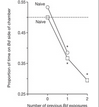
“Here we demonstrate that three species of amphibians can acquire behavioural or immunological resistance to B. dendrobatidis. “

Plant and soil microbiome

Screen Shot 2014-07-09 at 10.11.40 PMRoot exudates mediated interactions belowground – Feth el Zahar Haichar – Soil Biology and Biochemistry

“The root exudates may have a direct impact on carbon and nitrogen cycling, as they exhibit a rhizosphere priming effect towards soil organic matter degraders, and may inhibit nitrification process by soil nitrifying microorganisms. “

Water microbiology

Methane productions SAR11Methane production by phosphate-starved SAR11 chemoheterotrophic marine bacteria – Paul Carini – Nature Communications

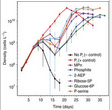
“Here we show that Pelagibacterales sp. strain HTCC7211, an isolate of the SAR11 clade of marine α-proteobacteria, produces methane from MPn, stoichiometric to phosphorus consumption, when starved for phosphate. “

[hr]

Human microbiome, July 9

Microbiome in pediatric Crohn’s disease patients, tipping elements in the human intestinal ecosystem, and oral microbes in the respiratory tract of carcinoma patients.

Gut microbiome

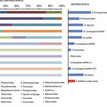
Crohn diseasePediatric Crohn disease patients exhibit specific ileal transcriptome and microbiome signature – Yael Haberman – Journal of Clinical Investigation

“Here, we characterized the global pattern of ileal gene expression and the ileal microbial community in 359 treatment-naive pediatric patients with CD, patients with ulcerative colitis (UC), and control individuals. “

Tipping elementsTipping elements in the human intestinal ecosystem – Leo Lahti – Nature Communications

“Here, based on a deep phylogenetic analysis of the intestinal microbiota in a thousand western adults, we identify groups of bacteria that exhibit robust bistable abundance distributions. These bacteria are either abundant or nearly absent in most individuals, and exhibit decreased temporal stability at the intermediate abundance range. “

Respiratory microbiome

Detection and identification of oral anaerobes in intraoperative bronchial fluids of patients with pulmonary carcinoma – Ayako Hasegawa – Microbiology & Immunology

“This study aimed to quantify and identify bacteria in intraoperative bronchial fluids and to evaluate the relationship between impairment of cough/swallowing reflexes and silent aspiration of oral bacteria in elderly patients. “

A large genomic island allows Neisseria meningitidis to utilize propionic acid, with implications for colonization of the human nasopharynx – Maria Chiara E. Catenazzi – Microbiology & Immunology

“This genomic island is absent from the close relative of N. meningitidis, the commensal Neisseria lactamica, which chiefly colonizes infants not adults. “

Animal models of microbiome and disease

Microbiota-Driven Immune Cellular Maturation Is Essential for Antibody-Mediated Adaptive Immunity to Staphylococcus aureus Infection in the Eye – Tanweer Zaidi – Infection and Immunity

“ In germfree mice, there was no protective efficacy of antibody to PNAG due to the lack of LY6G+ inflammatory cell coeffector recruitment to the cornea.”

[hr]

General microbiome and science, July 8

Metabolic networks, CRISPR induced immunity, and influence of extraction methods and primers on microbiome analysis. Plus some smallpox in the Lost&Found, and a big citation scandal in SAGE journals.

Microbial ecology / metabolomics

Screen Shot 2014-07-08 at 10.07.56 PMIdentifying All Moiety Conservation Laws in Genome-Scale Metabolic Networks – Andrea De Martino – PLOS ONE

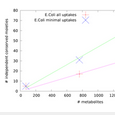
“ Our method is deployed for the analysis of moiety conservation relationships in two large-scale reconstructions of the metabolism of the bacterium E. coli, in six tissue-specific human metabolic networks, and, finally, in the human reactome as a whole, revealing that bacterial metabolism could be evolutionarily designed to cover broader production spectra than human metabolism.”

Emergent

Emergent Biosynthetic Capacity in Simple Microbial Communities – Hsuan-Chao Chiu – PLOS Computational Biology

“We specifically focus on detecting emergent biosynthetic capacity – instances in which a community growing on some medium produces and secretes metabolites that are not secreted by any member species when growing in isolation on that same medium. “

DIET ArchaeaDirect Interspecies Electron Transfer between Geobacter metallireducens and Methanosarcina barkeri – Amelia-Elena Rotaru – Applied and Environmental Microbiology

“M. barkeri is the second methanogen found to accept electrons via DIET and the first methanogen known to be capable of using either H2 or electrons derived from DIET for CO2 reduction. “

Optimal defenseOptimal Defense Strategies in an Idealized Microbial Food Web under Trade-Off between Competition and Defense – Selina Våge – PLOS ONE

“ Under coexistence with a competition specialist, a balance of competitive and defensive ability of the defense strategist was found to be evolutionarily stable, whereas stronger defense was optimal under increased nutrient levels in the absence of the pure competition specialist.”

Microbial detection

Screen Shot 2014-07-08 at 10.13.13 PMHuman Herpes Viruses Are Associated with Classic Fever of Unknown Origin (FUO) in Beijing Patients – Weimin Zhou – PLOS ONE

“HHVs are associated with Chinese patients (especially for children) with classic FUO. Our study adds perspective to the aetiological and clinical characteristics of classic FUO in beijing patients.”

Phages and viruses

Screen Shot 2014-07-08 at 10.13.31 PMCRISPR-Induced Distributed Immunity in Microbial Populations – Lauren M. Childs – PLOS ONE

“We analyze sequence diversity of experimentally coevolving populations of Streptococcus thermophilus and their viruses where CRISPR-Cas is active, and find the rapid emergence of distributed immunity in the host population, demonstrating the importance of this emergent phenomenon in evolving microbial communities.”

Techniques

Influence of DNA Extraction Method, 16S rRNA Targeted Hypervariable Regions, and Sample Origin on Microbial Diversity Detected by 454 Pyrosequencing in Marine Chemosynthetic Ecosystems – Perrine Cruaud – Applied and Environmental Microbiology

“Thanks to statistical and diversity analyses as well as inference of operational taxonomic unit (OTU) networks, we show that (i) while DNA extraction methods do not seem to affect the results for some samples, they can lead to dramatic changes for others; and (ii) the choice of amplification and sequencing primers also considerably affects the microbial community detected in the samples.”

Dengue

Sanofi’s dengue vaccine first to complete phase 3 – Gunjan Sinha – Nature Biotechnology

“Banking on approval, Sanofi has already started production, a move some have described as a “huge gamble” in light of the vaccine’s disappointing results from earlier studies, says Mark Clark, a pharmaceuticals analyst at Deutsche Bank in London.”

Microbes in the News

Found: Forgotten Vials of Smallpox – Maryn McKenna – Wired.com (also see CDC Media Statement)

“Workers clearing out an old storage room on the Bethesda, Md. campus of the National Institutes of Health have found a forgotten box of vials that contain smallpox.”

The Bacteria That Got Spread Throughout The US By Military Testing – Esther Inglis-Arkell – IO9

“Have you ever heard of serratia marcescens bacteria? Today they are a cause of hospital infections. In the 1960s, they were secretly sprayed across Washington, San Francisco, and New York.”

Manage Your Microbes – Laura Stec – Palo Alto Online

“I’ve been researching this wonderful advance in science for Manage Your Microbes, a cook class at Belmont Library on July 29th. “

Science, Publishing, and Career

SAGE Publications busts “peer review and citation ring,” 60 papers retracted – Retraction Watch

SAGE announces the retraction of 60 articles implicated in a peer review and citation ring at the Journal of Vibration and Control (JVC). “

13 Subtle Ways Women Are Treated Differently At Work – Jenna Goudreau – Business Insider

“Both men and women hold these views but often don’t even realize it. “It’s hard to fight this,” says Rivers, but awareness is key.

Dr. Bik’s Picks

Combining colour and temperature: A blue object is more likely to be judged as warm than a red object – Hsin-Ni Ho – Nature Scientific Reports

“It is commonly believed that reddish colour induces warm feelings while bluish colour induces cold feelings. We, however, demonstrate an opposite effect when the temperature information is acquired by direct touch.”

MandarinSequencing of diverse mandarin, pummelo and orange genomes reveals complex history of admixture during citrus domestication – G Albert Wu – Nature Biotechnology

“Here we sequence and compare citrus genomes—a high-quality reference haploid clementine genome and mandarin, pummelo, sweet-orange and sour-orange genomes—and show that cultivated types derive from two progenitor species. “

[hr]

Non-human microbiome

Microbiomes of frogs, kakapo birds, and very hot water springs. And a special on Ed DeLong.

Cow microbiome

RumenRumen Cellulosomics: Divergent Fiber-Degrading Strategies Revealed by Comparative Genome-Wide Analysis of Six Ruminococcal Strains – Bareket Dassa – PLOS ONE

“Here, we have used a bioinformatics-based approach to explore the cellulosome-related components of six genomes from two of the primary fiber-degrading bacteria in the rumen”

Reptile microbiome

Occurrence, Diversity, and Host Association of Intestinal Campylobacter, Arcobacter, and Helicobacter in Reptiles – Maarten J. Gilbert – PLOS ONE

“Based on PCR, Campylobacter, Arcobacter, and Helicobacter were detected in 69.3% of the reptiles; 82.5% of the chelonians, 63.8% of the lizards, and 58.0% of the snakes were positive for one or more of these genera.”

Amphibian microbiome

Frog taggingTagging Frogs with Passive Integrated Transponders Causes Disruption of the Cutaneous Bacterial Community and Proliferation of Opportunistic Fungi – Rachael E. Antwis – Applied and Environmental Microbiology

“We find that PIT tagging causes a major disruption to the bacterial community associated with the skin of frogs (∼12-fold increase in abundance), as well as a concurrent proliferation in resident fungi (up to ∼200-fold increase).”

Bird microbiome

Influence of Hand Rearing and Bird Age on the Fecal Microbiota of the Critically Endangered Kakapo – David W. Waite – Applied and Environmental Microbiology

“Amplicon pyrosequencing revealed a juvenile fecal microbiota enriched with particular lactic acid bacteria compared to the microbiota of adults, although the overall community structure did not differ significantly among kakapos of different ages. “

Multilocus Sequence Typing Confirms Wild Birds as the Source of a Campylobacter Outbreak Associated with the Consumption of Raw Peas – Patrick S. L. Kwan – Applied and Environmental Microbiology

“Novel STs clustered closely with isolates typically associated with wild birds and the environment but distinct from lineages commonly seen in human infections. “


Sponge microbiome

SpongeIn Situ Natural Product Discovery via an Artificial Marine Sponge – James J. La Clair – PLOS ONE

“Retrieving this artificial sponge from a tropical ecosystem after deployment for 320 hours afforded three actin–targeting jasplakinolide depsipeptides that had been discovered two decades earlier using traditional sponge specimen collection and isolation procedures.”


Water microbiology

Profile of Edward DeLong – Paul Gabrielsen – PNAS

“DeLong has learned that studying a reservoir of life as large and diverse as the ocean can lead to unexpected discoveries. “We’re continually being surprised,” he says.”

Handling Temperature Bursts Reaching 464°C: Different Microbial Strategies in the Sisters Peak Hydrothermal Chimney – Mirjam Perner – Applied and Environmental Microbiology

“The SP metagenome reveals considerable differences in the taxonomic composition from those of other hydrothermal vent and subsurface samples; these could be better explained by temperature than by other available abiotic parameters. “

Methanotrophic bacteria in warm geothermal spring sediments identified using stable isotope probing – Christine E. Sharp – FEMS Microbiology Ecology

“Quantitative (q)PCR of pmoA genes identified the position of the heavy (13C-labelled) DNA fractions in density gradients, and 16S rRNA gene pyrotag sequencing of the heavy fractions was performed to identify the active methanotrophs.”

Bacterial and archaeal communities in long-term contaminated surface and subsurface soil evaluated through co-extracted RNA and DNA – Anu Mikkonen – FEMS Microbiology Ecology

“Soil RNA and DNA were co-extracted along a contamination gradient at a landfarming field with aged crude oil contamination to investigate pollution-dependent differences in 16S rRNA and rRNA gene pools”

rpoD Gene Pyrosequencing for the Assessment of Pseudomonas Diversity in a Water Sample from the Woluwe River – David Sánchez – Applied and Environmental Microbiology

“Culture-independent methods consisted of cloning and pyrosequencing of a Pseudomonas rpoD amplicon from total DNA extracted from the same sample and amplified with selective rpoD gene primers. “

Influence of DNA Extraction Method, 16S rRNA Targeted Hypervariable Regions, and Sample Origin on Microbial Diversity Detected by 454 Pyrosequencing in Marine Chemosynthetic Ecosystems – Perrine Cruaud – Applied and Environmental Microbiology

“Thanks to statistical and diversity analyses as well as inference of operational taxonomic unit (OTU) networks, we show that (i) while DNA extraction methods do not seem to affect the results for some samples, they can lead to dramatic changes for others; and (ii) the choice of amplification and sequencing primers also considerably affects the microbial community detected in the samples.”

[hr]

Human microbiome, July 8

Female urinary microbiome, stool microbiome and vaccine responses, and gut microbiome in ulcerative colitis patients.

Urinary tract

The Female Urinary Microbiome: a Comparison of Women with and without Urgency Urinary Incontinence – Meghan M. Pearce – mBio

“In this study, we used 16S rRNA gene sequencing to classify bacterial DNA and expanded quantitative urine culture (EQUC) techniques to isolate live bacteria in urine collected by using a transurethral catheter from women with UUI and, in comparison, a cohort without UUI. “

Gut microbiome

Stool Microbiota and Vaccine Responses of Infants – M. Nazmul Huda – Pediatrics

“Bifidobacterium predominance may enhance thymic development and responses to both oral and parenteral vaccines early in infancy”

Novel Gut-Based Pharmacology of Metformin in Patients with Type 2 Diabetes Mellitus – Antonella Napolitano – PLOS ONE

“Microbiota abundance of the phylum Firmicutes was positively correlated with changes in cholic acid and conjugates, while Bacteroidetes abundance was negatively correlated.”

This one was already published online in September 2013 but it came out in print this week : Commentary: Roseburia hominis: a novel guilty player in ulcerative colitis pathogenesis – Herbert Tilg – Gut

“In recent years evidence was accumulating that the gut microbiota and its manipulation might constitute one of those relevant ‘environmental’ factors. “

A decrease of the butyrate-producing species Roseburia hominis and Faecalibacterium prausnitzii defines dysbiosis in patients with ulcerative colitis – Kathleen Machiels – Gut

“The composition of the fecal microbiota of UC patients differs from that of healthy individuals: we found a reduction in R hominis and F prausnitzii, both well-known butyrate-producing bacteria of the Firmicutes phylum. “

Pregnancy and birth

Direct Evidence for the Presence of Human Milk Oligosaccharides in the Circulation of Breastfed Infants – Karen C. Goehring – PLOS ONE

“At least some ingested HMOs are absorbed intact into the circulation and excreted in the urine and their concentrations in these fluids correlate with levels of the corresponding mother’s milk”

Commentary: More than a gut feeling: predicting surgical necrotising enterocolitis – Jörn-Hendrik Weitkamp – Gut

“The paper by Sylvester et al 8 describes a new non-invasive approach of combining clinical data and selected urine peptide biomarkers to develop an algorithm to predict progression of suspected medical NEC to surgical disease. “

refers to: A novel urine peptide biomarker-based algorithm for the prognosis of necrotising enterocolitis in human infants – Karl G Sylvester – Gut

“Ensemble modelling combining clinical parameters with biomarker analysis dramatically improves our ability to identify the population at risk for developing progressive NEC.”

Animal models

Host Responses to the Pathogen Mycobacterium avium subsp. paratuberculosis and Beneficial Microbes Exhibit Host Sex Specificity – Enusha Karunasena – Applied and Environmental Microbiology

“The differences observed suggest that male and female gut tissues and microbiota respond to newly introduced microorganisms differently and that gut-associated microorganisms with host immune system responses and metabolic activity are supported by biology distinct to the host sex.”

General human microbiome

Phylogenetics and the human microbiome – Frederick A Matsen IV – Submitted to Systematic Biology

“In this paper I review the field and its methods from the perspective of a phylogeneticist, as well as describing current challenges for phylogenetics coming from this type of work.”

[hr]

General microbiology and science, July 7

Metagenomics binning based on co-abundance, bias in Illumina sequencing, and lots of metabolomics.

Phages and viruses

Bacteriophage-based synthetic biology for the study of infectious diseases – Robert J Citorik – Current Opinion in Microbiology

“Here, we discuss bacteriophage-based technologies and their application to the study of infectious diseases. “

Sequencing and Metagenomics

Identification and assembly of genomes and genetic elements in complex metagenomic samples without using reference genomes – H Bjørn Nielsen (and 142 other authors) – Nature Biotechnology

“Here we present a method, based on binning co-abundant genes across a series of metagenomic samples, that enables comprehensive discovery of new microbial organisms, viruses and co-inherited genetic entities and aids assembly of microbial genomes without the need for reference sequences.”

Evaluating bias of Illumina-based bacterial 16S rRNA gene profiles – Katherine Kennedy – Applied and Environmental Microbiology

“In this study, we tested the effects of template concentration, pooling of PCR amplicons, and sample preparation/inter-lane sequencing on the reproducibility associated with paired-end Illumina sequencing of bacterial 16S rRNA genes.”

Next generation sequencing technology: Advances and applications – HPJ Buermans, JT den Dunnen – Biochimica et Biophysica Acta (BBA) – Molecular Basis of Disease

“In this chapter we review the technical background of the different commercially available NGS platforms with respect to template generation and the sequencing reaction and take a small step towards what the upcoming NGS technologies will bring.”

Systems biology as an approach for deciphering microbial interactions – Puneet Kumar Singh – Briefings in Functional Genomics

“Here, we endeavor to summarize, epigrammatic description of sophisticated techniques and software that provides an enhanced understanding of metagenomics data analysis. “

Metabolomics

Stronger findings for metabolomics through Bayesian modeling of multiple peaks and compound correlations – Tommi Suvitaival – Bioinformatics

“We propose a hierarchical Bayesian model for inferring
differences between groups of samples more accurately in
metabolomic studies, where the observed compounds are collinear.”

Emergent Biosynthetic Capacity in Simple Microbial Communities – Hsuan-Chao Chiu – PLOS Computational Biology

“Here we present a comprehensive computational framework, integrating high-quality metabolic models of multiple species, temporal dynamics, and flux variability analysis, to study the metabolic capacity and dynamics of simple two-species microbial ecosystems.”

Metabolomics Analysis Identifies Intestinal Microbiota-Derived Biomarkers of Colonization Resistance in Clindamycin-Treated Mice – Robin L. P. Jump – PLOS ONE

“Clindamycin treatment caused marked changes in metabolites present in fecal specimens. Of 484 compounds analyzed, 146 (30%) exhibited a significant increase or decrease in concentration during clindamycin treatment followed by recovery to baseline that coincided with restoration of in vivo colonization resistance.”

Volatile Organic Compounds as Novel Markers for the Detection of Bacterial
Infections – Mohsen Sohrabi – Clinical Microbiology

“The possibility of using VOCs markers as one of the largest groups of bacterial metabolites would open a new frontier for developing more efficient techniques in the diagnosis of bacterial infections.”

The importance of sulfur-containing metabolites in discriminating fecal extracts between normal and type 2 diabetic mice – Alesia Walker – Journal of Proteome Research

“We demonstrate that a metabolic disorder such as T2DM affects the gastrointestinal tract environment thereby influencing different metabolic pathways and their respective metabolites in diabetic mice. “

Microarrrays

Applications of Phylogenetic Microarrays to Profiling of Human Microbiomes (PDF) -Oleg Paliy and Vijay Shankar – Book chapter

“This chapter will focus on currently available phylogenetic microarrays for the inter- rogation of human-associated microbiota, the technologies used to construct the arrays, as well as several key features that distinguish them from other approaches. “

Arsenic metabolism

Infant toenails as a biomarker of in utero arsenic exposure – Matthew A Davis – Journal of Exposure Science and Environmental Epidemiology

“In a sample of 170 mother–infant pairs from New Hampshire, we determined infant exposure to in utero arsenic by evaluating infant toenails as a biomarker using inductively coupled plasma mass spectrometry. “

Chromosomal organization

Spatial confinement is a major determinant of the folding landscape of human chromosomes – Gamze Gürsoy – Nucleic Acids Research

“Here we describe a model called constrained self-avoiding chromatin (C-SAC) for studying spatial structures of chromosomes, as the available space is a key determinant of chromosome folding. “

Bacteria in the news

The bacteria has been decimated: how much should we care what words used to mean? – By Tom Chivers – Telegraph

“Much amusement this morning on the Today programme, as John Humphrys shamefacedly confessed to having said “a bacteria” on the previous day’s episode.”

Yoghurt industry blamed for encouraging bacteria – The Daily Mash

“One day massive cow-sized bacteria will rule the world and they will kill everyone who doesn’t like special yoghurts.”

When Scientists Experiment on Themselves: H. pylori and Ulcers – By Hanno Charisius – Scientific American

“With his famous self-experiment, Marshall was able to demonstrate that Helicobacter pylori bacteria can cause acute gastritis which in turn may cause ulcers. He had asked neither an ethics commission nor his wife for permission to conduct this experiment. “

In rental cars, dangerous bacteria may come along for the ride – Jeff Rossen and Josh Davis, Today

“Armed with gloves and goggles, they swabbed every car from top to bottom: the steering wheels, gearshifts, door handles, even the GPS units.”

Bacteria that ‘eats’ odour could bring end to smelly toilets in China – Stephen Chen – South China Morning Post

“Mainland scientists have developed a “bioweapon” that can wipe out the notorious bad smell in public toilets. Up to 75 per cent of the odour can be removed, with the rest suppressed by a natural, pleasant fragrance, according to researchers with the Chinese Academy of Sciences.”

Marine Mammals

Some SeaWorld mammals survive longer in captivity – Mike Schneider – Associated Press

“Breakthroughs in training and medicine that allow the parks’ medical staffs to perform far fewer stressful or invasive procedures are partly responsible for those successes, SeaWorld officials said.”

Science and publishing

Highly cited Researchers 2014 – Thomson Reuters

“Over three thousand researchers earned the distinction by writing the greatest numbers of reports officially designated by Essential Science Indicators℠ as Highly Cited Papers—ranking among the top 1% most cited for their subject field and year of publication, earning them the mark of exceptional impact.”

Dr. Bik’s Picks

Rats use their whiskers in a similar way to how humans use their hands and fingers – Science Daily

“Rats deliberately change how they sense their environment using their facial whiskers depending on whether the environment is novel, if there is a risk of collision and whether or not they can see where they are going.”

Giraffe legs’ strong, skinny secret – Victoria Gill – BBC Science

“Scientists have worked out the anatomical secret to giraffes’ long and spindly – but strong – legs.”

Environmentalists Almost Killed My Friend – Josh Bloom – Science 2.0

“It is hysteria-producing nonsense like this that leads any non-scientist to conclude that we are systematically being poisoned every day. “

[hr]

Non-human microbiome, July 7

Microbiomes of buffalo’s, chickens on melatonin, and acid mine drainages.

Buffalo microbiome

Insights into resistome and stress responses genes in Bubalus bubalis rumen through metagenomic analysis – Bhaskar Reddy – Molecular Biology Reports

“We analyzed the metagenomes of buffalo rumen in the liquid and solid phase of the rumen biomaterial from river buffalo adapted to varying proportion of concentrate to green or dry roughages, using high-throughput sequencing to know the occurrence of antibiotics resistance genes, genetic exchange between bacterial population and environmental reservoirs.”

Chicken microbiome

Exogenous melatonin improves growth performance, intestinal microbiota, and morphology in temporarily feed restricted broilers – A. Akbarian – Livestock Science

“An increment in ileal Lactobacillus counts was found in MFR group compared to CON (P<0.05). No significant differences were noticed in microbial counts of cecum among treatments.”

Insect microbiome

Homeostasis between gut-associated microorganisms and the immune system in Drosophila – Hyejin You – Current Opinion in Immunology

“A deeper understanding of the role of uracil in Drosophila immunity will provide additional insight into the molecular mechanisms underlying host–microbe symbiosis and dysbiosis.”

Water and other microbiology

Inter-species interconnections in acid mine drainage microbial communities
Luis R. Comolli and Jillian F. Banfield – Frontiers in Microbiology

“Here, we present cryogenic transmission electron microscope (cryo-TEM) 2D images and 3D tomographic datasets for archaeal species from natural acid mine drainage (AMD) microbial communities. “

Biogeochemical activity of microbial biofilms in the water column overlying uranium mine tailings – V.F. Bondici – Journal of Applied Microbiology

“To describe microbial diversity, biofilm composition and biogeochemical potential within biofilms in the water overlying uranium tailings characterized by high pH, high metal concentration and low permeability.”

Rapid succession of uncultured marine bacterial and archaeal populations in a denitrifying continuous culture – Beate Kraft – Environmental Microbiology

“In this study, a heterotrophic denitrifying community from sediments of a marine intertidal flat active in nitrogen cycling was selected in a chemostat and monitored over a period of 50 days.”

[hr]

Human microbiome, July 7

Phages and CRISPRs in human mouth, new metagenomes from MetaHit, and vaginal microbiota.

General microbiome

Journal Nurse PractionersReview: An Overview of the Microbiome and the Effects of Antibiotics – Hillary Taggart – The Journal for Nurse Practitioners

“This review provides a basic introduction of what the microbiome is and how it plays a role in obesity, gastrointestinal, immune, and mental health, including a brief mention of implications for the pediatric population.”

Oral microbiome

Screen shot 2014-07-07 at 01.54PM, Jul 07Characterization of bacteriophage communities and CRISPR profiles from dental plaque – Mayuri Naidu (with David Pride) – BMC Microbiology

“We sampled the saliva and dental plaque from 4 healthy human subjects to determine whether plaque was populated by viral communities, and whether there were differences in viral communities specific to subject or sample type.”

Gut microbiome

Screen shot 2014-07-07 at 01.45PM, Jul 07 1An integrated catalog of reference genes in the human gut microbiome – Junhua Li – Nature Biotechnology

“Here we combined 249 newly sequenced samples of the Metagenomics of the Human Intestinal Tract (MetaHit) project with 1,018 previously sequenced samples to create a cohort from three continents that is at least threefold larger than cohorts used for previous gene catalogs. “

Screen shot 2014-07-07 at 01.45PM, Jul 07Identification and assembly of genomes and genetic elements in complex metagenomic samples without using reference genomes – H Bjørn Nielsen (and 142 other authors) – Nature Biotechnology

“Here we present a method, based on binning co-abundant genes across a series of metagenomic samples, that enables comprehensive discovery of new microbial organisms, viruses and co-inherited genetic entities and aids assembly of microbial genomes without the need for reference sequences.”

Screen shot 2014-07-07 at 01.47PM, Jul 07Commensal microbial regulation of natural killer T cells at the frontiers of the mucosal immune system – Sebastian Zeissig, Richard S. Blumberg – FEBS Letters

“Here, we outline the mechanisms of bidirectional cross-talk between the microbiota and CD1d-restricted NKT cells and discuss how a perturbation of these processes can contribute to the pathogenesis of immune-mediated disorders at mucosal surfaces.”

Screen shot 2014-07-07 at 01.48PM, Jul 07Review/Book chapter Gastrointestinal microbiota – Katherine Stephens – Advanced Nutrition and Dietetics in Gastroenterology

“This chapter summarizes the functions of the human gastrointestinal tract. A main function of the GI microbiota is modulation of the immune system. The chapter focues on the factors influencing composition of the microbiota.”

Pathogens journalPerturbation of the Human Microbiome as a Contributor to Inflammatory Bowel Disease – Bayan Missaghi – Pathogens

“This review presents an outline of the loss of a normal microbiome as an etiology of immune dysregulation and IBD pathogenesis initiation. “

Screen shot 2014-07-07 at 01.49PM, Jul 07 137 People Want to Peer Inside Your Poop…You Know, for Science – Angus Chen – Discover Magazine

“Rob Knight, a microbiologist at the University of Colorado, Boulder, and his colleagues want poop from every person in America.”

Mediterranean Diet and Health: Food Effects on Gut Microbiota and Disease Control
Federica Del Chierico – International Journal of Molecular Sciences

“For this purpose, we present a study proposal relying on the generation of individual gut microbiota maps from MD-aware children/adolescents. “

Respiratory microbiome

Screen shot 2014-07-07 at 02.02PM, Jul 07Evidence that intraspecific trait variation among nasal bacteria shapes the distribution of Staphylococcus aureus – Ben Libberton – Infection and Immunity

“We characterised S. aureus growth inhibition by the culturable bacterial aerobe consortia of 60 nasal microbiomes, revealing intraspecific variation in growth inhibition and that inhibitory isolates clustered within communities that were culture-negative for S. aureus. “

Vaginal microbiome

Screen shot 2014-07-07 at 01.53PM, Jul 07Characterization of the vaginal microbiota of healthy Canadian women through the menstrual cycle – Bonnie Chaban – Microbiome

“Polymerase chain reaction (PCR) was performed to amplify the universal target region of the cpn60 gene and generate amplicons representative of the microbial community. Amplicons were pyrosequenced, assembled into operational taxonomic units, and analyzed. “

Pregnancy

The effects of designation and volume of neonatal care on mortality and morbidity outcomes of very preterm infants in England: retrospective population-based cohort study – SI Watson – BMJ Open

“High-volume neonatal care provided at the hospital of birth may protect against in-hospital mortality in very preterm infants. “

Understanding the Complexity of the Immune System during Pregnancy – Karen Racicot – American Journal of Reproductive Immunology

“In this review, we discuss our present understanding of the ‘immunity of pregnancy’ in the context of the response to cervical and placental infections and how these responses affect both the mother and the fetus.”


Animal models of human microbiota or disease

Screen Shot 2014-07-07 at 11.00.33 PMGalacto‐oligosaccharides attenuate renal injury with microbiota modification – Satoshi U. Furuse – Physiological Reports

“The microbiota analysis indicated that GOS significantly increased three bacterial families and decreased five families in the Nx rats. “

[hr]