November 3, 2016

Prevotella and Bacteroides associations with diet, parasite-microbiota interactions in wild animals, Staphylococcus/fungus interactions in cheese rind.

General microbiome

The Underestimation of Global Microbial Diversity– Jay T. Lennon -mBio

Next-Generation High-Throughput Functional Annotation of Microbial GenomesNext-Generation High-Throughput Functional Annotation of Microbial Genomes – Ralph S. Baric – mBIo

Human vaginal microbiome

The vaginal microbiota, human papillomavirus infection and cervical intraepithelial neoplasia: what do we know and where are we going next? – Anita Mitra – Microbiome

Human gut microbiome

Unusual sub-genus associations of faecal Prevotella and Bacteroides with specific dietary patterns – Francesca De Filippis – Microbiome

(PubMed link) Early Changes in Microbial Community Structure Are Associated with Sustained Remission After Nutritional Treatment of Pediatric Crohn’s Disease – Dunn KA – Inflammatory Bowel Diseases

(PubMed link) Review: The role of the gut microbiota in food allergy – Rachid R – Curr Opin Pediatr

Review: Intestinal Microbiome Changes and Stem Cell Transplantation: Lessons Learned – Ying Taur – Virulence

Human urinary tract microbiome

Review: Urinary Tract Infection: Pathogenesis and Outlook – Lisa K. McLellan – Trends in Molecular Medicine

Animal microbiome

Parasite-microbiota interactions potentially affect intestinal communities in wild mammals – Tuomas Aivelo – bioRxiv

Plant, root, and soil microbiome

Microbial community dynamics in the rhizosphere of a cadmium hyper-accumulator – J. L. Wood – Scientific Reports

Food microbiology

Cheese: Biotic Interactions Shape the Ecological Distributions of Staphylococcus Species – Erik K. Kastman – mBio

PressFungi boost bacterium. A study of 25 cheeses finds that a slow-growing bacterium can outcompete its relatives with the help of fungi – Nature

Storage techniques

Comparison of Collection Methods for Fecal Samples for Discovery Metabolomics in Epidemiologic Studies – Erikka Loftfield – Cancer Epidemiology, Biomarkers & Prevention

Microbes in the news

Why Gut Bacteria Are Having a MomentJessica Richman, CEO of uBiome at Fortune’s Brainstorm Health summit- Beth Kowitt – Fortune

The Life, the Sea and the Space Viking, Searching for Extremophiles – Seti

Are You Ready to Swallow a Pill Full of Poop? OpenBiome believes in the power of pure, barely processed poop – Katie M. Palmer – Wired

Gut microbiome profiles predict response to low FODMAP diet in IBS – Healio

Study links intestinal microbial population to production of inflammatory proteins – Economic TImes

Guts of Fecal Transplant Patients Resemble their Donors’ – HCP Live – Refers to this paper: http://bmcmedicine.biomedcentral.com/articles/10.1186/s12916-016-0698-z

Microbiome Skincare: Is Bacteria the Key to Perfect Skin? A primer on the science that could fix our skin woes once and for all – Wing Sze Tang – Flare


SF Bay Area Microbiome Meetup


Screen Shot 2016-10-12 at 06.02PM, Oct 12.png

With so many great Bay Area universities and life science companies working on the human microbiome and other microbial communities, the four of us (see below) thought it would make sense to organize a “Bay Area Microbiome Meetup”. This will – hopefully! – be the start of a series of get-togethers to connect, discuss, and share about the latest microbiome research.

IndieBio, a biotech accelerator located in San Francisco has graciously offered to host the event on Monday November 7, 2016, from 6-9 pm. The theme of this evening will be “Commercializing the microbiome”

The main purpose of our first event will be to get to know each other. We will host microbiome professionals from leading Bay Area research institutions (e.g., UCSF, UC Berkeley, UC Davis, and Stanford) as well as cutting edge life science and biotech organizations.

We will start the evening with a series of short pitches by representatives from several Bay Area microbiome companies and start-ups, followed by a Q&A panel. But most of the evening will be a mixer in an informal setting with food and drinks. This will be a great opportunity to strengthen the connections between microbiome scientists working in academia and biotech, and to learn, socialize, and network.

The event will be free, and drinks and light food will be provided, thanks to generous donations by Second Genome, Assembly Biosciences, One Codex, uBiome, Whole Biome, Osel Inc, and our host IndieBio. Seating is limited.

You can sign up for this event here: bay-area-microbiome-meetup.eventbrite.com

Here is a flyer to forward to other people who might be interested:  november-microbiome-meetup-v4 (PDF).

We hope this Microbiome Meetup will be a great success!

Jun Axup, IndieBio (our host)
Stephen Martis, UC Berkeley (poster design)
George Roche, UC Berkeley
Elisabeth Bik, Stanford University


October 10, 2016

A Mostly Male Microbiome meeting, host genetics and microbiota in IBD, dysbiosis in dogs and humans, airport door handles, and surfing the world for microbes. I’m back!

Events

I wish I could recommend this, but it has only 2 of the 27 invited speakers are women. This is so sad. See Jonathan Eisen’s blog post about this. Second Annual Human Microbiome Congress in San Diego / North American Microbiome Congress – 24/25 January 2017 – San Diego.

Human gut microbiome

Interplay of host genetics and gut microbiota underlying the onset and clinical presentation of inflammatory bowel disease – Floris Imhann – Gut

Effect of dietary interventions on the intestinal microbiota of Mongolian hosts – Jing Li – Science Bulletin

Animal models

Dog and human inflammatory bowel disease rely on overlapping yet distinct dysbiosis networks – Yoshiki Vázquez-Baeza – Nature Microbiology

Acute Infectious Gastroenteritis Potentiates a Crohn’s Disease Pathobiont to Fuel Ongoing Inflammation in the Post-Infectious Period – Cherrie L. Small – PLOS Pathogens

Press: Diarrhea-Causing Bacteria Promote Growth of Crohn’s-Linked Microbe in Mice – ET Healthworld

Neonatal androgen exposure causes persistent gut microbiota dysbiosis related to metabolic disease in adult female rats – Isabel Moreno-Indias – Endocrinology

Exposure to the Functional Bacterial Amyloid Protein Curli Enhances Alpha-Synuclein Aggregation in Aged Fischer 344 Rats and Caenorhabditis elegans – Shu G. Chen – Scientific Reports

Press: Gut microbiota may have role in neurodegenerative diseases: study – CTV News

Plant, root, and soil microbiome

Review: Too much or not enough: Reflection on two contrasting perspectives on soil biodiversity – Philippe C. Baveye – Soil Biology and Biochemistry

Built environment microbiology

Airport door handles and the global spread of antimicrobial-resistant bacteria: a cross sectional study – Frieder Schaumburg – Clinical Microbiology and Infection

Press: Are Airport Bathrooms Spreading Antibiotic-Resistant Bacteria Globally? – Alex Berezow – American Council on Science and Health

Food microbiology

Extensive Horizontal Gene Transfer in Cheese-Associated Bacteria – Kevin S. Bonham – bioRxiv

Does fingerprinting truly represent the diversity of wine yeasts? A case study with interdelta genotyping of S. cerevisiae strains – Walter P. Pfliegler – Letters in Applied Microbiology

Microbes in the news

This Surfer/PhD Student Is Scraping Bacteria off Surfers Around the World for Science – Dylan Heyden – The Inertia
Surfing the world for microbes – Erika Johnson, UC San Diego – University of California

Weethinking the role of bacteria in incontinence. Researchers look at the role of bacteria in incontinence – EurekAlert

The Unseen Cloud Makers From The Ocean – Jennifer – The Microbial Menagerie

Marine bacteria are the climate’s wild card – ScienceNordic

Researchers Hunt for a Link Between Microbiome and Autism – KQED

The natural wonder that holds the key to the origins of life – and warns of its destruction – Michael Slezak – The Guardian

Did his artificial hips put him at risk of infection when he saw the dentist? – David Lindley – Washington Post

Millions of craft paint units recalled over bacteria concerns – Morgan Maria Pawl – KDVR

Science, publishing, and career

Scientific Misconduct: The Elephant in the Lab. A Response to Parker et al. – Timothy D. Clark – Trends in Ecology & Evolution

Bik’s non-microbiology Picks

As DNA reveals its secrets, scientists are assembling a new picture of humanity – Carl Zimmer

Yale J Biol Med Microbiome Issue

Just a quick post before going to my volunteering job at an elementary school teaching science: The Yale Journal of Biology and Medicine’s September Issue is dedicated to the microbiome. The papers are all Open Access via PubMed Central.

The September issue features reviews, a case report, and some book reviews. Contributions made by Stephanie Schnorr, Catherine Lozupone, and many others.

I contributed as well, with the following review paper. Note that the PDF is 67 MB, but this link goes to the HTML page.

The Hoops, Hopes, and Hypes of Human Microbiome Research – Elisabeth M. Bik – Yale Journal of Biology and Medicine

Recent developments in sequencing methods and bioinformatics analysis tools have greatly enabled the culture-independent analysis of complex microbial communities associated with environmental samples, plants, and animals. This has led to a spectacular increase in the number of studies on both membership and functionalities of these hitherto invisible worlds, in particular those of the human microbiome. The wide variety in available microbiome tools and platforms can be overwhelming, and making sound conclusions from scientific research can be challenging. Here, I will review 1) the methodological and analytic hoops a good microbiome study has to jump through, including DNA extraction and choice of bioinformatics tools, 2) the hopes this field has generated for diseases such as autism and inflammatory bowel diseases, and 3) some of the hypes that it has created, e.g., by confusing correlation and causation, and the recent pseudoscientific commercialization of microbiome research.

Screen Shot 2016-10-05 at 9.29.18 AM.png

September 25, 2016

Skin microbiome of captive bats, grazing copepods, Qatari Barchan sand dunes, globally abundant ocean viruses, odor production from pig slurry, stone monuments, and the best studied estuary in the world.

Human vaginal microbiome

Review: The vaginal mycobiome: a poorly understood contributor to women’s health and diseases – L. Latéy Bradford – Virulence

Human gut (and some respiratory too!) microbiome

Gut microbiota and Toll-like receptors set the stage for cytokine-mediated failure of antibacterial responses in the fibrotic liver – Christian Kuntzen – Gut

Collaborating with the American Gut Project: Integrating citizen science with online learning to ask better questions – Vineet Pandey – Arxiv
ReviewGut microbiota, 1013 new pieces in the Parkinson’s disease puzzle – Filip Scheperjans – Current Opinion in Neurology

Review: The CF gastrointestinal microbiome: Structure and clinical impact – Geraint B. Rogers – Pediatric Pulmonology

Review: Advances in the Microbiome: Applications to Clostridium difficile Infection – Eamonn P. Culligan – MDPI Journal of Clinical Medicine

Review: Colonic biogeography in health and ulcerative colitis – Aonghus Lavelle = Gut Microbes

Animal microbiome

Environment and host species shape the skin microbiome of captive neotropical bats – Virginie Lemieux-Labonté – PeerJ

West African Anopheles gambiae mosquitoes harbor a taxonomically diverse virome including new insect-specific flaviviruses, mononegaviruses, and totiviruses – Joseph R. Fauver – Virology

Metabarcoding and metabolome analysis of copepod grazing reveals feeding preference and linkage to metabolite classes in dynamic microbial plankton communities – Jessica L. Ray – Molecular Ecology

Review: Harnessing host-vector microbiome for sustainable plant disease management of phloem-limited bacteria – Pankaj Trivedi – Frontiers in Plant Science

Plant, root, and soil microbiome

Microbial Characterization of Qatari Barchan Sand Dunes – Sara Abdul Majid – PLOS ONE

Elevated CO2 causes a change in microbial communities of rhizosphere and bulk soil of salt marsh system – Seung-Hoon Lee – Applied Soil Ecology

Foliar fungal communities strongly differ between habitat patches in a landscape mosaic – Thomas Fort – PeerJ Preprint

Biosignatures and microbial fossils in endolithic microbial communities colonizing Ca-sulfate crusts in the Atacama Desert – Beatríz Cámara – Chemical Geology

Lettuce and rhizosphere microbiome responses to growth promoting Pseudomonas species under field conditions – Matheus A. P. Cipriano – FEMS Microbiology Ecology

Water and extremophile microbiome

Ecogenomics and potential biogeochemical impacts of globally abundant ocean viruses – Simon Roux – Nature

Viable cold-tolerant iron-reducing microorganisms in geographically-isolated subglacial environments – Sophie L. Nixon – Biogeosciences

The Colne Estuary: A Long-Term Microbial Ecology Observatory – D.B. Nedwell – Advances in Ecological Research

Water mass mixing shapes bacterial biogeography in a highly hydrodynamic region of the Southern Ocean – Víctor Hernando-Morales – Environmental Microbiology

Bioreactor microbiology

Effect of Storage Period on the Changes of Odorous Compound Concentrations and Bacterial Ecology for Identifying the Cause of Odor Production from Pig Slurry – Ok Hwa Hwang – PLOS ONE

The type of carbohydrates specifically selects microbial community structures and fermentation patterns – Lucile Chatellard – Bioresource Technology

Built environment microbiome

Distribution and Diversity of Bacteria and Fungi Colonization in Stone Monuments Analyzed by High-Throughput Sequencing – Qiang Li – PLOS ONE

Metabolomics

Towards quantitative mass spectrometry-based metabolomics in microbial and mammalian systems – Rahul Vijay Kapoore – Philosophical Transactions of the Royal Society A

Bioinformatics and metagenomics

IMNGS: A comprehensive open resource of processed 16S rRNA microbial profiles for ecology and diversity studies – Ilias Lagkouvardos – Scientific Reports

Microbes in the news

“I can’t eat that” or how our microbiome influences our dietary restrictions – Monika Buczek – ASM

Could ants be the solution to antibiotic crisis? – Robin McKie – The Guardian

End of Superbug? Researchers Discover Star-Shaped Molecule That Could Kill Superbug – A. Vila – Nature World News

Science, publishing, and career

Wrap up from Gender Bias Under the Microscope #rfusymposium – Jonathan Eisen – The Tree of Life

September 7, 2016

Events

International Human Microbiome Consortium, November 9-11, 2016, Houston Texas.

Human gut microbiome

ReviewThe Role of the Microbiota in Shaping Infectious Immunity – Timothy W. Hand – Trends in Immunology

Animal microbiome

Effects of host genetics and environment on egg-associated microbiotas in brown trout (Salmo trutta) – Laetitia G. E. Wilkins – Molecular Ecology

Food microbiology

Multiplex 16S rRNA-derived geno-biochip for detection of 16 bacterial pathogens from contaminated foods – Hwa Hui Shin – Biotechnology Journal

More microbiology

Acute induction of anomalous and amyloidogenic blood clotting by molecular amplification of highly substoichiometric levels of bacterial lipopolysaccharide – Etheresia Pretorius – Journal of the Royal Society Interface

Extrapolated interpretation? Bacteria lurking in blood could be culprit in countless diseases – Debora MacKenzie – New Scientist

Microbes in the news

FDA Bans Antiseptics: One Small Step for Bacteria and Humankind – Anne Estes – Mostly Microbes

How bad for you is a boring diet? – Tim Spector – BBC

Flowers critical link to bacteria transmission in wild bees – Science Daily

Doughnut in a cage holds the key to bacteria’s survival – Science Daily

Fungi contribute to delayed healing of chronic wounds – EurekAlert

Microbe tenants help – and hinder – your immune system – Dyani Lewis – Cosmos Magazine

Microbes and money

Monsanto Collaborates with Second Genome to Use Microbiome Technology Platform to Accelerate Protein Discovery – Business Wire

BioMed X Announces the Start of New Research Team on Oral Biofilm Disruption through Continued Collaboration with Johnson & Johnson Innovation – PharmaVoice

BioMed X to collaborate with Johnson & Johnson on oral biofilm research – Drug Target Review

Science, publishing, and career

Why women leave academia and why universities should be worried – Curt Rice – The Guardian


August 30, 2016

Screen Shot 2016-08-30 at 11.07.12 PM

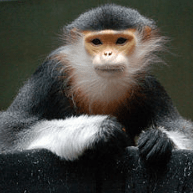
Red-shanked douc, Wikipedia

The human gut phageome, monkey microbiome humanizes in captivity, and a Yersinia genome from the 6th century (OK, that’s not microbiome, but just cool).

Human gut microbiome

Healthy human gut phageome – Pilar Manrique – PNAS

Press: Your Gut’s Gone Viral, And That Might Be Good For Your Health – Michaeleen Doucleff – NPR

Animal experiments

Standardizing Mouse Models to Account for Host–Microbial Interactions – Maria-Luisa Alegre – American Journal of Transplantation

Note: no mention of blanks/extraction controls: Consumption of a high-fat diet alters the seminal fluid and gut microbiomes in male mice – Angela B. Javurek – Reproduction , Fertility and Development

Animal microbiome

Captivity humanizes the primate microbiome – Jonathan B. Clayton – PNAS

Press (also see yesterday’s post): Gut biome of monkeys found to change when they are kept in captivity – Bob Yirka – Phys.org
Monkeys in zoos have human gut bacteria – Science Daily

Water microbiome

Coastal connectivity and spatial subsidy from a microbial perspective – Christin Säwström – Ecology and Evolution

Taxonomic profiling of bacterial community structure from coastal sediment of Alang–Sosiya shipbreaking yard near Bhavnagar, India – Vilas Patel – Marine Pollution Bulletin

Proteobacteria become predominant during regrowth after water disinfection – Cristina Becerra-Castro – Science of the Total Environment

Microbial Ecology

Understanding How Microbiomes Influence the Systems they Inhabit: Insight from Ecosystem Ecology – Ed Hall – bioRxiv

More microbes

A high-coverage Yersinia pestis Genome from a 6th-century Justinianic Plague Victim – Michal Feldman – Molecular Biology and Evolution

Press: World’s 1st Plague Pandemic Bacteria Gets New Genetic Analysis – Greg Uyeno – Live Science
Why scientists reconstructed an ancient plague – Nikki Ferlaino – KFOR
Reconstructing the sixth century plague from a victim – Phys.org
The Same Microbe That Led to Black Death Also Caused a Huge Plague Centuries Before – Jennifer Ouellette – Gizmodo
Medieval victim reveals secrets of the Plague of Justinian – Gretchen Vogel – Science

Microbes in the news

Hand dryers spread bacteria, affect health on campus – Shane Olney – The Volante

Science, publishing, and career

A Framework for Improving the Quality of Research in the Biological Sciences – Arturo Casadevall – mBio

Bik’s Non-Microbiology Picks

Dental calculus reveals Mesolithic foragers in the Balkans consumed domesticated plant foods – Emanuela Cristiani – PNAS

Surprisingly Little Evidence for the Accepted Wisdom About Teeth – Aaron E. Carroll – New York Times

August 29, 2016

Breast milk protects against GBS colonization, niche segregation in the gut, drug detection and effects in streams, reconstruction of metabolic networks.

Pregnancy and birth

Role of human milk oligosaccharides in Group B Streptococcus colonisation – Nicholas J Andreas – Clinical & Translational Immunology

Press: Breast Milk Sugar May Protect Newborns Against Deadly Bacterial Infection – Dianne Depra – Tech Times

Human skin microbiome

News and Views: Microbiome: Ecology of eczema – Ian D. Odell – Nature Microbiology

Human respiratory microbiome

Changes in the prevalence and biofilm formation of Haemophilus influenzae and Haemophilus parainfluenzae from the respiratory microbiota of patients with sarcoidosis – Urszula Kosikowska – BMC Infectious Diseases

Human vaginal microbiome

The cervico-vaginal microbiota in women notified for Chlamydia trachomatis infection: A case-control study at the STI outpatient clinic in Amsterdam, the Netherlands – C van der Veer – Clinical Infectious Diseases

Human gut microbiome

Transcriptional interactions suggest niche segregation among microorganisms in the human gut – Damian Rafal Plichta – Nature Microbiology

Review: Alzheimer’s disease and gut microbiota – Xu Hu – Science China Life Sciences

Review: In Sickness and in Health: The Relationships Between Bacteria and Bile in the Human Gut – A.J. Hay – Advances in Applied Microbiology

Animal experiments

Enterococcus faecalis readily colonizes the entire gastrointestinal tract and forms biofilms in a germ-free mouse model – Aaron M.T. Barnes – Virulence

Animal microbiome

Distinct Bacterial Microbiomes in Sexual and Asexual Potamopyrgus antipodarum, a New Zealand Freshwater Snail – Cristina Takacs-Vesbach – PLOS ONE

Water and extremophile microbiome

Occurrence and Potential Biological Effects of Amphetamine on Stream Communities – Sylvia S. Lee – Environmental Science & Technology

Press: Ecological consequences of amphetamine pollution in urban streams – Cary Institute
Your drain on drugs: Amphetamines seep into Baltimore’s streams – Jen Christensen – CNN
Comment from PubMed Commons by Daniel Himmelstein 

Diversity of culturable bacteria recovered from Pico Bolívar’s glacial and subglacial environments, at 4950 m, in Venezuelan tropical Andes – Johnma Rondón – Canadian Journal of Microbiology

Metabolomics

Efficient Reconstruction of Predictive Consensus Metabolic Network Models – Ruben G. A. van Heck – PLOS Computational Biology

Bioinformatics and Metagenomics

Review: Toward Accurate and Quantitative Comparative Metagenomics – Stephen Nayfach – Cell

Techniques

Thousands of primer-free, high-quality, full-length SSU rRNA sequences from all domains of life – Soeren M Karst – bioRxiv

A method for assessing efficiency of bacterial cell disruption and DNA release – Olle M. de Bruin – BMC Microbiology

Microbes in the news

Findings from the American Physiological Society’s Inflammation, Immunity and Cardiovascular Disease conference: Targeting gut bacteria to reduce weight gain – Science Daily

Microbes at work in your Kimchi – Jennifer – The Microbial Menagerie

Artist’s 46-year-old loo paper to be studied: Billy Apple’s decades-old lavatory paper is now part of a scientific study at Auckland University – Jamie Morton – NZ Herald

BacteriaHysteriaThe ultimate embodiment of modern day germophobia: Squix – Jonathan Eisen – MicroBEnet

Science misconduct

Leading scientist suspended amid misconduct claims: Robert Ryan, award-winning Scottish microbiologist now under investigation – Victoria Weldon – Herald Scotland

Microbiome Blogs, Tweeps, and Books

I just wrote a new page called “Microbiome Blogs, Tweeps, and BooksMicrobiome Blogs, Tweeps, and Books“. You can find it at the grey bar under the picture at the top of this page, by clicking on Microbiome Collection. Or just by clicking here. The page features microbiome books I like (either by having read them or by reading the abstract), people who like to tweet about microbial communities (both scientists as well as science writers), and blogs that focus on, or regularly feature microbiomes.

Enjoy!

Microbes and Art: BioArtography, Shasti O’Leary Soudant, Microbes on Etsy, LuxArt

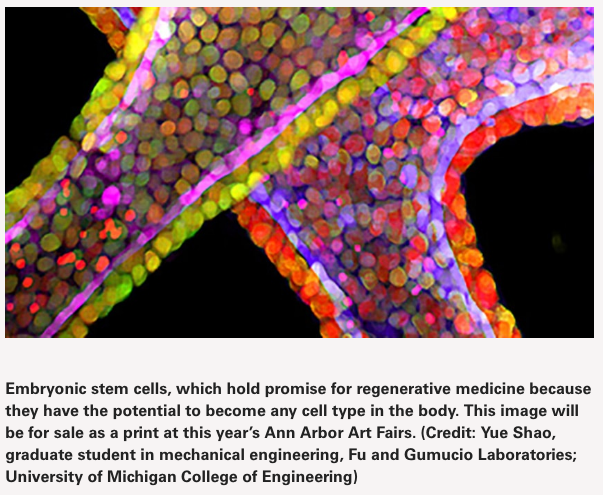
Finding Beauty Through a Microscope: BioArtography initiative – University of Michigan

An outdoor art fair may seem like an unlikely place to find stem cells. Or mouse kidneys. Or brain tumor cells. (…) But for a growing number of researchers, art fairs and galleries have become a way to reach the public. They’re taking the images they make in their labs and presenting — or even selling — them as art. One of the longest-running examples of this trend is the BioArtography initiative at the University of Michigan.

Screen Shot 2016-07-27 at 10.06.23 PM.png


Albright-Knox director: public art initiative helps create, strengthen biz partnerships – Tracey Drury – Bizjournals

Three new public art works announced Thursday by the Albright-Knox Art Gallery are providing additional opportunities for partnership and relationships in the region. (…) Also under development this summer is the Gut Flora sculpture by artist Shasti O’Leary Soudant. A half dozen 11-foot tall stainless steel structures will be installed at the new Allen Street NFTA Metro Rail station that will open into the new University at Buffalo School of Medicine. The works are inspired by the human body and serve as an analogy of how the public transit system connects the city and its people.

Screen Shot 2016-07-27 at 10.13.24 PM.png


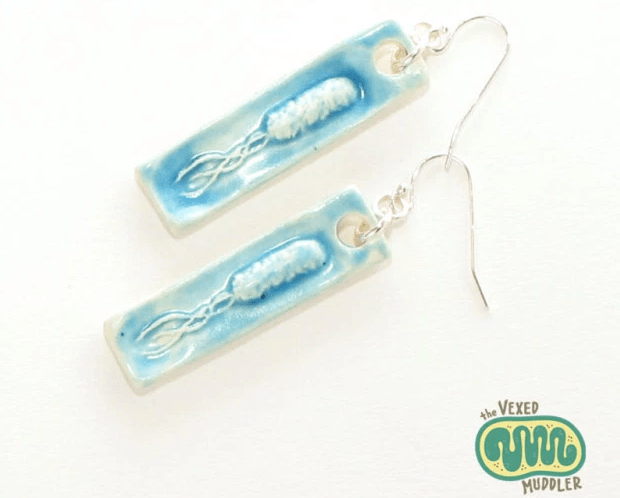
10 Ways To Boost Your Microbiota On Etsy – Chris Taylor  – The Vexed Muddler

Each of us is a walking world of microbes… read on, though, before you start scrubbing! The few dangerous microorganisms tend to get all of the press, but the vast majority of the bacteria, protozoans, archaea, fungi and viruses are indifferent, or even beneficial to us. Artists draw inspiration from all sorts of unlikely sources – even your gut flora! This ‘probiotic’ collection of work created by scientifically minded crafters, is designed to foster appreciation and understanding of this hidden world, which we are just beginning to understand.

Screen Shot 2016-07-27 at 10.20.30 PM.png


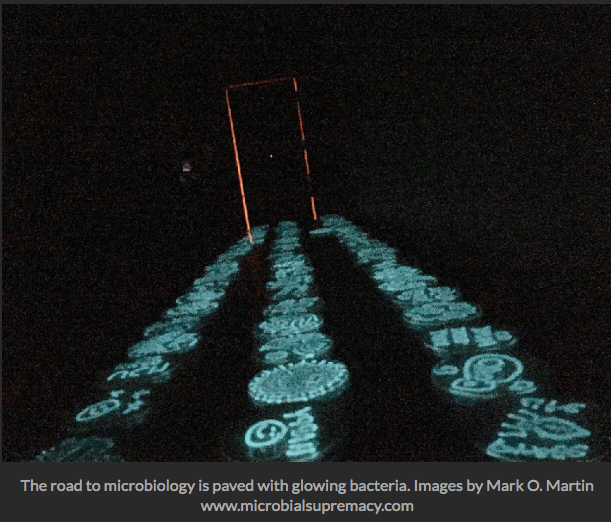
Let it Glow – Let it Glow – It Can’t Hold it Back Anymore! – Anne Estes – Mostly Microbes

At first, the room is pitch black. My eyes adjust to the darkness and I see two eerie blue-green glowing columns of plastic petri dishes stacked on a table. “Ready? Hold still for 15 seconds”. Click…..click. “Lights”. So began the first #LuxArt portraiture session at the American Society for Microbiology Conference for Undergraduate Educators (ASMCUE) with Dr. Mark O. Martin, University of Puget Sound.

Screen Shot 2016-07-27 at 10.24.53 PM.png