General microbiology and science digest, July 2

Genome assembly, metabolomics of Salmonella infection, a brief history of women in science (but in Nature!), and Nature’s retraction of the STAP papers.

Metagenomics
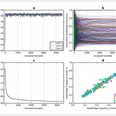
Screen Shot 2014-07-02 at 10.13.28 PMBayesian Genome Assembly and Assessment by Markov Chain Monte Carlo Sampling – Mark Howison – PLOS ONE

“We present a Markov chain Monte Carlo approach to sequence assembly that instead generates distributions of assembly hypotheses with posterior probabilities, providing an explicit statistical framework for evaluating alternative hypotheses and assessing assembly uncertainty. “

Infection and host response
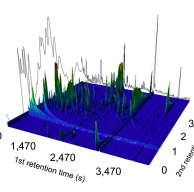
Screen Shot 2014-07-02 at 10.14.12 PMSalmonella Typhi and Salmonella Paratyphi – A elaborate distinct systemic metabolite signatures during enteric fever – Elin Näsström – eLife

“To investigate metabolite signals associated with enteric fever we performed two dimensional gas chromatography with time-of-flight mass spectrometry (GCxGC/TOFMS) on plasma from patients with S. Typhi and S. Paratyphi A infections and asymptomatic controls, identifying 695 individual metabolite peaks.”

and: Host-pathogen interactions: Honing in on enteric fever – Lyle R McKinnon, Quarraisha Abdool Karim – eLife

“The use of metabolomics could lead to improved diagnostics for enteric fever. “

Screen Shot 2014-07-02 at 10.14.58 PMHuman Genetic Variation and Yellow Fever Mortality during 19th Century U.S. Epidemics – Lauren E Blake, Mariano A Garcia-Blanco – mBio

“Caucasians diagnosed with YF were 6.8 times more likely to succumb than non-Caucasians with the disease. No other major causes of death during the 19th century demonstrated a similar mortality skew toward Caucasians. “

Bacterial and viral detection in clinical samples

Screen Shot 2014-07-02 at 10.15.58 PMThe Microbial Detection Array for Detection of Emerging Viruses in Clinical Samples – A Useful Panmicrobial Diagnostic Tool – Maiken W. Rosenstierne – PLOS ONE

“We report a modified Whole Transcriptome Amplification (WTA) method that increases unbiased amplification, particular of RNA viruses.”

The Sooner, The Better – Nicholette Zeliadt – The Scientist

“New approaches to diagnosing bacterial infections may one day allow the identification of pathogens and their antibiotic susceptibility in a matter of hours or minutes.”

Screen Shot 2014-07-02 at 10.16.45 PMReview: Biosensors for Whole-Cell Bacterial Detection – Asif Ahmed – Clinical Microbiology Reviews

” In this review, we discuss recent progress in the use of biosensors for the detection of whole bacterial cells for sensitive and earlier identification of bacteria without the need for sample processing.”

Screen Shot 2014-07-02 at 10.17.23 PMIsolation of Microorganisms Using Sub-Micrometer Constrictions – Nil Tandogan – PLOS ONE

“We present an automated method for isolating pure bacterial cultures from samples containing multiple species that exploits the cell’s own physiology to perform the separation.”

Phages and viruses
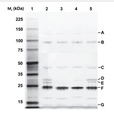
Screen Shot 2014-07-02 at 10.18.17 PMFour Escherichia coli O157:H7 Phages: A New Bacteriophage Genus and Taxonomic Classification of T1-Like Phages – Yan D. Niu – PLOS ONE

“Comparative genomic, proteomic and phylogenetic analysis suggested that the four phages along with 17 T1-like phage genomes from database of National Center for Biotechnology Information (NCBI) can be assigned into a proposed subfamily “Tunavirinae” with further classification into five genera”

Dengue

Screen Shot 2014-07-02 at 10.18.45 PMClinical and Virological Descriptive Study in the 2011 Outbreak of Dengue in the Amazonas, Brazil – Valquiria do Carmo Alves Martins – PLOS ONE

“The aim of the study was to describe the clinical epidemiology of dengue in Manaus, the capital city of the state of the Amazonas, where all the four DENV serotypes were co-circulating simultaneously.”

Phylogeny and taxonomy
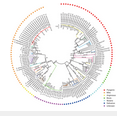
Screen Shot 2014-07-02 at 10.12.14 PMComparative Genomics of the Bacterial Genus Streptococcus Illuminates Evolutionary Implications of Species Groups – Xiao-Yang Gao – PLOS ONE

“We use comparative genomic approaches to yield a better understanding of the evolution of Streptococcus through genome dynamics, population structure, phylogenies and virulence factor distribution of species groups. “

Screen Shot 2014-07-02 at 10.12.46 PMLivestock-Associated MRSA Carriage in Patients without Direct Contact with Livestock – Miranda M. L. van Rijen – PLOS ONE

“Fifty-six individuals (20.7%) without animal contact carried MC398. In hospitals with high pig-densities in the adherence area, the proportion of MC398 of all MUO was higher than this proportion in hospitals without pigs in the surroundings.”

 Arsenic metabolism

Screen Shot 2014-07-02 at 10.02.56 PMMichigan’s arsenic problem is among the worst in the nation. Here’s why that matters – Rebecca Williams – Michigan Radio

“If you’re on city water, your drinking water has to comply with a federal regulation that limits the amount of arsenic in it, but if you’re on a private well, the federal and state governments do not limit the amount of arsenic in your well.”

Women in Science

Screen Shot 2014-07-02 at 9.59.45 PMWomen in science: A temporary liberation – Patricia Fara – Nature

“The First World War ushered women into laboratories and factories. In Britain, it may have won them the vote, argues Patricia Fara, but not the battle for equality.”

Science and Ethics

Nature Editorial: STAP retracted – Nature

“This week, Nature publishes retractions of two high-profile papers that claimed a major advance in the field of stem cells… We — research funders, research practitioners, institutions and journals — need to put quality assurance and laboratory professionalism ever higher on our agendas, to ensure that the money entrusted by governments is not squandered, and that citizens’ trust in science is not betrayed.”

Dr. Bik’s Picks

Screen Shot 2014-07-02 at 10.11.31 PMPLOS ONE Publishes its 100,000th Article – Damian Pattinson – PLOS Blogs

“PLOS ONE publishes its 100,000th article – a pretty major milestone for a journal that has seen its fair share of momentous events, and a perfect opportunity to reflect on this journey.”

Screen Shot 2014-07-02 at 10.08.37 PMLeprosy, Still Claiming Victims – Natalie Angier, New York Times

““I’m absolutely convinced that leprosy must be thought of as a genetic disease as well as an infectious one,” Dr. Schurr said. In the end, he added wryly, “understanding it may help cure diseases of rich people, too.””

[hr]

General microbiome and science, June 30

Monday is always a busy day, so lots of papers today. Phages, CRISPRs, antibiotic resistance, probiotics, archaea, biofilms and a Goldilocks planet.

Antibiotics and resistance

Horizontal gene transfer in the human gastrointestinal tract: potential spread of antibiotic resistance genes – JR Huddleston – Infection and Drug Resistance

“This review aims to give an overview of the major horizontal transfer mechanisms and their evolution and then demonstrate the human lower gastrointestinal tract as an environment in which horizontal gene transfer of resistance determinants occurs.”

Screen shot 2014-06-30 at 06.47PM, Jun 30Bacterial persisters: formation, eradication, and experimental systems
Sophie Helaine, Elisabeth Kugelberg – Trends in Microbiology

“Toxin–antitoxin (TA) modules have an important role in the formation of persisters and several studies show that they can form in response to different triggers.”

Screen shot 2014-06-30 at 06.48PM, Jun 30Antibiotic Treatment Suppresses Rotavirus Infection and Enhances Specific Humoral Immunity – Robin Uchiyama – Journal of Infectious Diseases

“Microbiota ablation resulted in reduced rotavirus infection/diarrhea and a more durable rotavirus antibody response, suggesting that antibiotic administration before rotavirus vaccination could raise low seroconversion rates that correlate with the vaccine’s inefficacy in developing regions.”

And:  Antibiotics Help Control Rotavirus Infections and Enhance Antirotaviral Immunity: Are You Serious? – Luther A. Bartelt and Richard L. Guerrant – Journal of Infectious Diseases

“Yes, we must understand intriguing new findings; but no, we are far from serious about widespread use of antimicrobials with routine immunizations.”

Screen shot 2014-06-30 at 06.44PM, Jun 30Transferrin Iron Starvation Therapy for Lethal Bacterial and Fungal Infections – Lin Lin – Journal of Infectious Diseases

“These results provide proof of principle that bacterial infections can be treated in vivo by attacking host targets (ie, trace metal availability) rather than microbial targets.”

Bacterial detection in blood and other sites

Screen shot 2014-06-30 at 06.45PM, Jun 30Identification of pathogens from blood culture bottles in spiked and clinical samples using matrix-assisted laser desorption ionization time-of-flight mass-spectrometry analysis – Simone Konnerth – BMC Research Notes

“MALDI-TOF MS using the SARAMIS database was applied to 37 spiked blood culture samples. Identification rates of spiked samples were as follows: The species level was determined in 16 of 21 (76.2%) Gram negative bacteria and in 11 of 13 (84.6%) Gram positive bacteria. “

Infection and host response

Type I and III Interferon Production in Response to RNA Viruses – Elizabeth Reid and Bryan Charleston – Journal of Interferon & Cytokine Research

“There are now many examples of RNA viruses inducing type I and type III IFNs, and although these IFNs act through different receptors, in many systems studied, they induce a similar spectrum of genes. “

CRISPRs

Screen shot 2014-06-30 at 06.50PM, Jun 30Review: Adapting to new threats: the generation of memory by CRISPR-Cas immune systems – Robert Heler – Molecular Microbiology

“Recent studies have begun to elucidate the genetic requirements for adaptation and have demonstrated that rather than being a stochastic process, the selection of new spacers is influenced by several factors. We review here our current knowledge of the CRISPR adaptation mechanism”

Screen shot 2014-06-30 at 06.53PM, Jun 30The three major types of CRISPR-Cas systems function independently in CRISPR RNA biogenesis in Streptococcus thermophilus – Jason Carte – Molecular Microbiology

“Our findings indicate that multiple CRISPR-Cas systems can function independently in crRNA biogenesis within a given organism – an important consideration in engineering coexisting CRISPR-Cas pathways”

Viruses and phages

Screen shot 2014-06-30 at 06.53PM, Jun 30Exploiting gut bacteriophages for human health – Marion Dalmasso – Trends in Microbiology

“We emphasise the complexity and individuality of the phageome, and the link to the health state of the host. We highlight the practical applications of bacteriophages in medicine and in the food chain.”

Screen shot 2014-06-30 at 06.52PM, Jun 30Environmental bacteriophages : viruses of microbes in aquatic ecosystems – Télesphore Sime – Ngando – Frontiers in Microbiology

“The present chapter sought to review the literature on the diversity and functional roles of viruses of microbes in environmental microbiology, focusing primarily on prokaryotic viruses (i.e. phages) in aquatic ecosystems, which form the bulk of our knowledge in modern environmental viral ecology.”

Archaea

Screen shot 2014-06-30 at 06.55PM, Jun 30Taxonomic database and cut-off value for processing mcrA gene 454 pyrosequencing data by MOTHUR – Sizhong Yang – Journal of Microbiological Methods

“The functional mcrA gene of methanogens can generate phylogeny as congruent as the 16S rRNA gene phylogeny. “

Screen shot 2014-06-30 at 06.59PM, Jun 30Biofilm formation of mucosa-associated methanoarchaeal strains
Corinna Bang – Frontiers in Microbiology

“Here, the ability of three methanoarchaeal strains, Methanobrevibacter smithii and Methanosphaera stadtmanae, which form part of the human gut microbiota, and the Methanosarcina mazei strain Gö1 to grow on different surfaces and form biofilms was investigated.”

Biofilms (see also Archaea above and Probiotics below)

Screen shot 2014-06-30 at 07.02PM, Jun 30Development of an in vitro periodontal biofilm model for assessing antimicrobial and host modulatory effects of bioactive molecules
Emma Millhouse – BMC Oral Health

Multi-species biofilms were either treated with either molecule, or alternatively epithelial cells were treated with these prior to biofilm co-culture. Biofilm composition was evaluated and inflammatory responses quantified at a transcriptional and protein level.

Probiotics

Screen shot 2014-06-30 at 06.43PM, Jun 30Review: Enumeration of probiotic strains: Review of culture-dependent and alternative techniques to quantify viable bacteria – Catherine Davis – Journal of Microbiological Methods

“Consensus on an operational definition of viability and systematic efforts to validate these alternative techniques ultimately will strengthen the accuracy and reliability of probiotic strain enumeration.”

Inhibitory effect of Lactobacillus salivarius on Streptococcus mutans biofilm formation
Chien-Chen Wu – Molecular Oral Microbiology

“We analyzed 64 L. salivarius strains and found that two, K35 and K43, significantly inhibited S. mutans biofilm formation with inhibitory activities more pronounced than those of Lactobacillus rhamnosus GG (LGG), a prototypical probiotic that shows anti-caries activity.

General taxonomy and phylogeny

Screen shot 2014-06-30 at 07.04PM, Jun 30Considering external information to improve the phylogenetic comparison of microbial communities: a new approach based on constrained Double Principal Coordinates Analysis (cDPCoA) – S Dray – Molecular Ecology Resources

“In this work, we extend DPCoA to integrate the information of external variables measured on communities. The constrained Double Principal Coordinates Analysis (cDPCoA) is able to enforce a priori classifications to retrieve subtle differences and(or) remove the effect of confounding factors. “

Screen shot 2014-06-30 at 06.43PM, Jun 30Understanding molecular identification and polyphasic taxonomic approaches for genetic relatedness and phylogenetic relationships of microorganisms – Surajit Das – Journal of Microbiological Methods

“In this regard, a polyphasic taxonomic approach is advantageous because it exploits simultaneously both conventional as well as molecular identification techniques.”

Metabolomics

Screen shot 2014-06-30 at 07.01PM, Jun 30Nutrient sharing in the microbial world – Erica C. Seth and Michiko E. Taga – Frontiers in Microbiology

“Cofactor cross-feeding can contribute to both the health and nutrition of a host organism, the virulence and persistence of pathogens, and the composition and function of environmental communities. “

Metagenomics

Combination of Metagenomics and Culture Based Methods to Study the Interaction Between Ochratoxin A and Gut Microbiota – Mingzhang Guo – Toxicological Sciences

“Changes in functional genes of gut microbiota including signal transduction, carbohydrate transport, transposase, amino acid transport system and mismatch repair were observed.”

Chromosomal organization

NuChart-II: a graph-based approach for the analysis and interpretation of Hi-C data (PDF) – Fabio Tordini – Proceedings of the CIBB 2014

“NuChart-II is a highly optimized implementation of a previous prototype package developed in R, in which the graph-based representation of Hi-C data was tested, but that also showed inevitable problems of scalability while working genome-wide on large datasets.”

Science and education

Screen shot 2014-06-30 at 06.58PM, Jun 30Starting small: using microbiology to foster scientific literacy
Amy F. Savage, Brooke A. Jude – Trends in Microbiology

“In order to achieve scientific literacy for all students, Bard College recently implemented Citizen Science, a common January course for all first-year students. Structured around the question ‘how do we reduce the global burden of disease?’, this course uses microbiological tools to develop an understanding of potential answers.”


Dr. Bik’s Picks

Screen Shot 2014-07-01 at 12.06.17 AMBird brains: Public asked to look out for clever rooks – Victoria Gill – BBC News

“The British Trust for Ornithology (BTO) is asking the public to take part in a national survey of bird intelligence. From 1 July, the charity is asking people to submit video clips or descriptions of the behaviour or rooks – some of our cleverest garden birds.”

Screen Shot 2014-07-01 at 12.06.52 AMPotentially habitable Earth-like planet discovered; May have similar temperatures to our planet – Science Daily

“A potentially habitable Earth-like planet that is only 16 light years away has been discovered. The “super-Earth” planet, GJ 832 c, takes 16 days to orbit its red-dwarf star, GJ 832, and has a mass at least five times that of Earth.”

Screen Shot 2014-07-01 at 12.07.35 AMStudy Implicates Smog In Autism And Schizophrenia – Science 2.0

“A recent paper found that exposure to air pollution early in life produces harmful changes in the brains of mice, including an enlargement of part of the brain that is seen in humans who have autism and schizophrenia, and that led them to conclude that smog causes autism.”

[hr]

General microbiology and science, June 26

Detection of bacteria in blood cultures, detection of fungi with mass spectrometry, metagenomics, and humans influencing microbes. And the Picks.

Detection of bacteria in clinical sites

Pediatric Multicenter Evaluation of the Verigene Gram-Negative Blood Culture Test for Rapid Detection of Inpatient Bacteremia Involving Gram-Negative Organisms, Extended-Spectrum Beta-Lactamases, and Carbapenemases – K. V. Sullivan – Journal of Clinical Microbiology

“We evaluated the investigational use only (IUO) version of the rapid Verigene Gram-negative blood culture test (BC-GN), a microarray that detects 9 genus/species targets “

Evaluation of Three Rapid Diagnostic Methods for Direct Identification of Microorganisms in Positive Blood Cultures – Raquel M. Martinez – Journal of Clinical Microbiology

“A total of 159 blood cultures (VersaTREK Trek Diagnostic Systems, Cleveland, OH) positive for Gram-positive and Gram-negative bacteria as well as yeast were analyzed with QuickFISH and MALDI-TOF MS. In all, 102 blood cultures were analyzed using the BC-GP assay.”

Fungal detection

Screen Shot 2014-06-26 at 10.12.46 PMAccuracy of Matrix-Assisted Laser Desorption Ionization–Time of Flight Mass Spectrometry for Identification of Clinical Pathogenic Fungi: a Meta-Analysis – Huazhi Ling – Journal of Clinical Microbiology

Metagenomics

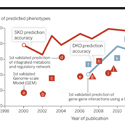
Screen Shot 2014-06-26 at 10.13.18 PMPredicting microbial growth – Jonathan Monk, Bernhard O. Palsson – Science

“This detailed biochemical information can be converted into a computational model—a genome-scale model, or GEM (1)—that allows phenotypic functions to be predicted. Both environmental and genetic parameters are explicitly accounted for in GEMs, enabling increasingly accurate predictions of the genotype-phenotype relationship in a given environment.”

Screen Shot 2014-06-26 at 10.11.58 PMBeyond the Chromosome: The Prevalence of Unique Extra-Chromosomal Bacteriophages with Integrated Virulence Genes in Pathogenic Staphylococcus aureus – Bryan Utter – PLOS ONE

“We selectively enriched and sequenced extra-chromosomal DNA from S. aureus isolates using Roche-454 technology and uncovered evidence for the widespread distribution of multiple extra-chromosomal prophages (ExPΦs) throughout both antibiotic-sensitive and -resistant strains. “

Antibiotic resistance

Screen Shot 2014-06-26 at 10.14.32 PMNext-Generation Sequencing for Typing and Detection of Resistance Genes: Performance of a New Commercial Method during an Outbreak of Extended-Spectrum-Beta-Lactamase-Producing Escherichia coli – J. Veenemans – Journal of Clinical Microbiology

“We evaluated the performance of a new NGS assay (Hospital Acquired Infection BioDetection System; Pathogenica) during an outbreak of sequence type 131 (ST131) Escherichia coli infections in a nursing home in The Netherlands.”

General microbiology

Screen Shot 2014-06-26 at 10.15.15 PMAspergillomarasmine A overcomes metallo-β-lactamase antibiotic resistance – Andrew M. King – Nature

“Here we have identified a fungal natural product, aspergillomarasmine A (AMA), that is a rapid and potent inhibitor of the NDM-1 enzyme and another clinically relevant MBL, VIM-2. AMA also fully restored the activity of meropenem against Enterobacteriaceae, Acinetobacter spp. and Pseudomonas spp. possessing either VIM or NDM-type alleles.”

Screen Shot 2014-06-26 at 10.13.55 PMMicrobiology of the Anthropocene – Michael R. Gillings, Ian T. Paulsen – Anthropocene

“Recent advances in microbial genomics and ecology show that human perturbations to microbial populations correspond closely to the proposed phases of the Anthropocene: the ‘paleoanthropocene’ which began with the rise of agriculture; the industrial revolution, from the late 1700’s; and the ‘great acceleration’ from the 1950’s to the present day. “

Marine mammals

Retrospective Study of Etiologic Agents Associated with Nonsuppurative Meningoencephalitis in Stranded Cetaceans in the Canary Islands – Eva Sierra – Journal of Clinical Microbiology

” Six animals (5 striped dolphins and 1 common dolphin) showed IHC and/or molecular evidence of morbilliviral antigens and/or genomes, mainly in brain tissue. Conventional nested PCR detected herpesviral DNA in brain tissue samples from two striped dolphins”

Free Willy? Dolphin drama riles aquaria – David Grimm – Science

“This week, the Dolphin Research Center in Grassy Key, Florida, sent a letter to the National Aquarium stating that removing these animals from their current facilities would be bad for both science and public engagement. “

Dr. Bik’s Picks

Screen Shot 2014-06-26 at 10.33.00 PMFlower discrimination by pollinators in a dynamic chemical environment – Jeffrey A. Riffell – Science

“Here, we measured the plume from Datura wrightii flowers, a nectar resource for Manduca sexta moths, and show that the scent was dynamic and rapidly embedded among background odors.”

Screen Shot 2014-06-26 at 10.32.13 PMBig Data Is Complex, Cluster Analysis Can Make It A Little Simpler – Science 2.0

“Imagine having to identify all the cities in the world, without having access to a map. A huge task”, says Rodriguez. “We therefore identified a heuristic, that is, a simple rule or a sort of shortcut to achieve the result”.”

Goosebump sensor developed by Korean research team – Leo Kelion – BBC News

“It works by recording a drop in the sensor’s capacitance – its ability to store an electrical charge – caused by it being deformed by the buckling of the skin’s surface.”

Screen Shot 2014-06-26 at 10.33.56 PMChimps like listening to music with a different beat – Science Daily

“While preferring silence to music from the West, chimpanzees apparently like to listen to the different rhythms of music from Africa and India, according to new research published by the American Psychological Association.”

[hr]

Human microbiome, June 26

Mass spectrometry on Neanderthal poop – how cool is that? Then, nice article about fecal transplants, the Bristol Stool Chart Mug, role of bacteria in colon cancer, and Mycobacterium tuberculosis as a possible human symbiont.

Gut microbiome

Screen Shot 2014-06-26 at 10.22.55 PMThe Neanderthal Meal: A New Perspective Using Faecal Biomarkers – Ainara Sistiaga – PLOS ONE

“Our gas chromatography-mass spectrometry results from El Salt (Spain), a Middle Palaeolithic site dating to ca. 50,000 yr. BP, represents the oldest positive identification of human faecal matter.”

Screen Shot 2014-06-26 at 9.41.05 PM


I enjoyed reading this article. And not just because they mentioned one of our studies.
Getting to the Bottom of Fecal Transplants – Ricki Lewis – PLOS.org

“(…) babies’ bacteria were quite different at the outset, but by the end of the year, their communities resembled those in the adult digestive tract. And it was published right here at PLOS.”

41C8qjeUK2LWhich led me to the awesome The Bristol Stool Chart Mug – Amazon
Which I then ordered.


CRCFusobacterium and Enterobacteriaceae: Important players for CRC? – Emma Allen-Vercoea, Christian Jobin – Immunology Letters

“Not surprisingly, microbial dysbiosis is associated with numerous intestinal disorders including inflammatory bowel diseases (IBD) and colorectal cancer (CRC). In this piece, we will review recent evidence that gut microbial dysbiosis can influence intestinal disease, including colitis and CRC.”

Screen Shot 2014-06-26 at 9.45.42 PMPrevalence and Duration of Asymptomatic Clostridium difficile Carriage among Healthy Subjects in Pittsburgh, Pennsylvania – Alison L. Galdys – Journal of Clinical Microbiology

“The prevalence of C. difficile carriage in this healthy cohort is concordant with prior estimates. C. difficile-colonized individuals may be important reservoirs for C. difficile and may falsely test positive for infections due to C. difficile when evaluated for community-acquired diarrhea caused by other enteric pathogens.”

Blood sugar improves with first gastrointestinal microbiome modulator, NM504 – Science Daily

“The not-yet-named therapeutic, NM504, is the first in a new class of therapies known as GI microbiome modulators. “

Role of humanRole of human gut microbiota metabolism in the anti-inflammatory effect of traditionally used ellagitannin-rich plant materials – Jakub P. Piwowarski – Journal of Ethnopharmacology

“The formation of urolithins was determined by ex vivo incubation of human faecal samples with aqueous extracts from selected plant materials.”

Me and my microbiome – New Scientist

“Now there are claims that a truly villainous bacterium – Mycobacterium tuberculosis, which causes TB – is actually symbiotic and helped us evolve our large brains (see “ Eat meat TB brainy”). “

Eat meat TB brainy – Adrian Williams, Robin Dunbar – New Scientist

“The tuberculosis bacterium co-evolved with humans at least 70,000 years ago, and possibly a great deal earlier. Could chronic TB infections have originally been beneficial to human life? Did the pathogen act as a symbiont, supplying nicotinamide at times of meat deficiency?”

Animal models of human microbiota and disease

Screen Shot 2014-06-26 at 9.47.30 PMIncorporation of therapeutically modified bacteria into gut microbiota inhibits obesity – Zhongyi Chen – Journal of Clinical Investigation

“Here, we demonstrated that administration of engineered NAPE-expressing E. coli Nissle 1917 bacteria in drinking water for 8 weeks reduced the levels of obesity in mice fed a high-fat diet. “

[hr]


General microbiology and science, June 25

Arsenic profiling in rats, Bacillus in space, and antibiotic resistance in populations. And Dr. Bik’s Picks featuring butterflies, mummies and unfeelability cloaks.

Microbes in space

Screen Shot 2014-06-25 at 10.31.28 PMBacillus anthracis-Like Bacteria and Other B. cereus Group Members in a Microbial Community Within the International Space Station: A Challenge for Rapid and Easy Molecular Detection of Virulent B. anthracis – Sandra P. van Tongeren – PLOS ONE

“In this study we show the presence of B. anthracis-like bacteria and other members of the B. cereus group in a microbial community within the human environment of the International Space Station and their preliminary identification by using conventional culturing as well as molecular techniques including 16S rDNA sequencing, PCR and real-time PCR. “

Metagenomics

Screen Shot 2014-06-25 at 10.31.54 PMElucidation of Operon Structures across Closely Related Bacterial Genomes – Chuan Zhou – PLOS ONE

“Here we developed a graph-based model to elucidate the diversity of operon structures across a set of closely related bacterial genomes.”

Antibiotic resistance

Screen Shot 2014-06-25 at 10.32.23 PMOptimization of lag time underlies antibiotic tolerance in evolved bacterial populations – Ofer Fridman – Nature

“Here we followed the evolution of bacterial populations under intermittent exposure to the high concentrations of antibiotics used in the clinic and characterized the evolved strains in terms of both resistance and tolerance. “

Arsenic metabolism

Screen Shot 2014-06-25 at 10.32.54 PMThe metabolomic profiling of serum in rats exposed to arsenic using UPLC/Q-TOF MS – Cheng Wang – Toxicology Letters

“The aim of this study is to determine the impact of chronic arsenic exposure on the metabolism of organism, and find the metabolites changes by using metabolomic techniques. “

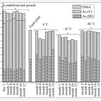
Screen Shot 2014-06-25 at 10.33.15 PMInvestigation of arsenic species stability by HPLC-ICP-MS in plants stored under different conditions for 12 months – Clarice D.B. Amaral – Microchemical Journal

“For the As species here studied it can be concluded that lyophilization and cryogenic grinding strategies were the most suitable sample pretreatments for As speciation in plant tissue.”

Science and careers

Screen Shot 2014-06-25 at 10.33.54 PMLove in the lab: Close collaborators – Kerri Smith – Nature

“Romance often sparks between colleagues, and scientists are no different. Nature profiles four super-couples who have combined love and the lab.”

Dr. Bik’s Picks

Screen Shot 2014-06-25 at 10.35.06 PMMetagenomic Analysis Reveals Presence of Treponema denticola in a Tissue Biopsy of the Iceman – Frank Maixner – PLOS ONE

“Initially, the metagenomic data of the Iceman’s genomic survey was screened for bacterial ribosomal RNA (rRNA) specific reads. Through ranking the reads by abundance a relatively high number of rRNA reads most similar to T. denticola was detected. “

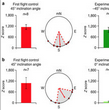
Screen Shot 2014-06-25 at 10.35.42 PMA magnetic compass aids monarch butterfly migration – Patrick A Guerra – Nature Communications

“Here we use flight simulator studies to show that migrants indeed possess an inclination magnetic compass to help direct their flight equatorward in the fall. “

Screen Shot 2014-06-25 at 10.36.07 PMAn elasto-mechanical unfeelability cloak made of pentamode metamaterials
T. Bückmann – Nature Communications

“Here, inspired by invisible core-shell nanoparticles in optics, we design an approximate elasto-mechanical core-shell ‘unfeelability’ cloak based on pentamode metamaterials. “

[hr]
General microbiology and science, June 24

Metabolomics, metagenomics, phages in the human gut, arsenic poisoning in China, and a big award for Dengue research.

Metabolomics

Metaproteomics: Extracting and Mining Proteome Information to Characterize Metabolic Activities in Microbial Communities – Paul E. Abraham – Current Protocols in Bioinformatics

“In this article, we provide an overview of current bioinformatic approaches and software implementations in metaproteome studies in order to highlight the key considerations needed for successful implementation of this powerful community-biology tool. “

Review: The human volatilome: volatile organic compounds (VOCs) in exhaled breath, skin emanations, urine, feces and saliva – Anton Amann – Journal of Breath Research

“Fecal volatiles have been implicated in differentiating certain infectious bowel diseases such as Clostridium difficile, Campylobacter, Salmonella and Cholera. They have also been used to differentiate other non-infectious conditions such as irritable bowel syndrome and inflammatory bowel disease.”

Metagenomics and DNA structure

Sequencing the Strange Communities: Taking on Metagenomics – Aaron Krol – Bio-IT World

““Communities are made up of organisms that interact,” says Jonathan Eisen, a professor at the School of Medicine and the College of Biological Sciences at the University of California, Davis. “They’re not made up of short reads of Illumina sequences. And we need to stitch those together into organisms in order to make useful predictions, and interpretation of experimental data.””

Gene positioning and genome function – Nidhi Vishnoi, Jie Yao – Frontiers in Biology

” In this review, we discuss some recent findings as well as experimental tools to investigate subnuclear gene positioning and to explore its implications in genome functions.”

Phages and viruses

Classification and quantification of bacteriophage taxa in human gut metagenomes – Alison S Waller – ISME Journal 

“Using taxon-specific marker genes, we identified and monitored 20 viral taxa in 252 human gut metagenomic samples, mostly at the level of genera. “

Techniques

Enzymatic Treatment of Specimens before DNA Extraction Directly Influences Molecular Detection of Infectious Agents – Pablo Goldschmidt – PLOS ONE

“The goal of the present work was to assess the efficiency of enzymatic pretreatments on infectious agents to make DNA available for further extraction and amplification.”

Dengue

Sustainable Sciences Institute (SSI) Awarded $1 Million to Battle Growing Threat to Global Public Health: Mosquito-borne Dengue Virus – PR Web

“SSI, a San Francisco nonprofit founded by Eva Harris, UC Berkeley Professor of Infectious Disease and Vaccinology and former MacArthur “Genius” award winner, has worked to minimize the threat of potentially fatal Dengue disease for 15 years. With the latest award of $1 million dollars, Harris and other SSI investigators will be able to extend their reach and speed up their efforts.”

Infection and host response

Early MicroRNA Expression Profile as a Prognostic Biomarker for the Development of Pelvic Inflammatory Disease in a Mouse Model of Chlamydial Genital Infection – Laxmi Yeruva – mBio

“To determine if chemokine and cytokine production within 24 h of infection is associated with the outcome of pathology, levels of 15 chemokines and cytokines were measured. “

Immunity to gastrointestinal nematodes: mechanisms and myths – Richard K. Grencis – Immunological Reviews

“This review aims to discuss the recent discoveries in both host protection and immunoregulation against gastrointestinal nematodes, placing the data in context of the specific life cycles imposed by the different parasites studied and the future challenges of considering the mucosal/immune axis to encompass host, parasite, and microbiome in its widest sense.”

Tailored immunity at mucosae – Yasmine Belkaid – Immunological Reviews

“This issue of Immunological Reviews presents articles from investigators involved in the exploration of the mechanisms by which mucosal barrier sites induce and control innate and adaptive immune responses.”

Detection of bacteria in blood and other sites

Rapid Detection of Enterobacteriaceae Producing Extended Spectrum Beta-Lactamases Directly From Positive Blood Cultures by Matrix-Assisted Laser-Desorption-Ionization Time-of-Flight Mass Spectrometry (MALDI-TOF-MS) – Marina Oviaño – Clinical Microbiology and Infection

“In the assay, 141 blood cultures were tested, 13 out of them were real bacteremias and 128 corresponded to blood culture bottles seeded with bacterial clinical isolates. Bacteremias were analyzed by MALDI-TOF after a positive growth result and the 128 remaining blood cultures 24 hours after the bacterial seeding. “

General microbiology and ecology

The quest for a unified view of bacterial land colonization – Hao Wu – ISME Journal

“Here, we perform comprehensive analyses based on a large variety of bacteria by integrating taxonomic, phylogenetic and metagenomic data, in the quest for a unified view that elucidates genomic, evolutionary and ecological dynamics of the marine progenitors in adapting to nonaquatic environments. “

Lateral transfer of eukaryotic ribosomal RNA genes: an emerging concern for molecular ecology of microbial eukaryotes – Akinori Yabuki – ISME Journal

“Two distinct sequences of the 18S rRNA gene were detected from a clonal culture of the stramenopile, Ciliophrys infusionum. One was clearly derived from Ciliophrys, but the other gene originated from a perkinsid alveolate.”

Arsenic metabolism

Arsenic Pollution Sows Despair in Chinese Cancer Village (slideshow)- Yahoo News

“Xiong Demin could not have foreseen that the mine he worked at for 32 years would leave his home village poisoned and hundreds of residents, including himself and his wife, stricken with cancer.”

Dr. Bik’s Picks – Evolution Edition

Molecular Phylogeny, Biogeography, and Habitat Preference Evolution of Marsupials – Kieren J. Mitchell – Molecular Biology and Evolution

“We use 101 mitochondrial genomes and data from 26 nuclear loci to reconstruct a dated phylogeny including 97% of extant genera and 58% of modern marsupial species”

Parallel sites implicate functional convergence of the hearing gene prestin among echolocating mammals – Zhen Liu – Molecular Biology and Evolution

“By functional assays, we show that a key parameter of prestin function, 1/α, is increased in all echolocating mammals and that the N7T parallel substitution accounted for this functional convergence. Moreover, another parameter, V1/2, was shifted toward the depolarization direction in a toothed whale, the bottlenose dolphin (Tursiops truncatus) and a constant-frequency bat, Stoliczka’s trident bat (Aselliscus stoliczkanus). “

Evolutionary developmental transcriptomics reveals a gene network module regulating interspecific diversity in plant leaf shape – Yasunori Ichihashi – PNAS

“Utilizing the natural variation in leaf morphology between tomato and two related wild species, we identified a gene network module that leads to a dynamic rewiring of interactions in the whole leaf developmental gene regulatory network. “

[hr]

General microbiology and science, June 23

Amplification of 18S rRNA genes, metabolomics, phages, and the scientific way to cut a cake.

Bacteria are everywhere

This article is citing a study that was published in 1992, not sure why they reporting about it now, but here it is:
Earpieces can multiply bacteria 11 times in ear – Tribune

“Besides concerns about deafness, there are also issues regarding use of earpieces and bacteria. A study which measured bacteria levels on audio headsets provided on commercial airline flights entitled “Changes in the microbial flora of airline headset devices after their use,” published in the journal, The Laryngoscope, brings interesting conclusions. “

Anti-bacterial bag-for-life could prevent rise in food poisoning when 5p plastic bag charge comes into force – Independent UK

“Paul Morris, the managing director, said: “Multi-use bags which can carry raw meat one week and vegetables or clothing the next is a concern of many industry experts; this bag provides a solution to the problem.””

Amplification and sequencing techniques 

Investigating Microbial Eukaryotic Diversity from a Global Census: Insights from a Comparison of Pyrotag and Full-Length Sequences of 18S rRNA Genes – Alle A. Y. Lie – Applied and Environmental Microbiology

“Operational taxonomic units (OTUs) derived from full-length (Sanger sequencing) and pyrotag (454 sequencing of the V9 hypervariable region) sequences of 18S rRNA genes from 10 global samples were analyzed in order to compare the resulting protistan community structures and species richness. “

Targeted and Highly Multiplexed Detection of Microorganisms by Employing an Ensemble of Molecular Probes – Weihong Xu – Applied and Environmental Microbiology

“To profile the microbial diversity in environmental and clinical samples, we have devised and employed molecular probe technology, which detects and identifies bacteria that do and do not grow in culture.”

Metabolomics and mass spectrometry

This one is published by the not-so-trustworthy Omics group, but it sounds interesting:
Optimisation of Sample Preparation for Direct SPME-GC-MS Analysis of Murine and Human Faecal Volatile Organic Compounds for Metabolomic Studies (links to PDF)
– Reade S – Analytical & Bioanalytical Techniques

“We evaluated different aspects of sample preparation when processing murine and human faecal samples through a pipeline involving solid phase micro-extraction (SPME) coupled to gas chromatography-mass spectrometry (GC-MS)”

Shigella reroutes host cell central metabolism to obtain high-flux nutrient supply for vigorous intracellular growth – David Kentner – PNAS

“Here, we show that infected host cells maintain normal central metabolism for energy production and host cell survival. However, Shigella captures the entire host metabolism output and degrades it further to acetate.”

Beyond the Matrix-Assisted Laser Desorption Ionization (MALDI) Biotyping Workflow: in Search of Microorganism-Specific Tryptic Peptides Enabling Discrimination of Subspecies – Maria-Theresia Gekenidis – Applied and Environmental Microbiology

“Here, it is shown that combining tryptic digestion of the acid/organic solvent extracted (classical biotyping preparation) and resolubilized proteins, nano-liquid chromatography (nano-LC), and subsequent identification of the peptides by MALDI-tandem TOF (MALDI-TOF/TOF) mass spectrometry increases the discrimination power to the level of subspecies.”

Phages and viruses

Modeling the Infection Dynamics of Bacteriophages in Enteric Escherichia coli: Estimating the Contribution of Transduction to Antimicrobial Gene Spread –
Victoriya V. Volkova – Applied and Environmental Microbiology

“Using the model and the most liberal assumptions about transduction efficiency and resistance gene frequency, we approximated the upper numerical limits (“worst-case scenario”) of gene transfer through specialized and generalized transduction in E. coli by enteric coliphages when the transduced genetic segment is picked at random. “

Tolerance of a Phage Element by Streptococcus pneumoniae Leads to a Fitness Defect during Colonization – Hilary K. DeBardeleben – Journal of Bacteriology

“Here, we examined a clinical isolate that carries a novel prophage element, designated Spn1, which was detected in both integrated and episomal forms. Surprisingly, both lytic and lysogenic Spn1 genes were expressed under routine growth conditions.”

Comparison of Five Bacteriophages as Models for Viral Aerosol Studies – Nathalie Turgeon – Applied and Environmental Microbiology

“The presence of viruses in collected air samples was detected by culture and quantitative PCR (qPCR). Our results showed that these selected five phages behave differently when aerosolized and sampled. “

Microbial detection in blood and normally sterile sites

Molecular revolution in the diagnosis of microbial brain abscesses – AK Mishra – European Journal of Clinical Microbiology & Infectious Diseases

“This article reviews the applications of the currently available tools for the etiological diagnosis of a brain abscess.”

General microbiology

Nitrogen stress response and stringent response are coupled in Escherichia coli – Daniel R. Brown – Nature Communications

“Here, we show that transcription of relA, a key gene responsible for the synthesis of ppGpp, is activated by NtrC during nitrogen starvation.”

Stenotrophomonas comparative genomics reveals genes and functions that
differentiate beneficial and pathogenic bacteria – Peyman Alavi – BMC Genomics

“We used comparative genomics as well as transcriptomic and physiological approaches to detect significant borders between the Stenotrophomonas strains: the multi-drug resistant pathogenic S. maltophilia and the plant-associated strains S. maltophilia R551-3 and S. rhizophila DSM14405T (both are biocontrol agents)”

Emergence of bacterial vortex explained – Science Daily

When a bunch of B. subtilis bacteria are confined within a droplet of water, a very strange thing happens. The chaotic motion of individual swimmers spontaneously organizes into a swirling vortex, with bacteria on the outer edge of the droplet moving in one direction while those on the inside move the opposite direction. “

Dr. Bik’s Picks

Screen Shot 2014-06-23 at 11.53.49 PMScientists tie social behavior to activity in specific brain circuit – Stanford University

“The new findings, published June 19 in Cell, may throw light on psychiatric disorders marked by impaired social interaction such as autism, social anxiety, schizophrenia and depression, said the study’s senior author, Karl Deisseroth, MD, PhD, a professor of bioengineering and of psychiatry and behavioral sciences. 

Scientists use X-rays to look at how DNA protects itself from UV light – Science Daily

The molecular building blocks that make up DNA absorb ultraviolet light so strongly that sunlight should deactivate them — yet it does not. Now scientists have made detailed observations of a ‘relaxation response’ that protects these molecules, and the genetic information they encode, from UV damage.”

Cut your cake and keep it (fresh), too – Eliza Barclay – NPR

“The ordinary method of cutting out a wedge is very faulty,” wrote Sir Francis Galton, a British mathematician, in a 1906 letter to the journal Nature concerning the scientific principles of cake-cutting.”

[hr]

Microbiome and general biology, June 20

It was a quiet day on the microbiome research front, so there will only be one post today. But, with vampire bats, Bacillus anthracis, and fish-eating spiders, it’s a good one!

Pregnancy and Birth

Screen Shot 2014-06-20 at 10.08.36 PMStudy Finds Certain Birth Defects are more Common in Hispanics – Cheri Cheng

“”One of the things that caught our eye was, while Hispanics represent 17 percent of the population, 24 percent of premature babies are Hispanic,” said Dr. Edward McCabe, senior vice president and chief medical officer of the March of Dimes, a nonprofit organization.”

Animal models of human microbiota

BacillusColonic Immune Suppression, Barrier Dysfunction, and Dysbiosis by Gastrointestinal Bacillus anthracis Infection – Yaíma L. Lightfoot – PLOS ONE

“Herein, we investigated the pathogenesis of GI anthrax in animals orally infected with toxigenic non-encapsulated B. anthracis Sterne strain (pXO1+ pXO2−) spores that resulted in rapid animal death.”

Screen Shot 2014-06-20 at 9.53.32 PMBiology Students Study Stomach Bacteria – Pengxeu Thao – University of Minnesota Morris

Wyckoff and her students are spending the summer studyingHelicobacter pylori (H. pylori), a Gram-negative bacterium found in the human stomach.”

Amphibian microbiome

AmphibCool Temperatures Reduce Antifungal Activity of Symbiotic Bacteria of Threatened Amphibians – Implications for Disease Management and Patterns of Decline – Joshua H. Daskin – PLOS ONE

“We characterized, at a range of temperatures approximating natural seasonal variation, the anti-Bd activity of bacterial symbionts from the skins of three species of rainforest tree frogs (Litoria nannotis, Litoria rheocola, and Litoria serrata)”

Plant microbiology

Screen Shot 2014-06-20 at 10.09.21 PMScientists look to bacteria to protect crop yields in the face of climate change – Jennifer Huizen – E&E Publishing

“If proved effective, this technology would decrease the amount of key nutrients like nitrogen and, most notably, water needed by the plant, while increasing the yield,” said Lin Myat, a postdoctoral fellow of molecular biology and genetics at Cornell “

belongs to

Screen Shot 2014-06-20 at 10.06.07 PMβ-Carboxysomal proteins assemble into highly organized structures in Nicotiana chloroplasts – Myat T. Lin – The Plant Journal

“We demonstrate that a foreign protein can be targeted with a 17-amino-acid CcmN peptide to the shell proteins inside chloroplasts. Our experiments establish the feasibility of introducing carboxysomes into chloroplasts for the potential compartmentalization of Rubisco or other proteins.”

Food microbiology

Screen Shot 2014-06-20 at 10.23.17 PMHaley Oliver: Master of Meat – Jef Akst – The Scientist

“In her own lab at Purdue University, Oliver studies the spread of Listeria in other foods, such as melons, and investigates sanitation strategies that may limit contamination and increase food shelf life. “

Infection and host response

InflammationInflammation: Gone with Translation – Carola G. Vinuesa, Thomas Preiss – PLOS Genetics

“Over the last few years, a number of studies have investigated global gene activation induced by pathogen-derived stimuli to gain insights into the modes of induction of the inflammatory mediators and regulators.”

Dengue

Screen Shot 2014-06-20 at 9.18.31 PMThe Need for More Research and Public Health Interventions on Dengue Fever in Burkina Faso – Valéry Ridde – PLOS Neglected Tropical Diseases

“…our aim in this article is to draw attention to the need for rapid deployment of research and interventions on dengue fever in Burkina Faso, because it appears to have been overlooked, with the focus being, instead, on malaria.”

Dengue NKTInvariant NKT Cell Response to Dengue Virus Infection in Human
Ponpan Matangkasombut – PLOS Neglected Tropical Diseases

“iNKT cells activation were analyzed by the expression of CD69 by flow cytometry. Their cytokine production was then analyzed after α-GalCer stimulation”

General microbiology

Screen Shot 2014-06-20 at 9.19.15 PMVampire Bats and Rabies: Toward an Ecological Solution to a Public Health Problem – Benjamin Stoner-Duncan – PLOS Neglected Tropical Diseases

“In the first half of 2011, 21 school-age children and two adults died of rabies transmitted by the common vampire bat (Desmodus rotundus) in and around the small rural village of Yupicusa in the Peruvian Amazon”

VectorCrossing the Interspecies Barrier: Opening the Door to Zoonotic Pathogens – Christian Gortazar – PLOS Pathogens

“The species barriers separating nonhuman animal species from humans represent a major hurdle for effective exposure to, infection by, and subsequent spread of zoonotic pathogens among humans”

Screen Shot 2014-06-20 at 9.35.19 PMHuman sweat can reduce bacteria fighting capabilities – ZeeNews

“A new research has revealed that human sweat can diminish bacteria-fighting qualities of brass objects like door knobs and taps within an hour of contact.”


Dr. Bik’s Picks

Screen Shot 2014-06-20 at 10.11.49 PMFish Predation by Semi-Aquatic Spiders: A Global Pattern – Martin Nyffeler – PLOS ONE

“More than 80 incidences of fish predation by semi-aquatic spiders – observed at the fringes of shallow freshwater streams, rivers, lakes, ponds, swamps, and fens – are reviewed.”

Screen Shot 2014-06-20 at 10.15.09 PMUS sets up honey bee loss task force – BBC News

“In the plan announced on Friday, Mr Obama directed the EPA and the agriculture department to lead a government-wide task force to develop a strategy within six months to fight bee and other pollinator declines.“

Screen Shot 2014-06-20 at 10.17.07 PMStrict diet suspends development, doubles lifespan of worms – Science Daily

“Researchers at Duke University found that taking food away from C. elegans triggers a state of arrested development: while the organism continues to wriggle about, foraging for food, its cells and organs are suspended in an ageless, quiescent state. “

Screen Shot 2014-06-20 at 10.26.39 PMFinding thoughts in speech: How human brain processes thoughts during natural communication – Science Daily

“The novelty of the authors’ approach is that the participants were not instructed to think and talk about a given topic in an experimental setting. “

[hr]


Human microbiome, June 19

The journal Immunity has a special with several great papers on (gut) microbiome and diet. And even Martha Stewart is writing about the microbiome! In style, of course.

Oral microbiome

Screen Shot 2014-06-19 at 10.50.07 PMMining the Mouth’s Many Microbes – Tracy Vence – The Scientist

““The whole world passes through the oral cavity,” said Purnima Kumar, an assistant professor of periodontology at the Ohio State University College of Dentistry. This makes investigating the microbial communities present in the mouth a challenge.”

Gut microbiome

Screen Shot 2014-06-19 at 10.49.36 PMFinding the Missing Links among Metabolites, Microbes, and the Host – Pieter C. Dorrestein – Immunity

“Here, we provide our perspective on these connections and outline a systematic research program that could turn these individual links into a broader network that allows us to understand how these components interact. “

Screen Shot 2014-06-19 at 10.51.41 PMMining the Human Gut Microbiota for Effector Strains that Shape the Immune System – Philip P. Ahern – Immunity

“Here, we discuss a scalable, less biased approach for identifying effector strains in complex microbial communities that impact immune function. The approach begins by identifying uncultured human fecal microbiota samples that transmit immune phenotypes to germ-free mice.”

Screen Shot 2014-06-19 at 10.51.09 PMDiet, Metabolites, and “Western-Lifestyle” Inflammatory Diseases – Alison N. Thorburn – Immunity

“This review highlights what is currently known about diet, metabolites, and their associated immune pathways in relation to the development of inflammatory disease.”

Screen Shot 2014-06-19 at 10.52.28 PMInflammatory Bowel Disease as a Model for Translating the Microbiome – Curtis Huttenhower – Immunity

“IBD thus represents perhaps the most comprehensive current model for understanding the human microbiome’s role in complex inflammatory disease. Here, we review the influences of the microbiota on IBD and its potential for translational medicine.”

Screen Shot 2014-06-19 at 10.54.48 PMCulturomics and pyrosequencing evidence of the reduction in gut microbiota diversity in patients with broad-spectrum antibiotics – Grégory Dubourg – International Journal of Antimicrobial Agents

“Culturomics was performed on four stool samples from patients treated with large-scale antibiotics to assess the diversity of their gut flora in comparison with other culture-dependent studies. Pyrosequencing of the V6 region was also performed and was compared with a control group.”

Screen Shot 2014-06-19 at 10.55.24 PMLong-term monitoring of the human intestinal microbiota from the 2nd week to 13 years of age – Akihito Endo – Anaerobe

“Few long term follow-up studies have been reported and we therefore characterized the development of intestinal microbiota of ten subjects from the 2nd week of life to 13 years of age. PCR-denaturing gradient gel electrophoresis combined with several bacterial group-specific primer sets demonstrated the colonization steps of defined bacterial groups in the microbiota”

Respiratory microbiome

Time between sputum sample collection and storage significantly influences bacterial sequence composition from Cystic Fibrosis respiratory infections – Leah Cuthbertson – Journal of Clinical Microbiology

“Aliquots were stored at room temperature before freezing at -80°C for increasing intervals up to 72 hour period. Samples were treated with propidium monoazide, to distinguish live from dead cells, prior to DNA extraction, and 16S rRNA gene pyrosequencing was used to characterise the bacterial composition.”

Screen Shot 2014-06-19 at 10.46.12 PM

Human Pharyngeal Microbiome May Play a Protective Role in Respiratory Tract Infections – Zhancheng Gao – Genomics, Proteomics & Bioinformatics

Recent studies have demonstrated that the pharyngeal microbiome comprises an abundance of bacterial species that interact with the local epithelial and immune cells, and together, they form a unique micro-ecological system.”

Skin and wounds microbiology

Screen Shot 2014-06-19 at 10.57.13 PMMicrobial profiling of combat wound infection through detection microarray and next-generation sequencing – Nicholas A. Be – Journal of Clinical Microbiology

“We employed a microarray capable of detecting all sequenced pathogens for interrogation of 124 wound samples from extremity injuries in combat-injured U.S. service members. A subset of samples was also processed via next-generation sequencing and metagenomic analysis. “

Press coverage:

Screen Shot 2014-06-19 at 11.00.07 PMHealing warriors by making a census of combat wounds’ microbiota – Melissa Healy – LA Times

“New research suggests that physicians treating future U.S. troops (and perhaps those treating some of today’s wounded warriors) may be able to take a fast and thorough census of the microorganisms living in a combat wound and tailor their treatment accordingly.”

Human microbiome in the news

Screen Shot 2014-06-19 at 10.56.06 PM4 habits for a healthy gut – Martha Stewart – CNN

“Studies also suggest that diabetic and obese patients tend to lack a diversity of bacteria, and the Cleveland Clinic found that some bacteria metabolize components of egg and meat to produce a compound that aids in the clogging of arteries.”

Screen Shot 2014-06-19 at 10.44.58 PMWebinar: The Promise of the Microbiome: Function and Dysfunction in Humans and Beyond – Science Magazine, featuring David Relman, Rob Knight, and Jack Gilbert

“During this webinar, the speakers will:

  • Provide a brief introduction to microbiomes and how they may fundamentally impact our study of the natural world
  • Share their research data on human and nonhuman microbiota, including microbe-associated environmental impacts on human health
  • Discuss the role of microbiomes in obesity and malnutrition
  • Answer your questions live during the webinar!”

Bacterial detection in blood and other sites

Screen Shot 2014-06-19 at 10.58.32 PMMassive Parallel Sequencing Provides New Perspectives on Bacterial Brain Abscesses – Øyvind Kommedal – Journal of Clinical Microbiology

“Bacterial 16S rRNA genes were amplified directly from the specimens and sequenced using Ion Torrent technology, with an average of 500,000 reads per sample. The results were compared to those from culture- and Sanger sequencing-based diagnostics.”

Animal models of microbiota

Screen Shot 2014-06-19 at 10.59.25 PMDiet-Induced Alterations in Gut Microflora Contribute to Lethal Pulmonary Damage in TLR2/TLR4-Deficient Mice – Yewei Ji – Cell Reports

“Here, we show that chronic intake of a high-fat diet (HFD), not a low-fat diet, leads to severe pulmonary damage and mortality in mice deficient in Toll-like receptors 2 and 4 (DKO).”

[hr]

General microbiology and science

Virus reactivation in sepsis, influenza mixing, and Dr. Bik’s Picks, featuring animals predicting the World Cup results, and which friends to take with you to Mars.

Infection and host response

Screen Shot 2014-06-13 at 11.39.47 PMReactivation of Multiple Viruses in Patients with Sepsis – Andrew H. Walton – PLOS ONE

“A small subgroup of septic patients had markedly elevated viral loads (>104–106 DNA copies/ml blood) for CMV, EBV, and HSV. Excluding TTV, DNAemia was uncommon in critically-ill non-septic patients and in age-matched healthy controls. Compared to septic patients without DNAemia, septic patients with viremia had increased fungal and opportunistic bacterial infections.”

 More microbes

Screen Shot 2014-06-14 at 12.30.41 AMDeadly airborne flu virus created in lab – not as bad as it sounds – Wendy Barclay – The Conversation

“Now scientists at the University of Wisconsin-Madison in the US have been criticised for recreating a very similar but distinct influenza virus by mixing together a set of genes taken from viruses of wild birds that are present in the gene pool today”

Screen Shot 2014-06-14 at 12.31.12 AMBelongs toCirculating Avian Influenza Viruses Closely Related to the 1918 Virus Have Pandemic Potential – Tokiko Watanabe – Cell Host Microbe

Human Ancestors Got Herpes from Chimps’ Ancestors – Agata Blaszczak-Boxe – LiveScience

“Researchers found that herpes simplex virus 1 (HSV-1) infected hominids before their evolutionary split from chimpanzees 6 million years ago”

Science and Art

Franklin InstituteA Show That Really Gets Into Your Head – ‘Your Brain’ Opens at the Franklin Institute – Edward Rothstein – New York Times

“In these cases, the brain leaps ahead of what the body senses, drawing conclusions. They are sometimes wrong, sometimes subtly correct and sometimes extraordinarily imaginative.”

Dr. Bik’s Picks – Weekend Edition

CatYes, You Can Get Your Cat to Behave – Wayne Pacelle – Live Science

Animals ‘Predict’ 2014 World Cup results (video) – BBC News

“China’s panda picker Ying Mei got off to a successful start, opting for the box of food emblazoned with a Brazilian flag, before the host nation beat Croatia 3-1.”

Bedtime Procrastination: Introducing a New Area of Procrastination – Floor Kroese – Frontiers in Psychology

“Introducing a novel domain in which procrastinators experience problems, bedtime procrastination appears to be a prevalent and relevant issue that is associated with getting insufficient sleep.”

Science Blogging Versus Science Journalism – Tommaso Dorigo – Science 2.0

“Hence I tried to organize my lecture as a discussion of things that science journalist wannabes could be interested to hear, from a scientist who has been blogging for 10 years and has picked up some tricks and lessons along the way.”

Skin cancer: Sunscreen ‘not complete protection’ – Helen Briggs – BBC News

“Sunscreen alone should not be relied on to prevent malignant melanoma, a deadly form of skin cancer, research suggests.”

Longread: Forget Calories – Counting calories is misguided. The focus belongs on real food – James Hamblin – The Atlantic

“In other words, your New Year’s resolution to lose weight probably won’t last through the spring, let alone affect how you look in a swimsuit in July.”

Longread: Extroverts Don’t Belong on Mars – Olga Khazan – The Atlantic

“Extroverted friends are good for a lot of things—serving as deft and lively wingmen, spicing up book club, sparking interesting conversations at parties by wearing ostentatious leggings, etc. One thing they may be less suited for: Long voyages to faraway planets.”

[hr]