General microbiology and science, June 27

Viruses in primate genomes, viruses altering shrimp metabolome, transposable elements and repeats, dengue, other infectious diseases in developing countries and Dr. Bik’s Picks.

Metagenomics / viruses

Screen Shot 2014-06-27 at 9.21.29 PMCute animal alert! A tarsier is a tiny primate with huge eyes.
The First Endogenous Herpesvirus, Identified in the Tarsier Genome, and Novel Sequences from Primate Rhadinoviruses and Lymphocryptoviruses – Amr Aswad, Aris Katzourakis – PLOS Genetics

“We describe the first endogenous herpesvirus from the genome of the Philippine tarsier, belonging to the Roseolovirus genus, and characterize its highly defective genome that is integrated and flanked by unambiguous host DNA. From a draft assembly of the aye-aye genome, we use bioinformatic tools to reveal over 100,000 bp of a novel rhadinovirus that is the first lemur gammaherpesvirus, closely related to Kaposi’s sarcoma-associated virus.”

 Metabolomics

Screen Shot 2014-06-27 at 9.32.37 PMAn Invertebrate Warburg Effect: A Shrimp Virus Achieves Successful Replication by Altering the Host Metabolome via the PI3K-Akt-mTOR Pathway – Mei-An Su – PLOS Pathogens

“We show that the PI3K-Akt-mTOR pathway was of central importance in triggering this WSSV-induced Warburg effect. Although dsRNA silencing of the mTORC1 activator Rheb had only a relatively minor impact on WSSV replication, in vivo chemical inhibition of Akt, mTORC1 and mTORC2 suppressed the WSSV-induced Warburg effect and reduced both WSSV gene expression and viral genome replication.”

Biofilms

Screen Shot 2014-06-27 at 9.33.21 PMFilaments in curved streamlines: rapid formation of Staphylococcus aureus biofilm streamers – Minyoung Kevin Kim – New Journal of Physics

“We discovered that S. aureus rapidly forms flow-induced, filamentous biofilm streamers, and furthermore if surfaces are coated with human blood plasma, streamers appear within minutes and clog the channels more rapidly than if the channels are uncoated. “

Chromosomal organization
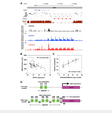
Screen Shot 2014-06-27 at 9.34.04 PMDigital Genotyping of Macrosatellites and Multicopy Genes Reveals Novel Biological Functions Associated with Copy Number Variation of Large Tandem Repeats – Manisha Brahmachary – PLOS Genetics

“Here, we demonstrate the utility of Nanostring technology as a targeted approach to perform accurate measurement of tandem repeats even at extremely high copy number, and apply this technology to genotype 165 HapMap samples from three different populations and five species of non-human primates. “

Screen Shot 2014-06-27 at 9.34.37 PMLarge-Scale Genomic Analysis Suggests a Neutral Punctuated Dynamics of Transposable Elements in Bacterial Genomes – Jaime Iranzo – PLOS Computational Biology

“In this work, we take advantage of the large amount of genomic data currently available and study the abundance distributions of 33 IS families in 1811 bacterial chromosomes. This allows us to test simple models of IS dynamics and estimate their key parameters by means of a maximum likelihood approach. “

Microbial Ecology

Screen Shot 2014-06-27 at 9.35.00 PMEx Uno Plures: Clonal Reinforcement Drives Evolution of a Simple Microbial Community – Margie Kinnersley – PLOS Genetics

“We previously showed that a population of E. coli that originated from a single clone and was cultured in the presence of a single limiting resource, evolves into a stable, three-membered community, wherein one clone excretes metabolites that the others utilize as carbon sources. To discern the genetic factors at work in producing this outcome and to illuminate the community’s physiology, we sequenced the genomes of the ancestral and evolved clones.”

Infectious diseases in developing countries
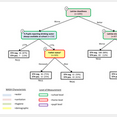
Screen Shot 2014-06-27 at 9.35.43 PMExploring the Relationship between Access to Water, Sanitation and Hygiene and Soil-Transmitted Helminth Infection: A Demonstration of Two Recursive Partitioning Tools – Katherine Gass – PLOS Neglected Tropical Diseases

“Improvements to water, sanitation and hygiene (WASH) likely provide sustained benefit, but few rigorous studies have evaluated the specific WASH components most influential in reducing infection. “

Screen Shot 2014-06-27 at 9.36.14 PMSocial Sciences Research on Infectious Diseases of Poverty: Too Little and Too Late? – José Azoh Barry – PLOS Neglected Tropical Diseases

“Besides the vicious circle these diseases maintain with dire conditions of poverty, an increased microbial resistance to some therapeutic drugs adds to the complexity of health disparities and human suffering among the socially disadvantaged, marginalized, and prejudiced against.”

Dengue

Screen Shot 2014-06-27 at 9.36.37 PMVariability in Dengue Titer Estimates from Plaque Reduction Neutralization Tests Poses a Challenge to Epidemiological Studies and Vaccine Development – Henrik Salje – PLOS Neglected Tropical Diseases

“We used repeated assays on the same two pools of serum using five different viruses (2,319 assays) to characterize the variability in the technique under identical experimental conditions. We also assessed the performance of multiple statistical models to interpolate continuous values of neutralization titer from discrete measurements from serial dilutions.”

Science and career

PLOSTen Simple Rules for Approaching a New Job – Philip E. Bourne – PLOS Computational Biology

“Thinking both as a job applicant and a job interviewer about how I have approached job situations over the years before, during, and after the interview and how those situations have turned out, I can offer the following ten simple rules as you prepare.”

A New Online Computational Biology Curriculum – David B. Searls – PLOS Computational Biology

“A recent proliferation of Massive Open Online Courses (MOOCs) and other web-based educational resources has greatly increased the potential for effective self-study in many fields. This article introduces a catalog of several hundred free video courses of potential interest to those wishing to expand their knowledge of bioinformatics and computational biology. “

Arsenic metabolism

Screen Shot 2014-06-27 at 10.00.06 PMAssociations between Arsenic Species in Exfoliated Urothelial Cells and Prevalence of Diabetes among Residents of Chihuahua, Mexico – Jenna M. Currier – Environ Health Perspect

“We measured concentrations of trivalent and pentavalent iAs, methyl-As (MAs), and dimethyl-As (DMAs) species in EUC from 374 residents of Chihuahua, Mexico, who were exposed to iAs in drinking water.”

Dr. Bik’s Picks

Screen Shot 2014-06-27 at 10.09.01 PMWith pictures and videos: Duration of urination does not change with body size – Patricia J. Yang – PNAS

“In this study, we report a mathematical model that clarifies misconceptions in urology and unifies the results from 41 independent urological and anatomical studies. The theoretical framework presented may be extended to study fluid ejection from animals, a universal phenomenon that has received little attention.”

Screen Shot 2014-06-27 at 10.01.44 PMFrom Gemstones to Arsenic: How the Development of Pigment Colored Art – Allison Meier

“A new exhibition at London’s National Gallery — Making Colour — looks at the development of color in art, from the Middle Ages to 1900. “

[hr]

Human microbiome, June 26

Mass spectrometry on Neanderthal poop – how cool is that? Then, nice article about fecal transplants, the Bristol Stool Chart Mug, role of bacteria in colon cancer, and Mycobacterium tuberculosis as a possible human symbiont.

Gut microbiome

Screen Shot 2014-06-26 at 10.22.55 PMThe Neanderthal Meal: A New Perspective Using Faecal Biomarkers – Ainara Sistiaga – PLOS ONE

“Our gas chromatography-mass spectrometry results from El Salt (Spain), a Middle Palaeolithic site dating to ca. 50,000 yr. BP, represents the oldest positive identification of human faecal matter.”

Screen Shot 2014-06-26 at 9.41.05 PM


I enjoyed reading this article. And not just because they mentioned one of our studies.
Getting to the Bottom of Fecal Transplants – Ricki Lewis – PLOS.org

“(…) babies’ bacteria were quite different at the outset, but by the end of the year, their communities resembled those in the adult digestive tract. And it was published right here at PLOS.”

41C8qjeUK2LWhich led me to the awesome The Bristol Stool Chart Mug – Amazon
Which I then ordered.


CRCFusobacterium and Enterobacteriaceae: Important players for CRC? – Emma Allen-Vercoea, Christian Jobin – Immunology Letters

“Not surprisingly, microbial dysbiosis is associated with numerous intestinal disorders including inflammatory bowel diseases (IBD) and colorectal cancer (CRC). In this piece, we will review recent evidence that gut microbial dysbiosis can influence intestinal disease, including colitis and CRC.”

Screen Shot 2014-06-26 at 9.45.42 PMPrevalence and Duration of Asymptomatic Clostridium difficile Carriage among Healthy Subjects in Pittsburgh, Pennsylvania – Alison L. Galdys – Journal of Clinical Microbiology

“The prevalence of C. difficile carriage in this healthy cohort is concordant with prior estimates. C. difficile-colonized individuals may be important reservoirs for C. difficile and may falsely test positive for infections due to C. difficile when evaluated for community-acquired diarrhea caused by other enteric pathogens.”

Blood sugar improves with first gastrointestinal microbiome modulator, NM504 – Science Daily

“The not-yet-named therapeutic, NM504, is the first in a new class of therapies known as GI microbiome modulators. “

Role of humanRole of human gut microbiota metabolism in the anti-inflammatory effect of traditionally used ellagitannin-rich plant materials – Jakub P. Piwowarski – Journal of Ethnopharmacology

“The formation of urolithins was determined by ex vivo incubation of human faecal samples with aqueous extracts from selected plant materials.”

Me and my microbiome – New Scientist

“Now there are claims that a truly villainous bacterium – Mycobacterium tuberculosis, which causes TB – is actually symbiotic and helped us evolve our large brains (see “ Eat meat TB brainy”). “

Eat meat TB brainy – Adrian Williams, Robin Dunbar – New Scientist

“The tuberculosis bacterium co-evolved with humans at least 70,000 years ago, and possibly a great deal earlier. Could chronic TB infections have originally been beneficial to human life? Did the pathogen act as a symbiont, supplying nicotinamide at times of meat deficiency?”

Animal models of human microbiota and disease

Screen Shot 2014-06-26 at 9.47.30 PMIncorporation of therapeutically modified bacteria into gut microbiota inhibits obesity – Zhongyi Chen – Journal of Clinical Investigation

“Here, we demonstrated that administration of engineered NAPE-expressing E. coli Nissle 1917 bacteria in drinking water for 8 weeks reduced the levels of obesity in mice fed a high-fat diet. “

[hr]


General microbiology and science, June 25

Arsenic profiling in rats, Bacillus in space, and antibiotic resistance in populations. And Dr. Bik’s Picks featuring butterflies, mummies and unfeelability cloaks.

Microbes in space

Screen Shot 2014-06-25 at 10.31.28 PMBacillus anthracis-Like Bacteria and Other B. cereus Group Members in a Microbial Community Within the International Space Station: A Challenge for Rapid and Easy Molecular Detection of Virulent B. anthracis – Sandra P. van Tongeren – PLOS ONE

“In this study we show the presence of B. anthracis-like bacteria and other members of the B. cereus group in a microbial community within the human environment of the International Space Station and their preliminary identification by using conventional culturing as well as molecular techniques including 16S rDNA sequencing, PCR and real-time PCR. “

Metagenomics

Screen Shot 2014-06-25 at 10.31.54 PMElucidation of Operon Structures across Closely Related Bacterial Genomes – Chuan Zhou – PLOS ONE

“Here we developed a graph-based model to elucidate the diversity of operon structures across a set of closely related bacterial genomes.”

Antibiotic resistance

Screen Shot 2014-06-25 at 10.32.23 PMOptimization of lag time underlies antibiotic tolerance in evolved bacterial populations – Ofer Fridman – Nature

“Here we followed the evolution of bacterial populations under intermittent exposure to the high concentrations of antibiotics used in the clinic and characterized the evolved strains in terms of both resistance and tolerance. “

Arsenic metabolism

Screen Shot 2014-06-25 at 10.32.54 PMThe metabolomic profiling of serum in rats exposed to arsenic using UPLC/Q-TOF MS – Cheng Wang – Toxicology Letters

“The aim of this study is to determine the impact of chronic arsenic exposure on the metabolism of organism, and find the metabolites changes by using metabolomic techniques. “

Screen Shot 2014-06-25 at 10.33.15 PMInvestigation of arsenic species stability by HPLC-ICP-MS in plants stored under different conditions for 12 months – Clarice D.B. Amaral – Microchemical Journal

“For the As species here studied it can be concluded that lyophilization and cryogenic grinding strategies were the most suitable sample pretreatments for As speciation in plant tissue.”

Science and careers

Screen Shot 2014-06-25 at 10.33.54 PMLove in the lab: Close collaborators – Kerri Smith – Nature

“Romance often sparks between colleagues, and scientists are no different. Nature profiles four super-couples who have combined love and the lab.”

Dr. Bik’s Picks

Screen Shot 2014-06-25 at 10.35.06 PMMetagenomic Analysis Reveals Presence of Treponema denticola in a Tissue Biopsy of the Iceman – Frank Maixner – PLOS ONE

“Initially, the metagenomic data of the Iceman’s genomic survey was screened for bacterial ribosomal RNA (rRNA) specific reads. Through ranking the reads by abundance a relatively high number of rRNA reads most similar to T. denticola was detected. “

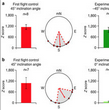
Screen Shot 2014-06-25 at 10.35.42 PMA magnetic compass aids monarch butterfly migration – Patrick A Guerra – Nature Communications

“Here we use flight simulator studies to show that migrants indeed possess an inclination magnetic compass to help direct their flight equatorward in the fall. “

Screen Shot 2014-06-25 at 10.36.07 PMAn elasto-mechanical unfeelability cloak made of pentamode metamaterials
T. Bückmann – Nature Communications

“Here, inspired by invisible core-shell nanoparticles in optics, we design an approximate elasto-mechanical core-shell ‘unfeelability’ cloak based on pentamode metamaterials. “

[hr]

General microbiology and science, June 24

Metabolomics, metagenomics, phages in the human gut, arsenic poisoning in China, and a big award for Dengue research.

Metabolomics

Metaproteomics: Extracting and Mining Proteome Information to Characterize Metabolic Activities in Microbial Communities – Paul E. Abraham – Current Protocols in Bioinformatics

“In this article, we provide an overview of current bioinformatic approaches and software implementations in metaproteome studies in order to highlight the key considerations needed for successful implementation of this powerful community-biology tool. “

Review: The human volatilome: volatile organic compounds (VOCs) in exhaled breath, skin emanations, urine, feces and saliva – Anton Amann – Journal of Breath Research

“Fecal volatiles have been implicated in differentiating certain infectious bowel diseases such as Clostridium difficile, Campylobacter, Salmonella and Cholera. They have also been used to differentiate other non-infectious conditions such as irritable bowel syndrome and inflammatory bowel disease.”

Metagenomics and DNA structure

Sequencing the Strange Communities: Taking on Metagenomics – Aaron Krol – Bio-IT World

““Communities are made up of organisms that interact,” says Jonathan Eisen, a professor at the School of Medicine and the College of Biological Sciences at the University of California, Davis. “They’re not made up of short reads of Illumina sequences. And we need to stitch those together into organisms in order to make useful predictions, and interpretation of experimental data.””

Gene positioning and genome function – Nidhi Vishnoi, Jie Yao – Frontiers in Biology

” In this review, we discuss some recent findings as well as experimental tools to investigate subnuclear gene positioning and to explore its implications in genome functions.”

Phages and viruses

Classification and quantification of bacteriophage taxa in human gut metagenomes – Alison S Waller – ISME Journal 

“Using taxon-specific marker genes, we identified and monitored 20 viral taxa in 252 human gut metagenomic samples, mostly at the level of genera. “

Techniques

Enzymatic Treatment of Specimens before DNA Extraction Directly Influences Molecular Detection of Infectious Agents – Pablo Goldschmidt – PLOS ONE

“The goal of the present work was to assess the efficiency of enzymatic pretreatments on infectious agents to make DNA available for further extraction and amplification.”

Dengue

Sustainable Sciences Institute (SSI) Awarded $1 Million to Battle Growing Threat to Global Public Health: Mosquito-borne Dengue Virus – PR Web

“SSI, a San Francisco nonprofit founded by Eva Harris, UC Berkeley Professor of Infectious Disease and Vaccinology and former MacArthur “Genius” award winner, has worked to minimize the threat of potentially fatal Dengue disease for 15 years. With the latest award of $1 million dollars, Harris and other SSI investigators will be able to extend their reach and speed up their efforts.”

Infection and host response

Early MicroRNA Expression Profile as a Prognostic Biomarker for the Development of Pelvic Inflammatory Disease in a Mouse Model of Chlamydial Genital Infection – Laxmi Yeruva – mBio

“To determine if chemokine and cytokine production within 24 h of infection is associated with the outcome of pathology, levels of 15 chemokines and cytokines were measured. “

Immunity to gastrointestinal nematodes: mechanisms and myths – Richard K. Grencis – Immunological Reviews

“This review aims to discuss the recent discoveries in both host protection and immunoregulation against gastrointestinal nematodes, placing the data in context of the specific life cycles imposed by the different parasites studied and the future challenges of considering the mucosal/immune axis to encompass host, parasite, and microbiome in its widest sense.”

Tailored immunity at mucosae – Yasmine Belkaid – Immunological Reviews

“This issue of Immunological Reviews presents articles from investigators involved in the exploration of the mechanisms by which mucosal barrier sites induce and control innate and adaptive immune responses.”

Detection of bacteria in blood and other sites

Rapid Detection of Enterobacteriaceae Producing Extended Spectrum Beta-Lactamases Directly From Positive Blood Cultures by Matrix-Assisted Laser-Desorption-Ionization Time-of-Flight Mass Spectrometry (MALDI-TOF-MS) – Marina Oviaño – Clinical Microbiology and Infection

“In the assay, 141 blood cultures were tested, 13 out of them were real bacteremias and 128 corresponded to blood culture bottles seeded with bacterial clinical isolates. Bacteremias were analyzed by MALDI-TOF after a positive growth result and the 128 remaining blood cultures 24 hours after the bacterial seeding. “

General microbiology and ecology

The quest for a unified view of bacterial land colonization – Hao Wu – ISME Journal

“Here, we perform comprehensive analyses based on a large variety of bacteria by integrating taxonomic, phylogenetic and metagenomic data, in the quest for a unified view that elucidates genomic, evolutionary and ecological dynamics of the marine progenitors in adapting to nonaquatic environments. “

Lateral transfer of eukaryotic ribosomal RNA genes: an emerging concern for molecular ecology of microbial eukaryotes – Akinori Yabuki – ISME Journal

“Two distinct sequences of the 18S rRNA gene were detected from a clonal culture of the stramenopile, Ciliophrys infusionum. One was clearly derived from Ciliophrys, but the other gene originated from a perkinsid alveolate.”

Arsenic metabolism

Arsenic Pollution Sows Despair in Chinese Cancer Village (slideshow)- Yahoo News

“Xiong Demin could not have foreseen that the mine he worked at for 32 years would leave his home village poisoned and hundreds of residents, including himself and his wife, stricken with cancer.”

Dr. Bik’s Picks – Evolution Edition

Molecular Phylogeny, Biogeography, and Habitat Preference Evolution of Marsupials – Kieren J. Mitchell – Molecular Biology and Evolution

“We use 101 mitochondrial genomes and data from 26 nuclear loci to reconstruct a dated phylogeny including 97% of extant genera and 58% of modern marsupial species”

Parallel sites implicate functional convergence of the hearing gene prestin among echolocating mammals – Zhen Liu – Molecular Biology and Evolution

“By functional assays, we show that a key parameter of prestin function, 1/α, is increased in all echolocating mammals and that the N7T parallel substitution accounted for this functional convergence. Moreover, another parameter, V1/2, was shifted toward the depolarization direction in a toothed whale, the bottlenose dolphin (Tursiops truncatus) and a constant-frequency bat, Stoliczka’s trident bat (Aselliscus stoliczkanus). “

Evolutionary developmental transcriptomics reveals a gene network module regulating interspecific diversity in plant leaf shape – Yasunori Ichihashi – PNAS

“Utilizing the natural variation in leaf morphology between tomato and two related wild species, we identified a gene network module that leads to a dynamic rewiring of interactions in the whole leaf developmental gene regulatory network. “

[hr]

General microbiology and science, June 23

Amplification of 18S rRNA genes, metabolomics, phages, and the scientific way to cut a cake.

Bacteria are everywhere

This article is citing a study that was published in 1992, not sure why they reporting about it now, but here it is:
Earpieces can multiply bacteria 11 times in ear – Tribune

“Besides concerns about deafness, there are also issues regarding use of earpieces and bacteria. A study which measured bacteria levels on audio headsets provided on commercial airline flights entitled “Changes in the microbial flora of airline headset devices after their use,” published in the journal, The Laryngoscope, brings interesting conclusions. “

Anti-bacterial bag-for-life could prevent rise in food poisoning when 5p plastic bag charge comes into force – Independent UK

“Paul Morris, the managing director, said: “Multi-use bags which can carry raw meat one week and vegetables or clothing the next is a concern of many industry experts; this bag provides a solution to the problem.””

Amplification and sequencing techniques 

Investigating Microbial Eukaryotic Diversity from a Global Census: Insights from a Comparison of Pyrotag and Full-Length Sequences of 18S rRNA Genes – Alle A. Y. Lie – Applied and Environmental Microbiology

“Operational taxonomic units (OTUs) derived from full-length (Sanger sequencing) and pyrotag (454 sequencing of the V9 hypervariable region) sequences of 18S rRNA genes from 10 global samples were analyzed in order to compare the resulting protistan community structures and species richness. “

Targeted and Highly Multiplexed Detection of Microorganisms by Employing an Ensemble of Molecular Probes – Weihong Xu – Applied and Environmental Microbiology

“To profile the microbial diversity in environmental and clinical samples, we have devised and employed molecular probe technology, which detects and identifies bacteria that do and do not grow in culture.”

Metabolomics and mass spectrometry

This one is published by the not-so-trustworthy Omics group, but it sounds interesting:
Optimisation of Sample Preparation for Direct SPME-GC-MS Analysis of Murine and Human Faecal Volatile Organic Compounds for Metabolomic Studies (links to PDF)
– Reade S – Analytical & Bioanalytical Techniques

“We evaluated different aspects of sample preparation when processing murine and human faecal samples through a pipeline involving solid phase micro-extraction (SPME) coupled to gas chromatography-mass spectrometry (GC-MS)”

Shigella reroutes host cell central metabolism to obtain high-flux nutrient supply for vigorous intracellular growth – David Kentner – PNAS

“Here, we show that infected host cells maintain normal central metabolism for energy production and host cell survival. However, Shigella captures the entire host metabolism output and degrades it further to acetate.”

Beyond the Matrix-Assisted Laser Desorption Ionization (MALDI) Biotyping Workflow: in Search of Microorganism-Specific Tryptic Peptides Enabling Discrimination of Subspecies – Maria-Theresia Gekenidis – Applied and Environmental Microbiology

“Here, it is shown that combining tryptic digestion of the acid/organic solvent extracted (classical biotyping preparation) and resolubilized proteins, nano-liquid chromatography (nano-LC), and subsequent identification of the peptides by MALDI-tandem TOF (MALDI-TOF/TOF) mass spectrometry increases the discrimination power to the level of subspecies.”

Phages and viruses

Modeling the Infection Dynamics of Bacteriophages in Enteric Escherichia coli: Estimating the Contribution of Transduction to Antimicrobial Gene Spread –
Victoriya V. Volkova – Applied and Environmental Microbiology

“Using the model and the most liberal assumptions about transduction efficiency and resistance gene frequency, we approximated the upper numerical limits (“worst-case scenario”) of gene transfer through specialized and generalized transduction in E. coli by enteric coliphages when the transduced genetic segment is picked at random. “

Tolerance of a Phage Element by Streptococcus pneumoniae Leads to a Fitness Defect during Colonization – Hilary K. DeBardeleben – Journal of Bacteriology

“Here, we examined a clinical isolate that carries a novel prophage element, designated Spn1, which was detected in both integrated and episomal forms. Surprisingly, both lytic and lysogenic Spn1 genes were expressed under routine growth conditions.”

Comparison of Five Bacteriophages as Models for Viral Aerosol Studies – Nathalie Turgeon – Applied and Environmental Microbiology

“The presence of viruses in collected air samples was detected by culture and quantitative PCR (qPCR). Our results showed that these selected five phages behave differently when aerosolized and sampled. “

Microbial detection in blood and normally sterile sites

Molecular revolution in the diagnosis of microbial brain abscesses – AK Mishra – European Journal of Clinical Microbiology & Infectious Diseases

“This article reviews the applications of the currently available tools for the etiological diagnosis of a brain abscess.”

General microbiology

Nitrogen stress response and stringent response are coupled in Escherichia coli – Daniel R. Brown – Nature Communications

“Here, we show that transcription of relA, a key gene responsible for the synthesis of ppGpp, is activated by NtrC during nitrogen starvation.”

Stenotrophomonas comparative genomics reveals genes and functions that
differentiate beneficial and pathogenic bacteria – Peyman Alavi – BMC Genomics

“We used comparative genomics as well as transcriptomic and physiological approaches to detect significant borders between the Stenotrophomonas strains: the multi-drug resistant pathogenic S. maltophilia and the plant-associated strains S. maltophilia R551-3 and S. rhizophila DSM14405T (both are biocontrol agents)”

Emergence of bacterial vortex explained – Science Daily

When a bunch of B. subtilis bacteria are confined within a droplet of water, a very strange thing happens. The chaotic motion of individual swimmers spontaneously organizes into a swirling vortex, with bacteria on the outer edge of the droplet moving in one direction while those on the inside move the opposite direction. “

Dr. Bik’s Picks

Screen Shot 2014-06-23 at 11.53.49 PMScientists tie social behavior to activity in specific brain circuit – Stanford University

“The new findings, published June 19 in Cell, may throw light on psychiatric disorders marked by impaired social interaction such as autism, social anxiety, schizophrenia and depression, said the study’s senior author, Karl Deisseroth, MD, PhD, a professor of bioengineering and of psychiatry and behavioral sciences. 

Scientists use X-rays to look at how DNA protects itself from UV light – Science Daily

The molecular building blocks that make up DNA absorb ultraviolet light so strongly that sunlight should deactivate them — yet it does not. Now scientists have made detailed observations of a ‘relaxation response’ that protects these molecules, and the genetic information they encode, from UV damage.”

Cut your cake and keep it (fresh), too – Eliza Barclay – NPR

“The ordinary method of cutting out a wedge is very faulty,” wrote Sir Francis Galton, a British mathematician, in a 1906 letter to the journal Nature concerning the scientific principles of cake-cutting.”

[hr]

Human microbiome, June 23

Lactobacillus feeding on human milk, Mycoplasma in preterm birth, and Clostridium difficile infection and gut microbiota.

Pregnancy and birth

Screen Shot 2014-06-23 at 10.51.26 PMA unique gene cluster for the utilization of the mucosal and human milk-associated glycans galacto-N-biose and lacto-N-biose in Lactobacillus casei – Gonzalo N. Bidart – Molecular Microbiology

“The data represent the first characterization of novel metabolic pathways for human milk oligosaccharides and glycoconjugate structures in Firmicutes”

Screen Shot 2014-06-23 at 11.01.13 PMReport from AANP 2014, Nashville, Tennessee: Screening for Bacteria May Help Pregnancy Outcomes – Ed Susman, MedpageToday

“In a single-center study, about 70% of symptomatic women who were screened for vaginal infections with either Mycoplasma Genitalium or Mycoplasma Hominis experienced preterm birth compared with 30% of the asymptomatic women who still underwent screening for the infections at a prenatal visit, reported Allison Phillips, DNP, of Robert Morris University in Pittsburgh, and colleagues.”

Oral microbiome

Screen Shot 2014-06-23 at 10.52.34 PMNew analysis reveals previously ‘hidden diversity’ of mouth bacteria – MBL

“Using a novel computational method called oligotyping, developed by MBL Assistant Research Scientist A. Murat Eren, scientists analyzed gene sequence data from nine sites in the oral cavity. ” “The study will be published in PNAS Online Early Edition the week of June 23-27, 2014”, but is not yet on PNAS website

Screen Shot 2014-06-23 at 10.53.35 PMEffects of pH and Lactate on Hydrogen Sulfide Production by Oral Veillonella spp. – Jumpei Washio – Applied and Environmental Microbiology

“Thus, in the present study, the H2S-producing activity of growing cells, resting cells, and cell extracts of oral Veillonella species and the effects of oral environmental factors, including pH and lactate, were investigated.”

Gut microbiome

Screen Shot 2014-06-23 at 10.54.40 PMStructural and functional changes in the gut microbiota associated to Clostridium difficile infection – Ana E. Pérez-Cobas – Frontiers in Microbiology

“Here, we analyze the composition and functional differences in the gut microbiota of C. difficile infected (CDI) versus non-infected patients, both patient groups having been treated with AB therapy. To do so we used 16S rRNA gene and metagenomic 454-based pyrosequencing approaches. “

Screen Shot 2014-06-23 at 10.58.40 PMThe HLA-DQ2 genotype selects for early intestinal microbiota composition in infants at high risk of developing coeliac disease – M Olivares – Gut

“Infants with a high genetic risk had significantly higher proportions of Firmicutes and Proteobacteria and lower proportions of Actinobacteria compared with low-risk infants.”

(Both human and animal)
Screen Shot 2014-06-23 at 10.57.57 PMA single genus in the gut microbiome reflects host preference and specificity – A Murat Eren – The ISME Journal

“In our dataset of 57 M sequence reads of the V6 region of the 16S ribosomal RNA gene in samples collected from seven host species, we identified 200 high-resolution taxonomic units within Blautia using oligotyping.”

Screen Shot 2014-06-23 at 10.57.04 PMMicrobiomes are true to type – Andrew H. Moeller and Howard Ochman – PNAS

“Enter Wang et al. (3), who provide both retrospective and experimental evidence that the maintenance of enterotypes in host populations is driven by dietary variation.”

General human microbiome

Screen Shot 2014-06-23 at 10.56.07 PMMicrobiota and neurodevelopmental windows: implications for brain disorders
– Yuliya E Borre – Trends in Molecular Medicine

“This review compares the parallel early development of the intestinal microbiota and the nervous system.”

Animal models of human microbiome

Screen Shot 2014-06-23 at 11.00.16 PMThe murine appendiceal microbiome is altered in spontaneous colitis and its pathological progression – Sultan Alkadhi – Gut Pathogens

“The appendiceal dysbiosis observed in our Winnie mice is commensurate with, and adds to extant literature data. The presence of Helicobacteraceae (Proteobacteria) only in colitic Winnie mice (but not control mice) is consistent with reports of increased Helicobacter in IBD patients. “

[hr]

Human microbiome, June 19

The journal Immunity has a special with several great papers on (gut) microbiome and diet. And even Martha Stewart is writing about the microbiome! In style, of course.

Oral microbiome

Screen Shot 2014-06-19 at 10.50.07 PMMining the Mouth’s Many Microbes – Tracy Vence – The Scientist

““The whole world passes through the oral cavity,” said Purnima Kumar, an assistant professor of periodontology at the Ohio State University College of Dentistry. This makes investigating the microbial communities present in the mouth a challenge.”

Gut microbiome

Screen Shot 2014-06-19 at 10.49.36 PMFinding the Missing Links among Metabolites, Microbes, and the Host – Pieter C. Dorrestein – Immunity

“Here, we provide our perspective on these connections and outline a systematic research program that could turn these individual links into a broader network that allows us to understand how these components interact. “

Screen Shot 2014-06-19 at 10.51.41 PMMining the Human Gut Microbiota for Effector Strains that Shape the Immune System – Philip P. Ahern – Immunity

“Here, we discuss a scalable, less biased approach for identifying effector strains in complex microbial communities that impact immune function. The approach begins by identifying uncultured human fecal microbiota samples that transmit immune phenotypes to germ-free mice.”

Screen Shot 2014-06-19 at 10.51.09 PMDiet, Metabolites, and “Western-Lifestyle” Inflammatory Diseases – Alison N. Thorburn – Immunity

“This review highlights what is currently known about diet, metabolites, and their associated immune pathways in relation to the development of inflammatory disease.”

Screen Shot 2014-06-19 at 10.52.28 PMInflammatory Bowel Disease as a Model for Translating the Microbiome – Curtis Huttenhower – Immunity

“IBD thus represents perhaps the most comprehensive current model for understanding the human microbiome’s role in complex inflammatory disease. Here, we review the influences of the microbiota on IBD and its potential for translational medicine.”

Screen Shot 2014-06-19 at 10.54.48 PMCulturomics and pyrosequencing evidence of the reduction in gut microbiota diversity in patients with broad-spectrum antibiotics – Grégory Dubourg – International Journal of Antimicrobial Agents

“Culturomics was performed on four stool samples from patients treated with large-scale antibiotics to assess the diversity of their gut flora in comparison with other culture-dependent studies. Pyrosequencing of the V6 region was also performed and was compared with a control group.”

Screen Shot 2014-06-19 at 10.55.24 PMLong-term monitoring of the human intestinal microbiota from the 2nd week to 13 years of age – Akihito Endo – Anaerobe

“Few long term follow-up studies have been reported and we therefore characterized the development of intestinal microbiota of ten subjects from the 2nd week of life to 13 years of age. PCR-denaturing gradient gel electrophoresis combined with several bacterial group-specific primer sets demonstrated the colonization steps of defined bacterial groups in the microbiota”

Respiratory microbiome

Time between sputum sample collection and storage significantly influences bacterial sequence composition from Cystic Fibrosis respiratory infections – Leah Cuthbertson – Journal of Clinical Microbiology

“Aliquots were stored at room temperature before freezing at -80°C for increasing intervals up to 72 hour period. Samples were treated with propidium monoazide, to distinguish live from dead cells, prior to DNA extraction, and 16S rRNA gene pyrosequencing was used to characterise the bacterial composition.”

Screen Shot 2014-06-19 at 10.46.12 PM

Human Pharyngeal Microbiome May Play a Protective Role in Respiratory Tract Infections – Zhancheng Gao – Genomics, Proteomics & Bioinformatics

Recent studies have demonstrated that the pharyngeal microbiome comprises an abundance of bacterial species that interact with the local epithelial and immune cells, and together, they form a unique micro-ecological system.”

Skin and wounds microbiology

Screen Shot 2014-06-19 at 10.57.13 PMMicrobial profiling of combat wound infection through detection microarray and next-generation sequencing – Nicholas A. Be – Journal of Clinical Microbiology

“We employed a microarray capable of detecting all sequenced pathogens for interrogation of 124 wound samples from extremity injuries in combat-injured U.S. service members. A subset of samples was also processed via next-generation sequencing and metagenomic analysis. “

Press coverage:

Screen Shot 2014-06-19 at 11.00.07 PMHealing warriors by making a census of combat wounds’ microbiota – Melissa Healy – LA Times

“New research suggests that physicians treating future U.S. troops (and perhaps those treating some of today’s wounded warriors) may be able to take a fast and thorough census of the microorganisms living in a combat wound and tailor their treatment accordingly.”

Human microbiome in the news

Screen Shot 2014-06-19 at 10.56.06 PM4 habits for a healthy gut – Martha Stewart – CNN

“Studies also suggest that diabetic and obese patients tend to lack a diversity of bacteria, and the Cleveland Clinic found that some bacteria metabolize components of egg and meat to produce a compound that aids in the clogging of arteries.”

Screen Shot 2014-06-19 at 10.44.58 PMWebinar: The Promise of the Microbiome: Function and Dysfunction in Humans and Beyond – Science Magazine, featuring David Relman, Rob Knight, and Jack Gilbert

“During this webinar, the speakers will:

  • Provide a brief introduction to microbiomes and how they may fundamentally impact our study of the natural world
  • Share their research data on human and nonhuman microbiota, including microbe-associated environmental impacts on human health
  • Discuss the role of microbiomes in obesity and malnutrition
  • Answer your questions live during the webinar!”

Bacterial detection in blood and other sites

Screen Shot 2014-06-19 at 10.58.32 PMMassive Parallel Sequencing Provides New Perspectives on Bacterial Brain Abscesses – Øyvind Kommedal – Journal of Clinical Microbiology

“Bacterial 16S rRNA genes were amplified directly from the specimens and sequenced using Ion Torrent technology, with an average of 500,000 reads per sample. The results were compared to those from culture- and Sanger sequencing-based diagnostics.”

Animal models of microbiota

Screen Shot 2014-06-19 at 10.59.25 PMDiet-Induced Alterations in Gut Microflora Contribute to Lethal Pulmonary Damage in TLR2/TLR4-Deficient Mice – Yewei Ji – Cell Reports

“Here, we show that chronic intake of a high-fat diet (HFD), not a low-fat diet, leads to severe pulmonary damage and mortality in mice deficient in Toll-like receptors 2 and 4 (DKO).”

[hr]

General microbiology and science, June 18

Learn about dengue at the World Cup, a deadly lake, 3D structures of genomes, OTUs and tables, musical kids, and why your iPhone headphones are always in a knot.

Dengue

Evaluation of single-round infectious, chimeric dengue type 1 virus as an antigen for dengue functional antibody assays – Atsushi Yamanaka – Vaccine

“In the present study, SRIPs of DENV-1 (D1-SRIPs) were evaluated as an antigen for functional antibody assays.”

An inhibition model of BPTI to unlinked dengue virus NS2B-NS3 protease – Hua Li – FEBS Letters

“BPTI shows strong competitive inhibitory activity (Ki = 6.5 nM) against this unlinked protease, which adopts a closed conformation.”

The role of cell proteins in dengue virus infection – Ma. Isabel Salazar – Journal of Proteomics

“This review focuses on recent reports about cellular proteins involved along the dengue virus replication cycle, in prime cellular targets during the infection of both humans and mosquito hosts and also on the proteomics and other approaches that are being used to reveal the entire orchestration and most significant processes altered during infection.”

Dengue outlook for the World Cup in Brazil – Eduardo Massad – The Lancet Infectious Diseases

Correspondence on: Dengue outlook for the World Cup in Brazil: an early warning model framework driven by real-time seasonal climate forecasts

Arsenic metabolism

43,000 die annually in Bangladesh: Study – The Daily Star

“This rate is 25 percent all over Bangladesh, said Dr Kazi Matin Ahmed, geology professor of Dhaka University. He presented the paper at a seminar titled “Arsenic Activities, Research and Outcomes” organised by the Bangladesh Medical Research Council (BMRC) in its auditorium in the capital yesterday.”

Arsenic speciation in rice-based food for adults with celiac disease – Sandra Munera-Picazo – Food Additives and Contaminants

“…the objective of this study was to analyze the occurrence of arsenic (As) in gluten-free products, basically those rice-based, intended for celiac adult consumers.”

Could This Acid Lake Hold the Elixir of Life for Cancer Patients? – Ryot.org

“The Berkeley Acid Pit is a giant hole filled with arsenic and sulfuric acid, and has a history of causing disturbing deaths… and it’s making its way into the city’s water supply, according to PitWatch.”

Chromosomal Organization

Targeted chromatin capture (T2C): a novel high resolution high throughput method to detect genomic interactions and regulatory elements – Petros Kolovos – Epigenetics &

“We applied T2C on well-known model regions, the mouse beta-globin locus and the human H19/IGF2 locus. In both cases we identified all known chromatin interactions”

A statistical approach for inferring the 3D structure of the genome – Nelle Varoquaux – Bioinformatics

“We propose a novel approach to infer a consensus 3D structure of a genome from Hi-C data. The method incorporates a statistical model of the contact counts, assuming that the counts between two loci follow a Poisson distribution whose intensity decreases with the physical distances between the loci.”

Spatial organization of interphase chromosomes and the role of chromatin fibril dynamics in the positioning of genome elements – E. S. Gushchanskaya – Molecular Biology

In this review, we discuss the results of these projects, which allow us to explain the functional basis of nucleus multilevel compartmentalization and to identify the principles of high-level chromatin organization. “

Computational ecology

A fast and unbiased procedure to randomize ecological binary matrices with fixed row and column totals – Giovanni Strona – Nature Communications

“A well-known problem in numerical ecology is how to recombine presence-absence matrices without altering row and column totals. “

Consistent, comprehensive and computationally efficient OTU definitions – Jai Ram Rideout – PeerJ PrePrints

“We present a performance-optimized algorithm, subsampled open-reference OTU picking, for assigning marker gene (e.g., 16S rRNA) sequences generated on next-generation sequencing platforms to operational taxonomic units (OTUs) for microbial community analysis.”


Bacteria in blood and sterile sites

Rapid and direct MALDI-MS identification of pathogenic bacteria from blood using ionic liquid-modified magnetic nanoparticles (Fe3O4@SiO2) – Mukesh L. Bhaisare – Journal of Materials Chemistry B

“A novel method for pathogenic bacteria identification directly from blood samples using cationic ionic liquid-modified magnetic nanoparticles (CILMS) is reported.”

Metagenomics

GroopM: An automated tool for the recovery of population genomes from related metagenomes – Michael Imelfort – PeerJ PrePrints

“Here we introduce GroopM, an automated binning tool that primarily uses differential coverage to obtain high fidelity population genomes from related metagenomes. “

DNA-dependent RNA polymerase detects hidden giant viruses in published databanks – Vikas Sharma – Genome Biology and Evolution

“To explore the dark matter, we used viral RNAP2 and reconstructed putative ancestral RNAP2, which were significantly superior in detecting distant clades than current sequences, and we revealed two additional unknown mimiviruses, misclassified as an euryarchaeote and a oomycete plant pathogen, and detected unknown putative viral clades”

Metabolomics

Comparative Metabolomics and Structural Characterizations Illuminate Colibactin Pathway-Dependent Small Molecules – Maria I. Vizcaino – Journal of the American Chemical Society

“Here we implemented a comparative metabolomics and targeted structural network analyses approach to identify a catalog of small molecules dependent on the colibactin pathway from the meningitis isolate E. coli IHE3034 and the probiotic E. coli Nissle 1917.”

Scientific writing and publishing

Screen Shot 2014-06-18 at 11.01.34 PMColour blindness: Still too many red–green figures – S. Colby Allred – Nature

“People with red–green colour blindness cannot interpret figures in research papers that use these colours. We call for all journals to provide alternative versions of figures that are more accessible to such individuals.”

Open access: Sharing your data is easier than you think – Stephen Eglen – Nature

“Storing large volumes of raw data is costly, but many items destined for sharing are highly processed and relatively small. “

Dr. Bik’s Picks

The Irish potato famine pathogen Phytophthora infestans originated in central Mexico rather than the Andes – Erica M. Goss – PNAS

“We sequenced four nuclear genes in representative samples from Mexico and the South American Andes. An Andean origin of P. infestans does not receive support from detailed analyses of Andean and Mexican populations. “

Behavioral and Neural Correlates of Executive Functioning in Musicians and Non-Musicians – Jennifer Zuk – PLOS ONE

“Overall, musicians show enhanced performance on several constructs of EF, and musically trained children further show heightened brain activation in traditional EF regions during task-switching.”

There’s a scientific reason your iPhone headphones are always tangled – Fiona MacDonald – Science Alert

“But between 46 centimeters and 150 centimeters (about five feet), the probability of a knot forming rises dramatically.”

[hr]

General microbiology and science, June 17

How to freeze and preserve communities, host response, standardized metadata for pathogens, primers for fungal detection and more. Check out Dr. Bik’s Picks for coffee in space and sticky tongues.

Infection and host response

The effect of age on the systemic inflammatory response in patients with community-acquired pneumonia – Lonneke A. van Vught – Clinical Microbiology and Infection

“Serum concentrations of pro-inflammatory (interleukin (IL)-6 and IL-8) and anti-inflammatory cytokines (IL-10 and IL-1 receptor antagonist) did not differ between age groups, although admission IL-8 levels tended to be higher in old patients (p = 0.05). “

Clinical Disease Severity of Respiratory Viral Co-Infection versus Single Viral Infection: A Systematic Review and Meta-Analysis – Sandra A. Asner – PLOS ONE

“No differences in clinical disease severity between viral co-infections and single respiratory infections were documented.”

Standardized Metadata for Human Pathogen/Vector Genomic Sequences – Vivien G. Dugan – PLOS ONE

“The standard includes data fields about characteristics of the organism or environmental source of the specimen, spatial-temporal information about the specimen isolation event, phenotypic characteristics of the pathogen/vector isolated, and project leadership and support. “

Discovering Hidden Connections among Diseases, Genes and Drugs Based on Microarray Expression Profiles with Negative-Term Filtering – Jain-Shing Wu – PLOS ONE

“This study proposes a novel means of employing existing GEPs to reveal hidden relationships among diseases, genes, and drugs within a rich biomedical database, PubMed. Unlike the co-occurrence method, which considers only the appearance of keywords, the proposed method also takes into account negative relationships and non-relationships among keywords, the importance of which has been demonstrated in previous studies.”

MS spectrometry and microbiology

A simple, robust and rapid approach to detect carbapenemases in Gram negative isolates by MALDI-TOF mass spectrometry: validation with triple quadripole tandem mass spectrometry, microarray and PCR – Christelle Vogne – Clinical Microbiology and Infection

“Here, we developed a simple, easy and rapid MALDI-TOF-based assay to detect carbapenemases and compared this innovative test with 4 other diagnostic approaches on 47 clinical isolates. “

Source-Identifying Biomarker Ions between Environmental and Clinical Burkholderia pseudomallei Using Whole-Cell Matrix-Assisted Laser Desorption/Ionization Time-of-Flight Mass Spectrometry (MALDI-TOF MS) – Suthamat Niyompanich – PLOS ONE

“In this present study, we employed a whole-cell MALDI-TOF MS approach for assessing its potency in clustering a total of 11 different B. pseudomallei isolates (consisting of 5 environmental and 6 clinical isolates) with respect to their origins and to further investigate the source-identifying biomarker ions belonging to each bacterial group.”

Phages and viruses

Effectiveness of bacteriophages in the sputum of cystic fibrosis patients – Emilie Saussereau – Clinical Microbiology and Infection

“The demonstration that bacteriophages infect their bacterial hosts in the sputum environment, regardless of the clinical characteristics of the patients, represents a major step towards the development of bacteriophage therapy to treat chronic lung infections.”

Standards for Sequencing Viral Genomes in the Era of High-Throughput Sequencing
Jason T. Ladner – mBio

“Here, we propose five “standard” categories that encompass all stages of viral genome finishing, and we define them using simple criteria that are agnostic to the technology used for sequencing.”

Dengue

Dengue Serosurvey in Sint Eustatius – Teresa Leslie – PLOS ONE

“ Few studies have investigated dengue on Sint Eustatius. Blood samples were collected to determine the prevalence of antibodies against dengue in the Sint Eustatius population.”

General microbiology

Invited Editorial: Bioterrorism: myth or reality? – Gilbert Greub and Martin P. Grobusch – Clinical Microbiology and Infection

“Interestingly, while there are no doubt many features which tell those topics apart from each other, bioterrorism, in its broad sense, in its perception by the public, strikingly shares some features with the human interest in viral hemorrhagic fevers as witnessed during the recent Zaire ebolavirus disease outbreak “

Invited Editorial: New epidemiology of Staphylococcus aureus infections – Jean-Philippe Rasigade – Clinical Microbiology and Infection

“The clinical and molecular epidemiology of S. aureus infections has changed dramatically over the past two decades with the emergence of community-associated methicillin-resistant S. aureus (CA-MRSA).”

Sequencing and data analysis

Summarizing Specific Profiles in Illumina Sequencing from Whole-Genome Amplified DNA – Isheng J. Tsai – DNA Research

“To utilize the full potential of WGA to reveal the real biological interest, this article highlights the importance of recognizing additional sources of errors from amplified sequence reads and discusses the potential implications in downstream analyses.”

The Bias Associated with Amplicon Sequencing Does Not Affect the Quantitative Assessment of Bacterial Community Dynamics – Federico M. Ibarbalz – PLOS ONE

“The performance of two sets of primers targeting variable regions of the 16S rRNA gene V1–V3 and V4 was compared in their ability to describe changes of bacterial diversity and temporal turnover in full-scale activated sludge.”

HIVE-Hexagon: High-Performance, Parallelized Sequence Alignment for Next-Generation Sequencing Data Analysis – Luis Santana-Quintero – PLOS ONE

“High-performance Integrated Virtual Environment (HIVE), a cloud-based environment optimized for storage and analysis of extra-large data, presents an algorithmic solution: the HIVE-hexagon DNA sequence aligner. “

Sample preparation, primers, PCR

Optimized Cryopreservation of Mixed Microbial Communities for Conserved Functionality and Diversity – Frederiek-Maarten Kerckhof – PLOS ONE

“ In summary, we have evaluated a cryopreservation protocol that succeeded in preserving both community structure and functionality of value-added microbiomes. ”

Comparison and Validation of Some ITS Primer Pairs Useful for Fungal Metabarcoding Studies – Michiel Op De Beeck – PLOS ONE

“In the current study, three selected primer pairs were tested for their suitability as fungal metabarcoding primers.”

Chromosome organization

Assessing Diversity of DNA Structure-Related Sequence Features in Prokaryotic Genomes – Yongjie Huang and Jan Mrázek – DNA Research

“Our results show that simple sequence repeats and Z-DNA-promoting patterns are generally suppressed in prokaryotic genomes, whereas palindromes and inverted repeats are over-represented.”

Dr. Bik’s Picks

Tongue adhesion in the horned frog Ceratophrys sp. – Thomas Kleinteich & Stanislav N. Gorb- Scientific Reports

“Here we measured for the first time adhesive forces and tongue contact areas in living individuals of a horned frog (Ceratophrys sp.) against glass. We found that Ceratophrys sp. generates adhesive forces well beyond its own body weight.”

Good news: Espresso machine in SPAAAACE. Bad news: Fuelled by URINE – Simon Sharwood – The Register

“A critical issue standing between humanity and long-term residence in space has been solved after boffins invented an espresso machine they plan to send up to the International Space Station (ISS), groan-inducingly dubbed the ISSpresso.”

[hr]
Human microbiome, June 17

Gut bacteria swapping DNA segments, what happens after a fecal transplant, intestinal archaea, and more.

Gut microbiome

Evidence of Extensive DNA Transfer between Bacteroidales Species within the Human Gut – Michael J. Coyne – mBio

“Using seven coresident Bacteroidales species from one individual and eight from another, we identified five large chromosomal regions, each present in a minimum of three of the coresident strains at near 100% DNA identity.”

Recovery of the Gut Microbiome following Fecal Microbiota Transplantation – Anna M. Seekatz – mBio

“Here we investigated changes in the fecal microbiota structure following FMT in patients with recurrent C. difficile infection, and imputed a hypothetical functional profile based on the 16S rRNA profile using a predictive metagenomic tool.”

The Intestinal Archaea Methanosphaera stadtmanae and Methanobrevibacter smithii Activate Human Dendritic Cells – Corinna Bang – PLOS ONE

“Taken together, our findings strongly argue that the archaeal gut inhabitants M. stadtmanae and M. smithii are specifically recognized by the human innate immune system. “

Microbiota and Metabolome Associated with Immunoglobulin A Nephropathy (IgAN) –
Maria De Angelis – PLOS ONE

“This study aimed at investigating the fecal microbiota, and the fecal and urinary metabolome of non progressor (NP) and progressor (P) patients with immunoglobulin A nephropathy (IgAN). “

Respiratory microbiome

Impact of Experimental Human Pneumococcal Carriage on Nasopharyngeal Bacterial Densities in Healthy Adults – Joshua R. Shak – PLOS ONE

“These data on bacterial associations are the first to be reported surrounding experimental human pneumococcal colonization and show that co-colonizing effects are likely subtle rather than absolute.”

Vaginal microbiome

Diversity and stability of cultured vaginal lactobacilli in pregnant women from a multi-ethnic urban UK population – S.M. Husain – Journal of Applied Microbiology

“Self-collected vaginal swabs at 13 and 20 weeks gestation were obtained from women attending for routine antenatal care and cultured for lactobacilli.”

[hr]