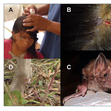
Human microbiome, June 25

Detailed analysis on strain level of oral microbiome and immune cell in term and preterm labor.

Oral microbiome

Screen Shot 2014-06-25 at 10.26.27 PMOligotyping analysis of the human oral microbiome – A. Murat Eren – PNAS

“We used a computational approach that relies on information theory to reanalyze the human oral microbiome. This analysis revealed organisms differing by as little as a single rRNA nucleotide, with dramatically different distributions across habitats or individuals.”

Pregnancy and birth

Screen Shot 2014-06-25 at 10.27.47 PMReview: Immune cells in term and preterm labor – Nardhy Gomez-Lopez – Cellular and Molecular Immunology

“Here, we summarize the role of innate and adaptive immune cells in the physiological or pathological activation of labor. “

[hr]

General microbiology and science, June 24

Metabolomics, metagenomics, phages in the human gut, arsenic poisoning in China, and a big award for Dengue research.

Metabolomics

Metaproteomics: Extracting and Mining Proteome Information to Characterize Metabolic Activities in Microbial Communities – Paul E. Abraham – Current Protocols in Bioinformatics

“In this article, we provide an overview of current bioinformatic approaches and software implementations in metaproteome studies in order to highlight the key considerations needed for successful implementation of this powerful community-biology tool. “

Review: The human volatilome: volatile organic compounds (VOCs) in exhaled breath, skin emanations, urine, feces and saliva – Anton Amann – Journal of Breath Research

“Fecal volatiles have been implicated in differentiating certain infectious bowel diseases such as Clostridium difficile, Campylobacter, Salmonella and Cholera. They have also been used to differentiate other non-infectious conditions such as irritable bowel syndrome and inflammatory bowel disease.”

Metagenomics and DNA structure

Sequencing the Strange Communities: Taking on Metagenomics – Aaron Krol – Bio-IT World

““Communities are made up of organisms that interact,” says Jonathan Eisen, a professor at the School of Medicine and the College of Biological Sciences at the University of California, Davis. “They’re not made up of short reads of Illumina sequences. And we need to stitch those together into organisms in order to make useful predictions, and interpretation of experimental data.””

Gene positioning and genome function – Nidhi Vishnoi, Jie Yao – Frontiers in Biology

” In this review, we discuss some recent findings as well as experimental tools to investigate subnuclear gene positioning and to explore its implications in genome functions.”

Phages and viruses

Classification and quantification of bacteriophage taxa in human gut metagenomes – Alison S Waller – ISME Journal 

“Using taxon-specific marker genes, we identified and monitored 20 viral taxa in 252 human gut metagenomic samples, mostly at the level of genera. “

Techniques

Enzymatic Treatment of Specimens before DNA Extraction Directly Influences Molecular Detection of Infectious Agents – Pablo Goldschmidt – PLOS ONE

“The goal of the present work was to assess the efficiency of enzymatic pretreatments on infectious agents to make DNA available for further extraction and amplification.”

Dengue

Sustainable Sciences Institute (SSI) Awarded $1 Million to Battle Growing Threat to Global Public Health: Mosquito-borne Dengue Virus – PR Web

“SSI, a San Francisco nonprofit founded by Eva Harris, UC Berkeley Professor of Infectious Disease and Vaccinology and former MacArthur “Genius” award winner, has worked to minimize the threat of potentially fatal Dengue disease for 15 years. With the latest award of $1 million dollars, Harris and other SSI investigators will be able to extend their reach and speed up their efforts.”

Infection and host response

Early MicroRNA Expression Profile as a Prognostic Biomarker for the Development of Pelvic Inflammatory Disease in a Mouse Model of Chlamydial Genital Infection – Laxmi Yeruva – mBio

“To determine if chemokine and cytokine production within 24 h of infection is associated with the outcome of pathology, levels of 15 chemokines and cytokines were measured. “

Immunity to gastrointestinal nematodes: mechanisms and myths – Richard K. Grencis – Immunological Reviews

“This review aims to discuss the recent discoveries in both host protection and immunoregulation against gastrointestinal nematodes, placing the data in context of the specific life cycles imposed by the different parasites studied and the future challenges of considering the mucosal/immune axis to encompass host, parasite, and microbiome in its widest sense.”

Tailored immunity at mucosae – Yasmine Belkaid – Immunological Reviews

“This issue of Immunological Reviews presents articles from investigators involved in the exploration of the mechanisms by which mucosal barrier sites induce and control innate and adaptive immune responses.”

Detection of bacteria in blood and other sites

Rapid Detection of Enterobacteriaceae Producing Extended Spectrum Beta-Lactamases Directly From Positive Blood Cultures by Matrix-Assisted Laser-Desorption-Ionization Time-of-Flight Mass Spectrometry (MALDI-TOF-MS) – Marina Oviaño – Clinical Microbiology and Infection

“In the assay, 141 blood cultures were tested, 13 out of them were real bacteremias and 128 corresponded to blood culture bottles seeded with bacterial clinical isolates. Bacteremias were analyzed by MALDI-TOF after a positive growth result and the 128 remaining blood cultures 24 hours after the bacterial seeding. “

General microbiology and ecology

The quest for a unified view of bacterial land colonization – Hao Wu – ISME Journal

“Here, we perform comprehensive analyses based on a large variety of bacteria by integrating taxonomic, phylogenetic and metagenomic data, in the quest for a unified view that elucidates genomic, evolutionary and ecological dynamics of the marine progenitors in adapting to nonaquatic environments. “

Lateral transfer of eukaryotic ribosomal RNA genes: an emerging concern for molecular ecology of microbial eukaryotes – Akinori Yabuki – ISME Journal

“Two distinct sequences of the 18S rRNA gene were detected from a clonal culture of the stramenopile, Ciliophrys infusionum. One was clearly derived from Ciliophrys, but the other gene originated from a perkinsid alveolate.”

Arsenic metabolism

Arsenic Pollution Sows Despair in Chinese Cancer Village (slideshow)- Yahoo News

“Xiong Demin could not have foreseen that the mine he worked at for 32 years would leave his home village poisoned and hundreds of residents, including himself and his wife, stricken with cancer.”

Dr. Bik’s Picks – Evolution Edition

Molecular Phylogeny, Biogeography, and Habitat Preference Evolution of Marsupials – Kieren J. Mitchell – Molecular Biology and Evolution

“We use 101 mitochondrial genomes and data from 26 nuclear loci to reconstruct a dated phylogeny including 97% of extant genera and 58% of modern marsupial species”

Parallel sites implicate functional convergence of the hearing gene prestin among echolocating mammals – Zhen Liu – Molecular Biology and Evolution

“By functional assays, we show that a key parameter of prestin function, 1/α, is increased in all echolocating mammals and that the N7T parallel substitution accounted for this functional convergence. Moreover, another parameter, V1/2, was shifted toward the depolarization direction in a toothed whale, the bottlenose dolphin (Tursiops truncatus) and a constant-frequency bat, Stoliczka’s trident bat (Aselliscus stoliczkanus). “

Evolutionary developmental transcriptomics reveals a gene network module regulating interspecific diversity in plant leaf shape – Yasunori Ichihashi – PNAS

“Utilizing the natural variation in leaf morphology between tomato and two related wild species, we identified a gene network module that leads to a dynamic rewiring of interactions in the whole leaf developmental gene regulatory network. “

[hr]

Non-human microbiome, June 24

Lots of marine microbiotas for you today, from corals, sponges, bivalves, to seawater and sediments.

Coral, sponges and other invertebrate microbiome

Coral transcriptome and bacterial community profiles reveal distinct Yellow Band Disease states in Orbicella faveolata – Collin J Closek – ISME Journal

“We profiled three conditions: (1) healthy-appearing colonies (HH), (2) healthy-appearing tissue on diseased colonies (HD), and (3) diseased lesion (DD). Restriction fragment length polymorphism analysis revealed health state-specific diversity in Symbiodinium clade associations. “

Quantification of bacterial and archaeal symbionts in high and low microbial abundance sponges using real-time PCR – Kristina Bayer – FEMS Microbiology Ecology

“Here, we established qPCR assays for the specific quantification of four bacterial phyla of representative sponge symbionts as well as the kingdoms Eubacteria and Archaea. “

Comparative modifications in bacterial gill-endosymbiotic populations of the two bivalves Codakia orbiculata and Lucina pensylvanica during bacterial loss and reacquisition – Nathalie H. Elisabeth – FEMS Microbiology Ecology

“We used in situ hybridization, flow cytometry and X-ray fluorescence to characterize the symbiont population hosted in the gills of both species. I”

Plant microbiology

Links between plant and fungal communities across a deforestation chronosequence in the Amazon rainforest – Rebecca C Mueller – ISME Journal

“We combined high-throughput sequencing of fungal rDNA and molecular barcoding of plant roots to estimate fungal and plant community composition in soil sampled across a chronosequence of deforestation.”

Soil microbiology

High prevalence of biofilm synergy among bacterial soil isolates in cocultures indicates bacterial interspecific cooperation – Dawei Ren – ISME Journal

“Our results show a high prevalence of synergy in biofilm formation in multispecies consortia isolated from a natural bacterial habitat and suggest that interspecific cooperation occurs.”

High virus-to-cell ratios indicate ongoing production of viruses in deep subsurface sediments – Tim Engelhardt – ISME Journal

“Phages were detected by electron microscopy in deep (320 m below seafloor), ancient (~14 Ma old) and the most oligotrophic subsurface sediments of the world’s oceans (South Pacific Gyre (SPG)).”

Water and sediment microbiology

Contrasting spatiotemporal patterns and environmental drivers of diversity and community structure of ammonia oxidizers, denitrifiers, and anammox bacteria in sediments of estuarine tidal flats – Anjing Yang – Annals of Microbiology

“The alpha diversities (Shannon and Simpson indices) and community structure of ammonia oxidizing bacteria (AOB) and archaea (AOA), denitrifier and anammox bacteria (AMB) were revealed using denaturing gradient gel electrophoresis and clone library analysis of amoA, nosZ and 16S rRNA gene markers. “

Metagenomics reveals sediment microbial community response to Deepwater Horizon oil spill – Olivia U Mason – ISME Journal

“The 16S rRNA gene data indicated that the most heavily oil-impacted sediments were enriched in an uncultured Gammaproteobacterium and a Colwellia species, both of which were highly similar to sequences in the DWH deep-sea hydrocarbon plume. “

Microorganisms persist at record depths in the subseafloor of the Canterbury Basin – Maria-Cristina Ciobanu – ISME Journal

“Here we show that not only Bacteria and Archaea but also Eukarya occur at record depths in the subseafloor of the Canterbury Basin. Shifts in microbial community composition along a core of nearly 2 km reflect vertical taxa zonation influenced by sediment depth. “

The niche of an invasive marine microbe in a subtropical freshwater impoundment – K David Hambright – ISME Journal

“Using a long-term field study of the ‘invasive’ marine haptophyte Prymnesium parvum, we characterize the environmental niche of P. parvum in a subtropical impoundment in the southern United States.”

Unveiling microbial activities along the halocline of Thetis, a deep-sea hypersaline anoxic basin – Maria G Pachiadaki – ISME Journal

“This first metatranscriptome analysis of DHAB samples provides significant insights into shifts in metabolic activities of microorganisms as physicochemical conditions change from deep Mediterranean sea water to brine.”

Oxygen availability and distance to surface environments determine community composition and abundance of ammonia-oxidizing prokaroytes in two superimposed pristine limestone aquifers in the Hainich region, Germany
Sebastian Opitz – FEMS Microbiology Ecology

“We followed the abundance and compared the diversity of ammonia oxidizing archaea (AOA) and bacteria (AOB) in the groundwater of two superimposed pristine limestone aquifers located in the Hainich region (Thuringia, Germany) over 22 months”

Intertidal epilithic bacteria diversity changes along a naturally occurring carbon dioxide and pH gradient – Joe D Taylor – FEMS Microbiology Ecology

“Biofilms were sampled from three sites exposed to seawater with different pH/CO2 levels and diversity determined using high-throughput sequencing of 16S rRNA genes. “

Single-cell enabled comparative genomics of a deep ocean SAR11 bathytype
J Cameron Thrash – ISME Journal

“Here we examine the genomic basis for deep ocean distribution of one SAR11 bathytype (depth-specific ecotype), subclade Ic. Four single-cell Ic genomes, with estimated completeness of 55%–86%, were isolated from 770 m at station ALOHA and compared with eight SAR11 surface genomes and metagenomic datasets.”

A microarray for assessing transcription from pelagic marine microbial taxa
Irina N Shilova – ISME Journal

“Here we report on a collaborative effort to design MicroTOOLs (Microbiological Targets for Ocean Observing Laboratories), a high-density oligonucleotide microarray that targets functional genes of diverse taxa in pelagic and coastal marine microbial communities. “

[hr]

Human and cell phone microbiome, June 24

The PhoneBiome has finally been characterized. Effect of maltodextrin on gut microbiome, and obesity and risk for preterm birth.

Skin and phone microbiome

Mobile phones carry the personal microbiome of their owners – James F. Meadow – Peer J

“We found that about 22% of the bacterial taxa on participants’ fingers were also present on their own phones, as compared to 17% they shared on average with other people’s phones. “

Gut microbiome

The Metabolizable Energy of Dietary Resistant Maltodextrin Is Variable and Alters Fecal Microbiota Composition in Adult Men – David J. Baer – The Journal of Nutrition

“RM intake was associated with statistically significant increases (P < 0.001) in various operational taxonomic units matching closest to ruminococcus, eubacterium, lachnospiraceae, bacteroides, holdemania, and faecalibacterium, implicating RM in their growth in the gut. “

B cells as a critical node in the microbiota–host immune system network
Emma Slack – Immunological Reviews

“In this review, we address how B-cell responses to members of the intestinal microbiota form a robust network with mucus, epithelial integrity, follicular helper T cells, innate immunity, and gut-associated lymphoid tissues to maintain host–microbiota mutualism.”

Classification and quantification of bacteriophage taxa in human gut metagenomes – Alison S Waller – ISME Journal 

“Using taxon-specific marker genes, we identified and monitored 20 viral taxa in 252 human gut metagenomic samples, mostly at the level of genera. “

Cesarean delivery and risk of inflammatory bowel disease: a systematic review and meta-analysis – Yi Li – Scandinavian Journal of Gastroenterology

“Results of this meta-analysis support the hypothesis that cesarean delivery was associated with the risk of CD but not of UC. The total rate of cesarean delivery of IBD patients was similar with that of control subjects.

Intestinal microbiota in pathophysiology and management of irritable bowel syndrome – Lee KN – World Journal of Gastroenterology

“…the role of the intestinal microbiota in the pathophysiology and management of IBS is not clear. This review provides the accumulating evidence on it.”

Pregnancy and Birth

Maternal Prepregnancy Body Mass Index and Risk of Spontaneous Preterm Birth – Gary M. Shaw – Paediatric and Perinatal Epidemiology

“Analyses of mothers without hypertension and diabetes, adjusted for age, education, height, and prenatal care initiation, showed obesity categories I–III to be associated with increased risk of spontaneous preterm birth at 20–23 and 24–27 weeks among those of parity 1 in each race/ethnic group.”

and

Obesity before pregnancy linked to earliest preterm births, Stanford/Packard study finds – Erin Digitale – Stanford Medicine News Center

“Women who are obese before they become pregnant face an increased risk of delivering their babies before 28 weeks of pregnancy, a new study of nearly 1 million California births has found.”

Maturation of the enteric mucosal innate immune system during the postnatal period – Marcus Fulde and Mathias W. Hornef – Immunological Reviews

“Here, we discuss both adaptive and developmental mechanisms of the mucosal innate immune system that prevent inappropriate stimulation and facilitate establishment of a stable homeostatic host–microbial interaction after birth.”

Early Infant Nutrition and Metabolic Programming: What Are the Potential Molecular Mechanisms? – Stephanie-May Ruchat – Current Nutrition Reports

“This review will present potential molecular mechanisms through which early postnatal nutrition may influence health and disease programming, focusing on research that used “-omics” approaches (i.e., epigenomics, transcriptomics, proteomics, and metabolomics).”

Oral presentation: Serum beta defensin concentration in the first trimester is related to genotype, and is higher in women who develop PPROM and deliver before 34 weeks – CP James – Arch Dis Child Fetal Neonatal Ed

“Serum hBD2 expression is higher in women who have PPROM and PTB. Women with PPROM and PTB have a distinct innate immune profile evident in their serum in the first trimester, which may provide the basis for a predictive test.”

Animal models of human microbiota and disease

Modulation of gut microbiota during probiotic-mediated attenuation of metabolic syndrome in high fat diet-fed mice – Jingjing Wang – ISME Journal

“Weighted UniFrac principal coordinate analysis based on 454 pyrosequencing of fecal bacterial 16S rRNA genes showed that the probiotic strains shifted the overall structure of the HFD-disrupted gut microbiota toward that of lean mice fed a normal (chow) diet. “

Gut microbiome composition and function in experimental colitis during active disease and treatment-induced remission – Michelle G Rooks – ISME Journal

“Here, we surveyed the gut microbiome of the T-bet−/− Rag2−/− mouse model of colitis during active disease and treatment-induced remission. “

Early-Life Environmental Variation Affects Intestinal Microbiota and Immune Development in New-Born Piglets – Dirkjan Schokker – PLOS ONE

” We observed that the applied antibiotic treatment affected the composition and diversity of gut microbiota and reduced the expression of a large number of immune-related processes. The effect of management procedures on top of the use of an antibiotic was limited.”

[hr]

General microbiology and science, June 23

Amplification of 18S rRNA genes, metabolomics, phages, and the scientific way to cut a cake.

Bacteria are everywhere

This article is citing a study that was published in 1992, not sure why they reporting about it now, but here it is:
Earpieces can multiply bacteria 11 times in ear – Tribune

“Besides concerns about deafness, there are also issues regarding use of earpieces and bacteria. A study which measured bacteria levels on audio headsets provided on commercial airline flights entitled “Changes in the microbial flora of airline headset devices after their use,” published in the journal, The Laryngoscope, brings interesting conclusions. “

Anti-bacterial bag-for-life could prevent rise in food poisoning when 5p plastic bag charge comes into force – Independent UK

“Paul Morris, the managing director, said: “Multi-use bags which can carry raw meat one week and vegetables or clothing the next is a concern of many industry experts; this bag provides a solution to the problem.””

Amplification and sequencing techniques 

Investigating Microbial Eukaryotic Diversity from a Global Census: Insights from a Comparison of Pyrotag and Full-Length Sequences of 18S rRNA Genes – Alle A. Y. Lie – Applied and Environmental Microbiology

“Operational taxonomic units (OTUs) derived from full-length (Sanger sequencing) and pyrotag (454 sequencing of the V9 hypervariable region) sequences of 18S rRNA genes from 10 global samples were analyzed in order to compare the resulting protistan community structures and species richness. “

Targeted and Highly Multiplexed Detection of Microorganisms by Employing an Ensemble of Molecular Probes – Weihong Xu – Applied and Environmental Microbiology

“To profile the microbial diversity in environmental and clinical samples, we have devised and employed molecular probe technology, which detects and identifies bacteria that do and do not grow in culture.”

Metabolomics and mass spectrometry

This one is published by the not-so-trustworthy Omics group, but it sounds interesting:
Optimisation of Sample Preparation for Direct SPME-GC-MS Analysis of Murine and Human Faecal Volatile Organic Compounds for Metabolomic Studies (links to PDF)
– Reade S – Analytical & Bioanalytical Techniques

“We evaluated different aspects of sample preparation when processing murine and human faecal samples through a pipeline involving solid phase micro-extraction (SPME) coupled to gas chromatography-mass spectrometry (GC-MS)”

Shigella reroutes host cell central metabolism to obtain high-flux nutrient supply for vigorous intracellular growth – David Kentner – PNAS

“Here, we show that infected host cells maintain normal central metabolism for energy production and host cell survival. However, Shigella captures the entire host metabolism output and degrades it further to acetate.”

Beyond the Matrix-Assisted Laser Desorption Ionization (MALDI) Biotyping Workflow: in Search of Microorganism-Specific Tryptic Peptides Enabling Discrimination of Subspecies – Maria-Theresia Gekenidis – Applied and Environmental Microbiology

“Here, it is shown that combining tryptic digestion of the acid/organic solvent extracted (classical biotyping preparation) and resolubilized proteins, nano-liquid chromatography (nano-LC), and subsequent identification of the peptides by MALDI-tandem TOF (MALDI-TOF/TOF) mass spectrometry increases the discrimination power to the level of subspecies.”

Phages and viruses

Modeling the Infection Dynamics of Bacteriophages in Enteric Escherichia coli: Estimating the Contribution of Transduction to Antimicrobial Gene Spread –
Victoriya V. Volkova – Applied and Environmental Microbiology

“Using the model and the most liberal assumptions about transduction efficiency and resistance gene frequency, we approximated the upper numerical limits (“worst-case scenario”) of gene transfer through specialized and generalized transduction in E. coli by enteric coliphages when the transduced genetic segment is picked at random. “

Tolerance of a Phage Element by Streptococcus pneumoniae Leads to a Fitness Defect during Colonization – Hilary K. DeBardeleben – Journal of Bacteriology

“Here, we examined a clinical isolate that carries a novel prophage element, designated Spn1, which was detected in both integrated and episomal forms. Surprisingly, both lytic and lysogenic Spn1 genes were expressed under routine growth conditions.”

Comparison of Five Bacteriophages as Models for Viral Aerosol Studies – Nathalie Turgeon – Applied and Environmental Microbiology

“The presence of viruses in collected air samples was detected by culture and quantitative PCR (qPCR). Our results showed that these selected five phages behave differently when aerosolized and sampled. “

Microbial detection in blood and normally sterile sites

Molecular revolution in the diagnosis of microbial brain abscesses – AK Mishra – European Journal of Clinical Microbiology & Infectious Diseases

“This article reviews the applications of the currently available tools for the etiological diagnosis of a brain abscess.”

General microbiology

Nitrogen stress response and stringent response are coupled in Escherichia coli – Daniel R. Brown – Nature Communications

“Here, we show that transcription of relA, a key gene responsible for the synthesis of ppGpp, is activated by NtrC during nitrogen starvation.”

Stenotrophomonas comparative genomics reveals genes and functions that
differentiate beneficial and pathogenic bacteria – Peyman Alavi – BMC Genomics

“We used comparative genomics as well as transcriptomic and physiological approaches to detect significant borders between the Stenotrophomonas strains: the multi-drug resistant pathogenic S. maltophilia and the plant-associated strains S. maltophilia R551-3 and S. rhizophila DSM14405T (both are biocontrol agents)”

Emergence of bacterial vortex explained – Science Daily

When a bunch of B. subtilis bacteria are confined within a droplet of water, a very strange thing happens. The chaotic motion of individual swimmers spontaneously organizes into a swirling vortex, with bacteria on the outer edge of the droplet moving in one direction while those on the inside move the opposite direction. “

Dr. Bik’s Picks

Screen Shot 2014-06-23 at 11.53.49 PMScientists tie social behavior to activity in specific brain circuit – Stanford University

“The new findings, published June 19 in Cell, may throw light on psychiatric disorders marked by impaired social interaction such as autism, social anxiety, schizophrenia and depression, said the study’s senior author, Karl Deisseroth, MD, PhD, a professor of bioengineering and of psychiatry and behavioral sciences. 

Scientists use X-rays to look at how DNA protects itself from UV light – Science Daily

The molecular building blocks that make up DNA absorb ultraviolet light so strongly that sunlight should deactivate them — yet it does not. Now scientists have made detailed observations of a ‘relaxation response’ that protects these molecules, and the genetic information they encode, from UV damage.”

Cut your cake and keep it (fresh), too – Eliza Barclay – NPR

“The ordinary method of cutting out a wedge is very faulty,” wrote Sir Francis Galton, a British mathematician, in a 1906 letter to the journal Nature concerning the scientific principles of cake-cutting.”

[hr]

Non-human microbiome, June 23

What happens with all that triclosan we flush down the drain? Also, baby squirrels, tse-tse flies, pot, and Chinese liquor.

Animal microbiome general 

Two very different papers from the same group, but both are finding that Blautia species are host specific.

Screen Shot 2014-06-23 at 10.57.57 PM

A single genus in the gut microbiome reflects host preference and specificity – A Murat Eren – The ISME Journal

“In our dataset of 57 M sequence reads of the V6 region of the 16S ribosomal RNA gene in samples collected from seven host species, we identified 200 high-resolution taxonomic units within Blautia using oligotyping.” (Humans, cows, swine, deer, chickens)

Screen Shot 2014-06-23 at 11.26.18 PMBlautia and Prevotella sequences distinguish human and animal fecal pollution in Brazil surface waters – Amber M. Koskey – Environmental Microbiology Reports

“We used oligotyping to identify Prevotella and Blautia sequences that can distinguish human fecal contamination. Thirty-five of 61 Blautia oligotypes and 13 of 108 Prevotella oligotypes in humans were specific to or highly abundant (i.e. host-preferred) compared to pig, dog, horse, and cow sources.”

Squirrel microbiome

Screen Shot 2014-06-23 at 11.35.26 PMTemporal Dynamics of the Cecal Gut Microbiota of Juvenile Arctic Ground Squirrels: a Strong Litter Effect across the First Active Season – Timothy J. Stevenson – Applied and Environmental Microbiology  (image courtesy of ego-alterego.com)

“We characterized trends in diversity (454 pyrosequencing), density (flow cytometry), viability (flow cytometry), and metabolism (short-chain fatty acid analysis) of the gut microbial community of juvenile arctic ground squirrels across their first active season at weaning and at 4, 6, 8, and 10 weeks postweaning.”

Insect microbiome

Screen Shot 2014-06-23 at 11.20.33 PMAnalysis of Multiple Tsetse Fly Populations in Uganda Reveals Limited Diversity and Species-Specific Gut Microbiota – Emre Aksoy – Applied and Environmental Microbiology

“We used multiple approaches, including deep sequencing of the V4 hypervariable region of the 16S rRNA gene, 16S rRNA gene clone libraries, and bacterium-specific quantitative PCR (qPCR), to investigate the levels and patterns of gut microbial diversity from a total of 151 individuals.”

Screen Shot 2014-06-23 at 11.22.49 PMMicrobial Population Dynamics in the Hemolymph of Manduca sexta Infected with Xenorhabdus nematophila and the Entomopathogenic Nematode Steinernema carpocapsae – Swati Singh – Applied and Environmental Microbiology

“We show that gut microbes translocate into the hemolymph when the nematode penetrates the insect intestine.”

Screen Shot 2014-06-23 at 11.23.22 PMPurine Biosynthesis, Biofilm Formation, and Persistence of an Insect-Microbe Gut Symbiosis – Jiyeun Kate Kim – Applied and Environmental Microbiology

“When we disrupted purN and purT in the Burkholderia symbiont, the ΔpurN and ΔpurT mutants grew normally, and only the ΔpurT mutant failed to form biofilms. “

Plant microbiome

Plant metabolomics for plant chemical responses to belowground community change by climate change – Sangkyu Park – Journal of Plant Biology

“In this review, we will first summarize recent progress in plant metabolomics methodology and subsequently review recent studies of interactions between plants and soil organisms in relation to climate change issues.”

Bioreactor and sewage microbiology

TriclosanThe Impacts of Triclosan on Anaerobic Community Structures, Function, and Antimicrobial Resistance – Patrick J McNamara – Environmental Science & Technology

“Triclosan amendment caused all of the Bacteria and Archaea communities to structurally diverge from that of the control cultures (based on ARISA).”

Screen Shot 2014-06-23 at 11.24.07 PMShifts in the Microbial Community, Nitrifiers and Denitrifiers in the Biofilm in a Full-scale Rotating Biological Contactor – Xingxing Peng – Environmental Science & Technology

“The objective of this study was to investigate the Microbial community shifts of bacteria, especially nitrifiers and denitrifiers, in the biofilm of two rotating biological contactor (RBC) trains with different running times along the plug flowpath”

Soil microbiology

Screen Shot 2014-06-23 at 11.32.29 PMIdentifying qualitative effects of different grazing types on below-ground communities and function in a long-term field experiment – Catriona A Macdonald – Environmental Microbiology

“All functional community measures (functions, biogeochemical cycling genes, network association between different taxa) were more strongly affected by invertebrate grazers than rabbits.”

Screen Shot 2014-06-23 at 11.25.34 PMExtensive sampling of basidiomycete genomes demonstrates inadequacy of the white-rot/brown-rot paradigm for wood decay fungi – Robert Riley – PNAS

“To test the adequacy of the white/brown-rot categories, we analyzed 33 fungal genomes. Some species lack PODs, and thus resemble brown-rot fungi, but possess the cellulose-degrading apparatus typical of white-rot fungi. “

Food and other consumables microbiology

Screen Shot 2014-06-23 at 11.33.28 PMIf the pot doesn’t worry you, the bacteria might: Food safety a new frontier for legal pot – Kristen Wyatt – The Republic

“In Washington state, where retail sales are expected to begin the week of July 7, regulations call for samples of all marijuana sold for consumption to clear a “microbiological screening,” whether it’s in edible, smokeable or concentrate form.”

Screen Shot 2014-06-23 at 11.34.50 PMStarter Culture Selection for Making Chinese Sesame-Flavored Liquor Based on Microbial Metabolic Activity in Mixed-Culture Fermentation – Qun Wu – Applied and Environmental Microbiology

“To obtain a suitable starter culture for making Chinese sesame-flavored liquor, the yeast and bacterium community structures were investigated during spontaneous and solid-state fermentations of this type of liquor.”

[hr]

Human microbiome, June 23

Lactobacillus feeding on human milk, Mycoplasma in preterm birth, and Clostridium difficile infection and gut microbiota.

Pregnancy and birth

Screen Shot 2014-06-23 at 10.51.26 PMA unique gene cluster for the utilization of the mucosal and human milk-associated glycans galacto-N-biose and lacto-N-biose in Lactobacillus casei – Gonzalo N. Bidart – Molecular Microbiology

“The data represent the first characterization of novel metabolic pathways for human milk oligosaccharides and glycoconjugate structures in Firmicutes”

Screen Shot 2014-06-23 at 11.01.13 PMReport from AANP 2014, Nashville, Tennessee: Screening for Bacteria May Help Pregnancy Outcomes – Ed Susman, MedpageToday

“In a single-center study, about 70% of symptomatic women who were screened for vaginal infections with either Mycoplasma Genitalium or Mycoplasma Hominis experienced preterm birth compared with 30% of the asymptomatic women who still underwent screening for the infections at a prenatal visit, reported Allison Phillips, DNP, of Robert Morris University in Pittsburgh, and colleagues.”

Oral microbiome

Screen Shot 2014-06-23 at 10.52.34 PMNew analysis reveals previously ‘hidden diversity’ of mouth bacteria – MBL

“Using a novel computational method called oligotyping, developed by MBL Assistant Research Scientist A. Murat Eren, scientists analyzed gene sequence data from nine sites in the oral cavity. ” “The study will be published in PNAS Online Early Edition the week of June 23-27, 2014”, but is not yet on PNAS website

Screen Shot 2014-06-23 at 10.53.35 PMEffects of pH and Lactate on Hydrogen Sulfide Production by Oral Veillonella spp. – Jumpei Washio – Applied and Environmental Microbiology

“Thus, in the present study, the H2S-producing activity of growing cells, resting cells, and cell extracts of oral Veillonella species and the effects of oral environmental factors, including pH and lactate, were investigated.”

Gut microbiome

Screen Shot 2014-06-23 at 10.54.40 PMStructural and functional changes in the gut microbiota associated to Clostridium difficile infection – Ana E. Pérez-Cobas – Frontiers in Microbiology

“Here, we analyze the composition and functional differences in the gut microbiota of C. difficile infected (CDI) versus non-infected patients, both patient groups having been treated with AB therapy. To do so we used 16S rRNA gene and metagenomic 454-based pyrosequencing approaches. “

Screen Shot 2014-06-23 at 10.58.40 PMThe HLA-DQ2 genotype selects for early intestinal microbiota composition in infants at high risk of developing coeliac disease – M Olivares – Gut

“Infants with a high genetic risk had significantly higher proportions of Firmicutes and Proteobacteria and lower proportions of Actinobacteria compared with low-risk infants.”

(Both human and animal)
Screen Shot 2014-06-23 at 10.57.57 PMA single genus in the gut microbiome reflects host preference and specificity – A Murat Eren – The ISME Journal

“In our dataset of 57 M sequence reads of the V6 region of the 16S ribosomal RNA gene in samples collected from seven host species, we identified 200 high-resolution taxonomic units within Blautia using oligotyping.”

Screen Shot 2014-06-23 at 10.57.04 PMMicrobiomes are true to type – Andrew H. Moeller and Howard Ochman – PNAS

“Enter Wang et al. (3), who provide both retrospective and experimental evidence that the maintenance of enterotypes in host populations is driven by dietary variation.”

General human microbiome

Screen Shot 2014-06-23 at 10.56.07 PMMicrobiota and neurodevelopmental windows: implications for brain disorders
– Yuliya E Borre – Trends in Molecular Medicine

“This review compares the parallel early development of the intestinal microbiota and the nervous system.”

Animal models of human microbiome

Screen Shot 2014-06-23 at 11.00.16 PMThe murine appendiceal microbiome is altered in spontaneous colitis and its pathological progression – Sultan Alkadhi – Gut Pathogens

“The appendiceal dysbiosis observed in our Winnie mice is commensurate with, and adds to extant literature data. The presence of Helicobacteraceae (Proteobacteria) only in colitic Winnie mice (but not control mice) is consistent with reports of increased Helicobacter in IBD patients. “

[hr]

Microbiome and general biology, June 20

It was a quiet day on the microbiome research front, so there will only be one post today. But, with vampire bats, Bacillus anthracis, and fish-eating spiders, it’s a good one!

Pregnancy and Birth

Screen Shot 2014-06-20 at 10.08.36 PMStudy Finds Certain Birth Defects are more Common in Hispanics – Cheri Cheng

“”One of the things that caught our eye was, while Hispanics represent 17 percent of the population, 24 percent of premature babies are Hispanic,” said Dr. Edward McCabe, senior vice president and chief medical officer of the March of Dimes, a nonprofit organization.”

Animal models of human microbiota

BacillusColonic Immune Suppression, Barrier Dysfunction, and Dysbiosis by Gastrointestinal Bacillus anthracis Infection – Yaíma L. Lightfoot – PLOS ONE

“Herein, we investigated the pathogenesis of GI anthrax in animals orally infected with toxigenic non-encapsulated B. anthracis Sterne strain (pXO1+ pXO2−) spores that resulted in rapid animal death.”

Screen Shot 2014-06-20 at 9.53.32 PMBiology Students Study Stomach Bacteria – Pengxeu Thao – University of Minnesota Morris

Wyckoff and her students are spending the summer studyingHelicobacter pylori (H. pylori), a Gram-negative bacterium found in the human stomach.”

Amphibian microbiome

AmphibCool Temperatures Reduce Antifungal Activity of Symbiotic Bacteria of Threatened Amphibians – Implications for Disease Management and Patterns of Decline – Joshua H. Daskin – PLOS ONE

“We characterized, at a range of temperatures approximating natural seasonal variation, the anti-Bd activity of bacterial symbionts from the skins of three species of rainforest tree frogs (Litoria nannotis, Litoria rheocola, and Litoria serrata)”

Plant microbiology

Screen Shot 2014-06-20 at 10.09.21 PMScientists look to bacteria to protect crop yields in the face of climate change – Jennifer Huizen – E&E Publishing

“If proved effective, this technology would decrease the amount of key nutrients like nitrogen and, most notably, water needed by the plant, while increasing the yield,” said Lin Myat, a postdoctoral fellow of molecular biology and genetics at Cornell “

belongs to

Screen Shot 2014-06-20 at 10.06.07 PMβ-Carboxysomal proteins assemble into highly organized structures in Nicotiana chloroplasts – Myat T. Lin – The Plant Journal

“We demonstrate that a foreign protein can be targeted with a 17-amino-acid CcmN peptide to the shell proteins inside chloroplasts. Our experiments establish the feasibility of introducing carboxysomes into chloroplasts for the potential compartmentalization of Rubisco or other proteins.”

Food microbiology

Screen Shot 2014-06-20 at 10.23.17 PMHaley Oliver: Master of Meat – Jef Akst – The Scientist

“In her own lab at Purdue University, Oliver studies the spread of Listeria in other foods, such as melons, and investigates sanitation strategies that may limit contamination and increase food shelf life. “

Infection and host response

InflammationInflammation: Gone with Translation – Carola G. Vinuesa, Thomas Preiss – PLOS Genetics

“Over the last few years, a number of studies have investigated global gene activation induced by pathogen-derived stimuli to gain insights into the modes of induction of the inflammatory mediators and regulators.”

Dengue

Screen Shot 2014-06-20 at 9.18.31 PMThe Need for More Research and Public Health Interventions on Dengue Fever in Burkina Faso – Valéry Ridde – PLOS Neglected Tropical Diseases

“…our aim in this article is to draw attention to the need for rapid deployment of research and interventions on dengue fever in Burkina Faso, because it appears to have been overlooked, with the focus being, instead, on malaria.”

Dengue NKTInvariant NKT Cell Response to Dengue Virus Infection in Human
Ponpan Matangkasombut – PLOS Neglected Tropical Diseases

“iNKT cells activation were analyzed by the expression of CD69 by flow cytometry. Their cytokine production was then analyzed after α-GalCer stimulation”

General microbiology

Screen Shot 2014-06-20 at 9.19.15 PMVampire Bats and Rabies: Toward an Ecological Solution to a Public Health Problem – Benjamin Stoner-Duncan – PLOS Neglected Tropical Diseases

“In the first half of 2011, 21 school-age children and two adults died of rabies transmitted by the common vampire bat (Desmodus rotundus) in and around the small rural village of Yupicusa in the Peruvian Amazon”

VectorCrossing the Interspecies Barrier: Opening the Door to Zoonotic Pathogens – Christian Gortazar – PLOS Pathogens

“The species barriers separating nonhuman animal species from humans represent a major hurdle for effective exposure to, infection by, and subsequent spread of zoonotic pathogens among humans”

Screen Shot 2014-06-20 at 9.35.19 PMHuman sweat can reduce bacteria fighting capabilities – ZeeNews

“A new research has revealed that human sweat can diminish bacteria-fighting qualities of brass objects like door knobs and taps within an hour of contact.”


Dr. Bik’s Picks

Screen Shot 2014-06-20 at 10.11.49 PMFish Predation by Semi-Aquatic Spiders: A Global Pattern – Martin Nyffeler – PLOS ONE

“More than 80 incidences of fish predation by semi-aquatic spiders – observed at the fringes of shallow freshwater streams, rivers, lakes, ponds, swamps, and fens – are reviewed.”

Screen Shot 2014-06-20 at 10.15.09 PMUS sets up honey bee loss task force – BBC News

“In the plan announced on Friday, Mr Obama directed the EPA and the agriculture department to lead a government-wide task force to develop a strategy within six months to fight bee and other pollinator declines.“

Screen Shot 2014-06-20 at 10.17.07 PMStrict diet suspends development, doubles lifespan of worms – Science Daily

“Researchers at Duke University found that taking food away from C. elegans triggers a state of arrested development: while the organism continues to wriggle about, foraging for food, its cells and organs are suspended in an ageless, quiescent state. “

Screen Shot 2014-06-20 at 10.26.39 PMFinding thoughts in speech: How human brain processes thoughts during natural communication – Science Daily

“The novelty of the authors’ approach is that the participants were not instructed to think and talk about a given topic in an experimental setting. “

[hr]


General microbiology and science, June 19

How to store your sputum samples, how LPS gets inserted into the outer membrane, and why pigs have an even number of toes.

Techniques in microbiome research

Screen Shot 2014-06-19 at 11.16.59 PMTime between sputum sample collection and storage significantly influences bacterial sequence composition from Cystic Fibrosis respiratory infections – Leah Cuthbertson – Journal of Clinical Microbiology

“Aliquots were stored at room temperature before freezing at -80°C for increasing intervals up to 72 hour period. Samples were treated with propidium monoazide, to distinguish live from dead cells, prior to DNA extraction, and 16S rRNA gene pyrosequencing was used to characterise the bacterial composition.”

General microbiology

Screen Shot 2014-06-19 at 11.26.58 PMStructural basis for outer membrane lipopolysaccharide insertion – Haohao Dong – Nature

“Here we report the first crystal structure of the unique integral membrane LPS translocon LptD–LptE complex….These findings not only help us to understand important aspects of bacterial outer membrane biogenesis, but also have significant potential for the development of novel drugs against multi-drug resistant pathogenic bacteria.”

Immunology

Screen Shot 2014-06-19 at 11.13.17 PMTeaching the immune system “self” respect and tolerance – Lucienne Chatenoud – Science

Tolerance is what we would like to restore to cure such disabling diseases. Kasagi et al. (2) indicate that it may be possible to teach the immune system to tolerate “self” again.”

Screen Shot 2014-06-19 at 11.15.42 PMIn Vivo–Generated Antigen-Specific Regulatory T Cells Treat Autoimmunity Without Compromising Antibacterial Immune Response – Shimpei Kasagi – Science

“These antigen-specific Treg cells specifically ameliorated autoimmunity without compromising immune responses to bacterial antigen. We have thus successfully generated antigen-specific Treg cells with therapeutic activity toward autoimmunity”

Phages, viruses, CRISPRs

Screen Shot 2014-06-19 at 11.18.44 PMHaloarcula hispanica CRISPR authenticates PAM of a target sequence to prime discriminative adaptation – Ming Li – Nucleic Acids Research

Science and ethics

Cheating common, say Brazil’s students – Jack Grove – Times Higher Education

“Of a sample of 47 papers published last year, 29 showed signs of word-by-word plagiarism, seven contained self-plagiarism, three had “mosaic plagiarism” (otherwise known as “synonym substitution”) and one exhibited signs of collusion.”

Dr. Bik’s Picks

Screen Shot 2014-06-19 at 11.23.10 PMThe Dangers Of Data Mining – Tommaso Dorigo – Science 2.0

On my first day at the Erice School of Science Journalism this past week I attended a lecture by Alessio Cimarelli, who discussed “When Data Journalism meets Science: a “Hackathon””.”

Screen Shot 2014-06-19 at 11.32.23 PMEvolutionary biology: Why cattle, pigs are even-toed – Science Daily

During their evolution, the basic limb skeletal structure was significantly modified such that today’s hippopotami have four toes, while the second and fifth toe face backwards in pigs.”


U.S. Says 75 Government Scientists Possibly Exposed To Live Anthrax – Reuters – Huffington Post

The potential exposure occurred after researchers working in a high-level biosecurity laboratory at the agency’s Atlanta campus failed to follow proper procedures to inactivate the bacteria.”

[hr]

Non-human microbiome, June 19

Microbiomes of piggies, chicks, and bread. Yum.

Pig microbiome

Screen Shot 2014-06-19 at 11.04.38 PMCharacterization of the fecal microbiome in different swine groups by high-throughput sequencing – Soo-Je Park – Anaerobe

“High-throughput 16S rRNA gene-based pyrosequencing was used to identify the possible core microorganisms in the gut of swine groups.”

Screen Shot 2014-06-19 at 11.05.40 PMImpact of fibre types on gut microbiota, gut environment and gut function in fattening pigs – H. Chen – Animal Feed Science and Technology

“To be concluded, influences of dietary sources on intestinal microflora and volatile fatty acids seemed to be related to fibre components, which possibly led to the changes in intestinal mucosal digestive physiology and thus affect production parameters of fattening pigs.”

Chicken microbiome

Screen Shot 2014-06-19 at 11.06.06 PMSelection of indigenous lactic acid bacteria to reinforce the intestinal microbiota of newly hatched chicken – Relevance of in vitro and ex vivo methods for strains characterization
Jaime D. Babot – Research in Veterinary Science

“Based on the natural benefits of the indigenous microbiota, lactic acid bacteria (LAB) from poultry origin were isolated from hens and broilers intestine, and their probiotic potential was further studied.”

Food microbiology

Screen Shot 2014-06-19 at 11.06.34 PMQuantitative high-resolution melting PCR analysis for monitoring of fermentation microbiota in sourdough – Xiaoxi B. Lin – International Journal of Food Microbiology

“This study developed two methods based on high-resolution melting curves (HRM) to monitor sourdough microbiota during fermentation and to investigate the effect of cereal substrate on microbial ecology.”

[hr]