January 30, 2016

Microbiome in hyposalivation, frailty microbiotas in discordant twins, saline lakes in Novosibirsk.

Human oral microbiome

Bacterial composition in whole saliva from patients with severe hyposalivation– a case-control study – Daniel Belstrøm – Oral Diseases

Human respiratory microbiome

Mixed group of Rhizobiales microbes in lung and blood of a patient with fatal pulmonary illness – Shyh-Ching Lo – Int J Clin Exp Pathol

Human gut microbiome

Signatures of early frailty in the gut microbiota – Matt Jackson – Genome Medicine

Unique β-Glucuronidase Locus in Gut Microbiomes of Crohn’s Disease Patients and Unaffected First-Degree Relatives – Karine Gloux – PLOS ONE

Animal models

Enhancement of Microbiota in Healthy Macaques Results in Beneficial Modulation of Mucosal and Systemic Immune Function – Jennifer A. Manuzak – The Journal of Immunology

Natural Pig Plasma Immunoglobulins Have Anti-Bacterial Effects: Potential for Use as Feed Supplement for Treatment of Intestinal Infections in Pigs – Chris J. Hedegaard – PLOS ONE

Plant, root, and soil microbiome

Nice to meet you: genetic, epigenetic and metabolic controls of plant perception of beneficial associative and endophytic diazotrophic bacteria in non-leguminous plants – T. L. G. Carvalho – Plant Molecular Biology

Water and extremophile microbiome

Ecological succession reveals potential signatures of marine–terrestrial transition in salt marsh fungal communities Francisco Dini-Andreote – The ISME Journal

(updated link) The role of environmental factors for the composition of microbial communities of saline lakes in the Novosibirsk region (Russia) – Alla V. Bryanskaya – BMC Microbiology 

Phages and microbial ecology

Bacteriophages affect evolution of bacterial communities in spatially distributed habitats: a simulation study – Alexandra Igorevna Klimenko – BMC Microbiology

Microbes in the news

UK Armed forces hospital’s water supply ‘contaminated with bacteria’ – Damien Gayle – The Guardian

Umpqua Hot Springs re-opens, after water tests clear of bacteria – Jamie Hale – Oregon Live

Far-Out Photos Reveal The Beautiful Bacteria Living In Our Teeth – Jacqueline Howard – Huffington Post Science

[hr]

Problems with Pitcher Plant Microbiome paper

Earlier today, I included a paper on the microbiome of pitcher plants, published yesterday in Scientific Reports.

Microbiome and Biocatalytic Bacteria in Monkey Cup (Nepenthes Pitcher) Digestive Fluid – Xin-Yue Cha – Scientific Reports

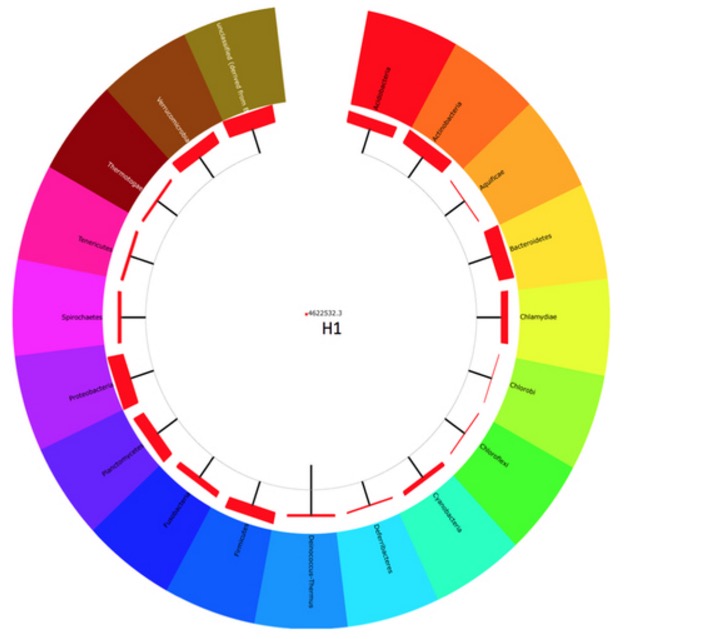
That’s a really cool topic. Pitcher plants are tropical and carnivorous plants that catch insects and slowly digest them. This paper was studying the digestive fluid isolated from a Malaysian pitcher plant. Figure 1, the only figure of the paper, looked very pretty and colorful at first.

Screen Shot 2016-01-29 at 12.16PM, Jan 29

But then I noticed that this was not really a phylogenetic tree. The outer ring shows the phyla found in the pitcher plant, but the lines leading to all these phyla were all directly connected to the same inner line. There was no word in the legend what the thickness of the red boxes meant, but I assume it was denoting the number of reads or OTUs found within each taxon.

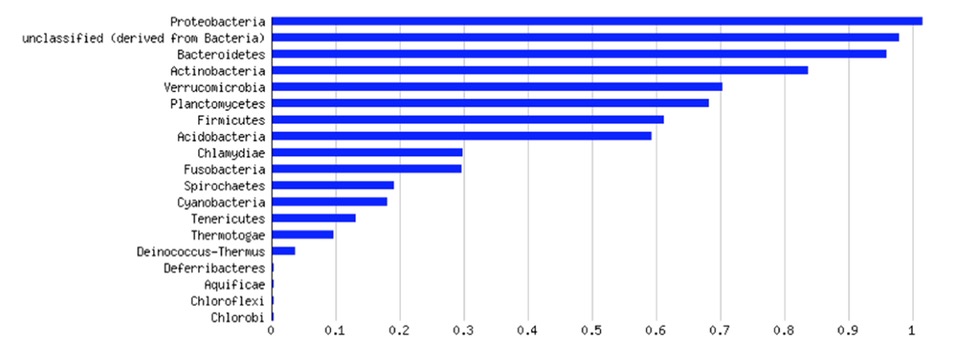
The bottom half of Figure 1 was similarly puzzling.

Screen Shot 2016-01-29 at 05.49PM, Jan 29

It seems to show that Proteobacteria were the most abundant in this dataset, but it was not clear what the scale or meaning of the X-axis is. The Proteobacteria are a bit of 1.0, so it does not seem to be relative abundance.

I started to read a bit more, and ran into a lot of other unclarities and problems, so many that I even wrote a PubPeer post on it. The paper has language issues, but being a non-native English speaker myself, I did not think that these were the most important problems. Here are some of the problems that I identified during a quick read-through.

Sample collection

Nepenthes pitcher fluid (Sample H1) was collected from wild Nepenthes in Mossy Forest, Pahang, Malaysia (N 04°31′, E 101°22′), at the altitude of 1970 m above sea level. The Nepenthes digestive fluid was transported to laboratory and processed immediately.

According to Google Maps, it would be a 3h car ride from the sampling site to the University of Malaya – were the samples kept on ice or frozen? There is no word on how they samples were transported. Then, how many plants or samples were collected? At some places, the text mentions “sample”, suggesting that only 1 plant/sample was obtained. Did this sample contain visible remnants of trapped insects? Could the microbiome found here be derived from insect guts?

“Targeted Metagenomic Sequencing”

Total DNA extracted from the Nepenthes fluid was subjected to 16S rDNA genes amplification with forward primer (MID1_530F, 5′-ACG AGT GCG TGT GCC AGC MGC NGC GG -3′) and reverse primer (MID1_1100modR, 5′-ACG AGT GCG TGG GTT NCG NTC GTT RC -3′)42. Gene amplification was preformed with gradient annealing temperature from 55 °C to 65 °C. The amplicon sequencing was performed on GS-FLX Titanium platform (Roche, USA).

This paragraph has many problems. First, these primers do not appear to fit on the 16S rRNA gene. I did several BLAST searches, RDP probe match, Google search, but they are not matching to anything. Reference 42, cited here, does not contain these sequences either. It’s a mystery to me what they amplify. Second, this is not metagenomic sequencing; it’s amplifying a specific gene, not analyzing mixed genomes. Then, I was not sure what is meant with the ” gradient annealing temperature” – is this describing a touchdown PCR, or did the authors runn PCRs at multiple annealing temperatures and combined them?

“Taxonomic Assignment of Metagenomic Sequences”

Sequences were trimmed with CLC genomic workbench and annotated with MG-RAST (v3.3) against RDP database (Methods).

A total of 27% of the sequencing read does not match to any DNA sequence in the RDP database. Thus, these reads were listed as “unclassified” (Results)

No word in the methods on quality screening or chimera removal. This is of particular concern since 27% of the 16S rRNA amplicons could not be classified (I assume to phylum level, based on the data shown in Figure 1, but it is not really clear). That is a huge amount of unclassifiable sequences. I wish there is an easy way to quickly download and analyze their 16S rRNA sequence data (SRA SRR916131).

Alpha Diversity
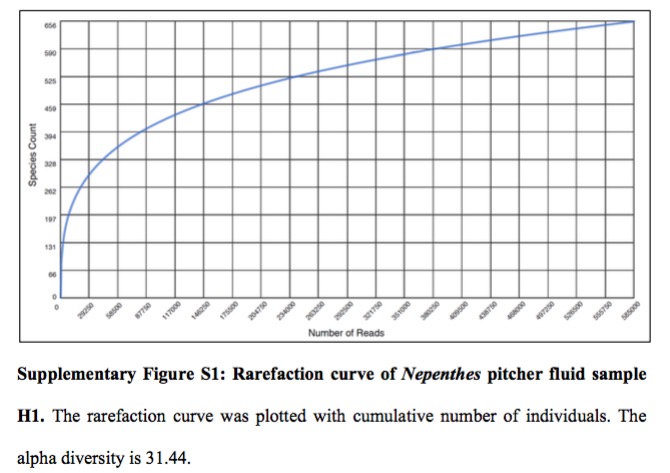
Screen Shot 2016-01-29 at 06.20PM, Jan 29

Looking at the plot, the authors found about 600 bacterial species in their sample – I am not sure what is meant by the statement “the alpha diversity of Nepenthes pitcher fluid sample H1 is 31.44”.

Other remarks

The authors did some interesting other analyses, such as culturing (and full-length 16S rRNA gene amplification), MALDI-TOF MS, enzymatic assays, and whole genome sequencing. Those appear to have been executed well, although I am not an expert in some of these techniques. One of the main conclusions, however, seems a bit far-fetched:

The production of a wide range of biocatalytic enzymes by both the Nepenthes and bacteria inhabit in the Nepenthes pitcher digestive fluid contrives a dynamic environment in which both work in synchrony for the decomposition of insects, benefiting both the plant and its microbiota.

Although this might be true, it is a bit of a stretch to base this on the analysis of a single sample from a single plant. Some of the bacteria found in this sample could have been derived from the guts of trapped insects, or just be attached to bark/leaves that fell into the pitcher. This statement would be stronger if the authors had included samples from multiple plants and/or multiple timepoints.

[hr]

January 29, 2016

Prescription drugs and microbiome analyses, antimicrobial targets in sarcoidosis granulomas, host-microbiota interactions in antibiotic-associated diseases, and iridescence in self-organizing biofilms.

General microbiome

Perspective: Prescription drugs obscure microbiome analyses – Suzanne Devkota – Science

Review: The role of microbiota in cancer therapy – Ernesto Perez-Chanona – Current Opinion in Immunology

Human respiratory microbiome

COPD and the microbiome – Manoj J. Mammen – Respirology

Molecular Analysis of Sarcoidosis Granulomas Reveals Antimicrobial Targets – Joseph E Rotsinger – American Journal of Respiratory Cell and Molecular Biology

Human skin microbiome

Review: The microbiome and atopic eczema: More than skin deep – Charlotte L Thomas – Australasian Journal of Dermatology

Human gut microbiome

Gut microbiota and allergic disease in children – Sarah L. Bridgman – Annals of Allergy, Asthma & Immunology

Effects of enteral polymeric diet on gut microbiota in children with Crohn’s disease – Chloé Guinet-Charpentier – Gut

Review: Effect of antibiotics on gut microbiota, glucose metabolism and bodyweight regulation – a review of the literature – Kristian Hallundbæk Mikkelsen – Diabetes, Obesity and Metabolism

Animal models

Effects of dispersal limitation in the face of intense selection via dietary intervention on the faecal microbiota of rats – Heli J. Barron Pastor – Environmental Microbiology Reports

Fecal dysbiosis in miniature dachshunds with inflammatory colorectal polyps
Hirotaka Igarashi – Research in Veterinary Science

Dietary antigens limit mucosal immunity by inducing regulatory T cells in the small intestine – Kwang Soon Kim – Science

Translocation of microbes and changes of immunocytes in the gut of rapid- and slow-progressor Chinese rhesus macaques infected with SIVmac239 – Lin-Tao Zhang – Immunology

From the Sonnenburg lab: Host-Microbiota Interactions in the Pathogenesis of Antibiotic-Associated Diseases – Joshua S. Lichtman – Cell Reports

Effect of Antimicrobial Consumption and Production Type on Antibacterial Resistance in the Bovine Respiratory and Digestive Tract – Boudewijn Catry – PLOS ONE

Animal microbiome

Symbiotic Bacteria in Gills and Guts of Chinese Mitten Crab (Eriocheir sinensis) Differ from the Free-Living Bacteria in Water – Meiling Zhang – PLOS ONE

Earthworm: Isolation, identification, and characterization of gut microflora of Perionyx excavatus collected from Midnapore, West Bengal – Tanushree Tulsian Samanta – Journal of Basic Microbiology

Plant, root, and soil microbiome

Genomic reconstruction of a novel, deeply branched sediment archaeal phylum with pathways for acetogenesis and sulfur reduction – Kiley W Seitz – The ISME Journal

Not a good paper (poor figures and language problems – see my comments on PubPeer), about carnivorous plantMicrobiome and Biocatalytic Bacteria in Monkey Cup (Nepenthes Pitcher) Digestive Fluid – Xin-Yue Chan – Scientific Reports

Microbial diversity drives multifunctionality in terrestrial ecosystems – Manuel Delgado-Baquerizo – Nature Communications

Various fungal communities colonise the functional wood tissues of old grapevines externally free from grapevine trunk disease symptoms – E. Bruez – Australian Journal of Grape and Wine Research

Arbuscular mycorrhizal fungi regulate soil respiration and its response to precipitation change in a semiarid steppe – Bingwei Zhang – Scientific Reports

Sewage sludge addition modifies soil microbial communities and plant performance depending on the sludge stabilization process – Eva Lloret – Applied Soil Ecology

Review: Engineering the Rhizosphere – Yves Dessaux – Trends in Plant Science

Water and extremophile microbiome

Bacterial diversity in the surface sediments of the hypoxic zone near the Changjiang Estuary and in the East China Sea – Qi Ye – Microbiology Open

Ecological succession reveals potential signatures of marine–terrestrial transition in salt marsh fungal communities – Francisco Dini-Andreote – The ISME Journal

Profiling microbial community in a watershed heavily contaminated by an active antimony (Sb) mine in Southwest China – Weimin Sun – Science of The Total Environment

More microbiology

A unique self-organization of bacterial sub-communities creates iridescence in Cellulophaga lytica colony biofilms – Betty Kientz – Scientific Reports

Bioinformatics and metagenomics

Ten Simple Rules for a Bioinformatics Journal Club – Andrew Lonsdale – PLOS Computational Biology

NINJA-OPS: Fast Accurate Marker Gene Alignment Using Concatenated Ribosomes – Gabriel A. Al-Ghalith – PLOS Computational Biology

Microbes in the news

Stop pooping! You’re killing sentient beings! – PZ Myers – Pharyngula

ASM’s Commitment to Interdisciplinary Microbiome Research – American Society for Microbiology

Fermentation Farm wants you to eat better bacteria – Kathleen Luppi – LA Times

This bacteria can live for years in distilled water, and causes abscess, seizures and death: Melioidosis / Burkholderia pseudomallei – Jacinta Bowler – Science Alert

Science, publishing, and career

How to read a scientific paper – Adam Ruben – Science

High rejection rates by journals ‘pointless’– Analysis suggests higher selectivity fails to increase journals’ impact factors – David Matthews – Times Higher Education

How to stop the sexual harassment of women in science: reboot the system – Zuleyka Zevallow – The Conversation

Bik’s Picks

Arthropods of the great indoors: characterizing diversity inside urban and suburban homes – Matthew A Bertone

[hr]

January 28, 2016

Events

2016 Mo Bio Microbiome Awards: provides young, extraordinary scientists with funding and recognition to carry out scientific work in the field of Microbiome research – Deadline May 31, 2016

Live streaming now: Women in Science Summit 2016 #SciWomen16 hosted by the California Academy of Sciences

Human gut microbiome

Metagenomic Approach for Identification of the Pathogens Associated with Diarrhea in Stool Specimens – Yanjiao Zhou – Journal of Clinical Microbiology

Review: Gut microbiota and allergic disease in children – Sarah L. Bridgman – Annals of the Allergy, Asthma & Immunology

Animal models of microbiome research

The microenvironment of injured murine gut elicits a local pro-restitutive microbiota – Ashfaqul Alam – Nature Microbiology

Editorial: Host response: Microbiota prime antiviral response – Julie K. Pfeiffer – Nature Microbiology

Editorial: Winning the Microbial Battle, but Not the War – Hiutung Chu – Cell

Animal microbiome

Apibacter mensalis sp. nov.: a rare member of the bumble bee gut microbiota – Jessy Praet – International Journal of Systematic and Evolutionary Microbiology

Water and extremophile microbiome

Diversity and Biogeography of Bathyal and Abyssal Seafloor Bacteria – Christina Bienhold – PLOS ONE

Built environment microbiome

Comparison of Two Culture Methods for Use in Assessing Microbial Contamination of Duodenoscopes – Michaela A. Gazdik – Journal of Clinical Microbiology

Waste microbiology

Microwave and ultrasound pre-treatments influence microbial community structure and digester performance in anaerobic digestion of waste activated sludge – Maria Westerholm – Applied Microbiology and Biotechnology

Effects of copper particles on a model septic system’s function and microbial community – Alicia A. Taylor – Water Research

Microbes in the news

Poop espionage: Stalin ‘used secret laboratory to analyse Mao’s excrement’– Steven Rosenberg – BBC

Science, publishing, and career

Peer-reviewing Frontiers – Michiel Dijkstra – Frontiers Blog

Faking it: In the face of routine rejection, many scientists must learn to cope with the insidious beast that is impostor syndrome – Chris Woolston – Nature

[hr]

January 27, 2016 – second edition

A call from the White House, synergy between Mycoplasma and Gardnerella, urinary microbiome, sarcoidosis, and a hiking guide to microbes on the seafloor.

Events

The White House wants feedback from “All Microbiome-Science Champions” – give it – give it now – Jonathan Eisen – MicroBEnet
and
Calling All Microbiome-Science Champions! – Jo Handelsman and Elizabeth Stulberg – The White House

General human microbiome

Review: Exploring and Understanding the Biochemical Diversity of the Human Microbiota – Nitzan Koppel – Cell Chemical Biology

Pregnancy and birth

The impact of freeze-drying infant fecal samples on measures of their bacterial community profiles and milk-derived oligosaccharide content – Zachery T. Lewis – PeerJ

The common vaginal commensal bacterium Ureaplasma parvum is associated with chorioamnionitis in extreme preterm labour – Ciara Cox – The Journal of Maternal-Fetal & Neonatal Medicine

Human vaginal microbiome

Mycoplasma hominis and Gardnerella vaginalis display a significant synergistic relationship in bacterial vaginosis – C. Cox – European Journal of Clinical Microbiology & Infectious Diseases
Human oral microbiome

The yield and quality of cellular and bacterial DNA extracts from human oral rinse samples are variably affected by the cell lysis methodology – Mohsen Sohrabi – Journal of Microbiological Methods

Human skin microbiome

Note: 1 person per study groupSkin microbiota of first cousins affected by psoriasis and atopic dermatitis – Lorenzo Drago – Clinical and Molecular Allergy

Human urinary tract microbiome

Review: The human urinary microbiome and how it relates to urogynecology – Jenifer Schneeweiss – International Urogynecology Journal

Human gut microbiome

Metabolomics connects aberrant bioenergetic, transmethylation, and gut microbiota in sarcoidosis – Andreea Geamanu – Metabolomics

Review: Role of antibiotics for treatment of inflammatory bowel disease – Orna Nitzan – World Journal of Gastroenterology

Review: Gut microbiota imbalance and colorectal cancer – Johan Gagnière – World Journal of Gastroenterology

Animal models

In mice: A detrimental role of immunosuppressive drug, dexamethasone, during Clostridium difficile infection in association with a gastrointestinal microbial shift – Hyeun Bum Kim – Journal of Microbiology and Biotechnology

Animal microbiome

Diversity of the gastric microbiota in Thoroughbred racehorses having gastric ulcer – Hee-Jin Dong – Journal of Microbiology and Biotechnology

Plant, root, and soil microbiome

Long term repeated fire disturbance alters soil bacterial diversity but not the abundance in an Australian wet sclerophyll forest – Ju-pei Shen – Scientific Reports

Bacterial Diversity and Community Structure in Two Bornean Nepenthes Species with Differences in Nitrogen Acquisition Strategies – Wiebke Sickel – Microbial Ecology

Crop rotations alter bacterial and fungal diversity in paddy soils across East Asia – Yuji Jiang – Soil Biology and Biochemistry

Emergence in mapping microbial diversity in tea (Camellia sinensis (L.) O. Kuntze) soil of Assam, North-East India: A novel approach – PN Bhattacharyya – European Journal of Biotechnology and Bioscience

High-Throughput Sequencing Analysis of the Endophytic Bacterial Diversity and Dynamics in Roots of the Halophyte Salicornia europaea – Shuai Zhao – Current Microbiology

Water and waste microbiome

Use of matrix-assisted laser desorption/ionization–time of flight (MALDI–TOF) mass spectrometry for bacterial monitoring in routine analysis at a drinking water treatment plant – Laura Sala-Comorera – International Journal of Hygiene and Environmental Health

Extremophile microbiome

The Guaymas Basin hiking guide to hydrothermal mounds, chimneys and microbial mats: complex seafloor expressions of subsurface hydrothermal circulation – Andreas Teske – Frontiers in Microbiology

Bioinformatics and metagenomics

Bayesian Nonparametric Ordination for the Analysis of Microbial Communities – Boyu Ren – ArXiv

Keemei: cloud-based validation of tabular bioinformatics file formats in Google Sheets – Jai Ram Rideout – PeerJ Preprint

Characterization of sequence-specific errors in various next-generation sequencing systems – Sunguk Shin – Molecular Biosystems

Stochastic neutral modelling of the Gut Microbiota’s relative species abundance from next generation sequencing data – Claudia Sala – BMC Bioinformatics

Protocol“Deciphering Archaeal Communities” Omics Tools in the Study of Archaeal Communities – Lejla Pašić – Microbial Environmental Genomics (MEG)

Protocol: Reconstruction of Transformation Processes Catalyzed by the Soil Microbiome Using Metagenomic Approaches – Anne Schöler – Microbial Environmental Genomics (MEG)

Science, publishing, and career

Funding: What stops women getting more grants? – David McAllister – Nature

[hr]

January 27, 2016

Catching up after 2 busy days:

Effects of antibiotic use in Finnish children, skin microbiota of salmon transitioning from freshwater to seawater, and California coastal phages.

General human microbiome

Review: The microbial environment and its influence on asthma prevention in early life – Erika von Mutius – Journal of Allergy and Clinical Immunology

Human respiratory tract microbiome

COPD and the microbiome – Manoj J. Mammen – Respirology

Human urinary tract microbiome

Redefining Healthy Urine: A Cross-Sectional Exploratory Metagenomic Study of People With and Without Bladder Dysfunction – Suzanne L. Groah – The Journal of Urology

Human gut microbiome

Intestinal microbiome is related to lifetime antibiotic use in Finnish pre-school children – Katri Korpela – Nature Communications

Animal models

Ingestion of Milk Containing Very Low Concentration of Antimicrobials: Longitudinal Effect on Fecal Microbiota Composition in Preweaned Calves – Richard Van Vleck Pereira – PLOS ONE

Editorial: Host response: Microbiota prime antiviral response – Julie K. Pfeiffer – Nature Microbiology

Animal microbiome

Comparison of Intestinal Microbiota in Intestinal Tracts of the Wild and Cultured Seahorses, Hippocampus trimaculatus (Leach) – Kai Wang – Journal of the World Aquaculture Society

Social wasps are a Saccharomyces mating nest – Irene Stefanini – PNAS

Transition from freshwater to seawater reshapes the skin-associated microbiota of Atlantic salmon – Jep Lokesh – Scientific Reports

The role of tissue-specific microbiota in initial establishment success of Pacific oysters – Ana Lokmer – Environmental Microbiology

Plant, soil, and root microbiome

Kisameet Clay Exhibits Potent Antibacterial Activity against the ESKAPE Pathogens – mBio

Plant-microbe communication enhances auxin biosynthesis by a root-associated bacterium Bacillus amyloliquefaciens SQR9 – Yunpeng Liu – Molecular Plant-Microbe Interactions

Individual-Based Model of Microbial Life on Hydrated Rough Soil Surfaces – Minsu Kim – PLOS ONE

Analysis of bacterial communities associated with potting media – A. M. Al‑Sadi – Springer Plus

Water microbiome

Persistence of F-Specific RNA Coliphages in Surface Waters from a Produce Production Region along the Central Coast of California – Subbarao V. Ravva – PLOS ONE

Built environment and waste microbiome

Quantitative Modeling of Microbial Population Responses to Chronic Irradiation Combined with Other Stressors – Igor Shuryak – PLOS ONE

Microbial Community Profiles in Wastewaters from Onsite Wastewater Treatment Systems Technology – Łukasz Jałowiecki – PLOS ONE

Microbial Ecology

The Effect of Immigration on the Adaptation of Microbial Communities to Warming – Diane Lawrence – The American Naturalist

Predicting compositions of microbial communities from stoichiometric models with applications for the biogas process – Sabine Koch – Biotechnology for Biofuels

Microbes in the news

Early-Life Antibiotic Use Affects Gut Microbiome Composition, New Study Says – Genome Web

Classroom research project: detecting phages – MT Standard


Uncovering hidden microbial lineages from hot springs – EurekAlert

Your Food’s Bacteria is a Big Data Gold Mine. IBM and Mars are tracking food’s microbiome to improve safety and productivity – David Z. Morris – Fortune

What Causes Cavities? The Balance Of Bacteria In Your Mouth Can Lead To Tooth Decay – Samantha Olson – Medical Daily

First Nations’ ancient medicinal clay shows promise against today’s worst bacterial infections – University of British Columbia

Ferring, Karolinska Institutet Launch Human Microbiome Collaboration – GenEngNews

WTF?: Fat Summit conference: Deepak Chopra Says Bacteria Listen To Our Thoughts – “we are the awakening of bacterial consciousness” – Kavin Senapathy – Forbes
[hr]

January 25, 2016

Today’s digest features biogeography of the human mouth, MALDI-TOF-MS, and microbes from ancient halite. OK, it is technically already Tuesday, but I was busy life tweeting from the Microbiome Symposium today at Stanford. The symposium featured many of the microbiome stars of our University – see my combined life tweets during the conference at Storify

Events

Gut microbiota in health and disease – from concept to evidence – March 17, 2016, Stockholm, Sweden. The symposium will be webcasted live at kva.se and will later be available as video-on-demand at kvatv.se.

Human oral microbiome

Biogeography of a human oral microbiome at the micron scale – Jessica L. Mark Welch – PNAS

Animal models of microbiome research

Experimental modulation of external microbiome affects nestmate recognition in harvester ants (Pogonomyrmex barbatus) – Andy Dosmann – PeerJ

Review: Incorporating the gut microbiota into models of human and non-human primate ecology and evolution – Katherine R. Amato – American Journal of Physical Anthropology

Animal microbiome

Faecal contamination of echinoderms: first report of heavy Escherichia coli loading of sea urchins from a natural growing area – M. Bouchoucha – Letters in Applied Microbiology

Extremophile microbiome

Review: Buried Alive: Microbes from Ancient Halite – Salla T. Jaakkola – Trends in Microbiology

Food microbiology

Effect of X-ray treatments on Escherichia coli O157:H7, Listeria monocytogenes, Shigella flexneri, Salmonella enterica and inherent microbiota on whole mangoes – B.S.M. Mahmoud – Letters in Applied Microbiology

Techniques

Advantage of MALDI-TOF-MS over biochemical-based phenotyping for microbial identification illustrated on industrial applications – S.K. Urwyler – Letters in Applied Microbiology

More microbiology

Fueling the Bio-economy: European Culture Collections and Microbiology Education and Training – André Antunes – Trends in Microbiology

Microbes in the news

Do probiotics cure asthma? Don’t believe the hype: Jonathan Eisen awards “prizes” to those who “oversell the microbiome” – Emma Bryce – Wired

The Forest In Your Mouth – Ed Yong – Phenomena National Geographic

Take your kids to the bugs on a Sunday afternoon – Micropia, the world’s only microbe zoo in Amsterdam – Mathias Grote – ASM Blog

IS-diagnostics Publishes Validation of PCR-Based Clinical Metagenomic MDx –  Madeleine Johnson – Genome Web

Bacteria Hysteria

Bacteria won’t wash, with the Brushield toothbrush cover – GizMag

Science, publishing, and career

#ResearchParasites and #ScienceColonialism – featuring Tweets from @DNLee5 & some discussion – Jonathan Eisen – Storify

[hr]

January 24, 2016

Antibiotic therapy in preterm labor, shrimp microbial dynamics, volcanic desert on Mount Fuji, coffee processing, and Antarctic permafrost limits microbial life.

Pregnancy and birth

Antibiotic Therapy Increases the Risk of Preterm Birth in Preterm Labor without Intra-Amniotic Microbes, but may Prolong the Gestation Period in Preterm Labor with Microbes, Evaluated by Rapid and High-Sensitive PCR System – Satoshi Yoneda – American Journal of Reproductive Immunology

Human gut microbiome

Does the Intestinal Microbiota Explain Differences in the Epidemiology of Liver Disease between East and West – Nakamoto N. – Inflammatory Intestinal Diseases

Commentary: Microbiome-based companion diagnostics: no longer science fiction?
Jeroen Raes – Gut

Animal microbiome

Diary of a shrimpy kid: Dynamic changes of microbial communities in Litopenaeus vannamei cultures and the effects of environmental factors – Hao Zhang – Aquaculture

Plant, root, and soil microbiome
Substrate limitation to soil microbial communities in a subalpine volcanic desert on Mount Fuji, Japan – S. Yoshitake – European Journal of Soil Biology

Bottom-up control of fertilization on soil nematode communities differs between crop management regimes – Ting Liu – Soil Biology and Biochemistry

Interactive effects of precipitation and nitrogen spatial pattern on carbon use and functional diversity in soil microbial communities – Nianxun Xi – Applied Soil Ecology

Water and extremophile microbiome

Nearing the cold-arid limits of microbial life in permafrost of an upper dry valley, Antarctica – Jacqueline Goordial – The ISME Journal

Reconstructing ecosystem functions of the active microbial community of the Baltic Sea oxygen depleted sediments – Petter Thureborn – PeerJ


Waste treatment microbiology

Metagenomic and quantitative insights into microbial communities and functional genes of nitrogen and iron cycling in twelve wastewater treatment systems – Duntao Shu – Chemical Engineering Journal

Food microbiology

High throughput sequencing identifies novel viruses in nectarine: Insights to the etiology of stem pitting disease – Dan Edward Veloso Villamor – Phytopathology

DGGE: Discrimination of post-harvest coffee processing methods by microbial ecology analyses – Yasmine Hamdouche – Food Control

Microbial Ecology

Integrating Theory and Experiment to Explain the Breakdown of Population Synchrony in a Complex Microbial Community – Emma J. Bowen – arXiv

Techniques

Poster abstract: Assembling Whole Genomes from Mixed Microbial Communities Using Hi-C – Ivan Liachko – Plant and Animal Genome Conference

Microbes in the news

Antarctic permafrost may not be habitable for microbes – so is Mars? Finding life on Mars might be harder than thought — or Martian microbes might be different – Emily Chung – CBC News

Microbes take their vitamins — for the good of science – EurekAlert

Bacteria that resist last-resort antibiotics were found in China two months ago, now they’re everywhere – Dominic Jackson – Shanghaiist

Newly Discovered Photosynthetic Bacteria Is Surprisingly Abundant – Science 2.0

[hr]

January 23, 2016

Maturation of the mucin layer, periodontitis in Sjögren’s, Caenorhabditis elegans gut microbiota assembly, the rice-osphere, archaea in moonmilk, and microbial arsenic metabolism.

General human microbiome

The Human Microbiome and Public Health: Social and Ethical Considerations – Kieran C. O’Doherty – American Journal of Public Health

Pregnancy and birth

Review: Mucin–Microbiota Interaction During Postnatal Maturation of the Intestinal Ecosystem: Clinical Implications – Sana Rokhsefat- Digestive Diseases and Sciences

Human oral microbiome

Periodontitis prevalence and serum antibody reactivity to periodontal bacteria in primary Sjögren’s syndrome: a pilot study – Bozo Lugonja – Journal of Periodontology

Temporal Stability of the Salivary Microbiota in Oral Health – Daniel Belstrøm – PLOS ONE

Review: Immune dysregulation mediated by the oral microbiome: potential link to chronic inflammation and atherosclerosis – C. Slocum – Journal of Internal Medicine

Human gut microbiome

Review: Microbiota manipulation for weight change – Tal Dror – Microbial Pathogenesis

Review: Antibiotics and the Human Gut Microbiome: Dysbioses and Accumulation of Resistances – M. P. Francino – Frontiers in Microbiology

Models of microbiome research

Modulating the Gut Microbiota Improves Glucose Tolerance, Lipoprotein Profile and Atherosclerotic Plaque Development in ApoE-Deficient Mice – Ida Rune – PLOS ONE

Dysbiosis of the fecal microbiota in the TNBS-induced Crohn’s disease mouse model – Qing He – Applied Microbiology and Biotechnology

Animal microbiome

Note that the worms did not develop into adults without having veggies to eatAssembly of the Caenorhabditis elegans gut microbiota from diverse soil microbial environments – Maureen Berg – The ISME Journal

Plant, root, and soil microbiome

Rice-osphere? Rice Genotype Differences in Tolerance of Zinc-Deficient Soils: Evidence for the Importance of Root-Induced Changes in the Rhizosphere – Asako Mori – Frontiers in Plant Science

A perspective on inter-kingdom signaling in plant–beneficial microbe interactions – Amanda Rosier – Plant Molecular Biology

Chemotaxis signaling systems in model beneficial plant–bacteria associations – Birgit E. Scharf – Plant Molecular Biology

Water and extremophile microbiome

Deciphering associations between dissolved organic molecules and bacterial communities in a pelagic marine system – Helena Osterholz – The ISME Journal

Unique pioneer microbial communities exposed to volcanic sulfur dioxide – Reiko Fujimura – Scientific Reports

Archaeal Distribution in Moonmilk Deposits from Alpine Caves and Their Ecophysiological Potential – Christoph Reitschuler – Microbial Ecology

Chemotaxis toward phytoplankton drives organic matter partitioning among marine bacteria – Steven Smriga – PNAS

Review: The microbial genomics of arsenic – Jérémy Andres – FEMS Microbiology Reviews

Food microbiology

Kombucha tea fermentation: Microbial and biochemical dynamics – Somnath Chakravorty – International Journal of Food Microbiology

PCR-denaturing gradient gel electrophoresis analysis of microbial community in soy-daddawa, a Nigerian fermented soybean (Glycine max (L.) Merr.) condiment – Obinna T. Ezeokoli – International Journal of Food Microbiology

Check your fridge for Thanksgiving leftovers: Direct Dynamic Kinetic Analysis and Computer Simulation of Growth of Clostridium perfringens in Cooked Turkey during Cooling – Lihan Huang – Journal of Food Science

Bioinformatics, metagenomics, and protocols

Protocol collection: Microbial Environmental Genomics (MEG)
MG-RAST, a Metagenomics Service for Analysis of Microbial Community Structure and Function – Kevin P. Keegan
Reconstruction of Transformation Processes Catalyzed by the Soil Microbiome Using Metagenomic Approaches – Anne Schöler
Hybridization of Environmental Microbial Community Nucleic Acids by GeoChip – Joy D. Van Nostrand
Targeted Gene Capture by Hybridization to Illuminate Ecosystem Functioning – Céline Ribière
Fungal Communities in Soils: Soil Organic Matter Degradation – Tomáš Větrovský
GenoSol Platform: A Logistic and Technical Platform for Conserving and Exploring Soil Microbial Diversity – Samuel Dequiedt

Microbes in the news

Exploring the human gut microbiome. Scientific interest in this diverse world of bacteria has flipped from fear to fascination – Sabin Russell – Fred Hutch

Fungi Prevalent in Urine of Women With Chronic Pelvic Pain – Pam Harrison – MedPageToday

Microscopic subway passengers with a ticket to ride: Interview with Chris Mason – Labnews

To Fight Growing Threat From Germs, Scientists Try Old-Fashioned Killer – Gautam Naik – The Wall Street Journal

http://www.cnn.com/2016/01/22/health/flint-water-legionnaires-disease/Flint hospital reports finding Legionnaires’ bacteria in water – Ralph Ellis – CNN

Breast milk protein could be used in fight against antibiotic resistance – The Guardian

Listeria outbreak: Dole packaged salad linked to 12 bacteria infections and one death – John Houck – Inquisitr

Science, publishing, and career

By a 13 year old girl: Letter to BBC Wildlife Magazine on sexism in nature conservation – Mya-Rose Craig – BirdGirl

Bik’s Picks

Secular trends in family dinner frequency among adolescents – Kathryn Walton – BMC Research Notes
[hr]

January 22, 2016

Viruses in desert soils, pneumonia etiology, and a concerning editorial in NEJM.

Human oral microbiome

Microbiological analysis after complete or partial removal of carious dentin using two different techniques in primary teeth: A randomized clinical trial – Deepak Kumar Singhal – Dental Research Journal

Human respiratory microbiome

The Modern Quest for the “Holy Grail” of Pneumonia Etiology – Seema Jain – Clinical Infectious Diseases

Plant, root, and soil microbiome

ReviewDiversity and Ecology of Viruses in Hyperarid Desert Soils – Olivier Zablocki – Applied and Environmental Microbiology

Use of Substrate-Induced Gene Expression in Metagenomic Analysis of an Aromatic Hydrocarbon-Contaminated Soil – Matthew J. Meier – Applied and Environmental Microbiology

Techniques / phages and viruses

Isolation of Polyvalent Bacteriophages by Sequential Multiple-Host Approaches – Pingfeng Yu – Applied and Environmental Microbiology

More microbiology

Tuberculosis in Newborns: The Lessons of the “Lübeck Disaster” (1929–1933) – Gregory J. Fox – PLOS Pathogens

Microbes in the news

For childrenUnderstanding Marine Microbes, the Driving Engines of the Ocean – Anna Kopf

15 min podcast: A Microbiome Is Born – Science Friday

Good Bacteria for Good Skin – Beauty brands say there is a beneficial effect when probiotics and fermented ingredients are applied topically – Fiorella Valdesolo – Wall Street Journal

Your DNA could make you resistant to certain bacteria – gene expression could help explain why some people are more immune to infection than others – Alexandra Ossola – Popular Science

Science, publishing, and career

An editorial in NEJM called Data Sharing, written by Dan L. Longo and Jeffrey M. Drazen, caused a lot of concern because it calls scientists who use other people’s published data “parasites”. Some reactions:

Data Scientists = Research Parasites? – David Shaywitz – Forbes

Research “parasitism” and authorship rights – Leonid Schneider – For Better Science

Attack of the Research Parasites – Derek Lowe – Science Magazine blogs

[hr]