General digest, July 3

CRISPRs, the yearly NAR Web Server issue, dengue, arsenic, and The Picks.

CRISPRs

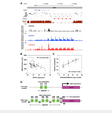
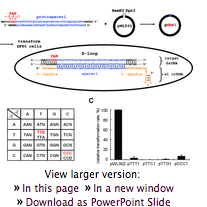
Screen shot 2014-07-03 at 03.59PM, Jul 03 1Detection and characterization of spacer integration intermediates in type I-E CRISPR–Cas system – Zihni Arslan – Nucleic Acids Research

“We identified and characterized in Escherichia coli intermediate states of spacer integration and mapped the integration site at the chromosomal CRISPR array in vivo. “

Bioinformatics
Screen shot 2014-07-03 at 03.59PM, Jul 03Nucleic Acids Research published their yearly Web Server issue. The names of some tools alone are very entertaining (CHOPCHOP, Coffee, COGNAC, just to lists some C’s), but here are some resources that sound interesting:

Alignment-Annotator web server: rendering and annotating sequence alignments
Christoph Gille

Spaced words and kmacs: fast alignment-free sequence comparison based on inexact word matches – Sebastian Horwege

EvoCor: a platform for predicting functionally related genes using phylogenetic and expression profiles – W. James Dittmar

CFM-ID: a web server for annotation, spectrum prediction and metabolite identification from tandem mass spectra – Felicity Allen

PIQMIe: a web server for semi-quantitative proteomics data management and analysis – Arnold Kuzniar

PTHGRN: unraveling post-translational hierarchical gene regulatory networks using PPI, ChIP-seq and gene expression data – Daogang Guan

BioMet Toolbox 2.0: genome-wide analysis of metabolism and omics data – Manuel Garcia-Albornoz

deepTools: a flexible platform for exploring deep-sequencing data – Fidel Ramírez

PrecisePrimer: an easy-to-use web server for designing PCR primers for DNA library cloning and DNA shuffling – Cyrille Pauthenier

PubServer: literature searches by homology – Lukasz Jaroszewski

Arsenic metabolism

Arsenic color toolSediment color tool for targeting arsenic-safe aquifers for the installation of shallow drinking water tubewells – Mohammed Hossain – Science of the Total Environment

“Laboratory analysis of 521 groundwater samples collected from 144 wells during 2009 to 2011 indicate that As concentrations in groundwater were generally higher in the black colored sediments with an average of 239 μg/L.”
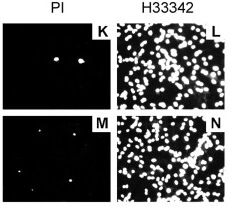
Screen shot 2014-07-03 at 03.55PM, Jul 03Arsenite stimulates glutathione export and glycolytic flux in viable primary rat brain astrocytes – Nimesha Tadepalle – Neurochemistry International

“The strong stimulation of GSH export by arsenite was prevented by MK571, an inhibitor of the multidrug resistance protein 1, suggesting that this transporter mediates the accelerated GSH export.”
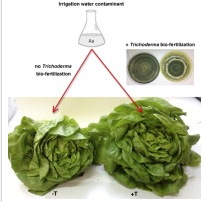
Screen shot 2014-07-03 at 03.55PM, Jul 03 1Trichoderma spp. alleviate phytotoxicity in lettuce plants (Lactuca sativa L.) irrigated with arsenic-contaminated water – Antonio G. Caporale – Journal of Plant Physiology

“Plant Growth-Promoting Fungi (PGPF) of both Trichoderma species alleviated, at least in part, the phytotoxicity of As, essentially by decreasing its accumulation in the tissues and enhancing plant growth, P status and net photosynthesis rate.”

Dengue

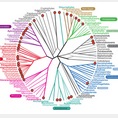
Kwissa DengueDengue Virus Infection Induces Expansion of a CD14+CD16+ Monocyte Population that Stimulates Plasmablast Differentiation – Marcin Kwissa – Cell Host & Microbe

“Transcriptomic analysis of whole blood revealed that genes encoding proinflammatory mediators and type I interferon-related proteins were associated with high DENV levels during initial symptomatic disease. “
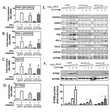
dengue bidetG3BP1, G3BP2 and CAPRIN1 Are Required for Translation of Interferon Stimulated mRNAs and Are Targeted by a Dengue Virus Non-coding RNA – Katell Bidet – PLOS Pathogens

“We examined three conserved host RNA-binding proteins (RBPs) G3BP1, G3BP2 and CAPRIN1 in dengue virus (DENV-2) infection and found them to be novel regulators of the interferon (IFN) response against DENV-2. “

Dengue Virus Persists in Stored Platelets and Red Blood Cells – Michael R. Sutherland – Transfusion Medicine Reviews

“…we investigated the persistence of DENV (serotypes 1-4) in stored platelet (PC) and red blood cell concentrates (RCC) under standard blood bank conditions. “

2013: Rise of the deadly dengue fever in Pakistan – Anum Wasim – Journal of Infection and Public Health

“Last year saw more than 17000 dengue cases being reported from all over the country, the highest number ever in the country’s history.”

Women in Science 

Gender: Perception differences – Nature

“Female leaders underrate how their bosses and colleagues perceive their performance, find US researchers”

Screen shot 2014-07-03 at 03.57PM, Jul 03Leader self-awareness: An examination and implications of women’s under-prediction –
Rachel E. Sturm – Journal of Organizational Behavior

“…women under-predict their bosses’ ratings of their leadership compared with men, even though they self-rate the same and are rated by their bosses similarly to men”


10 Words Every Girl Should Learn – Soraya Chemaly – Huffington Post

Yes! This! “A woman, speaking clearly and out loud, can say something that no one appears to hear, only to have a man repeat it minutes, maybe seconds later, to accolades and group discussion.”

Science, Publishing, and Ethics

Science Editorial: Raising the bar – Marcia McNutt – Science

“For that reason, with much help from the American Statistical Association, Science has established, effective 1 July 2014, a Statistical Board of Reviewing Editors (SBoRE), consisting of experts in various aspects of statistics and data analysis, to provide better oversight of the interpretation of observational data.”

Science ethics: Young scientists speak – Shelly Benjaminy – Science

“What is the most challenging ethical question facing young investigators in your field? How should it be addressed? In April, we asked young scientists to tell us their thoughts.“

Science and Art

Screen shot 2014-07-03 at 03.57PM, Jul 03 1Can You Guess What These Cute Pink Tiles Are Made Of? – Francie Diep – Popular Science

“These images are from research into new techniques for medical diagnoses and biometrics.”

Dr. Bik’s Picks

Screen shot 2014-07-03 at 03.51PM, Jul 03Multiple evidence strands suggest that there may be as few as 19 000 human protein-coding genes – Iakes Ezkurdia – Human Molecular Genetics

“Here, we mapped peptides detected in seven large-scale proteomics studies to almost 60% of the protein-coding genes in the GENCODE annotation of the human genome. “

Screen shot 2014-07-03 at 03.50PM, Jul 03With Help From Extinct Humans, Tibetans Adapted To High Altitude – Rae Ellen Bichell – NPR

“According to Nielsen and a bunch of geneticists writing in the journal Nature, the Tibetans appear to have benefited from a genetic gift from the Denisovans, an extinct human ancestor known primarily from a little girl’s tooth and pinkie bone.”

Screen shot 2014-07-03 at 03.49PM, Jul 03NSF to decide all future grant proposals by penalty shoot-out – The Allium

“We feel that this will be a much less random way of giving out funding”, said Dr. France Cordóva, Director of the NSF.”

[hr]
General microbiology and science digest, July 2

Genome assembly, metabolomics of Salmonella infection, a brief history of women in science (but in Nature!), and Nature’s retraction of the STAP papers.

Metagenomics

Screen Shot 2014-07-02 at 10.13.28 PMBayesian Genome Assembly and Assessment by Markov Chain Monte Carlo Sampling – Mark Howison – PLOS ONE

“We present a Markov chain Monte Carlo approach to sequence assembly that instead generates distributions of assembly hypotheses with posterior probabilities, providing an explicit statistical framework for evaluating alternative hypotheses and assessing assembly uncertainty. “

Infection and host response

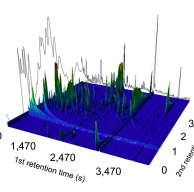
Screen Shot 2014-07-02 at 10.14.12 PMSalmonella Typhi and Salmonella Paratyphi – A elaborate distinct systemic metabolite signatures during enteric fever – Elin Näsström – eLife

“To investigate metabolite signals associated with enteric fever we performed two dimensional gas chromatography with time-of-flight mass spectrometry (GCxGC/TOFMS) on plasma from patients with S. Typhi and S. Paratyphi A infections and asymptomatic controls, identifying 695 individual metabolite peaks.”

and: Host-pathogen interactions: Honing in on enteric fever – Lyle R McKinnon, Quarraisha Abdool Karim – eLife

“The use of metabolomics could lead to improved diagnostics for enteric fever. “

Screen Shot 2014-07-02 at 10.14.58 PMHuman Genetic Variation and Yellow Fever Mortality during 19th Century U.S. Epidemics – Lauren E Blake, Mariano A Garcia-Blanco – mBio

“Caucasians diagnosed with YF were 6.8 times more likely to succumb than non-Caucasians with the disease. No other major causes of death during the 19th century demonstrated a similar mortality skew toward Caucasians. “

Bacterial and viral detection in clinical samples

Screen Shot 2014-07-02 at 10.15.58 PMThe Microbial Detection Array for Detection of Emerging Viruses in Clinical Samples – A Useful Panmicrobial Diagnostic Tool – Maiken W. Rosenstierne – PLOS ONE

“We report a modified Whole Transcriptome Amplification (WTA) method that increases unbiased amplification, particular of RNA viruses.”

The Sooner, The Better – Nicholette Zeliadt – The Scientist

“New approaches to diagnosing bacterial infections may one day allow the identification of pathogens and their antibiotic susceptibility in a matter of hours or minutes.”

Screen Shot 2014-07-02 at 10.16.45 PMReview: Biosensors for Whole-Cell Bacterial Detection – Asif Ahmed – Clinical Microbiology Reviews

” In this review, we discuss recent progress in the use of biosensors for the detection of whole bacterial cells for sensitive and earlier identification of bacteria without the need for sample processing.”

Screen Shot 2014-07-02 at 10.17.23 PMIsolation of Microorganisms Using Sub-Micrometer Constrictions – Nil Tandogan – PLOS ONE

“We present an automated method for isolating pure bacterial cultures from samples containing multiple species that exploits the cell’s own physiology to perform the separation.”

Phages and viruses

Screen Shot 2014-07-02 at 10.18.17 PMFour Escherichia coli O157:H7 Phages: A New Bacteriophage Genus and Taxonomic Classification of T1-Like Phages – Yan D. Niu – PLOS ONE

“Comparative genomic, proteomic and phylogenetic analysis suggested that the four phages along with 17 T1-like phage genomes from database of National Center for Biotechnology Information (NCBI) can be assigned into a proposed subfamily “Tunavirinae” with further classification into five genera”

Dengue

Screen Shot 2014-07-02 at 10.18.45 PMClinical and Virological Descriptive Study in the 2011 Outbreak of Dengue in the Amazonas, Brazil – Valquiria do Carmo Alves Martins – PLOS ONE

“The aim of the study was to describe the clinical epidemiology of dengue in Manaus, the capital city of the state of the Amazonas, where all the four DENV serotypes were co-circulating simultaneously.”

Phylogeny and taxonomy

Screen Shot 2014-07-02 at 10.12.14 PMComparative Genomics of the Bacterial Genus Streptococcus Illuminates Evolutionary Implications of Species Groups – Xiao-Yang Gao – PLOS ONE

“We use comparative genomic approaches to yield a better understanding of the evolution of Streptococcus through genome dynamics, population structure, phylogenies and virulence factor distribution of species groups. “

Screen Shot 2014-07-02 at 10.12.46 PMLivestock-Associated MRSA Carriage in Patients without Direct Contact with Livestock – Miranda M. L. van Rijen – PLOS ONE

“Fifty-six individuals (20.7%) without animal contact carried MC398. In hospitals with high pig-densities in the adherence area, the proportion of MC398 of all MUO was higher than this proportion in hospitals without pigs in the surroundings.”

 Arsenic metabolism

Screen Shot 2014-07-02 at 10.02.56 PMMichigan’s arsenic problem is among the worst in the nation. Here’s why that matters – Rebecca Williams – Michigan Radio

“If you’re on city water, your drinking water has to comply with a federal regulation that limits the amount of arsenic in it, but if you’re on a private well, the federal and state governments do not limit the amount of arsenic in your well.”

Women in Science

Screen Shot 2014-07-02 at 9.59.45 PMWomen in science: A temporary liberation – Patricia Fara – Nature

“The First World War ushered women into laboratories and factories. In Britain, it may have won them the vote, argues Patricia Fara, but not the battle for equality.”

Science and Ethics

Nature Editorial: STAP retracted – Nature

“This week, Nature publishes retractions of two high-profile papers that claimed a major advance in the field of stem cells… We — research funders, research practitioners, institutions and journals — need to put quality assurance and laboratory professionalism ever higher on our agendas, to ensure that the money entrusted by governments is not squandered, and that citizens’ trust in science is not betrayed.”

Dr. Bik’s Picks

Screen Shot 2014-07-02 at 10.11.31 PMPLOS ONE Publishes its 100,000th Article – Damian Pattinson – PLOS Blogs

“PLOS ONE publishes its 100,000th article – a pretty major milestone for a journal that has seen its fair share of momentous events, and a perfect opportunity to reflect on this journey.”

Screen Shot 2014-07-02 at 10.08.37 PMLeprosy, Still Claiming Victims – Natalie Angier, New York Times

““I’m absolutely convinced that leprosy must be thought of as a genetic disease as well as an infectious one,” Dr. Schurr said. In the end, he added wryly, “understanding it may help cure diseases of rich people, too.””

[hr]

General microbiome and science, June 30

Monday is always a busy day, so lots of papers today. Phages, CRISPRs, antibiotic resistance, probiotics, archaea, biofilms and a Goldilocks planet.

Antibiotics and resistance

Horizontal gene transfer in the human gastrointestinal tract: potential spread of antibiotic resistance genes – JR Huddleston – Infection and Drug Resistance

“This review aims to give an overview of the major horizontal transfer mechanisms and their evolution and then demonstrate the human lower gastrointestinal tract as an environment in which horizontal gene transfer of resistance determinants occurs.”

Screen shot 2014-06-30 at 06.47PM, Jun 30Bacterial persisters: formation, eradication, and experimental systems
Sophie Helaine, Elisabeth Kugelberg – Trends in Microbiology

“Toxin–antitoxin (TA) modules have an important role in the formation of persisters and several studies show that they can form in response to different triggers.”

Screen shot 2014-06-30 at 06.48PM, Jun 30Antibiotic Treatment Suppresses Rotavirus Infection and Enhances Specific Humoral Immunity – Robin Uchiyama – Journal of Infectious Diseases

“Microbiota ablation resulted in reduced rotavirus infection/diarrhea and a more durable rotavirus antibody response, suggesting that antibiotic administration before rotavirus vaccination could raise low seroconversion rates that correlate with the vaccine’s inefficacy in developing regions.”

And:  Antibiotics Help Control Rotavirus Infections and Enhance Antirotaviral Immunity: Are You Serious? – Luther A. Bartelt and Richard L. Guerrant – Journal of Infectious Diseases

“Yes, we must understand intriguing new findings; but no, we are far from serious about widespread use of antimicrobials with routine immunizations.”

Screen shot 2014-06-30 at 06.44PM, Jun 30Transferrin Iron Starvation Therapy for Lethal Bacterial and Fungal Infections – Lin Lin – Journal of Infectious Diseases

“These results provide proof of principle that bacterial infections can be treated in vivo by attacking host targets (ie, trace metal availability) rather than microbial targets.”

Bacterial detection in blood and other sites

Screen shot 2014-06-30 at 06.45PM, Jun 30Identification of pathogens from blood culture bottles in spiked and clinical samples using matrix-assisted laser desorption ionization time-of-flight mass-spectrometry analysis – Simone Konnerth – BMC Research Notes

“MALDI-TOF MS using the SARAMIS database was applied to 37 spiked blood culture samples. Identification rates of spiked samples were as follows: The species level was determined in 16 of 21 (76.2%) Gram negative bacteria and in 11 of 13 (84.6%) Gram positive bacteria. “

Infection and host response

Type I and III Interferon Production in Response to RNA Viruses – Elizabeth Reid and Bryan Charleston – Journal of Interferon & Cytokine Research

“There are now many examples of RNA viruses inducing type I and type III IFNs, and although these IFNs act through different receptors, in many systems studied, they induce a similar spectrum of genes. “

CRISPRs

Screen shot 2014-06-30 at 06.50PM, Jun 30Review: Adapting to new threats: the generation of memory by CRISPR-Cas immune systems – Robert Heler – Molecular Microbiology

“Recent studies have begun to elucidate the genetic requirements for adaptation and have demonstrated that rather than being a stochastic process, the selection of new spacers is influenced by several factors. We review here our current knowledge of the CRISPR adaptation mechanism”

Screen shot 2014-06-30 at 06.53PM, Jun 30The three major types of CRISPR-Cas systems function independently in CRISPR RNA biogenesis in Streptococcus thermophilus – Jason Carte – Molecular Microbiology

“Our findings indicate that multiple CRISPR-Cas systems can function independently in crRNA biogenesis within a given organism – an important consideration in engineering coexisting CRISPR-Cas pathways”

Viruses and phages

Screen shot 2014-06-30 at 06.53PM, Jun 30Exploiting gut bacteriophages for human health – Marion Dalmasso – Trends in Microbiology

“We emphasise the complexity and individuality of the phageome, and the link to the health state of the host. We highlight the practical applications of bacteriophages in medicine and in the food chain.”

Screen shot 2014-06-30 at 06.52PM, Jun 30Environmental bacteriophages : viruses of microbes in aquatic ecosystems – Télesphore Sime – Ngando – Frontiers in Microbiology

“The present chapter sought to review the literature on the diversity and functional roles of viruses of microbes in environmental microbiology, focusing primarily on prokaryotic viruses (i.e. phages) in aquatic ecosystems, which form the bulk of our knowledge in modern environmental viral ecology.”

Archaea

Screen shot 2014-06-30 at 06.55PM, Jun 30Taxonomic database and cut-off value for processing mcrA gene 454 pyrosequencing data by MOTHUR – Sizhong Yang – Journal of Microbiological Methods

“The functional mcrA gene of methanogens can generate phylogeny as congruent as the 16S rRNA gene phylogeny. “

Screen shot 2014-06-30 at 06.59PM, Jun 30Biofilm formation of mucosa-associated methanoarchaeal strains
Corinna Bang – Frontiers in Microbiology

“Here, the ability of three methanoarchaeal strains, Methanobrevibacter smithii and Methanosphaera stadtmanae, which form part of the human gut microbiota, and the Methanosarcina mazei strain Gö1 to grow on different surfaces and form biofilms was investigated.”

Biofilms (see also Archaea above and Probiotics below)

Screen shot 2014-06-30 at 07.02PM, Jun 30Development of an in vitro periodontal biofilm model for assessing antimicrobial and host modulatory effects of bioactive molecules
Emma Millhouse – BMC Oral Health

Multi-species biofilms were either treated with either molecule, or alternatively epithelial cells were treated with these prior to biofilm co-culture. Biofilm composition was evaluated and inflammatory responses quantified at a transcriptional and protein level.

Probiotics

Screen shot 2014-06-30 at 06.43PM, Jun 30Review: Enumeration of probiotic strains: Review of culture-dependent and alternative techniques to quantify viable bacteria – Catherine Davis – Journal of Microbiological Methods

“Consensus on an operational definition of viability and systematic efforts to validate these alternative techniques ultimately will strengthen the accuracy and reliability of probiotic strain enumeration.”

Inhibitory effect of Lactobacillus salivarius on Streptococcus mutans biofilm formation
Chien-Chen Wu – Molecular Oral Microbiology

“We analyzed 64 L. salivarius strains and found that two, K35 and K43, significantly inhibited S. mutans biofilm formation with inhibitory activities more pronounced than those of Lactobacillus rhamnosus GG (LGG), a prototypical probiotic that shows anti-caries activity.

General taxonomy and phylogeny

Screen shot 2014-06-30 at 07.04PM, Jun 30Considering external information to improve the phylogenetic comparison of microbial communities: a new approach based on constrained Double Principal Coordinates Analysis (cDPCoA) – S Dray – Molecular Ecology Resources

“In this work, we extend DPCoA to integrate the information of external variables measured on communities. The constrained Double Principal Coordinates Analysis (cDPCoA) is able to enforce a priori classifications to retrieve subtle differences and(or) remove the effect of confounding factors. “

Screen shot 2014-06-30 at 06.43PM, Jun 30Understanding molecular identification and polyphasic taxonomic approaches for genetic relatedness and phylogenetic relationships of microorganisms – Surajit Das – Journal of Microbiological Methods

“In this regard, a polyphasic taxonomic approach is advantageous because it exploits simultaneously both conventional as well as molecular identification techniques.”

Metabolomics

Screen shot 2014-06-30 at 07.01PM, Jun 30Nutrient sharing in the microbial world – Erica C. Seth and Michiko E. Taga – Frontiers in Microbiology

“Cofactor cross-feeding can contribute to both the health and nutrition of a host organism, the virulence and persistence of pathogens, and the composition and function of environmental communities. “

Metagenomics

Combination of Metagenomics and Culture Based Methods to Study the Interaction Between Ochratoxin A and Gut Microbiota – Mingzhang Guo – Toxicological Sciences

“Changes in functional genes of gut microbiota including signal transduction, carbohydrate transport, transposase, amino acid transport system and mismatch repair were observed.”

Chromosomal organization

NuChart-II: a graph-based approach for the analysis and interpretation of Hi-C data (PDF) – Fabio Tordini – Proceedings of the CIBB 2014

“NuChart-II is a highly optimized implementation of a previous prototype package developed in R, in which the graph-based representation of Hi-C data was tested, but that also showed inevitable problems of scalability while working genome-wide on large datasets.”

Science and education

Screen shot 2014-06-30 at 06.58PM, Jun 30Starting small: using microbiology to foster scientific literacy
Amy F. Savage, Brooke A. Jude – Trends in Microbiology

“In order to achieve scientific literacy for all students, Bard College recently implemented Citizen Science, a common January course for all first-year students. Structured around the question ‘how do we reduce the global burden of disease?’, this course uses microbiological tools to develop an understanding of potential answers.”


Dr. Bik’s Picks

Screen Shot 2014-07-01 at 12.06.17 AMBird brains: Public asked to look out for clever rooks – Victoria Gill – BBC News

“The British Trust for Ornithology (BTO) is asking the public to take part in a national survey of bird intelligence. From 1 July, the charity is asking people to submit video clips or descriptions of the behaviour or rooks – some of our cleverest garden birds.”

Screen Shot 2014-07-01 at 12.06.52 AMPotentially habitable Earth-like planet discovered; May have similar temperatures to our planet – Science Daily

“A potentially habitable Earth-like planet that is only 16 light years away has been discovered. The “super-Earth” planet, GJ 832 c, takes 16 days to orbit its red-dwarf star, GJ 832, and has a mass at least five times that of Earth.”

Screen Shot 2014-07-01 at 12.07.35 AMStudy Implicates Smog In Autism And Schizophrenia – Science 2.0

“A recent paper found that exposure to air pollution early in life produces harmful changes in the brains of mice, including an enlargement of part of the brain that is seen in humans who have autism and schizophrenia, and that led them to conclude that smog causes autism.”

[hr]

Non-human microbiome, June 30

Primate vaginal microbiome, birds painting eggs with bacteria, MHC and microbiota in fish, onions and tomato, bacteria on the beach, and (#BacteriaHysteria alert) “fecal veneer on climbing walls”.

Primate microbiome (also see Human digest)

Screen Shot 2014-06-30 at 11.23.32 PMPrimate vaginal microbiomes exhibit species specificity without universal Lactobacillus dominance – Suleyman Yildirim – ISME J (uncorrected proof, link to Chapman Research)

“Our results indicated that all primates exhibited host-specific vaginal microbiota and that humans were distinct from other primates in both microbiome composition and extent of diversity”

Bird microbiome

Screen Shot 2014-06-30 at 11.43.49 PMSpecial structures of hoopoe eggshells enhance the adhesion of symbiont-carrying uropygial secretion that increase hatching success – Manuel Martín-Vivaldi – Journal of Animal Ecology

“The findings of specialized crypts on the eggshells of hoopoes, and of video-recorded females smearing secretion containing symbiotic bacteria at a high density onto the eggshells strongly support a link between secretion and bacteria on eggs. “

and:  The Bird That Paints Its Eggs With Bacteria – Ed Yong – National Geographic

“Now, they’ve found evidence that these birds use the same bacteria to protect their young before they’re even born. By filming nesting females, they confirmed that the birds actively paint their eggs with their uropygial secretions.”

Fish microbiology

Screen Shot 2014-06-30 at 11.45.12 PMMajor Histocompatibility Complex class II polymorphism influences gut microbiota composition and diversity – Daniel I. Bolnick – Molecular Ecology

“Here, we show that MHC II polymorphism is associated with among-individual variation in gut microbiota within a single wild vertebrate population of a small fish, the threespine stickleback. “

Insect microbiome

WolbachiaThe Coevolutionary Period of Wolbachia pipientis Infecting Drosophila ananassae and its Impact on the Evolution of the Host Germline Stem Cell Regulating Genes – Jae Young Choi and Charles F. Aquadro – Molecular Biology and Evolution

“Phylogenetic analysis of D. ananassae mitochondrial DNA and W. pipientis DNA sequence diversity revealed the current W. pipientis infection is not recent. In addition, we examined the population genetics and molecular evolution of several Germline Stem Cell (GSC) regulating genes of D. ananassae”

Plant microbiome

Screen Shot 2014-06-30 at 11.43.01 PMIdentification of bacteria pathogenic to or associated with onion (Allium cepa) based on sequence differences in a portion of the conserved gyrase B gene – Jean M. Bonasera – Journal of Microbiological Methods

“We have developed a method for the identification of Gram-negative bacteria, particularly members of the Enterobacteriaceae, based on sequence variation in a portion of the gyrB gene. Thus, we identified, in most cases to species level, over 1000 isolates from onion bulbs and leaves and soil in which onions were grown.”

Occurrence and distribution of tomato seed-borne mycoflora in Saudi Arabia and its correlation with the climatic variables – Abdulaziz A. Al-Askar – Microbial Biotechnology

“One hundred samples of tomato seeds were collected in 2011 and 2012 from tomato-cultivated fields in Saudi Arabia and screened for their seed-borne mycoflora. A total of 30 genera and 57 species of fungi were recovered from the collected seed samples using agar plate and deep-freezing blotter methods. “

WasabiManagement of Meloidogyne incognita on tomato with endophytic bacteria and fresh residue of Wasabia japonica – Guang-Ju Li – Journal of Applied Microbiology

“By in vitro bioassay, 53 NEB strains showing nematicidal efficacies of >50% against J2 of M. incognita were isolated from wasabi. Basing on 16S rRNA gene sequences, these NEB were identified into 18 species of 11 genera.”

Lichen and fungi

Screen Shot 2014-06-30 at 11.46.20 PMA single macrolichen constitutes hundreds of unrecognized species – Robert Lücking – PNAS

“This lichen was long believed to represent a single species, but after revising this number to 16 in two genera (Cora and Corella), here we show that at least 126 phylogenetically and morphologically distinct species are contained within this group, with statistical analysis predicting more than 400. “

Soil, sand, and slurry microbiome

The Ecological Controls on the Prevalence of Candidate Division TM7 in Polar Regions – Tristrom Winsley – Frontiers in Microbiology

“We correlated chemical, physical and biological parameters of each soil with the relative abundance of the two major classes of the phylum to deduce factors that influence the groups’ seemingly ubiquitous nature. “

Review: Present status of effect of microorganisms from sand beach on public
health – Emmanuel Velonakis – Journal of Coastal Life Medicine

“Relatively, recent epidemiological studies in the USA revealed positive correlation between time spent at the beach and gastroenteritis. New parameters such as wind blowing and beach users’ density are also introduced for discussion in association with the sand microbial load”

Crusts slurryMethanotrophs, methanogens, and microbial community structure in livestock slurry surface crusts – Yun-Feng Duan – Journal of Applied Microbiology

“Microbial communities in four crusts from cattle and swine slurries were investigated using DGGE and tag-encoded amplicon pyrosequencing. All crusts had distinct compositions of bacteria and archaea.”

Water microbiology

Biosynthesis of polybrominated aromatic organic compounds by marine bacteria
Vinayak Agarwal – Nature Chemical Biology

“Herein we report the discovery of a conserved biosynthetic gene cluster in marine bacteria responsible for the synthesis of widespread polybrominated aromatic compounds”

Environmental bacteriophages : viruses of microbes in aquatic ecosystems – Télesphore Sime – Ngando – Frontiers in Microbiology

“The present chapter sought to review the literature on the diversity and functional roles of viruses of microbes in environmental microbiology, focusing primarily on prokaryotic viruses (i.e. phages) in aquatic ecosystems, which form the bulk of our knowledge in modern environmental viral ecology.”

Built Environment

I really dislike this title …
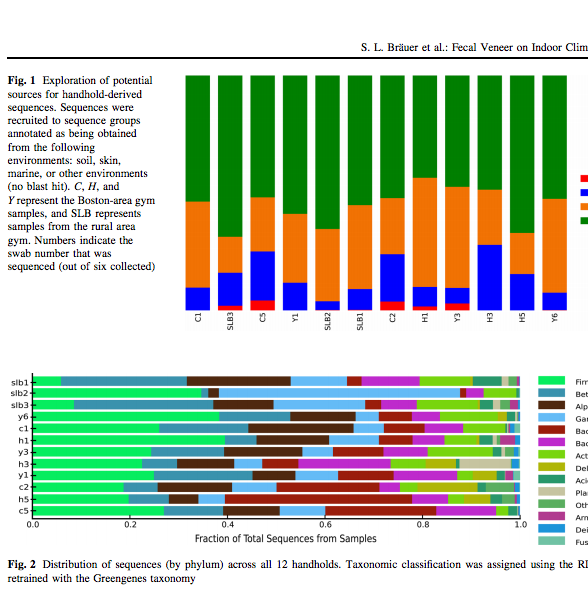
Screen Shot 2014-06-30 at 11.47.38 PMMicrobial Sequencing Analyses Suggest the Presence of a Fecal Veneer on Indoor Climbing Wall Holds – S. L. Bräuer – Current Microbiology

“In contrast to many other studies of built environments, the majority of microorganisms on holds were most closely related to microbes annotated as being recovered from environmental sources, such as soil, with human skin also representing an important source.”

[hr]

General microbiology and science, June 27

Viruses in primate genomes, viruses altering shrimp metabolome, transposable elements and repeats, dengue, other infectious diseases in developing countries and Dr. Bik’s Picks.

Metagenomics / viruses

Screen Shot 2014-06-27 at 9.21.29 PMCute animal alert! A tarsier is a tiny primate with huge eyes.
The First Endogenous Herpesvirus, Identified in the Tarsier Genome, and Novel Sequences from Primate Rhadinoviruses and Lymphocryptoviruses – Amr Aswad, Aris Katzourakis – PLOS Genetics

“We describe the first endogenous herpesvirus from the genome of the Philippine tarsier, belonging to the Roseolovirus genus, and characterize its highly defective genome that is integrated and flanked by unambiguous host DNA. From a draft assembly of the aye-aye genome, we use bioinformatic tools to reveal over 100,000 bp of a novel rhadinovirus that is the first lemur gammaherpesvirus, closely related to Kaposi’s sarcoma-associated virus.”

 Metabolomics

Screen Shot 2014-06-27 at 9.32.37 PMAn Invertebrate Warburg Effect: A Shrimp Virus Achieves Successful Replication by Altering the Host Metabolome via the PI3K-Akt-mTOR Pathway – Mei-An Su – PLOS Pathogens

“We show that the PI3K-Akt-mTOR pathway was of central importance in triggering this WSSV-induced Warburg effect. Although dsRNA silencing of the mTORC1 activator Rheb had only a relatively minor impact on WSSV replication, in vivo chemical inhibition of Akt, mTORC1 and mTORC2 suppressed the WSSV-induced Warburg effect and reduced both WSSV gene expression and viral genome replication.”

Biofilms

Screen Shot 2014-06-27 at 9.33.21 PMFilaments in curved streamlines: rapid formation of Staphylococcus aureus biofilm streamers – Minyoung Kevin Kim – New Journal of Physics

“We discovered that S. aureus rapidly forms flow-induced, filamentous biofilm streamers, and furthermore if surfaces are coated with human blood plasma, streamers appear within minutes and clog the channels more rapidly than if the channels are uncoated. “

Chromosomal organization

Screen Shot 2014-06-27 at 9.34.04 PMDigital Genotyping of Macrosatellites and Multicopy Genes Reveals Novel Biological Functions Associated with Copy Number Variation of Large Tandem Repeats – Manisha Brahmachary – PLOS Genetics

“Here, we demonstrate the utility of Nanostring technology as a targeted approach to perform accurate measurement of tandem repeats even at extremely high copy number, and apply this technology to genotype 165 HapMap samples from three different populations and five species of non-human primates. “

Screen Shot 2014-06-27 at 9.34.37 PMLarge-Scale Genomic Analysis Suggests a Neutral Punctuated Dynamics of Transposable Elements in Bacterial Genomes – Jaime Iranzo – PLOS Computational Biology

“In this work, we take advantage of the large amount of genomic data currently available and study the abundance distributions of 33 IS families in 1811 bacterial chromosomes. This allows us to test simple models of IS dynamics and estimate their key parameters by means of a maximum likelihood approach. “

Microbial Ecology

Screen Shot 2014-06-27 at 9.35.00 PMEx Uno Plures: Clonal Reinforcement Drives Evolution of a Simple Microbial Community – Margie Kinnersley – PLOS Genetics

“We previously showed that a population of E. coli that originated from a single clone and was cultured in the presence of a single limiting resource, evolves into a stable, three-membered community, wherein one clone excretes metabolites that the others utilize as carbon sources. To discern the genetic factors at work in producing this outcome and to illuminate the community’s physiology, we sequenced the genomes of the ancestral and evolved clones.”

Infectious diseases in developing countries

Screen Shot 2014-06-27 at 9.35.43 PMExploring the Relationship between Access to Water, Sanitation and Hygiene and Soil-Transmitted Helminth Infection: A Demonstration of Two Recursive Partitioning Tools – Katherine Gass – PLOS Neglected Tropical Diseases

“Improvements to water, sanitation and hygiene (WASH) likely provide sustained benefit, but few rigorous studies have evaluated the specific WASH components most influential in reducing infection. “

Screen Shot 2014-06-27 at 9.36.14 PMSocial Sciences Research on Infectious Diseases of Poverty: Too Little and Too Late? – José Azoh Barry – PLOS Neglected Tropical Diseases

“Besides the vicious circle these diseases maintain with dire conditions of poverty, an increased microbial resistance to some therapeutic drugs adds to the complexity of health disparities and human suffering among the socially disadvantaged, marginalized, and prejudiced against.”

Dengue

Screen Shot 2014-06-27 at 9.36.37 PMVariability in Dengue Titer Estimates from Plaque Reduction Neutralization Tests Poses a Challenge to Epidemiological Studies and Vaccine Development – Henrik Salje – PLOS Neglected Tropical Diseases

“We used repeated assays on the same two pools of serum using five different viruses (2,319 assays) to characterize the variability in the technique under identical experimental conditions. We also assessed the performance of multiple statistical models to interpolate continuous values of neutralization titer from discrete measurements from serial dilutions.”

Science and career

PLOSTen Simple Rules for Approaching a New Job – Philip E. Bourne – PLOS Computational Biology

“Thinking both as a job applicant and a job interviewer about how I have approached job situations over the years before, during, and after the interview and how those situations have turned out, I can offer the following ten simple rules as you prepare.”

A New Online Computational Biology Curriculum – David B. Searls – PLOS Computational Biology

“A recent proliferation of Massive Open Online Courses (MOOCs) and other web-based educational resources has greatly increased the potential for effective self-study in many fields. This article introduces a catalog of several hundred free video courses of potential interest to those wishing to expand their knowledge of bioinformatics and computational biology. “

Arsenic metabolism

Screen Shot 2014-06-27 at 10.00.06 PMAssociations between Arsenic Species in Exfoliated Urothelial Cells and Prevalence of Diabetes among Residents of Chihuahua, Mexico – Jenna M. Currier – Environ Health Perspect

“We measured concentrations of trivalent and pentavalent iAs, methyl-As (MAs), and dimethyl-As (DMAs) species in EUC from 374 residents of Chihuahua, Mexico, who were exposed to iAs in drinking water.”

Dr. Bik’s Picks

Screen Shot 2014-06-27 at 10.09.01 PMWith pictures and videos: Duration of urination does not change with body size – Patricia J. Yang – PNAS

“In this study, we report a mathematical model that clarifies misconceptions in urology and unifies the results from 41 independent urological and anatomical studies. The theoretical framework presented may be extended to study fluid ejection from animals, a universal phenomenon that has received little attention.”

Screen Shot 2014-06-27 at 10.01.44 PMFrom Gemstones to Arsenic: How the Development of Pigment Colored Art – Allison Meier

“A new exhibition at London’s National Gallery — Making Colour — looks at the development of color in art, from the Middle Ages to 1900. “

[hr]

Non-human microbiome, June 25

Mongolian Gerbils, soil microbiome affects plant flowering time, soybeans, and seawater viruses.

Mammalian microbiome

Screen shot 2014-06-25 at 01.26PM, Jun 25Helicobacter pylori Induced Gastric Immunopathology Is Associated with Distinct Microbiota Changes in the Large Intestines of Long-Term Infected Mongolian Gerbils – Markus M. Heimesaat – PLOS ONE

“Comprehensive cultural analyses revealed that severe gastric diseases such as atrophic pangastritis and precancerous transformations were accompanied by elevated luminal loads of E. coli and enterococci in the caecum and together with Bacteroides/Prevotella spp. in the colon of H. pylori WT, but not MUT infected gerbils as compared to naïve animals. “

Plant microbiome

Screen shot 2014-06-25 at 01.27PM, Jun 25Changes in the Bacterial Community of Soybean Rhizospheres during Growth in the Field – Akifumi Sugiyama – PLOS ONE

“Pyrosequencing analysis revealed that differences between the bacterial communities of rhizosphere and bulk soils at the phylum level; i.e., Proteobacteria were increased, while Acidobacteria and Firmicutes were decreased in rhizosphere soil during growth. “

Screen shot 2014-06-25 at 06.41PM, Jun 25Natural soil microbes alter flowering phenology and the intensity of selection on flowering time in a wild Arabidopsis relative – Maggie R. Wagner – Ecology Letters

Here, we tested separately the effects of four naturally occurring soil microbiomes and their constituent soil chemistries on flowering phenology and reproductive fitness of Boechera stricta, a wild relative of Arabidopsis. “

Water microbiology

Screen shot 2014-06-25 at 01.27PM, Jun 25 1Anthropogenic Litter in Urban Freshwater Ecosystems: Distribution and Microbial Interactions – Timothy Hoellein – PLOS ONE

“To assess microbial interactions with AL, we incubated AL and natural substrates in 3 freshwater ecosystems, quantified biofilm metabolism as gross primary production (GPP) and community respiration (CR), and characterized biofilm bacterial community composition via high-throughput sequencing of 16S rRNA genes.”

Screen shot 2014-06-25 at 01.28PM, Jun 25Comparison of Deep-Water Viromes from the Atlantic Ocean and the Mediterranean Sea – Christian Winter – PLOS ONE

“The identifiable richness and relative abundance in both viromes were dominated by archaeal and bacterial viruses accounting for 92.3% of the relative abundance in the Atlantic Ocean and for 83.6% in the Mediterranean Sea. “

Screen shot 2014-06-25 at 01.28PM, Jun 25 1The Marine Microbial Eukaryote Transcriptome Sequencing Project (MMETSP): Illuminating the Functional Diversity of Eukaryotic Life in the Oceans through Transcriptome Sequencing – Patrick J. Keeling – PLOS Biology

“The MMETSP relies primarily on cultured organisms, and this introduces a different set of biases, most obviously, favoring organisms that are photosynthetic. “

[hr]
General microbiology and science, June 24

Metabolomics, metagenomics, phages in the human gut, arsenic poisoning in China, and a big award for Dengue research.

Metabolomics

Metaproteomics: Extracting and Mining Proteome Information to Characterize Metabolic Activities in Microbial Communities – Paul E. Abraham – Current Protocols in Bioinformatics

“In this article, we provide an overview of current bioinformatic approaches and software implementations in metaproteome studies in order to highlight the key considerations needed for successful implementation of this powerful community-biology tool. “

Review: The human volatilome: volatile organic compounds (VOCs) in exhaled breath, skin emanations, urine, feces and saliva – Anton Amann – Journal of Breath Research

“Fecal volatiles have been implicated in differentiating certain infectious bowel diseases such as Clostridium difficile, Campylobacter, Salmonella and Cholera. They have also been used to differentiate other non-infectious conditions such as irritable bowel syndrome and inflammatory bowel disease.”

Metagenomics and DNA structure

Sequencing the Strange Communities: Taking on Metagenomics – Aaron Krol – Bio-IT World

““Communities are made up of organisms that interact,” says Jonathan Eisen, a professor at the School of Medicine and the College of Biological Sciences at the University of California, Davis. “They’re not made up of short reads of Illumina sequences. And we need to stitch those together into organisms in order to make useful predictions, and interpretation of experimental data.””

Gene positioning and genome function – Nidhi Vishnoi, Jie Yao – Frontiers in Biology

” In this review, we discuss some recent findings as well as experimental tools to investigate subnuclear gene positioning and to explore its implications in genome functions.”

Phages and viruses

Classification and quantification of bacteriophage taxa in human gut metagenomes – Alison S Waller – ISME Journal 

“Using taxon-specific marker genes, we identified and monitored 20 viral taxa in 252 human gut metagenomic samples, mostly at the level of genera. “

Techniques

Enzymatic Treatment of Specimens before DNA Extraction Directly Influences Molecular Detection of Infectious Agents – Pablo Goldschmidt – PLOS ONE

“The goal of the present work was to assess the efficiency of enzymatic pretreatments on infectious agents to make DNA available for further extraction and amplification.”

Dengue

Sustainable Sciences Institute (SSI) Awarded $1 Million to Battle Growing Threat to Global Public Health: Mosquito-borne Dengue Virus – PR Web

“SSI, a San Francisco nonprofit founded by Eva Harris, UC Berkeley Professor of Infectious Disease and Vaccinology and former MacArthur “Genius” award winner, has worked to minimize the threat of potentially fatal Dengue disease for 15 years. With the latest award of $1 million dollars, Harris and other SSI investigators will be able to extend their reach and speed up their efforts.”

Infection and host response

Early MicroRNA Expression Profile as a Prognostic Biomarker for the Development of Pelvic Inflammatory Disease in a Mouse Model of Chlamydial Genital Infection – Laxmi Yeruva – mBio

“To determine if chemokine and cytokine production within 24 h of infection is associated with the outcome of pathology, levels of 15 chemokines and cytokines were measured. “

Immunity to gastrointestinal nematodes: mechanisms and myths – Richard K. Grencis – Immunological Reviews

“This review aims to discuss the recent discoveries in both host protection and immunoregulation against gastrointestinal nematodes, placing the data in context of the specific life cycles imposed by the different parasites studied and the future challenges of considering the mucosal/immune axis to encompass host, parasite, and microbiome in its widest sense.”

Tailored immunity at mucosae – Yasmine Belkaid – Immunological Reviews

“This issue of Immunological Reviews presents articles from investigators involved in the exploration of the mechanisms by which mucosal barrier sites induce and control innate and adaptive immune responses.”

Detection of bacteria in blood and other sites

Rapid Detection of Enterobacteriaceae Producing Extended Spectrum Beta-Lactamases Directly From Positive Blood Cultures by Matrix-Assisted Laser-Desorption-Ionization Time-of-Flight Mass Spectrometry (MALDI-TOF-MS) – Marina Oviaño – Clinical Microbiology and Infection

“In the assay, 141 blood cultures were tested, 13 out of them were real bacteremias and 128 corresponded to blood culture bottles seeded with bacterial clinical isolates. Bacteremias were analyzed by MALDI-TOF after a positive growth result and the 128 remaining blood cultures 24 hours after the bacterial seeding. “

General microbiology and ecology

The quest for a unified view of bacterial land colonization – Hao Wu – ISME Journal

“Here, we perform comprehensive analyses based on a large variety of bacteria by integrating taxonomic, phylogenetic and metagenomic data, in the quest for a unified view that elucidates genomic, evolutionary and ecological dynamics of the marine progenitors in adapting to nonaquatic environments. “

Lateral transfer of eukaryotic ribosomal RNA genes: an emerging concern for molecular ecology of microbial eukaryotes – Akinori Yabuki – ISME Journal

“Two distinct sequences of the 18S rRNA gene were detected from a clonal culture of the stramenopile, Ciliophrys infusionum. One was clearly derived from Ciliophrys, but the other gene originated from a perkinsid alveolate.”

Arsenic metabolism

Arsenic Pollution Sows Despair in Chinese Cancer Village (slideshow)- Yahoo News

“Xiong Demin could not have foreseen that the mine he worked at for 32 years would leave his home village poisoned and hundreds of residents, including himself and his wife, stricken with cancer.”

Dr. Bik’s Picks – Evolution Edition

Molecular Phylogeny, Biogeography, and Habitat Preference Evolution of Marsupials – Kieren J. Mitchell – Molecular Biology and Evolution

“We use 101 mitochondrial genomes and data from 26 nuclear loci to reconstruct a dated phylogeny including 97% of extant genera and 58% of modern marsupial species”

Parallel sites implicate functional convergence of the hearing gene prestin among echolocating mammals – Zhen Liu – Molecular Biology and Evolution

“By functional assays, we show that a key parameter of prestin function, 1/α, is increased in all echolocating mammals and that the N7T parallel substitution accounted for this functional convergence. Moreover, another parameter, V1/2, was shifted toward the depolarization direction in a toothed whale, the bottlenose dolphin (Tursiops truncatus) and a constant-frequency bat, Stoliczka’s trident bat (Aselliscus stoliczkanus). “

Evolutionary developmental transcriptomics reveals a gene network module regulating interspecific diversity in plant leaf shape – Yasunori Ichihashi – PNAS

“Utilizing the natural variation in leaf morphology between tomato and two related wild species, we identified a gene network module that leads to a dynamic rewiring of interactions in the whole leaf developmental gene regulatory network. “

[hr]

Human and cell phone microbiome, June 24

The PhoneBiome has finally been characterized. Effect of maltodextrin on gut microbiome, and obesity and risk for preterm birth.

Skin and phone microbiome

Mobile phones carry the personal microbiome of their owners – James F. Meadow – Peer J

“We found that about 22% of the bacterial taxa on participants’ fingers were also present on their own phones, as compared to 17% they shared on average with other people’s phones. “

Gut microbiome

The Metabolizable Energy of Dietary Resistant Maltodextrin Is Variable and Alters Fecal Microbiota Composition in Adult Men – David J. Baer – The Journal of Nutrition

“RM intake was associated with statistically significant increases (P < 0.001) in various operational taxonomic units matching closest to ruminococcus, eubacterium, lachnospiraceae, bacteroides, holdemania, and faecalibacterium, implicating RM in their growth in the gut. “

B cells as a critical node in the microbiota–host immune system network
Emma Slack – Immunological Reviews

“In this review, we address how B-cell responses to members of the intestinal microbiota form a robust network with mucus, epithelial integrity, follicular helper T cells, innate immunity, and gut-associated lymphoid tissues to maintain host–microbiota mutualism.”

Classification and quantification of bacteriophage taxa in human gut metagenomes – Alison S Waller – ISME Journal 

“Using taxon-specific marker genes, we identified and monitored 20 viral taxa in 252 human gut metagenomic samples, mostly at the level of genera. “

Cesarean delivery and risk of inflammatory bowel disease: a systematic review and meta-analysis – Yi Li – Scandinavian Journal of Gastroenterology

“Results of this meta-analysis support the hypothesis that cesarean delivery was associated with the risk of CD but not of UC. The total rate of cesarean delivery of IBD patients was similar with that of control subjects.

Intestinal microbiota in pathophysiology and management of irritable bowel syndrome – Lee KN – World Journal of Gastroenterology

“…the role of the intestinal microbiota in the pathophysiology and management of IBS is not clear. This review provides the accumulating evidence on it.”

Pregnancy and Birth

Maternal Prepregnancy Body Mass Index and Risk of Spontaneous Preterm Birth – Gary M. Shaw – Paediatric and Perinatal Epidemiology

“Analyses of mothers without hypertension and diabetes, adjusted for age, education, height, and prenatal care initiation, showed obesity categories I–III to be associated with increased risk of spontaneous preterm birth at 20–23 and 24–27 weeks among those of parity 1 in each race/ethnic group.”

and

Obesity before pregnancy linked to earliest preterm births, Stanford/Packard study finds – Erin Digitale – Stanford Medicine News Center

“Women who are obese before they become pregnant face an increased risk of delivering their babies before 28 weeks of pregnancy, a new study of nearly 1 million California births has found.”

Maturation of the enteric mucosal innate immune system during the postnatal period – Marcus Fulde and Mathias W. Hornef – Immunological Reviews

“Here, we discuss both adaptive and developmental mechanisms of the mucosal innate immune system that prevent inappropriate stimulation and facilitate establishment of a stable homeostatic host–microbial interaction after birth.”

Early Infant Nutrition and Metabolic Programming: What Are the Potential Molecular Mechanisms? – Stephanie-May Ruchat – Current Nutrition Reports

“This review will present potential molecular mechanisms through which early postnatal nutrition may influence health and disease programming, focusing on research that used “-omics” approaches (i.e., epigenomics, transcriptomics, proteomics, and metabolomics).”

Oral presentation: Serum beta defensin concentration in the first trimester is related to genotype, and is higher in women who develop PPROM and deliver before 34 weeks – CP James – Arch Dis Child Fetal Neonatal Ed

“Serum hBD2 expression is higher in women who have PPROM and PTB. Women with PPROM and PTB have a distinct innate immune profile evident in their serum in the first trimester, which may provide the basis for a predictive test.”

Animal models of human microbiota and disease

Modulation of gut microbiota during probiotic-mediated attenuation of metabolic syndrome in high fat diet-fed mice – Jingjing Wang – ISME Journal

“Weighted UniFrac principal coordinate analysis based on 454 pyrosequencing of fecal bacterial 16S rRNA genes showed that the probiotic strains shifted the overall structure of the HFD-disrupted gut microbiota toward that of lean mice fed a normal (chow) diet. “

Gut microbiome composition and function in experimental colitis during active disease and treatment-induced remission – Michelle G Rooks – ISME Journal

“Here, we surveyed the gut microbiome of the T-bet−/− Rag2−/− mouse model of colitis during active disease and treatment-induced remission. “

Early-Life Environmental Variation Affects Intestinal Microbiota and Immune Development in New-Born Piglets – Dirkjan Schokker – PLOS ONE

” We observed that the applied antibiotic treatment affected the composition and diversity of gut microbiota and reduced the expression of a large number of immune-related processes. The effect of management procedures on top of the use of an antibiotic was limited.”

[hr]

General microbiology and science, June 23

Amplification of 18S rRNA genes, metabolomics, phages, and the scientific way to cut a cake.

Bacteria are everywhere

This article is citing a study that was published in 1992, not sure why they reporting about it now, but here it is:
Earpieces can multiply bacteria 11 times in ear – Tribune

“Besides concerns about deafness, there are also issues regarding use of earpieces and bacteria. A study which measured bacteria levels on audio headsets provided on commercial airline flights entitled “Changes in the microbial flora of airline headset devices after their use,” published in the journal, The Laryngoscope, brings interesting conclusions. “

Anti-bacterial bag-for-life could prevent rise in food poisoning when 5p plastic bag charge comes into force – Independent UK

“Paul Morris, the managing director, said: “Multi-use bags which can carry raw meat one week and vegetables or clothing the next is a concern of many industry experts; this bag provides a solution to the problem.””

Amplification and sequencing techniques 

Investigating Microbial Eukaryotic Diversity from a Global Census: Insights from a Comparison of Pyrotag and Full-Length Sequences of 18S rRNA Genes – Alle A. Y. Lie – Applied and Environmental Microbiology

“Operational taxonomic units (OTUs) derived from full-length (Sanger sequencing) and pyrotag (454 sequencing of the V9 hypervariable region) sequences of 18S rRNA genes from 10 global samples were analyzed in order to compare the resulting protistan community structures and species richness. “

Targeted and Highly Multiplexed Detection of Microorganisms by Employing an Ensemble of Molecular Probes – Weihong Xu – Applied and Environmental Microbiology

“To profile the microbial diversity in environmental and clinical samples, we have devised and employed molecular probe technology, which detects and identifies bacteria that do and do not grow in culture.”

Metabolomics and mass spectrometry

This one is published by the not-so-trustworthy Omics group, but it sounds interesting:
Optimisation of Sample Preparation for Direct SPME-GC-MS Analysis of Murine and Human Faecal Volatile Organic Compounds for Metabolomic Studies (links to PDF)
– Reade S – Analytical & Bioanalytical Techniques

“We evaluated different aspects of sample preparation when processing murine and human faecal samples through a pipeline involving solid phase micro-extraction (SPME) coupled to gas chromatography-mass spectrometry (GC-MS)”

Shigella reroutes host cell central metabolism to obtain high-flux nutrient supply for vigorous intracellular growth – David Kentner – PNAS

“Here, we show that infected host cells maintain normal central metabolism for energy production and host cell survival. However, Shigella captures the entire host metabolism output and degrades it further to acetate.”

Beyond the Matrix-Assisted Laser Desorption Ionization (MALDI) Biotyping Workflow: in Search of Microorganism-Specific Tryptic Peptides Enabling Discrimination of Subspecies – Maria-Theresia Gekenidis – Applied and Environmental Microbiology

“Here, it is shown that combining tryptic digestion of the acid/organic solvent extracted (classical biotyping preparation) and resolubilized proteins, nano-liquid chromatography (nano-LC), and subsequent identification of the peptides by MALDI-tandem TOF (MALDI-TOF/TOF) mass spectrometry increases the discrimination power to the level of subspecies.”

Phages and viruses

Modeling the Infection Dynamics of Bacteriophages in Enteric Escherichia coli: Estimating the Contribution of Transduction to Antimicrobial Gene Spread –
Victoriya V. Volkova – Applied and Environmental Microbiology

“Using the model and the most liberal assumptions about transduction efficiency and resistance gene frequency, we approximated the upper numerical limits (“worst-case scenario”) of gene transfer through specialized and generalized transduction in E. coli by enteric coliphages when the transduced genetic segment is picked at random. “

Tolerance of a Phage Element by Streptococcus pneumoniae Leads to a Fitness Defect during Colonization – Hilary K. DeBardeleben – Journal of Bacteriology

“Here, we examined a clinical isolate that carries a novel prophage element, designated Spn1, which was detected in both integrated and episomal forms. Surprisingly, both lytic and lysogenic Spn1 genes were expressed under routine growth conditions.”

Comparison of Five Bacteriophages as Models for Viral Aerosol Studies – Nathalie Turgeon – Applied and Environmental Microbiology

“The presence of viruses in collected air samples was detected by culture and quantitative PCR (qPCR). Our results showed that these selected five phages behave differently when aerosolized and sampled. “

Microbial detection in blood and normally sterile sites

Molecular revolution in the diagnosis of microbial brain abscesses – AK Mishra – European Journal of Clinical Microbiology & Infectious Diseases

“This article reviews the applications of the currently available tools for the etiological diagnosis of a brain abscess.”

General microbiology

Nitrogen stress response and stringent response are coupled in Escherichia coli – Daniel R. Brown – Nature Communications

“Here, we show that transcription of relA, a key gene responsible for the synthesis of ppGpp, is activated by NtrC during nitrogen starvation.”

Stenotrophomonas comparative genomics reveals genes and functions that
differentiate beneficial and pathogenic bacteria – Peyman Alavi – BMC Genomics

“We used comparative genomics as well as transcriptomic and physiological approaches to detect significant borders between the Stenotrophomonas strains: the multi-drug resistant pathogenic S. maltophilia and the plant-associated strains S. maltophilia R551-3 and S. rhizophila DSM14405T (both are biocontrol agents)”

Emergence of bacterial vortex explained – Science Daily

When a bunch of B. subtilis bacteria are confined within a droplet of water, a very strange thing happens. The chaotic motion of individual swimmers spontaneously organizes into a swirling vortex, with bacteria on the outer edge of the droplet moving in one direction while those on the inside move the opposite direction. “

Dr. Bik’s Picks

Screen Shot 2014-06-23 at 11.53.49 PMScientists tie social behavior to activity in specific brain circuit – Stanford University

“The new findings, published June 19 in Cell, may throw light on psychiatric disorders marked by impaired social interaction such as autism, social anxiety, schizophrenia and depression, said the study’s senior author, Karl Deisseroth, MD, PhD, a professor of bioengineering and of psychiatry and behavioral sciences. 

Scientists use X-rays to look at how DNA protects itself from UV light – Science Daily

The molecular building blocks that make up DNA absorb ultraviolet light so strongly that sunlight should deactivate them — yet it does not. Now scientists have made detailed observations of a ‘relaxation response’ that protects these molecules, and the genetic information they encode, from UV damage.”

Cut your cake and keep it (fresh), too – Eliza Barclay – NPR

“The ordinary method of cutting out a wedge is very faulty,” wrote Sir Francis Galton, a British mathematician, in a 1906 letter to the journal Nature concerning the scientific principles of cake-cutting.”

[hr]

General microbiology and science, June 19

How to store your sputum samples, how LPS gets inserted into the outer membrane, and why pigs have an even number of toes.

Techniques in microbiome research

Screen Shot 2014-06-19 at 11.16.59 PMTime between sputum sample collection and storage significantly influences bacterial sequence composition from Cystic Fibrosis respiratory infections – Leah Cuthbertson – Journal of Clinical Microbiology

“Aliquots were stored at room temperature before freezing at -80°C for increasing intervals up to 72 hour period. Samples were treated with propidium monoazide, to distinguish live from dead cells, prior to DNA extraction, and 16S rRNA gene pyrosequencing was used to characterise the bacterial composition.”

General microbiology

Screen Shot 2014-06-19 at 11.26.58 PMStructural basis for outer membrane lipopolysaccharide insertion – Haohao Dong – Nature

“Here we report the first crystal structure of the unique integral membrane LPS translocon LptD–LptE complex….These findings not only help us to understand important aspects of bacterial outer membrane biogenesis, but also have significant potential for the development of novel drugs against multi-drug resistant pathogenic bacteria.”

Immunology

Screen Shot 2014-06-19 at 11.13.17 PMTeaching the immune system “self” respect and tolerance – Lucienne Chatenoud – Science

Tolerance is what we would like to restore to cure such disabling diseases. Kasagi et al. (2) indicate that it may be possible to teach the immune system to tolerate “self” again.”

Screen Shot 2014-06-19 at 11.15.42 PMIn Vivo–Generated Antigen-Specific Regulatory T Cells Treat Autoimmunity Without Compromising Antibacterial Immune Response – Shimpei Kasagi – Science

“These antigen-specific Treg cells specifically ameliorated autoimmunity without compromising immune responses to bacterial antigen. We have thus successfully generated antigen-specific Treg cells with therapeutic activity toward autoimmunity”

Phages, viruses, CRISPRs

Screen Shot 2014-06-19 at 11.18.44 PMHaloarcula hispanica CRISPR authenticates PAM of a target sequence to prime discriminative adaptation – Ming Li – Nucleic Acids Research

Science and ethics

Cheating common, say Brazil’s students – Jack Grove – Times Higher Education

“Of a sample of 47 papers published last year, 29 showed signs of word-by-word plagiarism, seven contained self-plagiarism, three had “mosaic plagiarism” (otherwise known as “synonym substitution”) and one exhibited signs of collusion.”

Dr. Bik’s Picks

Screen Shot 2014-06-19 at 11.23.10 PMThe Dangers Of Data Mining – Tommaso Dorigo – Science 2.0

On my first day at the Erice School of Science Journalism this past week I attended a lecture by Alessio Cimarelli, who discussed “When Data Journalism meets Science: a “Hackathon””.”

Screen Shot 2014-06-19 at 11.32.23 PMEvolutionary biology: Why cattle, pigs are even-toed – Science Daily

During their evolution, the basic limb skeletal structure was significantly modified such that today’s hippopotami have four toes, while the second and fifth toe face backwards in pigs.”


U.S. Says 75 Government Scientists Possibly Exposed To Live Anthrax – Reuters – Huffington Post

The potential exposure occurred after researchers working in a high-level biosecurity laboratory at the agency’s Atlanta campus failed to follow proper procedures to inactivate the bacteria.”

[hr]