General microbiology and science digest, October 2, 2014

Viruses and metagenomics, the soil of Central Park, and sweat eating bacteria.

Ecology

Loops and autonomy promote evolvability of ecosystem networks – Jianxi Luo – Scientific Reports

“To correlate ecosystem structure and evolvability, we adopt the NK model originally from evolutionary biology to generate and assess the ruggedness of fitness landscapes of a wide spectrum of model food webs with gradual variation in the amount of feeding loops and link density. “

Erosion of functional independence early in the evolution of a microbial mutualism
Kristina L. Hillesland – PNAS USA

“We show that as the bacterium Desulfovibrio vulgaris evolved for 1,000 generations in conditions forcing cooperation with the archaeon Methanococcus maripaludis, it lost a key metabolic trait that would be required for it to grow alone in most environments.”

Tree diversity does not always improve resistance of forest ecosystems to drought – Charlotte Grossiord – PNAS USA

“Within our study network of 160 forest stands across Europe, we found that mixed species forests are less exposed to drought stress in some regions only. “

Phages, viruses, and metagenomics

Dynamics of CRISPR Loci in Microevolutionary Process of Yersinia pestis Strains – Maria Paloma S. Barros – PLOS ONE

“This study allowed observing a microevolutionary process in a group of Y. pestis isolated from Brazil. “

Metagenomic approaches for direct and cell culture evaluation of the virological quality of wastewater – Tiong Gim Aw – Journal of Virological Methods

“In this study, NGS and bioinformatics have been employed for the direct detection and characterization of viruses in wastewater and of viruses isolated after cell culture. “

Metagenomics / Bioinformatics

Analysis of the Relationship between Genomic GC Content and Patterns of Base Usage, Codon Usage and Amino Acid Usage in Prokaryotes: Similar GC Content Adopts Similar Compositional Frequencies Regardless of the Phylogenetic Lineages – Hui-Qi Zhou – PLOS ONE

“The GC contents of 2670 prokaryotic genomes that belong to diverse phylogenetic lineages were analyzed in this paper. “

Benchmarking Undedicated Cloud Computing Providers for Analysis of Genomic Datasets
Seyhan Yazar – PLOS ONE

“We benchmarked two established cloud computing services, Amazon Web Services Elastic MapReduce (EMR) on Amazon EC2 instances and Google Compute Engine (GCE), using publicly available genomic datasets”

SDT: A Virus Classification Tool Based on Pairwise Sequence Alignment and Identity Calculation – Brejnev Muhizi Muhire – PLOS ONE

“Here we present Sequence Demarcation Tool (SDT), …that aims to provide a robust and highly reproducible means of objectively using pairwise genetic identity calculations to classify any set of nucleotide or amino acid sequences.”

A two-stage statistical procedure for feature selection and comparison in functional analysis of metagenomes – Naruekamol Pookhao – Bioinformatics

“We propose a two-stage statistical procedure for selecting informative features and identifying differentially abundant features between two or more groups of microbial communities.”

FOAM (Functional Ontology Assignments for Metagenomes): a Hidden Markov Model (HMM) database with environmental focus – Emmanuel Prestat – Nucleic Acids Research

“A new functional gene database, FOAM (Functional Ontology Assignments for Metagenomes), was developed to screen environmental metagenomic sequence datasets. “

Microbes in the News

Soil Microbiome of Central Park – Jef Akst – The Scientist

“The soil of New York City’s Central Park is bursting with biodiversity spanning all three domains of life, according to a study published today”

Supporting the “Good” Gut Microbes – Anna Azvolinksy – The Scientist

“During systemic infection, mice kick-start the production of a specific sugar to feed and protect the beneficial bacteria in their guts while fighting pathogenic strains.”

Sweat-Eating Bacteria: Acne Miracle Cure? – Discovery News

“A new, small study has shown that applying a topical creme containing the bacteria leads to healthier skin and could be used to treat acne and promote healing in wounds.”

Women in Science

* Sexism in Science – sbhatnagar3 – Phylogenomics Blogspot

“Please don’t treat these seminars as a fashion show. It distracts the people away from your work”.”

Bik’s Picks

Behavior of bats at wind turbines – Paul. M. Cryan – PNAS USA

“Bats are dying in unprecedented numbers at wind turbines, but causes of their susceptibility are unknown. “

Flexible energetics of cheetah hunting strategies provide resistance against kleptoparasitism – David M. Scantlebury – Science

“We show that daily energy expenditure (DEE) of cheetahs was similar to size-based predictions and positively related to distance traveled.”

Previously unseen details of seafloor exposed in new map – Science Daily

“Twice as accurate as the previous version, the new map features a much more vivid picture of seafloor structures, including thousands of previously uncharted mountains.”

[hr]

Microbiome digest, September 23, 2014

I don’t have much time tonight, so I’ll keep it short.

Pregnancy and birth

Homogeneity of the Vaginal Microbiome at the Cervix, Posterior Fornix, and Vaginal Canal in Pregnant Chinese Women – Yi-E Huang- Microbial Ecology

Impact of Feeding and Medical Practices on the Development of Necrotizing Enterocolitis – Brian L. Montenegro, Camilia R. Martin – Current Pediatrics Reports

Human respiratory microbiome

Expanding Our Understanding of Respiratory Microbiota in Cystic Fibrosis – John J. LiPuma – Annals of the American Thoracic Society

Microbiota in the throat and risk factors of laryngeal carcinoma – Hongli Gong – Applied and Environmental Microbiology

Human gut microbiome

Membership and Behavior of Ultra-Low-Diversity Pathogen Communities Present in the Gut of Humans during Prolonged Critical Illness – Alexander Zaborin – mBio

The Overarching Influence of the Gut Microbiome on End-Organ Function: The Role of Live Probiotic Cultures – Luis Vitetta – Pharmaceuticals

Excretion of host DNA in feces is associated with risk of Clostridium difficile infection –  Caroline Vincent – Journal of Immunology Research

Animal and in vitro studies of human microbiome

Effect of Oral Administration of Metronidazole or Prednisolone on Fecal Microbiota in Dogs – Hirotaka Igarashi – PLOS ONE

Age and Microenvironment Outweigh Genetic Influence on the Zucker Rat Microbiome
Hannah Lees – PLOS ONE

A comparative evaluation of prebiotic oligosaccharides using in vitro cultures of infant fecal microbiome – J Stiverson – Applied and Environmental Microbiology

Alterations in Ileal Mucosa Bacteria Related to Diet Complexity and Growth Performance in Young Pigs – Crystal L. Levesque – PLOS ONE

Mammal microbiome

Fecal microbial diversity and putative function in captive western lowland gorillas (Gorilla gorilla gorilla), common chimpanzees (Pan troglodytes), Hamadryas baboons (Papio hamadryas), and binturongs (Arctictis binturong) – Erin A. McKenney – Integrative Zoology

Pathogenic Eukaryotes in Gut Microbiota of Western Lowland Gorillas as Revealed by Molecular Survey – Ibrahim Hamad – Scientific Reports

Insect microbiome

Routes of acquisition of the gut microbiota of Apis mellifera – J. Elijah Powell – Applied and Environmental Microbiology

Sponge microbiome

Symbiotic archaea in marine sponges show stability and host specificity in community structure and ammonia oxidation functionality – Fan Zhang – FEMS Microbiology Ecology
http://onlinelibrary.wiley.com/doi/10.1111/1574-6941.12427/abstract

Plant microbiome

Comparison of root system architecture and rhizosphere microbial communities of Balsas teosinte and domesticated corn cultivars – Márton Szoboszlay – Soil Biology and Biochemistry

Micromonospora from nitrogen fixing nodules of alfalfa (Medicago sativa L.). A new promising Plant Probiotic Bacteria – Pilar Martínez-Hidalgo – Scientific Reports

Effects of Clonal Integration on Microbial Community Composition and Processes in the Rhizosphere of the Stoloniferous Herb Glechoma longituba (Nakai) Kuprian – Ningfei Lei – PLOS ONE

Soil type dependent effects of a potential biocontrol inoculant on indigenous bacterial communities in the rhizosphere of field-grown lettuce – Susanne Schreiter – FEMS Microbiology Ecology

Soil microbiome

Culturable fungal assemblages growing within Cenococcum sclerotia in forest soils – Keisuke Obase – FEMS Microbiology Ecology

Food microbiology

Dynamic changes of the microbial communities during the preparation of traditional Tibetan Qula cheese – Bei Zhang – Dairy Science & Technology

Metabolomics / Functional metagenomics

Identification of Aminoglycoside and β-Lactam Resistance Genes from within an Infant Gut Functional Metagenomic Library – Fiona Fouhy – PLOS ONE

Mining the Metabiome: Identifying Novel Natural Products from Microbial Communities

Aleksandr Milshteyn, Jessica S. Schneider, Sean F. Brady – Chemistry & Biology

Commensally sourced antibiotics – Cláudio Nunes-Alves – Nature Reviews Microbiology

Impact of dietary polydextrose fiber on the human gut metabolome – Santosh Lamichhane – Journal of Agricultural and Food Chemistry

Preserving the earth’s microbes for drug discovery in the future – Ranjith N. Kumavath and Satyanarayana S.V – Journal of Microbiology and Microbial Research

Microbial Ecology

PNAS has a special issue this week on Biogeography (with the Panama forest trees paper by Jessica Green): The emergence and promise of functional biogeography – Cyrille Violle – PNAS

Active invasion of bacteria into living fungal cells – Nadine Moebius – eLife

Microbes in the news

Microbiome: You are never alone – John A Goldman – Atlanta Medicine

Seeking the Sweet Spot, from Mouth to Microbiome – David Katz – Huffington Post

New evidence suggests long-term relationships with bacteria begins before we’re born – Norbert Berzog and David Niesel – Galveston County Daily News

MIT Developing Ship-Repairing Bacteria – World Maritime News

Science and publishing

Anonymous peer-review comments may spark legal battle – Kelly Servick – Science

[hr]

General microbiology and science, September 15, 2014

Biodiversity and evolution in microbial communities, metabolomics, swabbing, DNA extraction, ITS approaches, marine viruses, and Bik’s Picks.

Microbial Ecology

The cryptic role of biodiversity in the emergence of host–microbial mutualisms – Pradeep Pillai – Ecology Letters

“Using a metacommunity model, we show that competition between multiple cheaters within the host’s microbiome, when combined with the spatial structure of host–microbial interactions, can have a constructive rather than a disruptive effect by allowing the emergence and maintenance of mutualistic microorganisms within the host.”

Microbial communities evolve faster in extreme environments – Sheng-Jin Li – Nature Scientific Reports

“Here we report a relative evolutionary rates (rERs) analysis of microbial communities from six diverse natural environments based on 40 metagenomic samples. “

Metabolomics

Mapping the Inner Workings of the Microbiome: Genomic- and Metagenomic-Based Study of Metabolism and Metabolic Interactions in the Human Microbiome – Ohad Manor, Roie Levy, Elhanan Borenstein – Cell Metabolism

“Here, we discuss recent efforts to study the metabolic inner workings of this complex ecosystem. “

Techniques

Comparison of seven methods for extraction of bacterial DNA from fecal and cecal samples of mice – Janina Ferrand – Journal of Microbiological Methods

“DNA quantity and quality were assessed by fluorometry, spectrophotometry, gel electrophoresis and qPCR….For both feces and intestinal contents, the most efficient extraction method was the FastDNA® SPIN Kit for Soil.”

Swab Sample Transfer for Point-Of-Care Diagnostics: Characterization of Swab Types and Manual Agitation Methods – Nuttada Panpradist – PLOS ONE

“In this study, we compared bacterial release efficiency of seven swab types using manual-agitation methods typical of POC devices.”

Improved resolution of bacteria by high throughput sequence analysis of the rRNA internal transcribed spacer – Paul M. Ruegger – Journal of Microbiological Methods

“Comparisons of the ITS region and two SSU regions using annotated bacterial genomes in GenBank showed much greater resolving power is possible with the ITS region. “

Pyroprinting: A rapid and flexible genotypic fingerprinting method for typing bacterial strains – Michael W. Black – Journal of Microbiological Methods

“Pyroprinting relies on the simultaneous pyrosequencing of polymorphic multicopy loci, such as the intergenic transcribed spacer regions of rRNA operons in bacterial genomes.”

Bioinformatics

OrthoClust: an orthology-based network framework for clustering data across multiple species – Koon-Kiu Yan – Genome Biology

“We demonstrate the application of OrthoClust using the RNA-Seq expression profiles of Caenorhabditis elegans and Drosophila melanogaster from the modENCODE consortium.”

Viruses and Phages

Review: Factors affecting virus dynamics and microbial host–virus interactions in marine environments – Kristina D.A. Mojica and Corina P.D. Brussaard – FEMS Microbiology Ecology

“The goal of the present minireview was to contribute to the evolution of marine viral ecology, through the assimilation of available data regarding the manner and degree to which environmental factors affect viral decay and infectivity as well as influence latent period and production.”

More Microbes

Dead or Alive: Molecular Assessment of Microbial Viability – Gerard A. Cangelosi and John S. Meschke – Applied and Environmental Microbiology

“This article reviews molecular viability analysis in that context and discusses future opportunities for these strategies in genetic, metagenomic, and single-cell microbiology.”

Bacteria in the news

Is your body mostly microbes? Actually, we have no idea – Peter Andrey Smith – The Boston Globe

“There’s only one problem: The oft-cited 10-to-1 figure is almost certainly inaccurate.”

The Death Microbiome Could Inform Forensic Science And Medicine – Randall Mayes – Design & Trend

“For pathologists working out the time of death, research has focused on the way that insects and microbes from a corpse’ environment take up residence in the flesh.”

Tiny hitchhikers, big health impact: Studying the microbiome to learn about disease – Krista Conger – ScopeBlog Stanford

Got microbes? Meet some of the tiny life forms that call you home and may make antibiotics for you (with annoying 5 questions if you want to read the whole article) – Susannah Bodman – Oregon Live

Fighting Poisons With Bacteria – Going Inside the Rice Microbiome – Carina Storrs – NY Times

“Dr. Bais is working to develop rice plants that take up less arsenic, a common contaminant in the fields of his native India and other Asian countries.”

Possum faeces may cause flesh-eating ulcers in humans, Victorian researchers say – ABC Australia

“Infectious disease researchers at Victoria’s Barwon Health have found that possums can carry the buruli bacteria, which can cause major skin ulcers in humans.”

Scientific publishing

Ten Simple Rules for Better Figures – Nicolas P. Rougier – PLOS Computational Biology

“we aim to provide a basic set of rules to improve figure design and to explain some of the common pitfalls.”

The digital toolbox – Nature Editorial

“A new section of Nature examines the software and websites that make research easier.”

Scientific career

There is life after academia – Nature Editorial

“With high numbers of postdocs emerging from universities, prospective PhD students must be prepared for the fact that they will probably not end up with a career in research.”

Bik’s Picks

PBS: Video on the science behind brewing beer hops to it – CNET

“PBS series “It’s Okay To Be Smart” takes a look at how beer is made, and what external factors influence the final product.”

The coffee genome provides insight into the convergent evolution of caffeine biosynthesis -France Denoeud – Science

“We generated a high-quality draft genome of the species Coffea canephora, which displays a conserved chromosomal gene order among asterid angiosperms. “

On the Other Hand – Bob Grant – The Scientist

“Handedness, a conspicuous but enigmatic human trait, may be shared by other animals. What does it mean for evolution and brain function?”

[hr]

General microbiology and science, August 19, 2014

Proteomics in biofilms at different temperatures, neonatal immune metabolic network, co-occurrence, something wonky with Unifrac, and microbiome in the news.

Metabolomics and proteomics

Turning up the heat on biofilms – Christina Tobin Kåhrström – Nature Reviews Microbiology

“This study used tandem mass tag (TMT)-based proteomics to measure protein expression in acid mine drainage biofilms at 40 °C, 43 °C and 46 °C. “

Identification of a human neonatal immune-metabolic network associated with bacterial infection – Claire L. Smith – Nature Communications

“Here, a system-level investigation of neonatal systemic responses to infection shows a surprisingly strong but unbalanced homeostatic immune response; developing an elevated set-point of myeloid regulatory signalling and sugar-lipid metabolism with concomitant inhibition of lymphoid responses. “

Secondary metabolite gene expression and interplay of bacterial functions in a tropical freshwater cyanobacterial bloom – Kevin Penn – ISME Journal

“To characterize microbial activities in a cyanoHAB, transcripts from a eutrophic freshwater reservoir in Singapore were sequenced for six samples collected over one day-night period.”

Microbial Ecology

Demonstrating microbial co-occurrence pattern analyses within and between ecosystems
Ryan J. Williams – Frontiers in Microbiology

“To demonstrate our co-occurrence analysis approach, we gathered publicly available 16S rRNA amplicon datasets to compare and contrast microbial co-occurrence at different taxonomic levels across different ecosystems. “

Fluvial network organization imprints on microbial co-occurrence networks – Stefanie Widder – PNAS USA

“We combined co-occurrence analyses of biofilms based on next-generation sequencing with a probabilistic hydrological model, and showed how fragementation of microbial co-occurrence networks change across stream networks. “

Bioinformatics

Equivalent input produces different output in the UniFrac significance test – Jeffrey R Long – BMC Bioinformatics

“UniFrac produces different outputs for these equivalent forms of the same input tree.”

More microbes

PNAS has an upcoming 100th Anniversary Special Feature on Vaccines. Here is the introduction: Vaccines: Science, health, longevity, and wealth – Rino Rappuoli – PNAS

“The special issue of the centenary of PNAS provides an opportunity to review the his- tory of vaccines, the most exciting features of vaccine science, and to contemplate the future. “

Microbes in the news

Gut Check: Exploring your Microbiome – University of Colorado Boulder course

“Join us on a guided tour of the human gut and its microscopic inhabitants. “

* The ‘Whoville’ in Your Gut: Your Microbiome – Raphael Kellman – Everyday Health

“Just as Horton’s neighbors could not “see” the tiny residents of Whoville, most of us are unaware of the microscopic world within us. “

Your Gut Bacteria Want You to Eat a Cupcake – Julie Beck – The Atlantic

“But a recent review published in BioEssays suggests that these bacteria might be a little too big for their britches, bossing their hosts around and demanding certain kinds of foods. “

* Diversify Your Microbiome by Rock Climbing Indoors – Embriette Hyde – MicroBEnet

“Though I don’t feel as though the findings in the study are earth shattering, they do illustrate an important point-the built environments that we inhabit each and every day-whether they are our houses, workplaces, or gyms-are perfect places for sharing microbes of all sorts-both environmental and human-associated. “

Sea Smells By The Sea Shore – Benjamin Wolfe – PopSci.com

“A microbiologist explores the distinctive odors of a day at the beach”

Bik’s Picks

Effect of soccer shoe upper on ball behaviour in curve kicks – Hideyuki Ishii – Nature Scientific Reports

“In this study, by using a finite element simulation, we investigated the factors that affect ball behaviour immediately after impact in a curve kick. Five experienced male university soccer players performed one curve kick. “‘

Illegal killing for ivory drives global decline in African elephants – George Wittemyer – PNAS USA

“…to our knowledge we provide the first detailed assessment of African elephant illegal killing rates at population, regional, and continental scales. “

[hr]


Microbiome digest, August 6, 2014

Metagenomics

Screen Shot 2014-08-06 at 03.56PM, Aug 06Genomic Encyclopedia of Bacteria and Archaea: Sequencing a Myriad of Type Strains – Nikos C. Kyrpides – PLOS Biology

“Here we call for the funding of a systematic effort to produce a comprehensive genomic catalog of all cultured Bacteria and Archaea by sequencing, where available, the type strain of each species with a validly published name (currently~11,000). “

More Microbiology

Screen Shot 2014-08-06 at 03.57PM, Aug 06Cooperative secretions facilitate host range expansion in bacteria – Luke McNally, Mafalda Viana & Sam P. Brown – Nature Communications

“Here we use a combination of theory and a phylogenetic comparative analysis of 191 pathogenic bacterial species to show that bacteria use cooperative secretions that modify their environment to extend their host range and infect multiple host species.”

Screen Shot 2014-08-06 at 03.57PM, Aug 06 1Streptococcus agalactiae clones infecting humans were selected and fixed through the extensive use of ​tetracycline – Violette Da Cunha – Nature Communications

“Here we show by comparative genome analysis and phylogenetic reconstruction of 229 isolates that the rise of human GBS infections corresponds to the selection and worldwide dissemination of only a few clones. “

Screen Shot 2014-08-06 at 03.58PM, Aug 06Hidden bonus from vaccination – Ewen Callaway – Nature

“Immunization against pneumococcus in Africa also reduces levels of antibiotic resistance”

Bik’s Picks

Screen Shot 2014-08-06 at 03.59PM, Aug 06How Spiders Spin Silk – Robin Meadows – PLOS Biology

“Now, in this issue of PLOS Biology, new research by Anna Rising, Jan Johansson, and colleagues shows that silk formation involves structural shifts at either end of the spidroin and that these shifts are completely different, overturning the hypothesis that these protein terminals play similar roles.”

In Science, It Matters That Women Come Last – Emma Pierson – FiveThirtyEight

““Some men get added to papers even if their contribution was cosmetic, yet women who contributed ideas (and perhaps even writing or data) are left out,” said the woman, who blogs pseudonymously as Female Science Professor.”

[hr]


General microbiology and science, July 21

Pyrosequencing reproducibility, Microbes in the News, plague, tatoos, and Dr. Bik’s Picks.

Techniques

Reproducibility of pyrosequencing data for biodiversity assessment in complex communities – Aibin Zhan – Methods in Ecology and Evolution

“Here we evaluated reproducibility by analyzing 454 pyrosequenced biological replicates of two complex plankton communities collected from one freshwater port and one marine port. We also tested whether reproducibility potentially influences biodiversity estimates, notably α- and β-diversity.”

Microbial Ecology / Bioinformatics

Synthetic microbial consortia: from systematic analysis to construction and applications
Hao Song – Chem Soc Rev

“Herein, we first reviewed binary interaction modes of microorganisms in microbial consortia and their underlying molecular mechanisms, which lay the foundation of programming cell–cell interactions in synthetic microbial consortia. “

Microbes in the News

Be nice to your germs, they keep you alive – Nicky Phillips – Sydney Morning Herald

“Without a well-balanced community of these microscopic critters we would not survive, says Holmes. ‘‘We shouldn’t view them as a separate thing, we should view them as a part of us,’’ he says.”

Desert Rat Relies on Microbes To Detoxify Its Deadly Meals – Ed Yong – National Geographic

“When Kevin Kohl learned about the woodrat, he wondered if bacteria in the rodent’s gut might help it to tolerate its otherwise lethal diet… The idea made sense. Kohl just needed to test it.”

Four Cases of Life-Threatening Plague Found in Colorado –  Sonali Basak and Jennifer Oldham – Bloomberg.com

“Three more plague cases were found in Colorado, a week after the first infection of the deadliest form of the disease was reported in the state in a decade.”

Tattoo Inks, Needles Recalled Due To Bacterial Contamination
Kristen McConnaughey – SiouxLandMatters.com

“”Extreme risks. I mean we’re talking death. There’s things out there that can kill you,” says Scott Alphawolf Davis, a tattoo artist.”

Science and career

Happy Thoughts May Help Postdocs Handle Stress – Rachel Bernstein – Science Careers

“It could be something as simple as watching a funny TV show or going out for a walk or jog. These little things really add up.”

Women in Science

Why is STEM Still a 4-Letter Word for Women? 7 Leaders Weigh In – Ravishly

“Women receive fewer invitations to professional meetings, and research paper acceptance, pay scales and promotion to tenure favor males over females.“

Dr. Bik’s Picks

Sixth-Grader’s Science Fair Finding Shocks Ecologists – NPR All Things Considered

“When 12-year-old Lauren Arrington heard about her sixth-grade science project, she knew she wanted to study lionfish. Growing up in Jupiter, Fla., she saw them in the ocean while snorkeling and fishing with her dad.”

Editorial: Science speaking up – Pensacola News Journal

“The letter read: “We note you have been asked several times about how, as Governor, you will handle the issue of climate change. You responded that you are ‘not a scientist.’ We are scientists and we would like the opportunity to explain what is at stake for our state.””

Book Review: Raising a Glass to Chemistry: ‘Proof’ Drinks in the Science of Alcohol – Alessandra Montalto – The New York Times

“How important is yeast? In 1996, it became the first living organism to have its DNA sequenced. As one modern alehouse puts it in a dubious ad: “Yeast — not just for infections anymore.””

New Allele Hopeful of Making The Big Time – The Allium – Science News You Won’t Read Nowhere Else

“Right now, I am at a low frequency and nobody really knows about me. Tomorrow I could be gone. It is that tough!”

[hr]

General microbiology and science, July 17

Detection of microbes in clinical samples, phages living in viruses, and archaea in biofilms.

Microbial detection in clinical samples

Metagenomic analysis of a sample from a patient with respiratory tract infection reveals the presence of a γ-papillomavirus – Marta Canuti – Frontiers in Microbiology

“We therefore concluded that the detected γ-papillomavirus is unlikely to be the causative agent of the respiratory complaints and its presence in the nose of the patient is not related to the disease.”

Detection of intestinal protozoa in paediatric patients with gastrointestinal symptoms by multiplex real-time PCR – L. Maas – Clinical Microbiology and Infection

“The performance of a multiplex real-time PCR for the detection of Blastocystis, Dientamoeba fragilis, Giardia lamblia, Cryptosporidium species and Entamoeba species in faecal samples was evaluated in an observational prospective study.”

Are Quantitative Bacterial Wound Cultures Useful? – George Kallstrom – Journal of Clinical Microbiology

“This minireview briefly summarizes the clinical microbiology of wound cultures, with an emphasis on the history and utility (or lack thereof) of the quantitative wound culture.”

Phages and viruses

The origins of giant viruses, virophages and their relatives in host genomes – Aris Katzourakis and Amr Aswad – BMC Biology

“These viruses, together with the transposon-related virophages that infect them, pose a number of questions about their evolutionary origins that need to be considered in the light of the complex entanglement between host, virus and virophage genomes.”

Antibiotics

Antibiotics promote aggregation within aquatic bacterial communities – Gianluca Corno – Frontiers in Microbiology

“In this study a chemostat-based experiment with 4 coexisting bacterial strains has been performed to mimicking the response of a freshwater bacterial community to the presence of antibiotics in low and high doses.”

Biofilms and Archaea

Biofilm formation of mucosa-associated methanoarchaeal strains – Corinna Bang – Frontiers in Microbiology

“Here, the ability of three methanoarchaeal strains, Methanobrevibacter smithii and Methanosphaera stadtmanae, which form part of the human gut microbiota, and the Methanosarcina mazei strain Gö1 to grow on different surfaces and form biofilms was investigated. “

Microbial ecology

Persistence in the shadow of killers – Robert M. Sinclair – Frontiers in Microbiology

“What we show is that coexistence is not only possible, but that it is possible even if the absolute fitness advantage of the sensitive strain over the killer strain is arbitrarily small. We do this by performing a specifically targeted mathematical analysis on our model, rather than via simulations.”

General microbiology

Editorial: Bioterrorism: myth or reality? – G. Greub and M. P. Grobusch – Clinical Microbiology and Infection

Dr. Bik’s Picks

Today I can only cry for the people onboard flight MH17.

[hr]


General microbiology and science, July 15

Dengue virus replication, poliovirus transmission, marine viral communities, primer choice, and CRISPRs systems and antibiotic resistance.

Dengue virus

Letter: Are viral small RNA regulating Dengue virus replication beyond serotype 2? – Esteban Finol – PNAS

Letter: Reply to Finol: Viral small RNA from Dengue virus and its egulatory role in different serotypes – Mazhar Hussain and Sassan Asgari – PNAS

Poliovirus

Screen shot 2014-07-15 at 06.00PM, Jul 15The role of older children and adults in wild poliovirus transmission – Isobel M. Blake – PNAS

“We fit a mathematical model of poliovirus transmission to time series data from two large outbreaks that affected adults (Tajikistan 2010, Republic of Congo 2010) using maximum-likelihood estimation based on iterated particle-filtering methods. “

Phages and viruses

Screen shot 2014-07-15 at 06.01PM, Jul 15Modeling ecological drivers in marine viral communities using comparative metagenomics and network analyses – Bonnie L. Hurwitz – PNAS

“Here we combine advances in bioinformatics (shared k-mer analyses) and social networking (regression modeling) to develop an annotation- and assembly-free visualization and analytical strategy for comparative metagenomics that uses all the data in a unified statistical framework. “

Screen shot 2014-07-15 at 06.02PM, Jul 15Contrasted coevolutionary dynamics between a bacterial pathogen and its bacteriophages – Alex Betts – PNAS

“We used experimental evolution between Pseudomonas aeruginosa and a panel of its lytic phages and found the full known range of coevolutionary dynamics.”

CRISPRs and antibiotic resistance

Screen shot 2014-07-15 at 06.03PM, Jul 15A CRISPR-Cas system enhances envelope integrity mediating antibiotic resistance and inflammasome evasion – Timothy R. Sampson – PNAS

“We demonstrate that components of a clustered, regularly interspaced, short palindromic repeats–CRISPR associated (CRISPR-Cas) system, a prokaryotic defense against viruses and foreign nucleic acid, act to regulate the permeability of the bacterial envelope, ultimately providing these cells with the capability to resist membrane damage caused by antibiotics. “

Extraction and amplification techniques

The Influence of DNA Extraction Procedure and Primer Set on the Bacterial Community Analysis by Pyrosequencing of Barcoded 16S rRNA Gene Amplicons – Ingo C. Starke – Molecular Biology International

“In this study, the effect of different DNA extraction procedures and primer sets on pyrosequencing results regarding the composition of bacterial communities in the ileum of piglets was investigated. “

Metagenomics general

Interpreting 16S metagenomic data without clustering to achieve sub-OTU resolution – Mikhail Tikhonov – ISME Journal

“We present a clustering-free approach to multi-sample Illumina data sets that can identify independent bacterial subpopulations regardless of the similarity of their 16S tag sequences. “


General Microbiology

Screen shot 2014-07-15 at 06.04PM, Jul 15Recovery of a Medieval Brucella melitensis Genome Using Shotgun Metagenomics – Gemma L. Kay – mBio

“We sequenced the metagenome of a calcified nodule from the skeleton of a 14th-century middle-aged male excavated from the medieval Sardinian settlement of Geridu. We obtained 6.5-fold coverage of a Brucella melitensis genome”

Screen shot 2014-07-15 at 06.05PM, Jul 15Review: The Ins and Outs of Bacterial Iron Metabolism – Elaine R. Frawley and Ferric C. Fang – Molecular Microbiology

“The recent discovery of putative iron efflux transporters in Salmonella enterica serovar Typhimurium is discussed in the context of cellular iron homeostasis.”

Screen shot 2014-07-15 at 06.05PM, Jul 15 1Genetic information transfer promotes cooperation in bacteria – Tatiana Dimitriu – PNAS

“Our experiments and models converge to show that when both cheating and cooperative genes are transferred, cooperators win against cheaters because transfer increases assortment among alleles, favoring cooperation.”

Challenges and Opportunities of Integrative Taxonomy for Research and Society – Taxonomic Research in the Era of OMICS Technologies (PDF)  (Herausforderungen und Chancen der integrativen Taxonomie für Forschung und Gesellschaft) – Deutsche Akademie der Naturforscher Leopoldina e.V.

Microbiomes and metagenomes in need of professional classification – Rudolf Amann
The intestinal microbiome and human health: a new challenge for taxonomy of metagenomic data – Bärbel Stecher
Characterizing species boundaries and species histories in closely related fungi using comparative population genomic approaches – Eva H. Stukenbrock

Coming of ageThe coming of age of microbial ecology – Ana E. Escalante and Silvia Pajares – Chapter in Open Access book: Frontiers in Ecology, Evolution and Complexity

“Despite major challenges, new technological advances in genomic sciences have prompted microbial ecology into a revolution in data generation that has allowed us to move beyond studies of single isolates to the study of entire microbial communities without reliance on culture-dependent methods.”

Review: The Dynamic Interactions between Salmonella and the Microbiota, within the Challenging Niche of the Gastrointestinal Tract – C. M. Anjam Khan – International Scholarly Research Notices

“This gastrointestinal pathogen not only faces the hostile defenses of the host’s immune system, but also faces fierce competition from the large and diverse community of microbiota for space and nutrients.”


Science and publishing

Screen shot 2014-07-15 at 05.59PM, Jul 15Is Social Media Saving Science? – Michael White – Pacific Standard

“Why do editors and expert reviewers, whose primary job is to vet manuscripts, miss major flaws that are so obvious to readers after the papers are published?”

Dr. Bik’s Picks

Screen shot 2014-07-15 at 06.07PM, Jul 15Effect of sleep deprivation on the human metabolome – Sarah K. Davies – PNAS

“Clear daily rhythms were observed in most metabolites, with 24 h wakefulness mainly reducing the amplitude of these rhythms.”

Screen shot 2014-07-15 at 06.06PM, Jul 15Comparison of five different RNA sources to examine the lactating bovine mammary gland transcriptome using RNA-Sequencing – Angela Cánovas – Nature Scientific Reports

“Our results provide a comparison between different sampling methods (invasive and non-invasive) to define the transcriptome of mammary gland tissue and milk cells.’

Screen shot 2014-07-15 at 06.07PM, Jul 15 1Superior time perception for lower musical pitch explains why bass-ranged instruments lay down musical rhythms – Michael J. Hove – PNAS

“Here, we show that, when two streams of tones are presented simultaneously, the brain better detects timing deviations in the lower-pitched than in the higher-pitched stream and that tapping synchronization to the tones is more influenced by the lower-pitched stream. “

[hr]

General microbiology and science, July 14

Rectal swabs instead of stool samples, faster way of finding orthologs, and intelligence in bacteria.

Bioinformatics

Screen shot 2014-07-14 at 06.24PM, Jul 14Quickly Finding Orthologs as Reciprocal Best Hits with BLAT, LAST, and UBLAST: How Much Do We Miss? – Natalie Ward, Gabriel Moreno-Hagelsieb – PLOS ONE

“Since sequence comparison can be time consuming, we decided to compare the number and quality of RBHs detected using algorithms that run in a fraction of the time as BLAST. We tested BLAT, LAST and UBLAST.”

Sampling techniques

Screen shot 2014-07-14 at 06.24PM, Jul 14ectal Swabs for Analysis of the Intestinal Microbiota – Andries E. Budding – PLOS ONE

“In this study we investigated the characteristics and applicability of rectal swabs for gut microbiota profiling in a clinical routine setting in patients presenting with various gastro-intestinal disorders. We found that rectal swabs appeared to be a convenient means of sampling the human gut microbiota.”

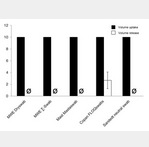
Screen shot 2014-07-14 at 06.25PM, Jul 14Some Are More Equal – A Comparative Study on Swab Uptake and Release of Bacterial Suspensions – Philipp Warnke – PLOS ONE

“Highest amount of CFU release was detected for the MWE Dryswab in the unrestricted setting for both S. aureus and S. epidermidis with 1544 CFU and 553 CFU, respectively, lowest release for the Sarstedt neutral swab with 32 CFU and 17 CFU, respectively (p<0.001).”

Antibiotics, resistance, biofilms

Screen shot 2014-07-14 at 06.26PM, Jul 14Beta-Lactam Antibiotics Stimulate Biofilm Formation in Non-Typeable Haemophilus influenzae by Up-Regulating Carbohydrate Metabolism – Siva Wu – PLOS ONE

“When exposed to sub-inhibitory concentrations of beta-lactam antibiotics NTHi strains produced tightly packed biofilms with decreased numbers of culturable bacteria but increased biomass.”

General microbiology

Screen shot 2014-07-14 at 12.23PM, Jul 14Macromolecular networks and intelligence in microorganisms – Hans V. Westerhoff – Frontiers in Microbiology

“Here, we explore how macromolecular networks in microbes confer intelligent characteristics, such as memory, anticipation, adaptation and reflection and we review current understanding of how network organization reflects the type of intelligence required for the environments in which they were selected.”

Screen shot 2014-07-14 at 06.26PM, Jul 14 1The syndemics of childhood diarrhoea: A biosocial perspective on efforts to combat global inequities in diarrhoea-related morbidity and mortality – Nicola Bulled – Global Public Health

“Drawing from available literature, this paper uses syndemic theory to explore the role of adverse biosocial interactions in increasing the total disease burden of enteric infections in low-resources populations and assesses the limitations of recent global calls to action.”

Bacteria in the news

Screen shot 2014-07-14 at 06.19PM, Jul 14We Are Our Bacteria – Jane E. Brody – New York Times (illustration by Ken Orvidas)

“We may think of ourselves as just human, but we’re really a mass of microorganisms housed in a human shell.”

Screen shot 2014-07-14 at 06.27PM, Jul 14#BacteriaHysteria : Gross! Lots of bacteria found on new swimsuits – Jane Weaver – Today Health

“The removable liner in women’s swimsuits that is meant to protect the fabric from our cooties isn’t really protective after all, according to a microbe researcher. “

Screen shot 2014-07-14 at 06.28PM, Jul 14Milford hospital enlists robots in war against infections – Mary MacDonald – Boston Globe

“The robots, made by Xenex Disinfection Services, use an intense flash of ultraviolet light to fight the bacteria, viruses, fungi, and other micro-organisms that traditional cleaning methods can miss, according to the hospital’s infection control staff.”

Screen shot 2014-07-14 at 06.29PM, Jul 14CDC Cracks Down on Labs After Anthrax, Bird Flu Scares – Jonel Aleccia – NBC News

“Dr. Tom Frieden, director of the Centers for Disease Control and Prevention, on Friday announced an immediate moratorium on all shipments of biological materials from CDC biosecurity level 3 and level 4 labs until problems are addressed.”

Marine Mammals

Screen shot 2014-07-14 at 06.29PM, Jul 14 1How Dolphins’ Genetics Could Help Find Answers Into Mysterious Animal Die-Off – Sascha Cordner – WFSU

“A discovery into dolphin genetics may have brought research scientists one step closer to finding out the source of a mysterious animal die-off last year in the troubled Indian River Lagoon.”

Science and publishing

Screen shot 2014-07-14 at 12.45PM, Jul 14Retractions are coming thick and fast: it’s time for publishers to act – Adam Marcus and Ivan Oransky – The Guardian

Another encouraging development is the rise of post-publication peer review, which has been made possible in recent years by the availability of papers online. Contributors to PubPeer, for example, have found signs of flawed or falsified results, leading to papers being retracted.”

Dr. Bik’s Picks

Screen shot 2014-07-14 at 06.34PM, Jul 14Whole genome and exome sequencing of monozygotic twins discordant for Crohn’s disease – Britt-Sabina Petersen – BMC Genomics

“We present a thorough genetic characterization of the sequenced individuals but detected no consistent differences within the twin pairs. “

Screen shot 2014-07-14 at 06.32PM, Jul 14How much science is there in new Planet of the Apes film? – Paul Rincon – BBC Science

“The latest instalment in the Planet of the Apes film franchise opens in the US on Friday. The rubber masks of the 60s and 70s films have been discarded in favour of motion capture suits and CGI. But how much did science inform the new movie’s portrayal of our close relatives?”

Screen shot 2014-07-14 at 06.31PM, Jul 14Domestication syndrome: White patches, baby faces and tameness explained by mild neural crest deficits – Science Daily

“Compared to their wild ancestors, domestic species are more tame, and they also tend to display a suite of other characteristic features, including floppier ears, patches of white fur, and more juvenile faces with smaller jaws.”


[hr]

General microbiology and science, July 7

Metagenomics binning based on co-abundance, bias in Illumina sequencing, and lots of metabolomics.

Phages and viruses

Bacteriophage-based synthetic biology for the study of infectious diseases – Robert J Citorik – Current Opinion in Microbiology

“Here, we discuss bacteriophage-based technologies and their application to the study of infectious diseases. “

Sequencing and Metagenomics

Identification and assembly of genomes and genetic elements in complex metagenomic samples without using reference genomes – H Bjørn Nielsen (and 142 other authors) – Nature Biotechnology

“Here we present a method, based on binning co-abundant genes across a series of metagenomic samples, that enables comprehensive discovery of new microbial organisms, viruses and co-inherited genetic entities and aids assembly of microbial genomes without the need for reference sequences.”

Evaluating bias of Illumina-based bacterial 16S rRNA gene profiles – Katherine Kennedy – Applied and Environmental Microbiology

“In this study, we tested the effects of template concentration, pooling of PCR amplicons, and sample preparation/inter-lane sequencing on the reproducibility associated with paired-end Illumina sequencing of bacterial 16S rRNA genes.”

Next generation sequencing technology: Advances and applications – HPJ Buermans, JT den Dunnen – Biochimica et Biophysica Acta (BBA) – Molecular Basis of Disease

“In this chapter we review the technical background of the different commercially available NGS platforms with respect to template generation and the sequencing reaction and take a small step towards what the upcoming NGS technologies will bring.”

Systems biology as an approach for deciphering microbial interactions – Puneet Kumar Singh – Briefings in Functional Genomics

“Here, we endeavor to summarize, epigrammatic description of sophisticated techniques and software that provides an enhanced understanding of metagenomics data analysis. “

Metabolomics

Stronger findings for metabolomics through Bayesian modeling of multiple peaks and compound correlations – Tommi Suvitaival – Bioinformatics

“We propose a hierarchical Bayesian model for inferring
differences between groups of samples more accurately in
metabolomic studies, where the observed compounds are collinear.”

Emergent Biosynthetic Capacity in Simple Microbial Communities – Hsuan-Chao Chiu – PLOS Computational Biology

“Here we present a comprehensive computational framework, integrating high-quality metabolic models of multiple species, temporal dynamics, and flux variability analysis, to study the metabolic capacity and dynamics of simple two-species microbial ecosystems.”

Metabolomics Analysis Identifies Intestinal Microbiota-Derived Biomarkers of Colonization Resistance in Clindamycin-Treated Mice – Robin L. P. Jump – PLOS ONE

“Clindamycin treatment caused marked changes in metabolites present in fecal specimens. Of 484 compounds analyzed, 146 (30%) exhibited a significant increase or decrease in concentration during clindamycin treatment followed by recovery to baseline that coincided with restoration of in vivo colonization resistance.”

Volatile Organic Compounds as Novel Markers for the Detection of Bacterial
Infections – Mohsen Sohrabi – Clinical Microbiology

“The possibility of using VOCs markers as one of the largest groups of bacterial metabolites would open a new frontier for developing more efficient techniques in the diagnosis of bacterial infections.”

The importance of sulfur-containing metabolites in discriminating fecal extracts between normal and type 2 diabetic mice – Alesia Walker – Journal of Proteome Research

“We demonstrate that a metabolic disorder such as T2DM affects the gastrointestinal tract environment thereby influencing different metabolic pathways and their respective metabolites in diabetic mice. “

Microarrrays

Applications of Phylogenetic Microarrays to Profiling of Human Microbiomes (PDF) -Oleg Paliy and Vijay Shankar – Book chapter

“This chapter will focus on currently available phylogenetic microarrays for the inter- rogation of human-associated microbiota, the technologies used to construct the arrays, as well as several key features that distinguish them from other approaches. “

Arsenic metabolism

Infant toenails as a biomarker of in utero arsenic exposure – Matthew A Davis – Journal of Exposure Science and Environmental Epidemiology

“In a sample of 170 mother–infant pairs from New Hampshire, we determined infant exposure to in utero arsenic by evaluating infant toenails as a biomarker using inductively coupled plasma mass spectrometry. “

Chromosomal organization

Spatial confinement is a major determinant of the folding landscape of human chromosomes – Gamze Gürsoy – Nucleic Acids Research

“Here we describe a model called constrained self-avoiding chromatin (C-SAC) for studying spatial structures of chromosomes, as the available space is a key determinant of chromosome folding. “

Bacteria in the news

The bacteria has been decimated: how much should we care what words used to mean? – By Tom Chivers – Telegraph

“Much amusement this morning on the Today programme, as John Humphrys shamefacedly confessed to having said “a bacteria” on the previous day’s episode.”

Yoghurt industry blamed for encouraging bacteria – The Daily Mash

“One day massive cow-sized bacteria will rule the world and they will kill everyone who doesn’t like special yoghurts.”

When Scientists Experiment on Themselves: H. pylori and Ulcers – By Hanno Charisius – Scientific American

“With his famous self-experiment, Marshall was able to demonstrate that Helicobacter pylori bacteria can cause acute gastritis which in turn may cause ulcers. He had asked neither an ethics commission nor his wife for permission to conduct this experiment. “

In rental cars, dangerous bacteria may come along for the ride – Jeff Rossen and Josh Davis, Today

“Armed with gloves and goggles, they swabbed every car from top to bottom: the steering wheels, gearshifts, door handles, even the GPS units.”

Bacteria that ‘eats’ odour could bring end to smelly toilets in China – Stephen Chen – South China Morning Post

“Mainland scientists have developed a “bioweapon” that can wipe out the notorious bad smell in public toilets. Up to 75 per cent of the odour can be removed, with the rest suppressed by a natural, pleasant fragrance, according to researchers with the Chinese Academy of Sciences.”

Marine Mammals

Some SeaWorld mammals survive longer in captivity – Mike Schneider – Associated Press

“Breakthroughs in training and medicine that allow the parks’ medical staffs to perform far fewer stressful or invasive procedures are partly responsible for those successes, SeaWorld officials said.”

Science and publishing

Highly cited Researchers 2014 – Thomson Reuters

“Over three thousand researchers earned the distinction by writing the greatest numbers of reports officially designated by Essential Science Indicators℠ as Highly Cited Papers—ranking among the top 1% most cited for their subject field and year of publication, earning them the mark of exceptional impact.”

Dr. Bik’s Picks

Rats use their whiskers in a similar way to how humans use their hands and fingers – Science Daily

“Rats deliberately change how they sense their environment using their facial whiskers depending on whether the environment is novel, if there is a risk of collision and whether or not they can see where they are going.”

Giraffe legs’ strong, skinny secret – Victoria Gill – BBC Science

“Scientists have worked out the anatomical secret to giraffes’ long and spindly – but strong – legs.”

Environmentalists Almost Killed My Friend – Josh Bloom – Science 2.0

“It is hysteria-producing nonsense like this that leads any non-scientist to conclude that we are systematically being poisoned every day. “

[hr]