General microbiology and science, June 27

Viruses in primate genomes, viruses altering shrimp metabolome, transposable elements and repeats, dengue, other infectious diseases in developing countries and Dr. Bik’s Picks.

Metagenomics / viruses

Screen Shot 2014-06-27 at 9.21.29 PMCute animal alert! A tarsier is a tiny primate with huge eyes.
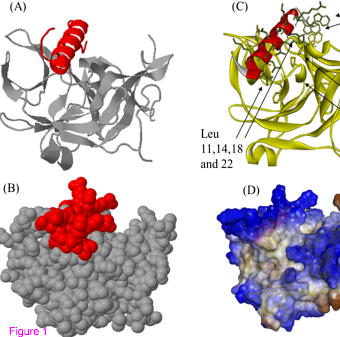
The First Endogenous Herpesvirus, Identified in the Tarsier Genome, and Novel Sequences from Primate Rhadinoviruses and Lymphocryptoviruses – Amr Aswad, Aris Katzourakis – PLOS Genetics

“We describe the first endogenous herpesvirus from the genome of the Philippine tarsier, belonging to the Roseolovirus genus, and characterize its highly defective genome that is integrated and flanked by unambiguous host DNA. From a draft assembly of the aye-aye genome, we use bioinformatic tools to reveal over 100,000 bp of a novel rhadinovirus that is the first lemur gammaherpesvirus, closely related to Kaposi’s sarcoma-associated virus.”

 Metabolomics

Screen Shot 2014-06-27 at 9.32.37 PMAn Invertebrate Warburg Effect: A Shrimp Virus Achieves Successful Replication by Altering the Host Metabolome via the PI3K-Akt-mTOR Pathway – Mei-An Su – PLOS Pathogens

“We show that the PI3K-Akt-mTOR pathway was of central importance in triggering this WSSV-induced Warburg effect. Although dsRNA silencing of the mTORC1 activator Rheb had only a relatively minor impact on WSSV replication, in vivo chemical inhibition of Akt, mTORC1 and mTORC2 suppressed the WSSV-induced Warburg effect and reduced both WSSV gene expression and viral genome replication.”

Biofilms

Screen Shot 2014-06-27 at 9.33.21 PMFilaments in curved streamlines: rapid formation of Staphylococcus aureus biofilm streamers – Minyoung Kevin Kim – New Journal of Physics

“We discovered that S. aureus rapidly forms flow-induced, filamentous biofilm streamers, and furthermore if surfaces are coated with human blood plasma, streamers appear within minutes and clog the channels more rapidly than if the channels are uncoated. “

Chromosomal organization

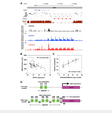
Screen Shot 2014-06-27 at 9.34.04 PMDigital Genotyping of Macrosatellites and Multicopy Genes Reveals Novel Biological Functions Associated with Copy Number Variation of Large Tandem Repeats – Manisha Brahmachary – PLOS Genetics

“Here, we demonstrate the utility of Nanostring technology as a targeted approach to perform accurate measurement of tandem repeats even at extremely high copy number, and apply this technology to genotype 165 HapMap samples from three different populations and five species of non-human primates. “

Screen Shot 2014-06-27 at 9.34.37 PMLarge-Scale Genomic Analysis Suggests a Neutral Punctuated Dynamics of Transposable Elements in Bacterial Genomes – Jaime Iranzo – PLOS Computational Biology

“In this work, we take advantage of the large amount of genomic data currently available and study the abundance distributions of 33 IS families in 1811 bacterial chromosomes. This allows us to test simple models of IS dynamics and estimate their key parameters by means of a maximum likelihood approach. “

Microbial Ecology

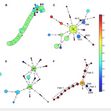
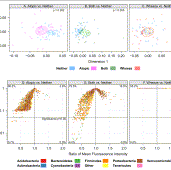
Screen Shot 2014-06-27 at 9.35.00 PMEx Uno Plures: Clonal Reinforcement Drives Evolution of a Simple Microbial Community – Margie Kinnersley – PLOS Genetics

“We previously showed that a population of E. coli that originated from a single clone and was cultured in the presence of a single limiting resource, evolves into a stable, three-membered community, wherein one clone excretes metabolites that the others utilize as carbon sources. To discern the genetic factors at work in producing this outcome and to illuminate the community’s physiology, we sequenced the genomes of the ancestral and evolved clones.”

Infectious diseases in developing countries

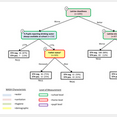
Screen Shot 2014-06-27 at 9.35.43 PMExploring the Relationship between Access to Water, Sanitation and Hygiene and Soil-Transmitted Helminth Infection: A Demonstration of Two Recursive Partitioning Tools – Katherine Gass – PLOS Neglected Tropical Diseases

“Improvements to water, sanitation and hygiene (WASH) likely provide sustained benefit, but few rigorous studies have evaluated the specific WASH components most influential in reducing infection. “

Screen Shot 2014-06-27 at 9.36.14 PMSocial Sciences Research on Infectious Diseases of Poverty: Too Little and Too Late? – José Azoh Barry – PLOS Neglected Tropical Diseases

“Besides the vicious circle these diseases maintain with dire conditions of poverty, an increased microbial resistance to some therapeutic drugs adds to the complexity of health disparities and human suffering among the socially disadvantaged, marginalized, and prejudiced against.”

Dengue

Screen Shot 2014-06-27 at 9.36.37 PMVariability in Dengue Titer Estimates from Plaque Reduction Neutralization Tests Poses a Challenge to Epidemiological Studies and Vaccine Development – Henrik Salje – PLOS Neglected Tropical Diseases

“We used repeated assays on the same two pools of serum using five different viruses (2,319 assays) to characterize the variability in the technique under identical experimental conditions. We also assessed the performance of multiple statistical models to interpolate continuous values of neutralization titer from discrete measurements from serial dilutions.”

Science and career

PLOSTen Simple Rules for Approaching a New Job – Philip E. Bourne – PLOS Computational Biology

“Thinking both as a job applicant and a job interviewer about how I have approached job situations over the years before, during, and after the interview and how those situations have turned out, I can offer the following ten simple rules as you prepare.”

A New Online Computational Biology Curriculum – David B. Searls – PLOS Computational Biology

“A recent proliferation of Massive Open Online Courses (MOOCs) and other web-based educational resources has greatly increased the potential for effective self-study in many fields. This article introduces a catalog of several hundred free video courses of potential interest to those wishing to expand their knowledge of bioinformatics and computational biology. “

Arsenic metabolism

Screen Shot 2014-06-27 at 10.00.06 PMAssociations between Arsenic Species in Exfoliated Urothelial Cells and Prevalence of Diabetes among Residents of Chihuahua, Mexico – Jenna M. Currier – Environ Health Perspect

“We measured concentrations of trivalent and pentavalent iAs, methyl-As (MAs), and dimethyl-As (DMAs) species in EUC from 374 residents of Chihuahua, Mexico, who were exposed to iAs in drinking water.”

Dr. Bik’s Picks

Screen Shot 2014-06-27 at 10.09.01 PMWith pictures and videos: Duration of urination does not change with body size – Patricia J. Yang – PNAS

“In this study, we report a mathematical model that clarifies misconceptions in urology and unifies the results from 41 independent urological and anatomical studies. The theoretical framework presented may be extended to study fluid ejection from animals, a universal phenomenon that has received little attention.”

Screen Shot 2014-06-27 at 10.01.44 PMFrom Gemstones to Arsenic: How the Development of Pigment Colored Art – Allison Meier

“A new exhibition at London’s National Gallery — Making Colour — looks at the development of color in art, from the Middle Ages to 1900. “

[hr]

General microbiology and science, June 25

Arsenic profiling in rats, Bacillus in space, and antibiotic resistance in populations. And Dr. Bik’s Picks featuring butterflies, mummies and unfeelability cloaks.

Microbes in space

Screen Shot 2014-06-25 at 10.31.28 PMBacillus anthracis-Like Bacteria and Other B. cereus Group Members in a Microbial Community Within the International Space Station: A Challenge for Rapid and Easy Molecular Detection of Virulent B. anthracis – Sandra P. van Tongeren – PLOS ONE

“In this study we show the presence of B. anthracis-like bacteria and other members of the B. cereus group in a microbial community within the human environment of the International Space Station and their preliminary identification by using conventional culturing as well as molecular techniques including 16S rDNA sequencing, PCR and real-time PCR. “

Metagenomics

Screen Shot 2014-06-25 at 10.31.54 PMElucidation of Operon Structures across Closely Related Bacterial Genomes – Chuan Zhou – PLOS ONE

“Here we developed a graph-based model to elucidate the diversity of operon structures across a set of closely related bacterial genomes.”

Antibiotic resistance

Screen Shot 2014-06-25 at 10.32.23 PMOptimization of lag time underlies antibiotic tolerance in evolved bacterial populations – Ofer Fridman – Nature

“Here we followed the evolution of bacterial populations under intermittent exposure to the high concentrations of antibiotics used in the clinic and characterized the evolved strains in terms of both resistance and tolerance. “

Arsenic metabolism

Screen Shot 2014-06-25 at 10.32.54 PMThe metabolomic profiling of serum in rats exposed to arsenic using UPLC/Q-TOF MS – Cheng Wang – Toxicology Letters

“The aim of this study is to determine the impact of chronic arsenic exposure on the metabolism of organism, and find the metabolites changes by using metabolomic techniques. “

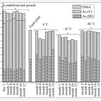
Screen Shot 2014-06-25 at 10.33.15 PMInvestigation of arsenic species stability by HPLC-ICP-MS in plants stored under different conditions for 12 months – Clarice D.B. Amaral – Microchemical Journal

“For the As species here studied it can be concluded that lyophilization and cryogenic grinding strategies were the most suitable sample pretreatments for As speciation in plant tissue.”

Science and careers

Screen Shot 2014-06-25 at 10.33.54 PMLove in the lab: Close collaborators – Kerri Smith – Nature

“Romance often sparks between colleagues, and scientists are no different. Nature profiles four super-couples who have combined love and the lab.”

Dr. Bik’s Picks

Screen Shot 2014-06-25 at 10.35.06 PMMetagenomic Analysis Reveals Presence of Treponema denticola in a Tissue Biopsy of the Iceman – Frank Maixner – PLOS ONE

“Initially, the metagenomic data of the Iceman’s genomic survey was screened for bacterial ribosomal RNA (rRNA) specific reads. Through ranking the reads by abundance a relatively high number of rRNA reads most similar to T. denticola was detected. “

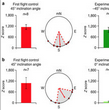
Screen Shot 2014-06-25 at 10.35.42 PMA magnetic compass aids monarch butterfly migration – Patrick A Guerra – Nature Communications

“Here we use flight simulator studies to show that migrants indeed possess an inclination magnetic compass to help direct their flight equatorward in the fall. “

Screen Shot 2014-06-25 at 10.36.07 PMAn elasto-mechanical unfeelability cloak made of pentamode metamaterials
T. Bückmann – Nature Communications

“Here, inspired by invisible core-shell nanoparticles in optics, we design an approximate elasto-mechanical core-shell ‘unfeelability’ cloak based on pentamode metamaterials. “

[hr]

General microbiology and science, June 18

Learn about dengue at the World Cup, a deadly lake, 3D structures of genomes, OTUs and tables, musical kids, and why your iPhone headphones are always in a knot.

Dengue

Evaluation of single-round infectious, chimeric dengue type 1 virus as an antigen for dengue functional antibody assays – Atsushi Yamanaka – Vaccine

“In the present study, SRIPs of DENV-1 (D1-SRIPs) were evaluated as an antigen for functional antibody assays.”

An inhibition model of BPTI to unlinked dengue virus NS2B-NS3 protease – Hua Li – FEBS Letters

“BPTI shows strong competitive inhibitory activity (Ki = 6.5 nM) against this unlinked protease, which adopts a closed conformation.”

The role of cell proteins in dengue virus infection – Ma. Isabel Salazar – Journal of Proteomics

“This review focuses on recent reports about cellular proteins involved along the dengue virus replication cycle, in prime cellular targets during the infection of both humans and mosquito hosts and also on the proteomics and other approaches that are being used to reveal the entire orchestration and most significant processes altered during infection.”

Dengue outlook for the World Cup in Brazil – Eduardo Massad – The Lancet Infectious Diseases

Correspondence on: Dengue outlook for the World Cup in Brazil: an early warning model framework driven by real-time seasonal climate forecasts

Arsenic metabolism

43,000 die annually in Bangladesh: Study – The Daily Star

“This rate is 25 percent all over Bangladesh, said Dr Kazi Matin Ahmed, geology professor of Dhaka University. He presented the paper at a seminar titled “Arsenic Activities, Research and Outcomes” organised by the Bangladesh Medical Research Council (BMRC) in its auditorium in the capital yesterday.”

Arsenic speciation in rice-based food for adults with celiac disease – Sandra Munera-Picazo – Food Additives and Contaminants

“…the objective of this study was to analyze the occurrence of arsenic (As) in gluten-free products, basically those rice-based, intended for celiac adult consumers.”

Could This Acid Lake Hold the Elixir of Life for Cancer Patients? – Ryot.org

“The Berkeley Acid Pit is a giant hole filled with arsenic and sulfuric acid, and has a history of causing disturbing deaths… and it’s making its way into the city’s water supply, according to PitWatch.”

Chromosomal Organization

Targeted chromatin capture (T2C): a novel high resolution high throughput method to detect genomic interactions and regulatory elements – Petros Kolovos – Epigenetics &

“We applied T2C on well-known model regions, the mouse beta-globin locus and the human H19/IGF2 locus. In both cases we identified all known chromatin interactions”

A statistical approach for inferring the 3D structure of the genome – Nelle Varoquaux – Bioinformatics

“We propose a novel approach to infer a consensus 3D structure of a genome from Hi-C data. The method incorporates a statistical model of the contact counts, assuming that the counts between two loci follow a Poisson distribution whose intensity decreases with the physical distances between the loci.”

Spatial organization of interphase chromosomes and the role of chromatin fibril dynamics in the positioning of genome elements – E. S. Gushchanskaya – Molecular Biology

In this review, we discuss the results of these projects, which allow us to explain the functional basis of nucleus multilevel compartmentalization and to identify the principles of high-level chromatin organization. “

Computational ecology

A fast and unbiased procedure to randomize ecological binary matrices with fixed row and column totals – Giovanni Strona – Nature Communications

“A well-known problem in numerical ecology is how to recombine presence-absence matrices without altering row and column totals. “

Consistent, comprehensive and computationally efficient OTU definitions – Jai Ram Rideout – PeerJ PrePrints

“We present a performance-optimized algorithm, subsampled open-reference OTU picking, for assigning marker gene (e.g., 16S rRNA) sequences generated on next-generation sequencing platforms to operational taxonomic units (OTUs) for microbial community analysis.”


Bacteria in blood and sterile sites

Rapid and direct MALDI-MS identification of pathogenic bacteria from blood using ionic liquid-modified magnetic nanoparticles (Fe3O4@SiO2) – Mukesh L. Bhaisare – Journal of Materials Chemistry B

“A novel method for pathogenic bacteria identification directly from blood samples using cationic ionic liquid-modified magnetic nanoparticles (CILMS) is reported.”

Metagenomics

GroopM: An automated tool for the recovery of population genomes from related metagenomes – Michael Imelfort – PeerJ PrePrints

“Here we introduce GroopM, an automated binning tool that primarily uses differential coverage to obtain high fidelity population genomes from related metagenomes. “

DNA-dependent RNA polymerase detects hidden giant viruses in published databanks – Vikas Sharma – Genome Biology and Evolution

“To explore the dark matter, we used viral RNAP2 and reconstructed putative ancestral RNAP2, which were significantly superior in detecting distant clades than current sequences, and we revealed two additional unknown mimiviruses, misclassified as an euryarchaeote and a oomycete plant pathogen, and detected unknown putative viral clades”

Metabolomics

Comparative Metabolomics and Structural Characterizations Illuminate Colibactin Pathway-Dependent Small Molecules – Maria I. Vizcaino – Journal of the American Chemical Society

“Here we implemented a comparative metabolomics and targeted structural network analyses approach to identify a catalog of small molecules dependent on the colibactin pathway from the meningitis isolate E. coli IHE3034 and the probiotic E. coli Nissle 1917.”

Scientific writing and publishing

Screen Shot 2014-06-18 at 11.01.34 PMColour blindness: Still too many red–green figures – S. Colby Allred – Nature

“People with red–green colour blindness cannot interpret figures in research papers that use these colours. We call for all journals to provide alternative versions of figures that are more accessible to such individuals.”

Open access: Sharing your data is easier than you think – Stephen Eglen – Nature

“Storing large volumes of raw data is costly, but many items destined for sharing are highly processed and relatively small. “

Dr. Bik’s Picks

The Irish potato famine pathogen Phytophthora infestans originated in central Mexico rather than the Andes – Erica M. Goss – PNAS

“We sequenced four nuclear genes in representative samples from Mexico and the South American Andes. An Andean origin of P. infestans does not receive support from detailed analyses of Andean and Mexican populations. “

Behavioral and Neural Correlates of Executive Functioning in Musicians and Non-Musicians – Jennifer Zuk – PLOS ONE

“Overall, musicians show enhanced performance on several constructs of EF, and musically trained children further show heightened brain activation in traditional EF regions during task-switching.”

There’s a scientific reason your iPhone headphones are always tangled – Fiona MacDonald – Science Alert

“But between 46 centimeters and 150 centimeters (about five feet), the probability of a knot forming rises dramatically.”

[hr]

General microbiology and science, June 17

How to freeze and preserve communities, host response, standardized metadata for pathogens, primers for fungal detection and more. Check out Dr. Bik’s Picks for coffee in space and sticky tongues.

Infection and host response

The effect of age on the systemic inflammatory response in patients with community-acquired pneumonia – Lonneke A. van Vught – Clinical Microbiology and Infection

“Serum concentrations of pro-inflammatory (interleukin (IL)-6 and IL-8) and anti-inflammatory cytokines (IL-10 and IL-1 receptor antagonist) did not differ between age groups, although admission IL-8 levels tended to be higher in old patients (p = 0.05). “

Clinical Disease Severity of Respiratory Viral Co-Infection versus Single Viral Infection: A Systematic Review and Meta-Analysis – Sandra A. Asner – PLOS ONE

“No differences in clinical disease severity between viral co-infections and single respiratory infections were documented.”

Standardized Metadata for Human Pathogen/Vector Genomic Sequences – Vivien G. Dugan – PLOS ONE

“The standard includes data fields about characteristics of the organism or environmental source of the specimen, spatial-temporal information about the specimen isolation event, phenotypic characteristics of the pathogen/vector isolated, and project leadership and support. “

Discovering Hidden Connections among Diseases, Genes and Drugs Based on Microarray Expression Profiles with Negative-Term Filtering – Jain-Shing Wu – PLOS ONE

“This study proposes a novel means of employing existing GEPs to reveal hidden relationships among diseases, genes, and drugs within a rich biomedical database, PubMed. Unlike the co-occurrence method, which considers only the appearance of keywords, the proposed method also takes into account negative relationships and non-relationships among keywords, the importance of which has been demonstrated in previous studies.”

MS spectrometry and microbiology

A simple, robust and rapid approach to detect carbapenemases in Gram negative isolates by MALDI-TOF mass spectrometry: validation with triple quadripole tandem mass spectrometry, microarray and PCR – Christelle Vogne – Clinical Microbiology and Infection

“Here, we developed a simple, easy and rapid MALDI-TOF-based assay to detect carbapenemases and compared this innovative test with 4 other diagnostic approaches on 47 clinical isolates. “

Source-Identifying Biomarker Ions between Environmental and Clinical Burkholderia pseudomallei Using Whole-Cell Matrix-Assisted Laser Desorption/Ionization Time-of-Flight Mass Spectrometry (MALDI-TOF MS) – Suthamat Niyompanich – PLOS ONE

“In this present study, we employed a whole-cell MALDI-TOF MS approach for assessing its potency in clustering a total of 11 different B. pseudomallei isolates (consisting of 5 environmental and 6 clinical isolates) with respect to their origins and to further investigate the source-identifying biomarker ions belonging to each bacterial group.”

Phages and viruses

Effectiveness of bacteriophages in the sputum of cystic fibrosis patients – Emilie Saussereau – Clinical Microbiology and Infection

“The demonstration that bacteriophages infect their bacterial hosts in the sputum environment, regardless of the clinical characteristics of the patients, represents a major step towards the development of bacteriophage therapy to treat chronic lung infections.”

Standards for Sequencing Viral Genomes in the Era of High-Throughput Sequencing
Jason T. Ladner – mBio

“Here, we propose five “standard” categories that encompass all stages of viral genome finishing, and we define them using simple criteria that are agnostic to the technology used for sequencing.”

Dengue

Dengue Serosurvey in Sint Eustatius – Teresa Leslie – PLOS ONE

“ Few studies have investigated dengue on Sint Eustatius. Blood samples were collected to determine the prevalence of antibodies against dengue in the Sint Eustatius population.”

General microbiology

Invited Editorial: Bioterrorism: myth or reality? – Gilbert Greub and Martin P. Grobusch – Clinical Microbiology and Infection

“Interestingly, while there are no doubt many features which tell those topics apart from each other, bioterrorism, in its broad sense, in its perception by the public, strikingly shares some features with the human interest in viral hemorrhagic fevers as witnessed during the recent Zaire ebolavirus disease outbreak “

Invited Editorial: New epidemiology of Staphylococcus aureus infections – Jean-Philippe Rasigade – Clinical Microbiology and Infection

“The clinical and molecular epidemiology of S. aureus infections has changed dramatically over the past two decades with the emergence of community-associated methicillin-resistant S. aureus (CA-MRSA).”

Sequencing and data analysis

Summarizing Specific Profiles in Illumina Sequencing from Whole-Genome Amplified DNA – Isheng J. Tsai – DNA Research

“To utilize the full potential of WGA to reveal the real biological interest, this article highlights the importance of recognizing additional sources of errors from amplified sequence reads and discusses the potential implications in downstream analyses.”

The Bias Associated with Amplicon Sequencing Does Not Affect the Quantitative Assessment of Bacterial Community Dynamics – Federico M. Ibarbalz – PLOS ONE

“The performance of two sets of primers targeting variable regions of the 16S rRNA gene V1–V3 and V4 was compared in their ability to describe changes of bacterial diversity and temporal turnover in full-scale activated sludge.”

HIVE-Hexagon: High-Performance, Parallelized Sequence Alignment for Next-Generation Sequencing Data Analysis – Luis Santana-Quintero – PLOS ONE

“High-performance Integrated Virtual Environment (HIVE), a cloud-based environment optimized for storage and analysis of extra-large data, presents an algorithmic solution: the HIVE-hexagon DNA sequence aligner. “

Sample preparation, primers, PCR

Optimized Cryopreservation of Mixed Microbial Communities for Conserved Functionality and Diversity – Frederiek-Maarten Kerckhof – PLOS ONE

“ In summary, we have evaluated a cryopreservation protocol that succeeded in preserving both community structure and functionality of value-added microbiomes. ”

Comparison and Validation of Some ITS Primer Pairs Useful for Fungal Metabarcoding Studies – Michiel Op De Beeck – PLOS ONE

“In the current study, three selected primer pairs were tested for their suitability as fungal metabarcoding primers.”

Chromosome organization

Assessing Diversity of DNA Structure-Related Sequence Features in Prokaryotic Genomes – Yongjie Huang and Jan Mrázek – DNA Research

“Our results show that simple sequence repeats and Z-DNA-promoting patterns are generally suppressed in prokaryotic genomes, whereas palindromes and inverted repeats are over-represented.”

Dr. Bik’s Picks

Tongue adhesion in the horned frog Ceratophrys sp. – Thomas Kleinteich & Stanislav N. Gorb- Scientific Reports

“Here we measured for the first time adhesive forces and tongue contact areas in living individuals of a horned frog (Ceratophrys sp.) against glass. We found that Ceratophrys sp. generates adhesive forces well beyond its own body weight.”

Good news: Espresso machine in SPAAAACE. Bad news: Fuelled by URINE – Simon Sharwood – The Register

“A critical issue standing between humanity and long-term residence in space has been solved after boffins invented an espresso machine they plan to send up to the International Space Station (ISS), groan-inducingly dubbed the ISSpresso.”

[hr]

General microbiology and science, June 16

It’s late and I got lots for you, so no pictures today. Dengue, phages, ecology, techniques, and lots more.

Antibiotic resistance

Review: Microbiological effects of sublethal levels of antibiotics – Dan I. Andersson & Diarmaid Hughes – Nature Reviews Microbiology

“In this Review, we discuss the ecology of antibiotics and the ability of subinhibitory concentrations to select for bacterial resistance. “

A Bacterial Battle  – Lisa M. Jarvis – Chemical and Engineering News

“The regulatory path to approving new antibiotics has been cleared, but work still remains to rebuild a healthy drug pipeline”

Bacteria are everywhere
How safe is your kitchen? – Lyxan Toledanes – The Daily News Online

Despite a spacious kitchen, Parker sat on the counter next to Masters’ prep area, where she was chopping vegetables and chicken on separate cutting mats. 

Adventures in the microbiome (part 2) – Mike Edmund

“There’s an intriguing case report that was just published in Clinical Microbiology and Infection”

Stafford students find bacteria on tainted tablets – Amanda Oglesby

“Four sixth-graders huddled over a table inside All Saints Regional Catholic School as they took turns swabbing bacteria from the surfaces of an iPhone and iPad.”

Bioslime: new sensor to detect harmful bacteria on food industry surfaces – BarfBlog

“The Biolisme project is using research from the University to develop a sensor capable of collecting and detecting Listeria monocytogenes on food industry surfaces, thereby preventing contaminated products from entering the market.”

Viruses and phages

Functional long-range RNA–RNA interactions in positive-strand RNA viruses – Beth L. Nicholson & K. Andrew White – Nature Reviews Microbiology

“In this Review, we discuss recent insights into the structure and function of these intriguing genomic features and highlight their diverse roles in the gene expression and genome replication of positive-strand RNA viruses.”

Unravelling the structural and mechanistic basis of CRISPR–Cas systems – John van der Oost – Nature Reviews Microbiology

“In this Review, we summarize the recent structural and biochemical insights that have been gained for the three major types of CRISPR–Cas systems, which together provide a detailed molecular understanding of the unique and conserved mechanisms of RNA-guided adaptive immunity in bacteria and archaea.”

The elemental composition of virus particles: implications for marine biogeochemical cycles – Luis F. Jover – Nature Reviews Microbiology

“In this Analysis article, we use a biophysical scaling model of intact virus particles that has been validated using sequence and structural information to quantify differences in the elemental stoichiometry of marine viruses compared with their microbial hosts. “

Phage therapies for plants and people – Michael Gross – Current Biology

Dengue

NEA to explore biological control methods to tackle dengue

“One of the techniques involves the use of Aedes aegypti mosquitoes, which are infected with a certain bacteria, to control their population.”

Techniques general

Storage of Human Biospecimens: Selection of the Optimal Storage Temperature – Allison Hubel – Biopreservation and Biobanking

“The overall objective of this article is to describe the scientific basis for selecting a storage temperature for a biospecimen based on current scientific understanding. To that end, this article reviews some physical basics of the temperature, nucleation, and ice crystal growth present in biological samples stored at low temperatures (−20°C to −196°C), and our current understanding of the role of temperature on the activity of degradative molecules present in biospecimens.”

DNA polymerase hybrids derived from the family-B enzymes of Pyrococcus furiosus and Thermococcus kodakarensis: improving performance in the polymerase chain reaction – Ashraf M. Elshawadfy – Frontiers Microbiology

“The significance of this work is the observation that improvements in PCR performance are easily attainable by blending elements from closely related archaeal polymerases, an approach that may, in future, be extended by using more polymerases from these organisms.”

Metabolomics, Proteomics, Mass spectrometry

Bruker Announces Powerful New Mass Spectrometry Systems and Solutions for Life-Science Research, Clinical Research, Biopharma and Applied Markets – Wall Street Journal

“At the 62(nd) ASMS Conference on Mass Spectrometry and Allied Topics today, Bruker Corporation (NASDAQ:BRKR) today announced mass spectrometry-based product introductions for life-science research and proteomics, for clinical research, for pharma/biopharma/CRO customers, as well as for applied and industrial markets. “

Medically, Proteomics Advances Will Rival the Genetics Advances of the Last Ten Years – Genetic Engineering and Biotechnology News

“..in explaining why proteomics is likely to have such a major impact, Dr. Anderson starts with a major difference between the genetic testing common today, and the proteomic testing that is fast coming on the scene. “

Metagenomics and informatics

Detecting concerted demographic response across community assemblages using hierarchical approximate Bayesian computation – Yvonne L. Chan – Molecular Biology and Evolution

“Here we present a statistical framework for such an analysis based on hierarchical approximate Bayesian computation (hABC) with the goal of detecting concerted demographic histories across an ecological assemblage.”

An Experimentally Determined Evolutionary Model Dramatically Improves Phylogenetic Fit – Jesse D. Bloom – Molecular Biology and Evolution

“Experimental determination of a parameter-free evolutionary model via mutagenesis, functional selection, and deep sequencing.”

Ecology

Trait-based approaches for understanding microbial biodiversity and ecosystem functioning – Sascha Krause – Frontiers in Microbiology

“We argue that combining eco-physiological studies with contemporary molecular tools in a trait-based framework can reinforce our ability to link microbial diversity to ecosystem processes. “

The importance of the viable but non-culturable state in human bacterial pathogens – Laam Li – Frontiers in Microbiology

“The conditions that trigger the induction of the VBNC state and resuscitation from it are summarized and the mechanisms underlying these two processes are discussed. “

Deciphering microbial interactions and detecting keystone species with co-occurrence networks – David Berry – Frontiers in Microbiology

“Here, we simulate multi-species microbial communities with known interaction patterns using generalized Lotka-Volterra dynamics. We then construct co-occurrence networks and evaluate how well networks reveal the underlying interactions and how experimental and ecological parameters can affect network inference and interpretation.”

Scientific writing and publishing

Sources of error in the retracted scientific literature – Arturo Casadevall, R. Grant Steen and Ferric C. Fang – The FASEB Journal

“Analysis of the retraction notices for 423 articles indexed in PubMed revealed that the most common causes of error-related retraction are laboratory errors, analytical errors, and irreproducible results.”

Dr. Bik’s Picks

Magnets: Artificial Magnetic Bacteria: Living Magnets at Room Temperature – Miguel Martín – Adv. Funct. Mater

After grafting the magnetic nanoparticles, the artificial magnetic bacteria remain alive. In fact they are converted into living magnets at room temperature.”

[hr]

More Microbiology and Science, June 6

Natural peptides against dengue, visualizing your QIIME .biom OTU table, and exposure to cockroaches and dust to babies. And Da Picks!

 
Dengue

Screen Shot 2014-06-07 at 2.05.52 AMIdentification of natural antimicrobial agents to treat dengue infection: In vitro analysis of latarcin peptide activity against dengue virus – Rothan HA – BMC Microbiology

“The Ltc 1 peptide exhibited significant inhibitory effects against dengue NS2B-NS3pro and virus replication in the infected cells. “

Bioinformatics

Screen Shot 2014-06-07 at 1.16.46 AMVisualizing millions of DNA sequences – in your web browser! – Featuring Phinch, developed by Holly Bik in the Eisen Lab

“The idea is to take your QIIME outputs – .biom OTU table files with taxonomy and embedded metadata – directly into a data visualization framework for assessment.”

Infection, immunity, host response

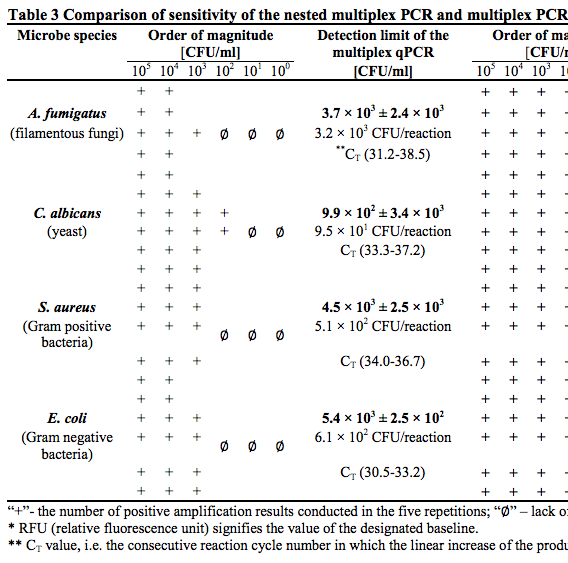
Screen Shot 2014-06-07 at 2.06.31 AMA novel, nested, multiplex, real-time PCR for detection of bacteria and fungi in blood – Gosiewski, T – BMC Microbiology

“ The designed primers correctly typed the studied species as belonging to the groups of Gram-positive bacteria, Gram-negative bacteria, yeast fungi, or filamentous fungi.”

Screen Shot 2014-06-07 at 2.00.39 AMEffects of early-life exposure to allergens and bacteria on recurrent wheeze and atopy in urban children – Susan V. Lynch – The Journal of Allergy and Clinical Immunology

“….first-year exposure to cockroach, mouse, and cat allergens was negatively associated with recurrent wheeze…. House dust microbiome composition is associated with clinical outcomes. 

Screen Shot 2014-06-07 at 1.58.39 AMImplementation and impact of ultraviolet environmental disinfection in an acute care setting – Janet P. Haas – AJIC: American Journal of Infection Control

During the time period UVD was in use, there was a significant decrease in overall hospital-acquired MDRO plus CD in spite of missing 24% of opportunities to disinfect contact precautions rooms. This technology was feasible to use in our acute care setting and appeared to have a beneficial effect.”

Dr. Bik’s Picks

Screen Shot 2014-06-07 at 2.39.26 AMCool video of a scientist uncovering a whale in an old painting: Whale tale: a Dutch seascape and its lost Leviathan – University of Cambridge

“When art conservators peeled back a layer of varnish on a 17th-century Dutch painting, they uncovered an image of a beached whale that had been hidden for at least 150 years. “

Screen Shot 2014-06-07 at 2.40.17 AMLooking for the best strategy? Ask a chimp – Science Daily

“If you’re trying to outwit the competition, it might be better to have been born a chimpanzee, according to a study by researchers at Caltech, which found that chimps at the Kyoto University Primate Research Institute consistently outperform humans in simple contests drawn from game theory.”

[hr]


Human microbiomes, June 5

Today we have some commentaries on recent papers about microbiotas in malnutrition or on placentas, and new papers about oral bacteria in the bloodstream, helminths, and coincidental killers.

Oral microbiome

Screen Shot 2014-06-05 at 7.59.36 PMDissemination of Periodontal Pathogens in the Bloodstream after Periodontal Procedures: A Systematic Review – Anna Carolina Ratto Tempestini Horliana – PLOS ONE

“MEDLINE, EMBASE and LILACS databases were searched in duplicate through August, 2013 without language restriction. Observational studies were included if blood samples were collected before, during or after periodontal procedures of patients with periodontitis”

Screen Shot 2014-06-05 at 7.56.12 PMThe Emerging Landscape of Salivary Diagnostics – Yong Zhang- OHDM – Omics Online

“Here we review recent developments in salivary diagnostics that have been accomplished using salivaomics, the mechanisms of saliva diagnostics, as well as the translational and clinical application of saliva biomarkers”

Gut microbiome

Screen Shot 2014-06-05 at 7.57.14 PMInfection and Co-infection with Helminths and Plasmodium among School Children in Côte d’Ivoire: Results from a National Cross-Sectional Survey – Richard B. Yapi – PLOS Neglected Tropical Diseases

“We carried out the first national survey on parasitic worm and Plasmodium infection among children in 92 schools all over Côte d’Ivoire. Questionnaires were administered to determine the children’s socioeconomic status and infection-related risk factors. We found an overall prevalence of Plasmodium infection of 63.3%.”

ColonSome Antibiotics May Slightly Increase Colon Cancer Risk – Bahar Gholipour – LiveScience

“The researchers compared the amount of antibiotics the patients had taken at least six months before being diagnosed with cancer, to the amount of antibiotics taken by a group of about 86,000 healthy people.”

Screen Shot 2014-06-05 at 10.07.58 AMWhy Can’t Once-Malnourished Children “Catch Up”? Answer May Lie in Gut – Karen Weintraub – National Geographic

“There’s something lacking in our current approach to treatment,” said Gordon, who suspects the children may need to eat therapeutic foods for longer and/or get supplements of probiotics, or beneficial microorganisms, to catch up. “We need to think of food as interacting with this microbial organ.”

Screen Shot 2014-06-05 at 8.03.26 PMSevere hunger can have lasting effects for gut health, study finds – MedicalXPress

“Nutrition therapy has saved the lives of millions of malnourished infants, but may not restore an imbalance in gut bacteria that is key to long-term health and vitality, researchers said Wednesday.”

Pregnancy and birth

Screen Shot 2014-06-05 at 8.05.15 PMGearing up for a closer look at the human placenta – Jocelyn Kaiser – Science

“A placenta sustained you and every person ever born for 9 months, serving as your lungs and kidneys and pumping out hormones while you developed in the womb. Problems with this disk-shaped mass of tissue can contribute to everything from preterm births to diseases of middle age. Yet when a baby is born, hospitals usually throw the placenta away.”

Screen Shot 2014-06-05 at 9.57.32 AMMicrobirth: Why ‘Seeding Baby’s Microbiome’ Needs to Be on Every Birth Plan – Toni Harman – HuffingtonPost

“The latest scientific research is now starting to indicate that if the baby is not properly seeded with the mother’s own bacteria at birth, then the baby’s microbiome, in the words of Rodney R Dietert, Professor of Immunotoxicology at Cornell University, is left “incomplete”.”

General human microbiome

Screen Shot 2014-06-05 at 8.07.51 PMCoincidental killers – We assume that microbes evolved to attack humans when actually we are just civilian casualties in a much older war – Ed Yong – Aeon Magazine

“And some supposedly pathogenic bacteria were often common parts of the environment. ‘These organisms become accidental pathogens,’ says the microbiologist Arturo Casadevall from Yeshiva University in New York. ‘They’ll still be there even if you remove all the animals from the planet. And yet, evolution selected for just the right combination of traits to cause disease in humans.’”

Screen Shot 2014-06-05 at 8.12.08 PMSilicon Valley’s Top Ten Tech Trends – Jacqueline Vanacek – Forbes
Trend #7: Data-driven healthcare (from your gut).

The combination of personal health and fitness data, genomics, and even microbiomics will drive healthcare choices from real outcomes and individual probabilities. And since the bacteria in our digestive tracks has greater influence on our health than previously known, we really are what we eat!

Microbiome and Bioinformatics

Screen Shot 2014-06-05 at 8.11.20 PMBOTUX: Bayesian–like operational taxonomic unit examiner – Vishal N. Koparde – International Journal of Computational Biology and Drug Design

“Bayesian–like operational taxonomic unit examiner (BOTUX) is a new tool for the classification of 16S rRNA gene sequences into operational taxonomic units (OTUs) that addresses the problem of overestimation caused by errors introduced during PCR amplification and DNA sequencing steps”

[hr]

Animal, plant, environmental microbiome digest, June 3, 2014

Microbiomes of wild mice, antibiotic treated cattle, catfish, insects, soil, and water. And some good old plagiarism.

Mammalian microbiome

Dietary history contributes to enterotype-like clustering and functional metagenomic content in the intestinal microbiome of wild mice – Jun Wang – PNAS

“By performing stable isotope analysis of environmental samples, monitoring communities during dietary shifts, and collecting functional metagenomic sequence data, we provide novel insight into the origins and dynamics of enterotype-like community clustering in wild house mice.”

Impact of treatment strategies on cephalosporin and tetracycline resistance gene quantities in the bovine fecal metagenome – Neena Kanwar – Nature Scientific Reports

“The study objective was to determine the effects of two treatment regimens on quantities of ceftiofur and tetracycline resistance genes in feedlot cattle. “

Fish microbiome

An Asian Origin of Virulent Aeromonas hydrophila Responsible for Disease Epidemics in United States-Farmed Catfish – Mohammad J. Hossain – mBio

“Our phylogenomic analyses suggest that U.S. catfish isolates emerged from A. hydrophila populations of Asian origin.”

Insect microbiome

Simultaneous assessment of the macrobiome and microbiome in a bulk sample of tropical arthropods through DNA metasystematics – Joel Gibson – PNAS

“We show that next-generation sequencing (NGS) of cytochrome c oxidase subunit I (COI) DNA barcodes can accurately detect 83.5% of individually sequenced species (corresponding to 91% of individuals) in a bulk sample of terrestrial arthropods from a Costa Rican species-rich site.”

GroEL from the endosymbiont Buchnera aphidicola betrays the aphid by triggering plant defense – Ritu Chaudhary – PNAS

“By means of mass spectrometry, we identified 105 proteins in the saliva of the potato aphid Macrosiphum euphorbiae. Among these proteins were some originating from the proteobacterium Buchnera aphidicola, which lives endosymbiotically within bacteriocytes in the hemocoel of the aphid. “

Soil and rock microbiome

Deep 16S rRNA Pyrosequencing Reveals a Bacterial Community Associated with Banana Fusarium Wilt Disease Suppression Induced by Bio-Organic Fertilizer Application – Zongzhuan Shen – PLOS ONE

“Compared to the other soil samples, BIO-treated soil revealed higher abundances of Gemmatimonadetes and Acidobacteria, while Bacteroidetes were found in lower abundance”

Evaluation of Molecular Techniques in Characterization of Deep Terrestrial Biosphere – Malin Bomberg – Open Journal of Ecology

“our results show that the inferred diversity and composition of microbial communities in deep fracture fluids is highly dependent on analytical technique and that the method should be carefully selected with this in mind.”

Detecting Nitrous Oxide Reductase (nosZ) Genes in Soil Metagenomes: Method Development and Implications for the Nitrogen Cycle – L. H. Orellana – mBio

“we analyzed the abundance and diversity of both nosZ types in whole-genome shotgun metagenomes from sandy and silty loam agricultural soils that typify the U.S. Midwest corn belt”

Water microbiome

Survival secrets of Deep Lake – Graeme O’Neill – LifeScientist.com

“Deep Lake, in Antarctica’s Vestfold Hills, harbours a unique flora of salt-loving Archaea that survive at temperatures way below freezing. Professor Rick Cavicchioli’s team at UNSW has been plumbing the lake’s mysteries”

Accumulation and enhanced cycling of polyphosphate by Sargasso Sea plankton in response to low phosphorus – Patrick Martin – PNAS

” We show here that phytoplankton in the ultra–low-phosphorus Sargasso Sea are enriched in polyphosphate (polyP)”

Commonness and rarity in the marine biosphere – Sean R. Connolly – PNAS

“By identifying common features of different neutral models, we conduct a uniquely robust test of neutral theory across a global dataset of marine assemblages.”

Temporal Changes in Microbial Ecology and Geochemistry in Produced Water from Hydraulically Fractured Marcellus Shale Gas Wells – Maryam A. Cluff – Environmental Science & Technology

“This study tracked microbial community dynamics using pyrotag sequencing of 16S rRNA genes in water samples from three hydraulically fractured Marcellus shale wells in Pennsylvania, USA over a 328-day period.”

General Ecology

Effects of differential habitat warming on complex communities – Tyler D. Tunney – PNAS

“To demonstrate differential warming effects on food webs, we use boreal lakes to show that the energy pathways leading to an apex predator shift, according to thermal preference, and the vertical pathway lengthened in warmer climate.”

Microbes in Space

Protein patterns of black fungi under simulated Mars-like conditions – Kristina Zakharova – Nature Scientific Reports

“In this study the alterations at the protein expression level from various fungi species under Mars-like conditions were analyzed for the first time using 2D gel electrophoresis.”

Data mining and Bioinformatics

Detecting a Weak Association by Testing its Multiple Perturbations: a Data Mining Approach – Min-Tzu Lo & Wen-Chung Lee – Nature Scientific Reports

“Here, we propose a novel method which hinges on increasing sample size in a different direction–the total number of variables”

This paper contains plagiarized text, but I will toss it in anyway:
An Integrated Strategy for Functional Analysis of Microbial Communities Based on Gene Ontology and 16S rRNA Gene – Su-Ping Deng, De-Shuang Huang – SciencePaperOnline

“We analyzed the similarity between two microbial communities on functional state. In the experimental results, it shows that the semantic similarity can quantify the difference between two compared species on function level. “

[hr]


More microbiology and science, June 2, 2014

Dengue and humidity, bacteria from Mars, sequencing, and aspartame.

Dengue

Microbes in Space

Sequencing and bioinformatics

Chromosome organization

Arsenic metabolism

Dr. Bik’s Picks

[hr]