General microbiome and science, June 30

Monday is always a busy day, so lots of papers today. Phages, CRISPRs, antibiotic resistance, probiotics, archaea, biofilms and a Goldilocks planet.

Antibiotics and resistance

Horizontal gene transfer in the human gastrointestinal tract: potential spread of antibiotic resistance genes – JR Huddleston – Infection and Drug Resistance

“This review aims to give an overview of the major horizontal transfer mechanisms and their evolution and then demonstrate the human lower gastrointestinal tract as an environment in which horizontal gene transfer of resistance determinants occurs.”

Screen shot 2014-06-30 at 06.47PM, Jun 30Bacterial persisters: formation, eradication, and experimental systems
Sophie Helaine, Elisabeth Kugelberg – Trends in Microbiology

“Toxin–antitoxin (TA) modules have an important role in the formation of persisters and several studies show that they can form in response to different triggers.”

Screen shot 2014-06-30 at 06.48PM, Jun 30Antibiotic Treatment Suppresses Rotavirus Infection and Enhances Specific Humoral Immunity – Robin Uchiyama – Journal of Infectious Diseases

“Microbiota ablation resulted in reduced rotavirus infection/diarrhea and a more durable rotavirus antibody response, suggesting that antibiotic administration before rotavirus vaccination could raise low seroconversion rates that correlate with the vaccine’s inefficacy in developing regions.”

And:  Antibiotics Help Control Rotavirus Infections and Enhance Antirotaviral Immunity: Are You Serious? – Luther A. Bartelt and Richard L. Guerrant – Journal of Infectious Diseases

“Yes, we must understand intriguing new findings; but no, we are far from serious about widespread use of antimicrobials with routine immunizations.”

Screen shot 2014-06-30 at 06.44PM, Jun 30Transferrin Iron Starvation Therapy for Lethal Bacterial and Fungal Infections – Lin Lin – Journal of Infectious Diseases

“These results provide proof of principle that bacterial infections can be treated in vivo by attacking host targets (ie, trace metal availability) rather than microbial targets.”

Bacterial detection in blood and other sites

Screen shot 2014-06-30 at 06.45PM, Jun 30Identification of pathogens from blood culture bottles in spiked and clinical samples using matrix-assisted laser desorption ionization time-of-flight mass-spectrometry analysis – Simone Konnerth – BMC Research Notes

“MALDI-TOF MS using the SARAMIS database was applied to 37 spiked blood culture samples. Identification rates of spiked samples were as follows: The species level was determined in 16 of 21 (76.2%) Gram negative bacteria and in 11 of 13 (84.6%) Gram positive bacteria. “

Infection and host response

Type I and III Interferon Production in Response to RNA Viruses – Elizabeth Reid and Bryan Charleston – Journal of Interferon & Cytokine Research

“There are now many examples of RNA viruses inducing type I and type III IFNs, and although these IFNs act through different receptors, in many systems studied, they induce a similar spectrum of genes. “

CRISPRs

Screen shot 2014-06-30 at 06.50PM, Jun 30Review: Adapting to new threats: the generation of memory by CRISPR-Cas immune systems – Robert Heler – Molecular Microbiology

“Recent studies have begun to elucidate the genetic requirements for adaptation and have demonstrated that rather than being a stochastic process, the selection of new spacers is influenced by several factors. We review here our current knowledge of the CRISPR adaptation mechanism”

Screen shot 2014-06-30 at 06.53PM, Jun 30The three major types of CRISPR-Cas systems function independently in CRISPR RNA biogenesis in Streptococcus thermophilus – Jason Carte – Molecular Microbiology

“Our findings indicate that multiple CRISPR-Cas systems can function independently in crRNA biogenesis within a given organism – an important consideration in engineering coexisting CRISPR-Cas pathways”

Viruses and phages

Screen shot 2014-06-30 at 06.53PM, Jun 30Exploiting gut bacteriophages for human health – Marion Dalmasso – Trends in Microbiology

“We emphasise the complexity and individuality of the phageome, and the link to the health state of the host. We highlight the practical applications of bacteriophages in medicine and in the food chain.”

Screen shot 2014-06-30 at 06.52PM, Jun 30Environmental bacteriophages : viruses of microbes in aquatic ecosystems – Télesphore Sime – Ngando – Frontiers in Microbiology

“The present chapter sought to review the literature on the diversity and functional roles of viruses of microbes in environmental microbiology, focusing primarily on prokaryotic viruses (i.e. phages) in aquatic ecosystems, which form the bulk of our knowledge in modern environmental viral ecology.”

Archaea

Screen shot 2014-06-30 at 06.55PM, Jun 30Taxonomic database and cut-off value for processing mcrA gene 454 pyrosequencing data by MOTHUR – Sizhong Yang – Journal of Microbiological Methods

“The functional mcrA gene of methanogens can generate phylogeny as congruent as the 16S rRNA gene phylogeny. “

Screen shot 2014-06-30 at 06.59PM, Jun 30Biofilm formation of mucosa-associated methanoarchaeal strains
Corinna Bang – Frontiers in Microbiology

“Here, the ability of three methanoarchaeal strains, Methanobrevibacter smithii and Methanosphaera stadtmanae, which form part of the human gut microbiota, and the Methanosarcina mazei strain Gö1 to grow on different surfaces and form biofilms was investigated.”

Biofilms (see also Archaea above and Probiotics below)

Screen shot 2014-06-30 at 07.02PM, Jun 30Development of an in vitro periodontal biofilm model for assessing antimicrobial and host modulatory effects of bioactive molecules
Emma Millhouse – BMC Oral Health

Multi-species biofilms were either treated with either molecule, or alternatively epithelial cells were treated with these prior to biofilm co-culture. Biofilm composition was evaluated and inflammatory responses quantified at a transcriptional and protein level.

Probiotics

Screen shot 2014-06-30 at 06.43PM, Jun 30Review: Enumeration of probiotic strains: Review of culture-dependent and alternative techniques to quantify viable bacteria – Catherine Davis – Journal of Microbiological Methods

“Consensus on an operational definition of viability and systematic efforts to validate these alternative techniques ultimately will strengthen the accuracy and reliability of probiotic strain enumeration.”

Inhibitory effect of Lactobacillus salivarius on Streptococcus mutans biofilm formation
Chien-Chen Wu – Molecular Oral Microbiology

“We analyzed 64 L. salivarius strains and found that two, K35 and K43, significantly inhibited S. mutans biofilm formation with inhibitory activities more pronounced than those of Lactobacillus rhamnosus GG (LGG), a prototypical probiotic that shows anti-caries activity.

General taxonomy and phylogeny

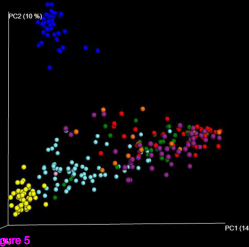
Screen shot 2014-06-30 at 07.04PM, Jun 30Considering external information to improve the phylogenetic comparison of microbial communities: a new approach based on constrained Double Principal Coordinates Analysis (cDPCoA) – S Dray – Molecular Ecology Resources

“In this work, we extend DPCoA to integrate the information of external variables measured on communities. The constrained Double Principal Coordinates Analysis (cDPCoA) is able to enforce a priori classifications to retrieve subtle differences and(or) remove the effect of confounding factors. “

Screen shot 2014-06-30 at 06.43PM, Jun 30Understanding molecular identification and polyphasic taxonomic approaches for genetic relatedness and phylogenetic relationships of microorganisms – Surajit Das – Journal of Microbiological Methods

“In this regard, a polyphasic taxonomic approach is advantageous because it exploits simultaneously both conventional as well as molecular identification techniques.”

Metabolomics

Screen shot 2014-06-30 at 07.01PM, Jun 30Nutrient sharing in the microbial world – Erica C. Seth and Michiko E. Taga – Frontiers in Microbiology

“Cofactor cross-feeding can contribute to both the health and nutrition of a host organism, the virulence and persistence of pathogens, and the composition and function of environmental communities. “

Metagenomics

Combination of Metagenomics and Culture Based Methods to Study the Interaction Between Ochratoxin A and Gut Microbiota – Mingzhang Guo – Toxicological Sciences

“Changes in functional genes of gut microbiota including signal transduction, carbohydrate transport, transposase, amino acid transport system and mismatch repair were observed.”

Chromosomal organization

NuChart-II: a graph-based approach for the analysis and interpretation of Hi-C data (PDF) – Fabio Tordini – Proceedings of the CIBB 2014

“NuChart-II is a highly optimized implementation of a previous prototype package developed in R, in which the graph-based representation of Hi-C data was tested, but that also showed inevitable problems of scalability while working genome-wide on large datasets.”

Science and education

Screen shot 2014-06-30 at 06.58PM, Jun 30Starting small: using microbiology to foster scientific literacy
Amy F. Savage, Brooke A. Jude – Trends in Microbiology

“In order to achieve scientific literacy for all students, Bard College recently implemented Citizen Science, a common January course for all first-year students. Structured around the question ‘how do we reduce the global burden of disease?’, this course uses microbiological tools to develop an understanding of potential answers.”


Dr. Bik’s Picks

Screen Shot 2014-07-01 at 12.06.17 AMBird brains: Public asked to look out for clever rooks – Victoria Gill – BBC News

“The British Trust for Ornithology (BTO) is asking the public to take part in a national survey of bird intelligence. From 1 July, the charity is asking people to submit video clips or descriptions of the behaviour or rooks – some of our cleverest garden birds.”

Screen Shot 2014-07-01 at 12.06.52 AMPotentially habitable Earth-like planet discovered; May have similar temperatures to our planet – Science Daily

“A potentially habitable Earth-like planet that is only 16 light years away has been discovered. The “super-Earth” planet, GJ 832 c, takes 16 days to orbit its red-dwarf star, GJ 832, and has a mass at least five times that of Earth.”

Screen Shot 2014-07-01 at 12.07.35 AMStudy Implicates Smog In Autism And Schizophrenia – Science 2.0

“A recent paper found that exposure to air pollution early in life produces harmful changes in the brains of mice, including an enlargement of part of the brain that is seen in humans who have autism and schizophrenia, and that led them to conclude that smog causes autism.”

[hr]

Human microbiome, June 30

Hypotheses about oral microbiota and disease, effect of rhinovirus infection on nasal microbiome,  the gut microbiome in children with diarrhea in low-income countries, primate vaginal microbiomes, and much more.

Oral microbiome (also see Probiotics and Biofilms in today’s General digest)

Screen Shot 2014-06-30 at 11.18.32 PMHistorical and contemporary hypotheses on the development of oral diseases: are we there yet? – Bob T. Rosier – Frontiers in Cellular and Infection Microbiology

“In this comprehensive review, we describe how these different hypotheses, and the ideas around them, arose and test their current applicability to the understanding of the development of oral disease. Finally, we conclude that an all-encompassing ecological hypothesis explaining the shifts from health to disease is still lacking.”

PeriodontitisThe inflammophilic character of the periodontitis-associated microbiota – George Hajishengallis – Molecular Oral Microbiology

“This Review discusses evidence that periodontitis-associated communities are ‘inflammo-philic’ (= loving or attracted to inflammation) in that they have evolved to not only endure inflammation but also to take advantage of it. “

Respiratory microbiome

Screen Shot 2014-06-30 at 11.19.43 PMCharacterization of the nasopharyngeal microbiota in health and during rhinovirus challenge – Allen EK – Microbiome

“Rhinovirus illnesses were induced by self-inoculation using the finger to nose or eye natural transmission route in ten otherwise healthy young adults.”

Gut microbiome

Screen Shot 2014-06-30 at 11.20.28 PMDiarrhea in young children from low-income countries leads to large-scale alterations in intestinal microbiota composition – Mihai Pop – Genome Biology

“We use high throughput 16S rRNA gene sequencing to compare fecal microbiota composition in children under five years of age who have been diagnosed with moderate to severe diarrhea (MSD) with the microbiota from diarrhea-free controls. “

Structure of the gut microbiome following colonization with human feces determines colonic tumor burden – Baxter NT – Microbiome

“We transplanted fecal microbiota from three CRC patients and three healthy individuals into germ-free mice, resulting in six structurally distinct microbial communities. Subjecting these mice to a chemically induced model of CRC resulted in different levels of tumorigenesis between mice. “

Commensal bacteria directly suppress in vitro degranulation of mast cells in a MyD88-independent manner – Kazumi Kasakura – Bioscience, Biotechnology, and Biochemistry

“Here, we show that heat-killed commensal bacteria suppressed degranulation of mast cells in vitro in a MyD88-independent manner.”

Screen Shot 2014-06-30 at 11.21.29 PMCo-occurrence of driver and passenger bacteria in human colorectal cancer
Jiawei Geng – Gut Pathogens

“Building on the driver-passenger model, we used 454 pyrosequencing of bacterial 16S rRNA genes associated with 10 normal, 10 adenoma, and 8 tumor biopsy samples, and found 7 potential driver bacterial genera and 12 potential passenger bacterial genera (7 being pro-inflammatory and 5 anti-inflammatory). “

Review: Intestinal Microbiota and the Efficacy of Fecal Microbiota Transplantation in Gastrointestinal Disease – Olga Aroniadis – Gastroenterology & Hepatology

“The published revelations about the human microbiome are bringing the strength of science to clinical observation and enhancing the understanding of not only disease but also how much of a person’s daily function and health depends on the microorganisms living in intimate relationship with each cell in the body.”

Screen Shot 2014-06-30 at 11.22.43 PMDietary Intervention with Yoghurt, Synbiotic Yogurt or Traditional Fermented Sobya: Bio-Potency among Male Adolescents Using Five Bio-Markers of Relevance to Colonic Metabolic Activities – Laila Hussein – Food and Nutrition Sciences

“The mean fecal total lactobacilli counts increased (P < 0.05) three weeks after daily consumption of the three fermented supplements (P < 0.05), when compared to the pre-intervention levels. Similar trends were observed for genus bifidobacterium. On the contrary, enterobacteraceae counts were reduced in all the three groups consuming fermented supplements.”

Vaginal microbiome (also see pregnancy)

Screen Shot 2014-06-30 at 11.23.32 PMPrimate vaginal microbiomes exhibit species specificity without universal Lactobacillus dominance – Suleyman Yildirim – ISME J (uncorrected proof, link to Chapman Research)

“Our results indicated that all primates exhibited host-specific vaginal microbiota and that humans were distinct from other primates in both microbiome composition and extent of diversity”

Skin microbiome

New Molecular Techniques to Study the Skin Microbiota of Diabetic Foot Ulcers
Jean-Philippe Lavigne – Advances in Wound Care

“Molecular tools have better documented the composition and organization of the skin flora. Further advances are required to elucidate which among the many bacteria in the DFU flora are likely to be pathogens, rather than colonizers.”

General human microbiome 

Shrinkage of the human core microbiome and a proposal for launching microbiome biobanks – Abolfazl Barzegari – Future Microbiology

“This article suggests launching microbiome biobanks for archiving native microbiomes, supervising antibiotic use, probiotic design and native starter production, as well as advertising a revisit to native lifestyles.”

Review: Blowing on Embers: Commensal Microbiota and our Immune System
Darina S. Spasova and Charles D. Surh – Frontiers in Immunology

“This review discusses the recent advances in this field, focusing on the close relationship between the adaptive immune system and commensal microbiota, a constant and abundant source of foreign antigens.”

Microbiome: Second Genome Is Finding Disease Mechanisms, Biomarkers, And Therapeutics – Wayne Koberstein – Life Science Leader

“We now understand that biological processes such as inflammation, barrier function, metabolism, and energy homeostasis are directly linked to our microbiome,” says Peter DiLaura, president and CEO of Second Genome.

Mayo Clinic and Whole Biome Announce Collaboration to Research the Role of the Human Microbiome in Women’s Diseases Using Unique Medical Laboratory Tests – DarkDaily

“This joint research effort will initiate a new field of clinical laboratory diagnostic tests that target the human microbiome”

Prokaryotes versus Eukaryotes: Who is hosting whom? – Guillermo Tellez – Frontiers in Veterinary Science

“Our aim here is to encourage empirical inquiry into the relationship between mutualism and evolutionary diversification between prokaryotes and eukaryotes which encourage us to postulate: Who is hosting whom?”

Animal models of microbiome and disease

Combination of Metagenomics and Culture Based Methods to Study the Interaction Between Ochratoxin A and Gut Microbiota – Mingzhang Guo

“Changes in functional genes of gut microbiota including signal transduction, carbohydrate transport, transposase, amino acid transport system and mismatch repair were observed.”

Functional divergence in gastrointestinal microbiota in physically-separated genetically identical mice – G. B. Rogers – Scientific Reports

“We report significant divergence in both the composition and metabolism of gut microbiota in genetically-identical adult C57BL/6 mice housed in separate controlled units within a single commercial production facility.”

Alteration of Gut Bacteria and Metabolomes After Glucaro-1,4-Lactone Treatment Contributes to the Prevention of Hypercholesterolemia – Baogang Xie – J. Agric. Food Chem

“Colonic flora test results reveal that the quantity of Bifidobacterium and Lactobacillus in the intestines respectively increase by about 1.7- and 4.2-fold in rats treated with 1,4-GL compared with those in the control group. “

Pregnancy and birth

Oral presentation: The evolution of the vaginal microbiome throughout uncomplicated pregnancy in a UK population – M Chandiramani – Arch Dis Child Fetal Neonatal Ed

“Vaginal swabs were collected at time points across gestation (8–12, 20–22, 28–30 and 34–36 weeks) and the postpartum period (6 weeks) from 43 women delivered at term. Resident bacterial communities were determined using the Illumina MiSeq platform generated from bar-coded amplicons of 16S rRNA gene fragments.”

Screen Shot 2014-06-30 at 11.26.14 PMGroup B Streptococcus β-hemolysin/Cytolysin Breaches Maternal-Fetal Barriers to Cause Preterm Birth and Intrauterine Fetal Demise in Vivo – Tara M. Randis – Journal of Infectious Diseases

“We used a new murine model to evaluate the contribution of the pore-forming GBS β-hemolysin/cytolysin (βH/C) to vaginal colonization, ascension, and fetal infection.”

Zinc and copper levels in low birth weight deliveries in Medani Hospital, Sudan –
Abass RM – BMC Research Notes

“Maternal zinc and copper levels, as well as cord copper levels, are lower in LBW newborns than in those with normal weight.”

Effective Biomarkers for Diagnosis of Neonatal Sepsis – Vineet Bhandari – Journal of Pediatric Infectious Diseases

“The diagnostic utility of the following biomarkers seems to be most practical in the early (interleukin [IL]-6, IL-8, tumor necrosis factor-alpha, neutrophil CD64), mid (procalcitonin) and late (C-reactive protein) phases of neonatal sepsis.”

Review: Association of Periodontal Disease and Pre-term Low Birth Weight Infants
Manjusha Varadan, Jaiganesh Ramamurthy – The Journal of Obstetrics and Gynecology of India

“The association of periodontitis as risk factor for pre-term birth has been in extensive research in the past two decades when a number of studies investigated this relationship.”

[hr]
General microbiology and science, June 27

Viruses in primate genomes, viruses altering shrimp metabolome, transposable elements and repeats, dengue, other infectious diseases in developing countries and Dr. Bik’s Picks.

Metagenomics / viruses

Screen Shot 2014-06-27 at 9.21.29 PMCute animal alert! A tarsier is a tiny primate with huge eyes.
The First Endogenous Herpesvirus, Identified in the Tarsier Genome, and Novel Sequences from Primate Rhadinoviruses and Lymphocryptoviruses – Amr Aswad, Aris Katzourakis – PLOS Genetics

“We describe the first endogenous herpesvirus from the genome of the Philippine tarsier, belonging to the Roseolovirus genus, and characterize its highly defective genome that is integrated and flanked by unambiguous host DNA. From a draft assembly of the aye-aye genome, we use bioinformatic tools to reveal over 100,000 bp of a novel rhadinovirus that is the first lemur gammaherpesvirus, closely related to Kaposi’s sarcoma-associated virus.”

 Metabolomics

Screen Shot 2014-06-27 at 9.32.37 PMAn Invertebrate Warburg Effect: A Shrimp Virus Achieves Successful Replication by Altering the Host Metabolome via the PI3K-Akt-mTOR Pathway – Mei-An Su – PLOS Pathogens

“We show that the PI3K-Akt-mTOR pathway was of central importance in triggering this WSSV-induced Warburg effect. Although dsRNA silencing of the mTORC1 activator Rheb had only a relatively minor impact on WSSV replication, in vivo chemical inhibition of Akt, mTORC1 and mTORC2 suppressed the WSSV-induced Warburg effect and reduced both WSSV gene expression and viral genome replication.”

Biofilms

Screen Shot 2014-06-27 at 9.33.21 PMFilaments in curved streamlines: rapid formation of Staphylococcus aureus biofilm streamers – Minyoung Kevin Kim – New Journal of Physics

“We discovered that S. aureus rapidly forms flow-induced, filamentous biofilm streamers, and furthermore if surfaces are coated with human blood plasma, streamers appear within minutes and clog the channels more rapidly than if the channels are uncoated. “

Chromosomal organization

Screen Shot 2014-06-27 at 9.34.04 PMDigital Genotyping of Macrosatellites and Multicopy Genes Reveals Novel Biological Functions Associated with Copy Number Variation of Large Tandem Repeats – Manisha Brahmachary – PLOS Genetics

“Here, we demonstrate the utility of Nanostring technology as a targeted approach to perform accurate measurement of tandem repeats even at extremely high copy number, and apply this technology to genotype 165 HapMap samples from three different populations and five species of non-human primates. “

Screen Shot 2014-06-27 at 9.34.37 PMLarge-Scale Genomic Analysis Suggests a Neutral Punctuated Dynamics of Transposable Elements in Bacterial Genomes – Jaime Iranzo – PLOS Computational Biology

“In this work, we take advantage of the large amount of genomic data currently available and study the abundance distributions of 33 IS families in 1811 bacterial chromosomes. This allows us to test simple models of IS dynamics and estimate their key parameters by means of a maximum likelihood approach. “

Microbial Ecology

Screen Shot 2014-06-27 at 9.35.00 PMEx Uno Plures: Clonal Reinforcement Drives Evolution of a Simple Microbial Community – Margie Kinnersley – PLOS Genetics

“We previously showed that a population of E. coli that originated from a single clone and was cultured in the presence of a single limiting resource, evolves into a stable, three-membered community, wherein one clone excretes metabolites that the others utilize as carbon sources. To discern the genetic factors at work in producing this outcome and to illuminate the community’s physiology, we sequenced the genomes of the ancestral and evolved clones.”

Infectious diseases in developing countries

Screen Shot 2014-06-27 at 9.35.43 PMExploring the Relationship between Access to Water, Sanitation and Hygiene and Soil-Transmitted Helminth Infection: A Demonstration of Two Recursive Partitioning Tools – Katherine Gass – PLOS Neglected Tropical Diseases

“Improvements to water, sanitation and hygiene (WASH) likely provide sustained benefit, but few rigorous studies have evaluated the specific WASH components most influential in reducing infection. “

Screen Shot 2014-06-27 at 9.36.14 PMSocial Sciences Research on Infectious Diseases of Poverty: Too Little and Too Late? – José Azoh Barry – PLOS Neglected Tropical Diseases

“Besides the vicious circle these diseases maintain with dire conditions of poverty, an increased microbial resistance to some therapeutic drugs adds to the complexity of health disparities and human suffering among the socially disadvantaged, marginalized, and prejudiced against.”

Dengue

Screen Shot 2014-06-27 at 9.36.37 PMVariability in Dengue Titer Estimates from Plaque Reduction Neutralization Tests Poses a Challenge to Epidemiological Studies and Vaccine Development – Henrik Salje – PLOS Neglected Tropical Diseases

“We used repeated assays on the same two pools of serum using five different viruses (2,319 assays) to characterize the variability in the technique under identical experimental conditions. We also assessed the performance of multiple statistical models to interpolate continuous values of neutralization titer from discrete measurements from serial dilutions.”

Science and career

PLOSTen Simple Rules for Approaching a New Job – Philip E. Bourne – PLOS Computational Biology

“Thinking both as a job applicant and a job interviewer about how I have approached job situations over the years before, during, and after the interview and how those situations have turned out, I can offer the following ten simple rules as you prepare.”

A New Online Computational Biology Curriculum – David B. Searls – PLOS Computational Biology

“A recent proliferation of Massive Open Online Courses (MOOCs) and other web-based educational resources has greatly increased the potential for effective self-study in many fields. This article introduces a catalog of several hundred free video courses of potential interest to those wishing to expand their knowledge of bioinformatics and computational biology. “

Arsenic metabolism

Screen Shot 2014-06-27 at 10.00.06 PMAssociations between Arsenic Species in Exfoliated Urothelial Cells and Prevalence of Diabetes among Residents of Chihuahua, Mexico – Jenna M. Currier – Environ Health Perspect

“We measured concentrations of trivalent and pentavalent iAs, methyl-As (MAs), and dimethyl-As (DMAs) species in EUC from 374 residents of Chihuahua, Mexico, who were exposed to iAs in drinking water.”

Dr. Bik’s Picks

Screen Shot 2014-06-27 at 10.09.01 PMWith pictures and videos: Duration of urination does not change with body size – Patricia J. Yang – PNAS

“In this study, we report a mathematical model that clarifies misconceptions in urology and unifies the results from 41 independent urological and anatomical studies. The theoretical framework presented may be extended to study fluid ejection from animals, a universal phenomenon that has received little attention.”

Screen Shot 2014-06-27 at 10.01.44 PMFrom Gemstones to Arsenic: How the Development of Pigment Colored Art – Allison Meier

“A new exhibition at London’s National Gallery — Making Colour — looks at the development of color in art, from the Middle Ages to 1900. “

[hr]

Human microbiome, June 27

How to grow the “Most Wanted” gut bacteria in microfluidic chips, effect of Vitamin D on gut microbiota, and probiotics for your skin.

Human gut microbiome

Screen Shot 2014-06-27 at 10.10.29 PMGene-targeted microfluidic cultivation validated by isolation of a gut bacterium listed in Human Microbiome Project’s Most Wanted taxa – Liang Ma – PNAS

“We developed a microfluidics-based, genetically targeted approach to address these challenges. This approach corrects sampling bias from differential bacterial growth kinetics, enables the use of growth stimulants available only in small quantities, and allows targeted isolation and cultivation of a previously uncultured microbe from the human cecum that belongs to the high-priority group of the Human Microbiome Project’s “Most Wanted” list.”

From the ICE/ENDO meeting: Vitamin D May Improve Metabolic Health of African American Men – Lara C. Pullen – Medscape.com

“Vitamin-D supplementation not only improved insulin sensitivity but also shifted the microbiome from a prediabetes spectrum to a healthy signature. “

Exploring the Microbiome – Chris Anderson – Genetic Engineering & Biotechnology News

““These cover a broad range of options including complex approaches like fecal transplants that could include early uncharacterized strains of bacteria and other microorganisms, all the way to reductionist approaches,” noted Bernat Olle, a partner in the venture capital firm Puretech Ventures, who moderated a panel “Microbiome modulators: Opportunities and Challenges to Creating a New Drug Class” Thursday at BIO 2014.”

Human skin microbiome

LiveScienceProbiotics Hold Promise for 4 Skin Conditions – Cari Nierenberg – Live Science

“Bowe said probiotics — whether they are eaten as foods, taken as supplements or spread topically — are not a stand-alone treatment for skin problems, but could be used by patients in combination with their current treatment.”

[hr]
Human microbiomes, June 6

Bacteria causing IBD (in an animal model), gut microbiota from Spanish infants, and radiation therapy damaging teeth.

Gut microbiome

GutAn intestinal arsonist: pathobiont ignites IBD and flees the scene – Stefan Jellbauer and Manuela Raffatellu – Gut

“Evidence for Proteobacteria as a potential trigger of IBD has been deduced by cohort studies showing that inflammatory diarrhoea caused by either Salmonella species or Campylobacter species predisposes genetically susceptible individuals to developing IBD”

AIEC pathobiont instigates chronic colitis in susceptible hosts by altering microbiota composition – Benoit Chassaing – Gut

“Transient AIEC colonisation, in WT mice, did not alter inflammatory markers, bacterial loads, microbiota composition, nor its pro-inflammatory potential. By contrast, transient AIEC colonisation of T5KO mice drove chronic inflammation which correlated with microbiota components having higher levels of bioactive LPS and flagellin.”

BBAReview: Rapidly expanding knowledge on the role of the gut microbiome in health and disease -M.C. Cénit – Biochimica et Biophysica Acta (BBA) – Molecular Basis of Disease

“In this review we describe the different approaches used to characterize the human microbiome, review current knowledge about the gut microbiome, and discuss the role of gut microbiota in immune homeostasis and autoimmunity.”

Screen Shot 2014-06-07 at 1.49.49 AMEx-Merck exec’s new microbiome startup has a pill that works like a fecal transplant against C. diff – Ransdell Pierson – MedCityNews

“The Seres oral capsule, called SER 109, in early clinical trials quickly eliminated symptoms in more than 90 percent of patients, Pomerantz said in a telephone interview.”

Malnutrition ‘damages gut bacteria’ – BBC Health News

“A team studied the gut health of malnourished children in Bangladesh. Writing in the journal Nature they said the bacterial make-up was not fully restored to normal after food supplements were given.”

Oral microbiome

ToothRadiation therapy alters microhardness and microstructure of enamel and dentin of permanent human teeth – Ligia Maria Napolitano Gonçalves – Journal of Dentistry

“The effects of gamma irradiation on dental substrate might contribute to increased risk of radiation tooth decay associated with salivary changes, microbiota shift and high soft and carbohydrate-rich food intake.”

Pregnancy and Birth

Screen Shot 2014-06-07 at 1.52.06 AMMicrobial Succession in the Gut: Directional Trends of Taxonomic and Functional Change in a Birth Cohort of Spanish Infants – Yvonne Vallès – PLOS Genetics

“Here, we analyze the patterns of taxonomic and functional change in the gut microbiota during the first year of life for a birth cohort of 13 infants. We detect that individual instances of gut colonization vary in the temporal dynamics of microbiota richness, diversity, and composition at both functional and taxonomic levels. “

Probiotics

Screen Shot 2014-06-07 at 1.53.11 AMProbiotics: Separating the Hype From the Healthy – Nikki Fotheringham – HuffingtonPost

“That’s right baby; we’re all just sacks of seething bacteria! Now before you freak out, remember that the word “bacteria” has been given negative connotations by the Purell-fueled paranoia of the germ police. “


Metabolomics

Journal of functional foodsStructural features and feruloylation modulate the fermentability and evolution of antioxidant properties of arabinoxylanoligosaccharides during in vitro fermentation by human gut derived microbiota – Jeroen Snelders – Journal of Functional Foods

“Two AXOS samples with a low average degree of arabinose substitution, specifically differing in average degree of polymerization, and three AXOS samples, specifically differing in ferulic acid (FA) content and appearance (free or bound), were incubated with cultured human colon microbiota.”

[hr]

Human microbiome digest, May 29 2014

Today we observe World Digestive Health Day, but we will also learn more about the human reproductive organs – of both genders!

Gut microbiome

Genital microbiome

Pregnancy and Birth

Animal models of gut microbiota

[hr]