Non-human microbiome, August 14, 2014

Microbial diversity in lichen, rhizosphere microbiome, and a trip to the bottom of the “seaquence”.

Plant microbiome

Algal and Fungal Diversity in Antarctic Lichens – Chae Haeng Park – Journal of Eukaryotic Microbiology

“In the current study, we analyzed algal and lichen-associated fungal community structure in lichen species from King George Island, Antarctica by pyrosequencing of eukaryotic LSU and algal ITS domains of the nuclear rRNA gene.”

Nitrogen-transforming archaea and bacteria in tropical soils are affected under transgenic as compared to non-transgenic maize – Simone Raposo Cotta – Applied and Environmental Microbiology

“The data show that significant changes occurred in the abundances (revealed by qPCR) of ammonia-oxidizing bacterial and archaeal communities as a result of the maize host being genetically-modified.”

Soil microbiome

Spatial patterns of microbial diversity and activity in an aged creosote-contaminated site
Shinjini Mukherjee – ISME Journal

“Spatial distribution of bacterial groups unveiled patterns of niche differentiation regulated by patchy distribution of pollutants and an east-to-west pH gradient at the studied site. “

Water microbiome

Carbohydrate-active enzymes identified by metagenomic analysis of deep-sea sediment bacteria – Barbara Klippel – Extremophiles

“Metagenomic DNA purified from the pooled enrichments was sequenced and analyzed for phylogenetic composition and presence of genes encoding carbohydrate-active enzymes.”

Voyage to the bottom of the ‘seaquence’ – Rachael Wash & Carmen Diaz Soria – Nature Reviews Microbiology

“This month’s Genome Watch highlights the use of deep sequencing metagenomics to identify bacteriophages that carry sulphur-oxidizing genes in deep-sea hydrothermal vent plumes.”

[hr]

Non-human microbiome, August 5, 2014

Microbiome papers on giraffes, sheeps, sponges and corals, soybean, soil, seawater, and fungi found in vacuum cleaner dust.

Mammal microbiome

The giraffe (Giraffa camelopardalis) rumen microbiome – Michael Roggenbuck, Cathrine Sauer, Morten Poulsen, Mads F. Bertelsen, Søren Johannes Sørensen – FEMS Microbiology Ecology

“Here we investigated the microbial community of 7 wild-caught giraffes (Giraffa camelopardalis), 3 of which were fed natural browse and 4 were fed Boskos pellets, leafy alfalfa hay and cut savanna browse, by characterizing the 16S rRNA gene diversity using 454 FLX high throughput sequencing. “

Two Different Bacterial Community Types Are Linked with the Low-Methane Emission Trait in Sheep – Sandra Kittelmann – PLOS ONE

“Bacterial community structures in 236 rumen samples from 118 high- and low-CH4 emitting sheep formed gradual transitions between three ruminotypes. Two of these (Q and S) were linked to significantly lower CH4 yields”

Invertebrate microbiome

Host-specific microbial communities in three sympatric North Sea sponges – Mohd Azrul Naim, Jose A. Morillo, Søren J. Sørensen, Waleed Abu Al-Soud, Hauke Smidt and Detmer Sipkema – FEMS Microbiology Ecology

“In this study we assessed the diversity of the microbial communities hosted by three sympatric sponges living in a semi-enclosed North-Sea environment using pyrosequencing of bacterial and archaeal 16S ribosomal RNA gene fragments.”

Host-specific microbial communities in three sympatric North Sea sponges– Mohd Azrul Naim – FEMS Microbiology Ecology

“In this study we assessed the diversity of the microbial communities hosted by three sympatric sponges living in a semi-enclosed North-Sea environment using pyrosequencing of bacterial and archaeal 16S ribosomal RNA gene fragments. “

Disturbance to conserved bacterial communities in the cold water gorgonian coral Eunicella verrucosa – Emma Ransome – FEMS Microbial Ecology

“The bacterial communities associated with healthy and diseased colonies of the cold water gorgonian coral Eunicella verrucosa at three sites off the south-west coast of England were compared using denaturing gradient gel electrophoresis (DGGE) and clone libraries. “

Application of a new cultivation technology, I-tip, for studying microbial diversity in freshwater sponges of Lake Baikal, Russia – Dawoon Jung – FEMS Microbial Ecology

“The I-tip was developed as an in situ cultivation device that allows microorganisms to enter and natural chemical compounds to diffuse, thereby permitting the microorganisms to grow utilizing chemical compounds in their natural environment. “

Plant microbiome

Comparison of the Rhizosphere Bacterial Communities of Zigongdongdou Soybean and a High-Methionine Transgenic Line of This Cultivar – Jingang Liang – PLOS ONE

“Using 16S rRNA gene-based pyrosequencing analysis of the V4 region and DNA extracted from bacterial consortia collected from the rhizosphere of soybean plants grown in an agricultural field at the pod-setting stage, we characterized the populational structure of the bacterial community involved.”

Soil microbiome

Exploring the immediate and long-term impact on bacterial communities in soil amended with animal and urban organic waste fertilizers using pyrosequencing and screening for horizontal transfer of antibiotic resistance – Leise Riber, Pernille Hasse Busk Poulsen, Waleed Abu Al-Soud, Lea Benedicte Skov Hansen, Lasse Bergmark, Asker Brejnrod, Anders Norman, Lars Hestbjerg Hansen, Jakob Magid andSøren Johannes Sørensen – FEMS Microbiology Immunology

“Soils were sampled in weeks 0, 3, 9 and 29 after fertilizer application. Pseudomonas isolates were enumerated, and the impact on soil-bacterial community structure was investigated using 16S-rRNA amplicon pyrosequencing.”

Microbial Diversity in Hummock and Hollow Soils of Three Wetlands on the Qinghai-Tibetan Plateau Revealed by 16S rRNA Pyrosequencing – Yongcui Deng – PLOS ONE

“Principal coordinate analysis (PCoA) indicated that the microbial community structure differed between locations and microtopographies and canonical correspondence analysis indicated an association between microbial community structure and soil properties or geography. “

Seawater microbiome

Metaproteomics reveals differential modes of metabolic coupling among ubiquitous oxygen minimum zone microbes – Alyse K. Hawley, Heather M. Brewer, Angela D. Norbeck, Ljiljana Paša-Tolić, and Steven J. Hallam – PNAS USA

“Here we use metagenomic and metaproteomic methods to chart in situ metabolic networks linking key microbial players driving carbon and nutrient cycling in a seasonally stratified fjord, Saanich Inlet”

Sequencing on the Seven Seas – Rina Shaikh-Lesko – The Scientist

“Researchers have installed an advanced genomics lab facility aboard a boat to create a floating molecular testing facility for marine life sciences”

Microbiome of the Built Environment

Characterization of Fungal Communities in House Dust Samples Collected From Central Portugal—A Preliminary Survey – Ana C.A. Sousa – Journal of Toxicology and Environmental Health

“A total of 28 samples were obtained from vacuum cleaner deposits from households located in central Portugal. DNA was extracted from dust samples and fungal communities were analyzed using a culture-independent polymerase chain reaction (PCR)– denaturing gradient gel electrophoresis (DGGE) approach. “

[hr]

Non-human microbiome, July 29

Microbiomes of chickens with Marek’s disease, fish, fungus-growing termites, ticks, leeches, mosses, soil and acid mine drainage.

Chicken microbiome

Marek’s Disease Virus Influences the Core Gut Microbiome of the Chicken During the Early and Late Phases of Viral Replication – Sudeep Perumbakkam – FEMS Microbiology Ecology

“In this study, dysbiosis induced by MDV on the core gut flora of chicken was assessed using next generation sequence (NGS) analysis. “

Fish microbiome

Dietary differences are reflected on the gut prokaryotic community structure of wild and commercially reared sea bream (Sparus aurata) – Konstantinos A. Kormas – Microbiology Open

“There were distinct prokaryotic communities in the three different fish nutritional treatments, with the bacteria dominating over the Archaea. “

Inter Individual Variations of the Fish Skin Microbiota: Host Genetics Basis of Mutualism? – Sébastien Boutin – PLOS ONE

“we detected Quantitative Trait Loci (QTL) associated with the abundance of specific skin microbiota bacterial strains in brook charr (Salvelinus fontinalis), combining 16S RNA tagged-amplicon 454 pyrosequencing with genetic linkage analysis. “

Arthropod microbiome

Identifying the core microbial community in the gut of fungus-growing termites – Saria Otani – Molecular Ecology

“The objective of our study was to compare the intestinal bacterial communities of five genera (nine species) of fungus-growing termites to establish whether or not an ancestral core microbiota has been maintained and characterizes extant lineages. “

Characterization of the Bacterial Communities of Life Stages of Free Living Lone Star Ticks (Amblyomma americanum) – Amanda Jo Williams-Newkirk – PLOS ONE

“We performed a metagenomic survey of the bacterial communities of questing A. americanum and tested 131 individuals (66 nymphs, 24 males, and 41 females) from five sites in three states. Pyrosequencing was performed with barcoded eubacterial primers targeting variable 16S rRNA gene regions 5–3.”

Leech microbiome

Hitchhiking of host biology by beneficial symbionts enhances transmission
Brittany M. Ott – Nature Scientific Reports

“we show that the A. veronii population within secretions originates from the host digestive tract and proliferates synchronously with shedding frequency, demonstrating the coupling of partner biology.”

Plant microbiome

Forestry impacts on the hidden fungal biodiversity associated with bryophytes – Marie L. Davey – FEMS Microbiology Ecology

“Shoots of Hylocomium splendens were collected in Picea abies dominated forests of different ages, and their associated fungal communities were surveyed by pyrosequencing of ITS2 amplicons. “

Soil microbiology

Review: Functional soil microbiome: Belowground solutions to an aboveground problem
Venkatachalam Laksmanan – Plant Physiology

“This update addresses the importance of the functional microbiome to identify phenotypes that may provide a sustainable and effective strategy to increase crop yield and food security.”

Microbial Diversity of a Mediterranean Soil and Its Changes after Biotransformed Dry Olive Residue Amendment – Jose A. Siles – PLOS ONE

“Pyrosequencing of the 16S rRNA gene demonstrated that bacterial diversity was dominated by the phyla Proteobacteria, Acidobacteria, and Actinobacteria, while 28S-rRNA gene data revealed that Ascomycota and Basidiomycota accounted for the majority of phyla in the fungal community.”

Water and drainage microbiome

Diversity and spatiotemporal dynamics of bacterial communities: physicochemical and others drivers along an acid mine drainage – A. Volant – FEMS Microbiology Ecology

“biodiversity and spatiotemporal distribution of bacterial communities were characterized using T-RFLP fingerprinting and highthrouput sequencing.”

[hr]

Non-human microbiome, July 9

Amphibians and fungi, microbes in the interface of plants and soil, and methane production by starving SAR11.

Amphibian microbiome

Screen Shot 2014-07-09 at 10.11.22 PMAmphibians acquire resistance to live and dead fungus overcoming fungal immunosuppression – Taegan A. McMahon – Nature

“Here we demonstrate that three species of amphibians can acquire behavioural or immunological resistance to B. dendrobatidis. “

Plant and soil microbiome

Screen Shot 2014-07-09 at 10.11.40 PMRoot exudates mediated interactions belowground – Feth el Zahar Haichar – Soil Biology and Biochemistry

“The root exudates may have a direct impact on carbon and nitrogen cycling, as they exhibit a rhizosphere priming effect towards soil organic matter degraders, and may inhibit nitrification process by soil nitrifying microorganisms. “

Water microbiology

Methane productions SAR11Methane production by phosphate-starved SAR11 chemoheterotrophic marine bacteria – Paul Carini – Nature Communications

“Here we show that Pelagibacterales sp. strain HTCC7211, an isolate of the SAR11 clade of marine α-proteobacteria, produces methane from MPn, stoichiometric to phosphorus consumption, when starved for phosphate. “

[hr]

Non-human microbiome digest, July 3

Parasites, effect of antibiotics in pigs, microbiome of birds, Drosophila, microbiome of plant crops, Hawai’i waters, and bacteria to preserve stone monuments.

Parasites and microbiome

Cooperation and conflict in host manipulation: interactions among macro-parasites and micro-organisms – Frank Cézilly – Frontiers in Microbiology

“Here, we review the empirical evidence in favor of the existence of synergistic or antagonistic interactions between co-occurring parasites, and highlight the neglected role of micro-organisms. “

holobiontHolobiont–Holobiont Interactions: Redefining Host–Parasite Interactions – Nolwenn Marie Dheilly – PLOS Pathogens

“It has been established in different model species that immune system maturation requires the presence of mutualistic bacteria”

Marine mammal microbiome

Screen shot 2014-07-03 at 04.24PM, Jul 03Intestinal helminth fauna of striped dolphins (Stenella coeruleoalba) in the western Mediterranean: No effects of host body length, age and sex – Paula Mateu – Marine Mammal Science

“The intestine of 52 (28 males and 24 females) striped dolphins (Stenella coeruleoalba) from western Mediterranean waters was examined for helminths. Animals were found stranded along the Spanish coasts during the morbillivirus epizootic in 1990.”

Pig microbiome

Screen shot 2014-07-03 at 03.17PM, Jul 03Carbadox has both temporary and lasting effects on the swine gut microbiota – Torey Looft – Frontiers in Microbiology

“Carbadox is an in-feed antibiotic that is widely used in swine production to prevent dysentery and to improve feed efficiency. The goal of this study was to characterize the effects of carbadox and its withdrawal on the swine gut microbiota. ”

Screen shot 2014-07-03 at 03.18PM, Jul 03Learning from agriculture: understanding low-dose antimicrobials as drivers of resistome expansion – Yaqi You – Frontiers in Microbiology

“Unconfined storage or land deposition of a large volume of animal waste causes its wide contact with the environment and drives the expansion of the environmental resistome through mobilome facilitated horizontal genet (sic, EB) transfer. “

Bird microbiome

Screen shot 2014-07-03 at 03.18PM, Jul 03Interspecific variations in the faecal microbiota of Procellariiform seabirds – Meagan L. Dewar – FEMS Microbiology Ecology

“Examining the faecal microbiota of three Procellariiform species (short-tailed shearwater, common diving petrel and fairy prion) provided a unique opportunity to not only characterise the gastrointestinal (GI) microbial composition of seabirds but to also examine the influence of stomach oils on the microbial community.”

Insect microbiome

Drosophila modelTransient adult microbiota, gut homeostasis and longevity: Novel insights from the Drosophila model – Berra Erkosar, Francois Leulier – FEBS Letters

“In the last decade, Drosophila has emerged as a useful model to study host–microbiota interactions, creating an active research field with prolific publications.”

Plant microbiome

Screen shot 2014-07-03 at 03.21PM, Jul 03Building the crops of tomorrow: advantages of symbiont-based approaches to improving abiotic stress tolerance – Devin Coleman-Derr – Frontiers in Microbiology

“In recent years, studies have attempted to identify microbial symbionts capable of conferring the same stress-tolerance to their plant hosts, and new developments in genomic technologies have greatly facilitated such research. “

Screen shot 2014-07-03 at 03.21PM, Jul 03Convergence in mycorrhizal fungal communities due to drought, plant competition, parasitism, and susceptibility to herbivory: consequences for fungi and host plants – Catherine A. Gehring – Frontiers in Microbiology

“We found that drought and all three of the biotic interactions studied resulted in similar shifts in ectomycorrhizal fungal community composition, demonstrating a convergence of the community towards dominance by a few closely related fungal taxa.”

Screen shot 2014-07-03 at 03.22PM, Jul 03Nitrogen-fixing Rhizobium-legume symbiosis: are polyploidy and host peptide-governed symbiont differentiation general principles of endosymbiosis? – Gergely Maróti- Frontiers in Microbiology

“This review focuses on symbiotic plant cell development and terminal bacteroid differentiation and demonstrates the crucial roles of symbiotic peptides”

Screen shot 2014-07-03 at 03.22PM, Jul 03Disparate origins of Bradyrhizobium symbionts for invasive populations of Cytisus scoparius (Leguminosae) in North America – Kevin Horn – FEMS Microbiology Ecology

“To identify the geographic origin of nodule bacteria associated with invasion of the European legume Cytisus scoparius in the United States, isolates from 15 sites in six states were compared to > 200 Bradyrhizobium strains from indigenous legumes in the U.S., Mexico, Europe (six countries), Morocco, and Australia. “

Food microbiology

Screen shot 2014-07-03 at 03.24PM, Jul 03Weissella confusa: problems with identification of an opportunistic pathogen that has been found in fermented foods and proposed as a probiotic – Marilynn R. Fairfax – Frontiers in Microbiology

“Weissella confusa is found in fermented foods and has been suggested as a probiotic, but also causes sepsis and other serious infections in humans and animals.”

Stone microbiology

Screen shot 2014-07-03 at 03.24PM, Jul 03 1Application of calcifying bacteria for remediation of stones and cultural heritages – Navdeep Kaur Dhami – Frontiers in Microbiology

“The present review emphasizes about different causative agents leading to deterioration and application of microbially induced calcium carbonate precipitation as a novel and potential technology for dealing with these problems. “

Soil microbiology

Screen shot 2014-07-03 at 03.25PM, Jul 03Volatile-mediated interactions between phylogenetically different soil bacteria
Paolina Garbeva – Frontiers in Microbiology

“Here we report that volatile compounds emitted by different soil bacteria can affect the growth, antibiotic production and gene expression of the soil bacterium Pseudomonas fluorescens Pf0–1. “

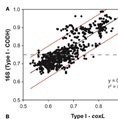
Screen shot 2014-07-03 at 03.27PM, Jul 03Land-use influences the distribution and activity of high affinity CO-oxidizing bacteria associated to type I-coxL genotype in soil – Liliana Quiza – Frontiers in Microbiology

“The main objective of this study was to assess the impact of land-use and soil properties on coxL gene diversity and identify molecular indicators for the soil uptake of atmospheric CO.”

Screen shot 2014-07-03 at 03.26PM, Jul 03Abundance and community structure of ammonia-oxidizing Archaea and Bacteria in response to fertilization and mowing in a temperate steppe in Inner Mongolia
Yong-Liang Chen – FEMS Microbiology Ecology

“… we investigated the effects of nitrogen (N) and phosphorus (P) fertilization and mowing on the abundance and community compositions of ammonia-oxidizing Bacteria (AOB) and Archaea (AOA) upon early (May) and peak (August) plant growth using quantitative PCR (qPCR), terminal-restriction fragment length polymorphism (T-RFLP), cloning and sequencing. “

Water microbiology

Screen shot 2014-07-03 at 03.27PM, Jul 03Biogeography of planktonic and benthic cyanobacteria in coastal waters of the Big Island, Hawai’i – Samuel D. Chamberlain – FEMS Microbiology Ecology

“To understand the patterns of cyanobacterial biogeography in relation to coastal environmental factors, we examined the diversity of planktonic and benthic cyanobacteria at 12 sites along the west coast of Hawaii’s Big Island.”

Screen shot 2014-07-03 at 03.29PM, Jul 03Rhizosphere heterogeneity shapes abundance and activity of sulfur-oxidizing bacteria in vegetated salt marsh sediments – François Thomas – Frontiers in Microbiology

“We combined next-generation amplicon sequencing of 16S rDNA and rRNA libraries with phylogenetic analyses of marker genes for two S-oxidation pathways (soxB and rdsrAB). Gene and transcript numbers of soxB and rdsrAB phylotypes were quantified simultaneously, using newly designed (RT)-qPCR assays.”

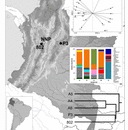
Screen shot 2014-07-03 at 03.28PM, Jul 03Neotropical Andes hot springs harbor diverse and distinct planktonic microbial communities – Luisa Delgado-Serrano – FEMS Microbiology Ecology

“In this study, we describe and compare the planktonic microbial communities present in five high-mountain hot springs with distinct geochemical characteristics, at varying altitudes and geographical locations in the Colombian Andes. “

Screen shot 2014-07-03 at 03.29PM, Jul 03Occurrence and activity of anammox bacteria in surface sediments of the southern North Sea – Nicole J. Bale – FEMS Microbiology Ecology

“The presence of anammox bacteria was established through the detection of specific phosphocholine-monoether ladderane lipids, 16S rRNA gene, and hydrazine synthase (hzsA) genes. “

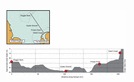
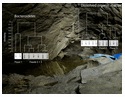
Screen shot 2014-07-03 at 03.29PM, Jul 03 1Bacterial community structure and dissolved organic matter in repeatedly flooded subsurface karst water pools – Tanja Shabarova – FEMS Microbiology Ecology

“Bacterial diversity, community assembly, and the composition of the dissolved organic matter (DOM) were studied in three temporary subsurface karst pools with different flooding regimes.”

Screen shot 2014-07-03 at 03.30PM, Jul 03Abundance, diversity and seasonal dynamics of predatory bacteria in aquaculture zero discharge systems – Prem P. Kandel – FEMS Microbiology Ecology

“The dynamics of populations belonging to the obligate predators Bdellovibrio and like organisms (BALOs) were analyzed in freshwater and saline ZDS over a 7-month period using QPCR targeting the Bdellovibrionaceae, and the Bacteriovorax and Bacteriolyticum genera in the Bacteriovoracaeae”

[hr]

Human and other microbiomes, July 2

Fungi in the mouth, microbiome in celiac disease, viruses in bats, fecal microbiota of penguins, and bacteria in water and concrete.

Human oral microbiome

Screen Shot 2014-07-02 at 10.35.22 PMMolecular Analysis of Fungal Populations in Patients with Oral Candidiasis Using Internal Transcribed Spacer Region – Shinsuke Ieda – PLOS ONE

“In this study we examined the fungal flora in patients with oral candidiasis and investigated changes in the flora after antifungal treatment using length heterogeneity-polymerization chain reaction (LH-PCR) analysis of ITS regions.”

Human respiratory microbiome

Screen Shot 2014-07-02 at 10.35.47 PMLetter: No Clinical Association of Live Attenuated Influenza Virus with Nasal Carriage of Bacteria or Acute Otitis Media – Kathleen L. Coelingh, Robert B. Belshe – mBio

“We write this note to clarify the article “Live Attenuated Influenza Vaccine Enhances Colonization of Streptococcus pneumoniae and Staphylococcus aureus in Mice” by Mina et al. (1) in order that patients or clinicians not misinterpret the study’s clinical relevance.”

Human gut microbiome

Review: Screen Shot 2014-07-02 at 10.16.45 PMIntestinal Microbiota and Probiotics in Celiac Disease – Luís Fernando de Sousa Moraes – Clinical Microbiology Reviews

“This review aims to discuss the characteristics of the microbiota in CD subjects and the use of probiotics as a novel therapy for CD. “

Bat microbiome

Screen Shot 2014-07-02 at 10.36.24 PMBat Distribution Size or Shape as Determinant of Viral Richness in African Bats – Gaël D. Maganga – PLOS ONE

“We investigated the determinants of viral richness in 15 species of African bats (8 Pteropodidae and 7 microchiroptera) in Central and West Africa for which we provide new information on virus infection and bat phylogeny. “

Bird microbiome

Screen Shot 2014-07-02 at 10.36.58 PMInfluence of Fasting during Moult on the Faecal Microbiota of Penguins – Meagan L. Dewar – PLOS ONE

“Therefore, the present study aimed to examine the microbial composition and diversity of the GI microbiota of fasting little (Eudyptula minor) and king penguins (Aptenodytes patagonicus) penguins during early and late moult.”

Invertebrate microbiome

Screen Shot 2014-07-02 at 10.37.27 PMBacterial Community Composition in the Gut Content and Ambient Sediment of Sea Cucumber Apostichopus japonicus Revealed by 16S rRNA Gene Pyrosequencing – Fei Gao – PLOS ONE

“The composition of the bacterial communities in the contents of the foregut and hindgut of the sea cucumber Apostichopus japonicus and in the ambient surface sediment was surveyed by 16S rRNA gene 454-pyrosequencing. “

Plant microbiome

Screen Shot 2014-07-02 at 10.37.55 PMSelecting Microbial Strains from Pine Tree Resin: Biotechnological Applications from a Terpene World – Cristina Vilanova – PLOS ONE

“The taxonomic and functional diversity of the cultivated, resin-tolerant fraction of the whole microbiota were unveiled by high-throughput sequencing, which resulted in the detection of more than 40 bacterial genera among the terpene-degrading microorganisms, and a range of genes involved in the degradation of different terpene families.”

Water and concrete microbiology

Screen Shot 2014-07-02 at 10.38.23 PMCoupling Genetic and Chemical Microbiome Profiling Reveals Heterogeneity of Archaeome and Bacteriome in Subsurface Biofilms That Are Dominated by the Same Archaeal Species – Alexander J. Probst – PLOS ONE

“Here, we investigated the microbiome relatedness of subsurface biofilms of two sulfidic springs in southeast Germany that have similar physical and chemical parameters and are fed by one deep groundwater current.”

Screen Shot 2014-07-02 at 10.38.41 PMMicrobial Quality and Phylogenetic Diversity of Fresh Rainwater and Tropical Freshwater Reservoir – Rajni Kaushik – PLOS ONE

“The taxonomic richness and phylogenetic relationship of the freshwater reservoir with those of the fresh rainwater were also assessed using 16 S rRNA gene clone library construction. “

Screen Shot 2014-07-02 at 10.29.38 PMBacteria and concrete-a love-hate relationship – Embriette Hyde

“Sometimes bacteria appear to harm concrete, sometimes they appear to help it.”

[hr]

General microbiology and science, June 26

Detection of bacteria in blood cultures, detection of fungi with mass spectrometry, metagenomics, and humans influencing microbes. And the Picks.

Detection of bacteria in clinical sites

Pediatric Multicenter Evaluation of the Verigene Gram-Negative Blood Culture Test for Rapid Detection of Inpatient Bacteremia Involving Gram-Negative Organisms, Extended-Spectrum Beta-Lactamases, and Carbapenemases – K. V. Sullivan – Journal of Clinical Microbiology

“We evaluated the investigational use only (IUO) version of the rapid Verigene Gram-negative blood culture test (BC-GN), a microarray that detects 9 genus/species targets “

Evaluation of Three Rapid Diagnostic Methods for Direct Identification of Microorganisms in Positive Blood Cultures – Raquel M. Martinez – Journal of Clinical Microbiology

“A total of 159 blood cultures (VersaTREK Trek Diagnostic Systems, Cleveland, OH) positive for Gram-positive and Gram-negative bacteria as well as yeast were analyzed with QuickFISH and MALDI-TOF MS. In all, 102 blood cultures were analyzed using the BC-GP assay.”

Fungal detection

Screen Shot 2014-06-26 at 10.12.46 PMAccuracy of Matrix-Assisted Laser Desorption Ionization–Time of Flight Mass Spectrometry for Identification of Clinical Pathogenic Fungi: a Meta-Analysis – Huazhi Ling – Journal of Clinical Microbiology

Metagenomics

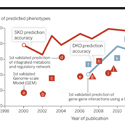
Screen Shot 2014-06-26 at 10.13.18 PMPredicting microbial growth – Jonathan Monk, Bernhard O. Palsson – Science

“This detailed biochemical information can be converted into a computational model—a genome-scale model, or GEM (1)—that allows phenotypic functions to be predicted. Both environmental and genetic parameters are explicitly accounted for in GEMs, enabling increasingly accurate predictions of the genotype-phenotype relationship in a given environment.”

Screen Shot 2014-06-26 at 10.11.58 PMBeyond the Chromosome: The Prevalence of Unique Extra-Chromosomal Bacteriophages with Integrated Virulence Genes in Pathogenic Staphylococcus aureus – Bryan Utter – PLOS ONE

“We selectively enriched and sequenced extra-chromosomal DNA from S. aureus isolates using Roche-454 technology and uncovered evidence for the widespread distribution of multiple extra-chromosomal prophages (ExPΦs) throughout both antibiotic-sensitive and -resistant strains. “

Antibiotic resistance

Screen Shot 2014-06-26 at 10.14.32 PMNext-Generation Sequencing for Typing and Detection of Resistance Genes: Performance of a New Commercial Method during an Outbreak of Extended-Spectrum-Beta-Lactamase-Producing Escherichia coli – J. Veenemans – Journal of Clinical Microbiology

“We evaluated the performance of a new NGS assay (Hospital Acquired Infection BioDetection System; Pathogenica) during an outbreak of sequence type 131 (ST131) Escherichia coli infections in a nursing home in The Netherlands.”

General microbiology

Screen Shot 2014-06-26 at 10.15.15 PMAspergillomarasmine A overcomes metallo-β-lactamase antibiotic resistance – Andrew M. King – Nature

“Here we have identified a fungal natural product, aspergillomarasmine A (AMA), that is a rapid and potent inhibitor of the NDM-1 enzyme and another clinically relevant MBL, VIM-2. AMA also fully restored the activity of meropenem against Enterobacteriaceae, Acinetobacter spp. and Pseudomonas spp. possessing either VIM or NDM-type alleles.”

Screen Shot 2014-06-26 at 10.13.55 PMMicrobiology of the Anthropocene – Michael R. Gillings, Ian T. Paulsen – Anthropocene

“Recent advances in microbial genomics and ecology show that human perturbations to microbial populations correspond closely to the proposed phases of the Anthropocene: the ‘paleoanthropocene’ which began with the rise of agriculture; the industrial revolution, from the late 1700’s; and the ‘great acceleration’ from the 1950’s to the present day. “

Marine mammals

Retrospective Study of Etiologic Agents Associated with Nonsuppurative Meningoencephalitis in Stranded Cetaceans in the Canary Islands – Eva Sierra – Journal of Clinical Microbiology

” Six animals (5 striped dolphins and 1 common dolphin) showed IHC and/or molecular evidence of morbilliviral antigens and/or genomes, mainly in brain tissue. Conventional nested PCR detected herpesviral DNA in brain tissue samples from two striped dolphins”

Free Willy? Dolphin drama riles aquaria – David Grimm – Science

“This week, the Dolphin Research Center in Grassy Key, Florida, sent a letter to the National Aquarium stating that removing these animals from their current facilities would be bad for both science and public engagement. “

Dr. Bik’s Picks

Screen Shot 2014-06-26 at 10.33.00 PMFlower discrimination by pollinators in a dynamic chemical environment – Jeffrey A. Riffell – Science

“Here, we measured the plume from Datura wrightii flowers, a nectar resource for Manduca sexta moths, and show that the scent was dynamic and rapidly embedded among background odors.”

Screen Shot 2014-06-26 at 10.32.13 PMBig Data Is Complex, Cluster Analysis Can Make It A Little Simpler – Science 2.0

“Imagine having to identify all the cities in the world, without having access to a map. A huge task”, says Rodriguez. “We therefore identified a heuristic, that is, a simple rule or a sort of shortcut to achieve the result”.”

Goosebump sensor developed by Korean research team – Leo Kelion – BBC News

“It works by recording a drop in the sensor’s capacitance – its ability to store an electrical charge – caused by it being deformed by the buckling of the skin’s surface.”

Screen Shot 2014-06-26 at 10.33.56 PMChimps like listening to music with a different beat – Science Daily

“While preferring silence to music from the West, chimpanzees apparently like to listen to the different rhythms of music from Africa and India, according to new research published by the American Psychological Association.”

[hr]

General microbiology and science, June 17

How to freeze and preserve communities, host response, standardized metadata for pathogens, primers for fungal detection and more. Check out Dr. Bik’s Picks for coffee in space and sticky tongues.

Infection and host response

The effect of age on the systemic inflammatory response in patients with community-acquired pneumonia – Lonneke A. van Vught – Clinical Microbiology and Infection

“Serum concentrations of pro-inflammatory (interleukin (IL)-6 and IL-8) and anti-inflammatory cytokines (IL-10 and IL-1 receptor antagonist) did not differ between age groups, although admission IL-8 levels tended to be higher in old patients (p = 0.05). “

Clinical Disease Severity of Respiratory Viral Co-Infection versus Single Viral Infection: A Systematic Review and Meta-Analysis – Sandra A. Asner – PLOS ONE

“No differences in clinical disease severity between viral co-infections and single respiratory infections were documented.”

Standardized Metadata for Human Pathogen/Vector Genomic Sequences – Vivien G. Dugan – PLOS ONE

“The standard includes data fields about characteristics of the organism or environmental source of the specimen, spatial-temporal information about the specimen isolation event, phenotypic characteristics of the pathogen/vector isolated, and project leadership and support. “

Discovering Hidden Connections among Diseases, Genes and Drugs Based on Microarray Expression Profiles with Negative-Term Filtering – Jain-Shing Wu – PLOS ONE

“This study proposes a novel means of employing existing GEPs to reveal hidden relationships among diseases, genes, and drugs within a rich biomedical database, PubMed. Unlike the co-occurrence method, which considers only the appearance of keywords, the proposed method also takes into account negative relationships and non-relationships among keywords, the importance of which has been demonstrated in previous studies.”

MS spectrometry and microbiology

A simple, robust and rapid approach to detect carbapenemases in Gram negative isolates by MALDI-TOF mass spectrometry: validation with triple quadripole tandem mass spectrometry, microarray and PCR – Christelle Vogne – Clinical Microbiology and Infection

“Here, we developed a simple, easy and rapid MALDI-TOF-based assay to detect carbapenemases and compared this innovative test with 4 other diagnostic approaches on 47 clinical isolates. “

Source-Identifying Biomarker Ions between Environmental and Clinical Burkholderia pseudomallei Using Whole-Cell Matrix-Assisted Laser Desorption/Ionization Time-of-Flight Mass Spectrometry (MALDI-TOF MS) – Suthamat Niyompanich – PLOS ONE

“In this present study, we employed a whole-cell MALDI-TOF MS approach for assessing its potency in clustering a total of 11 different B. pseudomallei isolates (consisting of 5 environmental and 6 clinical isolates) with respect to their origins and to further investigate the source-identifying biomarker ions belonging to each bacterial group.”

Phages and viruses

Effectiveness of bacteriophages in the sputum of cystic fibrosis patients – Emilie Saussereau – Clinical Microbiology and Infection

“The demonstration that bacteriophages infect their bacterial hosts in the sputum environment, regardless of the clinical characteristics of the patients, represents a major step towards the development of bacteriophage therapy to treat chronic lung infections.”

Standards for Sequencing Viral Genomes in the Era of High-Throughput Sequencing
Jason T. Ladner – mBio

“Here, we propose five “standard” categories that encompass all stages of viral genome finishing, and we define them using simple criteria that are agnostic to the technology used for sequencing.”

Dengue

Dengue Serosurvey in Sint Eustatius – Teresa Leslie – PLOS ONE

“ Few studies have investigated dengue on Sint Eustatius. Blood samples were collected to determine the prevalence of antibodies against dengue in the Sint Eustatius population.”

General microbiology

Invited Editorial: Bioterrorism: myth or reality? – Gilbert Greub and Martin P. Grobusch – Clinical Microbiology and Infection

“Interestingly, while there are no doubt many features which tell those topics apart from each other, bioterrorism, in its broad sense, in its perception by the public, strikingly shares some features with the human interest in viral hemorrhagic fevers as witnessed during the recent Zaire ebolavirus disease outbreak “

Invited Editorial: New epidemiology of Staphylococcus aureus infections – Jean-Philippe Rasigade – Clinical Microbiology and Infection

“The clinical and molecular epidemiology of S. aureus infections has changed dramatically over the past two decades with the emergence of community-associated methicillin-resistant S. aureus (CA-MRSA).”

Sequencing and data analysis

Summarizing Specific Profiles in Illumina Sequencing from Whole-Genome Amplified DNA – Isheng J. Tsai – DNA Research

“To utilize the full potential of WGA to reveal the real biological interest, this article highlights the importance of recognizing additional sources of errors from amplified sequence reads and discusses the potential implications in downstream analyses.”

The Bias Associated with Amplicon Sequencing Does Not Affect the Quantitative Assessment of Bacterial Community Dynamics – Federico M. Ibarbalz – PLOS ONE

“The performance of two sets of primers targeting variable regions of the 16S rRNA gene V1–V3 and V4 was compared in their ability to describe changes of bacterial diversity and temporal turnover in full-scale activated sludge.”

HIVE-Hexagon: High-Performance, Parallelized Sequence Alignment for Next-Generation Sequencing Data Analysis – Luis Santana-Quintero – PLOS ONE

“High-performance Integrated Virtual Environment (HIVE), a cloud-based environment optimized for storage and analysis of extra-large data, presents an algorithmic solution: the HIVE-hexagon DNA sequence aligner. “

Sample preparation, primers, PCR

Optimized Cryopreservation of Mixed Microbial Communities for Conserved Functionality and Diversity – Frederiek-Maarten Kerckhof – PLOS ONE

“ In summary, we have evaluated a cryopreservation protocol that succeeded in preserving both community structure and functionality of value-added microbiomes. ”

Comparison and Validation of Some ITS Primer Pairs Useful for Fungal Metabarcoding Studies – Michiel Op De Beeck – PLOS ONE

“In the current study, three selected primer pairs were tested for their suitability as fungal metabarcoding primers.”

Chromosome organization

Assessing Diversity of DNA Structure-Related Sequence Features in Prokaryotic Genomes – Yongjie Huang and Jan Mrázek – DNA Research

“Our results show that simple sequence repeats and Z-DNA-promoting patterns are generally suppressed in prokaryotic genomes, whereas palindromes and inverted repeats are over-represented.”

Dr. Bik’s Picks

Tongue adhesion in the horned frog Ceratophrys sp. – Thomas Kleinteich & Stanislav N. Gorb- Scientific Reports

“Here we measured for the first time adhesive forces and tongue contact areas in living individuals of a horned frog (Ceratophrys sp.) against glass. We found that Ceratophrys sp. generates adhesive forces well beyond its own body weight.”

Good news: Espresso machine in SPAAAACE. Bad news: Fuelled by URINE – Simon Sharwood – The Register

“A critical issue standing between humanity and long-term residence in space has been solved after boffins invented an espresso machine they plan to send up to the International Space Station (ISS), groan-inducingly dubbed the ISSpresso.”

[hr]

Non-human microbiome, June 12

Connected plants are better protected against pathogens, bacteria in olives and peanuts, and hormones made by marine phytoplankton.

Plant microbes

plant connectedEcological and evolutionary effects of fragmentation on infectious disease dynamics – Jussi Jousimo – Science

“To test the combined effects of ecological and evolutionary forces on host-pathogen systems, we analyzed the spatiotemporal dynamics of a plant (Plantago lanceolata)–fungal pathogen (Podosphaera plantaginis)relationship for 12 years in over 4000 host populations. “

Food microbiology

OliveGiarraffa and Grossa di Spagna naturally fermented table olives: Effect of starter and probiotic cultures on chemical, microbiological and sensory traits – C.L. Randazzo – Food Research International

“Multiplex PCR assay of lactic acid bacteria (LAB) showed that L. casei was detected in all samples, L. pentosus was the dominant species in spontaneous samples and in probiotic inoculated samples”

Screen Shot 2014-06-12 at 9.25.22 PMPeanut fractions boost the growth of Lactobacillus casei that alters the interactions between Campylobacter jejuni and host epithelial cells – Serajus Salaheen – Food Research International

“Our data suggest that peanut fraction induced the growth of L. casei which in turn led to a reduction in the growth of C. jejuni as well as its colonization. “

Water microbes

water hormonesPhytoplankton blooms: An overlooked marine source of natural endocrine disrupting chemicals – Yinhan Gong – Ecotoxicology and Environmental Safety

“Selected phytoplankton isolates are potent secretors of estrogenic and androgenic substances.”

[hr]