Microbiome Digest, August 1, 2014

Microbiome composition and vaccine response or chemotherapy, cassava beer, two nice articles about metagenomics tools and contamination, and the weekend picks.

Human gut microbiome

Stool Microbiota and Vaccine Responses of Infants – M. Nazmul Huda – Pediatrics

“Actinobacteria abundance was positively associated with T-cell responses to BCG, OPV, and TT; with the delayed-type hypersensitivity response; with immunoglobulin G responses; and with TI. B longum subspecies infantis correlated positively with TI and several vaccine responses. “

Systematic review: the role of the gut microbiota in chemotherapy- or radiation-induced gastrointestinal mucositis – current evidence and potential clinical applications – Y. Touchefeu – Alimentary Pharmacology & Therapeutics

“Search of the literature published in English using Medline, Scopus and the Cochrane Library, with main search terms ‘intestinal microbiota’, ‘bacteremia’, ‘mucositis’, ‘chemotherapy-induced diarrhoea’, ‘chemotherapy-induced mucositis’, ‘radiotherapy-induced mucositis’.”

Food microbiology

Local domestication of lactic acid bacteria via cassava beer fermentation – Alese M. Colehour – PeerJ

“Bacteria responsible for chicha fermentation could be a source of microbes for the human microbiome, but little is known regarding the microbiology of chicha. “

Microbes in the News

It’s a bit – eh – graphic, but a nice overview of science and the people working in this field. I wish it would have contained a couple of pictures of non-pregnant women though. It feels as if we are only a vessel:  The Body’s Ecosystem – The Scientist

“Research on the human microbiome is booming, and scientists have moved from simply taking stock of gut flora to understanding the influence of microbes throughout the body.”

‘I’m not fat, it’s viral’ – Phage found in gut bacteria may aid obesity – Dan Stanton 0 Biopharma Reporter

“A newly discovered virus which infects intestinal bacteria might be a cause of obesity, but could increasing interest in bacteriophages drive new personalised medicines and alternatives to antibiotics?”

Diet Must be Different for Men and Women: Study – Soumo Ghosh – International Business Times

“The researchers found that the microscopic bacteria, or other such organism housed inside the human stomach are different in the case of men and women. Hence, they believe that the same diet for both may not have the same effect in them.”

Metabolomics

Emergent Biosynthetic Capacity in Simple Microbial Communities – Hsuan-Chao Chiu – PLOS Computational Biology

“Here we present a comprehensive computational framework, integrating high-quality metabolic models of multiple species, temporal dynamics, and flux variability analysis, to study the metabolic capacity and dynamics of simple two-species microbial ecosystems.”

Metagenomics

Metagenomics Mash-Up – Kelly Rae Chi – The Scientist

“The Scientist spoke with developers of tools for parsing genomic data from diverse communities of microorganisms. Here are some of the newest strategies and programs for taxonomic, functional, and comparative analyses.”

Microbial detection

Who are the contaminants in your sequencing project? – Jonathan Eisen – MicrobeNet

“Such amplification is alas pretty common – due to contamination occurring in some other material added to the PCR reaction. “

Science and publishing

The Self-Edited Woman – Paige Brown – SciLogs International

“Un-prompted, several young female science bloggers I’ve interviewed mention having blogged anonymously in the past, being self-conscious about expressing their expertise on a topic, or avoiding certain topics because of the nasty comments they might receive. “

Bik’s Picks

We have the science to build an Ebola vaccine. So why hasn’t it happened? – Sarah Kliff – Vox

“This isn’t how an Ebola outbreak has to work. Researchers have devoted lots of time to building a vaccine that could stop the disease altogether — and according to Daniel Bausch, a Tulane professor who researches Ebola and other infectious diseases, they’re making really significant progress.”

Littering and Following the Crowd – Vivian Wagner – The Atlantic

“Why it’s so tempting to throw trash on the ground, and how environmentalists are using psychology to change that”

F.D.A. Acts on Lab Tests Developed In-House – Andrew Pollack – The New York Times

“The Food and Drug Administration announced on Thursday that it would start regulating medical laboratory testing, saying that tests used to make important treatment decisions must be vetted and validated before they go into use.”

Grad Student Freed By Police After Three Years Trapped In The Same Experiment – The Allium

“He is thought to have survived by eating printouts of PloS One papers and drinking his own tears.”

[hr]

Microbiome digest, July 30

Host diet, sex, and the microbiome, smoking cessation, eukaryotic microbes, CRISPRs and my picks.

Gut microbiome

Individual diet has sex-dependent effects on vertebrate gut microbiota – Daniel I. Bolnick – Nature Communications

“Here we show that gut microbiota composition depends on interactions between host diet and sex within populations of wild and laboratory fish, laboratory mice and humans. “

Smoking Cessation Alters Intestinal Microbiota: Insights from Quantitative Investigations on Human Fecal Samples Using FISH – Biedermann L – Inflammatory Bowel Diseases

“As determined by fluorescence in situ hybridization, an independent direct quantitative microbial approach, we could confirm that intestinal microbiota composition in humans is influenced by smoking.”

More microbiology

Diversity of diversity: conceptual and methodological differences in biodiversity estimates of eukaryotic microbes as compared to bacteria – Jean-David Grattepanche – Trends in Microbiology

“High-throughput sequencing tools underestimate the diversity of eukaryotes by removing morphospecies.”

Microbes in the news

A Trip Overseas Could Change The Bugs Living In Your Gut – Bahar Gholipour – Huntington Post

“I was amazed to see how profoundly a single food poisoning event impacted the gut bacteria,” David, who was a researcher at Harvard University at the time of the study, said in a statement.

Researcher Using Next-Generation Sequencing, Other New Methods to Rapidly Identify Pathogens – Joe Montgomery – Kansas State University News Office – Labmanager.com

“Benjamin Hause, an assistant research professor at the Kansas State Veterinary Diagnostic Laboratory at Kansas State University, recently published an article about one of his discoveries, porcine enterovirus G, which is an important find in the United States.”

Antibiotics and resistance

Perturbation of Iron Homeostasis Promotes the Evolution of Antibiotic Resistance – Orsolya Méhi – Molecular Biology and Evolution

“To decipher the underlying molecular mechanisms, we first performed a global transcriptome analysis and demonstrated that the set of genes regulated by Fur change substantially in response to antibiotic treatment. “

Phages, viruses, and CRISPRs

Adaptation in bacterial CRISPR-Cas immunity can be driven by defective phages – Alexander P. Hynes – Nature Communications

“Here we demonstrate that cells can acquire spacers from defective phages at a rate directly proportional to the quantity of replication-deficient phages to which the cells are exposed.”

Dr. Bik’s Picks

Contamination hits cell work: Mycoplasma infestations are widespread and costing laboratories millions of dollars in lost research – Ewen Callaway – Nature

“A total of 11% of the samples were found to contain Mycoplasma DNA at levels indicative of contamination.”

Five daily portions of fruit and vegetables may be enough to lower risk of early death – Science Daily

“Eating five daily portions of fruit and vegetables is associated with a lower risk of death from any cause, particularly from cardiovascular disease, but beyond five portions appears to have no further effect, finds a new study.”

Lands’ End Announces Science-Themed Tees For Girls After Mom’s Letter Goes Viral – Jessica Samakow – The Huffington Post

My daughter was very confused. Lots of her friends that are girls love science, too. Why were there no cool science shirts for girls?”

[hr]


Human microbiome, July 29

Papillomaviruses in human skin, gastric mucosa in cancer patients, breast milk metabolome, microbiome of a human family, and more.

Skin microbiome

Deep sequencing extends the diversity of human papillomaviruses in human skin
Davit Bzhalava – Nature Scientific Reports

“This deeper sequencing without prior PCR of a pool of 142 whole genome amplified skin lesions identified 23 known HPV types, 3 novel putative HPV types and 4 non-HPV viruses.”

Gastric microbiome

Differences in Gastric Mucosal Microbiota Profiling in Patients with Chronic Gastritis, Intestinal Metaplasia, and Gastric Cancer Using Pyrosequencing Methods – Chang Soo Eun – Helicobacter

“Gastric mucosal biopsy samples were collected from 31 patients during endoscopy. After the extraction of genomic DNA, variable region V5 of the 16S rRNA gene was amplified. PCR products were sequenced using 454 high-throughput sequencer. “

Pregnancy and Birth

Breast milk metabolome characterization in a single phase extraction, multiplatform analytical approach – Alma Villaseñor – Analytical Chemistry

“We conducted this single-phase extraction procedure on a representative pool of BM, and characterized the metabolic composition using LC-QTOF-MS and GC-Q-MS for polar and lipidic metabolites. “

Effects of Bifidobacterial Supplementation to Pregnant Women and Infants in the
Prevention of Allergy Development in Infants and on Fecal Microbiota [PDF]- Tadao Enomoto – Allergology International

“Effects of Bifidobacterial Supplementation to Pregnant Women and Infants in the Prevention of Allergy Development in Infants and on Fecal Microbiota”

Gut microbiome
The dynamics of a family’s gut microbiota reveal variations on a theme – Patrick D Schloss – Microbiome

“Here we study a chronosequence of the gut microbiota found in eight individuals from a family consisting of two parents and six children ranging in age from two months to ten years old.”

Identifying Keystone Species in the Human Gut Microbiome from Metagenomic Timeseries Using Sparse Linear Regression – Charles K. Fisher – PLOS ONE

“Here we introduce an approach, Learning Interactions from MIcrobial Time Series (LIMITS), that overcomes these obstacles. LIMITS uses sparse linear regression with boostrap aggregation to infer a discrete-time Lotka-Volterra model for microbial dynamics. “

Antivirulence Activity of the Human Gut Metabolome – L. Caetano M. Antunes – mBio

“We found that a secreted molecule produced by clostridia acts as a strong repressor of Salmonella virulence, obliterating expression of the Salmonella pathogenicity island 1 as well as host cell invasion.”

 Metagenomic Identification of a Novel Salt Tolerance Gene from the Human Gut Microbiome Which Encodes a Membrane Protein with Homology to a brp/blh-Family β-Carotene 15,15′-Monooxygenase – Eamonn P. Culligan – PLOS ONE

“Herein, we report the identification and characterisation of a novel stress tolerance gene from the human gut metagenome. The locus, assigned brpA, encodes a membrane protein with homology to a brp/blh-family β-carotene monooxygenase. “

Review: Archaea and the human gut: New beginning of an old story [DOC]- Gaci N – World Journal of Gastroenterology

“Here we provide an updated census of the archaeal diversity associated to human GIT and their possible role in the gut physiology and health.”


Animal models of human microbiome and disease

Maternal high protein or prebiotic fiber diets affect maternal milk composition and gut microbiota in rat dams and their offspring – Megan C. Hallam – Obesity

“Fecal microbiota was analyzed in dams at parturition and 2 weeks post-partum and in offspring at 5 and 22 weeks along with cecal digesta at termination.”

[hr]

Microbiome digest, July 24

Introducing the crAssphage, an 84 bp BLAST from the past, archaea in the Savannah, metabolomics of racehorse microbiome, and X-raying headphones.

Human oral microbiome

Proceedings RoyalMolecular analysis of ancient caries – Marc Simón – Proceedings of the Royal Society, Biological Sciences

“An 84 base pair sequence of the Streptococcus mutans virulence factor, known as dextranase, has been obtained from 10 individuals from the Bronze Age to the Modern Era in Europe and from before and after the colonization in America. “

Human gut microbiome

Nature CommunicationsA highly abundant bacteriophage discovered in the unknown sequences of human faecal metagenomes – Bas E. Dutilh – Nature Communications

“Here we describe the discovery of a previously unidentified bacteriophage present in the majority of published human faecal metagenomes, which we refer to as crAssphage.”

Gut family SchlossThe dynamics of a family’s gut microbiota reveal variations on a theme – Patrick D Schloss – Microbiome

“Using 16S rRNA gene and metagenomic shotgun sequence data, it was possible to distinguish the family from a cohort of normal individuals living in the same geographic region and to differentiate each family member”

Pregnancy and Birth

Screen Shot 2014-07-24 at 05.53PM, Jul 24An unnecessary cut? – Sky Dylan-Robbins – The New Yorker

“The most common operating-room procedure in the United States is the Cesarean section. “

Animal microbiome

Equine Vet JournalCharacterisation of the faecal metabolome and microbiome of Thoroughbred racehorses – C. J. Proudman – Equine Veterinary Journal

“Faecal metabolome was characterised using thermal desorption-gas chromatography-mass spectrometry (TD-GC-MS), with spectral analysis performed using AMDIS and compared against the NIST database. Taxonomic description of the faecal microbiota was achieved using error-corrected 454 pyrosequencing data from 16S rRNA gene amplicons”

Journal of MicrobiologyPyrosequencing-based analysis of fecal microbial communities in three purebred pig lines – Edward Alain B. Pajarillo – Journal of Microbiology

“Taxon-dependent and -independent analyses were performed to evaluate differences in the fecal bacterial communities and to identify bacterial genera that can be used to discriminate breeds, following high-throughput pyrosequencing of 16S rRNA genes. “

Environmental microbiome

Screen Shot 2014-07-24 at 05.55PM, Jul 24Seasonal Effects in a Lake Sediment Archaeal Community of the Brazilian Savanna – Thiago Rodrigues – Archaea

“Here we describe for the first time the diversity of archaeal communities from freshwater lake sediments of the Cerrado in the dry season and in the transition period between the dry and rainy seasons, when the first rains occur. Gene libraries were constructed, using Archaea-specific primers for the 16S rRNA and amoA genes.”

Screen Shot 2014-07-24 at 05.56PM, Jul 24Spatial patterns and links between microbial community composition and function in cyanobacterial mats – Mohammad A. Al-Najjar – Frontiers in Microbiology

“Similar clustering was found when the community composition of the mats’ cyanobacterial layers were compared by automated ribosomal intergenic spacer analysis, indicating a significant link between the microbial community composition and function. “

MicrobeNetNew Joint Initiative from the Knight and Sogin Labs as a Follow-up to the MoBEDAC Initiative – Embriette Hyde

“By the end of the funded period, standard 16S rRNA and ITS (fungal) analysis pipelines will be developed and made available to the MoBe community, 16S rRNA and ITS databases will be markedly improved, QIIME and VAMPS will be tightly integrated into a new database engine called QiiTA to facilitate analysis by all MoBe researchers, and two major training workshops will be offered. “

Dr. Bik’s PicksDNA

DNA mostly ‘junk?’ Only 8.2 percent of human DNA is ‘functional’, study finds – Science Daily

“This figure is very different from one given in 2012, when some scientists involved in the ENCODE (Encyclopedia of DNA Elements) project stated that 80% of our genome has some biochemical function.”

Screen Shot 2014-07-24 at 05.58PM, Jul 24Sex differences in medicine – BeWell – Stanford University

“A man can be diagnosed with the same disease as a woman, and yet the course the disease takes in each could prove very different. And a treatment which works for one gender may prove ineffective for the other. “

corksIs Climate Change Ruining Wine Corks? – Kelly Dickerson – LiveScience

“Many people may only worry about corks when it’s time to pop the Champagne, but some experts are worried about wine cork quality, which has been mysteriously in decline for almost 20 years.“

Headphone x rayDoc X-Rays His Broken Headphones to Fix Them – Bahar Gholipour – LiveScience

“”Closed fracture of a speaker wire within its rubber/plastic sleeve is a rare headphone injury, usually due to a traction trauma,” Skalski wrote in his report of the case.”

[hr]

General microbiology and science, July 18

Talking to bacteria to make them feel more comfortable (Bacteria whisperers!), probiotics, viruses vs. helminths, and women in Science.

Phages, viruses, helminths

Virus-helminth coinfection reveals a microbiota-independent mechanism of immunomodulation – Lisa C. Osborne – Science

“Helminth coinfection resulted in impaired antiviral immunity and was associated with changes in the microbiota and STAT6-dependent helminth-induced alternative activation of macrophages.”

Probiotics

Lactobacillus rhamnosus L34 and Lactobacillus casei L39 suppress Clostridium difficile-induced IL-8 production by colonic epithelial cells – Prapaporn Boonma – BMC Microbiology

“We screened Lactobacillus conditioned media from 34 infant fecal isolates for the ability to suppress C. difficile-induced IL-8 production from HT-29 cells. Factors produced by two vancomycin-resistant lactobacilli, L. rhamnosus L34 (LR-L34) and L.casei L39 (LC-L39), suppressed the secretion and transcription of IL-8 without inhibiting C. difficile viability or toxin production. “

Cross-talk between probiotic lactobacilli and host immune system – T.S. Kemgang – Journal of Applied Microbiology

“This review summarizes the interplay existing between the host immune system and probiotic lactobacilli, that is, with emphasis on lactobacilli as a prototype probiotic genus.”

General microbiology

Talking to bacteria? Towards light-mediated sensing of bacterial comfort – G. Zafrilla – Letters in Applied Microbiology

“The framework is to convert the human voice into electric pulses, these into light pulses exciting bacterial fluorescent proteins, and convert light-emission back into electric pulses, which will be finally transformed into synthetic voice messages.”

Bacteria in the news

More Forgotten Virus, Bacteria Vials Found at Federal Lab – Newsplex.com

“Food and Drug Administration officials said Wednesday the undocumented collection contained 327 carefully packaged vials, listing pathogens like dengue, influenza and rickettsia.”

1 weird tip to not die of smallpox – Beth Skwarecki – PLOS Blogs

Jenner then attempted to infect the child with smallpox twenty more times in his life. Fortunately for the kid, the vaccine had worked.”

Women in Science

Science Has a Gender Problem. Science Just Made It Worse – Katy Waldman – Slate

“Transgender sex workers should not be expected to thank Science for “raising awareness” of them as erotic objects, jokes, or disease vectors. “

Survey of Academic Field Experiences (SAFE): Trainees Report Harassment and Assault – Kathryn B. H. Clancy – PLOS ONE

“Little is known about the climate of the scientific fieldwork setting as it relates to gendered experiences, sexual harassment, and sexual assault. We conducted an internet-based survey of field scientists (N = 666) to characterize these experiences. “

Dr. Bik’s Picks

Long read: One of a kind: What do you do if your child has a condition that is new to science? – Seth Mnookin – The New Yorker

“At first, they said, he seemed to represent a challenging problem for each new specialist to solve. But, as one conjecture after another was proved wrong, the specialists lost interest; many then insisted that the cause of Bertrand’s illness lay in someone else’s area of expertise. “

Introduction to special issue: Slicing the wheat genome – Kellye Eversole – Science

“Together, these Research Articles explore multiple dimensions of the 17-gigabase wheat genome and pave the way toward achieving a full reference sequence to underpin wheat research and breeding”


Earth-like soils on Mars? Ancient fossilized soils potentially found deep inside impact crater suggest microbial life – Science Daily

“Soil deep in a crater dating to some 3.7 billion years ago contains evidence that Mars was once much warmer and wetter, says a geologist based on images and data captured by the rover Curiosity.”

How Colors Smell – Julie Beck – The Atlantic

“But what color is the smell of, say, soap? A new study published in PLOS One finds that some people say white, some say yellow, some say blue. “

Suspects in science museum’s dinosaur heist turn themselves in – Andrew Kenney – Charlotte Observer

“A man and woman, both 21, turned themselves over to N.C. State Capitol Police on Thursday in the case of the missing model dinosaur.”


[hr]

General microbiology and science, July 17

Detection of microbes in clinical samples, phages living in viruses, and archaea in biofilms.

Microbial detection in clinical samples

Metagenomic analysis of a sample from a patient with respiratory tract infection reveals the presence of a γ-papillomavirus – Marta Canuti – Frontiers in Microbiology

“We therefore concluded that the detected γ-papillomavirus is unlikely to be the causative agent of the respiratory complaints and its presence in the nose of the patient is not related to the disease.”

Detection of intestinal protozoa in paediatric patients with gastrointestinal symptoms by multiplex real-time PCR – L. Maas – Clinical Microbiology and Infection

“The performance of a multiplex real-time PCR for the detection of Blastocystis, Dientamoeba fragilis, Giardia lamblia, Cryptosporidium species and Entamoeba species in faecal samples was evaluated in an observational prospective study.”

Are Quantitative Bacterial Wound Cultures Useful? – George Kallstrom – Journal of Clinical Microbiology

“This minireview briefly summarizes the clinical microbiology of wound cultures, with an emphasis on the history and utility (or lack thereof) of the quantitative wound culture.”

Phages and viruses

The origins of giant viruses, virophages and their relatives in host genomes – Aris Katzourakis and Amr Aswad – BMC Biology

“These viruses, together with the transposon-related virophages that infect them, pose a number of questions about their evolutionary origins that need to be considered in the light of the complex entanglement between host, virus and virophage genomes.”

Antibiotics

Antibiotics promote aggregation within aquatic bacterial communities – Gianluca Corno – Frontiers in Microbiology

“In this study a chemostat-based experiment with 4 coexisting bacterial strains has been performed to mimicking the response of a freshwater bacterial community to the presence of antibiotics in low and high doses.”

Biofilms and Archaea

Biofilm formation of mucosa-associated methanoarchaeal strains – Corinna Bang – Frontiers in Microbiology

“Here, the ability of three methanoarchaeal strains, Methanobrevibacter smithii and Methanosphaera stadtmanae, which form part of the human gut microbiota, and the Methanosarcina mazei strain Gö1 to grow on different surfaces and form biofilms was investigated. “

Microbial ecology

Persistence in the shadow of killers – Robert M. Sinclair – Frontiers in Microbiology

“What we show is that coexistence is not only possible, but that it is possible even if the absolute fitness advantage of the sensitive strain over the killer strain is arbitrarily small. We do this by performing a specifically targeted mathematical analysis on our model, rather than via simulations.”

General microbiology

Editorial: Bioterrorism: myth or reality? – G. Greub and M. P. Grobusch – Clinical Microbiology and Infection

Dr. Bik’s Picks

Today I can only cry for the people onboard flight MH17.

[hr]


General microbiology and science, July 15

Dengue virus replication, poliovirus transmission, marine viral communities, primer choice, and CRISPRs systems and antibiotic resistance.

Dengue virus

Letter: Are viral small RNA regulating Dengue virus replication beyond serotype 2? – Esteban Finol – PNAS

Letter: Reply to Finol: Viral small RNA from Dengue virus and its egulatory role in different serotypes – Mazhar Hussain and Sassan Asgari – PNAS

Poliovirus

Screen shot 2014-07-15 at 06.00PM, Jul 15The role of older children and adults in wild poliovirus transmission – Isobel M. Blake – PNAS

“We fit a mathematical model of poliovirus transmission to time series data from two large outbreaks that affected adults (Tajikistan 2010, Republic of Congo 2010) using maximum-likelihood estimation based on iterated particle-filtering methods. “

Phages and viruses

Screen shot 2014-07-15 at 06.01PM, Jul 15Modeling ecological drivers in marine viral communities using comparative metagenomics and network analyses – Bonnie L. Hurwitz – PNAS

“Here we combine advances in bioinformatics (shared k-mer analyses) and social networking (regression modeling) to develop an annotation- and assembly-free visualization and analytical strategy for comparative metagenomics that uses all the data in a unified statistical framework. “

Screen shot 2014-07-15 at 06.02PM, Jul 15Contrasted coevolutionary dynamics between a bacterial pathogen and its bacteriophages – Alex Betts – PNAS

“We used experimental evolution between Pseudomonas aeruginosa and a panel of its lytic phages and found the full known range of coevolutionary dynamics.”

CRISPRs and antibiotic resistance

Screen shot 2014-07-15 at 06.03PM, Jul 15A CRISPR-Cas system enhances envelope integrity mediating antibiotic resistance and inflammasome evasion – Timothy R. Sampson – PNAS

“We demonstrate that components of a clustered, regularly interspaced, short palindromic repeats–CRISPR associated (CRISPR-Cas) system, a prokaryotic defense against viruses and foreign nucleic acid, act to regulate the permeability of the bacterial envelope, ultimately providing these cells with the capability to resist membrane damage caused by antibiotics. “

Extraction and amplification techniques

The Influence of DNA Extraction Procedure and Primer Set on the Bacterial Community Analysis by Pyrosequencing of Barcoded 16S rRNA Gene Amplicons – Ingo C. Starke – Molecular Biology International

“In this study, the effect of different DNA extraction procedures and primer sets on pyrosequencing results regarding the composition of bacterial communities in the ileum of piglets was investigated. “

Metagenomics general

Interpreting 16S metagenomic data without clustering to achieve sub-OTU resolution – Mikhail Tikhonov – ISME Journal

“We present a clustering-free approach to multi-sample Illumina data sets that can identify independent bacterial subpopulations regardless of the similarity of their 16S tag sequences. “


General Microbiology

Screen shot 2014-07-15 at 06.04PM, Jul 15Recovery of a Medieval Brucella melitensis Genome Using Shotgun Metagenomics – Gemma L. Kay – mBio

“We sequenced the metagenome of a calcified nodule from the skeleton of a 14th-century middle-aged male excavated from the medieval Sardinian settlement of Geridu. We obtained 6.5-fold coverage of a Brucella melitensis genome”

Screen shot 2014-07-15 at 06.05PM, Jul 15Review: The Ins and Outs of Bacterial Iron Metabolism – Elaine R. Frawley and Ferric C. Fang – Molecular Microbiology

“The recent discovery of putative iron efflux transporters in Salmonella enterica serovar Typhimurium is discussed in the context of cellular iron homeostasis.”

Screen shot 2014-07-15 at 06.05PM, Jul 15 1Genetic information transfer promotes cooperation in bacteria – Tatiana Dimitriu – PNAS

“Our experiments and models converge to show that when both cheating and cooperative genes are transferred, cooperators win against cheaters because transfer increases assortment among alleles, favoring cooperation.”

Challenges and Opportunities of Integrative Taxonomy for Research and Society – Taxonomic Research in the Era of OMICS Technologies (PDF)  (Herausforderungen und Chancen der integrativen Taxonomie für Forschung und Gesellschaft) – Deutsche Akademie der Naturforscher Leopoldina e.V.

Microbiomes and metagenomes in need of professional classification – Rudolf Amann
The intestinal microbiome and human health: a new challenge for taxonomy of metagenomic data – Bärbel Stecher
Characterizing species boundaries and species histories in closely related fungi using comparative population genomic approaches – Eva H. Stukenbrock

Coming of ageThe coming of age of microbial ecology – Ana E. Escalante and Silvia Pajares – Chapter in Open Access book: Frontiers in Ecology, Evolution and Complexity

“Despite major challenges, new technological advances in genomic sciences have prompted microbial ecology into a revolution in data generation that has allowed us to move beyond studies of single isolates to the study of entire microbial communities without reliance on culture-dependent methods.”

Review: The Dynamic Interactions between Salmonella and the Microbiota, within the Challenging Niche of the Gastrointestinal Tract – C. M. Anjam Khan – International Scholarly Research Notices

“This gastrointestinal pathogen not only faces the hostile defenses of the host’s immune system, but also faces fierce competition from the large and diverse community of microbiota for space and nutrients.”


Science and publishing

Screen shot 2014-07-15 at 05.59PM, Jul 15Is Social Media Saving Science? – Michael White – Pacific Standard

“Why do editors and expert reviewers, whose primary job is to vet manuscripts, miss major flaws that are so obvious to readers after the papers are published?”

Dr. Bik’s Picks

Screen shot 2014-07-15 at 06.07PM, Jul 15Effect of sleep deprivation on the human metabolome – Sarah K. Davies – PNAS

“Clear daily rhythms were observed in most metabolites, with 24 h wakefulness mainly reducing the amplitude of these rhythms.”

Screen shot 2014-07-15 at 06.06PM, Jul 15Comparison of five different RNA sources to examine the lactating bovine mammary gland transcriptome using RNA-Sequencing – Angela Cánovas – Nature Scientific Reports

“Our results provide a comparison between different sampling methods (invasive and non-invasive) to define the transcriptome of mammary gland tissue and milk cells.’

Screen shot 2014-07-15 at 06.07PM, Jul 15 1Superior time perception for lower musical pitch explains why bass-ranged instruments lay down musical rhythms – Michael J. Hove – PNAS

“Here, we show that, when two streams of tones are presented simultaneously, the brain better detects timing deviations in the lower-pitched than in the higher-pitched stream and that tapping synchronization to the tones is more influenced by the lower-pitched stream. “

[hr]
General microbiology and science, July 9

Transcriptomic and proteomic analysis of Dengue infection,  bacteria that can tolerate arsenate, and -shocking!- bacteria on elevator buttons.

Dengue

Monocyte-Plasmablast Crosstalk during Dengue – Angela M. Green, Eva Harris – Cell Host & Microbe

“In this issue, Kwissa et al. (2014) begin with transcriptomic analysis and then integrate studies in human clinical samples, nonhuman primates, and coculture of primary human cells to identify a role for CD14+CD16+ monocytes in generating plasmablast responses during dengue virus infection.”

Screen Shot 2014-07-09 at 10.24.23 PMBelongs to: Dengue Virus Infection Induces Expansion of a CD14+CD16+ Monocyte Population that Stimulates Plasmablast Differentiation – Marcin Kwissa – Cell Host & Microbe

“Transcriptomic analysis of whole blood revealed that genes encoding proinflammatory mediators and type I interferon-related proteins were associated with high DENV levels during initial symptomatic disease.”

Screen Shot 2014-07-09 at 10.25.06 PMQuantitative proteomic analysis of Huh-7 cells infected with Dengue virus by label-free LC–MS – Victoria Pando-Robles – Journal of Proteomics

“In order to gain a better reading of the cross talk between virus and host cell proteins, we used a proteomics approach to analyze the host response to DENV infection in a hepatic cell line Huh-7.”

Dengue hemorrhagic fever: Comparison of patients with primary and secondary infections – Muhammad Khurram – Journal of Infection and Public Health

“The two Groups were compared for statistically significant association in terms of age, gender, laboratory parameter (at admission hematocrit [HCT], platelet, white blood cell [WBC] counts, alanine aminotransferase [ALT] value), severity (DHF or dengue shock syndrome), and outcome (recovered or expired).”

Comments on the clinical and laboratory characteristics of patients with dengue hemorrhagic fever manifestations and their transfusion profile – Romélia Pinheiro Gonçalves Lemes – Revista Brasileira de Hematologia e Hemoterapia

Belongs to: Clinical and laboratory characteristics of patients with dengue hemorrhagic fever manifestations and their transfusion profile – Denys Eiti Fujimoto – Revista Brasileira de Hematologia e Hemoterapia

“A retrospective descriptive study was performed to analyze the distribution of relative frequencies of clinical and laboratory variables. The study was carried out in Rio Branco with confirmed dengue fever cases.”

Viruses and phages

Viruses as new agentsViruses as new agents of organomineralization in the geological record – Muriel Pacton – Nature Communications

“Here we use contextual metagenomic data and microscopic analyses to show that viruses occur in high diversity within a modern lacustrine microbial mat, and vastly outnumber prokaryotes and other components of the microbial mat.”

Screen Shot 2014-07-09 at 10.30.33 PMReview: Exploiting gut bacteriophages for human health – Marion Dalmasso – Trends in Microbiology

“Individual phageomes vary depending on age and health, thus providing a useful biomarker of human health as well as suggesting potential interventions targeted at the gut microbiota.”

Through the looking glass: witnessing host–virus interplay in zebrafish – Jean-Pierre Levraud – Trends in Microbiology

“Besides traditional host models such as mice, the zebrafish offers an attractive cocktail of optical accessibility and genetic tractability, blended with a vertebrate-type immunity, where innate responses can easily be separated from adaptive ones.”

Antibiotics and resistance

Variable recombination dynamics during the emergence, transmission and ‘disarming’ of a multidrug-resistant pneumococcal clone – Nicholas J Croucher – BMC Biology

“Whole genome sequencing of an international collection of 189 isolates estimated that PMEN2 emerged around the late 1960s, developing resistance through multiple homologous recombinations and the acquisition of a Tn5253-type integrative and conjugative element (ICE). “

Arsenate metabolism

Screen Shot 2014-07-09 at 10.27.05 PMInfluence of an arsenate-reducing and polycyclic aromatic hydrocarbons-degrading Pseudomonas isolate on growth and arsenic accumulation in Pteris vittata L. and removal of phenanthrene – Tiancai Feng – International Biodeterioration & Biodegradation

“In this study, the effect of bacterial inoculation on plant growth and arsenic uptake by Pteris vittata and phenanthrene dissipation was investigated hydroponically using an arsenate-reducing and PAH-degrading Pseudomonas isolate. “

Screen Shot 2014-07-09 at 10.28.17 PMBrevibacillus sp. KUMAs2, a bacterial isolate for possible bioremediation of arsenic in rhizosphere – Ivy Mallick – Ecotoxicology and Environmental Safety

“As resistant property in KUMAs2 was found to be plasmid-borne, which carried both As oxidizing and reducing genes. The strain could promote chilli plant growth under As contaminated soil environment by decreasing As accumulation in plant upon successful colonization in the rhizosphere, which suggests the possibility of using this isolate for successful bioremediation of As in the crop field.”

Infection and host response

Influenza Promotes Pneumococcal Growth during Coinfection by Providing Host Sialylated Substrates as a Nutrient Source – Steven J. Siegel – Cell Host & Microbe

“We find that prior influenza infection enhances pneumococcal colonization of the murine nasopharynx, which in turn promotes bacterial spread to the lungs. “

Microbes in the news

Bacteria Could Provide A Powerful New Way To Fight Fat And Depression – Lauren F. Friedman – Business Insider

“With increased understanding of these tiny organisms, we might just be able to coax them to do our bidding, giving us unprecedented control over human health.”

Screen Shot 2014-07-09 at 10.28.38 PMHospital elevator buttons coated with more bacteria than bathroom surfaces – Helen Branswell – Canadian Press

“You might want to use an elbow to push the elevator button the next time you are in a hospital.”

Screen Shot 2014-07-09 at 10.27.35 PMBelongs to: Elevator buttons as unrecognized sources of bacterial colonization in hospitals – Christopher E Kandel – Open Medicine

“Elevator buttons had a higher prevalence of colonization than toilet surfaces (61% v. 43%, p = 0.008).”

Science and Art

Screen Shot 2014-07-09 at 10.26.17 PMIntricate bacteria sculptures painstakingly hand-cut from paper – Chris Higgins – Wired

“Among the microbes Brown studied in preparation for the undertaking, which took four months overall (one to draw, two to hand cut and one to piece them together) are proteus bacteria, Escherichia coli, salmonella, hyphae, Spirillum volutans and Vibrio cholerae.”

Science, publishing and ethics

Not all plagiarism requires a retraction – Praveen Chaddah – Nature

“The ease with which large chunks of text can be digitally scanned and compared with what has previously been published has produced a new breed of academic watchdog”

Dr. Bik’s Picks

Screen Shot 2014-07-09 at 10.35.00 PMAncient arachnid brought ‘back to life’: Video recreates 410-million-year-old animal walking – Science Daily

Scientists have recreated the walking gait of a 410-million-year-old arachnid, one of the first predators on land, based on fossil evidence. The scientists used the fossils — thin slices of rock showing the animal’s cross-section — to work out the range of motion in the limbs of this ancient, extinct early relative of the spiders.”

Screen Shot 2014-07-09 at 10.25.41 PM

Venus, the Chimera Cat: Venus the cat appears to have 2 faces – WSAV

“The left side of Venus’ face is black with a green eye, the right side of her face has orange tabby cat markings with a striking blue eye. “

[hr]

General microbiome and science, July 8

Metabolic networks, CRISPR induced immunity, and influence of extraction methods and primers on microbiome analysis. Plus some smallpox in the Lost&Found, and a big citation scandal in SAGE journals.

Microbial ecology / metabolomics

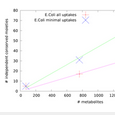
Screen Shot 2014-07-08 at 10.07.56 PMIdentifying All Moiety Conservation Laws in Genome-Scale Metabolic Networks – Andrea De Martino – PLOS ONE

“ Our method is deployed for the analysis of moiety conservation relationships in two large-scale reconstructions of the metabolism of the bacterium E. coli, in six tissue-specific human metabolic networks, and, finally, in the human reactome as a whole, revealing that bacterial metabolism could be evolutionarily designed to cover broader production spectra than human metabolism.”

Emergent

Emergent Biosynthetic Capacity in Simple Microbial Communities – Hsuan-Chao Chiu – PLOS Computational Biology

“We specifically focus on detecting emergent biosynthetic capacity – instances in which a community growing on some medium produces and secretes metabolites that are not secreted by any member species when growing in isolation on that same medium. “

DIET ArchaeaDirect Interspecies Electron Transfer between Geobacter metallireducens and Methanosarcina barkeri – Amelia-Elena Rotaru – Applied and Environmental Microbiology

“M. barkeri is the second methanogen found to accept electrons via DIET and the first methanogen known to be capable of using either H2 or electrons derived from DIET for CO2 reduction. “

Optimal defenseOptimal Defense Strategies in an Idealized Microbial Food Web under Trade-Off between Competition and Defense – Selina Våge – PLOS ONE

“ Under coexistence with a competition specialist, a balance of competitive and defensive ability of the defense strategist was found to be evolutionarily stable, whereas stronger defense was optimal under increased nutrient levels in the absence of the pure competition specialist.”

Microbial detection

Screen Shot 2014-07-08 at 10.13.13 PMHuman Herpes Viruses Are Associated with Classic Fever of Unknown Origin (FUO) in Beijing Patients – Weimin Zhou – PLOS ONE

“HHVs are associated with Chinese patients (especially for children) with classic FUO. Our study adds perspective to the aetiological and clinical characteristics of classic FUO in beijing patients.”

Phages and viruses

Screen Shot 2014-07-08 at 10.13.31 PMCRISPR-Induced Distributed Immunity in Microbial Populations – Lauren M. Childs – PLOS ONE

“We analyze sequence diversity of experimentally coevolving populations of Streptococcus thermophilus and their viruses where CRISPR-Cas is active, and find the rapid emergence of distributed immunity in the host population, demonstrating the importance of this emergent phenomenon in evolving microbial communities.”

Techniques

Influence of DNA Extraction Method, 16S rRNA Targeted Hypervariable Regions, and Sample Origin on Microbial Diversity Detected by 454 Pyrosequencing in Marine Chemosynthetic Ecosystems – Perrine Cruaud – Applied and Environmental Microbiology

“Thanks to statistical and diversity analyses as well as inference of operational taxonomic unit (OTU) networks, we show that (i) while DNA extraction methods do not seem to affect the results for some samples, they can lead to dramatic changes for others; and (ii) the choice of amplification and sequencing primers also considerably affects the microbial community detected in the samples.”

Dengue

Sanofi’s dengue vaccine first to complete phase 3 – Gunjan Sinha – Nature Biotechnology

“Banking on approval, Sanofi has already started production, a move some have described as a “huge gamble” in light of the vaccine’s disappointing results from earlier studies, says Mark Clark, a pharmaceuticals analyst at Deutsche Bank in London.”

Microbes in the News

Found: Forgotten Vials of Smallpox – Maryn McKenna – Wired.com (also see CDC Media Statement)

“Workers clearing out an old storage room on the Bethesda, Md. campus of the National Institutes of Health have found a forgotten box of vials that contain smallpox.”

The Bacteria That Got Spread Throughout The US By Military Testing – Esther Inglis-Arkell – IO9

“Have you ever heard of serratia marcescens bacteria? Today they are a cause of hospital infections. In the 1960s, they were secretly sprayed across Washington, San Francisco, and New York.”

Manage Your Microbes – Laura Stec – Palo Alto Online

“I’ve been researching this wonderful advance in science for Manage Your Microbes, a cook class at Belmont Library on July 29th. “

Science, Publishing, and Career

SAGE Publications busts “peer review and citation ring,” 60 papers retracted – Retraction Watch

SAGE announces the retraction of 60 articles implicated in a peer review and citation ring at the Journal of Vibration and Control (JVC). “

13 Subtle Ways Women Are Treated Differently At Work – Jenna Goudreau – Business Insider

“Both men and women hold these views but often don’t even realize it. “It’s hard to fight this,” says Rivers, but awareness is key.

Dr. Bik’s Picks

Combining colour and temperature: A blue object is more likely to be judged as warm than a red object – Hsin-Ni Ho – Nature Scientific Reports

“It is commonly believed that reddish colour induces warm feelings while bluish colour induces cold feelings. We, however, demonstrate an opposite effect when the temperature information is acquired by direct touch.”

MandarinSequencing of diverse mandarin, pummelo and orange genomes reveals complex history of admixture during citrus domestication – G Albert Wu – Nature Biotechnology

“Here we sequence and compare citrus genomes—a high-quality reference haploid clementine genome and mandarin, pummelo, sweet-orange and sour-orange genomes—and show that cultivated types derive from two progenitor species. “

[hr]

General microbiology and science, July 7

Metagenomics binning based on co-abundance, bias in Illumina sequencing, and lots of metabolomics.

Phages and viruses

Bacteriophage-based synthetic biology for the study of infectious diseases – Robert J Citorik – Current Opinion in Microbiology

“Here, we discuss bacteriophage-based technologies and their application to the study of infectious diseases. “

Sequencing and Metagenomics

Identification and assembly of genomes and genetic elements in complex metagenomic samples without using reference genomes – H Bjørn Nielsen (and 142 other authors) – Nature Biotechnology

“Here we present a method, based on binning co-abundant genes across a series of metagenomic samples, that enables comprehensive discovery of new microbial organisms, viruses and co-inherited genetic entities and aids assembly of microbial genomes without the need for reference sequences.”

Evaluating bias of Illumina-based bacterial 16S rRNA gene profiles – Katherine Kennedy – Applied and Environmental Microbiology

“In this study, we tested the effects of template concentration, pooling of PCR amplicons, and sample preparation/inter-lane sequencing on the reproducibility associated with paired-end Illumina sequencing of bacterial 16S rRNA genes.”

Next generation sequencing technology: Advances and applications – HPJ Buermans, JT den Dunnen – Biochimica et Biophysica Acta (BBA) – Molecular Basis of Disease

“In this chapter we review the technical background of the different commercially available NGS platforms with respect to template generation and the sequencing reaction and take a small step towards what the upcoming NGS technologies will bring.”

Systems biology as an approach for deciphering microbial interactions – Puneet Kumar Singh – Briefings in Functional Genomics

“Here, we endeavor to summarize, epigrammatic description of sophisticated techniques and software that provides an enhanced understanding of metagenomics data analysis. “

Metabolomics

Stronger findings for metabolomics through Bayesian modeling of multiple peaks and compound correlations – Tommi Suvitaival – Bioinformatics

“We propose a hierarchical Bayesian model for inferring
differences between groups of samples more accurately in
metabolomic studies, where the observed compounds are collinear.”

Emergent Biosynthetic Capacity in Simple Microbial Communities – Hsuan-Chao Chiu – PLOS Computational Biology

“Here we present a comprehensive computational framework, integrating high-quality metabolic models of multiple species, temporal dynamics, and flux variability analysis, to study the metabolic capacity and dynamics of simple two-species microbial ecosystems.”

Metabolomics Analysis Identifies Intestinal Microbiota-Derived Biomarkers of Colonization Resistance in Clindamycin-Treated Mice – Robin L. P. Jump – PLOS ONE

“Clindamycin treatment caused marked changes in metabolites present in fecal specimens. Of 484 compounds analyzed, 146 (30%) exhibited a significant increase or decrease in concentration during clindamycin treatment followed by recovery to baseline that coincided with restoration of in vivo colonization resistance.”

Volatile Organic Compounds as Novel Markers for the Detection of Bacterial
Infections – Mohsen Sohrabi – Clinical Microbiology

“The possibility of using VOCs markers as one of the largest groups of bacterial metabolites would open a new frontier for developing more efficient techniques in the diagnosis of bacterial infections.”

The importance of sulfur-containing metabolites in discriminating fecal extracts between normal and type 2 diabetic mice – Alesia Walker – Journal of Proteome Research

“We demonstrate that a metabolic disorder such as T2DM affects the gastrointestinal tract environment thereby influencing different metabolic pathways and their respective metabolites in diabetic mice. “

Microarrrays

Applications of Phylogenetic Microarrays to Profiling of Human Microbiomes (PDF) -Oleg Paliy and Vijay Shankar – Book chapter

“This chapter will focus on currently available phylogenetic microarrays for the inter- rogation of human-associated microbiota, the technologies used to construct the arrays, as well as several key features that distinguish them from other approaches. “

Arsenic metabolism

Infant toenails as a biomarker of in utero arsenic exposure – Matthew A Davis – Journal of Exposure Science and Environmental Epidemiology

“In a sample of 170 mother–infant pairs from New Hampshire, we determined infant exposure to in utero arsenic by evaluating infant toenails as a biomarker using inductively coupled plasma mass spectrometry. “

Chromosomal organization

Spatial confinement is a major determinant of the folding landscape of human chromosomes – Gamze Gürsoy – Nucleic Acids Research

“Here we describe a model called constrained self-avoiding chromatin (C-SAC) for studying spatial structures of chromosomes, as the available space is a key determinant of chromosome folding. “

Bacteria in the news

The bacteria has been decimated: how much should we care what words used to mean? – By Tom Chivers – Telegraph

“Much amusement this morning on the Today programme, as John Humphrys shamefacedly confessed to having said “a bacteria” on the previous day’s episode.”

Yoghurt industry blamed for encouraging bacteria – The Daily Mash

“One day massive cow-sized bacteria will rule the world and they will kill everyone who doesn’t like special yoghurts.”

When Scientists Experiment on Themselves: H. pylori and Ulcers – By Hanno Charisius – Scientific American

“With his famous self-experiment, Marshall was able to demonstrate that Helicobacter pylori bacteria can cause acute gastritis which in turn may cause ulcers. He had asked neither an ethics commission nor his wife for permission to conduct this experiment. “

In rental cars, dangerous bacteria may come along for the ride – Jeff Rossen and Josh Davis, Today

“Armed with gloves and goggles, they swabbed every car from top to bottom: the steering wheels, gearshifts, door handles, even the GPS units.”

Bacteria that ‘eats’ odour could bring end to smelly toilets in China – Stephen Chen – South China Morning Post

“Mainland scientists have developed a “bioweapon” that can wipe out the notorious bad smell in public toilets. Up to 75 per cent of the odour can be removed, with the rest suppressed by a natural, pleasant fragrance, according to researchers with the Chinese Academy of Sciences.”

Marine Mammals

Some SeaWorld mammals survive longer in captivity – Mike Schneider – Associated Press

“Breakthroughs in training and medicine that allow the parks’ medical staffs to perform far fewer stressful or invasive procedures are partly responsible for those successes, SeaWorld officials said.”

Science and publishing

Highly cited Researchers 2014 – Thomson Reuters

“Over three thousand researchers earned the distinction by writing the greatest numbers of reports officially designated by Essential Science Indicators℠ as Highly Cited Papers—ranking among the top 1% most cited for their subject field and year of publication, earning them the mark of exceptional impact.”

Dr. Bik’s Picks

Rats use their whiskers in a similar way to how humans use their hands and fingers – Science Daily

“Rats deliberately change how they sense their environment using their facial whiskers depending on whether the environment is novel, if there is a risk of collision and whether or not they can see where they are going.”

Giraffe legs’ strong, skinny secret – Victoria Gill – BBC Science

“Scientists have worked out the anatomical secret to giraffes’ long and spindly – but strong – legs.”

Environmentalists Almost Killed My Friend – Josh Bloom – Science 2.0

“It is hysteria-producing nonsense like this that leads any non-scientist to conclude that we are systematically being poisoned every day. “

[hr]