General microbiology and science, July 17

Detection of microbes in clinical samples, phages living in viruses, and archaea in biofilms.

Microbial detection in clinical samples

Metagenomic analysis of a sample from a patient with respiratory tract infection reveals the presence of a γ-papillomavirus – Marta Canuti – Frontiers in Microbiology

“We therefore concluded that the detected γ-papillomavirus is unlikely to be the causative agent of the respiratory complaints and its presence in the nose of the patient is not related to the disease.”

Detection of intestinal protozoa in paediatric patients with gastrointestinal symptoms by multiplex real-time PCR – L. Maas – Clinical Microbiology and Infection

“The performance of a multiplex real-time PCR for the detection of Blastocystis, Dientamoeba fragilis, Giardia lamblia, Cryptosporidium species and Entamoeba species in faecal samples was evaluated in an observational prospective study.”

Are Quantitative Bacterial Wound Cultures Useful? – George Kallstrom – Journal of Clinical Microbiology

“This minireview briefly summarizes the clinical microbiology of wound cultures, with an emphasis on the history and utility (or lack thereof) of the quantitative wound culture.”

Phages and viruses

The origins of giant viruses, virophages and their relatives in host genomes – Aris Katzourakis and Amr Aswad – BMC Biology

“These viruses, together with the transposon-related virophages that infect them, pose a number of questions about their evolutionary origins that need to be considered in the light of the complex entanglement between host, virus and virophage genomes.”

Antibiotics

Antibiotics promote aggregation within aquatic bacterial communities – Gianluca Corno – Frontiers in Microbiology

“In this study a chemostat-based experiment with 4 coexisting bacterial strains has been performed to mimicking the response of a freshwater bacterial community to the presence of antibiotics in low and high doses.”

Biofilms and Archaea

Biofilm formation of mucosa-associated methanoarchaeal strains – Corinna Bang – Frontiers in Microbiology

“Here, the ability of three methanoarchaeal strains, Methanobrevibacter smithii and Methanosphaera stadtmanae, which form part of the human gut microbiota, and the Methanosarcina mazei strain Gö1 to grow on different surfaces and form biofilms was investigated. “

Microbial ecology

Persistence in the shadow of killers – Robert M. Sinclair – Frontiers in Microbiology

“What we show is that coexistence is not only possible, but that it is possible even if the absolute fitness advantage of the sensitive strain over the killer strain is arbitrarily small. We do this by performing a specifically targeted mathematical analysis on our model, rather than via simulations.”

General microbiology

Editorial: Bioterrorism: myth or reality? – G. Greub and M. P. Grobusch – Clinical Microbiology and Infection

Dr. Bik’s Picks

Today I can only cry for the people onboard flight MH17.

[hr]


Human microbiome, July 17

Protozoa detection in fecal samples from children, airway microbiome, and Staphylococcus transmission between mother and child.

Oral microbiome

Oral Lihong GuoIntercellular communications in multispecies oral microbial communities – Lihong Guo – Frontiers in Microbiology

“This review will summarize the evidence that oral microbes participate in intercellular communications with co-inhabitants through cell contact-dependent physical interactions, metabolic interdependencies, as well as coordinative signaling systems to establish and maintain balanced microbial communities.”

Respiratory microbiome

Screen Shot 2014-07-17 at 4.58.37 PMAirway Microbiome Dynamics in Exacerbations of Chronic Obstructive Pulmonary Disease – Yvonne J. Huang – Journal of Clinical Microbiology

“In this study, temporal changes in the airway microbiome before, at the onset of, and after an acute exacerbation were examined in 60 sputum samples collected from subjects enrolled in a longitudinal study of bacterial infection in COPD.”

Screen Shot 2014-07-17 at 4.59.26 PMTime between Collection and Storage Significantly Influences Bacterial Sequence Composition in Sputum Samples from Cystic Fibrosis Respiratory Infections – Leah Cuthbertson – Journal of Clinical Microbiology

“Samples were treated with propidium monoazide to distinguish live from dead cells prior to DNA extraction, and 16S rRNA gene pyrosequencing was used to characterize their bacterial compositions.”

Gut microbiome

Screen Shot 2014-07-17 at 4.58.09 PMThe devil lies in the details: How variations in polysaccharide fine-structure impact the physiology and evolution of gut microbes – Eric C. Martens – Journal of Molecular Biology

“Here, we review the recent literature on this topic and posit that numerous, subtle variations in polysaccharides diversify the spectrum of available nutrient niches, each of which may be best filled by a subset of microorganisms that possess the corresponding proteins to recognize and degrade different carbohydrates”

Pregnancy and birth

Protozoa pediatricDetection of intestinal protozoa in paediatric patients with gastrointestinal symptoms by multiplex real-time PCR – L. Maas – Clinical Microbiology and Infection

“The performance of a multiplex real-time PCR for the detection of Blastocystis, Dientamoeba fragilis, Giardia lamblia, Cryptosporidium species and Entamoeba species in faecal samples was evaluated in an observational prospective study.”

Staph transmTransmission of Staphylococcus aureus between mothers and infants in an African setting – F. Schaumburg – Clinical Microbiology and Infection

“We aimed to investigate the transmission of S. aureus between mothers and their newborns during the first year after delivery in an African setting. In a longitudinal cohort study, colonization of Gabonese mother–infant pairs was assessed at delivery and after 1, 9 and 12 months.”

Commentary: Travelling within the fetal gut: simple rules for an arduous journey
Qiling Xu – BMC Microbiology

“A recent paper in BMC Biology addresses this issue with live imaging of gut explants from mouse embryos.”

[hr]

General microbiology and science, July 14

Rectal swabs instead of stool samples, faster way of finding orthologs, and intelligence in bacteria.

Bioinformatics

Screen shot 2014-07-14 at 06.24PM, Jul 14Quickly Finding Orthologs as Reciprocal Best Hits with BLAT, LAST, and UBLAST: How Much Do We Miss? – Natalie Ward, Gabriel Moreno-Hagelsieb – PLOS ONE

“Since sequence comparison can be time consuming, we decided to compare the number and quality of RBHs detected using algorithms that run in a fraction of the time as BLAST. We tested BLAT, LAST and UBLAST.”

Sampling techniques

Screen shot 2014-07-14 at 06.24PM, Jul 14ectal Swabs for Analysis of the Intestinal Microbiota – Andries E. Budding – PLOS ONE

“In this study we investigated the characteristics and applicability of rectal swabs for gut microbiota profiling in a clinical routine setting in patients presenting with various gastro-intestinal disorders. We found that rectal swabs appeared to be a convenient means of sampling the human gut microbiota.”

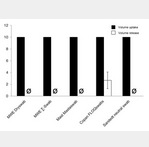
Screen shot 2014-07-14 at 06.25PM, Jul 14Some Are More Equal – A Comparative Study on Swab Uptake and Release of Bacterial Suspensions – Philipp Warnke – PLOS ONE

“Highest amount of CFU release was detected for the MWE Dryswab in the unrestricted setting for both S. aureus and S. epidermidis with 1544 CFU and 553 CFU, respectively, lowest release for the Sarstedt neutral swab with 32 CFU and 17 CFU, respectively (p<0.001).”

Antibiotics, resistance, biofilms

Screen shot 2014-07-14 at 06.26PM, Jul 14Beta-Lactam Antibiotics Stimulate Biofilm Formation in Non-Typeable Haemophilus influenzae by Up-Regulating Carbohydrate Metabolism – Siva Wu – PLOS ONE

“When exposed to sub-inhibitory concentrations of beta-lactam antibiotics NTHi strains produced tightly packed biofilms with decreased numbers of culturable bacteria but increased biomass.”

General microbiology

Screen shot 2014-07-14 at 12.23PM, Jul 14Macromolecular networks and intelligence in microorganisms – Hans V. Westerhoff – Frontiers in Microbiology

“Here, we explore how macromolecular networks in microbes confer intelligent characteristics, such as memory, anticipation, adaptation and reflection and we review current understanding of how network organization reflects the type of intelligence required for the environments in which they were selected.”

Screen shot 2014-07-14 at 06.26PM, Jul 14 1The syndemics of childhood diarrhoea: A biosocial perspective on efforts to combat global inequities in diarrhoea-related morbidity and mortality – Nicola Bulled – Global Public Health

“Drawing from available literature, this paper uses syndemic theory to explore the role of adverse biosocial interactions in increasing the total disease burden of enteric infections in low-resources populations and assesses the limitations of recent global calls to action.”

Bacteria in the news

Screen shot 2014-07-14 at 06.19PM, Jul 14We Are Our Bacteria – Jane E. Brody – New York Times (illustration by Ken Orvidas)

“We may think of ourselves as just human, but we’re really a mass of microorganisms housed in a human shell.”

Screen shot 2014-07-14 at 06.27PM, Jul 14#BacteriaHysteria : Gross! Lots of bacteria found on new swimsuits – Jane Weaver – Today Health

“The removable liner in women’s swimsuits that is meant to protect the fabric from our cooties isn’t really protective after all, according to a microbe researcher. “

Screen shot 2014-07-14 at 06.28PM, Jul 14Milford hospital enlists robots in war against infections – Mary MacDonald – Boston Globe

“The robots, made by Xenex Disinfection Services, use an intense flash of ultraviolet light to fight the bacteria, viruses, fungi, and other micro-organisms that traditional cleaning methods can miss, according to the hospital’s infection control staff.”

Screen shot 2014-07-14 at 06.29PM, Jul 14CDC Cracks Down on Labs After Anthrax, Bird Flu Scares – Jonel Aleccia – NBC News

“Dr. Tom Frieden, director of the Centers for Disease Control and Prevention, on Friday announced an immediate moratorium on all shipments of biological materials from CDC biosecurity level 3 and level 4 labs until problems are addressed.”

Marine Mammals

Screen shot 2014-07-14 at 06.29PM, Jul 14 1How Dolphins’ Genetics Could Help Find Answers Into Mysterious Animal Die-Off – Sascha Cordner – WFSU

“A discovery into dolphin genetics may have brought research scientists one step closer to finding out the source of a mysterious animal die-off last year in the troubled Indian River Lagoon.”

Science and publishing

Screen shot 2014-07-14 at 12.45PM, Jul 14Retractions are coming thick and fast: it’s time for publishers to act – Adam Marcus and Ivan Oransky – The Guardian

Another encouraging development is the rise of post-publication peer review, which has been made possible in recent years by the availability of papers online. Contributors to PubPeer, for example, have found signs of flawed or falsified results, leading to papers being retracted.”

Dr. Bik’s Picks

Screen shot 2014-07-14 at 06.34PM, Jul 14Whole genome and exome sequencing of monozygotic twins discordant for Crohn’s disease – Britt-Sabina Petersen – BMC Genomics

“We present a thorough genetic characterization of the sequenced individuals but detected no consistent differences within the twin pairs. “

Screen shot 2014-07-14 at 06.32PM, Jul 14How much science is there in new Planet of the Apes film? – Paul Rincon – BBC Science

“The latest instalment in the Planet of the Apes film franchise opens in the US on Friday. The rubber masks of the 60s and 70s films have been discarded in favour of motion capture suits and CGI. But how much did science inform the new movie’s portrayal of our close relatives?”

Screen shot 2014-07-14 at 06.31PM, Jul 14Domestication syndrome: White patches, baby faces and tameness explained by mild neural crest deficits – Science Daily

“Compared to their wild ancestors, domestic species are more tame, and they also tend to display a suite of other characteristic features, including floppier ears, patches of white fur, and more juvenile faces with smaller jaws.”


[hr]

Microbiome and general science digest, July 11

Most recent results from American gut, a metagenomics pipeline, arsenic toxicity, polio and dengue vaccines, and pregnancy urine metabolomics to predict preterm birth.

Human gut microbiome

American GutAmerican Gut releases latest results and pipeline – Jeff Leach – American Gut

“The latest American Gut results are out and we’re very excited to share them with the American Gut community. We now have sequencing and analysis data from 3,238 participants, and as of today, this data equates to 101 million DNA sequences and 27 gigabytes of sequencing information.”

Screen shot 2014-07-11 at 04.27PM, Jul 11Place of upbringing in early childhood as related to inflammatory bowel diseases in adulthood: a population-based cohort study in Northern Europe – Signe Timm – European Journal of Epidemiology

“This study suggests a protective effect from livestock farm living in early childhood on the occurrence of IBD in adulthood, however only among subjects born after 1952. We speculate that lower microbial diversity is an explanation for the findings.”

Pregnancy and birth

Urinary pretermUrinary metabolic profiles in early pregnancy are associated with preterm birth and fetal growth restriction in the Rhea mother–child cohort study – Léa Maitre – BMC Medicine

“Here we used an exploratory metabolic profiling approach (metabolomics) to investigate the association between birth outcomes and metabolites in maternal urine collected early in pregnancy as part of the prospective mother–child cohort Rhea study. “

Metagenomics

MedusaMetagenomic Data Utilization and Analysis (MEDUSA) and Construction of a Global Gut Microbial Gene Catalogue – Fredrik H. Karlsson, Intawat Nookaew, Jens Nielsen – PLOS Computational Biology

“Here we present the bioinformatics pipeline MEDUSA that facilitates analysis of metagenomic reads at the gene and taxonomic level. We also constructed a global human gut microbial gene catalogue by combining data from 4 studies spanning 3 continents. “

Proteomics

Proteomics Staph aureusGenomics and Proteomics Provide New Insight into the Commensal and Pathogenic Lifestyles of Bovine and Human-associated Staphylococcus epidermidis strains – Kirsi Savijoki – Journal of Proteome Research

“Pilot experimental infection studies indicated that while ATCC12228 was able to infect bovine host, the PM221 strain caused more severe clinical signs. “

Dengue

Demanou DengueEvidence of Dengue Virus Transmission and Factors Associated with the Presence of Anti-Dengue Virus Antibodies in Humans in Three Major Towns in Cameroon – Maurice Demanou – PLOS Neglected Tropical Diseases

“Sera were screened for anti-dengue virus IgG and IgM antibodies. Risk factors of seropositivity were tested using logistic regression methods with random effects.”

Carrasco DenguePredictive Tools for Severe Dengue Conforming to World Health Organization 2009 Criteria – Luis R. Carrasco – PLOS Neglected Tropical Diseases

“Higher risk of severe dengue (SD) was associated with female gender, lower than normal hematocrit level, abdominal distension, vomiting and fever on admission. “

Infection and host response

Screen shot 2014-07-11 at 03.35PM, Jul 11Development of Fatal Intestinal Inflammation in MyD88 Deficient Mice Co-infected with Helminth and Bacterial Enteropathogens – Libo Su – PLOS Neglected Tropical Diseases

“We found that MyD88 knockout mice co-infected with H. polygyrus and C. rodentium developed more severe intestinal inflammation and elevated mortality compared to the wild-type mice.”‘

Screen shot 2014-07-11 at 04.28PM, Jul 11Distinct Lipid A Moieties Contribute to Pathogen-Induced Site-Specific Vascular Inflammation – Connie Slocum – PLOS Pathogens

“our results point to a pivotal role for activation of the non-canonical inflammasome in P. gingivalis infection and demonstrate that P. gingivalis evades immune detection at TLR4 facilitating chronic inflammation in the vasculature. “

Dengue

Dengue vaccine lancetClinical efficacy and safety of a novel tetravalent dengue vaccine in healthy children in Asia: a phase 3, randomised, observer-masked, placebo-controlled trial – Maria Rosario Capeding – The Lancet

“Our findings show that dengue vaccine is efficacious when given as three injections at months 0, 6, and 12 to children aged 2–14 years in endemic areas in Asia, and has a good safety profile. “

Also see comment: Dengue vaccines: dawning at last? – Annelies Wilder-Smith – The Lancet

Poliovirus

Jacob John polioEffect of a single inactivated poliovirus vaccine dose on intestinal immunity against poliovirus in children previously given oral vaccine: an open-label, randomised controlled trial – Jacob John – The Lancet

“The substantial boost in intestinal immunity conferred by a supplementary dose of IPV given to children younger than 5 years who had previously received OPV shows a potential role for this vaccine in immunisation activities to accelerate eradication and prevent outbreaks of poliomyelitis.”

Also see comment: Polio endgame management: focusing on performance with or without inactivated poliovirus vaccine – Kimberly M Thompson – The Lancet

Microbes in the News

Screen shot 2014-07-11 at 04.28PM, Jul 11 1How Gross Is Your Phone? A Motherboard Science Experiment – Jason Koebler – Motherboard

“All I wanted to do was recreate a relatively simple study I had just written about. Instead, I ended up creating something vaguely dangerous, which mortified the director of a local DIY biology lab. Here’s what happens when you perform experiments on your coworkers.”

Arsenic metabolism

Screen shot 2014-07-11 at 04.29PM, Jul 11Lung tumors in mice induced by “whole-life” inorganic arsenic exposure at human-relevant doses – Michael P. Waalkes – Archives of Toxicology

“Breeder male and female CD1 mice were exposed to 0, 50, 500 or 5,000 ppb arsenic (as sodium arsenite) in the drinking water for 3 weeks prior to breeding, during pregnancy and lactation, and after weaning (at week 3) groups of male and female offspring (initial n = 40) were exposed for up to 2 years.”

Dr. Bik’s Picks

Scorpions are master architects, according to new research – Science Daily

“The burrows made by scorpions follow a very sophisticated design, beginning with a short, vertical entrance shaft that flattened out a few centimeters below the surface into a horizontal platform, new research has found.”

Beach Sand Used To Make A Battery That Lasts Three Times Longer – Douglas Main – Popular Science

“Sink your toes into this: Beach sand can be used to make lithium-ion batteries that last three times longer than current models, according to a study published in the journal Scientific Reports.”

World Now “A Safer Place”, thanks to creation of Potential Pandemic Virus – The Allium

“Yes, I get your point that they could potentially kill millions of people and hospitalise millions more, causing untold human suffering and extraordinary economic damage, but think of all the advantages to the creation of these bugs”.

[hr]

General microbiology and science, July 9

Transcriptomic and proteomic analysis of Dengue infection,  bacteria that can tolerate arsenate, and -shocking!- bacteria on elevator buttons.

Dengue

Monocyte-Plasmablast Crosstalk during Dengue – Angela M. Green, Eva Harris – Cell Host & Microbe

“In this issue, Kwissa et al. (2014) begin with transcriptomic analysis and then integrate studies in human clinical samples, nonhuman primates, and coculture of primary human cells to identify a role for CD14+CD16+ monocytes in generating plasmablast responses during dengue virus infection.”

Screen Shot 2014-07-09 at 10.24.23 PMBelongs to: Dengue Virus Infection Induces Expansion of a CD14+CD16+ Monocyte Population that Stimulates Plasmablast Differentiation – Marcin Kwissa – Cell Host & Microbe

“Transcriptomic analysis of whole blood revealed that genes encoding proinflammatory mediators and type I interferon-related proteins were associated with high DENV levels during initial symptomatic disease.”

Screen Shot 2014-07-09 at 10.25.06 PMQuantitative proteomic analysis of Huh-7 cells infected with Dengue virus by label-free LC–MS – Victoria Pando-Robles – Journal of Proteomics

“In order to gain a better reading of the cross talk between virus and host cell proteins, we used a proteomics approach to analyze the host response to DENV infection in a hepatic cell line Huh-7.”

Dengue hemorrhagic fever: Comparison of patients with primary and secondary infections – Muhammad Khurram – Journal of Infection and Public Health

“The two Groups were compared for statistically significant association in terms of age, gender, laboratory parameter (at admission hematocrit [HCT], platelet, white blood cell [WBC] counts, alanine aminotransferase [ALT] value), severity (DHF or dengue shock syndrome), and outcome (recovered or expired).”

Comments on the clinical and laboratory characteristics of patients with dengue hemorrhagic fever manifestations and their transfusion profile – Romélia Pinheiro Gonçalves Lemes – Revista Brasileira de Hematologia e Hemoterapia

Belongs to: Clinical and laboratory characteristics of patients with dengue hemorrhagic fever manifestations and their transfusion profile – Denys Eiti Fujimoto – Revista Brasileira de Hematologia e Hemoterapia

“A retrospective descriptive study was performed to analyze the distribution of relative frequencies of clinical and laboratory variables. The study was carried out in Rio Branco with confirmed dengue fever cases.”

Viruses and phages

Viruses as new agentsViruses as new agents of organomineralization in the geological record – Muriel Pacton – Nature Communications

“Here we use contextual metagenomic data and microscopic analyses to show that viruses occur in high diversity within a modern lacustrine microbial mat, and vastly outnumber prokaryotes and other components of the microbial mat.”

Screen Shot 2014-07-09 at 10.30.33 PMReview: Exploiting gut bacteriophages for human health – Marion Dalmasso – Trends in Microbiology

“Individual phageomes vary depending on age and health, thus providing a useful biomarker of human health as well as suggesting potential interventions targeted at the gut microbiota.”

Through the looking glass: witnessing host–virus interplay in zebrafish – Jean-Pierre Levraud – Trends in Microbiology

“Besides traditional host models such as mice, the zebrafish offers an attractive cocktail of optical accessibility and genetic tractability, blended with a vertebrate-type immunity, where innate responses can easily be separated from adaptive ones.”

Antibiotics and resistance

Variable recombination dynamics during the emergence, transmission and ‘disarming’ of a multidrug-resistant pneumococcal clone – Nicholas J Croucher – BMC Biology

“Whole genome sequencing of an international collection of 189 isolates estimated that PMEN2 emerged around the late 1960s, developing resistance through multiple homologous recombinations and the acquisition of a Tn5253-type integrative and conjugative element (ICE). “

Arsenate metabolism

Screen Shot 2014-07-09 at 10.27.05 PMInfluence of an arsenate-reducing and polycyclic aromatic hydrocarbons-degrading Pseudomonas isolate on growth and arsenic accumulation in Pteris vittata L. and removal of phenanthrene – Tiancai Feng – International Biodeterioration & Biodegradation

“In this study, the effect of bacterial inoculation on plant growth and arsenic uptake by Pteris vittata and phenanthrene dissipation was investigated hydroponically using an arsenate-reducing and PAH-degrading Pseudomonas isolate. “

Screen Shot 2014-07-09 at 10.28.17 PMBrevibacillus sp. KUMAs2, a bacterial isolate for possible bioremediation of arsenic in rhizosphere – Ivy Mallick – Ecotoxicology and Environmental Safety

“As resistant property in KUMAs2 was found to be plasmid-borne, which carried both As oxidizing and reducing genes. The strain could promote chilli plant growth under As contaminated soil environment by decreasing As accumulation in plant upon successful colonization in the rhizosphere, which suggests the possibility of using this isolate for successful bioremediation of As in the crop field.”

Infection and host response

Influenza Promotes Pneumococcal Growth during Coinfection by Providing Host Sialylated Substrates as a Nutrient Source – Steven J. Siegel – Cell Host & Microbe

“We find that prior influenza infection enhances pneumococcal colonization of the murine nasopharynx, which in turn promotes bacterial spread to the lungs. “

Microbes in the news

Bacteria Could Provide A Powerful New Way To Fight Fat And Depression – Lauren F. Friedman – Business Insider

“With increased understanding of these tiny organisms, we might just be able to coax them to do our bidding, giving us unprecedented control over human health.”

Screen Shot 2014-07-09 at 10.28.38 PMHospital elevator buttons coated with more bacteria than bathroom surfaces – Helen Branswell – Canadian Press

“You might want to use an elbow to push the elevator button the next time you are in a hospital.”

Screen Shot 2014-07-09 at 10.27.35 PMBelongs to: Elevator buttons as unrecognized sources of bacterial colonization in hospitals – Christopher E Kandel – Open Medicine

“Elevator buttons had a higher prevalence of colonization than toilet surfaces (61% v. 43%, p = 0.008).”

Science and Art

Screen Shot 2014-07-09 at 10.26.17 PMIntricate bacteria sculptures painstakingly hand-cut from paper – Chris Higgins – Wired

“Among the microbes Brown studied in preparation for the undertaking, which took four months overall (one to draw, two to hand cut and one to piece them together) are proteus bacteria, Escherichia coli, salmonella, hyphae, Spirillum volutans and Vibrio cholerae.”

Science, publishing and ethics

Not all plagiarism requires a retraction – Praveen Chaddah – Nature

“The ease with which large chunks of text can be digitally scanned and compared with what has previously been published has produced a new breed of academic watchdog”

Dr. Bik’s Picks

Screen Shot 2014-07-09 at 10.35.00 PMAncient arachnid brought ‘back to life’: Video recreates 410-million-year-old animal walking – Science Daily

Scientists have recreated the walking gait of a 410-million-year-old arachnid, one of the first predators on land, based on fossil evidence. The scientists used the fossils — thin slices of rock showing the animal’s cross-section — to work out the range of motion in the limbs of this ancient, extinct early relative of the spiders.”

Screen Shot 2014-07-09 at 10.25.41 PM

Venus, the Chimera Cat: Venus the cat appears to have 2 faces – WSAV

“The left side of Venus’ face is black with a green eye, the right side of her face has orange tabby cat markings with a striking blue eye. “

[hr]

Human microbiome, July 9

Microbiome in pediatric Crohn’s disease patients, tipping elements in the human intestinal ecosystem, and oral microbes in the respiratory tract of carcinoma patients.

Gut microbiome

Crohn diseasePediatric Crohn disease patients exhibit specific ileal transcriptome and microbiome signature – Yael Haberman – Journal of Clinical Investigation

“Here, we characterized the global pattern of ileal gene expression and the ileal microbial community in 359 treatment-naive pediatric patients with CD, patients with ulcerative colitis (UC), and control individuals. “

Tipping elementsTipping elements in the human intestinal ecosystem – Leo Lahti – Nature Communications

“Here, based on a deep phylogenetic analysis of the intestinal microbiota in a thousand western adults, we identify groups of bacteria that exhibit robust bistable abundance distributions. These bacteria are either abundant or nearly absent in most individuals, and exhibit decreased temporal stability at the intermediate abundance range. “

Respiratory microbiome

Detection and identification of oral anaerobes in intraoperative bronchial fluids of patients with pulmonary carcinoma – Ayako Hasegawa – Microbiology & Immunology

“This study aimed to quantify and identify bacteria in intraoperative bronchial fluids and to evaluate the relationship between impairment of cough/swallowing reflexes and silent aspiration of oral bacteria in elderly patients. “

A large genomic island allows Neisseria meningitidis to utilize propionic acid, with implications for colonization of the human nasopharynx – Maria Chiara E. Catenazzi – Microbiology & Immunology

“This genomic island is absent from the close relative of N. meningitidis, the commensal Neisseria lactamica, which chiefly colonizes infants not adults. “

Animal models of microbiome and disease

Microbiota-Driven Immune Cellular Maturation Is Essential for Antibody-Mediated Adaptive Immunity to Staphylococcus aureus Infection in the Eye – Tanweer Zaidi – Infection and Immunity

“ In germfree mice, there was no protective efficacy of antibody to PNAG due to the lack of LY6G+ inflammatory cell coeffector recruitment to the cornea.”

[hr]

General microbiology and science digest, July 2

Genome assembly, metabolomics of Salmonella infection, a brief history of women in science (but in Nature!), and Nature’s retraction of the STAP papers.

Metagenomics

Screen Shot 2014-07-02 at 10.13.28 PMBayesian Genome Assembly and Assessment by Markov Chain Monte Carlo Sampling – Mark Howison – PLOS ONE

“We present a Markov chain Monte Carlo approach to sequence assembly that instead generates distributions of assembly hypotheses with posterior probabilities, providing an explicit statistical framework for evaluating alternative hypotheses and assessing assembly uncertainty. “

Infection and host response

Screen Shot 2014-07-02 at 10.14.12 PMSalmonella Typhi and Salmonella Paratyphi – A elaborate distinct systemic metabolite signatures during enteric fever – Elin Näsström – eLife

“To investigate metabolite signals associated with enteric fever we performed two dimensional gas chromatography with time-of-flight mass spectrometry (GCxGC/TOFMS) on plasma from patients with S. Typhi and S. Paratyphi A infections and asymptomatic controls, identifying 695 individual metabolite peaks.”

and: Host-pathogen interactions: Honing in on enteric fever – Lyle R McKinnon, Quarraisha Abdool Karim – eLife

“The use of metabolomics could lead to improved diagnostics for enteric fever. “

Screen Shot 2014-07-02 at 10.14.58 PMHuman Genetic Variation and Yellow Fever Mortality during 19th Century U.S. Epidemics – Lauren E Blake, Mariano A Garcia-Blanco – mBio

“Caucasians diagnosed with YF were 6.8 times more likely to succumb than non-Caucasians with the disease. No other major causes of death during the 19th century demonstrated a similar mortality skew toward Caucasians. “

Bacterial and viral detection in clinical samples

Screen Shot 2014-07-02 at 10.15.58 PMThe Microbial Detection Array for Detection of Emerging Viruses in Clinical Samples – A Useful Panmicrobial Diagnostic Tool – Maiken W. Rosenstierne – PLOS ONE

“We report a modified Whole Transcriptome Amplification (WTA) method that increases unbiased amplification, particular of RNA viruses.”

The Sooner, The Better – Nicholette Zeliadt – The Scientist

“New approaches to diagnosing bacterial infections may one day allow the identification of pathogens and their antibiotic susceptibility in a matter of hours or minutes.”

Screen Shot 2014-07-02 at 10.16.45 PMReview: Biosensors for Whole-Cell Bacterial Detection – Asif Ahmed – Clinical Microbiology Reviews

” In this review, we discuss recent progress in the use of biosensors for the detection of whole bacterial cells for sensitive and earlier identification of bacteria without the need for sample processing.”

Screen Shot 2014-07-02 at 10.17.23 PMIsolation of Microorganisms Using Sub-Micrometer Constrictions – Nil Tandogan – PLOS ONE

“We present an automated method for isolating pure bacterial cultures from samples containing multiple species that exploits the cell’s own physiology to perform the separation.”

Phages and viruses

Screen Shot 2014-07-02 at 10.18.17 PMFour Escherichia coli O157:H7 Phages: A New Bacteriophage Genus and Taxonomic Classification of T1-Like Phages – Yan D. Niu – PLOS ONE

“Comparative genomic, proteomic and phylogenetic analysis suggested that the four phages along with 17 T1-like phage genomes from database of National Center for Biotechnology Information (NCBI) can be assigned into a proposed subfamily “Tunavirinae” with further classification into five genera”

Dengue

Screen Shot 2014-07-02 at 10.18.45 PMClinical and Virological Descriptive Study in the 2011 Outbreak of Dengue in the Amazonas, Brazil – Valquiria do Carmo Alves Martins – PLOS ONE

“The aim of the study was to describe the clinical epidemiology of dengue in Manaus, the capital city of the state of the Amazonas, where all the four DENV serotypes were co-circulating simultaneously.”

Phylogeny and taxonomy

Screen Shot 2014-07-02 at 10.12.14 PMComparative Genomics of the Bacterial Genus Streptococcus Illuminates Evolutionary Implications of Species Groups – Xiao-Yang Gao – PLOS ONE

“We use comparative genomic approaches to yield a better understanding of the evolution of Streptococcus through genome dynamics, population structure, phylogenies and virulence factor distribution of species groups. “

Screen Shot 2014-07-02 at 10.12.46 PMLivestock-Associated MRSA Carriage in Patients without Direct Contact with Livestock – Miranda M. L. van Rijen – PLOS ONE

“Fifty-six individuals (20.7%) without animal contact carried MC398. In hospitals with high pig-densities in the adherence area, the proportion of MC398 of all MUO was higher than this proportion in hospitals without pigs in the surroundings.”

 Arsenic metabolism

Screen Shot 2014-07-02 at 10.02.56 PMMichigan’s arsenic problem is among the worst in the nation. Here’s why that matters – Rebecca Williams – Michigan Radio

“If you’re on city water, your drinking water has to comply with a federal regulation that limits the amount of arsenic in it, but if you’re on a private well, the federal and state governments do not limit the amount of arsenic in your well.”

Women in Science

Screen Shot 2014-07-02 at 9.59.45 PMWomen in science: A temporary liberation – Patricia Fara – Nature

“The First World War ushered women into laboratories and factories. In Britain, it may have won them the vote, argues Patricia Fara, but not the battle for equality.”

Science and Ethics

Nature Editorial: STAP retracted – Nature

“This week, Nature publishes retractions of two high-profile papers that claimed a major advance in the field of stem cells… We — research funders, research practitioners, institutions and journals — need to put quality assurance and laboratory professionalism ever higher on our agendas, to ensure that the money entrusted by governments is not squandered, and that citizens’ trust in science is not betrayed.”

Dr. Bik’s Picks

Screen Shot 2014-07-02 at 10.11.31 PMPLOS ONE Publishes its 100,000th Article – Damian Pattinson – PLOS Blogs

“PLOS ONE publishes its 100,000th article – a pretty major milestone for a journal that has seen its fair share of momentous events, and a perfect opportunity to reflect on this journey.”

Screen Shot 2014-07-02 at 10.08.37 PMLeprosy, Still Claiming Victims – Natalie Angier, New York Times

““I’m absolutely convinced that leprosy must be thought of as a genetic disease as well as an infectious one,” Dr. Schurr said. In the end, he added wryly, “understanding it may help cure diseases of rich people, too.””

[hr]

General microbiome and science, June 30

Monday is always a busy day, so lots of papers today. Phages, CRISPRs, antibiotic resistance, probiotics, archaea, biofilms and a Goldilocks planet.

Antibiotics and resistance

Horizontal gene transfer in the human gastrointestinal tract: potential spread of antibiotic resistance genes – JR Huddleston – Infection and Drug Resistance

“This review aims to give an overview of the major horizontal transfer mechanisms and their evolution and then demonstrate the human lower gastrointestinal tract as an environment in which horizontal gene transfer of resistance determinants occurs.”

Screen shot 2014-06-30 at 06.47PM, Jun 30Bacterial persisters: formation, eradication, and experimental systems
Sophie Helaine, Elisabeth Kugelberg – Trends in Microbiology

“Toxin–antitoxin (TA) modules have an important role in the formation of persisters and several studies show that they can form in response to different triggers.”

Screen shot 2014-06-30 at 06.48PM, Jun 30Antibiotic Treatment Suppresses Rotavirus Infection and Enhances Specific Humoral Immunity – Robin Uchiyama – Journal of Infectious Diseases

“Microbiota ablation resulted in reduced rotavirus infection/diarrhea and a more durable rotavirus antibody response, suggesting that antibiotic administration before rotavirus vaccination could raise low seroconversion rates that correlate with the vaccine’s inefficacy in developing regions.”

And:  Antibiotics Help Control Rotavirus Infections and Enhance Antirotaviral Immunity: Are You Serious? – Luther A. Bartelt and Richard L. Guerrant – Journal of Infectious Diseases

“Yes, we must understand intriguing new findings; but no, we are far from serious about widespread use of antimicrobials with routine immunizations.”

Screen shot 2014-06-30 at 06.44PM, Jun 30Transferrin Iron Starvation Therapy for Lethal Bacterial and Fungal Infections – Lin Lin – Journal of Infectious Diseases

“These results provide proof of principle that bacterial infections can be treated in vivo by attacking host targets (ie, trace metal availability) rather than microbial targets.”

Bacterial detection in blood and other sites

Screen shot 2014-06-30 at 06.45PM, Jun 30Identification of pathogens from blood culture bottles in spiked and clinical samples using matrix-assisted laser desorption ionization time-of-flight mass-spectrometry analysis – Simone Konnerth – BMC Research Notes

“MALDI-TOF MS using the SARAMIS database was applied to 37 spiked blood culture samples. Identification rates of spiked samples were as follows: The species level was determined in 16 of 21 (76.2%) Gram negative bacteria and in 11 of 13 (84.6%) Gram positive bacteria. “

Infection and host response

Type I and III Interferon Production in Response to RNA Viruses – Elizabeth Reid and Bryan Charleston – Journal of Interferon & Cytokine Research

“There are now many examples of RNA viruses inducing type I and type III IFNs, and although these IFNs act through different receptors, in many systems studied, they induce a similar spectrum of genes. “

CRISPRs

Screen shot 2014-06-30 at 06.50PM, Jun 30Review: Adapting to new threats: the generation of memory by CRISPR-Cas immune systems – Robert Heler – Molecular Microbiology

“Recent studies have begun to elucidate the genetic requirements for adaptation and have demonstrated that rather than being a stochastic process, the selection of new spacers is influenced by several factors. We review here our current knowledge of the CRISPR adaptation mechanism”

Screen shot 2014-06-30 at 06.53PM, Jun 30The three major types of CRISPR-Cas systems function independently in CRISPR RNA biogenesis in Streptococcus thermophilus – Jason Carte – Molecular Microbiology

“Our findings indicate that multiple CRISPR-Cas systems can function independently in crRNA biogenesis within a given organism – an important consideration in engineering coexisting CRISPR-Cas pathways”

Viruses and phages

Screen shot 2014-06-30 at 06.53PM, Jun 30Exploiting gut bacteriophages for human health – Marion Dalmasso – Trends in Microbiology

“We emphasise the complexity and individuality of the phageome, and the link to the health state of the host. We highlight the practical applications of bacteriophages in medicine and in the food chain.”

Screen shot 2014-06-30 at 06.52PM, Jun 30Environmental bacteriophages : viruses of microbes in aquatic ecosystems – Télesphore Sime – Ngando – Frontiers in Microbiology

“The present chapter sought to review the literature on the diversity and functional roles of viruses of microbes in environmental microbiology, focusing primarily on prokaryotic viruses (i.e. phages) in aquatic ecosystems, which form the bulk of our knowledge in modern environmental viral ecology.”

Archaea

Screen shot 2014-06-30 at 06.55PM, Jun 30Taxonomic database and cut-off value for processing mcrA gene 454 pyrosequencing data by MOTHUR – Sizhong Yang – Journal of Microbiological Methods

“The functional mcrA gene of methanogens can generate phylogeny as congruent as the 16S rRNA gene phylogeny. “

Screen shot 2014-06-30 at 06.59PM, Jun 30Biofilm formation of mucosa-associated methanoarchaeal strains
Corinna Bang – Frontiers in Microbiology

“Here, the ability of three methanoarchaeal strains, Methanobrevibacter smithii and Methanosphaera stadtmanae, which form part of the human gut microbiota, and the Methanosarcina mazei strain Gö1 to grow on different surfaces and form biofilms was investigated.”

Biofilms (see also Archaea above and Probiotics below)

Screen shot 2014-06-30 at 07.02PM, Jun 30Development of an in vitro periodontal biofilm model for assessing antimicrobial and host modulatory effects of bioactive molecules
Emma Millhouse – BMC Oral Health

Multi-species biofilms were either treated with either molecule, or alternatively epithelial cells were treated with these prior to biofilm co-culture. Biofilm composition was evaluated and inflammatory responses quantified at a transcriptional and protein level.

Probiotics

Screen shot 2014-06-30 at 06.43PM, Jun 30Review: Enumeration of probiotic strains: Review of culture-dependent and alternative techniques to quantify viable bacteria – Catherine Davis – Journal of Microbiological Methods

“Consensus on an operational definition of viability and systematic efforts to validate these alternative techniques ultimately will strengthen the accuracy and reliability of probiotic strain enumeration.”

Inhibitory effect of Lactobacillus salivarius on Streptococcus mutans biofilm formation
Chien-Chen Wu – Molecular Oral Microbiology

“We analyzed 64 L. salivarius strains and found that two, K35 and K43, significantly inhibited S. mutans biofilm formation with inhibitory activities more pronounced than those of Lactobacillus rhamnosus GG (LGG), a prototypical probiotic that shows anti-caries activity.

General taxonomy and phylogeny

Screen shot 2014-06-30 at 07.04PM, Jun 30Considering external information to improve the phylogenetic comparison of microbial communities: a new approach based on constrained Double Principal Coordinates Analysis (cDPCoA) – S Dray – Molecular Ecology Resources

“In this work, we extend DPCoA to integrate the information of external variables measured on communities. The constrained Double Principal Coordinates Analysis (cDPCoA) is able to enforce a priori classifications to retrieve subtle differences and(or) remove the effect of confounding factors. “

Screen shot 2014-06-30 at 06.43PM, Jun 30Understanding molecular identification and polyphasic taxonomic approaches for genetic relatedness and phylogenetic relationships of microorganisms – Surajit Das – Journal of Microbiological Methods

“In this regard, a polyphasic taxonomic approach is advantageous because it exploits simultaneously both conventional as well as molecular identification techniques.”

Metabolomics

Screen shot 2014-06-30 at 07.01PM, Jun 30Nutrient sharing in the microbial world – Erica C. Seth and Michiko E. Taga – Frontiers in Microbiology

“Cofactor cross-feeding can contribute to both the health and nutrition of a host organism, the virulence and persistence of pathogens, and the composition and function of environmental communities. “

Metagenomics

Combination of Metagenomics and Culture Based Methods to Study the Interaction Between Ochratoxin A and Gut Microbiota – Mingzhang Guo – Toxicological Sciences

“Changes in functional genes of gut microbiota including signal transduction, carbohydrate transport, transposase, amino acid transport system and mismatch repair were observed.”

Chromosomal organization

NuChart-II: a graph-based approach for the analysis and interpretation of Hi-C data (PDF) – Fabio Tordini – Proceedings of the CIBB 2014

“NuChart-II is a highly optimized implementation of a previous prototype package developed in R, in which the graph-based representation of Hi-C data was tested, but that also showed inevitable problems of scalability while working genome-wide on large datasets.”

Science and education

Screen shot 2014-06-30 at 06.58PM, Jun 30Starting small: using microbiology to foster scientific literacy
Amy F. Savage, Brooke A. Jude – Trends in Microbiology

“In order to achieve scientific literacy for all students, Bard College recently implemented Citizen Science, a common January course for all first-year students. Structured around the question ‘how do we reduce the global burden of disease?’, this course uses microbiological tools to develop an understanding of potential answers.”


Dr. Bik’s Picks

Screen Shot 2014-07-01 at 12.06.17 AMBird brains: Public asked to look out for clever rooks – Victoria Gill – BBC News

“The British Trust for Ornithology (BTO) is asking the public to take part in a national survey of bird intelligence. From 1 July, the charity is asking people to submit video clips or descriptions of the behaviour or rooks – some of our cleverest garden birds.”

Screen Shot 2014-07-01 at 12.06.52 AMPotentially habitable Earth-like planet discovered; May have similar temperatures to our planet – Science Daily

“A potentially habitable Earth-like planet that is only 16 light years away has been discovered. The “super-Earth” planet, GJ 832 c, takes 16 days to orbit its red-dwarf star, GJ 832, and has a mass at least five times that of Earth.”

Screen Shot 2014-07-01 at 12.07.35 AMStudy Implicates Smog In Autism And Schizophrenia – Science 2.0

“A recent paper found that exposure to air pollution early in life produces harmful changes in the brains of mice, including an enlargement of part of the brain that is seen in humans who have autism and schizophrenia, and that led them to conclude that smog causes autism.”

[hr]

General microbiology and science, June 26

Detection of bacteria in blood cultures, detection of fungi with mass spectrometry, metagenomics, and humans influencing microbes. And the Picks.

Detection of bacteria in clinical sites

Pediatric Multicenter Evaluation of the Verigene Gram-Negative Blood Culture Test for Rapid Detection of Inpatient Bacteremia Involving Gram-Negative Organisms, Extended-Spectrum Beta-Lactamases, and Carbapenemases – K. V. Sullivan – Journal of Clinical Microbiology

“We evaluated the investigational use only (IUO) version of the rapid Verigene Gram-negative blood culture test (BC-GN), a microarray that detects 9 genus/species targets “

Evaluation of Three Rapid Diagnostic Methods for Direct Identification of Microorganisms in Positive Blood Cultures – Raquel M. Martinez – Journal of Clinical Microbiology

“A total of 159 blood cultures (VersaTREK Trek Diagnostic Systems, Cleveland, OH) positive for Gram-positive and Gram-negative bacteria as well as yeast were analyzed with QuickFISH and MALDI-TOF MS. In all, 102 blood cultures were analyzed using the BC-GP assay.”

Fungal detection

Screen Shot 2014-06-26 at 10.12.46 PMAccuracy of Matrix-Assisted Laser Desorption Ionization–Time of Flight Mass Spectrometry for Identification of Clinical Pathogenic Fungi: a Meta-Analysis – Huazhi Ling – Journal of Clinical Microbiology

Metagenomics

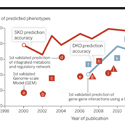
Screen Shot 2014-06-26 at 10.13.18 PMPredicting microbial growth – Jonathan Monk, Bernhard O. Palsson – Science

“This detailed biochemical information can be converted into a computational model—a genome-scale model, or GEM (1)—that allows phenotypic functions to be predicted. Both environmental and genetic parameters are explicitly accounted for in GEMs, enabling increasingly accurate predictions of the genotype-phenotype relationship in a given environment.”

Screen Shot 2014-06-26 at 10.11.58 PMBeyond the Chromosome: The Prevalence of Unique Extra-Chromosomal Bacteriophages with Integrated Virulence Genes in Pathogenic Staphylococcus aureus – Bryan Utter – PLOS ONE

“We selectively enriched and sequenced extra-chromosomal DNA from S. aureus isolates using Roche-454 technology and uncovered evidence for the widespread distribution of multiple extra-chromosomal prophages (ExPΦs) throughout both antibiotic-sensitive and -resistant strains. “

Antibiotic resistance

Screen Shot 2014-06-26 at 10.14.32 PMNext-Generation Sequencing for Typing and Detection of Resistance Genes: Performance of a New Commercial Method during an Outbreak of Extended-Spectrum-Beta-Lactamase-Producing Escherichia coli – J. Veenemans – Journal of Clinical Microbiology

“We evaluated the performance of a new NGS assay (Hospital Acquired Infection BioDetection System; Pathogenica) during an outbreak of sequence type 131 (ST131) Escherichia coli infections in a nursing home in The Netherlands.”

General microbiology

Screen Shot 2014-06-26 at 10.15.15 PMAspergillomarasmine A overcomes metallo-β-lactamase antibiotic resistance – Andrew M. King – Nature

“Here we have identified a fungal natural product, aspergillomarasmine A (AMA), that is a rapid and potent inhibitor of the NDM-1 enzyme and another clinically relevant MBL, VIM-2. AMA also fully restored the activity of meropenem against Enterobacteriaceae, Acinetobacter spp. and Pseudomonas spp. possessing either VIM or NDM-type alleles.”

Screen Shot 2014-06-26 at 10.13.55 PMMicrobiology of the Anthropocene – Michael R. Gillings, Ian T. Paulsen – Anthropocene

“Recent advances in microbial genomics and ecology show that human perturbations to microbial populations correspond closely to the proposed phases of the Anthropocene: the ‘paleoanthropocene’ which began with the rise of agriculture; the industrial revolution, from the late 1700’s; and the ‘great acceleration’ from the 1950’s to the present day. “

Marine mammals

Retrospective Study of Etiologic Agents Associated with Nonsuppurative Meningoencephalitis in Stranded Cetaceans in the Canary Islands – Eva Sierra – Journal of Clinical Microbiology

” Six animals (5 striped dolphins and 1 common dolphin) showed IHC and/or molecular evidence of morbilliviral antigens and/or genomes, mainly in brain tissue. Conventional nested PCR detected herpesviral DNA in brain tissue samples from two striped dolphins”

Free Willy? Dolphin drama riles aquaria – David Grimm – Science

“This week, the Dolphin Research Center in Grassy Key, Florida, sent a letter to the National Aquarium stating that removing these animals from their current facilities would be bad for both science and public engagement. “

Dr. Bik’s Picks

Screen Shot 2014-06-26 at 10.33.00 PMFlower discrimination by pollinators in a dynamic chemical environment – Jeffrey A. Riffell – Science

“Here, we measured the plume from Datura wrightii flowers, a nectar resource for Manduca sexta moths, and show that the scent was dynamic and rapidly embedded among background odors.”

Screen Shot 2014-06-26 at 10.32.13 PMBig Data Is Complex, Cluster Analysis Can Make It A Little Simpler – Science 2.0

“Imagine having to identify all the cities in the world, without having access to a map. A huge task”, says Rodriguez. “We therefore identified a heuristic, that is, a simple rule or a sort of shortcut to achieve the result”.”

Goosebump sensor developed by Korean research team – Leo Kelion – BBC News

“It works by recording a drop in the sensor’s capacitance – its ability to store an electrical charge – caused by it being deformed by the buckling of the skin’s surface.”

Screen Shot 2014-06-26 at 10.33.56 PMChimps like listening to music with a different beat – Science Daily

“While preferring silence to music from the West, chimpanzees apparently like to listen to the different rhythms of music from Africa and India, according to new research published by the American Psychological Association.”

[hr]

Human microbiome, June 26

Mass spectrometry on Neanderthal poop – how cool is that? Then, nice article about fecal transplants, the Bristol Stool Chart Mug, role of bacteria in colon cancer, and Mycobacterium tuberculosis as a possible human symbiont.

Gut microbiome

Screen Shot 2014-06-26 at 10.22.55 PMThe Neanderthal Meal: A New Perspective Using Faecal Biomarkers – Ainara Sistiaga – PLOS ONE

“Our gas chromatography-mass spectrometry results from El Salt (Spain), a Middle Palaeolithic site dating to ca. 50,000 yr. BP, represents the oldest positive identification of human faecal matter.”

Screen Shot 2014-06-26 at 9.41.05 PM


I enjoyed reading this article. And not just because they mentioned one of our studies.
Getting to the Bottom of Fecal Transplants – Ricki Lewis – PLOS.org

“(…) babies’ bacteria were quite different at the outset, but by the end of the year, their communities resembled those in the adult digestive tract. And it was published right here at PLOS.”

41C8qjeUK2LWhich led me to the awesome The Bristol Stool Chart Mug – Amazon
Which I then ordered.


CRCFusobacterium and Enterobacteriaceae: Important players for CRC? – Emma Allen-Vercoea, Christian Jobin – Immunology Letters

“Not surprisingly, microbial dysbiosis is associated with numerous intestinal disorders including inflammatory bowel diseases (IBD) and colorectal cancer (CRC). In this piece, we will review recent evidence that gut microbial dysbiosis can influence intestinal disease, including colitis and CRC.”

Screen Shot 2014-06-26 at 9.45.42 PMPrevalence and Duration of Asymptomatic Clostridium difficile Carriage among Healthy Subjects in Pittsburgh, Pennsylvania – Alison L. Galdys – Journal of Clinical Microbiology

“The prevalence of C. difficile carriage in this healthy cohort is concordant with prior estimates. C. difficile-colonized individuals may be important reservoirs for C. difficile and may falsely test positive for infections due to C. difficile when evaluated for community-acquired diarrhea caused by other enteric pathogens.”

Blood sugar improves with first gastrointestinal microbiome modulator, NM504 – Science Daily

“The not-yet-named therapeutic, NM504, is the first in a new class of therapies known as GI microbiome modulators. “

Role of humanRole of human gut microbiota metabolism in the anti-inflammatory effect of traditionally used ellagitannin-rich plant materials – Jakub P. Piwowarski – Journal of Ethnopharmacology

“The formation of urolithins was determined by ex vivo incubation of human faecal samples with aqueous extracts from selected plant materials.”

Me and my microbiome – New Scientist

“Now there are claims that a truly villainous bacterium – Mycobacterium tuberculosis, which causes TB – is actually symbiotic and helped us evolve our large brains (see “ Eat meat TB brainy”). “

Eat meat TB brainy – Adrian Williams, Robin Dunbar – New Scientist

“The tuberculosis bacterium co-evolved with humans at least 70,000 years ago, and possibly a great deal earlier. Could chronic TB infections have originally been beneficial to human life? Did the pathogen act as a symbiont, supplying nicotinamide at times of meat deficiency?”

Animal models of human microbiota and disease

Screen Shot 2014-06-26 at 9.47.30 PMIncorporation of therapeutically modified bacteria into gut microbiota inhibits obesity – Zhongyi Chen – Journal of Clinical Investigation

“Here, we demonstrated that administration of engineered NAPE-expressing E. coli Nissle 1917 bacteria in drinking water for 8 weeks reduced the levels of obesity in mice fed a high-fat diet. “

[hr]