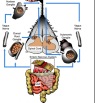
Human microbiome, June 30

Hypotheses about oral microbiota and disease, effect of rhinovirus infection on nasal microbiome,  the gut microbiome in children with diarrhea in low-income countries, primate vaginal microbiomes, and much more.

Oral microbiome (also see Probiotics and Biofilms in today’s General digest)

Screen Shot 2014-06-30 at 11.18.32 PMHistorical and contemporary hypotheses on the development of oral diseases: are we there yet? – Bob T. Rosier – Frontiers in Cellular and Infection Microbiology

“In this comprehensive review, we describe how these different hypotheses, and the ideas around them, arose and test their current applicability to the understanding of the development of oral disease. Finally, we conclude that an all-encompassing ecological hypothesis explaining the shifts from health to disease is still lacking.”

PeriodontitisThe inflammophilic character of the periodontitis-associated microbiota – George Hajishengallis – Molecular Oral Microbiology

“This Review discusses evidence that periodontitis-associated communities are ‘inflammo-philic’ (= loving or attracted to inflammation) in that they have evolved to not only endure inflammation but also to take advantage of it. “

Respiratory microbiome
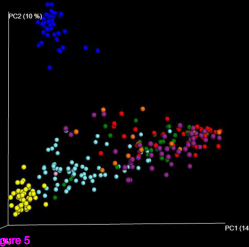
Screen Shot 2014-06-30 at 11.19.43 PMCharacterization of the nasopharyngeal microbiota in health and during rhinovirus challenge – Allen EK – Microbiome

“Rhinovirus illnesses were induced by self-inoculation using the finger to nose or eye natural transmission route in ten otherwise healthy young adults.”

Gut microbiome

Screen Shot 2014-06-30 at 11.20.28 PMDiarrhea in young children from low-income countries leads to large-scale alterations in intestinal microbiota composition – Mihai Pop – Genome Biology

“We use high throughput 16S rRNA gene sequencing to compare fecal microbiota composition in children under five years of age who have been diagnosed with moderate to severe diarrhea (MSD) with the microbiota from diarrhea-free controls. “

Structure of the gut microbiome following colonization with human feces determines colonic tumor burden – Baxter NT – Microbiome

“We transplanted fecal microbiota from three CRC patients and three healthy individuals into germ-free mice, resulting in six structurally distinct microbial communities. Subjecting these mice to a chemically induced model of CRC resulted in different levels of tumorigenesis between mice. “

Commensal bacteria directly suppress in vitro degranulation of mast cells in a MyD88-independent manner – Kazumi Kasakura – Bioscience, Biotechnology, and Biochemistry

“Here, we show that heat-killed commensal bacteria suppressed degranulation of mast cells in vitro in a MyD88-independent manner.”

Screen Shot 2014-06-30 at 11.21.29 PMCo-occurrence of driver and passenger bacteria in human colorectal cancer
Jiawei Geng – Gut Pathogens

“Building on the driver-passenger model, we used 454 pyrosequencing of bacterial 16S rRNA genes associated with 10 normal, 10 adenoma, and 8 tumor biopsy samples, and found 7 potential driver bacterial genera and 12 potential passenger bacterial genera (7 being pro-inflammatory and 5 anti-inflammatory). “

Review: Intestinal Microbiota and the Efficacy of Fecal Microbiota Transplantation in Gastrointestinal Disease – Olga Aroniadis – Gastroenterology & Hepatology

“The published revelations about the human microbiome are bringing the strength of science to clinical observation and enhancing the understanding of not only disease but also how much of a person’s daily function and health depends on the microorganisms living in intimate relationship with each cell in the body.”

Screen Shot 2014-06-30 at 11.22.43 PMDietary Intervention with Yoghurt, Synbiotic Yogurt or Traditional Fermented Sobya: Bio-Potency among Male Adolescents Using Five Bio-Markers of Relevance to Colonic Metabolic Activities – Laila Hussein – Food and Nutrition Sciences

“The mean fecal total lactobacilli counts increased (P < 0.05) three weeks after daily consumption of the three fermented supplements (P < 0.05), when compared to the pre-intervention levels. Similar trends were observed for genus bifidobacterium. On the contrary, enterobacteraceae counts were reduced in all the three groups consuming fermented supplements.”

Vaginal microbiome (also see pregnancy)

Screen Shot 2014-06-30 at 11.23.32 PMPrimate vaginal microbiomes exhibit species specificity without universal Lactobacillus dominance – Suleyman Yildirim – ISME J (uncorrected proof, link to Chapman Research)

“Our results indicated that all primates exhibited host-specific vaginal microbiota and that humans were distinct from other primates in both microbiome composition and extent of diversity”

Skin microbiome

New Molecular Techniques to Study the Skin Microbiota of Diabetic Foot Ulcers
Jean-Philippe Lavigne – Advances in Wound Care

“Molecular tools have better documented the composition and organization of the skin flora. Further advances are required to elucidate which among the many bacteria in the DFU flora are likely to be pathogens, rather than colonizers.”

General human microbiome 

Shrinkage of the human core microbiome and a proposal for launching microbiome biobanks – Abolfazl Barzegari – Future Microbiology

“This article suggests launching microbiome biobanks for archiving native microbiomes, supervising antibiotic use, probiotic design and native starter production, as well as advertising a revisit to native lifestyles.”

Review: Blowing on Embers: Commensal Microbiota and our Immune System
Darina S. Spasova and Charles D. Surh – Frontiers in Immunology

“This review discusses the recent advances in this field, focusing on the close relationship between the adaptive immune system and commensal microbiota, a constant and abundant source of foreign antigens.”

Microbiome: Second Genome Is Finding Disease Mechanisms, Biomarkers, And Therapeutics – Wayne Koberstein – Life Science Leader

“We now understand that biological processes such as inflammation, barrier function, metabolism, and energy homeostasis are directly linked to our microbiome,” says Peter DiLaura, president and CEO of Second Genome.

Mayo Clinic and Whole Biome Announce Collaboration to Research the Role of the Human Microbiome in Women’s Diseases Using Unique Medical Laboratory Tests – DarkDaily

“This joint research effort will initiate a new field of clinical laboratory diagnostic tests that target the human microbiome”

Prokaryotes versus Eukaryotes: Who is hosting whom? – Guillermo Tellez – Frontiers in Veterinary Science

“Our aim here is to encourage empirical inquiry into the relationship between mutualism and evolutionary diversification between prokaryotes and eukaryotes which encourage us to postulate: Who is hosting whom?”

Animal models of microbiome and disease

Combination of Metagenomics and Culture Based Methods to Study the Interaction Between Ochratoxin A and Gut Microbiota – Mingzhang Guo

“Changes in functional genes of gut microbiota including signal transduction, carbohydrate transport, transposase, amino acid transport system and mismatch repair were observed.”

Functional divergence in gastrointestinal microbiota in physically-separated genetically identical mice – G. B. Rogers – Scientific Reports

“We report significant divergence in both the composition and metabolism of gut microbiota in genetically-identical adult C57BL/6 mice housed in separate controlled units within a single commercial production facility.”

Alteration of Gut Bacteria and Metabolomes After Glucaro-1,4-Lactone Treatment Contributes to the Prevention of Hypercholesterolemia – Baogang Xie – J. Agric. Food Chem

“Colonic flora test results reveal that the quantity of Bifidobacterium and Lactobacillus in the intestines respectively increase by about 1.7- and 4.2-fold in rats treated with 1,4-GL compared with those in the control group. “

Pregnancy and birth

Oral presentation: The evolution of the vaginal microbiome throughout uncomplicated pregnancy in a UK population – M Chandiramani – Arch Dis Child Fetal Neonatal Ed

“Vaginal swabs were collected at time points across gestation (8–12, 20–22, 28–30 and 34–36 weeks) and the postpartum period (6 weeks) from 43 women delivered at term. Resident bacterial communities were determined using the Illumina MiSeq platform generated from bar-coded amplicons of 16S rRNA gene fragments.”

Screen Shot 2014-06-30 at 11.26.14 PMGroup B Streptococcus β-hemolysin/Cytolysin Breaches Maternal-Fetal Barriers to Cause Preterm Birth and Intrauterine Fetal Demise in Vivo – Tara M. Randis – Journal of Infectious Diseases

“We used a new murine model to evaluate the contribution of the pore-forming GBS β-hemolysin/cytolysin (βH/C) to vaginal colonization, ascension, and fetal infection.”

Zinc and copper levels in low birth weight deliveries in Medani Hospital, Sudan –
Abass RM – BMC Research Notes

“Maternal zinc and copper levels, as well as cord copper levels, are lower in LBW newborns than in those with normal weight.”

Effective Biomarkers for Diagnosis of Neonatal Sepsis – Vineet Bhandari – Journal of Pediatric Infectious Diseases

“The diagnostic utility of the following biomarkers seems to be most practical in the early (interleukin [IL]-6, IL-8, tumor necrosis factor-alpha, neutrophil CD64), mid (procalcitonin) and late (C-reactive protein) phases of neonatal sepsis.”

Review: Association of Periodontal Disease and Pre-term Low Birth Weight Infants
Manjusha Varadan, Jaiganesh Ramamurthy – The Journal of Obstetrics and Gynecology of India

“The association of periodontitis as risk factor for pre-term birth has been in extensive research in the past two decades when a number of studies investigated this relationship.”

[hr]

Human microbiome, June 27

How to grow the “Most Wanted” gut bacteria in microfluidic chips, effect of Vitamin D on gut microbiota, and probiotics for your skin.

Human gut microbiome

Screen Shot 2014-06-27 at 10.10.29 PMGene-targeted microfluidic cultivation validated by isolation of a gut bacterium listed in Human Microbiome Project’s Most Wanted taxa – Liang Ma – PNAS

“We developed a microfluidics-based, genetically targeted approach to address these challenges. This approach corrects sampling bias from differential bacterial growth kinetics, enables the use of growth stimulants available only in small quantities, and allows targeted isolation and cultivation of a previously uncultured microbe from the human cecum that belongs to the high-priority group of the Human Microbiome Project’s “Most Wanted” list.”

From the ICE/ENDO meeting: Vitamin D May Improve Metabolic Health of African American Men – Lara C. Pullen – Medscape.com

“Vitamin-D supplementation not only improved insulin sensitivity but also shifted the microbiome from a prediabetes spectrum to a healthy signature. “

Exploring the Microbiome – Chris Anderson – Genetic Engineering & Biotechnology News

““These cover a broad range of options including complex approaches like fecal transplants that could include early uncharacterized strains of bacteria and other microorganisms, all the way to reductionist approaches,” noted Bernat Olle, a partner in the venture capital firm Puretech Ventures, who moderated a panel “Microbiome modulators: Opportunities and Challenges to Creating a New Drug Class” Thursday at BIO 2014.”

Human skin microbiome

LiveScienceProbiotics Hold Promise for 4 Skin Conditions – Cari Nierenberg – Live Science

“Bowe said probiotics — whether they are eaten as foods, taken as supplements or spread topically — are not a stand-alone treatment for skin problems, but could be used by patients in combination with their current treatment.”

[hr]

Human and cell phone microbiome, June 24

The PhoneBiome has finally been characterized. Effect of maltodextrin on gut microbiome, and obesity and risk for preterm birth.

Skin and phone microbiome

Mobile phones carry the personal microbiome of their owners – James F. Meadow – Peer J

“We found that about 22% of the bacterial taxa on participants’ fingers were also present on their own phones, as compared to 17% they shared on average with other people’s phones. “

Gut microbiome

The Metabolizable Energy of Dietary Resistant Maltodextrin Is Variable and Alters Fecal Microbiota Composition in Adult Men – David J. Baer – The Journal of Nutrition

“RM intake was associated with statistically significant increases (P < 0.001) in various operational taxonomic units matching closest to ruminococcus, eubacterium, lachnospiraceae, bacteroides, holdemania, and faecalibacterium, implicating RM in their growth in the gut. “

B cells as a critical node in the microbiota–host immune system network
Emma Slack – Immunological Reviews

“In this review, we address how B-cell responses to members of the intestinal microbiota form a robust network with mucus, epithelial integrity, follicular helper T cells, innate immunity, and gut-associated lymphoid tissues to maintain host–microbiota mutualism.”

Classification and quantification of bacteriophage taxa in human gut metagenomes – Alison S Waller – ISME Journal 

“Using taxon-specific marker genes, we identified and monitored 20 viral taxa in 252 human gut metagenomic samples, mostly at the level of genera. “

Cesarean delivery and risk of inflammatory bowel disease: a systematic review and meta-analysis – Yi Li – Scandinavian Journal of Gastroenterology

“Results of this meta-analysis support the hypothesis that cesarean delivery was associated with the risk of CD but not of UC. The total rate of cesarean delivery of IBD patients was similar with that of control subjects.

Intestinal microbiota in pathophysiology and management of irritable bowel syndrome – Lee KN – World Journal of Gastroenterology

“…the role of the intestinal microbiota in the pathophysiology and management of IBS is not clear. This review provides the accumulating evidence on it.”

Pregnancy and Birth

Maternal Prepregnancy Body Mass Index and Risk of Spontaneous Preterm Birth – Gary M. Shaw – Paediatric and Perinatal Epidemiology

“Analyses of mothers without hypertension and diabetes, adjusted for age, education, height, and prenatal care initiation, showed obesity categories I–III to be associated with increased risk of spontaneous preterm birth at 20–23 and 24–27 weeks among those of parity 1 in each race/ethnic group.”

and

Obesity before pregnancy linked to earliest preterm births, Stanford/Packard study finds – Erin Digitale – Stanford Medicine News Center

“Women who are obese before they become pregnant face an increased risk of delivering their babies before 28 weeks of pregnancy, a new study of nearly 1 million California births has found.”

Maturation of the enteric mucosal innate immune system during the postnatal period – Marcus Fulde and Mathias W. Hornef – Immunological Reviews

“Here, we discuss both adaptive and developmental mechanisms of the mucosal innate immune system that prevent inappropriate stimulation and facilitate establishment of a stable homeostatic host–microbial interaction after birth.”

Early Infant Nutrition and Metabolic Programming: What Are the Potential Molecular Mechanisms? – Stephanie-May Ruchat – Current Nutrition Reports

“This review will present potential molecular mechanisms through which early postnatal nutrition may influence health and disease programming, focusing on research that used “-omics” approaches (i.e., epigenomics, transcriptomics, proteomics, and metabolomics).”

Oral presentation: Serum beta defensin concentration in the first trimester is related to genotype, and is higher in women who develop PPROM and deliver before 34 weeks – CP James – Arch Dis Child Fetal Neonatal Ed

“Serum hBD2 expression is higher in women who have PPROM and PTB. Women with PPROM and PTB have a distinct innate immune profile evident in their serum in the first trimester, which may provide the basis for a predictive test.”

Animal models of human microbiota and disease

Modulation of gut microbiota during probiotic-mediated attenuation of metabolic syndrome in high fat diet-fed mice – Jingjing Wang – ISME Journal

“Weighted UniFrac principal coordinate analysis based on 454 pyrosequencing of fecal bacterial 16S rRNA genes showed that the probiotic strains shifted the overall structure of the HFD-disrupted gut microbiota toward that of lean mice fed a normal (chow) diet. “

Gut microbiome composition and function in experimental colitis during active disease and treatment-induced remission – Michelle G Rooks – ISME Journal

“Here, we surveyed the gut microbiome of the T-bet−/− Rag2−/− mouse model of colitis during active disease and treatment-induced remission. “

Early-Life Environmental Variation Affects Intestinal Microbiota and Immune Development in New-Born Piglets – Dirkjan Schokker – PLOS ONE

” We observed that the applied antibiotic treatment affected the composition and diversity of gut microbiota and reduced the expression of a large number of immune-related processes. The effect of management procedures on top of the use of an antibiotic was limited.”

[hr]

Human microbiome, June 12

Today digest features the comparison of the HMP vs MetaHIT extraction protocols, microbiota and food consumption, mites in your skin, and a TIME article with a critical view.

Oral microbiome

Screen Shot 2014-06-12 at 9.59.53 PMGum disease bacteria selectively disarm immune system, study finds – Medical express

“In a new study, University of Pennsylvania researchers show that bacteria responsible for many cases of periodontitis cause this imbalance, known as dysbiosis, with a sophisticated, two-prong manipulation of the human immune system.”

Gut microbiome

yin yangReview: The Yin and Yang of Bacterial Resilience in the Human Gut Microbiota – Molly K. Gibson – Journal of Molecular Biology

“Here we review the mechanisms by which the host modulates the gut community composition during health and disease, and discuss prospects for antibiotic and probiotic therapy for restoration of a healthy intestinal community following disruption.”

obese women fructInulin-type fructans modulate intestinal Bifidobacterium species populations and decrease fecal short-chain fatty acids in obese women – Nuria Salazar – Clinical Nutrition

“ITF consumption selectively modulates Bifidobacterium spp. and decreases fecal SCFA concentration in obese women. ITF could lessen metabolic risk factors associated with higher fecal SCFA concentration in obese individuals.”

Screen Shot 2014-06-12 at 8.36.07 PMGlossary of the Gut Microbiome – Compiled by The American College of Gastroenterology


Skin microbiome

Screen Shot 2014-06-12 at 9.44.13 PMThese mites live on your face and come out to have sex at night – Joseph Stromberg – Vox

“Right now, there are thousands of mites on your face. They’re microscopic, but closely related to spiders and ticks. And despite your reaction to hearing this news, there’s absolutely nothing wrong with you.”

Animal models of human microbiome and disease

vitkQuantification of phylloquinone and menaquinones in feces, serum, and food by high-performance liquid chromatography-mass spectrometry – J. Philip Karl – Journal of Chromatography B

“We developed a novel method employing high-performance liquid chromatography-mass spectrometry with atmospheric pressure chemical ionization (LC-APCI-MS) for simultaneous quantification of 11 vitamin K vitamers that can be applied in feces, serum and food.”

Microbial Bioreactors

vegetalBeneficial effects of fermented vegetal beverages on human gastrointestinal microbial ecosystem in a simulator – Fernanda Bianchi – Food Research International

“To monitor the effects on microbial community composition, plate counts on specific growth media and a PCR-DGGE analysis were performed on samples from all colon compartments – ascending, transverse and descending.”

Microbiome conference

Screen Shot 2014-06-12 at 8.42.07 PMKenneth Rainin Foundation’s 2014 Innovations Symposium to Feature Virus Hunters and Gut Explorers – Taming the Microbiome – July 15 – 16, 2014, San Francisco.

“This year’s dynamic keynote speakers each bring a unique perspective on the human microbiome.”

Microbiome in the Press

timeExercise Helps Your Gut Bacteria: Amazing, Overblown, or Plain Incorrect? – Alexandra Sifferlin – Time

“Though he sees great promise in researching the microbiome, Eisen says it irks him when studies are blown out of portion both by scientists and the press.”

Screen Shot 2014-06-12 at 9.56.29 PMHere’s bacteria you ought to be eating – Craig Sailor – The Olympian

“Blake is a big proponent of raw, living fermented foods. The probiotic or friendly bacteria in the food provides nutrients and vitamins. “They also produce digestive enzymes that help us get more out of our food,” she said.”

breadWhite Bread May Encourage Growth Of ‘Good’ Bacteria – Jaleesa Baulkman – University Herald (mentions a study featured here that was recently published in American Chemical Society’s Journal of Agricultural and Food Chemistry.)

“Researchers said their most novel finding was that white bread boosted Lactobacillus, a group of beneficial bacteria. The results were surprising because white bread is a much-maligned food. “

Techniques: DNA extraction from stool

Choice of bacterial DNA extraction method from fecal material influences community structure as evaluated by metagenomic analysis – Agata Wesolowska-Andersen – Microbiome

“We observed significant differences in distribution of bacterial taxa depending on the method. While eukaryotic DNA was most efficiently extracted by the MetaHIT protocol, DNA from bacteria within the Bacteroidetes phylum was most efficiently extracted by the HMP protocol.”

[hr]

Human microbiome, June 11

Bacterial community classes in HMP subjects, oral health in postmenopausal women, and gut epithelial regeneration.

Human microbiome – general

Yanjiao Zhou ExplorationExploration of bacterial community classes in major human habitats – Yanjiao Zhou – Genome Biology

“Here, we present an analysis of the groupings of bacterial communities in stool, nasal, skin, vaginal and oral habitats in a healthy cohort of 236 subjects from the Human Microbiome Project.” “We identified 2 to 6 community classes for each of the 18 habitats from the HMP healthy cohort by clustering augmented by manual inspection.”

ExploringExploring New Horizons in Microbiome Research – Christoph A. Thaiss, Eran Elinav – Cell Host & Microbe

“Leading scientists in microbiome research met at Lake Titisee, Germany, in April 2014 to discuss the current state of the field, the most urgent and unresolved questions, state-of-the-art technological advances, and new avenues of future research. “

Oral microbiome

Screen Shot 2014-06-11 at 9.35.26 PMPorphyromonas gingivalis Manipulates Complement and TLR Signaling to Uncouple Bacterial Clearance from Inflammation and Promote Dysbiosis – Tomoki Maekawa – Cell Host & Microbe

“As previously reported, P. gingivalis remodels the oral microbiota into a dysbiotic state by exploiting complement. Now we show that in neutrophils P. gingivalis disarms a host-protective TLR2-MyD88 pathway via proteasomal degradation of MyD88, whereas it activates an alternate TLR2-Mal-PI3K pathway. “

Screen Shot 2014-06-11 at 10.08.26 PMUB receives $4 million NIH grant to study oral health in postmenopausal women – Pat Donovan – University at Buffalo

“These techniques involve Next Generation Sequencing (NGS) using culture-independent techniques to identify 16S rRNA genes and allow for a more complete and detailed characterization of the microbial composition and diversity of the human oral cavity, Wactawski-Wende says.”

Pregnancy and Birth

Screen Shot 2014-06-11 at 10.09.30 PMPregnant Women With Posttraumatic Stress Disorder and Risk of Preterm Birth – Kimberly Ann Yonkers – JAMA Psychiatry

“Longitudinal, prospective cohort study of 2654 women who were recruited before 17 completed weeks of pregnancy from 137 obstetrical practices in Connecticut and Western Massachusetts.”

Animal models of human microbiota

Screen Shot 2014-06-11 at 10.07.04 PMThe Cytosolic Bacterial Peptidoglycan Sensor Nod2 Affords Stem Cell Protection and Links Microbes to Gut Epithelial Regeneration – Giulia Nigro – Cell Host & Microbe

“We used in vitro cultured organoids of intestinal crypts from mice, reinforced with in vivo experiments, to examine the crypt-microbiota interface.”

[hr]


Human Microbiomes, June 9

Apples and coffee are good for your teeth, exercise good for your microbial diversity, role of microbiota in lung cancer, and lots of metabolomics papers.

Human Oral Microbiome (and some skin too!)

AppleAnticaries effect of an antioxidant-rich apple concentrate on enamel in an experimental biofilm-demineralisation model – Rodrigo A. Giacaman – Journal of Applied Microbiology

“Streptococcus mutans biofilms exposed to ARAC after a cariogenic challenge with sucrose induced lower enamel demineralisation than the positive control. The highest dilution of ARAC at 1: 100,000 (v/v) showed the most marked reduction in demineralisation of about fifty seven percent.”

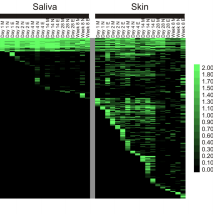
CRIPSrConservation of streptococcal CRISPRs on human skin and saliva – Refugio Robles-Sikisaka – BMC Microbiology

“We investigated the conservation of CRISPR content from streptococci on skin and saliva of human subjects over 8-weeks to determine whether similarities existed in the CRISPR spacer profiles and whether CRISPR spacers were a stable component of each biogeographic site”

Screen Shot 2014-06-10 at 2.09.54 AMAntibacterial effect of coffee: calcium concentration in a culture containing teeth/biofilm exposed to Coffea Canephora aqueous extract – N. Meckelburg -Letters in Applied Microbiology

“This study revealed an inhibitory action of Coffea canephora against dental biofilm. This coffee species caused bacterial lysis and consequent release of calcium into the medium.”

Human gut microbiome

ClarkeExercise and associated dietary extremes impact on gut microbial diversity – Siobhan F Clarke – Gut

“… athletes had a higher diversity of gut micro-organisms, representing 22 distinct phyla, which in turn positively correlated with protein consumption and creatine kinase.”

BMReview: Molecular ecological tools to decipher the role of our microbial mass in obesity – GDA Hermes – Beneficial Microbes

“ This review aims to describe the different molecular approaches and their contributions to our understanding of the role of the GI microbiota in host energy homeostasis. ”

Screen Shot 2014-06-10 at 1.00.40 AMFecal microbiome analysis as a diagnostic test for diverticulitis – L. Daniels – European Journal of Clinical Microbiology & Infectious Diseases

“Differences in bacterial phylum abundance and diversity (Shannon index) of the resulting profiles were assessed by conventional statistics. Dissimilarity in microbiome composition was analyzed with principal coordinate analysis (PCoA) based on cosine distance measures. “

Impaired Innate Immune Function Associated with Fecal Supernatant from Crohn’s Disease Patients: Insights into Potential Pathogenic Role of the Microbiome – Meelu, Parool – Inflammatory Bowel Diseases

Opinion Article: Gut Microbes and Host Physiology: What Happens when you Host Billions of Guests? – Jennifer L. Pluznick – Frontiers in Endocrinology

“The literature is rife with examples of phenotypes which were not easily replicated by other groups – even when using the “same mice” – and we should consider whether some of these examples may be, in fact, due to the influence of gut microbiota.”

ProalInflammatory Disease and the Human Microbiome – Amy D Proal – Discovery Medicine

“The microbes that contribute to this dysfunction are often inherited from family members. Immunosuppressive therapies for inflammatory disease allow pathogens driving these processes to spread with greater ease.”

BMUnderstanding gut microbiota in elderly’s health will enable intervention through probiotics – G. Pérez Martínez – Beneficial Microbes

“Intervention studies of probiotics and prebiotics in elderly are not very abundant, but most cases showed that Bifidobacterium populations can efficiently be stimulated with a concomitant decrease of Enterobacteria. “

ClarkeGut Microbiota: The Neglected Endocrine Organ – Gerard Clarke – Molecular Endocrinology

“Indirectly and through as yet unknown mechanisms, the gut microbiota exerts control over the hypothalamic-pituitary-adrenal axis (HPA).”

The June issue of Gut this month features the abstracts from the British Society of Gastroenterology Annual General Meeting 16–19 June 2014 in a Supplemental issue

Human respiratory microbiome

Screen shot 2014-06-09 at 04.19PM, Jun 09The potential role of lung microbiota in lung cancer attributed to household coal burning exposures – H. Dean Hosgood III – Environmental and Molecular Mutagenesis

“This study seeks to explore the role of lung microbiota in lung cancer among never smoking Xuanwei women and how coal burning may influence these associations.”

Pregnancy and Birth

StrongholdPregnancy’s Stronghold on the Vaginal Microbiome – Marina R. S. Walther-António – PLOS ONE

“For a majority of the patients (n = 8), the vaginal microbiome was dominated by Lactobacillus crispatus throughout pregnancy.”

Masters Thesis: The Effect of Nutrition on the Microbiome in Pregnant Women and the Use of Micronutrient Supplemented Probiotic Yogurt to Improve Outcomes – Megan Kathleen Enos – University of Western Ontario

“The aims of this study were to characterize the gut, oral, and vaginal microbiotas of pregnant women ….. a clinical study was performed in Mwanza, Tanzania”

WopereisThe first thousand days – intestinal microbiology of early life: establishing a symbiosis – Harm Wopereis – Pediatric Allergy and Immunology

“This review provides an overview of the development of the intestinal microbiota, its bidirectional relationship with the immune system, and its role in impacting health and disease, with emphasis on allergy, in early life.”

Metabolomics

RinehartMetabolomic data streaming for biology-dependent data acquisition – Duane Rinehart – Nature Biotechnology

“Here we describe a solution to the time demands of metabolomic data upload to XCMS Online. In brief, we designed XCMS Online software that enables uploading of metabolomic data files from the instrument computer workstation as they are acquired. “

SulekA combined metabolomic and phylogenetic study reveals putatively prebiotic effects of high molecular weight arabino-oligosaccharides when assessed by in vitro fermentation in bacterial communities derived from humans – Karolina Sulek – Anaerobe

“All tested carbohydrate sources resulted in a significant increase of Bifidobacterium spp. between 1.79 fold (HA) and 1.64 fold (FOS) in the microbial populations after fermentation”

FariaInterplay between anthocyanins and gut microbiota – Ana Faria – J. Agric. Food Chem

“This review aimed to compile information regarding interaction of anthocyanins with microbiota, in two perspectives: i) identification of their colonic metabolites as potential bioactive molecules and ii) their role as prebiotic agents.”

Identification of the metabolites of myricitrin produced by human intestinal bacteria in vitro using ultra-performance liquid chromatography/quadrupole time-of-flight mass spectrometry – Le-yue Du – Expert Opinion on Drug Metabolism & Toxicology

“To investigate the metabolic routes and metabolites of myricitrin, an important active ingredient of traditional herbal medicine, yielded by the isolated human intestinal bacteria, which have not been reported previously”

CrossA prospective study of serum metabolites and colorectal cancer risk – Amanda J. Cross – Cancer

“No overall associations were observed between serum metabolites and colorectal cancer, but serum glycochenodeoxycholate, a bile acid metabolite, was positively associated with colorectal cancer among women”

Gut microbiota and cardiometabolic outcomes: influence of dietary patterns and their associated components – Julia MW Wong – Am J Clin Nutr

“Examples of dietary components that alter the gut microbial composition include prebiotics and resistant starches.”

GaldzickiThe Synthetic Biology Open Language (SBOL) provides a community standard for communicating designs in synthetic biology – Michal Galdzicki – Nature Biotechnology

“Here we describe the Synthetic Biology Open Language (SBOL), a proposed data standard for exchanging designs within the synthetic biology community. SBOL represents synthetic biology designs in a community-driven, formalized format for exchange between software tools, research groups and commercial service providers.”

Animal models of human disease

Animal models of gastrointestinal and liver diseases. Animal models of necrotizing enterocolitis: pathophysiology, translational relevance, and challenges – Peng Lu – American Journal of Physiology – Gastrointestinal and Liver Physiology

“In an attempt to provide some guidance to the growing community of NEC researchers, we now seek to review the key features of the major NEC models that have been developed in mammalian and nonmammalian species and to assess the advantages, disadvantage, challenges and major scientific discoveries yielded by each. “

Oral infection ecoliOral infection with enteropathogenic Escherichia coli triggers immune response and intestinal histological alterations in mice selected for their minimal acute inflammatory responses – Amanda Bardella Vulcano – Microbiology and Immunology

In summary, it was found that EPEC triggers immune responses and intestinal histological alterations but does not produce evidence of diarrheal disease in mice infected by the oral route.”

Screen Shot 2014-06-10 at 2.00.38 AMDistinct signatures of host–microbial meta-metabolome and gut microbiome in two C57BL/6 strains under high-fat diet – Alesia Walker – ISME J

A combinatory approach using metabolomics and gut microbiome analysis techniques was performed to unravel the nature and specificity of metabolic profiles related to gut ecology in obesity. “

General Human Microbiome

Why There is No Single Healthy Microbiome – Erik Garnas – Organic Fitness

“This quest for the perfect microbiome has not only led many people to tweak their diet and lifestyle in an attempt to be the best possible host, but also to the rapid growth of what is now a billion dollar market of probiotics, prebiotics, and other products that are specifically designed to modulate the microbial communities in and on the human body. “

[hr]

Human microbiome digest, June 2, 2014

Roberto Romero and Jacques Ravel report on the vaginal microbiome in the setting of term and preterm deliveries, red wine might be good for your teeth, and secretory IgA and gut microbiota influence each other.

Pregnancy and birth

Gut microbiome

Respiratory microbiome

Oral microbiome

Skin microbiome

  • Screen Shot 2014-06-02 at 2.35.33 PMNot sure if I would pay $36 for this review, but here it is: Cutaneous microbiome studies in the times of affordable sequencing – Marjana Tomic-Canic – Journal of Dermatological Science –  “We now know that four phyla, Actinobacteria, Firmicytes, Proteobacteria and Bacteroidetes, constitute preponderance of skin bacteria, while Malassezia dominates the fungal microbiome. “

More human microbiome

Metabolomics

Animal models of gut microbiome

Microbiome in the news

  • Screen Shot 2014-06-02 at 3.08.55 PMOur bodies, our bugs, and learning to love the bacteria that live inside us – Jane Macdougall – National Post – “Eating yogurt instead of taking a pill might sound crazy, but it’s worth considering why that is”
  • Blaser QA TK TK – Carl Zimmer – Wired.com – “Microbiologist Martin Blaser of New York University School of Medicine says that many species of germs are disappearing from our bodies—and that’s a problem.”
  • This appear to be a highly biased study: Experts warn over bad bacteria count – Taiwanese children compare poorly with their Asian peers in good and bad bacteria count, which could make them more susceptible to diseases – Wei Yi-chia and Jason Pan – Taipei Times – “The study, released on Thursday by the Association for Lactic Acid Bacteria (TALAB), found that Taiwanese schoolchildren have up to 30 times more Escherichia coli and 15 times more Clostridium perfringens — two of the “bad” bacteria — than kids of the same age in Japan.”
  • Shampoo and Soap Wreak Havoc on the Skin’s Microbiome Say Researchers – Donna Westlund – Guardian Libery Voice

[hr]

Digest May 22, 2014

Today’s digest features armpits, helminths and fish probiotics.

Skin microbiome papers

Gut microbiome papers

Pregnancy and birth microbiome papers

Animal microbiome papers

General microbiome papers

Dengue papers

Arsenic metabolism papers

Science, Ethics and Misconduct

Dr. Bik’s Picks

[hr]

Digest May 21, 2014

The first digest on this website features the microbiomes of saliva, placenta, and planes. Enjoy!

Oral microbiome papers

Gut microbiome papers

Pregnancy and birth microbiome papers

Respiratory microbiome  papers

Environmental microbiome papers

Dr. Bik’s Picks