Non-human microbiomes, June 5

Meta-analysis of avian gut microbiomes, mosquitos, microbes and oil-spills, and fungi and viruses found on corals and sponges.

Bird microbiome
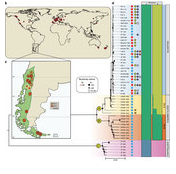
Screen Shot 2014-06-05 at 11.23.11 AMCharacterizing the avian gut microbiota: membership, driving influences, and potential function – David W. Waite – Frontiers in Microbiology, Microbial Symbioses

“In this study, we present the first meta-analysis of the avian gut microbiota, using 16S rRNA gene sequences obtained from a range of publicly available clone-library and amplicon pyrosequencing data. “

Insect microbiome

Screen Shot 2014-06-05 at 11.24.12 AMPyrosequencing 16S rRNA genes of bacteria associated with wild tiger mosquito Aedes albopictus: a pilot study – Guillaume Minard – Frontiers in Cellular and Infection Microbiology

“We surveyed the bacteria associated with field populations of Ae. albopictus from Madagascar by pyrosequencing 16S rRNA gene amplicons. Different aspects of amplicon preparation and sequencing depth were tested to optimize the breadth of bacterial diversity identified”

Screen Shot 2014-06-05 at 11.24.56 AMMultifaceted Defense against Antagonistic Microbes in Developing Offspring of the Parasitoid Wasp Ampulex compressa (Hymenoptera, Ampulicidae) – Katharina Weiss – PLOS ONE

“Larvae of the emerald cockroach wasp, Ampulex compressa, sanitize their cockroach hosts, Periplaneta americana, with a cocktail of nine antimicrobials comprising mainly (R)-(-)-mellein and micromolide.”

Invertebrate microbiome

Screen Shot 2014-06-02 at 6.19.53 PMReview: Fungal association with sessile marine invertebrates – Oded Yarden – Frontiers in Microbiology, Microbial Symbioses

“The ecological function of fungi in association with sessile marine animals is complex and is founded on a combination of factors such as fungal origin, host health, environmental conditions and the presence of other resident or invasive microorganisms in the host.”
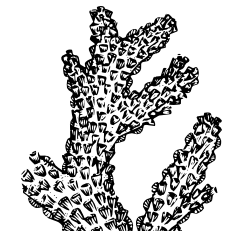
Screen Shot 2014-06-02 at 6.19.09 PMGenerating viral metagenomes from the coral holobiont – Karen D. Weynberg – Frontiers in Microbiology, Virology

“Here we present the first protocol for isolating, purifying and amplifying viral nucleic acids from corals based on mechanical disruption of cells. This method produces at least 50% higher yields of viral nucleic acids, has very low levels of cellular sequence contamination and captures wider viral diversity than previously used chemical-based extraction methods.”

Plant microbiome

Screen Shot 2014-06-05 at 11.26.58 AMColonization of plants by human pathogenic bacteria in the course of organic vegetable production – Andreas Hoffman – Frontiers in Microbiology, Plant-Microbe Interaction

“In this study laboratory experiments in axenic and soil systems following common practices in organic farming were conducted to identify the minimal dose needed for bacterial colonization of plants and to identify possible factors like bacterial species or serovariation, plant species or organic fertilizer types used, influencing the success of plant colonization by human pathogenic bacteria”

Water microbiome
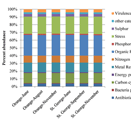
Screen Shot 2014-06-05 at 11.28.03 AMThe polycyclic aromatic hydrocarbon degradation potential of Gulf of Mexico native coastal microbial communities after the Deepwater Horizon oil spill – Anthony D. Kappell – Frontiers in Microbiology, Aquatic Microbiology

“To investigate the Gulf Coast beach microbial community response to hydrocarbon exposure, we examined the functional gene diversity, bacterial community composition, and PAH degradation capacity of a heavily oiled and non-oiled beach following the oil exposure. “

Screen Shot 2014-06-05 at 11.36.29 AMComparison of prokaryotic community structure from Mediterranean and Atlantic saltern concentrator ponds by a metagenomic approach – Ana B. Fernández – Frontiers in Microbiology, Extreme Microbiology

“We analyzed the prokaryotic community structure of a saltern pond with 21% total salts located in Isla Cristina, Huelva, Southwest Spain, close to the Atlantic ocean coast. “

Screen Shot 2014-06-05 at 11.32.42 AMConversion of crude oil to methane by a microbial consortium enriched from oil reservoir production waters – Carolina Berdugo-Clavijo – Frontiers in Microbiology, Microbial Physiology and Metabolism

“Microbial community analysis revealed that the enrichment culture was dominated by members of the genus Smithella, Methanosaeta, and Methanoculleus. However, a shift in microbial community occurred following incubation of the enrichment in the sandstone columns. “
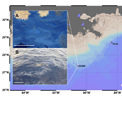
Screen Shot 2014-06-05 at 11.33.20 AMNatural oil slicks fuel surface water microbial activities in the northern Gulf of Mexico – Kai Ziervogel – Frontiers in Microbiology, Aquatic Microbiology

“These results demonstrate that the formation of oil slicks and activities of oil-degrading bacteria result in a temporal offset of microbial cycling of organic matter, affecting food web interactions and carbon cycling in surface waters over cold seeps.”
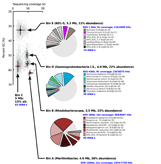
Screen Shot 2014-06-05 at 11.34.20 AMRecoding of the stop codon UGA to glycine by a BD1-5/SN-2 bacterium and niche partitioning between Alpha- and Gammaproteobacteria in a tidal sediment microbial community naturally selected in a laboratory chemostat – Anna Hanke – Frontiers in Microbiology, Evolutionary and Genomic Microbiology

“Metagenomics, proteomics and fluorescence in situ hybridization showed that this simplified community contained both a potential sulfur oxidizing Gammaproteobacteria (at 24 ± 2% abundance) and a member of the BD1-5/SN-2 candidate phylum (at 7 ± 6% abundance). “

Deep earth microbiome

Screen Shot 2014-06-05 at 11.35.07 AMChanges in the deep subsurface microbial biosphere resulting from a field-scale CO2 geosequestration experiment – Andre Mu – Frontiers in Microbiology, Terrestrial Microbiology

“This study demonstrates a successful new in situ sampling approach for detecting microbial community changes associated with an scCO2 geosequestration event.”

[hr]

More Microbiology and Science, June 4, 2014

Dengue, arthritis, arsenic, two retractions, frogs singing in the gutters, and deadly sharks (but not as you know them).

Infection, sepsis, and host response

Screen Shot 2014-06-05 at 1.08.42 AMBacteria in the Adventitia of Cardiovascular Disease Patients with and without Rheumatoid Arthritis – Samuel A. Curran – PLOS ONE

“The aortic adventitia of CVD patients contains a wide range of bacterial species, and the bacterial flora is significantly less diverse in RA+CVD than CVD patients. M. oryzae may stimulate an proinflammatory response that may aggravate and perpetuate the pathological processes underlying atherosclerosis in RA patients.”

Dengue Screen Shot 2014-06-05 at 1.06.24 AM

A tetravalent alphavirus-vector based dengue vaccine provides effective immunity in an early life mouse model – Syed Muaz Khalil – Vaccine

“We report here that a single immunization with a tetravalent VRP vaccine induced NAb and T-cell responses to each serotype at a level equivalent to the monovalent vaccine components, suggesting that this vaccine modality can overcome serotype interference. “

Arsenic metabolism

Screen Shot 2014-06-05 at 1.09.38 AMSpecies- and tissue-specific bioaccumulation of arsenicals in various aquatic organisms from a highly industrialized area in the Pohang City, Korea – Seongjin Hong – Environmental Pollution

“Contamination of water and sediment with arsenic (As) in a highly industrialized area of Pohang City, Korea was investigated, with emphasis on in situ bioaccumulation of arsenicals by various aquatic organisms.”

Publishing and misconduct Screen Shot 2014-06-05 at 1.03.01 AM

Japanese scientist to retract stem cell papers – Phys.org

“Haruko Obokata, 30, would withdraw two papers at the centre of the controversy, according to a spokeswoman for Riken, the respected  that sponsored the study, marking a steep fall from grace for the young researcher.”

Dr. Bik’s Picks

SharkShark meat worse than its bite – Tony Camie – IOL Scitech

“Never mind their fearsome jaws. People are now more likely to be killed by eating shark meat rather than the other way round.”

frogUrban frogs use drains as mating megaphones – Katia Moskvitch – Nature

“Gathering in the gutter may provide a better way to seduce females.”

[hr]

Food and Environmental Microbiome Digest, June 4, 2014

Wine, soil, and microbial mats.

Wine microbiome

Screen Shot 2014-06-05 at 12.57.02 AMA Gondwanan imprint on global diversity and domestication of wine and cider yeast Saccharomyces uvarum – Pedro Almeida – Nature Communications

“In addition to Saccharomyces cerevisiae, the cryotolerant yeast species S. uvarum is also used for wine and cider fermentation but nothing is known about its natural history. Here we use a population genomics approach to investigate its global phylogeography and domestication fingerprints”

Environmental microbiome

Screen Shot 2014-06-05 at 12.58.27 AMPhysiological and genomic features of highly alkaliphilic hydrogen-utilizing Betaproteobacteria from a continental serpentinizing site – Shino Suzuki – Nature Communications

“Here we describe physiological and genomic features of three related Betaproteobacterial strains isolated from highly alkaline (pH 11.6) serpentinizing springs at The Cedars, California.”

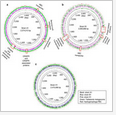
Screen Shot 2014-06-05 at 12.59.21 AMBacterial Diversity Assessment in Antarctic Terrestrial and Aquatic Microbial Mats: A Comparison between Bidirectional Pyrosequencing and Cultivation – Bjorn Tytgat – PLOS ONE

“Strikingly, there was relatively little overlap between cultivation and the forward and reverse pyrosequencing-based datasets at the genus (17.1–22.2%) and OTU (3.5–3.6%) level (defined on a 97% similarity cut-off level). Comparison of the V1–V2 and V3–V2 datasets of the 16S rRNA gene revealed remarkable differences in number of OTUs and genera recovered.”

[hr]

Human microbiome digest, June 4, 2014

Today’s featured paper describes the gut microbiota of malnourished Bangladeshi children and was published in Nature. But we also cover oral cancer and babies’ dummies (pacifiers).

Gut microbiome

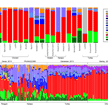
Screen Shot 2014-06-05 at 12.35.59 AMPersistent gut microbiota immaturity in malnourished Bangladeshi children – Sathish Subramanian – Nature

“ In the current study, bacterial species whose proportional representation define a healthy gut microbiota as it assembles during the first two postnatal years were identified by applying a machine-learning-based approach to 16S ribosomal RNA data sets generated from monthly faecal samples obtained from birth onwards in a cohort of children living in an urban slum of Dhaka, Bangladesh, who exhibited consistently healthy growth. “

Screen Shot 2014-06-05 at 12.37.44 AMAnd an accompanying News And Views: Population health: Immaturity in the gut microbial community – Elizabeth K. Costello- Nature

“Undernourished children fall behind not only on growth, but also on maturation of their intestinal bacterial communities, according to a study comparing acutely malnourished and healthy Bangladeshi children.”

Screen Shot 2014-06-05 at 12.36.53 AMThe Scientist also writes about the Subramanian paper: How Malnutrition Affects the Microbiome – Rina Shaikh-Lesko – The Scientist

“The gut bacterial communities of severely malnourished children appear to be less developed than those of healthy children, a study on Bangladeshi infants and toddlers finds.”

Oral microbiome

Screen Shot 2014-06-05 at 12.34.59 AMChanges in Abundance of Oral Microbiota Associated with Oral Cancer – Brian L. Schmidt – PLOS ONE

“To investigate changes in the microbiome associated with oral cancers, we profiled cancers and anatomically matched contralateral normal tissue from the same patient by sequencing 16S rDNA hypervariable region amplicons. “

The strange micro-biome that is your mouth – Paul Kulpinski – Mountain Waves Healing Arts

“In this post I will report on my most recent self-experiment. Some of this experiment was intentional, and some of it was non-intentional – with regards to my oral hygiene at least.”

Pregnancy and birth

Screen Shot 2014-06-05 at 12.43.20 AMMothers should suck their babies’ dummies, scientists say – Sarah Knapton – The Telegraph

“Children whose mother’s sucked their dummies to clean them were a third less likely to develop asthma and eczema, Prof Graham Rook, told the Cheltenham Science Festival. “If the parents pick up the dummy right away and sterilises it or replace it with a new clean one, that child has a considerably greater chance of having eczema and asthma,” he said.”

Influence of interpregnancy interval on birth timing – EA DeFranco – BJOG: An International Journal of Obstetrics & Gynaecology

“While short IPI is a known risk factor for preterm birth, our data show that inadequate birth spacing is associated with decreased gestational age for all births.”

Health of Hispanic Moms and Babies a Growing Concern, New Report Says – Hola Arkansas

“March of Dimes Global Ambassador Thalia Urges Hispanic Women To Be Informed About Pregnancy and Baby Health”


General microbiome
Pharmacomicrobiomics: The Impact of Human Microbiome Variations on Systems Pharmacology and Personalized Therapeutics – A summary of key findings and applications from the Human Microbiome Project. – Marwa ElRakaiby – Omics Journal

In this review article, we summarize the key findings and applications of the HMP that may impact pharmacology and personalized therapeutics.

[hr]

General microbiology and science digest, June 3, 2014

Dengue, immunology, arsenic, and The Picks.


Immunology

Review: Ontogeny of early life immunity – David J. Dowling, Ofer Levy – Trends in Immunology

“Here, we review novel mechanistic insights into early life immunity, with an emphasis on emerging models of human immune ontogeny”

Dengue

Time-varying, serotype-specific force of infection of dengue virus – Robert C. Reiner, Jr. – PNAS

“Using a bespoke method for a 12-y longitudinal dataset of serotype-specific dengue virus (DENV) infections, we estimated time-varying, serotype-specific FoIs for all four DENV serotypes. “

Correspondence: A “microRNA-like” small RNA expressed by Dengue virus? – Rebecca L. Skalsky – PNAS

Reply to Skalsky et al.: A microRNA-like small RNA from Dengue virus – Mazhar Hussain and Sassan Asgari – PNAS


More Microbiology

Review: Tropheryma whipplei and Whipple’s disease – Florence Fenollar, Jean-Christophe Lagier, Didier Raoult – Journal of Infection

“T. whipplei seems to be an opportunistic bacterium that causes chronic infections in susceptible patients with as yet unknown predisposing factors.”

Genesis and pathogenesis of the 1918 pandemic H1N1 influenza A virus
Michael Worobey – PNAS

“We infer that the virus arose via reassortment between a preexisting human H1 IAV lineage and an avian virus”

Shotgun glycomics of pig lung identifies natural endogenous receptors for influenza viruses – Lauren Byrd-Leotis – PNAS

“Studies using novel “shotgun glycan microarray” technology identify, for the first time to our knowledge, the endogenous receptors for influenza viruses from a natural host, the pig.”

Counties Deploying Bacteria-Sniffing Dogs To Find Failing Septic Systems – Bellamy Pailthorp – PKLU.org

“Molly, a border collie trained by Environmental Canine Services, can sniff out human fecal coliform bacteria in water samples.”

Arsenic metabolism

Arsenic in the Multi-aquifer System of the Mekong Delta, Vietnam: Analysis of Large-Scale Spatial Trends and Controlling Factors – Laura E. Erban – Environmental Science & Technology

“We relate strong trends in the distribution of contamination among well samples to explanatory variables derived from 3D ancillary physicochemical data sets using logistic regression models.”

Monitoring Arsenic Contamination in Agricultural Soils with Reflectance Spectroscopy of Rice Plants – Tiezhu Shi – Environmental Science & Technology

“The prediction of soil As contents was achieved by partial least-squares regression (PLSR) using laboratory and field spectra of rice plants, as well as linear regression employing normalized difference spectral index (NDSI) calculated from fild spectra. “

Marine Mammals

Fossil record shows whales evolved from land to sea – Steve Luckstead – UnionBulletin

“Other mammals such as seals, sea lions and walrusess spend a good part of their lives in the ocean, but they are clearly tetrapods (four-legged). But whales don’t have any leg-like appendages. So what gives?”


Science and Art

Sculpting the apples of science – Helen Fields – PNAS

“Rath’s work is based on a visit to the US Department of Agriculture’s Plant Genetic Resources Unit (PGRU) in Geneva, New York. The PGRU grows thousands of apple varieties that might otherwise disappear from orchards.”

Dr. Bik’s Picks

Evidence of bird dropping masquerading by a spider to avoid predators – Min-Hui Liu – Nature Scientific Reports

” The orb-web spider Cyclosa ginnaga has a silver body and adds a white discoid-shaped silk decoration to its web. The size, shape and colour of C. ginnaga’s body resemble, when viewed by the human eye against its decoration, a bird dropping. “

Why Have Female Hurricanes Killed More People Than Male Ones? – Ed Yong – National Geographic

“Here’s a simple fact with an uncertain explanation: historically, hurricanes with female names have, on average, killed more people than those with male ones.”

[hr]

Animal, plant, environmental microbiome digest, June 3, 2014

Microbiomes of wild mice, antibiotic treated cattle, catfish, insects, soil, and water. And some good old plagiarism.

Mammalian microbiome

Dietary history contributes to enterotype-like clustering and functional metagenomic content in the intestinal microbiome of wild mice – Jun Wang – PNAS

“By performing stable isotope analysis of environmental samples, monitoring communities during dietary shifts, and collecting functional metagenomic sequence data, we provide novel insight into the origins and dynamics of enterotype-like community clustering in wild house mice.”

Impact of treatment strategies on cephalosporin and tetracycline resistance gene quantities in the bovine fecal metagenome – Neena Kanwar – Nature Scientific Reports

“The study objective was to determine the effects of two treatment regimens on quantities of ceftiofur and tetracycline resistance genes in feedlot cattle. “

Fish microbiome

An Asian Origin of Virulent Aeromonas hydrophila Responsible for Disease Epidemics in United States-Farmed Catfish – Mohammad J. Hossain – mBio

“Our phylogenomic analyses suggest that U.S. catfish isolates emerged from A. hydrophila populations of Asian origin.”

Insect microbiome

Simultaneous assessment of the macrobiome and microbiome in a bulk sample of tropical arthropods through DNA metasystematics – Joel Gibson – PNAS

“We show that next-generation sequencing (NGS) of cytochrome c oxidase subunit I (COI) DNA barcodes can accurately detect 83.5% of individually sequenced species (corresponding to 91% of individuals) in a bulk sample of terrestrial arthropods from a Costa Rican species-rich site.”

GroEL from the endosymbiont Buchnera aphidicola betrays the aphid by triggering plant defense – Ritu Chaudhary – PNAS

“By means of mass spectrometry, we identified 105 proteins in the saliva of the potato aphid Macrosiphum euphorbiae. Among these proteins were some originating from the proteobacterium Buchnera aphidicola, which lives endosymbiotically within bacteriocytes in the hemocoel of the aphid. “

Soil and rock microbiome

Deep 16S rRNA Pyrosequencing Reveals a Bacterial Community Associated with Banana Fusarium Wilt Disease Suppression Induced by Bio-Organic Fertilizer Application – Zongzhuan Shen – PLOS ONE

“Compared to the other soil samples, BIO-treated soil revealed higher abundances of Gemmatimonadetes and Acidobacteria, while Bacteroidetes were found in lower abundance”

Evaluation of Molecular Techniques in Characterization of Deep Terrestrial Biosphere – Malin Bomberg – Open Journal of Ecology

“our results show that the inferred diversity and composition of microbial communities in deep fracture fluids is highly dependent on analytical technique and that the method should be carefully selected with this in mind.”

Detecting Nitrous Oxide Reductase (nosZ) Genes in Soil Metagenomes: Method Development and Implications for the Nitrogen Cycle – L. H. Orellana – mBio

“we analyzed the abundance and diversity of both nosZ types in whole-genome shotgun metagenomes from sandy and silty loam agricultural soils that typify the U.S. Midwest corn belt”

Water microbiome

Survival secrets of Deep Lake – Graeme O’Neill – LifeScientist.com

“Deep Lake, in Antarctica’s Vestfold Hills, harbours a unique flora of salt-loving Archaea that survive at temperatures way below freezing. Professor Rick Cavicchioli’s team at UNSW has been plumbing the lake’s mysteries”

Accumulation and enhanced cycling of polyphosphate by Sargasso Sea plankton in response to low phosphorus – Patrick Martin – PNAS

” We show here that phytoplankton in the ultra–low-phosphorus Sargasso Sea are enriched in polyphosphate (polyP)”

Commonness and rarity in the marine biosphere – Sean R. Connolly – PNAS

“By identifying common features of different neutral models, we conduct a uniquely robust test of neutral theory across a global dataset of marine assemblages.”

Temporal Changes in Microbial Ecology and Geochemistry in Produced Water from Hydraulically Fractured Marcellus Shale Gas Wells – Maryam A. Cluff – Environmental Science & Technology

“This study tracked microbial community dynamics using pyrotag sequencing of 16S rRNA genes in water samples from three hydraulically fractured Marcellus shale wells in Pennsylvania, USA over a 328-day period.”

General Ecology

Effects of differential habitat warming on complex communities – Tyler D. Tunney – PNAS

“To demonstrate differential warming effects on food webs, we use boreal lakes to show that the energy pathways leading to an apex predator shift, according to thermal preference, and the vertical pathway lengthened in warmer climate.”

Microbes in Space

Protein patterns of black fungi under simulated Mars-like conditions – Kristina Zakharova – Nature Scientific Reports

“In this study the alterations at the protein expression level from various fungi species under Mars-like conditions were analyzed for the first time using 2D gel electrophoresis.”

Data mining and Bioinformatics

Detecting a Weak Association by Testing its Multiple Perturbations: a Data Mining Approach – Min-Tzu Lo & Wen-Chung Lee – Nature Scientific Reports

“Here, we propose a novel method which hinges on increasing sample size in a different direction–the total number of variables”

This paper contains plagiarized text, but I will toss it in anyway:
An Integrated Strategy for Functional Analysis of Microbial Communities Based on Gene Ontology and 16S rRNA Gene – Su-Ping Deng, De-Shuang Huang – SciencePaperOnline

“We analyzed the similarity between two microbial communities on functional state. In the experimental results, it shows that the semantic similarity can quantify the difference between two compared species on function level. “

[hr]


Human microbiome digest, June 3, 2014

Antimicrobial proteins in saliva, Lactobacillus spp and preterm birth, and probiotics. It’s been a long day, so no pictures today.

Oral microbiome

Salivary antimicrobial proteins associate with age related changes in streptococcal composition in dental plaque – Jennifer Malcolm – Molecular Oral Microbiology

“Dental plaque and saliva were collected from 57 children aged 12-24 months at baseline, of whom 23 children were followed-up at three-years of age. At each time, saliva was assessed for LL37, HNPs 1-3, calprotectin, lactoferrin, salivary IgA, total plaque bacteria and Streptococcus mutans.”

Pregnancy and birth

Characterisation of the vaginal Lactobacillus microbiota associated with preterm delivery – Ljubomir Petricevic – Nature Scientific Reports

“This study suggests that dominating L. iners alone detected in vaginal smears of healthy women in early pregnancy might be associated with preterm delivery”

Development of the preterm gut microbiota in infants at risk of necrotising enterocolitis and sepsis – Christopher Stewart – Doctoral thesis, Northumbria University

Intestinal Microbial Community Profiles of a Newborn Preterm Infant Using Pyrosequencing Analysis: Pilot Study (in Korean)- Jong-Geol Kim – Neonatal Medicine

“The bacterial community in the newborn’s meconium was quite similar to that in the AF, which was dominated by Sphingomonas (45.2%). “

Gut microbiome

Relating the metatranscriptome and metagenome of the human gut – Eric A. Franzosa with Curtis Huttenhower – PNAS

“Measurements of microbial species, gene, and gene transcript composition within self-collected samples were consistent across sampling methods.”

Defining the diversity of microbial eukaryotic communities in the mammalian gut within the context of environmental eukaryotic diversity – Laura W. Parfrey – Frontiers in Microbiology

“We show that adults from non-western populations harbor a diverse community of protists, and diversity in the human gut is comparable to that in other mammals. “

General human microbiome

Culturing For Cures – UCSF Scientists Explore the Bacterial Communities that Live In and On Our Bodies to Find Treatments for Disease – Claire Conway – UCSF News

“Scientists are hard at work trying to leverage the extraordinary healing powers of the microbiome, mining it for treatments of a variety of conditions, including asthma, irritable bowel syndrome and obesity.”

Probiotics

Autoinducer-2 Plays a Crucial Role in Gut Colonization and Probiotic Functionality of Bifidobacterium breve UCC2003 – Steven E. A. Christiaen – PLOS ONE

“we conclude that bifidobacteria operate a LuxS-mediated system for gut colonization and pathogen protection that is correlated with iron acquisition”

Urinary metabolomic fingerprinting after consumption of a probiotic strain in women with mastitis – Rosa Vázquez-Fresno – Pharmacological Research

“The application of NMR-based metabolomics enabled the identification of the overall effects of probiotic consumption among women suffering from mastitis and highlighted the potential of this approach in evaluating the outcomes of probiotics consumption.”

Animal models of gut microbiota

Effects of subchronic exposure of silver nanoparticles on intestinal microbiota and gut-associated immune responses in the ileum of Sprague-Dawley rats – Katherine Williams – Nanotoxicology

“This study evaluated changes in the populations of intestinal-microbiota and intestinal-mucosal gene expression in Sprague-Dawley rats (both male and female) that were gavaged orally with discrete sizes of AgNP (10, 75 and 110 nm) and silver acetate.”

Metabolomics

Oral Abstract: The high colon cancer risk in African Americans can be reduced by dietary modification – Stephen O’Keefe – Cancer & Metabolism

“dietary switch between these two populations produces reciprocal changes in the microbiome, metabolome, and mucosal biomarkers of risk within 2 weeks”

Strategies in Discovery Metabolomics – Kate Marusina – GenEngNews

Microbiome conferences

2nd World Congress on Targeting Microbiota – Institut Pasteur, Paris, France – October 16-17, 2014

[hr]

More microbiology and science, June 2, 2014

Dengue and humidity, bacteria from Mars, sequencing, and aspartame.

Dengue

Microbes in Space

Sequencing and bioinformatics

Chromosome organization

Arsenic metabolism

Dr. Bik’s Picks

[hr]

Animal, plant, and environmental microbiome digest, June 2, 2014

Microbiomes of rumen, salamanders, insects, corals, sponges and soil.

Mammalian microbiome

Amphibian microbiome

Insect microbiome

  • Screen Shot 2014-06-02 at 3.19.02 PMReview: Towards an integrated understanding of gut microbiota using insects as model systems – Mathieu Pernice – Journal of Insect Physiology – we give a brief overview of the characteristics of the gut microbiota in insects in terms of low diversity but high variability at intra- and interspecific levels and we investigate some of the ecological and methodological factors that might explain such variability. “

Coral and sponge microbiome

Algae and Plant microbiome

Environmental microbiome

[hr]

Human microbiome digest, June 2, 2014

Roberto Romero and Jacques Ravel report on the vaginal microbiome in the setting of term and preterm deliveries, red wine might be good for your teeth, and secretory IgA and gut microbiota influence each other.

Pregnancy and birth

Gut microbiome

Respiratory microbiome

Oral microbiome

Skin microbiome

  • Screen Shot 2014-06-02 at 2.35.33 PMNot sure if I would pay $36 for this review, but here it is: Cutaneous microbiome studies in the times of affordable sequencing – Marjana Tomic-Canic – Journal of Dermatological Science –  “We now know that four phyla, Actinobacteria, Firmicytes, Proteobacteria and Bacteroidetes, constitute preponderance of skin bacteria, while Malassezia dominates the fungal microbiome. “

More human microbiome

Metabolomics

Animal models of gut microbiome

Microbiome in the news

  • Screen Shot 2014-06-02 at 3.08.55 PMOur bodies, our bugs, and learning to love the bacteria that live inside us – Jane Macdougall – National Post – “Eating yogurt instead of taking a pill might sound crazy, but it’s worth considering why that is”
  • Blaser QA TK TK – Carl Zimmer – Wired.com – “Microbiologist Martin Blaser of New York University School of Medicine says that many species of germs are disappearing from our bodies—and that’s a problem.”
  • This appear to be a highly biased study: Experts warn over bad bacteria count – Taiwanese children compare poorly with their Asian peers in good and bad bacteria count, which could make them more susceptible to diseases – Wei Yi-chia and Jason Pan – Taipei Times – “The study, released on Thursday by the Association for Lactic Acid Bacteria (TALAB), found that Taiwanese schoolchildren have up to 30 times more Escherichia coli and 15 times more Clostridium perfringens — two of the “bad” bacteria — than kids of the same age in Japan.”
  • Shampoo and Soap Wreak Havoc on the Skin’s Microbiome Say Researchers – Donna Westlund – Guardian Libery Voice

[hr]