Non-human microbiome, July 15

Murine skin commensals, nematodes, Bordeaux vines, polar soil, and water.

Mice microbiome

Adaptive immunity to murine skin commensals – Wei Shen – PNAS

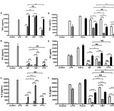
“Here we report, for the first time, that commensal skin bacteria are recognized by major populations of T cells in skin-draining lymph nodes of mice.”

Nematode microbiome

Screen shot 2014-07-15 at 05.21PM, Jul 15NilD CRISPR RNA contributes to Xenorhabdus nematophila colonization of symbiotic host nematodes – Jeff L. Veesenmeyer – Molecular Microbiology

“Our data demonstrate that NilD RNA is conditionally necessary for mutualistic host colonization and suggest that it functions to regulate endogenous gene expression.”

Plant microbiome

Screen shot 2014-07-15 at 05.37PM, Jul 15Characterization of Pythium oligandrum populations that colonise the rhizosphere of vines from the Bordeaux region – Jonathan Gerbore – FEMS Microbiology Ecology

“The present study focused on one oomycete, Pythium oligandrum, well-known for its plant protection abilities, which thrives in microbial environment where bacteria and fungal communities are also present. “

Environmental microbial communities  (also see Human Gut digest)

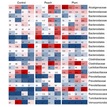
Screen shot 2014-07-15 at 05.18PM, Jul 15Conditionally Rare Taxa Disproportionately Contribute to Temporal Changes in Microbial Diversity – Ashley Shade – mBio

“Using 16S rRNA amplicon sequencing of 3,237 samples from 42 time series of microbial communities from nine different ecosystems (air; marine; lake; stream; adult human skin, tongue, and gut; infant gut; and brewery wastewater treatment), we introduce a new method to detect typically rare microbial taxa that occasionally become very abundant (conditionally rare taxa [CRT]) and then quantify their contributions to temporal shifts in community structure.”

Soil microbiome

Screen shot 2014-07-15 at 05.38PM, Jul 15Environmental drivers of soil microbial community distribution at the Koiliaris Critical Zone Observatory – Myrto Tsiknia – FEMS Microbiology Ecology

“This study investigates the distribution of archaea, bacteria and fungi as well as the dominant bacterial phyla (Acidobacteria, Actinobacteria, Bacteroidetes, Firmicutes), and classes of Proteobacteria (α- and β-Proteobacteria) across the Koiliaris watershed by qPCR and associate them with environmental variables. “

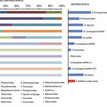
SicilianoSoil fertility is associated with fungal and bacterial richness, whereas pH is associated with community composition in polar soil microbial communities – Steven D. Siciliano – Soil Biology and Biochemistry

“We quantified richness, evenness and taxonomic composition of both fungi and bacteria in 223 Arctic and Antarctic soil samples across 8 locations to test the global applicability of hypotheses concerning edaphic drivers of soil microbial communities that have been primarily developed from studies of bacteria in temperate and tropical systems.”

TianThe effect of irrigation with oil-polluted water on microbial communities in estuarine reed rhizosphere soils – Weijun Tian – Ecological Engineering

“PCR-denaturing gradient gel electrophoresis profiles revealed that the structure of the bacterial community was generally less affected, but the dominant flora was changed.”

Metatranscriptomic analysis of Arctic peat soil microbiota – Alexander Tveit – Applied and Environmental Microbiology

“A comparative analysis of mRNA enriched and non-enriched metatranscriptomes showed that mRNA enrichment resulted in a two-fold increase in the relative abundance of mRNA, but biased the relative distribution of mRNA. “

Screen shot 2014-07-15 at 07.15PM, Jul 15Network analysis reveals that bacteria and fungi form modules that correlate independently with soil parameters – Alexandre B de Menezes – Environmental Microbiology

“Network and multivariate statistical analyses were performed to determine interactions between bacterial and fungal community T-RFLPs as well as soil properties in paired woodland and pasture sites.”

Screen shot 2014-07-15 at 07.12PM, Jul 15 1Dynamic Succession of Soil Bacterial Community during Continuous Cropping of Peanut (Arachis hypogaea L.) – Mingna Chen – PLOS ONE

“In this study, 16S rRNA gene clone library analyses were used to study the succession of soil bacterial communities under continuous peanut cultivation.”

Diversity of Bacterial Communities in a Profile of a Winter Wheat Field: Known and Unknown Members – Aurore Stroobants – Microbial Ecology

“In the present work, we have used bar-coded pyrosequencing analysis of the V3 region of the 16S rRNA gene to analyze bacterial diversity in a profile (depths 10, 25, and 45 cm) of a well-characterized field of winter wheat.”

Expression of copper-resistance genes in microbial communities under copper stress and oxic/anoxic conditions – Ludovic Besaury – Environmental Science and Pollution Research

“The abundance and expression of the copper-resistance genes cusA and copA, encoding respectively for a Resistance Cell Nodulation protein and for a P-type ATP-ase pump, was assessed along a gradient of copper concentration in microcosms prepared from Seine estuary mudflat sediment. “

Water microbiome

Screen shot 2014-07-15 at 05.40PM, Jul 15Distinct bacterial assemblages reside at different depths in Arctic multiyear sea ice – Ido Hatam – FEMS Microbiology Ecology

“Here, we determine whether bacterial communities: 1) differ with ice depth due to strong physical and chemical gradients, 2) are relatively homogenous within a layer, but differ between layers, or 3) do not vary with ice depth”

Screen shot 2014-07-15 at 05.41PM, Jul 15Microspatial gene expression patterns in the Amazon River Plume – Brandon M. Satinsky – PNAS

“The bacterial and archaeal communities associated with a phytoplankton bloom in Amazon River Plume waters at the outer continental shelf in June 2010 harbored ∼1.0 × 10¹³ genes and 4.7 × 10¹¹ transcripts per liter that mapped to several thousand microbial genomes.”

Screen shot 2014-07-15 at 05.42PM, Jul 15Synchronous dynamics and correlations between bacteria and phytoplankton in a subtropical drinking water reservoir – Lemian Liu – FEMS Microbiology Ecology

“In this study, we evaluated the correlations between bacteria and phytoplankton communities, and determined the relative contribution of phytoplankton community succession to temporal variation of BCC in a subtropical drinking water reservoir (Tingxi Reservoir, southeast China).”

Screen shot 2014-07-15 at 07.12PM, Jul 15Metabolic and phylogenetic profile of bacterial community in Guishan coastal water (Pearl River Estuary), South China Sea – Xiaojuan Hu – Journal of Ocean University of China

“In the present study, the metabolic and phylogenetic profile of the bacterioplankton community in Guishan coastal water (Pearl River Estuary), South China Sea, at 12 sites (S1-S12) were explored by community-level physiological profiling (CLPP) with BIOLOG Eco-plate and denaturing gradient gel electrophoresis (DGGE).”


Bioreactor microbiomes

Screen shot 2014-07-15 at 05.39PM, Jul 15

Shifts in the Microbial Community, Nitrifiers and Denitrifiers in the Biofilm in a Full-scale Rotating Biological Contactor – Xingxing Peng – Environmental Science & Technology

“The microbial consortia were profiled using multiple approaches, including 454 high-throughput sequencing of the V3–V4 region of 16S rRNA gene, clone libraries, and quantitative polymerase chain reaction (qPCR). “

Enzymatic characterizationEnzymatic characterization of microbial isolates from lignocellulose waste composting: Chronological evolution – Juan Antonio López-González – Journal of Environmental Management

“Ammonification (72.04%), amylolysis (35.65%), hemicellulolyis (30.75%), and proteolysis (33.61%) were the more frequent activities among isolates, with mesophilic bacteria and fungi as the prevalent microbial communities.”

[hr]

Human microbiome, July 15

Not-always-rare taxa in a wide range of ecosystems, microbiome in early life, focus on Lactobacillus and Bacteroides and microbiota and inflammation.

General microbiome

Science Webinar: The promise of the microbiome: Function and dysfunction in humans and beyond – David A. Relman, Jack A. Gilbert, Rob Knight

“Microbiomes–the distinct microbial populations that colonize an array of bodily and environmental niches–are rapidly gaining prominence in numerous fields of research. “

Gut microbiome

Screen shot 2014-07-15 at 05.18PM, Jul 15Conditionally Rare Taxa Disproportionately Contribute to Temporal Changes in Microbial Diversity – Ashley Shade – mBio

“Using 16S rRNA amplicon sequencing of 3,237 samples from 42 time series of microbial communities from nine different ecosystems (air; marine; lake; stream; adult human skin, tongue, and gut; infant gut; and brewery wastewater treatment), we introduce a new method to detect typically rare microbial taxa that occasionally become very abundant (conditionally rare taxa [CRT]) and then quantify their contributions to temporal shifts in community structure.”

Screen shot 2014-07-15 at 05.20PM, Jul 15Functional genomics of Lactobacillus casei establishment in the gut – Hélène Licandro-Seraut – PNAS

“By determining the relative quantity of each of the 1,110 mutants before and after the in vivo challenge, we identified a core of 47 L. casei genes necessary for its establishment in the gut. “

Screen shot 2014-07-15 at 05.21PM, Jul 15Tuning transcription of nutrient utilization genes to catabolic rate promotes growth in a gut bacterium – Varsha Raghavan – Molecular Microbiology

“We report that the regulator controlling utilization of chondroitin sulfate (CS) in the mammalian gut symbiont Bacteroides thetaiotaomicron is activated by an intermediate in CS breakdown rather than CS itself.”

Pregnancy and Birth

Screen shot 2014-07-15 at 06.38PM, Jul 15 1Review: The Microbiome in Early Life: Self-Completion and Microbiota Protection as Health Priorities – Rodney R. Dietert – Birth Defects Research Part B: Developmental and Reproductive Toxicology

“This minireview considers the benefits of refocusing attention away from treating the patient as a mammalian human to managing the complete patient: a majority microbial superorganism. “

Screen shot 2014-07-15 at 06.38PM, Jul 15Review: Anaerobes and Bacterial Vaginosis in Pregnancy: Virulence Factors Contributing to Vaginal Colonisation – Charlene W. J. Africa – Int. J. Environ. Res. Public Health

“This paper reviewed new available information regarding possible factors contributing to the establishment of the BV vaginal biofilm, examined the proposed role of anaerobic microbial species recently detected by new culture-independent methods and discusses developments related to the effects of BV on human pregnancy. “

Oral microbiome

Review: Acquisition and maturation of oral microbiome throughout childhood: An update – Benedita Sampaio-Maia – Dental Research Journal

“This revision presents an overview of this renewed knowledge on oral microbial community acquisition in the newborn and on the evolution of this microbiome to adulthood. “


Animal models of human microbiome and disease

Screen shot 2014-07-15 at 05.17PM, Jul 15Commensal microbes drive intestinal inflammation by IL-17–producing CD4+ T cells through ICOSL and OX40L costimulation in the absence of B7-1 and B7-2 – Lijun Xin – PNAS

“Here we show that B7 deprivation in mice overrides the necessity for Tregs in averting systemic autoimmunity and inflammation in extraintestinal tissues, whereas peripherally induced Tregs retained in the absence of B7 selectively mitigate intestinal inflammation caused by Th17 effector CD4+ T cells. “

[hr]

General microbiology and science, July 14

Rectal swabs instead of stool samples, faster way of finding orthologs, and intelligence in bacteria.

Bioinformatics

Screen shot 2014-07-14 at 06.24PM, Jul 14Quickly Finding Orthologs as Reciprocal Best Hits with BLAT, LAST, and UBLAST: How Much Do We Miss? – Natalie Ward, Gabriel Moreno-Hagelsieb – PLOS ONE

“Since sequence comparison can be time consuming, we decided to compare the number and quality of RBHs detected using algorithms that run in a fraction of the time as BLAST. We tested BLAT, LAST and UBLAST.”

Sampling techniques

Screen shot 2014-07-14 at 06.24PM, Jul 14ectal Swabs for Analysis of the Intestinal Microbiota – Andries E. Budding – PLOS ONE

“In this study we investigated the characteristics and applicability of rectal swabs for gut microbiota profiling in a clinical routine setting in patients presenting with various gastro-intestinal disorders. We found that rectal swabs appeared to be a convenient means of sampling the human gut microbiota.”

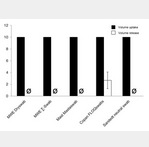
Screen shot 2014-07-14 at 06.25PM, Jul 14Some Are More Equal – A Comparative Study on Swab Uptake and Release of Bacterial Suspensions – Philipp Warnke – PLOS ONE

“Highest amount of CFU release was detected for the MWE Dryswab in the unrestricted setting for both S. aureus and S. epidermidis with 1544 CFU and 553 CFU, respectively, lowest release for the Sarstedt neutral swab with 32 CFU and 17 CFU, respectively (p<0.001).”

Antibiotics, resistance, biofilms

Screen shot 2014-07-14 at 06.26PM, Jul 14Beta-Lactam Antibiotics Stimulate Biofilm Formation in Non-Typeable Haemophilus influenzae by Up-Regulating Carbohydrate Metabolism – Siva Wu – PLOS ONE

“When exposed to sub-inhibitory concentrations of beta-lactam antibiotics NTHi strains produced tightly packed biofilms with decreased numbers of culturable bacteria but increased biomass.”

General microbiology

Screen shot 2014-07-14 at 12.23PM, Jul 14Macromolecular networks and intelligence in microorganisms – Hans V. Westerhoff – Frontiers in Microbiology

“Here, we explore how macromolecular networks in microbes confer intelligent characteristics, such as memory, anticipation, adaptation and reflection and we review current understanding of how network organization reflects the type of intelligence required for the environments in which they were selected.”

Screen shot 2014-07-14 at 06.26PM, Jul 14 1The syndemics of childhood diarrhoea: A biosocial perspective on efforts to combat global inequities in diarrhoea-related morbidity and mortality – Nicola Bulled – Global Public Health

“Drawing from available literature, this paper uses syndemic theory to explore the role of adverse biosocial interactions in increasing the total disease burden of enteric infections in low-resources populations and assesses the limitations of recent global calls to action.”

Bacteria in the news

Screen shot 2014-07-14 at 06.19PM, Jul 14We Are Our Bacteria – Jane E. Brody – New York Times (illustration by Ken Orvidas)

“We may think of ourselves as just human, but we’re really a mass of microorganisms housed in a human shell.”

Screen shot 2014-07-14 at 06.27PM, Jul 14#BacteriaHysteria : Gross! Lots of bacteria found on new swimsuits – Jane Weaver – Today Health

“The removable liner in women’s swimsuits that is meant to protect the fabric from our cooties isn’t really protective after all, according to a microbe researcher. “

Screen shot 2014-07-14 at 06.28PM, Jul 14Milford hospital enlists robots in war against infections – Mary MacDonald – Boston Globe

“The robots, made by Xenex Disinfection Services, use an intense flash of ultraviolet light to fight the bacteria, viruses, fungi, and other micro-organisms that traditional cleaning methods can miss, according to the hospital’s infection control staff.”

Screen shot 2014-07-14 at 06.29PM, Jul 14CDC Cracks Down on Labs After Anthrax, Bird Flu Scares – Jonel Aleccia – NBC News

“Dr. Tom Frieden, director of the Centers for Disease Control and Prevention, on Friday announced an immediate moratorium on all shipments of biological materials from CDC biosecurity level 3 and level 4 labs until problems are addressed.”

Marine Mammals

Screen shot 2014-07-14 at 06.29PM, Jul 14 1How Dolphins’ Genetics Could Help Find Answers Into Mysterious Animal Die-Off – Sascha Cordner – WFSU

“A discovery into dolphin genetics may have brought research scientists one step closer to finding out the source of a mysterious animal die-off last year in the troubled Indian River Lagoon.”

Science and publishing

Screen shot 2014-07-14 at 12.45PM, Jul 14Retractions are coming thick and fast: it’s time for publishers to act – Adam Marcus and Ivan Oransky – The Guardian

Another encouraging development is the rise of post-publication peer review, which has been made possible in recent years by the availability of papers online. Contributors to PubPeer, for example, have found signs of flawed or falsified results, leading to papers being retracted.”

Dr. Bik’s Picks

Screen shot 2014-07-14 at 06.34PM, Jul 14Whole genome and exome sequencing of monozygotic twins discordant for Crohn’s disease – Britt-Sabina Petersen – BMC Genomics

“We present a thorough genetic characterization of the sequenced individuals but detected no consistent differences within the twin pairs. “

Screen shot 2014-07-14 at 06.32PM, Jul 14How much science is there in new Planet of the Apes film? – Paul Rincon – BBC Science

“The latest instalment in the Planet of the Apes film franchise opens in the US on Friday. The rubber masks of the 60s and 70s films have been discarded in favour of motion capture suits and CGI. But how much did science inform the new movie’s portrayal of our close relatives?”

Screen shot 2014-07-14 at 06.31PM, Jul 14Domestication syndrome: White patches, baby faces and tameness explained by mild neural crest deficits – Science Daily

“Compared to their wild ancestors, domestic species are more tame, and they also tend to display a suite of other characteristic features, including floppier ears, patches of white fur, and more juvenile faces with smaller jaws.”


[hr]

Non-human microbiome, July 2014

Kittens! And squid, sponges, acid mine drainage in someone’s backyard, soils, and sediments.

Cat microbiome

KittensDeep Illumina-Based Shotgun Sequencing Reveals Dietary Effects on the Structure and Function of the Fecal Microbiome of Growing Kittens – Oliver Deusch – PLOS ONE

“The present study… applied deep Illumina shotgun sequencing to identify the diet-associated functional potential and analyze taxonomic changes of the feline fecal microbiome.”

Squid microbiome

Squid albaGene-Swapping Mediates Host Specificity among Symbiotic Bacteria in a Beneficial Symbiosis – Alba A. Chavez-Dozal – PLOS ONE

“Our results demonstrate that multiple bacterial genetic elements can determine V. fischeri strain specificity between two closely related squid hosts, indicating how important genetic variation is for regulating conspecific beneficial interactions that are acquired from the environment.”

Sponge microbiome 

Review: Diversity and biotechnological potential of microorganisms associated with marine sponges – Fuerst JA – Applied Microbiol Biotechnol (Direct link not working)

“Here, we review recent progress in our understanding of this genetic diversity, its retrieval via culture and genomic approaches, and its implications for chemical diversity and other biotechnology applications of sponge microorganisms and their genes.”

Soils and sediments

StroudMetal(loid) bioaccessibility dictates microbial community composition in acid sulfate soil horizons and sulfidic drain sediments – Jackie Stroud – Environmental Science & Technology

“Microbial community compositions were determined for three soil horizons and drain sediments within an anthropogenically-disturbed coastal acid sulfate landscape using 16S rRNA gene tagged 454 pyrosequencing.”

Screen shot 2014-07-14 at 12.34PM, Jul 14Geochemical and microbiological response to oxidant introduction into reduced subsurface sediment from the Hanford 300 Area, WA – Elizabeth M Percak-Dennett and Eric E. Roden – Environmental Science & Technology

“Together these results indicate the potential for heterotrophic carbon metabolism in the reduced sediments, consistent with the proliferation of known heterotrophic taxa (e.g. Pseudomonadaceae, Burkholderiaceae, Clostridiaceae) inferred from 16S rRNA gene pyrosequencing.”

Brantner AMDResponse of Soil-Associated Microbial Communities to Intrusion of Coal Mine-Derived Acid Mine Drainage – Justin S. Brantner and John M. Senko – Environmental Science & Technology

“Evaluation of pyrosequencing-derived 16S rRNA gene sequences recovered from incubations revealed the development of microbial community characteristics that were similar to those of the mature iron mound sediment.”

Screen shot 2014-07-14 at 12.36PM, Jul 14New carbohydrate-active enzymes identified by screening two metagenomic libraries derived from the soil of a winter wheat field – A. Stroobants – Journal of Applied Microbiology

“The aim of this work was to discover new β-glucosidases by constructing two metagenomic DNA libraries from soil samples collected in winter and spring from a field of winter wheat.”

[hr]
Human microbiome, July 14

Ethnic variation in vaginal microbiomes, effect of chemotherapy on human milk, response of (murine) microbiota to infection.

Oral microbiome

Screen shot 2014-07-14 at 12.23PM, Jul 14Advancements toward a Systems Level Understanding of the Human Oral Microbiome – Jeffrey S. Mclean – Frontiers in Cellular and Infection Microbiology

“This review will discuss some of the recent insights into the oral microbiome at a fundamental level, existing knowledge gaps, as well as challenges that have surfaced and the approaches to address them.”

Vaginal microbiome

Screen shot 2014-07-14 at 12.24PM, Jul 14Ethnic Variations in Cervical Cytokine Concentrations and Vaginal Flora During Pregnancy – Riana Dutt – American Journal of Reproductive Immunology

“Semi-quantitative vaginal cultures and concentrations of cervical cytokines were compared between Caucasian and non-Caucasian women.”

Gut microbiome

Screen shot 2014-07-14 at 12.25PM, Jul 14A functional metabolic map of Faecalibacterium prausnitzii, a beneficial human gut microbe – Almut Heinken – Journal of Bacteriology

“In this study, we present an integrated, iterative approach of computational modeling, in vitro experiments, metabolomics and genomic analysis to accelerate the identification of metabolic capabilities for poorly characterized (anaerobic) microorganisms.”

Pregnancy and birth

Screen shot 2014-07-14 at 12.26PM, Jul 14Effect of chemotherapy on the microbiota and metabolome of human milk, a case report – Camilla Urbaniak – Microbiome

“Mature milk was collected every two weeks over a four month period from a lactating woman undergoing chemotherapy for Hodgkin’s lymphoma. Mature milk was also collected from healthy lactating women for comparison. Microbial profiles were analyzed by 16S sequencing and the metabolome by gas chromatography-mass spectrometry.”

Animal models

Clara Belzer miceDynamics of the Microbiota in Response to Host Infection – Clara Belzer – PLOS ONE

“Employing a murine model of infectious colitis with the pathogen Citrobacter rodentium, we generated a 2-month time-series of 16S rDNA gene profiles, and quantitatively cultured commensals, from multiple intestinal sites in infected and uninfected mice. “

Prune juice animal modelCarbohydrate-Free Peach (Prunus persica) and Plum (Prunus domestica) Juice Affects Fecal Microbial Ecology in an Obese Animal Model – Giuliana D. Noratto – PLOS ONE

“Fecal samples were obtained after 11 weeks of fruit or control juice administration. Real-time PCR and 454-pyrosequencing were used to evaluate changes in fecal microbiota. Over 1,500 different Operational Taxonomic Units at 97% similarity were detected in all rats.”

[hr]
Microbiome and general science digest, July 11

Most recent results from American gut, a metagenomics pipeline, arsenic toxicity, polio and dengue vaccines, and pregnancy urine metabolomics to predict preterm birth.

Human gut microbiome

American GutAmerican Gut releases latest results and pipeline – Jeff Leach – American Gut

“The latest American Gut results are out and we’re very excited to share them with the American Gut community. We now have sequencing and analysis data from 3,238 participants, and as of today, this data equates to 101 million DNA sequences and 27 gigabytes of sequencing information.”

Screen shot 2014-07-11 at 04.27PM, Jul 11Place of upbringing in early childhood as related to inflammatory bowel diseases in adulthood: a population-based cohort study in Northern Europe – Signe Timm – European Journal of Epidemiology

“This study suggests a protective effect from livestock farm living in early childhood on the occurrence of IBD in adulthood, however only among subjects born after 1952. We speculate that lower microbial diversity is an explanation for the findings.”

Pregnancy and birth

Urinary pretermUrinary metabolic profiles in early pregnancy are associated with preterm birth and fetal growth restriction in the Rhea mother–child cohort study – Léa Maitre – BMC Medicine

“Here we used an exploratory metabolic profiling approach (metabolomics) to investigate the association between birth outcomes and metabolites in maternal urine collected early in pregnancy as part of the prospective mother–child cohort Rhea study. “

Metagenomics

MedusaMetagenomic Data Utilization and Analysis (MEDUSA) and Construction of a Global Gut Microbial Gene Catalogue – Fredrik H. Karlsson, Intawat Nookaew, Jens Nielsen – PLOS Computational Biology

“Here we present the bioinformatics pipeline MEDUSA that facilitates analysis of metagenomic reads at the gene and taxonomic level. We also constructed a global human gut microbial gene catalogue by combining data from 4 studies spanning 3 continents. “

Proteomics

Proteomics Staph aureusGenomics and Proteomics Provide New Insight into the Commensal and Pathogenic Lifestyles of Bovine and Human-associated Staphylococcus epidermidis strains – Kirsi Savijoki – Journal of Proteome Research

“Pilot experimental infection studies indicated that while ATCC12228 was able to infect bovine host, the PM221 strain caused more severe clinical signs. “

Dengue

Demanou DengueEvidence of Dengue Virus Transmission and Factors Associated with the Presence of Anti-Dengue Virus Antibodies in Humans in Three Major Towns in Cameroon – Maurice Demanou – PLOS Neglected Tropical Diseases

“Sera were screened for anti-dengue virus IgG and IgM antibodies. Risk factors of seropositivity were tested using logistic regression methods with random effects.”

Carrasco DenguePredictive Tools for Severe Dengue Conforming to World Health Organization 2009 Criteria – Luis R. Carrasco – PLOS Neglected Tropical Diseases

“Higher risk of severe dengue (SD) was associated with female gender, lower than normal hematocrit level, abdominal distension, vomiting and fever on admission. “

Infection and host response

Screen shot 2014-07-11 at 03.35PM, Jul 11Development of Fatal Intestinal Inflammation in MyD88 Deficient Mice Co-infected with Helminth and Bacterial Enteropathogens – Libo Su – PLOS Neglected Tropical Diseases

“We found that MyD88 knockout mice co-infected with H. polygyrus and C. rodentium developed more severe intestinal inflammation and elevated mortality compared to the wild-type mice.”‘

Screen shot 2014-07-11 at 04.28PM, Jul 11Distinct Lipid A Moieties Contribute to Pathogen-Induced Site-Specific Vascular Inflammation – Connie Slocum – PLOS Pathogens

“our results point to a pivotal role for activation of the non-canonical inflammasome in P. gingivalis infection and demonstrate that P. gingivalis evades immune detection at TLR4 facilitating chronic inflammation in the vasculature. “

Dengue

Dengue vaccine lancetClinical efficacy and safety of a novel tetravalent dengue vaccine in healthy children in Asia: a phase 3, randomised, observer-masked, placebo-controlled trial – Maria Rosario Capeding – The Lancet

“Our findings show that dengue vaccine is efficacious when given as three injections at months 0, 6, and 12 to children aged 2–14 years in endemic areas in Asia, and has a good safety profile. “

Also see comment: Dengue vaccines: dawning at last? – Annelies Wilder-Smith – The Lancet

Poliovirus

Jacob John polioEffect of a single inactivated poliovirus vaccine dose on intestinal immunity against poliovirus in children previously given oral vaccine: an open-label, randomised controlled trial – Jacob John – The Lancet

“The substantial boost in intestinal immunity conferred by a supplementary dose of IPV given to children younger than 5 years who had previously received OPV shows a potential role for this vaccine in immunisation activities to accelerate eradication and prevent outbreaks of poliomyelitis.”

Also see comment: Polio endgame management: focusing on performance with or without inactivated poliovirus vaccine – Kimberly M Thompson – The Lancet

Microbes in the News

Screen shot 2014-07-11 at 04.28PM, Jul 11 1How Gross Is Your Phone? A Motherboard Science Experiment – Jason Koebler – Motherboard

“All I wanted to do was recreate a relatively simple study I had just written about. Instead, I ended up creating something vaguely dangerous, which mortified the director of a local DIY biology lab. Here’s what happens when you perform experiments on your coworkers.”

Arsenic metabolism

Screen shot 2014-07-11 at 04.29PM, Jul 11Lung tumors in mice induced by “whole-life” inorganic arsenic exposure at human-relevant doses – Michael P. Waalkes – Archives of Toxicology

“Breeder male and female CD1 mice were exposed to 0, 50, 500 or 5,000 ppb arsenic (as sodium arsenite) in the drinking water for 3 weeks prior to breeding, during pregnancy and lactation, and after weaning (at week 3) groups of male and female offspring (initial n = 40) were exposed for up to 2 years.”

Dr. Bik’s Picks

Scorpions are master architects, according to new research – Science Daily

“The burrows made by scorpions follow a very sophisticated design, beginning with a short, vertical entrance shaft that flattened out a few centimeters below the surface into a horizontal platform, new research has found.”

Beach Sand Used To Make A Battery That Lasts Three Times Longer – Douglas Main – Popular Science

“Sink your toes into this: Beach sand can be used to make lithium-ion batteries that last three times longer than current models, according to a study published in the journal Scientific Reports.”

World Now “A Safer Place”, thanks to creation of Potential Pandemic Virus – The Allium

“Yes, I get your point that they could potentially kill millions of people and hospitalise millions more, causing untold human suffering and extraordinary economic damage, but think of all the advantages to the creation of these bugs”.

[hr]
Microbiome and general science digest, July 10

Hi all, just one post today, with everything combined. Bacterial vaginosis, daily rhythms  of marine bacteria, food microbiology, and The Picks.

Human vaginal microbiome

Role of Gardnerella vaginalis in the Pathogenesis of Bacterial Vaginosis: A Conceptual Model – Jane R. Schwebke – Journal of Infectious Diseases

“Our model suggests that BV is initiated by the sexual transmission of Gardnerella vaginalis, which has the appropriate virulence factors to adhere to host epithelium, create a biofilm community, and successfully compete with lactobacilli for dominance in the vaginal environment. “

Seawater microbiome

Multispecies dielMultispecies diel transcriptional oscillations in open ocean heterotrophic bacterial assemblages – Elizabeth A. Ottesen – Science, with an Editorial by E. Virginia Armbrust: “Taking the pulse of ocean microbes

“As anticipated, the cyanobacterial transcriptome exhibited pronounced diel periodicity. Unexpectedly, several different heterotrophic bacterioplankton groups also displayed diel cycling in many of their gene transcripts. “

Screen Shot 2014-07-10 at 11.53.04 PMReview: Bacterial diversity and antibiotic resistance in water habitats: searching the links with the human microbiome – Ivone Vaz-Moreira – FEMS Microbiology Reviews

“In this review, the hypothesis that some bacteria may share different water compartments and be also hosted by humans is discussed based on the comparison of the bacterial diversity in different types of water and with the human-associated microbiome. “

Food microbiology

Cassava beerLocal domestication of lactic acid bacteria via cassava beer fermentation – Alese M. Colehour – PeerJ

“Bacteria responsible for chicha fermentation could be a source of microbes for the human microbiome, but little is known regarding the microbiology of chicha. We investigated bacterial community composition of chicha batches using Illumina high-throughput sequencing. “

LobsterCharacterization of the dominant bacterial communities during storage of Norway lobster and Norway lobster tails (Nephrops norvegicus) based on 16S rDNA analysis by PCR-DGGE – Bekaert Karen – Food Microbiology

“To characterize as many bacterial species present as possible, we performed advanced molecular identification techniques (PCR-DGGE). The initial TVC of fresh Norway lobster meat was high (3.0 log cfu/g) as compared to fish.”

charquiEffect of autochthonous bacteriocin-producing Lactococcus lactis on bacterial population dynamics and growth of halotolerant bacteria in Brazilian charqui – Vanessa Biscola – Food Microbiology

“Charqui is a fermented, salted and sun-dried meat product, widely consumed in Brazil and exported to several countries. “

Microbes in the news

Using the gut microbiome to improve health – Mary MacVean – LA Times

“The “bistable” groups, the authors wrote, represent “tipping elements,” or components of the gut microbes that “exhibit alternative stable states linked to the overall ecosystem state and our physiology.” “

Science, Ethics and Publishing

Crack Down on Scientific Fraudsters – Adam Marcus and Ivan Oransky – New York Times

“Criminal charges against scientists who commit fraud are even more uncommon. In fact, according to a study published last year, “most investigators who engage in wrongdoing, even serious wrongdoing, continue to conduct research at their institutions.””

Dr. Bik’s Picks

Microplastics in the seas – Kara Lavender Law, Richard C. Thompson – Science

“Microplastics are likely the most numerically abundant items of plastic debris in the ocean today, and quantities will inevitably increase, in part because large, single plastic items ultimately degrade into millions of microplastic pieces. “

Uncontacted tribe in Brazil emerges from isolation – Heather Pringle – Science

“The meeting was Brazil’s first official contact with an isolated Amazonian tribe in 20 years. Anthropologists remain deeply concerned about the tribe’s future as it encounters novel diseases and resource-hungry outsiders. “

Polar BearsPolar Bears from Space: Assessing Satellite Imagery as a Tool to Track Arctic Wildlife – Seth Stapleton – PLOS ONE

“We examined satellite images of a small island in Foxe Basin, Canada, occupied by a high density of bears during the summer ice-free season. Bears were distinguished from other light-colored spots by comparing images collected on different dates. “

[hr]
General microbiology and science, July 9

Transcriptomic and proteomic analysis of Dengue infection,  bacteria that can tolerate arsenate, and -shocking!- bacteria on elevator buttons.

Dengue

Monocyte-Plasmablast Crosstalk during Dengue – Angela M. Green, Eva Harris – Cell Host & Microbe

“In this issue, Kwissa et al. (2014) begin with transcriptomic analysis and then integrate studies in human clinical samples, nonhuman primates, and coculture of primary human cells to identify a role for CD14+CD16+ monocytes in generating plasmablast responses during dengue virus infection.”

Screen Shot 2014-07-09 at 10.24.23 PMBelongs to: Dengue Virus Infection Induces Expansion of a CD14+CD16+ Monocyte Population that Stimulates Plasmablast Differentiation – Marcin Kwissa – Cell Host & Microbe

“Transcriptomic analysis of whole blood revealed that genes encoding proinflammatory mediators and type I interferon-related proteins were associated with high DENV levels during initial symptomatic disease.”

Screen Shot 2014-07-09 at 10.25.06 PMQuantitative proteomic analysis of Huh-7 cells infected with Dengue virus by label-free LC–MS – Victoria Pando-Robles – Journal of Proteomics

“In order to gain a better reading of the cross talk between virus and host cell proteins, we used a proteomics approach to analyze the host response to DENV infection in a hepatic cell line Huh-7.”

Dengue hemorrhagic fever: Comparison of patients with primary and secondary infections – Muhammad Khurram – Journal of Infection and Public Health

“The two Groups were compared for statistically significant association in terms of age, gender, laboratory parameter (at admission hematocrit [HCT], platelet, white blood cell [WBC] counts, alanine aminotransferase [ALT] value), severity (DHF or dengue shock syndrome), and outcome (recovered or expired).”

Comments on the clinical and laboratory characteristics of patients with dengue hemorrhagic fever manifestations and their transfusion profile – Romélia Pinheiro Gonçalves Lemes – Revista Brasileira de Hematologia e Hemoterapia

Belongs to: Clinical and laboratory characteristics of patients with dengue hemorrhagic fever manifestations and their transfusion profile – Denys Eiti Fujimoto – Revista Brasileira de Hematologia e Hemoterapia

“A retrospective descriptive study was performed to analyze the distribution of relative frequencies of clinical and laboratory variables. The study was carried out in Rio Branco with confirmed dengue fever cases.”

Viruses and phages

Viruses as new agentsViruses as new agents of organomineralization in the geological record – Muriel Pacton – Nature Communications

“Here we use contextual metagenomic data and microscopic analyses to show that viruses occur in high diversity within a modern lacustrine microbial mat, and vastly outnumber prokaryotes and other components of the microbial mat.”

Screen Shot 2014-07-09 at 10.30.33 PMReview: Exploiting gut bacteriophages for human health – Marion Dalmasso – Trends in Microbiology

“Individual phageomes vary depending on age and health, thus providing a useful biomarker of human health as well as suggesting potential interventions targeted at the gut microbiota.”

Through the looking glass: witnessing host–virus interplay in zebrafish – Jean-Pierre Levraud – Trends in Microbiology

“Besides traditional host models such as mice, the zebrafish offers an attractive cocktail of optical accessibility and genetic tractability, blended with a vertebrate-type immunity, where innate responses can easily be separated from adaptive ones.”

Antibiotics and resistance

Variable recombination dynamics during the emergence, transmission and ‘disarming’ of a multidrug-resistant pneumococcal clone – Nicholas J Croucher – BMC Biology

“Whole genome sequencing of an international collection of 189 isolates estimated that PMEN2 emerged around the late 1960s, developing resistance through multiple homologous recombinations and the acquisition of a Tn5253-type integrative and conjugative element (ICE). “

Arsenate metabolism

Screen Shot 2014-07-09 at 10.27.05 PMInfluence of an arsenate-reducing and polycyclic aromatic hydrocarbons-degrading Pseudomonas isolate on growth and arsenic accumulation in Pteris vittata L. and removal of phenanthrene – Tiancai Feng – International Biodeterioration & Biodegradation

“In this study, the effect of bacterial inoculation on plant growth and arsenic uptake by Pteris vittata and phenanthrene dissipation was investigated hydroponically using an arsenate-reducing and PAH-degrading Pseudomonas isolate. “

Screen Shot 2014-07-09 at 10.28.17 PMBrevibacillus sp. KUMAs2, a bacterial isolate for possible bioremediation of arsenic in rhizosphere – Ivy Mallick – Ecotoxicology and Environmental Safety

“As resistant property in KUMAs2 was found to be plasmid-borne, which carried both As oxidizing and reducing genes. The strain could promote chilli plant growth under As contaminated soil environment by decreasing As accumulation in plant upon successful colonization in the rhizosphere, which suggests the possibility of using this isolate for successful bioremediation of As in the crop field.”

Infection and host response

Influenza Promotes Pneumococcal Growth during Coinfection by Providing Host Sialylated Substrates as a Nutrient Source – Steven J. Siegel – Cell Host & Microbe

“We find that prior influenza infection enhances pneumococcal colonization of the murine nasopharynx, which in turn promotes bacterial spread to the lungs. “

Microbes in the news

Bacteria Could Provide A Powerful New Way To Fight Fat And Depression – Lauren F. Friedman – Business Insider

“With increased understanding of these tiny organisms, we might just be able to coax them to do our bidding, giving us unprecedented control over human health.”

Screen Shot 2014-07-09 at 10.28.38 PMHospital elevator buttons coated with more bacteria than bathroom surfaces – Helen Branswell – Canadian Press

“You might want to use an elbow to push the elevator button the next time you are in a hospital.”

Screen Shot 2014-07-09 at 10.27.35 PMBelongs to: Elevator buttons as unrecognized sources of bacterial colonization in hospitals – Christopher E Kandel – Open Medicine

“Elevator buttons had a higher prevalence of colonization than toilet surfaces (61% v. 43%, p = 0.008).”

Science and Art

Screen Shot 2014-07-09 at 10.26.17 PMIntricate bacteria sculptures painstakingly hand-cut from paper – Chris Higgins – Wired

“Among the microbes Brown studied in preparation for the undertaking, which took four months overall (one to draw, two to hand cut and one to piece them together) are proteus bacteria, Escherichia coli, salmonella, hyphae, Spirillum volutans and Vibrio cholerae.”

Science, publishing and ethics

Not all plagiarism requires a retraction – Praveen Chaddah – Nature

“The ease with which large chunks of text can be digitally scanned and compared with what has previously been published has produced a new breed of academic watchdog”

Dr. Bik’s Picks

Screen Shot 2014-07-09 at 10.35.00 PMAncient arachnid brought ‘back to life’: Video recreates 410-million-year-old animal walking – Science Daily

Scientists have recreated the walking gait of a 410-million-year-old arachnid, one of the first predators on land, based on fossil evidence. The scientists used the fossils — thin slices of rock showing the animal’s cross-section — to work out the range of motion in the limbs of this ancient, extinct early relative of the spiders.”

Screen Shot 2014-07-09 at 10.25.41 PM

Venus, the Chimera Cat: Venus the cat appears to have 2 faces – WSAV

“The left side of Venus’ face is black with a green eye, the right side of her face has orange tabby cat markings with a striking blue eye. “

[hr]

Non-human microbiome, July 9

Amphibians and fungi, microbes in the interface of plants and soil, and methane production by starving SAR11.

Amphibian microbiome

Screen Shot 2014-07-09 at 10.11.22 PMAmphibians acquire resistance to live and dead fungus overcoming fungal immunosuppression – Taegan A. McMahon – Nature

“Here we demonstrate that three species of amphibians can acquire behavioural or immunological resistance to B. dendrobatidis. “

Plant and soil microbiome

Screen Shot 2014-07-09 at 10.11.40 PMRoot exudates mediated interactions belowground – Feth el Zahar Haichar – Soil Biology and Biochemistry

“The root exudates may have a direct impact on carbon and nitrogen cycling, as they exhibit a rhizosphere priming effect towards soil organic matter degraders, and may inhibit nitrification process by soil nitrifying microorganisms. “

Water microbiology

Methane productions SAR11Methane production by phosphate-starved SAR11 chemoheterotrophic marine bacteria – Paul Carini – Nature Communications

“Here we show that Pelagibacterales sp. strain HTCC7211, an isolate of the SAR11 clade of marine α-proteobacteria, produces methane from MPn, stoichiometric to phosphorus consumption, when starved for phosphate. “

[hr]

Human microbiome, July 9

Microbiome in pediatric Crohn’s disease patients, tipping elements in the human intestinal ecosystem, and oral microbes in the respiratory tract of carcinoma patients.

Gut microbiome

Crohn diseasePediatric Crohn disease patients exhibit specific ileal transcriptome and microbiome signature – Yael Haberman – Journal of Clinical Investigation

“Here, we characterized the global pattern of ileal gene expression and the ileal microbial community in 359 treatment-naive pediatric patients with CD, patients with ulcerative colitis (UC), and control individuals. “

Tipping elementsTipping elements in the human intestinal ecosystem – Leo Lahti – Nature Communications

“Here, based on a deep phylogenetic analysis of the intestinal microbiota in a thousand western adults, we identify groups of bacteria that exhibit robust bistable abundance distributions. These bacteria are either abundant or nearly absent in most individuals, and exhibit decreased temporal stability at the intermediate abundance range. “

Respiratory microbiome

Detection and identification of oral anaerobes in intraoperative bronchial fluids of patients with pulmonary carcinoma – Ayako Hasegawa – Microbiology & Immunology

“This study aimed to quantify and identify bacteria in intraoperative bronchial fluids and to evaluate the relationship between impairment of cough/swallowing reflexes and silent aspiration of oral bacteria in elderly patients. “

A large genomic island allows Neisseria meningitidis to utilize propionic acid, with implications for colonization of the human nasopharynx – Maria Chiara E. Catenazzi – Microbiology & Immunology

“This genomic island is absent from the close relative of N. meningitidis, the commensal Neisseria lactamica, which chiefly colonizes infants not adults. “

Animal models of microbiome and disease

Microbiota-Driven Immune Cellular Maturation Is Essential for Antibody-Mediated Adaptive Immunity to Staphylococcus aureus Infection in the Eye – Tanweer Zaidi – Infection and Immunity

“ In germfree mice, there was no protective efficacy of antibody to PNAG due to the lack of LY6G+ inflammatory cell coeffector recruitment to the cornea.”

[hr]