General microbiology and science, August 12, 2014

Prokaryotic Essential Genes, 10 years of next-generation sequencing, a short podcast on the Hadza microbiome, and Ebola.


Metagenomics

Protein Localization Analysis of Essential Genes in Prokaryotes – Chong Peng & Feng Gao – Nature Scientific Reports

“Here, a comprehensive protein localization analysis of essential genes in 27 prokaryotes including 24 bacteria, 2 mycoplasmas and 1 archaeon has been performed. “

Techniques

Review: Ten years of next-generation sequencing technology – Erwin L. van Dijk – Trends in Genetics

“Here we provide an overview of the evolution of NGS and discuss the most significant improvements in sequencing technologies and library preparation protocols.”

More Microbiology

CISAC experts tackle public health & policy questions on Ebola – Beth Duff-Brown – Stanford University

“We ask CISAC biosecurity experts to answer several questions about Ebola and the public health concerns and policy implications. “

Rapid and reagentless detection of microbial contamination within meat utilizing a smartphone-based biosensor – Pei-Shih Liang – Nature Scientific Reports

“An 880 nm near infrared LED was irradiated perpendicular to the surface of ground beef, and the scatter signals at various angles were evaluated utilizing the gyro sensor and the digital camera of a smartphone.”

Academic Minute Podcast: Microbiota of the Hadza Tribe – Alyssa Crittenden, UNLV

“My colleagues and I have, for the first time, characterized the hunter-gatherer gut microbiome– working with a population of foragers in East Africa, the Hadza of Tanzania.”

Women in Science

Why are the media so obsessed with female scientists’ appearance? –  Alice Bell – The Guardian

“Yet another profile of Susan Greenfield feels the need to dwell on her ‘long, youthfully blond hair’. Why are the media so rubbish at covering women in science?”

Bik’s Picks

Under- and over-water halves of Gyrinidae beetle eyes harbor different corneal nanocoatings providing adaptation to the water and air environments – Artem Blagodatski – Nature Scientific Reports

“In this study we analyze the micro- and nanostructure of the split eyes of two Gyrinidae beetles genera, Gyrinus and Orectochilus. “

Antarctic midge’s genome is smallest in insects to date: Bare-bones genome is adaptation to deep freeze – Science Daily

“Scientists who sequenced the genome of the Antarctic midge suspect the genome’s small size — the smallest in insects described to date — can probably be explained by the midge’s adaptation to its extreme living environment.”

[hr]

General microbiology and science, August 11, 2014

Single cell genomics, metagenomics and bioinformatics, primers for protozoa detection, and Bik’s Picks.
Microbial detection

Clinical PathoScope: rapid alignment and filtration for accurate pathogen identification in clinical samples using unassembled sequencing data – Allyson L Byrd – BMC Bioinformatics

“Clinical PathoScope is the only pathogen identification method currently available that can identify multiple pathogens from mixed samples and distinguish between very closely related species and strains in samples with very few reads per pathogen. “

Metagenomics

Recent advances in genomic DNA sequencing of microbial species from single cells – Roger S. Lasken & Jeffrey S. McLean – Nature Review Genetics

“With the advent of single-cell sequencing, genomes of uncultivated species are rapidly filling in unsequenced branches of the microbial phylogenetic tree.”

Employing whole genome mapping for optimal de novo assembly of bacterial genomes
Basil Britto Xavier – BMC Research Notes

“Utilising several assembly tools based on de Bruijn graphs like Velvet, SPAdes and IDBA, we demonstrate that at the optimal N50, mis-assemblies do occur, even when using the multi-k-mer approaches of SPAdes and IDBA. “

Protozoal components of microbiome

Design and Validation of Four New Primers for Next-Generation Sequencing To Target the 18S rRNA Genes of Gastrointestinal Ciliate Protozoa – Suzanne L. Ishaq and André-Denis G. Wright – Applied and Environmental Microbiology

“PCR amplicons of 394 to 498 bases were generated from three primer sets, sequenced using Roche 454 pyrosequencing with Titanium, and analyzed using the BLAST database (NCBI) and MOTHUR version 1.29.”

Microbes in the news

What Causes Antibiotic Resistance? Video Answers This In Awesome Animation – Kevin Wu – Inquisitr.com

“Kevin Wu details the evolution of this problem that present a big challenge for the future of medicine in this amazing animated video uploaded on YouTube.”

Women in Science

Harassment in Science, Replicated – Christie Aschwanden – The New York Times

“The findings are depressingly similar to the data some colleagues and I collected this year from an online questionnaire sent to science writers. “

Bik’s Picks

Comparative population genomics reveals the domestication history of the peach (Prunus persica) and human influences on perennial fruit crops – Ke Cao – Genome Biology

“We perform large-scale resequencing of 10 wild and 74 cultivated peach varieties, including 9 ornamental, 23 breeding, and 42 landrace lines. We identify 4.6 million SNPs, a large number of which could explain the phenotypic variation in cultivated peach.”

Grizzly bears master healthy obesity – Meghan Rosen – Science News

“Though the animals beef up before hibernating, they may avoid diabetes by tweaking signals in fat cells, researchers report in the Aug. 5 Cell Metabolism.”

Natural light in office boosts health – Science Daily

“Office workers with more natural light exposure at the office had longer sleep duration, better sleep quality, more physical activity and better quality of life compared to office workers with less light exposure in the workplace, a study shows.”

[hr]

General microbiology and science

Some new bioinformatic tools,  dengue response and vaccines, and host response and transcriptomics.

Host response and gene expression

Single-cell RNA-seq: advances and future challenges – Antoine-Emmanuel Saliba – Nucleic Acids Research

“Different single-cell RNA-seq protocols have been introduced and are reviewed here—each one with its own strengths and current limitations.”

Corset: enabling differential gene expression analysis for de novo assembled transcriptomes – Nadia M Davidson and Alicia Oshlack – Genome Biology

“Here we present Corset, a method that hierarchically clusters contigs using shared reads and expression, then summarizes read counts to clusters, ready for statistical testing. Using a range of metrics, we demonstrate that Corset out-performs alternative methods.”

Bioinformatics

Suffix tree searcher: exploration of common substrings in large DNA sequence sets
David Minkley – BMC Research Notes

“The program accommodates very large numbers of very large sequences, with aggregate size reaching tens of billions of nucleotides. The program makes use of pre-sorted persistent “building blocks” to reduce the time required to construct new trees.”

SnipViz: a compact and lightweight web site widget for display and dissemination of multiple versions of gene and protein sequences – Daniel Jaschob – BMC Research Notes

“SnipViz is a client-side software tool designed to disseminate multiple versions of related gene and protein sequences on web sites. SnipViz has a space-efficient, interactive, and dynamic interface for navigating, analyzing and visualizing sequence data.”

Dengue


Dengue vaccine trial poses public health quandary – Dennis Normile – Science


“The vaccine, developed by Sanofi Pasteur, proved safe, had an overall efficacy rate of 56.5%, and reduced cases of severe disease by 88.5%. But it had limited efficacy against dengue 2, one of four dengue virus serotypes in circulation.”

Predictors of hospital stay and mortality in dengue virus infection-experience from Aga Khan University Hospital Pakistan – Muhammad Abdul Khalil – BMC Research Notes

“Increasing age, coagulopathy and acute kidney injury in patients with DVI is associated with increased hospital stay.”


Science and publishing

A crisis of trust – Pubpeer

“As PubPeer developed, and especially once we enabled anonymous posting, we were shocked at the number of comments pointing out much more fundamental problems in papers, involving very questionable research practices and rather obvious misconduct. “

Dr. Bik’s Picks

Note to Science: The GOP’s Just Not That That Into You – Jeffrey Kluger – Time

“If the Speaker, by his own admission, isn’t qualified to debate climate change, fine, he’s excused from the conversation—and he should be expected not to offer further opinion on the matter. “

The first Science Hack Day in China – Ariel Waldman – BoingBoing

“Over the course of the weekend in a Shanghai incubator space, kids, parents, scientists, artists and technologists joined forces to play with science and prototype ideas. “

Exclusive: Naked Mole Rat Filled With Regret Over Evolutionary Choices – The Allium

“In an exclusive interview with The Allium, the Naked Mole Rat has revealed its regret at some of the evolutionary choices it has made, in particular the whole nakedness and the teeth.”


[hr]

Non-human microbiome

Microbiome of sheep, Drosophila on cherries, wild and sugar beets, sauerkraut, sake, and cheese. Sounds like a good meal.
Sheep microbiome

Pros and Cons of Ion-Torrent Next Generation Sequencing versus Terminal Restriction Fragment Length Polymorphism T-RFLP for Studying the Rumen Bacterial Community – Gabriel de la Fuente – PLOS ONE

“We analysed the bacterial diversity in the rumen of defaunated sheep following the introduction of different protozoal populations, using both next generation sequencing (NGS: Ion Torrent PGM) and terminal restriction fragment length polymorphism (T-RFLP).”

Insect microbiome

The bacterial communities of Drosophila suzukii collected from undamaged cherries
James Angus Chandler – PeerJ

“Using 16S rDNA PCR and Illumina sequencing, we characterized the bacterial communities of larval and adult D. suzukii collected from undamaged, attached cherries in California, USA. “

Evaluating Insect-Microbiomes at the Plant-Insect Interface – Clare L. Casteel, Allison K. Hansen – Journal of Chemical Ecology

“In this review, we critically evaluate the requirements for insect-associated microbes to develop synergistic relationships with their hosts, and we mechanistically discuss how some of these insect-associated microbes can target or modify host plant defenses.”

Saccharide breakdown and fermentation by the honey bee gut microbiome
Authors – Fredrick J. Lee – Environmental microbiology

“In order to better understand the contribution of the microbial community to food processing in the honey bee, we generated a metatranscriptome of the honey bee gut microbiome.”

Plant microbiome

Differences between the rhizosphere microbiome of Beta vulgaris ssp. maritima – ancestor of all beet crops – and modern sugar beets – Christin Zachow – Frontiers in Microbiology

“Therefore, we studied bacterial rhizosphere communities associated with the wild beet B. vulgaris ssp. maritima grown in their natural habitat soil from coastal drift lines (CS) and modern sugar beets (Beta vulgaris ssp. vulgaris) cultivated in CS and potting soil (PS) under greenhouse conditions.”

Endophytic bacterial community of grapevine leaves influenced by sampling date and phytoplasma infection process – Daniela Bulgari – BMC Microbiology

“Metagenomic DNA was extracted from sterilized leaves and the endophytic bacterial community dynamic and diversity were analyzed by taxon specific real-time PCR, Length-Heterogeneity PCR and genus-specific PCR. “

Water microbiology

Core Functional Traits of Bacterial Communities in the Upper Mississippi River Show Limited Variation in Response to Land Cover – Christopher Staley – Frontiers in Microbiology

“In this study we characterized functional microbial diversity at 11 sites along the Mississippi River in Minnesota using both metagenomic sequencing and functional-inference-based (PICRUSt) approaches.”

Potential drivers of microbial community structure and function in Arctic snow – Lorrie Maccario – Frontiers in Microbiology

“We applied a metagenomic approach to nine snow samples taken over two months during the spring season. Fungi, Bacteroidetes and Proteobacteria were predominant in metagenomic datasets and changes in community structure were apparent throughout the field season.”

Soil microbiology

Nutrient addition dramatically accelerates microbial community succession – Knelman JE – PLOS ONE

“We evaluated soil properties and examined bacterial community composition in plots before and one year after fertilization.”

Food microbiology

Sauerkraut: bacteria making food – S.E. Gould – Lab Rat – Scientific American

“As the bacteria required for sauerkraut fermentation are found on the cabbage leaves, it’s a very easy and healthy dish to produce. All you need is cabbage! “

Indigenous bacteria and fungi drive traditional kimoto sake fermentations
Nicholas A. Bokulich – Applied and Environmental Microbiology

“Results demonstrate a dynamic microbial succession, with koji and early moto fermentations dominated by Bacillus, Staphylococcus, and Aspergillus flavus subsp. oryzae, succeeded by Lactobacillus spp. and Saccharomyces cerevisiae later in the fermentations. “

Microbiota characterization of a Belgian protected designation of origin cheese, Herve cheese, using metagenomic analysis – V. Delcenserie – Journal of Dairy Science

“The aim of the study was to analyze the bacterial microbiota of Herve cheese using classical microbiology and a metagenomic approach based on 16S ribosomal DNA pyrosequencing. “

[hr]


Microbiome Digest, July 25

A year worth of oral/stool samples shows relative stability, antibiotics and preterm infants, reagent contamination, and 42. Have a great weekend!


Oral and gut microbiome

Screen Shot 2014-07-25 at 9.45.01 PMHost lifestyle affects human microbiota on daily timescales – Lawrence A David – Genome Biology

“Here, we link over 10,000 longitudinal measurements of human wellness and action to the daily gut and salivary microbiota dynamics of two individuals over the course of one year. These time series show overall microbial communities to be stable for months. However, rare events in each subjects’ life rapidly and broadly impacted microbiota dynamics. “

Pregnancy and Birth

Screen Shot 2014-07-25 at 9.44.20 PMThe impact of postnatal antibiotics on the preterm intestinal microbiome – Majd Dardas – Pediatric Research

“Rectal (fecal) swabs were collected at 10 and 30 d and analyzed by 16S rRNA pyrosequencing. At both time points, we examined the rectal microbiome from infants who received only 2 d of antibiotics and those who received at least 7 d of antibiotics.”

Techniques

Screen Shot 2014-07-25 at 9.45.50 PMReagent contamination can critically impact sequence-based microbiome analyses – Susannah Salter – BioRxiv (preprint)

“In this study we demonstrate that contaminating DNA is ubiquitous in commonly used DNA extraction kits, varies greatly in composition between different kits and kit batches, and that this contamination critically impacts results obtained from samples containing a low microbial biomass. “

Dengue

Speaking about “matter of timing”, seems like this paper came out a bit too late.
Screen Shot 2014-07-25 at 9.46.14 PMDengue and the World Football Cup: A Matter of Timing – Christovam Barcellos, Rachel Lowe – PLOS Neglected Tropical Diseases

“We provide a nationwide risk map, averaging June dengue incidence rates for 2001–2012. The areas along the Amazonian rivers and in the inner portions of southernmost states are actually low-risk areas, while elevated dengue risk is found in the central Brazilian plateau.”

Infection and host response

Don’t forget your towel! Even the issue number, 1004201, contains the “The Answer to the Ultimate Question of Life, the Universe, and Everything”. Perfection.
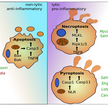
Screen Shot 2014-07-25 at 9.46.22 PMMicrobial Egress: A Hitchhiker’s Guide to Freedom – Ana Traven, Thomas Naderer – PLOS Pathogens

“The Restaurant at the End of the Infection — Macrophages as Host Cells”
“So Long and Thanks for All the Inflammatory Cell Death”

Dr. Bik’s Picks

crowSmarter than a first-grader? Crows can perform as well as 7- to 10-year-olds on cause-and-effect water displacement tasks

“New research conducted by UC Santa Barbara’s Corina Logan, with her collaborators at the University of Auckland in New Zealand, demonstrates the birds’ intellectual prowess may be more fact than fiction.”

JBC Journal of Biological ChemistryFour billion-year-old chemistry in cells today – Phys.org

“Parts of the primordial soup in which life arose have been maintained in our cells today according to scientists at the University of East Anglia.”

Screen Shot 2014-07-25 at 9.47.50 PMDustup Over Lionfish Science Fair Project – Bob Grant – The Scientist

A former graduate student says he feels slighted by a failure to attribute his contributions to a line of research regarding the salinity tolerances of an invasive species. “I’m not sure what happened, but my main issue is that the national media has presented a story that is sensationalized, and has left me out of the picture.”

[hr]

General microbiology and science, July 22

Amplifying long PCR products, primer design, metagenomic analysis and ecology, network analysis and the Picks.

Techniques

Long-range PCR in next-generation sequencing: comparison of six enzymes and evaluation on the MiSeq sequencer – Haiying Jia – Nature Scientific Reports

“We evaluated six long-range DNA polymerases to amplify three amplicons, with sizes of 12.9 kb, 9.7 kb, and 5.8 kb, respectively. “

DegePrime, a Program for Degenerate Primer Design for Broad-Taxonomic-Range PCR in Microbial Ecology Studies – Luisa W. Hugerth – Applied and Environmental Microbiology

“Here, we present the computer program DegePrime that, for each position of a multiple sequence alignment, finds a degenerate oligomer of as high coverage as possible and outputs its coverage among taxonomic divisions.”

Metagenomic analysis and ecology

Implications of streamlining theory for microbial ecology – Stephen J Giovannoni – ISME Journal

“The small genomes of obligate insect endosymbionts have been attributed to genetic drift caused by small effective population sizes (Ne). In contrast, streamlining theory attributes small cells and genomes to selection for efficient use of nutrients in populations where Ne is large and nutrients limit growth.”

Parallel Evolution of Streptococcus pneumoniae and Streptococcus mitis to Pathogenic and Mutualistic Lifestyles – Mogens Kilian – mBio

“In a comparative analysis of 35 genomes, including phylogenetic analyses of all predicted genes, we have shown that the pathogenic pneumococcus has evolved into a master of genomic flexibility while lineages that evolved into the nonpathogenic S. mitis secured harmonious coexistence with their host by stabilizing an approximately 15%-reduced genome devoid of many virulence genes.”

Proteomics

Elevated temperature alters proteomic responses of individual organisms within a biofilm community – Annika C Mosier – ISME Journal

“The study is the first application of tandem mass tag (TMT)-based proteomics to a microbial community. We accurately, precisely and reproducibly quantified thousands of proteins in biofilms growing at 40, 43 and 46 °C. “

Bioinformatics

Detecting Communities Based on Network Topology – Wei Liu – Nature Scientific Reports

“We analyzed 16 different types of networks, and compared our partitions with Infomap, LPA, Fastgreedy and Walktrap, which are popular algorithms for community detection. Most of the partitions generated using our approach compare favorably to those generated by these other algorithms. “

Dr. Bik’s Picks

FGF5 is a crucial regulator of hair length in humans – Claire A. Higgins – PNAS

“In this study, we obtained DNA from families segregating excessively long eyelashes consistent with an autosomal recessive trait.”

Science and Culture: Hunting fractals in the music of J. S. Bach – Stephen Ornes – PNAS

“Bach has similarly attracted the attention of other fractal hunters, including Harlan Brothers, a jazz guitarist, composer, and mathematician in Branford, Connecticut. For more than a decade, Brothers has been mapping fractals in music.”

[hr]


General microbiology and science, July 21

Pyrosequencing reproducibility, Microbes in the News, plague, tatoos, and Dr. Bik’s Picks.

Techniques

Reproducibility of pyrosequencing data for biodiversity assessment in complex communities – Aibin Zhan – Methods in Ecology and Evolution

“Here we evaluated reproducibility by analyzing 454 pyrosequenced biological replicates of two complex plankton communities collected from one freshwater port and one marine port. We also tested whether reproducibility potentially influences biodiversity estimates, notably α- and β-diversity.”

Microbial Ecology / Bioinformatics

Synthetic microbial consortia: from systematic analysis to construction and applications
Hao Song – Chem Soc Rev

“Herein, we first reviewed binary interaction modes of microorganisms in microbial consortia and their underlying molecular mechanisms, which lay the foundation of programming cell–cell interactions in synthetic microbial consortia. “

Microbes in the News

Be nice to your germs, they keep you alive – Nicky Phillips – Sydney Morning Herald

“Without a well-balanced community of these microscopic critters we would not survive, says Holmes. ‘‘We shouldn’t view them as a separate thing, we should view them as a part of us,’’ he says.”

Desert Rat Relies on Microbes To Detoxify Its Deadly Meals – Ed Yong – National Geographic

“When Kevin Kohl learned about the woodrat, he wondered if bacteria in the rodent’s gut might help it to tolerate its otherwise lethal diet… The idea made sense. Kohl just needed to test it.”

Four Cases of Life-Threatening Plague Found in Colorado –  Sonali Basak and Jennifer Oldham – Bloomberg.com

“Three more plague cases were found in Colorado, a week after the first infection of the deadliest form of the disease was reported in the state in a decade.”

Tattoo Inks, Needles Recalled Due To Bacterial Contamination
Kristen McConnaughey – SiouxLandMatters.com

“”Extreme risks. I mean we’re talking death. There’s things out there that can kill you,” says Scott Alphawolf Davis, a tattoo artist.”

Science and career

Happy Thoughts May Help Postdocs Handle Stress – Rachel Bernstein – Science Careers

“It could be something as simple as watching a funny TV show or going out for a walk or jog. These little things really add up.”

Women in Science

Why is STEM Still a 4-Letter Word for Women? 7 Leaders Weigh In – Ravishly

“Women receive fewer invitations to professional meetings, and research paper acceptance, pay scales and promotion to tenure favor males over females.“

Dr. Bik’s Picks

Sixth-Grader’s Science Fair Finding Shocks Ecologists – NPR All Things Considered

“When 12-year-old Lauren Arrington heard about her sixth-grade science project, she knew she wanted to study lionfish. Growing up in Jupiter, Fla., she saw them in the ocean while snorkeling and fishing with her dad.”

Editorial: Science speaking up – Pensacola News Journal

“The letter read: “We note you have been asked several times about how, as Governor, you will handle the issue of climate change. You responded that you are ‘not a scientist.’ We are scientists and we would like the opportunity to explain what is at stake for our state.””

Book Review: Raising a Glass to Chemistry: ‘Proof’ Drinks in the Science of Alcohol – Alessandra Montalto – The New York Times

“How important is yeast? In 1996, it became the first living organism to have its DNA sequenced. As one modern alehouse puts it in a dubious ad: “Yeast — not just for infections anymore.””

New Allele Hopeful of Making The Big Time – The Allium – Science News You Won’t Read Nowhere Else

“Right now, I am at a low frequency and nobody really knows about me. Tomorrow I could be gone. It is that tough!”

[hr]

General microbiology and science, July 15

Dengue virus replication, poliovirus transmission, marine viral communities, primer choice, and CRISPRs systems and antibiotic resistance.

Dengue virus

Letter: Are viral small RNA regulating Dengue virus replication beyond serotype 2? – Esteban Finol – PNAS

Letter: Reply to Finol: Viral small RNA from Dengue virus and its egulatory role in different serotypes – Mazhar Hussain and Sassan Asgari – PNAS

Poliovirus

Screen shot 2014-07-15 at 06.00PM, Jul 15The role of older children and adults in wild poliovirus transmission – Isobel M. Blake – PNAS

“We fit a mathematical model of poliovirus transmission to time series data from two large outbreaks that affected adults (Tajikistan 2010, Republic of Congo 2010) using maximum-likelihood estimation based on iterated particle-filtering methods. “

Phages and viruses

Screen shot 2014-07-15 at 06.01PM, Jul 15Modeling ecological drivers in marine viral communities using comparative metagenomics and network analyses – Bonnie L. Hurwitz – PNAS

“Here we combine advances in bioinformatics (shared k-mer analyses) and social networking (regression modeling) to develop an annotation- and assembly-free visualization and analytical strategy for comparative metagenomics that uses all the data in a unified statistical framework. “

Screen shot 2014-07-15 at 06.02PM, Jul 15Contrasted coevolutionary dynamics between a bacterial pathogen and its bacteriophages – Alex Betts – PNAS

“We used experimental evolution between Pseudomonas aeruginosa and a panel of its lytic phages and found the full known range of coevolutionary dynamics.”

CRISPRs and antibiotic resistance

Screen shot 2014-07-15 at 06.03PM, Jul 15A CRISPR-Cas system enhances envelope integrity mediating antibiotic resistance and inflammasome evasion – Timothy R. Sampson – PNAS

“We demonstrate that components of a clustered, regularly interspaced, short palindromic repeats–CRISPR associated (CRISPR-Cas) system, a prokaryotic defense against viruses and foreign nucleic acid, act to regulate the permeability of the bacterial envelope, ultimately providing these cells with the capability to resist membrane damage caused by antibiotics. “

Extraction and amplification techniques

The Influence of DNA Extraction Procedure and Primer Set on the Bacterial Community Analysis by Pyrosequencing of Barcoded 16S rRNA Gene Amplicons – Ingo C. Starke – Molecular Biology International

“In this study, the effect of different DNA extraction procedures and primer sets on pyrosequencing results regarding the composition of bacterial communities in the ileum of piglets was investigated. “

Metagenomics general

Interpreting 16S metagenomic data without clustering to achieve sub-OTU resolution – Mikhail Tikhonov – ISME Journal

“We present a clustering-free approach to multi-sample Illumina data sets that can identify independent bacterial subpopulations regardless of the similarity of their 16S tag sequences. “


General Microbiology

Screen shot 2014-07-15 at 06.04PM, Jul 15Recovery of a Medieval Brucella melitensis Genome Using Shotgun Metagenomics – Gemma L. Kay – mBio

“We sequenced the metagenome of a calcified nodule from the skeleton of a 14th-century middle-aged male excavated from the medieval Sardinian settlement of Geridu. We obtained 6.5-fold coverage of a Brucella melitensis genome”

Screen shot 2014-07-15 at 06.05PM, Jul 15Review: The Ins and Outs of Bacterial Iron Metabolism – Elaine R. Frawley and Ferric C. Fang – Molecular Microbiology

“The recent discovery of putative iron efflux transporters in Salmonella enterica serovar Typhimurium is discussed in the context of cellular iron homeostasis.”

Screen shot 2014-07-15 at 06.05PM, Jul 15 1Genetic information transfer promotes cooperation in bacteria – Tatiana Dimitriu – PNAS

“Our experiments and models converge to show that when both cheating and cooperative genes are transferred, cooperators win against cheaters because transfer increases assortment among alleles, favoring cooperation.”

Challenges and Opportunities of Integrative Taxonomy for Research and Society – Taxonomic Research in the Era of OMICS Technologies (PDF)  (Herausforderungen und Chancen der integrativen Taxonomie für Forschung und Gesellschaft) – Deutsche Akademie der Naturforscher Leopoldina e.V.

Microbiomes and metagenomes in need of professional classification – Rudolf Amann
The intestinal microbiome and human health: a new challenge for taxonomy of metagenomic data – Bärbel Stecher
Characterizing species boundaries and species histories in closely related fungi using comparative population genomic approaches – Eva H. Stukenbrock

Coming of ageThe coming of age of microbial ecology – Ana E. Escalante and Silvia Pajares – Chapter in Open Access book: Frontiers in Ecology, Evolution and Complexity

“Despite major challenges, new technological advances in genomic sciences have prompted microbial ecology into a revolution in data generation that has allowed us to move beyond studies of single isolates to the study of entire microbial communities without reliance on culture-dependent methods.”

Review: The Dynamic Interactions between Salmonella and the Microbiota, within the Challenging Niche of the Gastrointestinal Tract – C. M. Anjam Khan – International Scholarly Research Notices

“This gastrointestinal pathogen not only faces the hostile defenses of the host’s immune system, but also faces fierce competition from the large and diverse community of microbiota for space and nutrients.”


Science and publishing

Screen shot 2014-07-15 at 05.59PM, Jul 15Is Social Media Saving Science? – Michael White – Pacific Standard

“Why do editors and expert reviewers, whose primary job is to vet manuscripts, miss major flaws that are so obvious to readers after the papers are published?”

Dr. Bik’s Picks

Screen shot 2014-07-15 at 06.07PM, Jul 15Effect of sleep deprivation on the human metabolome – Sarah K. Davies – PNAS

“Clear daily rhythms were observed in most metabolites, with 24 h wakefulness mainly reducing the amplitude of these rhythms.”

Screen shot 2014-07-15 at 06.06PM, Jul 15Comparison of five different RNA sources to examine the lactating bovine mammary gland transcriptome using RNA-Sequencing – Angela Cánovas – Nature Scientific Reports

“Our results provide a comparison between different sampling methods (invasive and non-invasive) to define the transcriptome of mammary gland tissue and milk cells.’

Screen shot 2014-07-15 at 06.07PM, Jul 15 1Superior time perception for lower musical pitch explains why bass-ranged instruments lay down musical rhythms – Michael J. Hove – PNAS

“Here, we show that, when two streams of tones are presented simultaneously, the brain better detects timing deviations in the lower-pitched than in the higher-pitched stream and that tapping synchronization to the tones is more influenced by the lower-pitched stream. “

[hr]

General microbiology and science, July 14

Rectal swabs instead of stool samples, faster way of finding orthologs, and intelligence in bacteria.

Bioinformatics

Screen shot 2014-07-14 at 06.24PM, Jul 14Quickly Finding Orthologs as Reciprocal Best Hits with BLAT, LAST, and UBLAST: How Much Do We Miss? – Natalie Ward, Gabriel Moreno-Hagelsieb – PLOS ONE

“Since sequence comparison can be time consuming, we decided to compare the number and quality of RBHs detected using algorithms that run in a fraction of the time as BLAST. We tested BLAT, LAST and UBLAST.”

Sampling techniques

Screen shot 2014-07-14 at 06.24PM, Jul 14ectal Swabs for Analysis of the Intestinal Microbiota – Andries E. Budding – PLOS ONE

“In this study we investigated the characteristics and applicability of rectal swabs for gut microbiota profiling in a clinical routine setting in patients presenting with various gastro-intestinal disorders. We found that rectal swabs appeared to be a convenient means of sampling the human gut microbiota.”

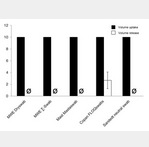
Screen shot 2014-07-14 at 06.25PM, Jul 14Some Are More Equal – A Comparative Study on Swab Uptake and Release of Bacterial Suspensions – Philipp Warnke – PLOS ONE

“Highest amount of CFU release was detected for the MWE Dryswab in the unrestricted setting for both S. aureus and S. epidermidis with 1544 CFU and 553 CFU, respectively, lowest release for the Sarstedt neutral swab with 32 CFU and 17 CFU, respectively (p<0.001).”

Antibiotics, resistance, biofilms

Screen shot 2014-07-14 at 06.26PM, Jul 14Beta-Lactam Antibiotics Stimulate Biofilm Formation in Non-Typeable Haemophilus influenzae by Up-Regulating Carbohydrate Metabolism – Siva Wu – PLOS ONE

“When exposed to sub-inhibitory concentrations of beta-lactam antibiotics NTHi strains produced tightly packed biofilms with decreased numbers of culturable bacteria but increased biomass.”

General microbiology

Screen shot 2014-07-14 at 12.23PM, Jul 14Macromolecular networks and intelligence in microorganisms – Hans V. Westerhoff – Frontiers in Microbiology

“Here, we explore how macromolecular networks in microbes confer intelligent characteristics, such as memory, anticipation, adaptation and reflection and we review current understanding of how network organization reflects the type of intelligence required for the environments in which they were selected.”

Screen shot 2014-07-14 at 06.26PM, Jul 14 1The syndemics of childhood diarrhoea: A biosocial perspective on efforts to combat global inequities in diarrhoea-related morbidity and mortality – Nicola Bulled – Global Public Health

“Drawing from available literature, this paper uses syndemic theory to explore the role of adverse biosocial interactions in increasing the total disease burden of enteric infections in low-resources populations and assesses the limitations of recent global calls to action.”

Bacteria in the news

Screen shot 2014-07-14 at 06.19PM, Jul 14We Are Our Bacteria – Jane E. Brody – New York Times (illustration by Ken Orvidas)

“We may think of ourselves as just human, but we’re really a mass of microorganisms housed in a human shell.”

Screen shot 2014-07-14 at 06.27PM, Jul 14#BacteriaHysteria : Gross! Lots of bacteria found on new swimsuits – Jane Weaver – Today Health

“The removable liner in women’s swimsuits that is meant to protect the fabric from our cooties isn’t really protective after all, according to a microbe researcher. “

Screen shot 2014-07-14 at 06.28PM, Jul 14Milford hospital enlists robots in war against infections – Mary MacDonald – Boston Globe

“The robots, made by Xenex Disinfection Services, use an intense flash of ultraviolet light to fight the bacteria, viruses, fungi, and other micro-organisms that traditional cleaning methods can miss, according to the hospital’s infection control staff.”

Screen shot 2014-07-14 at 06.29PM, Jul 14CDC Cracks Down on Labs After Anthrax, Bird Flu Scares – Jonel Aleccia – NBC News

“Dr. Tom Frieden, director of the Centers for Disease Control and Prevention, on Friday announced an immediate moratorium on all shipments of biological materials from CDC biosecurity level 3 and level 4 labs until problems are addressed.”

Marine Mammals

Screen shot 2014-07-14 at 06.29PM, Jul 14 1How Dolphins’ Genetics Could Help Find Answers Into Mysterious Animal Die-Off – Sascha Cordner – WFSU

“A discovery into dolphin genetics may have brought research scientists one step closer to finding out the source of a mysterious animal die-off last year in the troubled Indian River Lagoon.”

Science and publishing

Screen shot 2014-07-14 at 12.45PM, Jul 14Retractions are coming thick and fast: it’s time for publishers to act – Adam Marcus and Ivan Oransky – The Guardian

Another encouraging development is the rise of post-publication peer review, which has been made possible in recent years by the availability of papers online. Contributors to PubPeer, for example, have found signs of flawed or falsified results, leading to papers being retracted.”

Dr. Bik’s Picks

Screen shot 2014-07-14 at 06.34PM, Jul 14Whole genome and exome sequencing of monozygotic twins discordant for Crohn’s disease – Britt-Sabina Petersen – BMC Genomics

“We present a thorough genetic characterization of the sequenced individuals but detected no consistent differences within the twin pairs. “

Screen shot 2014-07-14 at 06.32PM, Jul 14How much science is there in new Planet of the Apes film? – Paul Rincon – BBC Science

“The latest instalment in the Planet of the Apes film franchise opens in the US on Friday. The rubber masks of the 60s and 70s films have been discarded in favour of motion capture suits and CGI. But how much did science inform the new movie’s portrayal of our close relatives?”

Screen shot 2014-07-14 at 06.31PM, Jul 14Domestication syndrome: White patches, baby faces and tameness explained by mild neural crest deficits – Science Daily

“Compared to their wild ancestors, domestic species are more tame, and they also tend to display a suite of other characteristic features, including floppier ears, patches of white fur, and more juvenile faces with smaller jaws.”


[hr]

General microbiome and science, July 8

Metabolic networks, CRISPR induced immunity, and influence of extraction methods and primers on microbiome analysis. Plus some smallpox in the Lost&Found, and a big citation scandal in SAGE journals.

Microbial ecology / metabolomics

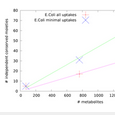
Screen Shot 2014-07-08 at 10.07.56 PMIdentifying All Moiety Conservation Laws in Genome-Scale Metabolic Networks – Andrea De Martino – PLOS ONE

“ Our method is deployed for the analysis of moiety conservation relationships in two large-scale reconstructions of the metabolism of the bacterium E. coli, in six tissue-specific human metabolic networks, and, finally, in the human reactome as a whole, revealing that bacterial metabolism could be evolutionarily designed to cover broader production spectra than human metabolism.”

Emergent

Emergent Biosynthetic Capacity in Simple Microbial Communities – Hsuan-Chao Chiu – PLOS Computational Biology

“We specifically focus on detecting emergent biosynthetic capacity – instances in which a community growing on some medium produces and secretes metabolites that are not secreted by any member species when growing in isolation on that same medium. “

DIET ArchaeaDirect Interspecies Electron Transfer between Geobacter metallireducens and Methanosarcina barkeri – Amelia-Elena Rotaru – Applied and Environmental Microbiology

“M. barkeri is the second methanogen found to accept electrons via DIET and the first methanogen known to be capable of using either H2 or electrons derived from DIET for CO2 reduction. “

Optimal defenseOptimal Defense Strategies in an Idealized Microbial Food Web under Trade-Off between Competition and Defense – Selina Våge – PLOS ONE

“ Under coexistence with a competition specialist, a balance of competitive and defensive ability of the defense strategist was found to be evolutionarily stable, whereas stronger defense was optimal under increased nutrient levels in the absence of the pure competition specialist.”

Microbial detection

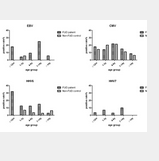
Screen Shot 2014-07-08 at 10.13.13 PMHuman Herpes Viruses Are Associated with Classic Fever of Unknown Origin (FUO) in Beijing Patients – Weimin Zhou – PLOS ONE

“HHVs are associated with Chinese patients (especially for children) with classic FUO. Our study adds perspective to the aetiological and clinical characteristics of classic FUO in beijing patients.”

Phages and viruses

Screen Shot 2014-07-08 at 10.13.31 PMCRISPR-Induced Distributed Immunity in Microbial Populations – Lauren M. Childs – PLOS ONE

“We analyze sequence diversity of experimentally coevolving populations of Streptococcus thermophilus and their viruses where CRISPR-Cas is active, and find the rapid emergence of distributed immunity in the host population, demonstrating the importance of this emergent phenomenon in evolving microbial communities.”

Techniques

Influence of DNA Extraction Method, 16S rRNA Targeted Hypervariable Regions, and Sample Origin on Microbial Diversity Detected by 454 Pyrosequencing in Marine Chemosynthetic Ecosystems – Perrine Cruaud – Applied and Environmental Microbiology

“Thanks to statistical and diversity analyses as well as inference of operational taxonomic unit (OTU) networks, we show that (i) while DNA extraction methods do not seem to affect the results for some samples, they can lead to dramatic changes for others; and (ii) the choice of amplification and sequencing primers also considerably affects the microbial community detected in the samples.”

Dengue

Sanofi’s dengue vaccine first to complete phase 3 – Gunjan Sinha – Nature Biotechnology

“Banking on approval, Sanofi has already started production, a move some have described as a “huge gamble” in light of the vaccine’s disappointing results from earlier studies, says Mark Clark, a pharmaceuticals analyst at Deutsche Bank in London.”

Microbes in the News

Found: Forgotten Vials of Smallpox – Maryn McKenna – Wired.com (also see CDC Media Statement)

“Workers clearing out an old storage room on the Bethesda, Md. campus of the National Institutes of Health have found a forgotten box of vials that contain smallpox.”

The Bacteria That Got Spread Throughout The US By Military Testing – Esther Inglis-Arkell – IO9

“Have you ever heard of serratia marcescens bacteria? Today they are a cause of hospital infections. In the 1960s, they were secretly sprayed across Washington, San Francisco, and New York.”

Manage Your Microbes – Laura Stec – Palo Alto Online

“I’ve been researching this wonderful advance in science for Manage Your Microbes, a cook class at Belmont Library on July 29th. “

Science, Publishing, and Career

SAGE Publications busts “peer review and citation ring,” 60 papers retracted – Retraction Watch

SAGE announces the retraction of 60 articles implicated in a peer review and citation ring at the Journal of Vibration and Control (JVC). “

13 Subtle Ways Women Are Treated Differently At Work – Jenna Goudreau – Business Insider

“Both men and women hold these views but often don’t even realize it. “It’s hard to fight this,” says Rivers, but awareness is key.

Dr. Bik’s Picks

Combining colour and temperature: A blue object is more likely to be judged as warm than a red object – Hsin-Ni Ho – Nature Scientific Reports

“It is commonly believed that reddish colour induces warm feelings while bluish colour induces cold feelings. We, however, demonstrate an opposite effect when the temperature information is acquired by direct touch.”

MandarinSequencing of diverse mandarin, pummelo and orange genomes reveals complex history of admixture during citrus domestication – G Albert Wu – Nature Biotechnology

“Here we sequence and compare citrus genomes—a high-quality reference haploid clementine genome and mandarin, pummelo, sweet-orange and sour-orange genomes—and show that cultivated types derive from two progenitor species. “

[hr]