General microbiology and science, June 16

It’s late and I got lots for you, so no pictures today. Dengue, phages, ecology, techniques, and lots more.

Antibiotic resistance

Review: Microbiological effects of sublethal levels of antibiotics – Dan I. Andersson & Diarmaid Hughes – Nature Reviews Microbiology

“In this Review, we discuss the ecology of antibiotics and the ability of subinhibitory concentrations to select for bacterial resistance. “

A Bacterial Battle  – Lisa M. Jarvis – Chemical and Engineering News

“The regulatory path to approving new antibiotics has been cleared, but work still remains to rebuild a healthy drug pipeline”

Bacteria are everywhere
How safe is your kitchen? – Lyxan Toledanes – The Daily News Online

Despite a spacious kitchen, Parker sat on the counter next to Masters’ prep area, where she was chopping vegetables and chicken on separate cutting mats. 

Adventures in the microbiome (part 2) – Mike Edmund

“There’s an intriguing case report that was just published in Clinical Microbiology and Infection”

Stafford students find bacteria on tainted tablets – Amanda Oglesby

“Four sixth-graders huddled over a table inside All Saints Regional Catholic School as they took turns swabbing bacteria from the surfaces of an iPhone and iPad.”

Bioslime: new sensor to detect harmful bacteria on food industry surfaces – BarfBlog

“The Biolisme project is using research from the University to develop a sensor capable of collecting and detecting Listeria monocytogenes on food industry surfaces, thereby preventing contaminated products from entering the market.”

Viruses and phages

Functional long-range RNA–RNA interactions in positive-strand RNA viruses – Beth L. Nicholson & K. Andrew White – Nature Reviews Microbiology

“In this Review, we discuss recent insights into the structure and function of these intriguing genomic features and highlight their diverse roles in the gene expression and genome replication of positive-strand RNA viruses.”

Unravelling the structural and mechanistic basis of CRISPR–Cas systems – John van der Oost – Nature Reviews Microbiology

“In this Review, we summarize the recent structural and biochemical insights that have been gained for the three major types of CRISPR–Cas systems, which together provide a detailed molecular understanding of the unique and conserved mechanisms of RNA-guided adaptive immunity in bacteria and archaea.”

The elemental composition of virus particles: implications for marine biogeochemical cycles – Luis F. Jover – Nature Reviews Microbiology

“In this Analysis article, we use a biophysical scaling model of intact virus particles that has been validated using sequence and structural information to quantify differences in the elemental stoichiometry of marine viruses compared with their microbial hosts. “

Phage therapies for plants and people – Michael Gross – Current Biology

Dengue

NEA to explore biological control methods to tackle dengue

“One of the techniques involves the use of Aedes aegypti mosquitoes, which are infected with a certain bacteria, to control their population.”

Techniques general

Storage of Human Biospecimens: Selection of the Optimal Storage Temperature – Allison Hubel – Biopreservation and Biobanking

“The overall objective of this article is to describe the scientific basis for selecting a storage temperature for a biospecimen based on current scientific understanding. To that end, this article reviews some physical basics of the temperature, nucleation, and ice crystal growth present in biological samples stored at low temperatures (−20°C to −196°C), and our current understanding of the role of temperature on the activity of degradative molecules present in biospecimens.”

DNA polymerase hybrids derived from the family-B enzymes of Pyrococcus furiosus and Thermococcus kodakarensis: improving performance in the polymerase chain reaction – Ashraf M. Elshawadfy – Frontiers Microbiology

“The significance of this work is the observation that improvements in PCR performance are easily attainable by blending elements from closely related archaeal polymerases, an approach that may, in future, be extended by using more polymerases from these organisms.”

Metabolomics, Proteomics, Mass spectrometry

Bruker Announces Powerful New Mass Spectrometry Systems and Solutions for Life-Science Research, Clinical Research, Biopharma and Applied Markets – Wall Street Journal

“At the 62(nd) ASMS Conference on Mass Spectrometry and Allied Topics today, Bruker Corporation (NASDAQ:BRKR) today announced mass spectrometry-based product introductions for life-science research and proteomics, for clinical research, for pharma/biopharma/CRO customers, as well as for applied and industrial markets. “

Medically, Proteomics Advances Will Rival the Genetics Advances of the Last Ten Years – Genetic Engineering and Biotechnology News

“..in explaining why proteomics is likely to have such a major impact, Dr. Anderson starts with a major difference between the genetic testing common today, and the proteomic testing that is fast coming on the scene. “

Metagenomics and informatics

Detecting concerted demographic response across community assemblages using hierarchical approximate Bayesian computation – Yvonne L. Chan – Molecular Biology and Evolution

“Here we present a statistical framework for such an analysis based on hierarchical approximate Bayesian computation (hABC) with the goal of detecting concerted demographic histories across an ecological assemblage.”

An Experimentally Determined Evolutionary Model Dramatically Improves Phylogenetic Fit – Jesse D. Bloom – Molecular Biology and Evolution

“Experimental determination of a parameter-free evolutionary model via mutagenesis, functional selection, and deep sequencing.”

Ecology

Trait-based approaches for understanding microbial biodiversity and ecosystem functioning – Sascha Krause – Frontiers in Microbiology

“We argue that combining eco-physiological studies with contemporary molecular tools in a trait-based framework can reinforce our ability to link microbial diversity to ecosystem processes. “

The importance of the viable but non-culturable state in human bacterial pathogens – Laam Li – Frontiers in Microbiology

“The conditions that trigger the induction of the VBNC state and resuscitation from it are summarized and the mechanisms underlying these two processes are discussed. “

Deciphering microbial interactions and detecting keystone species with co-occurrence networks – David Berry – Frontiers in Microbiology

“Here, we simulate multi-species microbial communities with known interaction patterns using generalized Lotka-Volterra dynamics. We then construct co-occurrence networks and evaluate how well networks reveal the underlying interactions and how experimental and ecological parameters can affect network inference and interpretation.”

Scientific writing and publishing

Sources of error in the retracted scientific literature – Arturo Casadevall, R. Grant Steen and Ferric C. Fang – The FASEB Journal

“Analysis of the retraction notices for 423 articles indexed in PubMed revealed that the most common causes of error-related retraction are laboratory errors, analytical errors, and irreproducible results.”

Dr. Bik’s Picks

Magnets: Artificial Magnetic Bacteria: Living Magnets at Room Temperature – Miguel Martín – Adv. Funct. Mater

After grafting the magnetic nanoparticles, the artificial magnetic bacteria remain alive. In fact they are converted into living magnets at room temperature.”

[hr]

Non-human microbiomes, June 16

Microbiomes of tse-tse flies, fish, lettuce, spruce. And also some salty sisters!

Insect microbiome

Identification of overexpressed genes in Sodalis glossinidius inhabiting trypanosome-infected self-cured tsetse flies – Illiassou Hamidou Soumana – Frontiers in Microbiology

“The aim of the work was to investigate whether fly refractoriness could be associated with specific Sodalis gene expression. The transcriptome of S. glossinidius harbored by flies that were fed either with a non-infected blood meal (control) or with a trypanosome-infected meal but that did not develop infection were analyzed, using microarray technology, and compared. “

Fish microbiome

Teleost microbiomes: the state of the art in their characterization, manipulation and importance in aquaculture and fisheries – Martin S. Llewellyn – Frontiers in Microbiology

“We discuss teleost microbiomes in health and disease, microbiome ontogeny, prospects for successful microbiome manipulation (especially in an aquaculture setting) and attempt to identify important future research themes. “

Plant microbiomes

Effect of the strain Bacillus amyloliquefaciens FZB42 on the microbial community in the rhizosphere of lettuce under field conditions analyzed by whole metagenome sequencing – Magdalena Kröber – Frontiers in Microbiology

“Rhizosphere microbial communities of lettuce treated with B. amyloliquefaciens FZB42 and non-treated plants were profiled by high-throughput metagenome sequencing of whole community DNA. “

Loss of diversity in wood-inhabiting fungal communities affects decomposition activity in Norway spruce wood – Lara Valentín – Frontiers in Microbiology

“ The number of observed OTUs in DGGE was used as a measure of fungal diversity. Respiration rate increased between early- and late-decay stages. “

Specificity of plant-microbe interactions in the tree mycorrhizosphere biome and consequences for soil C cycling – Carolyn Churchland – Frontiers in Microbiology

“In this review we examine evidence for tree species- mycorrhizal specificity, and the mechanisms involved (e.g., signal compounds)”

Sludge and bioreactors

Pyrosequencing Analysis Yields Comprehensive Assessment of Microbial Communities in Pilot-Scale Two-Stage Membrane Biofilm Reactors – Aura Ontiveros-Valencia – Environmental Science & Technology

“UniFrac, principal coordinate analysis (PCoA), and diversity analyses documented that the microbial community of biofilms sampled when the MBfRs had a high acceptor loading were phylogenetically distant from and less diverse than the microbial community of biofilm samples with lower acceptor loadings. “

Sludge As a Potential Important Source of Antibiotic Resistance Genes in Both the Bacterial and Bacteriophage Fractions – William Calero-Cáceres – Environmental Science & Technology

“This study evaluates the prevalence of ARGs in the bacterial and phage fractions of anaerobic digested sludge; five ARGs (blaTEM, blaCTX-M, qnrA, qnrS, and sul1) are quantified by qPCR.”

Water and salt microbiology

Salty sisters: the women of halophiles – Bonnie K. Baxter – Frontiers in Microbiology

“This essay emphasizes the “her story” (not “history”) of halophile discovery.”

The feasibility of automated online flow cytometry for in-situ monitoring of microbial dynamics in aquatic ecosystems – Michael D. Besmer – Frontiers in Microbiology

“As proof-of-concept we demonstrate examples of microbial dynamics in (i) flowing tap water from a municipal drinking water supply network and (ii) river water from a small creek subject to two rainfall events.”

Cytometric fingerprints: evaluation of new tools for analyzing microbial community dynamics – Christin Koch – Frontiers in Microbiology

“The source of inoculum (four different types of wastewater samples) showed the strongest influence on the microbial community structure and biofilm performance while the choice of substrate (acetate or lactate) had no significant effect in the present study.”

Subseafloor bacteria survive by over-activating DNA-repair and antibiotic target genes – Phys.org

“A group of researchers at Woods Hole Oceanographic Institute and University of Delaware* developed techniques to analyse the messenger RNA (mRNA) molecules produced by subseafloor microbes.”

Unexplored hypersaline habitats are sources of novel actinomycetes – Polpass Arul Jose – Frontiers in Microbiology

“….diverse actinomycetes from poorly studied unusual environments promises a raise in the prospect of discovering novel compounds with potential activities that can be developed as a resource for drug discovery “

From Twitter, thanks to @DeepMicrobe: Eight plenary speakers, all of them male.
Ninth International Symposium on Subsurface Microbiology – ISSM 2014

Vibrio ecology, pathogenesis, and evolution – Daniela Ceccarelli and Rita R. Colwell – Frontiers in Microbiology

“This Research Topic brings together 24 articles that highlight the most recent research findings concerning the biology of the genus Vibrio and covers pathogenicity and host interaction, genome plasticity and evolution, and the dynamics of factors influencing the ecology of vibrios.”

[hr]

More Microbiology and Science, June 5

Today we’ll learn why koalas hug trees, how to grow plants taller using blood and bacteria, and how to (not) get sick in a veterinary hospital.

Infection, host response, sepsis

Screen Shot 2014-06-05 at 8.35.13 PMGene Expression Profiles of Human Dendritic Cells Interacting with Aspergillus fumigatus in a Bilayer Model of the Alveolar Epithelium/Endothelium Interface – Charles Oliver Morton – PLOS ONE

“Two distinct sub-groups of dendritic cells (DC), monocyte-derived DC (moDC) and myeloid DC (mDC), were included in the model to examine immune responses to fungal infection at the alveolar surface”

Screen Shot 2014-06-05 at 8.52.36 PMDusp3 and Psme3 Are Associated with Murine Susceptibility to Staphylococcus aureus Infection and Human Sepsis – Qin Yan – PLOS Pathogens

“One QTL region on chromosome 11 containing 422 genes was found to be significantly associated with susceptibility to S. aureus infection. “

Screen Shot 2014-06-05 at 8.36.06 PMAn Individual-Based Model of Transmission of Resistant Bacteria in a Veterinary Teaching Hospital – Neeraj Suthar – PLOS ONE

“The model suggested that transmission resulting from contact with healthcare workers was common, and that certain transmission points (housing wards, diagnostics room, and the intensive care unit) presented higher risk for transmission than others (lobby and surgery). “

Dengue

Screen Shot 2014-06-05 at 8.36.42 PMInduction of Neutralizing Antibody Response against Four Dengue Viruses in Mice by Intramuscular Electroporation of Tetravalent DNA Vaccines – Eakachai Prompetchara – PLOS ONE

“This study evaluated neutralizing antibody (NAb) induction of a dengue tetravalent DNA (TDNA) vaccine candidate administered by intramuscular-electroporation (IM-EP) and the benefit of homologous TDNA boosting in mice.”

Circulating Levels of Soluble MICB in Infants with Symptomatic Primary Dengue Virus Infections – Daniel H. Libraty – PLOS ONE

“We found that serum levels of sMICB increased between pre-infection and acute illness among infants with symptomatic primary dengue virus infections”

Screen Shot 2014-06-05 at 8.37.27 PMImmature Dengue Virus Is Infectious in Human Immature Dendritic Cells via Interaction with the Receptor Molecule DC-SIGN – Mareike K. S. Richter – PLOS ONE

“We show that immature DENV is infectious in cells expressing DC-SIGN. Furthermore, we demonstrate that immature dendritic cells, in contrast to macrophage-like cells, do not support antibody-dependent enhancement of immature DENV.”

Viruses and Phages

Screen Shot 2014-06-05 at 8.39.02 PMThe distribution and impact of viral lineages in domains of life – Arshan Nasir

“the distribution of viral lineages follows an ancient, highly dynamic and ongoing process that impacts the evolution of organisms. New viral lineages often arise from existing ones and may cross species barriers to infect new hosts”

Alternative invention for shrimp bacterial pathogens wins patent – Times of India

“Dr Indrani Karunasagar, director, UNESCO Centre for marine Biotechnology and Associate Director of Research, has received the patent for “the process of preparing a consortium of bacteriophages for controlling luminous bacterial disease in shrimp larvae.” Like a virus, a lytic bacteriophage is a virus that infects and replicates within the bacteria and kills it. “

Microbial Ecology

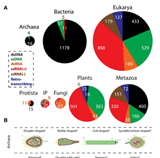
Screen Shot 2014-06-05 at 8.53.35 PMThe microbial contribution to macroecology – Albert Barberán – Frontiers in Microbiology

“We highlight two idiosyncrasies of microorganisms that are fundamental to understanding macroecological patterns and their mechanistic drivers. First, high dispersal rates provide novel opportunities to test the relative importance of niche, stochastic, and historical processes in structuring biological communities. Second, high speciation rates potentially lead to the convergence of ecological and evolutionary time scales.”

More microbiology

Screen Shot 2014-06-05 at 8.40.05 PMInteractions between Bacillus anthracis and Plants May Promote Anthrax Transmission
Holly H. Ganz – PLOS Neglected Tropical Diseases

“We found that B. anthracis increased the rate of establishment of a native grass (Enneapogon desvauxii) by 50% and that grass seeds exposed to blood reached heights that were 45% taller than controls.”

Screen Shot 2014-06-05 at 8.54.21 PMTo be or not to be associated: power study of four statistical modeling approaches to identify parasite associations in cross-sectional studies – Elise Vaumourin – Frontiers in Cellular and Infection Microbiology

“We applied these four approaches to detect associations within two populations of multi-infected hosts: (1) rodents infected with Bartonella sp., Babesia microti and Anaplasma phagocytophilum and (2) bovine population infected with Theileria sp. and Babesia sp”

Screen Shot 2014-06-05 at 8.47.24 PMPCR performance of a thermostable heterodimeric archaeal DNA polymerase – Tom Killelea – Frontiers in Microbiology, Evolutionary and Genomic Microbiology

“Here we looked at the PCR performances of the proof-reading D-type DNA polymerase from P. abyssi, Pab-polD. Fragments, 3 kilobases in length, were specifically PCR-amplified in its optimized reaction buffer. Pab-polD showed not only a greater resistance to high denaturation temperatures than Taq during cycling, but also a superior tolerance to the presence of potential inhibitors. “

Arsenic metabolism

Screen Shot 2014-06-05 at 8.50.18 PMArsenic and old toenails – University of British Columbia

“We successfully recruited 35,000 Atlantic Canadians whose health will be tracked over the next 25 years, and the project will be a major resource for cancer prevention research. More than 22,000 participants provided blood and toenail clippings, which ended up being an official Guinness World Record.”

Marine Mammals (and turtles)

Screen Shot 2014-06-05 at 8.51.14 PMSatellite Tracking of Sympatric Marine Megafauna Can Inform the Biological Basis for Species Co-Management – Christian Gredzens – PLOS ONE

“Fast-acquisition satellite telemetry was used to track eleven dugongs and ten green turtles at two geographically distinct foraging locations in Queensland, Australia to evaluate the inter- and intra-species spatial relationships and assess the efficacy of existing protection zones. “

Dr. Bik’s Picks

Screen Shot 2014-06-05 at 8.48.40 PMThe sheep genome illuminates biology of the rumen and lipid metabolism – Yu Jiang- Science

“We have developed and analyzed a high-quality reference sheep genome and transcriptomes from 40 different tissues. We identified highly expressed genes encoding keratin cross-linking proteins associated with rumen evolution.”

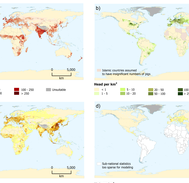
Screen Shot 2014-06-05 at 8.55.17 PMMapping the Global Distribution of Livestock – Timothy P. Robinson – PLOS ONE

“This paper describes the current approach in detail and presents new global distribution maps at 1 km resolution for cattle, pigs and chickens, and a partial distribution map for ducks. These digital layers are made publically available via the Livestock Geo-Wiki (http://www.livestock.geo-wiki.org), as will be the maps of other livestock types as they are produced.”

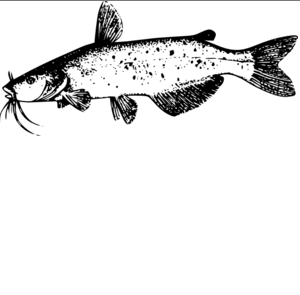
Screen Shot 2014-06-05 at 9.02.51 PMCatfish ‘See’ Their Next Meal with Acid-Sensing Whiskers – Charles Q. Choi – LiveScience

“Catfish have evolved sensors on their whiskers that can help the animals hunt in the dark by detecting slight changes in water acidity, the first time such sensors have been seen in fish, researchers say.”

Screen Shot 2014-06-05 at 8.56.34 PMWhy Koalas Hug Trees – Tia Ghose – LiveScience

“Now, scientists have figured out why the iconic Australian marsupials hug trees: The trunks help the koala bears keep cool, according to a new study.”

[hr]


Animal, plant, environmental microbiome digest, June 3, 2014

Microbiomes of wild mice, antibiotic treated cattle, catfish, insects, soil, and water. And some good old plagiarism.

Mammalian microbiome

Dietary history contributes to enterotype-like clustering and functional metagenomic content in the intestinal microbiome of wild mice – Jun Wang – PNAS

“By performing stable isotope analysis of environmental samples, monitoring communities during dietary shifts, and collecting functional metagenomic sequence data, we provide novel insight into the origins and dynamics of enterotype-like community clustering in wild house mice.”

Impact of treatment strategies on cephalosporin and tetracycline resistance gene quantities in the bovine fecal metagenome – Neena Kanwar – Nature Scientific Reports

“The study objective was to determine the effects of two treatment regimens on quantities of ceftiofur and tetracycline resistance genes in feedlot cattle. “

Fish microbiome

An Asian Origin of Virulent Aeromonas hydrophila Responsible for Disease Epidemics in United States-Farmed Catfish – Mohammad J. Hossain – mBio

“Our phylogenomic analyses suggest that U.S. catfish isolates emerged from A. hydrophila populations of Asian origin.”

Insect microbiome

Simultaneous assessment of the macrobiome and microbiome in a bulk sample of tropical arthropods through DNA metasystematics – Joel Gibson – PNAS

“We show that next-generation sequencing (NGS) of cytochrome c oxidase subunit I (COI) DNA barcodes can accurately detect 83.5% of individually sequenced species (corresponding to 91% of individuals) in a bulk sample of terrestrial arthropods from a Costa Rican species-rich site.”

GroEL from the endosymbiont Buchnera aphidicola betrays the aphid by triggering plant defense – Ritu Chaudhary – PNAS

“By means of mass spectrometry, we identified 105 proteins in the saliva of the potato aphid Macrosiphum euphorbiae. Among these proteins were some originating from the proteobacterium Buchnera aphidicola, which lives endosymbiotically within bacteriocytes in the hemocoel of the aphid. “

Soil and rock microbiome

Deep 16S rRNA Pyrosequencing Reveals a Bacterial Community Associated with Banana Fusarium Wilt Disease Suppression Induced by Bio-Organic Fertilizer Application – Zongzhuan Shen – PLOS ONE

“Compared to the other soil samples, BIO-treated soil revealed higher abundances of Gemmatimonadetes and Acidobacteria, while Bacteroidetes were found in lower abundance”

Evaluation of Molecular Techniques in Characterization of Deep Terrestrial Biosphere – Malin Bomberg – Open Journal of Ecology

“our results show that the inferred diversity and composition of microbial communities in deep fracture fluids is highly dependent on analytical technique and that the method should be carefully selected with this in mind.”

Detecting Nitrous Oxide Reductase (nosZ) Genes in Soil Metagenomes: Method Development and Implications for the Nitrogen Cycle – L. H. Orellana – mBio

“we analyzed the abundance and diversity of both nosZ types in whole-genome shotgun metagenomes from sandy and silty loam agricultural soils that typify the U.S. Midwest corn belt”

Water microbiome

Survival secrets of Deep Lake – Graeme O’Neill – LifeScientist.com

“Deep Lake, in Antarctica’s Vestfold Hills, harbours a unique flora of salt-loving Archaea that survive at temperatures way below freezing. Professor Rick Cavicchioli’s team at UNSW has been plumbing the lake’s mysteries”

Accumulation and enhanced cycling of polyphosphate by Sargasso Sea plankton in response to low phosphorus – Patrick Martin – PNAS

” We show here that phytoplankton in the ultra–low-phosphorus Sargasso Sea are enriched in polyphosphate (polyP)”

Commonness and rarity in the marine biosphere – Sean R. Connolly – PNAS

“By identifying common features of different neutral models, we conduct a uniquely robust test of neutral theory across a global dataset of marine assemblages.”

Temporal Changes in Microbial Ecology and Geochemistry in Produced Water from Hydraulically Fractured Marcellus Shale Gas Wells – Maryam A. Cluff – Environmental Science & Technology

“This study tracked microbial community dynamics using pyrotag sequencing of 16S rRNA genes in water samples from three hydraulically fractured Marcellus shale wells in Pennsylvania, USA over a 328-day period.”

General Ecology

Effects of differential habitat warming on complex communities – Tyler D. Tunney – PNAS

“To demonstrate differential warming effects on food webs, we use boreal lakes to show that the energy pathways leading to an apex predator shift, according to thermal preference, and the vertical pathway lengthened in warmer climate.”

Microbes in Space

Protein patterns of black fungi under simulated Mars-like conditions – Kristina Zakharova – Nature Scientific Reports

“In this study the alterations at the protein expression level from various fungi species under Mars-like conditions were analyzed for the first time using 2D gel electrophoresis.”

Data mining and Bioinformatics

Detecting a Weak Association by Testing its Multiple Perturbations: a Data Mining Approach – Min-Tzu Lo & Wen-Chung Lee – Nature Scientific Reports

“Here, we propose a novel method which hinges on increasing sample size in a different direction–the total number of variables”

This paper contains plagiarized text, but I will toss it in anyway:
An Integrated Strategy for Functional Analysis of Microbial Communities Based on Gene Ontology and 16S rRNA Gene – Su-Ping Deng, De-Shuang Huang – SciencePaperOnline

“We analyzed the similarity between two microbial communities on functional state. In the experimental results, it shows that the semantic similarity can quantify the difference between two compared species on function level. “

[hr]


Environmental microbiome digest, May 29 2014

Today, we will learn about microbial communities in Petroleum “muck” and blue jeans.

Environmental microbiomes

  • Metagenomic Approach for Understanding Microbial Population from Petroleum Muck – M. N. Joshi – Genome Announcements –  “the first report which describes a next generation sequencing based study of microbial diversity from petroleum pipelines”
  • Opening session ASM 2014 (2h video): Microbes in Symbiosis, Signaling and at Sea – Michael Laub, Lora Hooper, Ove Hoegh-Guldberg
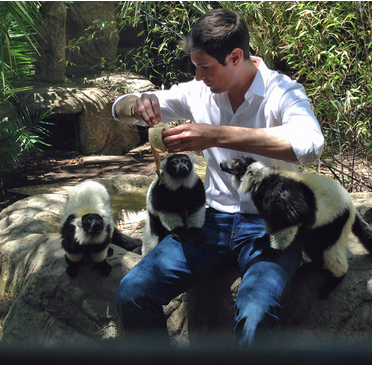
  • Screen Shot 2014-05-29 at 4.53.06 PMCan You Really Clean Your Jeans By Freezing Them? – Sam Brock and Kinsey Kiriakos – NBC Bay Area – “We traveled to an environment that is filled with bacteria, the zoo, and showcased a brand new pair of Levi’s jeans while we fed the lemurs, handled worms, grazed with the goats and transplanted saliva from the local zebu (a species of cattle) onto the pants. Next, we took the jeans to the Stanford lab for analysis. Perez swabbed the jeans for bacteria, both inside and out, before we froze them overnight and after.”

[hr]

Digest May 27, 2014

Today’s Picks feature thousand cultured GI tract species, host-microbiome interactions during pregnancy, metagenome assemblies using Hi-C, and the microbiomes of snow leopards and possums.

Human microbiome general

Human Gut Microbiome

Pregnancy and birth microbiome

Respiratory tract microbiome

Mammalian microbiome

Amphibian microbiome

Insect microbiome

Fish microbiome

Animal and bioreactor models of gut microbiome

Environmental microbiome

Microbiome and Metabolomics

Phages and viruses

  • Beyond Antibiotics – “Today there is renewed interest in phages as warnings intensify that a “post-antibiotic” era looms” – Roger Highfield – Newsweek

Infection, sepsis, and host response

Microbial Ecology papers

Arsenic metabolism

Chromosome organization

General lab techniques papers

Dr. Bik’s Picks

[hr]