Microbiome Digest, August 1, 2014

Microbiome composition and vaccine response or chemotherapy, cassava beer, two nice articles about metagenomics tools and contamination, and the weekend picks.

Human gut microbiome

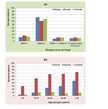
Stool Microbiota and Vaccine Responses of Infants – M. Nazmul Huda – Pediatrics

“Actinobacteria abundance was positively associated with T-cell responses to BCG, OPV, and TT; with the delayed-type hypersensitivity response; with immunoglobulin G responses; and with TI. B longum subspecies infantis correlated positively with TI and several vaccine responses. “

Systematic review: the role of the gut microbiota in chemotherapy- or radiation-induced gastrointestinal mucositis – current evidence and potential clinical applications – Y. Touchefeu – Alimentary Pharmacology & Therapeutics

“Search of the literature published in English using Medline, Scopus and the Cochrane Library, with main search terms ‘intestinal microbiota’, ‘bacteremia’, ‘mucositis’, ‘chemotherapy-induced diarrhoea’, ‘chemotherapy-induced mucositis’, ‘radiotherapy-induced mucositis’.”

Food microbiology

Local domestication of lactic acid bacteria via cassava beer fermentation – Alese M. Colehour – PeerJ

“Bacteria responsible for chicha fermentation could be a source of microbes for the human microbiome, but little is known regarding the microbiology of chicha. “

Microbes in the News

It’s a bit – eh – graphic, but a nice overview of science and the people working in this field. I wish it would have contained a couple of pictures of non-pregnant women though. It feels as if we are only a vessel:  The Body’s Ecosystem – The Scientist

“Research on the human microbiome is booming, and scientists have moved from simply taking stock of gut flora to understanding the influence of microbes throughout the body.”

‘I’m not fat, it’s viral’ – Phage found in gut bacteria may aid obesity – Dan Stanton 0 Biopharma Reporter

“A newly discovered virus which infects intestinal bacteria might be a cause of obesity, but could increasing interest in bacteriophages drive new personalised medicines and alternatives to antibiotics?”

Diet Must be Different for Men and Women: Study – Soumo Ghosh – International Business Times

“The researchers found that the microscopic bacteria, or other such organism housed inside the human stomach are different in the case of men and women. Hence, they believe that the same diet for both may not have the same effect in them.”

Metabolomics

Emergent Biosynthetic Capacity in Simple Microbial Communities – Hsuan-Chao Chiu – PLOS Computational Biology

“Here we present a comprehensive computational framework, integrating high-quality metabolic models of multiple species, temporal dynamics, and flux variability analysis, to study the metabolic capacity and dynamics of simple two-species microbial ecosystems.”

Metagenomics

Metagenomics Mash-Up – Kelly Rae Chi – The Scientist

“The Scientist spoke with developers of tools for parsing genomic data from diverse communities of microorganisms. Here are some of the newest strategies and programs for taxonomic, functional, and comparative analyses.”

Microbial detection

Who are the contaminants in your sequencing project? – Jonathan Eisen – MicrobeNet

“Such amplification is alas pretty common – due to contamination occurring in some other material added to the PCR reaction. “

Science and publishing

The Self-Edited Woman – Paige Brown – SciLogs International

“Un-prompted, several young female science bloggers I’ve interviewed mention having blogged anonymously in the past, being self-conscious about expressing their expertise on a topic, or avoiding certain topics because of the nasty comments they might receive. “

Bik’s Picks

We have the science to build an Ebola vaccine. So why hasn’t it happened? – Sarah Kliff – Vox

“This isn’t how an Ebola outbreak has to work. Researchers have devoted lots of time to building a vaccine that could stop the disease altogether — and according to Daniel Bausch, a Tulane professor who researches Ebola and other infectious diseases, they’re making really significant progress.”

Littering and Following the Crowd – Vivian Wagner – The Atlantic

“Why it’s so tempting to throw trash on the ground, and how environmentalists are using psychology to change that”

F.D.A. Acts on Lab Tests Developed In-House – Andrew Pollack – The New York Times

“The Food and Drug Administration announced on Thursday that it would start regulating medical laboratory testing, saying that tests used to make important treatment decisions must be vetted and validated before they go into use.”

Grad Student Freed By Police After Three Years Trapped In The Same Experiment – The Allium

“He is thought to have survived by eating printouts of PloS One papers and drinking his own tears.”

[hr]

Microbiome digest, July 31

A snapshot of the human microbiome, a robot helping the Knight lab process samples (I want one!), and finally something that does NOT involve the microbiome.

Human microbiome general

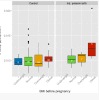
SnapShot: The Human Microbiome – Antonio González – Cell

“This SnapShot presents several aspects of the human microbiome, including the characterization of the microbial species populating different body sites, the distribution of microbes across different geographic locations, and how the microbiome can be altered by a physiological process, exemplified by pregnancy.”


Animal models of microbiome

Symbiotic Bacterial Metabolites Regulate Gastrointestinal Barrier Function via the Xenobiotic Sensor PXR and Toll-like Receptor 4 – Madhukumar Venkatesh – Immunity

“Here we showed that microbial-specific indoles regulated intestinal barrier function through the xenobiotic sensor, pregnane X receptor (PXR).”

Bacterial Sensor Nod2 Prevents Inflammation of the Small Intestine by Restricting the Expansion of the Commensal Bacteroides vulgatus – Deepshika Ramanan – Immunity

“Here, we identified several abnormalities in the small-intestinal epithelium of Nod2−/− mice including inflammatory gene expression and goblet cell dysfunction, which were associated with excess interferon-γ production by intraepithelial lymphocytes and Myd88 activity.”

Effect of virgin and refined olive oil consumption on gut microbiota. Comparison to butter – M. Hidalgo – Food Research International

“Evolution of symbiont population in feces was studied using culture-dependent and culture-independent methods. In the latter, the V3 region of 16S rDNA was amplified and separated by Denaturing Gradient Gel Electrophoresis; followed by sequencing of the most representative bands. “

Animal gut microbiome

Longitudinal shifts in bacterial diversity and fermentation pattern in the rumen of steers grazing wheat pasture – D.W. Pitta – Anaerobe

“Rumen samples were collected on days 14, 28, 56 and 76, separated into solid and liquid fractions and analyzed for bacterial diversity using 16S pyrotag technology. “

Metabolomics

The cross talk between microbiota and the immune system: metabolites take center stage – Hagit Shapiro – Current Opinion in Immunology

“While most attention has focused on the innate recognition of immune-stimulatory bacterial molecules, such as cell wall components and nucleic acids, we emphasize here the impact of diet-dependent microbial metabolites on the development and function of the immune system.”

Bioinformatics tools

eSNaPD: A Versatile, Web-Based Bioinformatics Platform for Surveying and Mining Natural Product Biosynthetic Diversity from Metagenomes – Boojala Vijay B. Reddy – Chemistry & Biology

“Environmental Surveyor of Natural Product Diversity (eSNaPD) is a web-based bioinformatics and data aggregation platform that aids in the discovery of gene clusters encoding both novel natural products and new congeners of medicinally relevant natural products using (meta)genomic sequence data. “

RAMICS: trainable, high-speed and biologically relevant alignment of high-throughput sequencing reads to coding DNA – Imogen A. Wright and Simon A. Travers

“To facilitate such analyses, we have developed a novel tool, RAMICS, that is tailored to mapping large numbers of sequence reads to short lengths (<10 000 bp) of coding DNA”

Computational integration of genomic traits into 16S rDNA microbiota sequencing studies – Alexander Keller – Gene

“Here, we show in a proof-of-concept that computational approaches are able to retain functional information about microbial communities assessed through 16S rDNA (meta)barcoding by referring to reference genomes.”

Viruses and helminths

How helminths go viral – Rick M Maizels1, William C Gause

“On pages 573 and 578 of this issue, Reese et al. (3) and Osborne et al. (4), respectively, provide fine detail on how helminth worms can substantially enhance and reactivate viral infection, with major health implications for tropical medicine.”

Helminth infection reactivates latent γ-herpesvirus via cytokine competition at a viral promoter – T. A. Reese – Science

“We found that helminth infection, characterized by the induction of the cytokine interleukin-4 (IL-4) and the activation of the transcription factor Stat6, reactivated murine γ-herpesvirus infection in vivo.”

Virus-helminth coinfection reveals a microbiota-independent mechanism of immunomodulation – Lisa C. Osborne – Science

“Helminth coinfection resulted in impaired antiviral immunity and was associated with changes in the microbiota and STAT6-dependent helminth-induced alternative activation of macrophages. “

More Microbiology

Larger Mammalian Body Size Leads to Lower Retroviral Activity – Aris Katzourakis – PLOS Pathogens

“Body size explains 37% of the variance in ERV integration rate over the last 10 million years, controlling for the effect of confounding due to other life history traits. “

Microbes in the news

Researcher: Bacteria Ate Some Gulf Spill Toxins, but Worst Remain – Sandy Smith – EHS Today

“In two new studies conducted in a deep sea plume, Assistant Professor Olivia Mason found a species of bacteria called Colwellia likely consumed gaseous hydrocarbons and perhaps benzene, toluene, ethylbenzene and xylene compounds that were released as part of the oil spill. “

Baxter breaks out – Hal Hodson – New Scientist
http://www.sciencedirect.com/science/article/pii/S0262407914614342

“Baxter is even turning its grippers to lab work. Correll is working with UCB’s Rob Knight to teach Baxter the job of preparing faeces samples for research.”

Science and Career

The stressed-out postdoc – Carrie Arnold – Science

“After he defended his dissertation and moved to a new lab for his postdoc, Ian Street hoped his battles with anxiety and depression were over.”

Bik’s Picks

Africa Needs Science, Not Aid – Nkem Khumbah and Melvin P. Foote –  The New York Times

Scientific and technological advancement will help eradicate poverty and promote homegrown economic development by providing Africa with the tools to address its own challenges and expand its industrial productivity. “

DDT Linked To Obesity In Female Mice Long After Exposure – Hank Campbell – Science 2.0

A new epidemiology paper in PLOS One doesn’t try to prove that, the authors instead correlate DDT use from generations ago with increased waistlines of today.  DDT exposure may have made you fat, they conclude.”


A Lick Of The Tongue Changes This Ice Cream’s Color – Loren Grush – Popular Science

“The result was Xamaleón, which is Spanish for “chameleon.” With a patent pending, Linares is staying tight-lipped on the recipe, but apparently there’s a special ingredient dubbed the “love elixir,” which must be spritzed on the ice cream before it’s eaten. “


[hr]


Scientists explain mystery of our ‘lemon Moon’ – James Vincent – The Independent

“A new accurate map of the Moon has shown that it bulges slightly at one side and is flattened at the top and bottom – but how did it get this way?”


Human microbiome, July 29

Papillomaviruses in human skin, gastric mucosa in cancer patients, breast milk metabolome, microbiome of a human family, and more.

Skin microbiome

Deep sequencing extends the diversity of human papillomaviruses in human skin
Davit Bzhalava – Nature Scientific Reports

“This deeper sequencing without prior PCR of a pool of 142 whole genome amplified skin lesions identified 23 known HPV types, 3 novel putative HPV types and 4 non-HPV viruses.”

Gastric microbiome

Differences in Gastric Mucosal Microbiota Profiling in Patients with Chronic Gastritis, Intestinal Metaplasia, and Gastric Cancer Using Pyrosequencing Methods – Chang Soo Eun – Helicobacter

“Gastric mucosal biopsy samples were collected from 31 patients during endoscopy. After the extraction of genomic DNA, variable region V5 of the 16S rRNA gene was amplified. PCR products were sequenced using 454 high-throughput sequencer. “

Pregnancy and Birth

Breast milk metabolome characterization in a single phase extraction, multiplatform analytical approach – Alma Villaseñor – Analytical Chemistry

“We conducted this single-phase extraction procedure on a representative pool of BM, and characterized the metabolic composition using LC-QTOF-MS and GC-Q-MS for polar and lipidic metabolites. “

Effects of Bifidobacterial Supplementation to Pregnant Women and Infants in the
Prevention of Allergy Development in Infants and on Fecal Microbiota [PDF]- Tadao Enomoto – Allergology International

“Effects of Bifidobacterial Supplementation to Pregnant Women and Infants in the Prevention of Allergy Development in Infants and on Fecal Microbiota”

Gut microbiome
The dynamics of a family’s gut microbiota reveal variations on a theme – Patrick D Schloss – Microbiome

“Here we study a chronosequence of the gut microbiota found in eight individuals from a family consisting of two parents and six children ranging in age from two months to ten years old.”

Identifying Keystone Species in the Human Gut Microbiome from Metagenomic Timeseries Using Sparse Linear Regression – Charles K. Fisher – PLOS ONE

“Here we introduce an approach, Learning Interactions from MIcrobial Time Series (LIMITS), that overcomes these obstacles. LIMITS uses sparse linear regression with boostrap aggregation to infer a discrete-time Lotka-Volterra model for microbial dynamics. “

Antivirulence Activity of the Human Gut Metabolome – L. Caetano M. Antunes – mBio

“We found that a secreted molecule produced by clostridia acts as a strong repressor of Salmonella virulence, obliterating expression of the Salmonella pathogenicity island 1 as well as host cell invasion.”

 Metagenomic Identification of a Novel Salt Tolerance Gene from the Human Gut Microbiome Which Encodes a Membrane Protein with Homology to a brp/blh-Family β-Carotene 15,15′-Monooxygenase – Eamonn P. Culligan – PLOS ONE

“Herein, we report the identification and characterisation of a novel stress tolerance gene from the human gut metagenome. The locus, assigned brpA, encodes a membrane protein with homology to a brp/blh-family β-carotene monooxygenase. “

Review: Archaea and the human gut: New beginning of an old story [DOC]- Gaci N – World Journal of Gastroenterology

“Here we provide an updated census of the archaeal diversity associated to human GIT and their possible role in the gut physiology and health.”


Animal models of human microbiome and disease

Maternal high protein or prebiotic fiber diets affect maternal milk composition and gut microbiota in rat dams and their offspring – Megan C. Hallam – Obesity

“Fecal microbiota was analyzed in dams at parturition and 2 weeks post-partum and in offspring at 5 and 22 weeks along with cecal digesta at termination.”

[hr]

Human microbiome, July 22

Transcriptome in periodontitis, metabolomic analysis of breath in IBD patients, cystic fibrosis microbiome, and Clostridium difficile.

Human microbiome general

Review: Deciphering the tête-à-tête between the microbiota and the immune system – Neeraj K. Surana and Dennis L. Kasper – Journal of Clinical Investigation

“In this Review, we discuss the current state of knowledge regarding the role of the intestinal microbiota in immunologic development, highlighting mechanistic principles that can guide future work.”

Meeting report: Human microbiome science: vision for the future, Bethesda, MD, July 24 to 26, 2013 – Jacques Ravel and many others – Microbiome

“This report summarizes the presentations but also describes what is needed for human microbiome research to move forward and deliver medical translational applications.”

Metabolomics

Metabolomic analysis of breath volatile organic compounds reveals unique breathprints in children with inflammatory bowel disease: a pilot study – N. Patel – Alimentary Pharmacology & Therapeutics

“Exhaled breath was collected and analysed using a selective ion flow tube mass spectroscopy (SIFT-MS) to identify new markers or patterns of IBD.”

Metabolites related to gut bacterial metabolism, peroxisome proliferator-activated receptor-alpha activation, and insulin sensitivity are associated with physical function in functionally-limited older adults – Michael S. Lustgarten – Aging Cell

“Collectively, these data suggest that gut microbial metabolism, PPAR-α activation, and insulin sensitivity may be involved in mechanisms that underlie physical function in functionally-limited older adults.”

Oral microbiome

Community-wide transcriptome of the oral microbiome in subjects with and without periodontitis – Ana E Duran-Pinedo – ISME J

“We report here the in situ genome-wide transcriptome of the subgingival microbiome in six periodontally healthy individuals and seven individuals with periodontitis.”

Respiratory microbiome

Predominant pathogen competition and core microbiota divergence in chronic airway infection – Geraint B Rogers – ISME Journal

“..we analysed 16S rRNA gene pyrosequencing data generated previously from 60 adult bronchiectasis patients, whose airway microbiota was dominated by either P. aeruginosa or H. influenzae.”

Pyrosequencing reveals transient cystic fibrosis lung microbiome changes with intravenous antibiotics – Daniel J. Smith – European Respiratory Journal

“Microbial community profiles were derived through analysis of bacterial-derived 16S ribosomal RNA by pyrosequencing and changes over time were compared.”

Review: Respiratory microbiota: addressing clinical questions, informing clinical practice – Geraint B Rogers – Thorax

“In this article, we set out the key principles underpinning microbiota research in respiratory contexts and provide practical guidance on how best such studies can be designed, executed and interpreted. “

Propionibacterium-Produced Coproporphyrin III Induces Staphylococcus aureus Aggregation and Biofilm Formation – Michael S. Wollenberg – mBio

“We observed that crude extracts of cell-free conditioned medium from Propionibacterium spp. induce S. aureus aggregation in culture. “

Gut microbiome

Reset of a critically disturbed microbial ecosystem: faecal transplant in recurrent Clostridium difficile infection – Susana Fuentes – ISME Journal

“Global composition and network analysis of the microbiota was performed in faecal samples from nine patients with recurrent CDI. Analyses were performed before and after duodenal donor faeces infusion, and during a follow-up of 10 weeks. The microbiota data were compared with that of the healthy donors. “

Review: Clostridium difficile and the microbiota – Anna M. Seekatz and Vincent B. Young – Journal of Clinical Investigation

“Both human and animal models have demonstrated the importance of the gut microbiota’s capability of providing colonization resistance against C. difficile.”

Vaginal microbiome

Primate vaginal microbiomes exhibit species specificity without universal Lactobacillus dominance – Suleyman Yildirim – ISME Journal

“We conducted comparative analyses of the primate vaginal microbiome using pyrosequencing of the 16S rRNA genes of a phylogenetically broad range of primates to test for factors affecting the diversity of primate vaginal ecosystems. … humans were distinct from other primates in both microbiome composition and diversity.

Semen microbiome

The Semen Microbiome and Its Relationship with Local Immunology and Viral Load in HIV Infection – Cindy M. Liu – PLOS Pathogens

“HIV infection was associated with decreased semen microbiome diversity and richness, which were restored after six months of ART.”

Antibiotic perturbation and microbiome

Bacteria, phages and pigs: the effects of in-feed antibiotics on the microbiome at different gut locations – Torey Looft – ISME Journal

“In this study, we defined the lumenal and mucosal bacterial communities from the small intestine (ileum) and large intestine (cecum and colon) plus feces, and characterized the effects of in-feed antibiotics (chlortetracycline, sulfamethazine and penicillin (ASP250)) on these communities. “

Impact of Antibiotics on the Intestinal Microbiota and on the Treatment of Shiga-toxin-Producing Escherichia coli and Salmonella Infections – Szych, Jolanta – Current Pharmaceutical Design

“This review evaluates the current literature based on the impact of antibiotics on the intestinal microbiota and the critical role of intestinal bacteria in controlling infection and subsequent clinical disease caused by STEC and Salmonella, and the transmissibility of these important pathogens”

[hr]

[hr]

Microbiome and general science digest, July 11

Most recent results from American gut, a metagenomics pipeline, arsenic toxicity, polio and dengue vaccines, and pregnancy urine metabolomics to predict preterm birth.

Human gut microbiome

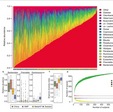
American GutAmerican Gut releases latest results and pipeline – Jeff Leach – American Gut

“The latest American Gut results are out and we’re very excited to share them with the American Gut community. We now have sequencing and analysis data from 3,238 participants, and as of today, this data equates to 101 million DNA sequences and 27 gigabytes of sequencing information.”

Screen shot 2014-07-11 at 04.27PM, Jul 11Place of upbringing in early childhood as related to inflammatory bowel diseases in adulthood: a population-based cohort study in Northern Europe – Signe Timm – European Journal of Epidemiology

“This study suggests a protective effect from livestock farm living in early childhood on the occurrence of IBD in adulthood, however only among subjects born after 1952. We speculate that lower microbial diversity is an explanation for the findings.”

Pregnancy and birth

Urinary pretermUrinary metabolic profiles in early pregnancy are associated with preterm birth and fetal growth restriction in the Rhea mother–child cohort study – Léa Maitre – BMC Medicine

“Here we used an exploratory metabolic profiling approach (metabolomics) to investigate the association between birth outcomes and metabolites in maternal urine collected early in pregnancy as part of the prospective mother–child cohort Rhea study. “

Metagenomics

MedusaMetagenomic Data Utilization and Analysis (MEDUSA) and Construction of a Global Gut Microbial Gene Catalogue – Fredrik H. Karlsson, Intawat Nookaew, Jens Nielsen – PLOS Computational Biology

“Here we present the bioinformatics pipeline MEDUSA that facilitates analysis of metagenomic reads at the gene and taxonomic level. We also constructed a global human gut microbial gene catalogue by combining data from 4 studies spanning 3 continents. “

Proteomics

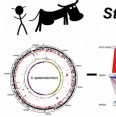
Proteomics Staph aureusGenomics and Proteomics Provide New Insight into the Commensal and Pathogenic Lifestyles of Bovine and Human-associated Staphylococcus epidermidis strains – Kirsi Savijoki – Journal of Proteome Research

“Pilot experimental infection studies indicated that while ATCC12228 was able to infect bovine host, the PM221 strain caused more severe clinical signs. “

Dengue

Demanou DengueEvidence of Dengue Virus Transmission and Factors Associated with the Presence of Anti-Dengue Virus Antibodies in Humans in Three Major Towns in Cameroon – Maurice Demanou – PLOS Neglected Tropical Diseases

“Sera were screened for anti-dengue virus IgG and IgM antibodies. Risk factors of seropositivity were tested using logistic regression methods with random effects.”

Carrasco DenguePredictive Tools for Severe Dengue Conforming to World Health Organization 2009 Criteria – Luis R. Carrasco – PLOS Neglected Tropical Diseases

“Higher risk of severe dengue (SD) was associated with female gender, lower than normal hematocrit level, abdominal distension, vomiting and fever on admission. “

Infection and host response

Screen shot 2014-07-11 at 03.35PM, Jul 11Development of Fatal Intestinal Inflammation in MyD88 Deficient Mice Co-infected with Helminth and Bacterial Enteropathogens – Libo Su – PLOS Neglected Tropical Diseases

“We found that MyD88 knockout mice co-infected with H. polygyrus and C. rodentium developed more severe intestinal inflammation and elevated mortality compared to the wild-type mice.”‘

Screen shot 2014-07-11 at 04.28PM, Jul 11Distinct Lipid A Moieties Contribute to Pathogen-Induced Site-Specific Vascular Inflammation – Connie Slocum – PLOS Pathogens

“our results point to a pivotal role for activation of the non-canonical inflammasome in P. gingivalis infection and demonstrate that P. gingivalis evades immune detection at TLR4 facilitating chronic inflammation in the vasculature. “

Dengue

Dengue vaccine lancetClinical efficacy and safety of a novel tetravalent dengue vaccine in healthy children in Asia: a phase 3, randomised, observer-masked, placebo-controlled trial – Maria Rosario Capeding – The Lancet

“Our findings show that dengue vaccine is efficacious when given as three injections at months 0, 6, and 12 to children aged 2–14 years in endemic areas in Asia, and has a good safety profile. “

Also see comment: Dengue vaccines: dawning at last? – Annelies Wilder-Smith – The Lancet

Poliovirus

Jacob John polioEffect of a single inactivated poliovirus vaccine dose on intestinal immunity against poliovirus in children previously given oral vaccine: an open-label, randomised controlled trial – Jacob John – The Lancet

“The substantial boost in intestinal immunity conferred by a supplementary dose of IPV given to children younger than 5 years who had previously received OPV shows a potential role for this vaccine in immunisation activities to accelerate eradication and prevent outbreaks of poliomyelitis.”

Also see comment: Polio endgame management: focusing on performance with or without inactivated poliovirus vaccine – Kimberly M Thompson – The Lancet

Microbes in the News

Screen shot 2014-07-11 at 04.28PM, Jul 11 1How Gross Is Your Phone? A Motherboard Science Experiment – Jason Koebler – Motherboard

“All I wanted to do was recreate a relatively simple study I had just written about. Instead, I ended up creating something vaguely dangerous, which mortified the director of a local DIY biology lab. Here’s what happens when you perform experiments on your coworkers.”

Arsenic metabolism

Screen shot 2014-07-11 at 04.29PM, Jul 11Lung tumors in mice induced by “whole-life” inorganic arsenic exposure at human-relevant doses – Michael P. Waalkes – Archives of Toxicology

“Breeder male and female CD1 mice were exposed to 0, 50, 500 or 5,000 ppb arsenic (as sodium arsenite) in the drinking water for 3 weeks prior to breeding, during pregnancy and lactation, and after weaning (at week 3) groups of male and female offspring (initial n = 40) were exposed for up to 2 years.”

Dr. Bik’s Picks

Scorpions are master architects, according to new research – Science Daily

“The burrows made by scorpions follow a very sophisticated design, beginning with a short, vertical entrance shaft that flattened out a few centimeters below the surface into a horizontal platform, new research has found.”

Beach Sand Used To Make A Battery That Lasts Three Times Longer – Douglas Main – Popular Science

“Sink your toes into this: Beach sand can be used to make lithium-ion batteries that last three times longer than current models, according to a study published in the journal Scientific Reports.”

World Now “A Safer Place”, thanks to creation of Potential Pandemic Virus – The Allium

“Yes, I get your point that they could potentially kill millions of people and hospitalise millions more, causing untold human suffering and extraordinary economic damage, but think of all the advantages to the creation of these bugs”.

[hr]

Microbiome and general science digest, July 10

Hi all, just one post today, with everything combined. Bacterial vaginosis, daily rhythms  of marine bacteria, food microbiology, and The Picks.

Human vaginal microbiome

Role of Gardnerella vaginalis in the Pathogenesis of Bacterial Vaginosis: A Conceptual Model – Jane R. Schwebke – Journal of Infectious Diseases

“Our model suggests that BV is initiated by the sexual transmission of Gardnerella vaginalis, which has the appropriate virulence factors to adhere to host epithelium, create a biofilm community, and successfully compete with lactobacilli for dominance in the vaginal environment. “

Seawater microbiome

Multispecies dielMultispecies diel transcriptional oscillations in open ocean heterotrophic bacterial assemblages – Elizabeth A. Ottesen – Science, with an Editorial by E. Virginia Armbrust: “Taking the pulse of ocean microbes

“As anticipated, the cyanobacterial transcriptome exhibited pronounced diel periodicity. Unexpectedly, several different heterotrophic bacterioplankton groups also displayed diel cycling in many of their gene transcripts. “

Screen Shot 2014-07-10 at 11.53.04 PMReview: Bacterial diversity and antibiotic resistance in water habitats: searching the links with the human microbiome – Ivone Vaz-Moreira – FEMS Microbiology Reviews

“In this review, the hypothesis that some bacteria may share different water compartments and be also hosted by humans is discussed based on the comparison of the bacterial diversity in different types of water and with the human-associated microbiome. “

Food microbiology

Cassava beerLocal domestication of lactic acid bacteria via cassava beer fermentation – Alese M. Colehour – PeerJ

“Bacteria responsible for chicha fermentation could be a source of microbes for the human microbiome, but little is known regarding the microbiology of chicha. We investigated bacterial community composition of chicha batches using Illumina high-throughput sequencing. “

LobsterCharacterization of the dominant bacterial communities during storage of Norway lobster and Norway lobster tails (Nephrops norvegicus) based on 16S rDNA analysis by PCR-DGGE – Bekaert Karen – Food Microbiology

“To characterize as many bacterial species present as possible, we performed advanced molecular identification techniques (PCR-DGGE). The initial TVC of fresh Norway lobster meat was high (3.0 log cfu/g) as compared to fish.”

charquiEffect of autochthonous bacteriocin-producing Lactococcus lactis on bacterial population dynamics and growth of halotolerant bacteria in Brazilian charqui – Vanessa Biscola – Food Microbiology

“Charqui is a fermented, salted and sun-dried meat product, widely consumed in Brazil and exported to several countries. “

Microbes in the news

Using the gut microbiome to improve health – Mary MacVean – LA Times

“The “bistable” groups, the authors wrote, represent “tipping elements,” or components of the gut microbes that “exhibit alternative stable states linked to the overall ecosystem state and our physiology.” “

Science, Ethics and Publishing

Crack Down on Scientific Fraudsters – Adam Marcus and Ivan Oransky – New York Times

“Criminal charges against scientists who commit fraud are even more uncommon. In fact, according to a study published last year, “most investigators who engage in wrongdoing, even serious wrongdoing, continue to conduct research at their institutions.””

Dr. Bik’s Picks

Microplastics in the seas – Kara Lavender Law, Richard C. Thompson – Science

“Microplastics are likely the most numerically abundant items of plastic debris in the ocean today, and quantities will inevitably increase, in part because large, single plastic items ultimately degrade into millions of microplastic pieces. “

Uncontacted tribe in Brazil emerges from isolation – Heather Pringle – Science

“The meeting was Brazil’s first official contact with an isolated Amazonian tribe in 20 years. Anthropologists remain deeply concerned about the tribe’s future as it encounters novel diseases and resource-hungry outsiders. “

Polar BearsPolar Bears from Space: Assessing Satellite Imagery as a Tool to Track Arctic Wildlife – Seth Stapleton – PLOS ONE

“We examined satellite images of a small island in Foxe Basin, Canada, occupied by a high density of bears during the summer ice-free season. Bears were distinguished from other light-colored spots by comparing images collected on different dates. “

[hr]

General microbiome and science, July 8

Metabolic networks, CRISPR induced immunity, and influence of extraction methods and primers on microbiome analysis. Plus some smallpox in the Lost&Found, and a big citation scandal in SAGE journals.

Microbial ecology / metabolomics

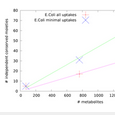
Screen Shot 2014-07-08 at 10.07.56 PMIdentifying All Moiety Conservation Laws in Genome-Scale Metabolic Networks – Andrea De Martino – PLOS ONE

“ Our method is deployed for the analysis of moiety conservation relationships in two large-scale reconstructions of the metabolism of the bacterium E. coli, in six tissue-specific human metabolic networks, and, finally, in the human reactome as a whole, revealing that bacterial metabolism could be evolutionarily designed to cover broader production spectra than human metabolism.”

Emergent

Emergent Biosynthetic Capacity in Simple Microbial Communities – Hsuan-Chao Chiu – PLOS Computational Biology

“We specifically focus on detecting emergent biosynthetic capacity – instances in which a community growing on some medium produces and secretes metabolites that are not secreted by any member species when growing in isolation on that same medium. “

DIET ArchaeaDirect Interspecies Electron Transfer between Geobacter metallireducens and Methanosarcina barkeri – Amelia-Elena Rotaru – Applied and Environmental Microbiology

“M. barkeri is the second methanogen found to accept electrons via DIET and the first methanogen known to be capable of using either H2 or electrons derived from DIET for CO2 reduction. “

Optimal defenseOptimal Defense Strategies in an Idealized Microbial Food Web under Trade-Off between Competition and Defense – Selina Våge – PLOS ONE

“ Under coexistence with a competition specialist, a balance of competitive and defensive ability of the defense strategist was found to be evolutionarily stable, whereas stronger defense was optimal under increased nutrient levels in the absence of the pure competition specialist.”

Microbial detection

Screen Shot 2014-07-08 at 10.13.13 PMHuman Herpes Viruses Are Associated with Classic Fever of Unknown Origin (FUO) in Beijing Patients – Weimin Zhou – PLOS ONE

“HHVs are associated with Chinese patients (especially for children) with classic FUO. Our study adds perspective to the aetiological and clinical characteristics of classic FUO in beijing patients.”

Phages and viruses

Screen Shot 2014-07-08 at 10.13.31 PMCRISPR-Induced Distributed Immunity in Microbial Populations – Lauren M. Childs – PLOS ONE

“We analyze sequence diversity of experimentally coevolving populations of Streptococcus thermophilus and their viruses where CRISPR-Cas is active, and find the rapid emergence of distributed immunity in the host population, demonstrating the importance of this emergent phenomenon in evolving microbial communities.”

Techniques

Influence of DNA Extraction Method, 16S rRNA Targeted Hypervariable Regions, and Sample Origin on Microbial Diversity Detected by 454 Pyrosequencing in Marine Chemosynthetic Ecosystems – Perrine Cruaud – Applied and Environmental Microbiology

“Thanks to statistical and diversity analyses as well as inference of operational taxonomic unit (OTU) networks, we show that (i) while DNA extraction methods do not seem to affect the results for some samples, they can lead to dramatic changes for others; and (ii) the choice of amplification and sequencing primers also considerably affects the microbial community detected in the samples.”

Dengue

Sanofi’s dengue vaccine first to complete phase 3 – Gunjan Sinha – Nature Biotechnology

“Banking on approval, Sanofi has already started production, a move some have described as a “huge gamble” in light of the vaccine’s disappointing results from earlier studies, says Mark Clark, a pharmaceuticals analyst at Deutsche Bank in London.”

Microbes in the News

Found: Forgotten Vials of Smallpox – Maryn McKenna – Wired.com (also see CDC Media Statement)

“Workers clearing out an old storage room on the Bethesda, Md. campus of the National Institutes of Health have found a forgotten box of vials that contain smallpox.”

The Bacteria That Got Spread Throughout The US By Military Testing – Esther Inglis-Arkell – IO9

“Have you ever heard of serratia marcescens bacteria? Today they are a cause of hospital infections. In the 1960s, they were secretly sprayed across Washington, San Francisco, and New York.”

Manage Your Microbes – Laura Stec – Palo Alto Online

“I’ve been researching this wonderful advance in science for Manage Your Microbes, a cook class at Belmont Library on July 29th. “

Science, Publishing, and Career

SAGE Publications busts “peer review and citation ring,” 60 papers retracted – Retraction Watch

SAGE announces the retraction of 60 articles implicated in a peer review and citation ring at the Journal of Vibration and Control (JVC). “

13 Subtle Ways Women Are Treated Differently At Work – Jenna Goudreau – Business Insider

“Both men and women hold these views but often don’t even realize it. “It’s hard to fight this,” says Rivers, but awareness is key.

Dr. Bik’s Picks

Combining colour and temperature: A blue object is more likely to be judged as warm than a red object – Hsin-Ni Ho – Nature Scientific Reports

“It is commonly believed that reddish colour induces warm feelings while bluish colour induces cold feelings. We, however, demonstrate an opposite effect when the temperature information is acquired by direct touch.”

MandarinSequencing of diverse mandarin, pummelo and orange genomes reveals complex history of admixture during citrus domestication – G Albert Wu – Nature Biotechnology

“Here we sequence and compare citrus genomes—a high-quality reference haploid clementine genome and mandarin, pummelo, sweet-orange and sour-orange genomes—and show that cultivated types derive from two progenitor species. “

[hr]

General microbiology and science, July 7

Metagenomics binning based on co-abundance, bias in Illumina sequencing, and lots of metabolomics.

Phages and viruses

Bacteriophage-based synthetic biology for the study of infectious diseases – Robert J Citorik – Current Opinion in Microbiology

“Here, we discuss bacteriophage-based technologies and their application to the study of infectious diseases. “

Sequencing and Metagenomics

Identification and assembly of genomes and genetic elements in complex metagenomic samples without using reference genomes – H Bjørn Nielsen (and 142 other authors) – Nature Biotechnology

“Here we present a method, based on binning co-abundant genes across a series of metagenomic samples, that enables comprehensive discovery of new microbial organisms, viruses and co-inherited genetic entities and aids assembly of microbial genomes without the need for reference sequences.”

Evaluating bias of Illumina-based bacterial 16S rRNA gene profiles – Katherine Kennedy – Applied and Environmental Microbiology

“In this study, we tested the effects of template concentration, pooling of PCR amplicons, and sample preparation/inter-lane sequencing on the reproducibility associated with paired-end Illumina sequencing of bacterial 16S rRNA genes.”

Next generation sequencing technology: Advances and applications – HPJ Buermans, JT den Dunnen – Biochimica et Biophysica Acta (BBA) – Molecular Basis of Disease

“In this chapter we review the technical background of the different commercially available NGS platforms with respect to template generation and the sequencing reaction and take a small step towards what the upcoming NGS technologies will bring.”

Systems biology as an approach for deciphering microbial interactions – Puneet Kumar Singh – Briefings in Functional Genomics

“Here, we endeavor to summarize, epigrammatic description of sophisticated techniques and software that provides an enhanced understanding of metagenomics data analysis. “

Metabolomics

Stronger findings for metabolomics through Bayesian modeling of multiple peaks and compound correlations – Tommi Suvitaival – Bioinformatics

“We propose a hierarchical Bayesian model for inferring
differences between groups of samples more accurately in
metabolomic studies, where the observed compounds are collinear.”

Emergent Biosynthetic Capacity in Simple Microbial Communities – Hsuan-Chao Chiu – PLOS Computational Biology

“Here we present a comprehensive computational framework, integrating high-quality metabolic models of multiple species, temporal dynamics, and flux variability analysis, to study the metabolic capacity and dynamics of simple two-species microbial ecosystems.”

Metabolomics Analysis Identifies Intestinal Microbiota-Derived Biomarkers of Colonization Resistance in Clindamycin-Treated Mice – Robin L. P. Jump – PLOS ONE

“Clindamycin treatment caused marked changes in metabolites present in fecal specimens. Of 484 compounds analyzed, 146 (30%) exhibited a significant increase or decrease in concentration during clindamycin treatment followed by recovery to baseline that coincided with restoration of in vivo colonization resistance.”

Volatile Organic Compounds as Novel Markers for the Detection of Bacterial
Infections – Mohsen Sohrabi – Clinical Microbiology

“The possibility of using VOCs markers as one of the largest groups of bacterial metabolites would open a new frontier for developing more efficient techniques in the diagnosis of bacterial infections.”

The importance of sulfur-containing metabolites in discriminating fecal extracts between normal and type 2 diabetic mice – Alesia Walker – Journal of Proteome Research

“We demonstrate that a metabolic disorder such as T2DM affects the gastrointestinal tract environment thereby influencing different metabolic pathways and their respective metabolites in diabetic mice. “

Microarrrays

Applications of Phylogenetic Microarrays to Profiling of Human Microbiomes (PDF) -Oleg Paliy and Vijay Shankar – Book chapter

“This chapter will focus on currently available phylogenetic microarrays for the inter- rogation of human-associated microbiota, the technologies used to construct the arrays, as well as several key features that distinguish them from other approaches. “

Arsenic metabolism

Infant toenails as a biomarker of in utero arsenic exposure – Matthew A Davis – Journal of Exposure Science and Environmental Epidemiology

“In a sample of 170 mother–infant pairs from New Hampshire, we determined infant exposure to in utero arsenic by evaluating infant toenails as a biomarker using inductively coupled plasma mass spectrometry. “

Chromosomal organization

Spatial confinement is a major determinant of the folding landscape of human chromosomes – Gamze Gürsoy – Nucleic Acids Research

“Here we describe a model called constrained self-avoiding chromatin (C-SAC) for studying spatial structures of chromosomes, as the available space is a key determinant of chromosome folding. “

Bacteria in the news

The bacteria has been decimated: how much should we care what words used to mean? – By Tom Chivers – Telegraph

“Much amusement this morning on the Today programme, as John Humphrys shamefacedly confessed to having said “a bacteria” on the previous day’s episode.”

Yoghurt industry blamed for encouraging bacteria – The Daily Mash

“One day massive cow-sized bacteria will rule the world and they will kill everyone who doesn’t like special yoghurts.”

When Scientists Experiment on Themselves: H. pylori and Ulcers – By Hanno Charisius – Scientific American

“With his famous self-experiment, Marshall was able to demonstrate that Helicobacter pylori bacteria can cause acute gastritis which in turn may cause ulcers. He had asked neither an ethics commission nor his wife for permission to conduct this experiment. “

In rental cars, dangerous bacteria may come along for the ride – Jeff Rossen and Josh Davis, Today

“Armed with gloves and goggles, they swabbed every car from top to bottom: the steering wheels, gearshifts, door handles, even the GPS units.”

Bacteria that ‘eats’ odour could bring end to smelly toilets in China – Stephen Chen – South China Morning Post

“Mainland scientists have developed a “bioweapon” that can wipe out the notorious bad smell in public toilets. Up to 75 per cent of the odour can be removed, with the rest suppressed by a natural, pleasant fragrance, according to researchers with the Chinese Academy of Sciences.”

Marine Mammals

Some SeaWorld mammals survive longer in captivity – Mike Schneider – Associated Press

“Breakthroughs in training and medicine that allow the parks’ medical staffs to perform far fewer stressful or invasive procedures are partly responsible for those successes, SeaWorld officials said.”

Science and publishing

Highly cited Researchers 2014 – Thomson Reuters

“Over three thousand researchers earned the distinction by writing the greatest numbers of reports officially designated by Essential Science Indicators℠ as Highly Cited Papers—ranking among the top 1% most cited for their subject field and year of publication, earning them the mark of exceptional impact.”

Dr. Bik’s Picks

Rats use their whiskers in a similar way to how humans use their hands and fingers – Science Daily

“Rats deliberately change how they sense their environment using their facial whiskers depending on whether the environment is novel, if there is a risk of collision and whether or not they can see where they are going.”

Giraffe legs’ strong, skinny secret – Victoria Gill – BBC Science

“Scientists have worked out the anatomical secret to giraffes’ long and spindly – but strong – legs.”

Environmentalists Almost Killed My Friend – Josh Bloom – Science 2.0

“It is hysteria-producing nonsense like this that leads any non-scientist to conclude that we are systematically being poisoned every day. “

[hr]

General digest, July 3

CRISPRs, the yearly NAR Web Server issue, dengue, arsenic, and The Picks.

CRISPRs

Screen shot 2014-07-03 at 03.59PM, Jul 03 1Detection and characterization of spacer integration intermediates in type I-E CRISPR–Cas system – Zihni Arslan – Nucleic Acids Research

“We identified and characterized in Escherichia coli intermediate states of spacer integration and mapped the integration site at the chromosomal CRISPR array in vivo. “

Bioinformatics

Screen shot 2014-07-03 at 03.59PM, Jul 03Nucleic Acids Research published their yearly Web Server issue. The names of some tools alone are very entertaining (CHOPCHOP, Coffee, COGNAC, just to lists some C’s), but here are some resources that sound interesting:

Alignment-Annotator web server: rendering and annotating sequence alignments
Christoph Gille

Spaced words and kmacs: fast alignment-free sequence comparison based on inexact word matches – Sebastian Horwege

EvoCor: a platform for predicting functionally related genes using phylogenetic and expression profiles – W. James Dittmar

CFM-ID: a web server for annotation, spectrum prediction and metabolite identification from tandem mass spectra – Felicity Allen

PIQMIe: a web server for semi-quantitative proteomics data management and analysis – Arnold Kuzniar

PTHGRN: unraveling post-translational hierarchical gene regulatory networks using PPI, ChIP-seq and gene expression data – Daogang Guan

BioMet Toolbox 2.0: genome-wide analysis of metabolism and omics data – Manuel Garcia-Albornoz

deepTools: a flexible platform for exploring deep-sequencing data – Fidel Ramírez

PrecisePrimer: an easy-to-use web server for designing PCR primers for DNA library cloning and DNA shuffling – Cyrille Pauthenier

PubServer: literature searches by homology – Lukasz Jaroszewski

Arsenic metabolism

Arsenic color toolSediment color tool for targeting arsenic-safe aquifers for the installation of shallow drinking water tubewells – Mohammed Hossain – Science of the Total Environment

“Laboratory analysis of 521 groundwater samples collected from 144 wells during 2009 to 2011 indicate that As concentrations in groundwater were generally higher in the black colored sediments with an average of 239 μg/L.”

Screen shot 2014-07-03 at 03.55PM, Jul 03Arsenite stimulates glutathione export and glycolytic flux in viable primary rat brain astrocytes – Nimesha Tadepalle – Neurochemistry International

“The strong stimulation of GSH export by arsenite was prevented by MK571, an inhibitor of the multidrug resistance protein 1, suggesting that this transporter mediates the accelerated GSH export.”

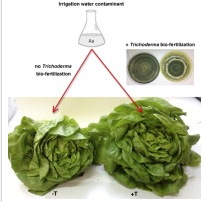
Screen shot 2014-07-03 at 03.55PM, Jul 03 1Trichoderma spp. alleviate phytotoxicity in lettuce plants (Lactuca sativa L.) irrigated with arsenic-contaminated water – Antonio G. Caporale – Journal of Plant Physiology

“Plant Growth-Promoting Fungi (PGPF) of both Trichoderma species alleviated, at least in part, the phytotoxicity of As, essentially by decreasing its accumulation in the tissues and enhancing plant growth, P status and net photosynthesis rate.”

Dengue

Kwissa DengueDengue Virus Infection Induces Expansion of a CD14+CD16+ Monocyte Population that Stimulates Plasmablast Differentiation – Marcin Kwissa – Cell Host & Microbe

“Transcriptomic analysis of whole blood revealed that genes encoding proinflammatory mediators and type I interferon-related proteins were associated with high DENV levels during initial symptomatic disease. “

dengue bidetG3BP1, G3BP2 and CAPRIN1 Are Required for Translation of Interferon Stimulated mRNAs and Are Targeted by a Dengue Virus Non-coding RNA – Katell Bidet – PLOS Pathogens

“We examined three conserved host RNA-binding proteins (RBPs) G3BP1, G3BP2 and CAPRIN1 in dengue virus (DENV-2) infection and found them to be novel regulators of the interferon (IFN) response against DENV-2. “

Dengue Virus Persists in Stored Platelets and Red Blood Cells – Michael R. Sutherland – Transfusion Medicine Reviews

“…we investigated the persistence of DENV (serotypes 1-4) in stored platelet (PC) and red blood cell concentrates (RCC) under standard blood bank conditions. “

2013: Rise of the deadly dengue fever in Pakistan – Anum Wasim – Journal of Infection and Public Health

“Last year saw more than 17000 dengue cases being reported from all over the country, the highest number ever in the country’s history.”

Women in Science 

Gender: Perception differences – Nature

“Female leaders underrate how their bosses and colleagues perceive their performance, find US researchers”

Screen shot 2014-07-03 at 03.57PM, Jul 03Leader self-awareness: An examination and implications of women’s under-prediction –
Rachel E. Sturm – Journal of Organizational Behavior

“…women under-predict their bosses’ ratings of their leadership compared with men, even though they self-rate the same and are rated by their bosses similarly to men”


10 Words Every Girl Should Learn – Soraya Chemaly – Huffington Post

Yes! This! “A woman, speaking clearly and out loud, can say something that no one appears to hear, only to have a man repeat it minutes, maybe seconds later, to accolades and group discussion.”

Science, Publishing, and Ethics

Science Editorial: Raising the bar – Marcia McNutt – Science

“For that reason, with much help from the American Statistical Association, Science has established, effective 1 July 2014, a Statistical Board of Reviewing Editors (SBoRE), consisting of experts in various aspects of statistics and data analysis, to provide better oversight of the interpretation of observational data.”

Science ethics: Young scientists speak – Shelly Benjaminy – Science

“What is the most challenging ethical question facing young investigators in your field? How should it be addressed? In April, we asked young scientists to tell us their thoughts.“

Science and Art

Screen shot 2014-07-03 at 03.57PM, Jul 03 1Can You Guess What These Cute Pink Tiles Are Made Of? – Francie Diep – Popular Science

“These images are from research into new techniques for medical diagnoses and biometrics.”

Dr. Bik’s Picks

Screen shot 2014-07-03 at 03.51PM, Jul 03Multiple evidence strands suggest that there may be as few as 19 000 human protein-coding genes – Iakes Ezkurdia – Human Molecular Genetics

“Here, we mapped peptides detected in seven large-scale proteomics studies to almost 60% of the protein-coding genes in the GENCODE annotation of the human genome. “

Screen shot 2014-07-03 at 03.50PM, Jul 03With Help From Extinct Humans, Tibetans Adapted To High Altitude – Rae Ellen Bichell – NPR

“According to Nielsen and a bunch of geneticists writing in the journal Nature, the Tibetans appear to have benefited from a genetic gift from the Denisovans, an extinct human ancestor known primarily from a little girl’s tooth and pinkie bone.”

Screen shot 2014-07-03 at 03.49PM, Jul 03NSF to decide all future grant proposals by penalty shoot-out – The Allium

“We feel that this will be a much less random way of giving out funding”, said Dr. France Cordóva, Director of the NSF.”

[hr]

General microbiome and science, June 30

Monday is always a busy day, so lots of papers today. Phages, CRISPRs, antibiotic resistance, probiotics, archaea, biofilms and a Goldilocks planet.

Antibiotics and resistance

Horizontal gene transfer in the human gastrointestinal tract: potential spread of antibiotic resistance genes – JR Huddleston – Infection and Drug Resistance

“This review aims to give an overview of the major horizontal transfer mechanisms and their evolution and then demonstrate the human lower gastrointestinal tract as an environment in which horizontal gene transfer of resistance determinants occurs.”

Screen shot 2014-06-30 at 06.47PM, Jun 30Bacterial persisters: formation, eradication, and experimental systems
Sophie Helaine, Elisabeth Kugelberg – Trends in Microbiology

“Toxin–antitoxin (TA) modules have an important role in the formation of persisters and several studies show that they can form in response to different triggers.”

Screen shot 2014-06-30 at 06.48PM, Jun 30Antibiotic Treatment Suppresses Rotavirus Infection and Enhances Specific Humoral Immunity – Robin Uchiyama – Journal of Infectious Diseases

“Microbiota ablation resulted in reduced rotavirus infection/diarrhea and a more durable rotavirus antibody response, suggesting that antibiotic administration before rotavirus vaccination could raise low seroconversion rates that correlate with the vaccine’s inefficacy in developing regions.”

And:  Antibiotics Help Control Rotavirus Infections and Enhance Antirotaviral Immunity: Are You Serious? – Luther A. Bartelt and Richard L. Guerrant – Journal of Infectious Diseases

“Yes, we must understand intriguing new findings; but no, we are far from serious about widespread use of antimicrobials with routine immunizations.”

Screen shot 2014-06-30 at 06.44PM, Jun 30Transferrin Iron Starvation Therapy for Lethal Bacterial and Fungal Infections – Lin Lin – Journal of Infectious Diseases

“These results provide proof of principle that bacterial infections can be treated in vivo by attacking host targets (ie, trace metal availability) rather than microbial targets.”

Bacterial detection in blood and other sites

Screen shot 2014-06-30 at 06.45PM, Jun 30Identification of pathogens from blood culture bottles in spiked and clinical samples using matrix-assisted laser desorption ionization time-of-flight mass-spectrometry analysis – Simone Konnerth – BMC Research Notes

“MALDI-TOF MS using the SARAMIS database was applied to 37 spiked blood culture samples. Identification rates of spiked samples were as follows: The species level was determined in 16 of 21 (76.2%) Gram negative bacteria and in 11 of 13 (84.6%) Gram positive bacteria. “

Infection and host response

Type I and III Interferon Production in Response to RNA Viruses – Elizabeth Reid and Bryan Charleston – Journal of Interferon & Cytokine Research

“There are now many examples of RNA viruses inducing type I and type III IFNs, and although these IFNs act through different receptors, in many systems studied, they induce a similar spectrum of genes. “

CRISPRs

Screen shot 2014-06-30 at 06.50PM, Jun 30Review: Adapting to new threats: the generation of memory by CRISPR-Cas immune systems – Robert Heler – Molecular Microbiology

“Recent studies have begun to elucidate the genetic requirements for adaptation and have demonstrated that rather than being a stochastic process, the selection of new spacers is influenced by several factors. We review here our current knowledge of the CRISPR adaptation mechanism”

Screen shot 2014-06-30 at 06.53PM, Jun 30The three major types of CRISPR-Cas systems function independently in CRISPR RNA biogenesis in Streptococcus thermophilus – Jason Carte – Molecular Microbiology

“Our findings indicate that multiple CRISPR-Cas systems can function independently in crRNA biogenesis within a given organism – an important consideration in engineering coexisting CRISPR-Cas pathways”

Viruses and phages

Screen shot 2014-06-30 at 06.53PM, Jun 30Exploiting gut bacteriophages for human health – Marion Dalmasso – Trends in Microbiology

“We emphasise the complexity and individuality of the phageome, and the link to the health state of the host. We highlight the practical applications of bacteriophages in medicine and in the food chain.”

Screen shot 2014-06-30 at 06.52PM, Jun 30Environmental bacteriophages : viruses of microbes in aquatic ecosystems – Télesphore Sime – Ngando – Frontiers in Microbiology

“The present chapter sought to review the literature on the diversity and functional roles of viruses of microbes in environmental microbiology, focusing primarily on prokaryotic viruses (i.e. phages) in aquatic ecosystems, which form the bulk of our knowledge in modern environmental viral ecology.”

Archaea

Screen shot 2014-06-30 at 06.55PM, Jun 30Taxonomic database and cut-off value for processing mcrA gene 454 pyrosequencing data by MOTHUR – Sizhong Yang – Journal of Microbiological Methods

“The functional mcrA gene of methanogens can generate phylogeny as congruent as the 16S rRNA gene phylogeny. “

Screen shot 2014-06-30 at 06.59PM, Jun 30Biofilm formation of mucosa-associated methanoarchaeal strains
Corinna Bang – Frontiers in Microbiology

“Here, the ability of three methanoarchaeal strains, Methanobrevibacter smithii and Methanosphaera stadtmanae, which form part of the human gut microbiota, and the Methanosarcina mazei strain Gö1 to grow on different surfaces and form biofilms was investigated.”

Biofilms (see also Archaea above and Probiotics below)

Screen shot 2014-06-30 at 07.02PM, Jun 30Development of an in vitro periodontal biofilm model for assessing antimicrobial and host modulatory effects of bioactive molecules
Emma Millhouse – BMC Oral Health

Multi-species biofilms were either treated with either molecule, or alternatively epithelial cells were treated with these prior to biofilm co-culture. Biofilm composition was evaluated and inflammatory responses quantified at a transcriptional and protein level.

Probiotics

Screen shot 2014-06-30 at 06.43PM, Jun 30Review: Enumeration of probiotic strains: Review of culture-dependent and alternative techniques to quantify viable bacteria – Catherine Davis – Journal of Microbiological Methods

“Consensus on an operational definition of viability and systematic efforts to validate these alternative techniques ultimately will strengthen the accuracy and reliability of probiotic strain enumeration.”

Inhibitory effect of Lactobacillus salivarius on Streptococcus mutans biofilm formation
Chien-Chen Wu – Molecular Oral Microbiology

“We analyzed 64 L. salivarius strains and found that two, K35 and K43, significantly inhibited S. mutans biofilm formation with inhibitory activities more pronounced than those of Lactobacillus rhamnosus GG (LGG), a prototypical probiotic that shows anti-caries activity.

General taxonomy and phylogeny

Screen shot 2014-06-30 at 07.04PM, Jun 30Considering external information to improve the phylogenetic comparison of microbial communities: a new approach based on constrained Double Principal Coordinates Analysis (cDPCoA) – S Dray – Molecular Ecology Resources

“In this work, we extend DPCoA to integrate the information of external variables measured on communities. The constrained Double Principal Coordinates Analysis (cDPCoA) is able to enforce a priori classifications to retrieve subtle differences and(or) remove the effect of confounding factors. “

Screen shot 2014-06-30 at 06.43PM, Jun 30Understanding molecular identification and polyphasic taxonomic approaches for genetic relatedness and phylogenetic relationships of microorganisms – Surajit Das – Journal of Microbiological Methods

“In this regard, a polyphasic taxonomic approach is advantageous because it exploits simultaneously both conventional as well as molecular identification techniques.”

Metabolomics

Screen shot 2014-06-30 at 07.01PM, Jun 30Nutrient sharing in the microbial world – Erica C. Seth and Michiko E. Taga – Frontiers in Microbiology

“Cofactor cross-feeding can contribute to both the health and nutrition of a host organism, the virulence and persistence of pathogens, and the composition and function of environmental communities. “

Metagenomics

Combination of Metagenomics and Culture Based Methods to Study the Interaction Between Ochratoxin A and Gut Microbiota – Mingzhang Guo – Toxicological Sciences

“Changes in functional genes of gut microbiota including signal transduction, carbohydrate transport, transposase, amino acid transport system and mismatch repair were observed.”

Chromosomal organization

NuChart-II: a graph-based approach for the analysis and interpretation of Hi-C data (PDF) – Fabio Tordini – Proceedings of the CIBB 2014

“NuChart-II is a highly optimized implementation of a previous prototype package developed in R, in which the graph-based representation of Hi-C data was tested, but that also showed inevitable problems of scalability while working genome-wide on large datasets.”

Science and education

Screen shot 2014-06-30 at 06.58PM, Jun 30Starting small: using microbiology to foster scientific literacy
Amy F. Savage, Brooke A. Jude – Trends in Microbiology

“In order to achieve scientific literacy for all students, Bard College recently implemented Citizen Science, a common January course for all first-year students. Structured around the question ‘how do we reduce the global burden of disease?’, this course uses microbiological tools to develop an understanding of potential answers.”


Dr. Bik’s Picks

Screen Shot 2014-07-01 at 12.06.17 AMBird brains: Public asked to look out for clever rooks – Victoria Gill – BBC News

“The British Trust for Ornithology (BTO) is asking the public to take part in a national survey of bird intelligence. From 1 July, the charity is asking people to submit video clips or descriptions of the behaviour or rooks – some of our cleverest garden birds.”

Screen Shot 2014-07-01 at 12.06.52 AMPotentially habitable Earth-like planet discovered; May have similar temperatures to our planet – Science Daily

“A potentially habitable Earth-like planet that is only 16 light years away has been discovered. The “super-Earth” planet, GJ 832 c, takes 16 days to orbit its red-dwarf star, GJ 832, and has a mass at least five times that of Earth.”

Screen Shot 2014-07-01 at 12.07.35 AMStudy Implicates Smog In Autism And Schizophrenia – Science 2.0

“A recent paper found that exposure to air pollution early in life produces harmful changes in the brains of mice, including an enlargement of part of the brain that is seen in humans who have autism and schizophrenia, and that led them to conclude that smog causes autism.”

[hr]