General microbiology and science, June 18

Learn about dengue at the World Cup, a deadly lake, 3D structures of genomes, OTUs and tables, musical kids, and why your iPhone headphones are always in a knot.

Dengue

Evaluation of single-round infectious, chimeric dengue type 1 virus as an antigen for dengue functional antibody assays – Atsushi Yamanaka – Vaccine

“In the present study, SRIPs of DENV-1 (D1-SRIPs) were evaluated as an antigen for functional antibody assays.”

An inhibition model of BPTI to unlinked dengue virus NS2B-NS3 protease – Hua Li – FEBS Letters

“BPTI shows strong competitive inhibitory activity (Ki = 6.5 nM) against this unlinked protease, which adopts a closed conformation.”

The role of cell proteins in dengue virus infection – Ma. Isabel Salazar – Journal of Proteomics

“This review focuses on recent reports about cellular proteins involved along the dengue virus replication cycle, in prime cellular targets during the infection of both humans and mosquito hosts and also on the proteomics and other approaches that are being used to reveal the entire orchestration and most significant processes altered during infection.”

Dengue outlook for the World Cup in Brazil – Eduardo Massad – The Lancet Infectious Diseases

Correspondence on: Dengue outlook for the World Cup in Brazil: an early warning model framework driven by real-time seasonal climate forecasts

Arsenic metabolism

43,000 die annually in Bangladesh: Study – The Daily Star

“This rate is 25 percent all over Bangladesh, said Dr Kazi Matin Ahmed, geology professor of Dhaka University. He presented the paper at a seminar titled “Arsenic Activities, Research and Outcomes” organised by the Bangladesh Medical Research Council (BMRC) in its auditorium in the capital yesterday.”

Arsenic speciation in rice-based food for adults with celiac disease – Sandra Munera-Picazo – Food Additives and Contaminants

“…the objective of this study was to analyze the occurrence of arsenic (As) in gluten-free products, basically those rice-based, intended for celiac adult consumers.”

Could This Acid Lake Hold the Elixir of Life for Cancer Patients? – Ryot.org

“The Berkeley Acid Pit is a giant hole filled with arsenic and sulfuric acid, and has a history of causing disturbing deaths… and it’s making its way into the city’s water supply, according to PitWatch.”

Chromosomal Organization

Targeted chromatin capture (T2C): a novel high resolution high throughput method to detect genomic interactions and regulatory elements – Petros Kolovos – Epigenetics &

“We applied T2C on well-known model regions, the mouse beta-globin locus and the human H19/IGF2 locus. In both cases we identified all known chromatin interactions”

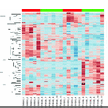
A statistical approach for inferring the 3D structure of the genome – Nelle Varoquaux – Bioinformatics

“We propose a novel approach to infer a consensus 3D structure of a genome from Hi-C data. The method incorporates a statistical model of the contact counts, assuming that the counts between two loci follow a Poisson distribution whose intensity decreases with the physical distances between the loci.”

Spatial organization of interphase chromosomes and the role of chromatin fibril dynamics in the positioning of genome elements – E. S. Gushchanskaya – Molecular Biology

In this review, we discuss the results of these projects, which allow us to explain the functional basis of nucleus multilevel compartmentalization and to identify the principles of high-level chromatin organization. “

Computational ecology

A fast and unbiased procedure to randomize ecological binary matrices with fixed row and column totals – Giovanni Strona – Nature Communications

“A well-known problem in numerical ecology is how to recombine presence-absence matrices without altering row and column totals. “

Consistent, comprehensive and computationally efficient OTU definitions – Jai Ram Rideout – PeerJ PrePrints

“We present a performance-optimized algorithm, subsampled open-reference OTU picking, for assigning marker gene (e.g., 16S rRNA) sequences generated on next-generation sequencing platforms to operational taxonomic units (OTUs) for microbial community analysis.”


Bacteria in blood and sterile sites

Rapid and direct MALDI-MS identification of pathogenic bacteria from blood using ionic liquid-modified magnetic nanoparticles (Fe3O4@SiO2) – Mukesh L. Bhaisare – Journal of Materials Chemistry B

“A novel method for pathogenic bacteria identification directly from blood samples using cationic ionic liquid-modified magnetic nanoparticles (CILMS) is reported.”

Metagenomics

GroopM: An automated tool for the recovery of population genomes from related metagenomes – Michael Imelfort – PeerJ PrePrints

“Here we introduce GroopM, an automated binning tool that primarily uses differential coverage to obtain high fidelity population genomes from related metagenomes. “

DNA-dependent RNA polymerase detects hidden giant viruses in published databanks – Vikas Sharma – Genome Biology and Evolution

“To explore the dark matter, we used viral RNAP2 and reconstructed putative ancestral RNAP2, which were significantly superior in detecting distant clades than current sequences, and we revealed two additional unknown mimiviruses, misclassified as an euryarchaeote and a oomycete plant pathogen, and detected unknown putative viral clades”

Metabolomics

Comparative Metabolomics and Structural Characterizations Illuminate Colibactin Pathway-Dependent Small Molecules – Maria I. Vizcaino – Journal of the American Chemical Society

“Here we implemented a comparative metabolomics and targeted structural network analyses approach to identify a catalog of small molecules dependent on the colibactin pathway from the meningitis isolate E. coli IHE3034 and the probiotic E. coli Nissle 1917.”

Scientific writing and publishing

Screen Shot 2014-06-18 at 11.01.34 PMColour blindness: Still too many red–green figures – S. Colby Allred – Nature

“People with red–green colour blindness cannot interpret figures in research papers that use these colours. We call for all journals to provide alternative versions of figures that are more accessible to such individuals.”

Open access: Sharing your data is easier than you think – Stephen Eglen – Nature

“Storing large volumes of raw data is costly, but many items destined for sharing are highly processed and relatively small. “

Dr. Bik’s Picks

The Irish potato famine pathogen Phytophthora infestans originated in central Mexico rather than the Andes – Erica M. Goss – PNAS

“We sequenced four nuclear genes in representative samples from Mexico and the South American Andes. An Andean origin of P. infestans does not receive support from detailed analyses of Andean and Mexican populations. “

Behavioral and Neural Correlates of Executive Functioning in Musicians and Non-Musicians – Jennifer Zuk – PLOS ONE

“Overall, musicians show enhanced performance on several constructs of EF, and musically trained children further show heightened brain activation in traditional EF regions during task-switching.”

There’s a scientific reason your iPhone headphones are always tangled – Fiona MacDonald – Science Alert

“But between 46 centimeters and 150 centimeters (about five feet), the probability of a knot forming rises dramatically.”

[hr]

Non-human microbiome, June 18

Microbiomes of horses, sheep, chicken, plants in Chili, built environment and rocks.

General microbiomes of animals

Viral Metagenomics on Animals as a Tool for the Detection of Zoonoses Prior to Human Infection? – Sarah Temmam – Int J Mol Sci

“In this review, we summarize our current knowledge of viral diversity within such animals (in particular blood-feeding arthropods, wildlife and domestic animals) using metagenomics and present its possible future application for the surveillance of zoonotic and arboviral diseases.”

Horse microbiome

Screen Shot 2014-06-18 at 9.39.22 PMFaecal Microbiome of the Thoroughbred Racehorse and Its Response to Dietary Amylase Supplementation – Proudman C – Equine Veterinary Journal

Amplicons for the V1-V3 region of the 16S rDNA gene were multiplexed and sequenced on the 454 resulting in ∼25,000 reads per sample. Differences in bacterial community structure were detected by linear discriminant analysis.”

Sheep microbiome

Screen Shot 2014-06-05 at 8.48.40 PMMethane yield phenotypes linked to differential gene expression in the sheep rumen microbiome – Weibing Shi – Genome Research

“Deep metagenomic and metatranscriptomic sequencing demonstrated the presence of methanogens both in the highest and lowest methane-producing sheep, with a similar abundance of methanogens and methanogenesis pathway genes in high and low methane emitters. “

Chicken microbiome

ChickenSpatial heterogeneity and stability of bacterial community in the gastrointestinal tracts of broiler chickens – J. H. Choi – Poultry Science

“Bacterial communities in the different regions of gastrointestinal tract (GIT) of broiler chickens were analyzed by pyrosequencing approach to understand microbial composition and diversity. “

Squid microbiome

SquidThe real threat posed by discover of antibiotic- resistent bacteria found in squid – Robert Lawrence and Patrick Baron, Baltimore – Washington Post

“The Food and Drug Administration can, and should, do more to limit the misuse of antibiotics in the production of food animals, whether terrestrial or aquatic, in order to reduce the risk of accelerating antibiotic resistance.”

Plant microbiome

Bacterial community structure and detection of putative plant growth-promoting rhizobacteria associated with plants grown in Chilean agro-ecosystems and undisturbed ecosystems – Milko A. Jorquera – Biology and Fertility of Soils

“Soil microorganisms with phytase- and 1-aminocyclopropane-1-carboxylate (ACC) deaminase activities are widely studied as plant growth-promoting rhizobacteria (PGPR). Here, we explored the bacterial community structure and occurrence of putative PGPR in plants grown in agro-ecosystems and undisturbed ecosystems from northern, central, and southern Chile.”

Built Environment Microbiome

housesmicroBEnet: Lessons Learned from Building an Interdisciplinary Scientific Community in the Online Sphere – Holly M. Bik, David A. Coil, Jonathan A. Eisen – PLOS Biology

“The microbiology of the Built Environment network (microBEnet: http://www.microbe.net/) was formed as an experiment in interdisciplinary community building, with an overarching goal to facilitate and nurture the development of a new research field: the microbiology of the built environment (MBE). “

Water microbiome

Review: Emerging Strategies and Integrated Systems Microbiology Technologies for Biodiscovery of Marine Bioactive Compounds – Javier Rocha-Martin – Marine Drugs

“Recent advances in genomics, metagenomics, proteomics, combinatorial biosynthesis, synthetic biology, screening methods, expression systems, bioinformatics, and the ever increasing availability of sequenced genomes provides us with more opportunities than ever in the discovery of novel bioactive compounds and biocatalysts.”

From community approaches to single-cell genomics: the discovery of ubiquitous hyperhalophilic Bacteroidetes generalists – María Gomariz – ISME Journal

“Here we have characterized the temporal variation during 1 year of the microbiota of five ponds with increasing salinity (from 18% to >40%), by means of CARD-FISH and DGGE.”

Soil and rock microbiome

Mineral Microniches Control the Diversity of Subsurface Microbial Populations – Aaron A. Jones – Geomicrobiology Journal

“These results suggest that adaptations to specific rocks are retained even when the organism is displaced in time and space from an ancestral rock habitat.”

[hr]
General microbiology and science, June 17

How to freeze and preserve communities, host response, standardized metadata for pathogens, primers for fungal detection and more. Check out Dr. Bik’s Picks for coffee in space and sticky tongues.

Infection and host response

The effect of age on the systemic inflammatory response in patients with community-acquired pneumonia – Lonneke A. van Vught – Clinical Microbiology and Infection

“Serum concentrations of pro-inflammatory (interleukin (IL)-6 and IL-8) and anti-inflammatory cytokines (IL-10 and IL-1 receptor antagonist) did not differ between age groups, although admission IL-8 levels tended to be higher in old patients (p = 0.05). “

Clinical Disease Severity of Respiratory Viral Co-Infection versus Single Viral Infection: A Systematic Review and Meta-Analysis – Sandra A. Asner – PLOS ONE

“No differences in clinical disease severity between viral co-infections and single respiratory infections were documented.”

Standardized Metadata for Human Pathogen/Vector Genomic Sequences – Vivien G. Dugan – PLOS ONE

“The standard includes data fields about characteristics of the organism or environmental source of the specimen, spatial-temporal information about the specimen isolation event, phenotypic characteristics of the pathogen/vector isolated, and project leadership and support. “

Discovering Hidden Connections among Diseases, Genes and Drugs Based on Microarray Expression Profiles with Negative-Term Filtering – Jain-Shing Wu – PLOS ONE

“This study proposes a novel means of employing existing GEPs to reveal hidden relationships among diseases, genes, and drugs within a rich biomedical database, PubMed. Unlike the co-occurrence method, which considers only the appearance of keywords, the proposed method also takes into account negative relationships and non-relationships among keywords, the importance of which has been demonstrated in previous studies.”

MS spectrometry and microbiology

A simple, robust and rapid approach to detect carbapenemases in Gram negative isolates by MALDI-TOF mass spectrometry: validation with triple quadripole tandem mass spectrometry, microarray and PCR – Christelle Vogne – Clinical Microbiology and Infection

“Here, we developed a simple, easy and rapid MALDI-TOF-based assay to detect carbapenemases and compared this innovative test with 4 other diagnostic approaches on 47 clinical isolates. “

Source-Identifying Biomarker Ions between Environmental and Clinical Burkholderia pseudomallei Using Whole-Cell Matrix-Assisted Laser Desorption/Ionization Time-of-Flight Mass Spectrometry (MALDI-TOF MS) – Suthamat Niyompanich – PLOS ONE

“In this present study, we employed a whole-cell MALDI-TOF MS approach for assessing its potency in clustering a total of 11 different B. pseudomallei isolates (consisting of 5 environmental and 6 clinical isolates) with respect to their origins and to further investigate the source-identifying biomarker ions belonging to each bacterial group.”

Phages and viruses

Effectiveness of bacteriophages in the sputum of cystic fibrosis patients – Emilie Saussereau – Clinical Microbiology and Infection

“The demonstration that bacteriophages infect their bacterial hosts in the sputum environment, regardless of the clinical characteristics of the patients, represents a major step towards the development of bacteriophage therapy to treat chronic lung infections.”

Standards for Sequencing Viral Genomes in the Era of High-Throughput Sequencing
Jason T. Ladner – mBio

“Here, we propose five “standard” categories that encompass all stages of viral genome finishing, and we define them using simple criteria that are agnostic to the technology used for sequencing.”

Dengue

Dengue Serosurvey in Sint Eustatius – Teresa Leslie – PLOS ONE

“ Few studies have investigated dengue on Sint Eustatius. Blood samples were collected to determine the prevalence of antibodies against dengue in the Sint Eustatius population.”

General microbiology

Invited Editorial: Bioterrorism: myth or reality? – Gilbert Greub and Martin P. Grobusch – Clinical Microbiology and Infection

“Interestingly, while there are no doubt many features which tell those topics apart from each other, bioterrorism, in its broad sense, in its perception by the public, strikingly shares some features with the human interest in viral hemorrhagic fevers as witnessed during the recent Zaire ebolavirus disease outbreak “

Invited Editorial: New epidemiology of Staphylococcus aureus infections – Jean-Philippe Rasigade – Clinical Microbiology and Infection

“The clinical and molecular epidemiology of S. aureus infections has changed dramatically over the past two decades with the emergence of community-associated methicillin-resistant S. aureus (CA-MRSA).”

Sequencing and data analysis

Summarizing Specific Profiles in Illumina Sequencing from Whole-Genome Amplified DNA – Isheng J. Tsai – DNA Research

“To utilize the full potential of WGA to reveal the real biological interest, this article highlights the importance of recognizing additional sources of errors from amplified sequence reads and discusses the potential implications in downstream analyses.”

The Bias Associated with Amplicon Sequencing Does Not Affect the Quantitative Assessment of Bacterial Community Dynamics – Federico M. Ibarbalz – PLOS ONE

“The performance of two sets of primers targeting variable regions of the 16S rRNA gene V1–V3 and V4 was compared in their ability to describe changes of bacterial diversity and temporal turnover in full-scale activated sludge.”

HIVE-Hexagon: High-Performance, Parallelized Sequence Alignment for Next-Generation Sequencing Data Analysis – Luis Santana-Quintero – PLOS ONE

“High-performance Integrated Virtual Environment (HIVE), a cloud-based environment optimized for storage and analysis of extra-large data, presents an algorithmic solution: the HIVE-hexagon DNA sequence aligner. “

Sample preparation, primers, PCR

Optimized Cryopreservation of Mixed Microbial Communities for Conserved Functionality and Diversity – Frederiek-Maarten Kerckhof – PLOS ONE

“ In summary, we have evaluated a cryopreservation protocol that succeeded in preserving both community structure and functionality of value-added microbiomes. ”

Comparison and Validation of Some ITS Primer Pairs Useful for Fungal Metabarcoding Studies – Michiel Op De Beeck – PLOS ONE

“In the current study, three selected primer pairs were tested for their suitability as fungal metabarcoding primers.”

Chromosome organization

Assessing Diversity of DNA Structure-Related Sequence Features in Prokaryotic Genomes – Yongjie Huang and Jan Mrázek – DNA Research

“Our results show that simple sequence repeats and Z-DNA-promoting patterns are generally suppressed in prokaryotic genomes, whereas palindromes and inverted repeats are over-represented.”

Dr. Bik’s Picks

Tongue adhesion in the horned frog Ceratophrys sp. – Thomas Kleinteich & Stanislav N. Gorb- Scientific Reports

“Here we measured for the first time adhesive forces and tongue contact areas in living individuals of a horned frog (Ceratophrys sp.) against glass. We found that Ceratophrys sp. generates adhesive forces well beyond its own body weight.”

Good news: Espresso machine in SPAAAACE. Bad news: Fuelled by URINE – Simon Sharwood – The Register

“A critical issue standing between humanity and long-term residence in space has been solved after boffins invented an espresso machine they plan to send up to the International Space Station (ISS), groan-inducingly dubbed the ISSpresso.”

[hr]

General microbiology and science

Virus reactivation in sepsis, influenza mixing, and Dr. Bik’s Picks, featuring animals predicting the World Cup results, and which friends to take with you to Mars.

Infection and host response

Screen Shot 2014-06-13 at 11.39.47 PMReactivation of Multiple Viruses in Patients with Sepsis – Andrew H. Walton – PLOS ONE

“A small subgroup of septic patients had markedly elevated viral loads (>104–106 DNA copies/ml blood) for CMV, EBV, and HSV. Excluding TTV, DNAemia was uncommon in critically-ill non-septic patients and in age-matched healthy controls. Compared to septic patients without DNAemia, septic patients with viremia had increased fungal and opportunistic bacterial infections.”

 More microbes

Screen Shot 2014-06-14 at 12.30.41 AMDeadly airborne flu virus created in lab – not as bad as it sounds – Wendy Barclay – The Conversation

“Now scientists at the University of Wisconsin-Madison in the US have been criticised for recreating a very similar but distinct influenza virus by mixing together a set of genes taken from viruses of wild birds that are present in the gene pool today”

Screen Shot 2014-06-14 at 12.31.12 AMBelongs toCirculating Avian Influenza Viruses Closely Related to the 1918 Virus Have Pandemic Potential – Tokiko Watanabe – Cell Host Microbe

Human Ancestors Got Herpes from Chimps’ Ancestors – Agata Blaszczak-Boxe – LiveScience

“Researchers found that herpes simplex virus 1 (HSV-1) infected hominids before their evolutionary split from chimpanzees 6 million years ago”

Science and Art

Franklin InstituteA Show That Really Gets Into Your Head – ‘Your Brain’ Opens at the Franklin Institute – Edward Rothstein – New York Times

“In these cases, the brain leaps ahead of what the body senses, drawing conclusions. They are sometimes wrong, sometimes subtly correct and sometimes extraordinarily imaginative.”

Dr. Bik’s Picks – Weekend Edition

CatYes, You Can Get Your Cat to Behave – Wayne Pacelle – Live Science

Animals ‘Predict’ 2014 World Cup results (video) – BBC News

“China’s panda picker Ying Mei got off to a successful start, opting for the box of food emblazoned with a Brazilian flag, before the host nation beat Croatia 3-1.”

Bedtime Procrastination: Introducing a New Area of Procrastination – Floor Kroese – Frontiers in Psychology

“Introducing a novel domain in which procrastinators experience problems, bedtime procrastination appears to be a prevalent and relevant issue that is associated with getting insufficient sleep.”

Science Blogging Versus Science Journalism – Tommaso Dorigo – Science 2.0

“Hence I tried to organize my lecture as a discussion of things that science journalist wannabes could be interested to hear, from a scientist who has been blogging for 10 years and has picked up some tricks and lessons along the way.”

Skin cancer: Sunscreen ‘not complete protection’ – Helen Briggs – BBC News

“Sunscreen alone should not be relied on to prevent malignant melanoma, a deadly form of skin cancer, research suggests.”

Longread: Forget Calories – Counting calories is misguided. The focus belongs on real food – James Hamblin – The Atlantic

“In other words, your New Year’s resolution to lose weight probably won’t last through the spring, let alone affect how you look in a swimsuit in July.”

Longread: Extroverts Don’t Belong on Mars – Olga Khazan – The Atlantic

“Extroverted friends are good for a lot of things—serving as deft and lively wingmen, spicing up book club, sparking interesting conversations at parties by wearing ostentatious leggings, etc. One thing they may be less suited for: Long voyages to faraway planets.”

[hr]

 

Non-human microbiome, June 13

MRSA in cats and dogs, metabolomics on cow rumen, bacteria in soil, sewage and sea water, and how to get rid of invasive species.

Mammal microbiome

Screen Shot 2014-06-13 at 11.26.20 PMCarriage of methicillin-resistant staphylococci by healthy companion animals in the US – J.A. Davis – Letters in Applied Microbiology

“In this study, 276 healthy dogs and cats from veterinary clinics were tested for the presence of antimicrobial-resistant Staphylococcus spp. Isolates were tested for antimicrobial susceptibility and the presence of select resistance genes, and typed using Pulsed-Field Gel Electrophoresis (PFGE).”

Screen Shot 2014-06-13 at 11.29.33 PMMetabolomics analysis reveals large effect of roughage types on rumen microbial metabolic profile in dairy cows – S. Zhao – Letters in Applied Microbiology

“ Rumen fluid was sampled from each cow through a ruminal cannula at 0630 and 1030 h, and the mixed ruminal fluid from 3 day in each cow was analysed using nuclear magnetic resonance (NMR) spectroscopy. A multivariate analysis revealed a significant difference between the ruminal metabolome of the CS and MF groups at both time points. “

Soil microbes

Screen Shot 2014-06-13 at 11.30.13 PMDiversity and activity of sulphur-oxidizing bacteria and sulphate-reducing bacteria in landfill cover soils – F.F. Xia – Letters in Applied Microbiology

“In this study, two landfills with or without landfill gas collection and utilization system were investigated to characterize the role of biotic and abiotic factors affecting diversity and activity of SOB and SRB in the landfill cover soils.”

Water microbes

Screen Shot 2014-06-13 at 11.30.55 PMEvaluation of Bacteroides fragilis GB-124 bacteriophages as novel human-associated faecal indicators in the United States – B.R. McMinn – Letters in Applied Microbiology

“Animal faecal samples (>250) from 14 different species were tested for the presence of the three phage groups. GB-124 phages were consistently detected in sewage (10–102 PFU ml−1), but not in animal faeces.”

Letters in applied microbiologyArcobacter spp. isolated from untreated domestic effluent – J.Y. Merga – Letters in Applied Microbiology

“Arcobacter butzleri and Arcobacter cryaerophilus were isolated from samples of raw untreated domestic sewage influent from nine separate wastewater treatment facilities in Cheshire, UK. This is the first report of Arcobacter spp. from sewage in the UK and suggests that Arcobacter spp. may be present in the human community.”

Sunset beachMarine bacteria could help treat human diseases – Mohamed Hassan – The New Zealand Herald

“New Zealand will take part in the first simultaneous sampling of all the world’s oceans as part of “Micro B3 Ocean Sampling Day” on June 20. The project, at 150 sites worldwide, is spearheaded by Germany’s Jacobs University and the University of Oxford in the UK, and will include researchers from the universities of Auckland and Otago.”

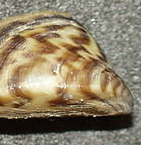
zebra musselBacteria could help kill zebra mussels – Associated Press

“State agricultural officials are reviewing a request from the U.S. Geological Survey to experiment with a bacteria to kill zebra mussels in a northern Wisconsin lake.”

[hr]

General microbiology and science, June 12

A whale with graffiti and morbillivirus, polio eradication, it’s fun to be a grad student, and Dr. Bik’s Picks.

Marine Mammals

grafwhaleGraffiti tagged A.C. whale died of dolphin-killer morbillivirus – Amy S. Rosenberg – The Inquirer

“Schoelkopf said the virus last summer was primarily found in bottle-nosed dolphins but that there was some inter-species crossover, including two humpback whales, a pygmy sperm whale and striped dolphins.”

austsealionPinnipednesday – Neophoca cinerea Edition – Mythbri – ObservationDeck

“It’s believed that the feces of Australian Sea Lions provide valuable nutrients to the local ecosystem. The bacteria found in the feces is very efficient in breaking down the waste into forms that are easily absorbed by coastal ecosystems.”

Phages and viruses

SciencePolio eradicators struggle to prevent the next outbreak – Leslie Roberts – Science

“But in 2013, the virus jumped borders and set off outbreaks in eight countries that had already eliminated it, sending cases soaring to 407. Now, by creating a “Red List,” the Global Polio Eradication Initiative is trying to predict where future outbreaks will occur—and prevent them.”

Science careers

fungradThe fun of science – Cathy Walker – Science

“Recently, I was reminded that my job as a graduate student in a science lab is actually “really cool.” I was in need of a reminder. “

Dr. Bik’s Picks

dinosEvidence for mesothermy in dinosaurs – John M. Grady – Science

“Moreover, when the effects of size and temperature are considered, dinosaur metabolic rates were intermediate to those of endotherms and ectotherms and closest to those of extant mesotherms. Our results suggest that the modern dichotomy of endothermic versus ectothermic is overly simplistic.”

bromineChemical element bromine is essential to life in humans and other animals, researchers discover – ScienceDaily

“The researchers, led by co-first authors Scott McCall, Christopher Cummings, Ph.D., and Gautam (Jay) Bhave, M.D., Ph.D., showed that fruit flies died when bromine was removed from their diet but survived when bromine was restored.”

[hr]

General microbiology and science, June 10

Transcription in 12 different human tissues, bacteria in arterial plaques, and hairs with anticancer activity.

Infection and Host Response

Genome wideGenome-wide survey of tissue-specific microRNA and transcription factor regulatory networks in 12 tissues – Zhiyun Guo – Nature Scientific Reports

“Finally, we describe TSmiR (http://bioeng.swjtu.edu.cn/TSmiR), a novel and web-searchable database that houses interaction maps of TF-TS miRNA in 12 tissues.”

IntracellularIntracellular Bacteria Interfere with Dendritic Cell Functions: Role of the Type I Interferon Pathway – Laurent Gorvel – PLOS ONE

To analyze the mechanisms used by C. burnetiiand B. abortus to alter moDC activation, we performed microarray and found that C. burnetiiand B. abortus induced a specific signature consisting of TLR4TLR3STAT1 and interferon response genes.”

Screen Shot 2014-06-10 at 9.55.25 PMBacteria Present in Carotid Arterial Plaques Are Found as Biofilm Deposits Which May Contribute to Enhanced Risk of Plaque Rupture – Bernard B. Lanter – mBio

“In the current work, atherosclerotic carotid artery explants from 15 patients were all shown to test positive for the presence of eubacterial 16S rRNA genes”

Screen Shot 2014-06-10 at 10.01.00 PMRNA-seq: Impact of RNA degradation on transcript quantification – Irene Gallego Romero – BMC Biology

“We sought to quantify the impact of variation in RNA quality on estimates of gene expression levels based on RNA-seq data.”

Dengue virus

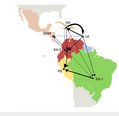
DengueSpatiotemporal Dynamics of DENV-2 Asian-American Genotype Lineages in the Americas – Daiana Mir – PLOS ONE

“Our study reveals that genetic diversity of DENV-2 AS/AM genotype circulating in the Americas mainly resulted from one single founder event and can be organized in at least four major lineages”

Phages, viruses, CRISPRs

Screen Shot 2014-06-10 at 9.53.22 PMCasposons: a new superfamily of self-synthesizing DNA transposons at the origin of prokaryotic CRISPR-Cas immunity – Mart Krupovic – BMC Biology

“We describe a new superfamily of archaeal and bacterial mobile elements which we denote casposons because they encode Cas1 endonuclease, a key enzyme of the CRISPR-Cas adaptive immunity systems of archaea and bacteria. “

Dr. Bik’s Picks

GeckoHow do geckos climb? – Ann Le Good – BioMedCentral

“The answer, from the recent Royal Society conference on cell adhesion, is that their climbing mechanism depends on van der Waals forces (as well as friction and shear stress). “

This one is intriguing:
AnticancerAnticancer Properties of Peptide Fragments of Hair Proteins – Sergiusz Markowicz – PLOS ONE

“We found out that the mixtures of soluble peptides obtained from human hair inhibited the proliferation of human melanoma cells in vitro. Moreover, the hair-derived peptide mixtures also inhibited the proliferation of B lymphoma cells and urinary bladder cancer cells. “

EarthEarth is around 60 million years older than previously thought — and so is the moon, new research finds – Science Daily

The timing of the giant impact between Earth’s ancestor and a planet-sized body occurred around 40 million years after the start of solar system formation. This means that the final stage of Earth’s formation is around 60 million years older than previously thought, according to new research.”


[hr]

Non-human microbiomes, June 10

Plants vs viruses and dead mice vs soil microbes. Who will win?

Plant microbiome

Virus vs platnVirus versus Host Plant MicroRNAs: Who Determines the Outcome of the Interaction? – Fatemeh Maghuly – PLOS ONE

“Different viral pre-miRNA hairpin sequences and viral miR/miR* length variants occurring as isomiRs were predicted in both viruses. These miRNAs were located in three Open Reading Frames (ORFs) and in the Intergenic Region (IR). “

Soil microbiome

deadbodiesVertebrate Decomposition is Accelerated by Soil Microbes – Christian L. Lauber – Applied and Environmental Microbiology

“Our results indicate that mice placed on soil with intact microbial communities reach advanced stages of decomposition 2-3 times faster than those placed on sterile soil.”

FEMS Microbiology EcologyBacterial community structure and soil properties of a subarctic tundra soil in Council, Alaska – Hye Min Kim – FEMS Microbiology Ecology

“The bacterial community was analyzed by pyrosequencing of 16S rRNA genes, and the following soil properties were analyzed: soil moisture content (MC), pH, total carbon (TC), total nitrogen (TN), and inorganic nitrogen (NH4+ and NO3-). “

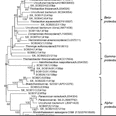
Screen Shot 2014-06-10 at 1.06.06 AMAntimony-Oxidizing Bacteria Isolated from Antimony Contaminated Sediment – A Phylogenetic Study – Van Khanh Nguyen – Geomicrobiology Journal

“Phylogenetic study showed that the Sb(III)-oxidizing bacteria fell within two subdivisions of Proteobacteria.”

[hr]

Non-human microbiomes, June 9

Phages in cow dung, genome of a bumble-bee symbiont, and the microbiome of beach sand.

Mammal microbiomes

Screen shot 2014-06-09 at 02.43PM, Jun 09Differing Populations of Endemic Bacteriophages in Cattle Shedding High and Low Numbers of Escherichia coli O157:H7 Bacteria in Feces – J. Hallewell – Applied and Environmental Microbiology

“Based on genome size estimated by pulsed-field gel electrophoresis and morphology determined by transmission electron microscopy, T4- and O1-like phages of Myoviridae and T1-like phage of Siphoviridae were isolated. “

Insect microbiomes

Screen shot 2014-06-09 at 02.59PM, Jun 09Genomic Features of a Bumble Bee Symbiont Reflect Its Host Environment – Vincent G. Martinson – Applied and Environmental Microbiology

“Here, we report the genome of one gammaproteobacterial member of the gut microbiota, for which we propose the name “Candidatus Schmidhempelia bombi,” that was inadvertently sequenced alongside the genome of its host, the bumble bee, Bombus impatiens.”

Plant microbiomes

Screen shot 2014-06-09 at 02.52PM, Jun 09In Situ Evaluation of Paenibacillus alvei in Reducing Carriage of Salmonella enterica Serovar Newport on Whole Tomato Plants – Sarah Allard – Applied and Environmental Microbiology

“Long-term intervention measures to reduce Salmonella prevalence on tomatoes remain elusive for growing and postharvest environments. A naturally occurring bacterium identified by 16S rRNA gene sequencing as Paenibacillus alvei was isolated epiphytically from plants native to the Virginia Eastern Shore tomato-growing region. “

Screen shot 2014-06-09 at 03.20PM, Jun 09Streptomyces sp. strain PGPA39 alleviates salt stress and promotes growth of ‘Micro Tom’ tomato plants – Sasikumar Arunachalam Palaniyandi – Journal of Applied Microbiology

“A significant increase in plant biomass and chlorophyll content, and a reduction in leaf proline content were observed in PGPA39-inoculated tomato plants under salt stress compared to control and salt stressed non-inoculated plants.”

Screen shot 2014-06-09 at 02.54PM, Jun 09Microscopy, Culture, and Quantitative Real-Time PCR Examination Confirm Internalization of Mycobacteria in Plants – M. Kaevska – Applied and Environmental Microbiology

” The substrate into which plants were seeded was previously contaminated with different strains of Mycobacterium avium (108to 1010 cells/g of soil) and feces from animals with paratuberculosis. We detected M.avium subsp. aviumhominissuis, and paratuberculosis in the stems and leaves of the plants by both culture and real-time quantitative PCR. “

Environmental microbiomes

Screen shot 2014-06-09 at 02.40PM, Jun 09

Soil and groundwater microbiomes

Use of Silicate Minerals for pH Control during Reductive Dechlorination of Chloroethenes in Batch Cultures of Different Microbial Consortia  – Elsa Lacroix – Applied and Environmental Microbiology

“The consortia showed significant differences in sensitivities toward acidic pH for the different dechlorination steps. Molecular analysis indicated that Dehalococcoides spp. that were present in all consortia were the most pH-sensitive organohalide-respiring guild members compared to Sulfurospirillum spp. and Dehalobacter spp.”

Screen shot 2014-06-09 at 03.01PM, Jun 09Variables Influencing Extraction of Nucleic Acids from Microbial Plankton (Viruses, Bacteria, and Protists) Collected on Nanoporous Aluminum Oxide Filters – Jaclyn A. Mueller – Applied and Environmental Microbiology

“Anodic aluminum oxide (AAO) filters have high porosity and can be manufactured with a pore size that is small enough to quantitatively capture viruses. These properties make the filters potentially useful for harvesting total microbial communities from water samples for molecular analyses, but their performance for nucleic acid extraction has not been systematically or quantitatively evaluated. “

Screen shot 2014-06-09 at 03.08PM, Jun 09MS2 Bacteriophage Reduction and Microbial Communities in Biosand Filters – Hanting Wang – Environmental Science & Technology

” In the upper layers, “CandidatusNitrosopumilus maritimus” and “Ca. Nitrospira defluvii” were found as dominant populations, while significant amounts of Thiobacillus-related OTUs were detected in the lower layers. “

Ponds, lakes, and ocean microbiomes

Screen shot 2014-06-09 at 02.48PM, Jun 09Diversity and Transport of Microorganisms in Intertidal Sands of the California Coast – Alexandria B. Boehm – Applied and Environmental Microbiology

“The present study uses next-generation massively parallel sequencing to characterize the microbial community present at 49 beaches along the coast of California. In addition, we characterize the transport of microorganisms within intertidal sands using laboratory column experiments. We identified extensive diversity in the beach sands.”

Screen shot 2014-06-09 at 02.46PM, Jun 09From Metagenomics to Pure Culture: Isolation and Characterization of the Moderately Halophilic Bacterium Spiribacter salinus gen. nov., sp. nov. – María José León – Applied and Environmental Microbiology

“We report the isolation and taxonomic characterization of this new, never before cultured microorganism, designated M19-40T, isolated from a saltern located in Isla Cristina, Spain, using a medium with a mixture of 15% salts, yeast extract, and pyruvic acid as the carbon source. “

Screen shot 2014-06-09 at 03.05PM, Jun 09The Pattern of Change in the Abundances of Specific Bacterioplankton Groups Is Consistent across Different Nutrient-Enriched Habitats in Crete – Stilianos Fodelianakis – Applied and Environmental Microbiology

“Here, we investigated the bacterial community changes at three different nutrient-enriched and adjacent undisturbed habitats along the north coast of Crete, Greece: a fish farm, a closed bay within a town with low water renewal rates, and a city port where the level of nutrient enrichment and the trophic status of the habitat were different. “

[hr]

Infection and host response digest – May 28, 2014

Hi all,

Today I’m just playing with different layouts for my digests, by splitting them up into smaller groups of topics. In this post, you will find dengue, phages, and infection/host response papers.

Dengue

Phages and viruses

Infection and Host ReponseScreen Shot 2014-05-28 at 7.32.41 PM

Staphylococcus aureus

Arsenic metabolism


[hr]