General microbiology and science, June 24

Metabolomics, metagenomics, phages in the human gut, arsenic poisoning in China, and a big award for Dengue research.

Metabolomics

Metaproteomics: Extracting and Mining Proteome Information to Characterize Metabolic Activities in Microbial Communities – Paul E. Abraham – Current Protocols in Bioinformatics

“In this article, we provide an overview of current bioinformatic approaches and software implementations in metaproteome studies in order to highlight the key considerations needed for successful implementation of this powerful community-biology tool. “

Review: The human volatilome: volatile organic compounds (VOCs) in exhaled breath, skin emanations, urine, feces and saliva – Anton Amann – Journal of Breath Research

“Fecal volatiles have been implicated in differentiating certain infectious bowel diseases such as Clostridium difficile, Campylobacter, Salmonella and Cholera. They have also been used to differentiate other non-infectious conditions such as irritable bowel syndrome and inflammatory bowel disease.”

Metagenomics and DNA structure

Sequencing the Strange Communities: Taking on Metagenomics – Aaron Krol – Bio-IT World

““Communities are made up of organisms that interact,” says Jonathan Eisen, a professor at the School of Medicine and the College of Biological Sciences at the University of California, Davis. “They’re not made up of short reads of Illumina sequences. And we need to stitch those together into organisms in order to make useful predictions, and interpretation of experimental data.””

Gene positioning and genome function – Nidhi Vishnoi, Jie Yao – Frontiers in Biology

” In this review, we discuss some recent findings as well as experimental tools to investigate subnuclear gene positioning and to explore its implications in genome functions.”

Phages and viruses

Classification and quantification of bacteriophage taxa in human gut metagenomes – Alison S Waller – ISME Journal 

“Using taxon-specific marker genes, we identified and monitored 20 viral taxa in 252 human gut metagenomic samples, mostly at the level of genera. “

Techniques

Enzymatic Treatment of Specimens before DNA Extraction Directly Influences Molecular Detection of Infectious Agents – Pablo Goldschmidt – PLOS ONE

“The goal of the present work was to assess the efficiency of enzymatic pretreatments on infectious agents to make DNA available for further extraction and amplification.”

Dengue

Sustainable Sciences Institute (SSI) Awarded $1 Million to Battle Growing Threat to Global Public Health: Mosquito-borne Dengue Virus – PR Web

“SSI, a San Francisco nonprofit founded by Eva Harris, UC Berkeley Professor of Infectious Disease and Vaccinology and former MacArthur “Genius” award winner, has worked to minimize the threat of potentially fatal Dengue disease for 15 years. With the latest award of $1 million dollars, Harris and other SSI investigators will be able to extend their reach and speed up their efforts.”

Infection and host response

Early MicroRNA Expression Profile as a Prognostic Biomarker for the Development of Pelvic Inflammatory Disease in a Mouse Model of Chlamydial Genital Infection – Laxmi Yeruva – mBio

“To determine if chemokine and cytokine production within 24 h of infection is associated with the outcome of pathology, levels of 15 chemokines and cytokines were measured. “

Immunity to gastrointestinal nematodes: mechanisms and myths – Richard K. Grencis – Immunological Reviews

“This review aims to discuss the recent discoveries in both host protection and immunoregulation against gastrointestinal nematodes, placing the data in context of the specific life cycles imposed by the different parasites studied and the future challenges of considering the mucosal/immune axis to encompass host, parasite, and microbiome in its widest sense.”

Tailored immunity at mucosae – Yasmine Belkaid – Immunological Reviews

“This issue of Immunological Reviews presents articles from investigators involved in the exploration of the mechanisms by which mucosal barrier sites induce and control innate and adaptive immune responses.”

Detection of bacteria in blood and other sites

Rapid Detection of Enterobacteriaceae Producing Extended Spectrum Beta-Lactamases Directly From Positive Blood Cultures by Matrix-Assisted Laser-Desorption-Ionization Time-of-Flight Mass Spectrometry (MALDI-TOF-MS) – Marina Oviaño – Clinical Microbiology and Infection

“In the assay, 141 blood cultures were tested, 13 out of them were real bacteremias and 128 corresponded to blood culture bottles seeded with bacterial clinical isolates. Bacteremias were analyzed by MALDI-TOF after a positive growth result and the 128 remaining blood cultures 24 hours after the bacterial seeding. “

General microbiology and ecology

The quest for a unified view of bacterial land colonization – Hao Wu – ISME Journal

“Here, we perform comprehensive analyses based on a large variety of bacteria by integrating taxonomic, phylogenetic and metagenomic data, in the quest for a unified view that elucidates genomic, evolutionary and ecological dynamics of the marine progenitors in adapting to nonaquatic environments. “

Lateral transfer of eukaryotic ribosomal RNA genes: an emerging concern for molecular ecology of microbial eukaryotes – Akinori Yabuki – ISME Journal

“Two distinct sequences of the 18S rRNA gene were detected from a clonal culture of the stramenopile, Ciliophrys infusionum. One was clearly derived from Ciliophrys, but the other gene originated from a perkinsid alveolate.”

Arsenic metabolism

Arsenic Pollution Sows Despair in Chinese Cancer Village (slideshow)- Yahoo News

“Xiong Demin could not have foreseen that the mine he worked at for 32 years would leave his home village poisoned and hundreds of residents, including himself and his wife, stricken with cancer.”

Dr. Bik’s Picks – Evolution Edition

Molecular Phylogeny, Biogeography, and Habitat Preference Evolution of Marsupials – Kieren J. Mitchell – Molecular Biology and Evolution

“We use 101 mitochondrial genomes and data from 26 nuclear loci to reconstruct a dated phylogeny including 97% of extant genera and 58% of modern marsupial species”

Parallel sites implicate functional convergence of the hearing gene prestin among echolocating mammals – Zhen Liu – Molecular Biology and Evolution

“By functional assays, we show that a key parameter of prestin function, 1/α, is increased in all echolocating mammals and that the N7T parallel substitution accounted for this functional convergence. Moreover, another parameter, V1/2, was shifted toward the depolarization direction in a toothed whale, the bottlenose dolphin (Tursiops truncatus) and a constant-frequency bat, Stoliczka’s trident bat (Aselliscus stoliczkanus). “

Evolutionary developmental transcriptomics reveals a gene network module regulating interspecific diversity in plant leaf shape – Yasunori Ichihashi – PNAS

“Utilizing the natural variation in leaf morphology between tomato and two related wild species, we identified a gene network module that leads to a dynamic rewiring of interactions in the whole leaf developmental gene regulatory network. “

[hr]

Microbiome and general biology, June 20

It was a quiet day on the microbiome research front, so there will only be one post today. But, with vampire bats, Bacillus anthracis, and fish-eating spiders, it’s a good one!

Pregnancy and Birth

Screen Shot 2014-06-20 at 10.08.36 PMStudy Finds Certain Birth Defects are more Common in Hispanics – Cheri Cheng

“”One of the things that caught our eye was, while Hispanics represent 17 percent of the population, 24 percent of premature babies are Hispanic,” said Dr. Edward McCabe, senior vice president and chief medical officer of the March of Dimes, a nonprofit organization.”

Animal models of human microbiota

BacillusColonic Immune Suppression, Barrier Dysfunction, and Dysbiosis by Gastrointestinal Bacillus anthracis Infection – Yaíma L. Lightfoot – PLOS ONE

“Herein, we investigated the pathogenesis of GI anthrax in animals orally infected with toxigenic non-encapsulated B. anthracis Sterne strain (pXO1+ pXO2−) spores that resulted in rapid animal death.”

Screen Shot 2014-06-20 at 9.53.32 PMBiology Students Study Stomach Bacteria – Pengxeu Thao – University of Minnesota Morris

Wyckoff and her students are spending the summer studyingHelicobacter pylori (H. pylori), a Gram-negative bacterium found in the human stomach.”

Amphibian microbiome

AmphibCool Temperatures Reduce Antifungal Activity of Symbiotic Bacteria of Threatened Amphibians – Implications for Disease Management and Patterns of Decline – Joshua H. Daskin – PLOS ONE

“We characterized, at a range of temperatures approximating natural seasonal variation, the anti-Bd activity of bacterial symbionts from the skins of three species of rainforest tree frogs (Litoria nannotis, Litoria rheocola, and Litoria serrata)”

Plant microbiology

Screen Shot 2014-06-20 at 10.09.21 PMScientists look to bacteria to protect crop yields in the face of climate change – Jennifer Huizen – E&E Publishing

“If proved effective, this technology would decrease the amount of key nutrients like nitrogen and, most notably, water needed by the plant, while increasing the yield,” said Lin Myat, a postdoctoral fellow of molecular biology and genetics at Cornell “

belongs to

Screen Shot 2014-06-20 at 10.06.07 PMβ-Carboxysomal proteins assemble into highly organized structures in Nicotiana chloroplasts – Myat T. Lin – The Plant Journal

“We demonstrate that a foreign protein can be targeted with a 17-amino-acid CcmN peptide to the shell proteins inside chloroplasts. Our experiments establish the feasibility of introducing carboxysomes into chloroplasts for the potential compartmentalization of Rubisco or other proteins.”

Food microbiology

Screen Shot 2014-06-20 at 10.23.17 PMHaley Oliver: Master of Meat – Jef Akst – The Scientist

“In her own lab at Purdue University, Oliver studies the spread of Listeria in other foods, such as melons, and investigates sanitation strategies that may limit contamination and increase food shelf life. “

Infection and host response

InflammationInflammation: Gone with Translation – Carola G. Vinuesa, Thomas Preiss – PLOS Genetics

“Over the last few years, a number of studies have investigated global gene activation induced by pathogen-derived stimuli to gain insights into the modes of induction of the inflammatory mediators and regulators.”

Dengue

Screen Shot 2014-06-20 at 9.18.31 PMThe Need for More Research and Public Health Interventions on Dengue Fever in Burkina Faso – Valéry Ridde – PLOS Neglected Tropical Diseases

“…our aim in this article is to draw attention to the need for rapid deployment of research and interventions on dengue fever in Burkina Faso, because it appears to have been overlooked, with the focus being, instead, on malaria.”

Dengue NKTInvariant NKT Cell Response to Dengue Virus Infection in Human
Ponpan Matangkasombut – PLOS Neglected Tropical Diseases

“iNKT cells activation were analyzed by the expression of CD69 by flow cytometry. Their cytokine production was then analyzed after α-GalCer stimulation”

General microbiology

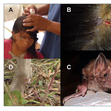
Screen Shot 2014-06-20 at 9.19.15 PMVampire Bats and Rabies: Toward an Ecological Solution to a Public Health Problem – Benjamin Stoner-Duncan – PLOS Neglected Tropical Diseases

“In the first half of 2011, 21 school-age children and two adults died of rabies transmitted by the common vampire bat (Desmodus rotundus) in and around the small rural village of Yupicusa in the Peruvian Amazon”

VectorCrossing the Interspecies Barrier: Opening the Door to Zoonotic Pathogens – Christian Gortazar – PLOS Pathogens

“The species barriers separating nonhuman animal species from humans represent a major hurdle for effective exposure to, infection by, and subsequent spread of zoonotic pathogens among humans”

Screen Shot 2014-06-20 at 9.35.19 PMHuman sweat can reduce bacteria fighting capabilities – ZeeNews

“A new research has revealed that human sweat can diminish bacteria-fighting qualities of brass objects like door knobs and taps within an hour of contact.”


Dr. Bik’s Picks

Screen Shot 2014-06-20 at 10.11.49 PMFish Predation by Semi-Aquatic Spiders: A Global Pattern – Martin Nyffeler – PLOS ONE

“More than 80 incidences of fish predation by semi-aquatic spiders – observed at the fringes of shallow freshwater streams, rivers, lakes, ponds, swamps, and fens – are reviewed.”

Screen Shot 2014-06-20 at 10.15.09 PMUS sets up honey bee loss task force – BBC News

“In the plan announced on Friday, Mr Obama directed the EPA and the agriculture department to lead a government-wide task force to develop a strategy within six months to fight bee and other pollinator declines.“

Screen Shot 2014-06-20 at 10.17.07 PMStrict diet suspends development, doubles lifespan of worms – Science Daily

“Researchers at Duke University found that taking food away from C. elegans triggers a state of arrested development: while the organism continues to wriggle about, foraging for food, its cells and organs are suspended in an ageless, quiescent state. “

Screen Shot 2014-06-20 at 10.26.39 PMFinding thoughts in speech: How human brain processes thoughts during natural communication – Science Daily

“The novelty of the authors’ approach is that the participants were not instructed to think and talk about a given topic in an experimental setting. “

[hr]


General microbiology and science, June 19

How to store your sputum samples, how LPS gets inserted into the outer membrane, and why pigs have an even number of toes.

Techniques in microbiome research

Screen Shot 2014-06-19 at 11.16.59 PMTime between sputum sample collection and storage significantly influences bacterial sequence composition from Cystic Fibrosis respiratory infections – Leah Cuthbertson – Journal of Clinical Microbiology

“Aliquots were stored at room temperature before freezing at -80°C for increasing intervals up to 72 hour period. Samples were treated with propidium monoazide, to distinguish live from dead cells, prior to DNA extraction, and 16S rRNA gene pyrosequencing was used to characterise the bacterial composition.”

General microbiology

Screen Shot 2014-06-19 at 11.26.58 PMStructural basis for outer membrane lipopolysaccharide insertion – Haohao Dong – Nature

“Here we report the first crystal structure of the unique integral membrane LPS translocon LptD–LptE complex….These findings not only help us to understand important aspects of bacterial outer membrane biogenesis, but also have significant potential for the development of novel drugs against multi-drug resistant pathogenic bacteria.”

Immunology

Screen Shot 2014-06-19 at 11.13.17 PMTeaching the immune system “self” respect and tolerance – Lucienne Chatenoud – Science

Tolerance is what we would like to restore to cure such disabling diseases. Kasagi et al. (2) indicate that it may be possible to teach the immune system to tolerate “self” again.”

Screen Shot 2014-06-19 at 11.15.42 PMIn Vivo–Generated Antigen-Specific Regulatory T Cells Treat Autoimmunity Without Compromising Antibacterial Immune Response – Shimpei Kasagi – Science

“These antigen-specific Treg cells specifically ameliorated autoimmunity without compromising immune responses to bacterial antigen. We have thus successfully generated antigen-specific Treg cells with therapeutic activity toward autoimmunity”

Phages, viruses, CRISPRs

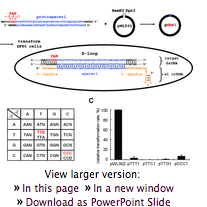
Screen Shot 2014-06-19 at 11.18.44 PMHaloarcula hispanica CRISPR authenticates PAM of a target sequence to prime discriminative adaptation – Ming Li – Nucleic Acids Research

Science and ethics

Cheating common, say Brazil’s students – Jack Grove – Times Higher Education

“Of a sample of 47 papers published last year, 29 showed signs of word-by-word plagiarism, seven contained self-plagiarism, three had “mosaic plagiarism” (otherwise known as “synonym substitution”) and one exhibited signs of collusion.”

Dr. Bik’s Picks

Screen Shot 2014-06-19 at 11.23.10 PMThe Dangers Of Data Mining – Tommaso Dorigo – Science 2.0

On my first day at the Erice School of Science Journalism this past week I attended a lecture by Alessio Cimarelli, who discussed “When Data Journalism meets Science: a “Hackathon””.”

Screen Shot 2014-06-19 at 11.32.23 PMEvolutionary biology: Why cattle, pigs are even-toed – Science Daily

During their evolution, the basic limb skeletal structure was significantly modified such that today’s hippopotami have four toes, while the second and fifth toe face backwards in pigs.”


U.S. Says 75 Government Scientists Possibly Exposed To Live Anthrax – Reuters – Huffington Post

The potential exposure occurred after researchers working in a high-level biosecurity laboratory at the agency’s Atlanta campus failed to follow proper procedures to inactivate the bacteria.”

[hr]

General microbiology and science

Virus reactivation in sepsis, influenza mixing, and Dr. Bik’s Picks, featuring animals predicting the World Cup results, and which friends to take with you to Mars.

Infection and host response

Screen Shot 2014-06-13 at 11.39.47 PMReactivation of Multiple Viruses in Patients with Sepsis – Andrew H. Walton – PLOS ONE

“A small subgroup of septic patients had markedly elevated viral loads (>104–106 DNA copies/ml blood) for CMV, EBV, and HSV. Excluding TTV, DNAemia was uncommon in critically-ill non-septic patients and in age-matched healthy controls. Compared to septic patients without DNAemia, septic patients with viremia had increased fungal and opportunistic bacterial infections.”

 More microbes

Screen Shot 2014-06-14 at 12.30.41 AMDeadly airborne flu virus created in lab – not as bad as it sounds – Wendy Barclay – The Conversation

“Now scientists at the University of Wisconsin-Madison in the US have been criticised for recreating a very similar but distinct influenza virus by mixing together a set of genes taken from viruses of wild birds that are present in the gene pool today”

Screen Shot 2014-06-14 at 12.31.12 AMBelongs toCirculating Avian Influenza Viruses Closely Related to the 1918 Virus Have Pandemic Potential – Tokiko Watanabe – Cell Host Microbe

Human Ancestors Got Herpes from Chimps’ Ancestors – Agata Blaszczak-Boxe – LiveScience

“Researchers found that herpes simplex virus 1 (HSV-1) infected hominids before their evolutionary split from chimpanzees 6 million years ago”

Science and Art

Franklin InstituteA Show That Really Gets Into Your Head – ‘Your Brain’ Opens at the Franklin Institute – Edward Rothstein – New York Times

“In these cases, the brain leaps ahead of what the body senses, drawing conclusions. They are sometimes wrong, sometimes subtly correct and sometimes extraordinarily imaginative.”

Dr. Bik’s Picks – Weekend Edition

CatYes, You Can Get Your Cat to Behave – Wayne Pacelle – Live Science

Animals ‘Predict’ 2014 World Cup results (video) – BBC News

“China’s panda picker Ying Mei got off to a successful start, opting for the box of food emblazoned with a Brazilian flag, before the host nation beat Croatia 3-1.”

Bedtime Procrastination: Introducing a New Area of Procrastination – Floor Kroese – Frontiers in Psychology

“Introducing a novel domain in which procrastinators experience problems, bedtime procrastination appears to be a prevalent and relevant issue that is associated with getting insufficient sleep.”

Science Blogging Versus Science Journalism – Tommaso Dorigo – Science 2.0

“Hence I tried to organize my lecture as a discussion of things that science journalist wannabes could be interested to hear, from a scientist who has been blogging for 10 years and has picked up some tricks and lessons along the way.”

Skin cancer: Sunscreen ‘not complete protection’ – Helen Briggs – BBC News

“Sunscreen alone should not be relied on to prevent malignant melanoma, a deadly form of skin cancer, research suggests.”

Longread: Forget Calories – Counting calories is misguided. The focus belongs on real food – James Hamblin – The Atlantic

“In other words, your New Year’s resolution to lose weight probably won’t last through the spring, let alone affect how you look in a swimsuit in July.”

Longread: Extroverts Don’t Belong on Mars – Olga Khazan – The Atlantic

“Extroverted friends are good for a lot of things—serving as deft and lively wingmen, spicing up book club, sparking interesting conversations at parties by wearing ostentatious leggings, etc. One thing they may be less suited for: Long voyages to faraway planets.”

[hr]


General microbiology and science, June 11

Lots of dengue and host response today, but also biosynthetic pathways, a book review, snakes, melons, bones, and bandages for mice.

Metagenomics and gene ontology

Hao Wang atlasAtlas of nonribosomal peptide and polyketide biosynthetic pathways reveals common occurrence of nonmodular enzymes – Hao Wang – PNAS

“This study demonstrates the widespread distribution of nonribosomal peptide synthetase and modular polyketide synthase biosynthetic pathways across the three domains of life, by cataloging a total of 3,339 gene clusters from 2,699 genomes. “

Microbiology general

Bacteria are godsBacteria Are Our Gods: Nicholas P. Money, a Mycologist, Has Written a Beautiful Book About the Facts of Life – Charles Mudede – The Stranger

“a beautifully written collection of linked essays called The Amoeba in the Room: Lives of the Microbes. The book is by Nicholas P. Money, a mycologist who teaches at Miami University”

Dengue

Dengue NoeckerContrasting associations of polymorphisms in FcγRIIa and DC-SIGN with the clinical presentation of dengue infection in a Mexican population – Cecilia A. Noecker – Acta Tropica

“In this study, real-time PCR was used to characterize the distribution of rs1801274 and rs4804803 in subjects with asymptomatic dengue infection (n = 145), uncomplicated dengue (n = 67), and severe dengue (n = 36) in Morelos.”

Dengue Rong Fu ChenAugmented miR-150 expression associated with depressed SOCS1 expression involved in dengue haemorrhagic fever – Rong-Fu Chen – Journal of Infection

“SOCS1 expression and lower IFN-γ level were significantly reduced in DHF patients, but not in patients with DF. Elevated SOCS1 and reduced miR-150 levels were detected 24 h after DENV-2 infection in PBMCs. “

PNASCommentary: How season and serotype determine dengue transmissibility
Neil M. Ferguson and Derek A. T. Cummings – PNAS

“The research published by Reiner et al. in PNAS (10) starts to address the last of these uncertainties by giving us a unique picture of how rates of transmission of the four dengue viruses varied in Iquitos, a small city in Peru, over a 12-y period.”

Dengue DelmelleA web-based geospatial toolkit for the monitoring of dengue fever – Eric M. Delmelle – Applied Geography

“In this paper, we present a web-based geospatial toolkit with a user-friendly interactive interface for the monitoring of dengue fever outbreaks, in space and time. “

Infection and host response

Nicholas IlottLong non-coding RNAs and enhancer RNAs regulate the lipopolysaccharide-induced inflammatory response in human monocytes – Nicholas E. IIott – Nature Communications

“…here we characterize the long non-coding RNA transcriptome in primary human monocytes using RNA sequencing. We identify 76 enhancer RNAs (eRNAs), 40 canonical lncRNAs, 65 antisense lncRNAs and 35 regions of bidirectional transcription (RBT) that are differentially expressed in response to bacterial lipopolysaccharide (LPS).”

Screen shot 2014-06-11 at 01.29PM, Jun 11Exploring the collaboration between antibiotics and the immune response in the treatment of acute, self-limiting infections – Peter Ankomah and Bruce R. Levin – PNAS

“We use a mathematical model and computer simulations to explore the design and evaluation of antibiotic treatment protocols for an acute, self-limiting bacterial infection. “

Beth TamburiniAntigen capture and archiving by lymphatic endothelial cells following vaccination or viral infection – Beth A. Tamburini – Nature Communications

“Antigen derived from viral infections with influenza and vesicular stomatitis virus can persist after resolution of infection. Here we show that antigen can similarly persist for weeks following viral challenge and vaccination. “

Screen Shot 2014-06-11 at 9.53.19 PMImmunologic Research has a special on Stanford Immunology, with contributions from Kari Nadeau, Robert Negrin, Christopher Contag, and many others.

Arsenic metabolism

Screen shot 2014-06-11 at 01.57PM, Jun 11Feasibility of Arsenic and Antimony NMR Spectroscopy in Solids: An Investigation of Some Group 15 Compounds – Alexandra Faucher – Solid State Nuclear Magnetic Resonance

“Results of density functional theory quantum chemistry calculations for isolated molecules using ADF and first-principles calculations using CASTEP, a gauge-including projector augmented wave method to deal with the periodic nature of solids, are compared with experiment.”

Screen shot 2014-06-11 at 02.02PM, Jun 11Role of endometrial concentrations of heavy metals (cadmium, lead, mercury and arsenic) in the aetiology of unexplained infertility – E. Tanrıkut – European Journal of Obstetrics & Gynecology and Reproductive Biology

“The concentrations of cadmium, lead, mercury and arsenic were measured in endometrial biopsy specimens using atomic absorption spectrometry.”

Screen shot 2014-06-11 at 02.06PM, Jun 11Mitigation approach of arsenic toxicity in chickpea grown in arsenic amended soil with arsenic tolerant plant growth promoting Acinetobacter sp. – Shubhi Srivastava – Electrical Engineering

“The study was undertaken with the aim of testing the effects of isolated bacterial strain nbri05 from arsenic contaminated site of West Bengal.”

Screen Shot 2014-06-11 at 10.36.36 PMNSF funds effort to market UT Arlington arsenic analyzer – University of Texas at Arlington – Phys.org

“The National Science Foundation has awarded nearly $200,000 to two University of Texas at Arlington researchers teaming with a private company to make an affordable, environmentally friendly field analyzer for arsenic levels in water.”

Science and Art

Screen Shot 2014-06-11 at 9.49.44 PMArts: The third culture – Michael John Gorman – Nature
“After months of injections with horse immunoglobulin in 2011, artist Marion Laval-Jeantet had a transfusion of horse blood in a Ljubljana art gallery. She walked around the donor animal on prosthetic hooves; then samples of her hybrid blood were freeze-dried and placed in engraved aluminium cases. “

Dr. Bik’s Picks

Screen shot 2014-06-11 at 01.27PM, Jun 11Medically important differences in snake venom composition are dictated by distinct postgenomic mechanisms – Nicholas R. Casewell – PNAS

“Venom variation observed between related snake species is therefore the result of a complex interaction between a variety of genetic and postgenomic factors acting on toxin genes. “

Shahar Cohen melonThe PH gene determines fruit acidity and contributes to the evolution of sweet melons – Shahar Cohen – Nature Communications

“We identify a family of plant-specific genes with a major effect on fruit acidity by map-based cloning of C. melo PH gene (CmPH) from melon, Cucumis melo taking advantage of the novel natural genetic variation for both high and low fruit acidity in this species”

Cow skullA Bone Collector’s Basement Of Animal Skulls Sees The Light – Lauren Sommer – NPR

“Bandar has spent 60 years building this scientific collection of animal bones. Now, many of his skulls are on view at the California Academy of Sciences in San Francisco, which has just opened an exhibit featuring his work.”

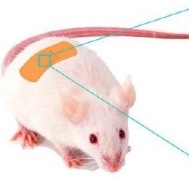
Bandage coatingBandage Coating Kills Bacteria Using Graphene And Hydrogen Peroxide – Melissae Fellet – ACS

“A bandage loaded with graphene quantum dots and a small amount of hydrogen peroxide significantly reduces the amount of bacteria in wounds on mice”

Screen Shot 2014-06-11 at 9.46.55 PMAt the start of the FIFA World Cup in Brazil, Nature has a special on South American science

Screen Shot 2014-06-11 at 10.43.30 PMQ&A: The nutrient hunter – Jascha Hoffman – Nature

“Investigative food journalist Jo Robinson has spent more than a decade scouring the literature on plant nutrition. Her demonstration garden in Washington state opens this month as her book Eating on the Wild Side (Little, Brown, 2013) emerges in paperback. She talks about eating tomatoes to protect from sunburn, why bitter is better — and how purple is the new green.”

[hr]

More Microbiology and Science, June 5

Today we’ll learn why koalas hug trees, how to grow plants taller using blood and bacteria, and how to (not) get sick in a veterinary hospital.

Infection, host response, sepsis

Screen Shot 2014-06-05 at 8.35.13 PMGene Expression Profiles of Human Dendritic Cells Interacting with Aspergillus fumigatus in a Bilayer Model of the Alveolar Epithelium/Endothelium Interface – Charles Oliver Morton – PLOS ONE

“Two distinct sub-groups of dendritic cells (DC), monocyte-derived DC (moDC) and myeloid DC (mDC), were included in the model to examine immune responses to fungal infection at the alveolar surface”

Screen Shot 2014-06-05 at 8.52.36 PMDusp3 and Psme3 Are Associated with Murine Susceptibility to Staphylococcus aureus Infection and Human Sepsis – Qin Yan – PLOS Pathogens

“One QTL region on chromosome 11 containing 422 genes was found to be significantly associated with susceptibility to S. aureus infection. “

Screen Shot 2014-06-05 at 8.36.06 PMAn Individual-Based Model of Transmission of Resistant Bacteria in a Veterinary Teaching Hospital – Neeraj Suthar – PLOS ONE

“The model suggested that transmission resulting from contact with healthcare workers was common, and that certain transmission points (housing wards, diagnostics room, and the intensive care unit) presented higher risk for transmission than others (lobby and surgery). “

Dengue

Screen Shot 2014-06-05 at 8.36.42 PMInduction of Neutralizing Antibody Response against Four Dengue Viruses in Mice by Intramuscular Electroporation of Tetravalent DNA Vaccines – Eakachai Prompetchara – PLOS ONE

“This study evaluated neutralizing antibody (NAb) induction of a dengue tetravalent DNA (TDNA) vaccine candidate administered by intramuscular-electroporation (IM-EP) and the benefit of homologous TDNA boosting in mice.”

Circulating Levels of Soluble MICB in Infants with Symptomatic Primary Dengue Virus Infections – Daniel H. Libraty – PLOS ONE

“We found that serum levels of sMICB increased between pre-infection and acute illness among infants with symptomatic primary dengue virus infections”

Screen Shot 2014-06-05 at 8.37.27 PMImmature Dengue Virus Is Infectious in Human Immature Dendritic Cells via Interaction with the Receptor Molecule DC-SIGN – Mareike K. S. Richter – PLOS ONE

“We show that immature DENV is infectious in cells expressing DC-SIGN. Furthermore, we demonstrate that immature dendritic cells, in contrast to macrophage-like cells, do not support antibody-dependent enhancement of immature DENV.”

Viruses and Phages

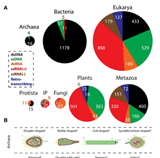
Screen Shot 2014-06-05 at 8.39.02 PMThe distribution and impact of viral lineages in domains of life – Arshan Nasir

“the distribution of viral lineages follows an ancient, highly dynamic and ongoing process that impacts the evolution of organisms. New viral lineages often arise from existing ones and may cross species barriers to infect new hosts”

Alternative invention for shrimp bacterial pathogens wins patent – Times of India

“Dr Indrani Karunasagar, director, UNESCO Centre for marine Biotechnology and Associate Director of Research, has received the patent for “the process of preparing a consortium of bacteriophages for controlling luminous bacterial disease in shrimp larvae.” Like a virus, a lytic bacteriophage is a virus that infects and replicates within the bacteria and kills it. “

Microbial Ecology

Screen Shot 2014-06-05 at 8.53.35 PMThe microbial contribution to macroecology – Albert Barberán – Frontiers in Microbiology

“We highlight two idiosyncrasies of microorganisms that are fundamental to understanding macroecological patterns and their mechanistic drivers. First, high dispersal rates provide novel opportunities to test the relative importance of niche, stochastic, and historical processes in structuring biological communities. Second, high speciation rates potentially lead to the convergence of ecological and evolutionary time scales.”

More microbiology

Screen Shot 2014-06-05 at 8.40.05 PMInteractions between Bacillus anthracis and Plants May Promote Anthrax Transmission
Holly H. Ganz – PLOS Neglected Tropical Diseases

“We found that B. anthracis increased the rate of establishment of a native grass (Enneapogon desvauxii) by 50% and that grass seeds exposed to blood reached heights that were 45% taller than controls.”

Screen Shot 2014-06-05 at 8.54.21 PMTo be or not to be associated: power study of four statistical modeling approaches to identify parasite associations in cross-sectional studies – Elise Vaumourin – Frontiers in Cellular and Infection Microbiology

“We applied these four approaches to detect associations within two populations of multi-infected hosts: (1) rodents infected with Bartonella sp., Babesia microti and Anaplasma phagocytophilum and (2) bovine population infected with Theileria sp. and Babesia sp”

Screen Shot 2014-06-05 at 8.47.24 PMPCR performance of a thermostable heterodimeric archaeal DNA polymerase – Tom Killelea – Frontiers in Microbiology, Evolutionary and Genomic Microbiology

“Here we looked at the PCR performances of the proof-reading D-type DNA polymerase from P. abyssi, Pab-polD. Fragments, 3 kilobases in length, were specifically PCR-amplified in its optimized reaction buffer. Pab-polD showed not only a greater resistance to high denaturation temperatures than Taq during cycling, but also a superior tolerance to the presence of potential inhibitors. “

Arsenic metabolism

Screen Shot 2014-06-05 at 8.50.18 PMArsenic and old toenails – University of British Columbia

“We successfully recruited 35,000 Atlantic Canadians whose health will be tracked over the next 25 years, and the project will be a major resource for cancer prevention research. More than 22,000 participants provided blood and toenail clippings, which ended up being an official Guinness World Record.”

Marine Mammals (and turtles)

Screen Shot 2014-06-05 at 8.51.14 PMSatellite Tracking of Sympatric Marine Megafauna Can Inform the Biological Basis for Species Co-Management – Christian Gredzens – PLOS ONE

“Fast-acquisition satellite telemetry was used to track eleven dugongs and ten green turtles at two geographically distinct foraging locations in Queensland, Australia to evaluate the inter- and intra-species spatial relationships and assess the efficacy of existing protection zones. “

Dr. Bik’s Picks

Screen Shot 2014-06-05 at 8.48.40 PMThe sheep genome illuminates biology of the rumen and lipid metabolism – Yu Jiang- Science

“We have developed and analyzed a high-quality reference sheep genome and transcriptomes from 40 different tissues. We identified highly expressed genes encoding keratin cross-linking proteins associated with rumen evolution.”

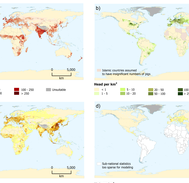
Screen Shot 2014-06-05 at 8.55.17 PMMapping the Global Distribution of Livestock – Timothy P. Robinson – PLOS ONE

“This paper describes the current approach in detail and presents new global distribution maps at 1 km resolution for cattle, pigs and chickens, and a partial distribution map for ducks. These digital layers are made publically available via the Livestock Geo-Wiki (http://www.livestock.geo-wiki.org), as will be the maps of other livestock types as they are produced.”

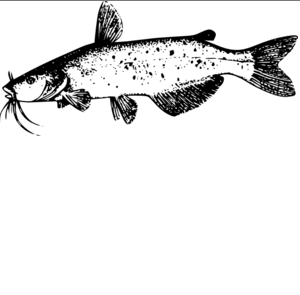
Screen Shot 2014-06-05 at 9.02.51 PMCatfish ‘See’ Their Next Meal with Acid-Sensing Whiskers – Charles Q. Choi – LiveScience

“Catfish have evolved sensors on their whiskers that can help the animals hunt in the dark by detecting slight changes in water acidity, the first time such sensors have been seen in fish, researchers say.”

Screen Shot 2014-06-05 at 8.56.34 PMWhy Koalas Hug Trees – Tia Ghose – LiveScience

“Now, scientists have figured out why the iconic Australian marsupials hug trees: The trunks help the koala bears keep cool, according to a new study.”

[hr]


More microbiology and science, June 2, 2014

Dengue and humidity, bacteria from Mars, sequencing, and aspartame.

Dengue

Microbes in Space

Sequencing and bioinformatics

Chromosome organization

Arsenic metabolism

Dr. Bik’s Picks

[hr]

More microbiology and science, May 28, 2014

In this digest we’ll focus on general microbiology papers that I thought were interesting. And we’ll learn that swim diapers are leaky,  that both urine as well as kid’s pools are not sterile, and that Gemmatimonadetes are photosynthetic.

Bacteria are Everywhere

More Microbes

General Science

Scientific writing and publishing

Dr. Bik’s Picks

[hr]

Digest May 23, 2014

Today’s digest features showering with bacteria instead of soap, bacteria on the Mars rover, phages and bacteria reading through stop-codons, and a meteor shower tonight. What do meteor showers have to do with microbiome papers, you ask? Well, nothing. They are just cool to watch. So put on that fleece, get yourself to a dark place outside, and look North. Or stay inside and read today’s new digest.

General microbiome papers

Human oral microbiome papers

Human gut microbiome papers

Human genital microbiome papers

Pregnancy and birth papers

Metagenomics

Chromosomal organization

Antibiotics and resistance papers

Pathogenicity papers

Phages and viruses

Microbes in space

More Microbes

Bacteria in the news

Dr. Bik’s Picks

[hr]