General microbiology and science, June 23

Amplification of 18S rRNA genes, metabolomics, phages, and the scientific way to cut a cake.

Bacteria are everywhere

This article is citing a study that was published in 1992, not sure why they reporting about it now, but here it is:
Earpieces can multiply bacteria 11 times in ear – Tribune

“Besides concerns about deafness, there are also issues regarding use of earpieces and bacteria. A study which measured bacteria levels on audio headsets provided on commercial airline flights entitled “Changes in the microbial flora of airline headset devices after their use,” published in the journal, The Laryngoscope, brings interesting conclusions. “

Anti-bacterial bag-for-life could prevent rise in food poisoning when 5p plastic bag charge comes into force – Independent UK

“Paul Morris, the managing director, said: “Multi-use bags which can carry raw meat one week and vegetables or clothing the next is a concern of many industry experts; this bag provides a solution to the problem.””

Amplification and sequencing techniques 

Investigating Microbial Eukaryotic Diversity from a Global Census: Insights from a Comparison of Pyrotag and Full-Length Sequences of 18S rRNA Genes – Alle A. Y. Lie – Applied and Environmental Microbiology

“Operational taxonomic units (OTUs) derived from full-length (Sanger sequencing) and pyrotag (454 sequencing of the V9 hypervariable region) sequences of 18S rRNA genes from 10 global samples were analyzed in order to compare the resulting protistan community structures and species richness. “

Targeted and Highly Multiplexed Detection of Microorganisms by Employing an Ensemble of Molecular Probes – Weihong Xu – Applied and Environmental Microbiology

“To profile the microbial diversity in environmental and clinical samples, we have devised and employed molecular probe technology, which detects and identifies bacteria that do and do not grow in culture.”

Metabolomics and mass spectrometry

This one is published by the not-so-trustworthy Omics group, but it sounds interesting:
Optimisation of Sample Preparation for Direct SPME-GC-MS Analysis of Murine and Human Faecal Volatile Organic Compounds for Metabolomic Studies (links to PDF)
– Reade S – Analytical & Bioanalytical Techniques

“We evaluated different aspects of sample preparation when processing murine and human faecal samples through a pipeline involving solid phase micro-extraction (SPME) coupled to gas chromatography-mass spectrometry (GC-MS)”

Shigella reroutes host cell central metabolism to obtain high-flux nutrient supply for vigorous intracellular growth – David Kentner – PNAS

“Here, we show that infected host cells maintain normal central metabolism for energy production and host cell survival. However, Shigella captures the entire host metabolism output and degrades it further to acetate.”

Beyond the Matrix-Assisted Laser Desorption Ionization (MALDI) Biotyping Workflow: in Search of Microorganism-Specific Tryptic Peptides Enabling Discrimination of Subspecies – Maria-Theresia Gekenidis – Applied and Environmental Microbiology

“Here, it is shown that combining tryptic digestion of the acid/organic solvent extracted (classical biotyping preparation) and resolubilized proteins, nano-liquid chromatography (nano-LC), and subsequent identification of the peptides by MALDI-tandem TOF (MALDI-TOF/TOF) mass spectrometry increases the discrimination power to the level of subspecies.”

Phages and viruses

Modeling the Infection Dynamics of Bacteriophages in Enteric Escherichia coli: Estimating the Contribution of Transduction to Antimicrobial Gene Spread –
Victoriya V. Volkova – Applied and Environmental Microbiology

“Using the model and the most liberal assumptions about transduction efficiency and resistance gene frequency, we approximated the upper numerical limits (“worst-case scenario”) of gene transfer through specialized and generalized transduction in E. coli by enteric coliphages when the transduced genetic segment is picked at random. “

Tolerance of a Phage Element by Streptococcus pneumoniae Leads to a Fitness Defect during Colonization – Hilary K. DeBardeleben – Journal of Bacteriology

“Here, we examined a clinical isolate that carries a novel prophage element, designated Spn1, which was detected in both integrated and episomal forms. Surprisingly, both lytic and lysogenic Spn1 genes were expressed under routine growth conditions.”

Comparison of Five Bacteriophages as Models for Viral Aerosol Studies – Nathalie Turgeon – Applied and Environmental Microbiology

“The presence of viruses in collected air samples was detected by culture and quantitative PCR (qPCR). Our results showed that these selected five phages behave differently when aerosolized and sampled. “

Microbial detection in blood and normally sterile sites

Molecular revolution in the diagnosis of microbial brain abscesses – AK Mishra – European Journal of Clinical Microbiology & Infectious Diseases

“This article reviews the applications of the currently available tools for the etiological diagnosis of a brain abscess.”

General microbiology

Nitrogen stress response and stringent response are coupled in Escherichia coli – Daniel R. Brown – Nature Communications

“Here, we show that transcription of relA, a key gene responsible for the synthesis of ppGpp, is activated by NtrC during nitrogen starvation.”

Stenotrophomonas comparative genomics reveals genes and functions that
differentiate beneficial and pathogenic bacteria – Peyman Alavi – BMC Genomics

“We used comparative genomics as well as transcriptomic and physiological approaches to detect significant borders between the Stenotrophomonas strains: the multi-drug resistant pathogenic S. maltophilia and the plant-associated strains S. maltophilia R551-3 and S. rhizophila DSM14405T (both are biocontrol agents)”

Emergence of bacterial vortex explained – Science Daily

When a bunch of B. subtilis bacteria are confined within a droplet of water, a very strange thing happens. The chaotic motion of individual swimmers spontaneously organizes into a swirling vortex, with bacteria on the outer edge of the droplet moving in one direction while those on the inside move the opposite direction. “

Dr. Bik’s Picks

Screen Shot 2014-06-23 at 11.53.49 PMScientists tie social behavior to activity in specific brain circuit – Stanford University

“The new findings, published June 19 in Cell, may throw light on psychiatric disorders marked by impaired social interaction such as autism, social anxiety, schizophrenia and depression, said the study’s senior author, Karl Deisseroth, MD, PhD, a professor of bioengineering and of psychiatry and behavioral sciences. 

Scientists use X-rays to look at how DNA protects itself from UV light – Science Daily

The molecular building blocks that make up DNA absorb ultraviolet light so strongly that sunlight should deactivate them — yet it does not. Now scientists have made detailed observations of a ‘relaxation response’ that protects these molecules, and the genetic information they encode, from UV damage.”

Cut your cake and keep it (fresh), too – Eliza Barclay – NPR

“The ordinary method of cutting out a wedge is very faulty,” wrote Sir Francis Galton, a British mathematician, in a 1906 letter to the journal Nature concerning the scientific principles of cake-cutting.”

[hr]

Microbiome and general biology, June 20

It was a quiet day on the microbiome research front, so there will only be one post today. But, with vampire bats, Bacillus anthracis, and fish-eating spiders, it’s a good one!

Pregnancy and Birth

Screen Shot 2014-06-20 at 10.08.36 PMStudy Finds Certain Birth Defects are more Common in Hispanics – Cheri Cheng

“”One of the things that caught our eye was, while Hispanics represent 17 percent of the population, 24 percent of premature babies are Hispanic,” said Dr. Edward McCabe, senior vice president and chief medical officer of the March of Dimes, a nonprofit organization.”

Animal models of human microbiota

BacillusColonic Immune Suppression, Barrier Dysfunction, and Dysbiosis by Gastrointestinal Bacillus anthracis Infection – Yaíma L. Lightfoot – PLOS ONE

“Herein, we investigated the pathogenesis of GI anthrax in animals orally infected with toxigenic non-encapsulated B. anthracis Sterne strain (pXO1+ pXO2−) spores that resulted in rapid animal death.”

Screen Shot 2014-06-20 at 9.53.32 PMBiology Students Study Stomach Bacteria – Pengxeu Thao – University of Minnesota Morris

Wyckoff and her students are spending the summer studyingHelicobacter pylori (H. pylori), a Gram-negative bacterium found in the human stomach.”

Amphibian microbiome

AmphibCool Temperatures Reduce Antifungal Activity of Symbiotic Bacteria of Threatened Amphibians – Implications for Disease Management and Patterns of Decline – Joshua H. Daskin – PLOS ONE

“We characterized, at a range of temperatures approximating natural seasonal variation, the anti-Bd activity of bacterial symbionts from the skins of three species of rainforest tree frogs (Litoria nannotis, Litoria rheocola, and Litoria serrata)”

Plant microbiology

Screen Shot 2014-06-20 at 10.09.21 PMScientists look to bacteria to protect crop yields in the face of climate change – Jennifer Huizen – E&E Publishing

“If proved effective, this technology would decrease the amount of key nutrients like nitrogen and, most notably, water needed by the plant, while increasing the yield,” said Lin Myat, a postdoctoral fellow of molecular biology and genetics at Cornell “

belongs to

Screen Shot 2014-06-20 at 10.06.07 PMβ-Carboxysomal proteins assemble into highly organized structures in Nicotiana chloroplasts – Myat T. Lin – The Plant Journal

“We demonstrate that a foreign protein can be targeted with a 17-amino-acid CcmN peptide to the shell proteins inside chloroplasts. Our experiments establish the feasibility of introducing carboxysomes into chloroplasts for the potential compartmentalization of Rubisco or other proteins.”

Food microbiology

Screen Shot 2014-06-20 at 10.23.17 PMHaley Oliver: Master of Meat – Jef Akst – The Scientist

“In her own lab at Purdue University, Oliver studies the spread of Listeria in other foods, such as melons, and investigates sanitation strategies that may limit contamination and increase food shelf life. “

Infection and host response

InflammationInflammation: Gone with Translation – Carola G. Vinuesa, Thomas Preiss – PLOS Genetics

“Over the last few years, a number of studies have investigated global gene activation induced by pathogen-derived stimuli to gain insights into the modes of induction of the inflammatory mediators and regulators.”

Dengue

Screen Shot 2014-06-20 at 9.18.31 PMThe Need for More Research and Public Health Interventions on Dengue Fever in Burkina Faso – Valéry Ridde – PLOS Neglected Tropical Diseases

“…our aim in this article is to draw attention to the need for rapid deployment of research and interventions on dengue fever in Burkina Faso, because it appears to have been overlooked, with the focus being, instead, on malaria.”

Dengue NKTInvariant NKT Cell Response to Dengue Virus Infection in Human
Ponpan Matangkasombut – PLOS Neglected Tropical Diseases

“iNKT cells activation were analyzed by the expression of CD69 by flow cytometry. Their cytokine production was then analyzed after α-GalCer stimulation”

General microbiology

Screen Shot 2014-06-20 at 9.19.15 PMVampire Bats and Rabies: Toward an Ecological Solution to a Public Health Problem – Benjamin Stoner-Duncan – PLOS Neglected Tropical Diseases

“In the first half of 2011, 21 school-age children and two adults died of rabies transmitted by the common vampire bat (Desmodus rotundus) in and around the small rural village of Yupicusa in the Peruvian Amazon”

VectorCrossing the Interspecies Barrier: Opening the Door to Zoonotic Pathogens – Christian Gortazar – PLOS Pathogens

“The species barriers separating nonhuman animal species from humans represent a major hurdle for effective exposure to, infection by, and subsequent spread of zoonotic pathogens among humans”

Screen Shot 2014-06-20 at 9.35.19 PMHuman sweat can reduce bacteria fighting capabilities – ZeeNews

“A new research has revealed that human sweat can diminish bacteria-fighting qualities of brass objects like door knobs and taps within an hour of contact.”


Dr. Bik’s Picks

Screen Shot 2014-06-20 at 10.11.49 PMFish Predation by Semi-Aquatic Spiders: A Global Pattern – Martin Nyffeler – PLOS ONE

“More than 80 incidences of fish predation by semi-aquatic spiders – observed at the fringes of shallow freshwater streams, rivers, lakes, ponds, swamps, and fens – are reviewed.”

Screen Shot 2014-06-20 at 10.15.09 PMUS sets up honey bee loss task force – BBC News

“In the plan announced on Friday, Mr Obama directed the EPA and the agriculture department to lead a government-wide task force to develop a strategy within six months to fight bee and other pollinator declines.“

Screen Shot 2014-06-20 at 10.17.07 PMStrict diet suspends development, doubles lifespan of worms – Science Daily

“Researchers at Duke University found that taking food away from C. elegans triggers a state of arrested development: while the organism continues to wriggle about, foraging for food, its cells and organs are suspended in an ageless, quiescent state. “

Screen Shot 2014-06-20 at 10.26.39 PMFinding thoughts in speech: How human brain processes thoughts during natural communication – Science Daily

“The novelty of the authors’ approach is that the participants were not instructed to think and talk about a given topic in an experimental setting. “

[hr]


Human microbiome, June 18

Today we “Hover or Cover” the toilet seat, compare uBiome and American Gut results, and learn about bacterial diversity and stem cell transplants, breast milk microbiota, and culturomics.

Microbiome in the news

Screen Shot 2014-06-18 at 10.31.46 PMHere’s the poop on getting your gut microbiome analyzed – Tina Hesman Saey – ScienceNews

“When the second set of gut results came in, I was shocked. The results didn’t match at all with µBiome. “

WATCH: Is it OK to sit on a public toilet seat? – ScienceAlert

“It’s a dilemma we’ve all faced at some point: should you ever let your bum touch a public toilet seat? Thankfully Mitch and Greg from AsapSCIENCE have examined the evidence and come up with the (somewhat surprising) answer in their latest episode.”

Gut Reactions – Claudia Wallis – Scientific American

“Intestinal bacteria may help determine whether we are lean or obese”

10 Things You Need To Know About Your Microbiome – Raphael Kellman – MindBodyGreen

Pregnancy and Birth

Gut and Breast Milk Microbiota and Their Role in the Development of the Immune Function – Maria Elisabetta Baldassarre – Current Pediatrics Reports

“In newborns, the maternal gut microbiota may either come across into the amniotic fluid or secrete factors that enter the amniotic fluid and affect the development of oral tolerance in utero.”

Oral microbiome

Acquiring and maintaining a normal oral microbiome: current perspective
Egija Zaura – Frontiers in Cellular and Infection Microbiology

“In this review we present our hypothesis on how a healthy oral microbiome is acquired and maintained.”

Gut microbiome

The effects of intestinal tract bacterial diversity on mortality following allogeneic hematopoietic stem cell transplantation – Ying Taur – Blood

“Fecal specimens were collected from 80 recipients of allo-HSCT at the time of stem cell engraftment. Bacterial 16S rRNA gene sequences were characterized, and microbial diversity was estimated using the inverse Simpson index. “

Culturomics and pyrosequencing evidence of the reduction in gut microbiota diversity in patients with broad-spectrum antibiotics – Grégory Dubourg – International Journal of Antimicrobial Agents

“Culturomics was performed on four stool samples from patients treated with large-scale antibiotics to assess the diversity of their gut flora in comparison with other culture-dependent studies. Pyrosequencing of the V6 region was also performed and was compared with a control group. “

Screen Shot 2014-06-18 at 10.33.33 PMCharacterization of bacterial community shift in human Ulcerative Colitis
patients revealed by Illumina based 16S rRNA gene amplicon sequencing – Sandeep A Walujkar – Gut Pathogens

“Mucosal microbiota was analyzed by means of 16S rRNA gene-based Illumina high throughput sequencing. Quantitative real-time PCR (qPCR) was performed to determine total bacterial abundances.”

Keeping peace with the microbiome: acetate dampens inflammatory cytokine production in intestinal epithelial cells – Nicholas Arpaia – Immunology & Cell Biology

“In this issue, Ishiguro et al.2 show that the short-chain fatty acid (SCFA), acetate, produced during carbohydrate fermentation by commensal microorganisms in the cecum, is capable of dampening responses within intestinal epithelial cells (IEC), and functions by targeting the downstream signaling proteins that are activated on recognition of bacterial flagellin by TLR5”

Respiratory microbiome

A large genomic island allows Neisseria meningitidis to utilize propionic acid, with implications for colonisation of the human nasopharynx – Maria Chiara E. Catenazzi – Molecular Microbiology

“Here we identify a genomic island (the prp gene cluster) in N. meningitidis that enables this species to utilize propionic acid as a supplementary carbon source during growth, particularly under nutrient poor growth conditions. “

Animal and in vitro models of human microbiome

Observation of Inflammatory Responses in Mice Orally Fed with Bacteriophage T7 – Kwangseo Park – Journal of Applied Microbiology

“This study investigated the inflammatory responses in mice fed orally with bacteriophages. The mice were fed with either murine norovirus (MNV) or bacteriophage T7 for 10 days and then sacrificed. “

Development of an oral mucosa model to study host-microbiome interactions during wound healing – Tine De Ryck – Applied Microbiology and Biotechnology

“Microbiota derived from oral swabs were cultured on an agar/mucin layer and challenged with monolayers of keratinocytes grown on plastic or collagen type I layers embedded with fibroblasts.”

[hr]

General microbiology and science, June 16

It’s late and I got lots for you, so no pictures today. Dengue, phages, ecology, techniques, and lots more.

Antibiotic resistance

Review: Microbiological effects of sublethal levels of antibiotics – Dan I. Andersson & Diarmaid Hughes – Nature Reviews Microbiology

“In this Review, we discuss the ecology of antibiotics and the ability of subinhibitory concentrations to select for bacterial resistance. “

A Bacterial Battle  – Lisa M. Jarvis – Chemical and Engineering News

“The regulatory path to approving new antibiotics has been cleared, but work still remains to rebuild a healthy drug pipeline”

Bacteria are everywhere
How safe is your kitchen? – Lyxan Toledanes – The Daily News Online

Despite a spacious kitchen, Parker sat on the counter next to Masters’ prep area, where she was chopping vegetables and chicken on separate cutting mats. 

Adventures in the microbiome (part 2) – Mike Edmund

“There’s an intriguing case report that was just published in Clinical Microbiology and Infection”

Stafford students find bacteria on tainted tablets – Amanda Oglesby

“Four sixth-graders huddled over a table inside All Saints Regional Catholic School as they took turns swabbing bacteria from the surfaces of an iPhone and iPad.”

Bioslime: new sensor to detect harmful bacteria on food industry surfaces – BarfBlog

“The Biolisme project is using research from the University to develop a sensor capable of collecting and detecting Listeria monocytogenes on food industry surfaces, thereby preventing contaminated products from entering the market.”

Viruses and phages

Functional long-range RNA–RNA interactions in positive-strand RNA viruses – Beth L. Nicholson & K. Andrew White – Nature Reviews Microbiology

“In this Review, we discuss recent insights into the structure and function of these intriguing genomic features and highlight their diverse roles in the gene expression and genome replication of positive-strand RNA viruses.”

Unravelling the structural and mechanistic basis of CRISPR–Cas systems – John van der Oost – Nature Reviews Microbiology

“In this Review, we summarize the recent structural and biochemical insights that have been gained for the three major types of CRISPR–Cas systems, which together provide a detailed molecular understanding of the unique and conserved mechanisms of RNA-guided adaptive immunity in bacteria and archaea.”

The elemental composition of virus particles: implications for marine biogeochemical cycles – Luis F. Jover – Nature Reviews Microbiology

“In this Analysis article, we use a biophysical scaling model of intact virus particles that has been validated using sequence and structural information to quantify differences in the elemental stoichiometry of marine viruses compared with their microbial hosts. “

Phage therapies for plants and people – Michael Gross – Current Biology

Dengue

NEA to explore biological control methods to tackle dengue

“One of the techniques involves the use of Aedes aegypti mosquitoes, which are infected with a certain bacteria, to control their population.”

Techniques general

Storage of Human Biospecimens: Selection of the Optimal Storage Temperature – Allison Hubel – Biopreservation and Biobanking

“The overall objective of this article is to describe the scientific basis for selecting a storage temperature for a biospecimen based on current scientific understanding. To that end, this article reviews some physical basics of the temperature, nucleation, and ice crystal growth present in biological samples stored at low temperatures (−20°C to −196°C), and our current understanding of the role of temperature on the activity of degradative molecules present in biospecimens.”

DNA polymerase hybrids derived from the family-B enzymes of Pyrococcus furiosus and Thermococcus kodakarensis: improving performance in the polymerase chain reaction – Ashraf M. Elshawadfy – Frontiers Microbiology

“The significance of this work is the observation that improvements in PCR performance are easily attainable by blending elements from closely related archaeal polymerases, an approach that may, in future, be extended by using more polymerases from these organisms.”

Metabolomics, Proteomics, Mass spectrometry

Bruker Announces Powerful New Mass Spectrometry Systems and Solutions for Life-Science Research, Clinical Research, Biopharma and Applied Markets – Wall Street Journal

“At the 62(nd) ASMS Conference on Mass Spectrometry and Allied Topics today, Bruker Corporation (NASDAQ:BRKR) today announced mass spectrometry-based product introductions for life-science research and proteomics, for clinical research, for pharma/biopharma/CRO customers, as well as for applied and industrial markets. “

Medically, Proteomics Advances Will Rival the Genetics Advances of the Last Ten Years – Genetic Engineering and Biotechnology News

“..in explaining why proteomics is likely to have such a major impact, Dr. Anderson starts with a major difference between the genetic testing common today, and the proteomic testing that is fast coming on the scene. “

Metagenomics and informatics

Detecting concerted demographic response across community assemblages using hierarchical approximate Bayesian computation – Yvonne L. Chan – Molecular Biology and Evolution

“Here we present a statistical framework for such an analysis based on hierarchical approximate Bayesian computation (hABC) with the goal of detecting concerted demographic histories across an ecological assemblage.”

An Experimentally Determined Evolutionary Model Dramatically Improves Phylogenetic Fit – Jesse D. Bloom – Molecular Biology and Evolution

“Experimental determination of a parameter-free evolutionary model via mutagenesis, functional selection, and deep sequencing.”

Ecology

Trait-based approaches for understanding microbial biodiversity and ecosystem functioning – Sascha Krause – Frontiers in Microbiology

“We argue that combining eco-physiological studies with contemporary molecular tools in a trait-based framework can reinforce our ability to link microbial diversity to ecosystem processes. “

The importance of the viable but non-culturable state in human bacterial pathogens – Laam Li – Frontiers in Microbiology

“The conditions that trigger the induction of the VBNC state and resuscitation from it are summarized and the mechanisms underlying these two processes are discussed. “

Deciphering microbial interactions and detecting keystone species with co-occurrence networks – David Berry – Frontiers in Microbiology

“Here, we simulate multi-species microbial communities with known interaction patterns using generalized Lotka-Volterra dynamics. We then construct co-occurrence networks and evaluate how well networks reveal the underlying interactions and how experimental and ecological parameters can affect network inference and interpretation.”

Scientific writing and publishing

Sources of error in the retracted scientific literature – Arturo Casadevall, R. Grant Steen and Ferric C. Fang – The FASEB Journal

“Analysis of the retraction notices for 423 articles indexed in PubMed revealed that the most common causes of error-related retraction are laboratory errors, analytical errors, and irreproducible results.”

Dr. Bik’s Picks

Magnets: Artificial Magnetic Bacteria: Living Magnets at Room Temperature – Miguel Martín – Adv. Funct. Mater

After grafting the magnetic nanoparticles, the artificial magnetic bacteria remain alive. In fact they are converted into living magnets at room temperature.”

[hr]

General microbiology and science, June 9

Today, we’ll have some dengue, neuroleptospirosis, and black slime in deli slicers. Pretty nasty stuff. Make sure to scroll down to the dolphin story.

Dengue

CleberChloroquine interferes with dengue-2 virus replication in U937 cells – Kleber Juvenal Silva Farias – Microbiology and Immunology

“In the present work, CLQ was effective against DENV-2 replication in U937 cells, and also caused a statistically significant reduction in expression of proinflammatory cytokines. “

Other microbiology

Screen Shot 2014-06-10 at 2.29.18 AMActionable Diagnosis of Neuroleptospirosis by Next-Generation Sequencing
Michael R. Wilson – New England Journal of Medicine

“Unbiased next-generation sequencing of the cerebrospinal fluid identified 475 of 3,063,784 sequence reads (0.016%) corresponding to leptospira infection. Clinical assays for leptospirosis were negative.”

also see:

In a First, Test of DNA Finds Root of Illness – Carl Zimmer – New York Times

“Even a biopsy of his brain tissue told the doctors nothing. It was then that Dr. Gern called on Dr. DeRisi, who agreed to use the experimental DNA technology to try to find what was causing the boy’s ailments.”

Evolving With a Little Help From Our Friends – Carrie Arnold – Quanta Magazine

“The findings, published in Science in July 2013, highlight a surprising idea in biology: that symbiosis — a long-term, stable and often beneficial interaction between organisms — could drive two populations apart, the first step in the development of new species.”

Screen Shot 2014-06-10 at 1.36.14 AMReview: Coping with low pH: molecular strategies in neutralophilic bacteria – Peter Lund – FEMS Microbiology Reviews

“Among the most favoured mechanisms are the pumping out of protons, production of ammonia, and proton-consuming decarboxylation reactions, as well as modifications of the lipid content in the membrane”

Screen Shot 2014-06-10 at 1.45.43 AMNegative impact of laws regarding biosecurity and bioterrorism on real diseases – N. Wurtz – Clinical Microbiology and Infection

“These limitations have seriously negatively impacted the number of collaborations, the size of research projects and more generally scientific research on microbial pathogens.”

Bacteria are everywhere

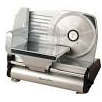
Screen Shot 2014-06-10 at 2.12.50 AMBut will it slice the Salmonella?
Broken Seals, Black Slime, Stowaway Bacteria: The Flaw in Many Deli Slicers – James Andrews – FoodSafetyNews

““A little bit of Salmonella oozed out every time they washed it,” Anderberg said. “It would emerge when they cleaned it and made the wet slicer assembly vertical — it just kind of drained out to where the meat was being sliced.””

LunaAnd it charges via USB, which is so convenient under the shower.
Squeaky clean pores with Luna Mini – Morgan Bornstein – The Gadgeteer

“The Luna Mini is a skincare device that utilizes “sonic pulsations” to break up the bacteria, oil, and makeup that cause breakouts, as well as smooth and refine skin texture. “

Marine Mammals (also see the Picks)

Deep-diving sea lions exhibit extreme bradycardia in long-duration dives

Birgitte I. McDonald – The Journal of Experimental Biology

“We investigated dive fH in five adult female California sea lions (Zalophus californianus) during foraging trips by instrumenting them with digital electrocardiogram (ECG) loggers and time depth recorders. “

PigsBecause swimming with dolphins is so 2013.
The Swimming Pigs of the Bahamas – Ella Morton – Slate

“The pigs of Big Major Cay spend their days lolling about on the beach, catching waves, and swimming out to greet visiting boats in the hope of scoring food.”

Chromosomal structure and organization

SophieReview: Reshaping chromatin after DNA damage: the choreography of histone proteins – Sophie E. Polo – Journal of Molecular Biology

“This review presents our current knowledge of chromatin dynamics in the mammalian cell nucleus in response to DNA-double strand breaks and UV lesions.”

Screen Shot 2014-06-10 at 2.18.15 AMThe 3D Genome in Transcriptional Regulation and Pluripotency – David U Gorkin – Cell Stem Cell

“Here, we review principles of 3D genome organization in mammalian cells. We focus on the emerging relationship between genome organization and lineage-specific transcriptional regulation, which we argue are inextricably linked.”

Science and Publishing

Mission possible: putting trainees at the center of academia’s mission
Viviane Callier & Nathan L Vanderford – Nature Biotechnology

“Under the current system, many graduate students and postdoctoral fellows are treated as cheap and easily replaceable labor, and the enterprise of academic research as a whole emphasizes fancy equipment, infrastructure, top-tier publications and the pursuit of research funding”

Science and Art

Screen Shot 2014-06-10 at 1.21.44 AMLife Magnified – Carl Zimmer – National Geographic

“If you travel through Dulles Airport in the near future, you may see some lovely scientific images on the walls.”

Dr. Bik’s Picks

Google for genomes – Karl Gruber – Nature Biotechnology

“In May, Google Genomics launched a preview of its application programming interface (API) that allows DNA sequence storage on Google’s cloud infrastructure. “

Screen Shot 2014-06-10 at 2.19.01 AMThe comments are hilarious. ““Free willy” has a whole new meaning now.”
In 1965, a young woman lived in isolation with a male dolphin in the name of science. It got weird. – Florence Waters – National Post

“For 10 weeks, from June to August 1965, the St Thomas research centre became the site of Lilly’s most notorious and highly criticized experiment, when his young assistant, Margaret Howe, volunteered to live in confinement with Peter, a bottlenose dolphin.”

[hr]

More microbiology and science, May 28, 2014

In this digest we’ll focus on general microbiology papers that I thought were interesting. And we’ll learn that swim diapers are leaky,  that both urine as well as kid’s pools are not sterile, and that Gemmatimonadetes are photosynthetic.

Bacteria are Everywhere

More Microbes

General Science

Scientific writing and publishing

Dr. Bik’s Picks

[hr]

Digest May 23, 2014

Today’s digest features showering with bacteria instead of soap, bacteria on the Mars rover, phages and bacteria reading through stop-codons, and a meteor shower tonight. What do meteor showers have to do with microbiome papers, you ask? Well, nothing. They are just cool to watch. So put on that fleece, get yourself to a dark place outside, and look North. Or stay inside and read today’s new digest.

General microbiome papers

Human oral microbiome papers

Human gut microbiome papers

Human genital microbiome papers

Pregnancy and birth papers

Metagenomics

Chromosomal organization

Antibiotics and resistance papers

Pathogenicity papers

Phages and viruses

Microbes in space

More Microbes

Bacteria in the news

Dr. Bik’s Picks

[hr]