General microbiology and science, June 10

Transcription in 12 different human tissues, bacteria in arterial plaques, and hairs with anticancer activity.

Infection and Host Response

Genome wideGenome-wide survey of tissue-specific microRNA and transcription factor regulatory networks in 12 tissues – Zhiyun Guo – Nature Scientific Reports

“Finally, we describe TSmiR (http://bioeng.swjtu.edu.cn/TSmiR), a novel and web-searchable database that houses interaction maps of TF-TS miRNA in 12 tissues.”

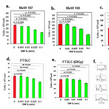
IntracellularIntracellular Bacteria Interfere with Dendritic Cell Functions: Role of the Type I Interferon Pathway – Laurent Gorvel – PLOS ONE

To analyze the mechanisms used by C. burnetiiand B. abortus to alter moDC activation, we performed microarray and found that C. burnetiiand B. abortus induced a specific signature consisting of TLR4TLR3STAT1 and interferon response genes.”

Screen Shot 2014-06-10 at 9.55.25 PMBacteria Present in Carotid Arterial Plaques Are Found as Biofilm Deposits Which May Contribute to Enhanced Risk of Plaque Rupture – Bernard B. Lanter – mBio

“In the current work, atherosclerotic carotid artery explants from 15 patients were all shown to test positive for the presence of eubacterial 16S rRNA genes”

Screen Shot 2014-06-10 at 10.01.00 PMRNA-seq: Impact of RNA degradation on transcript quantification – Irene Gallego Romero – BMC Biology

“We sought to quantify the impact of variation in RNA quality on estimates of gene expression levels based on RNA-seq data.”

Dengue virus

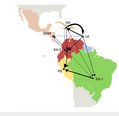
DengueSpatiotemporal Dynamics of DENV-2 Asian-American Genotype Lineages in the Americas – Daiana Mir – PLOS ONE

“Our study reveals that genetic diversity of DENV-2 AS/AM genotype circulating in the Americas mainly resulted from one single founder event and can be organized in at least four major lineages”

Phages, viruses, CRISPRs

Screen Shot 2014-06-10 at 9.53.22 PMCasposons: a new superfamily of self-synthesizing DNA transposons at the origin of prokaryotic CRISPR-Cas immunity – Mart Krupovic – BMC Biology

“We describe a new superfamily of archaeal and bacterial mobile elements which we denote casposons because they encode Cas1 endonuclease, a key enzyme of the CRISPR-Cas adaptive immunity systems of archaea and bacteria. “

Dr. Bik’s Picks

GeckoHow do geckos climb? – Ann Le Good – BioMedCentral

“The answer, from the recent Royal Society conference on cell adhesion, is that their climbing mechanism depends on van der Waals forces (as well as friction and shear stress). “

This one is intriguing:
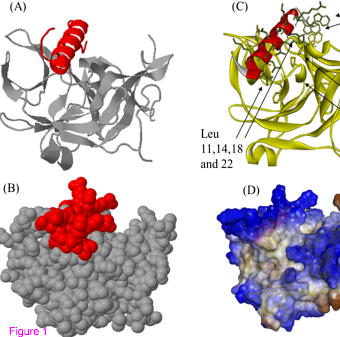
AnticancerAnticancer Properties of Peptide Fragments of Hair Proteins – Sergiusz Markowicz – PLOS ONE

“We found out that the mixtures of soluble peptides obtained from human hair inhibited the proliferation of human melanoma cells in vitro. Moreover, the hair-derived peptide mixtures also inhibited the proliferation of B lymphoma cells and urinary bladder cancer cells. “

EarthEarth is around 60 million years older than previously thought — and so is the moon, new research finds – Science Daily

The timing of the giant impact between Earth’s ancestor and a planet-sized body occurred around 40 million years after the start of solar system formation. This means that the final stage of Earth’s formation is around 60 million years older than previously thought, according to new research.”


[hr]

Human microbiome, June 10

Today we’ll cover the lung microbiome, salivary gland function, NEC, and sequencing of cosmid clones.
Oral microbiome

AutophagyAutophagy Correlates with Maintenance of Salivary Gland Function Following Radiation – Maria Morgan-Bathke – Nature Scientific Reports

“Thus, autophagy appears to play a beneficial role in salivary glands following radiation”

UbiquitousUbiquitous Sialometabolism Present among Oral Fusobacteria – Saori Yoneda – PLOS ONE

“Using microarray analysis, we examined the transcriptional response of F. nucleatum subspecies nucleatum to whole blood in order to identify some of the genetic responses that might occur during the transition from health to disease.”

NYU and UCSF researchers develop a framework for monitoring oral cancer – ScienceCodex

“”We know that other cancers, including gallbladder, colon, lung and prostate, have been associated with particular bacterial infections, so we hypothesized that shifts in the composition of the normal oral cavity microbiome could be promoters or causes of oral cancer,” said Dr. Albertson.”

Respiratory microbiome

Screen Shot 2014-06-10 at 9.32.19 PMBreathing Life into Lung Microbiome Research – Rina Shaikh-Lesko – The Scientist

“Although it’s far less populated than the mouth community that helps feed it, researchers increasingly appreciate the role of the lung microbiome in respiratory health.”

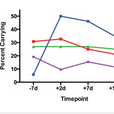
Impact off extImpact of Experimental Human Pneumococcal Carriage on Nasopharyngeal Bacterial Densities in Healthy Adults – Joshua R. Shak – PLOS ONE

“To better understand how these bacteria change in relation to pneumococcal colonization, we used species-specific quantitative PCR to examine bacterial densities in 52 subjects 7 days before, and 2, 7, and 14 days after controlled inoculation of healthy human adults with S. pneumoniae serotype 6B.”

Pregnancy and Birth

BrainModerate and Late Preterm Birth: Effect on Brain Size and Maturation at Term-Equivalent Age – Jennifer M. Walsh – Radiology

“MLPT birth is associated with smaller brain size, less-developed myelination of the posterior limb of the internal capsule, and more immature gyral folding than those associated with full-term birth. “

Preemie Research Highlights Concerns With Human Experimentation – Frederick Reese – Mintpress

“Parents weren’t fully aware of the risks associated with a medical research trial they allowed their babies to participate in.”

Screen Shot 2014-06-10 at 9.30.20 PMSmall Intestinal Intraepithelial TCRγδ+ T Lymphocytes Are Present in the Premature Intestine but Selectively Reduced in Surgical Necrotizing Enterocolitis – Jörn-Hendrik Weitkamp – PLOS ONE

“In human preterm infants, the proportion of IEL was reduced by 66% in 11 NEC ileum resections compared to 30 non-NEC controls (p<0.001). While γδ IEL dominated over conventional αβ IEL early in gestation in mice and in humans, γδ IEL were preferential decreased in the ileum of surgical NEC patients compared to non-NEC controls (50% reduction, p<0.05).”

Antibiotics and microbiome

Synthetic Biologics and Enterome Bioscience Collaborate on Microbiome Research to Support Synthetic Biologics’ C. difficile Program – MarketWatch

“Synthetic Biologics, Inc. (nyse mkt:SYN), a developer of novel anti-infective biologic and drug candidates targeting specific pathogens that cause serious infections and diseases, and Enterome Bioscience SA, a pioneer in the development of innovative disease management solutions based on a deep understanding of the gut microbiome, today announced that they have entered into an agreement to conduct metagenomic research on the effects of beta-lactam antibiotics on the gastrointestinal microflora (microbiome) of human patients”

Animal models of human disease

Screen Shot 2014-06-10 at 9.38.10 PMSaccharomyces boulardii Administration Changes Gut Microbiota and Reduces Hepatic Steatosis, Low-Grade Inflammation, and Fat Mass in Obese and Type 2 Diabetic db/db Mice – Amandine Everard – mBio

“Here we found that type 2 diabetic and obese mice (db/db) treated with Saccharomyces boulardii exhibited reduced body weight, fat mass, hepatic steatosis, and inflammatory tone. “

Metagenomics and sequencing

Evaluation of a pooledEvaluation of a Pooled Strategy for High-Throughput Sequencing of Cosmid Clones from Metagenomic Libraries – Kathy N. Lam – PLOS ONE

“We investigated a hybrid Sanger/Illumina pooled sequencing strategy that omits barcoding altogether, and we evaluated this strategy by comparing the pooled sequencing results to reference sequence data obtained from traditional barcode-based sequencing of the same set of clones. “

[hr]

General microbiology and science, June 9

Today, we’ll have some dengue, neuroleptospirosis, and black slime in deli slicers. Pretty nasty stuff. Make sure to scroll down to the dolphin story.

Dengue

CleberChloroquine interferes with dengue-2 virus replication in U937 cells – Kleber Juvenal Silva Farias – Microbiology and Immunology

“In the present work, CLQ was effective against DENV-2 replication in U937 cells, and also caused a statistically significant reduction in expression of proinflammatory cytokines. “

Other microbiology

Screen Shot 2014-06-10 at 2.29.18 AMActionable Diagnosis of Neuroleptospirosis by Next-Generation Sequencing
Michael R. Wilson – New England Journal of Medicine

“Unbiased next-generation sequencing of the cerebrospinal fluid identified 475 of 3,063,784 sequence reads (0.016%) corresponding to leptospira infection. Clinical assays for leptospirosis were negative.”

also see:

In a First, Test of DNA Finds Root of Illness – Carl Zimmer – New York Times

“Even a biopsy of his brain tissue told the doctors nothing. It was then that Dr. Gern called on Dr. DeRisi, who agreed to use the experimental DNA technology to try to find what was causing the boy’s ailments.”

Evolving With a Little Help From Our Friends – Carrie Arnold – Quanta Magazine

“The findings, published in Science in July 2013, highlight a surprising idea in biology: that symbiosis — a long-term, stable and often beneficial interaction between organisms — could drive two populations apart, the first step in the development of new species.”

Screen Shot 2014-06-10 at 1.36.14 AMReview: Coping with low pH: molecular strategies in neutralophilic bacteria – Peter Lund – FEMS Microbiology Reviews

“Among the most favoured mechanisms are the pumping out of protons, production of ammonia, and proton-consuming decarboxylation reactions, as well as modifications of the lipid content in the membrane”

Screen Shot 2014-06-10 at 1.45.43 AMNegative impact of laws regarding biosecurity and bioterrorism on real diseases – N. Wurtz – Clinical Microbiology and Infection

“These limitations have seriously negatively impacted the number of collaborations, the size of research projects and more generally scientific research on microbial pathogens.”

Bacteria are everywhere

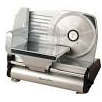
Screen Shot 2014-06-10 at 2.12.50 AMBut will it slice the Salmonella?
Broken Seals, Black Slime, Stowaway Bacteria: The Flaw in Many Deli Slicers – James Andrews – FoodSafetyNews

““A little bit of Salmonella oozed out every time they washed it,” Anderberg said. “It would emerge when they cleaned it and made the wet slicer assembly vertical — it just kind of drained out to where the meat was being sliced.””

LunaAnd it charges via USB, which is so convenient under the shower.
Squeaky clean pores with Luna Mini – Morgan Bornstein – The Gadgeteer

“The Luna Mini is a skincare device that utilizes “sonic pulsations” to break up the bacteria, oil, and makeup that cause breakouts, as well as smooth and refine skin texture. “

Marine Mammals (also see the Picks)

Deep-diving sea lions exhibit extreme bradycardia in long-duration dives

Birgitte I. McDonald – The Journal of Experimental Biology

“We investigated dive fH in five adult female California sea lions (Zalophus californianus) during foraging trips by instrumenting them with digital electrocardiogram (ECG) loggers and time depth recorders. “

PigsBecause swimming with dolphins is so 2013.
The Swimming Pigs of the Bahamas – Ella Morton – Slate

“The pigs of Big Major Cay spend their days lolling about on the beach, catching waves, and swimming out to greet visiting boats in the hope of scoring food.”

Chromosomal structure and organization

SophieReview: Reshaping chromatin after DNA damage: the choreography of histone proteins – Sophie E. Polo – Journal of Molecular Biology

“This review presents our current knowledge of chromatin dynamics in the mammalian cell nucleus in response to DNA-double strand breaks and UV lesions.”

Screen Shot 2014-06-10 at 2.18.15 AMThe 3D Genome in Transcriptional Regulation and Pluripotency – David U Gorkin – Cell Stem Cell

“Here, we review principles of 3D genome organization in mammalian cells. We focus on the emerging relationship between genome organization and lineage-specific transcriptional regulation, which we argue are inextricably linked.”

Science and Publishing

Mission possible: putting trainees at the center of academia’s mission
Viviane Callier & Nathan L Vanderford – Nature Biotechnology

“Under the current system, many graduate students and postdoctoral fellows are treated as cheap and easily replaceable labor, and the enterprise of academic research as a whole emphasizes fancy equipment, infrastructure, top-tier publications and the pursuit of research funding”

Science and Art

Screen Shot 2014-06-10 at 1.21.44 AMLife Magnified – Carl Zimmer – National Geographic

“If you travel through Dulles Airport in the near future, you may see some lovely scientific images on the walls.”

Dr. Bik’s Picks

Google for genomes – Karl Gruber – Nature Biotechnology

“In May, Google Genomics launched a preview of its application programming interface (API) that allows DNA sequence storage on Google’s cloud infrastructure. “

Screen Shot 2014-06-10 at 2.19.01 AMThe comments are hilarious. ““Free willy” has a whole new meaning now.”
In 1965, a young woman lived in isolation with a male dolphin in the name of science. It got weird. – Florence Waters – National Post

“For 10 weeks, from June to August 1965, the St Thomas research centre became the site of Lilly’s most notorious and highly criticized experiment, when his young assistant, Margaret Howe, volunteered to live in confinement with Peter, a bottlenose dolphin.”

[hr]

Human Microbiomes, June 9

Apples and coffee are good for your teeth, exercise good for your microbial diversity, role of microbiota in lung cancer, and lots of metabolomics papers.

Human Oral Microbiome (and some skin too!)

AppleAnticaries effect of an antioxidant-rich apple concentrate on enamel in an experimental biofilm-demineralisation model – Rodrigo A. Giacaman – Journal of Applied Microbiology

“Streptococcus mutans biofilms exposed to ARAC after a cariogenic challenge with sucrose induced lower enamel demineralisation than the positive control. The highest dilution of ARAC at 1: 100,000 (v/v) showed the most marked reduction in demineralisation of about fifty seven percent.”

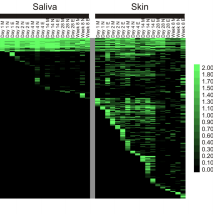
CRIPSrConservation of streptococcal CRISPRs on human skin and saliva – Refugio Robles-Sikisaka – BMC Microbiology

“We investigated the conservation of CRISPR content from streptococci on skin and saliva of human subjects over 8-weeks to determine whether similarities existed in the CRISPR spacer profiles and whether CRISPR spacers were a stable component of each biogeographic site”

Screen Shot 2014-06-10 at 2.09.54 AMAntibacterial effect of coffee: calcium concentration in a culture containing teeth/biofilm exposed to Coffea Canephora aqueous extract – N. Meckelburg -Letters in Applied Microbiology

“This study revealed an inhibitory action of Coffea canephora against dental biofilm. This coffee species caused bacterial lysis and consequent release of calcium into the medium.”

Human gut microbiome

ClarkeExercise and associated dietary extremes impact on gut microbial diversity – Siobhan F Clarke – Gut

“… athletes had a higher diversity of gut micro-organisms, representing 22 distinct phyla, which in turn positively correlated with protein consumption and creatine kinase.”

BMReview: Molecular ecological tools to decipher the role of our microbial mass in obesity – GDA Hermes – Beneficial Microbes

“ This review aims to describe the different molecular approaches and their contributions to our understanding of the role of the GI microbiota in host energy homeostasis. ”

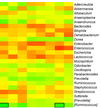
Screen Shot 2014-06-10 at 1.00.40 AMFecal microbiome analysis as a diagnostic test for diverticulitis – L. Daniels – European Journal of Clinical Microbiology & Infectious Diseases

“Differences in bacterial phylum abundance and diversity (Shannon index) of the resulting profiles were assessed by conventional statistics. Dissimilarity in microbiome composition was analyzed with principal coordinate analysis (PCoA) based on cosine distance measures. “

Impaired Innate Immune Function Associated with Fecal Supernatant from Crohn’s Disease Patients: Insights into Potential Pathogenic Role of the Microbiome – Meelu, Parool – Inflammatory Bowel Diseases

Opinion Article: Gut Microbes and Host Physiology: What Happens when you Host Billions of Guests? – Jennifer L. Pluznick – Frontiers in Endocrinology

“The literature is rife with examples of phenotypes which were not easily replicated by other groups – even when using the “same mice” – and we should consider whether some of these examples may be, in fact, due to the influence of gut microbiota.”

ProalInflammatory Disease and the Human Microbiome – Amy D Proal – Discovery Medicine

“The microbes that contribute to this dysfunction are often inherited from family members. Immunosuppressive therapies for inflammatory disease allow pathogens driving these processes to spread with greater ease.”

BMUnderstanding gut microbiota in elderly’s health will enable intervention through probiotics – G. Pérez Martínez – Beneficial Microbes

“Intervention studies of probiotics and prebiotics in elderly are not very abundant, but most cases showed that Bifidobacterium populations can efficiently be stimulated with a concomitant decrease of Enterobacteria. “

ClarkeGut Microbiota: The Neglected Endocrine Organ – Gerard Clarke – Molecular Endocrinology

“Indirectly and through as yet unknown mechanisms, the gut microbiota exerts control over the hypothalamic-pituitary-adrenal axis (HPA).”

The June issue of Gut this month features the abstracts from the British Society of Gastroenterology Annual General Meeting 16–19 June 2014 in a Supplemental issue

Human respiratory microbiome

Screen shot 2014-06-09 at 04.19PM, Jun 09The potential role of lung microbiota in lung cancer attributed to household coal burning exposures – H. Dean Hosgood III – Environmental and Molecular Mutagenesis

“This study seeks to explore the role of lung microbiota in lung cancer among never smoking Xuanwei women and how coal burning may influence these associations.”

Pregnancy and Birth

StrongholdPregnancy’s Stronghold on the Vaginal Microbiome – Marina R. S. Walther-António – PLOS ONE

“For a majority of the patients (n = 8), the vaginal microbiome was dominated by Lactobacillus crispatus throughout pregnancy.”

Masters Thesis: The Effect of Nutrition on the Microbiome in Pregnant Women and the Use of Micronutrient Supplemented Probiotic Yogurt to Improve Outcomes – Megan Kathleen Enos – University of Western Ontario

“The aims of this study were to characterize the gut, oral, and vaginal microbiotas of pregnant women ….. a clinical study was performed in Mwanza, Tanzania”

WopereisThe first thousand days – intestinal microbiology of early life: establishing a symbiosis – Harm Wopereis – Pediatric Allergy and Immunology

“This review provides an overview of the development of the intestinal microbiota, its bidirectional relationship with the immune system, and its role in impacting health and disease, with emphasis on allergy, in early life.”

Metabolomics

RinehartMetabolomic data streaming for biology-dependent data acquisition – Duane Rinehart – Nature Biotechnology

“Here we describe a solution to the time demands of metabolomic data upload to XCMS Online. In brief, we designed XCMS Online software that enables uploading of metabolomic data files from the instrument computer workstation as they are acquired. “

SulekA combined metabolomic and phylogenetic study reveals putatively prebiotic effects of high molecular weight arabino-oligosaccharides when assessed by in vitro fermentation in bacterial communities derived from humans – Karolina Sulek – Anaerobe

“All tested carbohydrate sources resulted in a significant increase of Bifidobacterium spp. between 1.79 fold (HA) and 1.64 fold (FOS) in the microbial populations after fermentation”

FariaInterplay between anthocyanins and gut microbiota – Ana Faria – J. Agric. Food Chem

“This review aimed to compile information regarding interaction of anthocyanins with microbiota, in two perspectives: i) identification of their colonic metabolites as potential bioactive molecules and ii) their role as prebiotic agents.”

Identification of the metabolites of myricitrin produced by human intestinal bacteria in vitro using ultra-performance liquid chromatography/quadrupole time-of-flight mass spectrometry – Le-yue Du – Expert Opinion on Drug Metabolism & Toxicology

“To investigate the metabolic routes and metabolites of myricitrin, an important active ingredient of traditional herbal medicine, yielded by the isolated human intestinal bacteria, which have not been reported previously”

CrossA prospective study of serum metabolites and colorectal cancer risk – Amanda J. Cross – Cancer

“No overall associations were observed between serum metabolites and colorectal cancer, but serum glycochenodeoxycholate, a bile acid metabolite, was positively associated with colorectal cancer among women”

Gut microbiota and cardiometabolic outcomes: influence of dietary patterns and their associated components – Julia MW Wong – Am J Clin Nutr

“Examples of dietary components that alter the gut microbial composition include prebiotics and resistant starches.”

GaldzickiThe Synthetic Biology Open Language (SBOL) provides a community standard for communicating designs in synthetic biology – Michal Galdzicki – Nature Biotechnology

“Here we describe the Synthetic Biology Open Language (SBOL), a proposed data standard for exchanging designs within the synthetic biology community. SBOL represents synthetic biology designs in a community-driven, formalized format for exchange between software tools, research groups and commercial service providers.”

Animal models of human disease

Animal models of gastrointestinal and liver diseases. Animal models of necrotizing enterocolitis: pathophysiology, translational relevance, and challenges – Peng Lu – American Journal of Physiology – Gastrointestinal and Liver Physiology

“In an attempt to provide some guidance to the growing community of NEC researchers, we now seek to review the key features of the major NEC models that have been developed in mammalian and nonmammalian species and to assess the advantages, disadvantage, challenges and major scientific discoveries yielded by each. “

Oral infection ecoliOral infection with enteropathogenic Escherichia coli triggers immune response and intestinal histological alterations in mice selected for their minimal acute inflammatory responses – Amanda Bardella Vulcano – Microbiology and Immunology

In summary, it was found that EPEC triggers immune responses and intestinal histological alterations but does not produce evidence of diarrheal disease in mice infected by the oral route.”

Screen Shot 2014-06-10 at 2.00.38 AMDistinct signatures of host–microbial meta-metabolome and gut microbiome in two C57BL/6 strains under high-fat diet – Alesia Walker – ISME J

A combinatory approach using metabolomics and gut microbiome analysis techniques was performed to unravel the nature and specificity of metabolic profiles related to gut ecology in obesity. “

General Human Microbiome

Why There is No Single Healthy Microbiome – Erik Garnas – Organic Fitness

“This quest for the perfect microbiome has not only led many people to tweak their diet and lifestyle in an attempt to be the best possible host, but also to the rapid growth of what is now a billion dollar market of probiotics, prebiotics, and other products that are specifically designed to modulate the microbial communities in and on the human body. “

[hr]

Non-human microbiomes, June 9

Phages in cow dung, genome of a bumble-bee symbiont, and the microbiome of beach sand.

Mammal microbiomes

Screen shot 2014-06-09 at 02.43PM, Jun 09Differing Populations of Endemic Bacteriophages in Cattle Shedding High and Low Numbers of Escherichia coli O157:H7 Bacteria in Feces – J. Hallewell – Applied and Environmental Microbiology

“Based on genome size estimated by pulsed-field gel electrophoresis and morphology determined by transmission electron microscopy, T4- and O1-like phages of Myoviridae and T1-like phage of Siphoviridae were isolated. “

Insect microbiomes

Screen shot 2014-06-09 at 02.59PM, Jun 09Genomic Features of a Bumble Bee Symbiont Reflect Its Host Environment – Vincent G. Martinson – Applied and Environmental Microbiology

“Here, we report the genome of one gammaproteobacterial member of the gut microbiota, for which we propose the name “Candidatus Schmidhempelia bombi,” that was inadvertently sequenced alongside the genome of its host, the bumble bee, Bombus impatiens.”

Plant microbiomes

Screen shot 2014-06-09 at 02.52PM, Jun 09In Situ Evaluation of Paenibacillus alvei in Reducing Carriage of Salmonella enterica Serovar Newport on Whole Tomato Plants – Sarah Allard – Applied and Environmental Microbiology

“Long-term intervention measures to reduce Salmonella prevalence on tomatoes remain elusive for growing and postharvest environments. A naturally occurring bacterium identified by 16S rRNA gene sequencing as Paenibacillus alvei was isolated epiphytically from plants native to the Virginia Eastern Shore tomato-growing region. “

Screen shot 2014-06-09 at 03.20PM, Jun 09Streptomyces sp. strain PGPA39 alleviates salt stress and promotes growth of ‘Micro Tom’ tomato plants – Sasikumar Arunachalam Palaniyandi – Journal of Applied Microbiology

“A significant increase in plant biomass and chlorophyll content, and a reduction in leaf proline content were observed in PGPA39-inoculated tomato plants under salt stress compared to control and salt stressed non-inoculated plants.”

Screen shot 2014-06-09 at 02.54PM, Jun 09Microscopy, Culture, and Quantitative Real-Time PCR Examination Confirm Internalization of Mycobacteria in Plants – M. Kaevska – Applied and Environmental Microbiology

” The substrate into which plants were seeded was previously contaminated with different strains of Mycobacterium avium (108to 1010 cells/g of soil) and feces from animals with paratuberculosis. We detected M.avium subsp. aviumhominissuis, and paratuberculosis in the stems and leaves of the plants by both culture and real-time quantitative PCR. “

Environmental microbiomes

Screen shot 2014-06-09 at 02.40PM, Jun 09

Soil and groundwater microbiomes

Use of Silicate Minerals for pH Control during Reductive Dechlorination of Chloroethenes in Batch Cultures of Different Microbial Consortia  – Elsa Lacroix – Applied and Environmental Microbiology

“The consortia showed significant differences in sensitivities toward acidic pH for the different dechlorination steps. Molecular analysis indicated that Dehalococcoides spp. that were present in all consortia were the most pH-sensitive organohalide-respiring guild members compared to Sulfurospirillum spp. and Dehalobacter spp.”

Screen shot 2014-06-09 at 03.01PM, Jun 09Variables Influencing Extraction of Nucleic Acids from Microbial Plankton (Viruses, Bacteria, and Protists) Collected on Nanoporous Aluminum Oxide Filters – Jaclyn A. Mueller – Applied and Environmental Microbiology

“Anodic aluminum oxide (AAO) filters have high porosity and can be manufactured with a pore size that is small enough to quantitatively capture viruses. These properties make the filters potentially useful for harvesting total microbial communities from water samples for molecular analyses, but their performance for nucleic acid extraction has not been systematically or quantitatively evaluated. “

Screen shot 2014-06-09 at 03.08PM, Jun 09MS2 Bacteriophage Reduction and Microbial Communities in Biosand Filters – Hanting Wang – Environmental Science & Technology

” In the upper layers, “CandidatusNitrosopumilus maritimus” and “Ca. Nitrospira defluvii” were found as dominant populations, while significant amounts of Thiobacillus-related OTUs were detected in the lower layers. “

Ponds, lakes, and ocean microbiomes

Screen shot 2014-06-09 at 02.48PM, Jun 09Diversity and Transport of Microorganisms in Intertidal Sands of the California Coast – Alexandria B. Boehm – Applied and Environmental Microbiology

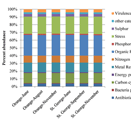
“The present study uses next-generation massively parallel sequencing to characterize the microbial community present at 49 beaches along the coast of California. In addition, we characterize the transport of microorganisms within intertidal sands using laboratory column experiments. We identified extensive diversity in the beach sands.”

Screen shot 2014-06-09 at 02.46PM, Jun 09From Metagenomics to Pure Culture: Isolation and Characterization of the Moderately Halophilic Bacterium Spiribacter salinus gen. nov., sp. nov. – María José León – Applied and Environmental Microbiology

“We report the isolation and taxonomic characterization of this new, never before cultured microorganism, designated M19-40T, isolated from a saltern located in Isla Cristina, Spain, using a medium with a mixture of 15% salts, yeast extract, and pyruvic acid as the carbon source. “

Screen shot 2014-06-09 at 03.05PM, Jun 09The Pattern of Change in the Abundances of Specific Bacterioplankton Groups Is Consistent across Different Nutrient-Enriched Habitats in Crete – Stilianos Fodelianakis – Applied and Environmental Microbiology

“Here, we investigated the bacterial community changes at three different nutrient-enriched and adjacent undisturbed habitats along the north coast of Crete, Greece: a fish farm, a closed bay within a town with low water renewal rates, and a city port where the level of nutrient enrichment and the trophic status of the habitat were different. “

[hr]

More Microbiology and Science, June 6

Natural peptides against dengue, visualizing your QIIME .biom OTU table, and exposure to cockroaches and dust to babies. And Da Picks!

 
Dengue

Screen Shot 2014-06-07 at 2.05.52 AMIdentification of natural antimicrobial agents to treat dengue infection: In vitro analysis of latarcin peptide activity against dengue virus – Rothan HA – BMC Microbiology

“The Ltc 1 peptide exhibited significant inhibitory effects against dengue NS2B-NS3pro and virus replication in the infected cells. “

Bioinformatics

Screen Shot 2014-06-07 at 1.16.46 AMVisualizing millions of DNA sequences – in your web browser! – Featuring Phinch, developed by Holly Bik in the Eisen Lab

“The idea is to take your QIIME outputs – .biom OTU table files with taxonomy and embedded metadata – directly into a data visualization framework for assessment.”

Infection, immunity, host response

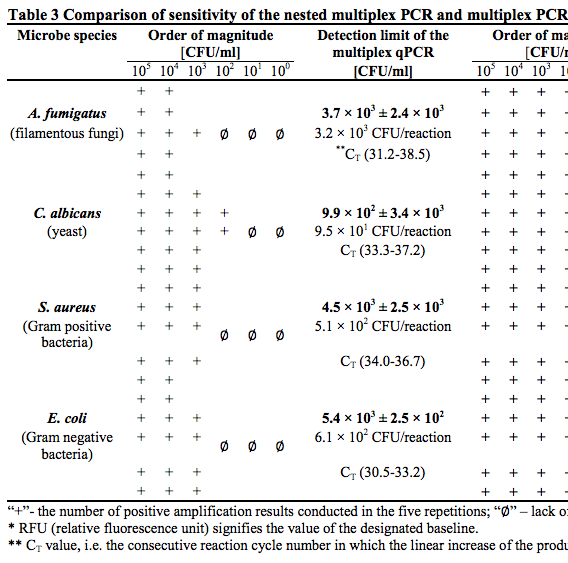
Screen Shot 2014-06-07 at 2.06.31 AMA novel, nested, multiplex, real-time PCR for detection of bacteria and fungi in blood – Gosiewski, T – BMC Microbiology

“ The designed primers correctly typed the studied species as belonging to the groups of Gram-positive bacteria, Gram-negative bacteria, yeast fungi, or filamentous fungi.”

Screen Shot 2014-06-07 at 2.00.39 AMEffects of early-life exposure to allergens and bacteria on recurrent wheeze and atopy in urban children – Susan V. Lynch – The Journal of Allergy and Clinical Immunology

“….first-year exposure to cockroach, mouse, and cat allergens was negatively associated with recurrent wheeze…. House dust microbiome composition is associated with clinical outcomes. 

Screen Shot 2014-06-07 at 1.58.39 AMImplementation and impact of ultraviolet environmental disinfection in an acute care setting – Janet P. Haas – AJIC: American Journal of Infection Control

During the time period UVD was in use, there was a significant decrease in overall hospital-acquired MDRO plus CD in spite of missing 24% of opportunities to disinfect contact precautions rooms. This technology was feasible to use in our acute care setting and appeared to have a beneficial effect.”

Dr. Bik’s Picks

Screen Shot 2014-06-07 at 2.39.26 AMCool video of a scientist uncovering a whale in an old painting: Whale tale: a Dutch seascape and its lost Leviathan – University of Cambridge

“When art conservators peeled back a layer of varnish on a 17th-century Dutch painting, they uncovered an image of a beached whale that had been hidden for at least 150 years. “

Screen Shot 2014-06-07 at 2.40.17 AMLooking for the best strategy? Ask a chimp – Science Daily
“If you’re trying to outwit the competition, it might be better to have been born a chimpanzee, according to a study by researchers at Caltech, which found that chimps at the Kyoto University Primate Research Institute consistently outperform humans in simple contests drawn from game theory.”

[hr]


Human microbiomes, June 6

Bacteria causing IBD (in an animal model), gut microbiota from Spanish infants, and radiation therapy damaging teeth.

Gut microbiome

GutAn intestinal arsonist: pathobiont ignites IBD and flees the scene – Stefan Jellbauer and Manuela Raffatellu – Gut

“Evidence for Proteobacteria as a potential trigger of IBD has been deduced by cohort studies showing that inflammatory diarrhoea caused by either Salmonella species or Campylobacter species predisposes genetically susceptible individuals to developing IBD”

AIEC pathobiont instigates chronic colitis in susceptible hosts by altering microbiota composition – Benoit Chassaing – Gut

“Transient AIEC colonisation, in WT mice, did not alter inflammatory markers, bacterial loads, microbiota composition, nor its pro-inflammatory potential. By contrast, transient AIEC colonisation of T5KO mice drove chronic inflammation which correlated with microbiota components having higher levels of bioactive LPS and flagellin.”

BBAReview: Rapidly expanding knowledge on the role of the gut microbiome in health and disease -M.C. Cénit – Biochimica et Biophysica Acta (BBA) – Molecular Basis of Disease

“In this review we describe the different approaches used to characterize the human microbiome, review current knowledge about the gut microbiome, and discuss the role of gut microbiota in immune homeostasis and autoimmunity.”

Screen Shot 2014-06-07 at 1.49.49 AMEx-Merck exec’s new microbiome startup has a pill that works like a fecal transplant against C. diff – Ransdell Pierson – MedCityNews

“The Seres oral capsule, called SER 109, in early clinical trials quickly eliminated symptoms in more than 90 percent of patients, Pomerantz said in a telephone interview.”

Malnutrition ‘damages gut bacteria’ – BBC Health News

“A team studied the gut health of malnourished children in Bangladesh. Writing in the journal Nature they said the bacterial make-up was not fully restored to normal after food supplements were given.”

Oral microbiome

ToothRadiation therapy alters microhardness and microstructure of enamel and dentin of permanent human teeth – Ligia Maria Napolitano Gonçalves – Journal of Dentistry

“The effects of gamma irradiation on dental substrate might contribute to increased risk of radiation tooth decay associated with salivary changes, microbiota shift and high soft and carbohydrate-rich food intake.”

Pregnancy and Birth

Screen Shot 2014-06-07 at 1.52.06 AMMicrobial Succession in the Gut: Directional Trends of Taxonomic and Functional Change in a Birth Cohort of Spanish Infants – Yvonne Vallès – PLOS Genetics

“Here, we analyze the patterns of taxonomic and functional change in the gut microbiota during the first year of life for a birth cohort of 13 infants. We detect that individual instances of gut colonization vary in the temporal dynamics of microbiota richness, diversity, and composition at both functional and taxonomic levels. “

Probiotics

Screen Shot 2014-06-07 at 1.53.11 AMProbiotics: Separating the Hype From the Healthy – Nikki Fotheringham – HuffingtonPost

“That’s right baby; we’re all just sacks of seething bacteria! Now before you freak out, remember that the word “bacteria” has been given negative connotations by the Purell-fueled paranoia of the germ police. “


Metabolomics

Journal of functional foodsStructural features and feruloylation modulate the fermentability and evolution of antioxidant properties of arabinoxylanoligosaccharides during in vitro fermentation by human gut derived microbiota – Jeroen Snelders – Journal of Functional Foods

“Two AXOS samples with a low average degree of arabinose substitution, specifically differing in average degree of polymerization, and three AXOS samples, specifically differing in ferulic acid (FA) content and appearance (free or bound), were incubated with cultured human colon microbiota.”

[hr]

Human microbiomes, June 5

Today we have some commentaries on recent papers about microbiotas in malnutrition or on placentas, and new papers about oral bacteria in the bloodstream, helminths, and coincidental killers.

Oral microbiome

Screen Shot 2014-06-05 at 7.59.36 PMDissemination of Periodontal Pathogens in the Bloodstream after Periodontal Procedures: A Systematic Review – Anna Carolina Ratto Tempestini Horliana – PLOS ONE

“MEDLINE, EMBASE and LILACS databases were searched in duplicate through August, 2013 without language restriction. Observational studies were included if blood samples were collected before, during or after periodontal procedures of patients with periodontitis”

Screen Shot 2014-06-05 at 7.56.12 PMThe Emerging Landscape of Salivary Diagnostics – Yong Zhang- OHDM – Omics Online

“Here we review recent developments in salivary diagnostics that have been accomplished using salivaomics, the mechanisms of saliva diagnostics, as well as the translational and clinical application of saliva biomarkers”

Gut microbiome

Screen Shot 2014-06-05 at 7.57.14 PMInfection and Co-infection with Helminths and Plasmodium among School Children in Côte d’Ivoire: Results from a National Cross-Sectional Survey – Richard B. Yapi – PLOS Neglected Tropical Diseases

“We carried out the first national survey on parasitic worm and Plasmodium infection among children in 92 schools all over Côte d’Ivoire. Questionnaires were administered to determine the children’s socioeconomic status and infection-related risk factors. We found an overall prevalence of Plasmodium infection of 63.3%.”

ColonSome Antibiotics May Slightly Increase Colon Cancer Risk – Bahar Gholipour – LiveScience

“The researchers compared the amount of antibiotics the patients had taken at least six months before being diagnosed with cancer, to the amount of antibiotics taken by a group of about 86,000 healthy people.”

Screen Shot 2014-06-05 at 10.07.58 AMWhy Can’t Once-Malnourished Children “Catch Up”? Answer May Lie in Gut – Karen Weintraub – National Geographic

“There’s something lacking in our current approach to treatment,” said Gordon, who suspects the children may need to eat therapeutic foods for longer and/or get supplements of probiotics, or beneficial microorganisms, to catch up. “We need to think of food as interacting with this microbial organ.”

Screen Shot 2014-06-05 at 8.03.26 PMSevere hunger can have lasting effects for gut health, study finds – MedicalXPress

“Nutrition therapy has saved the lives of millions of malnourished infants, but may not restore an imbalance in gut bacteria that is key to long-term health and vitality, researchers said Wednesday.”

Pregnancy and birth

Screen Shot 2014-06-05 at 8.05.15 PMGearing up for a closer look at the human placenta – Jocelyn Kaiser – Science

“A placenta sustained you and every person ever born for 9 months, serving as your lungs and kidneys and pumping out hormones while you developed in the womb. Problems with this disk-shaped mass of tissue can contribute to everything from preterm births to diseases of middle age. Yet when a baby is born, hospitals usually throw the placenta away.”

Screen Shot 2014-06-05 at 9.57.32 AMMicrobirth: Why ‘Seeding Baby’s Microbiome’ Needs to Be on Every Birth Plan – Toni Harman – HuffingtonPost

“The latest scientific research is now starting to indicate that if the baby is not properly seeded with the mother’s own bacteria at birth, then the baby’s microbiome, in the words of Rodney R Dietert, Professor of Immunotoxicology at Cornell University, is left “incomplete”.”

General human microbiome

Screen Shot 2014-06-05 at 8.07.51 PMCoincidental killers – We assume that microbes evolved to attack humans when actually we are just civilian casualties in a much older war – Ed Yong – Aeon Magazine

“And some supposedly pathogenic bacteria were often common parts of the environment. ‘These organisms become accidental pathogens,’ says the microbiologist Arturo Casadevall from Yeshiva University in New York. ‘They’ll still be there even if you remove all the animals from the planet. And yet, evolution selected for just the right combination of traits to cause disease in humans.’”

Screen Shot 2014-06-05 at 8.12.08 PMSilicon Valley’s Top Ten Tech Trends – Jacqueline Vanacek – Forbes
Trend #7: Data-driven healthcare (from your gut).

The combination of personal health and fitness data, genomics, and even microbiomics will drive healthcare choices from real outcomes and individual probabilities. And since the bacteria in our digestive tracks has greater influence on our health than previously known, we really are what we eat!

Microbiome and Bioinformatics

Screen Shot 2014-06-05 at 8.11.20 PMBOTUX: Bayesian–like operational taxonomic unit examiner – Vishal N. Koparde – International Journal of Computational Biology and Drug Design

“Bayesian–like operational taxonomic unit examiner (BOTUX) is a new tool for the classification of 16S rRNA gene sequences into operational taxonomic units (OTUs) that addresses the problem of overestimation caused by errors introduced during PCR amplification and DNA sequencing steps”

[hr]

Non-human microbiomes, June 5

Meta-analysis of avian gut microbiomes, mosquitos, microbes and oil-spills, and fungi and viruses found on corals and sponges.

Bird microbiome

Screen Shot 2014-06-05 at 11.23.11 AMCharacterizing the avian gut microbiota: membership, driving influences, and potential function – David W. Waite – Frontiers in Microbiology, Microbial Symbioses

“In this study, we present the first meta-analysis of the avian gut microbiota, using 16S rRNA gene sequences obtained from a range of publicly available clone-library and amplicon pyrosequencing data. “

Insect microbiome

Screen Shot 2014-06-05 at 11.24.12 AMPyrosequencing 16S rRNA genes of bacteria associated with wild tiger mosquito Aedes albopictus: a pilot study – Guillaume Minard – Frontiers in Cellular and Infection Microbiology

“We surveyed the bacteria associated with field populations of Ae. albopictus from Madagascar by pyrosequencing 16S rRNA gene amplicons. Different aspects of amplicon preparation and sequencing depth were tested to optimize the breadth of bacterial diversity identified”

Screen Shot 2014-06-05 at 11.24.56 AMMultifaceted Defense against Antagonistic Microbes in Developing Offspring of the Parasitoid Wasp Ampulex compressa (Hymenoptera, Ampulicidae) – Katharina Weiss – PLOS ONE

“Larvae of the emerald cockroach wasp, Ampulex compressa, sanitize their cockroach hosts, Periplaneta americana, with a cocktail of nine antimicrobials comprising mainly (R)-(-)-mellein and micromolide.”

Invertebrate microbiome

Screen Shot 2014-06-02 at 6.19.53 PMReview: Fungal association with sessile marine invertebrates – Oded Yarden – Frontiers in Microbiology, Microbial Symbioses

“The ecological function of fungi in association with sessile marine animals is complex and is founded on a combination of factors such as fungal origin, host health, environmental conditions and the presence of other resident or invasive microorganisms in the host.”

Screen Shot 2014-06-02 at 6.19.09 PMGenerating viral metagenomes from the coral holobiont – Karen D. Weynberg – Frontiers in Microbiology, Virology

“Here we present the first protocol for isolating, purifying and amplifying viral nucleic acids from corals based on mechanical disruption of cells. This method produces at least 50% higher yields of viral nucleic acids, has very low levels of cellular sequence contamination and captures wider viral diversity than previously used chemical-based extraction methods.”

Plant microbiome

Screen Shot 2014-06-05 at 11.26.58 AMColonization of plants by human pathogenic bacteria in the course of organic vegetable production – Andreas Hoffman – Frontiers in Microbiology, Plant-Microbe Interaction

“In this study laboratory experiments in axenic and soil systems following common practices in organic farming were conducted to identify the minimal dose needed for bacterial colonization of plants and to identify possible factors like bacterial species or serovariation, plant species or organic fertilizer types used, influencing the success of plant colonization by human pathogenic bacteria”

Water microbiome

Screen Shot 2014-06-05 at 11.28.03 AMThe polycyclic aromatic hydrocarbon degradation potential of Gulf of Mexico native coastal microbial communities after the Deepwater Horizon oil spill – Anthony D. Kappell – Frontiers in Microbiology, Aquatic Microbiology

“To investigate the Gulf Coast beach microbial community response to hydrocarbon exposure, we examined the functional gene diversity, bacterial community composition, and PAH degradation capacity of a heavily oiled and non-oiled beach following the oil exposure. “

Screen Shot 2014-06-05 at 11.36.29 AMComparison of prokaryotic community structure from Mediterranean and Atlantic saltern concentrator ponds by a metagenomic approach – Ana B. Fernández – Frontiers in Microbiology, Extreme Microbiology

“We analyzed the prokaryotic community structure of a saltern pond with 21% total salts located in Isla Cristina, Huelva, Southwest Spain, close to the Atlantic ocean coast. “

Screen Shot 2014-06-05 at 11.32.42 AMConversion of crude oil to methane by a microbial consortium enriched from oil reservoir production waters – Carolina Berdugo-Clavijo – Frontiers in Microbiology, Microbial Physiology and Metabolism

“Microbial community analysis revealed that the enrichment culture was dominated by members of the genus Smithella, Methanosaeta, and Methanoculleus. However, a shift in microbial community occurred following incubation of the enrichment in the sandstone columns. “

Screen Shot 2014-06-05 at 11.33.20 AMNatural oil slicks fuel surface water microbial activities in the northern Gulf of Mexico – Kai Ziervogel – Frontiers in Microbiology, Aquatic Microbiology

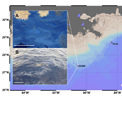
“These results demonstrate that the formation of oil slicks and activities of oil-degrading bacteria result in a temporal offset of microbial cycling of organic matter, affecting food web interactions and carbon cycling in surface waters over cold seeps.”

Screen Shot 2014-06-05 at 11.34.20 AMRecoding of the stop codon UGA to glycine by a BD1-5/SN-2 bacterium and niche partitioning between Alpha- and Gammaproteobacteria in a tidal sediment microbial community naturally selected in a laboratory chemostat – Anna Hanke – Frontiers in Microbiology, Evolutionary and Genomic Microbiology

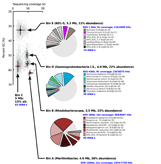
“Metagenomics, proteomics and fluorescence in situ hybridization showed that this simplified community contained both a potential sulfur oxidizing Gammaproteobacteria (at 24 ± 2% abundance) and a member of the BD1-5/SN-2 candidate phylum (at 7 ± 6% abundance). “

Deep earth microbiome

Screen Shot 2014-06-05 at 11.35.07 AMChanges in the deep subsurface microbial biosphere resulting from a field-scale CO2 geosequestration experiment – Andre Mu – Frontiers in Microbiology, Terrestrial Microbiology

“This study demonstrates a successful new in situ sampling approach for detecting microbial community changes associated with an scCO2 geosequestration event.”

[hr]

Food and Environmental Microbiome Digest, June 4, 2014

Wine, soil, and microbial mats.

Wine microbiome

Screen Shot 2014-06-05 at 12.57.02 AMA Gondwanan imprint on global diversity and domestication of wine and cider yeast Saccharomyces uvarum – Pedro Almeida – Nature Communications

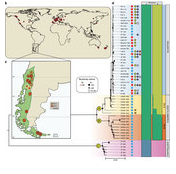
“In addition to Saccharomyces cerevisiae, the cryotolerant yeast species S. uvarum is also used for wine and cider fermentation but nothing is known about its natural history. Here we use a population genomics approach to investigate its global phylogeography and domestication fingerprints”

Environmental microbiome

Screen Shot 2014-06-05 at 12.58.27 AMPhysiological and genomic features of highly alkaliphilic hydrogen-utilizing Betaproteobacteria from a continental serpentinizing site – Shino Suzuki – Nature Communications

“Here we describe physiological and genomic features of three related Betaproteobacterial strains isolated from highly alkaline (pH 11.6) serpentinizing springs at The Cedars, California.”

Screen Shot 2014-06-05 at 12.59.21 AMBacterial Diversity Assessment in Antarctic Terrestrial and Aquatic Microbial Mats: A Comparison between Bidirectional Pyrosequencing and Cultivation – Bjorn Tytgat – PLOS ONE

“Strikingly, there was relatively little overlap between cultivation and the forward and reverse pyrosequencing-based datasets at the genus (17.1–22.2%) and OTU (3.5–3.6%) level (defined on a 97% similarity cut-off level). Comparison of the V1–V2 and V3–V2 datasets of the 16S rRNA gene revealed remarkable differences in number of OTUs and genera recovered.”

[hr]