Non-human microbiome, July 9

Amphibians and fungi, microbes in the interface of plants and soil, and methane production by starving SAR11.

Amphibian microbiome

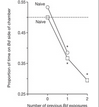
Screen Shot 2014-07-09 at 10.11.22 PMAmphibians acquire resistance to live and dead fungus overcoming fungal immunosuppression – Taegan A. McMahon – Nature

“Here we demonstrate that three species of amphibians can acquire behavioural or immunological resistance to B. dendrobatidis. “

Plant and soil microbiome

Screen Shot 2014-07-09 at 10.11.40 PMRoot exudates mediated interactions belowground – Feth el Zahar Haichar – Soil Biology and Biochemistry

“The root exudates may have a direct impact on carbon and nitrogen cycling, as they exhibit a rhizosphere priming effect towards soil organic matter degraders, and may inhibit nitrification process by soil nitrifying microorganisms. “

Water microbiology

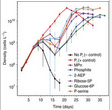
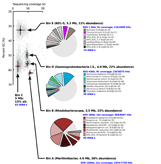
Methane productions SAR11Methane production by phosphate-starved SAR11 chemoheterotrophic marine bacteria – Paul Carini – Nature Communications

“Here we show that Pelagibacterales sp. strain HTCC7211, an isolate of the SAR11 clade of marine α-proteobacteria, produces methane from MPn, stoichiometric to phosphorus consumption, when starved for phosphate. “

[hr]

General microbiome digest, July 1

Diet and gut microbiome (again), Campylobacter in chicken is not a commensal, microbiomes of fish, insects, corals, plant, and hospitals, and women in science.

Human gut microbiome

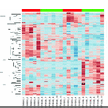
Screen shot 2014-07-01 at 06.07PM, Jul 01Correlation network analysis reveals relationships between diet-induced changes in human gut microbiota and metabolic health – T Kelder – Nutrition & Diabetes

“We assessed fecal microbiota composition and host response patterns of metabolic and inflammatory markers in 10 apparently healthy men subjected to a high-fat high-caloric diet (HFHC, 1300 kcal/day extra) for 4 weeks. “

Pregnancy and birth

Screen shot 2014-07-01 at 06.08PM, Jul 01 1Gestational Age and Age at Sampling Influence Metabolic Profiles in Premature Infants
Reese H. Clark – Pediatrics

“Metabolic profiles (15 amino acids and 35 acylcarnitines) were obtained by using standard newborn techniques on infants born between 23 and 31 completed weeks of gestation.”

Screen shot 2014-07-01 at 06.08PM, Jul 01Non-invasive analysis of intestinal development in preterm and term infants using RNA-Sequencing – Jason M. Knight – Nature Scientific Reports

“we have developed a novel, noninvasive, molecular approach that utilizes next generation RNA sequencing on stool samples containing intact epithelial cells for the purpose of quantifying intestinal gene expression.”

Screen shot 2014-07-01 at 06.09PM, Jul 01Cesarean Section and Rate of Subsequent Stillbirth, Miscarriage, and Ectopic Pregnancy: A Danish Register-Based Cohort Study – Sinéad M. O’Neill – PLOS Medicine

“This study found that cesarean section is associated with a small increased rate of subsequent stillbirth and ectopic pregnancy.”

Bird microbiome

Screen shot 2014-07-01 at 06.10PM, Jul 01Campylobacter jejuni Is Not Merely a Commensal in Commercial Broiler Chickens and Affects Bird Welfare – Suzanne Humphrey – mBio

“Through experimental infection of four commercial breeds of broiler chickens, we show that breed has a significant effect on C. jejuni infection and the immune response of the animals, although these factors have limited impact on the number of bacteria in chicken ceca. “

Fish microbiome

Screen shot 2014-07-01 at 06.10PM, Jul 01 1Quorum quenching bacteria Bacillus sp. QSI-1 protect zebrafish (Danio rerio) from Aeromonas hydrophila infection – Weihua Chu – Nature Scientific Reports

“In this study, the effect of Bacillus sp. QSI-1 as an efficient quorum quencher on virulence factors production and biofilm formation of fish pathogen Aeromonas hydrophila was investigated. ”

Insect microbiome

Screen shot 2014-07-01 at 06.11PM, Jul 01Evolutionary origin of insect–Wolbachia nutritional mutualism – Naruo Nikoh – PNAS

“In the bedbug’s Wolbachia genome, we identified a gene cluster encoding the complete synthetic pathway for biotin (vitamin B7), which is not present in other Wolbachia genomes and is presumably acquired via lateral transfer from a coinfecting endosymbiont. “

Corals and sponges microbiome

Screen shot 2014-07-01 at 06.12PM, Jul 01Local genomic adaptation of coral reef-associated microbiomes to gradients of natural variability and anthropogenic stressors – Linda W. Kelly – PNAS

“The present study investigated the community structure and metabolic potential of microbes inhabiting coral reefs located across an extensive area in the central Pacific. “

Plant microbiome

Screen shot 2014-07-01 at 06.13PM, Jul 01The role of sulfur and phosphorus mobilizing bacteria in biochar induced growth promotion of Lolium perenne – A Fox – FEMS Microbiology Ecology

“16S rRNA gene based rhizobacteria community analysis revealed a significant biochar treatment effect. Abundance of nematodes feeding on bacteria was also significantly increased in the biochar treatments.”

Functional diversification within bacterial lineages promotes wide functional overlapping between taxonomic groups in a Mediterranean soil forest – J Curiel Yuste – FEMS Microbiology Ecology

“We investigated the relationship between taxonomy and functioning of soil bacterial communities in soils from a Mediterranean Holm-oak forest using a high throughput DNA pyrosequencing technique. “

Soil, sewage and sludge microbiome

Screen shot 2014-07-01 at 06.15PM, Jul 01Response of soil-associated microbial communities to intrusion of coal mine-derived acid mine drainage – Justin S Brantner and John M Senko – Environmental Science & Technology

” Evaluation of pyrosequencing-derived 16S rRNA gene sequences recovered from incubations revealed the development of microbial community characteristics that were similar to those of the mature iron mound sediment. “

Transformation Products and Human Metabolites of Triclocarban and Triclosan in Sewage Sludge Across the United States – Benny F. G. Pycke – Environmental Science & Technology

“Here, we report on the levels of eight transformation products, human metabolites, and manufacturing byproducts of TCC and TCS in raw and treated sewage sludge.”

Built Environment Microbiome

Screen shot 2014-07-01 at 06.14PM, Jul 01Rethinking Sterile: The Hospital Microbiome – Carrie Arnold – Environ Health Perspect

“Gilbert, an environmental microbiologist at Argonne National Laboratory, and his platoon of graduate students, postdocs, and research assistants descended on the hospital several times each day, even before it opened to the public. Armed with cotton swabs, they focused their efforts on the floors devoted to surgery and oncology. “

Bioinformatics

Screen shot 2014-07-01 at 06.15PM, Jul 01 1A cloud-compatible bioinformatics pipeline for ultrarapid pathogen identification from next-generation sequencing of clinical samples – Samia N. Naccache – Genome Research

“Here we describe SURPI (“sequence-based ultrarapid pathogen identification”), a computational pipeline for pathogen identification from complex metagenomic NGS data generated from clinical samples, and demonstrate use of the pipeline in the analysis of 237 clinical samples comprising more than 1.1 billion sequences. “

Metagenomics

Metagenomic scaffolds enable combinatorial lignin transformation
Cameron R. Strachan – PNAS

“In this study, we devised a previously unidentified biosensor responsive to lignin transformation products. We used this biosensor in a functional screen to recover metagenomic scaffolds sourced from coal bed bacterial communities. “

Arsenic metabolism

Sealing rice field boundaries in Bangladesh: a pilot study demonstrates reductions in water use, arsenic loading to field soils, and methane emissions from irrigation water – Rebecca B Neumann – Environmental Science & Technology

“Irrigation of rice fields in Bangladesh with arsenic-contaminated and methane-rich groundwater loads arsenic into field soils and releases methane into the atmosphere. We tested the water-savings potential of sealing field bunds (raised boundaries around field edges) as a way to mitigate these negative outcomes.”

Localised Flux-Maxima of Arsenic, Lead and Iron around Root Apices in Flooded Lowland Rice – Paul Nicholas Williams – Environmental Science & Technology

“Here we use new diffusive gradients in thin-film (DGT)/planar optode sandwich sensors deployed in situ on rice roots to demonstrate a new geochemical niche of greatly enhanced As, Pb and Fe(II) mobilization into solution immediately adjacent to the root tips characterized by O2 enrichment and low pH. “

Dengue

Screen shot 2014-07-01 at 06.16PM, Jul 01Baicalin, a metabolite of baicalein with antiviral activity against dengue virus – Ehsan Moghaddam – Nature Scientific Reports

“Here, we examined the anti-DENV properties of baicalin in vitro, and described the inhibitory potentials of baicalin at different steps of DENV-2 (NGC strain) replication.”

Antibiotic resistance

Review: The expression of antibiotic resistance genes in antibiotic-producing bacteria – Stefanie Mak – Molecular Microbiology

“Antibiotic-producing bacteria encode antibiotic resistance genes that protect them from the biologically active molecules that they produce. The expression of these genes needs to occur in a timely manner: either in advance of or concomitantly with biosynthesis. It appears that there have been at least two general solutions to this problem. “

General microbiology

Screen shot 2014-07-01 at 06.20PM, Jul 01Bacterial sugar utilization gives rise to distinct single-cell behaviors – Taliman Afroz – Molecular Microbiology

“Here, we performed single-cell analyses to probe the behavior of representative pathways in the model bacterium Escherichia coli. “

Identification of essential Alphaproteobacterial genes reveals operational variability in conserved developmental and cell cycle systems – Patrick D. Curtis and Yves V. Brun – Molecular Microbiology

“These results show that while essential cell functions are conserved across varying genetic distance, much of a given organism’s essential gene pool is specific to that organism.”

Science and career

Screen shot 2014-07-01 at 06.22PM, Jul 01Elite male faculty in the life sciences employ fewer women – Jason M. Sheltzer and Joan C. Smith – PNAS

“To explore the current causes of women’s underrepresentation in biology, we collected publicly accessible data from university directories and faculty websites about the composition of biology laboratories at leading academic institutions in the United States. “

Screen shot 2014-07-01 at 06.01PM, Jul 01Americans Think We Have the World’s Best Colleges. We Don’t. – Kevin Carey – New York Times

We see K-12 schools and colleges differently because we’re looking at two different yardsticks: the academic performance of the whole population of students in one case, the research performance of a small number of institutions in the other.”

Dr. Bik’s picks

Screen shot 2014-07-01 at 06.23PM, Jul 01Herbivore diet breadth mediates the cascading effects of carnivores in food webs – Michael S. Singer – PNAS

“Accounting for phylogenetic nonindependence of herbivores and plants, we show for the first time (to our knowledge) that dietary specialization of herbivore species is associated with reduced bird predation across an herbivore phylogeny, and that dietary specialization of herbivores increases the antipredator effects of camouflage and aposematism.”

Screen shot 2014-07-01 at 06.23PM, Jul 01 1Evolution of the ribosome at atomic resolution – Anton S. Petrov – PNAS

“Comparing eukaryotic and prokaryotic ribosomes allows us to identify 3D insertion fingerprints of the expansion segments. Similar fingerprints allow us to analyze the common core and detect ancestral expansion segments within it. “

Plastic mapPlastic debris in the open ocean – Andrés Cózar – PNAS

“In this work, we synthetize data collected across the world to provide a global map and a first-order approximation of the magnitude of the plastic pollution in surface waters of the open ocean.”

[hr]

Non-human microbiome, June 24

Lots of marine microbiotas for you today, from corals, sponges, bivalves, to seawater and sediments.

Coral, sponges and other invertebrate microbiome

Coral transcriptome and bacterial community profiles reveal distinct Yellow Band Disease states in Orbicella faveolata – Collin J Closek – ISME Journal

“We profiled three conditions: (1) healthy-appearing colonies (HH), (2) healthy-appearing tissue on diseased colonies (HD), and (3) diseased lesion (DD). Restriction fragment length polymorphism analysis revealed health state-specific diversity in Symbiodinium clade associations. “

Quantification of bacterial and archaeal symbionts in high and low microbial abundance sponges using real-time PCR – Kristina Bayer – FEMS Microbiology Ecology

“Here, we established qPCR assays for the specific quantification of four bacterial phyla of representative sponge symbionts as well as the kingdoms Eubacteria and Archaea. “

Comparative modifications in bacterial gill-endosymbiotic populations of the two bivalves Codakia orbiculata and Lucina pensylvanica during bacterial loss and reacquisition – Nathalie H. Elisabeth – FEMS Microbiology Ecology

“We used in situ hybridization, flow cytometry and X-ray fluorescence to characterize the symbiont population hosted in the gills of both species. I”

Plant microbiology

Links between plant and fungal communities across a deforestation chronosequence in the Amazon rainforest – Rebecca C Mueller – ISME Journal

“We combined high-throughput sequencing of fungal rDNA and molecular barcoding of plant roots to estimate fungal and plant community composition in soil sampled across a chronosequence of deforestation.”

Soil microbiology

High prevalence of biofilm synergy among bacterial soil isolates in cocultures indicates bacterial interspecific cooperation – Dawei Ren – ISME Journal

“Our results show a high prevalence of synergy in biofilm formation in multispecies consortia isolated from a natural bacterial habitat and suggest that interspecific cooperation occurs.”

High virus-to-cell ratios indicate ongoing production of viruses in deep subsurface sediments – Tim Engelhardt – ISME Journal

“Phages were detected by electron microscopy in deep (320 m below seafloor), ancient (~14 Ma old) and the most oligotrophic subsurface sediments of the world’s oceans (South Pacific Gyre (SPG)).”

Water and sediment microbiology

Contrasting spatiotemporal patterns and environmental drivers of diversity and community structure of ammonia oxidizers, denitrifiers, and anammox bacteria in sediments of estuarine tidal flats – Anjing Yang – Annals of Microbiology

“The alpha diversities (Shannon and Simpson indices) and community structure of ammonia oxidizing bacteria (AOB) and archaea (AOA), denitrifier and anammox bacteria (AMB) were revealed using denaturing gradient gel electrophoresis and clone library analysis of amoA, nosZ and 16S rRNA gene markers. “

Metagenomics reveals sediment microbial community response to Deepwater Horizon oil spill – Olivia U Mason – ISME Journal

“The 16S rRNA gene data indicated that the most heavily oil-impacted sediments were enriched in an uncultured Gammaproteobacterium and a Colwellia species, both of which were highly similar to sequences in the DWH deep-sea hydrocarbon plume. “

Microorganisms persist at record depths in the subseafloor of the Canterbury Basin – Maria-Cristina Ciobanu – ISME Journal

“Here we show that not only Bacteria and Archaea but also Eukarya occur at record depths in the subseafloor of the Canterbury Basin. Shifts in microbial community composition along a core of nearly 2 km reflect vertical taxa zonation influenced by sediment depth. “

The niche of an invasive marine microbe in a subtropical freshwater impoundment – K David Hambright – ISME Journal

“Using a long-term field study of the ‘invasive’ marine haptophyte Prymnesium parvum, we characterize the environmental niche of P. parvum in a subtropical impoundment in the southern United States.”

Unveiling microbial activities along the halocline of Thetis, a deep-sea hypersaline anoxic basin – Maria G Pachiadaki – ISME Journal

“This first metatranscriptome analysis of DHAB samples provides significant insights into shifts in metabolic activities of microorganisms as physicochemical conditions change from deep Mediterranean sea water to brine.”

Oxygen availability and distance to surface environments determine community composition and abundance of ammonia-oxidizing prokaroytes in two superimposed pristine limestone aquifers in the Hainich region, Germany
Sebastian Opitz – FEMS Microbiology Ecology

“We followed the abundance and compared the diversity of ammonia oxidizing archaea (AOA) and bacteria (AOB) in the groundwater of two superimposed pristine limestone aquifers located in the Hainich region (Thuringia, Germany) over 22 months”

Intertidal epilithic bacteria diversity changes along a naturally occurring carbon dioxide and pH gradient – Joe D Taylor – FEMS Microbiology Ecology

“Biofilms were sampled from three sites exposed to seawater with different pH/CO2 levels and diversity determined using high-throughput sequencing of 16S rRNA genes. “

Single-cell enabled comparative genomics of a deep ocean SAR11 bathytype
J Cameron Thrash – ISME Journal

“Here we examine the genomic basis for deep ocean distribution of one SAR11 bathytype (depth-specific ecotype), subclade Ic. Four single-cell Ic genomes, with estimated completeness of 55%–86%, were isolated from 770 m at station ALOHA and compared with eight SAR11 surface genomes and metagenomic datasets.”

A microarray for assessing transcription from pelagic marine microbial taxa
Irina N Shilova – ISME Journal

“Here we report on a collaborative effort to design MicroTOOLs (Microbiological Targets for Ocean Observing Laboratories), a high-density oligonucleotide microarray that targets functional genes of diverse taxa in pelagic and coastal marine microbial communities. “

[hr]

Non-human microbiome, June 23

What happens with all that triclosan we flush down the drain? Also, baby squirrels, tse-tse flies, pot, and Chinese liquor.

Animal microbiome general 

Two very different papers from the same group, but both are finding that Blautia species are host specific.

Screen Shot 2014-06-23 at 10.57.57 PM

A single genus in the gut microbiome reflects host preference and specificity – A Murat Eren – The ISME Journal

“In our dataset of 57 M sequence reads of the V6 region of the 16S ribosomal RNA gene in samples collected from seven host species, we identified 200 high-resolution taxonomic units within Blautia using oligotyping.” (Humans, cows, swine, deer, chickens)

Screen Shot 2014-06-23 at 11.26.18 PMBlautia and Prevotella sequences distinguish human and animal fecal pollution in Brazil surface waters – Amber M. Koskey – Environmental Microbiology Reports

“We used oligotyping to identify Prevotella and Blautia sequences that can distinguish human fecal contamination. Thirty-five of 61 Blautia oligotypes and 13 of 108 Prevotella oligotypes in humans were specific to or highly abundant (i.e. host-preferred) compared to pig, dog, horse, and cow sources.”

Squirrel microbiome

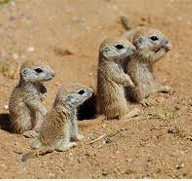
Screen Shot 2014-06-23 at 11.35.26 PMTemporal Dynamics of the Cecal Gut Microbiota of Juvenile Arctic Ground Squirrels: a Strong Litter Effect across the First Active Season – Timothy J. Stevenson – Applied and Environmental Microbiology  (image courtesy of ego-alterego.com)

“We characterized trends in diversity (454 pyrosequencing), density (flow cytometry), viability (flow cytometry), and metabolism (short-chain fatty acid analysis) of the gut microbial community of juvenile arctic ground squirrels across their first active season at weaning and at 4, 6, 8, and 10 weeks postweaning.”

Insect microbiome

Screen Shot 2014-06-23 at 11.20.33 PMAnalysis of Multiple Tsetse Fly Populations in Uganda Reveals Limited Diversity and Species-Specific Gut Microbiota – Emre Aksoy – Applied and Environmental Microbiology

“We used multiple approaches, including deep sequencing of the V4 hypervariable region of the 16S rRNA gene, 16S rRNA gene clone libraries, and bacterium-specific quantitative PCR (qPCR), to investigate the levels and patterns of gut microbial diversity from a total of 151 individuals.”

Screen Shot 2014-06-23 at 11.22.49 PMMicrobial Population Dynamics in the Hemolymph of Manduca sexta Infected with Xenorhabdus nematophila and the Entomopathogenic Nematode Steinernema carpocapsae – Swati Singh – Applied and Environmental Microbiology

“We show that gut microbes translocate into the hemolymph when the nematode penetrates the insect intestine.”

Screen Shot 2014-06-23 at 11.23.22 PMPurine Biosynthesis, Biofilm Formation, and Persistence of an Insect-Microbe Gut Symbiosis – Jiyeun Kate Kim – Applied and Environmental Microbiology

“When we disrupted purN and purT in the Burkholderia symbiont, the ΔpurN and ΔpurT mutants grew normally, and only the ΔpurT mutant failed to form biofilms. “

Plant microbiome

Plant metabolomics for plant chemical responses to belowground community change by climate change – Sangkyu Park – Journal of Plant Biology

“In this review, we will first summarize recent progress in plant metabolomics methodology and subsequently review recent studies of interactions between plants and soil organisms in relation to climate change issues.”

Bioreactor and sewage microbiology

TriclosanThe Impacts of Triclosan on Anaerobic Community Structures, Function, and Antimicrobial Resistance – Patrick J McNamara – Environmental Science & Technology

“Triclosan amendment caused all of the Bacteria and Archaea communities to structurally diverge from that of the control cultures (based on ARISA).”

Screen Shot 2014-06-23 at 11.24.07 PMShifts in the Microbial Community, Nitrifiers and Denitrifiers in the Biofilm in a Full-scale Rotating Biological Contactor – Xingxing Peng – Environmental Science & Technology

“The objective of this study was to investigate the Microbial community shifts of bacteria, especially nitrifiers and denitrifiers, in the biofilm of two rotating biological contactor (RBC) trains with different running times along the plug flowpath”

Soil microbiology

Screen Shot 2014-06-23 at 11.32.29 PMIdentifying qualitative effects of different grazing types on below-ground communities and function in a long-term field experiment – Catriona A Macdonald – Environmental Microbiology

“All functional community measures (functions, biogeochemical cycling genes, network association between different taxa) were more strongly affected by invertebrate grazers than rabbits.”

Screen Shot 2014-06-23 at 11.25.34 PMExtensive sampling of basidiomycete genomes demonstrates inadequacy of the white-rot/brown-rot paradigm for wood decay fungi – Robert Riley – PNAS

“To test the adequacy of the white/brown-rot categories, we analyzed 33 fungal genomes. Some species lack PODs, and thus resemble brown-rot fungi, but possess the cellulose-degrading apparatus typical of white-rot fungi. “

Food and other consumables microbiology

Screen Shot 2014-06-23 at 11.33.28 PMIf the pot doesn’t worry you, the bacteria might: Food safety a new frontier for legal pot – Kristen Wyatt – The Republic

“In Washington state, where retail sales are expected to begin the week of July 7, regulations call for samples of all marijuana sold for consumption to clear a “microbiological screening,” whether it’s in edible, smokeable or concentrate form.”

Screen Shot 2014-06-23 at 11.34.50 PMStarter Culture Selection for Making Chinese Sesame-Flavored Liquor Based on Microbial Metabolic Activity in Mixed-Culture Fermentation – Qun Wu – Applied and Environmental Microbiology

“To obtain a suitable starter culture for making Chinese sesame-flavored liquor, the yeast and bacterium community structures were investigated during spontaneous and solid-state fermentations of this type of liquor.”

[hr]

Non-human microbiome, June 17

You waited for it: the Cannabis microbiome! But also microbiotas of salmon, a quail, coral, sponges, water, and ice.

Bird microbiome

Cultivable Bacterial Microbiota of Northern Bobwhite (Colinus virginianus): A New Reservoir of Antimicrobial Resistance? – Hongwen Su – PLOS ONE

“Firmicutes was the most commonly encountered phylum (57%) followed by Actinobacteria (24%), Proteobacteria (17%) and Bacteroidetes (0.02%). Extensive diversity in the species composition of quail microbiota was observed among individual birds and anatomical locations.”

Fish microbiome

Pyrosequencing-based characterization of gastrointestinal bacteria of Atlantic salmon (Salmo salar L.) within a commercial mariculture system – K.Z. Zarkasi – Journal of Applied Microbiology

“Salmon GI tract bacterial communities commercially farmed in south-eastern Tasmania were analysed, over a 13-month period across a standard commercial production farm cycle, using 454 16S rRNA-based pyrosequencing. “

Coral and sponge microbiome

Community Shifts in the Surface Microbiomes of the Coral Porites astreoides with Unusual Lesions – Julie L. Meyer – PLOS ONE

“The presence of lesions in P. astreoides coincided with a decrease in the relative abundance of Endozoicomonas, rather than the appearance of specific pathogenic taxa.”

Bacterial suspects identified in Caribbean coral deaths – NewScientist

“Three bacteria seem to be responsible for a disease that has killed most of the Caribbean’s reef-building corals.”

Effects of salinity on antibiotic production in sponge-derived Salinispora actinobacteria – Y.K. Ng – Journal of Applied Microbiology

Fingerprint data were generated from extracts of S. arenicola broth cultures grown in media of varying salt (NaCl) concentrations.”

Plants microbiome

Understanding Cultivar-Specificity and Soil Determinants of the Cannabis Microbiome – Max E. Winston – PLOS ONE

“Here we present the first description of the endorhiza-, rhizosphere-, and bulk soil-associated microbiome of five distinct Cannabis cultivars. Bacterial communities of the endorhiza showed significant cultivar-specificity.”

The Role of Abiotic Environmental Conditions and Herbivory in Shaping Bacterial Community Composition in Floral Nectar – Michal Samuni-Blank – PLOS ONE

“ We studied culturable bacterial communities in Asphodelus aestivus floral nectar and in its typical herbivorous bug Capsodes infuscatus, along an aridity gradient.”

Microbial community structure during fluoranthene degradation in the presence of plants – S. Storey – Journal of Applied Microbiology

“Bacterial and fungal community composition in the rhizosphere was significantly different from that in nonrhizospheric and unplanted samples.”

Soil microbiome

Omics-based interpretation of synergism in a soil-derived cellulose-degrading microbial community – Yizhuang Zhou – Scientific Reports

“Analyses of reconstructed bacterial draft genomes from all seven uncultured phylotypes in F1RT indicate that its constituent microbes cooperate in both cellulose-degrading and other important metabolic processes.”

Structure, Composition and Metagenomic Profile of Soil Microbiomes Associated to Agricultural Land Use and Tillage Systems in Argentine Pampas – Belén Carbonetto – PLOS ONE

“The aim of our study was to investigate the effects of agricultural land use on community structure, composition and metabolic profiles on soil microbiomes of Argentine Pampas.”


Dust microbiome

Richness and Diversity in Dust Stormborne Biomes at the Southeast Mediterranean – Itzhak Katra – Scientific Reports

“In addition to the physico-chemical compositions, organismal diversities of dust from two storm events in southern Israel, December 2012 (Ev12) and January 2013 (Ev13), were determined by pyro-sequencing using primers universal to 16S and 18S rRNA genes and compared.”

Bioreactors

The maximum specific hydrogen-producing activity of anaerobic mixed cultures: definition and determination – Yang Mu – Scientific Reports

“ Our results demonstrate that this novel SHAm assay was a rapid, accurate and simple methodology for determining the hydrogen-producing activity of anaerobic mixed cultures.”

Methanogenic community changes, and emissions of methane and other gases, during storage of acidified and untreated pig slurry – S.O. Petersen – Journal of Applied Microbiology

“Pig slurry from two farms, acidified by different techniques or untreated, was stored for 83 days in a pilot-scale facility. Methanogens were characterized before and after storage by T-RFLP and qPCR targeting mcrA.”

Water and ice

The Characterization of RNA Viruses in Tropical Seawater Using Targeted PCR and Metagenomics – Alexander I. Culley – mBio

“In this study, we investigated the diversity of the RNA virus assemblages in tropical coastal seawater samples using targeted PCR and metagenomics.”

Variations of algal communities cause darkening of a Greenland glacier – Stefanie Lutz – FEMS Microbiology Ecology

“We have assessed the microbial ecology on the surface of Mittivakkat glacier in SE-Greenland during the exceptional high melting season in July 2012 when the so far most extreme melting rate for the Greenland Ice Sheet has been recorded.”

Pyrosequencing reveals correlations between extremely acidophilic bacterial communities with hydrogen sulphide concentrations, pH and inert polymer coatings at concrete sewer crown surfaces – E. Pagaling – Journal of Applied Microbiology

“Pyrosequencing and cloning showed that Mycobacterium and Acidithiobacillus dominated the acidophilic microbial communities. Methylacidiphilum was also dominant in samples where methane was detected.”

Bacterial community dynamics during the early stages of biofilm formation in a chlorinated experimental drinking water distribution system: implications for drinking water discolouration – I. Douterelo – Journal of Applied Microbiology

“Selected samples were analysed by cloning and sequencing of the 16S rRNA gene. Fingerprinting analysis revealed significant changes in the bacterial community structure over time (P < 0·05). “

[hr]

Non-human microbiome, June 13

MRSA in cats and dogs, metabolomics on cow rumen, bacteria in soil, sewage and sea water, and how to get rid of invasive species.

Mammal microbiome

Screen Shot 2014-06-13 at 11.26.20 PMCarriage of methicillin-resistant staphylococci by healthy companion animals in the US – J.A. Davis – Letters in Applied Microbiology

“In this study, 276 healthy dogs and cats from veterinary clinics were tested for the presence of antimicrobial-resistant Staphylococcus spp. Isolates were tested for antimicrobial susceptibility and the presence of select resistance genes, and typed using Pulsed-Field Gel Electrophoresis (PFGE).”

Screen Shot 2014-06-13 at 11.29.33 PMMetabolomics analysis reveals large effect of roughage types on rumen microbial metabolic profile in dairy cows – S. Zhao – Letters in Applied Microbiology

“ Rumen fluid was sampled from each cow through a ruminal cannula at 0630 and 1030 h, and the mixed ruminal fluid from 3 day in each cow was analysed using nuclear magnetic resonance (NMR) spectroscopy. A multivariate analysis revealed a significant difference between the ruminal metabolome of the CS and MF groups at both time points. “

Soil microbes

Screen Shot 2014-06-13 at 11.30.13 PMDiversity and activity of sulphur-oxidizing bacteria and sulphate-reducing bacteria in landfill cover soils – F.F. Xia – Letters in Applied Microbiology

“In this study, two landfills with or without landfill gas collection and utilization system were investigated to characterize the role of biotic and abiotic factors affecting diversity and activity of SOB and SRB in the landfill cover soils.”

Water microbes

Screen Shot 2014-06-13 at 11.30.55 PMEvaluation of Bacteroides fragilis GB-124 bacteriophages as novel human-associated faecal indicators in the United States – B.R. McMinn – Letters in Applied Microbiology

“Animal faecal samples (>250) from 14 different species were tested for the presence of the three phage groups. GB-124 phages were consistently detected in sewage (10–102 PFU ml−1), but not in animal faeces.”

Letters in applied microbiologyArcobacter spp. isolated from untreated domestic effluent – J.Y. Merga – Letters in Applied Microbiology

“Arcobacter butzleri and Arcobacter cryaerophilus were isolated from samples of raw untreated domestic sewage influent from nine separate wastewater treatment facilities in Cheshire, UK. This is the first report of Arcobacter spp. from sewage in the UK and suggests that Arcobacter spp. may be present in the human community.”

Sunset beachMarine bacteria could help treat human diseases – Mohamed Hassan – The New Zealand Herald

“New Zealand will take part in the first simultaneous sampling of all the world’s oceans as part of “Micro B3 Ocean Sampling Day” on June 20. The project, at 150 sites worldwide, is spearheaded by Germany’s Jacobs University and the University of Oxford in the UK, and will include researchers from the universities of Auckland and Otago.”

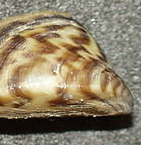
zebra musselBacteria could help kill zebra mussels – Associated Press

“State agricultural officials are reviewing a request from the U.S. Geological Survey to experiment with a bacteria to kill zebra mussels in a northern Wisconsin lake.”

[hr]

Non-human microbiomes, June 10

Plants vs viruses and dead mice vs soil microbes. Who will win?

Plant microbiome

Virus vs platnVirus versus Host Plant MicroRNAs: Who Determines the Outcome of the Interaction? – Fatemeh Maghuly – PLOS ONE

“Different viral pre-miRNA hairpin sequences and viral miR/miR* length variants occurring as isomiRs were predicted in both viruses. These miRNAs were located in three Open Reading Frames (ORFs) and in the Intergenic Region (IR). “

Soil microbiome

deadbodiesVertebrate Decomposition is Accelerated by Soil Microbes – Christian L. Lauber – Applied and Environmental Microbiology

“Our results indicate that mice placed on soil with intact microbial communities reach advanced stages of decomposition 2-3 times faster than those placed on sterile soil.”

FEMS Microbiology EcologyBacterial community structure and soil properties of a subarctic tundra soil in Council, Alaska – Hye Min Kim – FEMS Microbiology Ecology

“The bacterial community was analyzed by pyrosequencing of 16S rRNA genes, and the following soil properties were analyzed: soil moisture content (MC), pH, total carbon (TC), total nitrogen (TN), and inorganic nitrogen (NH4+ and NO3-). “

Screen Shot 2014-06-10 at 1.06.06 AMAntimony-Oxidizing Bacteria Isolated from Antimony Contaminated Sediment – A Phylogenetic Study – Van Khanh Nguyen – Geomicrobiology Journal

“Phylogenetic study showed that the Sb(III)-oxidizing bacteria fell within two subdivisions of Proteobacteria.”

[hr]

Non-human microbiomes, June 9

Phages in cow dung, genome of a bumble-bee symbiont, and the microbiome of beach sand.

Mammal microbiomes

Screen shot 2014-06-09 at 02.43PM, Jun 09Differing Populations of Endemic Bacteriophages in Cattle Shedding High and Low Numbers of Escherichia coli O157:H7 Bacteria in Feces – J. Hallewell – Applied and Environmental Microbiology

“Based on genome size estimated by pulsed-field gel electrophoresis and morphology determined by transmission electron microscopy, T4- and O1-like phages of Myoviridae and T1-like phage of Siphoviridae were isolated. “

Insect microbiomes

Screen shot 2014-06-09 at 02.59PM, Jun 09Genomic Features of a Bumble Bee Symbiont Reflect Its Host Environment – Vincent G. Martinson – Applied and Environmental Microbiology

“Here, we report the genome of one gammaproteobacterial member of the gut microbiota, for which we propose the name “Candidatus Schmidhempelia bombi,” that was inadvertently sequenced alongside the genome of its host, the bumble bee, Bombus impatiens.”

Plant microbiomes

Screen shot 2014-06-09 at 02.52PM, Jun 09In Situ Evaluation of Paenibacillus alvei in Reducing Carriage of Salmonella enterica Serovar Newport on Whole Tomato Plants – Sarah Allard – Applied and Environmental Microbiology

“Long-term intervention measures to reduce Salmonella prevalence on tomatoes remain elusive for growing and postharvest environments. A naturally occurring bacterium identified by 16S rRNA gene sequencing as Paenibacillus alvei was isolated epiphytically from plants native to the Virginia Eastern Shore tomato-growing region. “

Screen shot 2014-06-09 at 03.20PM, Jun 09Streptomyces sp. strain PGPA39 alleviates salt stress and promotes growth of ‘Micro Tom’ tomato plants – Sasikumar Arunachalam Palaniyandi – Journal of Applied Microbiology

“A significant increase in plant biomass and chlorophyll content, and a reduction in leaf proline content were observed in PGPA39-inoculated tomato plants under salt stress compared to control and salt stressed non-inoculated plants.”

Screen shot 2014-06-09 at 02.54PM, Jun 09Microscopy, Culture, and Quantitative Real-Time PCR Examination Confirm Internalization of Mycobacteria in Plants – M. Kaevska – Applied and Environmental Microbiology

” The substrate into which plants were seeded was previously contaminated with different strains of Mycobacterium avium (108to 1010 cells/g of soil) and feces from animals with paratuberculosis. We detected M.avium subsp. aviumhominissuis, and paratuberculosis in the stems and leaves of the plants by both culture and real-time quantitative PCR. “

Environmental microbiomes

Screen shot 2014-06-09 at 02.40PM, Jun 09

Soil and groundwater microbiomes

Use of Silicate Minerals for pH Control during Reductive Dechlorination of Chloroethenes in Batch Cultures of Different Microbial Consortia  – Elsa Lacroix – Applied and Environmental Microbiology

“The consortia showed significant differences in sensitivities toward acidic pH for the different dechlorination steps. Molecular analysis indicated that Dehalococcoides spp. that were present in all consortia were the most pH-sensitive organohalide-respiring guild members compared to Sulfurospirillum spp. and Dehalobacter spp.”

Screen shot 2014-06-09 at 03.01PM, Jun 09Variables Influencing Extraction of Nucleic Acids from Microbial Plankton (Viruses, Bacteria, and Protists) Collected on Nanoporous Aluminum Oxide Filters – Jaclyn A. Mueller – Applied and Environmental Microbiology

“Anodic aluminum oxide (AAO) filters have high porosity and can be manufactured with a pore size that is small enough to quantitatively capture viruses. These properties make the filters potentially useful for harvesting total microbial communities from water samples for molecular analyses, but their performance for nucleic acid extraction has not been systematically or quantitatively evaluated. “

Screen shot 2014-06-09 at 03.08PM, Jun 09MS2 Bacteriophage Reduction and Microbial Communities in Biosand Filters – Hanting Wang – Environmental Science & Technology

” In the upper layers, “CandidatusNitrosopumilus maritimus” and “Ca. Nitrospira defluvii” were found as dominant populations, while significant amounts of Thiobacillus-related OTUs were detected in the lower layers. “

Ponds, lakes, and ocean microbiomes

Screen shot 2014-06-09 at 02.48PM, Jun 09Diversity and Transport of Microorganisms in Intertidal Sands of the California Coast – Alexandria B. Boehm – Applied and Environmental Microbiology

“The present study uses next-generation massively parallel sequencing to characterize the microbial community present at 49 beaches along the coast of California. In addition, we characterize the transport of microorganisms within intertidal sands using laboratory column experiments. We identified extensive diversity in the beach sands.”

Screen shot 2014-06-09 at 02.46PM, Jun 09From Metagenomics to Pure Culture: Isolation and Characterization of the Moderately Halophilic Bacterium Spiribacter salinus gen. nov., sp. nov. – María José León – Applied and Environmental Microbiology

“We report the isolation and taxonomic characterization of this new, never before cultured microorganism, designated M19-40T, isolated from a saltern located in Isla Cristina, Spain, using a medium with a mixture of 15% salts, yeast extract, and pyruvic acid as the carbon source. “

Screen shot 2014-06-09 at 03.05PM, Jun 09The Pattern of Change in the Abundances of Specific Bacterioplankton Groups Is Consistent across Different Nutrient-Enriched Habitats in Crete – Stilianos Fodelianakis – Applied and Environmental Microbiology

“Here, we investigated the bacterial community changes at three different nutrient-enriched and adjacent undisturbed habitats along the north coast of Crete, Greece: a fish farm, a closed bay within a town with low water renewal rates, and a city port where the level of nutrient enrichment and the trophic status of the habitat were different. “

[hr]

Non-human microbiomes, June 5

Meta-analysis of avian gut microbiomes, mosquitos, microbes and oil-spills, and fungi and viruses found on corals and sponges.

Bird microbiome

Screen Shot 2014-06-05 at 11.23.11 AMCharacterizing the avian gut microbiota: membership, driving influences, and potential function – David W. Waite – Frontiers in Microbiology, Microbial Symbioses

“In this study, we present the first meta-analysis of the avian gut microbiota, using 16S rRNA gene sequences obtained from a range of publicly available clone-library and amplicon pyrosequencing data. “

Insect microbiome

Screen Shot 2014-06-05 at 11.24.12 AMPyrosequencing 16S rRNA genes of bacteria associated with wild tiger mosquito Aedes albopictus: a pilot study – Guillaume Minard – Frontiers in Cellular and Infection Microbiology

“We surveyed the bacteria associated with field populations of Ae. albopictus from Madagascar by pyrosequencing 16S rRNA gene amplicons. Different aspects of amplicon preparation and sequencing depth were tested to optimize the breadth of bacterial diversity identified”

Screen Shot 2014-06-05 at 11.24.56 AMMultifaceted Defense against Antagonistic Microbes in Developing Offspring of the Parasitoid Wasp Ampulex compressa (Hymenoptera, Ampulicidae) – Katharina Weiss – PLOS ONE

“Larvae of the emerald cockroach wasp, Ampulex compressa, sanitize their cockroach hosts, Periplaneta americana, with a cocktail of nine antimicrobials comprising mainly (R)-(-)-mellein and micromolide.”

Invertebrate microbiome

Screen Shot 2014-06-02 at 6.19.53 PMReview: Fungal association with sessile marine invertebrates – Oded Yarden – Frontiers in Microbiology, Microbial Symbioses

“The ecological function of fungi in association with sessile marine animals is complex and is founded on a combination of factors such as fungal origin, host health, environmental conditions and the presence of other resident or invasive microorganisms in the host.”

Screen Shot 2014-06-02 at 6.19.09 PMGenerating viral metagenomes from the coral holobiont – Karen D. Weynberg – Frontiers in Microbiology, Virology

“Here we present the first protocol for isolating, purifying and amplifying viral nucleic acids from corals based on mechanical disruption of cells. This method produces at least 50% higher yields of viral nucleic acids, has very low levels of cellular sequence contamination and captures wider viral diversity than previously used chemical-based extraction methods.”

Plant microbiome

Screen Shot 2014-06-05 at 11.26.58 AMColonization of plants by human pathogenic bacteria in the course of organic vegetable production – Andreas Hoffman – Frontiers in Microbiology, Plant-Microbe Interaction

“In this study laboratory experiments in axenic and soil systems following common practices in organic farming were conducted to identify the minimal dose needed for bacterial colonization of plants and to identify possible factors like bacterial species or serovariation, plant species or organic fertilizer types used, influencing the success of plant colonization by human pathogenic bacteria”

Water microbiome

Screen Shot 2014-06-05 at 11.28.03 AMThe polycyclic aromatic hydrocarbon degradation potential of Gulf of Mexico native coastal microbial communities after the Deepwater Horizon oil spill – Anthony D. Kappell – Frontiers in Microbiology, Aquatic Microbiology

“To investigate the Gulf Coast beach microbial community response to hydrocarbon exposure, we examined the functional gene diversity, bacterial community composition, and PAH degradation capacity of a heavily oiled and non-oiled beach following the oil exposure. “

Screen Shot 2014-06-05 at 11.36.29 AMComparison of prokaryotic community structure from Mediterranean and Atlantic saltern concentrator ponds by a metagenomic approach – Ana B. Fernández – Frontiers in Microbiology, Extreme Microbiology

“We analyzed the prokaryotic community structure of a saltern pond with 21% total salts located in Isla Cristina, Huelva, Southwest Spain, close to the Atlantic ocean coast. “

Screen Shot 2014-06-05 at 11.32.42 AMConversion of crude oil to methane by a microbial consortium enriched from oil reservoir production waters – Carolina Berdugo-Clavijo – Frontiers in Microbiology, Microbial Physiology and Metabolism

“Microbial community analysis revealed that the enrichment culture was dominated by members of the genus Smithella, Methanosaeta, and Methanoculleus. However, a shift in microbial community occurred following incubation of the enrichment in the sandstone columns. “

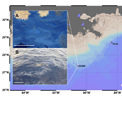
Screen Shot 2014-06-05 at 11.33.20 AMNatural oil slicks fuel surface water microbial activities in the northern Gulf of Mexico – Kai Ziervogel – Frontiers in Microbiology, Aquatic Microbiology

“These results demonstrate that the formation of oil slicks and activities of oil-degrading bacteria result in a temporal offset of microbial cycling of organic matter, affecting food web interactions and carbon cycling in surface waters over cold seeps.”

Screen Shot 2014-06-05 at 11.34.20 AMRecoding of the stop codon UGA to glycine by a BD1-5/SN-2 bacterium and niche partitioning between Alpha- and Gammaproteobacteria in a tidal sediment microbial community naturally selected in a laboratory chemostat – Anna Hanke – Frontiers in Microbiology, Evolutionary and Genomic Microbiology

“Metagenomics, proteomics and fluorescence in situ hybridization showed that this simplified community contained both a potential sulfur oxidizing Gammaproteobacteria (at 24 ± 2% abundance) and a member of the BD1-5/SN-2 candidate phylum (at 7 ± 6% abundance). “

Deep earth microbiome

Screen Shot 2014-06-05 at 11.35.07 AMChanges in the deep subsurface microbial biosphere resulting from a field-scale CO2 geosequestration experiment – Andre Mu – Frontiers in Microbiology, Terrestrial Microbiology

“This study demonstrates a successful new in situ sampling approach for detecting microbial community changes associated with an scCO2 geosequestration event.”

[hr]

Food and Environmental Microbiome Digest, June 4, 2014

Wine, soil, and microbial mats.

Wine microbiome

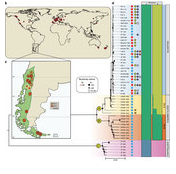
Screen Shot 2014-06-05 at 12.57.02 AMA Gondwanan imprint on global diversity and domestication of wine and cider yeast Saccharomyces uvarum – Pedro Almeida – Nature Communications

“In addition to Saccharomyces cerevisiae, the cryotolerant yeast species S. uvarum is also used for wine and cider fermentation but nothing is known about its natural history. Here we use a population genomics approach to investigate its global phylogeography and domestication fingerprints”

Environmental microbiome

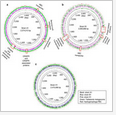
Screen Shot 2014-06-05 at 12.58.27 AMPhysiological and genomic features of highly alkaliphilic hydrogen-utilizing Betaproteobacteria from a continental serpentinizing site – Shino Suzuki – Nature Communications

“Here we describe physiological and genomic features of three related Betaproteobacterial strains isolated from highly alkaline (pH 11.6) serpentinizing springs at The Cedars, California.”
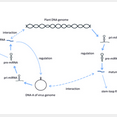
Screen Shot 2014-06-05 at 12.59.21 AMBacterial Diversity Assessment in Antarctic Terrestrial and Aquatic Microbial Mats: A Comparison between Bidirectional Pyrosequencing and Cultivation – Bjorn Tytgat – PLOS ONE

“Strikingly, there was relatively little overlap between cultivation and the forward and reverse pyrosequencing-based datasets at the genus (17.1–22.2%) and OTU (3.5–3.6%) level (defined on a 97% similarity cut-off level). Comparison of the V1–V2 and V3–V2 datasets of the 16S rRNA gene revealed remarkable differences in number of OTUs and genera recovered.”

[hr]