General microbiology and science, August 11, 2014

Single cell genomics, metagenomics and bioinformatics, primers for protozoa detection, and Bik’s Picks.
Microbial detection

Clinical PathoScope: rapid alignment and filtration for accurate pathogen identification in clinical samples using unassembled sequencing data – Allyson L Byrd – BMC Bioinformatics

“Clinical PathoScope is the only pathogen identification method currently available that can identify multiple pathogens from mixed samples and distinguish between very closely related species and strains in samples with very few reads per pathogen. “

Metagenomics

Recent advances in genomic DNA sequencing of microbial species from single cells – Roger S. Lasken & Jeffrey S. McLean – Nature Review Genetics

“With the advent of single-cell sequencing, genomes of uncultivated species are rapidly filling in unsequenced branches of the microbial phylogenetic tree.”

Employing whole genome mapping for optimal de novo assembly of bacterial genomes
Basil Britto Xavier – BMC Research Notes

“Utilising several assembly tools based on de Bruijn graphs like Velvet, SPAdes and IDBA, we demonstrate that at the optimal N50, mis-assemblies do occur, even when using the multi-k-mer approaches of SPAdes and IDBA. “

Protozoal components of microbiome

Design and Validation of Four New Primers for Next-Generation Sequencing To Target the 18S rRNA Genes of Gastrointestinal Ciliate Protozoa – Suzanne L. Ishaq and André-Denis G. Wright – Applied and Environmental Microbiology

“PCR amplicons of 394 to 498 bases were generated from three primer sets, sequenced using Roche 454 pyrosequencing with Titanium, and analyzed using the BLAST database (NCBI) and MOTHUR version 1.29.”

Microbes in the news

What Causes Antibiotic Resistance? Video Answers This In Awesome Animation – Kevin Wu – Inquisitr.com

“Kevin Wu details the evolution of this problem that present a big challenge for the future of medicine in this amazing animated video uploaded on YouTube.”

Women in Science

Harassment in Science, Replicated – Christie Aschwanden – The New York Times

“The findings are depressingly similar to the data some colleagues and I collected this year from an online questionnaire sent to science writers. “

Bik’s Picks

Comparative population genomics reveals the domestication history of the peach (Prunus persica) and human influences on perennial fruit crops – Ke Cao – Genome Biology

“We perform large-scale resequencing of 10 wild and 74 cultivated peach varieties, including 9 ornamental, 23 breeding, and 42 landrace lines. We identify 4.6 million SNPs, a large number of which could explain the phenotypic variation in cultivated peach.”

Grizzly bears master healthy obesity – Meghan Rosen – Science News

“Though the animals beef up before hibernating, they may avoid diabetes by tweaking signals in fat cells, researchers report in the Aug. 5 Cell Metabolism.”

Natural light in office boosts health – Science Daily

“Office workers with more natural light exposure at the office had longer sleep duration, better sleep quality, more physical activity and better quality of life compared to office workers with less light exposure in the workplace, a study shows.”

[hr]

Microbiome digest, August 7, 2014

Microbiome and caries, colorectal cancer, and inflammatory bowel diseases. Microbiomes of fish, dogs, and mosses, microscopic life in an asphalt lake, and the Picks.

Human mouth microbiome

Identification of the Microbiota in Carious Dentin Lesions Using 16S rRNA Gene Sequencing – Junko Obata – PLOS ONE

“In the present study, the bacterial communities in the carious dentin of Japanese subjects were analyzed comprehensively with molecular approaches using the 16S rRNA gene.”

Human gut microbiome

The Human Gut Microbiome as a Screening Tool for Colorectal Cancer – Joseph P. Zackular, Mary A.M. Rogers, Mack T. Ruffin IV, and Patrick D. Schloss – Cancer Prevention Research

“Analysis of the gut microbiome from stool samples revealed both an enrichment and depletion of several bacterial populations associated with adenomas and carcinomas.”

Manipulation of Microbiome, a Promising Therapy for Inflammatory Bowel Diseases – Dapeng Jin, Hongyu Zhang, and Jun Sun – Clinical & Cellular Immunology

“In this review, we summarize the current knowledge of how changes in microbiota may affect the pathogenesis of IBD. “

A perspective on the complexity of dietary fiber structures and their potential effect on the gut microbiota – Bruce R. Hamaker, Yunus E. Tuncil – Journal of Molecular Biology

“the article encourages the building of a framework of information to manipulate the colon microbiota in a predicted way for improved health”


Human microbiome after death

Distinctive thanatomicrobiome signatures found in the blood and internal organs of humans – Ismail Can – Journal of Microbiological Methods

“We compared the effectiveness of two methods by amplifying the 16S rRNA genes and sequencing the amplicons from four cadavers”

Animal models of human microbiome

Disturbance of the gut microbiota in early-life selectively affects visceral pain in adulthood without impacting cognitive or anxiety-related behaviors in male rats
S.M. O’Mahony – Neuroscience

“Neonatal antibiotic treatment leads to an increase in visceral sensitivity in adulthood in rats.”

Dog microbiome

The Unculturables: targeted isolation of bacterial species associated with canine periodontal health or disease from dental plaque – Ian J Davis, Christopher Bull, Alexander Horsfall, Ian Morley and Stephen Harris – BMC Microbiology

“Using a quantitative polymerase chain reaction (qPCR) directed approach a range of microbiological media were screened and optimized to enrich for previously uncultivated target species. A systematic screening methodology was then employed to isolate the species of interest. ‘

Fish microbiome

Characterization of Microbiota Composition and Presence of Selected Antibiotic Resistance Genes in Carriage Water of Ornamental Fish – Lenka Gerzova – PLOS ONE

“In this study we therefore characterized the prevalence of selected antibiotic resistance genes in the microbiota found in the carriage water of ornamental fish originating from 3 different continents.”

Insect microbiome

The mosquito microbiota influences vector competence for human pathogens – Nathan J Dennison, Natapong Jupatanakul, George Dimopoulos – Current Opinion in Insect Science

“Understanding the interaction between the vector, its microbiota and transmitted pathogens will provide novel opportunities to limit disease transmission.”

Plant microbiome

Bacterial-biota dynamics of eight bryophyte species from different ecosystems
Faisal Hammad Mekky Koua – Saudi Journal of Biological Sciences

“..we utilized the 16S rRNA gene PCR-DGGE and subsequent phylogenetic analyses to investigate the bacterial community of eight bryophyte species collected from three distinct ecosystems from western Japan.”

Soil and water microbiome

Two Neumann U students discover new types of viruses – CatholicPhilly.com

“They collected arthrobacter (a bacteria present in soil) from under trees and near lakes, found and filtered out the phages that were present, and then studied phage anatomy and life cycles.”

Water droplets in oil are microhabitats for microbial life – Rainer U. Meckenstock – Science

“In Pitch Lake, Trinidad and Tobago—the world’s largest asphalt lake—we found that microorganisms are metabolically active in minuscule water droplets (1 to 3 microliters) entrapped in oil. “

Microbiome of the built environment

Halophilic Microorganisms Are Responsible for the Rosy Discolouration of Saline Environments in Three Historical Buildings with Mural Paintings – Jörg D. Ettenauer – PLOS ONE

“In order to get a complete overview of this biodeterioration process, we investigated the microbial communities in saline environments causing the rosy discolouration of mural paintings in three Austrian historical buildings using a combination of culture-dependent and -independent techniques as well as microscopic techniques.”

Metagenomics

High-resolution metagenomics – Eran Mick & Rotem Sorek – Nature Biotechnology

In this issue, Nielsen et al. present a powerful method for interpreting metagenomic data at the level of individual genomes without relying on reference sequences of cultured isolates, which can be generated for only a small fraction of microbial life.

Microbes in the News

The Quantified Microbiome Self – Carl Zimmer – National Geographic

“But as I read the journal Genome Biology today, I decided that someday I might surrender to the Quantified Self movement. I’ll just have to wait till I can track my trillions of microbes from one day to the next.”

Science and Career

Ph.D.’s, come out of the closet! – Lina Nilsson – Science

“If you promise not to tell Fisher’s Ph.D. adviser (or mine), I’ll let you in on this well-hidden truth: Fisher isn’t planning to pursue an academic career.”

Bik’s Picks

Stress during pregnancy can be passed down through generations, rat study shows – Science Daily

Scientists investigating pregnancies in four generations of rats show that inherited epigenetic effects of stress could affect pregnancies for generations.”

This Is Your Brain on Fish – James Hamblin – The Atlantic

Thicker, stronger, and more resilient. Once a week is all it takes, new research says.”

10 Great Novels That Will Make You More Passionate About Science – Charlie Jane Anders – io9

A lot of the best science fiction features scientists who solve problems and make breakthroughs.”

Scientist looking forward to weekend of binge-experimenting – The Allium

Imperial college Scientist Dr. Lou Pole announced earlier today that he was going to spend the entirety of this weekend binge-experimenting.”

[hr]

 

Microbiome digest, August 6, 2014

Metagenomics

Screen Shot 2014-08-06 at 03.56PM, Aug 06Genomic Encyclopedia of Bacteria and Archaea: Sequencing a Myriad of Type Strains – Nikos C. Kyrpides – PLOS Biology

“Here we call for the funding of a systematic effort to produce a comprehensive genomic catalog of all cultured Bacteria and Archaea by sequencing, where available, the type strain of each species with a validly published name (currently~11,000). “

More Microbiology

Screen Shot 2014-08-06 at 03.57PM, Aug 06Cooperative secretions facilitate host range expansion in bacteria – Luke McNally, Mafalda Viana & Sam P. Brown – Nature Communications

“Here we use a combination of theory and a phylogenetic comparative analysis of 191 pathogenic bacterial species to show that bacteria use cooperative secretions that modify their environment to extend their host range and infect multiple host species.”

Screen Shot 2014-08-06 at 03.57PM, Aug 06 1Streptococcus agalactiae clones infecting humans were selected and fixed through the extensive use of ​tetracycline – Violette Da Cunha – Nature Communications

“Here we show by comparative genome analysis and phylogenetic reconstruction of 229 isolates that the rise of human GBS infections corresponds to the selection and worldwide dissemination of only a few clones. “

Screen Shot 2014-08-06 at 03.58PM, Aug 06Hidden bonus from vaccination – Ewen Callaway – Nature

“Immunization against pneumococcus in Africa also reduces levels of antibiotic resistance”

Bik’s Picks

Screen Shot 2014-08-06 at 03.59PM, Aug 06How Spiders Spin Silk – Robin Meadows – PLOS Biology

“Now, in this issue of PLOS Biology, new research by Anna Rising, Jan Johansson, and colleagues shows that silk formation involves structural shifts at either end of the spidroin and that these shifts are completely different, overturning the hypothesis that these protein terminals play similar roles.”

In Science, It Matters That Women Come Last – Emma Pierson – FiveThirtyEight

““Some men get added to papers even if their contribution was cosmetic, yet women who contributed ideas (and perhaps even writing or data) are left out,” said the woman, who blogs pseudonymously as Female Science Professor.”

[hr]


General microbiology and science, August 5, 2014

Antibiotic resistance, phages, bioinformatics tools, and how to present your research in 3 minutes.

Antibiotic resistance

The Natural Environment May Be the Most Important Source of Antibiotic Resistance Genes – Desmond Keith O’Toole – mBio

“I found the recent paper by Wichmann et al. (1) of great interest, and it illustrates an aspect of antibiotic resistance that has concerned me for a long time, namely, the origin of that resistance.”

Phages and viruses

Pervasive domestication of defective prophages by bacteria – Louis-Marie Bobay, Marie Touchon, and Eduardo P. C. Rocha – PNAS USA

“We identified over 300 vertically inherited prophages within enterobacterial genomes. Some of these elements are very old and might predate the split between Escherichia coli and Salmonella enterica. “

Bioinformatics tools

MaxBin: an automated binning method to recover individual genomes from metagenomes using an expectation-maximization algorithm – Yu-Wei Wu, Yung-Hsu Tang, Susannah G Tringe, Blake A Simmons and Steven W Singer – Microbiome

“We have developed a binning algorithm, MaxBin, which automates the binning of assembled metagenomic scaffolds using an expectation-maximization algorithm after the assembly of metagenomic sequencing reads.”

Fast and Sensitive Alignment of Microbial Whole Genome Sequencing Reads to Large Sequence Datasets on a Desktop PC: Application to Metagenomic Datasets and Pathogen Identification – Lőrinc S. Pongor – PLOS ONE

“We have developed Taxoner, an open source, taxon assignment pipeline that includes a fast aligner (e.g. Bowtie2) and a comprehensive DNA sequence database. “

More microbes

Transient Darwinian selection in Salmonella enterica serovar Paratyphi A during 450 years of global spread of enteric fever – Zhemin Zhou, Angela McCann, François-Xavier Weill, Camille Blin, Satheesh Nair, John Wain, Gordon Dougan, and Mark Achtman – PNAS

“We identified seven modern lineages among 149 genomes on the basis of 4,584 SNPs in the core genome and estimated that Paratyphi A originated 450 y ago. “

Bacillus subtilis chromosome organization oscillates between two distinct patterns – Xindan Wang, Paula Montero Llopis, and David Z. Rudner – PNAS USA

“We propose that the distinct organization patterns observed for bacterial chromosomes reflect a common organization–segregation mechanism, and that simple modifications to it underlie the unique patterns observed in different species.”

Microbes in the news

Researchers Find Surprises in Human Microbiome – Carol Potera – BioScience

But “some forms of autism may have an etiology that lies in the gut, not the brain,” says Sarkis Mazmanian of the California Institute of Technology.

Science and publishing

Science Speak – Rina Shaikh-Lesko – The Scientist

“Contests that challenge young scientists to explain their research without jargon are turning science communication into a competitive sport.”

Researcher’s death shocks Japan – David Cyranoski – Nature Newsblog

“Yoshiki Sasai, one of Japan’s top stem-cell researchers, died this morning (5 August) in an apparent suicide. “

Bik’s Picks

The color red distorts time perception for men, but not for women – Masahiro Shibasaki & Nobuo Masataka – Nature Scientific Reports

“The results showed that the perceived duration of a red screen was longer than was that of a blue screen. However, the results reflected sex differences; men, but not women, overestimated the duration of the red screen. “

Gray’s paradox: A fluid mechanical perspective – Rahul Bale, Max Hao, Amneet Pal Singh Bhalla, Namrata Patel & Neelesh A. Patankar – Nature Scientific Reports

“Nearly eighty years ago, Gray reported that the drag power experienced by a dolphin was larger than the estimated muscle power – this is termed as Gray’s paradox. We provide a fluid mechanical perspective of this paradox.”


Total darkness at night key to success of breast cancer therapy, study shows – Science Daily

“Exposure to light at night, which shuts off nighttime production of the hormone melatonin, renders breast cancer completely resistant to tamoxifen, a widely used breast cancer drug, says a new study. “

[hr]


Microbiome Digest, August 1, 2014

Microbiome composition and vaccine response or chemotherapy, cassava beer, two nice articles about metagenomics tools and contamination, and the weekend picks.

Human gut microbiome

Stool Microbiota and Vaccine Responses of Infants – M. Nazmul Huda – Pediatrics

“Actinobacteria abundance was positively associated with T-cell responses to BCG, OPV, and TT; with the delayed-type hypersensitivity response; with immunoglobulin G responses; and with TI. B longum subspecies infantis correlated positively with TI and several vaccine responses. “

Systematic review: the role of the gut microbiota in chemotherapy- or radiation-induced gastrointestinal mucositis – current evidence and potential clinical applications – Y. Touchefeu – Alimentary Pharmacology & Therapeutics

“Search of the literature published in English using Medline, Scopus and the Cochrane Library, with main search terms ‘intestinal microbiota’, ‘bacteremia’, ‘mucositis’, ‘chemotherapy-induced diarrhoea’, ‘chemotherapy-induced mucositis’, ‘radiotherapy-induced mucositis’.”

Food microbiology

Local domestication of lactic acid bacteria via cassava beer fermentation – Alese M. Colehour – PeerJ

“Bacteria responsible for chicha fermentation could be a source of microbes for the human microbiome, but little is known regarding the microbiology of chicha. “

Microbes in the News

It’s a bit – eh – graphic, but a nice overview of science and the people working in this field. I wish it would have contained a couple of pictures of non-pregnant women though. It feels as if we are only a vessel:  The Body’s Ecosystem – The Scientist

“Research on the human microbiome is booming, and scientists have moved from simply taking stock of gut flora to understanding the influence of microbes throughout the body.”

‘I’m not fat, it’s viral’ – Phage found in gut bacteria may aid obesity – Dan Stanton 0 Biopharma Reporter

“A newly discovered virus which infects intestinal bacteria might be a cause of obesity, but could increasing interest in bacteriophages drive new personalised medicines and alternatives to antibiotics?”

Diet Must be Different for Men and Women: Study – Soumo Ghosh – International Business Times

“The researchers found that the microscopic bacteria, or other such organism housed inside the human stomach are different in the case of men and women. Hence, they believe that the same diet for both may not have the same effect in them.”

Metabolomics

Emergent Biosynthetic Capacity in Simple Microbial Communities – Hsuan-Chao Chiu – PLOS Computational Biology

“Here we present a comprehensive computational framework, integrating high-quality metabolic models of multiple species, temporal dynamics, and flux variability analysis, to study the metabolic capacity and dynamics of simple two-species microbial ecosystems.”

Metagenomics

Metagenomics Mash-Up – Kelly Rae Chi – The Scientist

“The Scientist spoke with developers of tools for parsing genomic data from diverse communities of microorganisms. Here are some of the newest strategies and programs for taxonomic, functional, and comparative analyses.”

Microbial detection

Who are the contaminants in your sequencing project? – Jonathan Eisen – MicrobeNet

“Such amplification is alas pretty common – due to contamination occurring in some other material added to the PCR reaction. “

Science and publishing

The Self-Edited Woman – Paige Brown – SciLogs International

“Un-prompted, several young female science bloggers I’ve interviewed mention having blogged anonymously in the past, being self-conscious about expressing their expertise on a topic, or avoiding certain topics because of the nasty comments they might receive. “

Bik’s Picks

We have the science to build an Ebola vaccine. So why hasn’t it happened? – Sarah Kliff – Vox

“This isn’t how an Ebola outbreak has to work. Researchers have devoted lots of time to building a vaccine that could stop the disease altogether — and according to Daniel Bausch, a Tulane professor who researches Ebola and other infectious diseases, they’re making really significant progress.”

Littering and Following the Crowd – Vivian Wagner – The Atlantic

“Why it’s so tempting to throw trash on the ground, and how environmentalists are using psychology to change that”

F.D.A. Acts on Lab Tests Developed In-House – Andrew Pollack – The New York Times

“The Food and Drug Administration announced on Thursday that it would start regulating medical laboratory testing, saying that tests used to make important treatment decisions must be vetted and validated before they go into use.”

Grad Student Freed By Police After Three Years Trapped In The Same Experiment – The Allium

“He is thought to have survived by eating printouts of PloS One papers and drinking his own tears.”

[hr]

General microbiology and science, July 17

Detection of microbes in clinical samples, phages living in viruses, and archaea in biofilms.

Microbial detection in clinical samples

Metagenomic analysis of a sample from a patient with respiratory tract infection reveals the presence of a γ-papillomavirus – Marta Canuti – Frontiers in Microbiology

“We therefore concluded that the detected γ-papillomavirus is unlikely to be the causative agent of the respiratory complaints and its presence in the nose of the patient is not related to the disease.”

Detection of intestinal protozoa in paediatric patients with gastrointestinal symptoms by multiplex real-time PCR – L. Maas – Clinical Microbiology and Infection

“The performance of a multiplex real-time PCR for the detection of Blastocystis, Dientamoeba fragilis, Giardia lamblia, Cryptosporidium species and Entamoeba species in faecal samples was evaluated in an observational prospective study.”

Are Quantitative Bacterial Wound Cultures Useful? – George Kallstrom – Journal of Clinical Microbiology

“This minireview briefly summarizes the clinical microbiology of wound cultures, with an emphasis on the history and utility (or lack thereof) of the quantitative wound culture.”

Phages and viruses

The origins of giant viruses, virophages and their relatives in host genomes – Aris Katzourakis and Amr Aswad – BMC Biology

“These viruses, together with the transposon-related virophages that infect them, pose a number of questions about their evolutionary origins that need to be considered in the light of the complex entanglement between host, virus and virophage genomes.”

Antibiotics

Antibiotics promote aggregation within aquatic bacterial communities – Gianluca Corno – Frontiers in Microbiology

“In this study a chemostat-based experiment with 4 coexisting bacterial strains has been performed to mimicking the response of a freshwater bacterial community to the presence of antibiotics in low and high doses.”

Biofilms and Archaea

Biofilm formation of mucosa-associated methanoarchaeal strains – Corinna Bang – Frontiers in Microbiology

“Here, the ability of three methanoarchaeal strains, Methanobrevibacter smithii and Methanosphaera stadtmanae, which form part of the human gut microbiota, and the Methanosarcina mazei strain Gö1 to grow on different surfaces and form biofilms was investigated. “

Microbial ecology

Persistence in the shadow of killers – Robert M. Sinclair – Frontiers in Microbiology

“What we show is that coexistence is not only possible, but that it is possible even if the absolute fitness advantage of the sensitive strain over the killer strain is arbitrarily small. We do this by performing a specifically targeted mathematical analysis on our model, rather than via simulations.”

General microbiology

Editorial: Bioterrorism: myth or reality? – G. Greub and M. P. Grobusch – Clinical Microbiology and Infection

Dr. Bik’s Picks

Today I can only cry for the people onboard flight MH17.

[hr]
 

General microbiology and science, July 16

Comparison of 1700 metagenomes,  $125,000 to study 100 trillion bacteria, arsenic speciation, and the Seinfeld “double dipping” videoclip.

General microbiome and metagenome

Metagenome exploringExploring Neighborhoods in the Metagenome Universe – Kathrin P. Aßhauer – International Journal of Molecular Sciences

“Our evaluation on more than 1700 publicly available metagenomes indicates that for a query metagenome from a particular habitat on average nine out of ten nearest neighbors represent the same habitat category independent of the utilized profiling method or distance measure. “

UMass Cancer Avatar Institute, Center for Microbiome Research backed by UMass president

“Beth McCormick, PhD, professor of microbiology & physiological systems, was also awarded $125,000 to develop the Center for Microbiome Research, envisioned as a center of research and education for the microbiome, the ecosystem of the 100 trillion bacteria in the human body.”

Dengue virus

Endothelial Cells in Dengue Hemorrhagic Fever – Anon Srikiatkhachorn – Antiviral Research

“In this review we summarize dengue viruses and the spectrum of human disease and highlight evidence of endothelial cell dysfunction in DHF based on studies in patients and mouse and tissue culture models. “

Dengue fever and bone marrow myelofibrosis – Xin Qing – Experimental and Molecular Pathology

“We report the first case to our knowledge of myelofibrosis associated with dengue fever. We briefly describe dengue infections and hypothesize the causes of myelofibrosis in this condition.”

African genetic ancestry is associated with a protective effect on Dengue severity in colombian populations – Juan C. Chacón-Duque – Infection, Genetics and Evolution

“We found that African ancestry has a protective effect against severe outcomes under several systems of clinical classification”

Conference abstract: Longitudinal Analysis Of Dengue Fever Infections Reported In The Uk Betwen 2002 – 2013 Using The Health Improvement Network (Thin) Primary Care Database – D Ansell – Value in Health

Polio virus

Comment: Infectious disease: Polio eradication hinges on child health in Pakistan – Zulfiqar Ahmed Bhutta – Nature

“Last year, only 406 cases were reported, with 160 of them in just a few areas of the three countries where polio remains endemic”

Microbes in the news

Gut feeling: How intestinal bacteria may influence our moods – Sharon Oosthoek – CBC News

“Dr. Emeran Mayer, a gastroenterologist at University of California, Los Angeles, is a self-described sceptic, but admits “there is enough there to make me think some of the findings from animal studies can be extrapolated to humans.””

#BacteriaHysteria: Double-dipping spreads bacteria. But does it get people sick? (with the famous Seinfeld clip) – Joseph Stromberg – Vox.com

“Many people believe that dipping a chip into a shared bowl of drip, taking a bite, and dipping again — termed “double-dipping” in a 1993 episode of Seinfeld — is an abhorrently unsanitary practice. Others, like George Costanza, think this aversion is unscientific, and there’s actually no harm in double-dipping at all.”

Sizing up bacteria – Peter Reuell – Harvard Gazette

“A new theoretical framework outlined by a Harvard scientist could help solve the mystery of how bacterial cells coordinate processes that are critical to cellular division, such as DNA replication, and how bacteria know when to divide.”

Chilling new details on cold-storage smallpox – Hoai-Tran Bui and Alison Young, USA TODAY

Arsenic metabolism

arsenicComplementary Arsenic Speciation Methods: A Review – Michelle M. Nearing – Spectrochimica Acta Part B: Atomic Spectroscopy

“The toxicity of arsenic greatly depends on its chemical form and oxidation state (speciation) and therefore accurate determination of arsenic speciation is a crucial step in understanding its chemistry and potential risk.”

Science, ethics and publishing

Should Research Fraud be a Crime? A Reader Poll – Ed Silverman – Wall Street Journal

“A researcher may lose a job or stature, but should there be more serious consequences, such as criminal liability? A debate between two academics in BMJ, the British Medical Journal, explores the yin and yang surrounding this question.“

Dr. Bik’s Picks

Great title! IgG walkingIgGs are made for walking on bacterial and viral surfaces – Johannes Preiner – Nature Communications

“Here we utilize high-speed atomic force microscopy to examine the dynamics of antibody recognition and uncover a principle; antibodies do not remain stationary on surfaces of regularly spaced epitopes; they rather exhibit ‘bipedal’ stochastic walking”

General microbiology and science, July 14

Rectal swabs instead of stool samples, faster way of finding orthologs, and intelligence in bacteria.

Bioinformatics

Screen shot 2014-07-14 at 06.24PM, Jul 14Quickly Finding Orthologs as Reciprocal Best Hits with BLAT, LAST, and UBLAST: How Much Do We Miss? – Natalie Ward, Gabriel Moreno-Hagelsieb – PLOS ONE

“Since sequence comparison can be time consuming, we decided to compare the number and quality of RBHs detected using algorithms that run in a fraction of the time as BLAST. We tested BLAT, LAST and UBLAST.”

Sampling techniques

Screen shot 2014-07-14 at 06.24PM, Jul 14ectal Swabs for Analysis of the Intestinal Microbiota – Andries E. Budding – PLOS ONE

“In this study we investigated the characteristics and applicability of rectal swabs for gut microbiota profiling in a clinical routine setting in patients presenting with various gastro-intestinal disorders. We found that rectal swabs appeared to be a convenient means of sampling the human gut microbiota.”

Screen shot 2014-07-14 at 06.25PM, Jul 14Some Are More Equal – A Comparative Study on Swab Uptake and Release of Bacterial Suspensions – Philipp Warnke – PLOS ONE

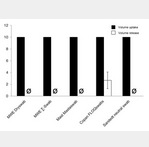
“Highest amount of CFU release was detected for the MWE Dryswab in the unrestricted setting for both S. aureus and S. epidermidis with 1544 CFU and 553 CFU, respectively, lowest release for the Sarstedt neutral swab with 32 CFU and 17 CFU, respectively (p<0.001).”

Antibiotics, resistance, biofilms

Screen shot 2014-07-14 at 06.26PM, Jul 14Beta-Lactam Antibiotics Stimulate Biofilm Formation in Non-Typeable Haemophilus influenzae by Up-Regulating Carbohydrate Metabolism – Siva Wu – PLOS ONE

“When exposed to sub-inhibitory concentrations of beta-lactam antibiotics NTHi strains produced tightly packed biofilms with decreased numbers of culturable bacteria but increased biomass.”

General microbiology

Screen shot 2014-07-14 at 12.23PM, Jul 14Macromolecular networks and intelligence in microorganisms – Hans V. Westerhoff – Frontiers in Microbiology

“Here, we explore how macromolecular networks in microbes confer intelligent characteristics, such as memory, anticipation, adaptation and reflection and we review current understanding of how network organization reflects the type of intelligence required for the environments in which they were selected.”

Screen shot 2014-07-14 at 06.26PM, Jul 14 1The syndemics of childhood diarrhoea: A biosocial perspective on efforts to combat global inequities in diarrhoea-related morbidity and mortality – Nicola Bulled – Global Public Health

“Drawing from available literature, this paper uses syndemic theory to explore the role of adverse biosocial interactions in increasing the total disease burden of enteric infections in low-resources populations and assesses the limitations of recent global calls to action.”

Bacteria in the news

Screen shot 2014-07-14 at 06.19PM, Jul 14We Are Our Bacteria – Jane E. Brody – New York Times (illustration by Ken Orvidas)

“We may think of ourselves as just human, but we’re really a mass of microorganisms housed in a human shell.”

Screen shot 2014-07-14 at 06.27PM, Jul 14#BacteriaHysteria : Gross! Lots of bacteria found on new swimsuits – Jane Weaver – Today Health

“The removable liner in women’s swimsuits that is meant to protect the fabric from our cooties isn’t really protective after all, according to a microbe researcher. “

Screen shot 2014-07-14 at 06.28PM, Jul 14Milford hospital enlists robots in war against infections – Mary MacDonald – Boston Globe

“The robots, made by Xenex Disinfection Services, use an intense flash of ultraviolet light to fight the bacteria, viruses, fungi, and other micro-organisms that traditional cleaning methods can miss, according to the hospital’s infection control staff.”

Screen shot 2014-07-14 at 06.29PM, Jul 14CDC Cracks Down on Labs After Anthrax, Bird Flu Scares – Jonel Aleccia – NBC News

“Dr. Tom Frieden, director of the Centers for Disease Control and Prevention, on Friday announced an immediate moratorium on all shipments of biological materials from CDC biosecurity level 3 and level 4 labs until problems are addressed.”

Marine Mammals

Screen shot 2014-07-14 at 06.29PM, Jul 14 1How Dolphins’ Genetics Could Help Find Answers Into Mysterious Animal Die-Off – Sascha Cordner – WFSU

“A discovery into dolphin genetics may have brought research scientists one step closer to finding out the source of a mysterious animal die-off last year in the troubled Indian River Lagoon.”

Science and publishing

Screen shot 2014-07-14 at 12.45PM, Jul 14Retractions are coming thick and fast: it’s time for publishers to act – Adam Marcus and Ivan Oransky – The Guardian

Another encouraging development is the rise of post-publication peer review, which has been made possible in recent years by the availability of papers online. Contributors to PubPeer, for example, have found signs of flawed or falsified results, leading to papers being retracted.”

Dr. Bik’s Picks

Screen shot 2014-07-14 at 06.34PM, Jul 14Whole genome and exome sequencing of monozygotic twins discordant for Crohn’s disease – Britt-Sabina Petersen – BMC Genomics

“We present a thorough genetic characterization of the sequenced individuals but detected no consistent differences within the twin pairs. “

Screen shot 2014-07-14 at 06.32PM, Jul 14How much science is there in new Planet of the Apes film? – Paul Rincon – BBC Science

“The latest instalment in the Planet of the Apes film franchise opens in the US on Friday. The rubber masks of the 60s and 70s films have been discarded in favour of motion capture suits and CGI. But how much did science inform the new movie’s portrayal of our close relatives?”

Screen shot 2014-07-14 at 06.31PM, Jul 14Domestication syndrome: White patches, baby faces and tameness explained by mild neural crest deficits – Science Daily

“Compared to their wild ancestors, domestic species are more tame, and they also tend to display a suite of other characteristic features, including floppier ears, patches of white fur, and more juvenile faces with smaller jaws.”


[hr]

General microbiome and science, July 8

Metabolic networks, CRISPR induced immunity, and influence of extraction methods and primers on microbiome analysis. Plus some smallpox in the Lost&Found, and a big citation scandal in SAGE journals.

Microbial ecology / metabolomics

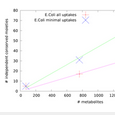
Screen Shot 2014-07-08 at 10.07.56 PMIdentifying All Moiety Conservation Laws in Genome-Scale Metabolic Networks – Andrea De Martino – PLOS ONE

“ Our method is deployed for the analysis of moiety conservation relationships in two large-scale reconstructions of the metabolism of the bacterium E. coli, in six tissue-specific human metabolic networks, and, finally, in the human reactome as a whole, revealing that bacterial metabolism could be evolutionarily designed to cover broader production spectra than human metabolism.”

Emergent

Emergent Biosynthetic Capacity in Simple Microbial Communities – Hsuan-Chao Chiu – PLOS Computational Biology

“We specifically focus on detecting emergent biosynthetic capacity – instances in which a community growing on some medium produces and secretes metabolites that are not secreted by any member species when growing in isolation on that same medium. “

DIET ArchaeaDirect Interspecies Electron Transfer between Geobacter metallireducens and Methanosarcina barkeri – Amelia-Elena Rotaru – Applied and Environmental Microbiology

“M. barkeri is the second methanogen found to accept electrons via DIET and the first methanogen known to be capable of using either H2 or electrons derived from DIET for CO2 reduction. “

Optimal defenseOptimal Defense Strategies in an Idealized Microbial Food Web under Trade-Off between Competition and Defense – Selina Våge – PLOS ONE

“ Under coexistence with a competition specialist, a balance of competitive and defensive ability of the defense strategist was found to be evolutionarily stable, whereas stronger defense was optimal under increased nutrient levels in the absence of the pure competition specialist.”

Microbial detection

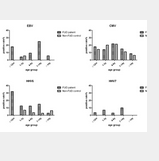
Screen Shot 2014-07-08 at 10.13.13 PMHuman Herpes Viruses Are Associated with Classic Fever of Unknown Origin (FUO) in Beijing Patients – Weimin Zhou – PLOS ONE

“HHVs are associated with Chinese patients (especially for children) with classic FUO. Our study adds perspective to the aetiological and clinical characteristics of classic FUO in beijing patients.”

Phages and viruses

Screen Shot 2014-07-08 at 10.13.31 PMCRISPR-Induced Distributed Immunity in Microbial Populations – Lauren M. Childs – PLOS ONE

“We analyze sequence diversity of experimentally coevolving populations of Streptococcus thermophilus and their viruses where CRISPR-Cas is active, and find the rapid emergence of distributed immunity in the host population, demonstrating the importance of this emergent phenomenon in evolving microbial communities.”

Techniques

Influence of DNA Extraction Method, 16S rRNA Targeted Hypervariable Regions, and Sample Origin on Microbial Diversity Detected by 454 Pyrosequencing in Marine Chemosynthetic Ecosystems – Perrine Cruaud – Applied and Environmental Microbiology

“Thanks to statistical and diversity analyses as well as inference of operational taxonomic unit (OTU) networks, we show that (i) while DNA extraction methods do not seem to affect the results for some samples, they can lead to dramatic changes for others; and (ii) the choice of amplification and sequencing primers also considerably affects the microbial community detected in the samples.”

Dengue

Sanofi’s dengue vaccine first to complete phase 3 – Gunjan Sinha – Nature Biotechnology

“Banking on approval, Sanofi has already started production, a move some have described as a “huge gamble” in light of the vaccine’s disappointing results from earlier studies, says Mark Clark, a pharmaceuticals analyst at Deutsche Bank in London.”

Microbes in the News

Found: Forgotten Vials of Smallpox – Maryn McKenna – Wired.com (also see CDC Media Statement)

“Workers clearing out an old storage room on the Bethesda, Md. campus of the National Institutes of Health have found a forgotten box of vials that contain smallpox.”

The Bacteria That Got Spread Throughout The US By Military Testing – Esther Inglis-Arkell – IO9

“Have you ever heard of serratia marcescens bacteria? Today they are a cause of hospital infections. In the 1960s, they were secretly sprayed across Washington, San Francisco, and New York.”

Manage Your Microbes – Laura Stec – Palo Alto Online

“I’ve been researching this wonderful advance in science for Manage Your Microbes, a cook class at Belmont Library on July 29th. “

Science, Publishing, and Career

SAGE Publications busts “peer review and citation ring,” 60 papers retracted – Retraction Watch

SAGE announces the retraction of 60 articles implicated in a peer review and citation ring at the Journal of Vibration and Control (JVC). “

13 Subtle Ways Women Are Treated Differently At Work – Jenna Goudreau – Business Insider

“Both men and women hold these views but often don’t even realize it. “It’s hard to fight this,” says Rivers, but awareness is key.

Dr. Bik’s Picks

Combining colour and temperature: A blue object is more likely to be judged as warm than a red object – Hsin-Ni Ho – Nature Scientific Reports

“It is commonly believed that reddish colour induces warm feelings while bluish colour induces cold feelings. We, however, demonstrate an opposite effect when the temperature information is acquired by direct touch.”

MandarinSequencing of diverse mandarin, pummelo and orange genomes reveals complex history of admixture during citrus domestication – G Albert Wu – Nature Biotechnology

“Here we sequence and compare citrus genomes—a high-quality reference haploid clementine genome and mandarin, pummelo, sweet-orange and sour-orange genomes—and show that cultivated types derive from two progenitor species. “

[hr]

General microbiology and science, June 27

Viruses in primate genomes, viruses altering shrimp metabolome, transposable elements and repeats, dengue, other infectious diseases in developing countries and Dr. Bik’s Picks.

Metagenomics / viruses

Screen Shot 2014-06-27 at 9.21.29 PMCute animal alert! A tarsier is a tiny primate with huge eyes.
The First Endogenous Herpesvirus, Identified in the Tarsier Genome, and Novel Sequences from Primate Rhadinoviruses and Lymphocryptoviruses – Amr Aswad, Aris Katzourakis – PLOS Genetics

“We describe the first endogenous herpesvirus from the genome of the Philippine tarsier, belonging to the Roseolovirus genus, and characterize its highly defective genome that is integrated and flanked by unambiguous host DNA. From a draft assembly of the aye-aye genome, we use bioinformatic tools to reveal over 100,000 bp of a novel rhadinovirus that is the first lemur gammaherpesvirus, closely related to Kaposi’s sarcoma-associated virus.”

 Metabolomics

Screen Shot 2014-06-27 at 9.32.37 PMAn Invertebrate Warburg Effect: A Shrimp Virus Achieves Successful Replication by Altering the Host Metabolome via the PI3K-Akt-mTOR Pathway – Mei-An Su – PLOS Pathogens

“We show that the PI3K-Akt-mTOR pathway was of central importance in triggering this WSSV-induced Warburg effect. Although dsRNA silencing of the mTORC1 activator Rheb had only a relatively minor impact on WSSV replication, in vivo chemical inhibition of Akt, mTORC1 and mTORC2 suppressed the WSSV-induced Warburg effect and reduced both WSSV gene expression and viral genome replication.”

Biofilms

Screen Shot 2014-06-27 at 9.33.21 PMFilaments in curved streamlines: rapid formation of Staphylococcus aureus biofilm streamers – Minyoung Kevin Kim – New Journal of Physics

“We discovered that S. aureus rapidly forms flow-induced, filamentous biofilm streamers, and furthermore if surfaces are coated with human blood plasma, streamers appear within minutes and clog the channels more rapidly than if the channels are uncoated. “

Chromosomal organization

Screen Shot 2014-06-27 at 9.34.04 PMDigital Genotyping of Macrosatellites and Multicopy Genes Reveals Novel Biological Functions Associated with Copy Number Variation of Large Tandem Repeats – Manisha Brahmachary – PLOS Genetics

“Here, we demonstrate the utility of Nanostring technology as a targeted approach to perform accurate measurement of tandem repeats even at extremely high copy number, and apply this technology to genotype 165 HapMap samples from three different populations and five species of non-human primates. “

Screen Shot 2014-06-27 at 9.34.37 PMLarge-Scale Genomic Analysis Suggests a Neutral Punctuated Dynamics of Transposable Elements in Bacterial Genomes – Jaime Iranzo – PLOS Computational Biology

“In this work, we take advantage of the large amount of genomic data currently available and study the abundance distributions of 33 IS families in 1811 bacterial chromosomes. This allows us to test simple models of IS dynamics and estimate their key parameters by means of a maximum likelihood approach. “

Microbial Ecology

Screen Shot 2014-06-27 at 9.35.00 PMEx Uno Plures: Clonal Reinforcement Drives Evolution of a Simple Microbial Community – Margie Kinnersley – PLOS Genetics

“We previously showed that a population of E. coli that originated from a single clone and was cultured in the presence of a single limiting resource, evolves into a stable, three-membered community, wherein one clone excretes metabolites that the others utilize as carbon sources. To discern the genetic factors at work in producing this outcome and to illuminate the community’s physiology, we sequenced the genomes of the ancestral and evolved clones.”

Infectious diseases in developing countries

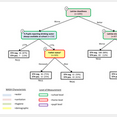
Screen Shot 2014-06-27 at 9.35.43 PMExploring the Relationship between Access to Water, Sanitation and Hygiene and Soil-Transmitted Helminth Infection: A Demonstration of Two Recursive Partitioning Tools – Katherine Gass – PLOS Neglected Tropical Diseases

“Improvements to water, sanitation and hygiene (WASH) likely provide sustained benefit, but few rigorous studies have evaluated the specific WASH components most influential in reducing infection. “

Screen Shot 2014-06-27 at 9.36.14 PMSocial Sciences Research on Infectious Diseases of Poverty: Too Little and Too Late? – José Azoh Barry – PLOS Neglected Tropical Diseases

“Besides the vicious circle these diseases maintain with dire conditions of poverty, an increased microbial resistance to some therapeutic drugs adds to the complexity of health disparities and human suffering among the socially disadvantaged, marginalized, and prejudiced against.”

Dengue

Screen Shot 2014-06-27 at 9.36.37 PMVariability in Dengue Titer Estimates from Plaque Reduction Neutralization Tests Poses a Challenge to Epidemiological Studies and Vaccine Development – Henrik Salje – PLOS Neglected Tropical Diseases

“We used repeated assays on the same two pools of serum using five different viruses (2,319 assays) to characterize the variability in the technique under identical experimental conditions. We also assessed the performance of multiple statistical models to interpolate continuous values of neutralization titer from discrete measurements from serial dilutions.”

Science and career

PLOSTen Simple Rules for Approaching a New Job – Philip E. Bourne – PLOS Computational Biology

“Thinking both as a job applicant and a job interviewer about how I have approached job situations over the years before, during, and after the interview and how those situations have turned out, I can offer the following ten simple rules as you prepare.”

A New Online Computational Biology Curriculum – David B. Searls – PLOS Computational Biology

“A recent proliferation of Massive Open Online Courses (MOOCs) and other web-based educational resources has greatly increased the potential for effective self-study in many fields. This article introduces a catalog of several hundred free video courses of potential interest to those wishing to expand their knowledge of bioinformatics and computational biology. “

Arsenic metabolism

Screen Shot 2014-06-27 at 10.00.06 PMAssociations between Arsenic Species in Exfoliated Urothelial Cells and Prevalence of Diabetes among Residents of Chihuahua, Mexico – Jenna M. Currier – Environ Health Perspect

“We measured concentrations of trivalent and pentavalent iAs, methyl-As (MAs), and dimethyl-As (DMAs) species in EUC from 374 residents of Chihuahua, Mexico, who were exposed to iAs in drinking water.”

Dr. Bik’s Picks

Screen Shot 2014-06-27 at 10.09.01 PMWith pictures and videos: Duration of urination does not change with body size – Patricia J. Yang – PNAS

“In this study, we report a mathematical model that clarifies misconceptions in urology and unifies the results from 41 independent urological and anatomical studies. The theoretical framework presented may be extended to study fluid ejection from animals, a universal phenomenon that has received little attention.”

Screen Shot 2014-06-27 at 10.01.44 PMFrom Gemstones to Arsenic: How the Development of Pigment Colored Art – Allison Meier

“A new exhibition at London’s National Gallery — Making Colour — looks at the development of color in art, from the Middle Ages to 1900. “

[hr]