Non-human microbiome, June 30

Primate vaginal microbiome, birds painting eggs with bacteria, MHC and microbiota in fish, onions and tomato, bacteria on the beach, and (#BacteriaHysteria alert) “fecal veneer on climbing walls”.

Primate microbiome (also see Human digest)

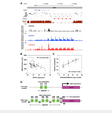
Screen Shot 2014-06-30 at 11.23.32 PMPrimate vaginal microbiomes exhibit species specificity without universal Lactobacillus dominance – Suleyman Yildirim – ISME J (uncorrected proof, link to Chapman Research)

“Our results indicated that all primates exhibited host-specific vaginal microbiota and that humans were distinct from other primates in both microbiome composition and extent of diversity”

Bird microbiome

Screen Shot 2014-06-30 at 11.43.49 PMSpecial structures of hoopoe eggshells enhance the adhesion of symbiont-carrying uropygial secretion that increase hatching success – Manuel Martín-Vivaldi – Journal of Animal Ecology

“The findings of specialized crypts on the eggshells of hoopoes, and of video-recorded females smearing secretion containing symbiotic bacteria at a high density onto the eggshells strongly support a link between secretion and bacteria on eggs. “

and:  The Bird That Paints Its Eggs With Bacteria – Ed Yong – National Geographic

“Now, they’ve found evidence that these birds use the same bacteria to protect their young before they’re even born. By filming nesting females, they confirmed that the birds actively paint their eggs with their uropygial secretions.”

Fish microbiology
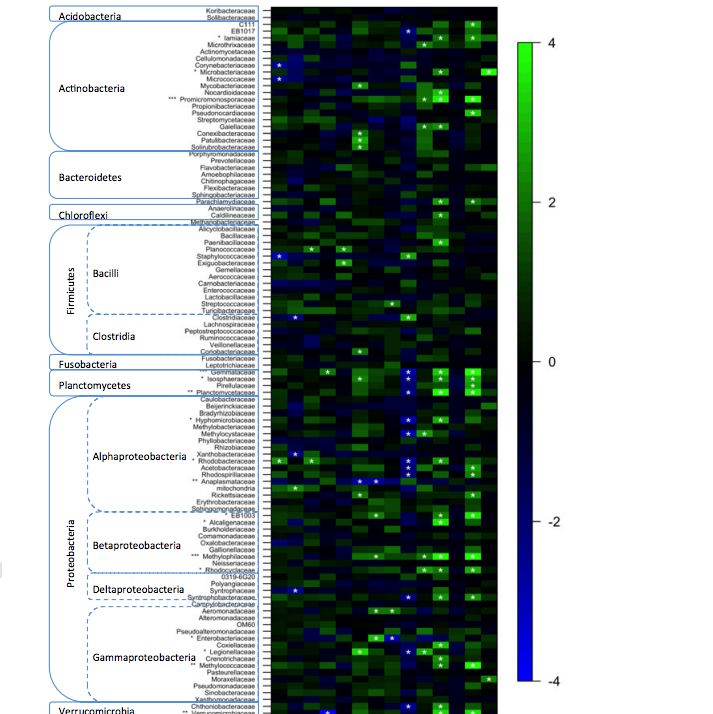
Screen Shot 2014-06-30 at 11.45.12 PMMajor Histocompatibility Complex class II polymorphism influences gut microbiota composition and diversity – Daniel I. Bolnick – Molecular Ecology

“Here, we show that MHC II polymorphism is associated with among-individual variation in gut microbiota within a single wild vertebrate population of a small fish, the threespine stickleback. “

Insect microbiome

WolbachiaThe Coevolutionary Period of Wolbachia pipientis Infecting Drosophila ananassae and its Impact on the Evolution of the Host Germline Stem Cell Regulating Genes – Jae Young Choi and Charles F. Aquadro – Molecular Biology and Evolution

“Phylogenetic analysis of D. ananassae mitochondrial DNA and W. pipientis DNA sequence diversity revealed the current W. pipientis infection is not recent. In addition, we examined the population genetics and molecular evolution of several Germline Stem Cell (GSC) regulating genes of D. ananassae”

Plant microbiome

Screen Shot 2014-06-30 at 11.43.01 PMIdentification of bacteria pathogenic to or associated with onion (Allium cepa) based on sequence differences in a portion of the conserved gyrase B gene – Jean M. Bonasera – Journal of Microbiological Methods

“We have developed a method for the identification of Gram-negative bacteria, particularly members of the Enterobacteriaceae, based on sequence variation in a portion of the gyrB gene. Thus, we identified, in most cases to species level, over 1000 isolates from onion bulbs and leaves and soil in which onions were grown.”

Occurrence and distribution of tomato seed-borne mycoflora in Saudi Arabia and its correlation with the climatic variables – Abdulaziz A. Al-Askar – Microbial Biotechnology

“One hundred samples of tomato seeds were collected in 2011 and 2012 from tomato-cultivated fields in Saudi Arabia and screened for their seed-borne mycoflora. A total of 30 genera and 57 species of fungi were recovered from the collected seed samples using agar plate and deep-freezing blotter methods. “

WasabiManagement of Meloidogyne incognita on tomato with endophytic bacteria and fresh residue of Wasabia japonica – Guang-Ju Li – Journal of Applied Microbiology

“By in vitro bioassay, 53 NEB strains showing nematicidal efficacies of >50% against J2 of M. incognita were isolated from wasabi. Basing on 16S rRNA gene sequences, these NEB were identified into 18 species of 11 genera.”

Lichen and fungi

Screen Shot 2014-06-30 at 11.46.20 PMA single macrolichen constitutes hundreds of unrecognized species – Robert Lücking – PNAS

“This lichen was long believed to represent a single species, but after revising this number to 16 in two genera (Cora and Corella), here we show that at least 126 phylogenetically and morphologically distinct species are contained within this group, with statistical analysis predicting more than 400. “

Soil, sand, and slurry microbiome

The Ecological Controls on the Prevalence of Candidate Division TM7 in Polar Regions – Tristrom Winsley – Frontiers in Microbiology

“We correlated chemical, physical and biological parameters of each soil with the relative abundance of the two major classes of the phylum to deduce factors that influence the groups’ seemingly ubiquitous nature. “

Review: Present status of effect of microorganisms from sand beach on public
health – Emmanuel Velonakis – Journal of Coastal Life Medicine

“Relatively, recent epidemiological studies in the USA revealed positive correlation between time spent at the beach and gastroenteritis. New parameters such as wind blowing and beach users’ density are also introduced for discussion in association with the sand microbial load”

Crusts slurryMethanotrophs, methanogens, and microbial community structure in livestock slurry surface crusts – Yun-Feng Duan – Journal of Applied Microbiology

“Microbial communities in four crusts from cattle and swine slurries were investigated using DGGE and tag-encoded amplicon pyrosequencing. All crusts had distinct compositions of bacteria and archaea.”

Water microbiology

Biosynthesis of polybrominated aromatic organic compounds by marine bacteria
Vinayak Agarwal – Nature Chemical Biology

“Herein we report the discovery of a conserved biosynthetic gene cluster in marine bacteria responsible for the synthesis of widespread polybrominated aromatic compounds”

Environmental bacteriophages : viruses of microbes in aquatic ecosystems – Télesphore Sime – Ngando – Frontiers in Microbiology

“The present chapter sought to review the literature on the diversity and functional roles of viruses of microbes in environmental microbiology, focusing primarily on prokaryotic viruses (i.e. phages) in aquatic ecosystems, which form the bulk of our knowledge in modern environmental viral ecology.”

Built Environment

I really dislike this title …
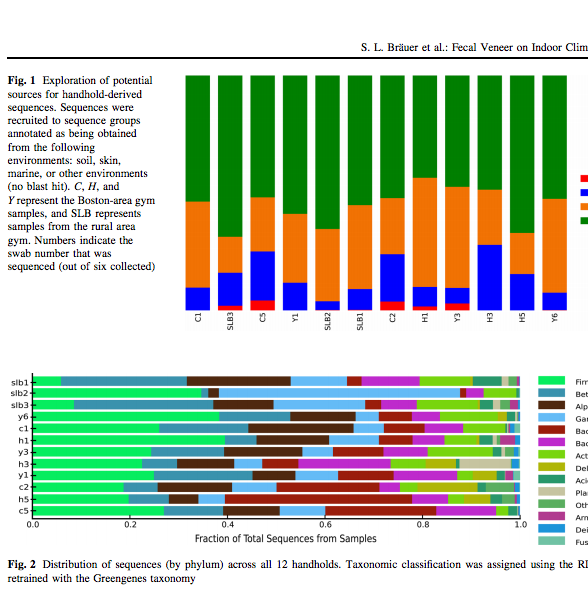
Screen Shot 2014-06-30 at 11.47.38 PMMicrobial Sequencing Analyses Suggest the Presence of a Fecal Veneer on Indoor Climbing Wall Holds – S. L. Bräuer – Current Microbiology

“In contrast to many other studies of built environments, the majority of microorganisms on holds were most closely related to microbes annotated as being recovered from environmental sources, such as soil, with human skin also representing an important source.”

[hr]

General microbiology and science, June 27

Viruses in primate genomes, viruses altering shrimp metabolome, transposable elements and repeats, dengue, other infectious diseases in developing countries and Dr. Bik’s Picks.

Metagenomics / viruses

Screen Shot 2014-06-27 at 9.21.29 PMCute animal alert! A tarsier is a tiny primate with huge eyes.
The First Endogenous Herpesvirus, Identified in the Tarsier Genome, and Novel Sequences from Primate Rhadinoviruses and Lymphocryptoviruses – Amr Aswad, Aris Katzourakis – PLOS Genetics

“We describe the first endogenous herpesvirus from the genome of the Philippine tarsier, belonging to the Roseolovirus genus, and characterize its highly defective genome that is integrated and flanked by unambiguous host DNA. From a draft assembly of the aye-aye genome, we use bioinformatic tools to reveal over 100,000 bp of a novel rhadinovirus that is the first lemur gammaherpesvirus, closely related to Kaposi’s sarcoma-associated virus.”

 Metabolomics

Screen Shot 2014-06-27 at 9.32.37 PMAn Invertebrate Warburg Effect: A Shrimp Virus Achieves Successful Replication by Altering the Host Metabolome via the PI3K-Akt-mTOR Pathway – Mei-An Su – PLOS Pathogens

“We show that the PI3K-Akt-mTOR pathway was of central importance in triggering this WSSV-induced Warburg effect. Although dsRNA silencing of the mTORC1 activator Rheb had only a relatively minor impact on WSSV replication, in vivo chemical inhibition of Akt, mTORC1 and mTORC2 suppressed the WSSV-induced Warburg effect and reduced both WSSV gene expression and viral genome replication.”

Biofilms

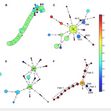
Screen Shot 2014-06-27 at 9.33.21 PMFilaments in curved streamlines: rapid formation of Staphylococcus aureus biofilm streamers – Minyoung Kevin Kim – New Journal of Physics

“We discovered that S. aureus rapidly forms flow-induced, filamentous biofilm streamers, and furthermore if surfaces are coated with human blood plasma, streamers appear within minutes and clog the channels more rapidly than if the channels are uncoated. “

Chromosomal organization

Screen Shot 2014-06-27 at 9.34.04 PMDigital Genotyping of Macrosatellites and Multicopy Genes Reveals Novel Biological Functions Associated with Copy Number Variation of Large Tandem Repeats – Manisha Brahmachary – PLOS Genetics

“Here, we demonstrate the utility of Nanostring technology as a targeted approach to perform accurate measurement of tandem repeats even at extremely high copy number, and apply this technology to genotype 165 HapMap samples from three different populations and five species of non-human primates. “

Screen Shot 2014-06-27 at 9.34.37 PMLarge-Scale Genomic Analysis Suggests a Neutral Punctuated Dynamics of Transposable Elements in Bacterial Genomes – Jaime Iranzo – PLOS Computational Biology

“In this work, we take advantage of the large amount of genomic data currently available and study the abundance distributions of 33 IS families in 1811 bacterial chromosomes. This allows us to test simple models of IS dynamics and estimate their key parameters by means of a maximum likelihood approach. “

Microbial Ecology

Screen Shot 2014-06-27 at 9.35.00 PMEx Uno Plures: Clonal Reinforcement Drives Evolution of a Simple Microbial Community – Margie Kinnersley – PLOS Genetics

“We previously showed that a population of E. coli that originated from a single clone and was cultured in the presence of a single limiting resource, evolves into a stable, three-membered community, wherein one clone excretes metabolites that the others utilize as carbon sources. To discern the genetic factors at work in producing this outcome and to illuminate the community’s physiology, we sequenced the genomes of the ancestral and evolved clones.”

Infectious diseases in developing countries

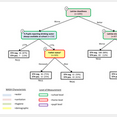
Screen Shot 2014-06-27 at 9.35.43 PMExploring the Relationship between Access to Water, Sanitation and Hygiene and Soil-Transmitted Helminth Infection: A Demonstration of Two Recursive Partitioning Tools – Katherine Gass – PLOS Neglected Tropical Diseases

“Improvements to water, sanitation and hygiene (WASH) likely provide sustained benefit, but few rigorous studies have evaluated the specific WASH components most influential in reducing infection. “

Screen Shot 2014-06-27 at 9.36.14 PMSocial Sciences Research on Infectious Diseases of Poverty: Too Little and Too Late? – José Azoh Barry – PLOS Neglected Tropical Diseases

“Besides the vicious circle these diseases maintain with dire conditions of poverty, an increased microbial resistance to some therapeutic drugs adds to the complexity of health disparities and human suffering among the socially disadvantaged, marginalized, and prejudiced against.”

Dengue

Screen Shot 2014-06-27 at 9.36.37 PMVariability in Dengue Titer Estimates from Plaque Reduction Neutralization Tests Poses a Challenge to Epidemiological Studies and Vaccine Development – Henrik Salje – PLOS Neglected Tropical Diseases

“We used repeated assays on the same two pools of serum using five different viruses (2,319 assays) to characterize the variability in the technique under identical experimental conditions. We also assessed the performance of multiple statistical models to interpolate continuous values of neutralization titer from discrete measurements from serial dilutions.”

Science and career

PLOSTen Simple Rules for Approaching a New Job – Philip E. Bourne – PLOS Computational Biology

“Thinking both as a job applicant and a job interviewer about how I have approached job situations over the years before, during, and after the interview and how those situations have turned out, I can offer the following ten simple rules as you prepare.”

A New Online Computational Biology Curriculum – David B. Searls – PLOS Computational Biology

“A recent proliferation of Massive Open Online Courses (MOOCs) and other web-based educational resources has greatly increased the potential for effective self-study in many fields. This article introduces a catalog of several hundred free video courses of potential interest to those wishing to expand their knowledge of bioinformatics and computational biology. “

Arsenic metabolism

Screen Shot 2014-06-27 at 10.00.06 PMAssociations between Arsenic Species in Exfoliated Urothelial Cells and Prevalence of Diabetes among Residents of Chihuahua, Mexico – Jenna M. Currier – Environ Health Perspect

“We measured concentrations of trivalent and pentavalent iAs, methyl-As (MAs), and dimethyl-As (DMAs) species in EUC from 374 residents of Chihuahua, Mexico, who were exposed to iAs in drinking water.”

Dr. Bik’s Picks

Screen Shot 2014-06-27 at 10.09.01 PMWith pictures and videos: Duration of urination does not change with body size – Patricia J. Yang – PNAS

“In this study, we report a mathematical model that clarifies misconceptions in urology and unifies the results from 41 independent urological and anatomical studies. The theoretical framework presented may be extended to study fluid ejection from animals, a universal phenomenon that has received little attention.”

Screen Shot 2014-06-27 at 10.01.44 PMFrom Gemstones to Arsenic: How the Development of Pigment Colored Art – Allison Meier

“A new exhibition at London’s National Gallery — Making Colour — looks at the development of color in art, from the Middle Ages to 1900. “

[hr]

General microbiology and science, June 25

Arsenic profiling in rats, Bacillus in space, and antibiotic resistance in populations. And Dr. Bik’s Picks featuring butterflies, mummies and unfeelability cloaks.

Microbes in space

Screen Shot 2014-06-25 at 10.31.28 PMBacillus anthracis-Like Bacteria and Other B. cereus Group Members in a Microbial Community Within the International Space Station: A Challenge for Rapid and Easy Molecular Detection of Virulent B. anthracis – Sandra P. van Tongeren – PLOS ONE

“In this study we show the presence of B. anthracis-like bacteria and other members of the B. cereus group in a microbial community within the human environment of the International Space Station and their preliminary identification by using conventional culturing as well as molecular techniques including 16S rDNA sequencing, PCR and real-time PCR. “

Metagenomics

Screen Shot 2014-06-25 at 10.31.54 PMElucidation of Operon Structures across Closely Related Bacterial Genomes – Chuan Zhou – PLOS ONE

“Here we developed a graph-based model to elucidate the diversity of operon structures across a set of closely related bacterial genomes.”

Antibiotic resistance

Screen Shot 2014-06-25 at 10.32.23 PMOptimization of lag time underlies antibiotic tolerance in evolved bacterial populations – Ofer Fridman – Nature

“Here we followed the evolution of bacterial populations under intermittent exposure to the high concentrations of antibiotics used in the clinic and characterized the evolved strains in terms of both resistance and tolerance. “

Arsenic metabolism

Screen Shot 2014-06-25 at 10.32.54 PMThe metabolomic profiling of serum in rats exposed to arsenic using UPLC/Q-TOF MS – Cheng Wang – Toxicology Letters

“The aim of this study is to determine the impact of chronic arsenic exposure on the metabolism of organism, and find the metabolites changes by using metabolomic techniques. “

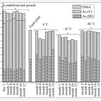
Screen Shot 2014-06-25 at 10.33.15 PMInvestigation of arsenic species stability by HPLC-ICP-MS in plants stored under different conditions for 12 months – Clarice D.B. Amaral – Microchemical Journal

“For the As species here studied it can be concluded that lyophilization and cryogenic grinding strategies were the most suitable sample pretreatments for As speciation in plant tissue.”

Science and careers

Screen Shot 2014-06-25 at 10.33.54 PMLove in the lab: Close collaborators – Kerri Smith – Nature

“Romance often sparks between colleagues, and scientists are no different. Nature profiles four super-couples who have combined love and the lab.”

Dr. Bik’s Picks

Screen Shot 2014-06-25 at 10.35.06 PMMetagenomic Analysis Reveals Presence of Treponema denticola in a Tissue Biopsy of the Iceman – Frank Maixner – PLOS ONE

“Initially, the metagenomic data of the Iceman’s genomic survey was screened for bacterial ribosomal RNA (rRNA) specific reads. Through ranking the reads by abundance a relatively high number of rRNA reads most similar to T. denticola was detected. “

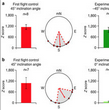
Screen Shot 2014-06-25 at 10.35.42 PMA magnetic compass aids monarch butterfly migration – Patrick A Guerra – Nature Communications

“Here we use flight simulator studies to show that migrants indeed possess an inclination magnetic compass to help direct their flight equatorward in the fall. “

Screen Shot 2014-06-25 at 10.36.07 PMAn elasto-mechanical unfeelability cloak made of pentamode metamaterials
T. Bückmann – Nature Communications

“Here, inspired by invisible core-shell nanoparticles in optics, we design an approximate elasto-mechanical core-shell ‘unfeelability’ cloak based on pentamode metamaterials. “

[hr]

General microbiology and science, June 24

Metabolomics, metagenomics, phages in the human gut, arsenic poisoning in China, and a big award for Dengue research.

Metabolomics

Metaproteomics: Extracting and Mining Proteome Information to Characterize Metabolic Activities in Microbial Communities – Paul E. Abraham – Current Protocols in Bioinformatics

“In this article, we provide an overview of current bioinformatic approaches and software implementations in metaproteome studies in order to highlight the key considerations needed for successful implementation of this powerful community-biology tool. “

Review: The human volatilome: volatile organic compounds (VOCs) in exhaled breath, skin emanations, urine, feces and saliva – Anton Amann – Journal of Breath Research

“Fecal volatiles have been implicated in differentiating certain infectious bowel diseases such as Clostridium difficile, Campylobacter, Salmonella and Cholera. They have also been used to differentiate other non-infectious conditions such as irritable bowel syndrome and inflammatory bowel disease.”

Metagenomics and DNA structure

Sequencing the Strange Communities: Taking on Metagenomics – Aaron Krol – Bio-IT World

““Communities are made up of organisms that interact,” says Jonathan Eisen, a professor at the School of Medicine and the College of Biological Sciences at the University of California, Davis. “They’re not made up of short reads of Illumina sequences. And we need to stitch those together into organisms in order to make useful predictions, and interpretation of experimental data.””

Gene positioning and genome function – Nidhi Vishnoi, Jie Yao – Frontiers in Biology

” In this review, we discuss some recent findings as well as experimental tools to investigate subnuclear gene positioning and to explore its implications in genome functions.”

Phages and viruses

Classification and quantification of bacteriophage taxa in human gut metagenomes – Alison S Waller – ISME Journal 

“Using taxon-specific marker genes, we identified and monitored 20 viral taxa in 252 human gut metagenomic samples, mostly at the level of genera. “

Techniques

Enzymatic Treatment of Specimens before DNA Extraction Directly Influences Molecular Detection of Infectious Agents – Pablo Goldschmidt – PLOS ONE

“The goal of the present work was to assess the efficiency of enzymatic pretreatments on infectious agents to make DNA available for further extraction and amplification.”

Dengue

Sustainable Sciences Institute (SSI) Awarded $1 Million to Battle Growing Threat to Global Public Health: Mosquito-borne Dengue Virus – PR Web

“SSI, a San Francisco nonprofit founded by Eva Harris, UC Berkeley Professor of Infectious Disease and Vaccinology and former MacArthur “Genius” award winner, has worked to minimize the threat of potentially fatal Dengue disease for 15 years. With the latest award of $1 million dollars, Harris and other SSI investigators will be able to extend their reach and speed up their efforts.”

Infection and host response

Early MicroRNA Expression Profile as a Prognostic Biomarker for the Development of Pelvic Inflammatory Disease in a Mouse Model of Chlamydial Genital Infection – Laxmi Yeruva – mBio

“To determine if chemokine and cytokine production within 24 h of infection is associated with the outcome of pathology, levels of 15 chemokines and cytokines were measured. “

Immunity to gastrointestinal nematodes: mechanisms and myths – Richard K. Grencis – Immunological Reviews

“This review aims to discuss the recent discoveries in both host protection and immunoregulation against gastrointestinal nematodes, placing the data in context of the specific life cycles imposed by the different parasites studied and the future challenges of considering the mucosal/immune axis to encompass host, parasite, and microbiome in its widest sense.”

Tailored immunity at mucosae – Yasmine Belkaid – Immunological Reviews

“This issue of Immunological Reviews presents articles from investigators involved in the exploration of the mechanisms by which mucosal barrier sites induce and control innate and adaptive immune responses.”

Detection of bacteria in blood and other sites

Rapid Detection of Enterobacteriaceae Producing Extended Spectrum Beta-Lactamases Directly From Positive Blood Cultures by Matrix-Assisted Laser-Desorption-Ionization Time-of-Flight Mass Spectrometry (MALDI-TOF-MS) – Marina Oviaño – Clinical Microbiology and Infection

“In the assay, 141 blood cultures were tested, 13 out of them were real bacteremias and 128 corresponded to blood culture bottles seeded with bacterial clinical isolates. Bacteremias were analyzed by MALDI-TOF after a positive growth result and the 128 remaining blood cultures 24 hours after the bacterial seeding. “

General microbiology and ecology

The quest for a unified view of bacterial land colonization – Hao Wu – ISME Journal

“Here, we perform comprehensive analyses based on a large variety of bacteria by integrating taxonomic, phylogenetic and metagenomic data, in the quest for a unified view that elucidates genomic, evolutionary and ecological dynamics of the marine progenitors in adapting to nonaquatic environments. “

Lateral transfer of eukaryotic ribosomal RNA genes: an emerging concern for molecular ecology of microbial eukaryotes – Akinori Yabuki – ISME Journal

“Two distinct sequences of the 18S rRNA gene were detected from a clonal culture of the stramenopile, Ciliophrys infusionum. One was clearly derived from Ciliophrys, but the other gene originated from a perkinsid alveolate.”

Arsenic metabolism

Arsenic Pollution Sows Despair in Chinese Cancer Village (slideshow)- Yahoo News

“Xiong Demin could not have foreseen that the mine he worked at for 32 years would leave his home village poisoned and hundreds of residents, including himself and his wife, stricken with cancer.”

Dr. Bik’s Picks – Evolution Edition

Molecular Phylogeny, Biogeography, and Habitat Preference Evolution of Marsupials – Kieren J. Mitchell – Molecular Biology and Evolution

“We use 101 mitochondrial genomes and data from 26 nuclear loci to reconstruct a dated phylogeny including 97% of extant genera and 58% of modern marsupial species”

Parallel sites implicate functional convergence of the hearing gene prestin among echolocating mammals – Zhen Liu – Molecular Biology and Evolution

“By functional assays, we show that a key parameter of prestin function, 1/α, is increased in all echolocating mammals and that the N7T parallel substitution accounted for this functional convergence. Moreover, another parameter, V1/2, was shifted toward the depolarization direction in a toothed whale, the bottlenose dolphin (Tursiops truncatus) and a constant-frequency bat, Stoliczka’s trident bat (Aselliscus stoliczkanus). “

Evolutionary developmental transcriptomics reveals a gene network module regulating interspecific diversity in plant leaf shape – Yasunori Ichihashi – PNAS

“Utilizing the natural variation in leaf morphology between tomato and two related wild species, we identified a gene network module that leads to a dynamic rewiring of interactions in the whole leaf developmental gene regulatory network. “

[hr]

General microbiology and science, June 23

Amplification of 18S rRNA genes, metabolomics, phages, and the scientific way to cut a cake.

Bacteria are everywhere

This article is citing a study that was published in 1992, not sure why they reporting about it now, but here it is:
Earpieces can multiply bacteria 11 times in ear – Tribune

“Besides concerns about deafness, there are also issues regarding use of earpieces and bacteria. A study which measured bacteria levels on audio headsets provided on commercial airline flights entitled “Changes in the microbial flora of airline headset devices after their use,” published in the journal, The Laryngoscope, brings interesting conclusions. “

Anti-bacterial bag-for-life could prevent rise in food poisoning when 5p plastic bag charge comes into force – Independent UK

“Paul Morris, the managing director, said: “Multi-use bags which can carry raw meat one week and vegetables or clothing the next is a concern of many industry experts; this bag provides a solution to the problem.””

Amplification and sequencing techniques 

Investigating Microbial Eukaryotic Diversity from a Global Census: Insights from a Comparison of Pyrotag and Full-Length Sequences of 18S rRNA Genes – Alle A. Y. Lie – Applied and Environmental Microbiology

“Operational taxonomic units (OTUs) derived from full-length (Sanger sequencing) and pyrotag (454 sequencing of the V9 hypervariable region) sequences of 18S rRNA genes from 10 global samples were analyzed in order to compare the resulting protistan community structures and species richness. “

Targeted and Highly Multiplexed Detection of Microorganisms by Employing an Ensemble of Molecular Probes – Weihong Xu – Applied and Environmental Microbiology

“To profile the microbial diversity in environmental and clinical samples, we have devised and employed molecular probe technology, which detects and identifies bacteria that do and do not grow in culture.”

Metabolomics and mass spectrometry

This one is published by the not-so-trustworthy Omics group, but it sounds interesting:
Optimisation of Sample Preparation for Direct SPME-GC-MS Analysis of Murine and Human Faecal Volatile Organic Compounds for Metabolomic Studies (links to PDF)
– Reade S – Analytical & Bioanalytical Techniques

“We evaluated different aspects of sample preparation when processing murine and human faecal samples through a pipeline involving solid phase micro-extraction (SPME) coupled to gas chromatography-mass spectrometry (GC-MS)”

Shigella reroutes host cell central metabolism to obtain high-flux nutrient supply for vigorous intracellular growth – David Kentner – PNAS

“Here, we show that infected host cells maintain normal central metabolism for energy production and host cell survival. However, Shigella captures the entire host metabolism output and degrades it further to acetate.”

Beyond the Matrix-Assisted Laser Desorption Ionization (MALDI) Biotyping Workflow: in Search of Microorganism-Specific Tryptic Peptides Enabling Discrimination of Subspecies – Maria-Theresia Gekenidis – Applied and Environmental Microbiology

“Here, it is shown that combining tryptic digestion of the acid/organic solvent extracted (classical biotyping preparation) and resolubilized proteins, nano-liquid chromatography (nano-LC), and subsequent identification of the peptides by MALDI-tandem TOF (MALDI-TOF/TOF) mass spectrometry increases the discrimination power to the level of subspecies.”

Phages and viruses

Modeling the Infection Dynamics of Bacteriophages in Enteric Escherichia coli: Estimating the Contribution of Transduction to Antimicrobial Gene Spread –
Victoriya V. Volkova – Applied and Environmental Microbiology

“Using the model and the most liberal assumptions about transduction efficiency and resistance gene frequency, we approximated the upper numerical limits (“worst-case scenario”) of gene transfer through specialized and generalized transduction in E. coli by enteric coliphages when the transduced genetic segment is picked at random. “

Tolerance of a Phage Element by Streptococcus pneumoniae Leads to a Fitness Defect during Colonization – Hilary K. DeBardeleben – Journal of Bacteriology

“Here, we examined a clinical isolate that carries a novel prophage element, designated Spn1, which was detected in both integrated and episomal forms. Surprisingly, both lytic and lysogenic Spn1 genes were expressed under routine growth conditions.”

Comparison of Five Bacteriophages as Models for Viral Aerosol Studies – Nathalie Turgeon – Applied and Environmental Microbiology

“The presence of viruses in collected air samples was detected by culture and quantitative PCR (qPCR). Our results showed that these selected five phages behave differently when aerosolized and sampled. “

Microbial detection in blood and normally sterile sites

Molecular revolution in the diagnosis of microbial brain abscesses – AK Mishra – European Journal of Clinical Microbiology & Infectious Diseases

“This article reviews the applications of the currently available tools for the etiological diagnosis of a brain abscess.”

General microbiology

Nitrogen stress response and stringent response are coupled in Escherichia coli – Daniel R. Brown – Nature Communications

“Here, we show that transcription of relA, a key gene responsible for the synthesis of ppGpp, is activated by NtrC during nitrogen starvation.”

Stenotrophomonas comparative genomics reveals genes and functions that
differentiate beneficial and pathogenic bacteria – Peyman Alavi – BMC Genomics

“We used comparative genomics as well as transcriptomic and physiological approaches to detect significant borders between the Stenotrophomonas strains: the multi-drug resistant pathogenic S. maltophilia and the plant-associated strains S. maltophilia R551-3 and S. rhizophila DSM14405T (both are biocontrol agents)”

Emergence of bacterial vortex explained – Science Daily

When a bunch of B. subtilis bacteria are confined within a droplet of water, a very strange thing happens. The chaotic motion of individual swimmers spontaneously organizes into a swirling vortex, with bacteria on the outer edge of the droplet moving in one direction while those on the inside move the opposite direction. “

Dr. Bik’s Picks

Screen Shot 2014-06-23 at 11.53.49 PMScientists tie social behavior to activity in specific brain circuit – Stanford University

“The new findings, published June 19 in Cell, may throw light on psychiatric disorders marked by impaired social interaction such as autism, social anxiety, schizophrenia and depression, said the study’s senior author, Karl Deisseroth, MD, PhD, a professor of bioengineering and of psychiatry and behavioral sciences. 

Scientists use X-rays to look at how DNA protects itself from UV light – Science Daily

The molecular building blocks that make up DNA absorb ultraviolet light so strongly that sunlight should deactivate them — yet it does not. Now scientists have made detailed observations of a ‘relaxation response’ that protects these molecules, and the genetic information they encode, from UV damage.”

Cut your cake and keep it (fresh), too – Eliza Barclay – NPR

“The ordinary method of cutting out a wedge is very faulty,” wrote Sir Francis Galton, a British mathematician, in a 1906 letter to the journal Nature concerning the scientific principles of cake-cutting.”

[hr]

General microbiology and science, June 18

Learn about dengue at the World Cup, a deadly lake, 3D structures of genomes, OTUs and tables, musical kids, and why your iPhone headphones are always in a knot.

Dengue

Evaluation of single-round infectious, chimeric dengue type 1 virus as an antigen for dengue functional antibody assays – Atsushi Yamanaka – Vaccine

“In the present study, SRIPs of DENV-1 (D1-SRIPs) were evaluated as an antigen for functional antibody assays.”

An inhibition model of BPTI to unlinked dengue virus NS2B-NS3 protease – Hua Li – FEBS Letters

“BPTI shows strong competitive inhibitory activity (Ki = 6.5 nM) against this unlinked protease, which adopts a closed conformation.”

The role of cell proteins in dengue virus infection – Ma. Isabel Salazar – Journal of Proteomics

“This review focuses on recent reports about cellular proteins involved along the dengue virus replication cycle, in prime cellular targets during the infection of both humans and mosquito hosts and also on the proteomics and other approaches that are being used to reveal the entire orchestration and most significant processes altered during infection.”

Dengue outlook for the World Cup in Brazil – Eduardo Massad – The Lancet Infectious Diseases

Correspondence on: Dengue outlook for the World Cup in Brazil: an early warning model framework driven by real-time seasonal climate forecasts

Arsenic metabolism

43,000 die annually in Bangladesh: Study – The Daily Star

“This rate is 25 percent all over Bangladesh, said Dr Kazi Matin Ahmed, geology professor of Dhaka University. He presented the paper at a seminar titled “Arsenic Activities, Research and Outcomes” organised by the Bangladesh Medical Research Council (BMRC) in its auditorium in the capital yesterday.”

Arsenic speciation in rice-based food for adults with celiac disease – Sandra Munera-Picazo – Food Additives and Contaminants

“…the objective of this study was to analyze the occurrence of arsenic (As) in gluten-free products, basically those rice-based, intended for celiac adult consumers.”

Could This Acid Lake Hold the Elixir of Life for Cancer Patients? – Ryot.org

“The Berkeley Acid Pit is a giant hole filled with arsenic and sulfuric acid, and has a history of causing disturbing deaths… and it’s making its way into the city’s water supply, according to PitWatch.”

Chromosomal Organization

Targeted chromatin capture (T2C): a novel high resolution high throughput method to detect genomic interactions and regulatory elements – Petros Kolovos – Epigenetics &

“We applied T2C on well-known model regions, the mouse beta-globin locus and the human H19/IGF2 locus. In both cases we identified all known chromatin interactions”

A statistical approach for inferring the 3D structure of the genome – Nelle Varoquaux – Bioinformatics

“We propose a novel approach to infer a consensus 3D structure of a genome from Hi-C data. The method incorporates a statistical model of the contact counts, assuming that the counts between two loci follow a Poisson distribution whose intensity decreases with the physical distances between the loci.”

Spatial organization of interphase chromosomes and the role of chromatin fibril dynamics in the positioning of genome elements – E. S. Gushchanskaya – Molecular Biology

In this review, we discuss the results of these projects, which allow us to explain the functional basis of nucleus multilevel compartmentalization and to identify the principles of high-level chromatin organization. “

Computational ecology

A fast and unbiased procedure to randomize ecological binary matrices with fixed row and column totals – Giovanni Strona – Nature Communications

“A well-known problem in numerical ecology is how to recombine presence-absence matrices without altering row and column totals. “

Consistent, comprehensive and computationally efficient OTU definitions – Jai Ram Rideout – PeerJ PrePrints

“We present a performance-optimized algorithm, subsampled open-reference OTU picking, for assigning marker gene (e.g., 16S rRNA) sequences generated on next-generation sequencing platforms to operational taxonomic units (OTUs) for microbial community analysis.”


Bacteria in blood and sterile sites

Rapid and direct MALDI-MS identification of pathogenic bacteria from blood using ionic liquid-modified magnetic nanoparticles (Fe3O4@SiO2) – Mukesh L. Bhaisare – Journal of Materials Chemistry B

“A novel method for pathogenic bacteria identification directly from blood samples using cationic ionic liquid-modified magnetic nanoparticles (CILMS) is reported.”

Metagenomics

GroopM: An automated tool for the recovery of population genomes from related metagenomes – Michael Imelfort – PeerJ PrePrints

“Here we introduce GroopM, an automated binning tool that primarily uses differential coverage to obtain high fidelity population genomes from related metagenomes. “

DNA-dependent RNA polymerase detects hidden giant viruses in published databanks – Vikas Sharma – Genome Biology and Evolution

“To explore the dark matter, we used viral RNAP2 and reconstructed putative ancestral RNAP2, which were significantly superior in detecting distant clades than current sequences, and we revealed two additional unknown mimiviruses, misclassified as an euryarchaeote and a oomycete plant pathogen, and detected unknown putative viral clades”

Metabolomics

Comparative Metabolomics and Structural Characterizations Illuminate Colibactin Pathway-Dependent Small Molecules – Maria I. Vizcaino – Journal of the American Chemical Society

“Here we implemented a comparative metabolomics and targeted structural network analyses approach to identify a catalog of small molecules dependent on the colibactin pathway from the meningitis isolate E. coli IHE3034 and the probiotic E. coli Nissle 1917.”

Scientific writing and publishing

Screen Shot 2014-06-18 at 11.01.34 PMColour blindness: Still too many red–green figures – S. Colby Allred – Nature

“People with red–green colour blindness cannot interpret figures in research papers that use these colours. We call for all journals to provide alternative versions of figures that are more accessible to such individuals.”

Open access: Sharing your data is easier than you think – Stephen Eglen – Nature

“Storing large volumes of raw data is costly, but many items destined for sharing are highly processed and relatively small. “

Dr. Bik’s Picks

The Irish potato famine pathogen Phytophthora infestans originated in central Mexico rather than the Andes – Erica M. Goss – PNAS

“We sequenced four nuclear genes in representative samples from Mexico and the South American Andes. An Andean origin of P. infestans does not receive support from detailed analyses of Andean and Mexican populations. “

Behavioral and Neural Correlates of Executive Functioning in Musicians and Non-Musicians – Jennifer Zuk – PLOS ONE

“Overall, musicians show enhanced performance on several constructs of EF, and musically trained children further show heightened brain activation in traditional EF regions during task-switching.”

There’s a scientific reason your iPhone headphones are always tangled – Fiona MacDonald – Science Alert

“But between 46 centimeters and 150 centimeters (about five feet), the probability of a knot forming rises dramatically.”

[hr]

Non-human microbiome, June 17

You waited for it: the Cannabis microbiome! But also microbiotas of salmon, a quail, coral, sponges, water, and ice.

Bird microbiome

Cultivable Bacterial Microbiota of Northern Bobwhite (Colinus virginianus): A New Reservoir of Antimicrobial Resistance? – Hongwen Su – PLOS ONE

“Firmicutes was the most commonly encountered phylum (57%) followed by Actinobacteria (24%), Proteobacteria (17%) and Bacteroidetes (0.02%). Extensive diversity in the species composition of quail microbiota was observed among individual birds and anatomical locations.”

Fish microbiome

Pyrosequencing-based characterization of gastrointestinal bacteria of Atlantic salmon (Salmo salar L.) within a commercial mariculture system – K.Z. Zarkasi – Journal of Applied Microbiology

“Salmon GI tract bacterial communities commercially farmed in south-eastern Tasmania were analysed, over a 13-month period across a standard commercial production farm cycle, using 454 16S rRNA-based pyrosequencing. “

Coral and sponge microbiome

Community Shifts in the Surface Microbiomes of the Coral Porites astreoides with Unusual Lesions – Julie L. Meyer – PLOS ONE

“The presence of lesions in P. astreoides coincided with a decrease in the relative abundance of Endozoicomonas, rather than the appearance of specific pathogenic taxa.”

Bacterial suspects identified in Caribbean coral deaths – NewScientist

“Three bacteria seem to be responsible for a disease that has killed most of the Caribbean’s reef-building corals.”

Effects of salinity on antibiotic production in sponge-derived Salinispora actinobacteria – Y.K. Ng – Journal of Applied Microbiology

Fingerprint data were generated from extracts of S. arenicola broth cultures grown in media of varying salt (NaCl) concentrations.”

Plants microbiome

Understanding Cultivar-Specificity and Soil Determinants of the Cannabis Microbiome – Max E. Winston – PLOS ONE

“Here we present the first description of the endorhiza-, rhizosphere-, and bulk soil-associated microbiome of five distinct Cannabis cultivars. Bacterial communities of the endorhiza showed significant cultivar-specificity.”

The Role of Abiotic Environmental Conditions and Herbivory in Shaping Bacterial Community Composition in Floral Nectar – Michal Samuni-Blank – PLOS ONE

“ We studied culturable bacterial communities in Asphodelus aestivus floral nectar and in its typical herbivorous bug Capsodes infuscatus, along an aridity gradient.”

Microbial community structure during fluoranthene degradation in the presence of plants – S. Storey – Journal of Applied Microbiology

“Bacterial and fungal community composition in the rhizosphere was significantly different from that in nonrhizospheric and unplanted samples.”

Soil microbiome

Omics-based interpretation of synergism in a soil-derived cellulose-degrading microbial community – Yizhuang Zhou – Scientific Reports

“Analyses of reconstructed bacterial draft genomes from all seven uncultured phylotypes in F1RT indicate that its constituent microbes cooperate in both cellulose-degrading and other important metabolic processes.”

Structure, Composition and Metagenomic Profile of Soil Microbiomes Associated to Agricultural Land Use and Tillage Systems in Argentine Pampas – Belén Carbonetto – PLOS ONE

“The aim of our study was to investigate the effects of agricultural land use on community structure, composition and metabolic profiles on soil microbiomes of Argentine Pampas.”


Dust microbiome

Richness and Diversity in Dust Stormborne Biomes at the Southeast Mediterranean – Itzhak Katra – Scientific Reports

“In addition to the physico-chemical compositions, organismal diversities of dust from two storm events in southern Israel, December 2012 (Ev12) and January 2013 (Ev13), were determined by pyro-sequencing using primers universal to 16S and 18S rRNA genes and compared.”

Bioreactors

The maximum specific hydrogen-producing activity of anaerobic mixed cultures: definition and determination – Yang Mu – Scientific Reports

“ Our results demonstrate that this novel SHAm assay was a rapid, accurate and simple methodology for determining the hydrogen-producing activity of anaerobic mixed cultures.”

Methanogenic community changes, and emissions of methane and other gases, during storage of acidified and untreated pig slurry – S.O. Petersen – Journal of Applied Microbiology

“Pig slurry from two farms, acidified by different techniques or untreated, was stored for 83 days in a pilot-scale facility. Methanogens were characterized before and after storage by T-RFLP and qPCR targeting mcrA.”

Water and ice

The Characterization of RNA Viruses in Tropical Seawater Using Targeted PCR and Metagenomics – Alexander I. Culley – mBio

“In this study, we investigated the diversity of the RNA virus assemblages in tropical coastal seawater samples using targeted PCR and metagenomics.”

Variations of algal communities cause darkening of a Greenland glacier – Stefanie Lutz – FEMS Microbiology Ecology

“We have assessed the microbial ecology on the surface of Mittivakkat glacier in SE-Greenland during the exceptional high melting season in July 2012 when the so far most extreme melting rate for the Greenland Ice Sheet has been recorded.”

Pyrosequencing reveals correlations between extremely acidophilic bacterial communities with hydrogen sulphide concentrations, pH and inert polymer coatings at concrete sewer crown surfaces – E. Pagaling – Journal of Applied Microbiology

“Pyrosequencing and cloning showed that Mycobacterium and Acidithiobacillus dominated the acidophilic microbial communities. Methylacidiphilum was also dominant in samples where methane was detected.”

Bacterial community dynamics during the early stages of biofilm formation in a chlorinated experimental drinking water distribution system: implications for drinking water discolouration – I. Douterelo – Journal of Applied Microbiology

“Selected samples were analysed by cloning and sequencing of the 16S rRNA gene. Fingerprinting analysis revealed significant changes in the bacterial community structure over time (P < 0·05). “

[hr]

General microbiology and science, June 16

It’s late and I got lots for you, so no pictures today. Dengue, phages, ecology, techniques, and lots more.

Antibiotic resistance

Review: Microbiological effects of sublethal levels of antibiotics – Dan I. Andersson & Diarmaid Hughes – Nature Reviews Microbiology

“In this Review, we discuss the ecology of antibiotics and the ability of subinhibitory concentrations to select for bacterial resistance. “

A Bacterial Battle  – Lisa M. Jarvis – Chemical and Engineering News

“The regulatory path to approving new antibiotics has been cleared, but work still remains to rebuild a healthy drug pipeline”

Bacteria are everywhere
How safe is your kitchen? – Lyxan Toledanes – The Daily News Online

Despite a spacious kitchen, Parker sat on the counter next to Masters’ prep area, where she was chopping vegetables and chicken on separate cutting mats. 

Adventures in the microbiome (part 2) – Mike Edmund

“There’s an intriguing case report that was just published in Clinical Microbiology and Infection”

Stafford students find bacteria on tainted tablets – Amanda Oglesby

“Four sixth-graders huddled over a table inside All Saints Regional Catholic School as they took turns swabbing bacteria from the surfaces of an iPhone and iPad.”

Bioslime: new sensor to detect harmful bacteria on food industry surfaces – BarfBlog

“The Biolisme project is using research from the University to develop a sensor capable of collecting and detecting Listeria monocytogenes on food industry surfaces, thereby preventing contaminated products from entering the market.”

Viruses and phages

Functional long-range RNA–RNA interactions in positive-strand RNA viruses – Beth L. Nicholson & K. Andrew White – Nature Reviews Microbiology

“In this Review, we discuss recent insights into the structure and function of these intriguing genomic features and highlight their diverse roles in the gene expression and genome replication of positive-strand RNA viruses.”

Unravelling the structural and mechanistic basis of CRISPR–Cas systems – John van der Oost – Nature Reviews Microbiology

“In this Review, we summarize the recent structural and biochemical insights that have been gained for the three major types of CRISPR–Cas systems, which together provide a detailed molecular understanding of the unique and conserved mechanisms of RNA-guided adaptive immunity in bacteria and archaea.”

The elemental composition of virus particles: implications for marine biogeochemical cycles – Luis F. Jover – Nature Reviews Microbiology

“In this Analysis article, we use a biophysical scaling model of intact virus particles that has been validated using sequence and structural information to quantify differences in the elemental stoichiometry of marine viruses compared with their microbial hosts. “

Phage therapies for plants and people – Michael Gross – Current Biology

Dengue

NEA to explore biological control methods to tackle dengue

“One of the techniques involves the use of Aedes aegypti mosquitoes, which are infected with a certain bacteria, to control their population.”

Techniques general

Storage of Human Biospecimens: Selection of the Optimal Storage Temperature – Allison Hubel – Biopreservation and Biobanking

“The overall objective of this article is to describe the scientific basis for selecting a storage temperature for a biospecimen based on current scientific understanding. To that end, this article reviews some physical basics of the temperature, nucleation, and ice crystal growth present in biological samples stored at low temperatures (−20°C to −196°C), and our current understanding of the role of temperature on the activity of degradative molecules present in biospecimens.”

DNA polymerase hybrids derived from the family-B enzymes of Pyrococcus furiosus and Thermococcus kodakarensis: improving performance in the polymerase chain reaction – Ashraf M. Elshawadfy – Frontiers Microbiology

“The significance of this work is the observation that improvements in PCR performance are easily attainable by blending elements from closely related archaeal polymerases, an approach that may, in future, be extended by using more polymerases from these organisms.”

Metabolomics, Proteomics, Mass spectrometry

Bruker Announces Powerful New Mass Spectrometry Systems and Solutions for Life-Science Research, Clinical Research, Biopharma and Applied Markets – Wall Street Journal

“At the 62(nd) ASMS Conference on Mass Spectrometry and Allied Topics today, Bruker Corporation (NASDAQ:BRKR) today announced mass spectrometry-based product introductions for life-science research and proteomics, for clinical research, for pharma/biopharma/CRO customers, as well as for applied and industrial markets. “

Medically, Proteomics Advances Will Rival the Genetics Advances of the Last Ten Years – Genetic Engineering and Biotechnology News

“..in explaining why proteomics is likely to have such a major impact, Dr. Anderson starts with a major difference between the genetic testing common today, and the proteomic testing that is fast coming on the scene. “

Metagenomics and informatics

Detecting concerted demographic response across community assemblages using hierarchical approximate Bayesian computation – Yvonne L. Chan – Molecular Biology and Evolution

“Here we present a statistical framework for such an analysis based on hierarchical approximate Bayesian computation (hABC) with the goal of detecting concerted demographic histories across an ecological assemblage.”

An Experimentally Determined Evolutionary Model Dramatically Improves Phylogenetic Fit – Jesse D. Bloom – Molecular Biology and Evolution

“Experimental determination of a parameter-free evolutionary model via mutagenesis, functional selection, and deep sequencing.”

Ecology

Trait-based approaches for understanding microbial biodiversity and ecosystem functioning – Sascha Krause – Frontiers in Microbiology

“We argue that combining eco-physiological studies with contemporary molecular tools in a trait-based framework can reinforce our ability to link microbial diversity to ecosystem processes. “

The importance of the viable but non-culturable state in human bacterial pathogens – Laam Li – Frontiers in Microbiology

“The conditions that trigger the induction of the VBNC state and resuscitation from it are summarized and the mechanisms underlying these two processes are discussed. “

Deciphering microbial interactions and detecting keystone species with co-occurrence networks – David Berry – Frontiers in Microbiology

“Here, we simulate multi-species microbial communities with known interaction patterns using generalized Lotka-Volterra dynamics. We then construct co-occurrence networks and evaluate how well networks reveal the underlying interactions and how experimental and ecological parameters can affect network inference and interpretation.”

Scientific writing and publishing

Sources of error in the retracted scientific literature – Arturo Casadevall, R. Grant Steen and Ferric C. Fang – The FASEB Journal

“Analysis of the retraction notices for 423 articles indexed in PubMed revealed that the most common causes of error-related retraction are laboratory errors, analytical errors, and irreproducible results.”

Dr. Bik’s Picks

Magnets: Artificial Magnetic Bacteria: Living Magnets at Room Temperature – Miguel Martín – Adv. Funct. Mater

After grafting the magnetic nanoparticles, the artificial magnetic bacteria remain alive. In fact they are converted into living magnets at room temperature.”

[hr]

Non-human microbiomes, June 16

Microbiomes of tse-tse flies, fish, lettuce, spruce. And also some salty sisters!

Insect microbiome

Identification of overexpressed genes in Sodalis glossinidius inhabiting trypanosome-infected self-cured tsetse flies – Illiassou Hamidou Soumana – Frontiers in Microbiology

“The aim of the work was to investigate whether fly refractoriness could be associated with specific Sodalis gene expression. The transcriptome of S. glossinidius harbored by flies that were fed either with a non-infected blood meal (control) or with a trypanosome-infected meal but that did not develop infection were analyzed, using microarray technology, and compared. “

Fish microbiome

Teleost microbiomes: the state of the art in their characterization, manipulation and importance in aquaculture and fisheries – Martin S. Llewellyn – Frontiers in Microbiology

“We discuss teleost microbiomes in health and disease, microbiome ontogeny, prospects for successful microbiome manipulation (especially in an aquaculture setting) and attempt to identify important future research themes. “

Plant microbiomes

Effect of the strain Bacillus amyloliquefaciens FZB42 on the microbial community in the rhizosphere of lettuce under field conditions analyzed by whole metagenome sequencing – Magdalena Kröber – Frontiers in Microbiology

“Rhizosphere microbial communities of lettuce treated with B. amyloliquefaciens FZB42 and non-treated plants were profiled by high-throughput metagenome sequencing of whole community DNA. “

Loss of diversity in wood-inhabiting fungal communities affects decomposition activity in Norway spruce wood – Lara Valentín – Frontiers in Microbiology

“ The number of observed OTUs in DGGE was used as a measure of fungal diversity. Respiration rate increased between early- and late-decay stages. “

Specificity of plant-microbe interactions in the tree mycorrhizosphere biome and consequences for soil C cycling – Carolyn Churchland – Frontiers in Microbiology

“In this review we examine evidence for tree species- mycorrhizal specificity, and the mechanisms involved (e.g., signal compounds)”

Sludge and bioreactors

Pyrosequencing Analysis Yields Comprehensive Assessment of Microbial Communities in Pilot-Scale Two-Stage Membrane Biofilm Reactors – Aura Ontiveros-Valencia – Environmental Science & Technology

“UniFrac, principal coordinate analysis (PCoA), and diversity analyses documented that the microbial community of biofilms sampled when the MBfRs had a high acceptor loading were phylogenetically distant from and less diverse than the microbial community of biofilm samples with lower acceptor loadings. “

Sludge As a Potential Important Source of Antibiotic Resistance Genes in Both the Bacterial and Bacteriophage Fractions – William Calero-Cáceres – Environmental Science & Technology

“This study evaluates the prevalence of ARGs in the bacterial and phage fractions of anaerobic digested sludge; five ARGs (blaTEM, blaCTX-M, qnrA, qnrS, and sul1) are quantified by qPCR.”

Water and salt microbiology

Salty sisters: the women of halophiles – Bonnie K. Baxter – Frontiers in Microbiology

“This essay emphasizes the “her story” (not “history”) of halophile discovery.”

The feasibility of automated online flow cytometry for in-situ monitoring of microbial dynamics in aquatic ecosystems – Michael D. Besmer – Frontiers in Microbiology

“As proof-of-concept we demonstrate examples of microbial dynamics in (i) flowing tap water from a municipal drinking water supply network and (ii) river water from a small creek subject to two rainfall events.”

Cytometric fingerprints: evaluation of new tools for analyzing microbial community dynamics – Christin Koch – Frontiers in Microbiology

“The source of inoculum (four different types of wastewater samples) showed the strongest influence on the microbial community structure and biofilm performance while the choice of substrate (acetate or lactate) had no significant effect in the present study.”

Subseafloor bacteria survive by over-activating DNA-repair and antibiotic target genes – Phys.org

“A group of researchers at Woods Hole Oceanographic Institute and University of Delaware* developed techniques to analyse the messenger RNA (mRNA) molecules produced by subseafloor microbes.”

Unexplored hypersaline habitats are sources of novel actinomycetes – Polpass Arul Jose – Frontiers in Microbiology

“….diverse actinomycetes from poorly studied unusual environments promises a raise in the prospect of discovering novel compounds with potential activities that can be developed as a resource for drug discovery “

From Twitter, thanks to @DeepMicrobe: Eight plenary speakers, all of them male.
Ninth International Symposium on Subsurface Microbiology – ISSM 2014

Vibrio ecology, pathogenesis, and evolution – Daniela Ceccarelli and Rita R. Colwell – Frontiers in Microbiology

“This Research Topic brings together 24 articles that highlight the most recent research findings concerning the biology of the genus Vibrio and covers pathogenicity and host interaction, genome plasticity and evolution, and the dynamics of factors influencing the ecology of vibrios.”

[hr]

More Microbiology and Science, June 5

Today we’ll learn why koalas hug trees, how to grow plants taller using blood and bacteria, and how to (not) get sick in a veterinary hospital.

Infection, host response, sepsis

Screen Shot 2014-06-05 at 8.35.13 PMGene Expression Profiles of Human Dendritic Cells Interacting with Aspergillus fumigatus in a Bilayer Model of the Alveolar Epithelium/Endothelium Interface – Charles Oliver Morton – PLOS ONE

“Two distinct sub-groups of dendritic cells (DC), monocyte-derived DC (moDC) and myeloid DC (mDC), were included in the model to examine immune responses to fungal infection at the alveolar surface”

Screen Shot 2014-06-05 at 8.52.36 PMDusp3 and Psme3 Are Associated with Murine Susceptibility to Staphylococcus aureus Infection and Human Sepsis – Qin Yan – PLOS Pathogens

“One QTL region on chromosome 11 containing 422 genes was found to be significantly associated with susceptibility to S. aureus infection. “

Screen Shot 2014-06-05 at 8.36.06 PMAn Individual-Based Model of Transmission of Resistant Bacteria in a Veterinary Teaching Hospital – Neeraj Suthar – PLOS ONE

“The model suggested that transmission resulting from contact with healthcare workers was common, and that certain transmission points (housing wards, diagnostics room, and the intensive care unit) presented higher risk for transmission than others (lobby and surgery). “

Dengue

Screen Shot 2014-06-05 at 8.36.42 PMInduction of Neutralizing Antibody Response against Four Dengue Viruses in Mice by Intramuscular Electroporation of Tetravalent DNA Vaccines – Eakachai Prompetchara – PLOS ONE

“This study evaluated neutralizing antibody (NAb) induction of a dengue tetravalent DNA (TDNA) vaccine candidate administered by intramuscular-electroporation (IM-EP) and the benefit of homologous TDNA boosting in mice.”

Circulating Levels of Soluble MICB in Infants with Symptomatic Primary Dengue Virus Infections – Daniel H. Libraty – PLOS ONE

“We found that serum levels of sMICB increased between pre-infection and acute illness among infants with symptomatic primary dengue virus infections”

Screen Shot 2014-06-05 at 8.37.27 PMImmature Dengue Virus Is Infectious in Human Immature Dendritic Cells via Interaction with the Receptor Molecule DC-SIGN – Mareike K. S. Richter – PLOS ONE

“We show that immature DENV is infectious in cells expressing DC-SIGN. Furthermore, we demonstrate that immature dendritic cells, in contrast to macrophage-like cells, do not support antibody-dependent enhancement of immature DENV.”

Viruses and Phages

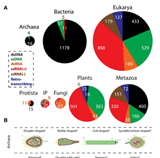
Screen Shot 2014-06-05 at 8.39.02 PMThe distribution and impact of viral lineages in domains of life – Arshan Nasir

“the distribution of viral lineages follows an ancient, highly dynamic and ongoing process that impacts the evolution of organisms. New viral lineages often arise from existing ones and may cross species barriers to infect new hosts”

Alternative invention for shrimp bacterial pathogens wins patent – Times of India

“Dr Indrani Karunasagar, director, UNESCO Centre for marine Biotechnology and Associate Director of Research, has received the patent for “the process of preparing a consortium of bacteriophages for controlling luminous bacterial disease in shrimp larvae.” Like a virus, a lytic bacteriophage is a virus that infects and replicates within the bacteria and kills it. “

Microbial Ecology

Screen Shot 2014-06-05 at 8.53.35 PMThe microbial contribution to macroecology – Albert Barberán – Frontiers in Microbiology

“We highlight two idiosyncrasies of microorganisms that are fundamental to understanding macroecological patterns and their mechanistic drivers. First, high dispersal rates provide novel opportunities to test the relative importance of niche, stochastic, and historical processes in structuring biological communities. Second, high speciation rates potentially lead to the convergence of ecological and evolutionary time scales.”

More microbiology

Screen Shot 2014-06-05 at 8.40.05 PMInteractions between Bacillus anthracis and Plants May Promote Anthrax Transmission
Holly H. Ganz – PLOS Neglected Tropical Diseases

“We found that B. anthracis increased the rate of establishment of a native grass (Enneapogon desvauxii) by 50% and that grass seeds exposed to blood reached heights that were 45% taller than controls.”

Screen Shot 2014-06-05 at 8.54.21 PMTo be or not to be associated: power study of four statistical modeling approaches to identify parasite associations in cross-sectional studies – Elise Vaumourin – Frontiers in Cellular and Infection Microbiology

“We applied these four approaches to detect associations within two populations of multi-infected hosts: (1) rodents infected with Bartonella sp., Babesia microti and Anaplasma phagocytophilum and (2) bovine population infected with Theileria sp. and Babesia sp”

Screen Shot 2014-06-05 at 8.47.24 PMPCR performance of a thermostable heterodimeric archaeal DNA polymerase – Tom Killelea – Frontiers in Microbiology, Evolutionary and Genomic Microbiology

“Here we looked at the PCR performances of the proof-reading D-type DNA polymerase from P. abyssi, Pab-polD. Fragments, 3 kilobases in length, were specifically PCR-amplified in its optimized reaction buffer. Pab-polD showed not only a greater resistance to high denaturation temperatures than Taq during cycling, but also a superior tolerance to the presence of potential inhibitors. “

Arsenic metabolism

Screen Shot 2014-06-05 at 8.50.18 PMArsenic and old toenails – University of British Columbia

“We successfully recruited 35,000 Atlantic Canadians whose health will be tracked over the next 25 years, and the project will be a major resource for cancer prevention research. More than 22,000 participants provided blood and toenail clippings, which ended up being an official Guinness World Record.”

Marine Mammals (and turtles)

Screen Shot 2014-06-05 at 8.51.14 PMSatellite Tracking of Sympatric Marine Megafauna Can Inform the Biological Basis for Species Co-Management – Christian Gredzens – PLOS ONE

“Fast-acquisition satellite telemetry was used to track eleven dugongs and ten green turtles at two geographically distinct foraging locations in Queensland, Australia to evaluate the inter- and intra-species spatial relationships and assess the efficacy of existing protection zones. “

Dr. Bik’s Picks

Screen Shot 2014-06-05 at 8.48.40 PMThe sheep genome illuminates biology of the rumen and lipid metabolism – Yu Jiang- Science

“We have developed and analyzed a high-quality reference sheep genome and transcriptomes from 40 different tissues. We identified highly expressed genes encoding keratin cross-linking proteins associated with rumen evolution.”

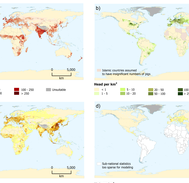
Screen Shot 2014-06-05 at 8.55.17 PMMapping the Global Distribution of Livestock – Timothy P. Robinson – PLOS ONE

“This paper describes the current approach in detail and presents new global distribution maps at 1 km resolution for cattle, pigs and chickens, and a partial distribution map for ducks. These digital layers are made publically available via the Livestock Geo-Wiki (http://www.livestock.geo-wiki.org), as will be the maps of other livestock types as they are produced.”

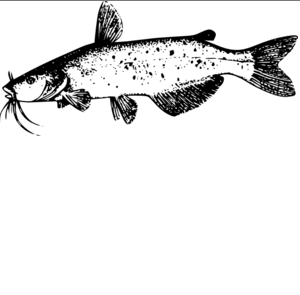
Screen Shot 2014-06-05 at 9.02.51 PMCatfish ‘See’ Their Next Meal with Acid-Sensing Whiskers – Charles Q. Choi – LiveScience

“Catfish have evolved sensors on their whiskers that can help the animals hunt in the dark by detecting slight changes in water acidity, the first time such sensors have been seen in fish, researchers say.”

Screen Shot 2014-06-05 at 8.56.34 PMWhy Koalas Hug Trees – Tia Ghose – LiveScience

“Now, scientists have figured out why the iconic Australian marsupials hug trees: The trunks help the koala bears keep cool, according to a new study.”

[hr]