General microbiology and science, July 17

Detection of microbes in clinical samples, phages living in viruses, and archaea in biofilms.

Microbial detection in clinical samples

Metagenomic analysis of a sample from a patient with respiratory tract infection reveals the presence of a γ-papillomavirus – Marta Canuti – Frontiers in Microbiology

“We therefore concluded that the detected γ-papillomavirus is unlikely to be the causative agent of the respiratory complaints and its presence in the nose of the patient is not related to the disease.”

Detection of intestinal protozoa in paediatric patients with gastrointestinal symptoms by multiplex real-time PCR – L. Maas – Clinical Microbiology and Infection

“The performance of a multiplex real-time PCR for the detection of Blastocystis, Dientamoeba fragilis, Giardia lamblia, Cryptosporidium species and Entamoeba species in faecal samples was evaluated in an observational prospective study.”

Are Quantitative Bacterial Wound Cultures Useful? – George Kallstrom – Journal of Clinical Microbiology

“This minireview briefly summarizes the clinical microbiology of wound cultures, with an emphasis on the history and utility (or lack thereof) of the quantitative wound culture.”

Phages and viruses

The origins of giant viruses, virophages and their relatives in host genomes – Aris Katzourakis and Amr Aswad – BMC Biology

“These viruses, together with the transposon-related virophages that infect them, pose a number of questions about their evolutionary origins that need to be considered in the light of the complex entanglement between host, virus and virophage genomes.”

Antibiotics

Antibiotics promote aggregation within aquatic bacterial communities – Gianluca Corno – Frontiers in Microbiology

“In this study a chemostat-based experiment with 4 coexisting bacterial strains has been performed to mimicking the response of a freshwater bacterial community to the presence of antibiotics in low and high doses.”

Biofilms and Archaea

Biofilm formation of mucosa-associated methanoarchaeal strains – Corinna Bang – Frontiers in Microbiology

“Here, the ability of three methanoarchaeal strains, Methanobrevibacter smithii and Methanosphaera stadtmanae, which form part of the human gut microbiota, and the Methanosarcina mazei strain Gö1 to grow on different surfaces and form biofilms was investigated. “

Microbial ecology

Persistence in the shadow of killers – Robert M. Sinclair – Frontiers in Microbiology

“What we show is that coexistence is not only possible, but that it is possible even if the absolute fitness advantage of the sensitive strain over the killer strain is arbitrarily small. We do this by performing a specifically targeted mathematical analysis on our model, rather than via simulations.”

General microbiology

Editorial: Bioterrorism: myth or reality? – G. Greub and M. P. Grobusch – Clinical Microbiology and Infection

Dr. Bik’s Picks

Today I can only cry for the people onboard flight MH17.

[hr]


Non-human microbiome, July 17

Microbiomes of sparrows, stinkbugs, corals, grapevine, and archeological stones.

Bird microbiome

Screen Shot 2014-07-17 at 5.14.56 PMGut Bacterial Diversity of the House Sparrow (Passer domesticus) Inferred by 16S rRNA Sequence Analysis – Leticia Mirón – Metagenomics

“This study is the first description of the diversity of bacteria along the whole intestine of a wild bird (Passer domesticus). Pyrosequencing of the 16S rRNA gene unveiled a high bacterial diversity, distributed in 11 bacterial phyla. “

Insect microbiome

StinkybugsSymbiont polyphyly, co-evolution, and necessity in pentatomid stinkbugs from Costa Rica – Kalia S. I. Bistolas – Frontiers in Microbiology

“The gut microbiota of 13 micro-allopatric tropical pentatomid species, from a Costa Rican lowland rainforest, was characterized and compared with insect and host plant phylogenies.”

Coral microbiome

CoralsReview: A genomic approach to coral-dinoflagellate symbiosis: studies of Acropora digitifera and Symbiodinium minutum – Chuya Shinzato – Frontiers in Microbiology

“Here we review recent genomic data derived from the scleractinian coral, Acropora digitifera, and the endosymbiotic dinoflagellate, Symbiodinium minutum. “

Plant microbiome

Screen Shot 2014-07-17 at 5.15.23 PMPyrosequencing detects human and animal pathogenic taxa in the grapevine endosphere – Sohail Yousaf – Frontiers in Microbiology

“We used pyrosequencing and phylogenetic analyses of the 16S rDNA gene. We identified several HAPT, and focused on four genera (Propionibacterium, Staphylococcus, Clostridium, and Burkholderia). “

Built Environment microbiome

Screen Shot 2014-07-17 at 5.15.49 PM 1Biological nanosilver particles for the protection of archaeological stones against microbial colonization – Ashraf M M Essa – International Biodeterioration & Biodegradation

“The stones treated with silicon polymer loaded with AgNPs showed an elevated antimicrobial potentiality against A. niger and S. parvullus.”

Water microbiome

Screen Shot 2014-07-17 at 5.16.30 PM16S rDNA-based analysis reveals cosmopolitan occurrence but limited diversity of two cyanobacterial lineages with contrasted patterns of intracellular carbonate mineralization – Marie Ragon – Frontiers in Microbiology

“To explore the diversity of these two distant cyanobacterial lineages representing two different patterns of intracellular calcification, we designed specific primers against their 16S rRNA genes and looked for their occurrence in a wide variety of samples. “

[hr]

Human microbiome, July 17

Protozoa detection in fecal samples from children, airway microbiome, and Staphylococcus transmission between mother and child.

Oral microbiome

Oral Lihong GuoIntercellular communications in multispecies oral microbial communities – Lihong Guo – Frontiers in Microbiology

“This review will summarize the evidence that oral microbes participate in intercellular communications with co-inhabitants through cell contact-dependent physical interactions, metabolic interdependencies, as well as coordinative signaling systems to establish and maintain balanced microbial communities.”

Respiratory microbiome

Screen Shot 2014-07-17 at 4.58.37 PMAirway Microbiome Dynamics in Exacerbations of Chronic Obstructive Pulmonary Disease – Yvonne J. Huang – Journal of Clinical Microbiology

“In this study, temporal changes in the airway microbiome before, at the onset of, and after an acute exacerbation were examined in 60 sputum samples collected from subjects enrolled in a longitudinal study of bacterial infection in COPD.”

Screen Shot 2014-07-17 at 4.59.26 PMTime between Collection and Storage Significantly Influences Bacterial Sequence Composition in Sputum Samples from Cystic Fibrosis Respiratory Infections – Leah Cuthbertson – Journal of Clinical Microbiology

“Samples were treated with propidium monoazide to distinguish live from dead cells prior to DNA extraction, and 16S rRNA gene pyrosequencing was used to characterize their bacterial compositions.”

Gut microbiome

Screen Shot 2014-07-17 at 4.58.09 PMThe devil lies in the details: How variations in polysaccharide fine-structure impact the physiology and evolution of gut microbes – Eric C. Martens – Journal of Molecular Biology

“Here, we review the recent literature on this topic and posit that numerous, subtle variations in polysaccharides diversify the spectrum of available nutrient niches, each of which may be best filled by a subset of microorganisms that possess the corresponding proteins to recognize and degrade different carbohydrates”

Pregnancy and birth

Protozoa pediatricDetection of intestinal protozoa in paediatric patients with gastrointestinal symptoms by multiplex real-time PCR – L. Maas – Clinical Microbiology and Infection

“The performance of a multiplex real-time PCR for the detection of Blastocystis, Dientamoeba fragilis, Giardia lamblia, Cryptosporidium species and Entamoeba species in faecal samples was evaluated in an observational prospective study.”

Staph transmTransmission of Staphylococcus aureus between mothers and infants in an African setting – F. Schaumburg – Clinical Microbiology and Infection

“We aimed to investigate the transmission of S. aureus between mothers and their newborns during the first year after delivery in an African setting. In a longitudinal cohort study, colonization of Gabonese mother–infant pairs was assessed at delivery and after 1, 9 and 12 months.”

Commentary: Travelling within the fetal gut: simple rules for an arduous journey
Qiling Xu – BMC Microbiology

“A recent paper in BMC Biology addresses this issue with live imaging of gut explants from mouse embryos.”

[hr]

General microbiology and science, July 16

Comparison of 1700 metagenomes,  $125,000 to study 100 trillion bacteria, arsenic speciation, and the Seinfeld “double dipping” videoclip.

General microbiome and metagenome

Metagenome exploringExploring Neighborhoods in the Metagenome Universe – Kathrin P. Aßhauer – International Journal of Molecular Sciences

“Our evaluation on more than 1700 publicly available metagenomes indicates that for a query metagenome from a particular habitat on average nine out of ten nearest neighbors represent the same habitat category independent of the utilized profiling method or distance measure. “

UMass Cancer Avatar Institute, Center for Microbiome Research backed by UMass president

“Beth McCormick, PhD, professor of microbiology & physiological systems, was also awarded $125,000 to develop the Center for Microbiome Research, envisioned as a center of research and education for the microbiome, the ecosystem of the 100 trillion bacteria in the human body.”

Dengue virus

Endothelial Cells in Dengue Hemorrhagic Fever – Anon Srikiatkhachorn – Antiviral Research

“In this review we summarize dengue viruses and the spectrum of human disease and highlight evidence of endothelial cell dysfunction in DHF based on studies in patients and mouse and tissue culture models. “

Dengue fever and bone marrow myelofibrosis – Xin Qing – Experimental and Molecular Pathology

“We report the first case to our knowledge of myelofibrosis associated with dengue fever. We briefly describe dengue infections and hypothesize the causes of myelofibrosis in this condition.”

African genetic ancestry is associated with a protective effect on Dengue severity in colombian populations – Juan C. Chacón-Duque – Infection, Genetics and Evolution

“We found that African ancestry has a protective effect against severe outcomes under several systems of clinical classification”

Conference abstract: Longitudinal Analysis Of Dengue Fever Infections Reported In The Uk Betwen 2002 – 2013 Using The Health Improvement Network (Thin) Primary Care Database – D Ansell – Value in Health

Polio virus

Comment: Infectious disease: Polio eradication hinges on child health in Pakistan – Zulfiqar Ahmed Bhutta – Nature

“Last year, only 406 cases were reported, with 160 of them in just a few areas of the three countries where polio remains endemic”

Microbes in the news

Gut feeling: How intestinal bacteria may influence our moods – Sharon Oosthoek – CBC News

“Dr. Emeran Mayer, a gastroenterologist at University of California, Los Angeles, is a self-described sceptic, but admits “there is enough there to make me think some of the findings from animal studies can be extrapolated to humans.””

#BacteriaHysteria: Double-dipping spreads bacteria. But does it get people sick? (with the famous Seinfeld clip) – Joseph Stromberg – Vox.com

“Many people believe that dipping a chip into a shared bowl of drip, taking a bite, and dipping again — termed “double-dipping” in a 1993 episode of Seinfeld — is an abhorrently unsanitary practice. Others, like George Costanza, think this aversion is unscientific, and there’s actually no harm in double-dipping at all.”

Sizing up bacteria – Peter Reuell – Harvard Gazette

“A new theoretical framework outlined by a Harvard scientist could help solve the mystery of how bacterial cells coordinate processes that are critical to cellular division, such as DNA replication, and how bacteria know when to divide.”

Chilling new details on cold-storage smallpox – Hoai-Tran Bui and Alison Young, USA TODAY

Arsenic metabolism

arsenicComplementary Arsenic Speciation Methods: A Review – Michelle M. Nearing – Spectrochimica Acta Part B: Atomic Spectroscopy

“The toxicity of arsenic greatly depends on its chemical form and oxidation state (speciation) and therefore accurate determination of arsenic speciation is a crucial step in understanding its chemistry and potential risk.”

Science, ethics and publishing

Should Research Fraud be a Crime? A Reader Poll – Ed Silverman – Wall Street Journal

“A researcher may lose a job or stature, but should there be more serious consequences, such as criminal liability? A debate between two academics in BMJ, the British Medical Journal, explores the yin and yang surrounding this question.“

Dr. Bik’s Picks

Great title! IgG walkingIgGs are made for walking on bacterial and viral surfaces – Johannes Preiner – Nature Communications

“Here we utilize high-speed atomic force microscopy to examine the dynamics of antibody recognition and uncover a principle; antibodies do not remain stationary on surfaces of regularly spaced epitopes; they rather exhibit ‘bipedal’ stochastic walking”

Human (and fish) microbiome, July 16

Oral microbiome in children with leukemia, and effects of antibiotics on fish microbiota.

Human oral microbiome

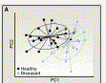
Oral Microbiota Distinguishes Acute Lymphoblastic Leukemia Pediatric Hosts from Healthy Populations – Yan Wang – PLOS ONE

“The oral microbiota of leukemia patients had lower richness and less diversity compared to healthy controls.”

Human gut microbiome

Editorial: New bacteria associated with diarrhoea – Cláudio Nunes-Alves – Nature Reviews Microbiology

Pop et al. used high throughput 16S rRNA sequencing to compare the faecal microbiota composition in 992 children from Gambia, Mali, Kenya and Bangladesh”

Pregnancy and birth

Yes, this one is not really microbiome-related, but it touched my heart:

Screen Shot 2014-07-16 at 11.49.15 PMStrangers help with photo in midst of tragedy – Dorrine Mendoza, CNN

“”My daughter recently passed away after a long battle in the children’s hospital. She was in the hospital her whole life and we were never able to get a photo without all her tubes. Can someone remove the tubes?””

Fish microbiome

Effects of antibiotic on the bacterial microflora in two commercially
important catfish species, Clarias batrachus and Heteropneustes fossilis in
Bangladesh – Md. Shahdat Hossain – Journal of Coastal Life Medicine

“During the experiment, bacterial loads were estimated as colony forming unit (CFU/g) by every alternate day in the aquarium water, gills, skin and intestine of fish.”

[hr]


General microbiology and science, July 15

Dengue virus replication, poliovirus transmission, marine viral communities, primer choice, and CRISPRs systems and antibiotic resistance.

Dengue virus

Letter: Are viral small RNA regulating Dengue virus replication beyond serotype 2? – Esteban Finol – PNAS

Letter: Reply to Finol: Viral small RNA from Dengue virus and its egulatory role in different serotypes – Mazhar Hussain and Sassan Asgari – PNAS

Poliovirus

Screen shot 2014-07-15 at 06.00PM, Jul 15The role of older children and adults in wild poliovirus transmission – Isobel M. Blake – PNAS

“We fit a mathematical model of poliovirus transmission to time series data from two large outbreaks that affected adults (Tajikistan 2010, Republic of Congo 2010) using maximum-likelihood estimation based on iterated particle-filtering methods. “

Phages and viruses

Screen shot 2014-07-15 at 06.01PM, Jul 15Modeling ecological drivers in marine viral communities using comparative metagenomics and network analyses – Bonnie L. Hurwitz – PNAS

“Here we combine advances in bioinformatics (shared k-mer analyses) and social networking (regression modeling) to develop an annotation- and assembly-free visualization and analytical strategy for comparative metagenomics that uses all the data in a unified statistical framework. “

Screen shot 2014-07-15 at 06.02PM, Jul 15Contrasted coevolutionary dynamics between a bacterial pathogen and its bacteriophages – Alex Betts – PNAS

“We used experimental evolution between Pseudomonas aeruginosa and a panel of its lytic phages and found the full known range of coevolutionary dynamics.”

CRISPRs and antibiotic resistance

Screen shot 2014-07-15 at 06.03PM, Jul 15A CRISPR-Cas system enhances envelope integrity mediating antibiotic resistance and inflammasome evasion – Timothy R. Sampson – PNAS

“We demonstrate that components of a clustered, regularly interspaced, short palindromic repeats–CRISPR associated (CRISPR-Cas) system, a prokaryotic defense against viruses and foreign nucleic acid, act to regulate the permeability of the bacterial envelope, ultimately providing these cells with the capability to resist membrane damage caused by antibiotics. “

Extraction and amplification techniques

The Influence of DNA Extraction Procedure and Primer Set on the Bacterial Community Analysis by Pyrosequencing of Barcoded 16S rRNA Gene Amplicons – Ingo C. Starke – Molecular Biology International

“In this study, the effect of different DNA extraction procedures and primer sets on pyrosequencing results regarding the composition of bacterial communities in the ileum of piglets was investigated. “

Metagenomics general

Interpreting 16S metagenomic data without clustering to achieve sub-OTU resolution – Mikhail Tikhonov – ISME Journal

“We present a clustering-free approach to multi-sample Illumina data sets that can identify independent bacterial subpopulations regardless of the similarity of their 16S tag sequences. “


General Microbiology

Screen shot 2014-07-15 at 06.04PM, Jul 15Recovery of a Medieval Brucella melitensis Genome Using Shotgun Metagenomics – Gemma L. Kay – mBio

“We sequenced the metagenome of a calcified nodule from the skeleton of a 14th-century middle-aged male excavated from the medieval Sardinian settlement of Geridu. We obtained 6.5-fold coverage of a Brucella melitensis genome”

Screen shot 2014-07-15 at 06.05PM, Jul 15Review: The Ins and Outs of Bacterial Iron Metabolism – Elaine R. Frawley and Ferric C. Fang – Molecular Microbiology

“The recent discovery of putative iron efflux transporters in Salmonella enterica serovar Typhimurium is discussed in the context of cellular iron homeostasis.”

Screen shot 2014-07-15 at 06.05PM, Jul 15 1Genetic information transfer promotes cooperation in bacteria – Tatiana Dimitriu – PNAS

“Our experiments and models converge to show that when both cheating and cooperative genes are transferred, cooperators win against cheaters because transfer increases assortment among alleles, favoring cooperation.”

Challenges and Opportunities of Integrative Taxonomy for Research and Society – Taxonomic Research in the Era of OMICS Technologies (PDF)  (Herausforderungen und Chancen der integrativen Taxonomie für Forschung und Gesellschaft) – Deutsche Akademie der Naturforscher Leopoldina e.V.

Microbiomes and metagenomes in need of professional classification – Rudolf Amann
The intestinal microbiome and human health: a new challenge for taxonomy of metagenomic data – Bärbel Stecher
Characterizing species boundaries and species histories in closely related fungi using comparative population genomic approaches – Eva H. Stukenbrock

Coming of ageThe coming of age of microbial ecology – Ana E. Escalante and Silvia Pajares – Chapter in Open Access book: Frontiers in Ecology, Evolution and Complexity

“Despite major challenges, new technological advances in genomic sciences have prompted microbial ecology into a revolution in data generation that has allowed us to move beyond studies of single isolates to the study of entire microbial communities without reliance on culture-dependent methods.”

Review: The Dynamic Interactions between Salmonella and the Microbiota, within the Challenging Niche of the Gastrointestinal Tract – C. M. Anjam Khan – International Scholarly Research Notices

“This gastrointestinal pathogen not only faces the hostile defenses of the host’s immune system, but also faces fierce competition from the large and diverse community of microbiota for space and nutrients.”


Science and publishing

Screen shot 2014-07-15 at 05.59PM, Jul 15Is Social Media Saving Science? – Michael White – Pacific Standard

“Why do editors and expert reviewers, whose primary job is to vet manuscripts, miss major flaws that are so obvious to readers after the papers are published?”

Dr. Bik’s Picks

Screen shot 2014-07-15 at 06.07PM, Jul 15Effect of sleep deprivation on the human metabolome – Sarah K. Davies – PNAS

“Clear daily rhythms were observed in most metabolites, with 24 h wakefulness mainly reducing the amplitude of these rhythms.”

Screen shot 2014-07-15 at 06.06PM, Jul 15Comparison of five different RNA sources to examine the lactating bovine mammary gland transcriptome using RNA-Sequencing – Angela Cánovas – Nature Scientific Reports

“Our results provide a comparison between different sampling methods (invasive and non-invasive) to define the transcriptome of mammary gland tissue and milk cells.’

Screen shot 2014-07-15 at 06.07PM, Jul 15 1Superior time perception for lower musical pitch explains why bass-ranged instruments lay down musical rhythms – Michael J. Hove – PNAS

“Here, we show that, when two streams of tones are presented simultaneously, the brain better detects timing deviations in the lower-pitched than in the higher-pitched stream and that tapping synchronization to the tones is more influenced by the lower-pitched stream. “

[hr]

Non-human microbiome, July 15

Murine skin commensals, nematodes, Bordeaux vines, polar soil, and water.

Mice microbiome

Adaptive immunity to murine skin commensals – Wei Shen – PNAS

“Here we report, for the first time, that commensal skin bacteria are recognized by major populations of T cells in skin-draining lymph nodes of mice.”

Nematode microbiome

Screen shot 2014-07-15 at 05.21PM, Jul 15NilD CRISPR RNA contributes to Xenorhabdus nematophila colonization of symbiotic host nematodes – Jeff L. Veesenmeyer – Molecular Microbiology

“Our data demonstrate that NilD RNA is conditionally necessary for mutualistic host colonization and suggest that it functions to regulate endogenous gene expression.”

Plant microbiome

Screen shot 2014-07-15 at 05.37PM, Jul 15Characterization of Pythium oligandrum populations that colonise the rhizosphere of vines from the Bordeaux region – Jonathan Gerbore – FEMS Microbiology Ecology

“The present study focused on one oomycete, Pythium oligandrum, well-known for its plant protection abilities, which thrives in microbial environment where bacteria and fungal communities are also present. “

Environmental microbial communities  (also see Human Gut digest)

Screen shot 2014-07-15 at 05.18PM, Jul 15Conditionally Rare Taxa Disproportionately Contribute to Temporal Changes in Microbial Diversity – Ashley Shade – mBio

“Using 16S rRNA amplicon sequencing of 3,237 samples from 42 time series of microbial communities from nine different ecosystems (air; marine; lake; stream; adult human skin, tongue, and gut; infant gut; and brewery wastewater treatment), we introduce a new method to detect typically rare microbial taxa that occasionally become very abundant (conditionally rare taxa [CRT]) and then quantify their contributions to temporal shifts in community structure.”

Soil microbiome

Screen shot 2014-07-15 at 05.38PM, Jul 15Environmental drivers of soil microbial community distribution at the Koiliaris Critical Zone Observatory – Myrto Tsiknia – FEMS Microbiology Ecology

“This study investigates the distribution of archaea, bacteria and fungi as well as the dominant bacterial phyla (Acidobacteria, Actinobacteria, Bacteroidetes, Firmicutes), and classes of Proteobacteria (α- and β-Proteobacteria) across the Koiliaris watershed by qPCR and associate them with environmental variables. “

SicilianoSoil fertility is associated with fungal and bacterial richness, whereas pH is associated with community composition in polar soil microbial communities – Steven D. Siciliano – Soil Biology and Biochemistry

“We quantified richness, evenness and taxonomic composition of both fungi and bacteria in 223 Arctic and Antarctic soil samples across 8 locations to test the global applicability of hypotheses concerning edaphic drivers of soil microbial communities that have been primarily developed from studies of bacteria in temperate and tropical systems.”

TianThe effect of irrigation with oil-polluted water on microbial communities in estuarine reed rhizosphere soils – Weijun Tian – Ecological Engineering

“PCR-denaturing gradient gel electrophoresis profiles revealed that the structure of the bacterial community was generally less affected, but the dominant flora was changed.”

Metatranscriptomic analysis of Arctic peat soil microbiota – Alexander Tveit – Applied and Environmental Microbiology

“A comparative analysis of mRNA enriched and non-enriched metatranscriptomes showed that mRNA enrichment resulted in a two-fold increase in the relative abundance of mRNA, but biased the relative distribution of mRNA. “

Screen shot 2014-07-15 at 07.15PM, Jul 15Network analysis reveals that bacteria and fungi form modules that correlate independently with soil parameters – Alexandre B de Menezes – Environmental Microbiology

“Network and multivariate statistical analyses were performed to determine interactions between bacterial and fungal community T-RFLPs as well as soil properties in paired woodland and pasture sites.”

Screen shot 2014-07-15 at 07.12PM, Jul 15 1Dynamic Succession of Soil Bacterial Community during Continuous Cropping of Peanut (Arachis hypogaea L.) – Mingna Chen – PLOS ONE

“In this study, 16S rRNA gene clone library analyses were used to study the succession of soil bacterial communities under continuous peanut cultivation.”

Diversity of Bacterial Communities in a Profile of a Winter Wheat Field: Known and Unknown Members – Aurore Stroobants – Microbial Ecology

“In the present work, we have used bar-coded pyrosequencing analysis of the V3 region of the 16S rRNA gene to analyze bacterial diversity in a profile (depths 10, 25, and 45 cm) of a well-characterized field of winter wheat.”

Expression of copper-resistance genes in microbial communities under copper stress and oxic/anoxic conditions – Ludovic Besaury – Environmental Science and Pollution Research

“The abundance and expression of the copper-resistance genes cusA and copA, encoding respectively for a Resistance Cell Nodulation protein and for a P-type ATP-ase pump, was assessed along a gradient of copper concentration in microcosms prepared from Seine estuary mudflat sediment. “

Water microbiome

Screen shot 2014-07-15 at 05.40PM, Jul 15Distinct bacterial assemblages reside at different depths in Arctic multiyear sea ice – Ido Hatam – FEMS Microbiology Ecology

“Here, we determine whether bacterial communities: 1) differ with ice depth due to strong physical and chemical gradients, 2) are relatively homogenous within a layer, but differ between layers, or 3) do not vary with ice depth”

Screen shot 2014-07-15 at 05.41PM, Jul 15Microspatial gene expression patterns in the Amazon River Plume – Brandon M. Satinsky – PNAS

“The bacterial and archaeal communities associated with a phytoplankton bloom in Amazon River Plume waters at the outer continental shelf in June 2010 harbored ∼1.0 × 10¹³ genes and 4.7 × 10¹¹ transcripts per liter that mapped to several thousand microbial genomes.”

Screen shot 2014-07-15 at 05.42PM, Jul 15Synchronous dynamics and correlations between bacteria and phytoplankton in a subtropical drinking water reservoir – Lemian Liu – FEMS Microbiology Ecology

“In this study, we evaluated the correlations between bacteria and phytoplankton communities, and determined the relative contribution of phytoplankton community succession to temporal variation of BCC in a subtropical drinking water reservoir (Tingxi Reservoir, southeast China).”

Screen shot 2014-07-15 at 07.12PM, Jul 15Metabolic and phylogenetic profile of bacterial community in Guishan coastal water (Pearl River Estuary), South China Sea – Xiaojuan Hu – Journal of Ocean University of China

“In the present study, the metabolic and phylogenetic profile of the bacterioplankton community in Guishan coastal water (Pearl River Estuary), South China Sea, at 12 sites (S1-S12) were explored by community-level physiological profiling (CLPP) with BIOLOG Eco-plate and denaturing gradient gel electrophoresis (DGGE).”


Bioreactor microbiomes

Screen shot 2014-07-15 at 05.39PM, Jul 15

Shifts in the Microbial Community, Nitrifiers and Denitrifiers in the Biofilm in a Full-scale Rotating Biological Contactor – Xingxing Peng – Environmental Science & Technology

“The microbial consortia were profiled using multiple approaches, including 454 high-throughput sequencing of the V3–V4 region of 16S rRNA gene, clone libraries, and quantitative polymerase chain reaction (qPCR). “

Enzymatic characterizationEnzymatic characterization of microbial isolates from lignocellulose waste composting: Chronological evolution – Juan Antonio López-González – Journal of Environmental Management

“Ammonification (72.04%), amylolysis (35.65%), hemicellulolyis (30.75%), and proteolysis (33.61%) were the more frequent activities among isolates, with mesophilic bacteria and fungi as the prevalent microbial communities.”

[hr]

Human microbiome, July 15

Not-always-rare taxa in a wide range of ecosystems, microbiome in early life, focus on Lactobacillus and Bacteroides and microbiota and inflammation.

General microbiome

Science Webinar: The promise of the microbiome: Function and dysfunction in humans and beyond – David A. Relman, Jack A. Gilbert, Rob Knight

“Microbiomes–the distinct microbial populations that colonize an array of bodily and environmental niches–are rapidly gaining prominence in numerous fields of research. “

Gut microbiome

Screen shot 2014-07-15 at 05.18PM, Jul 15Conditionally Rare Taxa Disproportionately Contribute to Temporal Changes in Microbial Diversity – Ashley Shade – mBio

“Using 16S rRNA amplicon sequencing of 3,237 samples from 42 time series of microbial communities from nine different ecosystems (air; marine; lake; stream; adult human skin, tongue, and gut; infant gut; and brewery wastewater treatment), we introduce a new method to detect typically rare microbial taxa that occasionally become very abundant (conditionally rare taxa [CRT]) and then quantify their contributions to temporal shifts in community structure.”

Screen shot 2014-07-15 at 05.20PM, Jul 15Functional genomics of Lactobacillus casei establishment in the gut – Hélène Licandro-Seraut – PNAS

“By determining the relative quantity of each of the 1,110 mutants before and after the in vivo challenge, we identified a core of 47 L. casei genes necessary for its establishment in the gut. “

Screen shot 2014-07-15 at 05.21PM, Jul 15Tuning transcription of nutrient utilization genes to catabolic rate promotes growth in a gut bacterium – Varsha Raghavan – Molecular Microbiology

“We report that the regulator controlling utilization of chondroitin sulfate (CS) in the mammalian gut symbiont Bacteroides thetaiotaomicron is activated by an intermediate in CS breakdown rather than CS itself.”

Pregnancy and Birth

Screen shot 2014-07-15 at 06.38PM, Jul 15 1Review: The Microbiome in Early Life: Self-Completion and Microbiota Protection as Health Priorities – Rodney R. Dietert – Birth Defects Research Part B: Developmental and Reproductive Toxicology

“This minireview considers the benefits of refocusing attention away from treating the patient as a mammalian human to managing the complete patient: a majority microbial superorganism. “

Screen shot 2014-07-15 at 06.38PM, Jul 15Review: Anaerobes and Bacterial Vaginosis in Pregnancy: Virulence Factors Contributing to Vaginal Colonisation – Charlene W. J. Africa – Int. J. Environ. Res. Public Health

“This paper reviewed new available information regarding possible factors contributing to the establishment of the BV vaginal biofilm, examined the proposed role of anaerobic microbial species recently detected by new culture-independent methods and discusses developments related to the effects of BV on human pregnancy. “

Oral microbiome

Review: Acquisition and maturation of oral microbiome throughout childhood: An update – Benedita Sampaio-Maia – Dental Research Journal

“This revision presents an overview of this renewed knowledge on oral microbial community acquisition in the newborn and on the evolution of this microbiome to adulthood. “


Animal models of human microbiome and disease

Screen shot 2014-07-15 at 05.17PM, Jul 15Commensal microbes drive intestinal inflammation by IL-17–producing CD4+ T cells through ICOSL and OX40L costimulation in the absence of B7-1 and B7-2 – Lijun Xin – PNAS

“Here we show that B7 deprivation in mice overrides the necessity for Tregs in averting systemic autoimmunity and inflammation in extraintestinal tissues, whereas peripherally induced Tregs retained in the absence of B7 selectively mitigate intestinal inflammation caused by Th17 effector CD4+ T cells. “

[hr]