Non-human microbiome, August 12, 2014

Insect, coral, plant, soil, sediment, and snow microbiome
Insect microbiome

Insect endosymbiont proliferation is limited by lipid availability – Jeremy K Herren – eLife

“In this study, we find that Spiroplasma proliferation specifically depletes host hemolymph diacylglyceride, the major lipid class transported by the lipoprotein, Lpp.”

Coral microbiome

Novel Tools Integrating Metabolic and Gene Function to Study the Impact of the Environment on Coral Symbiosis – Mathieu Pernice and Oren Levy – Frontiers Microbiology

“Here, we review the potential of recent technological advances in molecular biology and approaches using stable isotopes to fill critical knowledge gaps regarding coral symbiotic function. “

Plant microbiome

Towards a systems understanding of plant-microbe interactions – Akira Mine – Frontiers in Plant Science

“Recent advances in metagenomics of microbial communities associated with plants further point to the importance of systems approaches and open a research area of microbial community reconstruction. “

Amazonian Dark Earth and Plant Species from the Amazon Region Contribute to Shape Rhizosphere Bacterial Communities – Amanda Barbosa Lima – Microbial Ecology

The aim of this study was to assess the effects of ADE and its surrounding soil on the rhizosphere bacterial communities of two leguminous plant species that frequently occur in the Amazon region in forest sites (Mimosa debilis) and open areas (Senna alata).”

Rhizosphere effect and salinity competing to shape microbial communities in Phragmites australis (Cav.) Trin. ex-Steud – Luigimaria Borruso – FEMS Microbiology Letters

“Microbiological analyses have been done by Automated Ribosomal Intergenic Spacer Analysis (ARISA) and partial 16S rRNA gene 454 pyrosequencing. “

Soil and sediment microbiome

Diversity of Bacterial Communities Along a Petroleum Contamination Gradient in Desert Soils – Raeid M. M. Abed – Microbial Ecology

“We investigated bacterial diversity and changes therein in five desert soils exposed to different levels of oil pollution.”

16S rRNA Gene Survey of Microbial Communities in Winogradsky Columns – Ethan A. Rundell – PLOS ONE

“A Winogradsky column is a clear glass or plastic column filled with enriched sediment. Over time, microbial communities in the sediment grow in a stratified ecosystem with an oxic top layer and anoxic sub-surface layers.”

Phylogenetic and Functional Diversity of Microbial Communities Associated with Subsurface Sediments of the Sonora Margin, Guaymas Basin – Adrien Vigneron – PLOS ONE

“Microbial community structure and abundance and distribution of dominant populations were assessed using complementary molecular approaches .. and correlated to comprehensive geochemical data.”

Isolation of Sphaerotilus-Leptothrix-strains from iron bacteria communities in Tierra del Fuego wetlands – B Schmidt – FEMS Microbiology Ecology

“The present work increases the number and diversity of cultivated SLG bacteria by obtaining isolates from biofilms and sediment samples of wetlands in Tierra del Fuego.”

Water and snow microbiome

Snow Surface Microbiome on the High Antarctic Plateau (DOME C) – Luigi Michaud – PLOS ONE

“In this study, we investigated the microbial diversity in the surface snow surrounding the Concordia Research Station on the High Antarctic Plateau through a polyphasic approach, including .. (CARD-FISH), and phylogenetic identification by 16S RNA gene clone library sequencing and 454 16S amplicon pyrosequencing.”

[hr]

Non-human microbiome, August 11, 2014

Microbiomes of Eurasian Magpie, mosquitoes, ticks, 218 insect species, sponges, plants, and olives.

Bird microbiome

Effect of Incubation on Bacterial Communities of Eggshells in a Temperate Bird, the Eurasian Magpie (Pica pica) – Won Young Lee – PLOS ONE

“In this study, we employed culture-independent methods, quantitative PCR and 16S rRNA gene pyrosequencing, to elucidate the effect of incubation on the bacterial abundance and bacterial community composition on the eggshells of the Eurasian Magpie (Pica pica).”

Arthropod microbiome

Native microbiome impedes vertical transmission of Wolbachia in Anopheles mosquitoes
Grant L. Hughes – PNAS USA

“We show the native microbiota of Anopheles impede vertical transmission of Wolbachia. Antibiotic microbiome perturbation enables Wolbachia transmission in two Anopheles species.”

Microbial Population Analysis of the Salivary Glands of Ticks; A Possible Strategy for the Surveillance of Bacterial Pathogens – Yongjin Qiu – PLOS ONE

“Bacterial communities in each salivary gland were characterized by 16S amplicon pyrosequencing using a 454 GS-Junior Next Generation Sequencer. The Ribosomal Database Project (RDP) Classifier was used to classify sequence reads at the genus level. “

Insect Gut Bacterial Diversity Determined by Environmental Habitat, Diet, Developmental Stage, and Phylogeny of Host – Ji-Hyun Yun – Applied and Environmental Microbiology

In this study, we comprehensively characterized insect-associated gut bacteria of 305 individuals belonging to 218 species in 21 taxonomic orders, using 454 pyrosequencing of 16S rRNA genes.

Sponge microbiome

Genomic analysis reveals versatile heterotrophic capacity of a potentially symbiotic sulfur-oxidizing bacterium in sponge – Ren-Mao Tian – Environmental Microbiology

“Here, we present and analyze the first genome of sponge-associated SOB using a recently developed metagenomic binning strategy”

Plant microbiome

Foliage Friendships (behind paywall) – Peter Andrey Smith – Scientific American

“Microbial communities on a plant’s roots, stems and leaves may improve crop growth”

Effects of Fusarium oxysporum on rhizosphere microbial communities of two cucumber genotypes with contrasting Fusarium wilt resistance under hydroponic condition – Ju Ding – European Journal of Plant Pathology

“PCR-DGGE analysis of 16S rDNA fragments indicated that following FO inoculation, significant changes in the bacterial structure isolated from the root surfaces of susceptible plants were observed, such as an increased diversity index, a decreased evenness index, and the occurrence of several types of bacteria that decomposed organic substances.”

Food microbiology

Open-refrigerated retail display case temperature profile and its impact on product quality and microbiota of stored baby spinach – Liping Kou – Food Control

“All bags were immediately loaded in the display cases and the overall visual quality, tissue electrolyte leakage, total aerobic mesophilic bacteria and psychrotrophic bacteria were evaluated for each bag. “

Diversity and dynamics of the microbial community on decomposing wheat straw during mushroom compost production – Xi Zhang – Bioresouce Technology

“The development of communities of three important composting players including actinobacteria, fungi and clostridia was explored during the composting of wheat straw for mushroom production. “

Genetic diversity and dynamics of bacterial and yeast strains associated to Spanish-style green table-olive fermentations in large manufacturing companies – Helena Lucena-Padrós – International Journal of Food Microbiology

“We have genotyped a total of 1045 microbial isolates obtained along the fermentation time of Spanish-style green table olives from the fermentation yards (patios) of two large manufacturing companies in the province of Sevilla, south of Spain.”

[hr]


Microbiome digest, August 7, 2014

Microbiome and caries, colorectal cancer, and inflammatory bowel diseases. Microbiomes of fish, dogs, and mosses, microscopic life in an asphalt lake, and the Picks.

Human mouth microbiome

Identification of the Microbiota in Carious Dentin Lesions Using 16S rRNA Gene Sequencing – Junko Obata – PLOS ONE

“In the present study, the bacterial communities in the carious dentin of Japanese subjects were analyzed comprehensively with molecular approaches using the 16S rRNA gene.”

Human gut microbiome

The Human Gut Microbiome as a Screening Tool for Colorectal Cancer – Joseph P. Zackular, Mary A.M. Rogers, Mack T. Ruffin IV, and Patrick D. Schloss – Cancer Prevention Research

“Analysis of the gut microbiome from stool samples revealed both an enrichment and depletion of several bacterial populations associated with adenomas and carcinomas.”

Manipulation of Microbiome, a Promising Therapy for Inflammatory Bowel Diseases – Dapeng Jin, Hongyu Zhang, and Jun Sun – Clinical & Cellular Immunology

“In this review, we summarize the current knowledge of how changes in microbiota may affect the pathogenesis of IBD. “

A perspective on the complexity of dietary fiber structures and their potential effect on the gut microbiota – Bruce R. Hamaker, Yunus E. Tuncil – Journal of Molecular Biology

“the article encourages the building of a framework of information to manipulate the colon microbiota in a predicted way for improved health”


Human microbiome after death

Distinctive thanatomicrobiome signatures found in the blood and internal organs of humans – Ismail Can – Journal of Microbiological Methods

“We compared the effectiveness of two methods by amplifying the 16S rRNA genes and sequencing the amplicons from four cadavers”

Animal models of human microbiome

Disturbance of the gut microbiota in early-life selectively affects visceral pain in adulthood without impacting cognitive or anxiety-related behaviors in male rats
S.M. O’Mahony – Neuroscience

“Neonatal antibiotic treatment leads to an increase in visceral sensitivity in adulthood in rats.”

Dog microbiome

The Unculturables: targeted isolation of bacterial species associated with canine periodontal health or disease from dental plaque – Ian J Davis, Christopher Bull, Alexander Horsfall, Ian Morley and Stephen Harris – BMC Microbiology

“Using a quantitative polymerase chain reaction (qPCR) directed approach a range of microbiological media were screened and optimized to enrich for previously uncultivated target species. A systematic screening methodology was then employed to isolate the species of interest. ‘

Fish microbiome

Characterization of Microbiota Composition and Presence of Selected Antibiotic Resistance Genes in Carriage Water of Ornamental Fish – Lenka Gerzova – PLOS ONE

“In this study we therefore characterized the prevalence of selected antibiotic resistance genes in the microbiota found in the carriage water of ornamental fish originating from 3 different continents.”

Insect microbiome

The mosquito microbiota influences vector competence for human pathogens – Nathan J Dennison, Natapong Jupatanakul, George Dimopoulos – Current Opinion in Insect Science

“Understanding the interaction between the vector, its microbiota and transmitted pathogens will provide novel opportunities to limit disease transmission.”

Plant microbiome

Bacterial-biota dynamics of eight bryophyte species from different ecosystems
Faisal Hammad Mekky Koua – Saudi Journal of Biological Sciences

“..we utilized the 16S rRNA gene PCR-DGGE and subsequent phylogenetic analyses to investigate the bacterial community of eight bryophyte species collected from three distinct ecosystems from western Japan.”

Soil and water microbiome

Two Neumann U students discover new types of viruses – CatholicPhilly.com

“They collected arthrobacter (a bacteria present in soil) from under trees and near lakes, found and filtered out the phages that were present, and then studied phage anatomy and life cycles.”

Water droplets in oil are microhabitats for microbial life – Rainer U. Meckenstock – Science

“In Pitch Lake, Trinidad and Tobago—the world’s largest asphalt lake—we found that microorganisms are metabolically active in minuscule water droplets (1 to 3 microliters) entrapped in oil. “

Microbiome of the built environment

Halophilic Microorganisms Are Responsible for the Rosy Discolouration of Saline Environments in Three Historical Buildings with Mural Paintings – Jörg D. Ettenauer – PLOS ONE

“In order to get a complete overview of this biodeterioration process, we investigated the microbial communities in saline environments causing the rosy discolouration of mural paintings in three Austrian historical buildings using a combination of culture-dependent and -independent techniques as well as microscopic techniques.”

Metagenomics

High-resolution metagenomics – Eran Mick & Rotem Sorek – Nature Biotechnology

In this issue, Nielsen et al. present a powerful method for interpreting metagenomic data at the level of individual genomes without relying on reference sequences of cultured isolates, which can be generated for only a small fraction of microbial life.

Microbes in the News

The Quantified Microbiome Self – Carl Zimmer – National Geographic

“But as I read the journal Genome Biology today, I decided that someday I might surrender to the Quantified Self movement. I’ll just have to wait till I can track my trillions of microbes from one day to the next.”

Science and Career

Ph.D.’s, come out of the closet! – Lina Nilsson – Science

“If you promise not to tell Fisher’s Ph.D. adviser (or mine), I’ll let you in on this well-hidden truth: Fisher isn’t planning to pursue an academic career.”

Bik’s Picks

Stress during pregnancy can be passed down through generations, rat study shows – Science Daily

Scientists investigating pregnancies in four generations of rats show that inherited epigenetic effects of stress could affect pregnancies for generations.”

This Is Your Brain on Fish – James Hamblin – The Atlantic

Thicker, stronger, and more resilient. Once a week is all it takes, new research says.”

10 Great Novels That Will Make You More Passionate About Science – Charlie Jane Anders – io9

A lot of the best science fiction features scientists who solve problems and make breakthroughs.”

Scientist looking forward to weekend of binge-experimenting – The Allium

Imperial college Scientist Dr. Lou Pole announced earlier today that he was going to spend the entirety of this weekend binge-experimenting.”

[hr]


Non-human microbiome

Microbiome of sheep, Drosophila on cherries, wild and sugar beets, sauerkraut, sake, and cheese. Sounds like a good meal.
Sheep microbiome

Pros and Cons of Ion-Torrent Next Generation Sequencing versus Terminal Restriction Fragment Length Polymorphism T-RFLP for Studying the Rumen Bacterial Community – Gabriel de la Fuente – PLOS ONE

“We analysed the bacterial diversity in the rumen of defaunated sheep following the introduction of different protozoal populations, using both next generation sequencing (NGS: Ion Torrent PGM) and terminal restriction fragment length polymorphism (T-RFLP).”

Insect microbiome

The bacterial communities of Drosophila suzukii collected from undamaged cherries
James Angus Chandler – PeerJ

“Using 16S rDNA PCR and Illumina sequencing, we characterized the bacterial communities of larval and adult D. suzukii collected from undamaged, attached cherries in California, USA. “

Evaluating Insect-Microbiomes at the Plant-Insect Interface – Clare L. Casteel, Allison K. Hansen – Journal of Chemical Ecology

“In this review, we critically evaluate the requirements for insect-associated microbes to develop synergistic relationships with their hosts, and we mechanistically discuss how some of these insect-associated microbes can target or modify host plant defenses.”

Saccharide breakdown and fermentation by the honey bee gut microbiome
Authors – Fredrick J. Lee – Environmental microbiology

“In order to better understand the contribution of the microbial community to food processing in the honey bee, we generated a metatranscriptome of the honey bee gut microbiome.”

Plant microbiome

Differences between the rhizosphere microbiome of Beta vulgaris ssp. maritima – ancestor of all beet crops – and modern sugar beets – Christin Zachow – Frontiers in Microbiology

“Therefore, we studied bacterial rhizosphere communities associated with the wild beet B. vulgaris ssp. maritima grown in their natural habitat soil from coastal drift lines (CS) and modern sugar beets (Beta vulgaris ssp. vulgaris) cultivated in CS and potting soil (PS) under greenhouse conditions.”

Endophytic bacterial community of grapevine leaves influenced by sampling date and phytoplasma infection process – Daniela Bulgari – BMC Microbiology

“Metagenomic DNA was extracted from sterilized leaves and the endophytic bacterial community dynamic and diversity were analyzed by taxon specific real-time PCR, Length-Heterogeneity PCR and genus-specific PCR. “

Water microbiology

Core Functional Traits of Bacterial Communities in the Upper Mississippi River Show Limited Variation in Response to Land Cover – Christopher Staley – Frontiers in Microbiology

“In this study we characterized functional microbial diversity at 11 sites along the Mississippi River in Minnesota using both metagenomic sequencing and functional-inference-based (PICRUSt) approaches.”

Potential drivers of microbial community structure and function in Arctic snow – Lorrie Maccario – Frontiers in Microbiology

“We applied a metagenomic approach to nine snow samples taken over two months during the spring season. Fungi, Bacteroidetes and Proteobacteria were predominant in metagenomic datasets and changes in community structure were apparent throughout the field season.”

Soil microbiology

Nutrient addition dramatically accelerates microbial community succession – Knelman JE – PLOS ONE

“We evaluated soil properties and examined bacterial community composition in plots before and one year after fertilization.”

Food microbiology

Sauerkraut: bacteria making food – S.E. Gould – Lab Rat – Scientific American

“As the bacteria required for sauerkraut fermentation are found on the cabbage leaves, it’s a very easy and healthy dish to produce. All you need is cabbage! “

Indigenous bacteria and fungi drive traditional kimoto sake fermentations
Nicholas A. Bokulich – Applied and Environmental Microbiology

“Results demonstrate a dynamic microbial succession, with koji and early moto fermentations dominated by Bacillus, Staphylococcus, and Aspergillus flavus subsp. oryzae, succeeded by Lactobacillus spp. and Saccharomyces cerevisiae later in the fermentations. “

Microbiota characterization of a Belgian protected designation of origin cheese, Herve cheese, using metagenomic analysis – V. Delcenserie – Journal of Dairy Science

“The aim of the study was to analyze the bacterial microbiota of Herve cheese using classical microbiology and a metagenomic approach based on 16S ribosomal DNA pyrosequencing. “

[hr]


Non-human microbiome, July 17

Microbiomes of sparrows, stinkbugs, corals, grapevine, and archeological stones.

Bird microbiome

Screen Shot 2014-07-17 at 5.14.56 PMGut Bacterial Diversity of the House Sparrow (Passer domesticus) Inferred by 16S rRNA Sequence Analysis – Leticia Mirón – Metagenomics

“This study is the first description of the diversity of bacteria along the whole intestine of a wild bird (Passer domesticus). Pyrosequencing of the 16S rRNA gene unveiled a high bacterial diversity, distributed in 11 bacterial phyla. “

Insect microbiome

StinkybugsSymbiont polyphyly, co-evolution, and necessity in pentatomid stinkbugs from Costa Rica – Kalia S. I. Bistolas – Frontiers in Microbiology

“The gut microbiota of 13 micro-allopatric tropical pentatomid species, from a Costa Rican lowland rainforest, was characterized and compared with insect and host plant phylogenies.”

Coral microbiome

CoralsReview: A genomic approach to coral-dinoflagellate symbiosis: studies of Acropora digitifera and Symbiodinium minutum – Chuya Shinzato – Frontiers in Microbiology

“Here we review recent genomic data derived from the scleractinian coral, Acropora digitifera, and the endosymbiotic dinoflagellate, Symbiodinium minutum. “

Plant microbiome

Screen Shot 2014-07-17 at 5.15.23 PMPyrosequencing detects human and animal pathogenic taxa in the grapevine endosphere – Sohail Yousaf – Frontiers in Microbiology

“We used pyrosequencing and phylogenetic analyses of the 16S rDNA gene. We identified several HAPT, and focused on four genera (Propionibacterium, Staphylococcus, Clostridium, and Burkholderia). “

Built Environment microbiome

Screen Shot 2014-07-17 at 5.15.49 PM 1Biological nanosilver particles for the protection of archaeological stones against microbial colonization – Ashraf M M Essa – International Biodeterioration & Biodegradation

“The stones treated with silicon polymer loaded with AgNPs showed an elevated antimicrobial potentiality against A. niger and S. parvullus.”

Water microbiome

Screen Shot 2014-07-17 at 5.16.30 PM16S rDNA-based analysis reveals cosmopolitan occurrence but limited diversity of two cyanobacterial lineages with contrasted patterns of intracellular carbonate mineralization – Marie Ragon – Frontiers in Microbiology

“To explore the diversity of these two distant cyanobacterial lineages representing two different patterns of intracellular calcification, we designed specific primers against their 16S rRNA genes and looked for their occurrence in a wide variety of samples. “

[hr]

Non-human microbiome, July 7

Microbiomes of buffalo’s, chickens on melatonin, and acid mine drainages.

Buffalo microbiome

Insights into resistome and stress responses genes in Bubalus bubalis rumen through metagenomic analysis – Bhaskar Reddy – Molecular Biology Reports

“We analyzed the metagenomes of buffalo rumen in the liquid and solid phase of the rumen biomaterial from river buffalo adapted to varying proportion of concentrate to green or dry roughages, using high-throughput sequencing to know the occurrence of antibiotics resistance genes, genetic exchange between bacterial population and environmental reservoirs.”

Chicken microbiome

Exogenous melatonin improves growth performance, intestinal microbiota, and morphology in temporarily feed restricted broilers – A. Akbarian – Livestock Science

“An increment in ileal Lactobacillus counts was found in MFR group compared to CON (P<0.05). No significant differences were noticed in microbial counts of cecum among treatments.”

Insect microbiome

Homeostasis between gut-associated microorganisms and the immune system in Drosophila – Hyejin You – Current Opinion in Immunology

“A deeper understanding of the role of uracil in Drosophila immunity will provide additional insight into the molecular mechanisms underlying host–microbe symbiosis and dysbiosis.”

Water and other microbiology

Inter-species interconnections in acid mine drainage microbial communities
Luis R. Comolli and Jillian F. Banfield – Frontiers in Microbiology

“Here, we present cryogenic transmission electron microscope (cryo-TEM) 2D images and 3D tomographic datasets for archaeal species from natural acid mine drainage (AMD) microbial communities. “

Biogeochemical activity of microbial biofilms in the water column overlying uranium mine tailings – V.F. Bondici – Journal of Applied Microbiology

“To describe microbial diversity, biofilm composition and biogeochemical potential within biofilms in the water overlying uranium tailings characterized by high pH, high metal concentration and low permeability.”

Rapid succession of uncultured marine bacterial and archaeal populations in a denitrifying continuous culture – Beate Kraft – Environmental Microbiology

“In this study, a heterotrophic denitrifying community from sediments of a marine intertidal flat active in nitrogen cycling was selected in a chemostat and monitored over a period of 50 days.”

[hr]

Non-human microbiome digest, July 3

Parasites, effect of antibiotics in pigs, microbiome of birds, Drosophila, microbiome of plant crops, Hawai’i waters, and bacteria to preserve stone monuments.

Parasites and microbiome

Cooperation and conflict in host manipulation: interactions among macro-parasites and micro-organisms – Frank Cézilly – Frontiers in Microbiology

“Here, we review the empirical evidence in favor of the existence of synergistic or antagonistic interactions between co-occurring parasites, and highlight the neglected role of micro-organisms. “

holobiontHolobiont–Holobiont Interactions: Redefining Host–Parasite Interactions – Nolwenn Marie Dheilly – PLOS Pathogens

“It has been established in different model species that immune system maturation requires the presence of mutualistic bacteria”

Marine mammal microbiome

Screen shot 2014-07-03 at 04.24PM, Jul 03Intestinal helminth fauna of striped dolphins (Stenella coeruleoalba) in the western Mediterranean: No effects of host body length, age and sex – Paula Mateu – Marine Mammal Science

“The intestine of 52 (28 males and 24 females) striped dolphins (Stenella coeruleoalba) from western Mediterranean waters was examined for helminths. Animals were found stranded along the Spanish coasts during the morbillivirus epizootic in 1990.”

Pig microbiome

Screen shot 2014-07-03 at 03.17PM, Jul 03Carbadox has both temporary and lasting effects on the swine gut microbiota – Torey Looft – Frontiers in Microbiology

“Carbadox is an in-feed antibiotic that is widely used in swine production to prevent dysentery and to improve feed efficiency. The goal of this study was to characterize the effects of carbadox and its withdrawal on the swine gut microbiota. ”

Screen shot 2014-07-03 at 03.18PM, Jul 03Learning from agriculture: understanding low-dose antimicrobials as drivers of resistome expansion – Yaqi You – Frontiers in Microbiology

“Unconfined storage or land deposition of a large volume of animal waste causes its wide contact with the environment and drives the expansion of the environmental resistome through mobilome facilitated horizontal genet (sic, EB) transfer. “

Bird microbiome

Screen shot 2014-07-03 at 03.18PM, Jul 03Interspecific variations in the faecal microbiota of Procellariiform seabirds – Meagan L. Dewar – FEMS Microbiology Ecology

“Examining the faecal microbiota of three Procellariiform species (short-tailed shearwater, common diving petrel and fairy prion) provided a unique opportunity to not only characterise the gastrointestinal (GI) microbial composition of seabirds but to also examine the influence of stomach oils on the microbial community.”

Insect microbiome

Drosophila modelTransient adult microbiota, gut homeostasis and longevity: Novel insights from the Drosophila model – Berra Erkosar, Francois Leulier – FEBS Letters

“In the last decade, Drosophila has emerged as a useful model to study host–microbiota interactions, creating an active research field with prolific publications.”

Plant microbiome

Screen shot 2014-07-03 at 03.21PM, Jul 03Building the crops of tomorrow: advantages of symbiont-based approaches to improving abiotic stress tolerance – Devin Coleman-Derr – Frontiers in Microbiology

“In recent years, studies have attempted to identify microbial symbionts capable of conferring the same stress-tolerance to their plant hosts, and new developments in genomic technologies have greatly facilitated such research. “

Screen shot 2014-07-03 at 03.21PM, Jul 03Convergence in mycorrhizal fungal communities due to drought, plant competition, parasitism, and susceptibility to herbivory: consequences for fungi and host plants – Catherine A. Gehring – Frontiers in Microbiology

“We found that drought and all three of the biotic interactions studied resulted in similar shifts in ectomycorrhizal fungal community composition, demonstrating a convergence of the community towards dominance by a few closely related fungal taxa.”

Screen shot 2014-07-03 at 03.22PM, Jul 03Nitrogen-fixing Rhizobium-legume symbiosis: are polyploidy and host peptide-governed symbiont differentiation general principles of endosymbiosis? – Gergely Maróti- Frontiers in Microbiology

“This review focuses on symbiotic plant cell development and terminal bacteroid differentiation and demonstrates the crucial roles of symbiotic peptides”

Screen shot 2014-07-03 at 03.22PM, Jul 03Disparate origins of Bradyrhizobium symbionts for invasive populations of Cytisus scoparius (Leguminosae) in North America – Kevin Horn – FEMS Microbiology Ecology

“To identify the geographic origin of nodule bacteria associated with invasion of the European legume Cytisus scoparius in the United States, isolates from 15 sites in six states were compared to > 200 Bradyrhizobium strains from indigenous legumes in the U.S., Mexico, Europe (six countries), Morocco, and Australia. “

Food microbiology

Screen shot 2014-07-03 at 03.24PM, Jul 03Weissella confusa: problems with identification of an opportunistic pathogen that has been found in fermented foods and proposed as a probiotic – Marilynn R. Fairfax – Frontiers in Microbiology

“Weissella confusa is found in fermented foods and has been suggested as a probiotic, but also causes sepsis and other serious infections in humans and animals.”

Stone microbiology

Screen shot 2014-07-03 at 03.24PM, Jul 03 1Application of calcifying bacteria for remediation of stones and cultural heritages – Navdeep Kaur Dhami – Frontiers in Microbiology

“The present review emphasizes about different causative agents leading to deterioration and application of microbially induced calcium carbonate precipitation as a novel and potential technology for dealing with these problems. “

Soil microbiology

Screen shot 2014-07-03 at 03.25PM, Jul 03Volatile-mediated interactions between phylogenetically different soil bacteria
Paolina Garbeva – Frontiers in Microbiology

“Here we report that volatile compounds emitted by different soil bacteria can affect the growth, antibiotic production and gene expression of the soil bacterium Pseudomonas fluorescens Pf0–1. “

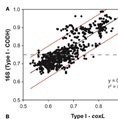
Screen shot 2014-07-03 at 03.27PM, Jul 03Land-use influences the distribution and activity of high affinity CO-oxidizing bacteria associated to type I-coxL genotype in soil – Liliana Quiza – Frontiers in Microbiology

“The main objective of this study was to assess the impact of land-use and soil properties on coxL gene diversity and identify molecular indicators for the soil uptake of atmospheric CO.”

Screen shot 2014-07-03 at 03.26PM, Jul 03Abundance and community structure of ammonia-oxidizing Archaea and Bacteria in response to fertilization and mowing in a temperate steppe in Inner Mongolia
Yong-Liang Chen – FEMS Microbiology Ecology

“… we investigated the effects of nitrogen (N) and phosphorus (P) fertilization and mowing on the abundance and community compositions of ammonia-oxidizing Bacteria (AOB) and Archaea (AOA) upon early (May) and peak (August) plant growth using quantitative PCR (qPCR), terminal-restriction fragment length polymorphism (T-RFLP), cloning and sequencing. “

Water microbiology

Screen shot 2014-07-03 at 03.27PM, Jul 03Biogeography of planktonic and benthic cyanobacteria in coastal waters of the Big Island, Hawai’i – Samuel D. Chamberlain – FEMS Microbiology Ecology

“To understand the patterns of cyanobacterial biogeography in relation to coastal environmental factors, we examined the diversity of planktonic and benthic cyanobacteria at 12 sites along the west coast of Hawaii’s Big Island.”

Screen shot 2014-07-03 at 03.29PM, Jul 03Rhizosphere heterogeneity shapes abundance and activity of sulfur-oxidizing bacteria in vegetated salt marsh sediments – François Thomas – Frontiers in Microbiology

“We combined next-generation amplicon sequencing of 16S rDNA and rRNA libraries with phylogenetic analyses of marker genes for two S-oxidation pathways (soxB and rdsrAB). Gene and transcript numbers of soxB and rdsrAB phylotypes were quantified simultaneously, using newly designed (RT)-qPCR assays.”

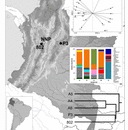
Screen shot 2014-07-03 at 03.28PM, Jul 03Neotropical Andes hot springs harbor diverse and distinct planktonic microbial communities – Luisa Delgado-Serrano – FEMS Microbiology Ecology

“In this study, we describe and compare the planktonic microbial communities present in five high-mountain hot springs with distinct geochemical characteristics, at varying altitudes and geographical locations in the Colombian Andes. “

Screen shot 2014-07-03 at 03.29PM, Jul 03Occurrence and activity of anammox bacteria in surface sediments of the southern North Sea – Nicole J. Bale – FEMS Microbiology Ecology

“The presence of anammox bacteria was established through the detection of specific phosphocholine-monoether ladderane lipids, 16S rRNA gene, and hydrazine synthase (hzsA) genes. “

Screen shot 2014-07-03 at 03.29PM, Jul 03 1Bacterial community structure and dissolved organic matter in repeatedly flooded subsurface karst water pools – Tanja Shabarova – FEMS Microbiology Ecology

“Bacterial diversity, community assembly, and the composition of the dissolved organic matter (DOM) were studied in three temporary subsurface karst pools with different flooding regimes.”

Screen shot 2014-07-03 at 03.30PM, Jul 03Abundance, diversity and seasonal dynamics of predatory bacteria in aquaculture zero discharge systems – Prem P. Kandel – FEMS Microbiology Ecology

“The dynamics of populations belonging to the obligate predators Bdellovibrio and like organisms (BALOs) were analyzed in freshwater and saline ZDS over a 7-month period using QPCR targeting the Bdellovibrionaceae, and the Bacteriovorax and Bacteriolyticum genera in the Bacteriovoracaeae”

[hr]

Non-human microbiome, June 30

Primate vaginal microbiome, birds painting eggs with bacteria, MHC and microbiota in fish, onions and tomato, bacteria on the beach, and (#BacteriaHysteria alert) “fecal veneer on climbing walls”.

Primate microbiome (also see Human digest)

Screen Shot 2014-06-30 at 11.23.32 PMPrimate vaginal microbiomes exhibit species specificity without universal Lactobacillus dominance – Suleyman Yildirim – ISME J (uncorrected proof, link to Chapman Research)

“Our results indicated that all primates exhibited host-specific vaginal microbiota and that humans were distinct from other primates in both microbiome composition and extent of diversity”

Bird microbiome

Screen Shot 2014-06-30 at 11.43.49 PMSpecial structures of hoopoe eggshells enhance the adhesion of symbiont-carrying uropygial secretion that increase hatching success – Manuel Martín-Vivaldi – Journal of Animal Ecology

“The findings of specialized crypts on the eggshells of hoopoes, and of video-recorded females smearing secretion containing symbiotic bacteria at a high density onto the eggshells strongly support a link between secretion and bacteria on eggs. “

and:  The Bird That Paints Its Eggs With Bacteria – Ed Yong – National Geographic

“Now, they’ve found evidence that these birds use the same bacteria to protect their young before they’re even born. By filming nesting females, they confirmed that the birds actively paint their eggs with their uropygial secretions.”

Fish microbiology

Screen Shot 2014-06-30 at 11.45.12 PMMajor Histocompatibility Complex class II polymorphism influences gut microbiota composition and diversity – Daniel I. Bolnick – Molecular Ecology

“Here, we show that MHC II polymorphism is associated with among-individual variation in gut microbiota within a single wild vertebrate population of a small fish, the threespine stickleback. “

Insect microbiome

WolbachiaThe Coevolutionary Period of Wolbachia pipientis Infecting Drosophila ananassae and its Impact on the Evolution of the Host Germline Stem Cell Regulating Genes – Jae Young Choi and Charles F. Aquadro – Molecular Biology and Evolution

“Phylogenetic analysis of D. ananassae mitochondrial DNA and W. pipientis DNA sequence diversity revealed the current W. pipientis infection is not recent. In addition, we examined the population genetics and molecular evolution of several Germline Stem Cell (GSC) regulating genes of D. ananassae”

Plant microbiome

Screen Shot 2014-06-30 at 11.43.01 PMIdentification of bacteria pathogenic to or associated with onion (Allium cepa) based on sequence differences in a portion of the conserved gyrase B gene – Jean M. Bonasera – Journal of Microbiological Methods

“We have developed a method for the identification of Gram-negative bacteria, particularly members of the Enterobacteriaceae, based on sequence variation in a portion of the gyrB gene. Thus, we identified, in most cases to species level, over 1000 isolates from onion bulbs and leaves and soil in which onions were grown.”

Occurrence and distribution of tomato seed-borne mycoflora in Saudi Arabia and its correlation with the climatic variables – Abdulaziz A. Al-Askar – Microbial Biotechnology

“One hundred samples of tomato seeds were collected in 2011 and 2012 from tomato-cultivated fields in Saudi Arabia and screened for their seed-borne mycoflora. A total of 30 genera and 57 species of fungi were recovered from the collected seed samples using agar plate and deep-freezing blotter methods. “

WasabiManagement of Meloidogyne incognita on tomato with endophytic bacteria and fresh residue of Wasabia japonica – Guang-Ju Li – Journal of Applied Microbiology

“By in vitro bioassay, 53 NEB strains showing nematicidal efficacies of >50% against J2 of M. incognita were isolated from wasabi. Basing on 16S rRNA gene sequences, these NEB were identified into 18 species of 11 genera.”

Lichen and fungi

Screen Shot 2014-06-30 at 11.46.20 PMA single macrolichen constitutes hundreds of unrecognized species – Robert Lücking – PNAS

“This lichen was long believed to represent a single species, but after revising this number to 16 in two genera (Cora and Corella), here we show that at least 126 phylogenetically and morphologically distinct species are contained within this group, with statistical analysis predicting more than 400. “

Soil, sand, and slurry microbiome

The Ecological Controls on the Prevalence of Candidate Division TM7 in Polar Regions – Tristrom Winsley – Frontiers in Microbiology

“We correlated chemical, physical and biological parameters of each soil with the relative abundance of the two major classes of the phylum to deduce factors that influence the groups’ seemingly ubiquitous nature. “

Review: Present status of effect of microorganisms from sand beach on public
health – Emmanuel Velonakis – Journal of Coastal Life Medicine

“Relatively, recent epidemiological studies in the USA revealed positive correlation between time spent at the beach and gastroenteritis. New parameters such as wind blowing and beach users’ density are also introduced for discussion in association with the sand microbial load”

Crusts slurryMethanotrophs, methanogens, and microbial community structure in livestock slurry surface crusts – Yun-Feng Duan – Journal of Applied Microbiology

“Microbial communities in four crusts from cattle and swine slurries were investigated using DGGE and tag-encoded amplicon pyrosequencing. All crusts had distinct compositions of bacteria and archaea.”

Water microbiology

Biosynthesis of polybrominated aromatic organic compounds by marine bacteria
Vinayak Agarwal – Nature Chemical Biology

“Herein we report the discovery of a conserved biosynthetic gene cluster in marine bacteria responsible for the synthesis of widespread polybrominated aromatic compounds”

Environmental bacteriophages : viruses of microbes in aquatic ecosystems – Télesphore Sime – Ngando – Frontiers in Microbiology

“The present chapter sought to review the literature on the diversity and functional roles of viruses of microbes in environmental microbiology, focusing primarily on prokaryotic viruses (i.e. phages) in aquatic ecosystems, which form the bulk of our knowledge in modern environmental viral ecology.”

Built Environment

I really dislike this title …
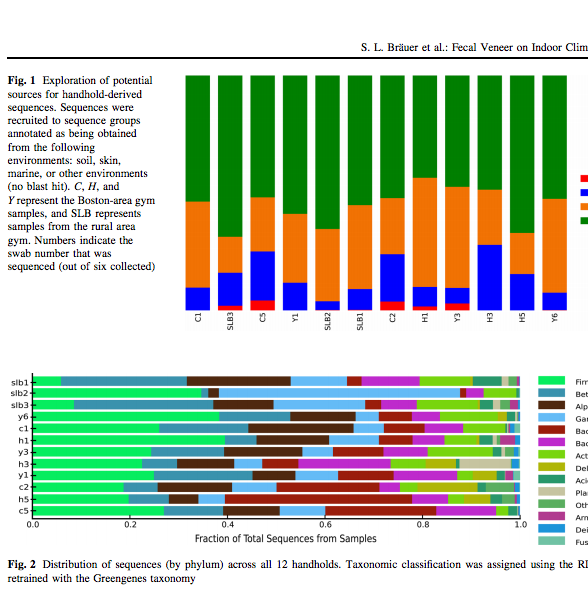
Screen Shot 2014-06-30 at 11.47.38 PMMicrobial Sequencing Analyses Suggest the Presence of a Fecal Veneer on Indoor Climbing Wall Holds – S. L. Bräuer – Current Microbiology

“In contrast to many other studies of built environments, the majority of microorganisms on holds were most closely related to microbes annotated as being recovered from environmental sources, such as soil, with human skin also representing an important source.”

[hr]

Non-human microbiome, June 26

Microbiomes of frogs in captivity, insect larvae, Senegalese sole, and Portugese sashimi.

Amphibian microbiome

Panamanian frogThe effect of captivity on the cutaneous bacterial community of the critically endangered Panamanian golden frog (Atelopus zeteki) -Matthew H. Becker – Biological Conservation

“We characterized the cutaneous bacterial community from wild and F1 captive golden frogs originating from the same population with Illumina sequencing to assess how long-term captivity has affected this community. “

Insect microbiome

Screen Shot 2014-06-26 at 9.57.25 PMMicroprofiles of oxygen, redox potential, and pH, and microbial fermentation products in the highly alkaline gut of the saprophagous larva of Penthetria holosericea (Diptera: Bibionidae) – Vladimír Šustr – Journal of Insect Physiology

“We conclude that the digestive strategy of the saprophytic larva of P. holosericea, which feeds selectively on decomposed leaves and its own microbe-rich faeces, differs fundamentally from those of detritivorous and humivorous insects, which host a highly active, fermentative microbiota in their alkaline midgut or hindgut compartments.”

Fish microbiome

SoleBenefits of probiotic administration on growth and performance along metamorphosis and weaning of Senegalese sole (Solea senegalensis) – Carmen Lobo – Aquaculture

“A short pulse of Shewanella putrefaciens Pdp11 probiotic addition (10-30 dah) is sufficient to obtain a suitable microbial modulation in Solea senegalensis larviculture.”

Food microbiology

BozaEvaluation of lactic acid bacterial strains of boza for their exopolysaccharide and enzyme production as a potential adjunct culture – Dilek Heperkan – Process Biochemistry

“Boza is a non-alcoholic beverage obtained from fermented cereals. Thirteen -lactic acid bacteria (LAB), previously isolated from boza were identified and evaluated to determine the various technological properties for selecting appropriate strains as adjunct culture in boza. “

SSashimiPMEvaluation of ready to eat sashimi in northern Portugal restaurants – S. Miguéis – Food Control

“The aim of this study was to evaluate some of the microbiological and physicochemical characteristics of sashimi served at different restaurants in Northern Portugal, in order to determine whether or not the sashimi was safe for consumption.”

Soil, sediments, and rock microbiology

Screen Shot 2014-06-26 at 9.12.55 PMSearching for life in the deep shale – Elizabeth Pennisi – Science

“The two researchers are part of a pioneering effort to explore what is living in the deep layers of rock—and how the gas drilling boom might affect long-isolated ecosystems.”

Screen Shot 2014-06-26 at 9.57.00 PMLong term effects of nutrient management regimes on abundance of bacterial genes and soil biochemical processes for fertility sustainability in a semi-arid tropical Alfisol
Chinnappan Chinnadurai – Geoderma

“Organic manures increased the density of 16S rRNA and nifH gene copies.”

[hr]


Non-human microbiome, June 23

What happens with all that triclosan we flush down the drain? Also, baby squirrels, tse-tse flies, pot, and Chinese liquor.

Animal microbiome general 

Two very different papers from the same group, but both are finding that Blautia species are host specific.

Screen Shot 2014-06-23 at 10.57.57 PM

A single genus in the gut microbiome reflects host preference and specificity – A Murat Eren – The ISME Journal

“In our dataset of 57 M sequence reads of the V6 region of the 16S ribosomal RNA gene in samples collected from seven host species, we identified 200 high-resolution taxonomic units within Blautia using oligotyping.” (Humans, cows, swine, deer, chickens)

Screen Shot 2014-06-23 at 11.26.18 PMBlautia and Prevotella sequences distinguish human and animal fecal pollution in Brazil surface waters – Amber M. Koskey – Environmental Microbiology Reports

“We used oligotyping to identify Prevotella and Blautia sequences that can distinguish human fecal contamination. Thirty-five of 61 Blautia oligotypes and 13 of 108 Prevotella oligotypes in humans were specific to or highly abundant (i.e. host-preferred) compared to pig, dog, horse, and cow sources.”

Squirrel microbiome

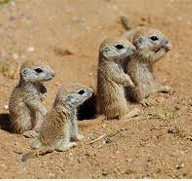
Screen Shot 2014-06-23 at 11.35.26 PMTemporal Dynamics of the Cecal Gut Microbiota of Juvenile Arctic Ground Squirrels: a Strong Litter Effect across the First Active Season – Timothy J. Stevenson – Applied and Environmental Microbiology  (image courtesy of ego-alterego.com)

“We characterized trends in diversity (454 pyrosequencing), density (flow cytometry), viability (flow cytometry), and metabolism (short-chain fatty acid analysis) of the gut microbial community of juvenile arctic ground squirrels across their first active season at weaning and at 4, 6, 8, and 10 weeks postweaning.”

Insect microbiome

Screen Shot 2014-06-23 at 11.20.33 PMAnalysis of Multiple Tsetse Fly Populations in Uganda Reveals Limited Diversity and Species-Specific Gut Microbiota – Emre Aksoy – Applied and Environmental Microbiology

“We used multiple approaches, including deep sequencing of the V4 hypervariable region of the 16S rRNA gene, 16S rRNA gene clone libraries, and bacterium-specific quantitative PCR (qPCR), to investigate the levels and patterns of gut microbial diversity from a total of 151 individuals.”

Screen Shot 2014-06-23 at 11.22.49 PMMicrobial Population Dynamics in the Hemolymph of Manduca sexta Infected with Xenorhabdus nematophila and the Entomopathogenic Nematode Steinernema carpocapsae – Swati Singh – Applied and Environmental Microbiology

“We show that gut microbes translocate into the hemolymph when the nematode penetrates the insect intestine.”

Screen Shot 2014-06-23 at 11.23.22 PMPurine Biosynthesis, Biofilm Formation, and Persistence of an Insect-Microbe Gut Symbiosis – Jiyeun Kate Kim – Applied and Environmental Microbiology

“When we disrupted purN and purT in the Burkholderia symbiont, the ΔpurN and ΔpurT mutants grew normally, and only the ΔpurT mutant failed to form biofilms. “

Plant microbiome

Plant metabolomics for plant chemical responses to belowground community change by climate change – Sangkyu Park – Journal of Plant Biology

“In this review, we will first summarize recent progress in plant metabolomics methodology and subsequently review recent studies of interactions between plants and soil organisms in relation to climate change issues.”

Bioreactor and sewage microbiology

TriclosanThe Impacts of Triclosan on Anaerobic Community Structures, Function, and Antimicrobial Resistance – Patrick J McNamara – Environmental Science & Technology

“Triclosan amendment caused all of the Bacteria and Archaea communities to structurally diverge from that of the control cultures (based on ARISA).”

Screen Shot 2014-06-23 at 11.24.07 PMShifts in the Microbial Community, Nitrifiers and Denitrifiers in the Biofilm in a Full-scale Rotating Biological Contactor – Xingxing Peng – Environmental Science & Technology

“The objective of this study was to investigate the Microbial community shifts of bacteria, especially nitrifiers and denitrifiers, in the biofilm of two rotating biological contactor (RBC) trains with different running times along the plug flowpath”

Soil microbiology

Screen Shot 2014-06-23 at 11.32.29 PMIdentifying qualitative effects of different grazing types on below-ground communities and function in a long-term field experiment – Catriona A Macdonald – Environmental Microbiology

“All functional community measures (functions, biogeochemical cycling genes, network association between different taxa) were more strongly affected by invertebrate grazers than rabbits.”

Screen Shot 2014-06-23 at 11.25.34 PMExtensive sampling of basidiomycete genomes demonstrates inadequacy of the white-rot/brown-rot paradigm for wood decay fungi – Robert Riley – PNAS

“To test the adequacy of the white/brown-rot categories, we analyzed 33 fungal genomes. Some species lack PODs, and thus resemble brown-rot fungi, but possess the cellulose-degrading apparatus typical of white-rot fungi. “

Food and other consumables microbiology

Screen Shot 2014-06-23 at 11.33.28 PMIf the pot doesn’t worry you, the bacteria might: Food safety a new frontier for legal pot – Kristen Wyatt – The Republic

“In Washington state, where retail sales are expected to begin the week of July 7, regulations call for samples of all marijuana sold for consumption to clear a “microbiological screening,” whether it’s in edible, smokeable or concentrate form.”

Screen Shot 2014-06-23 at 11.34.50 PMStarter Culture Selection for Making Chinese Sesame-Flavored Liquor Based on Microbial Metabolic Activity in Mixed-Culture Fermentation – Qun Wu – Applied and Environmental Microbiology

“To obtain a suitable starter culture for making Chinese sesame-flavored liquor, the yeast and bacterium community structures were investigated during spontaneous and solid-state fermentations of this type of liquor.”

[hr]