General microbiology and science, August 19, 2014

Proteomics in biofilms at different temperatures, neonatal immune metabolic network, co-occurrence, something wonky with Unifrac, and microbiome in the news.

Metabolomics and proteomics

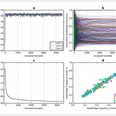
Turning up the heat on biofilms – Christina Tobin Kåhrström – Nature Reviews Microbiology

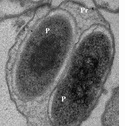
“This study used tandem mass tag (TMT)-based proteomics to measure protein expression in acid mine drainage biofilms at 40 °C, 43 °C and 46 °C. “

Identification of a human neonatal immune-metabolic network associated with bacterial infection – Claire L. Smith – Nature Communications

“Here, a system-level investigation of neonatal systemic responses to infection shows a surprisingly strong but unbalanced homeostatic immune response; developing an elevated set-point of myeloid regulatory signalling and sugar-lipid metabolism with concomitant inhibition of lymphoid responses. “

Secondary metabolite gene expression and interplay of bacterial functions in a tropical freshwater cyanobacterial bloom – Kevin Penn – ISME Journal

“To characterize microbial activities in a cyanoHAB, transcripts from a eutrophic freshwater reservoir in Singapore were sequenced for six samples collected over one day-night period.”

Microbial Ecology

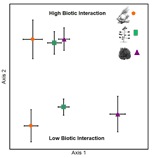
Demonstrating microbial co-occurrence pattern analyses within and between ecosystems
Ryan J. Williams – Frontiers in Microbiology

“To demonstrate our co-occurrence analysis approach, we gathered publicly available 16S rRNA amplicon datasets to compare and contrast microbial co-occurrence at different taxonomic levels across different ecosystems. “

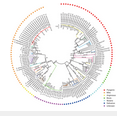
Fluvial network organization imprints on microbial co-occurrence networks – Stefanie Widder – PNAS USA

“We combined co-occurrence analyses of biofilms based on next-generation sequencing with a probabilistic hydrological model, and showed how fragementation of microbial co-occurrence networks change across stream networks. “

Bioinformatics

Equivalent input produces different output in the UniFrac significance test – Jeffrey R Long – BMC Bioinformatics

“UniFrac produces different outputs for these equivalent forms of the same input tree.”

More microbes

PNAS has an upcoming 100th Anniversary Special Feature on Vaccines. Here is the introduction: Vaccines: Science, health, longevity, and wealth – Rino Rappuoli – PNAS

“The special issue of the centenary of PNAS provides an opportunity to review the his- tory of vaccines, the most exciting features of vaccine science, and to contemplate the future. “

Microbes in the news

Gut Check: Exploring your Microbiome – University of Colorado Boulder course

“Join us on a guided tour of the human gut and its microscopic inhabitants. “

* The ‘Whoville’ in Your Gut: Your Microbiome – Raphael Kellman – Everyday Health

“Just as Horton’s neighbors could not “see” the tiny residents of Whoville, most of us are unaware of the microscopic world within us. “

Your Gut Bacteria Want You to Eat a Cupcake – Julie Beck – The Atlantic

“But a recent review published in BioEssays suggests that these bacteria might be a little too big for their britches, bossing their hosts around and demanding certain kinds of foods. “

* Diversify Your Microbiome by Rock Climbing Indoors – Embriette Hyde – MicroBEnet

“Though I don’t feel as though the findings in the study are earth shattering, they do illustrate an important point-the built environments that we inhabit each and every day-whether they are our houses, workplaces, or gyms-are perfect places for sharing microbes of all sorts-both environmental and human-associated. “

Sea Smells By The Sea Shore – Benjamin Wolfe – PopSci.com

“A microbiologist explores the distinctive odors of a day at the beach”

Bik’s Picks

Effect of soccer shoe upper on ball behaviour in curve kicks – Hideyuki Ishii – Nature Scientific Reports

“In this study, by using a finite element simulation, we investigated the factors that affect ball behaviour immediately after impact in a curve kick. Five experienced male university soccer players performed one curve kick. “‘

Illegal killing for ivory drives global decline in African elephants – George Wittemyer – PNAS USA

“…to our knowledge we provide the first detailed assessment of African elephant illegal killing rates at population, regional, and continental scales. “

[hr]


Microbiome digest, August 6, 2014

Metagenomics

Screen Shot 2014-08-06 at 03.56PM, Aug 06Genomic Encyclopedia of Bacteria and Archaea: Sequencing a Myriad of Type Strains – Nikos C. Kyrpides – PLOS Biology

“Here we call for the funding of a systematic effort to produce a comprehensive genomic catalog of all cultured Bacteria and Archaea by sequencing, where available, the type strain of each species with a validly published name (currently~11,000). “

More Microbiology

Screen Shot 2014-08-06 at 03.57PM, Aug 06Cooperative secretions facilitate host range expansion in bacteria – Luke McNally, Mafalda Viana & Sam P. Brown – Nature Communications

“Here we use a combination of theory and a phylogenetic comparative analysis of 191 pathogenic bacterial species to show that bacteria use cooperative secretions that modify their environment to extend their host range and infect multiple host species.”

Screen Shot 2014-08-06 at 03.57PM, Aug 06 1Streptococcus agalactiae clones infecting humans were selected and fixed through the extensive use of ​tetracycline – Violette Da Cunha – Nature Communications

“Here we show by comparative genome analysis and phylogenetic reconstruction of 229 isolates that the rise of human GBS infections corresponds to the selection and worldwide dissemination of only a few clones. “

Screen Shot 2014-08-06 at 03.58PM, Aug 06Hidden bonus from vaccination – Ewen Callaway – Nature

“Immunization against pneumococcus in Africa also reduces levels of antibiotic resistance”

Bik’s Picks

Screen Shot 2014-08-06 at 03.59PM, Aug 06How Spiders Spin Silk – Robin Meadows – PLOS Biology

“Now, in this issue of PLOS Biology, new research by Anna Rising, Jan Johansson, and colleagues shows that silk formation involves structural shifts at either end of the spidroin and that these shifts are completely different, overturning the hypothesis that these protein terminals play similar roles.”

In Science, It Matters That Women Come Last – Emma Pierson – FiveThirtyEight

““Some men get added to papers even if their contribution was cosmetic, yet women who contributed ideas (and perhaps even writing or data) are left out,” said the woman, who blogs pseudonymously as Female Science Professor.”

[hr]


General microbiology and science, July 21

Pyrosequencing reproducibility, Microbes in the News, plague, tatoos, and Dr. Bik’s Picks.

Techniques

Reproducibility of pyrosequencing data for biodiversity assessment in complex communities – Aibin Zhan – Methods in Ecology and Evolution

“Here we evaluated reproducibility by analyzing 454 pyrosequenced biological replicates of two complex plankton communities collected from one freshwater port and one marine port. We also tested whether reproducibility potentially influences biodiversity estimates, notably α- and β-diversity.”

Microbial Ecology / Bioinformatics

Synthetic microbial consortia: from systematic analysis to construction and applications
Hao Song – Chem Soc Rev

“Herein, we first reviewed binary interaction modes of microorganisms in microbial consortia and their underlying molecular mechanisms, which lay the foundation of programming cell–cell interactions in synthetic microbial consortia. “

Microbes in the News

Be nice to your germs, they keep you alive – Nicky Phillips – Sydney Morning Herald

“Without a well-balanced community of these microscopic critters we would not survive, says Holmes. ‘‘We shouldn’t view them as a separate thing, we should view them as a part of us,’’ he says.”

Desert Rat Relies on Microbes To Detoxify Its Deadly Meals – Ed Yong – National Geographic

“When Kevin Kohl learned about the woodrat, he wondered if bacteria in the rodent’s gut might help it to tolerate its otherwise lethal diet… The idea made sense. Kohl just needed to test it.”

Four Cases of Life-Threatening Plague Found in Colorado –  Sonali Basak and Jennifer Oldham – Bloomberg.com

“Three more plague cases were found in Colorado, a week after the first infection of the deadliest form of the disease was reported in the state in a decade.”

Tattoo Inks, Needles Recalled Due To Bacterial Contamination
Kristen McConnaughey – SiouxLandMatters.com

“”Extreme risks. I mean we’re talking death. There’s things out there that can kill you,” says Scott Alphawolf Davis, a tattoo artist.”

Science and career

Happy Thoughts May Help Postdocs Handle Stress – Rachel Bernstein – Science Careers

“It could be something as simple as watching a funny TV show or going out for a walk or jog. These little things really add up.”

Women in Science

Why is STEM Still a 4-Letter Word for Women? 7 Leaders Weigh In – Ravishly

“Women receive fewer invitations to professional meetings, and research paper acceptance, pay scales and promotion to tenure favor males over females.“

Dr. Bik’s Picks

Sixth-Grader’s Science Fair Finding Shocks Ecologists – NPR All Things Considered

“When 12-year-old Lauren Arrington heard about her sixth-grade science project, she knew she wanted to study lionfish. Growing up in Jupiter, Fla., she saw them in the ocean while snorkeling and fishing with her dad.”

Editorial: Science speaking up – Pensacola News Journal

“The letter read: “We note you have been asked several times about how, as Governor, you will handle the issue of climate change. You responded that you are ‘not a scientist.’ We are scientists and we would like the opportunity to explain what is at stake for our state.””

Book Review: Raising a Glass to Chemistry: ‘Proof’ Drinks in the Science of Alcohol – Alessandra Montalto – The New York Times

“How important is yeast? In 1996, it became the first living organism to have its DNA sequenced. As one modern alehouse puts it in a dubious ad: “Yeast — not just for infections anymore.””

New Allele Hopeful of Making The Big Time – The Allium – Science News You Won’t Read Nowhere Else

“Right now, I am at a low frequency and nobody really knows about me. Tomorrow I could be gone. It is that tough!”

[hr]

General microbiology and science, July 17

Detection of microbes in clinical samples, phages living in viruses, and archaea in biofilms.

Microbial detection in clinical samples

Metagenomic analysis of a sample from a patient with respiratory tract infection reveals the presence of a γ-papillomavirus – Marta Canuti – Frontiers in Microbiology

“We therefore concluded that the detected γ-papillomavirus is unlikely to be the causative agent of the respiratory complaints and its presence in the nose of the patient is not related to the disease.”

Detection of intestinal protozoa in paediatric patients with gastrointestinal symptoms by multiplex real-time PCR – L. Maas – Clinical Microbiology and Infection

“The performance of a multiplex real-time PCR for the detection of Blastocystis, Dientamoeba fragilis, Giardia lamblia, Cryptosporidium species and Entamoeba species in faecal samples was evaluated in an observational prospective study.”

Are Quantitative Bacterial Wound Cultures Useful? – George Kallstrom – Journal of Clinical Microbiology

“This minireview briefly summarizes the clinical microbiology of wound cultures, with an emphasis on the history and utility (or lack thereof) of the quantitative wound culture.”

Phages and viruses

The origins of giant viruses, virophages and their relatives in host genomes – Aris Katzourakis and Amr Aswad – BMC Biology

“These viruses, together with the transposon-related virophages that infect them, pose a number of questions about their evolutionary origins that need to be considered in the light of the complex entanglement between host, virus and virophage genomes.”

Antibiotics

Antibiotics promote aggregation within aquatic bacterial communities – Gianluca Corno – Frontiers in Microbiology

“In this study a chemostat-based experiment with 4 coexisting bacterial strains has been performed to mimicking the response of a freshwater bacterial community to the presence of antibiotics in low and high doses.”

Biofilms and Archaea

Biofilm formation of mucosa-associated methanoarchaeal strains – Corinna Bang – Frontiers in Microbiology

“Here, the ability of three methanoarchaeal strains, Methanobrevibacter smithii and Methanosphaera stadtmanae, which form part of the human gut microbiota, and the Methanosarcina mazei strain Gö1 to grow on different surfaces and form biofilms was investigated. “

Microbial ecology

Persistence in the shadow of killers – Robert M. Sinclair – Frontiers in Microbiology

“What we show is that coexistence is not only possible, but that it is possible even if the absolute fitness advantage of the sensitive strain over the killer strain is arbitrarily small. We do this by performing a specifically targeted mathematical analysis on our model, rather than via simulations.”

General microbiology

Editorial: Bioterrorism: myth or reality? – G. Greub and M. P. Grobusch – Clinical Microbiology and Infection

Dr. Bik’s Picks

Today I can only cry for the people onboard flight MH17.

[hr]


General microbiology and science, July 15

Dengue virus replication, poliovirus transmission, marine viral communities, primer choice, and CRISPRs systems and antibiotic resistance.

Dengue virus

Letter: Are viral small RNA regulating Dengue virus replication beyond serotype 2? – Esteban Finol – PNAS

Letter: Reply to Finol: Viral small RNA from Dengue virus and its egulatory role in different serotypes – Mazhar Hussain and Sassan Asgari – PNAS

Poliovirus

Screen shot 2014-07-15 at 06.00PM, Jul 15The role of older children and adults in wild poliovirus transmission – Isobel M. Blake – PNAS

“We fit a mathematical model of poliovirus transmission to time series data from two large outbreaks that affected adults (Tajikistan 2010, Republic of Congo 2010) using maximum-likelihood estimation based on iterated particle-filtering methods. “

Phages and viruses

Screen shot 2014-07-15 at 06.01PM, Jul 15Modeling ecological drivers in marine viral communities using comparative metagenomics and network analyses – Bonnie L. Hurwitz – PNAS

“Here we combine advances in bioinformatics (shared k-mer analyses) and social networking (regression modeling) to develop an annotation- and assembly-free visualization and analytical strategy for comparative metagenomics that uses all the data in a unified statistical framework. “

Screen shot 2014-07-15 at 06.02PM, Jul 15Contrasted coevolutionary dynamics between a bacterial pathogen and its bacteriophages – Alex Betts – PNAS

“We used experimental evolution between Pseudomonas aeruginosa and a panel of its lytic phages and found the full known range of coevolutionary dynamics.”

CRISPRs and antibiotic resistance

Screen shot 2014-07-15 at 06.03PM, Jul 15A CRISPR-Cas system enhances envelope integrity mediating antibiotic resistance and inflammasome evasion – Timothy R. Sampson – PNAS

“We demonstrate that components of a clustered, regularly interspaced, short palindromic repeats–CRISPR associated (CRISPR-Cas) system, a prokaryotic defense against viruses and foreign nucleic acid, act to regulate the permeability of the bacterial envelope, ultimately providing these cells with the capability to resist membrane damage caused by antibiotics. “

Extraction and amplification techniques

The Influence of DNA Extraction Procedure and Primer Set on the Bacterial Community Analysis by Pyrosequencing of Barcoded 16S rRNA Gene Amplicons – Ingo C. Starke – Molecular Biology International

“In this study, the effect of different DNA extraction procedures and primer sets on pyrosequencing results regarding the composition of bacterial communities in the ileum of piglets was investigated. “

Metagenomics general

Interpreting 16S metagenomic data without clustering to achieve sub-OTU resolution – Mikhail Tikhonov – ISME Journal

“We present a clustering-free approach to multi-sample Illumina data sets that can identify independent bacterial subpopulations regardless of the similarity of their 16S tag sequences. “


General Microbiology

Screen shot 2014-07-15 at 06.04PM, Jul 15Recovery of a Medieval Brucella melitensis Genome Using Shotgun Metagenomics – Gemma L. Kay – mBio

“We sequenced the metagenome of a calcified nodule from the skeleton of a 14th-century middle-aged male excavated from the medieval Sardinian settlement of Geridu. We obtained 6.5-fold coverage of a Brucella melitensis genome”

Screen shot 2014-07-15 at 06.05PM, Jul 15Review: The Ins and Outs of Bacterial Iron Metabolism – Elaine R. Frawley and Ferric C. Fang – Molecular Microbiology

“The recent discovery of putative iron efflux transporters in Salmonella enterica serovar Typhimurium is discussed in the context of cellular iron homeostasis.”

Screen shot 2014-07-15 at 06.05PM, Jul 15 1Genetic information transfer promotes cooperation in bacteria – Tatiana Dimitriu – PNAS

“Our experiments and models converge to show that when both cheating and cooperative genes are transferred, cooperators win against cheaters because transfer increases assortment among alleles, favoring cooperation.”

Challenges and Opportunities of Integrative Taxonomy for Research and Society – Taxonomic Research in the Era of OMICS Technologies (PDF)  (Herausforderungen und Chancen der integrativen Taxonomie für Forschung und Gesellschaft) – Deutsche Akademie der Naturforscher Leopoldina e.V.

Microbiomes and metagenomes in need of professional classification – Rudolf Amann
The intestinal microbiome and human health: a new challenge for taxonomy of metagenomic data – Bärbel Stecher
Characterizing species boundaries and species histories in closely related fungi using comparative population genomic approaches – Eva H. Stukenbrock

Coming of ageThe coming of age of microbial ecology – Ana E. Escalante and Silvia Pajares – Chapter in Open Access book: Frontiers in Ecology, Evolution and Complexity

“Despite major challenges, new technological advances in genomic sciences have prompted microbial ecology into a revolution in data generation that has allowed us to move beyond studies of single isolates to the study of entire microbial communities without reliance on culture-dependent methods.”

Review: The Dynamic Interactions between Salmonella and the Microbiota, within the Challenging Niche of the Gastrointestinal Tract – C. M. Anjam Khan – International Scholarly Research Notices

“This gastrointestinal pathogen not only faces the hostile defenses of the host’s immune system, but also faces fierce competition from the large and diverse community of microbiota for space and nutrients.”


Science and publishing

Screen shot 2014-07-15 at 05.59PM, Jul 15Is Social Media Saving Science? – Michael White – Pacific Standard

“Why do editors and expert reviewers, whose primary job is to vet manuscripts, miss major flaws that are so obvious to readers after the papers are published?”

Dr. Bik’s Picks

Screen shot 2014-07-15 at 06.07PM, Jul 15Effect of sleep deprivation on the human metabolome – Sarah K. Davies – PNAS

“Clear daily rhythms were observed in most metabolites, with 24 h wakefulness mainly reducing the amplitude of these rhythms.”

Screen shot 2014-07-15 at 06.06PM, Jul 15Comparison of five different RNA sources to examine the lactating bovine mammary gland transcriptome using RNA-Sequencing – Angela Cánovas – Nature Scientific Reports

“Our results provide a comparison between different sampling methods (invasive and non-invasive) to define the transcriptome of mammary gland tissue and milk cells.’

Screen shot 2014-07-15 at 06.07PM, Jul 15 1Superior time perception for lower musical pitch explains why bass-ranged instruments lay down musical rhythms – Michael J. Hove – PNAS

“Here, we show that, when two streams of tones are presented simultaneously, the brain better detects timing deviations in the lower-pitched than in the higher-pitched stream and that tapping synchronization to the tones is more influenced by the lower-pitched stream. “

[hr]

General microbiology and science, July 14

Rectal swabs instead of stool samples, faster way of finding orthologs, and intelligence in bacteria.

Bioinformatics

Screen shot 2014-07-14 at 06.24PM, Jul 14Quickly Finding Orthologs as Reciprocal Best Hits with BLAT, LAST, and UBLAST: How Much Do We Miss? – Natalie Ward, Gabriel Moreno-Hagelsieb – PLOS ONE

“Since sequence comparison can be time consuming, we decided to compare the number and quality of RBHs detected using algorithms that run in a fraction of the time as BLAST. We tested BLAT, LAST and UBLAST.”

Sampling techniques

Screen shot 2014-07-14 at 06.24PM, Jul 14ectal Swabs for Analysis of the Intestinal Microbiota – Andries E. Budding – PLOS ONE

“In this study we investigated the characteristics and applicability of rectal swabs for gut microbiota profiling in a clinical routine setting in patients presenting with various gastro-intestinal disorders. We found that rectal swabs appeared to be a convenient means of sampling the human gut microbiota.”

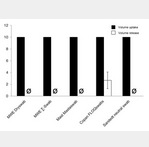
Screen shot 2014-07-14 at 06.25PM, Jul 14Some Are More Equal – A Comparative Study on Swab Uptake and Release of Bacterial Suspensions – Philipp Warnke – PLOS ONE

“Highest amount of CFU release was detected for the MWE Dryswab in the unrestricted setting for both S. aureus and S. epidermidis with 1544 CFU and 553 CFU, respectively, lowest release for the Sarstedt neutral swab with 32 CFU and 17 CFU, respectively (p<0.001).”

Antibiotics, resistance, biofilms

Screen shot 2014-07-14 at 06.26PM, Jul 14Beta-Lactam Antibiotics Stimulate Biofilm Formation in Non-Typeable Haemophilus influenzae by Up-Regulating Carbohydrate Metabolism – Siva Wu – PLOS ONE

“When exposed to sub-inhibitory concentrations of beta-lactam antibiotics NTHi strains produced tightly packed biofilms with decreased numbers of culturable bacteria but increased biomass.”

General microbiology

Screen shot 2014-07-14 at 12.23PM, Jul 14Macromolecular networks and intelligence in microorganisms – Hans V. Westerhoff – Frontiers in Microbiology

“Here, we explore how macromolecular networks in microbes confer intelligent characteristics, such as memory, anticipation, adaptation and reflection and we review current understanding of how network organization reflects the type of intelligence required for the environments in which they were selected.”

Screen shot 2014-07-14 at 06.26PM, Jul 14 1The syndemics of childhood diarrhoea: A biosocial perspective on efforts to combat global inequities in diarrhoea-related morbidity and mortality – Nicola Bulled – Global Public Health

“Drawing from available literature, this paper uses syndemic theory to explore the role of adverse biosocial interactions in increasing the total disease burden of enteric infections in low-resources populations and assesses the limitations of recent global calls to action.”

Bacteria in the news

Screen shot 2014-07-14 at 06.19PM, Jul 14We Are Our Bacteria – Jane E. Brody – New York Times (illustration by Ken Orvidas)

“We may think of ourselves as just human, but we’re really a mass of microorganisms housed in a human shell.”

Screen shot 2014-07-14 at 06.27PM, Jul 14#BacteriaHysteria : Gross! Lots of bacteria found on new swimsuits – Jane Weaver – Today Health

“The removable liner in women’s swimsuits that is meant to protect the fabric from our cooties isn’t really protective after all, according to a microbe researcher. “

Screen shot 2014-07-14 at 06.28PM, Jul 14Milford hospital enlists robots in war against infections – Mary MacDonald – Boston Globe

“The robots, made by Xenex Disinfection Services, use an intense flash of ultraviolet light to fight the bacteria, viruses, fungi, and other micro-organisms that traditional cleaning methods can miss, according to the hospital’s infection control staff.”

Screen shot 2014-07-14 at 06.29PM, Jul 14CDC Cracks Down on Labs After Anthrax, Bird Flu Scares – Jonel Aleccia – NBC News

“Dr. Tom Frieden, director of the Centers for Disease Control and Prevention, on Friday announced an immediate moratorium on all shipments of biological materials from CDC biosecurity level 3 and level 4 labs until problems are addressed.”

Marine Mammals

Screen shot 2014-07-14 at 06.29PM, Jul 14 1How Dolphins’ Genetics Could Help Find Answers Into Mysterious Animal Die-Off – Sascha Cordner – WFSU

“A discovery into dolphin genetics may have brought research scientists one step closer to finding out the source of a mysterious animal die-off last year in the troubled Indian River Lagoon.”

Science and publishing

Screen shot 2014-07-14 at 12.45PM, Jul 14Retractions are coming thick and fast: it’s time for publishers to act – Adam Marcus and Ivan Oransky – The Guardian

Another encouraging development is the rise of post-publication peer review, which has been made possible in recent years by the availability of papers online. Contributors to PubPeer, for example, have found signs of flawed or falsified results, leading to papers being retracted.”

Dr. Bik’s Picks

Screen shot 2014-07-14 at 06.34PM, Jul 14Whole genome and exome sequencing of monozygotic twins discordant for Crohn’s disease – Britt-Sabina Petersen – BMC Genomics

“We present a thorough genetic characterization of the sequenced individuals but detected no consistent differences within the twin pairs. “

Screen shot 2014-07-14 at 06.32PM, Jul 14How much science is there in new Planet of the Apes film? – Paul Rincon – BBC Science

“The latest instalment in the Planet of the Apes film franchise opens in the US on Friday. The rubber masks of the 60s and 70s films have been discarded in favour of motion capture suits and CGI. But how much did science inform the new movie’s portrayal of our close relatives?”

Screen shot 2014-07-14 at 06.31PM, Jul 14Domestication syndrome: White patches, baby faces and tameness explained by mild neural crest deficits – Science Daily

“Compared to their wild ancestors, domestic species are more tame, and they also tend to display a suite of other characteristic features, including floppier ears, patches of white fur, and more juvenile faces with smaller jaws.”


[hr]

General microbiology and science, July 7

Metagenomics binning based on co-abundance, bias in Illumina sequencing, and lots of metabolomics.

Phages and viruses

Bacteriophage-based synthetic biology for the study of infectious diseases – Robert J Citorik – Current Opinion in Microbiology

“Here, we discuss bacteriophage-based technologies and their application to the study of infectious diseases. “

Sequencing and Metagenomics

Identification and assembly of genomes and genetic elements in complex metagenomic samples without using reference genomes – H Bjørn Nielsen (and 142 other authors) – Nature Biotechnology

“Here we present a method, based on binning co-abundant genes across a series of metagenomic samples, that enables comprehensive discovery of new microbial organisms, viruses and co-inherited genetic entities and aids assembly of microbial genomes without the need for reference sequences.”

Evaluating bias of Illumina-based bacterial 16S rRNA gene profiles – Katherine Kennedy – Applied and Environmental Microbiology

“In this study, we tested the effects of template concentration, pooling of PCR amplicons, and sample preparation/inter-lane sequencing on the reproducibility associated with paired-end Illumina sequencing of bacterial 16S rRNA genes.”

Next generation sequencing technology: Advances and applications – HPJ Buermans, JT den Dunnen – Biochimica et Biophysica Acta (BBA) – Molecular Basis of Disease

“In this chapter we review the technical background of the different commercially available NGS platforms with respect to template generation and the sequencing reaction and take a small step towards what the upcoming NGS technologies will bring.”

Systems biology as an approach for deciphering microbial interactions – Puneet Kumar Singh – Briefings in Functional Genomics

“Here, we endeavor to summarize, epigrammatic description of sophisticated techniques and software that provides an enhanced understanding of metagenomics data analysis. “

Metabolomics

Stronger findings for metabolomics through Bayesian modeling of multiple peaks and compound correlations – Tommi Suvitaival – Bioinformatics

“We propose a hierarchical Bayesian model for inferring
differences between groups of samples more accurately in
metabolomic studies, where the observed compounds are collinear.”

Emergent Biosynthetic Capacity in Simple Microbial Communities – Hsuan-Chao Chiu – PLOS Computational Biology

“Here we present a comprehensive computational framework, integrating high-quality metabolic models of multiple species, temporal dynamics, and flux variability analysis, to study the metabolic capacity and dynamics of simple two-species microbial ecosystems.”

Metabolomics Analysis Identifies Intestinal Microbiota-Derived Biomarkers of Colonization Resistance in Clindamycin-Treated Mice – Robin L. P. Jump – PLOS ONE

“Clindamycin treatment caused marked changes in metabolites present in fecal specimens. Of 484 compounds analyzed, 146 (30%) exhibited a significant increase or decrease in concentration during clindamycin treatment followed by recovery to baseline that coincided with restoration of in vivo colonization resistance.”

Volatile Organic Compounds as Novel Markers for the Detection of Bacterial
Infections – Mohsen Sohrabi – Clinical Microbiology

“The possibility of using VOCs markers as one of the largest groups of bacterial metabolites would open a new frontier for developing more efficient techniques in the diagnosis of bacterial infections.”

The importance of sulfur-containing metabolites in discriminating fecal extracts between normal and type 2 diabetic mice – Alesia Walker – Journal of Proteome Research

“We demonstrate that a metabolic disorder such as T2DM affects the gastrointestinal tract environment thereby influencing different metabolic pathways and their respective metabolites in diabetic mice. “

Microarrrays

Applications of Phylogenetic Microarrays to Profiling of Human Microbiomes (PDF) -Oleg Paliy and Vijay Shankar – Book chapter

“This chapter will focus on currently available phylogenetic microarrays for the inter- rogation of human-associated microbiota, the technologies used to construct the arrays, as well as several key features that distinguish them from other approaches. “

Arsenic metabolism

Infant toenails as a biomarker of in utero arsenic exposure – Matthew A Davis – Journal of Exposure Science and Environmental Epidemiology

“In a sample of 170 mother–infant pairs from New Hampshire, we determined infant exposure to in utero arsenic by evaluating infant toenails as a biomarker using inductively coupled plasma mass spectrometry. “

Chromosomal organization

Spatial confinement is a major determinant of the folding landscape of human chromosomes – Gamze Gürsoy – Nucleic Acids Research

“Here we describe a model called constrained self-avoiding chromatin (C-SAC) for studying spatial structures of chromosomes, as the available space is a key determinant of chromosome folding. “

Bacteria in the news

The bacteria has been decimated: how much should we care what words used to mean? – By Tom Chivers – Telegraph

“Much amusement this morning on the Today programme, as John Humphrys shamefacedly confessed to having said “a bacteria” on the previous day’s episode.”

Yoghurt industry blamed for encouraging bacteria – The Daily Mash

“One day massive cow-sized bacteria will rule the world and they will kill everyone who doesn’t like special yoghurts.”

When Scientists Experiment on Themselves: H. pylori and Ulcers – By Hanno Charisius – Scientific American

“With his famous self-experiment, Marshall was able to demonstrate that Helicobacter pylori bacteria can cause acute gastritis which in turn may cause ulcers. He had asked neither an ethics commission nor his wife for permission to conduct this experiment. “

In rental cars, dangerous bacteria may come along for the ride – Jeff Rossen and Josh Davis, Today

“Armed with gloves and goggles, they swabbed every car from top to bottom: the steering wheels, gearshifts, door handles, even the GPS units.”

Bacteria that ‘eats’ odour could bring end to smelly toilets in China – Stephen Chen – South China Morning Post

“Mainland scientists have developed a “bioweapon” that can wipe out the notorious bad smell in public toilets. Up to 75 per cent of the odour can be removed, with the rest suppressed by a natural, pleasant fragrance, according to researchers with the Chinese Academy of Sciences.”

Marine Mammals

Some SeaWorld mammals survive longer in captivity – Mike Schneider – Associated Press

“Breakthroughs in training and medicine that allow the parks’ medical staffs to perform far fewer stressful or invasive procedures are partly responsible for those successes, SeaWorld officials said.”

Science and publishing

Highly cited Researchers 2014 – Thomson Reuters

“Over three thousand researchers earned the distinction by writing the greatest numbers of reports officially designated by Essential Science Indicators℠ as Highly Cited Papers—ranking among the top 1% most cited for their subject field and year of publication, earning them the mark of exceptional impact.”

Dr. Bik’s Picks

Rats use their whiskers in a similar way to how humans use their hands and fingers – Science Daily

“Rats deliberately change how they sense their environment using their facial whiskers depending on whether the environment is novel, if there is a risk of collision and whether or not they can see where they are going.”

Giraffe legs’ strong, skinny secret – Victoria Gill – BBC Science

“Scientists have worked out the anatomical secret to giraffes’ long and spindly – but strong – legs.”

Environmentalists Almost Killed My Friend – Josh Bloom – Science 2.0

“It is hysteria-producing nonsense like this that leads any non-scientist to conclude that we are systematically being poisoned every day. “

[hr]

Non-human microbiome digest, July 3

Parasites, effect of antibiotics in pigs, microbiome of birds, Drosophila, microbiome of plant crops, Hawai’i waters, and bacteria to preserve stone monuments.

Parasites and microbiome

Cooperation and conflict in host manipulation: interactions among macro-parasites and micro-organisms – Frank Cézilly – Frontiers in Microbiology

“Here, we review the empirical evidence in favor of the existence of synergistic or antagonistic interactions between co-occurring parasites, and highlight the neglected role of micro-organisms. “

holobiontHolobiont–Holobiont Interactions: Redefining Host–Parasite Interactions – Nolwenn Marie Dheilly – PLOS Pathogens

“It has been established in different model species that immune system maturation requires the presence of mutualistic bacteria”

Marine mammal microbiome

Screen shot 2014-07-03 at 04.24PM, Jul 03Intestinal helminth fauna of striped dolphins (Stenella coeruleoalba) in the western Mediterranean: No effects of host body length, age and sex – Paula Mateu – Marine Mammal Science

“The intestine of 52 (28 males and 24 females) striped dolphins (Stenella coeruleoalba) from western Mediterranean waters was examined for helminths. Animals were found stranded along the Spanish coasts during the morbillivirus epizootic in 1990.”

Pig microbiome

Screen shot 2014-07-03 at 03.17PM, Jul 03Carbadox has both temporary and lasting effects on the swine gut microbiota – Torey Looft – Frontiers in Microbiology

“Carbadox is an in-feed antibiotic that is widely used in swine production to prevent dysentery and to improve feed efficiency. The goal of this study was to characterize the effects of carbadox and its withdrawal on the swine gut microbiota. ”

Screen shot 2014-07-03 at 03.18PM, Jul 03Learning from agriculture: understanding low-dose antimicrobials as drivers of resistome expansion – Yaqi You – Frontiers in Microbiology

“Unconfined storage or land deposition of a large volume of animal waste causes its wide contact with the environment and drives the expansion of the environmental resistome through mobilome facilitated horizontal genet (sic, EB) transfer. “

Bird microbiome

Screen shot 2014-07-03 at 03.18PM, Jul 03Interspecific variations in the faecal microbiota of Procellariiform seabirds – Meagan L. Dewar – FEMS Microbiology Ecology

“Examining the faecal microbiota of three Procellariiform species (short-tailed shearwater, common diving petrel and fairy prion) provided a unique opportunity to not only characterise the gastrointestinal (GI) microbial composition of seabirds but to also examine the influence of stomach oils on the microbial community.”

Insect microbiome

Drosophila modelTransient adult microbiota, gut homeostasis and longevity: Novel insights from the Drosophila model – Berra Erkosar, Francois Leulier – FEBS Letters

“In the last decade, Drosophila has emerged as a useful model to study host–microbiota interactions, creating an active research field with prolific publications.”

Plant microbiome

Screen shot 2014-07-03 at 03.21PM, Jul 03Building the crops of tomorrow: advantages of symbiont-based approaches to improving abiotic stress tolerance – Devin Coleman-Derr – Frontiers in Microbiology

“In recent years, studies have attempted to identify microbial symbionts capable of conferring the same stress-tolerance to their plant hosts, and new developments in genomic technologies have greatly facilitated such research. “

Screen shot 2014-07-03 at 03.21PM, Jul 03Convergence in mycorrhizal fungal communities due to drought, plant competition, parasitism, and susceptibility to herbivory: consequences for fungi and host plants – Catherine A. Gehring – Frontiers in Microbiology

“We found that drought and all three of the biotic interactions studied resulted in similar shifts in ectomycorrhizal fungal community composition, demonstrating a convergence of the community towards dominance by a few closely related fungal taxa.”

Screen shot 2014-07-03 at 03.22PM, Jul 03Nitrogen-fixing Rhizobium-legume symbiosis: are polyploidy and host peptide-governed symbiont differentiation general principles of endosymbiosis? – Gergely Maróti- Frontiers in Microbiology

“This review focuses on symbiotic plant cell development and terminal bacteroid differentiation and demonstrates the crucial roles of symbiotic peptides”

Screen shot 2014-07-03 at 03.22PM, Jul 03Disparate origins of Bradyrhizobium symbionts for invasive populations of Cytisus scoparius (Leguminosae) in North America – Kevin Horn – FEMS Microbiology Ecology

“To identify the geographic origin of nodule bacteria associated with invasion of the European legume Cytisus scoparius in the United States, isolates from 15 sites in six states were compared to > 200 Bradyrhizobium strains from indigenous legumes in the U.S., Mexico, Europe (six countries), Morocco, and Australia. “

Food microbiology

Screen shot 2014-07-03 at 03.24PM, Jul 03Weissella confusa: problems with identification of an opportunistic pathogen that has been found in fermented foods and proposed as a probiotic – Marilynn R. Fairfax – Frontiers in Microbiology

“Weissella confusa is found in fermented foods and has been suggested as a probiotic, but also causes sepsis and other serious infections in humans and animals.”

Stone microbiology

Screen shot 2014-07-03 at 03.24PM, Jul 03 1Application of calcifying bacteria for remediation of stones and cultural heritages – Navdeep Kaur Dhami – Frontiers in Microbiology

“The present review emphasizes about different causative agents leading to deterioration and application of microbially induced calcium carbonate precipitation as a novel and potential technology for dealing with these problems. “

Soil microbiology

Screen shot 2014-07-03 at 03.25PM, Jul 03Volatile-mediated interactions between phylogenetically different soil bacteria
Paolina Garbeva – Frontiers in Microbiology

“Here we report that volatile compounds emitted by different soil bacteria can affect the growth, antibiotic production and gene expression of the soil bacterium Pseudomonas fluorescens Pf0–1. “

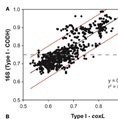
Screen shot 2014-07-03 at 03.27PM, Jul 03Land-use influences the distribution and activity of high affinity CO-oxidizing bacteria associated to type I-coxL genotype in soil – Liliana Quiza – Frontiers in Microbiology

“The main objective of this study was to assess the impact of land-use and soil properties on coxL gene diversity and identify molecular indicators for the soil uptake of atmospheric CO.”

Screen shot 2014-07-03 at 03.26PM, Jul 03Abundance and community structure of ammonia-oxidizing Archaea and Bacteria in response to fertilization and mowing in a temperate steppe in Inner Mongolia
Yong-Liang Chen – FEMS Microbiology Ecology

“… we investigated the effects of nitrogen (N) and phosphorus (P) fertilization and mowing on the abundance and community compositions of ammonia-oxidizing Bacteria (AOB) and Archaea (AOA) upon early (May) and peak (August) plant growth using quantitative PCR (qPCR), terminal-restriction fragment length polymorphism (T-RFLP), cloning and sequencing. “

Water microbiology

Screen shot 2014-07-03 at 03.27PM, Jul 03Biogeography of planktonic and benthic cyanobacteria in coastal waters of the Big Island, Hawai’i – Samuel D. Chamberlain – FEMS Microbiology Ecology

“To understand the patterns of cyanobacterial biogeography in relation to coastal environmental factors, we examined the diversity of planktonic and benthic cyanobacteria at 12 sites along the west coast of Hawaii’s Big Island.”

Screen shot 2014-07-03 at 03.29PM, Jul 03Rhizosphere heterogeneity shapes abundance and activity of sulfur-oxidizing bacteria in vegetated salt marsh sediments – François Thomas – Frontiers in Microbiology

“We combined next-generation amplicon sequencing of 16S rDNA and rRNA libraries with phylogenetic analyses of marker genes for two S-oxidation pathways (soxB and rdsrAB). Gene and transcript numbers of soxB and rdsrAB phylotypes were quantified simultaneously, using newly designed (RT)-qPCR assays.”

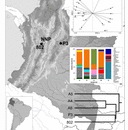
Screen shot 2014-07-03 at 03.28PM, Jul 03Neotropical Andes hot springs harbor diverse and distinct planktonic microbial communities – Luisa Delgado-Serrano – FEMS Microbiology Ecology

“In this study, we describe and compare the planktonic microbial communities present in five high-mountain hot springs with distinct geochemical characteristics, at varying altitudes and geographical locations in the Colombian Andes. “

Screen shot 2014-07-03 at 03.29PM, Jul 03Occurrence and activity of anammox bacteria in surface sediments of the southern North Sea – Nicole J. Bale – FEMS Microbiology Ecology

“The presence of anammox bacteria was established through the detection of specific phosphocholine-monoether ladderane lipids, 16S rRNA gene, and hydrazine synthase (hzsA) genes. “

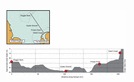
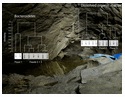
Screen shot 2014-07-03 at 03.29PM, Jul 03 1Bacterial community structure and dissolved organic matter in repeatedly flooded subsurface karst water pools – Tanja Shabarova – FEMS Microbiology Ecology

“Bacterial diversity, community assembly, and the composition of the dissolved organic matter (DOM) were studied in three temporary subsurface karst pools with different flooding regimes.”

Screen shot 2014-07-03 at 03.30PM, Jul 03Abundance, diversity and seasonal dynamics of predatory bacteria in aquaculture zero discharge systems – Prem P. Kandel – FEMS Microbiology Ecology

“The dynamics of populations belonging to the obligate predators Bdellovibrio and like organisms (BALOs) were analyzed in freshwater and saline ZDS over a 7-month period using QPCR targeting the Bdellovibrionaceae, and the Bacteriovorax and Bacteriolyticum genera in the Bacteriovoracaeae”

[hr]

General microbiology and science digest, July 2

Genome assembly, metabolomics of Salmonella infection, a brief history of women in science (but in Nature!), and Nature’s retraction of the STAP papers.

Metagenomics

Screen Shot 2014-07-02 at 10.13.28 PMBayesian Genome Assembly and Assessment by Markov Chain Monte Carlo Sampling – Mark Howison – PLOS ONE

“We present a Markov chain Monte Carlo approach to sequence assembly that instead generates distributions of assembly hypotheses with posterior probabilities, providing an explicit statistical framework for evaluating alternative hypotheses and assessing assembly uncertainty. “

Infection and host response

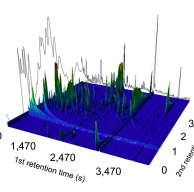
Screen Shot 2014-07-02 at 10.14.12 PMSalmonella Typhi and Salmonella Paratyphi – A elaborate distinct systemic metabolite signatures during enteric fever – Elin Näsström – eLife

“To investigate metabolite signals associated with enteric fever we performed two dimensional gas chromatography with time-of-flight mass spectrometry (GCxGC/TOFMS) on plasma from patients with S. Typhi and S. Paratyphi A infections and asymptomatic controls, identifying 695 individual metabolite peaks.”

and: Host-pathogen interactions: Honing in on enteric fever – Lyle R McKinnon, Quarraisha Abdool Karim – eLife

“The use of metabolomics could lead to improved diagnostics for enteric fever. “

Screen Shot 2014-07-02 at 10.14.58 PMHuman Genetic Variation and Yellow Fever Mortality during 19th Century U.S. Epidemics – Lauren E Blake, Mariano A Garcia-Blanco – mBio

“Caucasians diagnosed with YF were 6.8 times more likely to succumb than non-Caucasians with the disease. No other major causes of death during the 19th century demonstrated a similar mortality skew toward Caucasians. “

Bacterial and viral detection in clinical samples

Screen Shot 2014-07-02 at 10.15.58 PMThe Microbial Detection Array for Detection of Emerging Viruses in Clinical Samples – A Useful Panmicrobial Diagnostic Tool – Maiken W. Rosenstierne – PLOS ONE

“We report a modified Whole Transcriptome Amplification (WTA) method that increases unbiased amplification, particular of RNA viruses.”

The Sooner, The Better – Nicholette Zeliadt – The Scientist

“New approaches to diagnosing bacterial infections may one day allow the identification of pathogens and their antibiotic susceptibility in a matter of hours or minutes.”

Screen Shot 2014-07-02 at 10.16.45 PMReview: Biosensors for Whole-Cell Bacterial Detection – Asif Ahmed – Clinical Microbiology Reviews

” In this review, we discuss recent progress in the use of biosensors for the detection of whole bacterial cells for sensitive and earlier identification of bacteria without the need for sample processing.”

Screen Shot 2014-07-02 at 10.17.23 PMIsolation of Microorganisms Using Sub-Micrometer Constrictions – Nil Tandogan – PLOS ONE

“We present an automated method for isolating pure bacterial cultures from samples containing multiple species that exploits the cell’s own physiology to perform the separation.”

Phages and viruses

Screen Shot 2014-07-02 at 10.18.17 PMFour Escherichia coli O157:H7 Phages: A New Bacteriophage Genus and Taxonomic Classification of T1-Like Phages – Yan D. Niu – PLOS ONE

“Comparative genomic, proteomic and phylogenetic analysis suggested that the four phages along with 17 T1-like phage genomes from database of National Center for Biotechnology Information (NCBI) can be assigned into a proposed subfamily “Tunavirinae” with further classification into five genera”

Dengue

Screen Shot 2014-07-02 at 10.18.45 PMClinical and Virological Descriptive Study in the 2011 Outbreak of Dengue in the Amazonas, Brazil – Valquiria do Carmo Alves Martins – PLOS ONE

“The aim of the study was to describe the clinical epidemiology of dengue in Manaus, the capital city of the state of the Amazonas, where all the four DENV serotypes were co-circulating simultaneously.”

Phylogeny and taxonomy

Screen Shot 2014-07-02 at 10.12.14 PMComparative Genomics of the Bacterial Genus Streptococcus Illuminates Evolutionary Implications of Species Groups – Xiao-Yang Gao – PLOS ONE

“We use comparative genomic approaches to yield a better understanding of the evolution of Streptococcus through genome dynamics, population structure, phylogenies and virulence factor distribution of species groups. “

Screen Shot 2014-07-02 at 10.12.46 PMLivestock-Associated MRSA Carriage in Patients without Direct Contact with Livestock – Miranda M. L. van Rijen – PLOS ONE

“Fifty-six individuals (20.7%) without animal contact carried MC398. In hospitals with high pig-densities in the adherence area, the proportion of MC398 of all MUO was higher than this proportion in hospitals without pigs in the surroundings.”

 Arsenic metabolism

Screen Shot 2014-07-02 at 10.02.56 PMMichigan’s arsenic problem is among the worst in the nation. Here’s why that matters – Rebecca Williams – Michigan Radio

“If you’re on city water, your drinking water has to comply with a federal regulation that limits the amount of arsenic in it, but if you’re on a private well, the federal and state governments do not limit the amount of arsenic in your well.”

Women in Science

Screen Shot 2014-07-02 at 9.59.45 PMWomen in science: A temporary liberation – Patricia Fara – Nature

“The First World War ushered women into laboratories and factories. In Britain, it may have won them the vote, argues Patricia Fara, but not the battle for equality.”

Science and Ethics

Nature Editorial: STAP retracted – Nature

“This week, Nature publishes retractions of two high-profile papers that claimed a major advance in the field of stem cells… We — research funders, research practitioners, institutions and journals — need to put quality assurance and laboratory professionalism ever higher on our agendas, to ensure that the money entrusted by governments is not squandered, and that citizens’ trust in science is not betrayed.”

Dr. Bik’s Picks

Screen Shot 2014-07-02 at 10.11.31 PMPLOS ONE Publishes its 100,000th Article – Damian Pattinson – PLOS Blogs

“PLOS ONE publishes its 100,000th article – a pretty major milestone for a journal that has seen its fair share of momentous events, and a perfect opportunity to reflect on this journey.”

Screen Shot 2014-07-02 at 10.08.37 PMLeprosy, Still Claiming Victims – Natalie Angier, New York Times

““I’m absolutely convinced that leprosy must be thought of as a genetic disease as well as an infectious one,” Dr. Schurr said. In the end, he added wryly, “understanding it may help cure diseases of rich people, too.””

[hr]

General microbiome and science, June 30

Monday is always a busy day, so lots of papers today. Phages, CRISPRs, antibiotic resistance, probiotics, archaea, biofilms and a Goldilocks planet.

Antibiotics and resistance

Horizontal gene transfer in the human gastrointestinal tract: potential spread of antibiotic resistance genes – JR Huddleston – Infection and Drug Resistance

“This review aims to give an overview of the major horizontal transfer mechanisms and their evolution and then demonstrate the human lower gastrointestinal tract as an environment in which horizontal gene transfer of resistance determinants occurs.”

Screen shot 2014-06-30 at 06.47PM, Jun 30Bacterial persisters: formation, eradication, and experimental systems
Sophie Helaine, Elisabeth Kugelberg – Trends in Microbiology

“Toxin–antitoxin (TA) modules have an important role in the formation of persisters and several studies show that they can form in response to different triggers.”

Screen shot 2014-06-30 at 06.48PM, Jun 30Antibiotic Treatment Suppresses Rotavirus Infection and Enhances Specific Humoral Immunity – Robin Uchiyama – Journal of Infectious Diseases

“Microbiota ablation resulted in reduced rotavirus infection/diarrhea and a more durable rotavirus antibody response, suggesting that antibiotic administration before rotavirus vaccination could raise low seroconversion rates that correlate with the vaccine’s inefficacy in developing regions.”

And:  Antibiotics Help Control Rotavirus Infections and Enhance Antirotaviral Immunity: Are You Serious? – Luther A. Bartelt and Richard L. Guerrant – Journal of Infectious Diseases

“Yes, we must understand intriguing new findings; but no, we are far from serious about widespread use of antimicrobials with routine immunizations.”

Screen shot 2014-06-30 at 06.44PM, Jun 30Transferrin Iron Starvation Therapy for Lethal Bacterial and Fungal Infections – Lin Lin – Journal of Infectious Diseases

“These results provide proof of principle that bacterial infections can be treated in vivo by attacking host targets (ie, trace metal availability) rather than microbial targets.”

Bacterial detection in blood and other sites

Screen shot 2014-06-30 at 06.45PM, Jun 30Identification of pathogens from blood culture bottles in spiked and clinical samples using matrix-assisted laser desorption ionization time-of-flight mass-spectrometry analysis – Simone Konnerth – BMC Research Notes

“MALDI-TOF MS using the SARAMIS database was applied to 37 spiked blood culture samples. Identification rates of spiked samples were as follows: The species level was determined in 16 of 21 (76.2%) Gram negative bacteria and in 11 of 13 (84.6%) Gram positive bacteria. “

Infection and host response

Type I and III Interferon Production in Response to RNA Viruses – Elizabeth Reid and Bryan Charleston – Journal of Interferon & Cytokine Research

“There are now many examples of RNA viruses inducing type I and type III IFNs, and although these IFNs act through different receptors, in many systems studied, they induce a similar spectrum of genes. “

CRISPRs

Screen shot 2014-06-30 at 06.50PM, Jun 30Review: Adapting to new threats: the generation of memory by CRISPR-Cas immune systems – Robert Heler – Molecular Microbiology

“Recent studies have begun to elucidate the genetic requirements for adaptation and have demonstrated that rather than being a stochastic process, the selection of new spacers is influenced by several factors. We review here our current knowledge of the CRISPR adaptation mechanism”

Screen shot 2014-06-30 at 06.53PM, Jun 30The three major types of CRISPR-Cas systems function independently in CRISPR RNA biogenesis in Streptococcus thermophilus – Jason Carte – Molecular Microbiology

“Our findings indicate that multiple CRISPR-Cas systems can function independently in crRNA biogenesis within a given organism – an important consideration in engineering coexisting CRISPR-Cas pathways”

Viruses and phages

Screen shot 2014-06-30 at 06.53PM, Jun 30Exploiting gut bacteriophages for human health – Marion Dalmasso – Trends in Microbiology

“We emphasise the complexity and individuality of the phageome, and the link to the health state of the host. We highlight the practical applications of bacteriophages in medicine and in the food chain.”

Screen shot 2014-06-30 at 06.52PM, Jun 30Environmental bacteriophages : viruses of microbes in aquatic ecosystems – Télesphore Sime – Ngando – Frontiers in Microbiology

“The present chapter sought to review the literature on the diversity and functional roles of viruses of microbes in environmental microbiology, focusing primarily on prokaryotic viruses (i.e. phages) in aquatic ecosystems, which form the bulk of our knowledge in modern environmental viral ecology.”

Archaea

Screen shot 2014-06-30 at 06.55PM, Jun 30Taxonomic database and cut-off value for processing mcrA gene 454 pyrosequencing data by MOTHUR – Sizhong Yang – Journal of Microbiological Methods

“The functional mcrA gene of methanogens can generate phylogeny as congruent as the 16S rRNA gene phylogeny. “

Screen shot 2014-06-30 at 06.59PM, Jun 30Biofilm formation of mucosa-associated methanoarchaeal strains
Corinna Bang – Frontiers in Microbiology

“Here, the ability of three methanoarchaeal strains, Methanobrevibacter smithii and Methanosphaera stadtmanae, which form part of the human gut microbiota, and the Methanosarcina mazei strain Gö1 to grow on different surfaces and form biofilms was investigated.”

Biofilms (see also Archaea above and Probiotics below)

Screen shot 2014-06-30 at 07.02PM, Jun 30Development of an in vitro periodontal biofilm model for assessing antimicrobial and host modulatory effects of bioactive molecules
Emma Millhouse – BMC Oral Health

Multi-species biofilms were either treated with either molecule, or alternatively epithelial cells were treated with these prior to biofilm co-culture. Biofilm composition was evaluated and inflammatory responses quantified at a transcriptional and protein level.

Probiotics

Screen shot 2014-06-30 at 06.43PM, Jun 30Review: Enumeration of probiotic strains: Review of culture-dependent and alternative techniques to quantify viable bacteria – Catherine Davis – Journal of Microbiological Methods

“Consensus on an operational definition of viability and systematic efforts to validate these alternative techniques ultimately will strengthen the accuracy and reliability of probiotic strain enumeration.”

Inhibitory effect of Lactobacillus salivarius on Streptococcus mutans biofilm formation
Chien-Chen Wu – Molecular Oral Microbiology

“We analyzed 64 L. salivarius strains and found that two, K35 and K43, significantly inhibited S. mutans biofilm formation with inhibitory activities more pronounced than those of Lactobacillus rhamnosus GG (LGG), a prototypical probiotic that shows anti-caries activity.

General taxonomy and phylogeny

Screen shot 2014-06-30 at 07.04PM, Jun 30Considering external information to improve the phylogenetic comparison of microbial communities: a new approach based on constrained Double Principal Coordinates Analysis (cDPCoA) – S Dray – Molecular Ecology Resources

“In this work, we extend DPCoA to integrate the information of external variables measured on communities. The constrained Double Principal Coordinates Analysis (cDPCoA) is able to enforce a priori classifications to retrieve subtle differences and(or) remove the effect of confounding factors. “

Screen shot 2014-06-30 at 06.43PM, Jun 30Understanding molecular identification and polyphasic taxonomic approaches for genetic relatedness and phylogenetic relationships of microorganisms – Surajit Das – Journal of Microbiological Methods

“In this regard, a polyphasic taxonomic approach is advantageous because it exploits simultaneously both conventional as well as molecular identification techniques.”

Metabolomics

Screen shot 2014-06-30 at 07.01PM, Jun 30Nutrient sharing in the microbial world – Erica C. Seth and Michiko E. Taga – Frontiers in Microbiology

“Cofactor cross-feeding can contribute to both the health and nutrition of a host organism, the virulence and persistence of pathogens, and the composition and function of environmental communities. “

Metagenomics

Combination of Metagenomics and Culture Based Methods to Study the Interaction Between Ochratoxin A and Gut Microbiota – Mingzhang Guo – Toxicological Sciences

“Changes in functional genes of gut microbiota including signal transduction, carbohydrate transport, transposase, amino acid transport system and mismatch repair were observed.”

Chromosomal organization

NuChart-II: a graph-based approach for the analysis and interpretation of Hi-C data (PDF) – Fabio Tordini – Proceedings of the CIBB 2014

“NuChart-II is a highly optimized implementation of a previous prototype package developed in R, in which the graph-based representation of Hi-C data was tested, but that also showed inevitable problems of scalability while working genome-wide on large datasets.”

Science and education

Screen shot 2014-06-30 at 06.58PM, Jun 30Starting small: using microbiology to foster scientific literacy
Amy F. Savage, Brooke A. Jude – Trends in Microbiology

“In order to achieve scientific literacy for all students, Bard College recently implemented Citizen Science, a common January course for all first-year students. Structured around the question ‘how do we reduce the global burden of disease?’, this course uses microbiological tools to develop an understanding of potential answers.”


Dr. Bik’s Picks

Screen Shot 2014-07-01 at 12.06.17 AMBird brains: Public asked to look out for clever rooks – Victoria Gill – BBC News

“The British Trust for Ornithology (BTO) is asking the public to take part in a national survey of bird intelligence. From 1 July, the charity is asking people to submit video clips or descriptions of the behaviour or rooks – some of our cleverest garden birds.”

Screen Shot 2014-07-01 at 12.06.52 AMPotentially habitable Earth-like planet discovered; May have similar temperatures to our planet – Science Daily

“A potentially habitable Earth-like planet that is only 16 light years away has been discovered. The “super-Earth” planet, GJ 832 c, takes 16 days to orbit its red-dwarf star, GJ 832, and has a mass at least five times that of Earth.”

Screen Shot 2014-07-01 at 12.07.35 AMStudy Implicates Smog In Autism And Schizophrenia – Science 2.0

“A recent paper found that exposure to air pollution early in life produces harmful changes in the brains of mice, including an enlargement of part of the brain that is seen in humans who have autism and schizophrenia, and that led them to conclude that smog causes autism.”

[hr]