Microbiome digest, July 31

A snapshot of the human microbiome, a robot helping the Knight lab process samples (I want one!), and finally something that does NOT involve the microbiome.

Human microbiome general

SnapShot: The Human Microbiome – Antonio González – Cell

“This SnapShot presents several aspects of the human microbiome, including the characterization of the microbial species populating different body sites, the distribution of microbes across different geographic locations, and how the microbiome can be altered by a physiological process, exemplified by pregnancy.”


Animal models of microbiome

Symbiotic Bacterial Metabolites Regulate Gastrointestinal Barrier Function via the Xenobiotic Sensor PXR and Toll-like Receptor 4 – Madhukumar Venkatesh – Immunity

“Here we showed that microbial-specific indoles regulated intestinal barrier function through the xenobiotic sensor, pregnane X receptor (PXR).”

Bacterial Sensor Nod2 Prevents Inflammation of the Small Intestine by Restricting the Expansion of the Commensal Bacteroides vulgatus – Deepshika Ramanan – Immunity

“Here, we identified several abnormalities in the small-intestinal epithelium of Nod2−/− mice including inflammatory gene expression and goblet cell dysfunction, which were associated with excess interferon-γ production by intraepithelial lymphocytes and Myd88 activity.”

Effect of virgin and refined olive oil consumption on gut microbiota. Comparison to butter – M. Hidalgo – Food Research International

“Evolution of symbiont population in feces was studied using culture-dependent and culture-independent methods. In the latter, the V3 region of 16S rDNA was amplified and separated by Denaturing Gradient Gel Electrophoresis; followed by sequencing of the most representative bands. “

Animal gut microbiome

Longitudinal shifts in bacterial diversity and fermentation pattern in the rumen of steers grazing wheat pasture – D.W. Pitta – Anaerobe

“Rumen samples were collected on days 14, 28, 56 and 76, separated into solid and liquid fractions and analyzed for bacterial diversity using 16S pyrotag technology. “

Metabolomics

The cross talk between microbiota and the immune system: metabolites take center stage – Hagit Shapiro – Current Opinion in Immunology

“While most attention has focused on the innate recognition of immune-stimulatory bacterial molecules, such as cell wall components and nucleic acids, we emphasize here the impact of diet-dependent microbial metabolites on the development and function of the immune system.”

Bioinformatics tools

eSNaPD: A Versatile, Web-Based Bioinformatics Platform for Surveying and Mining Natural Product Biosynthetic Diversity from Metagenomes – Boojala Vijay B. Reddy – Chemistry & Biology

“Environmental Surveyor of Natural Product Diversity (eSNaPD) is a web-based bioinformatics and data aggregation platform that aids in the discovery of gene clusters encoding both novel natural products and new congeners of medicinally relevant natural products using (meta)genomic sequence data. “

RAMICS: trainable, high-speed and biologically relevant alignment of high-throughput sequencing reads to coding DNA – Imogen A. Wright and Simon A. Travers

“To facilitate such analyses, we have developed a novel tool, RAMICS, that is tailored to mapping large numbers of sequence reads to short lengths (<10 000 bp) of coding DNA”

Computational integration of genomic traits into 16S rDNA microbiota sequencing studies – Alexander Keller – Gene

“Here, we show in a proof-of-concept that computational approaches are able to retain functional information about microbial communities assessed through 16S rDNA (meta)barcoding by referring to reference genomes.”

Viruses and helminths

How helminths go viral – Rick M Maizels1, William C Gause

“On pages 573 and 578 of this issue, Reese et al. (3) and Osborne et al. (4), respectively, provide fine detail on how helminth worms can substantially enhance and reactivate viral infection, with major health implications for tropical medicine.”

Helminth infection reactivates latent γ-herpesvirus via cytokine competition at a viral promoter – T. A. Reese – Science

“We found that helminth infection, characterized by the induction of the cytokine interleukin-4 (IL-4) and the activation of the transcription factor Stat6, reactivated murine γ-herpesvirus infection in vivo.”

Virus-helminth coinfection reveals a microbiota-independent mechanism of immunomodulation – Lisa C. Osborne – Science

“Helminth coinfection resulted in impaired antiviral immunity and was associated with changes in the microbiota and STAT6-dependent helminth-induced alternative activation of macrophages. “

More Microbiology

Larger Mammalian Body Size Leads to Lower Retroviral Activity – Aris Katzourakis – PLOS Pathogens

“Body size explains 37% of the variance in ERV integration rate over the last 10 million years, controlling for the effect of confounding due to other life history traits. “

Microbes in the news

Researcher: Bacteria Ate Some Gulf Spill Toxins, but Worst Remain – Sandy Smith – EHS Today

“In two new studies conducted in a deep sea plume, Assistant Professor Olivia Mason found a species of bacteria called Colwellia likely consumed gaseous hydrocarbons and perhaps benzene, toluene, ethylbenzene and xylene compounds that were released as part of the oil spill. “

Baxter breaks out – Hal Hodson – New Scientist
http://www.sciencedirect.com/science/article/pii/S0262407914614342

“Baxter is even turning its grippers to lab work. Correll is working with UCB’s Rob Knight to teach Baxter the job of preparing faeces samples for research.”

Science and Career

The stressed-out postdoc – Carrie Arnold – Science

“After he defended his dissertation and moved to a new lab for his postdoc, Ian Street hoped his battles with anxiety and depression were over.”

Bik’s Picks

Africa Needs Science, Not Aid – Nkem Khumbah and Melvin P. Foote –  The New York Times

Scientific and technological advancement will help eradicate poverty and promote homegrown economic development by providing Africa with the tools to address its own challenges and expand its industrial productivity. “

DDT Linked To Obesity In Female Mice Long After Exposure – Hank Campbell – Science 2.0

A new epidemiology paper in PLOS One doesn’t try to prove that, the authors instead correlate DDT use from generations ago with increased waistlines of today.  DDT exposure may have made you fat, they conclude.”


A Lick Of The Tongue Changes This Ice Cream’s Color – Loren Grush – Popular Science

“The result was Xamaleón, which is Spanish for “chameleon.” With a patent pending, Linares is staying tight-lipped on the recipe, but apparently there’s a special ingredient dubbed the “love elixir,” which must be spritzed on the ice cream before it’s eaten. “


[hr]


Scientists explain mystery of our ‘lemon Moon’ – James Vincent – The Independent

“A new accurate map of the Moon has shown that it bulges slightly at one side and is flattened at the top and bottom – but how did it get this way?”


General microbiology and science, July 21

Pyrosequencing reproducibility, Microbes in the News, plague, tatoos, and Dr. Bik’s Picks.

Techniques

Reproducibility of pyrosequencing data for biodiversity assessment in complex communities – Aibin Zhan – Methods in Ecology and Evolution

“Here we evaluated reproducibility by analyzing 454 pyrosequenced biological replicates of two complex plankton communities collected from one freshwater port and one marine port. We also tested whether reproducibility potentially influences biodiversity estimates, notably α- and β-diversity.”

Microbial Ecology / Bioinformatics

Synthetic microbial consortia: from systematic analysis to construction and applications
Hao Song – Chem Soc Rev

“Herein, we first reviewed binary interaction modes of microorganisms in microbial consortia and their underlying molecular mechanisms, which lay the foundation of programming cell–cell interactions in synthetic microbial consortia. “

Microbes in the News

Be nice to your germs, they keep you alive – Nicky Phillips – Sydney Morning Herald

“Without a well-balanced community of these microscopic critters we would not survive, says Holmes. ‘‘We shouldn’t view them as a separate thing, we should view them as a part of us,’’ he says.”

Desert Rat Relies on Microbes To Detoxify Its Deadly Meals – Ed Yong – National Geographic

“When Kevin Kohl learned about the woodrat, he wondered if bacteria in the rodent’s gut might help it to tolerate its otherwise lethal diet… The idea made sense. Kohl just needed to test it.”

Four Cases of Life-Threatening Plague Found in Colorado –  Sonali Basak and Jennifer Oldham – Bloomberg.com

“Three more plague cases were found in Colorado, a week after the first infection of the deadliest form of the disease was reported in the state in a decade.”

Tattoo Inks, Needles Recalled Due To Bacterial Contamination
Kristen McConnaughey – SiouxLandMatters.com

“”Extreme risks. I mean we’re talking death. There’s things out there that can kill you,” says Scott Alphawolf Davis, a tattoo artist.”

Science and career

Happy Thoughts May Help Postdocs Handle Stress – Rachel Bernstein – Science Careers

“It could be something as simple as watching a funny TV show or going out for a walk or jog. These little things really add up.”

Women in Science

Why is STEM Still a 4-Letter Word for Women? 7 Leaders Weigh In – Ravishly

“Women receive fewer invitations to professional meetings, and research paper acceptance, pay scales and promotion to tenure favor males over females.“

Dr. Bik’s Picks

Sixth-Grader’s Science Fair Finding Shocks Ecologists – NPR All Things Considered

“When 12-year-old Lauren Arrington heard about her sixth-grade science project, she knew she wanted to study lionfish. Growing up in Jupiter, Fla., she saw them in the ocean while snorkeling and fishing with her dad.”

Editorial: Science speaking up – Pensacola News Journal

“The letter read: “We note you have been asked several times about how, as Governor, you will handle the issue of climate change. You responded that you are ‘not a scientist.’ We are scientists and we would like the opportunity to explain what is at stake for our state.””

Book Review: Raising a Glass to Chemistry: ‘Proof’ Drinks in the Science of Alcohol – Alessandra Montalto – The New York Times

“How important is yeast? In 1996, it became the first living organism to have its DNA sequenced. As one modern alehouse puts it in a dubious ad: “Yeast — not just for infections anymore.””

New Allele Hopeful of Making The Big Time – The Allium – Science News You Won’t Read Nowhere Else

“Right now, I am at a low frequency and nobody really knows about me. Tomorrow I could be gone. It is that tough!”

[hr]

General microbiology and science, July 18

Talking to bacteria to make them feel more comfortable (Bacteria whisperers!), probiotics, viruses vs. helminths, and women in Science.

Phages, viruses, helminths

Virus-helminth coinfection reveals a microbiota-independent mechanism of immunomodulation – Lisa C. Osborne – Science

“Helminth coinfection resulted in impaired antiviral immunity and was associated with changes in the microbiota and STAT6-dependent helminth-induced alternative activation of macrophages.”

Probiotics

Lactobacillus rhamnosus L34 and Lactobacillus casei L39 suppress Clostridium difficile-induced IL-8 production by colonic epithelial cells – Prapaporn Boonma – BMC Microbiology

“We screened Lactobacillus conditioned media from 34 infant fecal isolates for the ability to suppress C. difficile-induced IL-8 production from HT-29 cells. Factors produced by two vancomycin-resistant lactobacilli, L. rhamnosus L34 (LR-L34) and L.casei L39 (LC-L39), suppressed the secretion and transcription of IL-8 without inhibiting C. difficile viability or toxin production. “

Cross-talk between probiotic lactobacilli and host immune system – T.S. Kemgang – Journal of Applied Microbiology

“This review summarizes the interplay existing between the host immune system and probiotic lactobacilli, that is, with emphasis on lactobacilli as a prototype probiotic genus.”

General microbiology

Talking to bacteria? Towards light-mediated sensing of bacterial comfort – G. Zafrilla – Letters in Applied Microbiology

“The framework is to convert the human voice into electric pulses, these into light pulses exciting bacterial fluorescent proteins, and convert light-emission back into electric pulses, which will be finally transformed into synthetic voice messages.”

Bacteria in the news

More Forgotten Virus, Bacteria Vials Found at Federal Lab – Newsplex.com

“Food and Drug Administration officials said Wednesday the undocumented collection contained 327 carefully packaged vials, listing pathogens like dengue, influenza and rickettsia.”

1 weird tip to not die of smallpox – Beth Skwarecki – PLOS Blogs

Jenner then attempted to infect the child with smallpox twenty more times in his life. Fortunately for the kid, the vaccine had worked.”

Women in Science

Science Has a Gender Problem. Science Just Made It Worse – Katy Waldman – Slate

“Transgender sex workers should not be expected to thank Science for “raising awareness” of them as erotic objects, jokes, or disease vectors. “

Survey of Academic Field Experiences (SAFE): Trainees Report Harassment and Assault – Kathryn B. H. Clancy – PLOS ONE

“Little is known about the climate of the scientific fieldwork setting as it relates to gendered experiences, sexual harassment, and sexual assault. We conducted an internet-based survey of field scientists (N = 666) to characterize these experiences. “

Dr. Bik’s Picks

Long read: One of a kind: What do you do if your child has a condition that is new to science? – Seth Mnookin – The New Yorker

“At first, they said, he seemed to represent a challenging problem for each new specialist to solve. But, as one conjecture after another was proved wrong, the specialists lost interest; many then insisted that the cause of Bertrand’s illness lay in someone else’s area of expertise. “

Introduction to special issue: Slicing the wheat genome – Kellye Eversole – Science

“Together, these Research Articles explore multiple dimensions of the 17-gigabase wheat genome and pave the way toward achieving a full reference sequence to underpin wheat research and breeding”


Earth-like soils on Mars? Ancient fossilized soils potentially found deep inside impact crater suggest microbial life – Science Daily

“Soil deep in a crater dating to some 3.7 billion years ago contains evidence that Mars was once much warmer and wetter, says a geologist based on images and data captured by the rover Curiosity.”

How Colors Smell – Julie Beck – The Atlantic

“But what color is the smell of, say, soap? A new study published in PLOS One finds that some people say white, some say yellow, some say blue. “

Suspects in science museum’s dinosaur heist turn themselves in – Andrew Kenney – Charlotte Observer

“A man and woman, both 21, turned themselves over to N.C. State Capitol Police on Thursday in the case of the missing model dinosaur.”


[hr]

General microbiology and science, July 16

Comparison of 1700 metagenomes,  $125,000 to study 100 trillion bacteria, arsenic speciation, and the Seinfeld “double dipping” videoclip.

General microbiome and metagenome

Metagenome exploringExploring Neighborhoods in the Metagenome Universe – Kathrin P. Aßhauer – International Journal of Molecular Sciences

“Our evaluation on more than 1700 publicly available metagenomes indicates that for a query metagenome from a particular habitat on average nine out of ten nearest neighbors represent the same habitat category independent of the utilized profiling method or distance measure. “

UMass Cancer Avatar Institute, Center for Microbiome Research backed by UMass president

“Beth McCormick, PhD, professor of microbiology & physiological systems, was also awarded $125,000 to develop the Center for Microbiome Research, envisioned as a center of research and education for the microbiome, the ecosystem of the 100 trillion bacteria in the human body.”

Dengue virus

Endothelial Cells in Dengue Hemorrhagic Fever – Anon Srikiatkhachorn – Antiviral Research

“In this review we summarize dengue viruses and the spectrum of human disease and highlight evidence of endothelial cell dysfunction in DHF based on studies in patients and mouse and tissue culture models. “

Dengue fever and bone marrow myelofibrosis – Xin Qing – Experimental and Molecular Pathology

“We report the first case to our knowledge of myelofibrosis associated with dengue fever. We briefly describe dengue infections and hypothesize the causes of myelofibrosis in this condition.”

African genetic ancestry is associated with a protective effect on Dengue severity in colombian populations – Juan C. Chacón-Duque – Infection, Genetics and Evolution

“We found that African ancestry has a protective effect against severe outcomes under several systems of clinical classification”

Conference abstract: Longitudinal Analysis Of Dengue Fever Infections Reported In The Uk Betwen 2002 – 2013 Using The Health Improvement Network (Thin) Primary Care Database – D Ansell – Value in Health

Polio virus

Comment: Infectious disease: Polio eradication hinges on child health in Pakistan – Zulfiqar Ahmed Bhutta – Nature

“Last year, only 406 cases were reported, with 160 of them in just a few areas of the three countries where polio remains endemic”

Microbes in the news

Gut feeling: How intestinal bacteria may influence our moods – Sharon Oosthoek – CBC News

“Dr. Emeran Mayer, a gastroenterologist at University of California, Los Angeles, is a self-described sceptic, but admits “there is enough there to make me think some of the findings from animal studies can be extrapolated to humans.””

#BacteriaHysteria: Double-dipping spreads bacteria. But does it get people sick? (with the famous Seinfeld clip) – Joseph Stromberg – Vox.com

“Many people believe that dipping a chip into a shared bowl of drip, taking a bite, and dipping again — termed “double-dipping” in a 1993 episode of Seinfeld — is an abhorrently unsanitary practice. Others, like George Costanza, think this aversion is unscientific, and there’s actually no harm in double-dipping at all.”

Sizing up bacteria – Peter Reuell – Harvard Gazette

“A new theoretical framework outlined by a Harvard scientist could help solve the mystery of how bacterial cells coordinate processes that are critical to cellular division, such as DNA replication, and how bacteria know when to divide.”

Chilling new details on cold-storage smallpox – Hoai-Tran Bui and Alison Young, USA TODAY

Arsenic metabolism

arsenicComplementary Arsenic Speciation Methods: A Review – Michelle M. Nearing – Spectrochimica Acta Part B: Atomic Spectroscopy

“The toxicity of arsenic greatly depends on its chemical form and oxidation state (speciation) and therefore accurate determination of arsenic speciation is a crucial step in understanding its chemistry and potential risk.”

Science, ethics and publishing

Should Research Fraud be a Crime? A Reader Poll – Ed Silverman – Wall Street Journal

“A researcher may lose a job or stature, but should there be more serious consequences, such as criminal liability? A debate between two academics in BMJ, the British Medical Journal, explores the yin and yang surrounding this question.“

Dr. Bik’s Picks

Great title! IgG walkingIgGs are made for walking on bacterial and viral surfaces – Johannes Preiner – Nature Communications

“Here we utilize high-speed atomic force microscopy to examine the dynamics of antibody recognition and uncover a principle; antibodies do not remain stationary on surfaces of regularly spaced epitopes; they rather exhibit ‘bipedal’ stochastic walking”

General microbiology and science, July 14

Rectal swabs instead of stool samples, faster way of finding orthologs, and intelligence in bacteria.

Bioinformatics

Screen shot 2014-07-14 at 06.24PM, Jul 14Quickly Finding Orthologs as Reciprocal Best Hits with BLAT, LAST, and UBLAST: How Much Do We Miss? – Natalie Ward, Gabriel Moreno-Hagelsieb – PLOS ONE

“Since sequence comparison can be time consuming, we decided to compare the number and quality of RBHs detected using algorithms that run in a fraction of the time as BLAST. We tested BLAT, LAST and UBLAST.”

Sampling techniques

Screen shot 2014-07-14 at 06.24PM, Jul 14ectal Swabs for Analysis of the Intestinal Microbiota – Andries E. Budding – PLOS ONE

“In this study we investigated the characteristics and applicability of rectal swabs for gut microbiota profiling in a clinical routine setting in patients presenting with various gastro-intestinal disorders. We found that rectal swabs appeared to be a convenient means of sampling the human gut microbiota.”

Screen shot 2014-07-14 at 06.25PM, Jul 14Some Are More Equal – A Comparative Study on Swab Uptake and Release of Bacterial Suspensions – Philipp Warnke – PLOS ONE

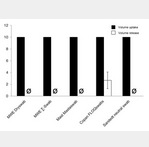
“Highest amount of CFU release was detected for the MWE Dryswab in the unrestricted setting for both S. aureus and S. epidermidis with 1544 CFU and 553 CFU, respectively, lowest release for the Sarstedt neutral swab with 32 CFU and 17 CFU, respectively (p<0.001).”

Antibiotics, resistance, biofilms

Screen shot 2014-07-14 at 06.26PM, Jul 14Beta-Lactam Antibiotics Stimulate Biofilm Formation in Non-Typeable Haemophilus influenzae by Up-Regulating Carbohydrate Metabolism – Siva Wu – PLOS ONE

“When exposed to sub-inhibitory concentrations of beta-lactam antibiotics NTHi strains produced tightly packed biofilms with decreased numbers of culturable bacteria but increased biomass.”

General microbiology

Screen shot 2014-07-14 at 12.23PM, Jul 14Macromolecular networks and intelligence in microorganisms – Hans V. Westerhoff – Frontiers in Microbiology

“Here, we explore how macromolecular networks in microbes confer intelligent characteristics, such as memory, anticipation, adaptation and reflection and we review current understanding of how network organization reflects the type of intelligence required for the environments in which they were selected.”

Screen shot 2014-07-14 at 06.26PM, Jul 14 1The syndemics of childhood diarrhoea: A biosocial perspective on efforts to combat global inequities in diarrhoea-related morbidity and mortality – Nicola Bulled – Global Public Health

“Drawing from available literature, this paper uses syndemic theory to explore the role of adverse biosocial interactions in increasing the total disease burden of enteric infections in low-resources populations and assesses the limitations of recent global calls to action.”

Bacteria in the news

Screen shot 2014-07-14 at 06.19PM, Jul 14We Are Our Bacteria – Jane E. Brody – New York Times (illustration by Ken Orvidas)

“We may think of ourselves as just human, but we’re really a mass of microorganisms housed in a human shell.”

Screen shot 2014-07-14 at 06.27PM, Jul 14#BacteriaHysteria : Gross! Lots of bacteria found on new swimsuits – Jane Weaver – Today Health

“The removable liner in women’s swimsuits that is meant to protect the fabric from our cooties isn’t really protective after all, according to a microbe researcher. “

Screen shot 2014-07-14 at 06.28PM, Jul 14Milford hospital enlists robots in war against infections – Mary MacDonald – Boston Globe

“The robots, made by Xenex Disinfection Services, use an intense flash of ultraviolet light to fight the bacteria, viruses, fungi, and other micro-organisms that traditional cleaning methods can miss, according to the hospital’s infection control staff.”

Screen shot 2014-07-14 at 06.29PM, Jul 14CDC Cracks Down on Labs After Anthrax, Bird Flu Scares – Jonel Aleccia – NBC News

“Dr. Tom Frieden, director of the Centers for Disease Control and Prevention, on Friday announced an immediate moratorium on all shipments of biological materials from CDC biosecurity level 3 and level 4 labs until problems are addressed.”

Marine Mammals

Screen shot 2014-07-14 at 06.29PM, Jul 14 1How Dolphins’ Genetics Could Help Find Answers Into Mysterious Animal Die-Off – Sascha Cordner – WFSU

“A discovery into dolphin genetics may have brought research scientists one step closer to finding out the source of a mysterious animal die-off last year in the troubled Indian River Lagoon.”

Science and publishing

Screen shot 2014-07-14 at 12.45PM, Jul 14Retractions are coming thick and fast: it’s time for publishers to act – Adam Marcus and Ivan Oransky – The Guardian

Another encouraging development is the rise of post-publication peer review, which has been made possible in recent years by the availability of papers online. Contributors to PubPeer, for example, have found signs of flawed or falsified results, leading to papers being retracted.”

Dr. Bik’s Picks

Screen shot 2014-07-14 at 06.34PM, Jul 14Whole genome and exome sequencing of monozygotic twins discordant for Crohn’s disease – Britt-Sabina Petersen – BMC Genomics

“We present a thorough genetic characterization of the sequenced individuals but detected no consistent differences within the twin pairs. “

Screen shot 2014-07-14 at 06.32PM, Jul 14How much science is there in new Planet of the Apes film? – Paul Rincon – BBC Science

“The latest instalment in the Planet of the Apes film franchise opens in the US on Friday. The rubber masks of the 60s and 70s films have been discarded in favour of motion capture suits and CGI. But how much did science inform the new movie’s portrayal of our close relatives?”

Screen shot 2014-07-14 at 06.31PM, Jul 14Domestication syndrome: White patches, baby faces and tameness explained by mild neural crest deficits – Science Daily

“Compared to their wild ancestors, domestic species are more tame, and they also tend to display a suite of other characteristic features, including floppier ears, patches of white fur, and more juvenile faces with smaller jaws.”


[hr]

Microbiome and general science digest, July 10

Hi all, just one post today, with everything combined. Bacterial vaginosis, daily rhythms  of marine bacteria, food microbiology, and The Picks.

Human vaginal microbiome

Role of Gardnerella vaginalis in the Pathogenesis of Bacterial Vaginosis: A Conceptual Model – Jane R. Schwebke – Journal of Infectious Diseases

“Our model suggests that BV is initiated by the sexual transmission of Gardnerella vaginalis, which has the appropriate virulence factors to adhere to host epithelium, create a biofilm community, and successfully compete with lactobacilli for dominance in the vaginal environment. “

Seawater microbiome

Multispecies dielMultispecies diel transcriptional oscillations in open ocean heterotrophic bacterial assemblages – Elizabeth A. Ottesen – Science, with an Editorial by E. Virginia Armbrust: “Taking the pulse of ocean microbes

“As anticipated, the cyanobacterial transcriptome exhibited pronounced diel periodicity. Unexpectedly, several different heterotrophic bacterioplankton groups also displayed diel cycling in many of their gene transcripts. “

Screen Shot 2014-07-10 at 11.53.04 PMReview: Bacterial diversity and antibiotic resistance in water habitats: searching the links with the human microbiome – Ivone Vaz-Moreira – FEMS Microbiology Reviews

“In this review, the hypothesis that some bacteria may share different water compartments and be also hosted by humans is discussed based on the comparison of the bacterial diversity in different types of water and with the human-associated microbiome. “

Food microbiology

Cassava beerLocal domestication of lactic acid bacteria via cassava beer fermentation – Alese M. Colehour – PeerJ

“Bacteria responsible for chicha fermentation could be a source of microbes for the human microbiome, but little is known regarding the microbiology of chicha. We investigated bacterial community composition of chicha batches using Illumina high-throughput sequencing. “

LobsterCharacterization of the dominant bacterial communities during storage of Norway lobster and Norway lobster tails (Nephrops norvegicus) based on 16S rDNA analysis by PCR-DGGE – Bekaert Karen – Food Microbiology

“To characterize as many bacterial species present as possible, we performed advanced molecular identification techniques (PCR-DGGE). The initial TVC of fresh Norway lobster meat was high (3.0 log cfu/g) as compared to fish.”

charquiEffect of autochthonous bacteriocin-producing Lactococcus lactis on bacterial population dynamics and growth of halotolerant bacteria in Brazilian charqui – Vanessa Biscola – Food Microbiology

“Charqui is a fermented, salted and sun-dried meat product, widely consumed in Brazil and exported to several countries. “

Microbes in the news

Using the gut microbiome to improve health – Mary MacVean – LA Times

“The “bistable” groups, the authors wrote, represent “tipping elements,” or components of the gut microbes that “exhibit alternative stable states linked to the overall ecosystem state and our physiology.” “

Science, Ethics and Publishing

Crack Down on Scientific Fraudsters – Adam Marcus and Ivan Oransky – New York Times

“Criminal charges against scientists who commit fraud are even more uncommon. In fact, according to a study published last year, “most investigators who engage in wrongdoing, even serious wrongdoing, continue to conduct research at their institutions.””

Dr. Bik’s Picks

Microplastics in the seas – Kara Lavender Law, Richard C. Thompson – Science

“Microplastics are likely the most numerically abundant items of plastic debris in the ocean today, and quantities will inevitably increase, in part because large, single plastic items ultimately degrade into millions of microplastic pieces. “

Uncontacted tribe in Brazil emerges from isolation – Heather Pringle – Science

“The meeting was Brazil’s first official contact with an isolated Amazonian tribe in 20 years. Anthropologists remain deeply concerned about the tribe’s future as it encounters novel diseases and resource-hungry outsiders. “

Polar BearsPolar Bears from Space: Assessing Satellite Imagery as a Tool to Track Arctic Wildlife – Seth Stapleton – PLOS ONE

“We examined satellite images of a small island in Foxe Basin, Canada, occupied by a high density of bears during the summer ice-free season. Bears were distinguished from other light-colored spots by comparing images collected on different dates. “

[hr]

General microbiology and science, July 9

Transcriptomic and proteomic analysis of Dengue infection,  bacteria that can tolerate arsenate, and -shocking!- bacteria on elevator buttons.

Dengue

Monocyte-Plasmablast Crosstalk during Dengue – Angela M. Green, Eva Harris – Cell Host & Microbe

“In this issue, Kwissa et al. (2014) begin with transcriptomic analysis and then integrate studies in human clinical samples, nonhuman primates, and coculture of primary human cells to identify a role for CD14+CD16+ monocytes in generating plasmablast responses during dengue virus infection.”

Screen Shot 2014-07-09 at 10.24.23 PMBelongs to: Dengue Virus Infection Induces Expansion of a CD14+CD16+ Monocyte Population that Stimulates Plasmablast Differentiation – Marcin Kwissa – Cell Host & Microbe

“Transcriptomic analysis of whole blood revealed that genes encoding proinflammatory mediators and type I interferon-related proteins were associated with high DENV levels during initial symptomatic disease.”

Screen Shot 2014-07-09 at 10.25.06 PMQuantitative proteomic analysis of Huh-7 cells infected with Dengue virus by label-free LC–MS – Victoria Pando-Robles – Journal of Proteomics

“In order to gain a better reading of the cross talk between virus and host cell proteins, we used a proteomics approach to analyze the host response to DENV infection in a hepatic cell line Huh-7.”

Dengue hemorrhagic fever: Comparison of patients with primary and secondary infections – Muhammad Khurram – Journal of Infection and Public Health

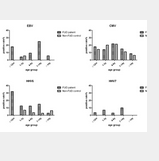
“The two Groups were compared for statistically significant association in terms of age, gender, laboratory parameter (at admission hematocrit [HCT], platelet, white blood cell [WBC] counts, alanine aminotransferase [ALT] value), severity (DHF or dengue shock syndrome), and outcome (recovered or expired).”

Comments on the clinical and laboratory characteristics of patients with dengue hemorrhagic fever manifestations and their transfusion profile – Romélia Pinheiro Gonçalves Lemes – Revista Brasileira de Hematologia e Hemoterapia

Belongs to: Clinical and laboratory characteristics of patients with dengue hemorrhagic fever manifestations and their transfusion profile – Denys Eiti Fujimoto – Revista Brasileira de Hematologia e Hemoterapia

“A retrospective descriptive study was performed to analyze the distribution of relative frequencies of clinical and laboratory variables. The study was carried out in Rio Branco with confirmed dengue fever cases.”

Viruses and phages

Viruses as new agentsViruses as new agents of organomineralization in the geological record – Muriel Pacton – Nature Communications

“Here we use contextual metagenomic data and microscopic analyses to show that viruses occur in high diversity within a modern lacustrine microbial mat, and vastly outnumber prokaryotes and other components of the microbial mat.”

Screen Shot 2014-07-09 at 10.30.33 PMReview: Exploiting gut bacteriophages for human health – Marion Dalmasso – Trends in Microbiology

“Individual phageomes vary depending on age and health, thus providing a useful biomarker of human health as well as suggesting potential interventions targeted at the gut microbiota.”

Through the looking glass: witnessing host–virus interplay in zebrafish – Jean-Pierre Levraud – Trends in Microbiology

“Besides traditional host models such as mice, the zebrafish offers an attractive cocktail of optical accessibility and genetic tractability, blended with a vertebrate-type immunity, where innate responses can easily be separated from adaptive ones.”

Antibiotics and resistance

Variable recombination dynamics during the emergence, transmission and ‘disarming’ of a multidrug-resistant pneumococcal clone – Nicholas J Croucher – BMC Biology

“Whole genome sequencing of an international collection of 189 isolates estimated that PMEN2 emerged around the late 1960s, developing resistance through multiple homologous recombinations and the acquisition of a Tn5253-type integrative and conjugative element (ICE). “

Arsenate metabolism

Screen Shot 2014-07-09 at 10.27.05 PMInfluence of an arsenate-reducing and polycyclic aromatic hydrocarbons-degrading Pseudomonas isolate on growth and arsenic accumulation in Pteris vittata L. and removal of phenanthrene – Tiancai Feng – International Biodeterioration & Biodegradation

“In this study, the effect of bacterial inoculation on plant growth and arsenic uptake by Pteris vittata and phenanthrene dissipation was investigated hydroponically using an arsenate-reducing and PAH-degrading Pseudomonas isolate. “

Screen Shot 2014-07-09 at 10.28.17 PMBrevibacillus sp. KUMAs2, a bacterial isolate for possible bioremediation of arsenic in rhizosphere – Ivy Mallick – Ecotoxicology and Environmental Safety

“As resistant property in KUMAs2 was found to be plasmid-borne, which carried both As oxidizing and reducing genes. The strain could promote chilli plant growth under As contaminated soil environment by decreasing As accumulation in plant upon successful colonization in the rhizosphere, which suggests the possibility of using this isolate for successful bioremediation of As in the crop field.”

Infection and host response

Influenza Promotes Pneumococcal Growth during Coinfection by Providing Host Sialylated Substrates as a Nutrient Source – Steven J. Siegel – Cell Host & Microbe

“We find that prior influenza infection enhances pneumococcal colonization of the murine nasopharynx, which in turn promotes bacterial spread to the lungs. “

Microbes in the news

Bacteria Could Provide A Powerful New Way To Fight Fat And Depression – Lauren F. Friedman – Business Insider

“With increased understanding of these tiny organisms, we might just be able to coax them to do our bidding, giving us unprecedented control over human health.”

Screen Shot 2014-07-09 at 10.28.38 PMHospital elevator buttons coated with more bacteria than bathroom surfaces – Helen Branswell – Canadian Press

“You might want to use an elbow to push the elevator button the next time you are in a hospital.”

Screen Shot 2014-07-09 at 10.27.35 PMBelongs to: Elevator buttons as unrecognized sources of bacterial colonization in hospitals – Christopher E Kandel – Open Medicine

“Elevator buttons had a higher prevalence of colonization than toilet surfaces (61% v. 43%, p = 0.008).”

Science and Art

Screen Shot 2014-07-09 at 10.26.17 PMIntricate bacteria sculptures painstakingly hand-cut from paper – Chris Higgins – Wired

“Among the microbes Brown studied in preparation for the undertaking, which took four months overall (one to draw, two to hand cut and one to piece them together) are proteus bacteria, Escherichia coli, salmonella, hyphae, Spirillum volutans and Vibrio cholerae.”

Science, publishing and ethics

Not all plagiarism requires a retraction – Praveen Chaddah – Nature

“The ease with which large chunks of text can be digitally scanned and compared with what has previously been published has produced a new breed of academic watchdog”

Dr. Bik’s Picks

Screen Shot 2014-07-09 at 10.35.00 PMAncient arachnid brought ‘back to life’: Video recreates 410-million-year-old animal walking – Science Daily

Scientists have recreated the walking gait of a 410-million-year-old arachnid, one of the first predators on land, based on fossil evidence. The scientists used the fossils — thin slices of rock showing the animal’s cross-section — to work out the range of motion in the limbs of this ancient, extinct early relative of the spiders.”

Screen Shot 2014-07-09 at 10.25.41 PM

Venus, the Chimera Cat: Venus the cat appears to have 2 faces – WSAV

“The left side of Venus’ face is black with a green eye, the right side of her face has orange tabby cat markings with a striking blue eye. “

[hr]

General microbiome and science, July 8

Metabolic networks, CRISPR induced immunity, and influence of extraction methods and primers on microbiome analysis. Plus some smallpox in the Lost&Found, and a big citation scandal in SAGE journals.

Microbial ecology / metabolomics

Screen Shot 2014-07-08 at 10.07.56 PMIdentifying All Moiety Conservation Laws in Genome-Scale Metabolic Networks – Andrea De Martino – PLOS ONE

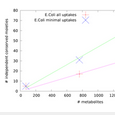
“ Our method is deployed for the analysis of moiety conservation relationships in two large-scale reconstructions of the metabolism of the bacterium E. coli, in six tissue-specific human metabolic networks, and, finally, in the human reactome as a whole, revealing that bacterial metabolism could be evolutionarily designed to cover broader production spectra than human metabolism.”

Emergent

Emergent Biosynthetic Capacity in Simple Microbial Communities – Hsuan-Chao Chiu – PLOS Computational Biology

“We specifically focus on detecting emergent biosynthetic capacity – instances in which a community growing on some medium produces and secretes metabolites that are not secreted by any member species when growing in isolation on that same medium. “

DIET ArchaeaDirect Interspecies Electron Transfer between Geobacter metallireducens and Methanosarcina barkeri – Amelia-Elena Rotaru – Applied and Environmental Microbiology

“M. barkeri is the second methanogen found to accept electrons via DIET and the first methanogen known to be capable of using either H2 or electrons derived from DIET for CO2 reduction. “

Optimal defenseOptimal Defense Strategies in an Idealized Microbial Food Web under Trade-Off between Competition and Defense – Selina Våge – PLOS ONE

“ Under coexistence with a competition specialist, a balance of competitive and defensive ability of the defense strategist was found to be evolutionarily stable, whereas stronger defense was optimal under increased nutrient levels in the absence of the pure competition specialist.”

Microbial detection

Screen Shot 2014-07-08 at 10.13.13 PMHuman Herpes Viruses Are Associated with Classic Fever of Unknown Origin (FUO) in Beijing Patients – Weimin Zhou – PLOS ONE

“HHVs are associated with Chinese patients (especially for children) with classic FUO. Our study adds perspective to the aetiological and clinical characteristics of classic FUO in beijing patients.”

Phages and viruses

Screen Shot 2014-07-08 at 10.13.31 PMCRISPR-Induced Distributed Immunity in Microbial Populations – Lauren M. Childs – PLOS ONE

“We analyze sequence diversity of experimentally coevolving populations of Streptococcus thermophilus and their viruses where CRISPR-Cas is active, and find the rapid emergence of distributed immunity in the host population, demonstrating the importance of this emergent phenomenon in evolving microbial communities.”

Techniques

Influence of DNA Extraction Method, 16S rRNA Targeted Hypervariable Regions, and Sample Origin on Microbial Diversity Detected by 454 Pyrosequencing in Marine Chemosynthetic Ecosystems – Perrine Cruaud – Applied and Environmental Microbiology

“Thanks to statistical and diversity analyses as well as inference of operational taxonomic unit (OTU) networks, we show that (i) while DNA extraction methods do not seem to affect the results for some samples, they can lead to dramatic changes for others; and (ii) the choice of amplification and sequencing primers also considerably affects the microbial community detected in the samples.”

Dengue

Sanofi’s dengue vaccine first to complete phase 3 – Gunjan Sinha – Nature Biotechnology

“Banking on approval, Sanofi has already started production, a move some have described as a “huge gamble” in light of the vaccine’s disappointing results from earlier studies, says Mark Clark, a pharmaceuticals analyst at Deutsche Bank in London.”

Microbes in the News

Found: Forgotten Vials of Smallpox – Maryn McKenna – Wired.com (also see CDC Media Statement)

“Workers clearing out an old storage room on the Bethesda, Md. campus of the National Institutes of Health have found a forgotten box of vials that contain smallpox.”

The Bacteria That Got Spread Throughout The US By Military Testing – Esther Inglis-Arkell – IO9

“Have you ever heard of serratia marcescens bacteria? Today they are a cause of hospital infections. In the 1960s, they were secretly sprayed across Washington, San Francisco, and New York.”

Manage Your Microbes – Laura Stec – Palo Alto Online

“I’ve been researching this wonderful advance in science for Manage Your Microbes, a cook class at Belmont Library on July 29th. “

Science, Publishing, and Career

SAGE Publications busts “peer review and citation ring,” 60 papers retracted – Retraction Watch

SAGE announces the retraction of 60 articles implicated in a peer review and citation ring at the Journal of Vibration and Control (JVC). “

13 Subtle Ways Women Are Treated Differently At Work – Jenna Goudreau – Business Insider

“Both men and women hold these views but often don’t even realize it. “It’s hard to fight this,” says Rivers, but awareness is key.

Dr. Bik’s Picks

Combining colour and temperature: A blue object is more likely to be judged as warm than a red object – Hsin-Ni Ho – Nature Scientific Reports

“It is commonly believed that reddish colour induces warm feelings while bluish colour induces cold feelings. We, however, demonstrate an opposite effect when the temperature information is acquired by direct touch.”

MandarinSequencing of diverse mandarin, pummelo and orange genomes reveals complex history of admixture during citrus domestication – G Albert Wu – Nature Biotechnology

“Here we sequence and compare citrus genomes—a high-quality reference haploid clementine genome and mandarin, pummelo, sweet-orange and sour-orange genomes—and show that cultivated types derive from two progenitor species. “

[hr]

General microbiology and science, July 7

Metagenomics binning based on co-abundance, bias in Illumina sequencing, and lots of metabolomics.

Phages and viruses

Bacteriophage-based synthetic biology for the study of infectious diseases – Robert J Citorik – Current Opinion in Microbiology

“Here, we discuss bacteriophage-based technologies and their application to the study of infectious diseases. “

Sequencing and Metagenomics

Identification and assembly of genomes and genetic elements in complex metagenomic samples without using reference genomes – H Bjørn Nielsen (and 142 other authors) – Nature Biotechnology

“Here we present a method, based on binning co-abundant genes across a series of metagenomic samples, that enables comprehensive discovery of new microbial organisms, viruses and co-inherited genetic entities and aids assembly of microbial genomes without the need for reference sequences.”

Evaluating bias of Illumina-based bacterial 16S rRNA gene profiles – Katherine Kennedy – Applied and Environmental Microbiology

“In this study, we tested the effects of template concentration, pooling of PCR amplicons, and sample preparation/inter-lane sequencing on the reproducibility associated with paired-end Illumina sequencing of bacterial 16S rRNA genes.”

Next generation sequencing technology: Advances and applications – HPJ Buermans, JT den Dunnen – Biochimica et Biophysica Acta (BBA) – Molecular Basis of Disease

“In this chapter we review the technical background of the different commercially available NGS platforms with respect to template generation and the sequencing reaction and take a small step towards what the upcoming NGS technologies will bring.”

Systems biology as an approach for deciphering microbial interactions – Puneet Kumar Singh – Briefings in Functional Genomics

“Here, we endeavor to summarize, epigrammatic description of sophisticated techniques and software that provides an enhanced understanding of metagenomics data analysis. “

Metabolomics

Stronger findings for metabolomics through Bayesian modeling of multiple peaks and compound correlations – Tommi Suvitaival – Bioinformatics

“We propose a hierarchical Bayesian model for inferring
differences between groups of samples more accurately in
metabolomic studies, where the observed compounds are collinear.”

Emergent Biosynthetic Capacity in Simple Microbial Communities – Hsuan-Chao Chiu – PLOS Computational Biology

“Here we present a comprehensive computational framework, integrating high-quality metabolic models of multiple species, temporal dynamics, and flux variability analysis, to study the metabolic capacity and dynamics of simple two-species microbial ecosystems.”

Metabolomics Analysis Identifies Intestinal Microbiota-Derived Biomarkers of Colonization Resistance in Clindamycin-Treated Mice – Robin L. P. Jump – PLOS ONE

“Clindamycin treatment caused marked changes in metabolites present in fecal specimens. Of 484 compounds analyzed, 146 (30%) exhibited a significant increase or decrease in concentration during clindamycin treatment followed by recovery to baseline that coincided with restoration of in vivo colonization resistance.”

Volatile Organic Compounds as Novel Markers for the Detection of Bacterial
Infections – Mohsen Sohrabi – Clinical Microbiology

“The possibility of using VOCs markers as one of the largest groups of bacterial metabolites would open a new frontier for developing more efficient techniques in the diagnosis of bacterial infections.”

The importance of sulfur-containing metabolites in discriminating fecal extracts between normal and type 2 diabetic mice – Alesia Walker – Journal of Proteome Research

“We demonstrate that a metabolic disorder such as T2DM affects the gastrointestinal tract environment thereby influencing different metabolic pathways and their respective metabolites in diabetic mice. “

Microarrrays

Applications of Phylogenetic Microarrays to Profiling of Human Microbiomes (PDF) -Oleg Paliy and Vijay Shankar – Book chapter

“This chapter will focus on currently available phylogenetic microarrays for the inter- rogation of human-associated microbiota, the technologies used to construct the arrays, as well as several key features that distinguish them from other approaches. “

Arsenic metabolism

Infant toenails as a biomarker of in utero arsenic exposure – Matthew A Davis – Journal of Exposure Science and Environmental Epidemiology

“In a sample of 170 mother–infant pairs from New Hampshire, we determined infant exposure to in utero arsenic by evaluating infant toenails as a biomarker using inductively coupled plasma mass spectrometry. “

Chromosomal organization

Spatial confinement is a major determinant of the folding landscape of human chromosomes – Gamze Gürsoy – Nucleic Acids Research

“Here we describe a model called constrained self-avoiding chromatin (C-SAC) for studying spatial structures of chromosomes, as the available space is a key determinant of chromosome folding. “

Bacteria in the news

The bacteria has been decimated: how much should we care what words used to mean? – By Tom Chivers – Telegraph

“Much amusement this morning on the Today programme, as John Humphrys shamefacedly confessed to having said “a bacteria” on the previous day’s episode.”

Yoghurt industry blamed for encouraging bacteria – The Daily Mash

“One day massive cow-sized bacteria will rule the world and they will kill everyone who doesn’t like special yoghurts.”

When Scientists Experiment on Themselves: H. pylori and Ulcers – By Hanno Charisius – Scientific American

“With his famous self-experiment, Marshall was able to demonstrate that Helicobacter pylori bacteria can cause acute gastritis which in turn may cause ulcers. He had asked neither an ethics commission nor his wife for permission to conduct this experiment. “

In rental cars, dangerous bacteria may come along for the ride – Jeff Rossen and Josh Davis, Today

“Armed with gloves and goggles, they swabbed every car from top to bottom: the steering wheels, gearshifts, door handles, even the GPS units.”

Bacteria that ‘eats’ odour could bring end to smelly toilets in China – Stephen Chen – South China Morning Post

“Mainland scientists have developed a “bioweapon” that can wipe out the notorious bad smell in public toilets. Up to 75 per cent of the odour can be removed, with the rest suppressed by a natural, pleasant fragrance, according to researchers with the Chinese Academy of Sciences.”

Marine Mammals

Some SeaWorld mammals survive longer in captivity – Mike Schneider – Associated Press

“Breakthroughs in training and medicine that allow the parks’ medical staffs to perform far fewer stressful or invasive procedures are partly responsible for those successes, SeaWorld officials said.”

Science and publishing

Highly cited Researchers 2014 – Thomson Reuters

“Over three thousand researchers earned the distinction by writing the greatest numbers of reports officially designated by Essential Science Indicators℠ as Highly Cited Papers—ranking among the top 1% most cited for their subject field and year of publication, earning them the mark of exceptional impact.”

Dr. Bik’s Picks

Rats use their whiskers in a similar way to how humans use their hands and fingers – Science Daily

“Rats deliberately change how they sense their environment using their facial whiskers depending on whether the environment is novel, if there is a risk of collision and whether or not they can see where they are going.”

Giraffe legs’ strong, skinny secret – Victoria Gill – BBC Science

“Scientists have worked out the anatomical secret to giraffes’ long and spindly – but strong – legs.”

Environmentalists Almost Killed My Friend – Josh Bloom – Science 2.0

“It is hysteria-producing nonsense like this that leads any non-scientist to conclude that we are systematically being poisoned every day. “

[hr]

Human microbiome, June 26

Mass spectrometry on Neanderthal poop – how cool is that? Then, nice article about fecal transplants, the Bristol Stool Chart Mug, role of bacteria in colon cancer, and Mycobacterium tuberculosis as a possible human symbiont.

Gut microbiome

Screen Shot 2014-06-26 at 10.22.55 PMThe Neanderthal Meal: A New Perspective Using Faecal Biomarkers – Ainara Sistiaga – PLOS ONE

“Our gas chromatography-mass spectrometry results from El Salt (Spain), a Middle Palaeolithic site dating to ca. 50,000 yr. BP, represents the oldest positive identification of human faecal matter.”

Screen Shot 2014-06-26 at 9.41.05 PM


I enjoyed reading this article. And not just because they mentioned one of our studies.
Getting to the Bottom of Fecal Transplants – Ricki Lewis – PLOS.org

“(…) babies’ bacteria were quite different at the outset, but by the end of the year, their communities resembled those in the adult digestive tract. And it was published right here at PLOS.”

41C8qjeUK2LWhich led me to the awesome The Bristol Stool Chart Mug – Amazon
Which I then ordered.


CRCFusobacterium and Enterobacteriaceae: Important players for CRC? – Emma Allen-Vercoea, Christian Jobin – Immunology Letters

“Not surprisingly, microbial dysbiosis is associated with numerous intestinal disorders including inflammatory bowel diseases (IBD) and colorectal cancer (CRC). In this piece, we will review recent evidence that gut microbial dysbiosis can influence intestinal disease, including colitis and CRC.”

Screen Shot 2014-06-26 at 9.45.42 PMPrevalence and Duration of Asymptomatic Clostridium difficile Carriage among Healthy Subjects in Pittsburgh, Pennsylvania – Alison L. Galdys – Journal of Clinical Microbiology

“The prevalence of C. difficile carriage in this healthy cohort is concordant with prior estimates. C. difficile-colonized individuals may be important reservoirs for C. difficile and may falsely test positive for infections due to C. difficile when evaluated for community-acquired diarrhea caused by other enteric pathogens.”

Blood sugar improves with first gastrointestinal microbiome modulator, NM504 – Science Daily

“The not-yet-named therapeutic, NM504, is the first in a new class of therapies known as GI microbiome modulators. “

Role of humanRole of human gut microbiota metabolism in the anti-inflammatory effect of traditionally used ellagitannin-rich plant materials – Jakub P. Piwowarski – Journal of Ethnopharmacology

“The formation of urolithins was determined by ex vivo incubation of human faecal samples with aqueous extracts from selected plant materials.”

Me and my microbiome – New Scientist

“Now there are claims that a truly villainous bacterium – Mycobacterium tuberculosis, which causes TB – is actually symbiotic and helped us evolve our large brains (see “ Eat meat TB brainy”). “

Eat meat TB brainy – Adrian Williams, Robin Dunbar – New Scientist

“The tuberculosis bacterium co-evolved with humans at least 70,000 years ago, and possibly a great deal earlier. Could chronic TB infections have originally been beneficial to human life? Did the pathogen act as a symbiont, supplying nicotinamide at times of meat deficiency?”

Animal models of human microbiota and disease

Screen Shot 2014-06-26 at 9.47.30 PMIncorporation of therapeutically modified bacteria into gut microbiota inhibits obesity – Zhongyi Chen – Journal of Clinical Investigation

“Here, we demonstrated that administration of engineered NAPE-expressing E. coli Nissle 1917 bacteria in drinking water for 8 weeks reduced the levels of obesity in mice fed a high-fat diet. “

[hr]