General microbiology and science, June 23

Amplification of 18S rRNA genes, metabolomics, phages, and the scientific way to cut a cake.

Bacteria are everywhere

This article is citing a study that was published in 1992, not sure why they reporting about it now, but here it is:
Earpieces can multiply bacteria 11 times in ear – Tribune

“Besides concerns about deafness, there are also issues regarding use of earpieces and bacteria. A study which measured bacteria levels on audio headsets provided on commercial airline flights entitled “Changes in the microbial flora of airline headset devices after their use,” published in the journal, The Laryngoscope, brings interesting conclusions. “

Anti-bacterial bag-for-life could prevent rise in food poisoning when 5p plastic bag charge comes into force – Independent UK

“Paul Morris, the managing director, said: “Multi-use bags which can carry raw meat one week and vegetables or clothing the next is a concern of many industry experts; this bag provides a solution to the problem.””

Amplification and sequencing techniques 

Investigating Microbial Eukaryotic Diversity from a Global Census: Insights from a Comparison of Pyrotag and Full-Length Sequences of 18S rRNA Genes – Alle A. Y. Lie – Applied and Environmental Microbiology

“Operational taxonomic units (OTUs) derived from full-length (Sanger sequencing) and pyrotag (454 sequencing of the V9 hypervariable region) sequences of 18S rRNA genes from 10 global samples were analyzed in order to compare the resulting protistan community structures and species richness. “

Targeted and Highly Multiplexed Detection of Microorganisms by Employing an Ensemble of Molecular Probes – Weihong Xu – Applied and Environmental Microbiology

“To profile the microbial diversity in environmental and clinical samples, we have devised and employed molecular probe technology, which detects and identifies bacteria that do and do not grow in culture.”

Metabolomics and mass spectrometry

This one is published by the not-so-trustworthy Omics group, but it sounds interesting:
Optimisation of Sample Preparation for Direct SPME-GC-MS Analysis of Murine and Human Faecal Volatile Organic Compounds for Metabolomic Studies (links to PDF)
– Reade S – Analytical & Bioanalytical Techniques

“We evaluated different aspects of sample preparation when processing murine and human faecal samples through a pipeline involving solid phase micro-extraction (SPME) coupled to gas chromatography-mass spectrometry (GC-MS)”

Shigella reroutes host cell central metabolism to obtain high-flux nutrient supply for vigorous intracellular growth – David Kentner – PNAS

“Here, we show that infected host cells maintain normal central metabolism for energy production and host cell survival. However, Shigella captures the entire host metabolism output and degrades it further to acetate.”

Beyond the Matrix-Assisted Laser Desorption Ionization (MALDI) Biotyping Workflow: in Search of Microorganism-Specific Tryptic Peptides Enabling Discrimination of Subspecies – Maria-Theresia Gekenidis – Applied and Environmental Microbiology

“Here, it is shown that combining tryptic digestion of the acid/organic solvent extracted (classical biotyping preparation) and resolubilized proteins, nano-liquid chromatography (nano-LC), and subsequent identification of the peptides by MALDI-tandem TOF (MALDI-TOF/TOF) mass spectrometry increases the discrimination power to the level of subspecies.”

Phages and viruses

Modeling the Infection Dynamics of Bacteriophages in Enteric Escherichia coli: Estimating the Contribution of Transduction to Antimicrobial Gene Spread –
Victoriya V. Volkova – Applied and Environmental Microbiology

“Using the model and the most liberal assumptions about transduction efficiency and resistance gene frequency, we approximated the upper numerical limits (“worst-case scenario”) of gene transfer through specialized and generalized transduction in E. coli by enteric coliphages when the transduced genetic segment is picked at random. “

Tolerance of a Phage Element by Streptococcus pneumoniae Leads to a Fitness Defect during Colonization – Hilary K. DeBardeleben – Journal of Bacteriology

“Here, we examined a clinical isolate that carries a novel prophage element, designated Spn1, which was detected in both integrated and episomal forms. Surprisingly, both lytic and lysogenic Spn1 genes were expressed under routine growth conditions.”

Comparison of Five Bacteriophages as Models for Viral Aerosol Studies – Nathalie Turgeon – Applied and Environmental Microbiology

“The presence of viruses in collected air samples was detected by culture and quantitative PCR (qPCR). Our results showed that these selected five phages behave differently when aerosolized and sampled. “

Microbial detection in blood and normally sterile sites

Molecular revolution in the diagnosis of microbial brain abscesses – AK Mishra – European Journal of Clinical Microbiology & Infectious Diseases

“This article reviews the applications of the currently available tools for the etiological diagnosis of a brain abscess.”

General microbiology

Nitrogen stress response and stringent response are coupled in Escherichia coli – Daniel R. Brown – Nature Communications

“Here, we show that transcription of relA, a key gene responsible for the synthesis of ppGpp, is activated by NtrC during nitrogen starvation.”

Stenotrophomonas comparative genomics reveals genes and functions that
differentiate beneficial and pathogenic bacteria – Peyman Alavi – BMC Genomics

“We used comparative genomics as well as transcriptomic and physiological approaches to detect significant borders between the Stenotrophomonas strains: the multi-drug resistant pathogenic S. maltophilia and the plant-associated strains S. maltophilia R551-3 and S. rhizophila DSM14405T (both are biocontrol agents)”

Emergence of bacterial vortex explained – Science Daily

When a bunch of B. subtilis bacteria are confined within a droplet of water, a very strange thing happens. The chaotic motion of individual swimmers spontaneously organizes into a swirling vortex, with bacteria on the outer edge of the droplet moving in one direction while those on the inside move the opposite direction. “

Dr. Bik’s Picks

Screen Shot 2014-06-23 at 11.53.49 PMScientists tie social behavior to activity in specific brain circuit – Stanford University

“The new findings, published June 19 in Cell, may throw light on psychiatric disorders marked by impaired social interaction such as autism, social anxiety, schizophrenia and depression, said the study’s senior author, Karl Deisseroth, MD, PhD, a professor of bioengineering and of psychiatry and behavioral sciences. 

Scientists use X-rays to look at how DNA protects itself from UV light – Science Daily

The molecular building blocks that make up DNA absorb ultraviolet light so strongly that sunlight should deactivate them — yet it does not. Now scientists have made detailed observations of a ‘relaxation response’ that protects these molecules, and the genetic information they encode, from UV damage.”

Cut your cake and keep it (fresh), too – Eliza Barclay – NPR

“The ordinary method of cutting out a wedge is very faulty,” wrote Sir Francis Galton, a British mathematician, in a 1906 letter to the journal Nature concerning the scientific principles of cake-cutting.”

[hr]

Microbiome and general biology, June 20

It was a quiet day on the microbiome research front, so there will only be one post today. But, with vampire bats, Bacillus anthracis, and fish-eating spiders, it’s a good one!

Pregnancy and Birth

Screen Shot 2014-06-20 at 10.08.36 PMStudy Finds Certain Birth Defects are more Common in Hispanics – Cheri Cheng

“”One of the things that caught our eye was, while Hispanics represent 17 percent of the population, 24 percent of premature babies are Hispanic,” said Dr. Edward McCabe, senior vice president and chief medical officer of the March of Dimes, a nonprofit organization.”

Animal models of human microbiota

BacillusColonic Immune Suppression, Barrier Dysfunction, and Dysbiosis by Gastrointestinal Bacillus anthracis Infection – Yaíma L. Lightfoot – PLOS ONE

“Herein, we investigated the pathogenesis of GI anthrax in animals orally infected with toxigenic non-encapsulated B. anthracis Sterne strain (pXO1+ pXO2−) spores that resulted in rapid animal death.”

Screen Shot 2014-06-20 at 9.53.32 PMBiology Students Study Stomach Bacteria – Pengxeu Thao – University of Minnesota Morris

Wyckoff and her students are spending the summer studyingHelicobacter pylori (H. pylori), a Gram-negative bacterium found in the human stomach.”

Amphibian microbiome

AmphibCool Temperatures Reduce Antifungal Activity of Symbiotic Bacteria of Threatened Amphibians – Implications for Disease Management and Patterns of Decline – Joshua H. Daskin – PLOS ONE

“We characterized, at a range of temperatures approximating natural seasonal variation, the anti-Bd activity of bacterial symbionts from the skins of three species of rainforest tree frogs (Litoria nannotis, Litoria rheocola, and Litoria serrata)”

Plant microbiology

Screen Shot 2014-06-20 at 10.09.21 PMScientists look to bacteria to protect crop yields in the face of climate change – Jennifer Huizen – E&E Publishing

“If proved effective, this technology would decrease the amount of key nutrients like nitrogen and, most notably, water needed by the plant, while increasing the yield,” said Lin Myat, a postdoctoral fellow of molecular biology and genetics at Cornell “

belongs to

Screen Shot 2014-06-20 at 10.06.07 PMβ-Carboxysomal proteins assemble into highly organized structures in Nicotiana chloroplasts – Myat T. Lin – The Plant Journal

“We demonstrate that a foreign protein can be targeted with a 17-amino-acid CcmN peptide to the shell proteins inside chloroplasts. Our experiments establish the feasibility of introducing carboxysomes into chloroplasts for the potential compartmentalization of Rubisco or other proteins.”

Food microbiology

Screen Shot 2014-06-20 at 10.23.17 PMHaley Oliver: Master of Meat – Jef Akst – The Scientist

“In her own lab at Purdue University, Oliver studies the spread of Listeria in other foods, such as melons, and investigates sanitation strategies that may limit contamination and increase food shelf life. “

Infection and host response

InflammationInflammation: Gone with Translation – Carola G. Vinuesa, Thomas Preiss – PLOS Genetics

“Over the last few years, a number of studies have investigated global gene activation induced by pathogen-derived stimuli to gain insights into the modes of induction of the inflammatory mediators and regulators.”

Dengue

Screen Shot 2014-06-20 at 9.18.31 PMThe Need for More Research and Public Health Interventions on Dengue Fever in Burkina Faso – Valéry Ridde – PLOS Neglected Tropical Diseases

“…our aim in this article is to draw attention to the need for rapid deployment of research and interventions on dengue fever in Burkina Faso, because it appears to have been overlooked, with the focus being, instead, on malaria.”

Dengue NKTInvariant NKT Cell Response to Dengue Virus Infection in Human
Ponpan Matangkasombut – PLOS Neglected Tropical Diseases

“iNKT cells activation were analyzed by the expression of CD69 by flow cytometry. Their cytokine production was then analyzed after α-GalCer stimulation”

General microbiology

Screen Shot 2014-06-20 at 9.19.15 PMVampire Bats and Rabies: Toward an Ecological Solution to a Public Health Problem – Benjamin Stoner-Duncan – PLOS Neglected Tropical Diseases

“In the first half of 2011, 21 school-age children and two adults died of rabies transmitted by the common vampire bat (Desmodus rotundus) in and around the small rural village of Yupicusa in the Peruvian Amazon”

VectorCrossing the Interspecies Barrier: Opening the Door to Zoonotic Pathogens – Christian Gortazar – PLOS Pathogens

“The species barriers separating nonhuman animal species from humans represent a major hurdle for effective exposure to, infection by, and subsequent spread of zoonotic pathogens among humans”

Screen Shot 2014-06-20 at 9.35.19 PMHuman sweat can reduce bacteria fighting capabilities – ZeeNews

“A new research has revealed that human sweat can diminish bacteria-fighting qualities of brass objects like door knobs and taps within an hour of contact.”


Dr. Bik’s Picks

Screen Shot 2014-06-20 at 10.11.49 PMFish Predation by Semi-Aquatic Spiders: A Global Pattern – Martin Nyffeler – PLOS ONE

“More than 80 incidences of fish predation by semi-aquatic spiders – observed at the fringes of shallow freshwater streams, rivers, lakes, ponds, swamps, and fens – are reviewed.”

Screen Shot 2014-06-20 at 10.15.09 PMUS sets up honey bee loss task force – BBC News

“In the plan announced on Friday, Mr Obama directed the EPA and the agriculture department to lead a government-wide task force to develop a strategy within six months to fight bee and other pollinator declines.“

Screen Shot 2014-06-20 at 10.17.07 PMStrict diet suspends development, doubles lifespan of worms – Science Daily

“Researchers at Duke University found that taking food away from C. elegans triggers a state of arrested development: while the organism continues to wriggle about, foraging for food, its cells and organs are suspended in an ageless, quiescent state. “

Screen Shot 2014-06-20 at 10.26.39 PMFinding thoughts in speech: How human brain processes thoughts during natural communication – Science Daily

“The novelty of the authors’ approach is that the participants were not instructed to think and talk about a given topic in an experimental setting. “

[hr]


General microbiology and science, June 19

How to store your sputum samples, how LPS gets inserted into the outer membrane, and why pigs have an even number of toes.

Techniques in microbiome research

Screen Shot 2014-06-19 at 11.16.59 PMTime between sputum sample collection and storage significantly influences bacterial sequence composition from Cystic Fibrosis respiratory infections – Leah Cuthbertson – Journal of Clinical Microbiology

“Aliquots were stored at room temperature before freezing at -80°C for increasing intervals up to 72 hour period. Samples were treated with propidium monoazide, to distinguish live from dead cells, prior to DNA extraction, and 16S rRNA gene pyrosequencing was used to characterise the bacterial composition.”

General microbiology

Screen Shot 2014-06-19 at 11.26.58 PMStructural basis for outer membrane lipopolysaccharide insertion – Haohao Dong – Nature

“Here we report the first crystal structure of the unique integral membrane LPS translocon LptD–LptE complex….These findings not only help us to understand important aspects of bacterial outer membrane biogenesis, but also have significant potential for the development of novel drugs against multi-drug resistant pathogenic bacteria.”

Immunology

Screen Shot 2014-06-19 at 11.13.17 PMTeaching the immune system “self” respect and tolerance – Lucienne Chatenoud – Science

Tolerance is what we would like to restore to cure such disabling diseases. Kasagi et al. (2) indicate that it may be possible to teach the immune system to tolerate “self” again.”

Screen Shot 2014-06-19 at 11.15.42 PMIn Vivo–Generated Antigen-Specific Regulatory T Cells Treat Autoimmunity Without Compromising Antibacterial Immune Response – Shimpei Kasagi – Science

“These antigen-specific Treg cells specifically ameliorated autoimmunity without compromising immune responses to bacterial antigen. We have thus successfully generated antigen-specific Treg cells with therapeutic activity toward autoimmunity”

Phages, viruses, CRISPRs

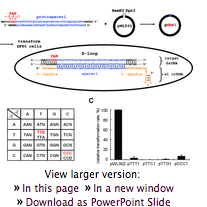
Screen Shot 2014-06-19 at 11.18.44 PMHaloarcula hispanica CRISPR authenticates PAM of a target sequence to prime discriminative adaptation – Ming Li – Nucleic Acids Research

Science and ethics

Cheating common, say Brazil’s students – Jack Grove – Times Higher Education

“Of a sample of 47 papers published last year, 29 showed signs of word-by-word plagiarism, seven contained self-plagiarism, three had “mosaic plagiarism” (otherwise known as “synonym substitution”) and one exhibited signs of collusion.”

Dr. Bik’s Picks

Screen Shot 2014-06-19 at 11.23.10 PMThe Dangers Of Data Mining – Tommaso Dorigo – Science 2.0

On my first day at the Erice School of Science Journalism this past week I attended a lecture by Alessio Cimarelli, who discussed “When Data Journalism meets Science: a “Hackathon””.”

Screen Shot 2014-06-19 at 11.32.23 PMEvolutionary biology: Why cattle, pigs are even-toed – Science Daily

During their evolution, the basic limb skeletal structure was significantly modified such that today’s hippopotami have four toes, while the second and fifth toe face backwards in pigs.”


U.S. Says 75 Government Scientists Possibly Exposed To Live Anthrax – Reuters – Huffington Post

The potential exposure occurred after researchers working in a high-level biosecurity laboratory at the agency’s Atlanta campus failed to follow proper procedures to inactivate the bacteria.”

[hr]

General microbiology and science, June 18

Learn about dengue at the World Cup, a deadly lake, 3D structures of genomes, OTUs and tables, musical kids, and why your iPhone headphones are always in a knot.

Dengue

Evaluation of single-round infectious, chimeric dengue type 1 virus as an antigen for dengue functional antibody assays – Atsushi Yamanaka – Vaccine

“In the present study, SRIPs of DENV-1 (D1-SRIPs) were evaluated as an antigen for functional antibody assays.”

An inhibition model of BPTI to unlinked dengue virus NS2B-NS3 protease – Hua Li – FEBS Letters

“BPTI shows strong competitive inhibitory activity (Ki = 6.5 nM) against this unlinked protease, which adopts a closed conformation.”

The role of cell proteins in dengue virus infection – Ma. Isabel Salazar – Journal of Proteomics

“This review focuses on recent reports about cellular proteins involved along the dengue virus replication cycle, in prime cellular targets during the infection of both humans and mosquito hosts and also on the proteomics and other approaches that are being used to reveal the entire orchestration and most significant processes altered during infection.”

Dengue outlook for the World Cup in Brazil – Eduardo Massad – The Lancet Infectious Diseases

Correspondence on: Dengue outlook for the World Cup in Brazil: an early warning model framework driven by real-time seasonal climate forecasts

Arsenic metabolism

43,000 die annually in Bangladesh: Study – The Daily Star

“This rate is 25 percent all over Bangladesh, said Dr Kazi Matin Ahmed, geology professor of Dhaka University. He presented the paper at a seminar titled “Arsenic Activities, Research and Outcomes” organised by the Bangladesh Medical Research Council (BMRC) in its auditorium in the capital yesterday.”

Arsenic speciation in rice-based food for adults with celiac disease – Sandra Munera-Picazo – Food Additives and Contaminants

“…the objective of this study was to analyze the occurrence of arsenic (As) in gluten-free products, basically those rice-based, intended for celiac adult consumers.”

Could This Acid Lake Hold the Elixir of Life for Cancer Patients? – Ryot.org

“The Berkeley Acid Pit is a giant hole filled with arsenic and sulfuric acid, and has a history of causing disturbing deaths… and it’s making its way into the city’s water supply, according to PitWatch.”

Chromosomal Organization

Targeted chromatin capture (T2C): a novel high resolution high throughput method to detect genomic interactions and regulatory elements – Petros Kolovos – Epigenetics &

“We applied T2C on well-known model regions, the mouse beta-globin locus and the human H19/IGF2 locus. In both cases we identified all known chromatin interactions”

A statistical approach for inferring the 3D structure of the genome – Nelle Varoquaux – Bioinformatics

“We propose a novel approach to infer a consensus 3D structure of a genome from Hi-C data. The method incorporates a statistical model of the contact counts, assuming that the counts between two loci follow a Poisson distribution whose intensity decreases with the physical distances between the loci.”

Spatial organization of interphase chromosomes and the role of chromatin fibril dynamics in the positioning of genome elements – E. S. Gushchanskaya – Molecular Biology

In this review, we discuss the results of these projects, which allow us to explain the functional basis of nucleus multilevel compartmentalization and to identify the principles of high-level chromatin organization. “

Computational ecology

A fast and unbiased procedure to randomize ecological binary matrices with fixed row and column totals – Giovanni Strona – Nature Communications

“A well-known problem in numerical ecology is how to recombine presence-absence matrices without altering row and column totals. “

Consistent, comprehensive and computationally efficient OTU definitions – Jai Ram Rideout – PeerJ PrePrints

“We present a performance-optimized algorithm, subsampled open-reference OTU picking, for assigning marker gene (e.g., 16S rRNA) sequences generated on next-generation sequencing platforms to operational taxonomic units (OTUs) for microbial community analysis.”


Bacteria in blood and sterile sites

Rapid and direct MALDI-MS identification of pathogenic bacteria from blood using ionic liquid-modified magnetic nanoparticles (Fe3O4@SiO2) – Mukesh L. Bhaisare – Journal of Materials Chemistry B

“A novel method for pathogenic bacteria identification directly from blood samples using cationic ionic liquid-modified magnetic nanoparticles (CILMS) is reported.”

Metagenomics

GroopM: An automated tool for the recovery of population genomes from related metagenomes – Michael Imelfort – PeerJ PrePrints

“Here we introduce GroopM, an automated binning tool that primarily uses differential coverage to obtain high fidelity population genomes from related metagenomes. “

DNA-dependent RNA polymerase detects hidden giant viruses in published databanks – Vikas Sharma – Genome Biology and Evolution

“To explore the dark matter, we used viral RNAP2 and reconstructed putative ancestral RNAP2, which were significantly superior in detecting distant clades than current sequences, and we revealed two additional unknown mimiviruses, misclassified as an euryarchaeote and a oomycete plant pathogen, and detected unknown putative viral clades”

Metabolomics

Comparative Metabolomics and Structural Characterizations Illuminate Colibactin Pathway-Dependent Small Molecules – Maria I. Vizcaino – Journal of the American Chemical Society

“Here we implemented a comparative metabolomics and targeted structural network analyses approach to identify a catalog of small molecules dependent on the colibactin pathway from the meningitis isolate E. coli IHE3034 and the probiotic E. coli Nissle 1917.”

Scientific writing and publishing

Screen Shot 2014-06-18 at 11.01.34 PMColour blindness: Still too many red–green figures – S. Colby Allred – Nature

“People with red–green colour blindness cannot interpret figures in research papers that use these colours. We call for all journals to provide alternative versions of figures that are more accessible to such individuals.”

Open access: Sharing your data is easier than you think – Stephen Eglen – Nature

“Storing large volumes of raw data is costly, but many items destined for sharing are highly processed and relatively small. “

Dr. Bik’s Picks

The Irish potato famine pathogen Phytophthora infestans originated in central Mexico rather than the Andes – Erica M. Goss – PNAS

“We sequenced four nuclear genes in representative samples from Mexico and the South American Andes. An Andean origin of P. infestans does not receive support from detailed analyses of Andean and Mexican populations. “

Behavioral and Neural Correlates of Executive Functioning in Musicians and Non-Musicians – Jennifer Zuk – PLOS ONE

“Overall, musicians show enhanced performance on several constructs of EF, and musically trained children further show heightened brain activation in traditional EF regions during task-switching.”

There’s a scientific reason your iPhone headphones are always tangled – Fiona MacDonald – Science Alert

“But between 46 centimeters and 150 centimeters (about five feet), the probability of a knot forming rises dramatically.”

[hr]

General microbiology and science, June 17

How to freeze and preserve communities, host response, standardized metadata for pathogens, primers for fungal detection and more. Check out Dr. Bik’s Picks for coffee in space and sticky tongues.

Infection and host response

The effect of age on the systemic inflammatory response in patients with community-acquired pneumonia – Lonneke A. van Vught – Clinical Microbiology and Infection

“Serum concentrations of pro-inflammatory (interleukin (IL)-6 and IL-8) and anti-inflammatory cytokines (IL-10 and IL-1 receptor antagonist) did not differ between age groups, although admission IL-8 levels tended to be higher in old patients (p = 0.05). “

Clinical Disease Severity of Respiratory Viral Co-Infection versus Single Viral Infection: A Systematic Review and Meta-Analysis – Sandra A. Asner – PLOS ONE

“No differences in clinical disease severity between viral co-infections and single respiratory infections were documented.”

Standardized Metadata for Human Pathogen/Vector Genomic Sequences – Vivien G. Dugan – PLOS ONE

“The standard includes data fields about characteristics of the organism or environmental source of the specimen, spatial-temporal information about the specimen isolation event, phenotypic characteristics of the pathogen/vector isolated, and project leadership and support. “

Discovering Hidden Connections among Diseases, Genes and Drugs Based on Microarray Expression Profiles with Negative-Term Filtering – Jain-Shing Wu – PLOS ONE

“This study proposes a novel means of employing existing GEPs to reveal hidden relationships among diseases, genes, and drugs within a rich biomedical database, PubMed. Unlike the co-occurrence method, which considers only the appearance of keywords, the proposed method also takes into account negative relationships and non-relationships among keywords, the importance of which has been demonstrated in previous studies.”

MS spectrometry and microbiology

A simple, robust and rapid approach to detect carbapenemases in Gram negative isolates by MALDI-TOF mass spectrometry: validation with triple quadripole tandem mass spectrometry, microarray and PCR – Christelle Vogne – Clinical Microbiology and Infection

“Here, we developed a simple, easy and rapid MALDI-TOF-based assay to detect carbapenemases and compared this innovative test with 4 other diagnostic approaches on 47 clinical isolates. “

Source-Identifying Biomarker Ions between Environmental and Clinical Burkholderia pseudomallei Using Whole-Cell Matrix-Assisted Laser Desorption/Ionization Time-of-Flight Mass Spectrometry (MALDI-TOF MS) – Suthamat Niyompanich – PLOS ONE

“In this present study, we employed a whole-cell MALDI-TOF MS approach for assessing its potency in clustering a total of 11 different B. pseudomallei isolates (consisting of 5 environmental and 6 clinical isolates) with respect to their origins and to further investigate the source-identifying biomarker ions belonging to each bacterial group.”

Phages and viruses

Effectiveness of bacteriophages in the sputum of cystic fibrosis patients – Emilie Saussereau – Clinical Microbiology and Infection

“The demonstration that bacteriophages infect their bacterial hosts in the sputum environment, regardless of the clinical characteristics of the patients, represents a major step towards the development of bacteriophage therapy to treat chronic lung infections.”

Standards for Sequencing Viral Genomes in the Era of High-Throughput Sequencing
Jason T. Ladner – mBio

“Here, we propose five “standard” categories that encompass all stages of viral genome finishing, and we define them using simple criteria that are agnostic to the technology used for sequencing.”

Dengue

Dengue Serosurvey in Sint Eustatius – Teresa Leslie – PLOS ONE

“ Few studies have investigated dengue on Sint Eustatius. Blood samples were collected to determine the prevalence of antibodies against dengue in the Sint Eustatius population.”

General microbiology

Invited Editorial: Bioterrorism: myth or reality? – Gilbert Greub and Martin P. Grobusch – Clinical Microbiology and Infection

“Interestingly, while there are no doubt many features which tell those topics apart from each other, bioterrorism, in its broad sense, in its perception by the public, strikingly shares some features with the human interest in viral hemorrhagic fevers as witnessed during the recent Zaire ebolavirus disease outbreak “

Invited Editorial: New epidemiology of Staphylococcus aureus infections – Jean-Philippe Rasigade – Clinical Microbiology and Infection

“The clinical and molecular epidemiology of S. aureus infections has changed dramatically over the past two decades with the emergence of community-associated methicillin-resistant S. aureus (CA-MRSA).”

Sequencing and data analysis

Summarizing Specific Profiles in Illumina Sequencing from Whole-Genome Amplified DNA – Isheng J. Tsai – DNA Research

“To utilize the full potential of WGA to reveal the real biological interest, this article highlights the importance of recognizing additional sources of errors from amplified sequence reads and discusses the potential implications in downstream analyses.”

The Bias Associated with Amplicon Sequencing Does Not Affect the Quantitative Assessment of Bacterial Community Dynamics – Federico M. Ibarbalz – PLOS ONE

“The performance of two sets of primers targeting variable regions of the 16S rRNA gene V1–V3 and V4 was compared in their ability to describe changes of bacterial diversity and temporal turnover in full-scale activated sludge.”

HIVE-Hexagon: High-Performance, Parallelized Sequence Alignment for Next-Generation Sequencing Data Analysis – Luis Santana-Quintero – PLOS ONE

“High-performance Integrated Virtual Environment (HIVE), a cloud-based environment optimized for storage and analysis of extra-large data, presents an algorithmic solution: the HIVE-hexagon DNA sequence aligner. “

Sample preparation, primers, PCR

Optimized Cryopreservation of Mixed Microbial Communities for Conserved Functionality and Diversity – Frederiek-Maarten Kerckhof – PLOS ONE

“ In summary, we have evaluated a cryopreservation protocol that succeeded in preserving both community structure and functionality of value-added microbiomes. ”

Comparison and Validation of Some ITS Primer Pairs Useful for Fungal Metabarcoding Studies – Michiel Op De Beeck – PLOS ONE

“In the current study, three selected primer pairs were tested for their suitability as fungal metabarcoding primers.”

Chromosome organization

Assessing Diversity of DNA Structure-Related Sequence Features in Prokaryotic Genomes – Yongjie Huang and Jan Mrázek – DNA Research

“Our results show that simple sequence repeats and Z-DNA-promoting patterns are generally suppressed in prokaryotic genomes, whereas palindromes and inverted repeats are over-represented.”

Dr. Bik’s Picks

Tongue adhesion in the horned frog Ceratophrys sp. – Thomas Kleinteich & Stanislav N. Gorb- Scientific Reports

“Here we measured for the first time adhesive forces and tongue contact areas in living individuals of a horned frog (Ceratophrys sp.) against glass. We found that Ceratophrys sp. generates adhesive forces well beyond its own body weight.”

Good news: Espresso machine in SPAAAACE. Bad news: Fuelled by URINE – Simon Sharwood – The Register

“A critical issue standing between humanity and long-term residence in space has been solved after boffins invented an espresso machine they plan to send up to the International Space Station (ISS), groan-inducingly dubbed the ISSpresso.”

[hr]

General microbiology and science, June 16

It’s late and I got lots for you, so no pictures today. Dengue, phages, ecology, techniques, and lots more.

Antibiotic resistance

Review: Microbiological effects of sublethal levels of antibiotics – Dan I. Andersson & Diarmaid Hughes – Nature Reviews Microbiology

“In this Review, we discuss the ecology of antibiotics and the ability of subinhibitory concentrations to select for bacterial resistance. “

A Bacterial Battle  – Lisa M. Jarvis – Chemical and Engineering News

“The regulatory path to approving new antibiotics has been cleared, but work still remains to rebuild a healthy drug pipeline”

Bacteria are everywhere
How safe is your kitchen? – Lyxan Toledanes – The Daily News Online

Despite a spacious kitchen, Parker sat on the counter next to Masters’ prep area, where she was chopping vegetables and chicken on separate cutting mats. 

Adventures in the microbiome (part 2) – Mike Edmund

“There’s an intriguing case report that was just published in Clinical Microbiology and Infection”

Stafford students find bacteria on tainted tablets – Amanda Oglesby

“Four sixth-graders huddled over a table inside All Saints Regional Catholic School as they took turns swabbing bacteria from the surfaces of an iPhone and iPad.”

Bioslime: new sensor to detect harmful bacteria on food industry surfaces – BarfBlog

“The Biolisme project is using research from the University to develop a sensor capable of collecting and detecting Listeria monocytogenes on food industry surfaces, thereby preventing contaminated products from entering the market.”

Viruses and phages

Functional long-range RNA–RNA interactions in positive-strand RNA viruses – Beth L. Nicholson & K. Andrew White – Nature Reviews Microbiology

“In this Review, we discuss recent insights into the structure and function of these intriguing genomic features and highlight their diverse roles in the gene expression and genome replication of positive-strand RNA viruses.”

Unravelling the structural and mechanistic basis of CRISPR–Cas systems – John van der Oost – Nature Reviews Microbiology

“In this Review, we summarize the recent structural and biochemical insights that have been gained for the three major types of CRISPR–Cas systems, which together provide a detailed molecular understanding of the unique and conserved mechanisms of RNA-guided adaptive immunity in bacteria and archaea.”

The elemental composition of virus particles: implications for marine biogeochemical cycles – Luis F. Jover – Nature Reviews Microbiology

“In this Analysis article, we use a biophysical scaling model of intact virus particles that has been validated using sequence and structural information to quantify differences in the elemental stoichiometry of marine viruses compared with their microbial hosts. “

Phage therapies for plants and people – Michael Gross – Current Biology

Dengue

NEA to explore biological control methods to tackle dengue

“One of the techniques involves the use of Aedes aegypti mosquitoes, which are infected with a certain bacteria, to control their population.”

Techniques general

Storage of Human Biospecimens: Selection of the Optimal Storage Temperature – Allison Hubel – Biopreservation and Biobanking

“The overall objective of this article is to describe the scientific basis for selecting a storage temperature for a biospecimen based on current scientific understanding. To that end, this article reviews some physical basics of the temperature, nucleation, and ice crystal growth present in biological samples stored at low temperatures (−20°C to −196°C), and our current understanding of the role of temperature on the activity of degradative molecules present in biospecimens.”

DNA polymerase hybrids derived from the family-B enzymes of Pyrococcus furiosus and Thermococcus kodakarensis: improving performance in the polymerase chain reaction – Ashraf M. Elshawadfy – Frontiers Microbiology

“The significance of this work is the observation that improvements in PCR performance are easily attainable by blending elements from closely related archaeal polymerases, an approach that may, in future, be extended by using more polymerases from these organisms.”

Metabolomics, Proteomics, Mass spectrometry

Bruker Announces Powerful New Mass Spectrometry Systems and Solutions for Life-Science Research, Clinical Research, Biopharma and Applied Markets – Wall Street Journal

“At the 62(nd) ASMS Conference on Mass Spectrometry and Allied Topics today, Bruker Corporation (NASDAQ:BRKR) today announced mass spectrometry-based product introductions for life-science research and proteomics, for clinical research, for pharma/biopharma/CRO customers, as well as for applied and industrial markets. “

Medically, Proteomics Advances Will Rival the Genetics Advances of the Last Ten Years – Genetic Engineering and Biotechnology News

“..in explaining why proteomics is likely to have such a major impact, Dr. Anderson starts with a major difference between the genetic testing common today, and the proteomic testing that is fast coming on the scene. “

Metagenomics and informatics

Detecting concerted demographic response across community assemblages using hierarchical approximate Bayesian computation – Yvonne L. Chan – Molecular Biology and Evolution

“Here we present a statistical framework for such an analysis based on hierarchical approximate Bayesian computation (hABC) with the goal of detecting concerted demographic histories across an ecological assemblage.”

An Experimentally Determined Evolutionary Model Dramatically Improves Phylogenetic Fit – Jesse D. Bloom – Molecular Biology and Evolution

“Experimental determination of a parameter-free evolutionary model via mutagenesis, functional selection, and deep sequencing.”

Ecology

Trait-based approaches for understanding microbial biodiversity and ecosystem functioning – Sascha Krause – Frontiers in Microbiology

“We argue that combining eco-physiological studies with contemporary molecular tools in a trait-based framework can reinforce our ability to link microbial diversity to ecosystem processes. “

The importance of the viable but non-culturable state in human bacterial pathogens – Laam Li – Frontiers in Microbiology

“The conditions that trigger the induction of the VBNC state and resuscitation from it are summarized and the mechanisms underlying these two processes are discussed. “

Deciphering microbial interactions and detecting keystone species with co-occurrence networks – David Berry – Frontiers in Microbiology

“Here, we simulate multi-species microbial communities with known interaction patterns using generalized Lotka-Volterra dynamics. We then construct co-occurrence networks and evaluate how well networks reveal the underlying interactions and how experimental and ecological parameters can affect network inference and interpretation.”

Scientific writing and publishing

Sources of error in the retracted scientific literature – Arturo Casadevall, R. Grant Steen and Ferric C. Fang – The FASEB Journal

“Analysis of the retraction notices for 423 articles indexed in PubMed revealed that the most common causes of error-related retraction are laboratory errors, analytical errors, and irreproducible results.”

Dr. Bik’s Picks

Magnets: Artificial Magnetic Bacteria: Living Magnets at Room Temperature – Miguel Martín – Adv. Funct. Mater

After grafting the magnetic nanoparticles, the artificial magnetic bacteria remain alive. In fact they are converted into living magnets at room temperature.”

[hr]

General microbiology and science

Virus reactivation in sepsis, influenza mixing, and Dr. Bik’s Picks, featuring animals predicting the World Cup results, and which friends to take with you to Mars.

Infection and host response

Screen Shot 2014-06-13 at 11.39.47 PMReactivation of Multiple Viruses in Patients with Sepsis – Andrew H. Walton – PLOS ONE

“A small subgroup of septic patients had markedly elevated viral loads (>104–106 DNA copies/ml blood) for CMV, EBV, and HSV. Excluding TTV, DNAemia was uncommon in critically-ill non-septic patients and in age-matched healthy controls. Compared to septic patients without DNAemia, septic patients with viremia had increased fungal and opportunistic bacterial infections.”

 More microbes

Screen Shot 2014-06-14 at 12.30.41 AMDeadly airborne flu virus created in lab – not as bad as it sounds – Wendy Barclay – The Conversation

“Now scientists at the University of Wisconsin-Madison in the US have been criticised for recreating a very similar but distinct influenza virus by mixing together a set of genes taken from viruses of wild birds that are present in the gene pool today”

Screen Shot 2014-06-14 at 12.31.12 AMBelongs toCirculating Avian Influenza Viruses Closely Related to the 1918 Virus Have Pandemic Potential – Tokiko Watanabe – Cell Host Microbe

Human Ancestors Got Herpes from Chimps’ Ancestors – Agata Blaszczak-Boxe – LiveScience

“Researchers found that herpes simplex virus 1 (HSV-1) infected hominids before their evolutionary split from chimpanzees 6 million years ago”

Science and Art

Franklin InstituteA Show That Really Gets Into Your Head – ‘Your Brain’ Opens at the Franklin Institute – Edward Rothstein – New York Times

“In these cases, the brain leaps ahead of what the body senses, drawing conclusions. They are sometimes wrong, sometimes subtly correct and sometimes extraordinarily imaginative.”

Dr. Bik’s Picks – Weekend Edition

CatYes, You Can Get Your Cat to Behave – Wayne Pacelle – Live Science

Animals ‘Predict’ 2014 World Cup results (video) – BBC News

“China’s panda picker Ying Mei got off to a successful start, opting for the box of food emblazoned with a Brazilian flag, before the host nation beat Croatia 3-1.”

Bedtime Procrastination: Introducing a New Area of Procrastination – Floor Kroese – Frontiers in Psychology

“Introducing a novel domain in which procrastinators experience problems, bedtime procrastination appears to be a prevalent and relevant issue that is associated with getting insufficient sleep.”

Science Blogging Versus Science Journalism – Tommaso Dorigo – Science 2.0

“Hence I tried to organize my lecture as a discussion of things that science journalist wannabes could be interested to hear, from a scientist who has been blogging for 10 years and has picked up some tricks and lessons along the way.”

Skin cancer: Sunscreen ‘not complete protection’ – Helen Briggs – BBC News

“Sunscreen alone should not be relied on to prevent malignant melanoma, a deadly form of skin cancer, research suggests.”

Longread: Forget Calories – Counting calories is misguided. The focus belongs on real food – James Hamblin – The Atlantic

“In other words, your New Year’s resolution to lose weight probably won’t last through the spring, let alone affect how you look in a swimsuit in July.”

Longread: Extroverts Don’t Belong on Mars – Olga Khazan – The Atlantic

“Extroverted friends are good for a lot of things—serving as deft and lively wingmen, spicing up book club, sparking interesting conversations at parties by wearing ostentatious leggings, etc. One thing they may be less suited for: Long voyages to faraway planets.”

[hr]


General microbiology and science, June 12

A whale with graffiti and morbillivirus, polio eradication, it’s fun to be a grad student, and Dr. Bik’s Picks.

Marine Mammals

grafwhaleGraffiti tagged A.C. whale died of dolphin-killer morbillivirus – Amy S. Rosenberg – The Inquirer

“Schoelkopf said the virus last summer was primarily found in bottle-nosed dolphins but that there was some inter-species crossover, including two humpback whales, a pygmy sperm whale and striped dolphins.”

austsealionPinnipednesday – Neophoca cinerea Edition – Mythbri – ObservationDeck

“It’s believed that the feces of Australian Sea Lions provide valuable nutrients to the local ecosystem. The bacteria found in the feces is very efficient in breaking down the waste into forms that are easily absorbed by coastal ecosystems.”

Phages and viruses

SciencePolio eradicators struggle to prevent the next outbreak – Leslie Roberts – Science

“But in 2013, the virus jumped borders and set off outbreaks in eight countries that had already eliminated it, sending cases soaring to 407. Now, by creating a “Red List,” the Global Polio Eradication Initiative is trying to predict where future outbreaks will occur—and prevent them.”

Science careers

fungradThe fun of science – Cathy Walker – Science

“Recently, I was reminded that my job as a graduate student in a science lab is actually “really cool.” I was in need of a reminder. “

Dr. Bik’s Picks

dinosEvidence for mesothermy in dinosaurs – John M. Grady – Science

“Moreover, when the effects of size and temperature are considered, dinosaur metabolic rates were intermediate to those of endotherms and ectotherms and closest to those of extant mesotherms. Our results suggest that the modern dichotomy of endothermic versus ectothermic is overly simplistic.”

bromineChemical element bromine is essential to life in humans and other animals, researchers discover – ScienceDaily

“The researchers, led by co-first authors Scott McCall, Christopher Cummings, Ph.D., and Gautam (Jay) Bhave, M.D., Ph.D., showed that fruit flies died when bromine was removed from their diet but survived when bromine was restored.”

[hr]

General microbiology and science, June 11

Lots of dengue and host response today, but also biosynthetic pathways, a book review, snakes, melons, bones, and bandages for mice.

Metagenomics and gene ontology

Hao Wang atlasAtlas of nonribosomal peptide and polyketide biosynthetic pathways reveals common occurrence of nonmodular enzymes – Hao Wang – PNAS

“This study demonstrates the widespread distribution of nonribosomal peptide synthetase and modular polyketide synthase biosynthetic pathways across the three domains of life, by cataloging a total of 3,339 gene clusters from 2,699 genomes. “

Microbiology general

Bacteria are godsBacteria Are Our Gods: Nicholas P. Money, a Mycologist, Has Written a Beautiful Book About the Facts of Life – Charles Mudede – The Stranger

“a beautifully written collection of linked essays called The Amoeba in the Room: Lives of the Microbes. The book is by Nicholas P. Money, a mycologist who teaches at Miami University”

Dengue

Dengue NoeckerContrasting associations of polymorphisms in FcγRIIa and DC-SIGN with the clinical presentation of dengue infection in a Mexican population – Cecilia A. Noecker – Acta Tropica

“In this study, real-time PCR was used to characterize the distribution of rs1801274 and rs4804803 in subjects with asymptomatic dengue infection (n = 145), uncomplicated dengue (n = 67), and severe dengue (n = 36) in Morelos.”

Dengue Rong Fu ChenAugmented miR-150 expression associated with depressed SOCS1 expression involved in dengue haemorrhagic fever – Rong-Fu Chen – Journal of Infection

“SOCS1 expression and lower IFN-γ level were significantly reduced in DHF patients, but not in patients with DF. Elevated SOCS1 and reduced miR-150 levels were detected 24 h after DENV-2 infection in PBMCs. “

PNASCommentary: How season and serotype determine dengue transmissibility
Neil M. Ferguson and Derek A. T. Cummings – PNAS

“The research published by Reiner et al. in PNAS (10) starts to address the last of these uncertainties by giving us a unique picture of how rates of transmission of the four dengue viruses varied in Iquitos, a small city in Peru, over a 12-y period.”

Dengue DelmelleA web-based geospatial toolkit for the monitoring of dengue fever – Eric M. Delmelle – Applied Geography

“In this paper, we present a web-based geospatial toolkit with a user-friendly interactive interface for the monitoring of dengue fever outbreaks, in space and time. “

Infection and host response

Nicholas IlottLong non-coding RNAs and enhancer RNAs regulate the lipopolysaccharide-induced inflammatory response in human monocytes – Nicholas E. IIott – Nature Communications

“…here we characterize the long non-coding RNA transcriptome in primary human monocytes using RNA sequencing. We identify 76 enhancer RNAs (eRNAs), 40 canonical lncRNAs, 65 antisense lncRNAs and 35 regions of bidirectional transcription (RBT) that are differentially expressed in response to bacterial lipopolysaccharide (LPS).”

Screen shot 2014-06-11 at 01.29PM, Jun 11Exploring the collaboration between antibiotics and the immune response in the treatment of acute, self-limiting infections – Peter Ankomah and Bruce R. Levin – PNAS

“We use a mathematical model and computer simulations to explore the design and evaluation of antibiotic treatment protocols for an acute, self-limiting bacterial infection. “

Beth TamburiniAntigen capture and archiving by lymphatic endothelial cells following vaccination or viral infection – Beth A. Tamburini – Nature Communications

“Antigen derived from viral infections with influenza and vesicular stomatitis virus can persist after resolution of infection. Here we show that antigen can similarly persist for weeks following viral challenge and vaccination. “

Screen Shot 2014-06-11 at 9.53.19 PMImmunologic Research has a special on Stanford Immunology, with contributions from Kari Nadeau, Robert Negrin, Christopher Contag, and many others.

Arsenic metabolism

Screen shot 2014-06-11 at 01.57PM, Jun 11Feasibility of Arsenic and Antimony NMR Spectroscopy in Solids: An Investigation of Some Group 15 Compounds – Alexandra Faucher – Solid State Nuclear Magnetic Resonance

“Results of density functional theory quantum chemistry calculations for isolated molecules using ADF and first-principles calculations using CASTEP, a gauge-including projector augmented wave method to deal with the periodic nature of solids, are compared with experiment.”

Screen shot 2014-06-11 at 02.02PM, Jun 11Role of endometrial concentrations of heavy metals (cadmium, lead, mercury and arsenic) in the aetiology of unexplained infertility – E. Tanrıkut – European Journal of Obstetrics & Gynecology and Reproductive Biology

“The concentrations of cadmium, lead, mercury and arsenic were measured in endometrial biopsy specimens using atomic absorption spectrometry.”

Screen shot 2014-06-11 at 02.06PM, Jun 11Mitigation approach of arsenic toxicity in chickpea grown in arsenic amended soil with arsenic tolerant plant growth promoting Acinetobacter sp. – Shubhi Srivastava – Electrical Engineering

“The study was undertaken with the aim of testing the effects of isolated bacterial strain nbri05 from arsenic contaminated site of West Bengal.”

Screen Shot 2014-06-11 at 10.36.36 PMNSF funds effort to market UT Arlington arsenic analyzer – University of Texas at Arlington – Phys.org

“The National Science Foundation has awarded nearly $200,000 to two University of Texas at Arlington researchers teaming with a private company to make an affordable, environmentally friendly field analyzer for arsenic levels in water.”

Science and Art

Screen Shot 2014-06-11 at 9.49.44 PMArts: The third culture – Michael John Gorman – Nature
“After months of injections with horse immunoglobulin in 2011, artist Marion Laval-Jeantet had a transfusion of horse blood in a Ljubljana art gallery. She walked around the donor animal on prosthetic hooves; then samples of her hybrid blood were freeze-dried and placed in engraved aluminium cases. “

Dr. Bik’s Picks

Screen shot 2014-06-11 at 01.27PM, Jun 11Medically important differences in snake venom composition are dictated by distinct postgenomic mechanisms – Nicholas R. Casewell – PNAS

“Venom variation observed between related snake species is therefore the result of a complex interaction between a variety of genetic and postgenomic factors acting on toxin genes. “

Shahar Cohen melonThe PH gene determines fruit acidity and contributes to the evolution of sweet melons – Shahar Cohen – Nature Communications

“We identify a family of plant-specific genes with a major effect on fruit acidity by map-based cloning of C. melo PH gene (CmPH) from melon, Cucumis melo taking advantage of the novel natural genetic variation for both high and low fruit acidity in this species”

Cow skullA Bone Collector’s Basement Of Animal Skulls Sees The Light – Lauren Sommer – NPR

“Bandar has spent 60 years building this scientific collection of animal bones. Now, many of his skulls are on view at the California Academy of Sciences in San Francisco, which has just opened an exhibit featuring his work.”

Bandage coatingBandage Coating Kills Bacteria Using Graphene And Hydrogen Peroxide – Melissae Fellet – ACS

“A bandage loaded with graphene quantum dots and a small amount of hydrogen peroxide significantly reduces the amount of bacteria in wounds on mice”

Screen Shot 2014-06-11 at 9.46.55 PMAt the start of the FIFA World Cup in Brazil, Nature has a special on South American science

Screen Shot 2014-06-11 at 10.43.30 PMQ&A: The nutrient hunter – Jascha Hoffman – Nature

“Investigative food journalist Jo Robinson has spent more than a decade scouring the literature on plant nutrition. Her demonstration garden in Washington state opens this month as her book Eating on the Wild Side (Little, Brown, 2013) emerges in paperback. She talks about eating tomatoes to protect from sunburn, why bitter is better — and how purple is the new green.”

[hr]

General microbiology and science, June 10

Transcription in 12 different human tissues, bacteria in arterial plaques, and hairs with anticancer activity.

Infection and Host Response

Genome wideGenome-wide survey of tissue-specific microRNA and transcription factor regulatory networks in 12 tissues – Zhiyun Guo – Nature Scientific Reports

“Finally, we describe TSmiR (http://bioeng.swjtu.edu.cn/TSmiR), a novel and web-searchable database that houses interaction maps of TF-TS miRNA in 12 tissues.”

IntracellularIntracellular Bacteria Interfere with Dendritic Cell Functions: Role of the Type I Interferon Pathway – Laurent Gorvel – PLOS ONE

To analyze the mechanisms used by C. burnetiiand B. abortus to alter moDC activation, we performed microarray and found that C. burnetiiand B. abortus induced a specific signature consisting of TLR4TLR3STAT1 and interferon response genes.”

Screen Shot 2014-06-10 at 9.55.25 PMBacteria Present in Carotid Arterial Plaques Are Found as Biofilm Deposits Which May Contribute to Enhanced Risk of Plaque Rupture – Bernard B. Lanter – mBio

“In the current work, atherosclerotic carotid artery explants from 15 patients were all shown to test positive for the presence of eubacterial 16S rRNA genes”

Screen Shot 2014-06-10 at 10.01.00 PMRNA-seq: Impact of RNA degradation on transcript quantification – Irene Gallego Romero – BMC Biology

“We sought to quantify the impact of variation in RNA quality on estimates of gene expression levels based on RNA-seq data.”

Dengue virus

DengueSpatiotemporal Dynamics of DENV-2 Asian-American Genotype Lineages in the Americas – Daiana Mir – PLOS ONE

“Our study reveals that genetic diversity of DENV-2 AS/AM genotype circulating in the Americas mainly resulted from one single founder event and can be organized in at least four major lineages”

Phages, viruses, CRISPRs

Screen Shot 2014-06-10 at 9.53.22 PMCasposons: a new superfamily of self-synthesizing DNA transposons at the origin of prokaryotic CRISPR-Cas immunity – Mart Krupovic – BMC Biology

“We describe a new superfamily of archaeal and bacterial mobile elements which we denote casposons because they encode Cas1 endonuclease, a key enzyme of the CRISPR-Cas adaptive immunity systems of archaea and bacteria. “

Dr. Bik’s Picks

GeckoHow do geckos climb? – Ann Le Good – BioMedCentral

“The answer, from the recent Royal Society conference on cell adhesion, is that their climbing mechanism depends on van der Waals forces (as well as friction and shear stress). “

This one is intriguing:
AnticancerAnticancer Properties of Peptide Fragments of Hair Proteins – Sergiusz Markowicz – PLOS ONE

“We found out that the mixtures of soluble peptides obtained from human hair inhibited the proliferation of human melanoma cells in vitro. Moreover, the hair-derived peptide mixtures also inhibited the proliferation of B lymphoma cells and urinary bladder cancer cells. “

EarthEarth is around 60 million years older than previously thought — and so is the moon, new research finds – Science Daily

The timing of the giant impact between Earth’s ancestor and a planet-sized body occurred around 40 million years after the start of solar system formation. This means that the final stage of Earth’s formation is around 60 million years older than previously thought, according to new research.”


[hr]