Microbiome digest, July 30

Host diet, sex, and the microbiome, smoking cessation, eukaryotic microbes, CRISPRs and my picks.

Gut microbiome

Individual diet has sex-dependent effects on vertebrate gut microbiota – Daniel I. Bolnick – Nature Communications

“Here we show that gut microbiota composition depends on interactions between host diet and sex within populations of wild and laboratory fish, laboratory mice and humans. “

Smoking Cessation Alters Intestinal Microbiota: Insights from Quantitative Investigations on Human Fecal Samples Using FISH – Biedermann L – Inflammatory Bowel Diseases

“As determined by fluorescence in situ hybridization, an independent direct quantitative microbial approach, we could confirm that intestinal microbiota composition in humans is influenced by smoking.”

More microbiology

Diversity of diversity: conceptual and methodological differences in biodiversity estimates of eukaryotic microbes as compared to bacteria – Jean-David Grattepanche – Trends in Microbiology

“High-throughput sequencing tools underestimate the diversity of eukaryotes by removing morphospecies.”

Microbes in the news

A Trip Overseas Could Change The Bugs Living In Your Gut – Bahar Gholipour – Huntington Post

“I was amazed to see how profoundly a single food poisoning event impacted the gut bacteria,” David, who was a researcher at Harvard University at the time of the study, said in a statement.

Researcher Using Next-Generation Sequencing, Other New Methods to Rapidly Identify Pathogens – Joe Montgomery – Kansas State University News Office – Labmanager.com

“Benjamin Hause, an assistant research professor at the Kansas State Veterinary Diagnostic Laboratory at Kansas State University, recently published an article about one of his discoveries, porcine enterovirus G, which is an important find in the United States.”

Antibiotics and resistance

Perturbation of Iron Homeostasis Promotes the Evolution of Antibiotic Resistance – Orsolya Méhi – Molecular Biology and Evolution

“To decipher the underlying molecular mechanisms, we first performed a global transcriptome analysis and demonstrated that the set of genes regulated by Fur change substantially in response to antibiotic treatment. “

Phages, viruses, and CRISPRs

Adaptation in bacterial CRISPR-Cas immunity can be driven by defective phages – Alexander P. Hynes – Nature Communications

“Here we demonstrate that cells can acquire spacers from defective phages at a rate directly proportional to the quantity of replication-deficient phages to which the cells are exposed.”

Dr. Bik’s Picks

Contamination hits cell work: Mycoplasma infestations are widespread and costing laboratories millions of dollars in lost research – Ewen Callaway – Nature

“A total of 11% of the samples were found to contain Mycoplasma DNA at levels indicative of contamination.”

Five daily portions of fruit and vegetables may be enough to lower risk of early death – Science Daily

“Eating five daily portions of fruit and vegetables is associated with a lower risk of death from any cause, particularly from cardiovascular disease, but beyond five portions appears to have no further effect, finds a new study.”

Lands’ End Announces Science-Themed Tees For Girls After Mom’s Letter Goes Viral – Jessica Samakow – The Huffington Post

My daughter was very confused. Lots of her friends that are girls love science, too. Why were there no cool science shirts for girls?”

[hr]


General microbiome and science, July 29

Bioinformatics tools, metabolomics, antibiotic resistance, biomeme hypothesis and the Kardashian index. Mine is still very low, so I’m good.

Bioinformatics

STAMP: Statistical analysis of taxonomic and functional profiles – Donovan H. Parks – Bioinformatics

“STAMP is a graphical software package that provides statistical hypothesis tests and exploratory plots for analyzing taxonomic and functional profiles. It supports tests for comparing pairs of samples or samples organized into two or more treatment groups. “

Metabolomics

Comparative metabolomics in primates reveals the effects of diet and gene regulatory variation on metabolic divergence – Ran Blekhman – Scientific Reports

“we performed a comparative study using a combination of gene expression and metabolomic profiling in livers from humans, chimpanzees, and rhesus macaques. We show that dietary differences between species have a strong effect on metabolic concentrations”

Antibiotics and resistance

Emergence of quinolone resistance in the microbiota of hospitalized patients treated or not with a fluoroquinolone – Victoire de Lastours – Journal of Antimicrobial Chemotherapy

“FQs received during hospitalization account for high rates of emergence of resistance to FQs in clinically relevant bacteria from human microbiota, reflecting the important ecological impact of FQs. “

The expression of antibiotic resistance genes in antibiotic-producing bacteria
Stefanie Mak – Molecular Microbiology

“The expression of these genes needs to occur in a timely manner: either in advance of or concomitantly with biosynthesis. “

Tetracycline modifies competitive interactions in experimental microcosms containing bacteria isolated from freshwater – Alex R. Hall – FEMS Microbiology Ecology

“These results suggest that antibiotics such as tetracycline may have important consequences for interactions among bacterial species, but in our experiments this was because species varied in their capacities for growth in the presence of tetracycline, rather than reduced competition at increasing tetracycline concentrations.”

Microbiology general

Please note that this one is just a hypothesis paper – there is no actual data to support this prediction. It’s very speculative, but discussed a lot on forums and Twitter.
Midichlorians – the biomeme hypothesis: is there a microbial component to religious rituals? – Alexander Y Panchin – Biology Direct

“We predict that next-generation microbiome sequencing of samples obtained from gut or brain tissues of control subjects and subjects with a history of voluntary active participation in certain religious rituals that promote microbial transmission will lead to the discovery of microbes, whose presence has a consistent and positive association with religious behavior. “

Science and publishing

Spotlight falls on top 1% in science – Chris Woolston – Nature

“News that a rarified group of scientists has claimed the lion’s share of publications has set off a social-media discussion about the fairness of the system”

Belongs to:

Estimates of the Continuously Publishing Core in the Scientific Workforce – John P. A. Ioannidis, Kevin W. Boyack, Richard Klavans – PLOS ONE

“However, only 150,608 (<1%) of them have published something in each and every year in this 16-year period (uninterrupted, continuous presence [UCP] in the literature).”

Academia’s seamier side: Lying, cheating and fraud – Fred Barbash – Washington Post

“The seamier side of academia, lying, cheating and occasionally stealing, this is the world revealed by a blog which, by all rights, should be dry and boring, like its name, “Retraction Watch.””

The Kardashian index: a measure of discrepant social media profile for scientists – Neil Hall – Genome Biology – Hat tip: Liz Costello

“if your K-index gets above 5, then it’s time to get off Twitter and write those papers”

 Dr. Bik’s Picks

The influence of emotional facial expressions on gaze-following in grouped and solitary pedestrians – Andrew C. Gallup – Nature Scientific Reports

“We found that pedestrians walking alone were not sensitive to this manipulation, while individuals traveling together in groups did reliably alter their response in relation to emotional cues. “

Timing of circadian genes in mammalian tissues – Anja Korenčič – Nature Scientific Reports

“To study the phase variability of CCGs in mammalian peripheral tissues, we develop a core clock model for mouse liver and adrenal gland based on expression profiles and known cis-regulatory sites.”

Footprint of Deepwater Horizon blowout impact to deep-water coral communities –
Charles R. Fisher – PNAS

“Here we show this was not an isolated incident; at least two other coral communities were also impacted by the spill. “

[hr]


General microbiology and science

Some new bioinformatic tools,  dengue response and vaccines, and host response and transcriptomics.

Host response and gene expression

Single-cell RNA-seq: advances and future challenges – Antoine-Emmanuel Saliba – Nucleic Acids Research

“Different single-cell RNA-seq protocols have been introduced and are reviewed here—each one with its own strengths and current limitations.”

Corset: enabling differential gene expression analysis for de novo assembled transcriptomes – Nadia M Davidson and Alicia Oshlack – Genome Biology

“Here we present Corset, a method that hierarchically clusters contigs using shared reads and expression, then summarizes read counts to clusters, ready for statistical testing. Using a range of metrics, we demonstrate that Corset out-performs alternative methods.”

Bioinformatics

Suffix tree searcher: exploration of common substrings in large DNA sequence sets
David Minkley – BMC Research Notes

“The program accommodates very large numbers of very large sequences, with aggregate size reaching tens of billions of nucleotides. The program makes use of pre-sorted persistent “building blocks” to reduce the time required to construct new trees.”

SnipViz: a compact and lightweight web site widget for display and dissemination of multiple versions of gene and protein sequences – Daniel Jaschob – BMC Research Notes

“SnipViz is a client-side software tool designed to disseminate multiple versions of related gene and protein sequences on web sites. SnipViz has a space-efficient, interactive, and dynamic interface for navigating, analyzing and visualizing sequence data.”

Dengue


Dengue vaccine trial poses public health quandary – Dennis Normile – Science


“The vaccine, developed by Sanofi Pasteur, proved safe, had an overall efficacy rate of 56.5%, and reduced cases of severe disease by 88.5%. But it had limited efficacy against dengue 2, one of four dengue virus serotypes in circulation.”

Predictors of hospital stay and mortality in dengue virus infection-experience from Aga Khan University Hospital Pakistan – Muhammad Abdul Khalil – BMC Research Notes

“Increasing age, coagulopathy and acute kidney injury in patients with DVI is associated with increased hospital stay.”


Science and publishing

A crisis of trust – Pubpeer

“As PubPeer developed, and especially once we enabled anonymous posting, we were shocked at the number of comments pointing out much more fundamental problems in papers, involving very questionable research practices and rather obvious misconduct. “

Dr. Bik’s Picks

Note to Science: The GOP’s Just Not That That Into You – Jeffrey Kluger – Time

“If the Speaker, by his own admission, isn’t qualified to debate climate change, fine, he’s excused from the conversation—and he should be expected not to offer further opinion on the matter. “

The first Science Hack Day in China – Ariel Waldman – BoingBoing

“Over the course of the weekend in a Shanghai incubator space, kids, parents, scientists, artists and technologists joined forces to play with science and prototype ideas. “

Exclusive: Naked Mole Rat Filled With Regret Over Evolutionary Choices – The Allium

“In an exclusive interview with The Allium, the Naked Mole Rat has revealed its regret at some of the evolutionary choices it has made, in particular the whole nakedness and the teeth.”


[hr]

Microbiome Digest, July 25

A year worth of oral/stool samples shows relative stability, antibiotics and preterm infants, reagent contamination, and 42. Have a great weekend!


Oral and gut microbiome

Screen Shot 2014-07-25 at 9.45.01 PMHost lifestyle affects human microbiota on daily timescales – Lawrence A David – Genome Biology

“Here, we link over 10,000 longitudinal measurements of human wellness and action to the daily gut and salivary microbiota dynamics of two individuals over the course of one year. These time series show overall microbial communities to be stable for months. However, rare events in each subjects’ life rapidly and broadly impacted microbiota dynamics. “

Pregnancy and Birth

Screen Shot 2014-07-25 at 9.44.20 PMThe impact of postnatal antibiotics on the preterm intestinal microbiome – Majd Dardas – Pediatric Research

“Rectal (fecal) swabs were collected at 10 and 30 d and analyzed by 16S rRNA pyrosequencing. At both time points, we examined the rectal microbiome from infants who received only 2 d of antibiotics and those who received at least 7 d of antibiotics.”

Techniques

Screen Shot 2014-07-25 at 9.45.50 PMReagent contamination can critically impact sequence-based microbiome analyses – Susannah Salter – BioRxiv (preprint)

“In this study we demonstrate that contaminating DNA is ubiquitous in commonly used DNA extraction kits, varies greatly in composition between different kits and kit batches, and that this contamination critically impacts results obtained from samples containing a low microbial biomass. “

Dengue

Speaking about “matter of timing”, seems like this paper came out a bit too late.
Screen Shot 2014-07-25 at 9.46.14 PMDengue and the World Football Cup: A Matter of Timing – Christovam Barcellos, Rachel Lowe – PLOS Neglected Tropical Diseases

“We provide a nationwide risk map, averaging June dengue incidence rates for 2001–2012. The areas along the Amazonian rivers and in the inner portions of southernmost states are actually low-risk areas, while elevated dengue risk is found in the central Brazilian plateau.”

Infection and host response

Don’t forget your towel! Even the issue number, 1004201, contains the “The Answer to the Ultimate Question of Life, the Universe, and Everything”. Perfection.
Screen Shot 2014-07-25 at 9.46.22 PMMicrobial Egress: A Hitchhiker’s Guide to Freedom – Ana Traven, Thomas Naderer – PLOS Pathogens

“The Restaurant at the End of the Infection — Macrophages as Host Cells”
“So Long and Thanks for All the Inflammatory Cell Death”

Dr. Bik’s Picks

crowSmarter than a first-grader? Crows can perform as well as 7- to 10-year-olds on cause-and-effect water displacement tasks

“New research conducted by UC Santa Barbara’s Corina Logan, with her collaborators at the University of Auckland in New Zealand, demonstrates the birds’ intellectual prowess may be more fact than fiction.”

JBC Journal of Biological ChemistryFour billion-year-old chemistry in cells today – Phys.org

“Parts of the primordial soup in which life arose have been maintained in our cells today according to scientists at the University of East Anglia.”

Screen Shot 2014-07-25 at 9.47.50 PMDustup Over Lionfish Science Fair Project – Bob Grant – The Scientist

A former graduate student says he feels slighted by a failure to attribute his contributions to a line of research regarding the salinity tolerances of an invasive species. “I’m not sure what happened, but my main issue is that the national media has presented a story that is sensationalized, and has left me out of the picture.”

[hr]

Microbiome digest, July 23

Just one post today. Invading oral bacteria found in liver cirrhosis patients guts, obesity, biofilms and dispersal, motile and electric bacteria, dengue, and Weird Al Yankovic.

General microbiome

Screen Shot 2014-07-23 at 7.12.37 PMRadio show: City Visions: Exploring the Human Microbiome

“City Visions host David Onek explores these questions and more with Bay Area leading researchers Katie Pollard of the Gladstone Institutes, Susan Lynch of UCSF, and Peter diLaura of Second Genome.”

Human gut microbiome

Nan Qin Nature GutAlterations of the human gut microbiome in liver cirrhosis – Nan Qin – Nature

“Here we characterize the gut microbiome in liver cirrhosis by comparing 98 patients and 83 healthy control individuals… Most (54%) of the patient-enriched, taxonomically assigned species are of buccal origin, suggesting an invasion of the gut from the mouth in liver cirrhosis. “

Lancet DiabetesObesity, inflammation, and the gut microbiota – Amanda J Cox – The Lancet Diabetes & Endocrinology

“In this Review, we provide evidence supporting perturbation of the intestinal microbiota and changes in intestinal permeability as potential triggers of inflammation in obesity.”

ParasitesOpinion: (Self-) infections with parasites: re-interpretations for the present
Julius Lukeš – Trends in Parasitology

“Here, we critically review cases in which humans were deliberately infected with parasites. Moreover, we summarize the contribution of (self-) infections and propose protist and helminth candidates, chosen on the basis of several criteria, to test as possible therapy for selected human diseases.”

General Microbiology

Screen Shot 2014-07-23 at 7.14.29 PMDispersed cells represent a distinct stage in the transition from bacterial biofilm to planktonic lifestyles – Song Lin Chua – Nature Communications

“Here we use single-nucleotide resolution transcriptomic analysis to show that the physiology of dispersed cells from Pseudomonas aeruginosa biofilms is highly different from those of planktonic and biofilm cells. “

Screen Shot 2014-07-23 at 7.15.00 PMBrownian motion? – Bacteria swim with bodies and flagella – Kevin Stacey – Brown University

“Using a new technique to track the swimming motion of a single bacterium, researchers have discovered that the movement of the bacterium’s body — not just thrust from the flagellum — allow movement through fluids.”

NewScientistBacteria that don’t need to eat: Meet the electric life forms that live on pure energy – Catherine Brahic – New Scientist

“Unlike any other living thing on Earth, electric bacteria use energy in its purest form – naked electricity in the shape of electrons harvested from rocks and metals. “

NatureCell communication: Stop the microbial chatter – Vivien Marx – Nature

“Bacteria can coat everything from thermal springs to teeth. Researchers are looking for antibiotics that can subvert the signalling that the microbes use to carve their niche.”

Dengue

Screen Shot 2014-07-23 at 7.19.32 PMSafety, immunogenicity and efficacy of a recombinant tetravalent dengue vaccine: A meta-analysis of randomized trials – Vivaldo G. da Costa – Vaccine

“..we conducted a meta-analysis to determine a more precise estimate of the overall parameters of safety, immunogenicity and efficacy of CYD-TDV. A data search was conducted in the PubMed, Medline, Cochrane Central Register of Controlled Trials and SciELO databases with defined selection criteria.”

Screen Shot 2014-07-23 at 7.19.57 PMKinome siRNA screen identifies novel cell-type specific dengue host target genes – Yong-Jun Kwon – Antiviral Research

“To identify novel human host cell targets important for dengue virus infection and replication, an image-based high-throughput siRNA assay screening of a human kinome siRNA library was conducted using human hepatocyte cell line Huh7 infected with a recent dengue serotype 2 virus isolate BR DEN2 01-01.”

Dr. Bik’s Picks

Bat polarizationA functional role of the sky’s polarization pattern for orientation in the greater mouse-eared bat – Stefan Greif – Nature Communications

“Here we demonstrate that the female greater mouse-eared bat (Myotis myotis) uses polarization cues at sunset to calibrate a magnetic compass, which is subsequently used for orientation during a homing experiment. “

Screen Shot 2014-07-23 at 7.20.54 PMScience and politics: Hello, Governor – Virginia Gewin – Nature

“When California’s governor enlisted the aid of two palaeoecologists, their careers took an unusual turn.”

Screen Shot 2014-07-23 at 7.21.49 PMYouTube distraction: Foil – Weird Al Yankovic music video

“fungal rot, bacterial formation, microbes, enzymes, mould and oxidation”

[hr]


General microbiology and science, July 21

Pyrosequencing reproducibility, Microbes in the News, plague, tatoos, and Dr. Bik’s Picks.

Techniques

Reproducibility of pyrosequencing data for biodiversity assessment in complex communities – Aibin Zhan – Methods in Ecology and Evolution

“Here we evaluated reproducibility by analyzing 454 pyrosequenced biological replicates of two complex plankton communities collected from one freshwater port and one marine port. We also tested whether reproducibility potentially influences biodiversity estimates, notably α- and β-diversity.”

Microbial Ecology / Bioinformatics

Synthetic microbial consortia: from systematic analysis to construction and applications
Hao Song – Chem Soc Rev

“Herein, we first reviewed binary interaction modes of microorganisms in microbial consortia and their underlying molecular mechanisms, which lay the foundation of programming cell–cell interactions in synthetic microbial consortia. “

Microbes in the News

Be nice to your germs, they keep you alive – Nicky Phillips – Sydney Morning Herald

“Without a well-balanced community of these microscopic critters we would not survive, says Holmes. ‘‘We shouldn’t view them as a separate thing, we should view them as a part of us,’’ he says.”

Desert Rat Relies on Microbes To Detoxify Its Deadly Meals – Ed Yong – National Geographic

“When Kevin Kohl learned about the woodrat, he wondered if bacteria in the rodent’s gut might help it to tolerate its otherwise lethal diet… The idea made sense. Kohl just needed to test it.”

Four Cases of Life-Threatening Plague Found in Colorado –  Sonali Basak and Jennifer Oldham – Bloomberg.com

“Three more plague cases were found in Colorado, a week after the first infection of the deadliest form of the disease was reported in the state in a decade.”

Tattoo Inks, Needles Recalled Due To Bacterial Contamination
Kristen McConnaughey – SiouxLandMatters.com

“”Extreme risks. I mean we’re talking death. There’s things out there that can kill you,” says Scott Alphawolf Davis, a tattoo artist.”

Science and career

Happy Thoughts May Help Postdocs Handle Stress – Rachel Bernstein – Science Careers

“It could be something as simple as watching a funny TV show or going out for a walk or jog. These little things really add up.”

Women in Science

Why is STEM Still a 4-Letter Word for Women? 7 Leaders Weigh In – Ravishly

“Women receive fewer invitations to professional meetings, and research paper acceptance, pay scales and promotion to tenure favor males over females.“

Dr. Bik’s Picks

Sixth-Grader’s Science Fair Finding Shocks Ecologists – NPR All Things Considered

“When 12-year-old Lauren Arrington heard about her sixth-grade science project, she knew she wanted to study lionfish. Growing up in Jupiter, Fla., she saw them in the ocean while snorkeling and fishing with her dad.”

Editorial: Science speaking up – Pensacola News Journal

“The letter read: “We note you have been asked several times about how, as Governor, you will handle the issue of climate change. You responded that you are ‘not a scientist.’ We are scientists and we would like the opportunity to explain what is at stake for our state.””

Book Review: Raising a Glass to Chemistry: ‘Proof’ Drinks in the Science of Alcohol – Alessandra Montalto – The New York Times

“How important is yeast? In 1996, it became the first living organism to have its DNA sequenced. As one modern alehouse puts it in a dubious ad: “Yeast — not just for infections anymore.””

New Allele Hopeful of Making The Big Time – The Allium – Science News You Won’t Read Nowhere Else

“Right now, I am at a low frequency and nobody really knows about me. Tomorrow I could be gone. It is that tough!”

[hr]

General microbiology and science, July 18

Talking to bacteria to make them feel more comfortable (Bacteria whisperers!), probiotics, viruses vs. helminths, and women in Science.

Phages, viruses, helminths

Virus-helminth coinfection reveals a microbiota-independent mechanism of immunomodulation – Lisa C. Osborne – Science

“Helminth coinfection resulted in impaired antiviral immunity and was associated with changes in the microbiota and STAT6-dependent helminth-induced alternative activation of macrophages.”

Probiotics

Lactobacillus rhamnosus L34 and Lactobacillus casei L39 suppress Clostridium difficile-induced IL-8 production by colonic epithelial cells – Prapaporn Boonma – BMC Microbiology

“We screened Lactobacillus conditioned media from 34 infant fecal isolates for the ability to suppress C. difficile-induced IL-8 production from HT-29 cells. Factors produced by two vancomycin-resistant lactobacilli, L. rhamnosus L34 (LR-L34) and L.casei L39 (LC-L39), suppressed the secretion and transcription of IL-8 without inhibiting C. difficile viability or toxin production. “

Cross-talk between probiotic lactobacilli and host immune system – T.S. Kemgang – Journal of Applied Microbiology

“This review summarizes the interplay existing between the host immune system and probiotic lactobacilli, that is, with emphasis on lactobacilli as a prototype probiotic genus.”

General microbiology

Talking to bacteria? Towards light-mediated sensing of bacterial comfort – G. Zafrilla – Letters in Applied Microbiology

“The framework is to convert the human voice into electric pulses, these into light pulses exciting bacterial fluorescent proteins, and convert light-emission back into electric pulses, which will be finally transformed into synthetic voice messages.”

Bacteria in the news

More Forgotten Virus, Bacteria Vials Found at Federal Lab – Newsplex.com

“Food and Drug Administration officials said Wednesday the undocumented collection contained 327 carefully packaged vials, listing pathogens like dengue, influenza and rickettsia.”

1 weird tip to not die of smallpox – Beth Skwarecki – PLOS Blogs

Jenner then attempted to infect the child with smallpox twenty more times in his life. Fortunately for the kid, the vaccine had worked.”

Women in Science

Science Has a Gender Problem. Science Just Made It Worse – Katy Waldman – Slate

“Transgender sex workers should not be expected to thank Science for “raising awareness” of them as erotic objects, jokes, or disease vectors. “

Survey of Academic Field Experiences (SAFE): Trainees Report Harassment and Assault – Kathryn B. H. Clancy – PLOS ONE

“Little is known about the climate of the scientific fieldwork setting as it relates to gendered experiences, sexual harassment, and sexual assault. We conducted an internet-based survey of field scientists (N = 666) to characterize these experiences. “

Dr. Bik’s Picks

Long read: One of a kind: What do you do if your child has a condition that is new to science? – Seth Mnookin – The New Yorker

“At first, they said, he seemed to represent a challenging problem for each new specialist to solve. But, as one conjecture after another was proved wrong, the specialists lost interest; many then insisted that the cause of Bertrand’s illness lay in someone else’s area of expertise. “

Introduction to special issue: Slicing the wheat genome – Kellye Eversole – Science

“Together, these Research Articles explore multiple dimensions of the 17-gigabase wheat genome and pave the way toward achieving a full reference sequence to underpin wheat research and breeding”


Earth-like soils on Mars? Ancient fossilized soils potentially found deep inside impact crater suggest microbial life – Science Daily

“Soil deep in a crater dating to some 3.7 billion years ago contains evidence that Mars was once much warmer and wetter, says a geologist based on images and data captured by the rover Curiosity.”

How Colors Smell – Julie Beck – The Atlantic

“But what color is the smell of, say, soap? A new study published in PLOS One finds that some people say white, some say yellow, some say blue. “

Suspects in science museum’s dinosaur heist turn themselves in – Andrew Kenney – Charlotte Observer

“A man and woman, both 21, turned themselves over to N.C. State Capitol Police on Thursday in the case of the missing model dinosaur.”


[hr]

General microbiology and science, July 16

Comparison of 1700 metagenomes,  $125,000 to study 100 trillion bacteria, arsenic speciation, and the Seinfeld “double dipping” videoclip.

General microbiome and metagenome

Metagenome exploringExploring Neighborhoods in the Metagenome Universe – Kathrin P. Aßhauer – International Journal of Molecular Sciences

“Our evaluation on more than 1700 publicly available metagenomes indicates that for a query metagenome from a particular habitat on average nine out of ten nearest neighbors represent the same habitat category independent of the utilized profiling method or distance measure. “

UMass Cancer Avatar Institute, Center for Microbiome Research backed by UMass president

“Beth McCormick, PhD, professor of microbiology & physiological systems, was also awarded $125,000 to develop the Center for Microbiome Research, envisioned as a center of research and education for the microbiome, the ecosystem of the 100 trillion bacteria in the human body.”

Dengue virus

Endothelial Cells in Dengue Hemorrhagic Fever – Anon Srikiatkhachorn – Antiviral Research

“In this review we summarize dengue viruses and the spectrum of human disease and highlight evidence of endothelial cell dysfunction in DHF based on studies in patients and mouse and tissue culture models. “

Dengue fever and bone marrow myelofibrosis – Xin Qing – Experimental and Molecular Pathology

“We report the first case to our knowledge of myelofibrosis associated with dengue fever. We briefly describe dengue infections and hypothesize the causes of myelofibrosis in this condition.”

African genetic ancestry is associated with a protective effect on Dengue severity in colombian populations – Juan C. Chacón-Duque – Infection, Genetics and Evolution

“We found that African ancestry has a protective effect against severe outcomes under several systems of clinical classification”

Conference abstract: Longitudinal Analysis Of Dengue Fever Infections Reported In The Uk Betwen 2002 – 2013 Using The Health Improvement Network (Thin) Primary Care Database – D Ansell – Value in Health

Polio virus

Comment: Infectious disease: Polio eradication hinges on child health in Pakistan – Zulfiqar Ahmed Bhutta – Nature

“Last year, only 406 cases were reported, with 160 of them in just a few areas of the three countries where polio remains endemic”

Microbes in the news

Gut feeling: How intestinal bacteria may influence our moods – Sharon Oosthoek – CBC News

“Dr. Emeran Mayer, a gastroenterologist at University of California, Los Angeles, is a self-described sceptic, but admits “there is enough there to make me think some of the findings from animal studies can be extrapolated to humans.””

#BacteriaHysteria: Double-dipping spreads bacteria. But does it get people sick? (with the famous Seinfeld clip) – Joseph Stromberg – Vox.com

“Many people believe that dipping a chip into a shared bowl of drip, taking a bite, and dipping again — termed “double-dipping” in a 1993 episode of Seinfeld — is an abhorrently unsanitary practice. Others, like George Costanza, think this aversion is unscientific, and there’s actually no harm in double-dipping at all.”

Sizing up bacteria – Peter Reuell – Harvard Gazette

“A new theoretical framework outlined by a Harvard scientist could help solve the mystery of how bacterial cells coordinate processes that are critical to cellular division, such as DNA replication, and how bacteria know when to divide.”

Chilling new details on cold-storage smallpox – Hoai-Tran Bui and Alison Young, USA TODAY

Arsenic metabolism

arsenicComplementary Arsenic Speciation Methods: A Review – Michelle M. Nearing – Spectrochimica Acta Part B: Atomic Spectroscopy

“The toxicity of arsenic greatly depends on its chemical form and oxidation state (speciation) and therefore accurate determination of arsenic speciation is a crucial step in understanding its chemistry and potential risk.”

Science, ethics and publishing

Should Research Fraud be a Crime? A Reader Poll – Ed Silverman – Wall Street Journal

“A researcher may lose a job or stature, but should there be more serious consequences, such as criminal liability? A debate between two academics in BMJ, the British Medical Journal, explores the yin and yang surrounding this question.“

Dr. Bik’s Picks

Great title! IgG walkingIgGs are made for walking on bacterial and viral surfaces – Johannes Preiner – Nature Communications

“Here we utilize high-speed atomic force microscopy to examine the dynamics of antibody recognition and uncover a principle; antibodies do not remain stationary on surfaces of regularly spaced epitopes; they rather exhibit ‘bipedal’ stochastic walking”

General microbiology and science, July 15

Dengue virus replication, poliovirus transmission, marine viral communities, primer choice, and CRISPRs systems and antibiotic resistance.

Dengue virus

Letter: Are viral small RNA regulating Dengue virus replication beyond serotype 2? – Esteban Finol – PNAS

Letter: Reply to Finol: Viral small RNA from Dengue virus and its egulatory role in different serotypes – Mazhar Hussain and Sassan Asgari – PNAS

Poliovirus

Screen shot 2014-07-15 at 06.00PM, Jul 15The role of older children and adults in wild poliovirus transmission – Isobel M. Blake – PNAS

“We fit a mathematical model of poliovirus transmission to time series data from two large outbreaks that affected adults (Tajikistan 2010, Republic of Congo 2010) using maximum-likelihood estimation based on iterated particle-filtering methods. “

Phages and viruses

Screen shot 2014-07-15 at 06.01PM, Jul 15Modeling ecological drivers in marine viral communities using comparative metagenomics and network analyses – Bonnie L. Hurwitz – PNAS

“Here we combine advances in bioinformatics (shared k-mer analyses) and social networking (regression modeling) to develop an annotation- and assembly-free visualization and analytical strategy for comparative metagenomics that uses all the data in a unified statistical framework. “

Screen shot 2014-07-15 at 06.02PM, Jul 15Contrasted coevolutionary dynamics between a bacterial pathogen and its bacteriophages – Alex Betts – PNAS

“We used experimental evolution between Pseudomonas aeruginosa and a panel of its lytic phages and found the full known range of coevolutionary dynamics.”

CRISPRs and antibiotic resistance

Screen shot 2014-07-15 at 06.03PM, Jul 15A CRISPR-Cas system enhances envelope integrity mediating antibiotic resistance and inflammasome evasion – Timothy R. Sampson – PNAS

“We demonstrate that components of a clustered, regularly interspaced, short palindromic repeats–CRISPR associated (CRISPR-Cas) system, a prokaryotic defense against viruses and foreign nucleic acid, act to regulate the permeability of the bacterial envelope, ultimately providing these cells with the capability to resist membrane damage caused by antibiotics. “

Extraction and amplification techniques

The Influence of DNA Extraction Procedure and Primer Set on the Bacterial Community Analysis by Pyrosequencing of Barcoded 16S rRNA Gene Amplicons – Ingo C. Starke – Molecular Biology International

“In this study, the effect of different DNA extraction procedures and primer sets on pyrosequencing results regarding the composition of bacterial communities in the ileum of piglets was investigated. “

Metagenomics general

Interpreting 16S metagenomic data without clustering to achieve sub-OTU resolution – Mikhail Tikhonov – ISME Journal

“We present a clustering-free approach to multi-sample Illumina data sets that can identify independent bacterial subpopulations regardless of the similarity of their 16S tag sequences. “


General Microbiology

Screen shot 2014-07-15 at 06.04PM, Jul 15Recovery of a Medieval Brucella melitensis Genome Using Shotgun Metagenomics – Gemma L. Kay – mBio

“We sequenced the metagenome of a calcified nodule from the skeleton of a 14th-century middle-aged male excavated from the medieval Sardinian settlement of Geridu. We obtained 6.5-fold coverage of a Brucella melitensis genome”

Screen shot 2014-07-15 at 06.05PM, Jul 15Review: The Ins and Outs of Bacterial Iron Metabolism – Elaine R. Frawley and Ferric C. Fang – Molecular Microbiology

“The recent discovery of putative iron efflux transporters in Salmonella enterica serovar Typhimurium is discussed in the context of cellular iron homeostasis.”

Screen shot 2014-07-15 at 06.05PM, Jul 15 1Genetic information transfer promotes cooperation in bacteria – Tatiana Dimitriu – PNAS

“Our experiments and models converge to show that when both cheating and cooperative genes are transferred, cooperators win against cheaters because transfer increases assortment among alleles, favoring cooperation.”

Challenges and Opportunities of Integrative Taxonomy for Research and Society – Taxonomic Research in the Era of OMICS Technologies (PDF)  (Herausforderungen und Chancen der integrativen Taxonomie für Forschung und Gesellschaft) – Deutsche Akademie der Naturforscher Leopoldina e.V.

Microbiomes and metagenomes in need of professional classification – Rudolf Amann
The intestinal microbiome and human health: a new challenge for taxonomy of metagenomic data – Bärbel Stecher
Characterizing species boundaries and species histories in closely related fungi using comparative population genomic approaches – Eva H. Stukenbrock

Coming of ageThe coming of age of microbial ecology – Ana E. Escalante and Silvia Pajares – Chapter in Open Access book: Frontiers in Ecology, Evolution and Complexity

“Despite major challenges, new technological advances in genomic sciences have prompted microbial ecology into a revolution in data generation that has allowed us to move beyond studies of single isolates to the study of entire microbial communities without reliance on culture-dependent methods.”

Review: The Dynamic Interactions between Salmonella and the Microbiota, within the Challenging Niche of the Gastrointestinal Tract – C. M. Anjam Khan – International Scholarly Research Notices

“This gastrointestinal pathogen not only faces the hostile defenses of the host’s immune system, but also faces fierce competition from the large and diverse community of microbiota for space and nutrients.”


Science and publishing

Screen shot 2014-07-15 at 05.59PM, Jul 15Is Social Media Saving Science? – Michael White – Pacific Standard

“Why do editors and expert reviewers, whose primary job is to vet manuscripts, miss major flaws that are so obvious to readers after the papers are published?”

Dr. Bik’s Picks

Screen shot 2014-07-15 at 06.07PM, Jul 15Effect of sleep deprivation on the human metabolome – Sarah K. Davies – PNAS

“Clear daily rhythms were observed in most metabolites, with 24 h wakefulness mainly reducing the amplitude of these rhythms.”

Screen shot 2014-07-15 at 06.06PM, Jul 15Comparison of five different RNA sources to examine the lactating bovine mammary gland transcriptome using RNA-Sequencing – Angela Cánovas – Nature Scientific Reports

“Our results provide a comparison between different sampling methods (invasive and non-invasive) to define the transcriptome of mammary gland tissue and milk cells.’

Screen shot 2014-07-15 at 06.07PM, Jul 15 1Superior time perception for lower musical pitch explains why bass-ranged instruments lay down musical rhythms – Michael J. Hove – PNAS

“Here, we show that, when two streams of tones are presented simultaneously, the brain better detects timing deviations in the lower-pitched than in the higher-pitched stream and that tapping synchronization to the tones is more influenced by the lower-pitched stream. “

[hr]
General microbiology and science, July 14

Rectal swabs instead of stool samples, faster way of finding orthologs, and intelligence in bacteria.

Bioinformatics

Screen shot 2014-07-14 at 06.24PM, Jul 14Quickly Finding Orthologs as Reciprocal Best Hits with BLAT, LAST, and UBLAST: How Much Do We Miss? – Natalie Ward, Gabriel Moreno-Hagelsieb – PLOS ONE

“Since sequence comparison can be time consuming, we decided to compare the number and quality of RBHs detected using algorithms that run in a fraction of the time as BLAST. We tested BLAT, LAST and UBLAST.”

Sampling techniques

Screen shot 2014-07-14 at 06.24PM, Jul 14ectal Swabs for Analysis of the Intestinal Microbiota – Andries E. Budding – PLOS ONE

“In this study we investigated the characteristics and applicability of rectal swabs for gut microbiota profiling in a clinical routine setting in patients presenting with various gastro-intestinal disorders. We found that rectal swabs appeared to be a convenient means of sampling the human gut microbiota.”

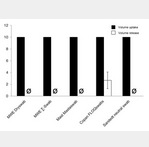
Screen shot 2014-07-14 at 06.25PM, Jul 14Some Are More Equal – A Comparative Study on Swab Uptake and Release of Bacterial Suspensions – Philipp Warnke – PLOS ONE

“Highest amount of CFU release was detected for the MWE Dryswab in the unrestricted setting for both S. aureus and S. epidermidis with 1544 CFU and 553 CFU, respectively, lowest release for the Sarstedt neutral swab with 32 CFU and 17 CFU, respectively (p<0.001).”

Antibiotics, resistance, biofilms

Screen shot 2014-07-14 at 06.26PM, Jul 14Beta-Lactam Antibiotics Stimulate Biofilm Formation in Non-Typeable Haemophilus influenzae by Up-Regulating Carbohydrate Metabolism – Siva Wu – PLOS ONE

“When exposed to sub-inhibitory concentrations of beta-lactam antibiotics NTHi strains produced tightly packed biofilms with decreased numbers of culturable bacteria but increased biomass.”

General microbiology

Screen shot 2014-07-14 at 12.23PM, Jul 14Macromolecular networks and intelligence in microorganisms – Hans V. Westerhoff – Frontiers in Microbiology

“Here, we explore how macromolecular networks in microbes confer intelligent characteristics, such as memory, anticipation, adaptation and reflection and we review current understanding of how network organization reflects the type of intelligence required for the environments in which they were selected.”

Screen shot 2014-07-14 at 06.26PM, Jul 14 1The syndemics of childhood diarrhoea: A biosocial perspective on efforts to combat global inequities in diarrhoea-related morbidity and mortality – Nicola Bulled – Global Public Health

“Drawing from available literature, this paper uses syndemic theory to explore the role of adverse biosocial interactions in increasing the total disease burden of enteric infections in low-resources populations and assesses the limitations of recent global calls to action.”

Bacteria in the news

Screen shot 2014-07-14 at 06.19PM, Jul 14We Are Our Bacteria – Jane E. Brody – New York Times (illustration by Ken Orvidas)

“We may think of ourselves as just human, but we’re really a mass of microorganisms housed in a human shell.”

Screen shot 2014-07-14 at 06.27PM, Jul 14#BacteriaHysteria : Gross! Lots of bacteria found on new swimsuits – Jane Weaver – Today Health

“The removable liner in women’s swimsuits that is meant to protect the fabric from our cooties isn’t really protective after all, according to a microbe researcher. “

Screen shot 2014-07-14 at 06.28PM, Jul 14Milford hospital enlists robots in war against infections – Mary MacDonald – Boston Globe

“The robots, made by Xenex Disinfection Services, use an intense flash of ultraviolet light to fight the bacteria, viruses, fungi, and other micro-organisms that traditional cleaning methods can miss, according to the hospital’s infection control staff.”

Screen shot 2014-07-14 at 06.29PM, Jul 14CDC Cracks Down on Labs After Anthrax, Bird Flu Scares – Jonel Aleccia – NBC News

“Dr. Tom Frieden, director of the Centers for Disease Control and Prevention, on Friday announced an immediate moratorium on all shipments of biological materials from CDC biosecurity level 3 and level 4 labs until problems are addressed.”

Marine Mammals

Screen shot 2014-07-14 at 06.29PM, Jul 14 1How Dolphins’ Genetics Could Help Find Answers Into Mysterious Animal Die-Off – Sascha Cordner – WFSU

“A discovery into dolphin genetics may have brought research scientists one step closer to finding out the source of a mysterious animal die-off last year in the troubled Indian River Lagoon.”

Science and publishing

Screen shot 2014-07-14 at 12.45PM, Jul 14Retractions are coming thick and fast: it’s time for publishers to act – Adam Marcus and Ivan Oransky – The Guardian

Another encouraging development is the rise of post-publication peer review, which has been made possible in recent years by the availability of papers online. Contributors to PubPeer, for example, have found signs of flawed or falsified results, leading to papers being retracted.”

Dr. Bik’s Picks

Screen shot 2014-07-14 at 06.34PM, Jul 14Whole genome and exome sequencing of monozygotic twins discordant for Crohn’s disease – Britt-Sabina Petersen – BMC Genomics

“We present a thorough genetic characterization of the sequenced individuals but detected no consistent differences within the twin pairs. “

Screen shot 2014-07-14 at 06.32PM, Jul 14How much science is there in new Planet of the Apes film? – Paul Rincon – BBC Science

“The latest instalment in the Planet of the Apes film franchise opens in the US on Friday. The rubber masks of the 60s and 70s films have been discarded in favour of motion capture suits and CGI. But how much did science inform the new movie’s portrayal of our close relatives?”

Screen shot 2014-07-14 at 06.31PM, Jul 14Domestication syndrome: White patches, baby faces and tameness explained by mild neural crest deficits – Science Daily

“Compared to their wild ancestors, domestic species are more tame, and they also tend to display a suite of other characteristic features, including floppier ears, patches of white fur, and more juvenile faces with smaller jaws.”


[hr]