Microbes and art: Future of Portugal, Fungi Mutarium, and Ahna Skop

The Future of Portugal as explained by Microorganisms –  Clara Rodríguez Fernández – Labiotech

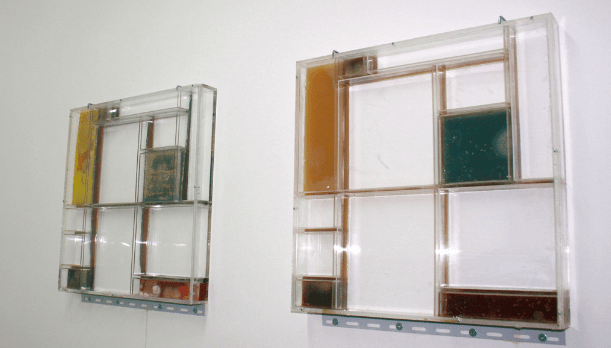
Microbiology makes its mark at the first edition of the London Design Biennale taking place in Somerset House. Portugal’s exhibition by Marta de Menezes uses bacteria and viruses to create changing art that represents the future direction of the country. With the common topic “Design by Utopia“, 30 nations have interpreted utopic and dystopic futures using art to make us think about where we’re headed. Portuguese artist Marta de Menezes decided to use microbiology to represent the changing nature of her nation
Screen Shot 2016-10-02 at 5.55.12 PM.png

Decon by artist Marta de Menezes recreates Mondriaan paintings by colored media with bacteria.


Fungi Mutarium: Growing Food on Toxic Waste – Livin Studio

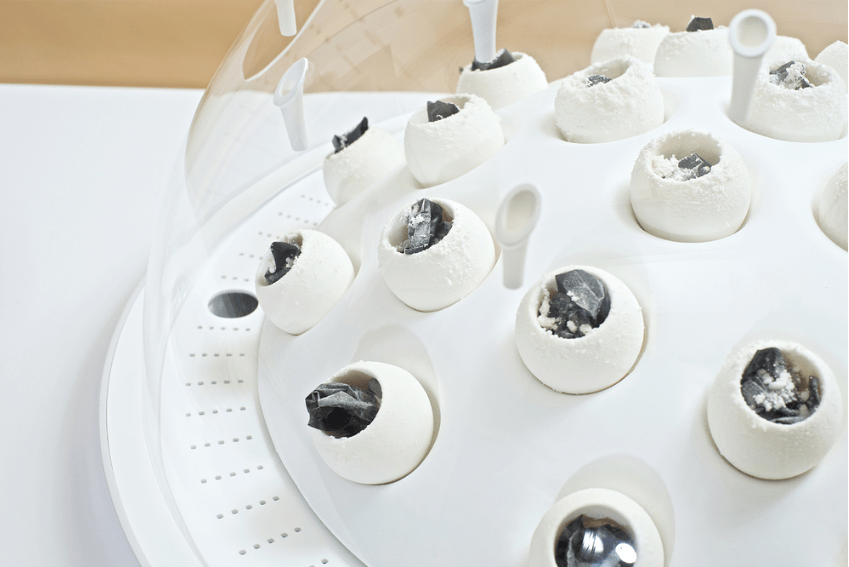
Livin Studio has, in collaboration with Utrecht University, developed a novel fungi food product grown on (plastic) waste, a prototype to grow it and culinary tools to eat it. (…)

Fungi Mutarium is a prototype that grows edible fungal biomass, mainly the mycelium, as a novel food product. Fungi is cultivated on specifically designed agar shapes that the designers called “FU”. Agar is a seaweed based gelatin substitute and acts, mixed with starch and sugar, as a nutrient base for the fungi. The “FUs” are filled with plastics. The fungi is then inserted, it digests the plastic and overgrows the whole substrate.
screen-shot-2016-10-02-at-6-01-00-pm

Decon by artist Marta de Menezes recreates Mondriaan paintings by colored media with bacteria.


Lecturer uses art to explain science – Derek Clayton – Iowa State Daily

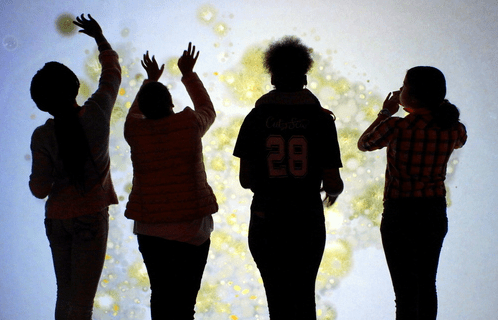
More than 240 students and staff were greeted Monday by the sight of letter-shaped bacteria exploding out of petri dishes at Ahna Skop’s lecture titled “Too Creative for Science?” The petri dishes with bacteria letters were among the many pieces of art the associate professor of genetics at the University of Wisconsin-Madison used to wow the audience during her lecture. (…) Skop uses artwork to make it easier to understand complicated scientific concepts. From displaying bacterial worms to DNA helixes, she believes adding a visual aspect to science is absolutely vital in understanding it.
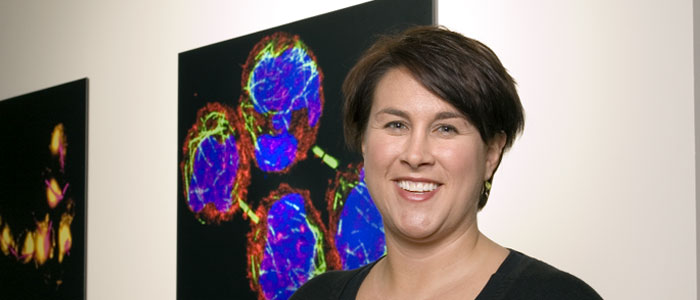
 

pecase2_h.jpg

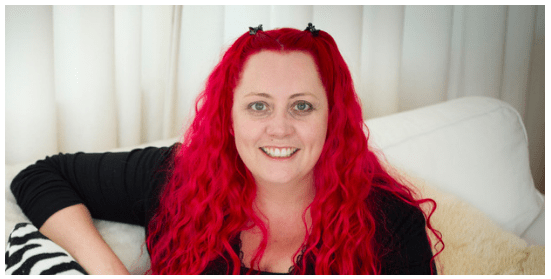
Ahna Skop, credit: University of Wisconsin-Madison
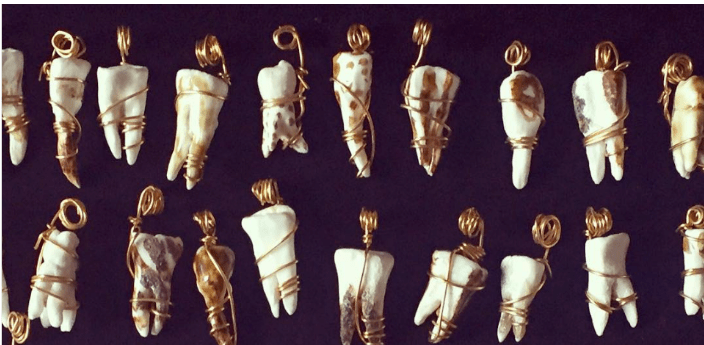
 

Microbes and art: teeth, a book, STEAM, and old poop

Microbe Mouth

Mouths & their Microbiomes Grow in this London Bioart Exhibit – Art by Anna Dumitriu – Labiotech
Microbe Mouth by Melissa Grant, Rachel Sammons, and Anna Dumitriu – London Science Gallery

More work from the great Anna Dumitriu, who often uses the human microbiome as the inspiration or even material for her art. For this new exhibition, Anna worked together with a biochemist and a microbiologist to coat ceramic teeth with different bacteria.

Screen Shot 2016-09-07 at 10.01.28 PM.png

“Microbe Mouth” by Melissa Grant, Rachel Sammons, and Anna Dumitriu


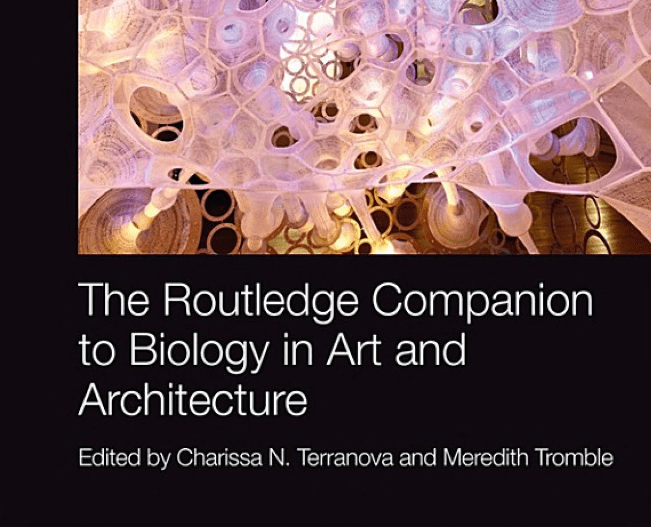
The Routledge Companion to Biology in Art and Architecture – Charissa N. Terranova and Meredith Tromble – Google Books

A new book, not yet released, and it will cost a whopping $240, but you can preview some of the pages on Google Books.

“The Routledge Companion to Biology in Art and Architecture collects thirty essays from a transdisciplinary array of experts on biology in art and architecture. The book presents a diversity of hybrid art-and-science thinking, revealing how science and culture are interwoven. The book situates bioart and bioarchitecture within an expanded field of biology in art, architecture, and design. It proposes an emergent field of biocreativity and outlines its historical and theoretical foundations from the perspective of artists, architects, designers, scientists, historians, and theoreticians. Includes over 150 black and white images.”

Screen Shot 2016-09-07 at 10.06.48 PM.png

Book cover, detail


Students being taught New STEAM concept which mixes science and maths with art – Patrice Dougan – NZ Herald

STEAM, the acronym for  science, technology, engineering, art, and maths, is a program that hopes to break down gender barriers in the field. Microbiologist Dr Siouxsie Wiles and nanomechanical engineer Dr Michelle Dickinson are enthusiastic advocates for the program.

“Lots of people didn’t think I was a scientist because I didn’t look or behave like they expected me to behave. And I spend a lot of time going into schools and sort of saying, ‘I’m a scientist’, and showing pictures of scientists being creative and they’re playing in bands and all that kind of stuff,” she said.

Screen Shot 2016-09-07 at 10.11.20 PM.png

Dr. Siouxsie Wiles, microbiologist


Artist’s 46-year-old loo paper to be studied – Jamie Morton – NZ Herald

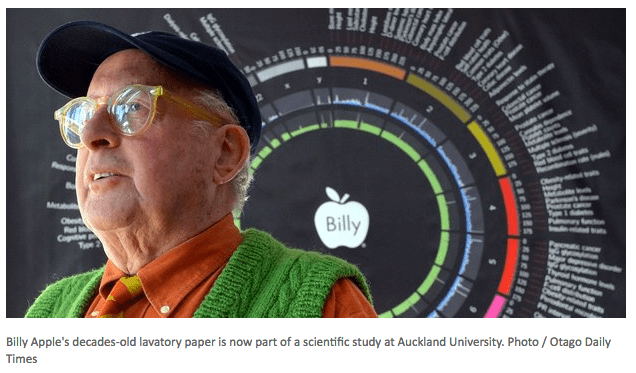
When artist Billy Apple opened his exhibition Body Activities at the Serpentine Gallery in London, in 1974, authorities were shocked. The art featured tissues soiled by the artist with …. “bodily excrements”. Apple had to take the exhibition down. Fortunately, he kept all the tissues, including the ones with his stool samples. These old artefacts now provide a unique opportunity to study how the human gut microbiome changes over 50 years. Mr. Apple is now working together with Dr Justin O’Sullivan of the Liggins Institute at Auckland University in New Zealand. The lab will compare Mr. Apple’s old stool samples to his current samples, to see if his gut microbiome has changed a lot over the years.

“This project provides us with a new avenue through which we can expose a different audience to the scientific advances that are changing our understanding of ourselves – as walking, talking ecosystems.

Screen Shot 2016-09-07 at 10.26.56 PM.png

Microbes and Art: Sara Parent-Ramos, Tagny Duff, and more


Culture Report: The Beauty of Bacteria – Kinsee Morlan – Voice of San Diego

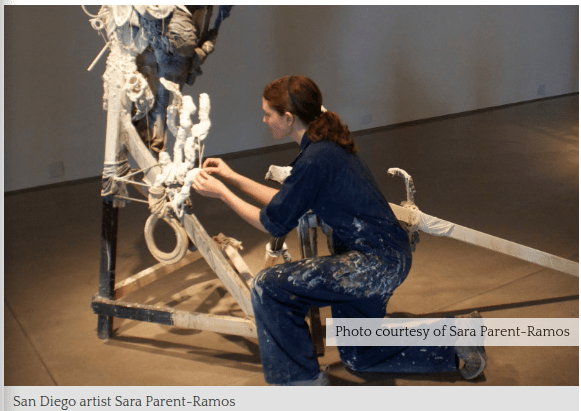
(I)t wasn’t the rising international excitement over the microbiome that got San Diego artist Sara Parent-Ramos interested in the subject, nor was it the fact that both her parents are microbiologists. What finally made the artist and new mom really start to think about the microbiome was her own breast milk and all the beneficial bacterium swimming in it.

Screenshot 2016-08-14 at 17.51.22.png

Breaking The Molds: See Microbes As Art – Susan Karlin – FastCoCreate

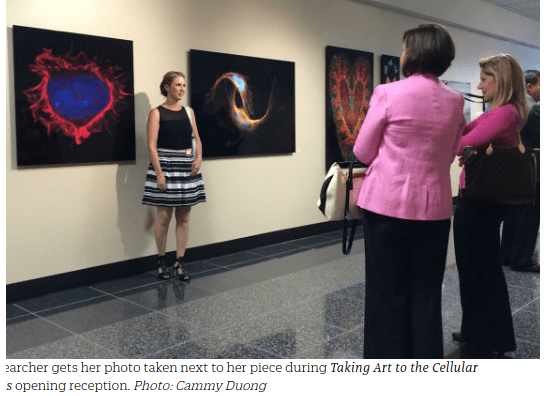
For most folks, microbes and mold conjure unsavory images of outbreaks and dirty bathrooms. But two Southern California exhibits are proving that one person’s contagion is another one’s canvas.Taking Art to the Cellular Level features 20 enlarged microscopic visuals from Southern California research. Breaking the Molds: TTOZOI in Evolution is a kind of painting by organic mold.

Screenshot 2016-08-14 at 17.52.47.png

Works of art made of… microbes!

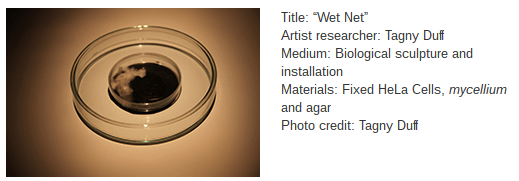
Our relationship with microbes and viruses is in a state of change. (…) Concordia University communications researcher Tagny Duff is exploring this relationship with BioreMEDIAtion, a research-creation project that lies at the intersection of art and the life sciences and seeks to expand our relationship with the microscopic living world through art.

Screenshot 2016-08-14 at 17.55.46.png


Bacteria Genome Dresses and Judgmental Robots Probe Tech Boundaries – Kevin Holmes – The Creators Project

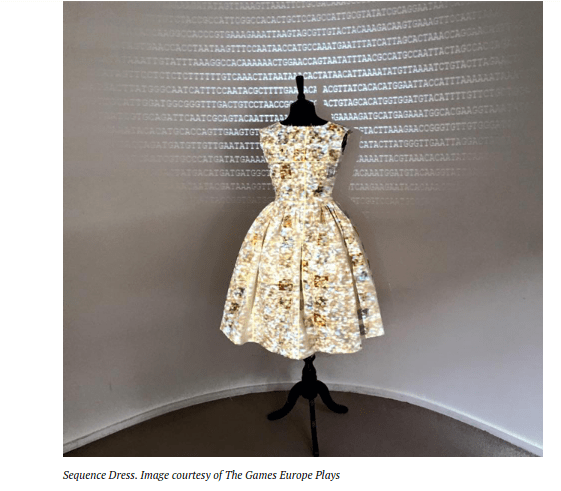
Virtual reality, biofeedback devices, and artificial intelligence: all rapidly developing industries and areas that involve a human-computer relationship. How that relationship will evolve is an intriguing question that’s currently being played out at the hands of big tech firms and startups. It’s also the focus of an exhibition, The Games Europe Plays, currently on at the Stephen Lawrence Gallery at the University of Greenwich, London. The show has been curated by Ghislaine Boddington, creative director of body>data>space, and a Reader in Digital Immersion at the uni.

Screenshot 2016-08-14 at 17.40.02.png


Not really microbial but sort of (because CRISPR): Who Is Afraid of CRISPR Art?  –  Eben Kirksey – Anthropology and Environment Society

A crowd-sourced Indiegogo funding campaign that raised over $45,000 for do-it-yourself gene editing kits in December, asks: “If you had access to modern synthetic biology tools, what would you create?” This campaign, which aims to democratize science “so everyone has access,” was launched by Josiah Zayner, who earned a PhD in Molecular Biophysics from the University of Chicago.


Screenshot 2016-08-14 at 17.33.19.pngScreenshot 2016-08-14 at 17.33.19.png


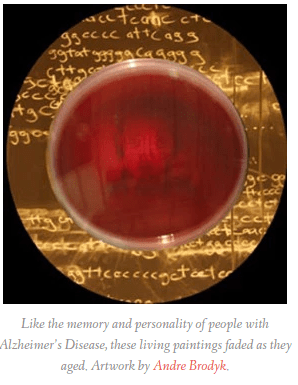
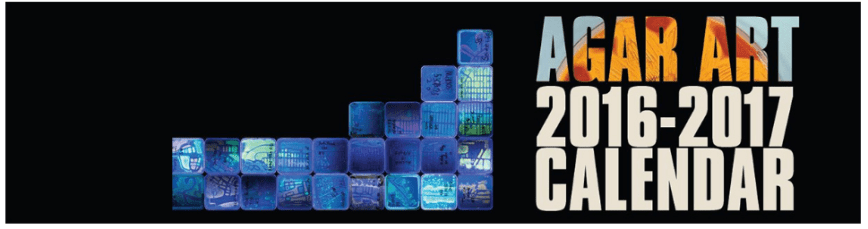
ASM Agar Art Calendar 2016/2017 – American Society for Microbiology (Unfortunately already sold out).

Featuring the winners of the 2015 Agar Art Contest, along with People’s Choice winners, the Agar Art Calendar is a first of its kind.

Screenshot 2016-08-14 at 17.41.22.png


Microbes and Art: BioArtography, Shasti O’Leary Soudant, Microbes on Etsy, LuxArt

Finding Beauty Through a Microscope: BioArtography initiative – University of Michigan

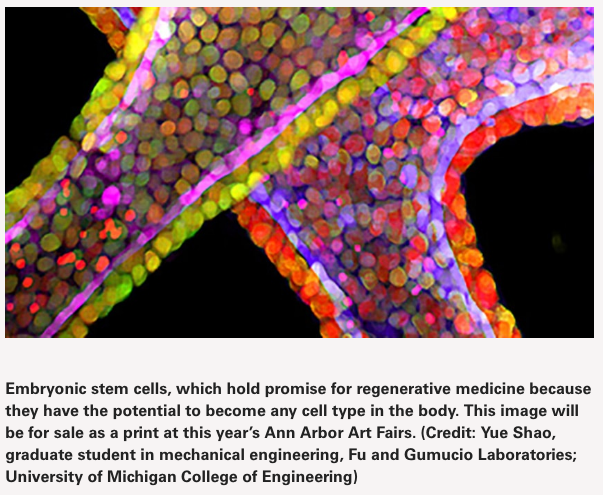
An outdoor art fair may seem like an unlikely place to find stem cells. Or mouse kidneys. Or brain tumor cells. (…) But for a growing number of researchers, art fairs and galleries have become a way to reach the public. They’re taking the images they make in their labs and presenting — or even selling — them as art. One of the longest-running examples of this trend is the BioArtography initiative at the University of Michigan.

Screen Shot 2016-07-27 at 10.06.23 PM.png


Albright-Knox director: public art initiative helps create, strengthen biz partnerships – Tracey Drury – Bizjournals

Three new public art works announced Thursday by the Albright-Knox Art Gallery are providing additional opportunities for partnership and relationships in the region. (…) Also under development this summer is the Gut Flora sculpture by artist Shasti O’Leary Soudant. A half dozen 11-foot tall stainless steel structures will be installed at the new Allen Street NFTA Metro Rail station that will open into the new University at Buffalo School of Medicine. The works are inspired by the human body and serve as an analogy of how the public transit system connects the city and its people.

Screen Shot 2016-07-27 at 10.13.24 PM.png


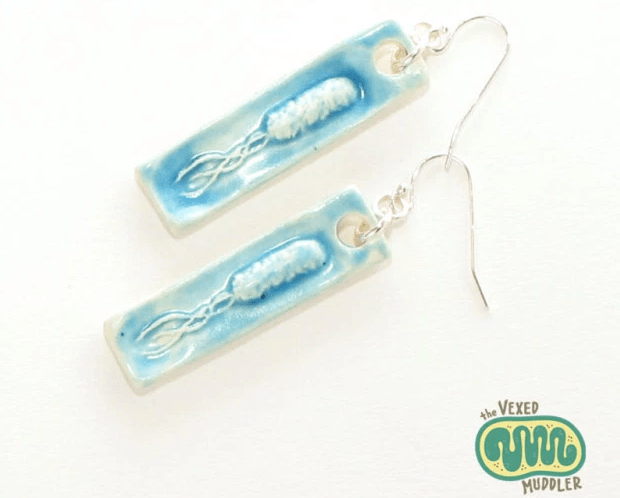
10 Ways To Boost Your Microbiota On Etsy – Chris Taylor  – The Vexed Muddler

Each of us is a walking world of microbes… read on, though, before you start scrubbing! The few dangerous microorganisms tend to get all of the press, but the vast majority of the bacteria, protozoans, archaea, fungi and viruses are indifferent, or even beneficial to us. Artists draw inspiration from all sorts of unlikely sources – even your gut flora! This ‘probiotic’ collection of work created by scientifically minded crafters, is designed to foster appreciation and understanding of this hidden world, which we are just beginning to understand.

Screen Shot 2016-07-27 at 10.20.30 PM.png


Let it Glow – Let it Glow – It Can’t Hold it Back Anymore! – Anne Estes – Mostly Microbes

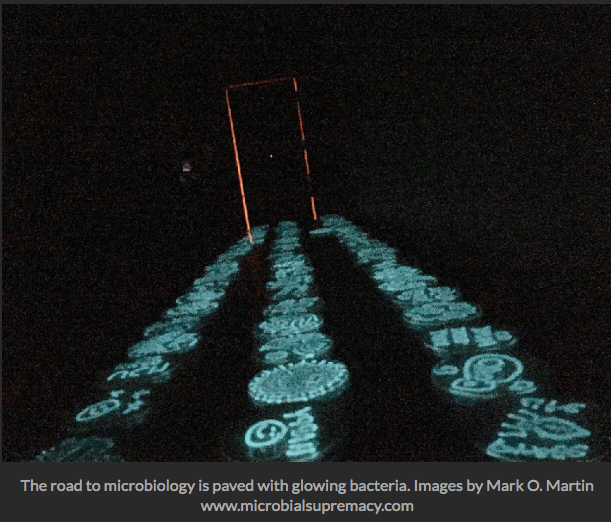
At first, the room is pitch black. My eyes adjust to the darkness and I see two eerie blue-green glowing columns of plastic petri dishes stacked on a table. “Ready? Hold still for 15 seconds”. Click…..click. “Lights”. So began the first #LuxArt portraiture session at the American Society for Microbiology Conference for Undergraduate Educators (ASMCUE) with Dr. Mark O. Martin, University of Puget Sound.

Screen Shot 2016-07-27 at 10.24.53 PM.png

Microbes and art: Science of the Unseen, Anna Dumitriu, and more

Take a Peek at the Artistic Sides of Mosquitoes, Bacteria, and Scientific Processes – Francesca Capossela – Vice

In online exhibition, Science of the Unseen, scientists, artists, and researchers share their approaches to study. The show depicts a varied range of scientific and artistic investigations—from a piece exploring how bacteria microbiota grows on a body, to an examination of mosquito patterns, to another piece documenting the internal viewing dialogue of computers “watching” movies. (…) Science of the Unseen is put on by ACM SIGGRAPH, an international community of various professionals, including artists, filmmakers, scientists, and researchers. The community is united by an interest in computer graphics and interactive techniques.

Screen Shot 2016-07-17 at 10.29.40 AM.png

Hyper Nebulas by Dan Tapper: movements of sand crabs

Bioart and Bacteria:Super-organism Series – The Artwork of Anna Dumitriu

Anna Dumitriu is a British artist whose work fuses craft, technology and bioscience to explore our relationship to the microbial world, biomedicine and technology. She has an international exhibition profile, having exhibited at venues including The Picasso Museum in Barcelona, The Science Gallery in Dublin, The Museum of Contemporary Art (MOCA) Taipei, and The V & A Museum in London. Super-organism is an ongoing series of artworks investigating the human microbiome by Anna Dumitriu and Alex May. It currently comprises a full body interactive installation and participatory workshop commissioned by Cinekid Festival in Amsterdam, and a video installation “Super-organism: The Living Microbiome” commissioned by The Wellcome Collection for The Evening Standard “1000” award ceremony at The Francis Crick Institute and “The Human Super-organism” commssioned by Eden Project focussing on the bacteria from the hands as part of their permanent exhibition “Invisible You: The Human Microbiome”.

Screen Shot 2016-07-17 at 10.25.16 AM.png

Microbiomes: To See the Unseen

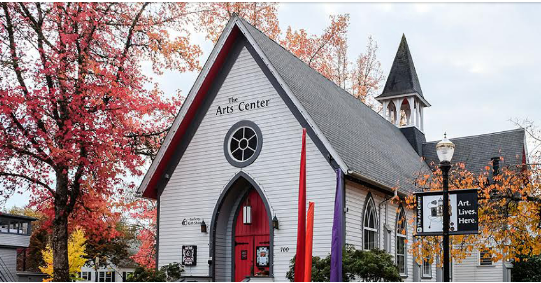
Seeking: multi-media artwork that makes connections between the science of microbiology — how microorganisms are at the foundation of life — for an art+science collaboration between OSU’s Department of Microbiology and The Arts Center (Corvallis). The art exhibitions is scheduled for spring of 2017. Deadline: December 1, 2016. This exhibition asks both artists and researchers, How Can We See the Unseen? Microbiology tries to measure, visualize and understand complex microscopic systems in the same way artists seek understanding for life’s many questions. Past The Arts Center arts, science and technology collaborations have proven beneficial for artists, scientists and non-scientists alike.

Screen Shot 2016-07-17 at 10.33.40 AM.png


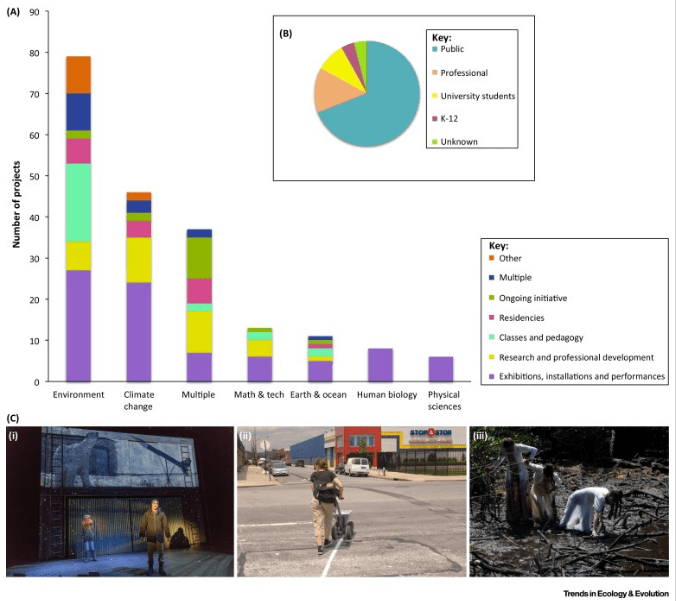
Science Communication Through Art: Objectives, Challenges, and Outcomes – Amy E. Lesen – Trends in Ecology & Evolution ($37.95)

The arts are becoming a favored medium for conveying science to the public. Tracking trending approaches, such as community-engaged learning, alongside challenges and goals can help establish metrics to achieve more impactful outcomes, and to determine the effectiveness of arts-based science communication for raising awareness or shaping public policy.

Screen Shot 2016-07-17 at 10.35.02 AM.png


Microbes and art: Marco Castelli, ASM agar art, Julia Lohmann

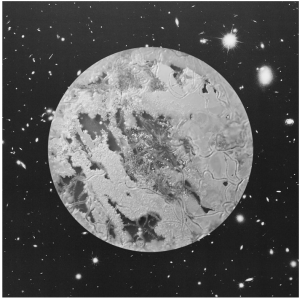
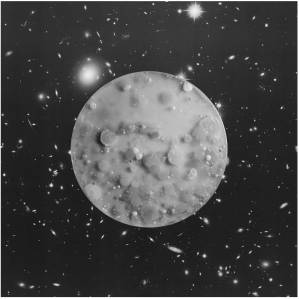
These Beautiful Planets Are Actually Bacteria From Public Places – Photographs by Marco Castelli – Veriy

“Most of the photographs of microbes and bacteria” says Caterina Pacenti, project curator “have a scientific nature, adapted to detect and to emphasize the unique geometries that these are able to form. This time, however, the interest is not to show the invisible or what is hardly visible to the naked eye, but to use the natural shape of bacterial colonies to enlarge and project them into another dimension, reversing all logic and report between big and small, thus loading the planets, the universe and all the work of symbolic values.

Screen Shot 2016-07-01 at 10.37.50 PM

Cat

Screen Shot 2016-07-01 at 10.40.06 PM

Churchstep


Winners of the 2016 agar art competition – in Pictures – The Guardian Continue reading

Microbes and art: Nurit Bar-Shai and Jennifer Willet

Two recent articles with work from artists using microbes.

BioArt : Nurit Bar-Shai’s ‘Chemical Tweets’ and the Social Life of Bacteria – LaBiotech

Nurit Bar-Shai is an artist and co-founder of bio-hacking lab Genspace. She is showing how bacteria communicate and socialize – and shaping it with sound (…) The bacteria was cultured in agar, where the bacteria grows in colonies, creating beautiful and intriguing images.

Screen Shot 2016-06-23 at 11.20AM, Jun 23.png

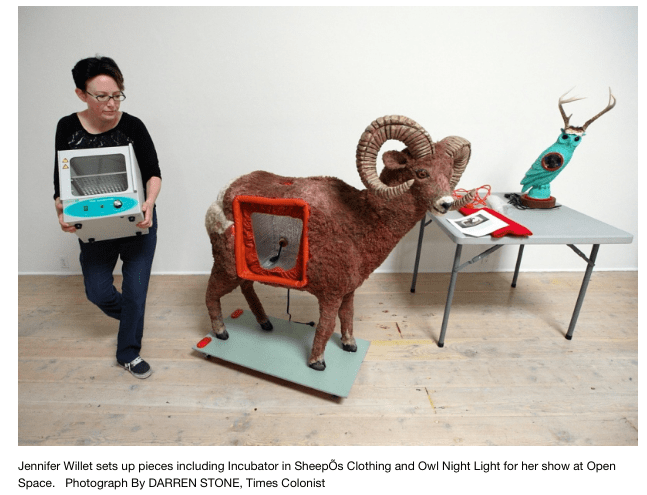
Art and natural world collide at Open Space gallery – Adrian Chamberlain – Times Colonist

And there’s the Algae Organ, a working organ equipped with an algae incubator, soon to be bicycled around the streets of Victoria. It’s all part of Natural Science, a new exhibition at Open Space gallery. Jennifer Willet, a visual arts professor at the University of Windsor, is the artist responsible for these whimsical creations. Willet specializes in bioart, art that incorporates living organisms, such as bacteria.

Screen Shot 2016-06-23 at 11.22AM, Jun 23

Bik’s Brain: Monet

Welcome in my brain, which is full of completely useless associations. Here is another edition of #ICouldNotResist.

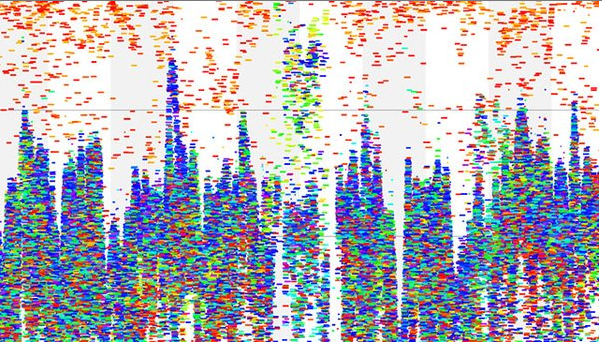
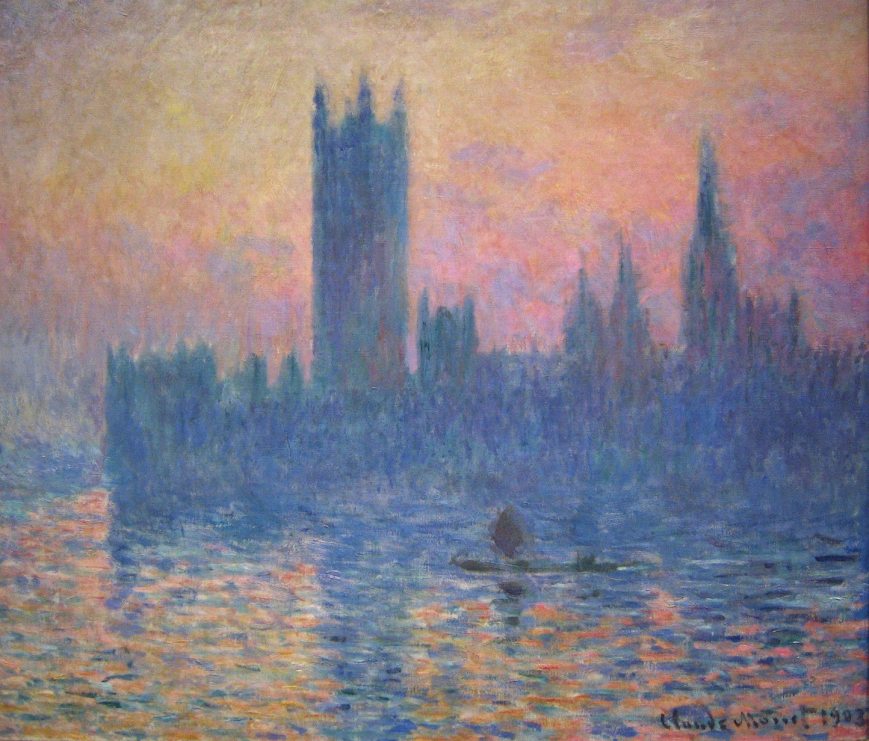
Today, with help from a Tweet by @MarylandMunros, I associated a graph made by the J. Craig Venter Institute (JCVI) with a painting by Claude Monet.

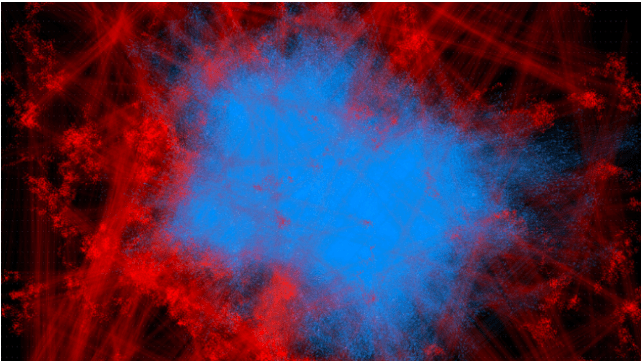
Top: a visualization of ocean microbial data collected on JCVI’s Global Ocean Sampling Expedition (GOS). See the original post here.

Bottom: “Houses of Parliament, Sunset, 1903” painting by Claude Monet (image taken from Wikipedia).

Screen Shot 2016-06-01 at 7.25.14 AM.png

Screen Shot 2016-06-01 at 7.29.14 AM.png


May 17, 2016

Live blogging from the Michigan Microbial Meeting, microbiomes of Tibetan macaques and Pika, climate gases from SAR11, mycobiome of stored peanuts, and the deep biosphere.

Events

Ongoing now, with live written coverage: Michigan Meeting ““Unseen Partners: Manipulating Microbial Communities that Support Life on Earth.”

Bioinformatics for the Microbiome Symposium – Stanford Medicine – Friday May 27, 2016

Symposium: With a Little Help from My Friends: Microbial Partners in Integrative and Comparative Biology – Jan 4-8 2017, New Orleans

General microbiome

Microbiome Data Science: Understanding Our Microbial Planet – Nikos C. Kyrpides – Trends in Microbiology

Animal experiments

Antiviral effect of vitamin A on norovirus infection via modulation of the gut microbiome
Heetae Lee – Scientific Reports

A single gene of a commensal microbe affects host susceptibility to enteric infection – Mi Young Yoon – Nature Communications

Conference abstract: The Impact of Dietary Soy on Gut Microbiome – India R Gill – The FASEB Journal

Animal microbiome

Marked variation between winter and spring gut microbiota in free-ranging Tibetan Macaques (Macaca thibetana) – Binghua Sun – Scientific Reports

Pika population density is associated with composition and diversity of gut microbiota – Huan Li – Frontiers in Microbiology

Review: The bovine milk microbiota: insights and perspectives from -omics studies – Mol Biosyst

Plant, root, and soil microbiome

Soil pH, total phosphorus, climate and distance are the major factors influencing microbial activity at a regional spatial scale – Haichuan Cao – Scientific Reports

Biochar alters the soil microbiome and soil function: results of next generation amplicon sequencing across Europe – Joseph R. Jenkins – GCB Bioenergy

Biochar as a novel niche for culturing microbial communities in composting – Daquan Sun – Waste Management

Review: Omic Relief for the Biotically Stressed: Metabolomics of Plant Biotic Interactions
Hezi Tenenboim – Trends in Plant Science

Temperature sensitivity of soil microbial communities: an application of macromolecular rate theory to microbial respiration – Charlotte J. Alster – Biogeosciences

Water and extremophile microbiome

The abundant marine bacterium Pelagibacter simultaneously catabolizes dimethylsulfoniopropionate to the gases dimethyl sulfide and methanethiol – Jing Sun – Nature Microbiology

News coverage: 
Story behind the paper: Climate gases from SAR11 – Stephen Giovannoni – Nature Microbiology Community Blog
Tiny organisms have huge effect on world’s atmosphere – Science Daily

Bacterial and archaeal communities in the deep-sea sediments of inactive hydrothermal vents in the Southwest India Ridge – Likui Zhang – Scientific Reports

Depth-dependent and seasonal variability in archaeal community structure in the subarctic and subtropical western North Pacific – Ryo Kaneko – Journal of Oceanography

Exploring the interaction patterns among taxa and environments from marine metagenomic data – Ze-Gang Wei – Quantitative Biology

Review: Analysis of Low-Biomass Microbial Communities in the Deep Biosphere – Y. Morono – Advances in Applied Microbiology

Undergraduate thesis: Oases of Microbial Life in the Highest Elevation Fumaroles on Earth – Adam Solon – University of Colorado-Boulder

Food microbiology

Variation in fungal microbiome (mycobiome) and aflatoxins during simulated storage of in-shell peanuts and peanut kernels – Fuguo Xing – Scientific Reports

Microbiology of death

Involvement of microbial mats in early fossilization by decay delay and formation of impressions and replicas of vertebrates and invertebrates – Miguel Iniesto – Scientific Reports

Pollution and waste microbiology

Correlating microbial community profiles with geochemical conditions in a watershed heavily contaminated by an antimony tailing pond – Enzong Xiao – Environmental Pollution

pH modulates arsenic toxicity in Bacillus licheniformis DAS-2 – K. Tripti – Ecotoxicology and Environmental Safety

News coverage: Bacteria discovered to remove arsenic from soil – BK Mishral – Times of India

More microbiology

Immunization with a heat-killed preparation of the environmental bacterium Mycobacterium vaccae promotes stress resilience in mice – Stefan O. Reber – PNAS

News coverageImmunization with bacteria promotes stress resilience, coping behaviors in mice, CU-Boulder study finds – University of Colorado Boulder

Natural mutations in a Staphylococcus aureus virulence regulator attenuate cytotoxicity but permit bacteremia and abscess formation – Sudip Das – PNAS

Range expansions transition from pulled to pushed waves as growth becomes more cooperative in an experimental microbial population – Saurabh R. Gandhi – PNAS

Microbes and art

Creating art with bacteria at New England Biolabs – Jennie Oemig – Wicked Local Beverly

Microbes in the news

Interviewing the Founder of the World #1 Microbiome Investment fund: Isabelle De Cremoux – Labiotech

How Soil Microbes Fight Climate Change – They’re our microscopic allies in making dirt a major resource for storing excess carbon – Esther Ngumbi – Scientific American

Everything You Need to Know About Obama’s New Microbiome Initiative – Tiny organisms. Big budgets. – Kastalia Medrano – Inverse

Welcome To FiveThirtyEight’s Gut Science Week – Maggie Koerth-Baker – Five Thirty Eight
What Your Poop Says About You – Christine Laskowski – Five Thirty Eight

FAQ on Microbiology of Built Environments from the American Academy of Microbiology – Jonathan Eisen – MicroBEnet

At A Texas Body Farm, Studying The Decay Of Donated Corpses – Kai Kupferschmidt – World Crunch

Children with and without multiple sclerosis have differences in gut bacteria – EurekAlert

Bathroom Reader: A Brief History of the Toilet – Zack Fediay – uBiome Blog

Linfield Wine Lecture Series: Managing Expectations: The Microbiome in Agriculture – Jack Gilbert – Linfield College

Science, publishing, and career

Point of View: Avoiding a lost generation of scientists – Justin Q Taylor – eLIFE

Twitter won’t count links and photos as part of your 140 characters – Dave Gershgorn – PopSci

Bruno Lemaitre on Science and Narcissism – Leonid Schneider – For Better Science

Screen Shot 2016-05-17 at 10.58AM, May 17.jpg

Illustration by Leonid Schneider

May 13, 2016

Today brought us great news from the White House Office of Science and Technology Policy (OSTP): the National Microbiome Initiative (NMI). Look on Twitter for our tweets tagged with #NMI.

National Microbiome Initiative and news coverage

Fact Sheet: Announcing the National Microbiome Initiative – The White House Office of Science and Technology Policy

Microbes shape our world – and a new White House initiative will figure out how – Rachel Feltman – The Washington Post

Obama administration to launch microbiome initiative, heeding scientists’ calls – David Nather – STAT News

The White House Launches the National Microbiome Initiative: Half a billion dollars are being pledged to study the microbes in humans, crops, soils, oceans, and more – Ed Yong – The Atlantic

Pleasantly surprised by the National Microbiome Initiative – Jonathan Eisen – The Tree of Life

New microbiome center to combine UChicago, Marine Biological Laboratory, Argonne expertise – EurekAlert

Events

Bioinformatics for the Microbiome – Stanford – Friday May 27th, with talks by Rob Knight, Ami Bhatt, Susan Holmes, Tomer Altman, Justin Sonnenberg, Sharon Greenblum, Ben Callahan and more.

Pint of Science Festival, May 23-25, San Francisco: Science talks in the finest watering holes of the Bay Area. Several microbiology talks!

Time is Running Out for “Culture as Medium” exhibit at Baltimore Under Ground Science Space (BUGSS) – Anne M. Estes – Mostly Microbes

Festival of Genomics – 27-29 June 2016 Boston

General microbiome

Toward a Predictive Understanding of Earth’s Microbiomes to Address 21st Century Challenges – Martin J. Blaser – mBio

“Every Gene Is Everywhere but the Environment Selects”: Global Geolocalization of Gene Sharing in Environmental Samples through Network Analysis – Marco Fondi – Genome Biology and Evolution

Pregnancy and birth

News: Antibiotics, gut bugs and the young – Hilary Browne – Nature Reviews Microbiology

Human skin microbiome

Cross your legs before reading this one: Genital anaerobic bacterial overgrowth and the PrePex male circumcision device, Rakai, Uganda – Cindy M. Liu -The Journal of Infectious Diseases

Human gut microbiome

Gut microbiota in early pediatric multiple sclerosis: a case−control study – H. Tremlett – European Journal of Neurology

Review: Dumpster Diving in the Gut: Bacterial Microcompartments as Part of a Host-Associated Lifestyle – Christopher M. Jakobson – PLOS Pathogens

Plant, root, and soil microbiome

The Sphagnum microbiome: new insights from an ancient plant lineage – Joel E. Kostka – New Phytologist

Bioinformatics and metagenomics

PhySortR: a fast, flexible tool for sorting phylogenetic trees in R – Timothy G. Stephens – PeerJ

Microbes in the news
Is a Disrupted Gut Microbiome at the Root of Modern Disease?—with Dr. Justin Sonnenburg – Chris Kresser – Revolution Health Radio

Fatal attachment: How pathogenic bacteria hang on to mucosa and avoid exfoliation – EurekAlert

This MIT professor is using bee poop to map an invisible world – Melia Robinson – TechInsider

Microbes and art

ASM Agar Art 2016 People’s Choice voting – vote for the best contribution.

Science, publishing, and career

Top Medical Journals Give Women Researchers Short Shrift – Lauren Silverman – NPR