Microbiome digest, August 17, 2014

Childhood undernutrition and the gut microbiome, hibernating ground squirrels, Sphagnum, nematodes, and forensic discrimination of soils.

Human gut microbiome

An evolving perspective about the origins of childhood undernutrition and nutritional interventions that includes the gut microbiome – Tahmeed Ahmed – Annals of the New York Academy of Sciences

“This paper summarizes work on mechanisms underlying the varied manifestations of childhood undernutrition and discusses current gaps in knowledge and challenges to our understanding of undernutrition and infection/immunity throughout the human life cycle, focusing on early childhood growth. ”

Animal microbiome

Hibernation alters the diversity and composition of mucosa-associated bacteria while enhancing antimicrobial defense in the gut of 13-lined ground squirrels – Kimberly A. Dill-McFarland – Molecular Ecology

“We used 16S rRNA pyrosequencing and cecal tissue protein analysis to investigate the effects of hibernation on the mucosa-associated bacterial microbiota and host responses in 13-lined ground squirrels.”

Diversity of Bacteria Carried by Pinewood Nematode in USA and Phylogenetic Comparison with Isolates from Other Countries – Diogo Neves Proença – PLOS ONE

“The objective of this study was to evaluate the diversity of the bacterial community carried by B. xylophilus, isolated from different Pinus spp. with PWD in Nebraska, United States. “

Plant microbiome

The Sphagnum microbiome supports bog ecosystem functioning under extreme conditions – Anastasia Bragina – Molecular Ecology

“We identified a high functional diversity within the Sphagnum microbiome applying an Illumina-based metagenomic approach followed by de novo assembly and MG-RAST annotation.”

Soil microbiome

Random Whole Metagenomic Sequencing for Forensic Discrimination of Soils – Anastasia S. Khodakova – PLOS ONE

“Shotgun, whole genome amplification (WGA) and single arbitrarily primed DNA amplification (AP-PCR) based sequencing techniques were then used to generate soil metagenomic profiles”

Microbial Community Structure of Relict Niter-Beds Previously Used for Saltpeter Production – Takashi Narihiro – PLOS ONE

“In this study, the microbial community structures within nine relict niter-bed soils were investigated using 454 pyrotag analysis targeting the 16S rRNA gene and the bacterial and archaeal ammonia monooxygenase gene (amoA). “

How Does Conversion of Natural Tropical Rainforest Ecosystems Affect Soil Bacterial and Fungal Communities in the Nile River Watershed of Uganda? – Peter O Alele – PLOS ONE

“Overall, our results suggest that soil microbial communities are relatively resilient to forest conversion and despite a substantial and consistent change in the soil environment, the effects of conversion differed widely among sites. “

Soil-Borne Microbial Functional Structure across Different Land Uses – Eiko E. Kuramae – The Scientific World Journal

“In a multivariate regression tree analysis of soil physicochemical properties and genes detected by functional microarrays, the main factor that explained the different microbial community functional structures was C : N ratio.”

Water microbiome

Temperature response of denitrification and anammox rates and microbial community structure in Arctic fjord sediments – Andy Canion – Environmental Microbiology

“Community structure in intact sediments and slurry incubations was determined using Illumina MiSeq SSU rRNA gene sequencing.”

Complex communities of small protists and unexpected occurrence of typical marine lineages in shallow freshwater systems – Marianne Simon – Environmental Microbiology

“We carried out a comparative study based on massive pyrosequencing of amplified 18S rRNA gene fragments of protists in the 0.2-5 μm-size range in one brook and four shallow ponds located in the Natural Regional Park of the Chevreuse Valley, France.”

Metagenomics

Impact of single-cell genomics and metagenomics on the emerging view of extremophile “microbial dark matter” – Brian P. Hedlund- Extremophiles

“Unraveling the mysteries of these candidate phyla is a grand challenge in microbiology and is especially important in habitats where they are abundant, including some extreme environments and low-energy ecosystems.”

Metabolomics

Metabolic Modelling of Spatial Heterogeneity of Biofilms in Microbial Fuel Cells Reveals Substrate Limitations in Electrical Current Generation – Nadeera Jayasinghe – Biotechnology Journal

“The goal of this work is to develop a model that integrates genome-scale metabolic models with the model of biofilm environment. “

Bioinformatics

Rarefaction and extrapolation of phylogenetic diversity – Anne Chao – Methods in Ecology and Evolution

“We develop in this paper the “PD accumulation curve” (an extension of the species accumulation curve) to depict how PD increases with sampling size and sample completeness.”

Microbes in the news

Can’t Stick to That Diet? Blame Your Gut Bacteria – Nolan Feeney – Time

“The gut microbiome, the collection of all the microbes in our digestive tracts, may influence our food choices and behavior, suggests a new study that recently appeared in the journal BioEssays.”

How Clean Is Your Produce? Testing Fruit For Bacteria – WFMyNews2.com

“Ellis took samples of the fruits one by one and placed the samples on a petri dish. She then washed some of the lettuce and repeated the testing procedure on both the head of lettuce and the pre-washed bag of lettuce, in 72-hours the results were in.”

Bik’s Picks

9/11 dust cloud may have caused widespread pregnancy issues – ScienceDaily

“Pregnant women living near the World Trade Center during the 9/11 attacks experienced negative birth outcomes, according to a new paper.”

Volunteers on the scent of science with whale carcass – Peter Fimrite – SF Gate

“If there’s anything as enjoyable to Dan Sudran as sawing through the stinking blubber of a whale carcass and extracting bones from the gooey tissues, it would be showing the results to children.”

Alaska’s Shrinking Glaciers Seen from Space – Kelly Dickerson – LiveScience

“Compared with a vintage satellite photo of the region, an image taken from space last year reveals just how much the glaciers have shrunk over the past 26 years.”

[hr]

General microbiology and science, August 11, 2014

Single cell genomics, metagenomics and bioinformatics, primers for protozoa detection, and Bik’s Picks.
Microbial detection

Clinical PathoScope: rapid alignment and filtration for accurate pathogen identification in clinical samples using unassembled sequencing data – Allyson L Byrd – BMC Bioinformatics

“Clinical PathoScope is the only pathogen identification method currently available that can identify multiple pathogens from mixed samples and distinguish between very closely related species and strains in samples with very few reads per pathogen. “

Metagenomics

Recent advances in genomic DNA sequencing of microbial species from single cells – Roger S. Lasken & Jeffrey S. McLean – Nature Review Genetics

“With the advent of single-cell sequencing, genomes of uncultivated species are rapidly filling in unsequenced branches of the microbial phylogenetic tree.”

Employing whole genome mapping for optimal de novo assembly of bacterial genomes
Basil Britto Xavier – BMC Research Notes

“Utilising several assembly tools based on de Bruijn graphs like Velvet, SPAdes and IDBA, we demonstrate that at the optimal N50, mis-assemblies do occur, even when using the multi-k-mer approaches of SPAdes and IDBA. “

Protozoal components of microbiome

Design and Validation of Four New Primers for Next-Generation Sequencing To Target the 18S rRNA Genes of Gastrointestinal Ciliate Protozoa – Suzanne L. Ishaq and André-Denis G. Wright – Applied and Environmental Microbiology

“PCR amplicons of 394 to 498 bases were generated from three primer sets, sequenced using Roche 454 pyrosequencing with Titanium, and analyzed using the BLAST database (NCBI) and MOTHUR version 1.29.”

Microbes in the news

What Causes Antibiotic Resistance? Video Answers This In Awesome Animation – Kevin Wu – Inquisitr.com

“Kevin Wu details the evolution of this problem that present a big challenge for the future of medicine in this amazing animated video uploaded on YouTube.”

Women in Science

Harassment in Science, Replicated – Christie Aschwanden – The New York Times

“The findings are depressingly similar to the data some colleagues and I collected this year from an online questionnaire sent to science writers. “

Bik’s Picks

Comparative population genomics reveals the domestication history of the peach (Prunus persica) and human influences on perennial fruit crops – Ke Cao – Genome Biology

“We perform large-scale resequencing of 10 wild and 74 cultivated peach varieties, including 9 ornamental, 23 breeding, and 42 landrace lines. We identify 4.6 million SNPs, a large number of which could explain the phenotypic variation in cultivated peach.”

Grizzly bears master healthy obesity – Meghan Rosen – Science News

“Though the animals beef up before hibernating, they may avoid diabetes by tweaking signals in fat cells, researchers report in the Aug. 5 Cell Metabolism.”

Natural light in office boosts health – Science Daily

“Office workers with more natural light exposure at the office had longer sleep duration, better sleep quality, more physical activity and better quality of life compared to office workers with less light exposure in the workplace, a study shows.”

[hr]

General microbiology and science, August 5, 2014

Antibiotic resistance, phages, bioinformatics tools, and how to present your research in 3 minutes.

Antibiotic resistance

The Natural Environment May Be the Most Important Source of Antibiotic Resistance Genes – Desmond Keith O’Toole – mBio

“I found the recent paper by Wichmann et al. (1) of great interest, and it illustrates an aspect of antibiotic resistance that has concerned me for a long time, namely, the origin of that resistance.”

Phages and viruses

Pervasive domestication of defective prophages by bacteria – Louis-Marie Bobay, Marie Touchon, and Eduardo P. C. Rocha – PNAS USA

“We identified over 300 vertically inherited prophages within enterobacterial genomes. Some of these elements are very old and might predate the split between Escherichia coli and Salmonella enterica. “

Bioinformatics tools

MaxBin: an automated binning method to recover individual genomes from metagenomes using an expectation-maximization algorithm – Yu-Wei Wu, Yung-Hsu Tang, Susannah G Tringe, Blake A Simmons and Steven W Singer – Microbiome

“We have developed a binning algorithm, MaxBin, which automates the binning of assembled metagenomic scaffolds using an expectation-maximization algorithm after the assembly of metagenomic sequencing reads.”

Fast and Sensitive Alignment of Microbial Whole Genome Sequencing Reads to Large Sequence Datasets on a Desktop PC: Application to Metagenomic Datasets and Pathogen Identification – Lőrinc S. Pongor – PLOS ONE

“We have developed Taxoner, an open source, taxon assignment pipeline that includes a fast aligner (e.g. Bowtie2) and a comprehensive DNA sequence database. “

More microbes

Transient Darwinian selection in Salmonella enterica serovar Paratyphi A during 450 years of global spread of enteric fever – Zhemin Zhou, Angela McCann, François-Xavier Weill, Camille Blin, Satheesh Nair, John Wain, Gordon Dougan, and Mark Achtman – PNAS

“We identified seven modern lineages among 149 genomes on the basis of 4,584 SNPs in the core genome and estimated that Paratyphi A originated 450 y ago. “

Bacillus subtilis chromosome organization oscillates between two distinct patterns – Xindan Wang, Paula Montero Llopis, and David Z. Rudner – PNAS USA

“We propose that the distinct organization patterns observed for bacterial chromosomes reflect a common organization–segregation mechanism, and that simple modifications to it underlie the unique patterns observed in different species.”

Microbes in the news

Researchers Find Surprises in Human Microbiome – Carol Potera – BioScience

But “some forms of autism may have an etiology that lies in the gut, not the brain,” says Sarkis Mazmanian of the California Institute of Technology.

Science and publishing

Science Speak – Rina Shaikh-Lesko – The Scientist

“Contests that challenge young scientists to explain their research without jargon are turning science communication into a competitive sport.”

Researcher’s death shocks Japan – David Cyranoski – Nature Newsblog

“Yoshiki Sasai, one of Japan’s top stem-cell researchers, died this morning (5 August) in an apparent suicide. “

Bik’s Picks

The color red distorts time perception for men, but not for women – Masahiro Shibasaki & Nobuo Masataka – Nature Scientific Reports

“The results showed that the perceived duration of a red screen was longer than was that of a blue screen. However, the results reflected sex differences; men, but not women, overestimated the duration of the red screen. “

Gray’s paradox: A fluid mechanical perspective – Rahul Bale, Max Hao, Amneet Pal Singh Bhalla, Namrata Patel & Neelesh A. Patankar – Nature Scientific Reports

“Nearly eighty years ago, Gray reported that the drag power experienced by a dolphin was larger than the estimated muscle power – this is termed as Gray’s paradox. We provide a fluid mechanical perspective of this paradox.”


Total darkness at night key to success of breast cancer therapy, study shows – Science Daily

“Exposure to light at night, which shuts off nighttime production of the hormone melatonin, renders breast cancer completely resistant to tamoxifen, a widely used breast cancer drug, says a new study. “

[hr]


Microbiome Digest, August 1, 2014

Microbiome composition and vaccine response or chemotherapy, cassava beer, two nice articles about metagenomics tools and contamination, and the weekend picks.

Human gut microbiome

Stool Microbiota and Vaccine Responses of Infants – M. Nazmul Huda – Pediatrics

“Actinobacteria abundance was positively associated with T-cell responses to BCG, OPV, and TT; with the delayed-type hypersensitivity response; with immunoglobulin G responses; and with TI. B longum subspecies infantis correlated positively with TI and several vaccine responses. “

Systematic review: the role of the gut microbiota in chemotherapy- or radiation-induced gastrointestinal mucositis – current evidence and potential clinical applications – Y. Touchefeu – Alimentary Pharmacology & Therapeutics

“Search of the literature published in English using Medline, Scopus and the Cochrane Library, with main search terms ‘intestinal microbiota’, ‘bacteremia’, ‘mucositis’, ‘chemotherapy-induced diarrhoea’, ‘chemotherapy-induced mucositis’, ‘radiotherapy-induced mucositis’.”

Food microbiology

Local domestication of lactic acid bacteria via cassava beer fermentation – Alese M. Colehour – PeerJ

“Bacteria responsible for chicha fermentation could be a source of microbes for the human microbiome, but little is known regarding the microbiology of chicha. “

Microbes in the News

It’s a bit – eh – graphic, but a nice overview of science and the people working in this field. I wish it would have contained a couple of pictures of non-pregnant women though. It feels as if we are only a vessel:  The Body’s Ecosystem – The Scientist

“Research on the human microbiome is booming, and scientists have moved from simply taking stock of gut flora to understanding the influence of microbes throughout the body.”

‘I’m not fat, it’s viral’ – Phage found in gut bacteria may aid obesity – Dan Stanton 0 Biopharma Reporter

“A newly discovered virus which infects intestinal bacteria might be a cause of obesity, but could increasing interest in bacteriophages drive new personalised medicines and alternatives to antibiotics?”

Diet Must be Different for Men and Women: Study – Soumo Ghosh – International Business Times

“The researchers found that the microscopic bacteria, or other such organism housed inside the human stomach are different in the case of men and women. Hence, they believe that the same diet for both may not have the same effect in them.”

Metabolomics

Emergent Biosynthetic Capacity in Simple Microbial Communities – Hsuan-Chao Chiu – PLOS Computational Biology

“Here we present a comprehensive computational framework, integrating high-quality metabolic models of multiple species, temporal dynamics, and flux variability analysis, to study the metabolic capacity and dynamics of simple two-species microbial ecosystems.”

Metagenomics

Metagenomics Mash-Up – Kelly Rae Chi – The Scientist

“The Scientist spoke with developers of tools for parsing genomic data from diverse communities of microorganisms. Here are some of the newest strategies and programs for taxonomic, functional, and comparative analyses.”

Microbial detection

Who are the contaminants in your sequencing project? – Jonathan Eisen – MicrobeNet

“Such amplification is alas pretty common – due to contamination occurring in some other material added to the PCR reaction. “

Science and publishing

The Self-Edited Woman – Paige Brown – SciLogs International

“Un-prompted, several young female science bloggers I’ve interviewed mention having blogged anonymously in the past, being self-conscious about expressing their expertise on a topic, or avoiding certain topics because of the nasty comments they might receive. “

Bik’s Picks

We have the science to build an Ebola vaccine. So why hasn’t it happened? – Sarah Kliff – Vox

“This isn’t how an Ebola outbreak has to work. Researchers have devoted lots of time to building a vaccine that could stop the disease altogether — and according to Daniel Bausch, a Tulane professor who researches Ebola and other infectious diseases, they’re making really significant progress.”

Littering and Following the Crowd – Vivian Wagner – The Atlantic

“Why it’s so tempting to throw trash on the ground, and how environmentalists are using psychology to change that”

F.D.A. Acts on Lab Tests Developed In-House – Andrew Pollack – The New York Times

“The Food and Drug Administration announced on Thursday that it would start regulating medical laboratory testing, saying that tests used to make important treatment decisions must be vetted and validated before they go into use.”

Grad Student Freed By Police After Three Years Trapped In The Same Experiment – The Allium

“He is thought to have survived by eating printouts of PloS One papers and drinking his own tears.”

[hr]

Microbiome digest, July 31

A snapshot of the human microbiome, a robot helping the Knight lab process samples (I want one!), and finally something that does NOT involve the microbiome.

Human microbiome general

SnapShot: The Human Microbiome – Antonio González – Cell

“This SnapShot presents several aspects of the human microbiome, including the characterization of the microbial species populating different body sites, the distribution of microbes across different geographic locations, and how the microbiome can be altered by a physiological process, exemplified by pregnancy.”


Animal models of microbiome

Symbiotic Bacterial Metabolites Regulate Gastrointestinal Barrier Function via the Xenobiotic Sensor PXR and Toll-like Receptor 4 – Madhukumar Venkatesh – Immunity

“Here we showed that microbial-specific indoles regulated intestinal barrier function through the xenobiotic sensor, pregnane X receptor (PXR).”

Bacterial Sensor Nod2 Prevents Inflammation of the Small Intestine by Restricting the Expansion of the Commensal Bacteroides vulgatus – Deepshika Ramanan – Immunity

“Here, we identified several abnormalities in the small-intestinal epithelium of Nod2−/− mice including inflammatory gene expression and goblet cell dysfunction, which were associated with excess interferon-γ production by intraepithelial lymphocytes and Myd88 activity.”

Effect of virgin and refined olive oil consumption on gut microbiota. Comparison to butter – M. Hidalgo – Food Research International

“Evolution of symbiont population in feces was studied using culture-dependent and culture-independent methods. In the latter, the V3 region of 16S rDNA was amplified and separated by Denaturing Gradient Gel Electrophoresis; followed by sequencing of the most representative bands. “

Animal gut microbiome

Longitudinal shifts in bacterial diversity and fermentation pattern in the rumen of steers grazing wheat pasture – D.W. Pitta – Anaerobe

“Rumen samples were collected on days 14, 28, 56 and 76, separated into solid and liquid fractions and analyzed for bacterial diversity using 16S pyrotag technology. “

Metabolomics

The cross talk between microbiota and the immune system: metabolites take center stage – Hagit Shapiro – Current Opinion in Immunology

“While most attention has focused on the innate recognition of immune-stimulatory bacterial molecules, such as cell wall components and nucleic acids, we emphasize here the impact of diet-dependent microbial metabolites on the development and function of the immune system.”

Bioinformatics tools

eSNaPD: A Versatile, Web-Based Bioinformatics Platform for Surveying and Mining Natural Product Biosynthetic Diversity from Metagenomes – Boojala Vijay B. Reddy – Chemistry & Biology

“Environmental Surveyor of Natural Product Diversity (eSNaPD) is a web-based bioinformatics and data aggregation platform that aids in the discovery of gene clusters encoding both novel natural products and new congeners of medicinally relevant natural products using (meta)genomic sequence data. “

RAMICS: trainable, high-speed and biologically relevant alignment of high-throughput sequencing reads to coding DNA – Imogen A. Wright and Simon A. Travers

“To facilitate such analyses, we have developed a novel tool, RAMICS, that is tailored to mapping large numbers of sequence reads to short lengths (<10 000 bp) of coding DNA”

Computational integration of genomic traits into 16S rDNA microbiota sequencing studies – Alexander Keller – Gene

“Here, we show in a proof-of-concept that computational approaches are able to retain functional information about microbial communities assessed through 16S rDNA (meta)barcoding by referring to reference genomes.”

Viruses and helminths

How helminths go viral – Rick M Maizels1, William C Gause

“On pages 573 and 578 of this issue, Reese et al. (3) and Osborne et al. (4), respectively, provide fine detail on how helminth worms can substantially enhance and reactivate viral infection, with major health implications for tropical medicine.”

Helminth infection reactivates latent γ-herpesvirus via cytokine competition at a viral promoter – T. A. Reese – Science

“We found that helminth infection, characterized by the induction of the cytokine interleukin-4 (IL-4) and the activation of the transcription factor Stat6, reactivated murine γ-herpesvirus infection in vivo.”

Virus-helminth coinfection reveals a microbiota-independent mechanism of immunomodulation – Lisa C. Osborne – Science

“Helminth coinfection resulted in impaired antiviral immunity and was associated with changes in the microbiota and STAT6-dependent helminth-induced alternative activation of macrophages. “

More Microbiology

Larger Mammalian Body Size Leads to Lower Retroviral Activity – Aris Katzourakis – PLOS Pathogens

“Body size explains 37% of the variance in ERV integration rate over the last 10 million years, controlling for the effect of confounding due to other life history traits. “

Microbes in the news

Researcher: Bacteria Ate Some Gulf Spill Toxins, but Worst Remain – Sandy Smith – EHS Today

“In two new studies conducted in a deep sea plume, Assistant Professor Olivia Mason found a species of bacteria called Colwellia likely consumed gaseous hydrocarbons and perhaps benzene, toluene, ethylbenzene and xylene compounds that were released as part of the oil spill. “

Baxter breaks out – Hal Hodson – New Scientist
http://www.sciencedirect.com/science/article/pii/S0262407914614342

“Baxter is even turning its grippers to lab work. Correll is working with UCB’s Rob Knight to teach Baxter the job of preparing faeces samples for research.”

Science and Career

The stressed-out postdoc – Carrie Arnold – Science

“After he defended his dissertation and moved to a new lab for his postdoc, Ian Street hoped his battles with anxiety and depression were over.”

Bik’s Picks

Africa Needs Science, Not Aid – Nkem Khumbah and Melvin P. Foote –  The New York Times

Scientific and technological advancement will help eradicate poverty and promote homegrown economic development by providing Africa with the tools to address its own challenges and expand its industrial productivity. “

DDT Linked To Obesity In Female Mice Long After Exposure – Hank Campbell – Science 2.0

A new epidemiology paper in PLOS One doesn’t try to prove that, the authors instead correlate DDT use from generations ago with increased waistlines of today.  DDT exposure may have made you fat, they conclude.”


A Lick Of The Tongue Changes This Ice Cream’s Color – Loren Grush – Popular Science

“The result was Xamaleón, which is Spanish for “chameleon.” With a patent pending, Linares is staying tight-lipped on the recipe, but apparently there’s a special ingredient dubbed the “love elixir,” which must be spritzed on the ice cream before it’s eaten. “


[hr]


Scientists explain mystery of our ‘lemon Moon’ – James Vincent – The Independent

“A new accurate map of the Moon has shown that it bulges slightly at one side and is flattened at the top and bottom – but how did it get this way?”


General microbiome and science, July 29

Bioinformatics tools, metabolomics, antibiotic resistance, biomeme hypothesis and the Kardashian index. Mine is still very low, so I’m good.

Bioinformatics

STAMP: Statistical analysis of taxonomic and functional profiles – Donovan H. Parks – Bioinformatics

“STAMP is a graphical software package that provides statistical hypothesis tests and exploratory plots for analyzing taxonomic and functional profiles. It supports tests for comparing pairs of samples or samples organized into two or more treatment groups. “

Metabolomics

Comparative metabolomics in primates reveals the effects of diet and gene regulatory variation on metabolic divergence – Ran Blekhman – Scientific Reports

“we performed a comparative study using a combination of gene expression and metabolomic profiling in livers from humans, chimpanzees, and rhesus macaques. We show that dietary differences between species have a strong effect on metabolic concentrations”

Antibiotics and resistance

Emergence of quinolone resistance in the microbiota of hospitalized patients treated or not with a fluoroquinolone – Victoire de Lastours – Journal of Antimicrobial Chemotherapy

“FQs received during hospitalization account for high rates of emergence of resistance to FQs in clinically relevant bacteria from human microbiota, reflecting the important ecological impact of FQs. “

The expression of antibiotic resistance genes in antibiotic-producing bacteria
Stefanie Mak – Molecular Microbiology

“The expression of these genes needs to occur in a timely manner: either in advance of or concomitantly with biosynthesis. “

Tetracycline modifies competitive interactions in experimental microcosms containing bacteria isolated from freshwater – Alex R. Hall – FEMS Microbiology Ecology

“These results suggest that antibiotics such as tetracycline may have important consequences for interactions among bacterial species, but in our experiments this was because species varied in their capacities for growth in the presence of tetracycline, rather than reduced competition at increasing tetracycline concentrations.”

Microbiology general

Please note that this one is just a hypothesis paper – there is no actual data to support this prediction. It’s very speculative, but discussed a lot on forums and Twitter.
Midichlorians – the biomeme hypothesis: is there a microbial component to religious rituals? – Alexander Y Panchin – Biology Direct

“We predict that next-generation microbiome sequencing of samples obtained from gut or brain tissues of control subjects and subjects with a history of voluntary active participation in certain religious rituals that promote microbial transmission will lead to the discovery of microbes, whose presence has a consistent and positive association with religious behavior. “

Science and publishing

Spotlight falls on top 1% in science – Chris Woolston – Nature

“News that a rarified group of scientists has claimed the lion’s share of publications has set off a social-media discussion about the fairness of the system”

Belongs to:

Estimates of the Continuously Publishing Core in the Scientific Workforce – John P. A. Ioannidis, Kevin W. Boyack, Richard Klavans – PLOS ONE

“However, only 150,608 (<1%) of them have published something in each and every year in this 16-year period (uninterrupted, continuous presence [UCP] in the literature).”

Academia’s seamier side: Lying, cheating and fraud – Fred Barbash – Washington Post

“The seamier side of academia, lying, cheating and occasionally stealing, this is the world revealed by a blog which, by all rights, should be dry and boring, like its name, “Retraction Watch.””

The Kardashian index: a measure of discrepant social media profile for scientists – Neil Hall – Genome Biology – Hat tip: Liz Costello

“if your K-index gets above 5, then it’s time to get off Twitter and write those papers”

 Dr. Bik’s Picks

The influence of emotional facial expressions on gaze-following in grouped and solitary pedestrians – Andrew C. Gallup – Nature Scientific Reports

“We found that pedestrians walking alone were not sensitive to this manipulation, while individuals traveling together in groups did reliably alter their response in relation to emotional cues. “

Timing of circadian genes in mammalian tissues – Anja Korenčič – Nature Scientific Reports

“To study the phase variability of CCGs in mammalian peripheral tissues, we develop a core clock model for mouse liver and adrenal gland based on expression profiles and known cis-regulatory sites.”

Footprint of Deepwater Horizon blowout impact to deep-water coral communities –
Charles R. Fisher – PNAS

“Here we show this was not an isolated incident; at least two other coral communities were also impacted by the spill. “

[hr]


General microbiology and science

Some new bioinformatic tools,  dengue response and vaccines, and host response and transcriptomics.

Host response and gene expression

Single-cell RNA-seq: advances and future challenges – Antoine-Emmanuel Saliba – Nucleic Acids Research

“Different single-cell RNA-seq protocols have been introduced and are reviewed here—each one with its own strengths and current limitations.”

Corset: enabling differential gene expression analysis for de novo assembled transcriptomes – Nadia M Davidson and Alicia Oshlack – Genome Biology

“Here we present Corset, a method that hierarchically clusters contigs using shared reads and expression, then summarizes read counts to clusters, ready for statistical testing. Using a range of metrics, we demonstrate that Corset out-performs alternative methods.”

Bioinformatics

Suffix tree searcher: exploration of common substrings in large DNA sequence sets
David Minkley – BMC Research Notes

“The program accommodates very large numbers of very large sequences, with aggregate size reaching tens of billions of nucleotides. The program makes use of pre-sorted persistent “building blocks” to reduce the time required to construct new trees.”

SnipViz: a compact and lightweight web site widget for display and dissemination of multiple versions of gene and protein sequences – Daniel Jaschob – BMC Research Notes

“SnipViz is a client-side software tool designed to disseminate multiple versions of related gene and protein sequences on web sites. SnipViz has a space-efficient, interactive, and dynamic interface for navigating, analyzing and visualizing sequence data.”

Dengue


Dengue vaccine trial poses public health quandary – Dennis Normile – Science


“The vaccine, developed by Sanofi Pasteur, proved safe, had an overall efficacy rate of 56.5%, and reduced cases of severe disease by 88.5%. But it had limited efficacy against dengue 2, one of four dengue virus serotypes in circulation.”

Predictors of hospital stay and mortality in dengue virus infection-experience from Aga Khan University Hospital Pakistan – Muhammad Abdul Khalil – BMC Research Notes

“Increasing age, coagulopathy and acute kidney injury in patients with DVI is associated with increased hospital stay.”


Science and publishing

A crisis of trust – Pubpeer

“As PubPeer developed, and especially once we enabled anonymous posting, we were shocked at the number of comments pointing out much more fundamental problems in papers, involving very questionable research practices and rather obvious misconduct. “

Dr. Bik’s Picks

Note to Science: The GOP’s Just Not That That Into You – Jeffrey Kluger – Time

“If the Speaker, by his own admission, isn’t qualified to debate climate change, fine, he’s excused from the conversation—and he should be expected not to offer further opinion on the matter. “

The first Science Hack Day in China – Ariel Waldman – BoingBoing

“Over the course of the weekend in a Shanghai incubator space, kids, parents, scientists, artists and technologists joined forces to play with science and prototype ideas. “

Exclusive: Naked Mole Rat Filled With Regret Over Evolutionary Choices – The Allium

“In an exclusive interview with The Allium, the Naked Mole Rat has revealed its regret at some of the evolutionary choices it has made, in particular the whole nakedness and the teeth.”


[hr]

General microbiology and science, July 22

Amplifying long PCR products, primer design, metagenomic analysis and ecology, network analysis and the Picks.

Techniques

Long-range PCR in next-generation sequencing: comparison of six enzymes and evaluation on the MiSeq sequencer – Haiying Jia – Nature Scientific Reports

“We evaluated six long-range DNA polymerases to amplify three amplicons, with sizes of 12.9 kb, 9.7 kb, and 5.8 kb, respectively. “

DegePrime, a Program for Degenerate Primer Design for Broad-Taxonomic-Range PCR in Microbial Ecology Studies – Luisa W. Hugerth – Applied and Environmental Microbiology

“Here, we present the computer program DegePrime that, for each position of a multiple sequence alignment, finds a degenerate oligomer of as high coverage as possible and outputs its coverage among taxonomic divisions.”

Metagenomic analysis and ecology

Implications of streamlining theory for microbial ecology – Stephen J Giovannoni – ISME Journal

“The small genomes of obligate insect endosymbionts have been attributed to genetic drift caused by small effective population sizes (Ne). In contrast, streamlining theory attributes small cells and genomes to selection for efficient use of nutrients in populations where Ne is large and nutrients limit growth.”

Parallel Evolution of Streptococcus pneumoniae and Streptococcus mitis to Pathogenic and Mutualistic Lifestyles – Mogens Kilian – mBio

“In a comparative analysis of 35 genomes, including phylogenetic analyses of all predicted genes, we have shown that the pathogenic pneumococcus has evolved into a master of genomic flexibility while lineages that evolved into the nonpathogenic S. mitis secured harmonious coexistence with their host by stabilizing an approximately 15%-reduced genome devoid of many virulence genes.”

Proteomics

Elevated temperature alters proteomic responses of individual organisms within a biofilm community – Annika C Mosier – ISME Journal

“The study is the first application of tandem mass tag (TMT)-based proteomics to a microbial community. We accurately, precisely and reproducibly quantified thousands of proteins in biofilms growing at 40, 43 and 46 °C. “

Bioinformatics

Detecting Communities Based on Network Topology – Wei Liu – Nature Scientific Reports

“We analyzed 16 different types of networks, and compared our partitions with Infomap, LPA, Fastgreedy and Walktrap, which are popular algorithms for community detection. Most of the partitions generated using our approach compare favorably to those generated by these other algorithms. “

Dr. Bik’s Picks

FGF5 is a crucial regulator of hair length in humans – Claire A. Higgins – PNAS

“In this study, we obtained DNA from families segregating excessively long eyelashes consistent with an autosomal recessive trait.”

Science and Culture: Hunting fractals in the music of J. S. Bach – Stephen Ornes – PNAS

“Bach has similarly attracted the attention of other fractal hunters, including Harlan Brothers, a jazz guitarist, composer, and mathematician in Branford, Connecticut. For more than a decade, Brothers has been mapping fractals in music.”

[hr]


General microbiology and science, July 21

Pyrosequencing reproducibility, Microbes in the News, plague, tatoos, and Dr. Bik’s Picks.

Techniques

Reproducibility of pyrosequencing data for biodiversity assessment in complex communities – Aibin Zhan – Methods in Ecology and Evolution

“Here we evaluated reproducibility by analyzing 454 pyrosequenced biological replicates of two complex plankton communities collected from one freshwater port and one marine port. We also tested whether reproducibility potentially influences biodiversity estimates, notably α- and β-diversity.”

Microbial Ecology / Bioinformatics

Synthetic microbial consortia: from systematic analysis to construction and applications
Hao Song – Chem Soc Rev

“Herein, we first reviewed binary interaction modes of microorganisms in microbial consortia and their underlying molecular mechanisms, which lay the foundation of programming cell–cell interactions in synthetic microbial consortia. “

Microbes in the News

Be nice to your germs, they keep you alive – Nicky Phillips – Sydney Morning Herald

“Without a well-balanced community of these microscopic critters we would not survive, says Holmes. ‘‘We shouldn’t view them as a separate thing, we should view them as a part of us,’’ he says.”

Desert Rat Relies on Microbes To Detoxify Its Deadly Meals – Ed Yong – National Geographic

“When Kevin Kohl learned about the woodrat, he wondered if bacteria in the rodent’s gut might help it to tolerate its otherwise lethal diet… The idea made sense. Kohl just needed to test it.”

Four Cases of Life-Threatening Plague Found in Colorado –  Sonali Basak and Jennifer Oldham – Bloomberg.com

“Three more plague cases were found in Colorado, a week after the first infection of the deadliest form of the disease was reported in the state in a decade.”

Tattoo Inks, Needles Recalled Due To Bacterial Contamination
Kristen McConnaughey – SiouxLandMatters.com

“”Extreme risks. I mean we’re talking death. There’s things out there that can kill you,” says Scott Alphawolf Davis, a tattoo artist.”

Science and career

Happy Thoughts May Help Postdocs Handle Stress – Rachel Bernstein – Science Careers

“It could be something as simple as watching a funny TV show or going out for a walk or jog. These little things really add up.”

Women in Science

Why is STEM Still a 4-Letter Word for Women? 7 Leaders Weigh In – Ravishly

“Women receive fewer invitations to professional meetings, and research paper acceptance, pay scales and promotion to tenure favor males over females.“

Dr. Bik’s Picks

Sixth-Grader’s Science Fair Finding Shocks Ecologists – NPR All Things Considered

“When 12-year-old Lauren Arrington heard about her sixth-grade science project, she knew she wanted to study lionfish. Growing up in Jupiter, Fla., she saw them in the ocean while snorkeling and fishing with her dad.”

Editorial: Science speaking up – Pensacola News Journal

“The letter read: “We note you have been asked several times about how, as Governor, you will handle the issue of climate change. You responded that you are ‘not a scientist.’ We are scientists and we would like the opportunity to explain what is at stake for our state.””

Book Review: Raising a Glass to Chemistry: ‘Proof’ Drinks in the Science of Alcohol – Alessandra Montalto – The New York Times

“How important is yeast? In 1996, it became the first living organism to have its DNA sequenced. As one modern alehouse puts it in a dubious ad: “Yeast — not just for infections anymore.””

New Allele Hopeful of Making The Big Time – The Allium – Science News You Won’t Read Nowhere Else

“Right now, I am at a low frequency and nobody really knows about me. Tomorrow I could be gone. It is that tough!”

[hr]

General microbiology and science, July 14

Rectal swabs instead of stool samples, faster way of finding orthologs, and intelligence in bacteria.

Bioinformatics

Screen shot 2014-07-14 at 06.24PM, Jul 14Quickly Finding Orthologs as Reciprocal Best Hits with BLAT, LAST, and UBLAST: How Much Do We Miss? – Natalie Ward, Gabriel Moreno-Hagelsieb – PLOS ONE

“Since sequence comparison can be time consuming, we decided to compare the number and quality of RBHs detected using algorithms that run in a fraction of the time as BLAST. We tested BLAT, LAST and UBLAST.”

Sampling techniques

Screen shot 2014-07-14 at 06.24PM, Jul 14ectal Swabs for Analysis of the Intestinal Microbiota – Andries E. Budding – PLOS ONE

“In this study we investigated the characteristics and applicability of rectal swabs for gut microbiota profiling in a clinical routine setting in patients presenting with various gastro-intestinal disorders. We found that rectal swabs appeared to be a convenient means of sampling the human gut microbiota.”

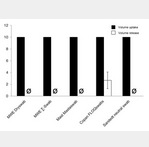
Screen shot 2014-07-14 at 06.25PM, Jul 14Some Are More Equal – A Comparative Study on Swab Uptake and Release of Bacterial Suspensions – Philipp Warnke – PLOS ONE

“Highest amount of CFU release was detected for the MWE Dryswab in the unrestricted setting for both S. aureus and S. epidermidis with 1544 CFU and 553 CFU, respectively, lowest release for the Sarstedt neutral swab with 32 CFU and 17 CFU, respectively (p<0.001).”

Antibiotics, resistance, biofilms

Screen shot 2014-07-14 at 06.26PM, Jul 14Beta-Lactam Antibiotics Stimulate Biofilm Formation in Non-Typeable Haemophilus influenzae by Up-Regulating Carbohydrate Metabolism – Siva Wu – PLOS ONE

“When exposed to sub-inhibitory concentrations of beta-lactam antibiotics NTHi strains produced tightly packed biofilms with decreased numbers of culturable bacteria but increased biomass.”

General microbiology

Screen shot 2014-07-14 at 12.23PM, Jul 14Macromolecular networks and intelligence in microorganisms – Hans V. Westerhoff – Frontiers in Microbiology

“Here, we explore how macromolecular networks in microbes confer intelligent characteristics, such as memory, anticipation, adaptation and reflection and we review current understanding of how network organization reflects the type of intelligence required for the environments in which they were selected.”

Screen shot 2014-07-14 at 06.26PM, Jul 14 1The syndemics of childhood diarrhoea: A biosocial perspective on efforts to combat global inequities in diarrhoea-related morbidity and mortality – Nicola Bulled – Global Public Health

“Drawing from available literature, this paper uses syndemic theory to explore the role of adverse biosocial interactions in increasing the total disease burden of enteric infections in low-resources populations and assesses the limitations of recent global calls to action.”

Bacteria in the news

Screen shot 2014-07-14 at 06.19PM, Jul 14We Are Our Bacteria – Jane E. Brody – New York Times (illustration by Ken Orvidas)

“We may think of ourselves as just human, but we’re really a mass of microorganisms housed in a human shell.”

Screen shot 2014-07-14 at 06.27PM, Jul 14#BacteriaHysteria : Gross! Lots of bacteria found on new swimsuits – Jane Weaver – Today Health

“The removable liner in women’s swimsuits that is meant to protect the fabric from our cooties isn’t really protective after all, according to a microbe researcher. “

Screen shot 2014-07-14 at 06.28PM, Jul 14Milford hospital enlists robots in war against infections – Mary MacDonald – Boston Globe

“The robots, made by Xenex Disinfection Services, use an intense flash of ultraviolet light to fight the bacteria, viruses, fungi, and other micro-organisms that traditional cleaning methods can miss, according to the hospital’s infection control staff.”

Screen shot 2014-07-14 at 06.29PM, Jul 14CDC Cracks Down on Labs After Anthrax, Bird Flu Scares – Jonel Aleccia – NBC News

“Dr. Tom Frieden, director of the Centers for Disease Control and Prevention, on Friday announced an immediate moratorium on all shipments of biological materials from CDC biosecurity level 3 and level 4 labs until problems are addressed.”

Marine Mammals

Screen shot 2014-07-14 at 06.29PM, Jul 14 1How Dolphins’ Genetics Could Help Find Answers Into Mysterious Animal Die-Off – Sascha Cordner – WFSU

“A discovery into dolphin genetics may have brought research scientists one step closer to finding out the source of a mysterious animal die-off last year in the troubled Indian River Lagoon.”

Science and publishing

Screen shot 2014-07-14 at 12.45PM, Jul 14Retractions are coming thick and fast: it’s time for publishers to act – Adam Marcus and Ivan Oransky – The Guardian

Another encouraging development is the rise of post-publication peer review, which has been made possible in recent years by the availability of papers online. Contributors to PubPeer, for example, have found signs of flawed or falsified results, leading to papers being retracted.”

Dr. Bik’s Picks

Screen shot 2014-07-14 at 06.34PM, Jul 14Whole genome and exome sequencing of monozygotic twins discordant for Crohn’s disease – Britt-Sabina Petersen – BMC Genomics

“We present a thorough genetic characterization of the sequenced individuals but detected no consistent differences within the twin pairs. “

Screen shot 2014-07-14 at 06.32PM, Jul 14How much science is there in new Planet of the Apes film? – Paul Rincon – BBC Science

“The latest instalment in the Planet of the Apes film franchise opens in the US on Friday. The rubber masks of the 60s and 70s films have been discarded in favour of motion capture suits and CGI. But how much did science inform the new movie’s portrayal of our close relatives?”

Screen shot 2014-07-14 at 06.31PM, Jul 14Domestication syndrome: White patches, baby faces and tameness explained by mild neural crest deficits – Science Daily

“Compared to their wild ancestors, domestic species are more tame, and they also tend to display a suite of other characteristic features, including floppier ears, patches of white fur, and more juvenile faces with smaller jaws.”


[hr]