General microbiology and science, June 16

It’s late and I got lots for you, so no pictures today. Dengue, phages, ecology, techniques, and lots more.

Antibiotic resistance

Review: Microbiological effects of sublethal levels of antibiotics – Dan I. Andersson & Diarmaid Hughes – Nature Reviews Microbiology

“In this Review, we discuss the ecology of antibiotics and the ability of subinhibitory concentrations to select for bacterial resistance. “

A Bacterial Battle  – Lisa M. Jarvis – Chemical and Engineering News

“The regulatory path to approving new antibiotics has been cleared, but work still remains to rebuild a healthy drug pipeline”

Bacteria are everywhere
How safe is your kitchen? – Lyxan Toledanes – The Daily News Online

Despite a spacious kitchen, Parker sat on the counter next to Masters’ prep area, where she was chopping vegetables and chicken on separate cutting mats. 

Adventures in the microbiome (part 2) – Mike Edmund

“There’s an intriguing case report that was just published in Clinical Microbiology and Infection”

Stafford students find bacteria on tainted tablets – Amanda Oglesby

“Four sixth-graders huddled over a table inside All Saints Regional Catholic School as they took turns swabbing bacteria from the surfaces of an iPhone and iPad.”

Bioslime: new sensor to detect harmful bacteria on food industry surfaces – BarfBlog

“The Biolisme project is using research from the University to develop a sensor capable of collecting and detecting Listeria monocytogenes on food industry surfaces, thereby preventing contaminated products from entering the market.”

Viruses and phages

Functional long-range RNA–RNA interactions in positive-strand RNA viruses – Beth L. Nicholson & K. Andrew White – Nature Reviews Microbiology

“In this Review, we discuss recent insights into the structure and function of these intriguing genomic features and highlight their diverse roles in the gene expression and genome replication of positive-strand RNA viruses.”

Unravelling the structural and mechanistic basis of CRISPR–Cas systems – John van der Oost – Nature Reviews Microbiology

“In this Review, we summarize the recent structural and biochemical insights that have been gained for the three major types of CRISPR–Cas systems, which together provide a detailed molecular understanding of the unique and conserved mechanisms of RNA-guided adaptive immunity in bacteria and archaea.”

The elemental composition of virus particles: implications for marine biogeochemical cycles – Luis F. Jover – Nature Reviews Microbiology

“In this Analysis article, we use a biophysical scaling model of intact virus particles that has been validated using sequence and structural information to quantify differences in the elemental stoichiometry of marine viruses compared with their microbial hosts. “

Phage therapies for plants and people – Michael Gross – Current Biology

Dengue

NEA to explore biological control methods to tackle dengue

“One of the techniques involves the use of Aedes aegypti mosquitoes, which are infected with a certain bacteria, to control their population.”

Techniques general

Storage of Human Biospecimens: Selection of the Optimal Storage Temperature – Allison Hubel – Biopreservation and Biobanking

“The overall objective of this article is to describe the scientific basis for selecting a storage temperature for a biospecimen based on current scientific understanding. To that end, this article reviews some physical basics of the temperature, nucleation, and ice crystal growth present in biological samples stored at low temperatures (−20°C to −196°C), and our current understanding of the role of temperature on the activity of degradative molecules present in biospecimens.”

DNA polymerase hybrids derived from the family-B enzymes of Pyrococcus furiosus and Thermococcus kodakarensis: improving performance in the polymerase chain reaction – Ashraf M. Elshawadfy – Frontiers Microbiology

“The significance of this work is the observation that improvements in PCR performance are easily attainable by blending elements from closely related archaeal polymerases, an approach that may, in future, be extended by using more polymerases from these organisms.”

Metabolomics, Proteomics, Mass spectrometry

Bruker Announces Powerful New Mass Spectrometry Systems and Solutions for Life-Science Research, Clinical Research, Biopharma and Applied Markets – Wall Street Journal

“At the 62(nd) ASMS Conference on Mass Spectrometry and Allied Topics today, Bruker Corporation (NASDAQ:BRKR) today announced mass spectrometry-based product introductions for life-science research and proteomics, for clinical research, for pharma/biopharma/CRO customers, as well as for applied and industrial markets. “

Medically, Proteomics Advances Will Rival the Genetics Advances of the Last Ten Years – Genetic Engineering and Biotechnology News

“..in explaining why proteomics is likely to have such a major impact, Dr. Anderson starts with a major difference between the genetic testing common today, and the proteomic testing that is fast coming on the scene. “

Metagenomics and informatics

Detecting concerted demographic response across community assemblages using hierarchical approximate Bayesian computation – Yvonne L. Chan – Molecular Biology and Evolution

“Here we present a statistical framework for such an analysis based on hierarchical approximate Bayesian computation (hABC) with the goal of detecting concerted demographic histories across an ecological assemblage.”

An Experimentally Determined Evolutionary Model Dramatically Improves Phylogenetic Fit – Jesse D. Bloom – Molecular Biology and Evolution

“Experimental determination of a parameter-free evolutionary model via mutagenesis, functional selection, and deep sequencing.”

Ecology

Trait-based approaches for understanding microbial biodiversity and ecosystem functioning – Sascha Krause – Frontiers in Microbiology

“We argue that combining eco-physiological studies with contemporary molecular tools in a trait-based framework can reinforce our ability to link microbial diversity to ecosystem processes. “

The importance of the viable but non-culturable state in human bacterial pathogens – Laam Li – Frontiers in Microbiology

“The conditions that trigger the induction of the VBNC state and resuscitation from it are summarized and the mechanisms underlying these two processes are discussed. “

Deciphering microbial interactions and detecting keystone species with co-occurrence networks – David Berry – Frontiers in Microbiology

“Here, we simulate multi-species microbial communities with known interaction patterns using generalized Lotka-Volterra dynamics. We then construct co-occurrence networks and evaluate how well networks reveal the underlying interactions and how experimental and ecological parameters can affect network inference and interpretation.”

Scientific writing and publishing

Sources of error in the retracted scientific literature – Arturo Casadevall, R. Grant Steen and Ferric C. Fang – The FASEB Journal

“Analysis of the retraction notices for 423 articles indexed in PubMed revealed that the most common causes of error-related retraction are laboratory errors, analytical errors, and irreproducible results.”

Dr. Bik’s Picks

Magnets: Artificial Magnetic Bacteria: Living Magnets at Room Temperature – Miguel Martín – Adv. Funct. Mater

After grafting the magnetic nanoparticles, the artificial magnetic bacteria remain alive. In fact they are converted into living magnets at room temperature.”

[hr]

Human Microbiomes, June 9

Apples and coffee are good for your teeth, exercise good for your microbial diversity, role of microbiota in lung cancer, and lots of metabolomics papers.

Human Oral Microbiome (and some skin too!)

AppleAnticaries effect of an antioxidant-rich apple concentrate on enamel in an experimental biofilm-demineralisation model – Rodrigo A. Giacaman – Journal of Applied Microbiology

“Streptococcus mutans biofilms exposed to ARAC after a cariogenic challenge with sucrose induced lower enamel demineralisation than the positive control. The highest dilution of ARAC at 1: 100,000 (v/v) showed the most marked reduction in demineralisation of about fifty seven percent.”

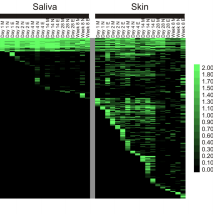
CRIPSrConservation of streptococcal CRISPRs on human skin and saliva – Refugio Robles-Sikisaka – BMC Microbiology

“We investigated the conservation of CRISPR content from streptococci on skin and saliva of human subjects over 8-weeks to determine whether similarities existed in the CRISPR spacer profiles and whether CRISPR spacers were a stable component of each biogeographic site”

Screen Shot 2014-06-10 at 2.09.54 AMAntibacterial effect of coffee: calcium concentration in a culture containing teeth/biofilm exposed to Coffea Canephora aqueous extract – N. Meckelburg -Letters in Applied Microbiology

“This study revealed an inhibitory action of Coffea canephora against dental biofilm. This coffee species caused bacterial lysis and consequent release of calcium into the medium.”

Human gut microbiome

ClarkeExercise and associated dietary extremes impact on gut microbial diversity – Siobhan F Clarke – Gut

“… athletes had a higher diversity of gut micro-organisms, representing 22 distinct phyla, which in turn positively correlated with protein consumption and creatine kinase.”

BMReview: Molecular ecological tools to decipher the role of our microbial mass in obesity – GDA Hermes – Beneficial Microbes

“ This review aims to describe the different molecular approaches and their contributions to our understanding of the role of the GI microbiota in host energy homeostasis. ”

Screen Shot 2014-06-10 at 1.00.40 AMFecal microbiome analysis as a diagnostic test for diverticulitis – L. Daniels – European Journal of Clinical Microbiology & Infectious Diseases

“Differences in bacterial phylum abundance and diversity (Shannon index) of the resulting profiles were assessed by conventional statistics. Dissimilarity in microbiome composition was analyzed with principal coordinate analysis (PCoA) based on cosine distance measures. “

Impaired Innate Immune Function Associated with Fecal Supernatant from Crohn’s Disease Patients: Insights into Potential Pathogenic Role of the Microbiome – Meelu, Parool – Inflammatory Bowel Diseases

Opinion Article: Gut Microbes and Host Physiology: What Happens when you Host Billions of Guests? – Jennifer L. Pluznick – Frontiers in Endocrinology

“The literature is rife with examples of phenotypes which were not easily replicated by other groups – even when using the “same mice” – and we should consider whether some of these examples may be, in fact, due to the influence of gut microbiota.”

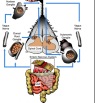
ProalInflammatory Disease and the Human Microbiome – Amy D Proal – Discovery Medicine

“The microbes that contribute to this dysfunction are often inherited from family members. Immunosuppressive therapies for inflammatory disease allow pathogens driving these processes to spread with greater ease.”

BMUnderstanding gut microbiota in elderly’s health will enable intervention through probiotics – G. Pérez Martínez – Beneficial Microbes

“Intervention studies of probiotics and prebiotics in elderly are not very abundant, but most cases showed that Bifidobacterium populations can efficiently be stimulated with a concomitant decrease of Enterobacteria. “

ClarkeGut Microbiota: The Neglected Endocrine Organ – Gerard Clarke – Molecular Endocrinology

“Indirectly and through as yet unknown mechanisms, the gut microbiota exerts control over the hypothalamic-pituitary-adrenal axis (HPA).”

The June issue of Gut this month features the abstracts from the British Society of Gastroenterology Annual General Meeting 16–19 June 2014 in a Supplemental issue

Human respiratory microbiome

Screen shot 2014-06-09 at 04.19PM, Jun 09The potential role of lung microbiota in lung cancer attributed to household coal burning exposures – H. Dean Hosgood III – Environmental and Molecular Mutagenesis

“This study seeks to explore the role of lung microbiota in lung cancer among never smoking Xuanwei women and how coal burning may influence these associations.”

Pregnancy and Birth

StrongholdPregnancy’s Stronghold on the Vaginal Microbiome – Marina R. S. Walther-António – PLOS ONE

“For a majority of the patients (n = 8), the vaginal microbiome was dominated by Lactobacillus crispatus throughout pregnancy.”

Masters Thesis: The Effect of Nutrition on the Microbiome in Pregnant Women and the Use of Micronutrient Supplemented Probiotic Yogurt to Improve Outcomes – Megan Kathleen Enos – University of Western Ontario

“The aims of this study were to characterize the gut, oral, and vaginal microbiotas of pregnant women ….. a clinical study was performed in Mwanza, Tanzania”

WopereisThe first thousand days – intestinal microbiology of early life: establishing a symbiosis – Harm Wopereis – Pediatric Allergy and Immunology

“This review provides an overview of the development of the intestinal microbiota, its bidirectional relationship with the immune system, and its role in impacting health and disease, with emphasis on allergy, in early life.”

Metabolomics

RinehartMetabolomic data streaming for biology-dependent data acquisition – Duane Rinehart – Nature Biotechnology

“Here we describe a solution to the time demands of metabolomic data upload to XCMS Online. In brief, we designed XCMS Online software that enables uploading of metabolomic data files from the instrument computer workstation as they are acquired. “

SulekA combined metabolomic and phylogenetic study reveals putatively prebiotic effects of high molecular weight arabino-oligosaccharides when assessed by in vitro fermentation in bacterial communities derived from humans – Karolina Sulek – Anaerobe

“All tested carbohydrate sources resulted in a significant increase of Bifidobacterium spp. between 1.79 fold (HA) and 1.64 fold (FOS) in the microbial populations after fermentation”

FariaInterplay between anthocyanins and gut microbiota – Ana Faria – J. Agric. Food Chem

“This review aimed to compile information regarding interaction of anthocyanins with microbiota, in two perspectives: i) identification of their colonic metabolites as potential bioactive molecules and ii) their role as prebiotic agents.”

Identification of the metabolites of myricitrin produced by human intestinal bacteria in vitro using ultra-performance liquid chromatography/quadrupole time-of-flight mass spectrometry – Le-yue Du – Expert Opinion on Drug Metabolism & Toxicology

“To investigate the metabolic routes and metabolites of myricitrin, an important active ingredient of traditional herbal medicine, yielded by the isolated human intestinal bacteria, which have not been reported previously”

CrossA prospective study of serum metabolites and colorectal cancer risk – Amanda J. Cross – Cancer

“No overall associations were observed between serum metabolites and colorectal cancer, but serum glycochenodeoxycholate, a bile acid metabolite, was positively associated with colorectal cancer among women”

Gut microbiota and cardiometabolic outcomes: influence of dietary patterns and their associated components – Julia MW Wong – Am J Clin Nutr

“Examples of dietary components that alter the gut microbial composition include prebiotics and resistant starches.”

GaldzickiThe Synthetic Biology Open Language (SBOL) provides a community standard for communicating designs in synthetic biology – Michal Galdzicki – Nature Biotechnology

“Here we describe the Synthetic Biology Open Language (SBOL), a proposed data standard for exchanging designs within the synthetic biology community. SBOL represents synthetic biology designs in a community-driven, formalized format for exchange between software tools, research groups and commercial service providers.”

Animal models of human disease

Animal models of gastrointestinal and liver diseases. Animal models of necrotizing enterocolitis: pathophysiology, translational relevance, and challenges – Peng Lu – American Journal of Physiology – Gastrointestinal and Liver Physiology

“In an attempt to provide some guidance to the growing community of NEC researchers, we now seek to review the key features of the major NEC models that have been developed in mammalian and nonmammalian species and to assess the advantages, disadvantage, challenges and major scientific discoveries yielded by each. “

Oral infection ecoliOral infection with enteropathogenic Escherichia coli triggers immune response and intestinal histological alterations in mice selected for their minimal acute inflammatory responses – Amanda Bardella Vulcano – Microbiology and Immunology

In summary, it was found that EPEC triggers immune responses and intestinal histological alterations but does not produce evidence of diarrheal disease in mice infected by the oral route.”

Screen Shot 2014-06-10 at 2.00.38 AMDistinct signatures of host–microbial meta-metabolome and gut microbiome in two C57BL/6 strains under high-fat diet – Alesia Walker – ISME J

A combinatory approach using metabolomics and gut microbiome analysis techniques was performed to unravel the nature and specificity of metabolic profiles related to gut ecology in obesity. “

General Human Microbiome

Why There is No Single Healthy Microbiome – Erik Garnas – Organic Fitness

“This quest for the perfect microbiome has not only led many people to tweak their diet and lifestyle in an attempt to be the best possible host, but also to the rapid growth of what is now a billion dollar market of probiotics, prebiotics, and other products that are specifically designed to modulate the microbial communities in and on the human body. “

[hr]

Human microbiome digest, June 4, 2014

Today’s featured paper describes the gut microbiota of malnourished Bangladeshi children and was published in Nature. But we also cover oral cancer and babies’ dummies (pacifiers).

Gut microbiome

Screen Shot 2014-06-05 at 12.35.59 AMPersistent gut microbiota immaturity in malnourished Bangladeshi children – Sathish Subramanian – Nature

“ In the current study, bacterial species whose proportional representation define a healthy gut microbiota as it assembles during the first two postnatal years were identified by applying a machine-learning-based approach to 16S ribosomal RNA data sets generated from monthly faecal samples obtained from birth onwards in a cohort of children living in an urban slum of Dhaka, Bangladesh, who exhibited consistently healthy growth. “

Screen Shot 2014-06-05 at 12.37.44 AMAnd an accompanying News And Views: Population health: Immaturity in the gut microbial community – Elizabeth K. Costello- Nature

“Undernourished children fall behind not only on growth, but also on maturation of their intestinal bacterial communities, according to a study comparing acutely malnourished and healthy Bangladeshi children.”

Screen Shot 2014-06-05 at 12.36.53 AMThe Scientist also writes about the Subramanian paper: How Malnutrition Affects the Microbiome – Rina Shaikh-Lesko – The Scientist

“The gut bacterial communities of severely malnourished children appear to be less developed than those of healthy children, a study on Bangladeshi infants and toddlers finds.”

Oral microbiome

Screen Shot 2014-06-05 at 12.34.59 AMChanges in Abundance of Oral Microbiota Associated with Oral Cancer – Brian L. Schmidt – PLOS ONE

“To investigate changes in the microbiome associated with oral cancers, we profiled cancers and anatomically matched contralateral normal tissue from the same patient by sequencing 16S rDNA hypervariable region amplicons. “

The strange micro-biome that is your mouth – Paul Kulpinski – Mountain Waves Healing Arts

“In this post I will report on my most recent self-experiment. Some of this experiment was intentional, and some of it was non-intentional – with regards to my oral hygiene at least.”

Pregnancy and birth

Screen Shot 2014-06-05 at 12.43.20 AMMothers should suck their babies’ dummies, scientists say – Sarah Knapton – The Telegraph

“Children whose mother’s sucked their dummies to clean them were a third less likely to develop asthma and eczema, Prof Graham Rook, told the Cheltenham Science Festival. “If the parents pick up the dummy right away and sterilises it or replace it with a new clean one, that child has a considerably greater chance of having eczema and asthma,” he said.”

Influence of interpregnancy interval on birth timing – EA DeFranco – BJOG: An International Journal of Obstetrics & Gynaecology

“While short IPI is a known risk factor for preterm birth, our data show that inadequate birth spacing is associated with decreased gestational age for all births.”

Health of Hispanic Moms and Babies a Growing Concern, New Report Says – Hola Arkansas

“March of Dimes Global Ambassador Thalia Urges Hispanic Women To Be Informed About Pregnancy and Baby Health”


General microbiome
Pharmacomicrobiomics: The Impact of Human Microbiome Variations on Systems Pharmacology and Personalized Therapeutics – A summary of key findings and applications from the Human Microbiome Project. – Marwa ElRakaiby – Omics Journal

In this review article, we summarize the key findings and applications of the HMP that may impact pharmacology and personalized therapeutics.

[hr]

Human microbiome digest, June 3, 2014

Antimicrobial proteins in saliva, Lactobacillus spp and preterm birth, and probiotics. It’s been a long day, so no pictures today.

Oral microbiome

Salivary antimicrobial proteins associate with age related changes in streptococcal composition in dental plaque – Jennifer Malcolm – Molecular Oral Microbiology

“Dental plaque and saliva were collected from 57 children aged 12-24 months at baseline, of whom 23 children were followed-up at three-years of age. At each time, saliva was assessed for LL37, HNPs 1-3, calprotectin, lactoferrin, salivary IgA, total plaque bacteria and Streptococcus mutans.”

Pregnancy and birth

Characterisation of the vaginal Lactobacillus microbiota associated with preterm delivery – Ljubomir Petricevic – Nature Scientific Reports

“This study suggests that dominating L. iners alone detected in vaginal smears of healthy women in early pregnancy might be associated with preterm delivery”

Development of the preterm gut microbiota in infants at risk of necrotising enterocolitis and sepsis – Christopher Stewart – Doctoral thesis, Northumbria University

Intestinal Microbial Community Profiles of a Newborn Preterm Infant Using Pyrosequencing Analysis: Pilot Study (in Korean)- Jong-Geol Kim – Neonatal Medicine

“The bacterial community in the newborn’s meconium was quite similar to that in the AF, which was dominated by Sphingomonas (45.2%). “

Gut microbiome

Relating the metatranscriptome and metagenome of the human gut – Eric A. Franzosa with Curtis Huttenhower – PNAS

“Measurements of microbial species, gene, and gene transcript composition within self-collected samples were consistent across sampling methods.”

Defining the diversity of microbial eukaryotic communities in the mammalian gut within the context of environmental eukaryotic diversity – Laura W. Parfrey – Frontiers in Microbiology

“We show that adults from non-western populations harbor a diverse community of protists, and diversity in the human gut is comparable to that in other mammals. “

General human microbiome

Culturing For Cures – UCSF Scientists Explore the Bacterial Communities that Live In and On Our Bodies to Find Treatments for Disease – Claire Conway – UCSF News

“Scientists are hard at work trying to leverage the extraordinary healing powers of the microbiome, mining it for treatments of a variety of conditions, including asthma, irritable bowel syndrome and obesity.”

Probiotics

Autoinducer-2 Plays a Crucial Role in Gut Colonization and Probiotic Functionality of Bifidobacterium breve UCC2003 – Steven E. A. Christiaen – PLOS ONE

“we conclude that bifidobacteria operate a LuxS-mediated system for gut colonization and pathogen protection that is correlated with iron acquisition”

Urinary metabolomic fingerprinting after consumption of a probiotic strain in women with mastitis – Rosa Vázquez-Fresno – Pharmacological Research

“The application of NMR-based metabolomics enabled the identification of the overall effects of probiotic consumption among women suffering from mastitis and highlighted the potential of this approach in evaluating the outcomes of probiotics consumption.”

Animal models of gut microbiota

Effects of subchronic exposure of silver nanoparticles on intestinal microbiota and gut-associated immune responses in the ileum of Sprague-Dawley rats – Katherine Williams – Nanotoxicology

“This study evaluated changes in the populations of intestinal-microbiota and intestinal-mucosal gene expression in Sprague-Dawley rats (both male and female) that were gavaged orally with discrete sizes of AgNP (10, 75 and 110 nm) and silver acetate.”

Metabolomics

Oral Abstract: The high colon cancer risk in African Americans can be reduced by dietary modification – Stephen O’Keefe – Cancer & Metabolism

“dietary switch between these two populations produces reciprocal changes in the microbiome, metabolome, and mucosal biomarkers of risk within 2 weeks”

Strategies in Discovery Metabolomics – Kate Marusina – GenEngNews

Microbiome conferences

2nd World Congress on Targeting Microbiota – Institut Pasteur, Paris, France – October 16-17, 2014

[hr]

Digest May 21, 2014

The first digest on this website features the microbiomes of saliva, placenta, and planes. Enjoy!

Oral microbiome papers

Gut microbiome papers

Pregnancy and birth microbiome papers

Respiratory microbiome  papers

Environmental microbiome papers

Dr. Bik’s Picks